He visited a research institute of China Electronics Technology Group Corporation and the planning exhibition hall of a biomedical industry park, where he learned about enterprise R&D and production and local efforts to advance the biomedical industry.
Category: News
-
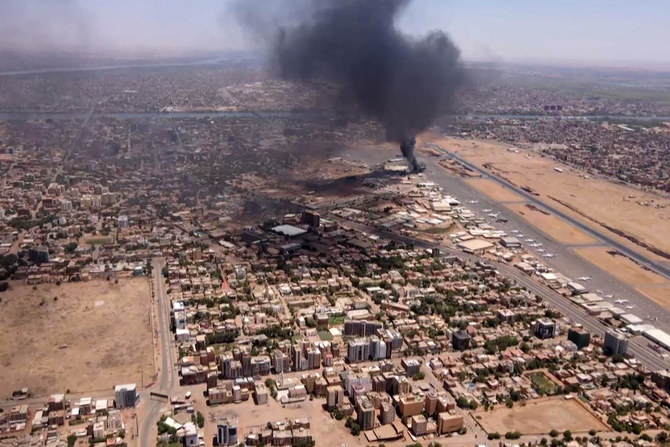
At least 676 people killed in Sudan clashes: UN
“Clashes between the Sudan Armed Forces and the Rapid Support Forces have continued for 30 consecutive days, especially in and around Khartoum, killing at least 676 people and injuring 5,576, OCHA said.
According to the report, over 936,000 people have been newly displaced by the conflict since April 15, including about 736,200 internally displaced, and about 200,000 took refuge in neighboring countries.
Since the clashes broke out in mid April, residents of the Sudanese capital Khartoum have been suffering from severe food shortages, especially after dozens of factories were looted and burned.
According to the United Nations, it is estimated that about 15.8 million Sudanese, or about one-third of Sudan’s population, will need humanitarian aid in 2023, and the figure is likely to increase as a result of the war.
On May 11, the Sudanese warring parties signed in the Saudi port city of Jeddah the Declaration of Commitment to Protect the Civilians of Sudan to facilitate the delivery of emergency humanitarian aid and guarantee the safe evacuation of civilians.
However, the two sides accused each other of breaching the deal and continuing the armed clashes.
On Sunday, the Sudanese Army accused the RSF of shooting Christian worshipers in a church at Al-Masalma area in Omdurman city.
However, the RSF denied responsibility for the incident and accused the army of being behind it, calling for an independent investigation into the incident.
-
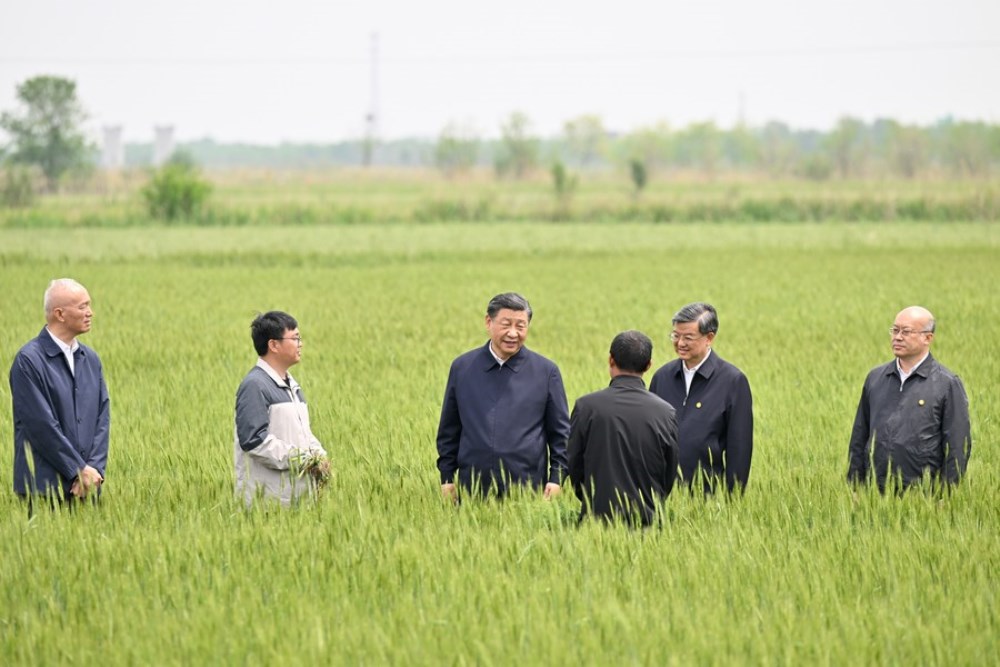
Xi visits city of Cangzhou in north China’s Hebei Province
Xi went to a wheat field where he learned about the cultivation of crops tolerant of drought and alkalinity. He also visited a coal port to learn about its operation and development planning.
-
NIRDA remembers former IRST employees killed in the 1994 Genocide against Tutsi
The commemoration event took place on Friday at NIRDA’s Research Centre in Huye District to honour former staff of former Institut de Recherche Scientifique et Technologique (IRST) whose lives were gruesomely taken in the 1994 Genocide against the Tutsi.
The commemoration event was preceded by a night vigil on Thursday night in Huye District where the NIRDA research centre is based.
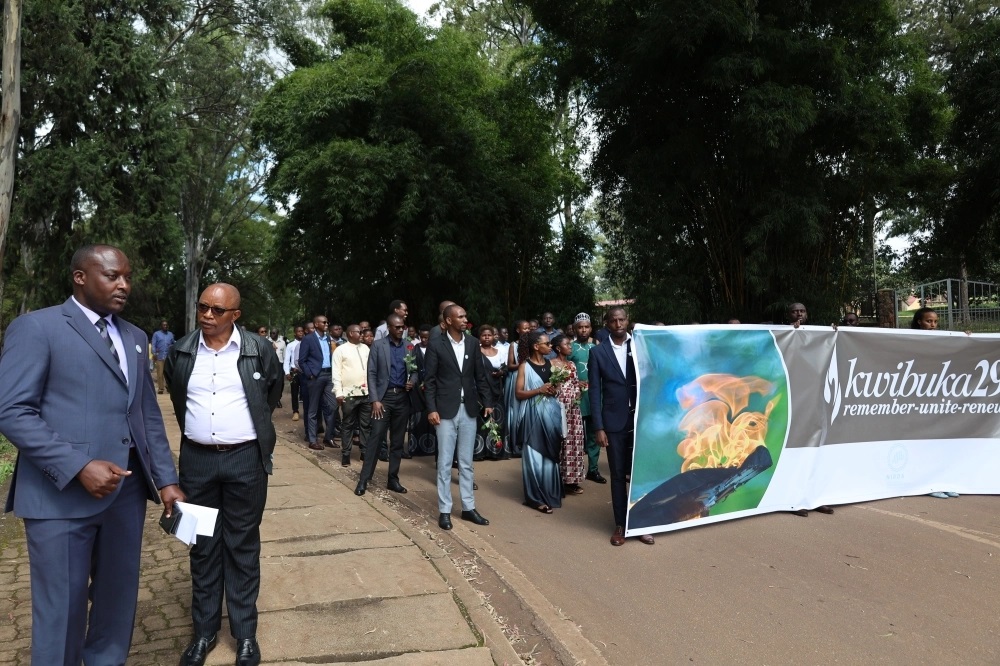
It was marked by a walk to remember from NIRDA premises to the University of Rwanda’s memorial site where more than 400 genocide victims are laid to rest.
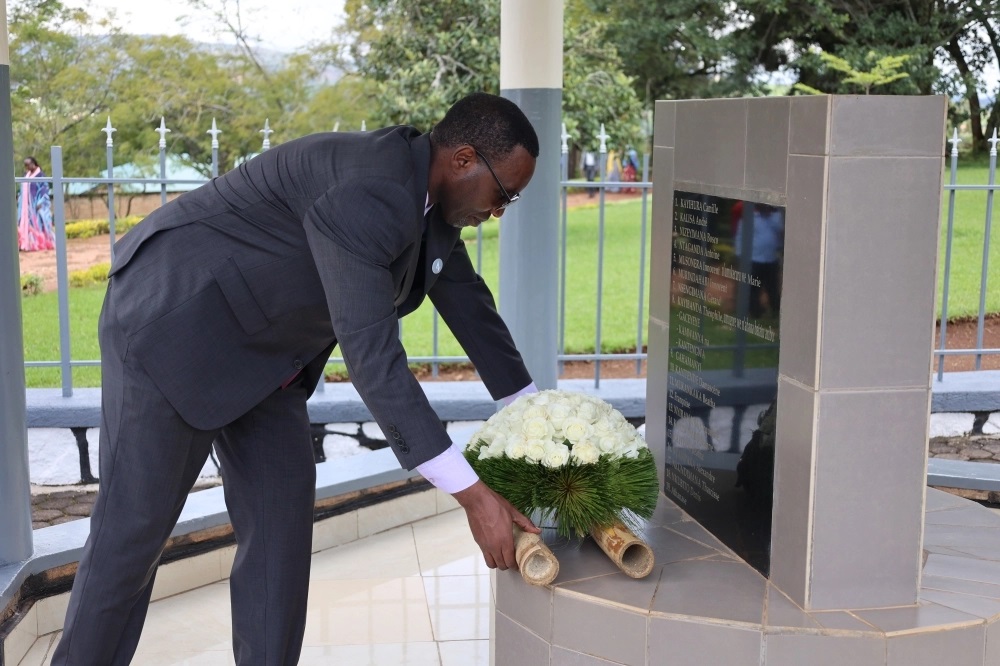
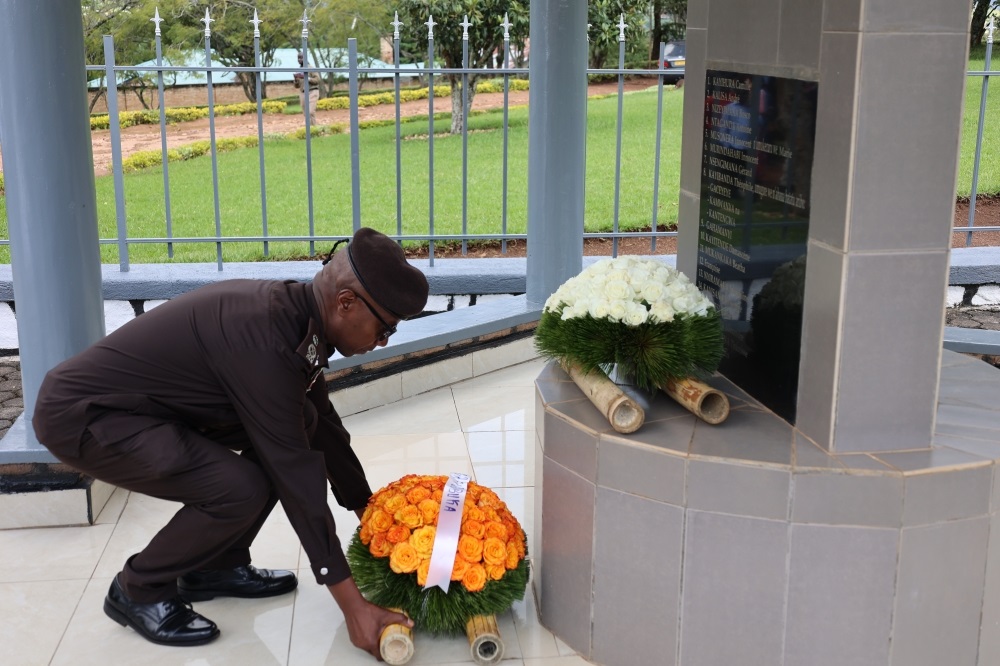
At the memorial site, mourners observed a minute of silence before they laid wreaths on the graves to where genocide victims including former IRST Staff are laid to rest.
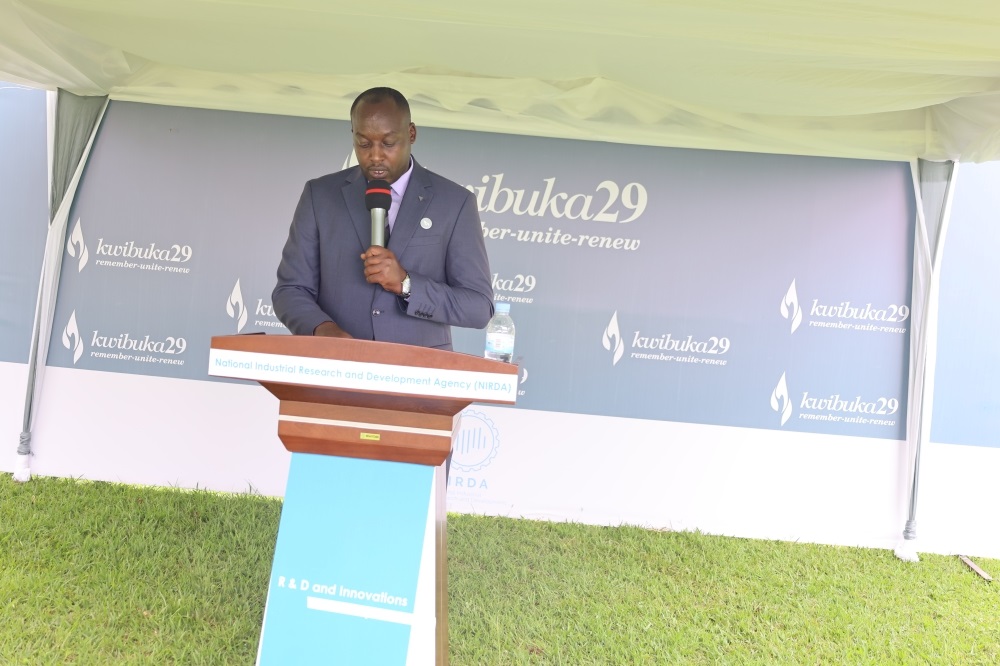
Speaking during the event, NIRDA Director-General, Dr. Christian Sekomo Birame condoled with Genocide survivors whose family members lost lives in the 1994 Genocide against Tutsi that claimed over 1 million lives of innocent people killed over innate personality.
He called on all mourners to soldier on and always fight against Genocide ideology and denial that still linger in among both those who are in Rwanda and those who live abroad with all means.
Dr. Sekomo also hailed men and women from the RPA Inkotanyi who sacrificed their lives to stop Genocide against the Tutsi and the current government that gives all Rwandans equal rights and chance to live a better life unlike the previous regime that harbored hatred, planned and executed the genocide.
Sharing testimonies, Assoumpta Urujeni, one of former IRST staff members who survived the Genocide narrated the horrible events that marked the killings during the genocide.
She said that the Tutsi were targeted and killed by people they lived with and worked together while leaders who were supposed to protect them watched on.
“Until today, I failed to understand how elite people from research and academic institutions could let people be killed in day light and did nothing to protect them but some of them were also involved in killings,” she said.
She called on the government and international community to work together to arrest and bring to justice genocide fugitives who still enjoy save haven in host countries
Claire Mukeshimana, the Director General in charge of Corporate Affairs at the Ministry of Trade and Industry (MINICOM) said that there is hope for life despite experienced bitter history noting that the government is committed to supporting Genocide survivors along the resilience journey.
“We will keep advocating for more research to ensure that Genocide history is documented and that the world is informed about what befell our country in the 1994 Genocide against the Tutsi,” she noted.
“Let is soldier on and ensure that we keep honoring those whose lives were taken and ensure that we are not held victims of bad history, let us all commit that Genocide won’t happen again in Rwanda and elsewhere,” Mukeshimana added.
During the commemoration event, NIRDA staff raised funds to support 150 vulnerable residents in Huye District to get community health insurance.
The National Industrial Research and Development Agency is a government institution mandated to enable a generation of industrial innovators to become competitive through technology monitoring, acquisition, development and transfer and applied research.


-
Israel kills senior Islamic Jihad militant in Gaza: health ministry
In the statement released by the ministry, which is run by the Islamic Resistance Movement (Hamas), two Palestinian men were killed and five civilians were injured in the attacks on the Al-Nasser neighborhood.
The ministry identified the victims as PIJ militants Eyad Al-Hasani and Mohamed Abdel Aal.
According to a statement released by the Israeli Defense Forces (IDF), Eyad Al-Hasani was “a significant figure in leading the operations and making military decisions” of the PIJ.
“Al-Hasani was a key figure in the organization and was involved in all decisions regarding rocket launches and barrages toward Israel,” the IDF statement read.
The PIJ’s armed wing said in a statement that “assassinating our leaders won’t stop our resistance.”
According to the health ministry, 33 people have been killed and more than 100 others injured since Israel began airstrikes on the PIJ’s armed wing on Tuesday.
On Tuesday, Israeli fighter jets and unmanned drones carried out simultaneous and surprising airstrikes against buildings and apartments that host senior PIJ military leaders in the Gaza Strip.
On Wednesday afternoon and Thursday, the PIJ militants fired more than 500 rockets at central and southern Israel, leaving one Israeli woman killed and more than nine injured, according to Israeli media reports.
Palestinian sources said that Egypt, Qatar, and the UN have so far failed to mediate a ceasefire between Israel and the Hamas-led militant groups, including the PIJ.

-
Rwanda to conduct first-ever kidney transplant this month
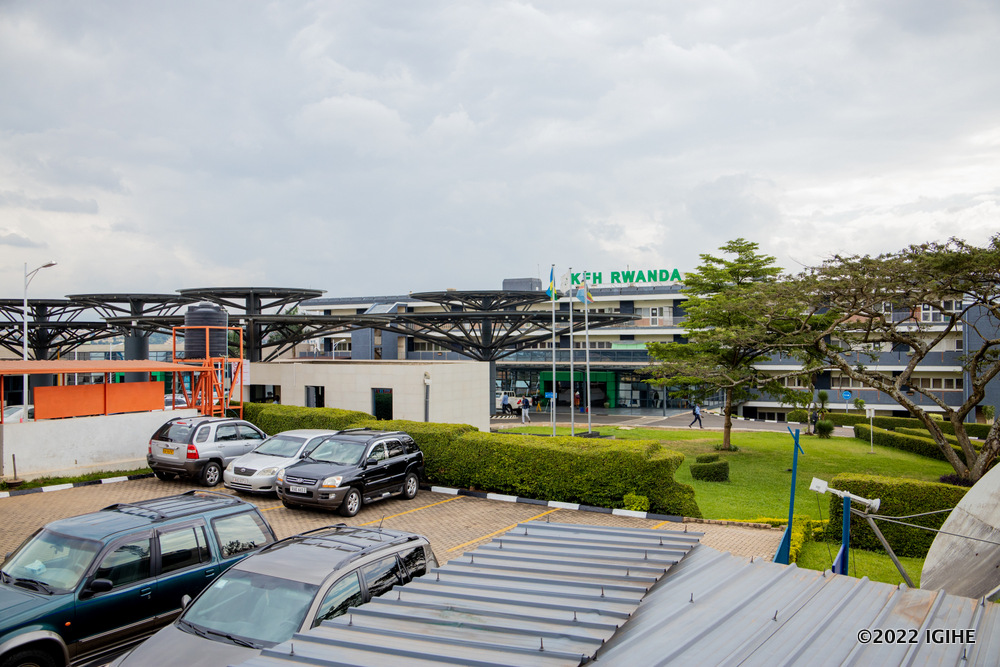
About four kidney transplant procedures are expected to be performed on May 22 at King Faisal Hospital, Nsanzimana said Thursday while presenting the health ministry’s budget for the 2023/2024 financial year to the National Budget and Property Commission of the Rwandan parliament.
He said that a specialized team of doctors from the United States will be arriving in Rwanda to perform the procedures in close collaboration with local medical doctors.
Early this year, the Rwandan parliament enacted a law regulating the use of the human body, organs, tissues, cells, and products for therapeutic, educational, or scientific purposes.
This law will enable the performance of lifesaving medical procedures for many patients affected by terminal organ failure, within the country, according to the Rwandan Ministry of Health.
By authorizing transplant surgery services through the establishment of a legal framework, Rwanda hopes to significantly reduce the number of patients referred abroad for organ transplants, thus lowering travel costs and reducing medical bills for families seeking treatment abroad, according to a statement from the ministry earlier this year.
Official data from the Ministry of Health indicates that over the past eight years, Rwanda referred nearly 70 patients abroad for kidney transplants at a cost of more than 800 million Rwandan francs (about 718,044 U.S. dollars).
Efforts are underway to upgrade the infrastructure and equipment at King Faisal Hospital to enhance its capacity to perform kidney transplant procedures and other highly specialized medical services, with a view to expanding service delivery to other teaching hospitals and health facilities across the country, according to the ministry.
The ministry anticipates that the introduction of kidney transplant procedures will be the first of many organ transplants to be carried out in Rwanda in the near future. It said these efforts are in line with the government’s vision for Rwanda to become a regional medical hub, with a view to attracting investors to develop other specialized healthcare services in the country.
-
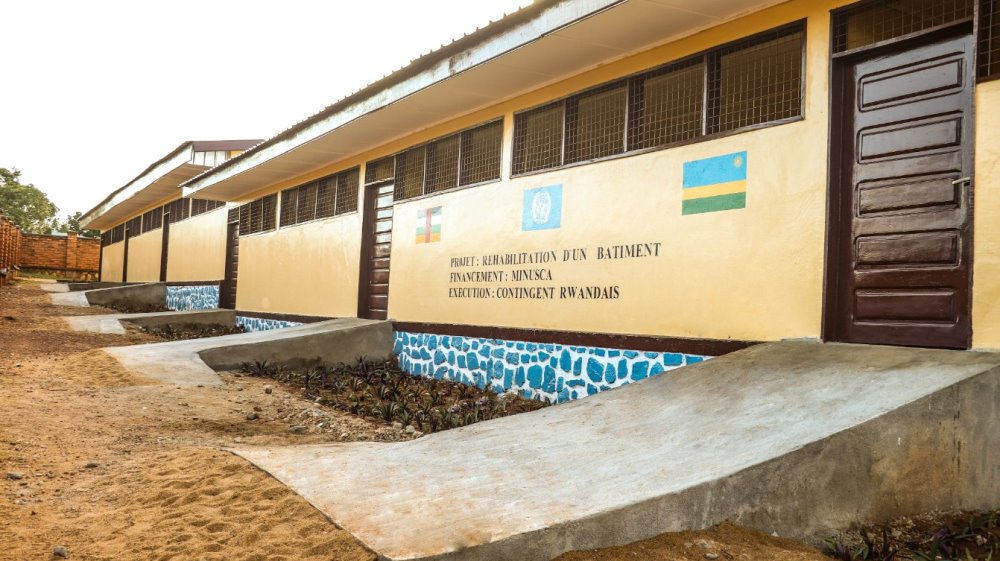
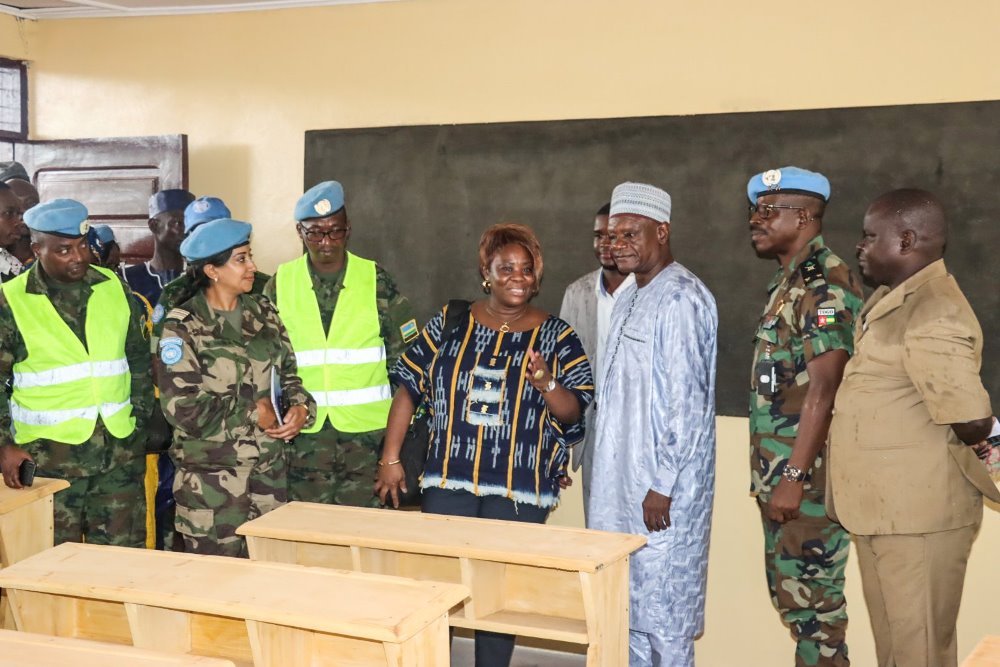
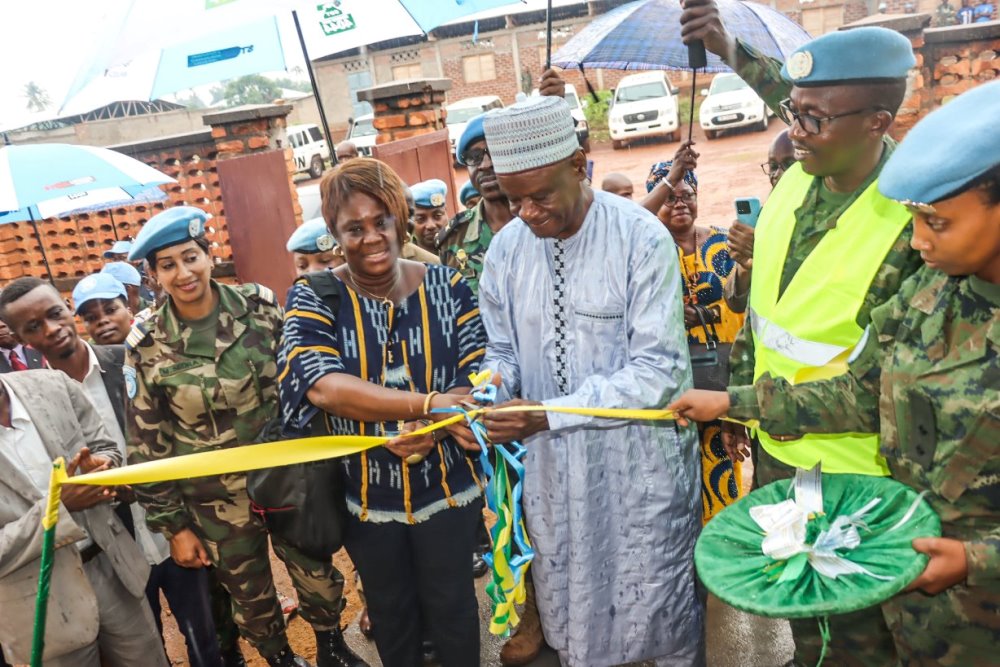
Rwandan peacekeepers handover rehabilitated classrooms in Bangui
The hand over of classrooms took place on 12th May 2023 in the 3rd Arrondissement, Bangui City. The renovations were sponsored by United Nations Multidimensional Integrated Stabilization Mission in the Central African Republic (MINUSCA)
In his speech, Nourou Moukadasse, the Minister of Education commended the initiative and thanked all stakeholders for their contribution towards this action.
Madam Irene Kouassou, the MINUSCA representative in the ceremony thanked Rwandan peacekeepers (RWABATT10) that partnered in the execution of the project; the expertise and professionalism that led to the completion of the project in a short period of time.
Col Emery Kayumba, the RWABATT10 Commander said that the project is a humble contribution to solving the problem of insufficient classrooms.
The completed classrooms will host 270 pupils, including 121 girls of the Kina School.

-
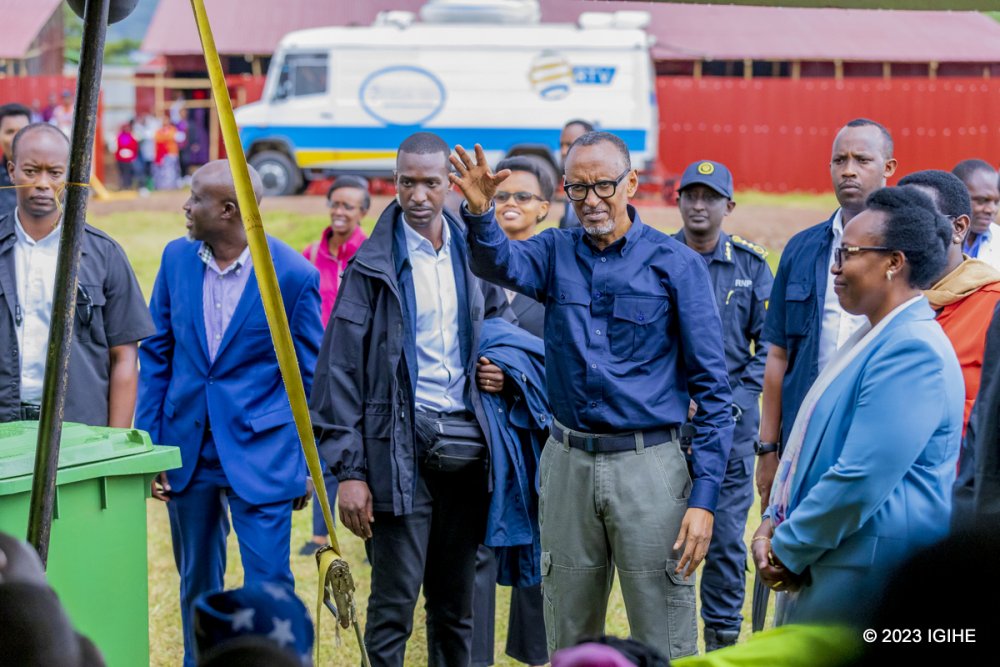
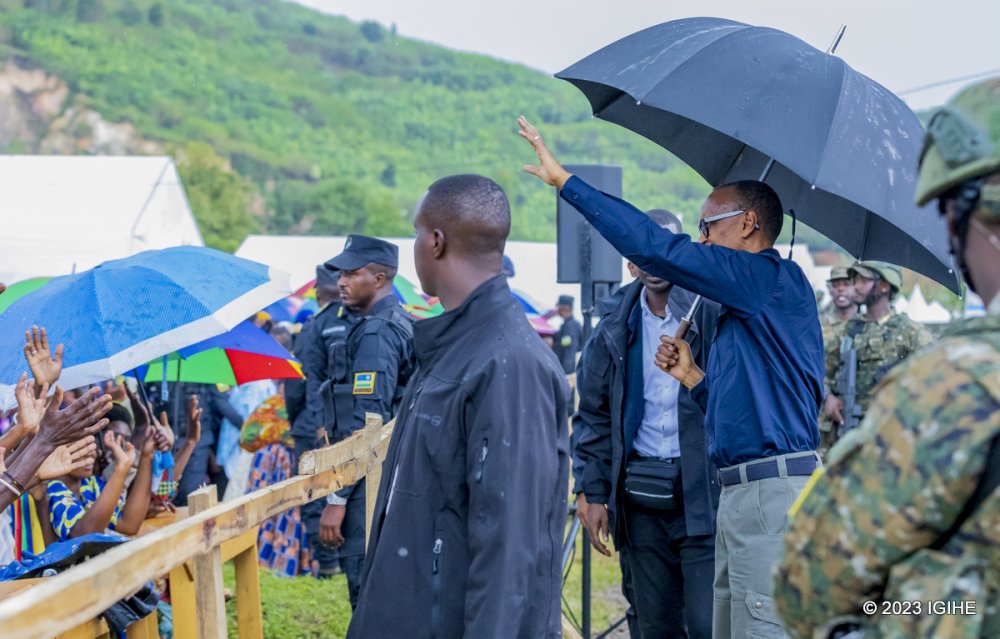
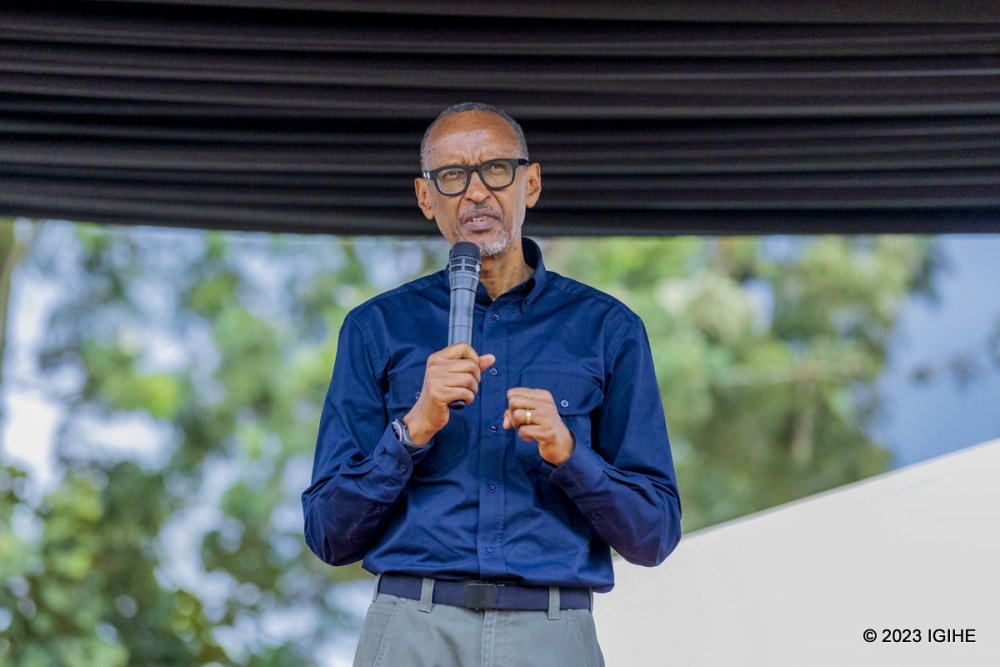
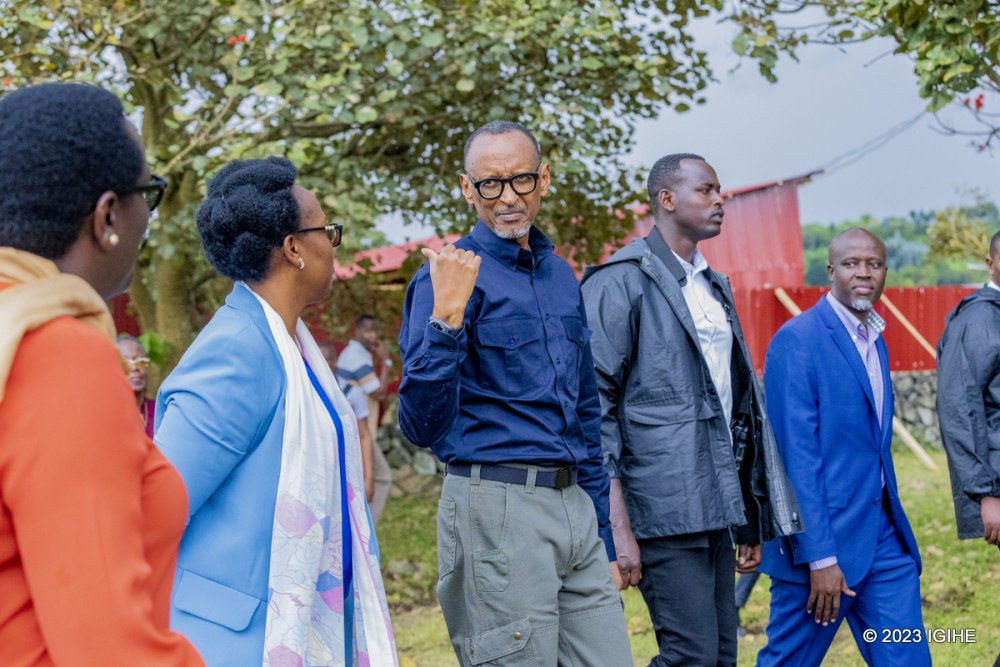
Kagame visits Rubavu, reassures disaster affected residents
One of the significant incidents witnessed by President Kagame is the flooding of River Sebeya, which resulted in the submersion of houses in the area and tragically claimed the lives of some residents.
He also visited Centre Scolaire de Nyundo, a school that has often been vulnerable to such disasters, to check on the well-being of the students.
The President also visited Pfunda Tea Factory, which experienced severe damages as a result of the heavy rainfall.
The Western Province, which was most affected by the floods and landslides, has seen over 5,000 people displaced as rescue interventions continue to prioritize their permanent resettlement.
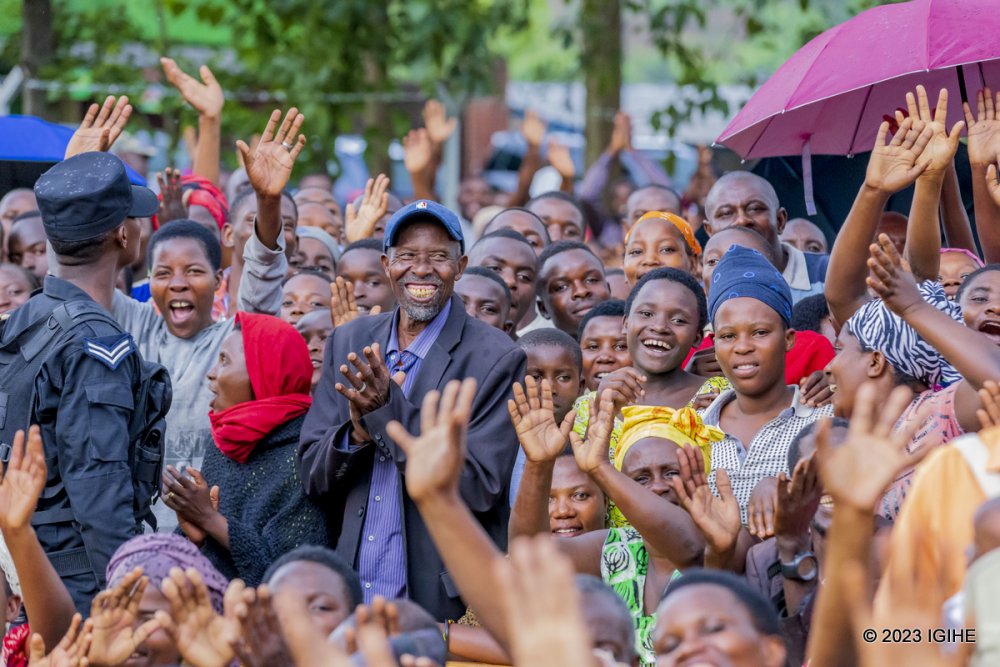
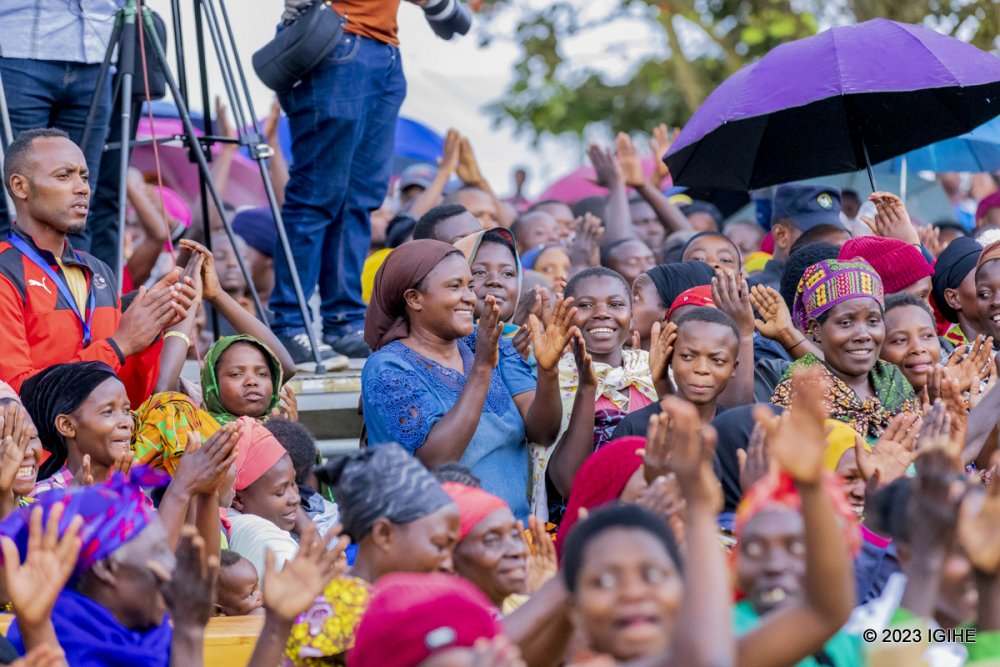
As President Kagame arrived at the Inyemeramihigo site, he was warmly welcomed by the residents, who expressed their appreciation through enthusiastic applause.
The purpose of his visit, he stated, was to show solidarity with the affected residents, greet them, and convey a message of resilience.
The President emphasized that the country attaches great relevance to their concerns, and assured them that the government is fully committed to providing assistance during these difficult times.
President Kagame further assured the residents that the leaders are prepared to work even harder to facilitate their return to normalcy.
“I am here to stand with you and to tell you that we are thinking about you, we know the suffering this tragedy has caused and we share these concerns for your well being. We are doing everything within our means to help you overcome this difficult time. We will do our best so that those who are able to return to their normal lives can do so in the shortest time possible,” he said.
“We could not have done anything to prevent floods or heavy rains from occurring, but helping those who survived this tragedy is within our ability and we must do it,” added Kagame.
In addition, he pledged that more efforts would be dedicated to the preservation of River Sebeya in order to prevent similar disasters in the future.
Accompanying President Kagame on his visit were several government officials, including the Minister of Emergency Management (MINEMA), Marie Solange Kayisire; the Minister of Local Government, Claude Musabyimana; the Minister of Environment, Jeanne d’Arc Mujawamariya; the Minister of Interior, Alfred Gasana; and the Minister of Infrastructure, Dr. Ernest Nsabimana, among others.
The Chief Defence Staff, Gen Jean-Bosco Kazura; the Inspector General of Police, DCG Félix Namuhoranye; and the Governor of Western Province, François Habitegeko were also present.
Floods and landslides left at least 94 people injured, more than 5,550 houses, 14 roads and over 50 schools were destroyed. The disasters also destroyed crops, and water and power infrastructures.
The Rwandan government needs about Rwf110 billion (about 98 million U.S. dollars) to rebuild infrastructure damaged by disasters as a result of heavy rains across the country, according to the Ministry of Infrastructure.
The cabinet recently approved the National Disaster Risk Reduction and Management Policy, which seeks to strengthen the legal and institutional framework for disaster management and to build capacity for disaster management at all levels.
It also approved an emergency response plan aimed at reinforcing efforts to provide urgent relief to communities affected by disasters, according to a recent statement by the Office of the Prime Minister.
-
BPN Rwanda celebrates Labour Day, commends entrepreneurs for their contribution to creation of decent jobs
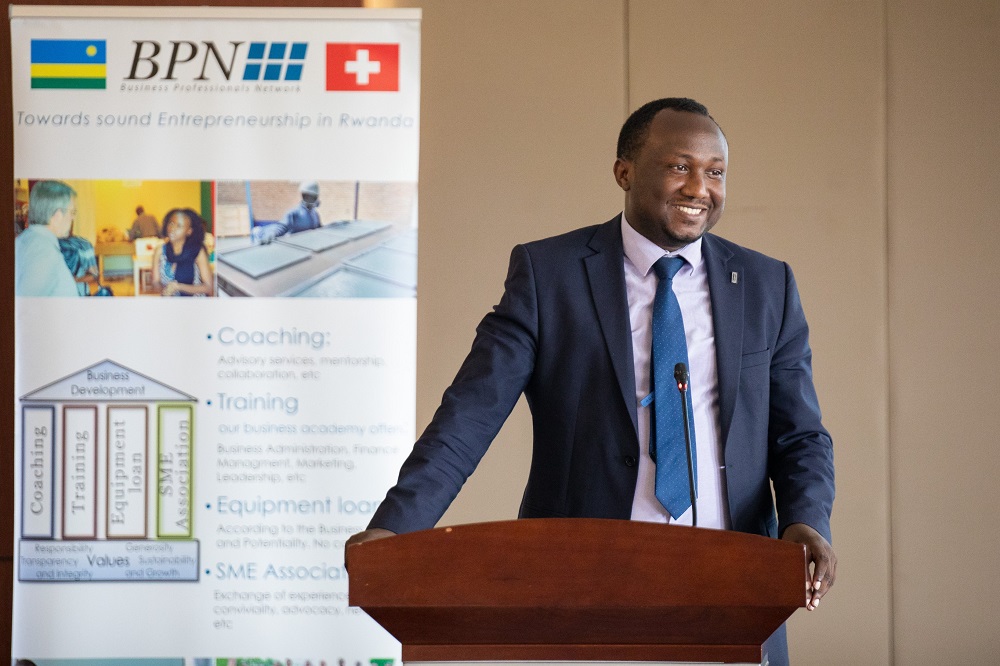
Through its 4 pillars program, BPN Rwanda annually supports 30 businesses showcasing their potential to generate added value, create new employment opportunities, and contribute to the overall growth of the country’s economy.
The two-year program provides entrepreneurs with the necessary tools and knowledge to effectively manage and grow their businesses in a sustainable manner.
Through this program, entrepreneurs are equipped with fundamental business principles and receive training, expert coaching, and ongoing assistance.
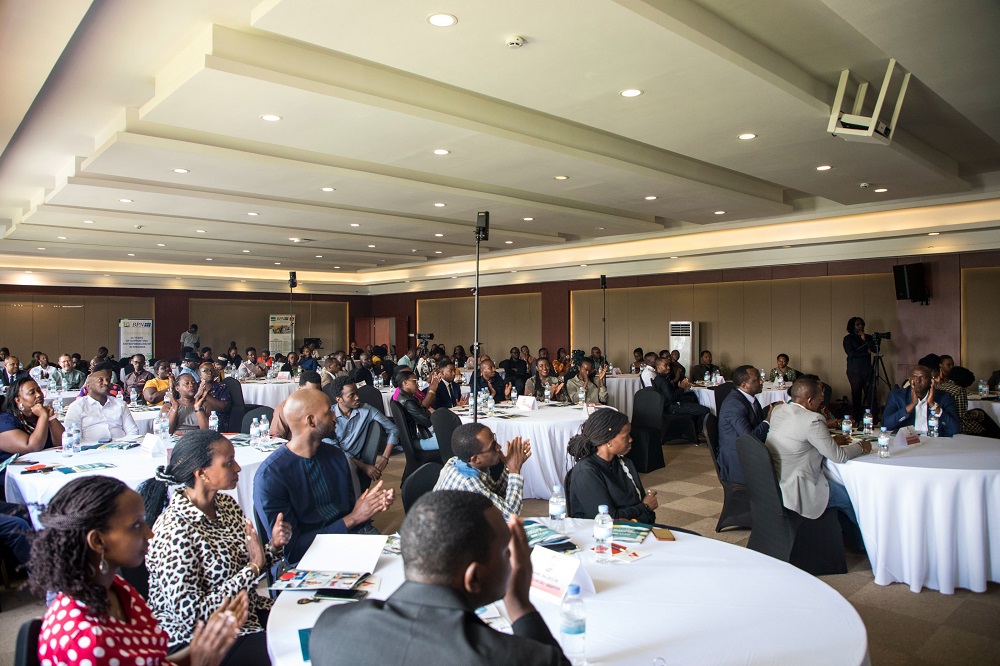
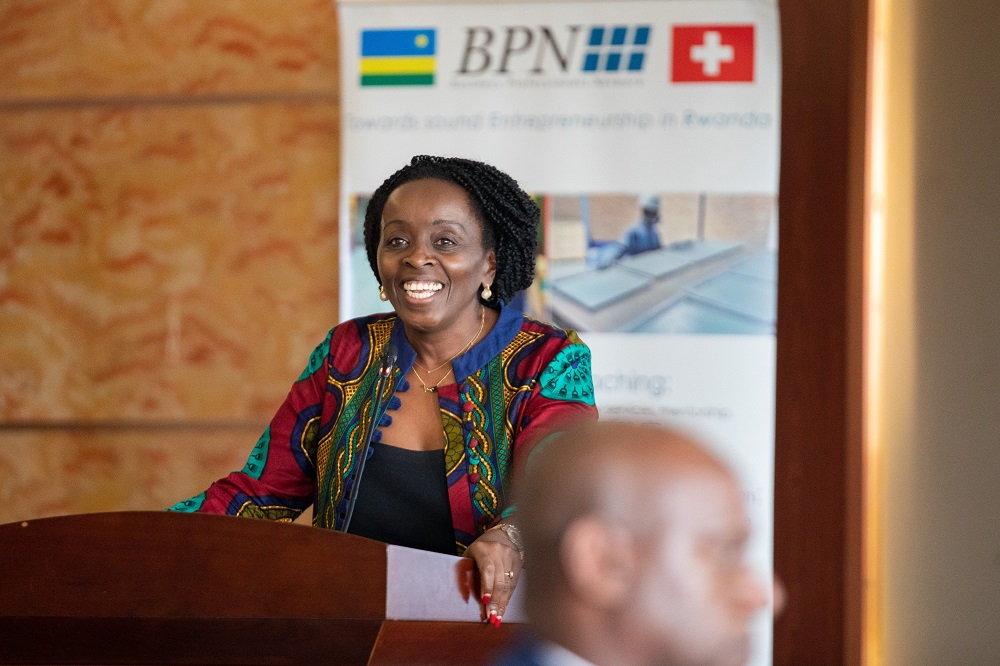
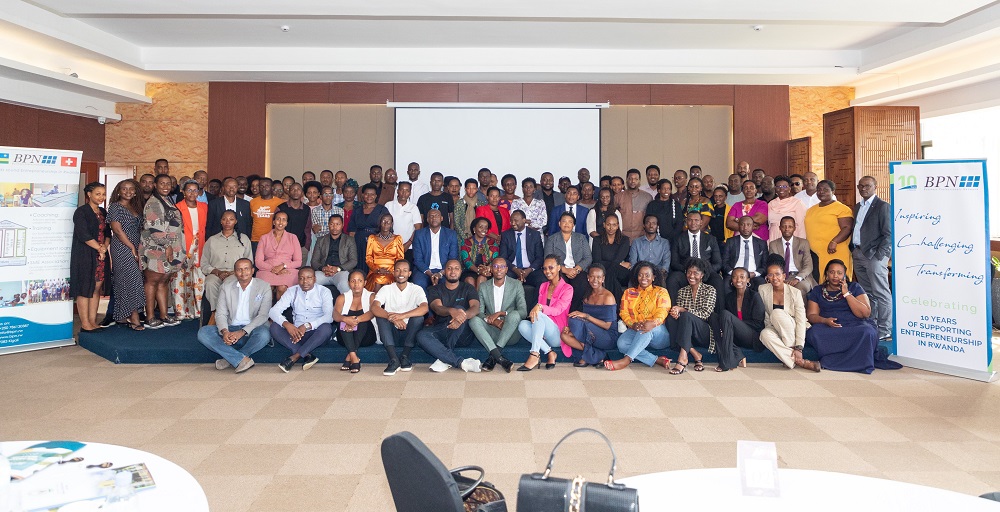
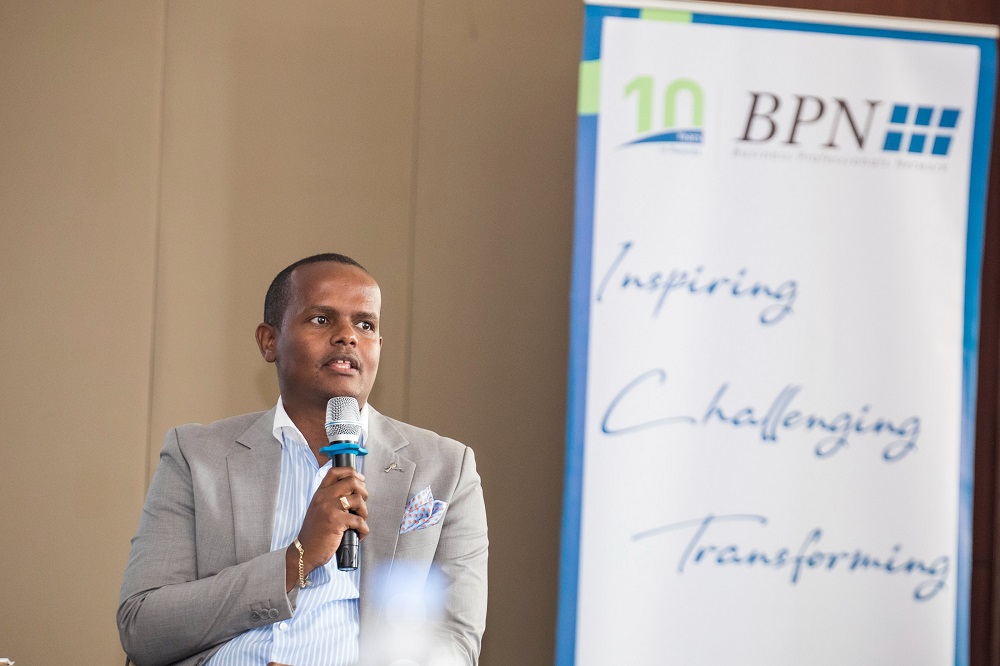
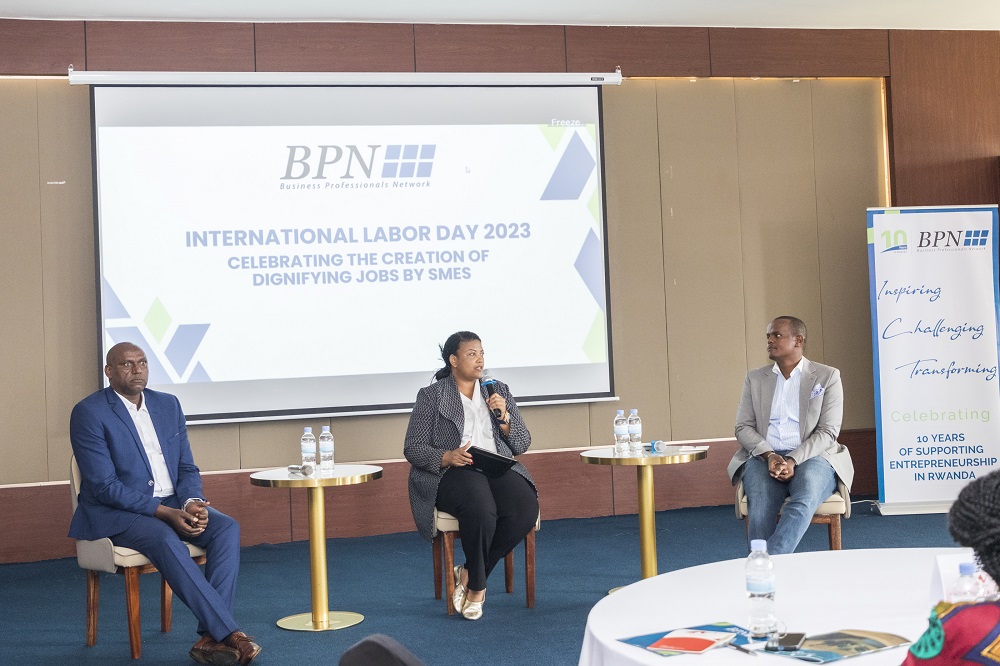
On May 5th, 2023, the organization celebrated Labour Day, recognizing the beneficiaries of its program who have significantly contributed to dignifying job creation in Rwanda. A total of 63 entrepreneurs, after undergoing BPN’s entrepreneurship Development program, have created 1,286 decent jobs, in addition to the 473 jobs they had already created before joining the program.
Faustin Mwambari, the Head of Employment Ecosystem Policy and Strategy Department in the Ministry of Public Service and Labour (MIFOTRA), commended BPN for their support for entrepreneurs, which has paved the way for new job opportunities.
He expressed optimism that continuing these efforts would contribute to Rwanda’s ambition of creating 1.5 million dignifying jobs by 2024.
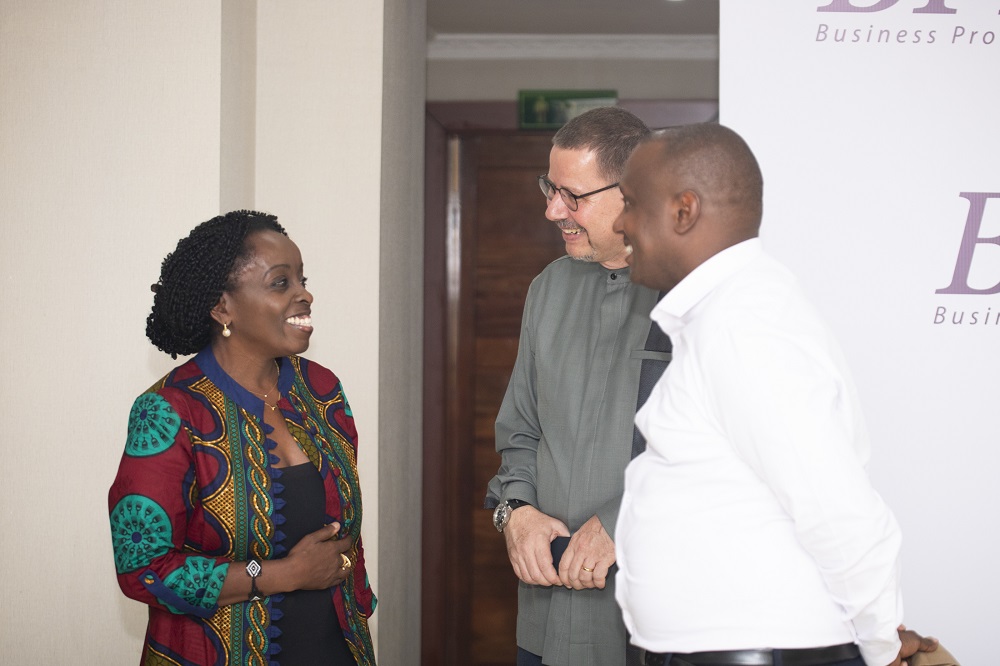
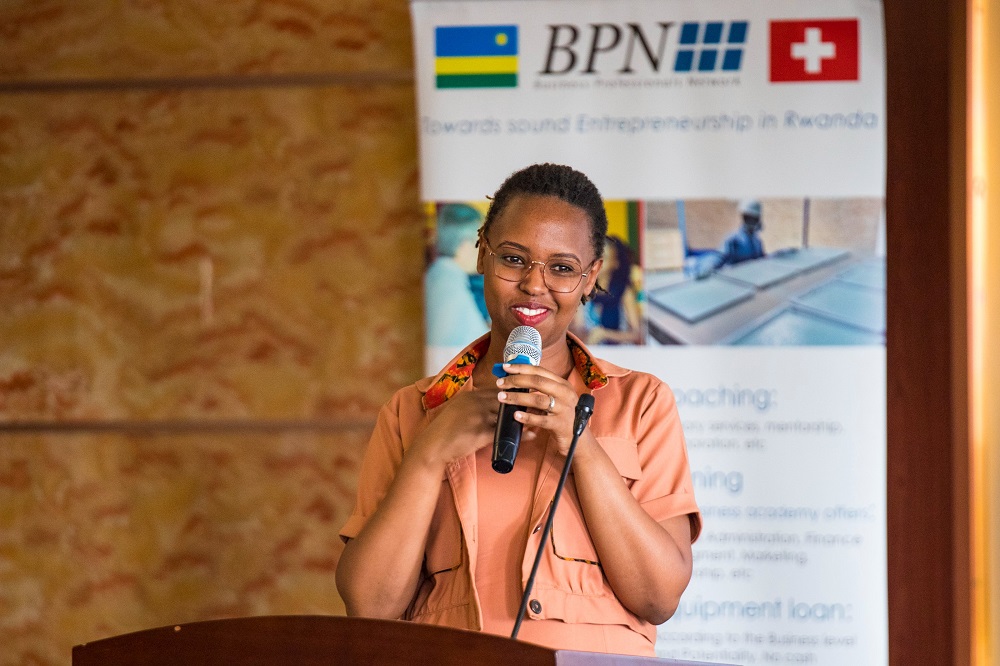
Alice Nkulikiyinka, the Country Director of BPN Rwanda, highlighted the intensive program that hones the entrepreneurial skills of beneficiaries, enabling their businesses to thrive.
The program instills value based-entrepreneurship and encourages entrepreneurs to develop solutions for existing challenges and progress further.
Entrepreneurs who have undergone the program attest to its benefits. Gashugi Jean Pierre, the Manager of Comright Ltd printing house who joined BPN since 2015, extolled the support he received, which helped him prioritize customer loyalty and expand his business. With six employees at the time of joining BPN, the company now has 20 permanent workers.
The training received enabled them to streamline human resources management and experience growth in size and resources.
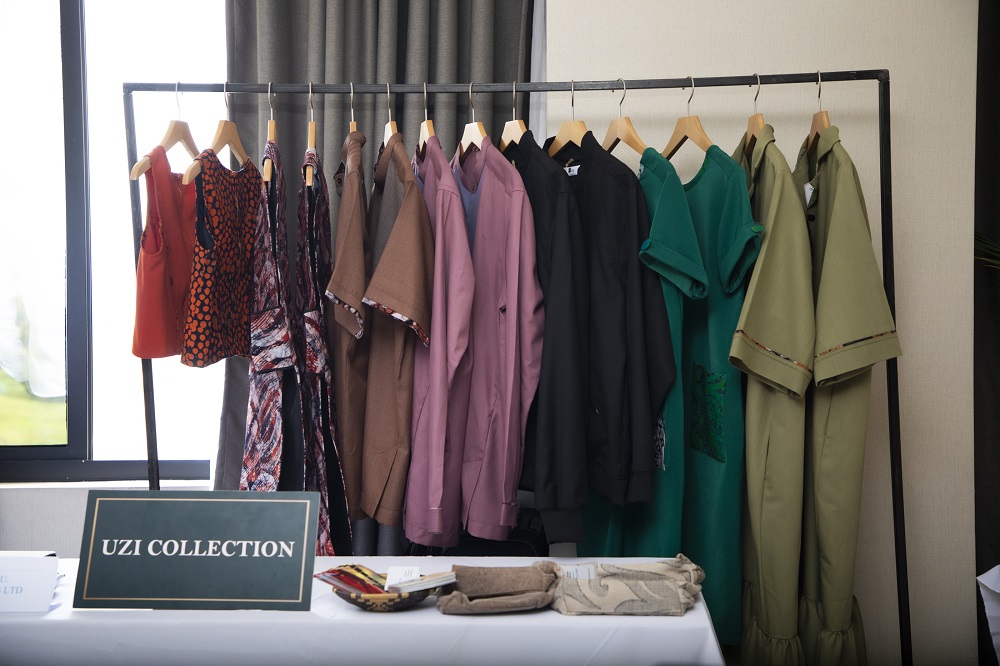
Rwema Umutoni Laurène, the founder of Uzi Collection fashion house, credited BPN for providing a clear vision, understanding customer preferences, navigating the local business environment, and improving resource management.
BPN Rwanda annually selects 30 businesses to undergo its two-year entrepreneurship development program.
The organization uses a rigorous selection process to ensure that only highly committed entrepreneurs are enrolled in the program.
This selection process enables BPN to identify the entrepreneur’s readiness for growth, financial management abilities, and dedication to creating a comprehensive business plan, demonstrating a high level of engagement and commitment to covering the associated program costs.
By the end of the two years program, entrepreneurs are on a path of high growth, and they can join a network of like-minded people.
BPN Rwanda has supported approximately 300 entrepreneurs across over 20 industries in Rwanda since 2011. Additionally, BPN operates in other countries, including Kyrgyzstan, Nicaragua, Mongolia, and Georgia.


-
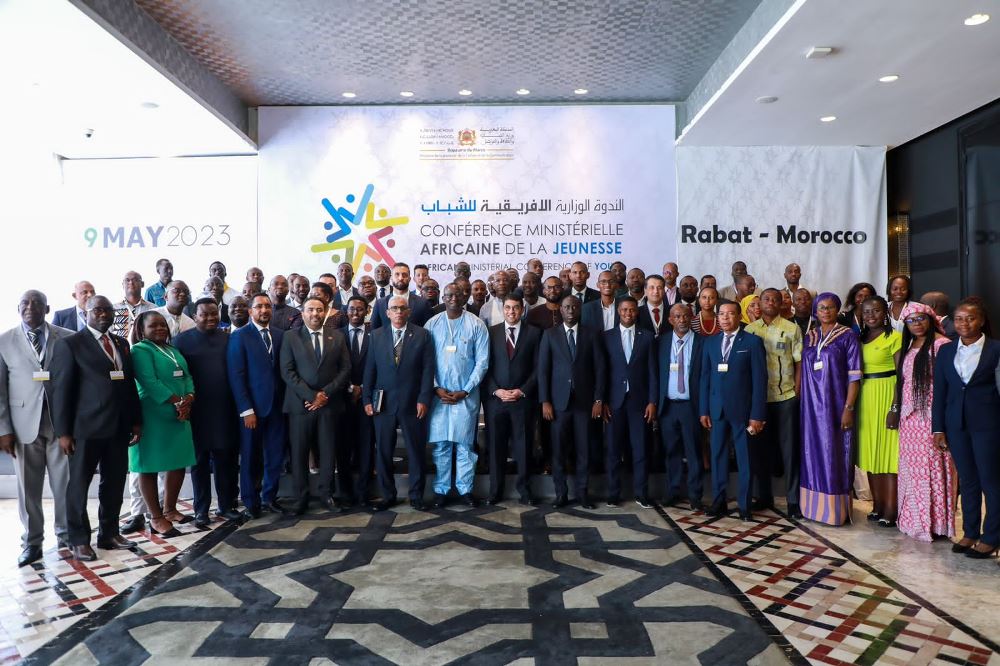
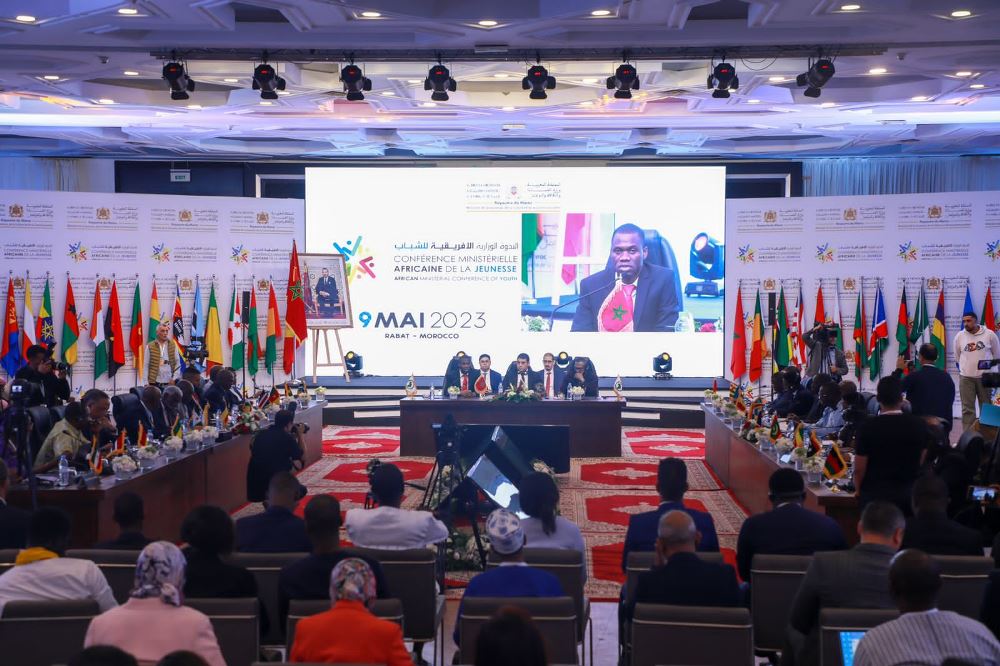
Morocco’s push towards African Youth Charter implementation
Mr Bensaid spoke at the just-ended African Ministerial Conference hosted by the Kingdom of Morocco this week.
The Ministerial Conference was attended by 100 young leaders, representatives of National Youth Councils, civil society and African youth platforms.
In attendance were several African Ministers of Youth from Burkina Faso, Botswana, Niger, Namibia, Mali, Somalia, Malawi, Ghana, and Senegal, as well as officials from Cameroon and Togo, among others.
The Charter is meant to provide young people with a political and legal framework intended to support the development of youth activities at the continental, regional and national levels in Africa.
In accordance with the edict of His Majesty King Mohammed VI, the North African country aims to strengthen cooperation with fellow African countries to foster the emergence of African youth.
Mr Bensaid, whose Ministry also encompasses Culture and Communication, said they desired to strengthen and consolidate the empowerment efforts of African youth.
He said this could be done by promoting significant participation in the continent’s social, economic and political development agenda.He also reiterated his country’s commitment to strengthening South-South cooperation, saying it was at the centre of the Kingdom’s foreign policy under the leadership of King Mohammed VI.
He stressed the need to reposition the Pan-African Youth Union as a continental decision-making body to carry the voice of African youth and provide real solutions to their problems.
The President of the Pan-African Youth Union, Moumouni Dialla, said the African Youth Charter “aims to protect young people against discrimination and guarantees them freedom of movement, speech, association, religion, property and other human rights while committing to promote their participation in society.”
He hailed His Majesty King Mohammed VI for the warm welcome given to the participating delegations.
Mr Dialla paid tribute to the Sovereign for his leadership favouring African youth and stressed the importance of projects initiated with the African child in mind.
He further highlighted the importance of the Pan African Youth Union as a continental body advocating for the establishment of sound public policies for African youth.
The African Ministers participating in this ministerial conference and the heads of the delegation stressed the need to preserve this institution and enhance its contribution to continental decision-making further.
The delegates expressed their gratitude to His Majesty King Mohammed VI for his unfailing royal commitment to promoting the conditions of African youth.