The guardsman was killed by security units around the synagogue, the ministry said.
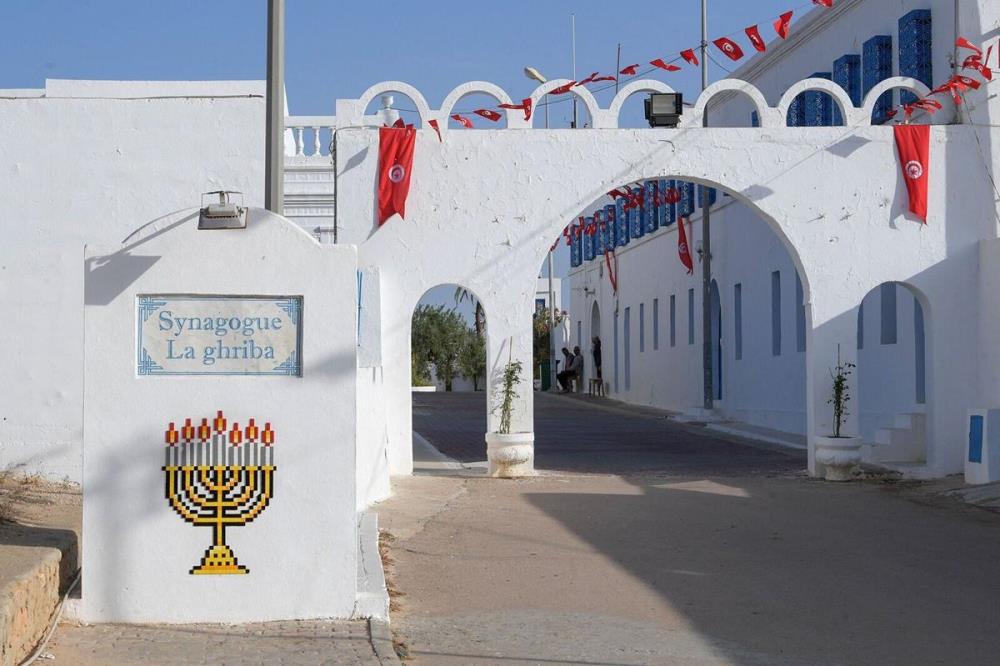
The guardsman was killed by security units around the synagogue, the ministry said.
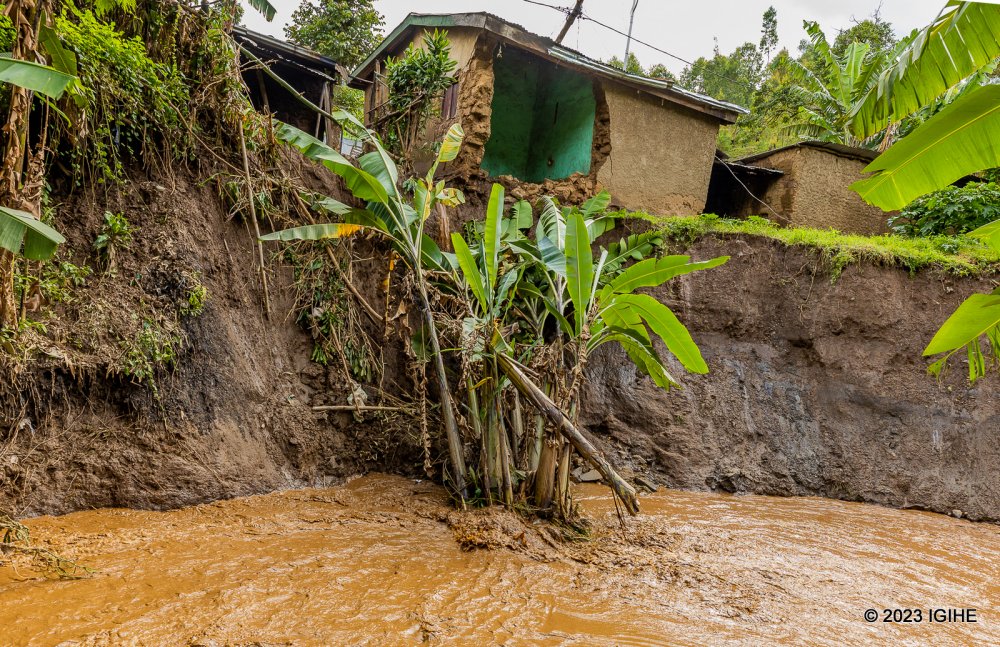
According to the communique, the extraordinary cabinet meeting that was chaired by President Paul Kagame to discuss the government’s response following the recent floods and landslides that affected parts of Western, Northern and Southern provinces has instructed concerned institutions to implement the plan without delay.
Communities in flood-affected areas have been urged to exercise caution and be extra vigilant, as more rains may be expected in the coming days, it warned, while requesting citizens to follow instructions provided by local authorities including maintaining hygiene and sanitation standards in order to prevent potential disease outbreaks.
The cabinet expressed condolences and sympathy to families who lost loved ones, those injured, and people that had to relocate from their homes due to floods and landslides.
According to the communique, the cabinet also approved the National Disaster Risk Reduction and Management Policy which seeks to strengthen the legal and institutional framework for the management of disasters and for building the capacity for disaster management at all levels.
Weather-related disasters that hit Rwanda last week have killed at least 131 people in Western, Northern and Southern provinces of Rwanda and displaced more than 9,000 people, according to figures from the Ministry in charge of Emergency Management (MINEMA).
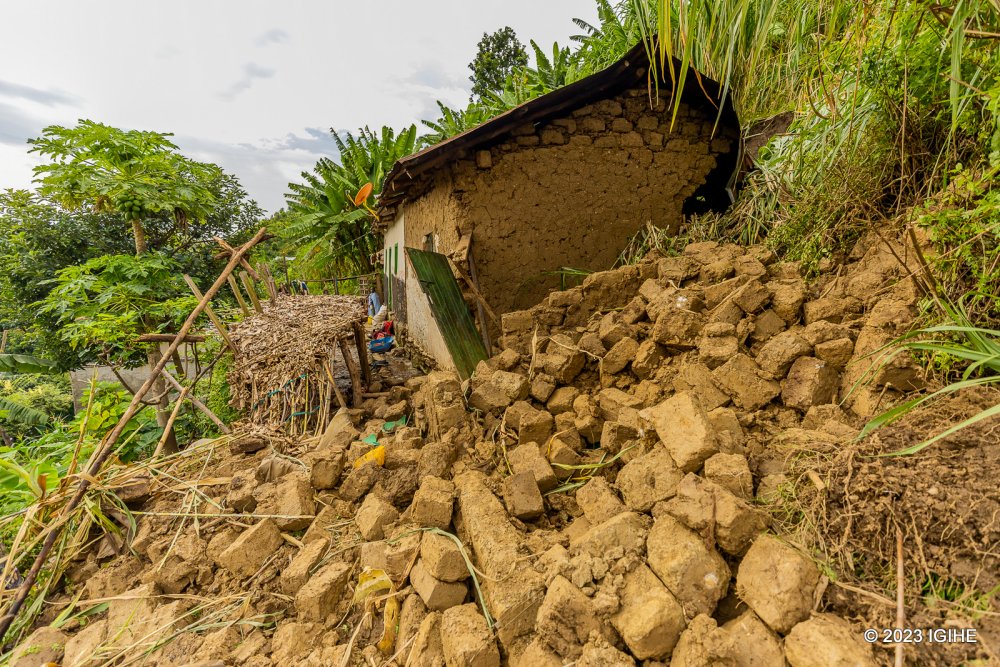
At least 94 others have been injured and more than 5,550 houses, 14 roads and over 50 schools were destroyed and the disasters also destroyed crops, water and power infrastructures.
The Government of Rwandan needs about Rwf110 billion (about 98.3 million U.S. dollars) to rebuild infrastructure damaged by last week’s disasters as a result of heavy rains across the country, according to the Ministry of Infrastructure.
English-speaking regions of Cameroon have been experiencing a conflict for nearly seven years. It is a political and security crisis between armed separatist groups seeking the independence of the self-proclaimed state of Ambazonia, composed of the northwest and southwest regions, and the Cameroonian security forces. The protests since 2016 against English discrimination policies were violently suppressed, leading to the beginning of the English-speaking separatist movement. Since then, there have been violent incidents resulting in the deaths of around 6,000 people and major humanitarian crises, with nearly 600,000 people becoming internally displaced persons in English-speaking and nearby areas.
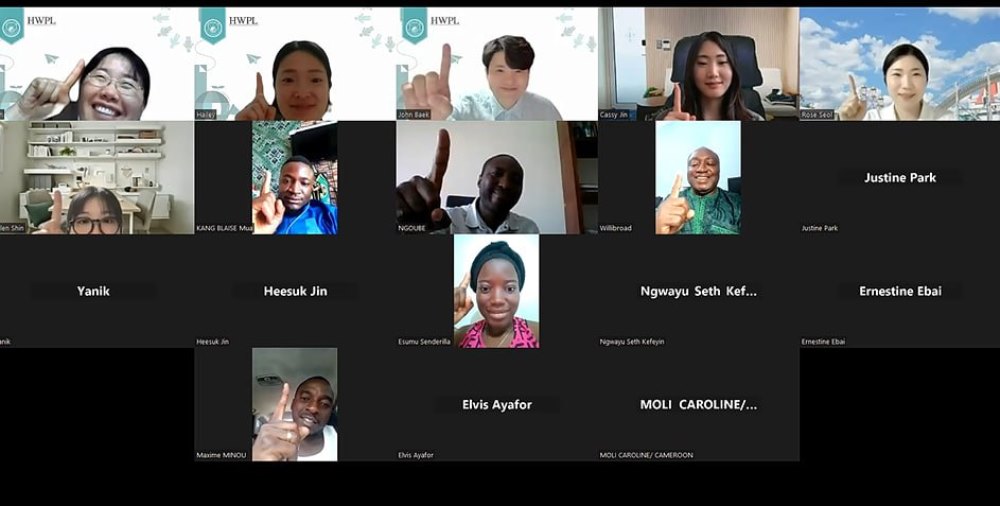
During the event, the student council president of the Law and Political Science Department at Buéa University, Kang Blaze Moua, stated, “In the year 1884, Cameroon was annexed by Germany. In 1916, as Germany was defeated in Cameroon by the Allied forces with Britain and France, the territory was then to be divided by France taking 4/5(East Cameroon/French Cameroon) and Britain taking 1/5(West Cameroon/British Cameroons) of the territory. All these Colonial arrangements were constantly done without the concern and approval of Cameroonians. Today in Cameroon, the English-speaking regions complain of their marginalization from the dominant Francophone led government.”
“There have been various arguments between different factions in tensions that began in 2016 in the English-speaking regions of Cameroon, such as the government, secessionist groups, federalist groups, unionist et al on what was the main reason for conflict and the way forward in achieving sustainable peace,” he added. And he emphasized need to redress government strategy like the call for another major national dialogue and assistance from some peace organizations around the world.
At the event, civic leaders in Cameroon shared ways to achieve peaceful coexistence and end the current conflict, which hinders national development and causes serious human rights violations. HWPL stressed the need for law and institutions; a peace education system, a platform for understanding and coexistence, and the DPCW, which emphasizes peacebuilding, to establish peace.
President of Heritage Higher Institute of Peace and Development Studies, Wilibroad Dze Ngwa shared “It would be important to tackle the conflicts and peace education in Cameroon in holistic manner. Peace education is being taught in some schools in Cameroon. I actually insist that it will be good to establish clubs in different school in order to carry on peace and effective citizenship education. If we multiply this webinar, our context and our strategies, peace would reign in all the corners of Cameroon and the world. Because each of us are supposed to be active factors of peace education.”
HWPL said it will continue to discuss specific action plans with local experts to make the opinions shared in this webinar achievable in Cameroon plan to Peace Walk event with citizens of Cameroon in May.
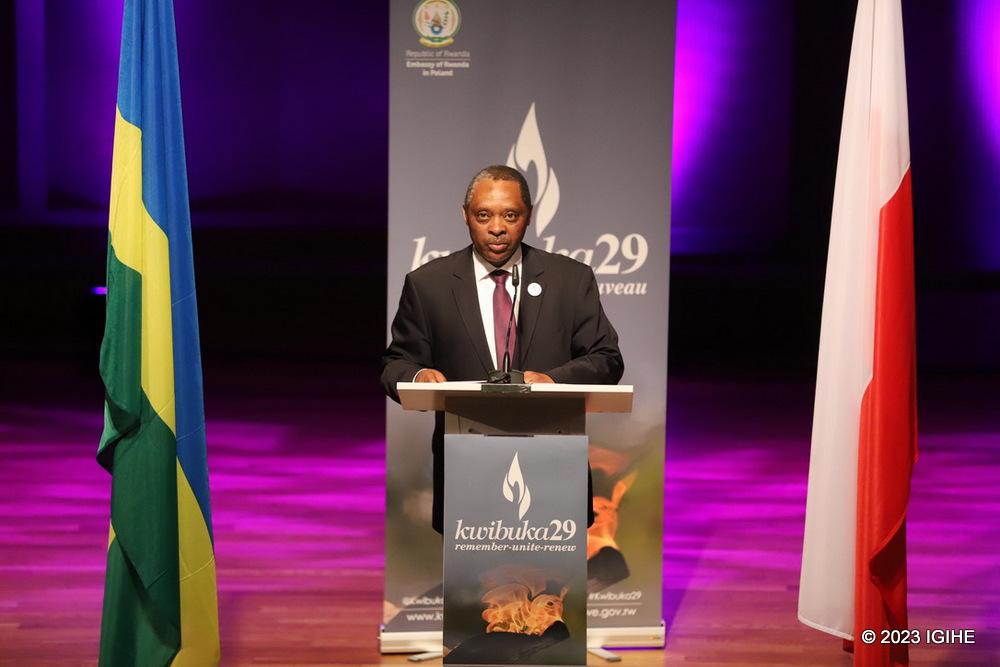
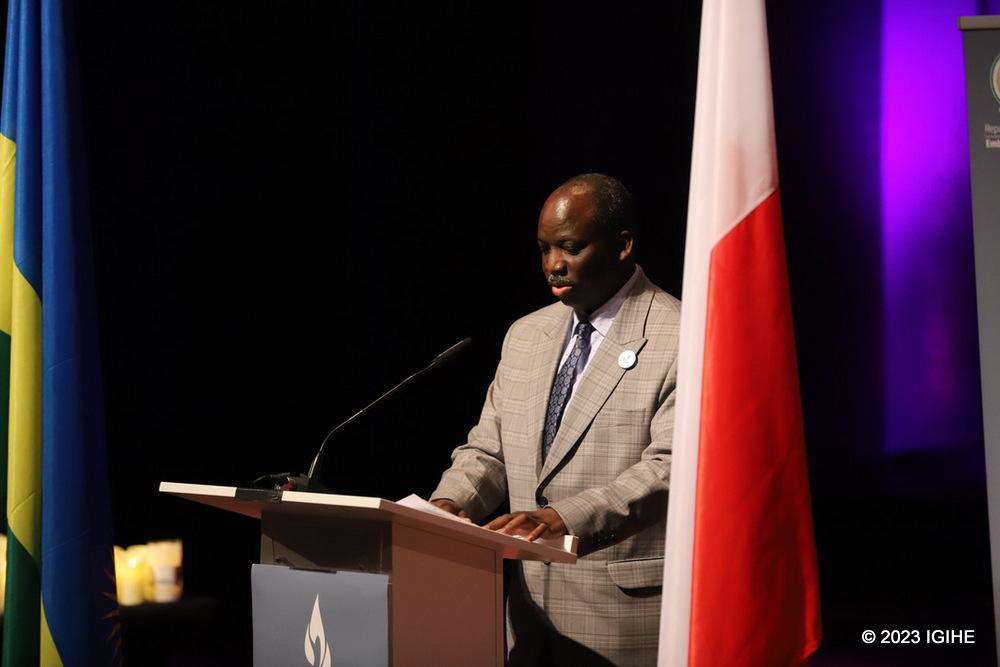
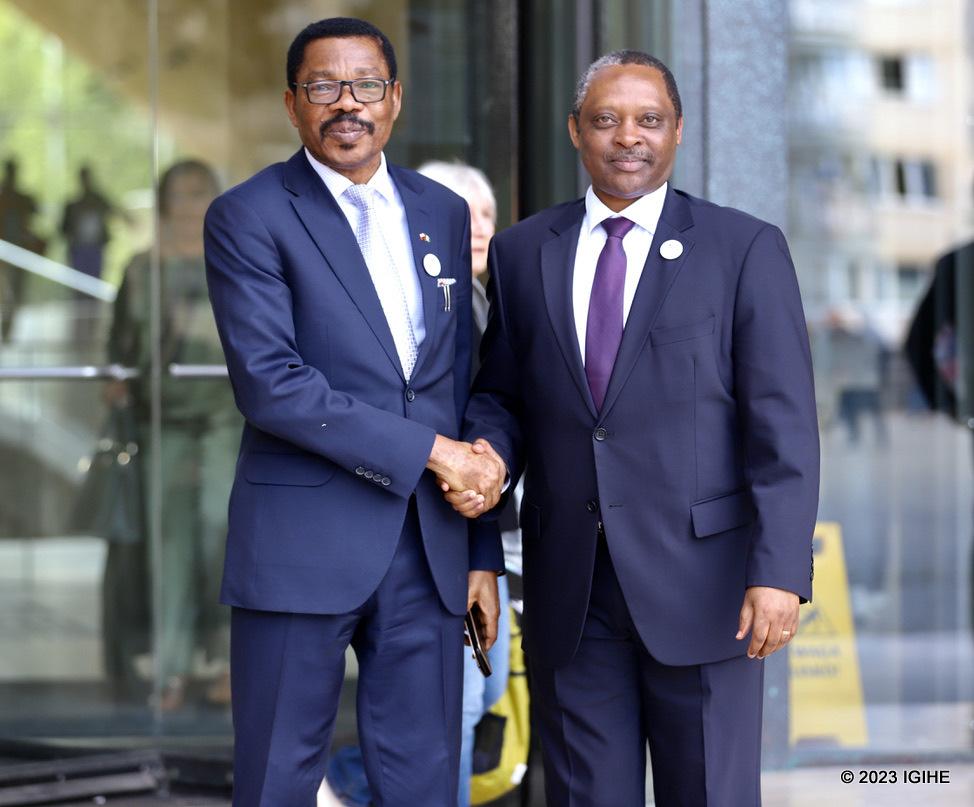
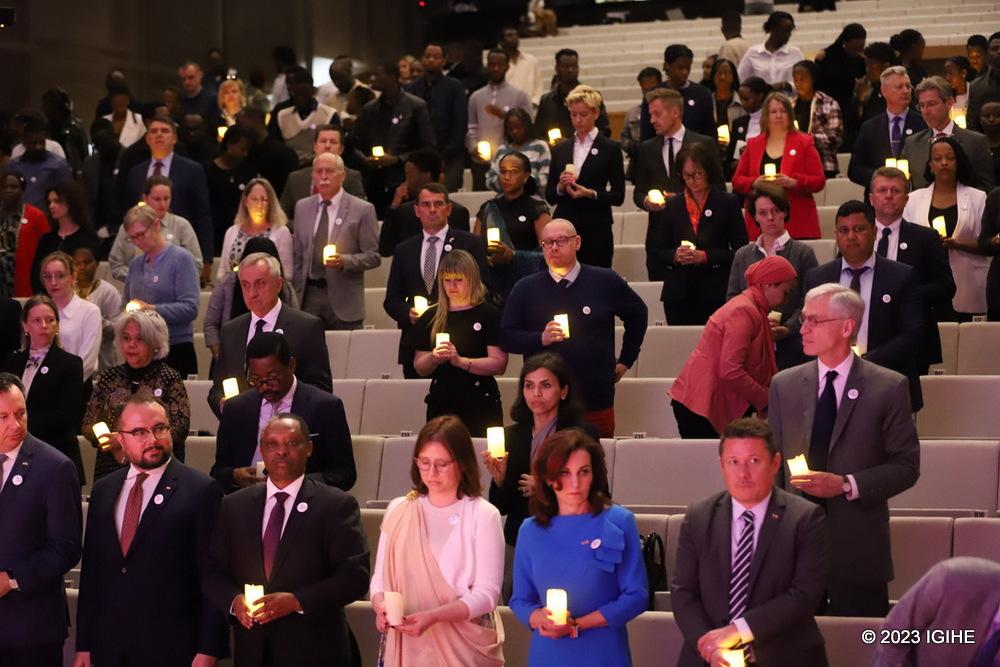
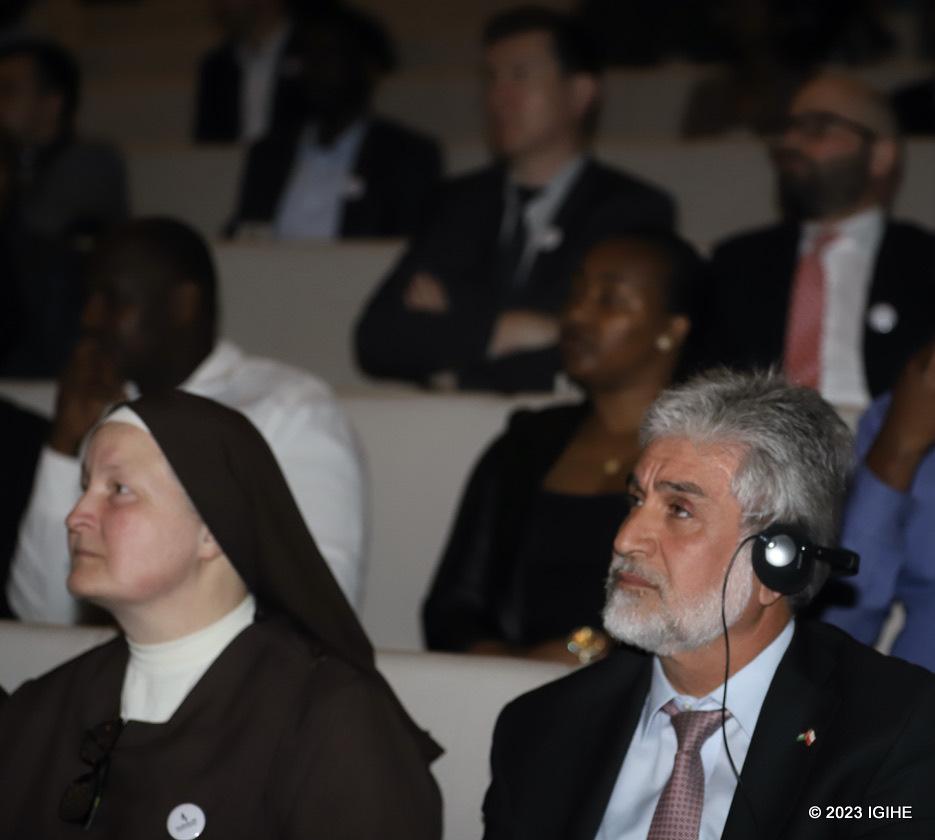
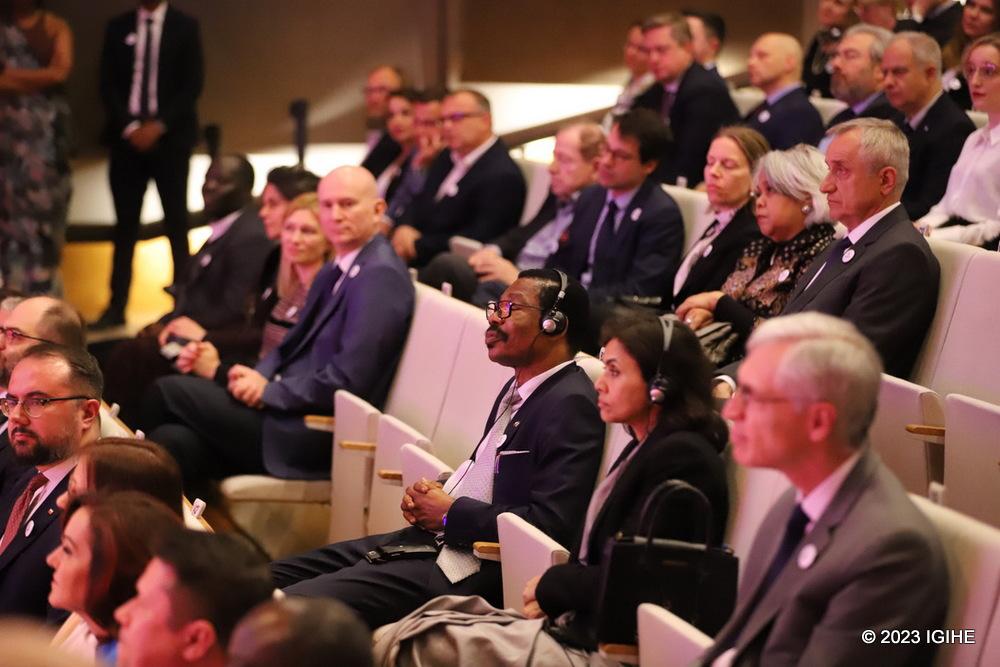
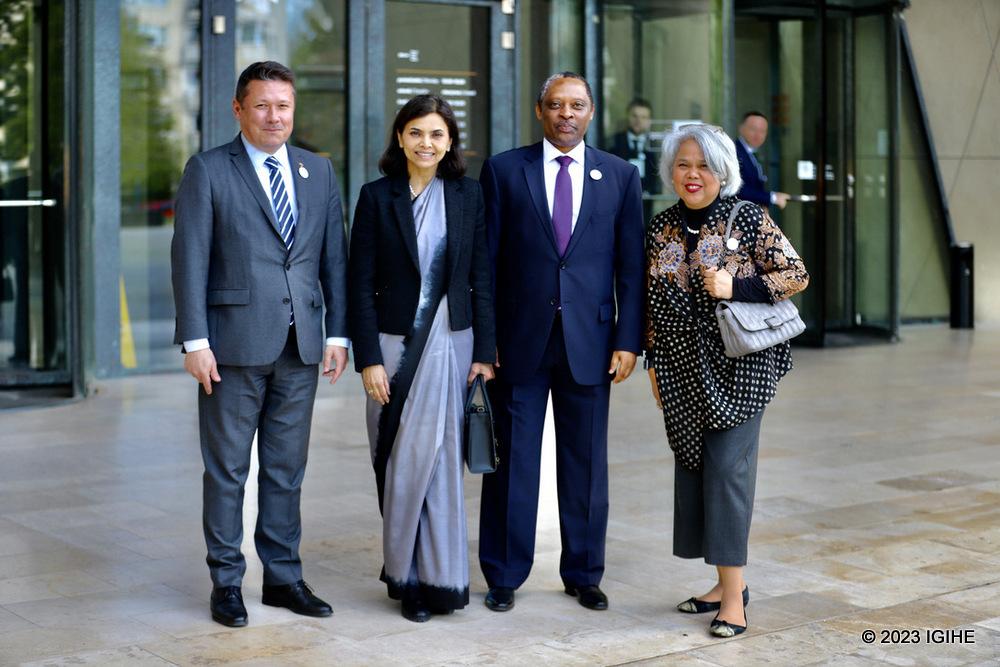
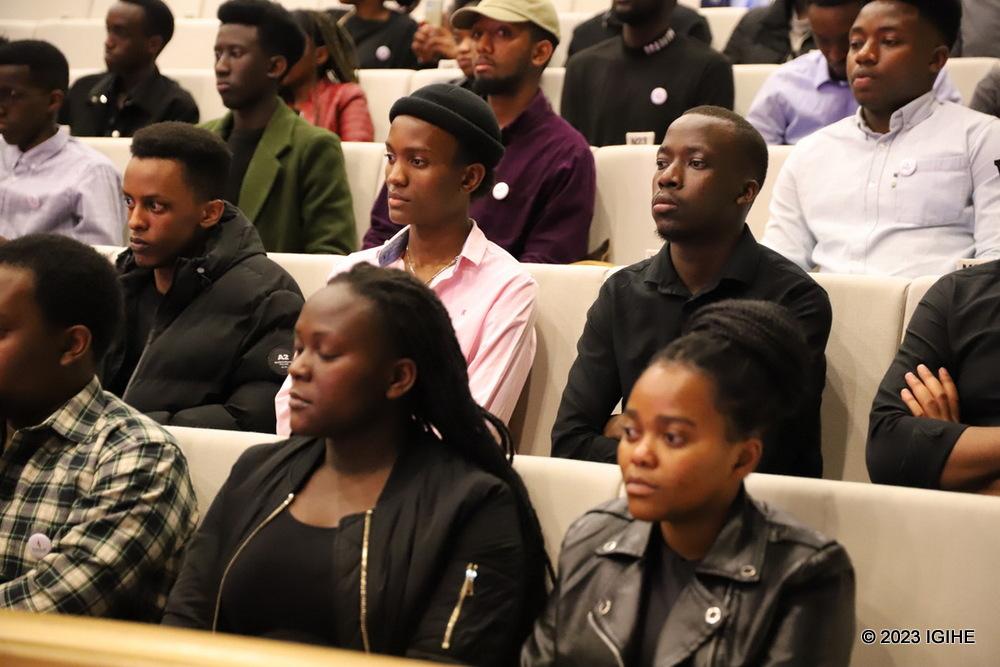
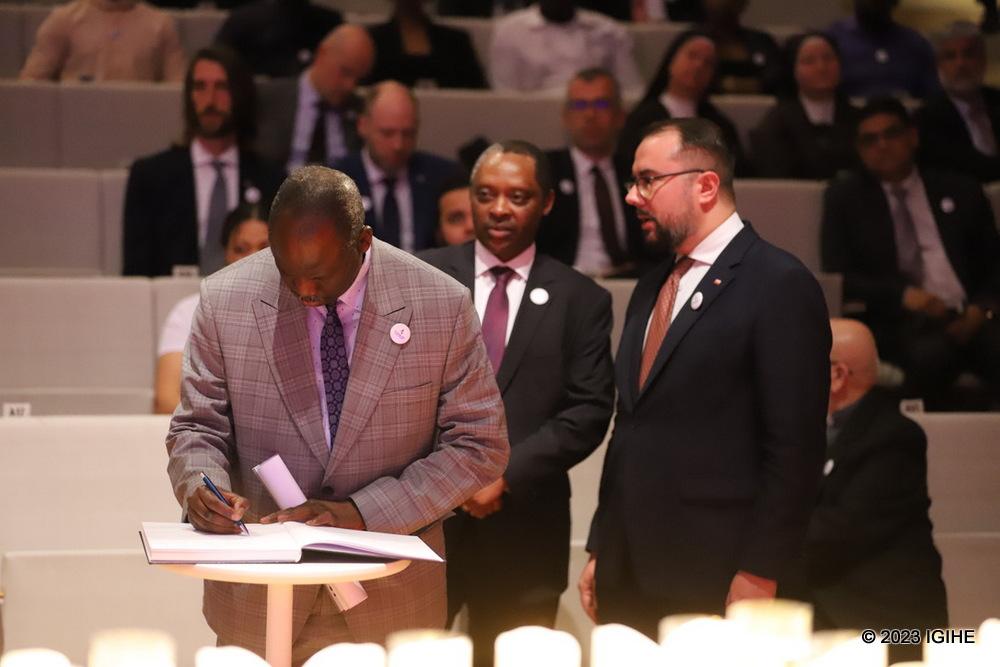
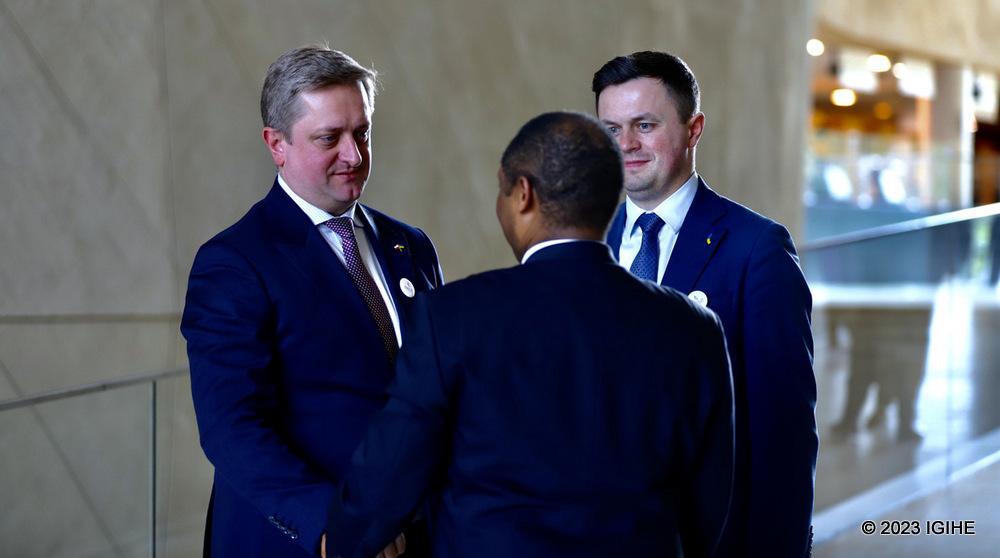
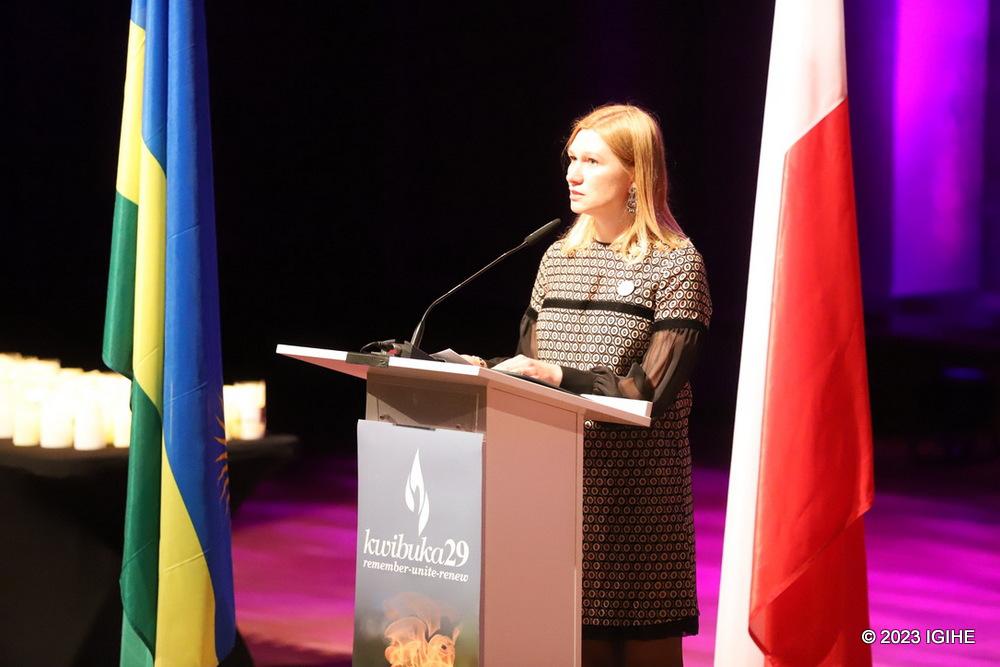
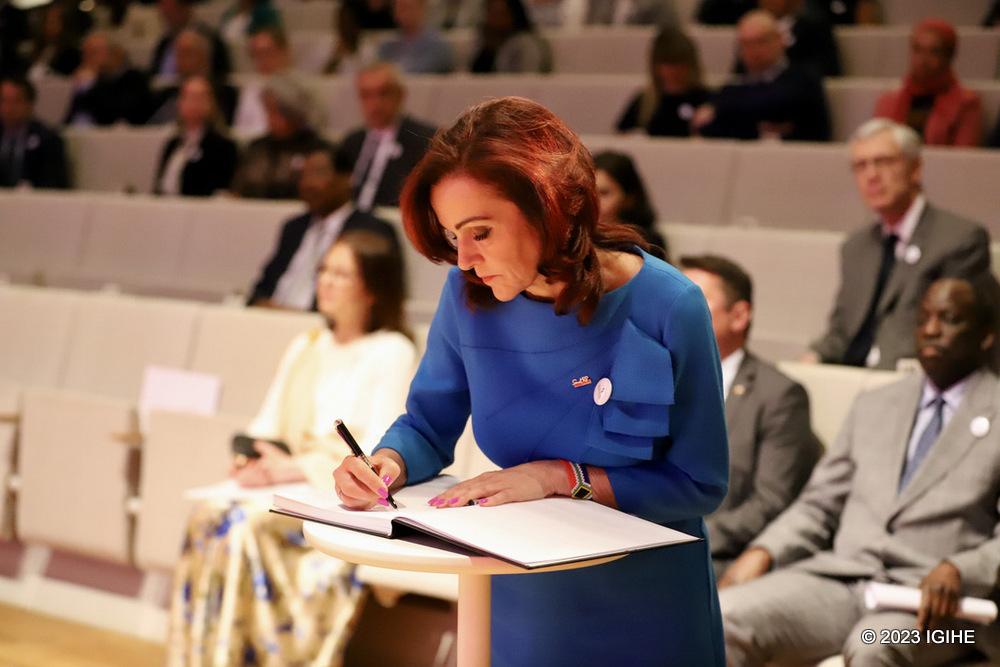
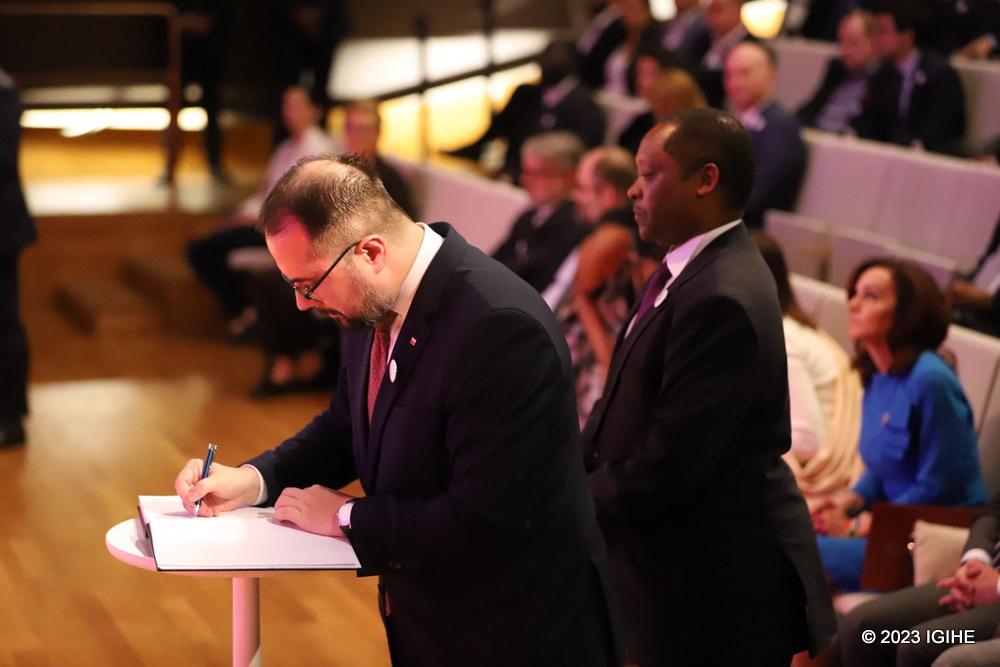
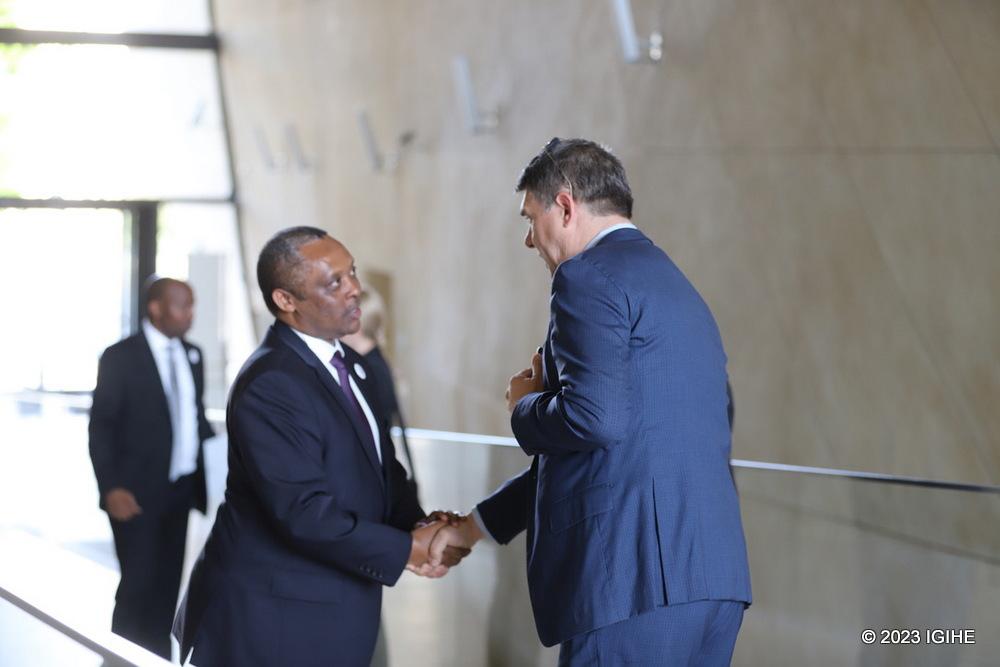
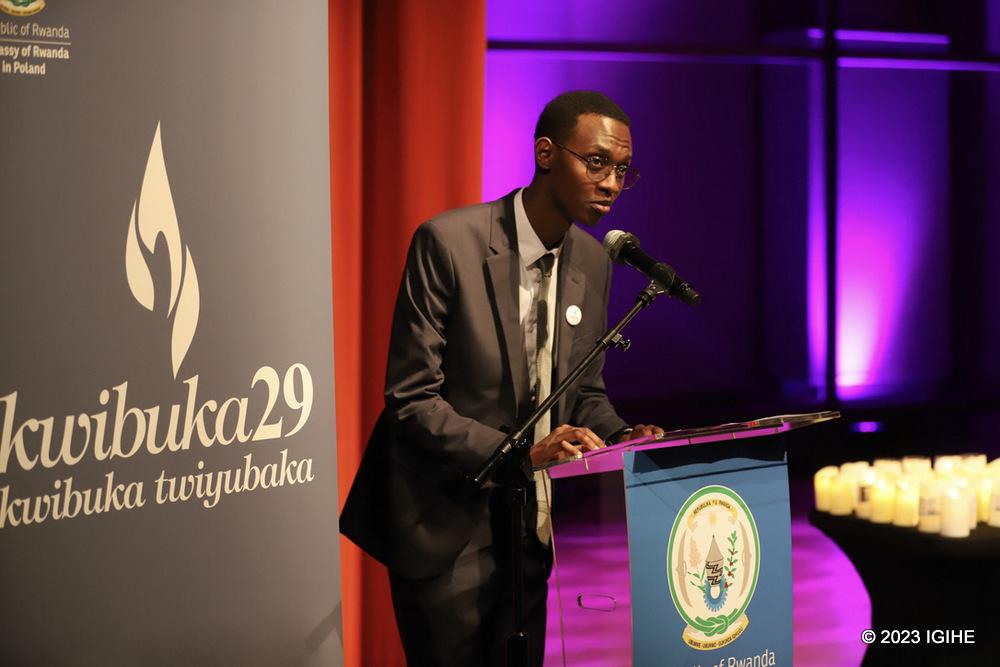
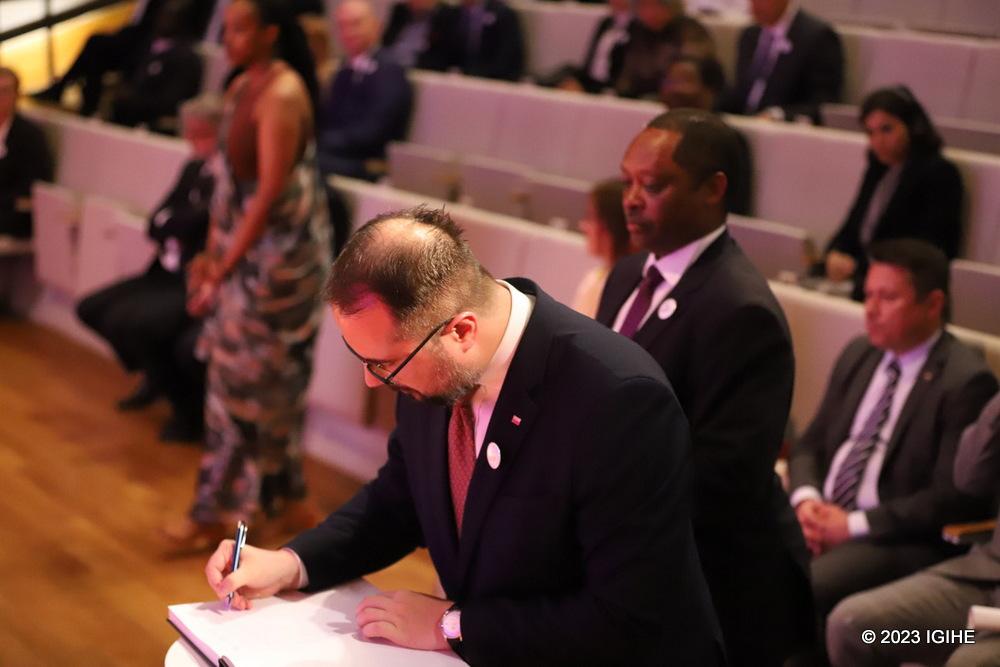
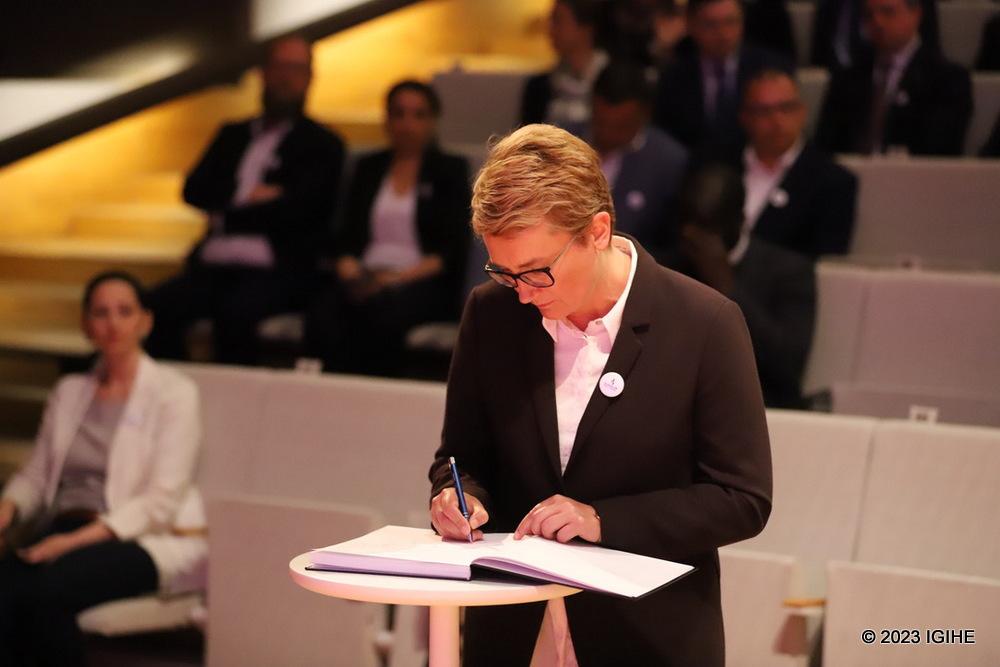
He was speaking at a commemoration event to honour victims of Genocide against the Tutsi organized by Rwandans living in Poland.
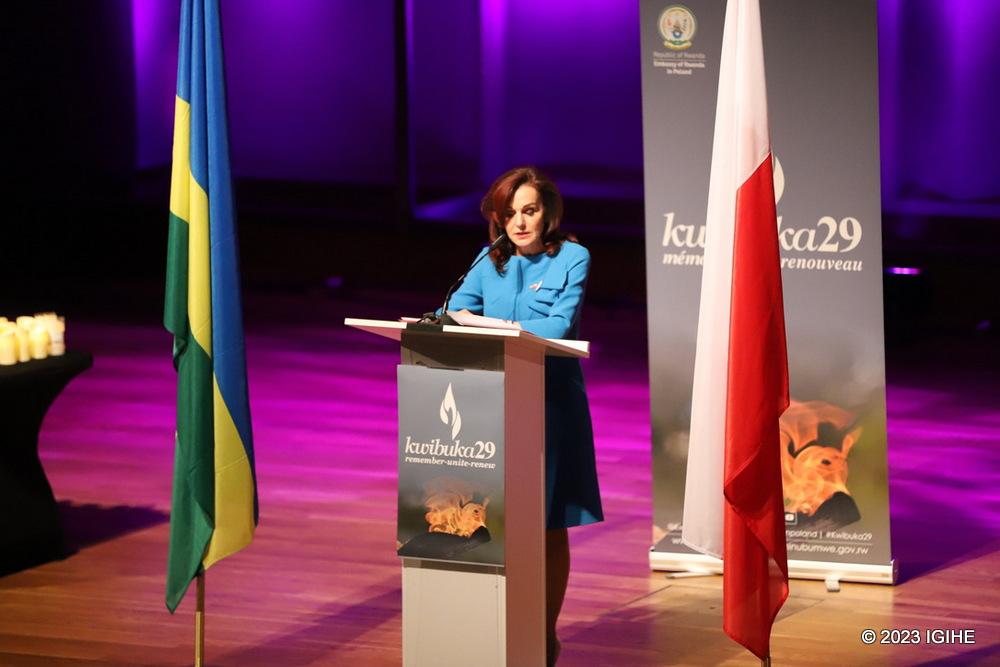
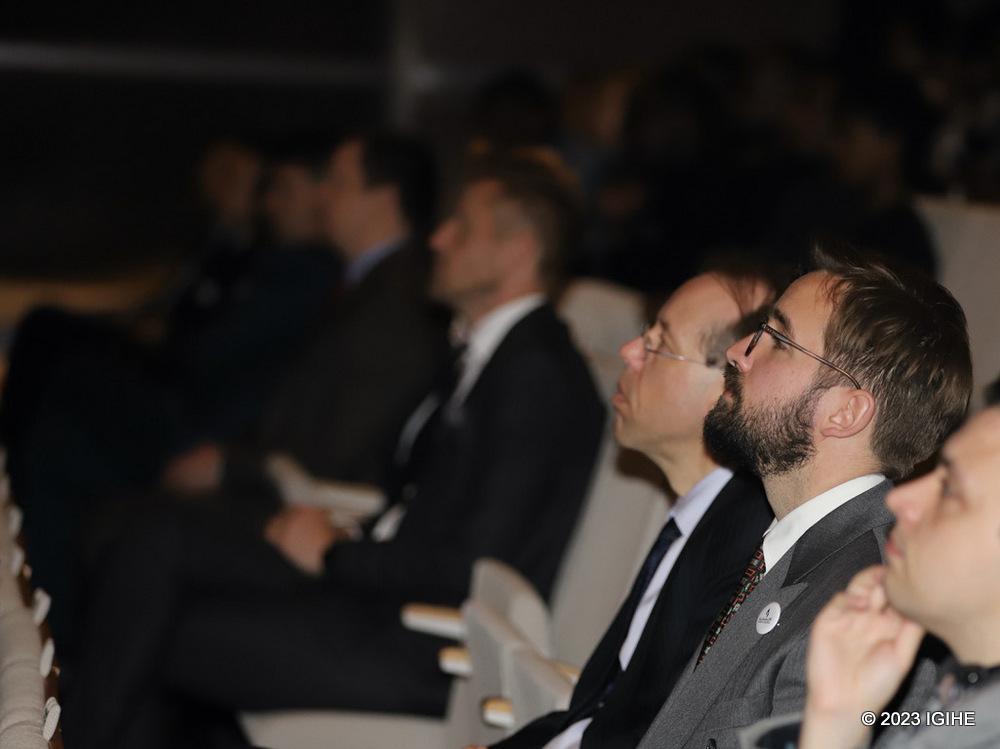
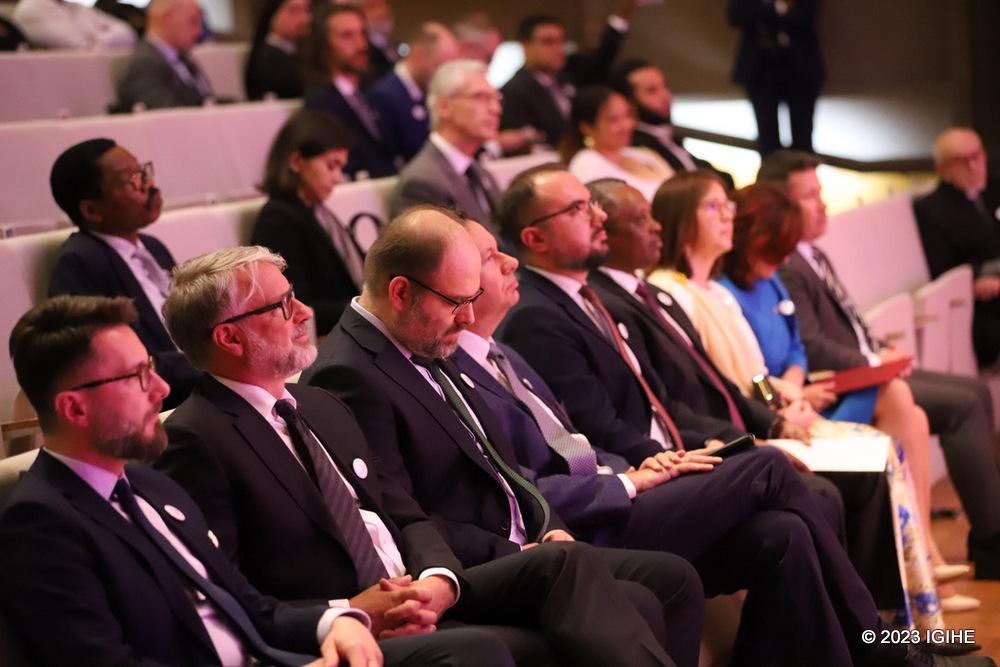
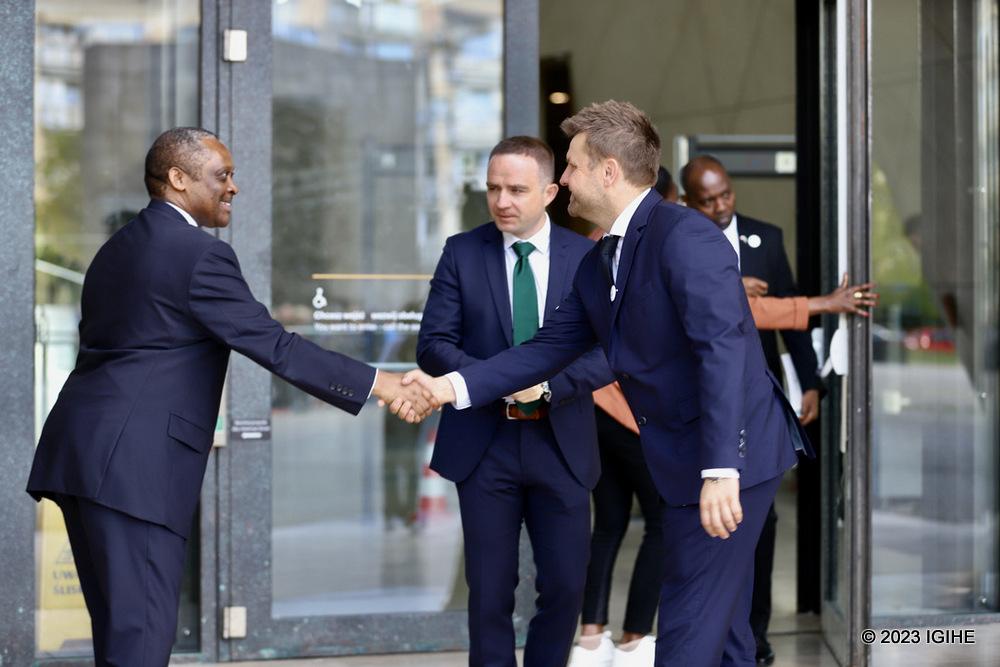
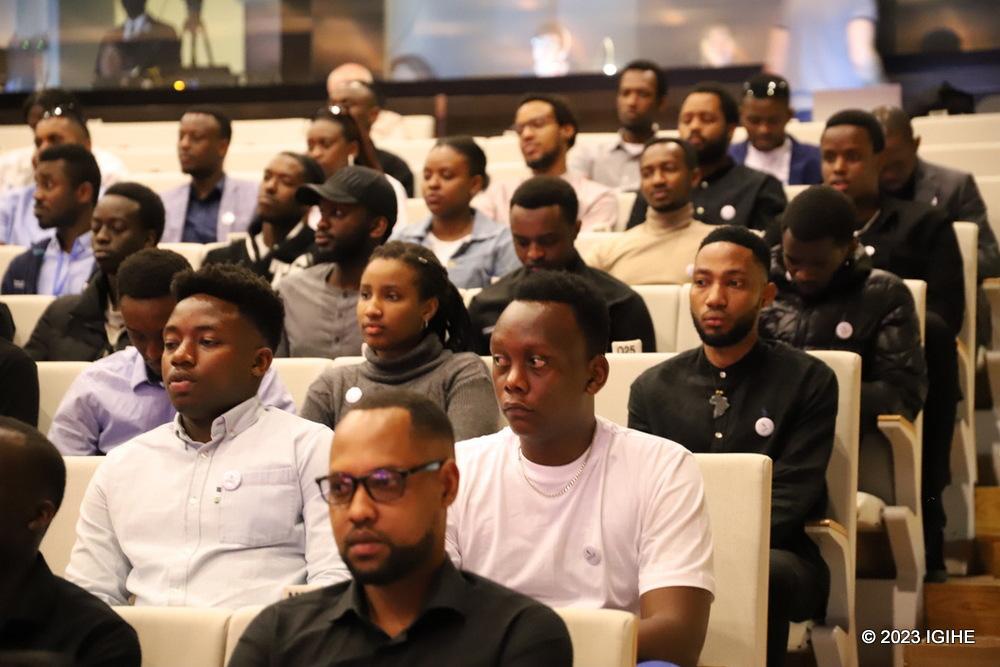
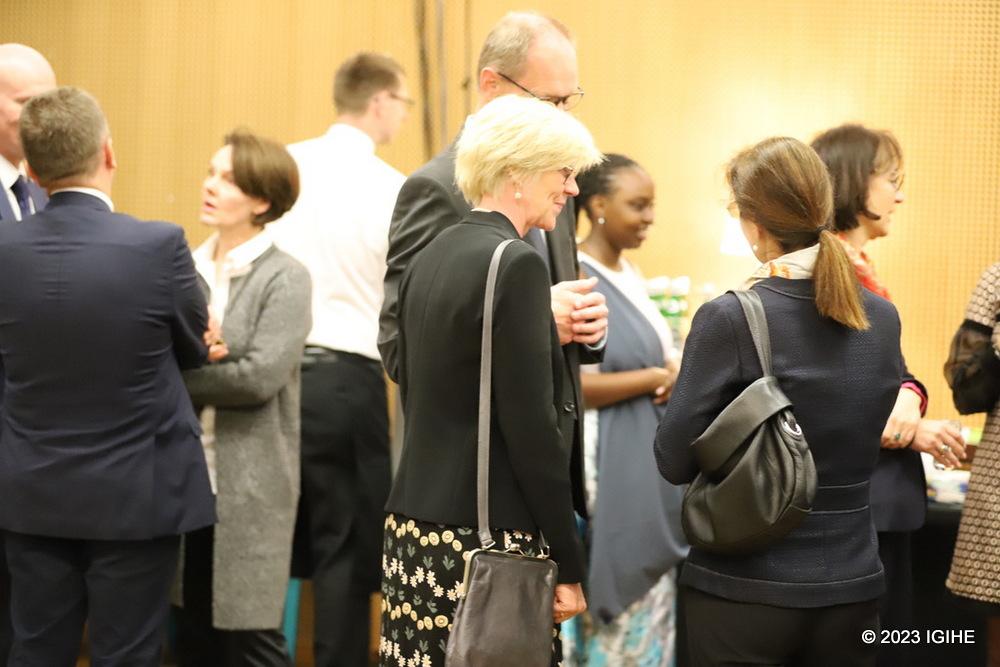
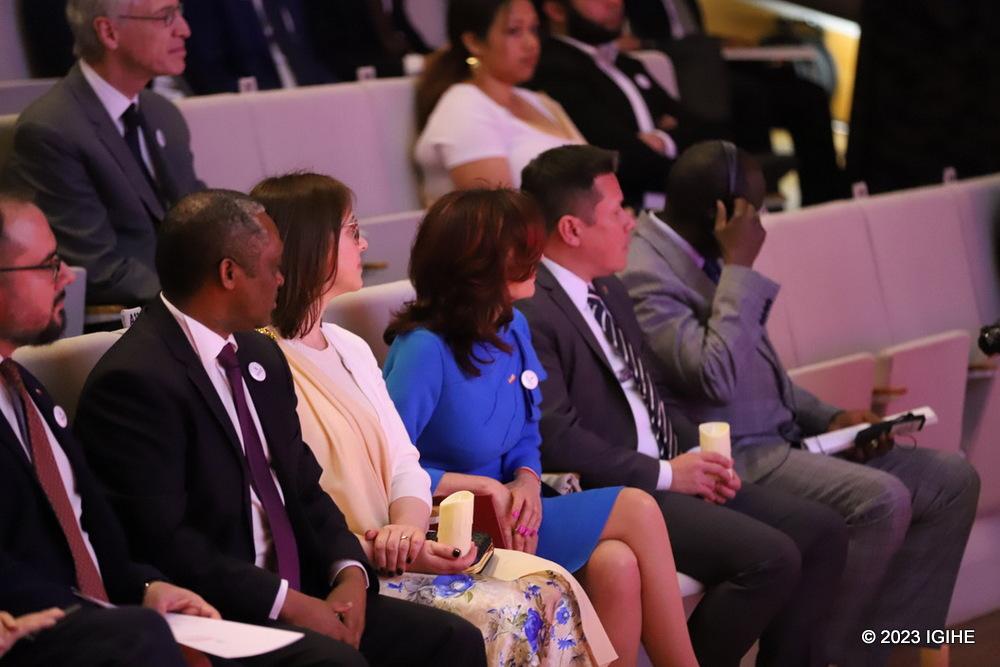
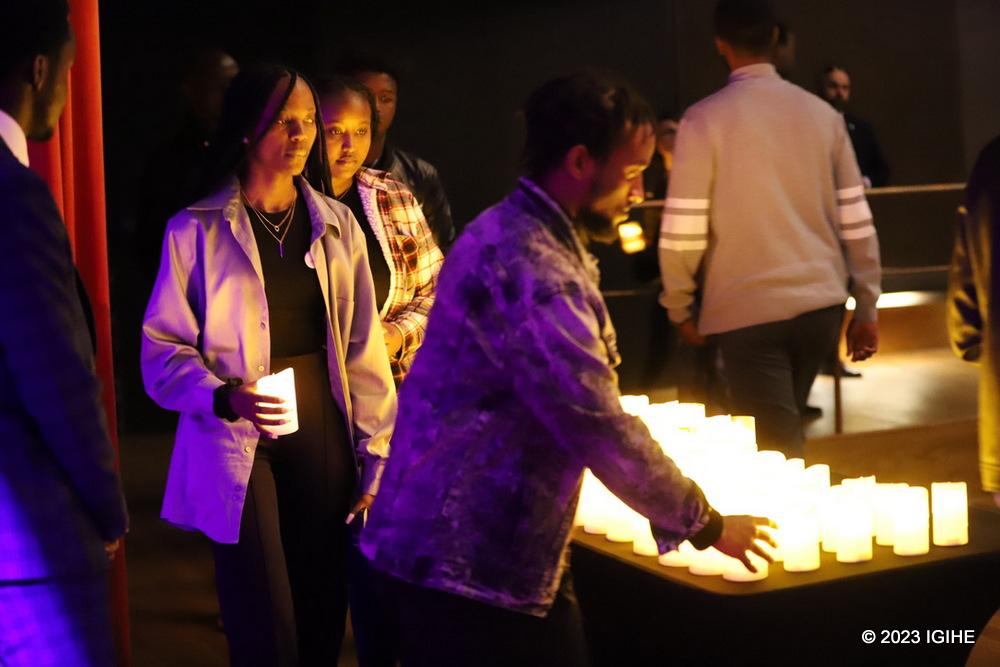
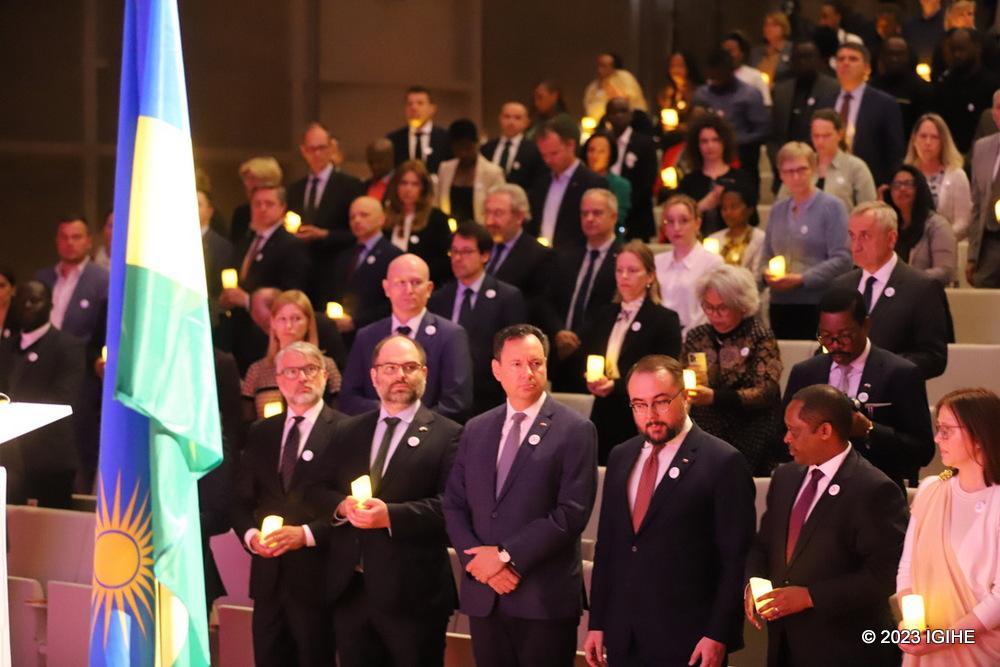
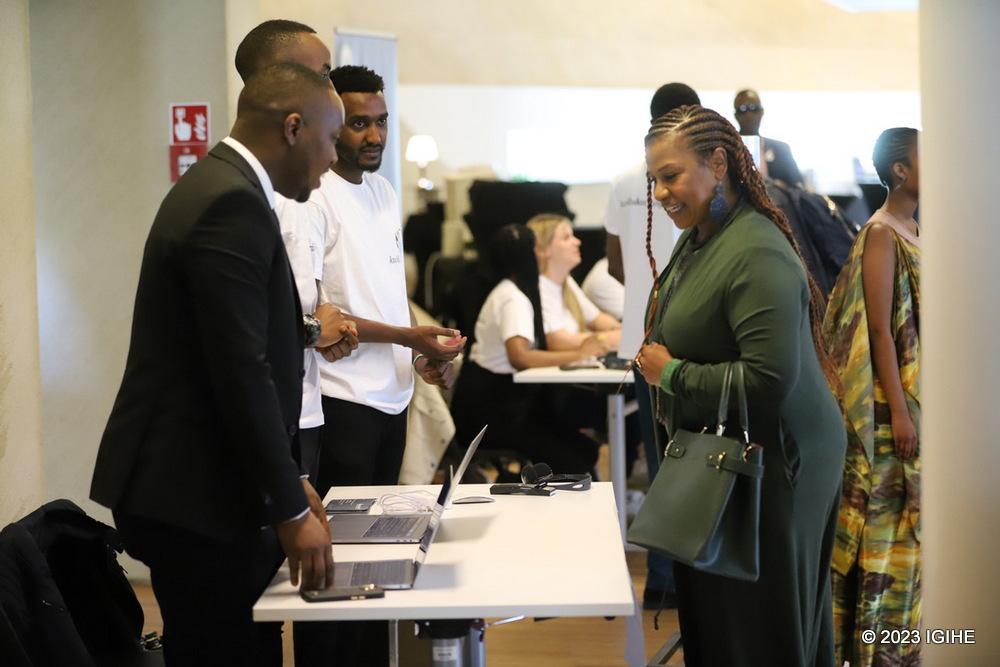
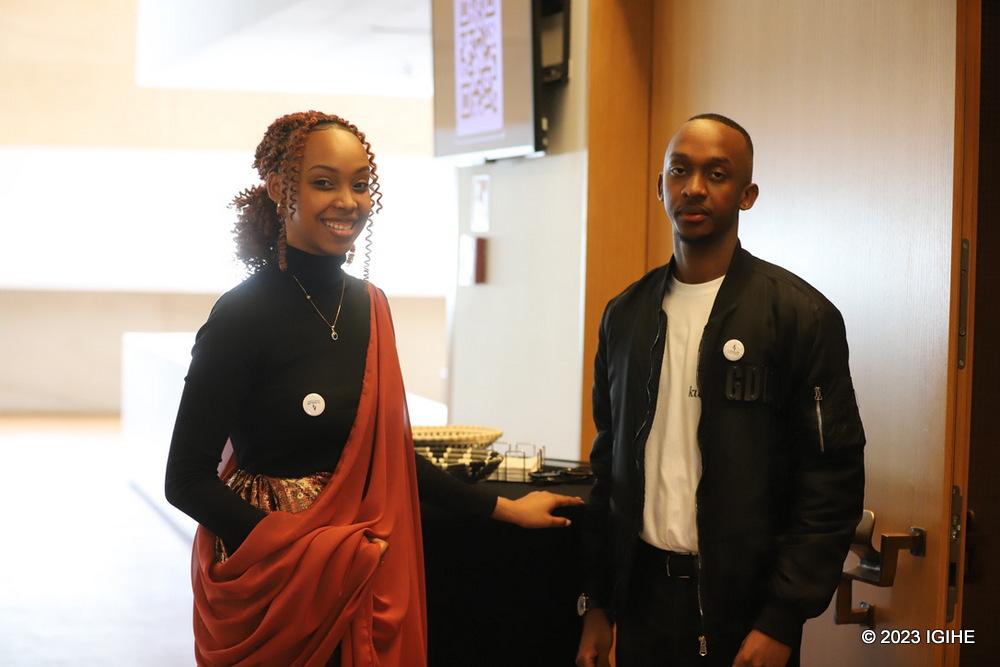
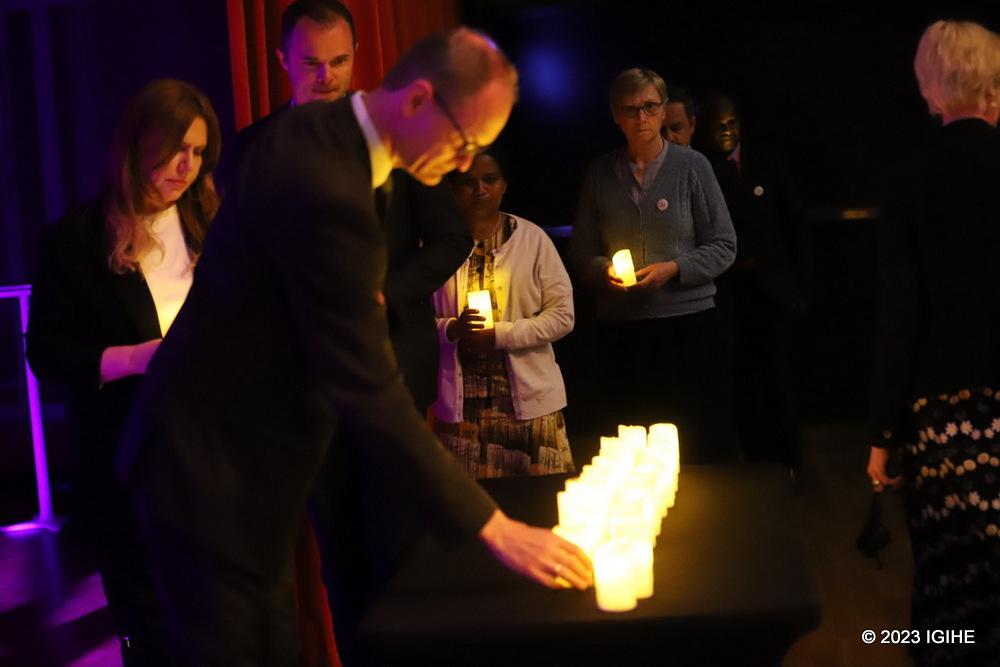
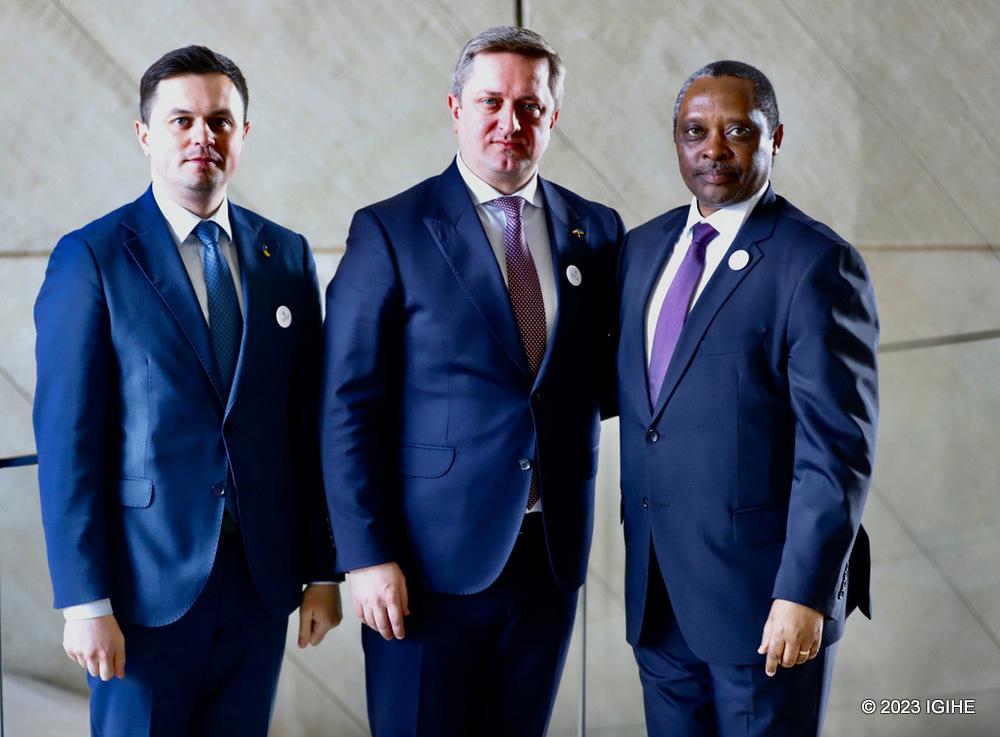
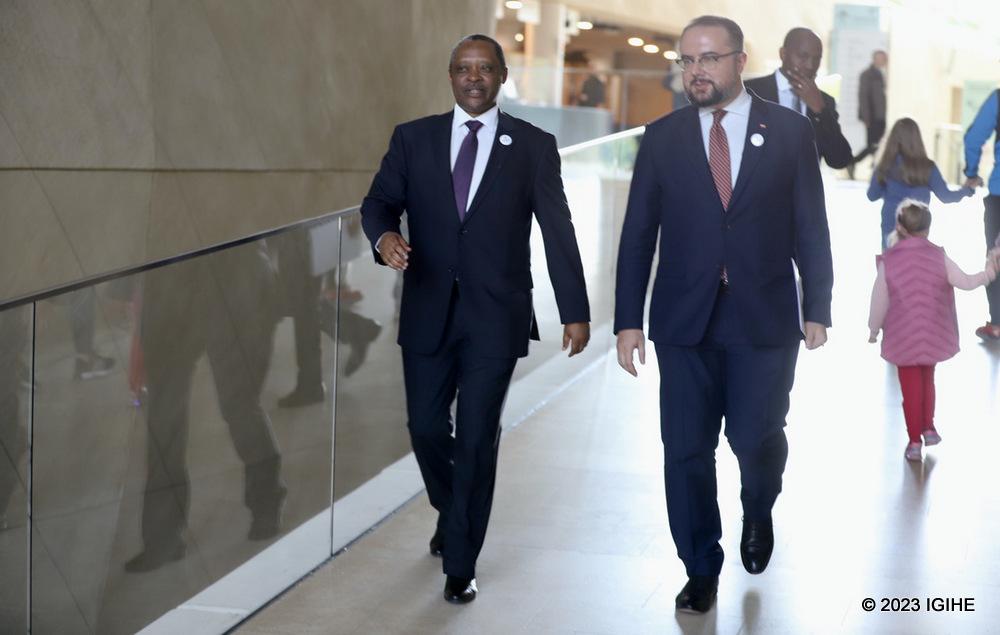
The event held in Warsaw on Monday 8th May 2023, was also attended by officials from the country members of the diplomatic corps and friends of Rwanda.
In his message, Amb. Shyaka extended solace to all survivors of the Genocide against the Tutsi and commended gathered mourners for their solidarity to join Rwandans during the commemoration event to honour slain victims.
After stopping the Genocide that lasted for 100 days, RPF Inkotanyi under the visionary leadership of President Paul Kagame has promoted unity and reconciliation and built a prosperous nation from ashes.
“29 years have passed since the Genocide against the Tutsi. In spite of this tragic history, Rwandans have managed to turn the page and move forward from grieving, towards a united and prosperous nation,” stated Amb. Shyaka.
“Today, 70% of the total population of Rwanda is comprised of a youthful generation born after 1994. Almost all of these young compatriots living here in Poland are in this category. They are a privileged and proud generation. They make us confident in a bright future,” he added.
Risen from ashes in 1994, Amb. Shyaka underscored, Rwanda is among the top three United Nations (UN) peace contributing countries globally, one of the safest countries in Africa, fast growing economy, ranked among the best countries to do business among others.
He reminded participants that Genocide against the Tutsi was a product of bad politics noting that Rwanda’s transformation is a product of good politics engendered by a visionary and transformational leadership of President Kagame and the policy of post-genocide government to embrace National Unity and Reconciliation despite the scars left by the Genocide.
“It wasn’t easy but it was imperative. It necessitated leadership and resilience. Rwandans were ready for both. And we still are,” he noted.
Commenting on the essence of remembrance; Amb. Shyaka highlighted it is a profound duty to keep the eternal flame of loved ones glowing for the next generations and preserve memory for the meaning of ‘Never Again’.
“As people, we Unite to restore our dignity and take our destiny in our hands as one people, built on Ndi Umunyarwanda [I am Rwandan] to deconstruct the root causes of Genocide. We Renew to ensure prosperity and security for our country, our people and our future generations,” he noted.
“Rwanda’s commitment to remembrance is imperative. Our determination for Unity is unshakeable and our resolve for Renewal and Dignity- AGACIRO- is unstoppable,” added Amb. Shyaka.
As he said, Rwanda has about a 1000 arrest and indictments warrants issued against perpetrators of the Genocide against the Tutsi, where majority of the fugitives are still at large in capitals in Europe, Africa and America.
Amb. Shyaka commended countries that have taken bold steps to bring Genocide fugitives to justice and urged others to follow the suit.
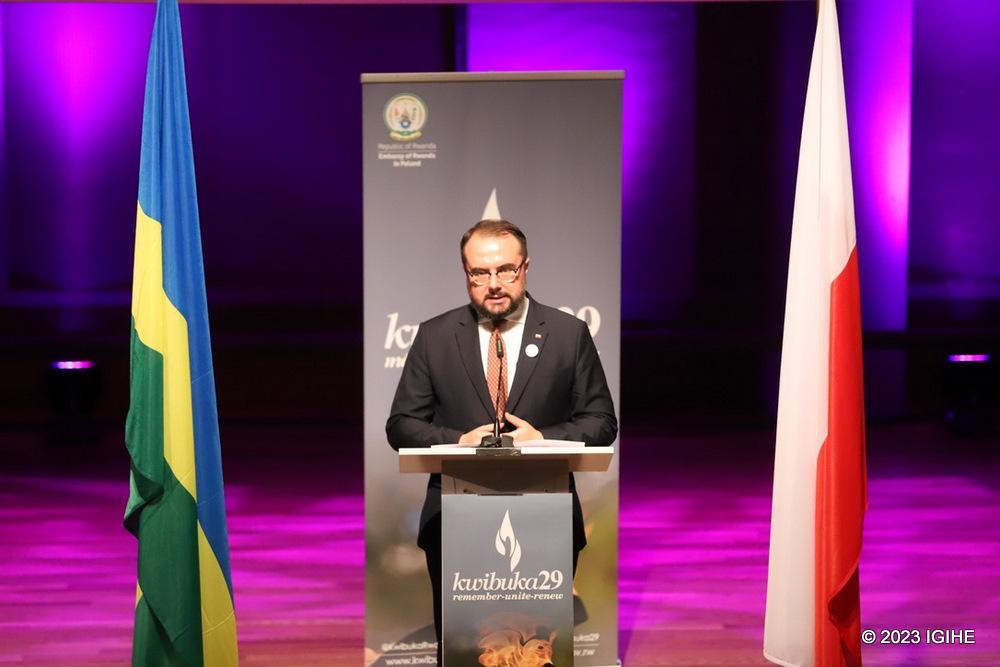
Polish Deputy Foreign Affairs Minister, Pawel Jablonski said his country also experienced crimes against humanity and expressed solidarity with Rwandans as they commemorate Genocide against the Tutsi for the 29th time.
“We experienced this in our past and we know very well what it means to be the victim of genocide, what it means to rebuild a nation and still the process of reconciliation is ongoing because there is no true reconciliation without compensation and forgiveness,” he said.
“In solidarity with the people of Rwanda, we express gratitude to all those that work relentlessly to ensure that such Genocide never happens again,” added Jablonski.
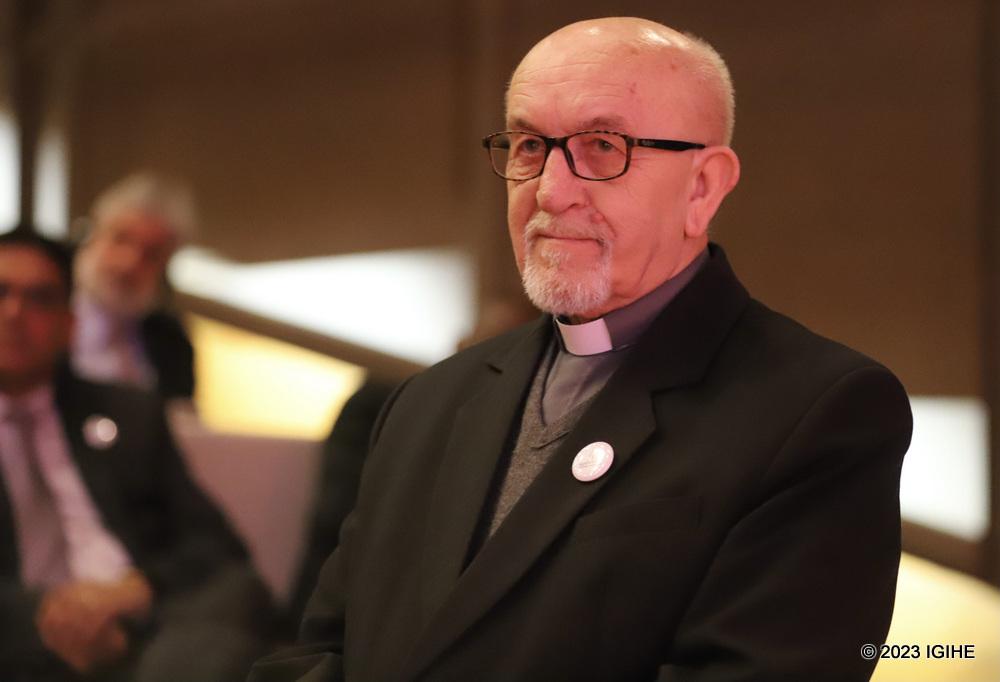
Also present was Father Stanislaw, a priest recognized as social pact protector (Umurinzi w’Igihango).
Amb. Shyaka commended him for having protected hundreds of people in his parish of Ruhango District during Genocide against the Tutsi and described him as the best ambassador of humanism.

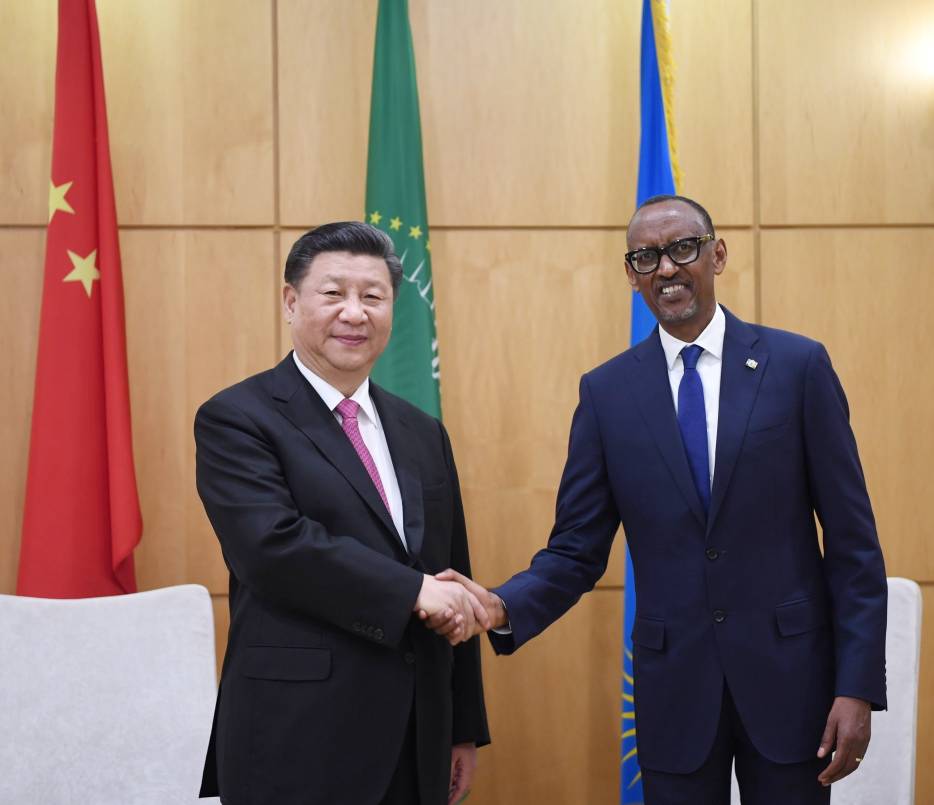
In recent days, strong rainstorms have hit many places in Rwanda, causing heavy casualties and property losses, Xi noted in a message.
On behalf of the Chinese government and people, he mourned the dead and extended sincere sympathies to the bereaved families, the injured and the affected people.
The President also voiced confidence that Rwanda will surely overcome the difficulties and rebuild the homeland.
Weather related disasters that hit Rwanda earlier last week have displaced more than 9,000 people in different provinces of the country while about 5,598 families were displaced and are hosted at different sites.
At least 131 people were killed and 94 others injured when flooding and landslides triggered by heavy rains hit Western, Northern and Southern provinces of Rwanda on Tuesday and Wednesday.
Among others; more than 5,550 houses, 14 roads and more than 50 schools were destroyed and the disasters also destroyed crops, water and power infrastructures.
Last week, the Minister of Infrastructure Ernest Nsabimana said the government needs about 110 billion Rwandan francs (about 98.3 million U.S. dollars) to rebuild infrastructure damaged by the disasters in the country.
The government has appealed to residents living in high risk zones to relocate to safe areas.