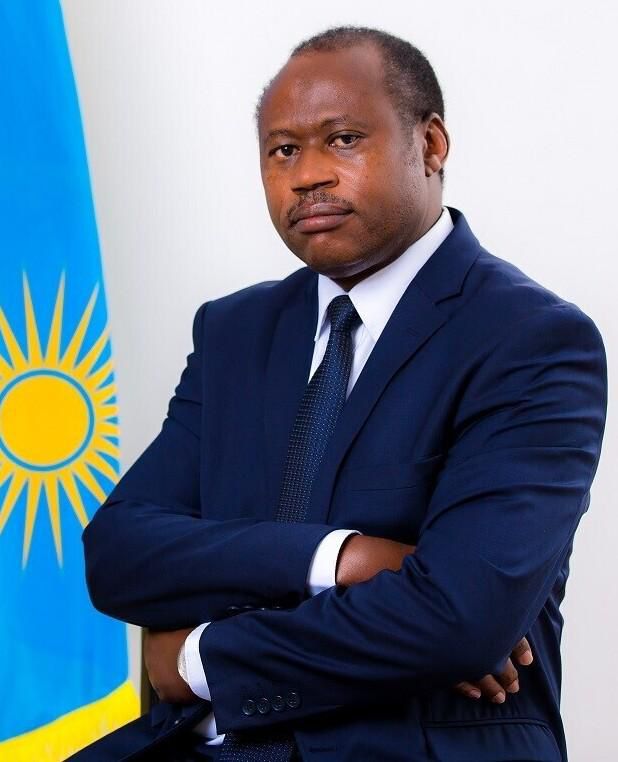
The appointment was made following the resolution of BK Group Plc Board of Directors on August 13, 2024, and is pending all regulatory approvals.
Speaking on the new appointment, Mr. Jean Philippe Prosper Chairman of the Board of Directors of BK Group said: “We are delighted to have appointed Dr Uzziel Ndagijimana as Chief Executive Officer of BK Group PIc. His leadership and vast experience in the economic and financial sectors will be instrumental in driving BK Group’s strategy and future growth ambitions.”
Dr Ndagijimana will work closely with the CEOs of our 5 subsidiaries: CEO of Bank of Kigali PIc; CEO of BK General Insurance; CEO of BK Capital, CEO of BK TecHouse, and Executive Secretary of BK Foundation.
Dr Ndagijimana is an economist and has a recognized financial professional background. He brings a good and deep understanding of the financial sector. Previously, he served as Minister of Finance and Economic Planning.
The Board of Directors expresses its deepest gratitude for Beata’s dedication and invaluable contribution to the business and Rwanda’s financial sector over the past 2 years.
{{About BK Group Plc
}}
BK Group Plc is a home-grown, award-winning Rwandan institution with deep roots in the African financial space since its inception in 1966. Over the years, BK Group Plc has gradually transformed into a premier one-stop shop, with a full range of financial services offered under a single roof.
The Group’s activities range from retail and corporate banking to asset management and investment banking. Additionally, BK Group provides non-life insurance products as well as innovative enterprise solutions designed to stimulate growth in the Rwandan digital space.
BK Group Plc is currently listed on both the Rwandan Stock Exchange (RSE), having floated its shares in 2011, and the Nairobi Stock Exchange (NSE) in 2018.
The Group operates through five subsidiaries: Bank of Kigali, BK Insurance, BK TecHouse, BK Capital and BK Foundation.
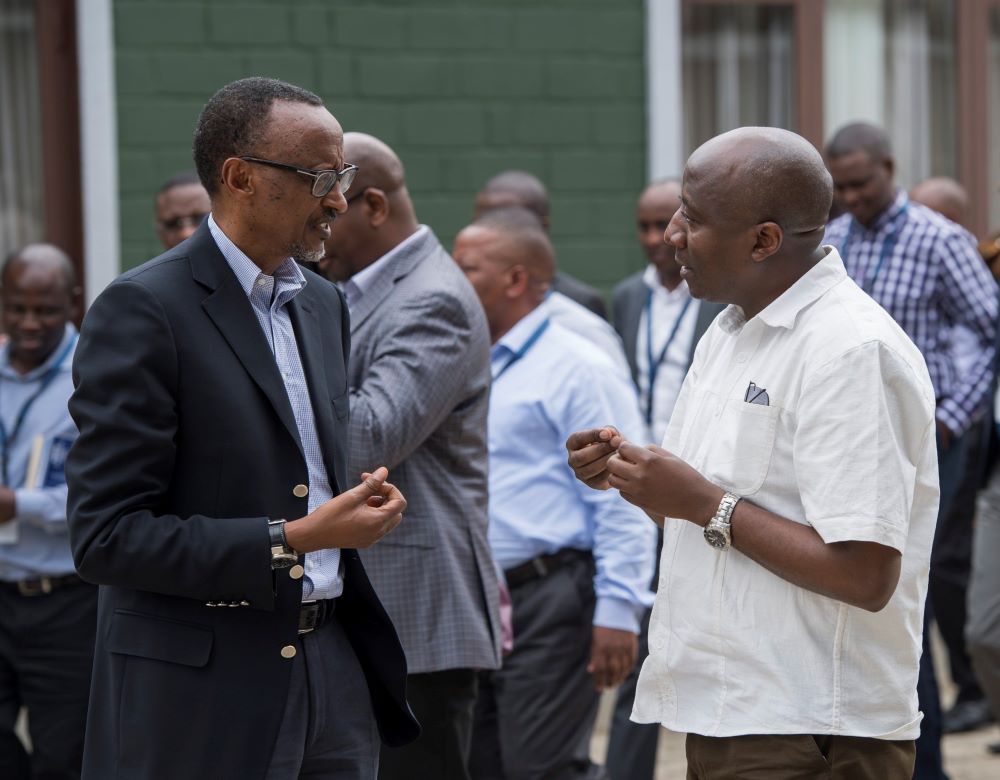
“Deeply humbled and honoured to be reappointed as Prime Minister. Thank you Your Excellency Paul Kagame for this immense privilege,” Dr Ngirente posted on his X handle.
“I commit to continue serving our Country under your leadership and anticipate our journey to elevate Rwanda to even greater heights,” he added
The Head of State announced the reappointment of Ngirente as Rwanda’s Prime Minister on Tuesday, August 13, 2024, a reflection of his trust in his leadership.
Ngirente has served as Prime Minister since August 30, 2017, when he was first appointed to Cabinet.
He is credited with prioritizing accountability in the last Cabinet, promptly dismissing underperforming ministers and informing the public.
Before joining Kagame’s Cabinet, Ngirente held various roles, including Senior Advisor to the World Bank Executive Director in 2017 and Advisor to the World Bank Executive Director from 2011 to 2017.
He also served as a Senior Economic Advisor to Rwanda’s Ministry of Finance and Economic Planning and was the Director General of National Development Planning and Research in the same ministry.
He holds a PhD in Economics from the University of Louvain (UCLouvain) in Belgium, a Master’s degree (MSc) in Agricultural Economics from UCLouvain, a Master’s degree (MA) in Financial Risk Management from Saint-Louis University in Brussels, a University Certificate in Statistics from UCLouvain, and a Bachelor’s degree in Economics/International Economics from the University of Rwanda.
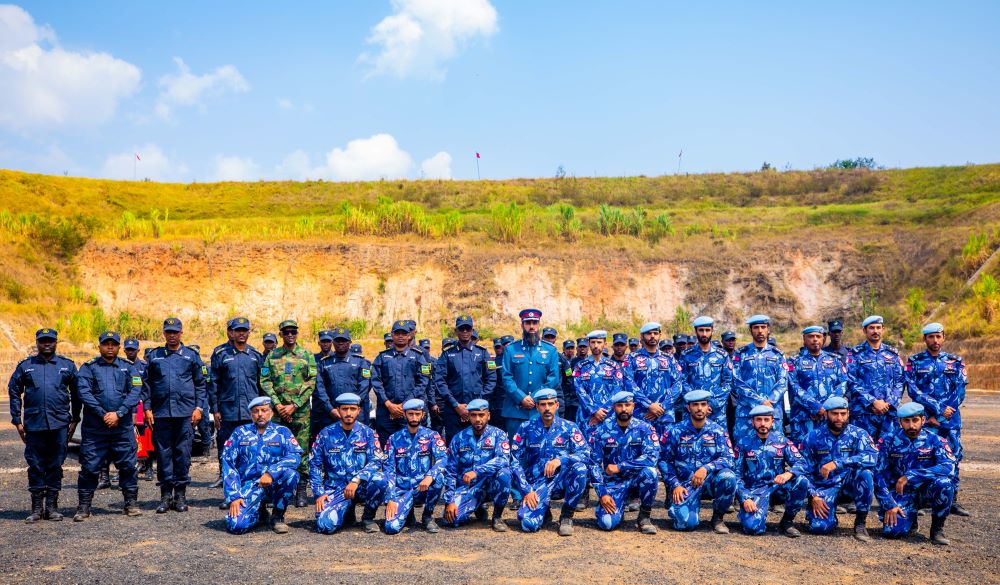
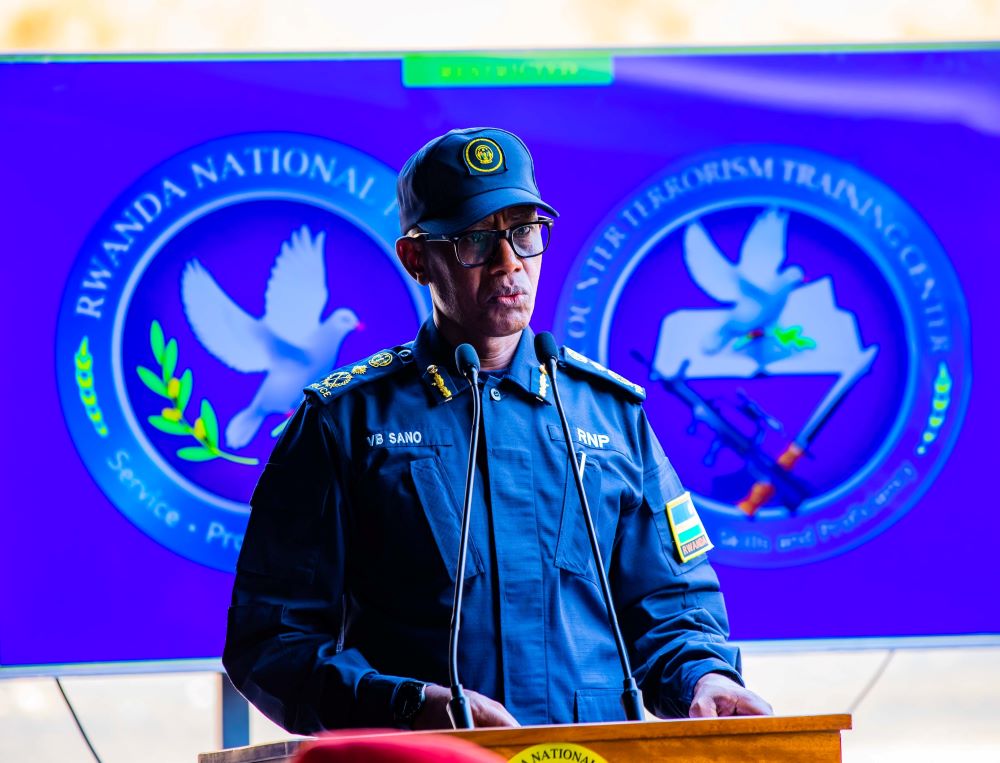
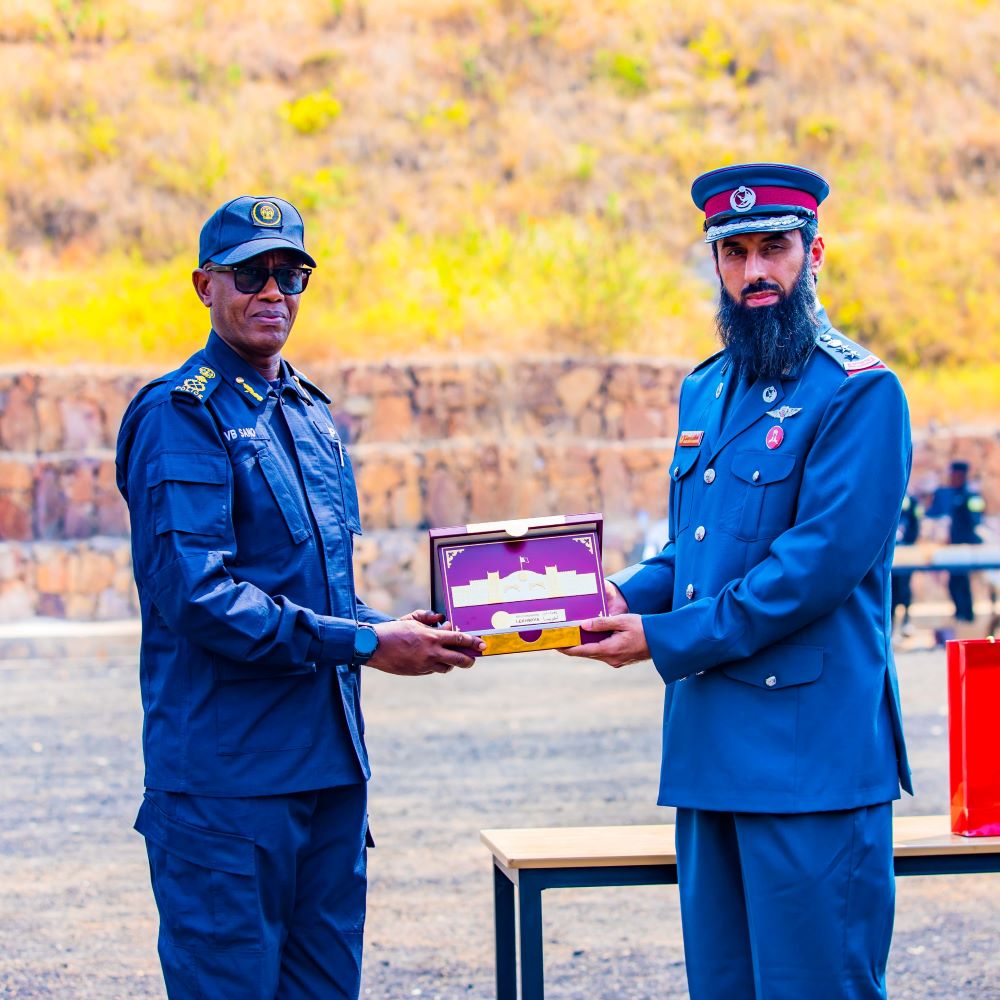
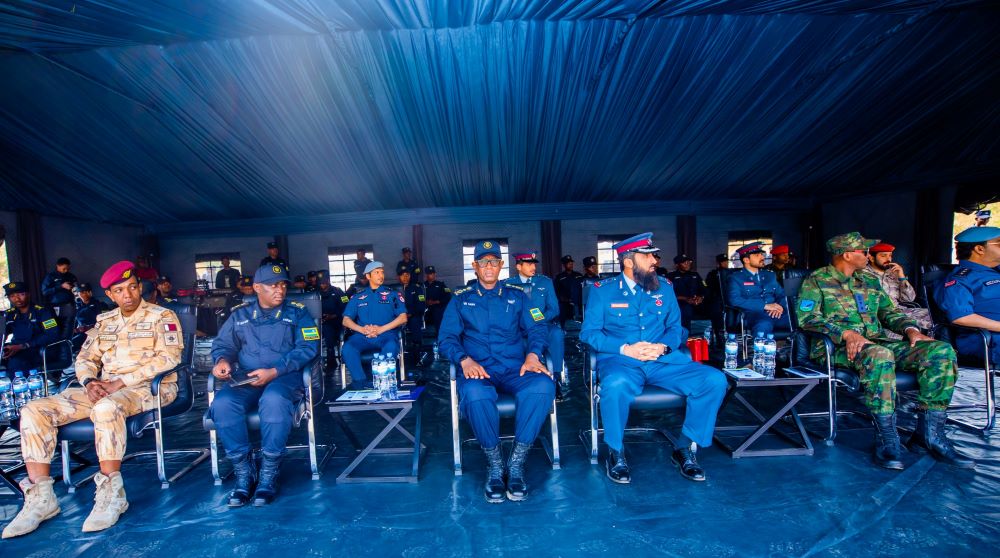
The course conducted by Rwanda National Police (RNP) in partnership with Lekhwiya, the Internal Security Force of Qatar, was officially closed by the Deputy Inspector General of Police (DIGP) in Charge of Operations, Vincent Sano.
DIGP Sano congratulated the trainees for successfully completing this intensive course.
“You were subjected to an intensive programme designed to enhance your skills in VIP protection, an area that is crucial for ensuring safety of high-profile individuals. The knowledge and techniques acquired during this course is not only vital for the protection of our VIPs but also for the broader goal of maintaining peace and stability in Rwanda and abroad,” DIGP Sano said.
He thanked Lekhwiya for the productive partnership, adding that this is the beginning of more training programmes.
DIGP Sano further thanked the leadership of the two countries–Rwanda and Qatar–for laying a very strong foundation that has enabled the two law enforcement institutions to organize and conduct activities of mutual interest in different areas of cooperation.
Moving forward, he said, this has paved the way to foster mutual understanding and working together towards common goals.
The Commandant of CTTC Mayange, Assistant Commissioner of Police (ACP) Safari Uwimana, said that the course was designed to equip the officers with various skills and knowledge in VIP Protection.
He added that training programmes, including the protection of high officials and other dignitaries, training of trainers are important in achieving the mission of the CTTC Mayange.
In January this year, RNP and Lekhwiya signed a cooperation pact, which outlines partnership in security and crime control, including fighting terrorism, transnational organized crime, human and drug trafficking, trafficking of firearms and explosives, money laundering, cybercrime and corruption, among others.
The Office of the President announced Dr. Ngirente’s appointment on Tuesday evening.
Dr. Ngirente has been reappointed as Prime Minister two days after President Kagame took the oath of office for another term following the Presidential elections held on July 14-15, 2024. He had previously served as Prime Minister since August 30, 2017.
Dr. Ngirente is credited for prioritizing accountability in the outgoing Government, with underperforming ministers being promptly dismissed and the public informed.
The Government led by Dr. Ngirente started with 20 ministries but concluded with 21; two ministries were abolished, one was established, and another was reinstated.
The Ministry of Land and Forestry and the Ministry of State Investment were abolished, while the Ministry of National Unity and Civic Engagement was established, and the Ministry of Internal Security was reinstated.
Only three ministers who started with the Government in 2017, including Prime Minister Dr. Ngirente, remained in office until the end of the term.
Dr. Edouard Ngirente was born in 1973 in Mbirima and Matovu, in Mbilima Village of Coko Sector, Gakenke District, in the Northern Province. He attended primary school at Rwahi Primary School and continued his secondary education at Groupe Scolaire de la Salle, formerly in Byumba.
Dr. Ngirente studied Economics at the University of Rwanda and was among the first students there after the Genocide against the Tutsi.
Upon completing his studies, he worked in agronomy at the former National University of Rwanda in Butare, where he also taught. During that time, he was employed by the university on a project responsible for monitoring price fluctuations in markets.
He holds a Master’s degree in Statistics and Finance from the Université Catholique de Louvain in Belgium.
He served as the Director of Planning at the Ministry of Finance and Economic Planning before being appointed as an Economic Advisor at MINECOFIN. On March 30, 2011, a Cabinet meeting chaired by President Kagame at Village Urugwiro approved his request to take an indefinite leave of absence.
In 2014, Dr. Ngirente assumed the role of Advisor to the Executive Director of the World Bank in Washington, D.C., in the United States.
In 2016, he became a Senior Economic Advisor in the senior management of the World Bank, representing 22 countries, including Rwanda.
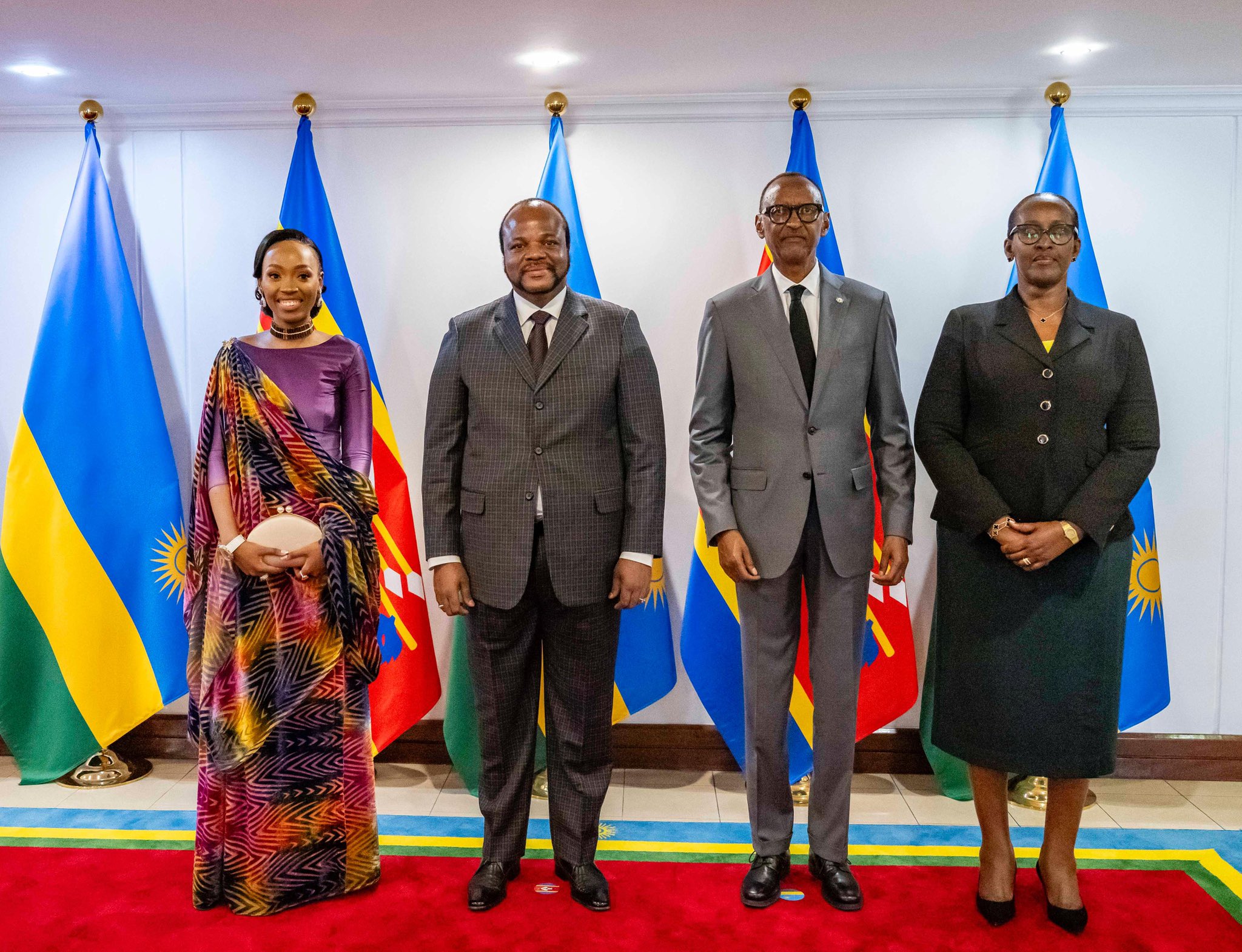
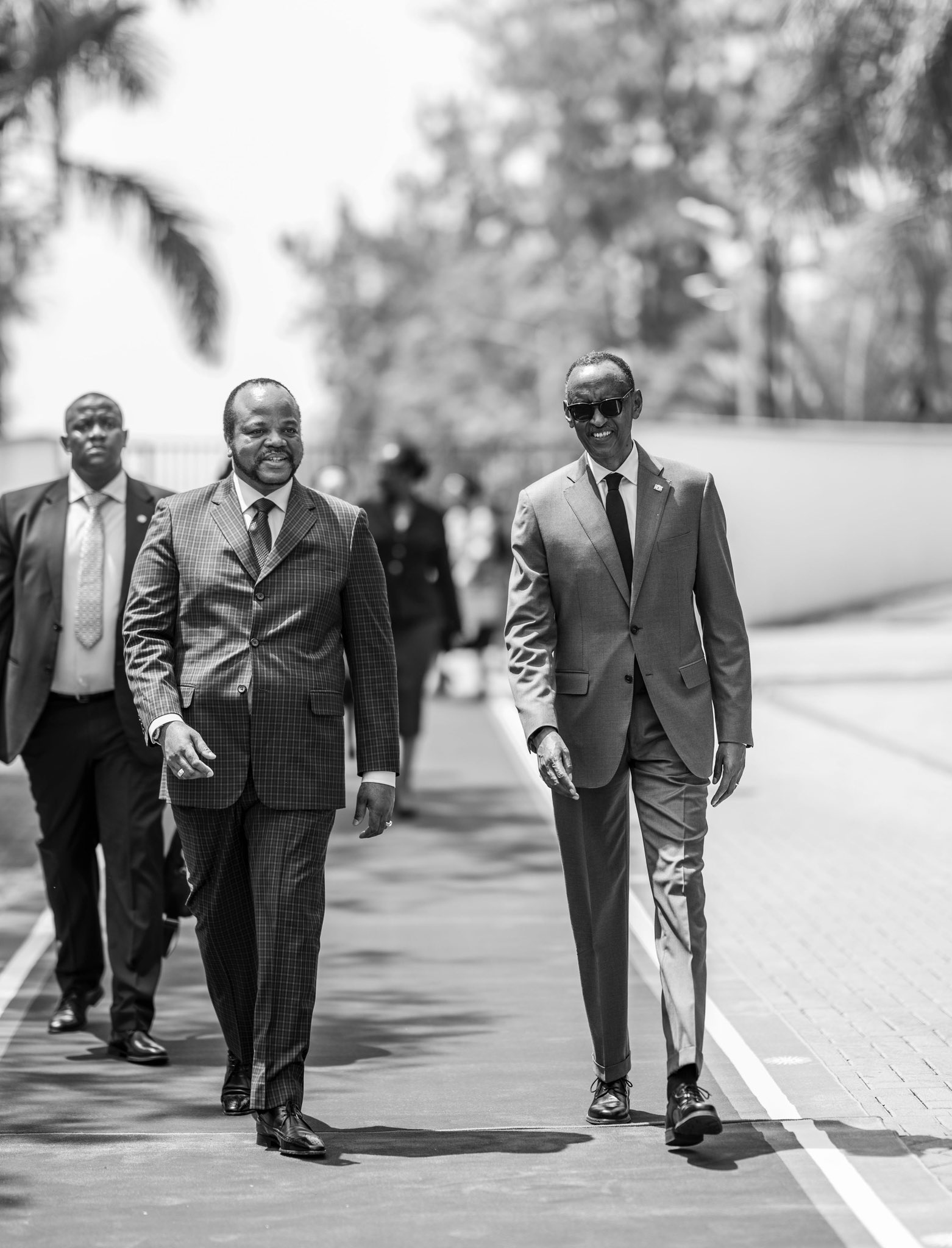
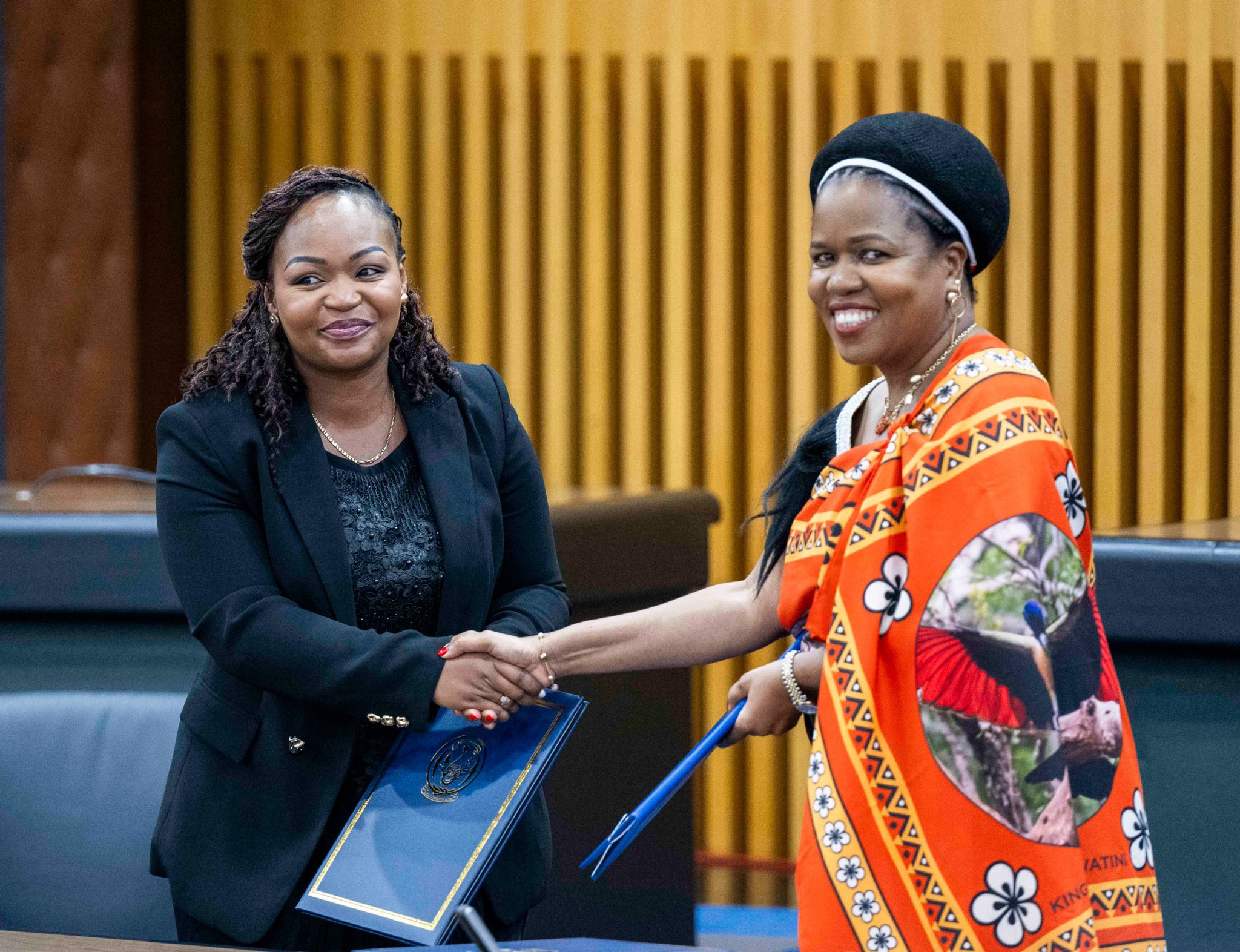
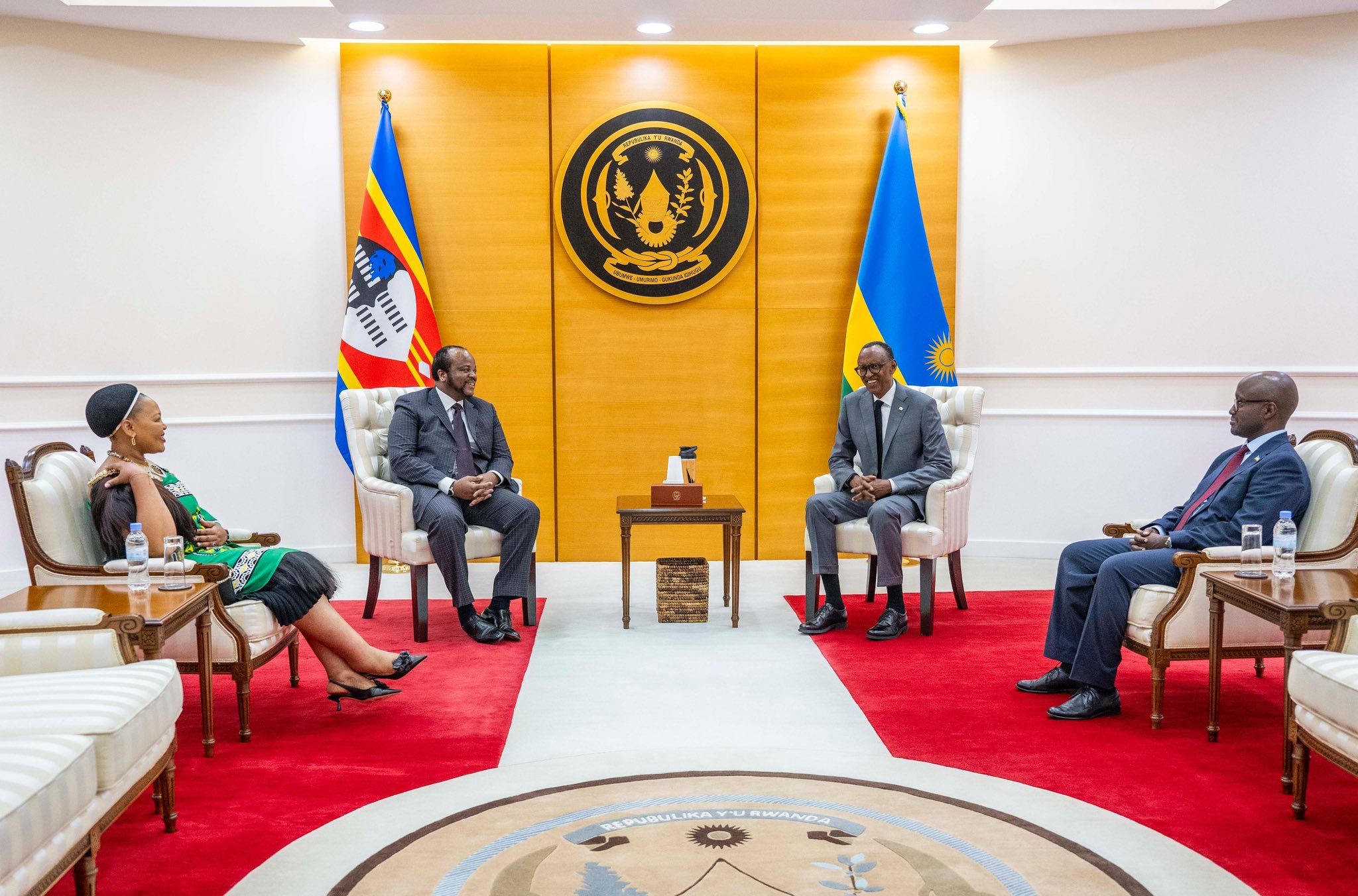
The signing of the Memorandum of Understandings (MoUs) took place at Urugwiro Village on Tuesday, August 13, 2024, when King Mswati III paid a courtesy visit to President Paul Kagame.
He inspected a guard of honour mounted by the Rwandan Defence Forces (RDF) before later witnessing the signing of the cooperation agreements.
The MoUs signed include cooperation agreements on Defense and Security, Police, Correctional Services, and mutual visa requirement exemptions for holders of diplomatic and service passports.
King Mswati III arrived in the country on Saturday to attend the inauguration of President Kagame which was held on Sunday, August 11, 2024.
Speaking after the signing of the agreements by representatives from the two countries, President Kagame said that King Mswati III’s visit reflects the friendly ties between the two nations.
He noted that the signing of the agreements presents an opportunity to strengthen cooperation bonds between Rwanda and the Kingdom of Eswatini.
“In Rwanda, we are very eager to share our experience and transformation journey with partners and friends such as Eswatini. That is why we established the Rwanda Cooperation Initiative across a wide range of sectors such as defense and security, ICT, education, agriculture, tourism, and trade,” President Kagame stated, adding that the two countries have a lot to offer each other.
President Kagame emphasized the importance of implementing the agreements, saying, “That is what creates tangible results on the ground.”
King Mswati III, on his part, said he looks forward to the full implementation of the signed MoUs.
He also expressed the Eswatini Kingdom’s intention to establish cooperation with Rwanda in areas such as agriculture, where Rwanda is well advanced.
“Our country could benefit from learning your best practices and technology to improve productivity,” King Mswati III said.
In addition, the King emphasized that Rwanda and Eswatini could benefit from collaborations in the tourism sector. Eswatini is a renowned tourist destination because of its rich traditional culture, while Rwanda boasts various tourism sites such as Lake Kivu, gorilla trekking, and various volcanic sites.
“Our countries are both renowned tourist destinations globally. There is potential for collaboration in the tourism sector, such as creating packages that could attract tourists from around the world,” he shared.
King Mswati III also noted that his visit to Rwanda is aimed at improving business opportunities for both countries and their people. His delegation visited Irembo, the company behind the government’s one-stop service portal and the economic zones in Kigali.
President Kagame said he would reciprocate the visit by going to Eswatini sometime in the near future.
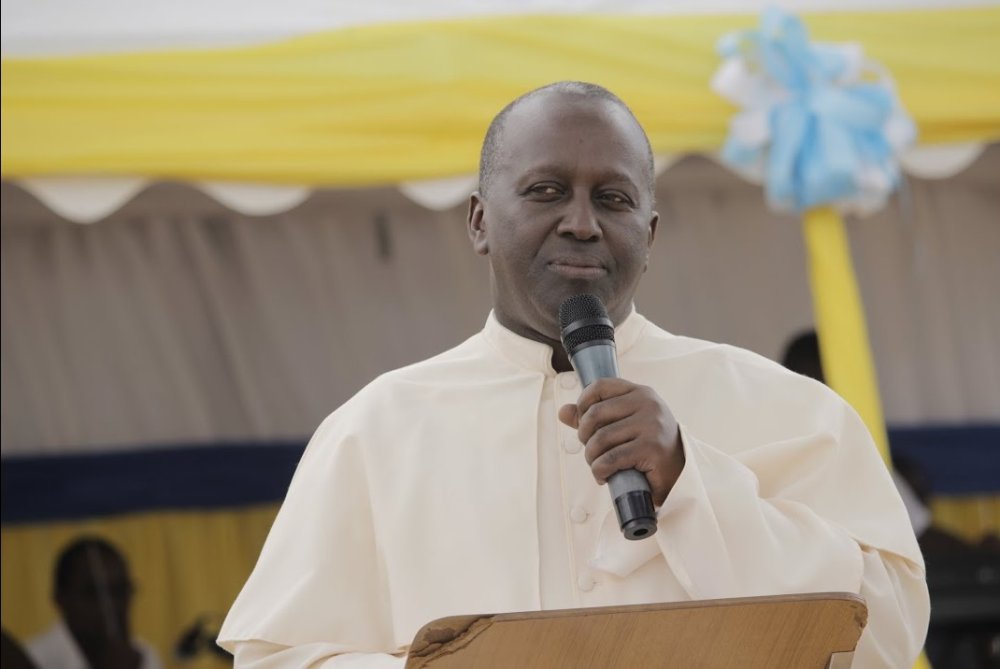
Ntagungira, formerly the Chief Priest at Regina Pacis Parish in Kigali, brings a wealth of experience and a deep sense of responsibility to his new role.
Born on April 3, 1964, Bishop Ntagungira pursued his education at the Kigali minor seminary and Rutongo preparatory seminary, continuing his studies at the major seminary in Nyakibanda. He was ordained as a priest on August 1, 1993, in the Archdiocese of Kigali.
In an exclusive interview with IGIHE, he shared his thoughts on his appointment, his experiences within the Church’s tribunal, and his perspectives on key global issues facing the Catholic Church.
Bishop Ntagungira expressed gratitude for the trust placed in him by Pope Francis, acknowledging the mixture of joy and anxiety that accompanies such a significant responsibility.
“You feel joy, but also anxiety and concern because it would be a mistake to say, ‘I can do this, I will be able to handle it.’ It’s about saying, ‘Lord, you have chosen me for this; together with the other bishops, priests, and faithful of the diocese, we will work as one.’ That gives me confidence and eases my anxiety,” he said.
He emphasized that his leadership will be marked by collaboration and a shared journey of faith and development with the Christians of the Diocese of Butare.
“It’s about giving them the opportunity to express how they feel their Church should operate. This is crucial for the faithful, the priests, and other diocesan partners. It’s important to take time to listen, to reflect together because a bishop is not someone who makes decisions alone,” Ntagungira underscored.
Father Ntagungira also expressed his confidence in fulfilling his new responsibilities with the continued support and guidance of his predecessor, Bishop Philippe Rukamba.
{{Serving in Church tribunal management}}
Bishop Ntagungira has held various significant roles within the Church. After his ordination, he served as the Director of studies at Ndera minor seminary from 1993 to 1994.
His academic achievements led him to the Pontifical Lateran University in Rome, where he earned a doctorate in canon law. Upon his return to Rwanda, he held several key positions, including Chancellor of the Archdiocese of Kigali and President of the diocesan Commission for Missions and Ecumenism from 2001 to 2002.
In addition to his administrative duties, Ntagungira served as Rector of the Saint Vincent minor seminary in Ndera and played a crucial role at the Interdiocesan Ecclesiastical Tribunal of Kigali since 2002. He explained that the tribunal handles various cases, including those involving priests who have engaged in improper conduct, as well as other matters concerning the Catholic faithful.
“The Church, like any other society, has its courts with various levels. There are courts that handle ordinary cases, whether involving a priest or a layperson who has done something wrong. These courts conduct investigations, pass judgments, and impose penalties,” he said.
The tribunal also addresses cases regarding the annulment of marriages under specific circumstances, differing from civil divorce by declaring a marriage invalid from the start if serious issues were present at the time of the union.
{{Priestly marriages and homosexuality in the Church}}
Addressing the growing call for priests to be allowed to marry, particularly in regions with declining clergy numbers, Bishop Ntagungira emphasized the importance of understanding the commitment to celibacy made by priests.
“When you enter the priesthood, you do so knowing that you are committing to celibacy. The reason is that we must be selfless parents to many, not bound to just one family,” he said. He added that if a priest chooses to leave the priesthood, the community should support rather than judge them.
On the topic of homosexuality within the Church, Bishop Ntagungira addressed the recent discussions about homosexuals receiving blessings from clergy, as allowed by Pope Francis.
However, he made it clear that the Catholic Church does not endorse same-sex relationships and cannot recognize same-sex couples as a family.
“You cannot make a family out of a same-sex couple because that would contradict the divine commandment given to Adam and Eve to ‘be fruitful and multiply.’ This is not something that can be overlooked,” he stated.
While individuals may receive blessings as children of God, the Church remains committed to teaching its stance and ensuring that individuals understand their position within the Church doctrine.
Bishop Ntagungira expressed his gratitude to the faithful of Regina Pacis Parish, where he previously served, and assured the Christians of the Diocese of Butare that he looks forward to working together to foster collaboration and unity.
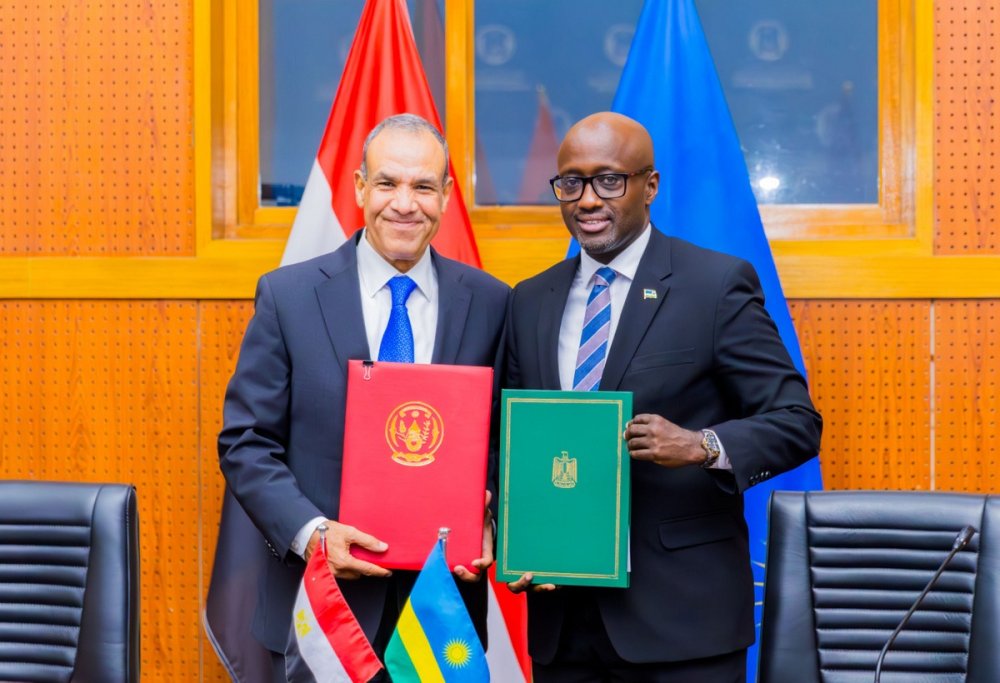
The announcement was made on Monday, August 12, 2024, following a meeting between Rwanda’s Minister for Foreign Affairs Olivier Nduhungirehe and his Egyptian counterpart Badr Abdelatty.
During the meeting, Egypt also committed to reciprocating the gesture by allocating Rwanda a piece of land to help Rwanda in trade and investment. The specific location of the land to be occupied by Egypt is yet to be determined.
The signing of the agreement coincided with Abdelatty’s visit to Kigali to attend the inauguration ceremony of President Paul Kagame.
According to the Egyptian minister the newly allocated land aims to “facilitate Egyptian companies and investments’ access to the promising Rwandan market.”
Abdelatty highlighted that the deal with the Rwandan authorities is within the framework of Egypt’s efforts in addressing the urgent needs of the Rwandan market in various sectors.
He affirmed Egypt’s commitment to advance relations mutually beneficial to both countries particularly in the economic and investment sectors.
Minister Nduhungirehe noted that investments in trade are key to strengthening bilateral ties between Rwanda and Egypt.
The minister also extended gratitude to Egypt for its instrumental role in establishing the Magdi Yacoub Rwanda-Egypt Heart Centre, which is set to be the first dedicated cardiac hospital in Rwanda and the sub-Saharan region.
The facility, which is being constructed in Masaka, Kicukiro District, is expected to cost $20 million. Construction began in 2021 and is expected to be completed in 2025.
Yesterday, Rwandan and Egyptian officials signed a Memorandum of Understanding on the supply of medical equipment and devices to the hospital once complete.
The agreement signed between Rwandan Food and Drugs Authority (Rwanda FDA) and the Egyptian Medicines Authority (EDA) is aimed at ensuring the quality, safety, and efficacy of pharmaceutical products to be used at the new heart center.
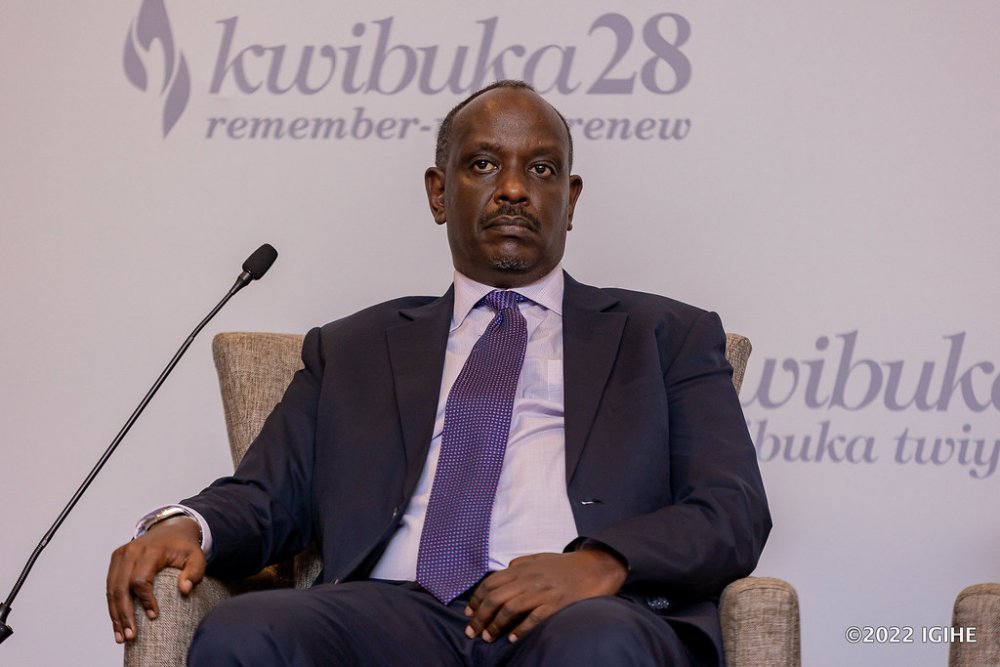
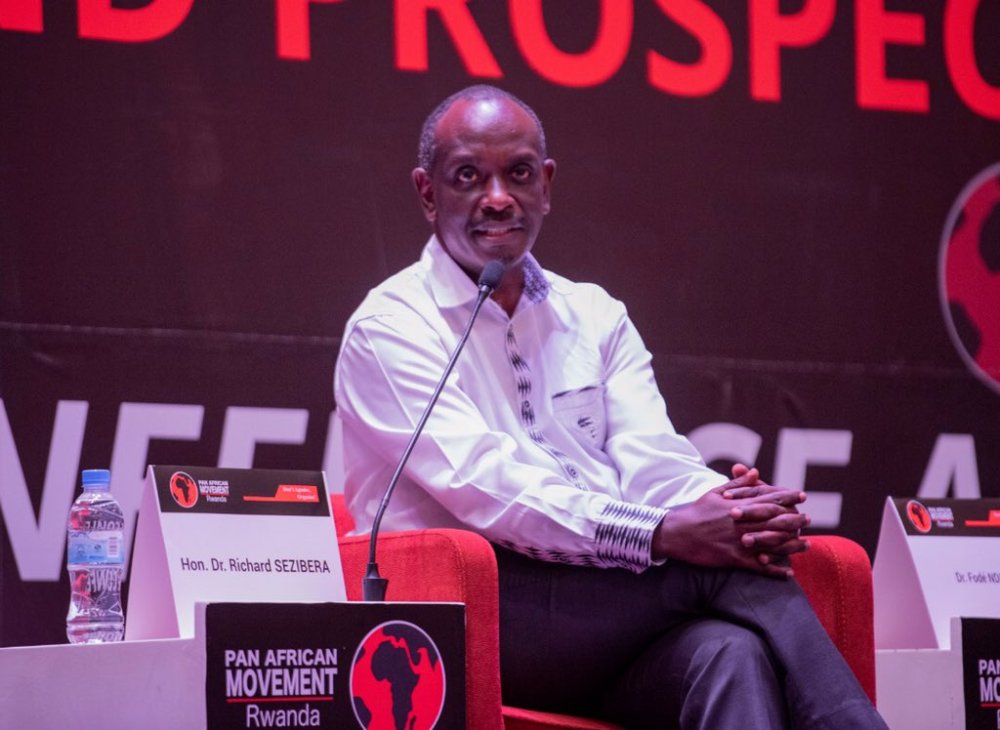
Born in Ngozi, Burundi, and raised in Uganda, Sezibera was among the youth who made the life-changing decision to leave behind their personal pursuits to join the fight to liberate Rwanda after completing his medical studies.
At the battlefield, he undertook numerous roles: from wielding a gun and directly confronting the enemy to treating the wounded under dire conditions plus leading his fellow fighters in some incidences.
After Rwanda’s liberation, Sezibera served in various capacities, including in the government, parliament, foreign missions in different roles and at the World Health Organization (WHO). At one time Sezibera faced health challenges that saw him out of politics for around four years.
In 2019, Dr. Sezibera suffered a stroke, a serious, life-threatening medical condition that occurs when the blood supply to part of the brain is cut off and can potentially lead to death if immediate medical attention is not provided. The stroke struck unexpectedly, but with the support of his family and the Rwandan government, he is now on the road to recovery.
In an exclusive interview recently with RBA, Ambassador Dr. Sezibera discussed his current condition and reflected on the journey he has taken since childhood.
“I was born in Ngozi, Burundi, partly because of Rwanda’s turbulent history. My father was killed in 1963. I was born a refugee in that country, but I grew up in Uganda with my uncle’s family, where I studied until I returned to Rwanda in 1990 with the Rwanda Patriotic Army,” he revealed.
Despite being born and raised in exile, he always knew that one day he would return home and claim his rights like any other citizen. This belief was the main reason he joined others in taking up arms after peaceful means had failed to liberate the country.
Determined to regain rights to his homeland, which had been denied to him, he left Uganda amid political difficulties where Rwandans were constantly reminded that Uganda was not their ancestral home.
“I always thought I would find a way back to my country. Fortunately, the Rwandan Patriotic Front was organizing itself in Uganda, and that gave us hope that we would eventually come back to our country,” he narrated.
Born in 1964, before joining the army, Ambassador Dr. Sezibera initially practiced medicine in Uganda, first at Mbuya Military Hospital and then in Mbale, where he worked for a few months at Mbale district Hospital for a year.
He decided to leave a well-paying job in a country with all the necessities to contribute his skills to treating those wounded in an effort to liberate his country.
“For four years, I practiced medicine in the bush. It was tough because we had no medical supplies and infrastructure, but despite that, medical care was needed. We did our best with what we had. We carried out major surgeries in the banana plantations with basic anesthesia,” he said.
“It was quite tough to perform surgeries under fire, sometimes in the dark, under torchlight. It was a task that required great dedication,” added Sezibera.
They also provided medical care to the impoverished local population. “When we were operating in the northern part of Rwanda, one area I remember is there were very poor people. We ended up not only vaccinating our troops but also the surrounding communities. Although we lacked enough equipment and medicines, we shared whatever we had with the local population, which had clearly been abandoned by their government for a very long time,” he said.
Sezibera recounts that this difficult life taught him many valuable lessons, including the resilience of the youth who were on the battlefield with unwavering determination.
There were times when a soldier under his care, perhaps just after surgery of battle wounds, would try to escape their sick days before they were fully healed to return to the frontline to help defeat the enemy.
“The second lesson I learned was the importance of leadership. After major operations in what we called the theater, I would sometimes see President Kagame, who was the commander, appearing to check on the situation, following up on whether we had what the young people needed. Having a leader like that, always aware of what is going on and solving problems, both major and minor,” he said, “taught me the value of leadership. He didn’t need to say anything; all of us just learned from that.”
When Rwanda was finally liberated, Ambassador Sezibera and his unit were stationed on Jali Hill in 1994, where they fought. On the night of July 3, 1994, Habyarimana’s forces began fleeing the country, retreating from Kigali with haste.
As the situation improved and Rwanda was liberated, his team thought they would move into the city to assist in other tasks, but they were told it was not possible and that they needed to chase the fleeing forces out of the country.
“My unit was asked to join others to chase withdrawing forces up to Gisenyi and confirm they had crossed into Zaire. I actually never entered the capital with the rest. I went straight to Gisenyi,” he noted.
However, after three weeks, he received an urgent message requesting his return to Kigali, where he was appointed Secretary to President Pasteur Bizimungu.
He served in this role for a few months before being elected in 1995 as one of the six representatives of the army in the Transitional National Assembly, where he served until 1999.
“I was then appointed Rwanda’s Ambassador to the United States. After completing my tour of duty, I came back to Rwanda and became the President’s Special Envoy for the Great Lakes Region for several years,” he revealed.
He later became Minister of Health, utilizing his medical background, and served as Secretary General of the East African Community from 2011 to 2016, followed by a stint as a Senator until 2018. In 2018, he was appointed Minister of Foreign Affairs and Cooperation, a role he held until November 2019.
{{Overcoming a stroke}}
The stroke occurred while he was one of the four Special Envoys of the Commonwealth. When asked how it happened, Sezibera remembers vividly that he was at work as usual and had gone for lunch when the stroke struck.
“I didn’t have any warning signs. I was in good health, and I was a sportsperson. At the time, I was doing my work, playing tennis as usual, and wasn’t overweight. I was a bit heavier than I wanted to be, but I wasn’t overweight. But today, I am on the path to recovery,” he says.
Sezibera shared that he is now feeling better and is in the process of recovering fully from the stroke, thanks to the excellent medical care he received, supported by the Rwandan government and his family.
“I am recovering, but it takes time. Let’s remember that I am not a very young man. If I had been in my twenties, then I would have probably recovered much faster than I have now.”
In the early months after the stroke, he used a wheelchair for about three months before beginning to walk independently. He mentioned that he was fortunate that his brain was not severely affected, allowing him to retain his ability to speak, remember, and function normally.
“It was a challenge for my family, but they have been very helpful. My wife and children were always there for me. I received very good support from the president and the government. I was provided with excellent medical care both in Rwanda and outside. It was a difficult time, but I am grateful we got through it.”
Among the lessons he learned from these challenges was the importance of God, country, and family.
Regarding future work, Sezibera indicates that he is focusing on his recovery, as that is also a task in itself.
However, in relation to his appointment as a WHO special envoy for health and education, he occasionally works with the team and writes to fulfill these responsibilities.
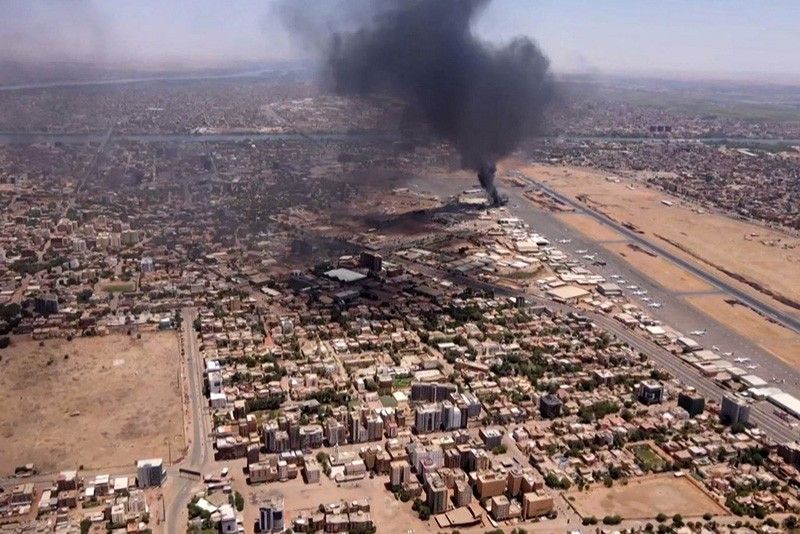
“The RSF militia resorted to new massacres after the systematic shelling of markets and civilian facilities, and storming homes of citizens and liquidating them,” he said.
According to the governor, the Sudanese Armed Forces (SAF) and the joint force of the armed movements in the Darfur region had managed to repulse the RSF attack and inflicted heavy losses on them.
“El Fasher will remain resilient and steadfast and soon will be free of any rebels,” the governor said.
The RSF has not issued any comments regarding the attack.
Since May 10, fierce clashes between the SAF and the RSF have been raging in El Fasher.
Sudan has been witnessing a deadly conflict between the SAF and the RSF since April 15, 2023, resulting in the loss of at least 16,650 lives. An estimated 10.7 million people are now internally displaced in Sudan, with approximately 2.2 million others seeking refuge in neighboring countries, according to recent UN data.
In 2014, the Heavenly Culture, World Peace, Restoration of Light (HWPL), an international peace organization, convened over a thousand global leaders from politics, religion, women’s groups, youth organizations, and the media from about 140 countries to the inaugural HWPL World Peace Summit in Seoul. The summit addressed the issues of conflict resolution, religious harmony, and the implementation of legal instruments to ensure lasting peace.
HWPL states that the purpose of the anniversary is to review achievements since 2014 and discuss future plans. The event aims to gather regional talents and establish networks essential for tailored peace strategies, strengthening regional networks to tackle local peace threats and harnessing collective capacities. To achieve this, various sessions will be held in each country at different levels.
Under the slogan “Let’s have everyone become a messenger of peace,” HWPL advocates for individual responsibility in promoting peace at all levels. HWPL plans to collect messages of peace from people around the world and reveal them at the event representing the desire for peace and unity of people from all walks of life around the world in the name of peace.
Fostered by the agreements signed in 2014, over the past decade, HWPL, alongside its global partners, committed to addressing global challenges such as military tensions, economic disputes, climate change, and cyber security threats through enhanced regional cooperation and collective action. HWPL’s dedicated to establishing a robust peace governance framework, connecting international organizations, governments, and civil societies.
Back in the 9th Anniversary in 2023, Chairman Lee Man-hee of HWPL said, “Why should the lives of young people be sacrificed in war? What is politics, and for whom is it for? When war breaks out, it is young people who are sacrificed. Peace cannot be achieved through words alone. If peace had won in this world, there would have been no regrettable deaths. We must leave peace as a legacy to the global community where our descendants will live.”