[Click this link to watch the full video->https://english.news.cn/20240719/846136a0784a4e84a754364787218dd6/c.html]
Category: News
-

“Happy Family Rwanda Organization” launches study on GBV and Teenage Pregnancies
This is through the UNESCO Program “Our Right Our Lives Our Future”, aimed at supporting the country to deliver comprehensive sexuality education for adolescents and young people in Sub-Saharan Africa
The program helps young people to access information about Sexual reproductive health, combat and prevent unwanted pregnancies, Gender-Based violence (GBV) and HIV/AIDS.
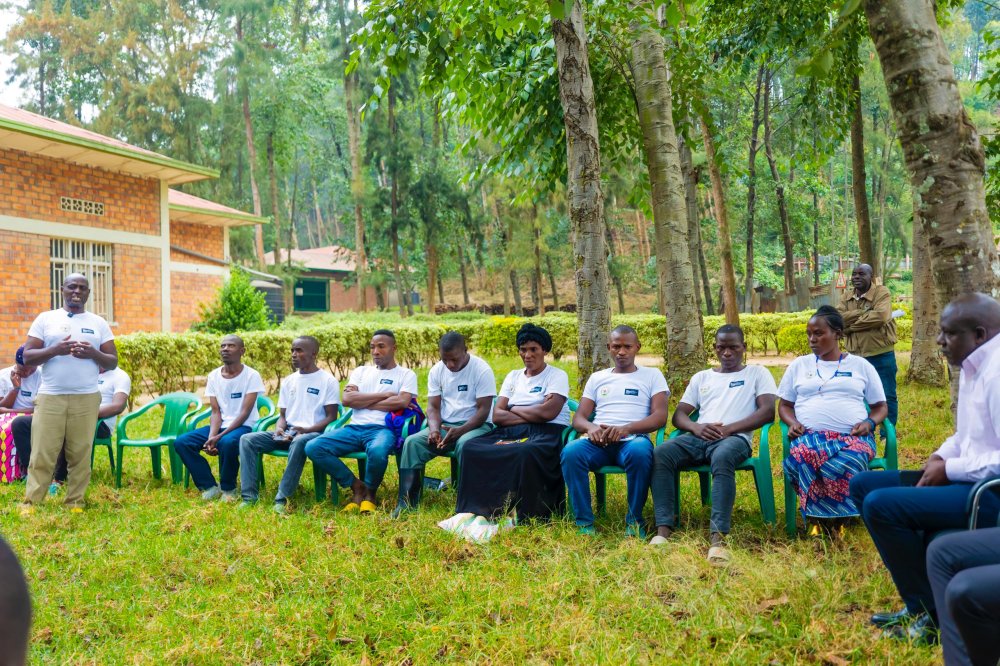
The study began on June 14th , 2024, and will end in August. It is being conducted in secondary schools and institutions involved in combating and preventing Gender-Based Violence(GBV) and teenage pregnancies.
The research is being conducted across all four provinces of Rwanda and in the City of Kigali.
Currently, the research is being conducted in selected thirty (30) secondary schools and Institutions (Private and Public) dealing with Gender Based Violence (GBV).
Some of the selected secondary schools where the research was conducted include; Saint Joseph Secondary School (ESSJT) and Groupe Scholaire Saint Vincent Palloti Gikondo.
Rafiki Justin Nsengimana, the Executive Director of Happy Family Rwanda Organization (HFRO), says that the Objective of this initiative is to understand the factors that contribute on Teenage Pregnancies and Details related to GBV Cases in Rwanda.
He says that “the Information from this research will be used to respond on preventing and reducing GBV Cases and Teenage Pregnancies in Rwanda”.
Chanceline UWIMPAYE, a student of Saint Joseph Secondary School is one of the participants providing information in this research. She shares a view that youth should be content with their lives to avoid temptations that could lead to unwanted pregnancies.
“We should learn to be satisfied with what we have as this will help us to avoid temptations. It will also help us to continue our education without interruption. because when someone becomes a parent at a young age they are not prepared for it, this leads to the failure and sometimes dropping out of the school” she said.Richard MUSENGIMANA, Other student at Saint Joseph, observes that the role of parents in discussing reproductive health with their childrens reflects the dominant importance as it helps to reduce unwanted pregnancies.
And what can help us to reduce such teenage unwanted pregnancies is that “The parents have to talk to their children about Sexual Reproductive Health and not to be afraid to tell them the truth about their lives because many parents have a habit to avoid this conversation”, he noted.
Promise Divine IGISUBIZO from Saint Vincent Palloti Gikondo reflected on how this research would help her and other students.
She says that “This research helped me to understand the sex education and the importance of self-control with my purpose to encourage my friends to abstain”, she said.
In addition to this initiative, Happy Family Rwanda Organization(HFRO) also provides trainings to the youth through various projects, such as radio drama named “UMUZI”, which conceits on Radio Rwanda (RBA)every Monday at 20;45 PM, and other social media Platforms like Twitter and YouTube as well as recreation and poetry writing competitions.
Happy Family Rwanda Organization has conducted Research in Different Provinces and the City of Kigali, working with over 1,201 students.


-

MINAGRI, IUCN combine efforts to bolster agroforestry and conservation agriculture
The two institutions signed a memorandum of understanding (MoU) on Thursday, July 18, 2024, outlining a cooperation agreement to achieve this mission.
Dr. Ildephonse Musafiri, the Minister of Agriculture and Animal Resources, and Ms. Kaori Yasuda, the IUCN-Rwanda Country Representative, signed the agreement on behalf of their respective institutions.
Jean Claude Habimana, the Communications Officer at IUCN, stated that this initiative comes at an opportune moment as IUCN is currently expanding the implementation of the IUCN Standards on Nature-Based Solutions in the Eastern Province of Rwanda. Conservation agriculture, climate-smart agriculture, and agroforestry are central to IUCN’s values.
“The MoU represents an official partnership agreement, as some of IUCN’s work aligns with the Ministry’s mandate,” Habimana affirmed.
“This sets the foundation for our future cooperation,” explained Habimana. The aim is to strengthen collaboration on sustainable agriculture initiatives, including conservation agriculture, climate-smart agriculture, and agroforestry.
Habimana further elaborated that upcoming joint initiatives will also focus on contributing to the priorities outlined in the Fifth Strategic Plan for Agriculture Transformation (PSTA5).
IUCN has prioritized the use of agroforestry in all its programs and initiatives to enhance livelihoods, improve soil fertility, and contribute to socio-economic gains among smallholder farmers in Rwanda.
Projects such as Sebeya have already demonstrated the benefits of agroforestry and fruit trees, with communities expressing appreciation for the fruit trees provided.
Other projects such as AREECA, TREPA, COMBIO, and DeSIRA are also highlighting the importance of agroforestry in sustainable agriculture practices in Rwanda.
IUCN is a global organization dedicated to conserving nature and ensuring sustainable use of natural resources.
Founded in 1948, IUCN is one of the world’s most influential environmental organizations, comprising both government and civil society organizations.
Since 2016, IUCN has undertaken various initiatives aimed at restoring landscapes and promoting water resource management in Rwanda.
In 2019, IUCN, jointly with the Rwanda Water Resources Board and other partners, played a significant role in restoring the Sebeya catchment through various activities such as radical and progressive terracing for flood mitigation, achieved through participatory community-based approaches.
Over time, trees with edible fruits have been planted in different parts of the country not only to supplement nutrition but also to boost environmental conservation through afforestation.
MINAGRI has welcomed this as a positive development.


-

Police laud public conduct during electoral process
The RNP spokesperson, Assistant Commissioner of Police (ACP) Boniface Rutikanga said that the electoral process was “peaceful.”
“The RNP takes this opportunity to thank Rwandans for their cooperation in this period; campaigns and elections on July 15th and 16th. There were no any unlawful or violent incident as candidates and their supporters exercised their rights in a peaceful, safer and secure manner,” ACP Rutikanga said.
He added that transportation of electoral materials to and from polling sites ended incident-free
The spokesperson thanked other partners, including the National Electoral Commission, security agencies and local leaders for the partnership to make this electoral process successful.
“Rwandans understand their rights and are accustomed to peaceful elections,” he said, calling upon the public to strengthen the spirit of community policing and sharing information on anything that can cause insecurity and the wellbeing of the people.

-

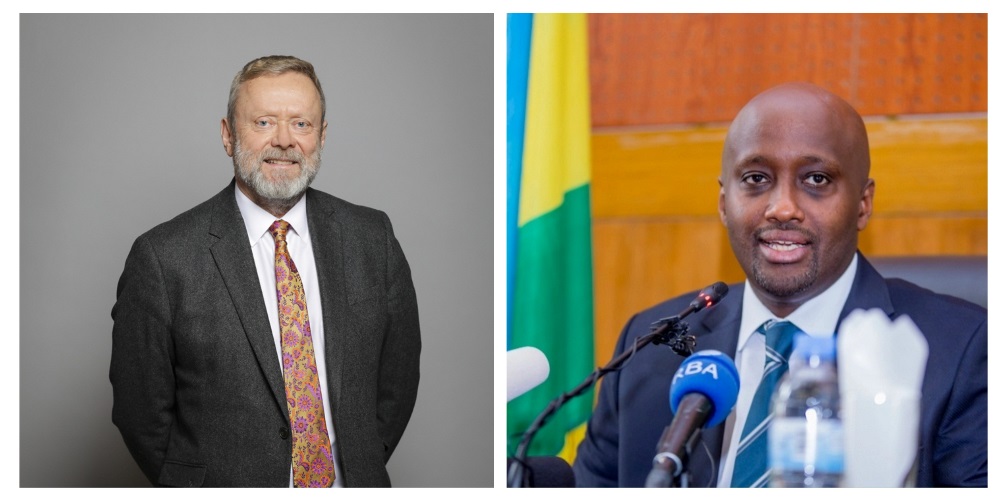
President Kagame receives outgoing Swedish, UK envoys
The Office of the President revealed that Kagame met with the ambassadors on the evening of Thursday, July 18, 2024 and bed them farewell.
The relationship between Rwanda and Sweden has flourished for over 20 years, primarily through cooperation in sectors such as education.
During a ceremony on March 23, 2023, celebrating 20 years of partnership in research and other development activities through the ‘UR-Sweden Program’, Amb. Teague highlighted the importance of continuing this collaboration.
Meanwhile, British High Commissioner Omar Daair has shown keen interest in strengthening the relationship between his country and Rwanda, supporting various initiatives during his tenure.
Notably, Rwanda and the UK signed the Migration and Economic Development Partnership, facilitating the transfer of migrants staying illegally in the UK to Rwanda.
This agreement, however, faced challenges following the new UK Prime Minister Keir Starmer’s assumption to power and it was terminated.


-

Rwandan junior officer serving in Canadian Armed Forces dies in car accident
According to the Canadian police, the vehicle, which was carrying soldiers from Oromocto town, veered off the road and knocked a tree, immediately bursting into flames. Sources indicate that Nkubito and his two other colleagues died on spot.
The police reported that the accident occurred 30 kilometers from Fredericton, a city in New Brunswick Province. An investigation is underway to confirm the exact cause of the accident.
A relative to Nkubito who spoke on condition of anonymity expressed sadness saying the death is a big loss to the family.
“He was expected to achieve much for his personal development and his country, especially given his young age. It is such a big loss,” he said.
The family member also disclosed that Nkubito had been serving in the Canadian Armed Forces for three years and lived with his family in Canada.
Requiem masses in his honor will be held at Institut de Formation Apostolique de Kimihurura (IFAK-Kimihurura), in Gasabo District on various dates.
They will be held on July 18, 2024, at 1:15 PM; on July 19, 2024, at 1:15 PM; and on July 20, 2024, starting at 7:00 AM. The final requiem mass will be on July 21, 2024, at 11:00 AM at the same venue.

-

More leaders congratulate Kagame on re-election
The King expressed his warm congratulations on the Rwandan people’s renewed trust in Kagame’s competences and ability to lead the country towards further achievements, progress and prosperity.
“I take this opportunity to reaffirm my determination to continue working with the President of the Republic of Rwanda to strengthen the fraternal relations rooted in mutual esteem between the two countries,” he said in a statement.
“I commit to reinforce the fruitful Moroccan-Rwandan cooperation, serving both people’s shared interests and promoting integration and solidarity between African countries,” he added.
In the same spirit, Uganda’s Museveni posted his congratulatory message to Kagame on his X handle.
“Your re-election is a testament to the trust and confidence the people of Rwanda have in your leadership,” he said.
“Uganda recognizes Rwanda as a strategic ally with a shared vision of peace and prosperity. I look forward to collaborating with you for the benefit of our nations and the East African Community,” he added.
Rwanda enjoys cordial relations with both Morocco and Uganda in various sectors.
Simillary, in a message posted on X, the Government of Somaliland also reacted to Kagame’s re-election by conveying sincere congratulations.
“President Kagame’s steadfast leadership continues to inspire us. We express willingness to strengthen Somaliland’s relations with Rwanda given our shared history,” the message read.
Other distinguished leaders who have so far sent their congratulations include Presidents William Samoei Ruto of Kenya, Samia Suluhu Hassan of Tanzania, Filipe Nyusi of Mozambique, Umaro Sissoco Embaló of Guinea-Bissau, Madagascar’s Andry Rajoelina and Ethiopian Prime Minister Dr. Abiy Ahmed.
Rwandans went to the polls on Sunday July 14, Monday July 15 and Tuesday July 16, 2024, following a three-week campaign period.
Partial results announced on Thursday by the National Electoral Commission (NEC) put RPF Inkotanyi candidate Paul Kagame in the lead with 99.18% of the votes, while Dr. Frank Habineza and Philippe Mpayimana managed 0.50% and 0.32%, respectively.
The final results are expected to be announced by July 27, 2024.


-

US welcomes extension of truce between M23 rebels and FARDC
“The United States welcomes a 15-day extension of the humanitarian truce committed to by the parties to the conflict in eastern Democratic Republic of the Congo [DRC]. This extension will be in effect until 11:59 pm local time on August 3 and recommits the parties to the conflict to silence their weapons and provide humanitarian personnel unfettered access to vulnerable populations,” reads a statement released by the Spokesperson of White House National Security Council, Adrienne Watson.
“In support of the Luanda Process, we commit to working with the Governments of the DRC, Rwanda, and Angola to use this truce extension to outline a series of steps to reach a durable cessation of hostilities and set conditions for the voluntary return of displaced populations,” he added.
The US has previously concurred that, based on discussions held by Intelligence Chiefs of Rwanda and the DRC in November 2023, FARDC and M23 had agreed to a one-week ceasefire.
This ceasefire, which began on July 5, was originally scheduled to end on July 19, 2024.
Its main aim of the ceasefire was to facilitate the provision of humanitarian assistance to civilians displaced by the conflict. Despite the agreement, there have been reports of ceasefire violations from either warring faction.
On July 14, 2024, M23 spokesperson Lt Col Willy Ngoma announced that a coalition of the DRC government and some affiliated rebel groups had launched an attack on their territories in Kirumbi and Kanyabayonga.
On the other hand, FARDC spokesperson in North Kivu, Lt Col Ndjike Kaiko Guillaume, accused M23 rebels of attacking them in parts of Nyange and Mpati, in the western part of Kitshanga, Masisi territory on July 10, 2024.
The United States has repeatedly warned against potential violations and recommended regional mechanisms as key to pacifying Eastern DRC.

-

This is the best organised electoral process – CJ Maraga on Rwanda’s election
Speaking to journalists on Wednesday, July 17, 2024, Maraga described Rwanda’s polls as one of the most organized electoral processes he has ever witnessed.
“The electoral process was very orderly and peaceful. In fact, one of the best-organized I have ever seen. The organization was superb unlike in some places where elections are chaotic, rowdy, and noisy, even at the polling stations on polling day,” Maraga stated.
“My people gave me information from all the polling stations that there was no dancing, no noise in general, and it was very good,” he added.
Maraga’s delegation comprised 55 observers dispatched to different parts of the country on election day.

Apart from the EAC, other observer groups present during the elections included the African Union (AU), the Common Market for Eastern and Southern Africa (COMESA) and the Economic Community of Central African States (ECCAS).
Others were from the Eastern Africa Standby Force (EASF) and the electoral mission of the International Organisation of the Francophonie (OIF).

In a joint statement, the observers affirmed that the electoral, political, and security environment in Rwanda before, during, and immediately after the elections was calm and peaceful.
“The National Electoral Commission and other institutions responsible for managing the electoral process have so far discharged their duty diligently in accordance with the electoral calendar,” reads the statement.
The observers commended the government for the successful election and also congratulated the people of Rwanda for exercising their democratic right.
Partial results announced by the National Electoral Commission (NEC) on Monday July 15, 2024 put President Paul Kagame in the lead with 99.15% followed Dr. Frank Habineza and Philippe Mpayimana with 0.53% and 0.32% respectively.


-

China’s rise in sci-tech: From stagnation to global power
Landline home phones were a luxury in China back in the 1970s, when an average employee earned a few hundred yuan a month but had to pay a staggering 3,000 yuan for a new installation. Now, in 2024, new installations cost only 100 yuan ($13.8), while the average salary has increased to thousands of yuan.
The Chinese people can enjoy such drastic price cuts thanks to the country’s sci-tech development. In the 1970s, China relied on imported telephone infrastructure. With no key technology at hand, the price of a phone service was largely decided by foreign tech powers. Now, China is a major player in 5G, with companies like Huawei and ZTE being industry leaders.
China’s transformation from an underdeveloped nation to a global scientific powerhouse is a result of strategic planning and sustained investment. The cornerstone of this remarkable journey was the launch of the reform and opening-up policies in 1978.
Prior to this, China was mired in economic stagnation and poverty. Agriculture dominated the economy, characterized by low productivity and yields. Industry was underdeveloped, inefficient and heavily reliant on sectors like steel and coal.
Furthermore, the Cold War had limited China’s access to advanced technology and new knowledge in foreign countries.
Recognizing the critical role of science and technology in driving economic growth, China made a pivotal shift in 1978 with the holding of the National Science Conference. The country’s decision makers recognized science and technology as a “productive force” – a Marxist concept that drives the society forward. They embarked on a mission to rebuild the country’s research infrastructure, foster collaboration with global researchers and align scientific endeavors with national development goals. In 1988, China’s leadership further promoted sci-tech as the “primary productive force.”
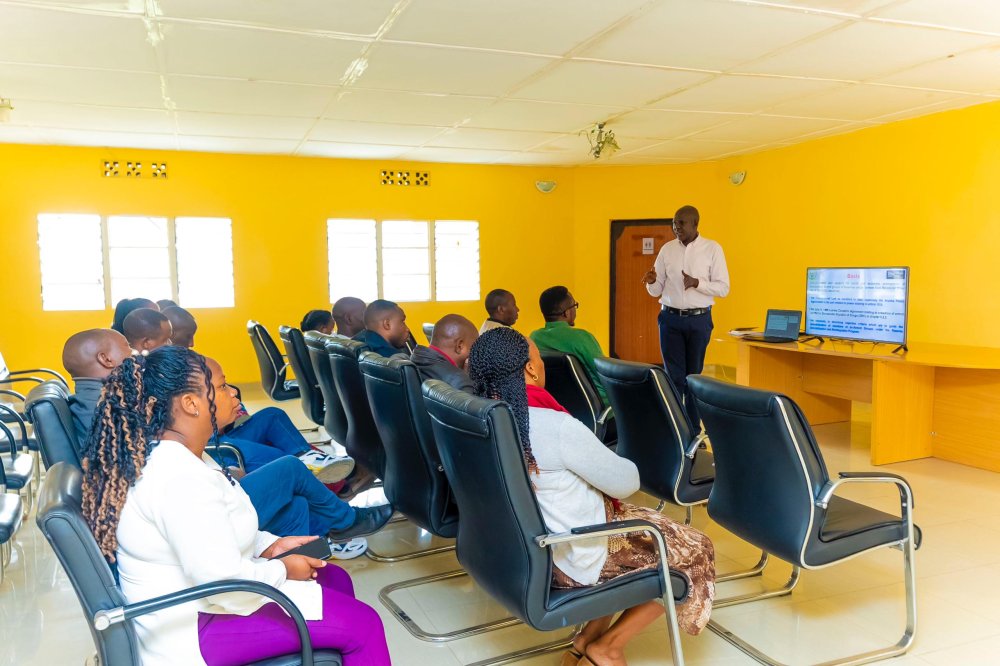
In 1995, China formalized its commitment to science by declaring it one of the two keys of national rejuvenation. The government further solidified this priority in 2006 with the Outline of National Medium- and Long-term Science and Technology Development Plan (2006-2020), elevating innovation to a national strategy.
This strategic focus bore fruit. By the end of 2023, China’s research and development expenditure had skyrocketed over 200 times compared to 1991, reaching a staggering 3.3 trillion yuan ($460 billion). This massive investment fueled a vibrant innovation ecosystem, attracting and nurturing a burgeoning scientific workforce that grew ninefold to 6.35 million full-time equivalents by the end of 2023.
The results are undeniable. China’s intellectual output has soared, with over 4 million invention patents granted by the end of 2023 – an 80-fold increase from 1991.
China’s journey is a compelling case study of how strategic investment in science and technology can transform a nation’s trajectory. By prioritizing research, development and innovation, China has catapulted itself into the ranks of global scientific leaders.