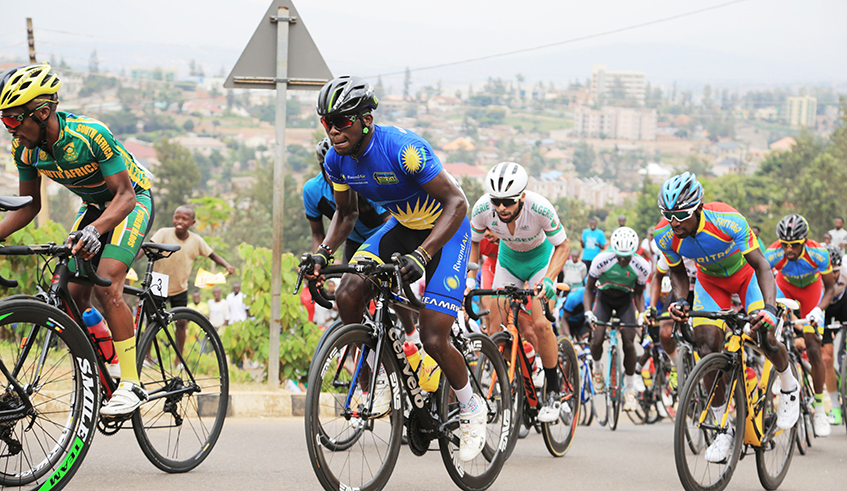
In a public notice issued Friday, August 16, the police announced that the road will be used by racing cyclists from 9:00 a.m. to 11:00 a.m. on both days and urged motorists and other road users to bear with the traffic disruption.
Road users have also been urged to cooperate with traffic police officers who will be on-site to direct traffic flow.
“We would like to inform the public that due to the “2024 National Championship” scheduled from 17 to 18 August 2024, the road: Batsinda – Nyacyonga – Marenge back to Batsinda will be temporarily used by racing cyclists from 0900hrs to 1100hrs,” the notice read in part.
“We urge road users to bear with these changes.”
The two-day cycling competition is organised by the Rwanda Cycling Federation (FERWACY).
The annual competition was initially scheduled for June 22 and 23 before FERWACY changed the dates.
Several top local cyclists are expected to participate in the race. In last year’s edition, Patrick Byukusenge of Benediction Club and Diane Ingabire were crowned winners in the men’s and women’s categories, respectively.
Rwanda is among the nations committed to addressing the complexities of its transportation sector, such as the shortage of passenger vehicles, inadequate infrastructure, and the slow adoption of technology. While various measures have been taken over the years, achieving long-term goals for a robust transportation system remains crucial.
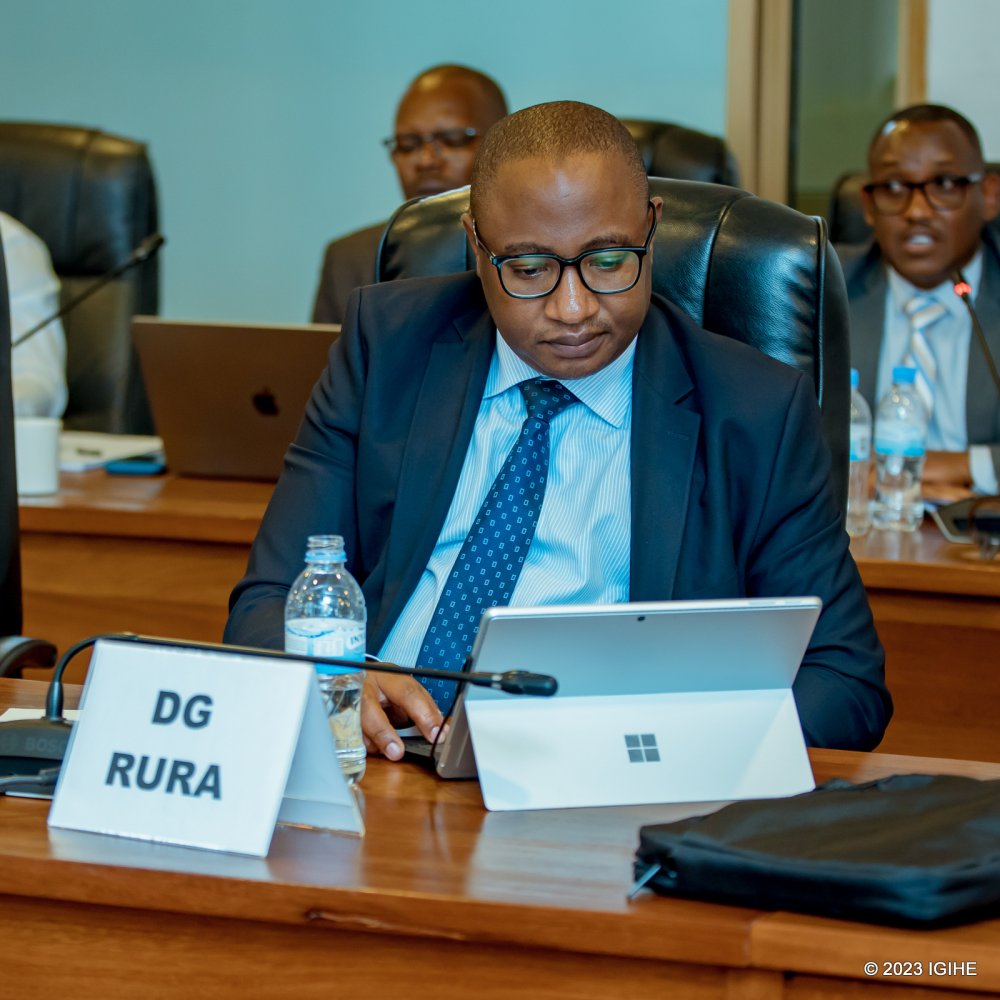
In an interview with IGIHE, Rugigana Evariste, the Director General of the Rwanda Utilities Regulatory Authority (RURA), outlined significant advancements expected in Rwanda’s transportation sector over the next five years. He emphasized that during this period, the sector will see substantial improvements, including fare adjustments, new payment methods, and the introduction of innovative passenger vehicles in Kigali.
{{Introduction of light rail}}
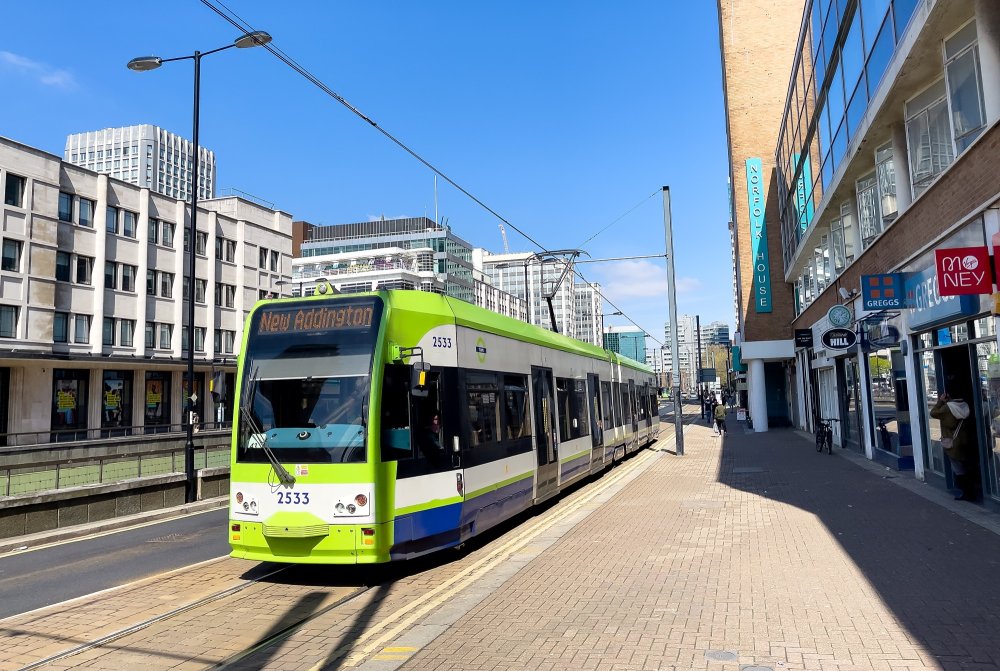
Rugigana shared Rwanda’s new vision, which includes the modernization of transportation operations through the introduction of a light rail system, also known as a tramway.
“The future of transportation is very promising. We will have an efficient transport system in Kigali, with new payment methods, timely services for the public, modern bus stations, and dedicated lanes for large passenger vehicles,” he stated.
He added, “There is also a plan to introduce a tram system. We are currently finalizing a study to identify the issues in public transportation, but this will be implemented soon.” Rugigana emphasized that the new presidential term, which began on August 11, 2024, will usher in numerous improvements in the transportation sector.
Trams, commonly used in major cities across developed countries, are small trains operating on tracks, known for their efficiency in mass transportation at a low cost.
{{New fares and payment methods on the horizon}}
Rugigana also highlighted upcoming changes in fare structures and payment methods, including the implementation of a distance-based tariff system. Currently, Rwanda employs a Single Fare system, where passengers pay a flat rate for the entire journey.
“Our trials, conducted in collaboration with various institutions, including MINICT, RURA, and RISA, have shown that this technology is feasible, but we now need to establish guidelines to support its implementation,” Rugigana explained.
He assured that once this system is operational, passengers will not have to worry about being overcharged. The ongoing study, expected to conclude by September 2024, is being conducted by a South African company.
Upon its completion, new fare rates aligned with market prices will be introduced. It is important to note that these fare rates may fluctuate depending on global fuel prices.
In addition to new payment methods, there are plans to dedicate certain roads exclusively for buses during peak hours, as part of a study aimed at identifying which roads can be utilized by large buses only.
{{Future of motorcycle transportation}}
Motorcycles are one of the most commonly used modes of transport in Kigali and other parts of Rwanda, making them an integral part of any transportation discussion. Although several initiatives, such as the introduction of sanitation kits and motorcycle fare meters, have been launched in the past, not all have succeeded.
RURA emphasizes that despite the discontinuation of motorcycle meters, there are plans to reintroduce them with significant improvements to ensure both riders and passengers benefit.
“Technology in the transportation sector must be promoted in the best interest of citizens and service providers. Meters will return, but the key is to implement them properly so that both the public and motorcycle owners are satisfied,” Rugigana stated.
He further underscored the vital role motorcycles play in transporting people and the necessity of establishing regulations to ensure their efficient operation.
“We will introduce guidelines to enhance the motorcycle transport sector to ensure it continues to operate efficiently, as many people rely on it. These guidelines must support the growth of the riders themselves and ensure the safe transport of passengers,” he concluded.
Regarding the sanitation kits, Rugigana clarified that they have not been eliminated, and cleanliness remains a top priority. Discussions are ongoing to improve how cleanliness is maintained within the sector.
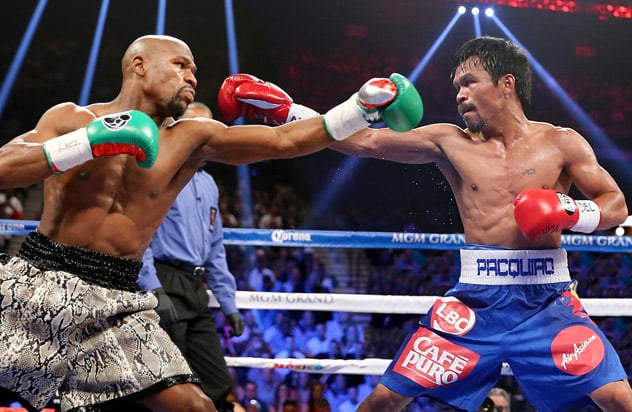
This follows claims by Ugandan veteran journalist and renowned political commentator, Andrew Mwenda that Mayweather’s manager confirmed an upcoming fight between the renowned boxers in Kigali in November 2024.
Mwenda made the comments during a recent interview with Sanny Ntayombya on his famous podcast- The Long Form.
In an exclusive interview with IGIHE on Friday, August 16, 2024, Kalisa pointed out that the managements of the two boxers were yet to formally notify the federation of their plans but affirmed that the country has the necessary infrastructure to host the high-profile bout or even bigger tournaments.
“With the infrastructure we have in place, we are prepared to host an event of this magnitude,” Kalisa remarked, as he promised to release more details later.
He highlighted some of the fights the country has hosted before, including the Genocide Memorial Tournament (GMT) held in June. Boxers from various regional countries competed for glory at the tournament held at Kigali Universe.
“So far, we’ve had the Eastern Africa Police Chiefs Cooperation Organization (EAPCCO) Games, which gave us a good experience and with the available infrastructure, we are definitely ready,” he affirmed.
The GMT Tournament is an annual boxing event organized to honour the victims of the 1994 Genocide against the Tutsi. This year’s tournament featured professionals and amateur boxers from Rwanda, Ethiopia, and South Sudan.
Mwenda, who shares a fond relationship with Rwanda’s top leadership, had earlier claimed that he became aware of Mayweather’s plans because he is “hooked into the international communication system.”
The Ugandan scribe also disclosed that Mayweather plans to visit Rwanda in September to convey his congratulations to the Head of State upon his re-election. Thereafter, preparations for the fight will commence.
“They [Mayweather and Pacquiao] want to host their match here in Kigali,” Mwenda stated, adding that South African-born American billionaire Elon Musk also plans to visit Rwanda in October, drawn by President Kagame’s transformative leadership.
“Everyone is attracted to Rwanda because President Kagame is a shining example of enlightened leadership in Africa. He has demonstrated to the world an incredible lesson in achieving high levels of development. This man has lifted Rwanda from obscurity and placed it not just on the African map but on the world map,” he emphasized.
If Mwenda’s words come to pass, then the November bout will be a highly anticipated rematch between Mayweather and Pacquiao, following their clash on May 2, 2015. Often referred to as “The Fight of the Century,” the fight took place at the MGM Grand Garden Arena in Las Vegas, Nevada.
The fight had been discussed for years, with fans and pundits eagerly awaiting a showdown between the two greatest boxers of their generation. Negotiations were complicated, with disagreements over money, drug testing, and other factors delaying the match for several years.
Mayweather won the fight against Pacquiao by unanimous decision, with all three judges ruling in his favour. He pocketed a whopping $180 million from the fight which generated more than $600 million.
In 2017, about two years after their fight, Mayweather announced his retirement from professional boxing following his victory over Conor McGregor. He retired with an undefeated record and 15 major world championships across weight classes from super featherweight to light middleweight.
Pacquiao continued his career in the welterweight division before announcing his retirement in 2021. Although there were several hints from both boxers about a potential rematch, it never materialized.
Despite their retirement from professional boxing, the two boxers could still make a comeback for exhibition matches, which are more about entertainment than official records.
Traditionally, the Reserve Force was composed of individuals who had served as regular soldiers and reached retirement age, allowing them to continue contributing to national security for a specified period before full retirement.
However, the RDF has now introduced two additional pathways for entry into the Reserve Force. The first pathway is designed for young people who meet certain criteria, while the second targets individuals with specialized skills, regardless of age.
Recruited youth will serve in the Reserve Force, ready to be called upon for military duties as needed. The RDF has invited interested young people to register for entry into the Reserve Force, with selected candidates undergoing six months of training at at Gabiro Combat Training Center.
Eligible candidates include those who have completed at least secondary education, with varying age limits depending on their level of education. Secondary school graduates must be no older than 25 years, IPRC graduates no older than 26 years, and bachelor’s degree holders no older than 28 years.
Upon completing their training, recruits will be commissioned with the rank of ‘Private’ and will have opportunities for promotion based on military service regulations.
Youth joining the RDF through the Reserve Force will maintain the flexibility to combine this role with civilian employment, as they will only be called upon for military duties when necessary.
While on military duty, they will be subject to military law, and upon returning to civilian life, they will be governed by civilian laws. During their military service, they will receive a salary and benefits equivalent to those of regular soldiers of the same rank.
{{No connection with regional insecurity}}
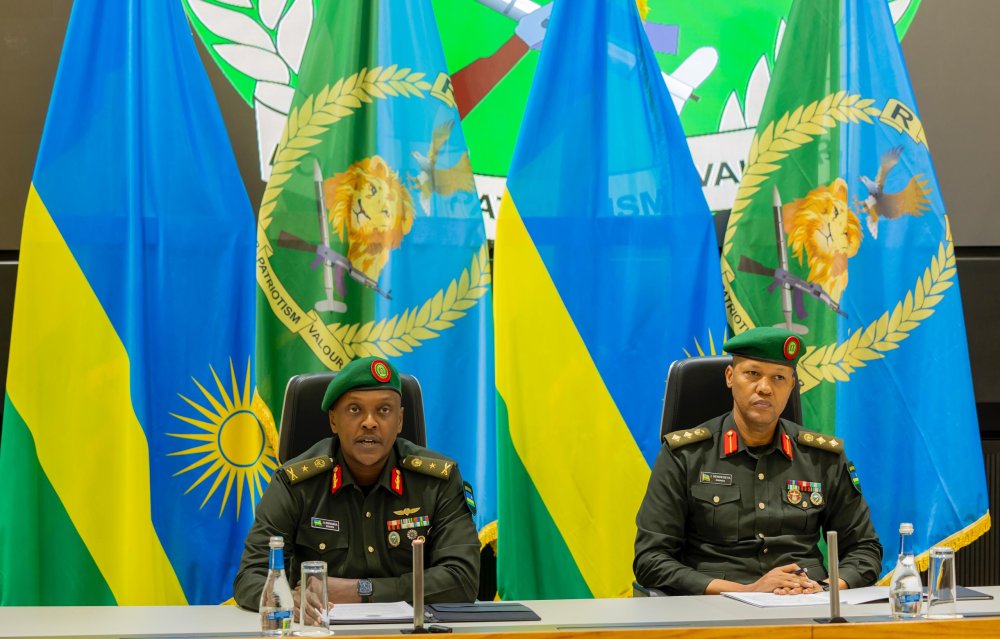
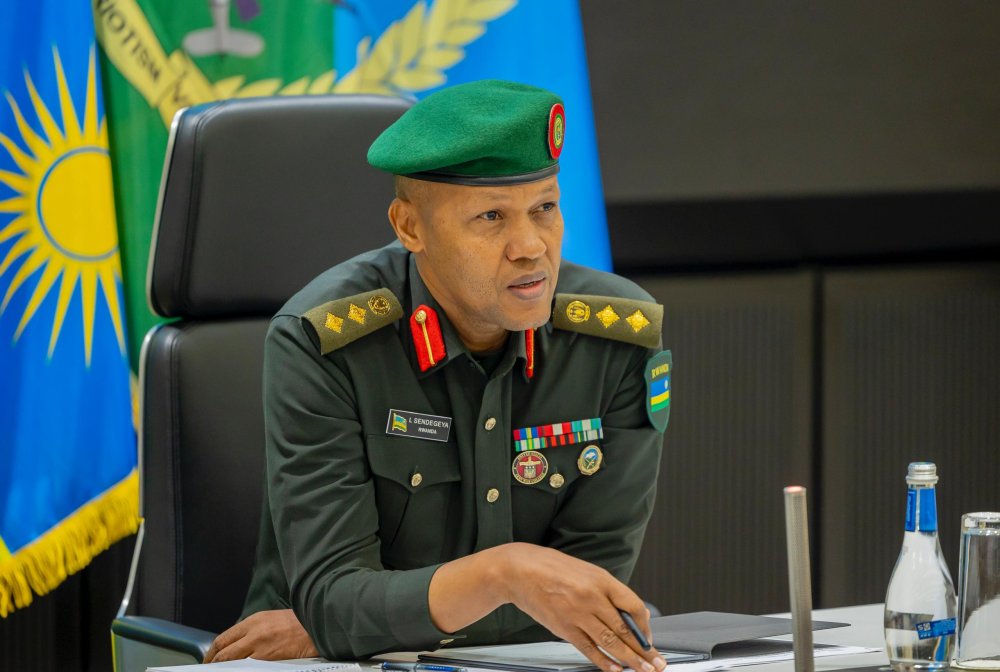
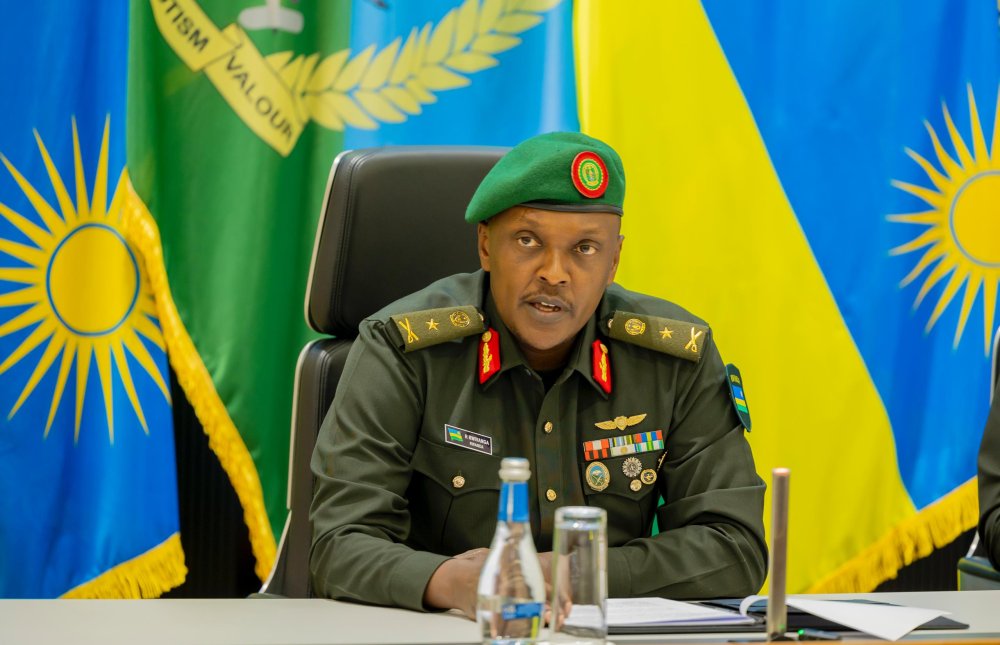
In a press briefing held on Friday, August 16, 2024, RDF leadership clarified the purpose of this initiative. The briefing, attended by RDF Spokesperson Brig Gen Ronald Rwivanga and Col Lambert Sendegeya, in charge of RDF personnel, emphasized that this recruitment effort is not related to recent regional security issues.
Col Sendegeya highlighted that the decision is aimed at providing opportunities for young people who wish to contribute to national security without necessarily joining the regular forces. “The concept of the Reserve Force is not new in Rwandan society. It allows ordinary citizens to support soldiers in protecting the country’s sovereignty,” he explained.
He further elaborated, “These responsibilities require the RDF to continually strengthen its capabilities to address current and future security challenges. This is why we plan to recruit capable and willing youth into the Reserve Force, who can be mobilized when needed to support regular soldiers.”
Addressing questions from journalists regarding any connection between this decision and regional security concerns, Brig Gen Rwivanga stated unequivocally that there is no link.
“This initiative is about enhancing the professionalism of our military. We already have a well-prepared force to protect the country’s sovereignty. This recruitment offers an opportunity for those who want to join the military while continuing their civilian careers. It reflects a professional military force […] The regional security issues have nothing to do with this recruitment.”
Brig Gen Rwivanga also noted that those joining the Reserve Force due to their specialized skills will not be subject to an age limit. Additionally, Rwandans living abroad with specialized knowledge will have the opportunity to join this service and be called upon to serve when needed.
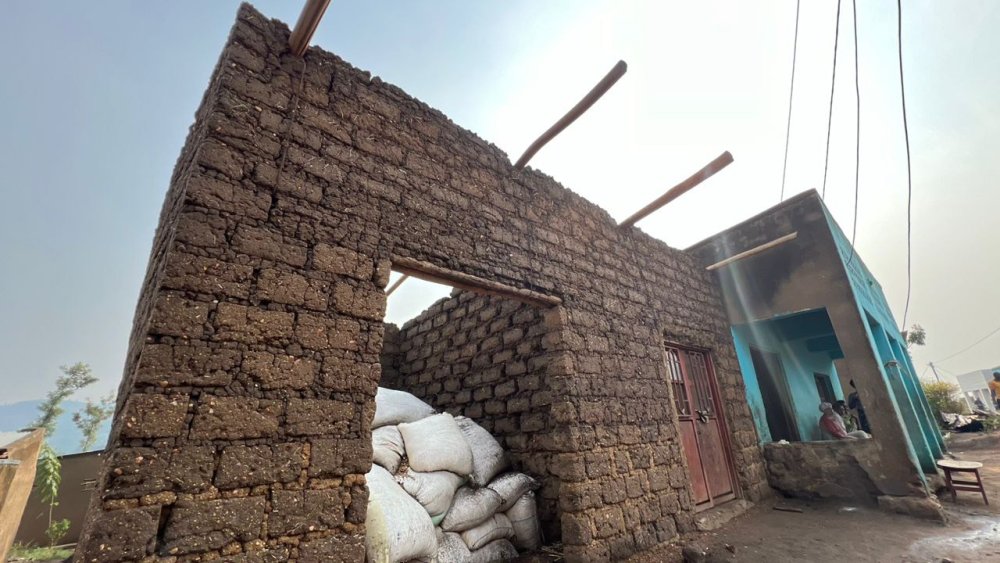
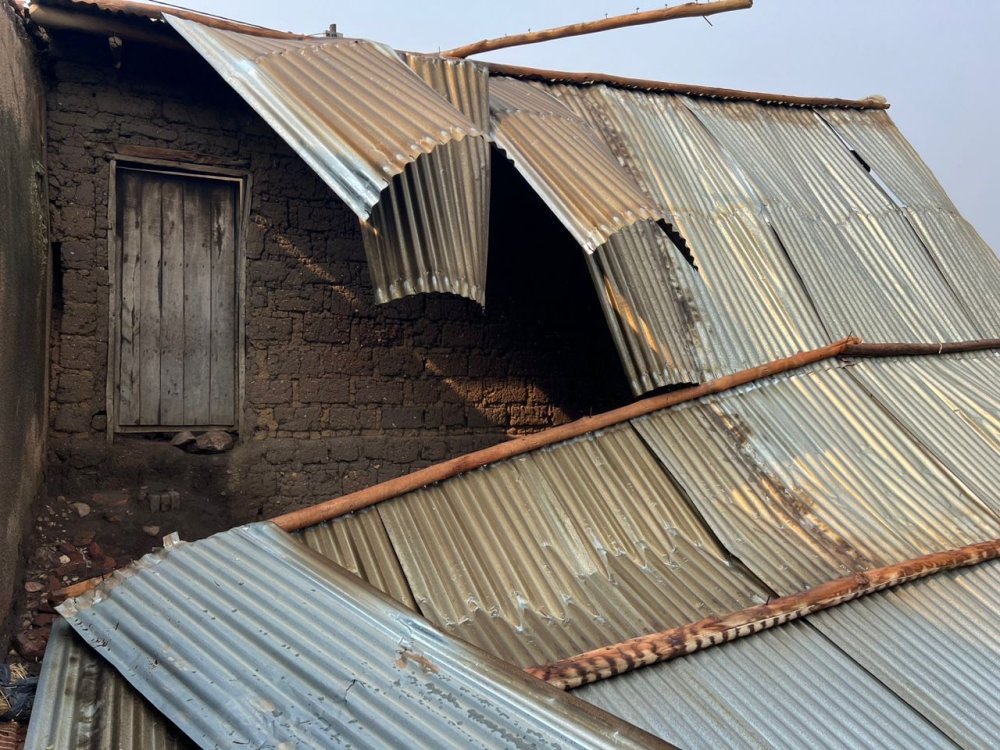
The affected residents are from Nyagitabire Cell, located in Nyagihanga Sector, Gatsibo District in the Eastern Province.
The Mayor of Gatsibo District, Richard Gasana, confirmed the damage, noting that authorities are actively working to assist those affected.
“The residents whose homes were affected are currently being sheltered by their neighbours. We have dispatched a team, including district employees and Red Cross staff, to assess the damage and provide the necessary assistance,” Gasana said.
He also urged residents to securely fasten their roofs as the rainy season approaches, and prevent them from being blown away by strong winds.
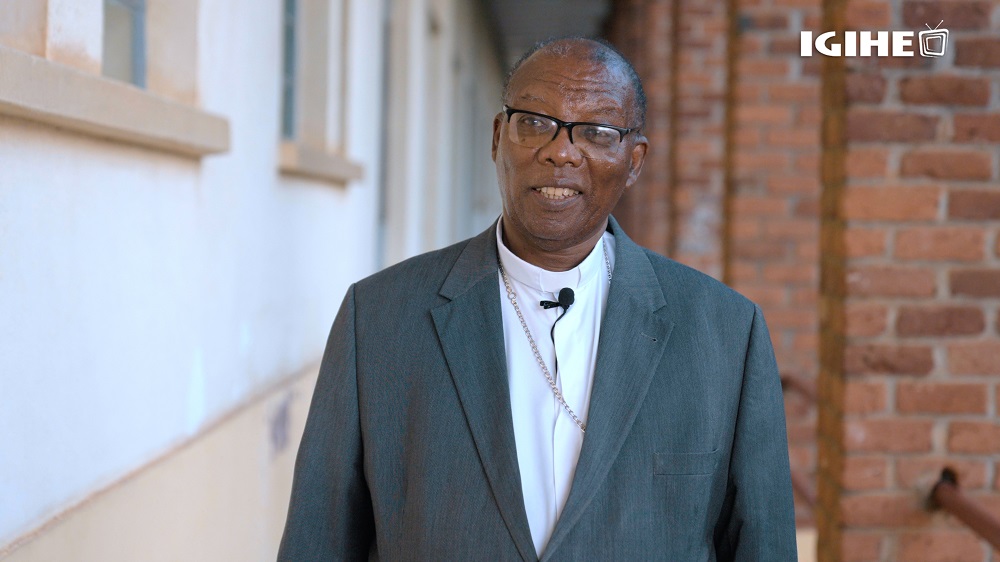
Bishop Philippe Rukamba’s journey began in 1974 when he was ordained as a priest at Kibungo Diocese. After 23 years of priesthood, he was appointed Bishop of Butare Diocese in 1997, succeeding Jean Baptiste Gahamanyi.
His journey began during a challenging period, just a few years after the Genocide against the Tutsi, a time when Rwanda was grappling with profound physical and emotional scars.
In an exclusive interview with IGIHE following the announcement of his retirement, Bishop Rukamba reflected on his 27-year journey, navigating his deep commitment to reconciliation and healing in the aftermath of the Genocide.
He expressed a sense of fulfillment in having played a significant role in mending the wounds of the Butare community, an area that endured some of the most callous atrocities during 1994.
“Butare saw many deaths; in fact, it was the area where the largest number of people died compared to any other former prefectures in Rwanda. It was also the place where many people were imprisoned. The first thing one would notice was sorrow and tears. It was a very difficult time,” Rukamba recounted.
The Bishop comprehended that the region was marked by a large number of orphaned children and grieving adults, which made the task of emotional and spiritual healing all the more crucial.
“It’s about mending people’s hearts, helping those who are suffering, because faith comes from the heart and not anywhere else. I am pleased to see that as my time to retire approaches, people are at peace. There is a youth that thinks differently now, but we have done many things related to healing, helping people to forgive each other, helping people to come to an understanding, helping children to attend school, and healing people to the best of our ability, which has led to a better life,” he shared.
Bishop Rukamba’s legacy also includes the ordination of 115 priests, contributions to the establishment of the Catholic University of Rwanda, and active participation in various initiatives that have significantly improved the lives of Rwandans.
{{Priestly marriages- absconding from duty}}
Addressing the issue of priests leaving the priesthood for marriage, Bishop Rukamba likened it to divorce.
He emphasized that those who choose the priesthood do so with a commitment to celibacy and a life dedicated to God.
“When a priest leaves the priesthood, to me, it is like someone divorcing their spouse. There are always people who struggle, and sometimes things don’t work out, and they leave. There is no cause for alarm,” he explained.
“If you look globally, they say, ‘it’s good, but if you allow priests to marry, you must also be aware that tomorrow you may face issues of those priests getting divorced. How will you handle it? Can a priest who has divorced his wife continue to be a priest? What will they teach?’”
He acknowledged the challenges faced by priests who marry, especially in denominations like the Orthodox where this is permitted, and noted the complexities that arise when such marriages fail.
Bishop Rukamba stated that even when a priest leaves the priesthood to marry, he remains a priest because the sacrament he received does not end, but he cannot perform priestly duties in the Church. However, the Church now allows them to be married in the Church, though it requires going through a long process.
“It doesn’t prevent them from being Christians, and now the Church even facilitates and advises them how to get married in the Church through proper channels. It takes time to go through all those necessary steps, but it happens when you can’t manage anymore.”
{{About homosexuality}}
On the issue of homosexuality, Bishop Rukamba maintained the Church’s stance, asserting that it cannot accept a lifestyle driven solely by pleasure.
“As a Church, we cannot accept that. These people are only seeking pleasure, and this way of life comes from Europe and is their old way. It’s not new. Living solely for pleasure is not something the Church accepts.”
Rwandan law recognizes marriage only between a man and a woman.
Bishop Rukamba also emphasized that the Church only recognizes marriage between a man and a woman, and anyone who has strayed should be helped to return to the right path.
“Marriage is between a man and a woman. This doesn’t mean you should shun someone who has gone astray; they may be a brother, friend, or child, and you should continue to support them, but the path they are on is not the right one.”
Bishop Rukamba confirmed that helping someone who has adopted a homosexual lifestyle to abandon it is not an easy task because it becomes deeply ingrained.
{{Retired but not tired}}
He mentioned that although he is retiring, he is not tired yet and will continue his cherished role of teaching in seminaries and other institutions, as he still has the energy to fulfill duties assigned to him.
Bishop Rukamba advised his successor as the Bishop of Butare Diocese to prioritize strengthening the faith of the youth, ensuring they remain steadfast Christians, and to continue supporting families, as these areas face the most significant challenges today.
It is customary for a bishop, upon reaching the age of 75, to notify the Pope of their intent to retire. The Pope has to approve the request, but the retirement only takes effect once a successor has been appointed.
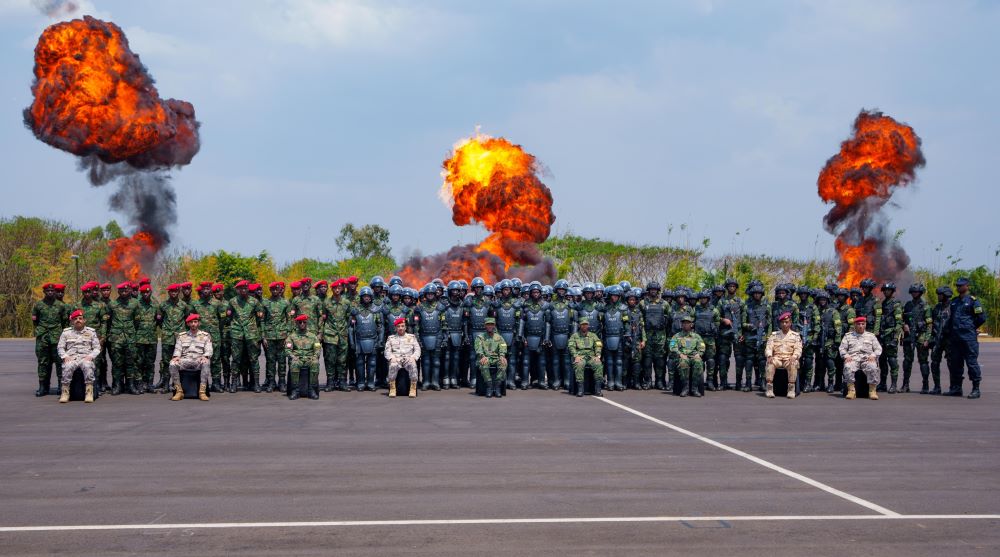
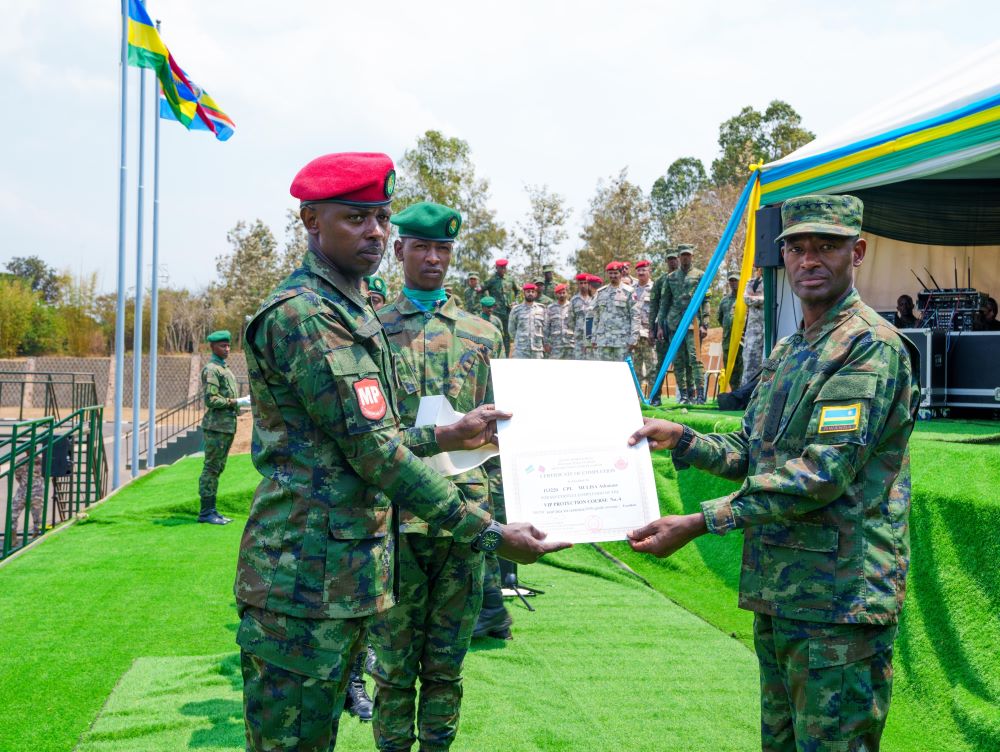
The officers received their training at the Rwanda Military Academy GAKO, in a partnership between RDF and Qatar Armed Forces.
In a statement, the RDF emphasized that the joint initiative highlights the strong bilateral ties between Rwanda and Qatar and their mutual commitment to enhancing security capabilities.
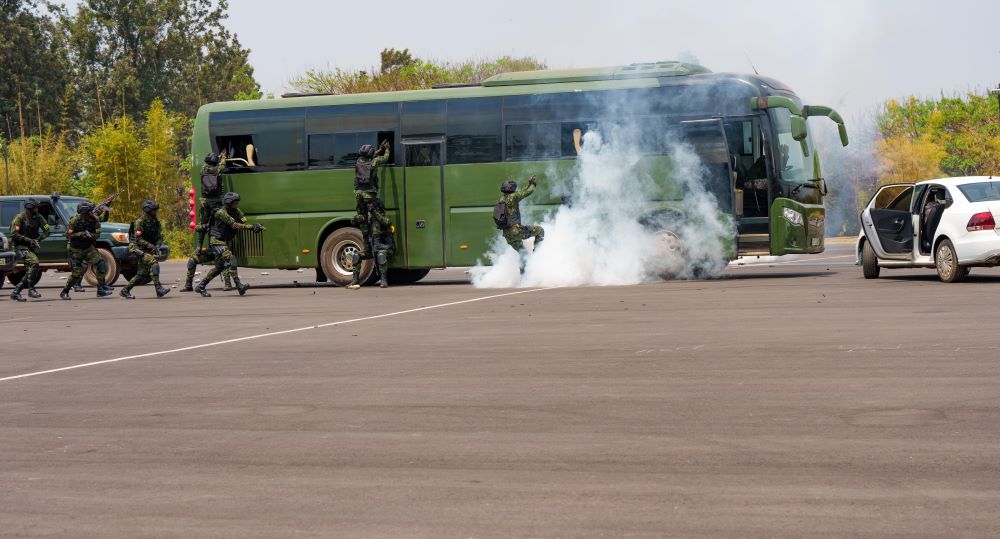
RDF noted that the training was aimed at equipping personnel with advanced skills to effectively handle emerging security challenges, safeguard high-profile individuals, respond to terrorism threats, and manage riots, all to contribute to security and stability within Rwanda, in mission areas, and to strengthen regional security efforts.
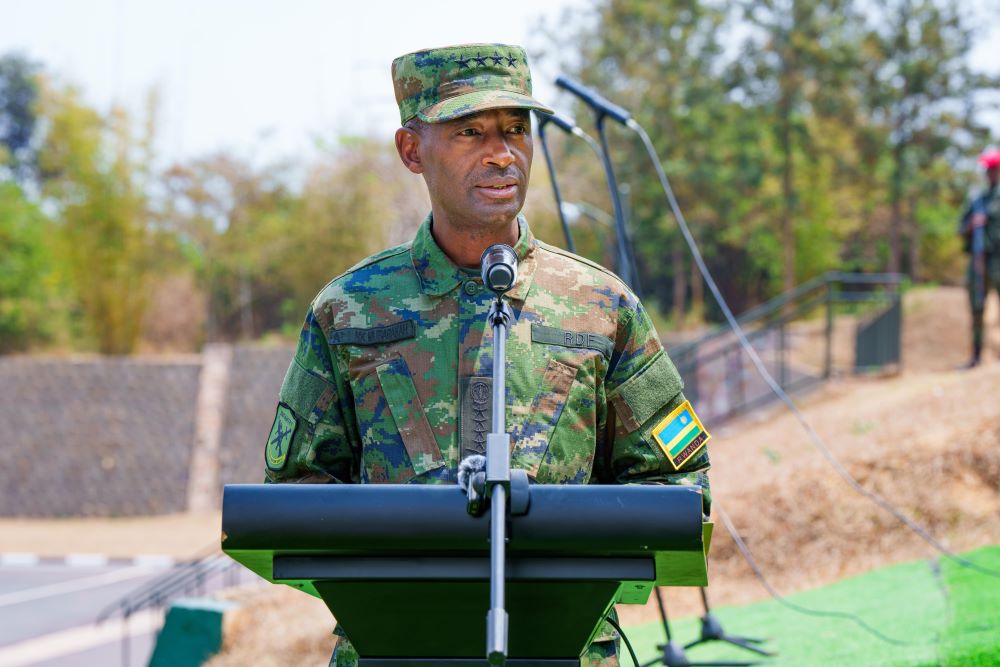
The RDF Chief of Defence Staff, Gen. MK Mubarakh, who presided over the pass-out ceremony, congratulated the new trainees for their dedication and discipline, which contributed to their success throughout the course.
The RDF boss urged the officers to use the acquired skills and knowledge to effectively discharge their duties.
“I take this opportunity to congratulate you on this milestone. There is no doubt that you will now perform better and fulfill your duties,” he said, further expressing his appreciation to the Qatar Armed Forces for sharing their skills with RDF personnel and for the strong collaboration between the two countries.
Capt Abdulla Al-Marri, the Chief of Training, praised the RDF for strengthening the partnership between Qatar and Rwanda through collaborative efforts like the just completed training program.
The ceremony was also graced by RDF generals, senior and junior officers, along with a delegation from the Qatar Armed Forces.
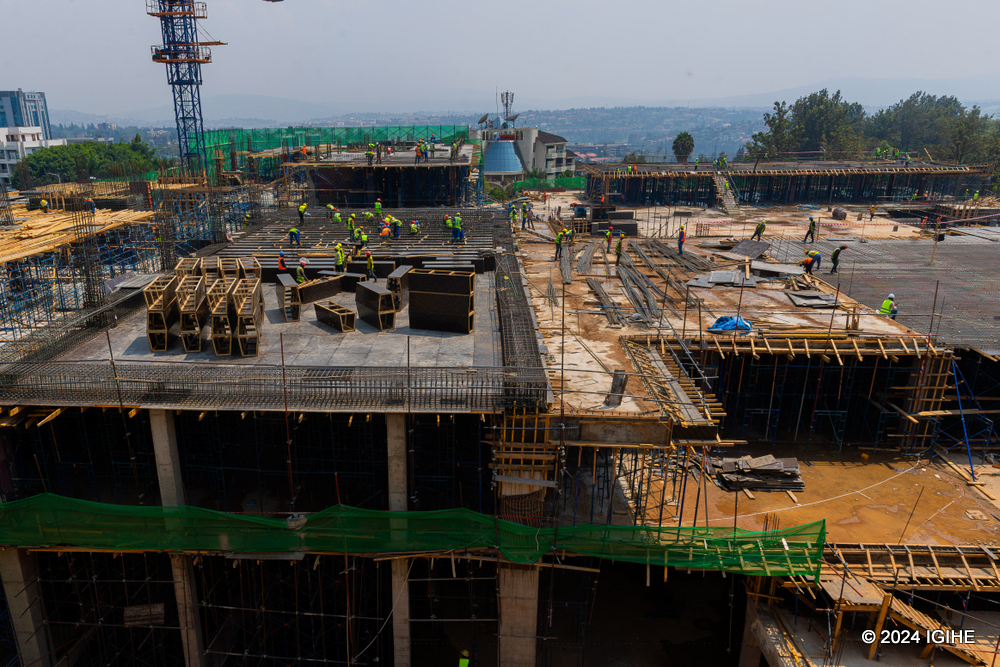
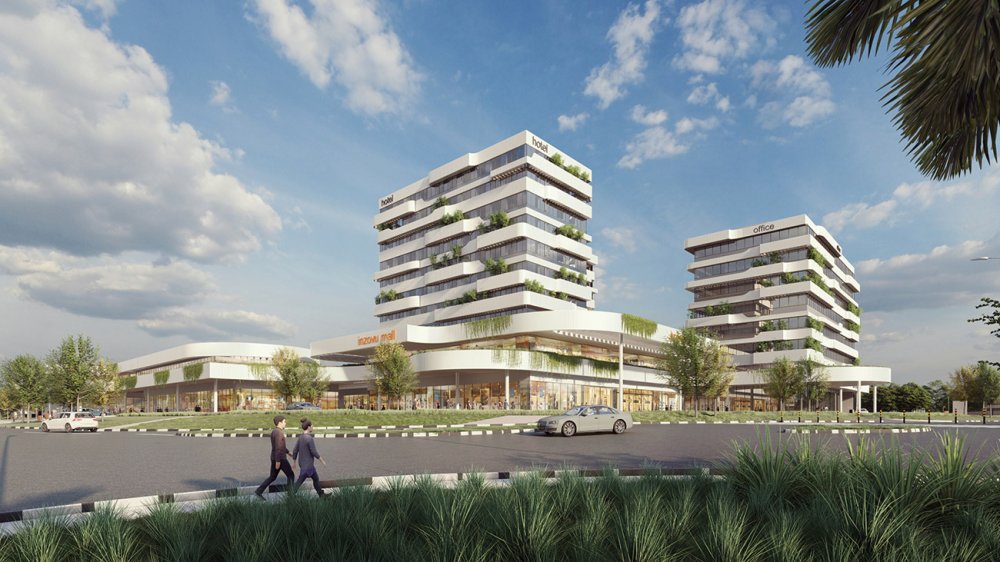
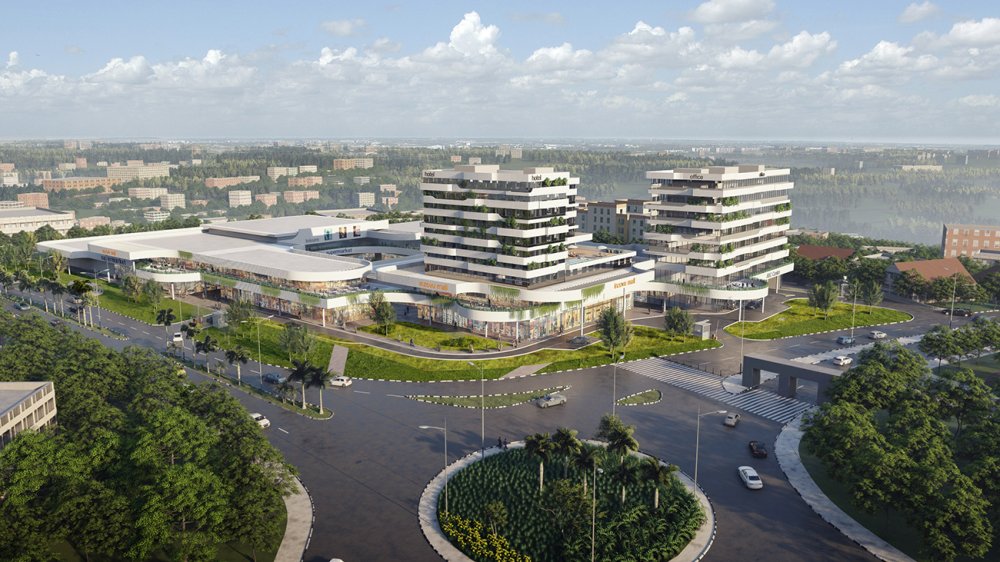
The Ultra-modern complex will rise between Kigali Convention Centre and the Parliament building, offering an array of shops and amenities tailored to meet the needs of locals and visitors alike.
Inzovu Mall, will feature a four-star hotel, a supermarket, and a wide range of commercial spaces, with over half of the building’s capacity already secured by potential tenants.
Covering an impressive 40,000 square meters, Inzovu Mall will house a 95-room hotel, office spaces, retail outlets, restaurants, banks, clinics, entertainment venues, and more.
The CEO of Duval Great Lakes Ltd, Vicky Murabukirwa, explained that the project was conceived in response to Rwanda’s status as one of Africa’s top tourist destinations and the continuing demand for high-quality accommodations near Kigali Convention Centre.
Among its many features, the mall will include a 3,000-square-meter supermarket and numerous retail shops offering clothing, watches, and other goods.
“You’ll be able to step right from the hotel into the mall without going outside,” Murabukirwa noted, highlighting the convenience the development will offer.
A basement parking area will accommodate over 450 vehicles, ensuring ample space for visitors. Murabukirwa also emphasized their focus on attracting international brands to Inzovu Mall, such as Lacoste, while also promoting locally made products. Currently, nearly 52% of the commercial spaces have attracted interest from tenants, with contract finalizations underway.
The hotel within Inzovu Mall, named Odalys, will be affiliated with Groupe Duval. This French hotel chain, which operates in various European cities, is now expanding into French-speaking African countries. Murabukirwa expressed confidence in the hotel’s success, citing its prime location near the Convention Centre and Rwanda’s growing reputation as a premier tourist destination.
The Inzovu Mall project is set to contribute significantly to the local and national economy, from the construction phase through to the operation of new businesses within the mall.
With around 13,000 shops planned, the development will generate tax revenues, support infrastructure projects, and create jobs for Rwandans.
The project is estimated to cost $70 million. The first customers are expected to move into the mall by December 2025.
Inzovu Mall will incorporate sustainable practices, including solar power, water recycling systems, energy-efficient lighting, and other environmentally friendly measures, aligning with government policies and modern standards.
Murabukirwa also highlighted the advantages of investing in Rwanda, pointing to the country’s security, good governance, and business-friendly laws. He expressed gratitude to the Rwandan leadership for their support in bringing this ambitious project to life.
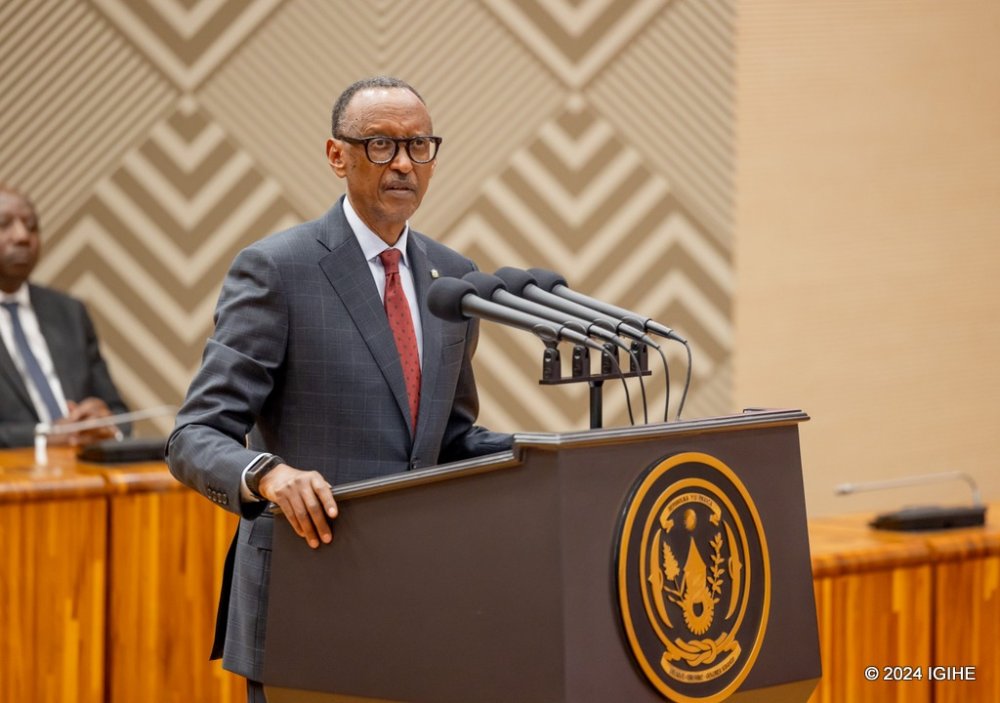
Speaking after presiding over the swearing-in ceremony of the newly elected Members of Parliament on August 14, 2024, President Kagame challenged the public to consider the legitimacy of these establishments before questioning their closure.
“What is this issue with churches? People immediately start making noise, saying, ‘They are closing churches.’ But did you first ask yourself, ‘How were these churches even established?’ What is the purpose of having thousands of churches? What is wrong with Rwandans? But I think it’s a problem with being African. We Africans really have issues,” he remarked.
President Kagame emphasized that the energy Rwandans should use to address their challenges is being misdirected toward activities that drain their economic resources, leading to poverty and hunger.
“The energy we should be using to solve our daily problems that ensure our security, improve our economy, and prevent hunger among Rwandans is being wasted on such things…”
He reminded the MPs and Rwandans in general that past discussions had underscored the importance of investing efforts in activities that contribute to national development.
“Now, you as Rwandans, you Members of Parliament sitting here, besides being MPs, do you feel justified in having a church in your backyard? You are an MP, a pastor, and you have a church, and then people are paying. How come that even those deprived of income-generating activities have to find money to bring to you!”
President Kagame expressed concern that some churches in Rwanda were established with the primary intent of siphoning off the limited wealth of Rwandans for the benefit of their founders, which he strongly opposed.
He illustrated his point by highlighting the absurd claims made by some pastors, such as receiving divine apparitions or making prophecies.
“First of all, if you tell me such things, I would first ask if you are insane. That’s where I would start—you must be insane. Secondly, I would demand proof; show me evidence of your encounter with God and what He told you. But Rwandans, how have you reached a point where a deviated person comes to mislead you, and you follow them, not just in one place but across hundreds, thousands of locations?”
President Kagame cautioned that when Rwandans follow such “insane” individuals, the country’s progress is jeopardized. While he acknowledged the long-standing practices of churches, he made it clear that he would not tolerate disorder.
“But other nonsense, when it finds grown, mature people, and someone comes to mislead the whole country and hold it hostage, and you follow them? […] How come that educated people, VVIPs, get deceived by a madman, and you follow, without asking, ‘Where are you taking me?’”
The President referenced recent incidents in other countries, such as the tragic case in Kenya where pastors prohibited their followers from eating, resulting in deaths. He questioned whether this was the path Rwandans wanted to take.
“Is that what you want to live in? You are here, representing the people who elected you. Is this what you are involved in? If you want to be pastors, leave Parliament and become pastors. But before becoming pastors, with all that involves deceiving people with prophecies, why not first prophesize for yourself and know your own future? This even extends into politics—it’s like misleading people, infiltrating their minds, and changing how they think and act.”
President Kagame reaffirmed that churches must comply with legal requirements, warning that any non-compliant entities, especially those exploiting people under the guise of religion, would be shut down.
“Those that do not comply with the law should not exist. I heard some say, ‘The President probably doesn’t know. Closing churches is a sin.’ I know. I don’t want this disorder, even if it’s in religions, I won’t tolerate it. I will fight it.”
He urged Members of Parliament to collaborate with other institutions in guiding Rwandans toward the right path, insisting that pastors who seek to exploit the limited resources of the people should be stopped unequivocally.
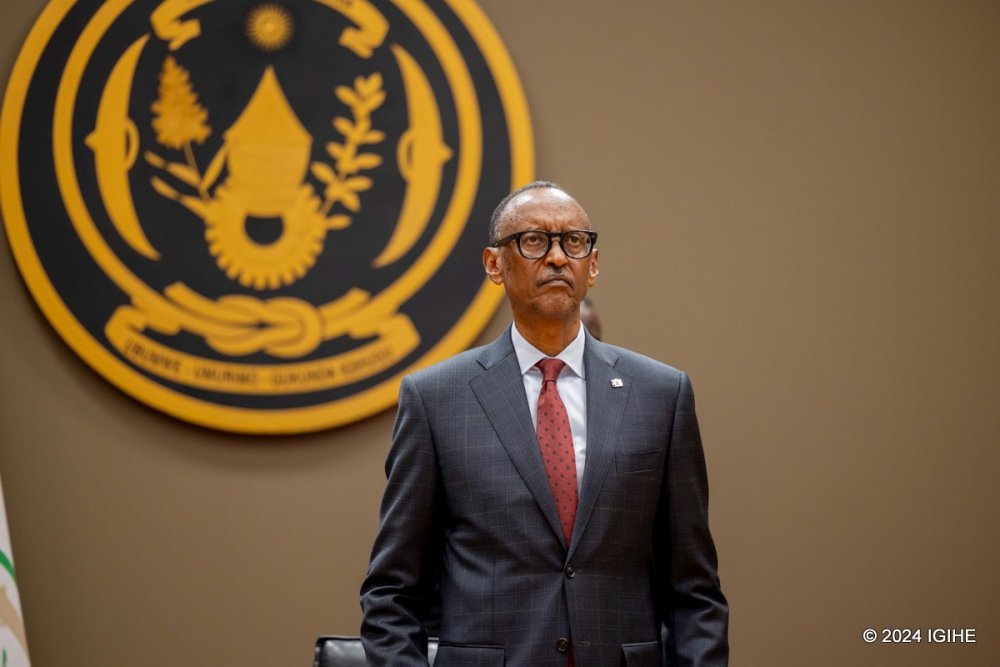
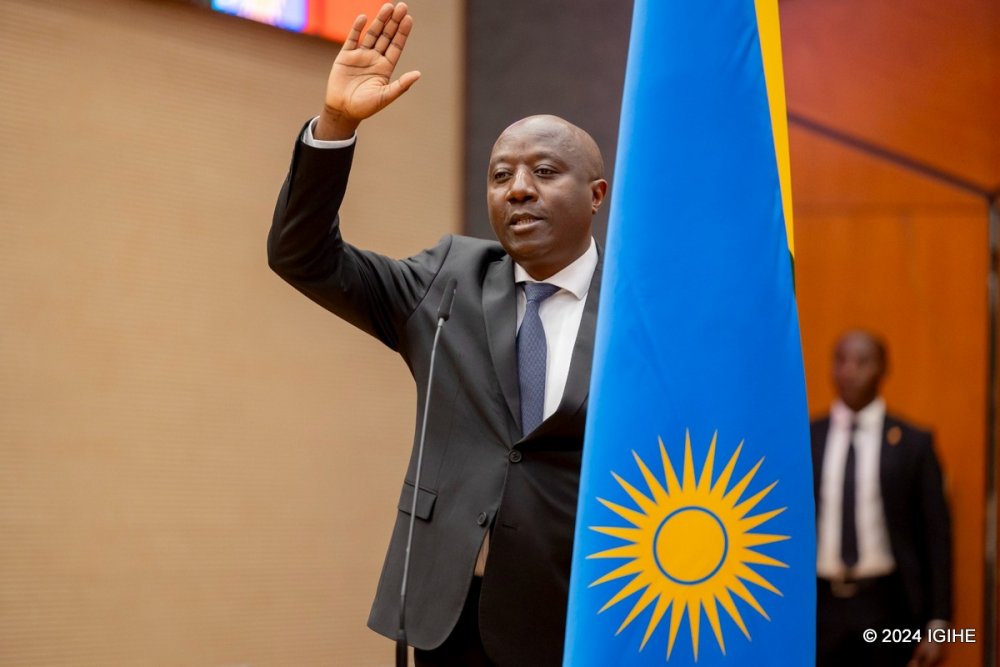
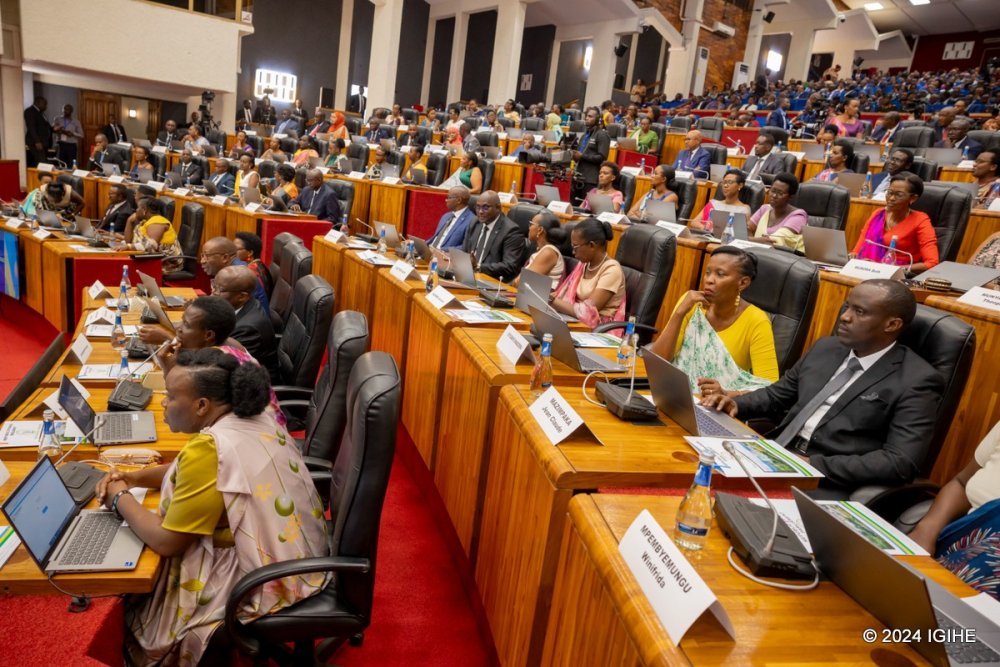
The ceremony took place at the Parliamentary Building in Kimihurura on Wednesday, August 14, in the presence of various dignitaries.
Prime Minister Dr. Ngirente, reappointed by President Kagame on Tuesday after serving seven years in the position, took his oath during the event. The Head of State is expected to appoint a new Cabinet within the next 15 days, in consultation with Dr. Ngirente.
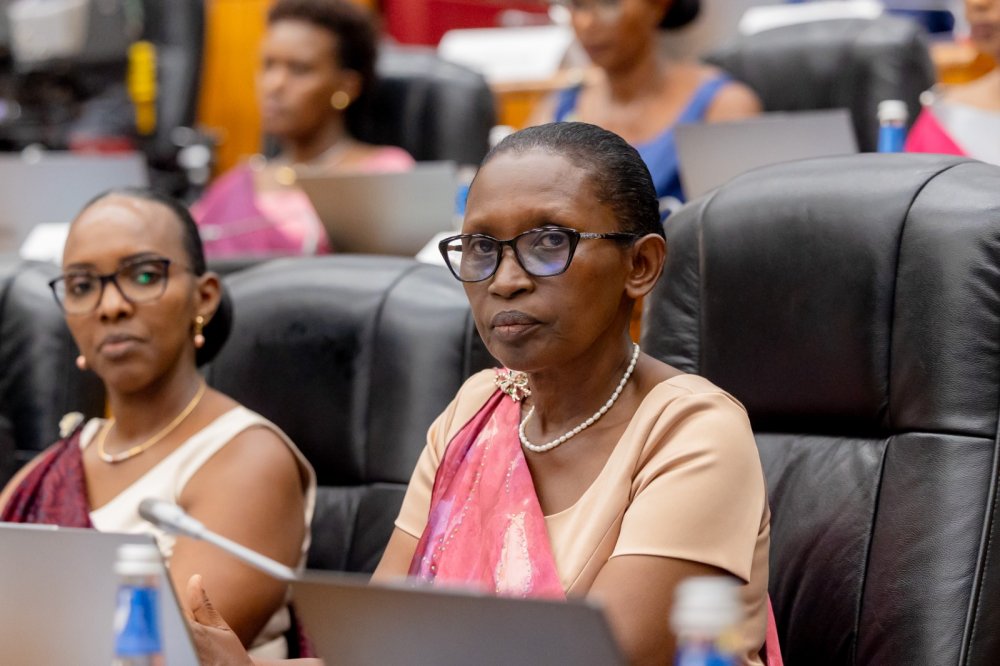
The newly sworn-in Members of Parliament were recently elected in the general elections held in July. They include 37 deputies from the RPF-Inkotanyi and its allied political parties, five from the Liberal Party (PL), five from the Social Democratic Party (PSD), two from the Ideal Democratic Party (PDI), two from the Green Party, two from PS Imberakuri, and 27 from special categories.
Among the deputies, there are 29 men and 51 women. The Prime Minister last took his oath on July 30, 2017, while the previous Members of the Chamber of Deputies were sworn in on September 19, 2018.
Following the swearing-in ceremony, Gertrude Kazarwa from PL, aged 60, was elected as the Speaker of Rwanda’s Chamber of Deputies with 73% of the votes, defeating Deputy Pie Nizeyimana, who garnered 5% of the votes.
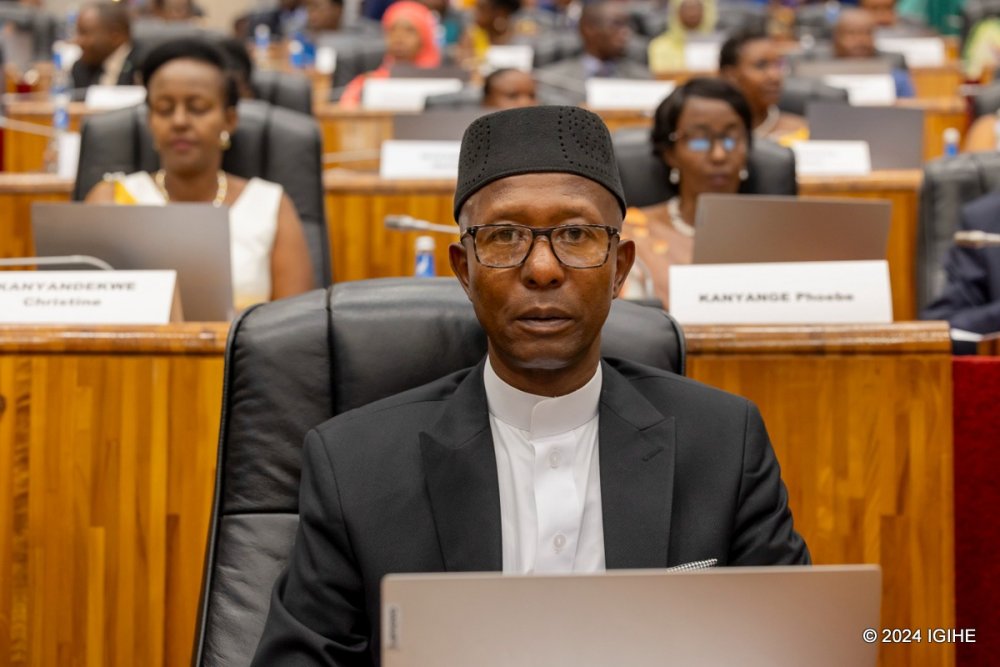
Sheikh Musa Fazil Harerimana was elected as Deputy Speaker in charge of Administration and Finance with 77 votes, while Uwineza Beline, who received 79 votes, was elected as Deputy Speaker in charge of Legislative Affairs and Oversight.
Uwineza, who has a background in law, has been a Member of Parliament since 2018 and previously served as the Vice Chairperson of the Public Accounts Committee (PAC) in the Chamber of Deputies.
In his remarks at the event, President Kagame reminded the leaders of their responsibility to work in the interest of Rwandans, urging them to serve the people with dedication.
He emphasized that while perfection might be elusive, continuous improvement and a commitment to excellence should be a priority.
The President also cautioned against corruption and favoritism, urging leaders to serve all Rwandans equally.
“This (corruption and favoritism) is the first war in our politics that we have been fighting for the past thirty years, and we are adding five more years under the mandate that some of us have just been sworn in for,” he said.