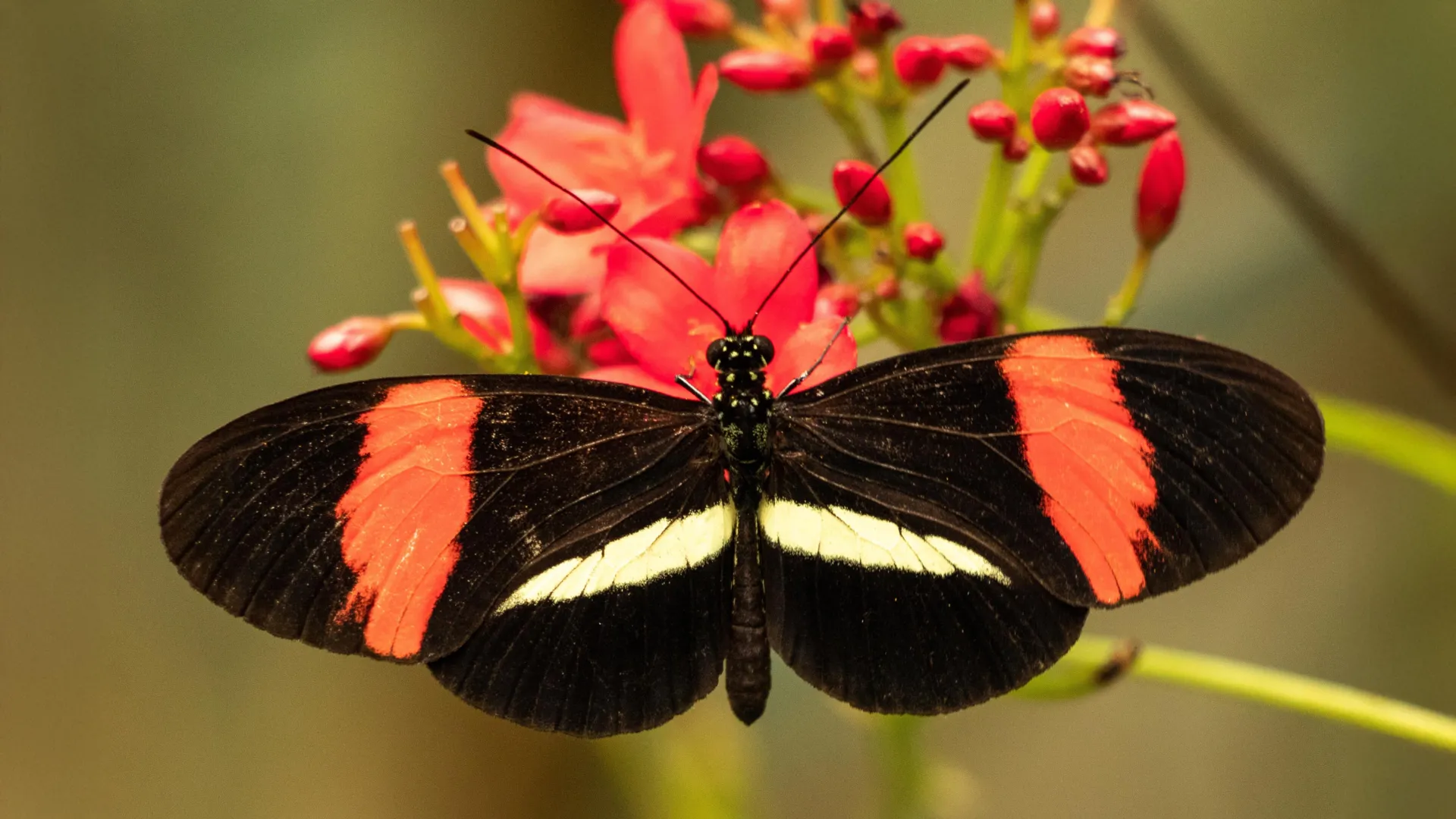
According to a new study led by researchers from the University of Bristol and published in Nature Communications, certain butterflies in the Heliconius genus show unusually long lifespans and remarkably slow signs of ageing compared to their close relatives.
Most butterfly species live only a few weeks in their adult stage. However, Heliconius butterflies stand out for their extraordinary longevity. Some individuals can survive for nearly a year, up to 25 times longer than related species.
For example, Heliconius hewitsoni has been recorded living up to 348 days, while a closely related species, Dione juno, survives for only about 14 days. This dramatic difference suggests that Heliconius butterflies have evolved a unique biological strategy that supports extended life.
Even more striking is evidence that some of these butterflies may barely age in the traditional sense. In experiments measuring physical performance, older individuals of Heliconius hecale showed no significant decline in strength compared to younger ones.
This contrasts sharply with other butterfly species, which typically show clear deterioration as they age. These findings suggest that certain Heliconius species may resist the usual biological wear and tear associated with ageing.
One widely discussed explanation for their long life is their unusual diet. Unlike most butterflies that feed mainly on nectar, Heliconius butterflies also consume pollen, which provides additional nutrients such as amino acids. Researchers believe this dietary adaptation may contribute to their improved body maintenance and slower ageing.
However, the study also found that even when pollen is removed from their diet, these butterflies still live longer than their relatives, indicating that diet alone does not fully explain their longevity.
Scientists now believe that both ecological factors and deep evolutionary changes are involved in shaping the lifespan of these insects. Their ability to maintain muscle function and body condition over time makes them especially valuable for studying the biology of ageing.
Researchers suggest that Heliconius butterflies could become an important model for future longevity research. By comparing long-lived species with short-lived relatives, scientists hope to uncover the genetic and biological mechanisms that control ageing. Such insights could one day contribute to understanding how ageing works across the animal kingdom, including in humans.
Ultimately, this discovery highlights how even small creatures like butterflies can provide powerful clues about life, health, and the possibility of slowing the ageing process.
Long-lived butterflies reveal surprising secrets about how ageing works.
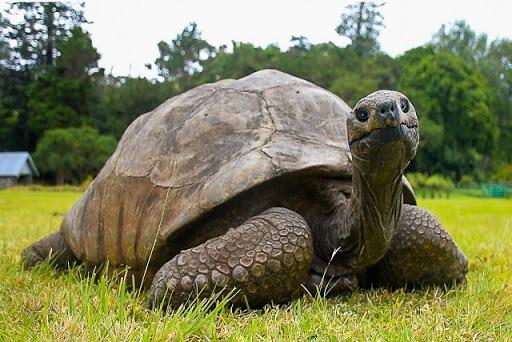
The Seychelles giant tortoise, believed to have been born around 1832, is now approximately 194 years old. His remarkable age has already earned him the titles of the world’s oldest-known land animal and oldest turtle ever recorded.
The recognition was announced as part of a global Guinness World Records campaign celebrating individuals and animals whose achievements have captured international attention.
In a statement released on Wednesday, the Government of St Helena welcomed the honour, describing Jonathan as a cherished resident and a symbol of the island’s heritage.
He lives at Plantation House, the official residence of the Governor of St Helena, where he has become one of the South Atlantic island’s most celebrated attractions.
Jonathan’s lifespan stretches across almost two centuries of history. Born before the Victorian era, he is older than some of the world’s most famous landmarks, including Paris’s Eiffel Tower, London’s Tower Bridge and New York’s Statue of Liberty.
Throughout his life, Jonathan has witnessed extraordinary changes in the modern world, from the arrival of automobiles and electricity to television, mobile phones and the internet.
Despite his advanced age, local veterinarians say Jonathan remains in good health and maintains a healthy appetite. Although he has lost his sense of smell, he continues to enjoy a relaxed life alongside three other giant tortoises in the gardens of Plantation House, spending his days grazing on grass and basking in the sun.
Beyond his status as a wildlife icon, Jonathan has also attracted scientific interest. Researchers are studying his DNA in hopes of understanding biological factors that may contribute to exceptional longevity, as his cells appear to age differently from those of humans.
For the people of St Helena, however, Jonathan is more than a scientific curiosity or a record holder. Affectionately known as “Jono” by locals, he has become a living link between generations and a symbol of resilience, endurance and the wonders of the natural world.
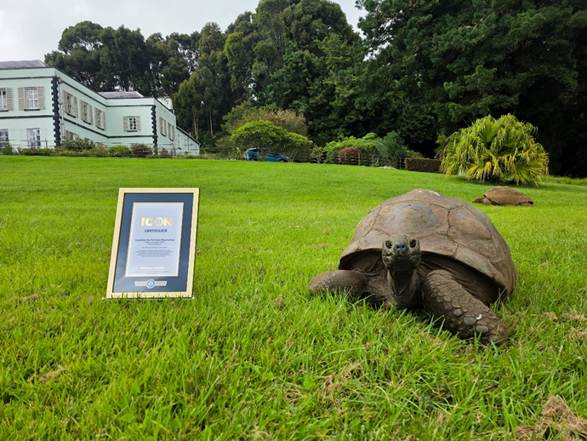
His latest recognition as a Guinness World Records ICON further cements his place among the most extraordinary animals ever known and brings renewed global attention to both his remarkable story and the remote island he calls home.
Jonathan the tortoise with his GWR ICON certificate
This discovery reshapes the scientific understanding of early life on Earth and highlights the crucial role these small arthropods played in building the planet’s earliest terrestrial ecosystems.
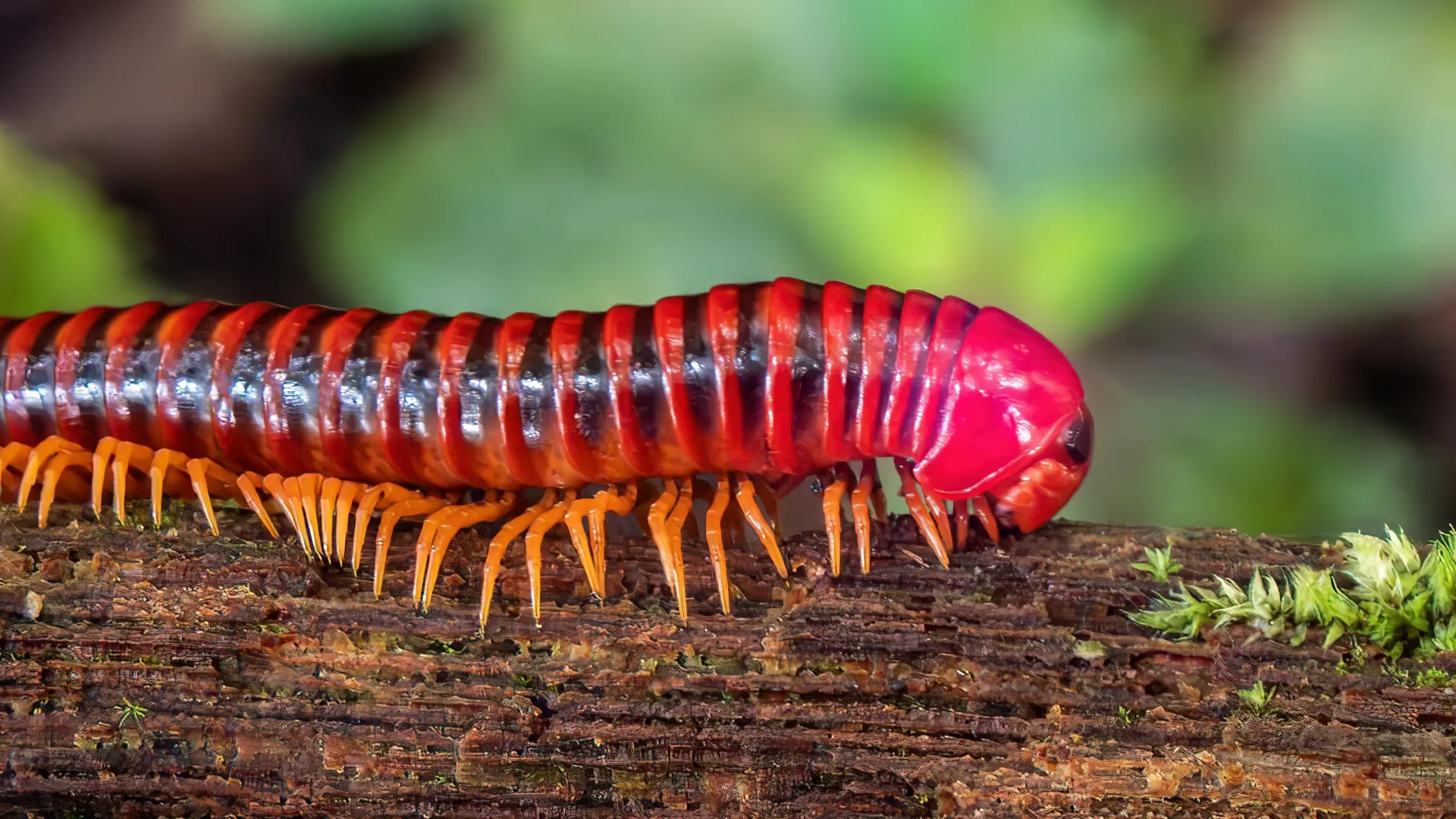
According to new research, millipedes were already thriving on land around 460 million years ago, during a period when Earth looked completely unfamiliar. At that time, there were no trees, no flowers, and no complex land ecosystems.
Land surfaces were mostly barren or covered in simple plant-like organisms such as mosses and algae. In this primitive environment, millipedes emerged as some of the earliest animals capable of surviving outside of water, feeding on decaying organic matter and helping to recycle nutrients in the earliest soil systems.
To reach these conclusions, researchers constructed the most comprehensive evolutionary family tree of living millipede groups to date. They combined modern genetic analysis with fossil evidence to trace the lineage and evolutionary relationships of millipedes across hundreds of millions of years. This approach allowed scientists to identify when major groups first appeared and how they diversified over time, filling significant gaps in the fossil record.
The study also suggests that some millipede lineages may be even older than previously discovered fossils indicate, meaning their origin could stretch further back into Earth’s ancient past. This challenges earlier assumptions about the timeline of life on land and suggests that terrestrial ecosystems may have developed earlier and more rapidly than once believed.
Another important finding from the research is the evolution of chemical defense systems in millipedes. Around 260 million years ago, certain millipede groups developed powerful chemical compounds to deter predators. These natural defenses significantly increased their survival chances and helped them adapt to changing environmental conditions and increasing competition from other emerging land animals.
This research positions millipedes as key pioneers in Earth’s history. Far from being simple creatures, they played a foundational role in shaping early land ecosystems by breaking down organic material, enriching soils, and supporting the development of more complex life forms that would follow millions of years later.
Long before vertebrates crawled ashore, millipedes had already spent 80 million years pioneering life on land.
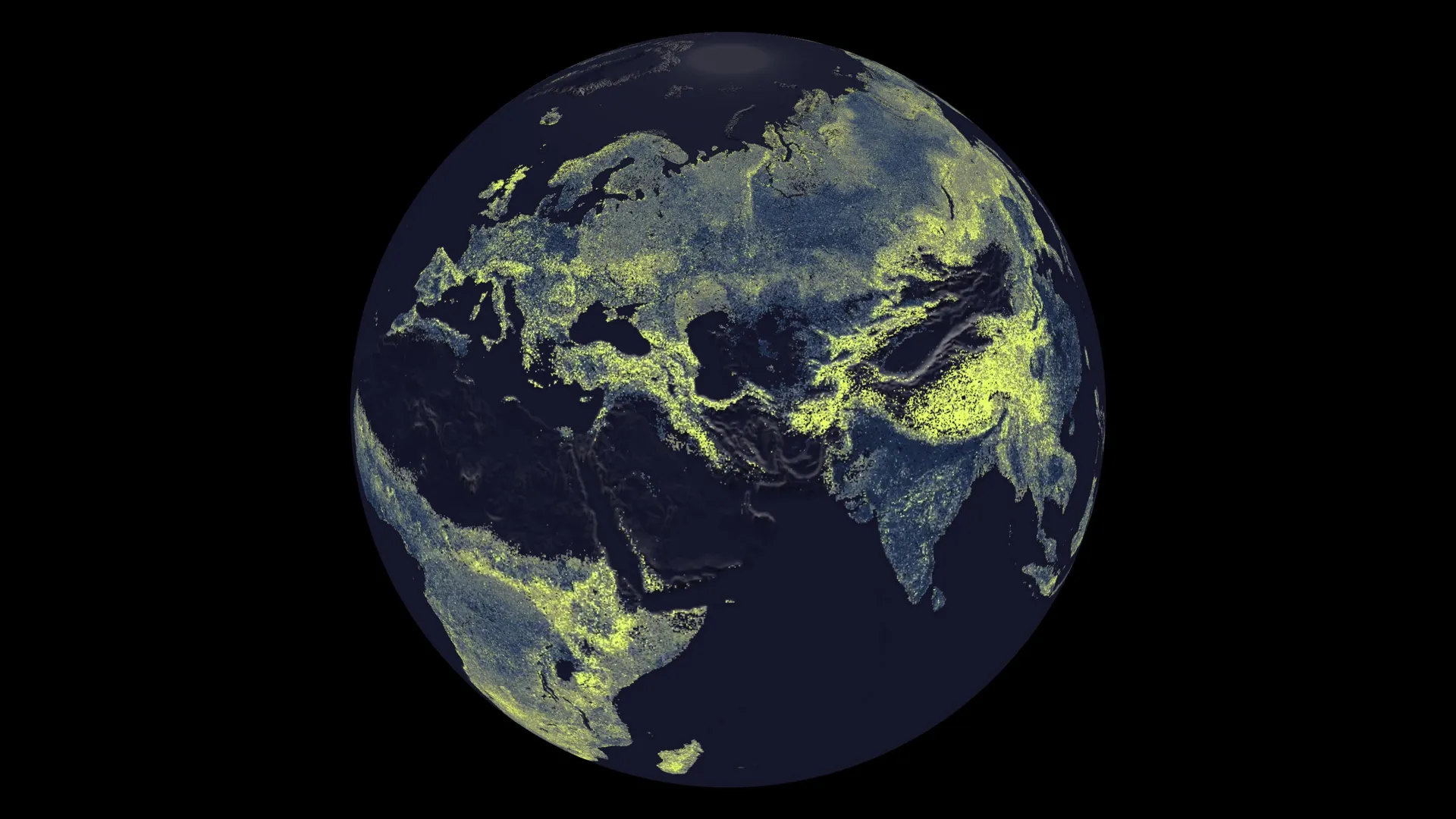
The study published in the journal Science by the Society for the Protection of Underground Networks (SPUN), reveals the mind-boggling scale of Earth’s underground “circulatory system,” composed of arbuscular mycorrhizal (AM) fungi.
Scientists estimate that these vast subterranean networks stretch an astonishing 110 quadrillion kilometers roughly 68 quadrillion miles. To put that into perspective, this hidden grid of thread-like structures, called hyphae, spans a distance equivalent to nearly a billion times the journey from Earth to the Sun.
These fungi form crucial, mutually beneficial partnerships with approximately 70 percent of all plant species on Earth, providing them with essential water and nutrients in exchange for carbon produced through photosynthesis.
The planetary impact of this fungal network is immense. According to the study, AM fungal networks absorb and channel an estimated 4 billion tons of carbon dioxide equivalents into global soils every single year.
This massive carbon sink accounts for roughly 11 percent of all global human-related carbon emissions, making the underground network one of the planet’s most critical lines of defense against climate change. Wild grasslands are particularly vital to this system, holding about 40 percent of the world’s total arbuscular mycorrhizal infrastructure.
However, the research also soundly warns that human activity is putting this living architecture at risk. By analyzing more than 16,000 soil cores using robotics and machine learning, scientists discovered that large agricultural croplands have roughly 50 percent lower fungal network densities on average compared to undisturbed wild ecosystems.
When these networks are degraded by heavy farming, the soil drastically loses its capacity to store carbon, cycle nutrients, and withstand severe environmental stress.
Ultimately, this pioneering study proves that the fight against climate change cannot ignore what lies beneath our feet. For too long, these vital organisms have been left out of global conservation maps and climate policies.
Experts stress that understanding and protecting this fragile, 68 quadrillion-mile planetary circulatory system is absolutely paramount if humanity hopes to secure future food security, preserve biodiversity, and stabilize a changing global climate.
At the conclusion of a virtual forum convened on Friday by the African Forest Forum (AFF), a Nairobi-based non-profit conservation organization, participants underscored the role of healthy forests, peatlands, mangroves, and drylands in sustaining livelihoods for local communities.
The forum, which ran from June 8 to 12, brought together policymakers, scientists, entrepreneurs, and innovators from across the continent.
Labode Popoola, executive secretary of AFF, said the five-day conference provided a platform to raise the visibility of Africa’s tropical forests and dry landscapes in shaping a future characterized by resilience, food, water and energy security, and improved rural incomes through trade in tree-based products.
Popoola emphasized that improved governance, policy coherence, research and knowledge sharing, as well as the harnessing of technology and innovation, are key to enabling African countries to maximize benefits from indigenous forests, savanna grasslands, and coastal mangroves.
According to AFF, African forests cover nearly 23 percent of the continent’s landmass, equivalent to 624 million hectares, while supporting the livelihoods of about 245 million people through the provision of food, medicine, clean water, biomass, and carbon storage.
Participants in the five-day forum agreed that strong policy and legislative frameworks, predictable financing, public awareness, and collaborative research are essential to promoting the sustainable utilization of forests and supporting the timber industry, ecotourism, and carbon markets.
In addition, delegates noted that emerging challenges facing Africa’s tropical forests, including climate change, urbanization, unsustainable land-use practices, illegal logging, and forest clearance for mechanized farming.
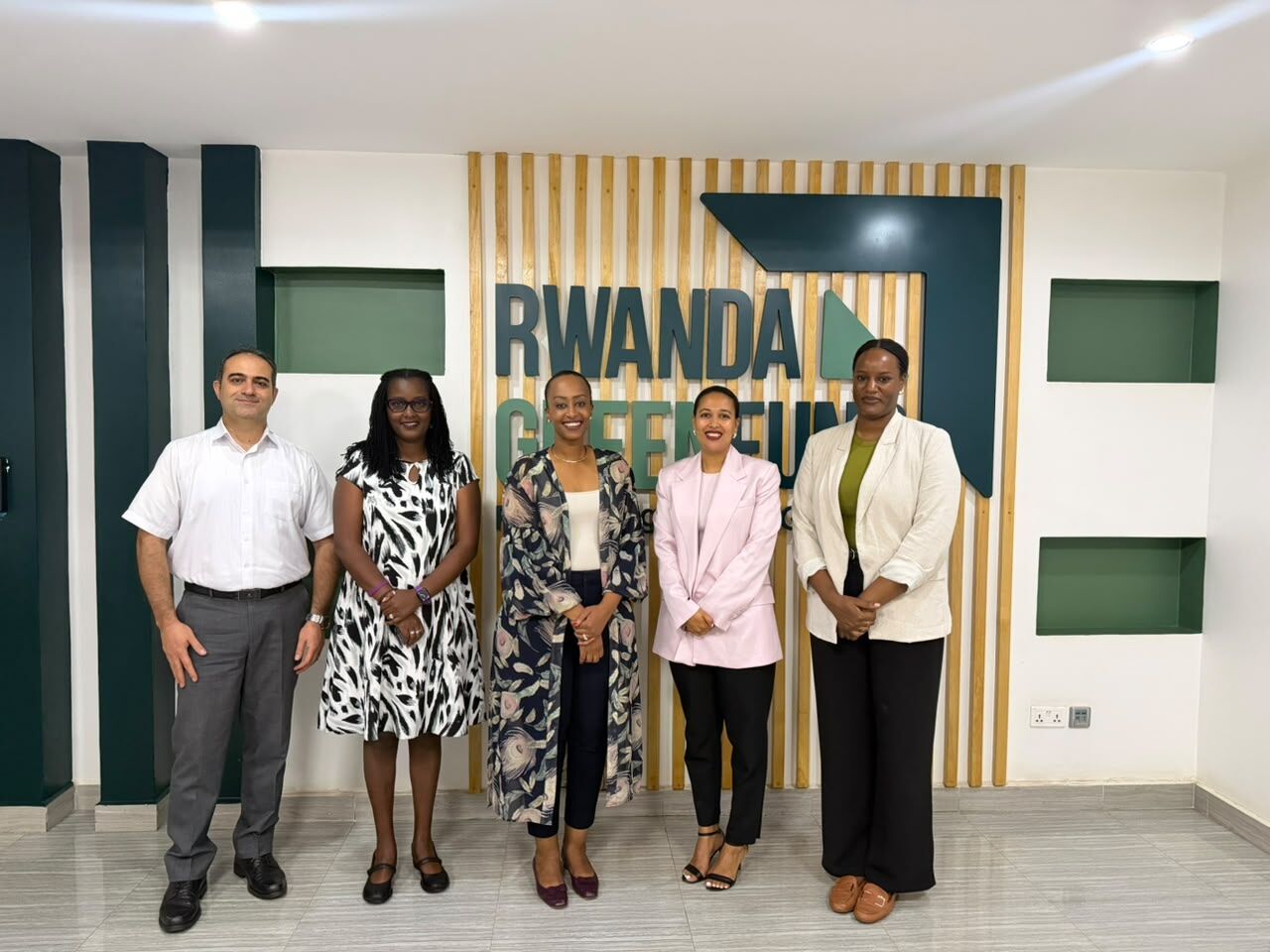
The agreement was signed on June 11, 2026, during a meeting between Rwanda Green Fund Chief Executive Officer, Teddy Mugabo and Country Representative for GGGI Rwanda, Caroline Raes alongside an accompanying delegation.
According to Rwanda Green Fund, the memorandum establishes a framework for cooperation that will support Rwanda’s efforts to achieve its green growth and climate objectives while contributing to the Sustainable Development Goals (SDGs), the Paris Agreement, Rwanda’s Nationally Determined Contributions (NDC 3.0), and the country’s Green Growth and Climate Resilience Strategy.
The partnership is expected to focus on mobilizing green investments and accelerating the development of climate-related projects capable of delivering both environmental and economic benefits.
Under the agreement, the two institutions will work together to strengthen carbon market development and support the implementation of Article 6 of the Paris Agreement, which allows countries to cooperate in achieving emissions reduction targets through international carbon trading mechanisms.
The collaboration will also explore innovative financing solutions designed to attract greater investment into climate and environmental projects.
In addition, GGGI will provide technical advisory services on green technologies and support the development of a pipeline of high-impact projects that contribute to Rwanda’s sustainable transformation.
GGGI is a treaty-based international and intergovernmental organization that supports developing countries and emerging economies in pursuing strong, inclusive, and environmentally sustainable economic growth.
The organization works with governments and partners worldwide to integrate green growth principles into national development planning and investment strategies.
The new agreement comes as Rwanda continues to position itself as a regional leader in climate action and green development, with ongoing efforts to attract climate finance, promote low-carbon economic growth, and strengthen resilience to the impacts of climate change.
Rwanda views carbon markets as a key tool in its ambition to become a developed, carbon-neutral and climate-resilient economy by 2050.
Although the country contributes relatively little to global greenhouse gas emissions, it has significant potential for carbon market projects.
Rwanda’s carbon credit sector is currently dominated by improved cookstove initiatives, which account for 87 percent of all Certified Emission Reductions issued, while lighting and solar projects contribute 9 percent and 4 percent respectively.
By December 2020, Rwanda had generated more than 2.25 million carbon credits through the Clean Development Mechanism and the Voluntary Carbon Market, underscoring the growing role of carbon finance in supporting the country’s sustainable development goals.
The partnership is expected to focus on mobilizing green investments and accelerating the development of climate-related projects capable of delivering both environmental and economic benefits.The agreement was signed on June 11, 2026, during a meeting between Rwanda Green Fund Chief Executive Officer, Teddy Mugabo and Country Representative for GGGI Rwanda, Caroline Raes alongside an accompanying delegation.
At the same time, citizens have been urged to avoid activities that could trigger fires in the protected area, warning that such incidents consume large sums of money that could otherwise support other development priorities.
This was announced in Karongi District on June 11, 2026, during a meeting that brought together park management, representatives of security organs, and local government authorities.
The Chief Executive Officer of Nyungwe Management Company (NMC), Protais Niyigaba, said that after poaching, wildfires rank as the second most destructive threat to biodiversity in the park. He noted that it can take more than 100 years for ecosystems affected by fire to fully recover.
He explained that once fire affects an area, fast-growing invasive grasses quickly take over, replacing the original vegetation. Restoring such areas requires removing these invasive species and replanting indigenous trees and plants to rebuild the natural forest ecosystem.
This restoration work will cover more than 4,500 hectares affected by different fire incidents in Nyungwe over the years.
Niyigaba emphasized that the impact of wildfires should not only be measured in ecological damage but also in the high financial cost required to restore the ecosystem.
The project is funded by the Green Climate Fund and coordinated by the Rwanda Forest Authority (RFA), while implementation in Nyungwe National Park will be handled by NMC.
He said: “This project will restore 4,500 hectares over five years at a cost of 6.706 million US dollars, which is close to 10 billion Rwandan francs. We will work closely with districts surrounding Nyungwe so that 80 percent of this funding goes directly to local residents, since the activities are labour-intensive. We also urge citizens to avoid setting fires in the park, as the funds being used for restoration could have supported other development initiatives.”
The Vice Mayor of Karongi District in charge of economic development, Ntakirutimana Julienne, said the project will create employment opportunities and encouraged residents to apply for available jobs. She also urged them to save through cooperatives so their earnings can be more beneficial.
Workers recruited for the project will be provided with temporary accommodation inside Nyungwe National Park, along with food and water, and will return home once every two weeks. The project is expected to employ about 1,500 workers, each earning 3,000 Rwandan francs per day.
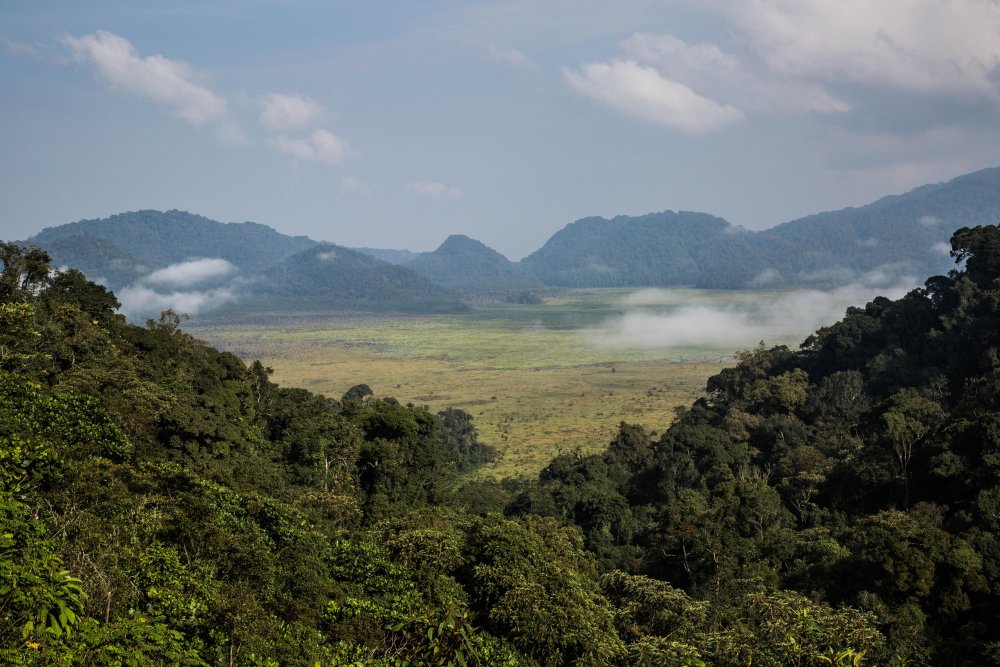
Nyungwe National Park covers an area of 1,020 square kilometres. It is known for its ancient montane forest that protects important water catchments.
The park hosts rich biodiversity, including 13 species of primates, 85 species of mammals, 300 species of birds, 40 species of reptiles, and 38 species of amphibians.
Located in south-western Rwanda, Nyungwe National Park spans 23 sectors across Karongi, Nyamasheke, and Rusizi districts in the Western Province, as well as Nyaruguru and Nyamagabe districts in the Southern Province.
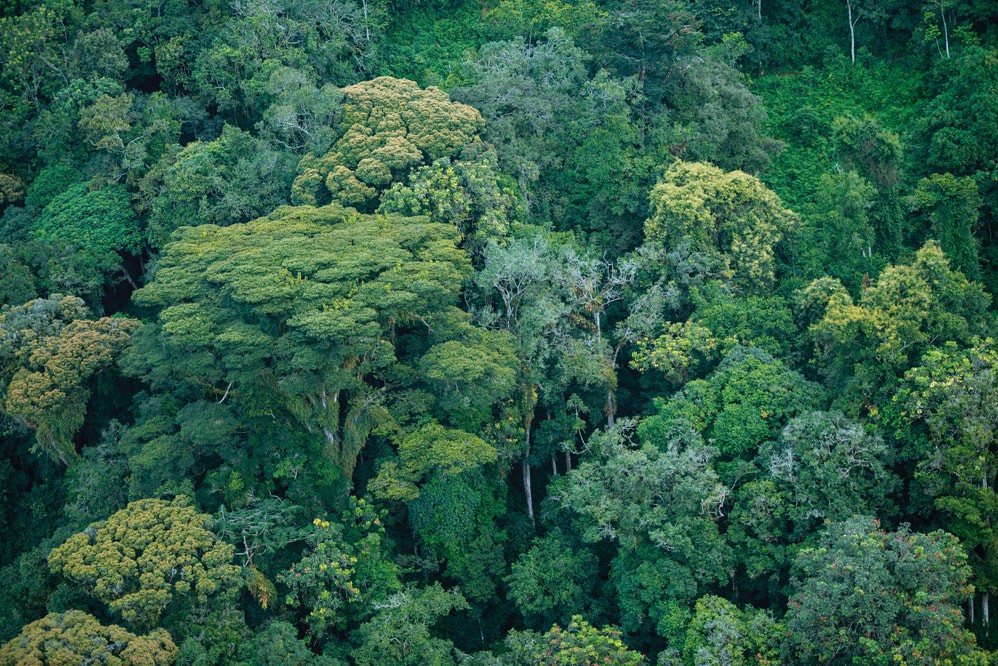
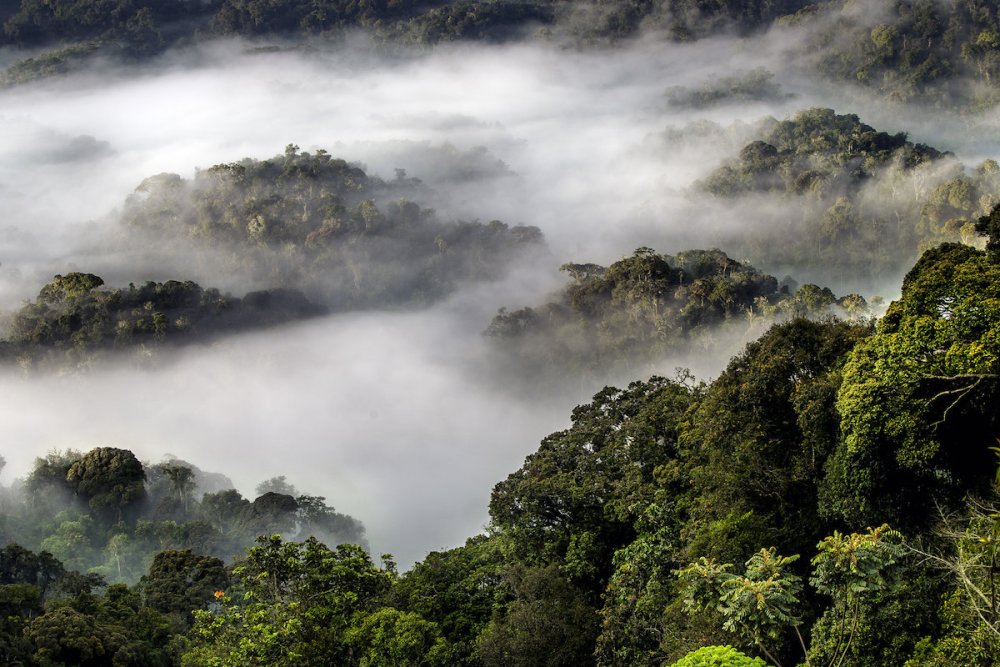
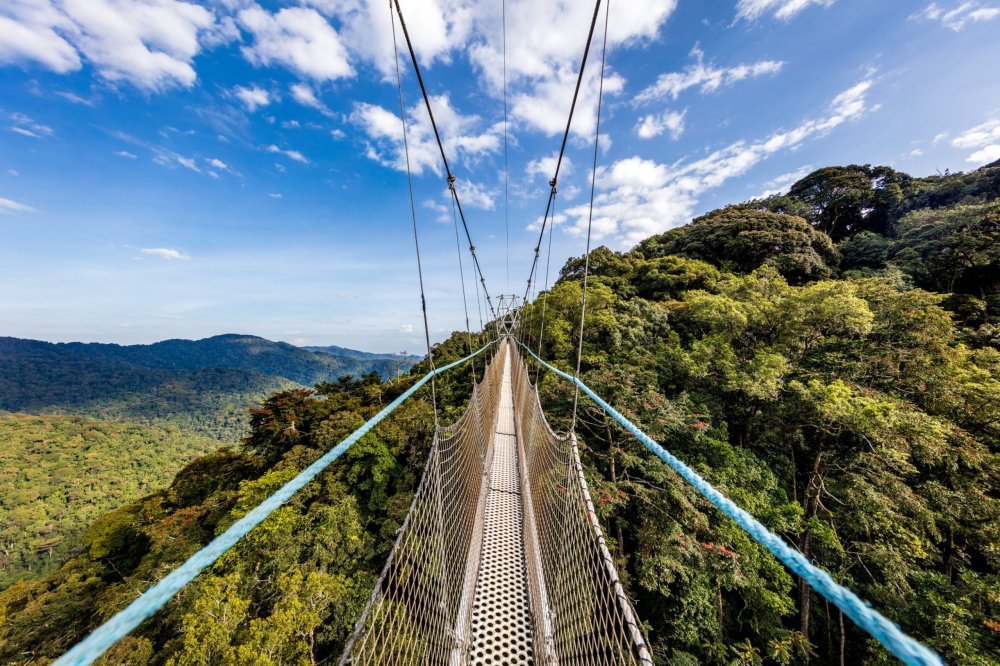
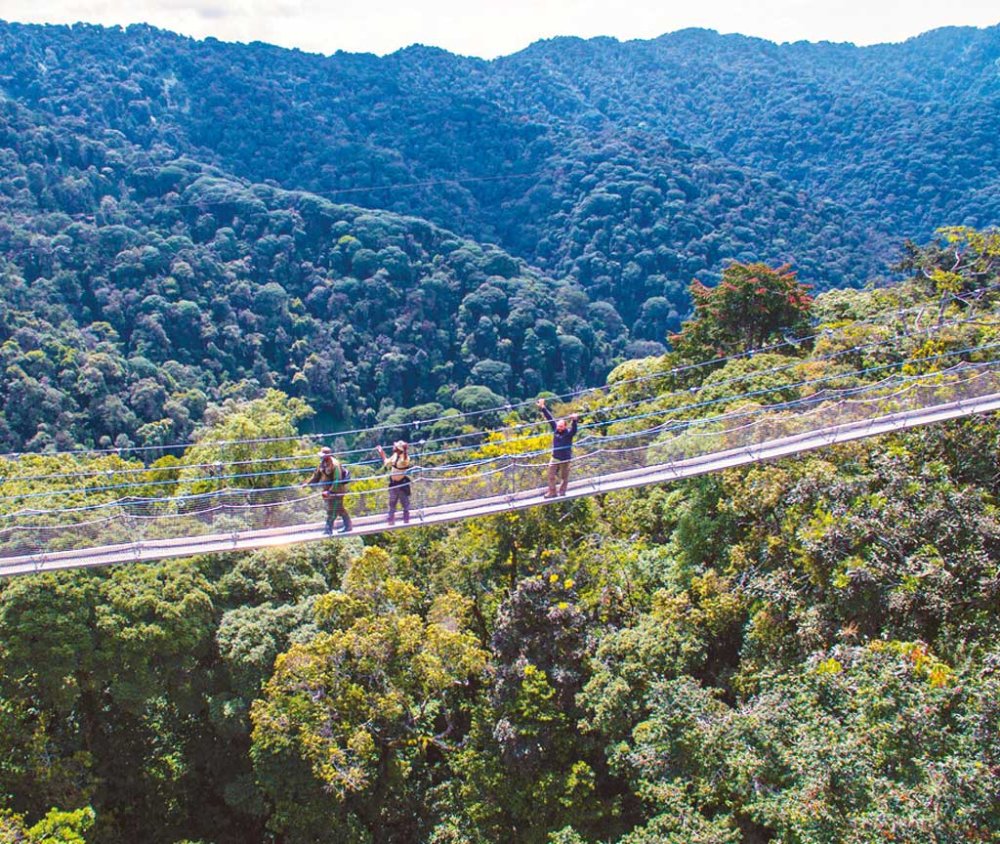
The park’s rich flora is highlighted by towering indigenous trees and thick undergrowth that form a vital habitat for countless plant and animal species.Nyungwe National Park is home to one of the oldest and most biodiverse ecosystems in Africa.Nyungwe National Park is recognized as part of the world’s protected natural heritage areas, reflecting its global importance for biodiversity conservation and environmental protection.The canopy walk in Nyungwe National Park enhances visitors’ experience.
The Copernicus Climate Change Service (C3S) said the global average surface air temperature in May 2026 was 15.81 degrees Celsius, 0.55 degrees Celsius above the 1991-2020 average. The reading was second only to May 2024 and 1.42 degrees Celsius above estimated pre-industrial levels.
Sea surface temperatures between 60 degrees south latitude and 60 degrees north latitude averaged 20.90 degrees Celsius, the second-highest on record for May, as the tropical Pacific continued its transition toward El Nino conditions expected to develop in the coming months.
Western Europe was hit by an early and intense heatwave in the second half of May, with France, Britain, Ireland, Spain and Portugal hitting multiple local temperature records. In some areas, “feels-like” temperatures reached 35 to 40 degrees Celsius.
“In Europe, an unusually early and intense heatwave demonstrates how quickly climate extremes are becoming the new normal rather than the exception,” said Samantha Burgess, strategic lead for climate at the European Centre for Medium-Range Weather Forecasts.
The C3S said the continued warming trend, combined with persistently high ocean temperatures and emerging El Nino conditions, highlights growing risks of more frequent and intense climate extremes worldwide.
This May was the world’s second warmest ever recorded, exceeded only by May 2024, according to the EU’s Copernicus Climate Change Service (C3S), bringing unusually dry conditions to northwestern Europe.
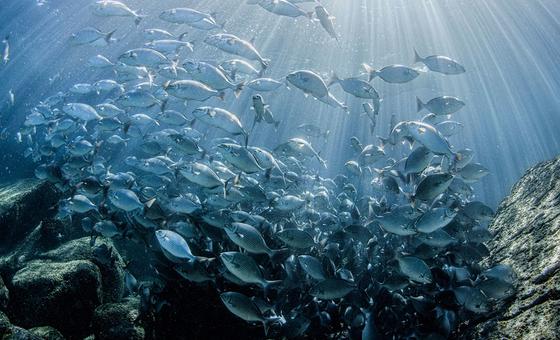
Launched on World Oceans Day, which is observed annually on June 8, the third World Ocean Assessment found that the ocean continues to be under severe and accelerating anthropogenic pressure, driven by climate change, pollution and increased human activities.
These pressures are often cumulative, combining to cause widespread biodiversity loss, undermining the ecosystems that support fisheries, coastal protection and human health.
“The third World Ocean Assessment, launched today, documents a deepening crisis driven by climate change, overfishing, biodiversity loss and marine pollution,” UN Secretary-General Antonio Guterres said in a message for the launch of the report.
“We cannot keep treating the ocean as limitless. We must build a new relationship with the ocean: Grounded in science. Framed by international law. And built on shared responsibility — across nations, sectors, and generations — to advance the Sustainable Development Goals,” said Guterres.
The third World Ocean Assessment identified the main human drivers of change to the ocean: human population growth and demographic changes; economic activity; technological advances; changing governance structures and social, economic and geopolitical instability; climate change, biodiversity loss and pollution.
It found that about 16 percent of the total increase in ocean heat content since 1955 has occurred since 2018. The greatest relative warming has been observed in the Atlantic Ocean and the southern parts of the Indian and Pacific Oceans.
The sea level continued to rise at increasing rates, from less than 2 millimeters per year prior to 2015 to 4.3 millimeters per year in 2023, according to the report.
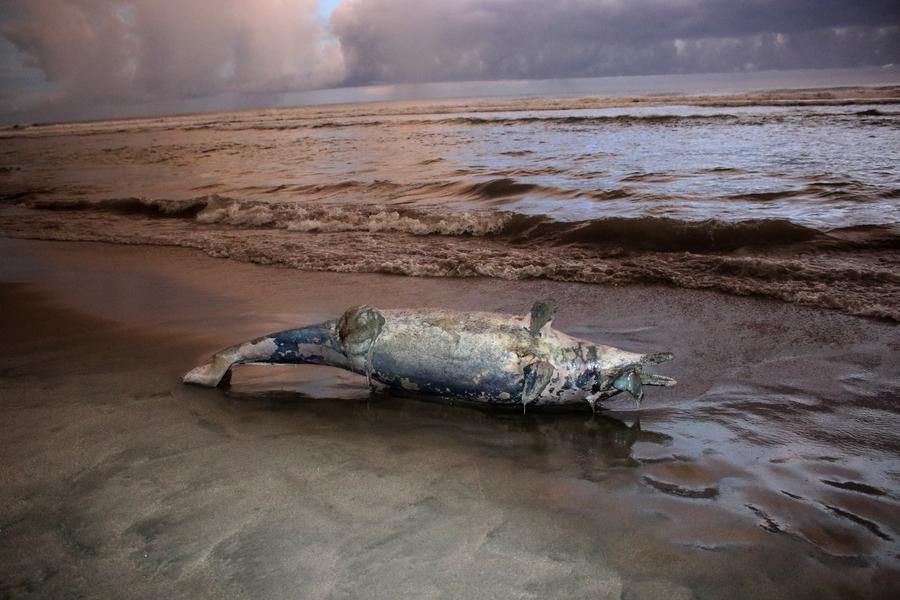
Also, it found that 52.1 million tonnes of plastic waste enter the ocean each year, contributing to an estimated 24.4 trillion microplastic particles, which are now known to affect more than 4,000 marine species.
Large gaps persist in ocean knowledge, the report said, with only 27.3 percent of the seafloor mapped as of 2025, leaving deep-sea ecosystems, biological processes, and cumulative impacts poorly understood.
“The imperative for a healthy and resilient ocean has never been more urgent. Global collaborations and research, and our increased understanding of the ocean, provide essential insights into the state of marine ecosystems, the profound changes they are undergoing and the need for our care,” said Rafael Gonzalez-Quiros, joint coordinator of the group of experts for the third World Ocean Assessment.
The third World Ocean Assessment found that the ocean continues to be under severe and accelerating anthropogenic pressure, driven by climate change, pollution and increased human activities.
Held in partnership with GreenStarz Impakt Hub, a youth-focused organization that promotes environmental sustainability, climate action, and community development, the initiative brought together NCBA staff, Excella High School administration, and more than 100 Grade 12 students for a day of learning, reflection, and action centered on environmental responsibility.
The activity forms part of NCBA Rwanda’s commitment to plant 10,000 trees annually, contributing to NCBA Group’s regional Change the Story sustainability agenda, which seeks to grow 10 million trees across its markets by 2030 while mobilizing communities to take meaningful climate action.
Rather than focusing solely on tree planting, the event emphasized the importance of educating young people about environmental stewardship and empowering them to become active participants in building a more sustainable future.
Growing futures through environmental education
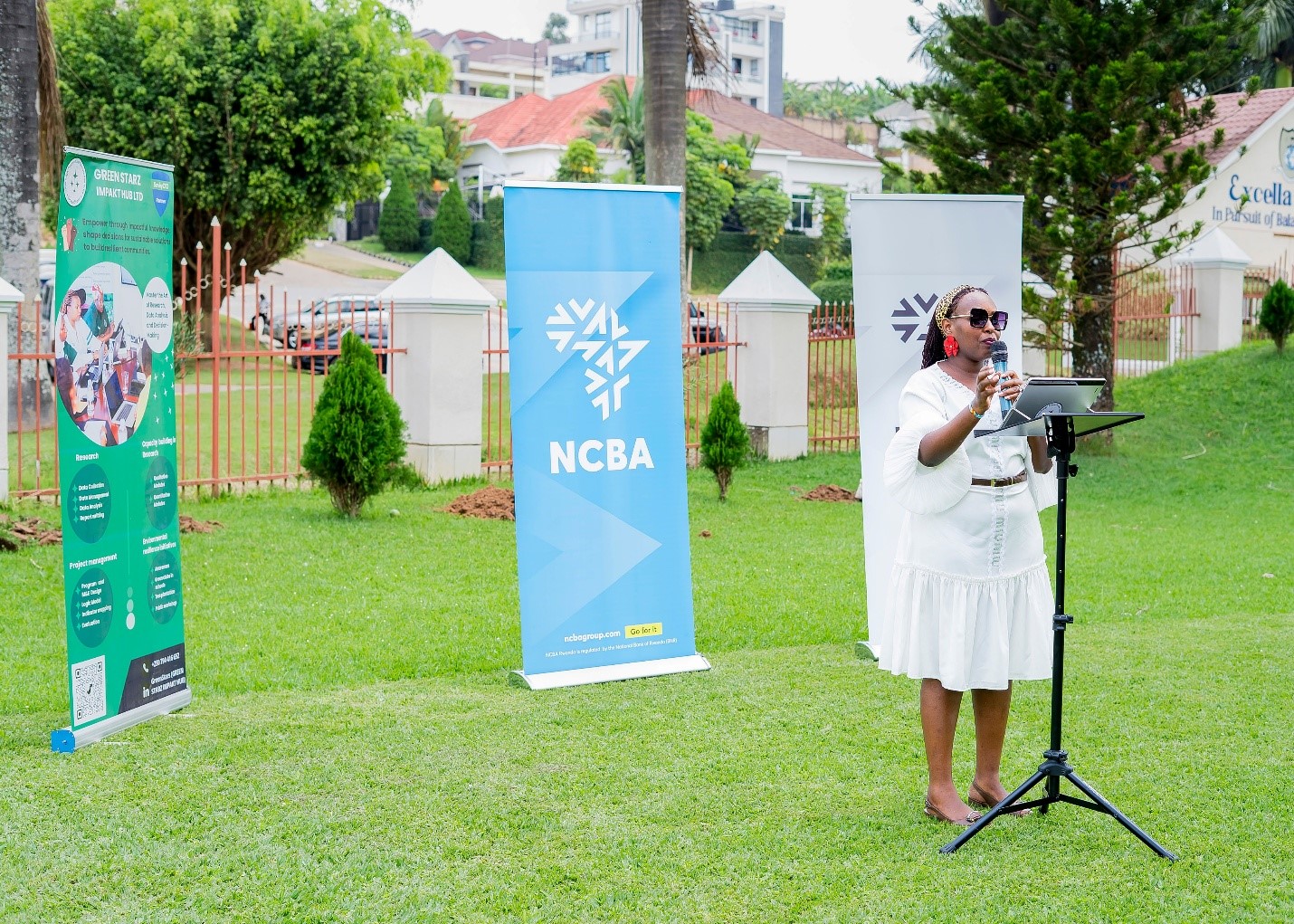
Addressing participants, Abigael Muriuki, Sustainability Analyst at NCBA Group Kenya, speaking on behalf of NCBA Rwanda, encouraged students to recognize the connection between personal growth and environmental responsibility.
“To the students here today, I want to share a simple thought. Just like these trees, your future depends on the foundations you build today. Trees need strong roots to grow tall and withstand challenges. In the same way, your education, discipline, character, and values will become the roots that support your success in life.”
She challenged students to view sustainability not as a distant concept, but as a responsibility that begins with everyday choices.
“The best time to plant a tree was twenty years ago. The second-best time is today.”
“That message goes beyond trees,” she added. “The decisions you make today about your education, your community, and your environment will shape the future you inherit. Every action matters. Every tree matters. Every student matters.”
Muriuki noted that the initiative reflects NCBA’s purpose of Banking on Belief—believing in the potential of individuals and communities to create lasting change.
“At NCBA, we believe that changing the story starts with investing in people. Today’s activity is about more than environmental conservation. It is about equipping young people with the knowledge, values, and sense of responsibility needed to create a sustainable future. Every student we engage today has the potential to become a champion for positive change tomorrow.”
Changing the story, one student at a time
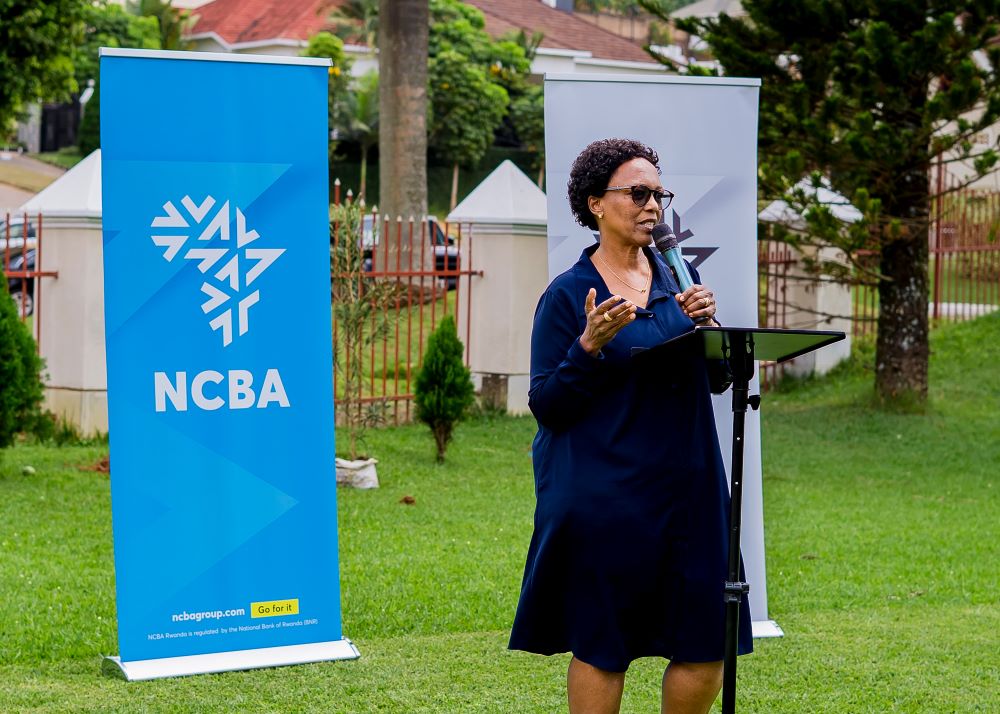
Receiving participants on behalf of Excella High School, Madam Peace Uwineza, Deputy Director of the school, expressed appreciation to NCBA Rwanda for choosing the institution as part of its World Environment Day activities and acknowledged GreenStarz Impakt Hub’s contribution to the programme.
“We are grateful to NCBA Rwanda for choosing Excella High School as part of this meaningful initiative and to GreenStarz Impakt Hub for helping bring it to life. Today’s activity has shown our students that environmental conservation is not someone else’s responsibility. It belongs to all of us.”
She added that exposing students to practical environmental action helps transform awareness into responsibility.
“Our students have not only planted trees today; they have gained a deeper understanding of why protecting the environment matters. When young people understand that their actions can make a difference, they become powerful agents of change within their schools, families, and communities.”
Speaking during the event, Abigael Miriam Bisimwa of GreenStarz Impakt Hub emphasized the unique role young people play in advancing environmental conservation.
“Young people have the creativity, energy, and influence needed to transform communities. When we empower students with knowledge and practical opportunities to take action, we are investing in a future generation that understands the importance of protecting natural resources and building sustainable communities.”
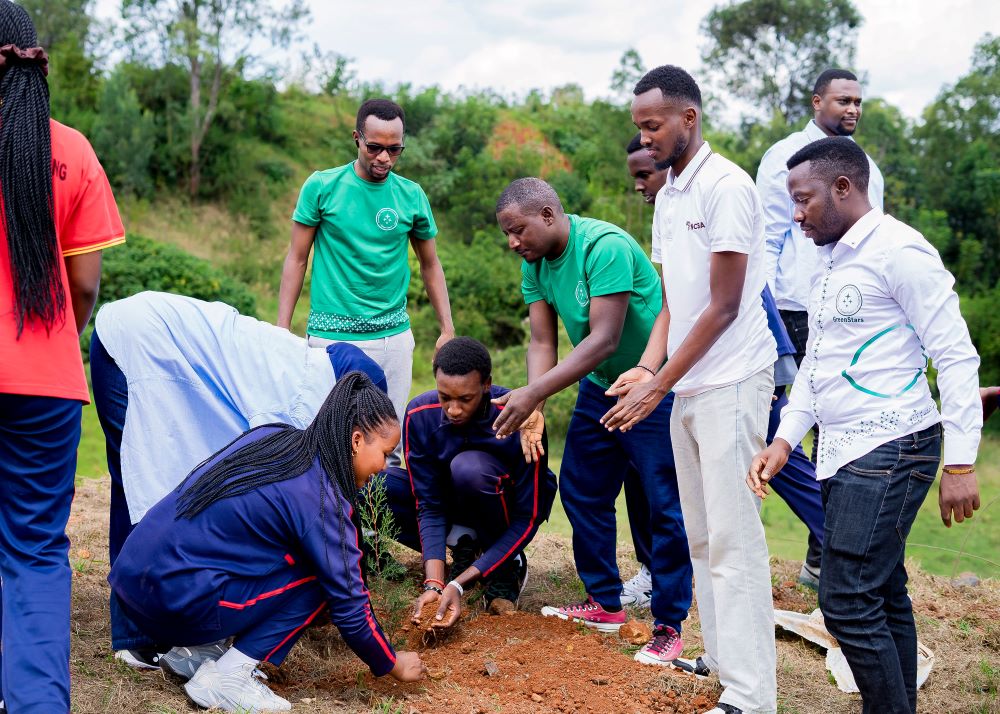
The event concluded with a tree-planting exercise across the school grounds, giving students an opportunity to translate learning into action and leave behind a lasting contribution to their environment.
As NCBA Rwanda continues its journey toward achieving its annual target of 10,000 trees, initiatives such as this demonstrate that meaningful environmental impact begins with education. Through its Change the Story sustainability agenda and its purpose of Banking on Belief, the bank is investing not only in greener landscapes but also in a generation of informed, responsible, and environmentally conscious young leaders who will help shape Rwanda’s sustainable future.
Abigael Muriuki, Sustainability Analyst at NCBA Group Kenya, addresses Excella students during World Environment Day celebrations in Kigali.Excella students celebrated World Environment Day by planting trees on their school grounds as part of NCBA Rwanda’s sustainability campaign.NCBA Rwanda staff and Excella High School students plant trees during World Environment Day activities aimed at promoting environmental sustainability.Abigael Miriam Bisimwa of GreenStarz Impakt Hub addressed students on the role of youth in environmental conservation.Madam Peace Uwineza, Deputy Director of Excella High School, speaks during World Environment Day celebrations at the school.Students of Excella High School participated in a tree-planting exercise as part of NCBA Rwanda’s World Environment Day initiative.