Earth’s day is not always exactly 24 hours. It changes naturally because of the moon’s pull and processes inside the planet. But recent climate change adds a new factor. As ice melts, water moves from land to oceans, shifting Earth’s mass. This slows rotation, like a figure skater spinning more slowly when stretching their arms.
To study how unusual this is, researchers looked at tiny marine fossils called benthic foraminifera. The chemical makeup of these fossils shows old sea levels. Using this data and a special computer model, scientists could estimate how day length changed over millions of years.
During past ice ages, growing and melting ice sheets changed day length, but none as fast as today. Only around 2 million years ago was the change somewhat similar, but still slower.
This shows that today’s climate change is faster than anything in the last 3.6 million years, according to said Benedikt Soja of ETH Zurich. By the end of this century, human-driven climate change could affect day length even more than the moon does.
Even though the change is only a few milliseconds, it can affect precise tasks like space travel.
Scientists from the University of Vienna and ETH Zurich say climate change is slowing Earth’s spin, making our days slightly longer.
The Ministry of Interior and National Administration said the victims comprise 46 men, eight women, and eight children.
“Nairobi recorded the highest number of deaths with 33, followed by the Eastern region at 17, and Rift Valley region with seven,” the ministry said in an update released in Nairobi, the Kenyan capital.
The government said the floods have affected more than 10,000 households, with 4,845 people displaced and forced to seek shelter in safer areas.
The heavy rainfall has caused flooding in several parts across the East African nation, leading to road closures, property damage, displacement and distress among the affected communities.
In addition to the tragic loss of lives, significant damage to infrastructure and livelihoods has been reported.
The Kenya Meteorological Department has forecast continued heavy rainfall and urged residents to take extreme caution to prevent further loss of life.
Kenya said floods have affected more than 10,000 households, with 4,845 people displaced
Since the first State of the World’s Migratory Species report in 2024, the proportion of imperiled CMS-listed species has risen from 44% to 49%, highlighting an alarming trend over just two years.
Migratory animals, from shorebirds to freshwater fish, rely on moving across continents to breed, find food, and escape harsh weather.
Blue wildebeest, for instance, migrate across the Serengeti-Masai Mara Ecosystem in East Africa following seasonal grass growth, while humpback whales travel thousands of miles between tropical breeding grounds and Antarctic feeding areas.
When habitats are lost or fragmented, these natural journeys are disrupted, threatening the survival of entire populations.
The report identifies multiple drivers of decline, including habitat loss, hunting, overfishing, and climate change. Roads, railways, fences, and pipelines often block long-established migration routes, constraining species such as the Mongolian gazelle.
In the Arctic, mining activities and climate change have contributed to dramatic losses of tundra caribou, with some herds shrinking from hundreds of thousands to just a few thousand over decades.
Birds, in particular, are being heavily affected by highly pathogenic avian influenza (HPAI). Since 2020, H5N1 has caused mass die-offs, killing tens of thousands of waterfowl and shorebirds, and spreading to more than 500 bird species and over 100 mammals worldwide.
Species impacted include Peruvian pelicans, hooded cranes, African penguins, and red-crowned cranes, with Australia remaining largely unaffected. The virus, combined with habitat loss, has intensified the decline of many avian species.
Despite these challenges, there are some conservation successes. The reintroduction of the scimitar-horned oryx in Chad has increased its population to 575, and saiga antelope numbers have rebounded after disease outbreaks.
Mapping migration routes and creating safe corridors remain critical. Protected areas along the Serengeti-Masai Mara Ecosystem Corridor, for example, allow up to 2.5 million herbivores, including wildebeest, zebras, and gazelles, to migrate safely over vast distances.
CMS Executive Secretary Amy Fraenkel emphasizes the need for cross-border habitat protection, especially for birds and ocean species, which require networks of safe areas rather than single contiguous spaces.
Ahead of the 15th Conference of the Parties to the Convention on the Conservation of Migratory Species of Wild Animals (CMS COP15), 42 new migratory species are being proposed for CMS listing, the largest number ever, to spur urgent action.
“We know what needs to be done, and we look forward to galvanizing action by governments and other stakeholders to protect, conserve and save these species. There is no time to wait,” said Susan Lieberman, vice president of international policy at the Wildlife Conservation Society.
Many bird species have lost vital stopovers along flyways, but with ongoing spread of Highly Pathogenic Avian Influenza, some populations have been decimated. Shorebirds have been particularly hard-hit, including pelicans. Image by Sergey Dereliev.The Egyptian vulture can fly up to 640 kilometers (400 miles) in a day as it travels between its wintering grounds in the Sahara and European breeding sites — a migration that of up to 5,000 km (3,100 mi). Image by Sergey Dereliev.
According to Wildlife SOS, the elephant, named Veer, had reportedly endured years of exploitation, including being used as a “begging” elephant on the streets, a practice that often exposes animals to harsh conditions, overwork and inadequate medical care.
Responding to the urgent situation, Wildlife SOS mobilized a specialized veterinary team late last month to rescue the injured animal and transport him to safety.
The remarkably tall, exceptionally calm and endearingly curious Veer would keep peeping and popping out his trunk over the ambulance every few minutes. Photo by Wildlife SOS
For the mission, the organization deployed its newly commissioned elephant ambulance, marking the vehicle’s first field rescue. Designed specifically for long-distance elephant transfers, the ambulance is equipped with advanced safety and stabilization systems to ensure the safe transport of injured elephants.
The vehicle includes specially designed access points that allow veterinary technicians to administer medication and monitor vital signs while maintaining a safe distance. Inside, the ambulance is structured to provide stability and reduce stress for the animal during travel. Since elephants must remain standing during transport, supportive straps and harnesses allow them to shift weight away from injured limbs.
“This rescue represents both urgency and hope,” said Nikki Sharp, Executive Director of Wildlife SOS USA. “For decades, ‘begging’ elephants have endured unthinkable physical and psychological trauma. With our new elephant ambulance and expert veterinary team, we are able to respond faster and more safely than ever before.”
Veer displayed no unrest around the Wildlife SOS team, and remained engrossed with the abundance of food offered to him. Photo by Wildlife SOS
Upon reaching Veer, the medical team conducted an examination and provided immediate treatment before beginning the transport. Because elephants must stand while the vehicle is moving, the team made regular stops during the multi-day journey so the animal could rest and lie down.
Veer was eventually transported to the Wildlife SOS Elephant Hospital, located at the Elephant Conservation and Care Centre in Mathura, Uttar Pradesh, where he will receive specialized treatment and long-term care.
Wildlife SOS is also spearheading an international campaign to end the exploitation of elephants used for street begging in India. The initiative aims to rescue and rehabilitate all such elephants by 2030, many of whom suffer from chronic injuries, malnutrition and untreated illnesses.
The organization currently cares for more than 30 rescued elephants at its conservation facility.
“Veer’s rescue is a powerful reminder of why this work matters,” Sharp said. “Because of our supporters, he now has access to the specialized treatment and long-term care he urgently needs.”
A brighter chapter has opened up in Veer’s life, filled with nourishing care and affection. Photo by Wildlife SOSVeer was offered a lot of cucumbers to keep up his hydration levels. Photo by Wildlife SOSWhile the team faced an unexpected turn of events when the ambulance tyres sunk into the mud, caregivers made the best of the situation by creating a mud bed for Veer to aid his sleep. Photo by Wildlife SOSThe remarkably tall, exceptionally calm and endearingly curious Veer would keep peeping and popping out his trunk over the ambulance every few minutes. Photo by Wildlife SOSWildlife SOS rushed to prepare the animal ambulance by sanitising it thoroughly and stocking it with fresh edibles for the elephant thereafter. Photo by Wildlife SOSThe gentle giant was forced to walk on concrete roads, bearing goods on his back under the scorching sun. Photo by Wildlife SOS
This research, published in the journal Geophysical Research Letters, provides the first statistically significant evidence that global warming is not just continuing, it is speeding up. Researchers removed the influence of natural climate variations to show that the recent increase in temperature is real and persistent.
According to the study, if temperatures continue to rise at the current rate, the world is likely to exceed the 1.5°C global warming limit established under the 2015 Paris Agreement by the end of this decade.
This threshold is considered crucial because surpassing it would greatly increase the risks of extreme weather, rising sea levels, and long-term damage to ecosystems and human societies.
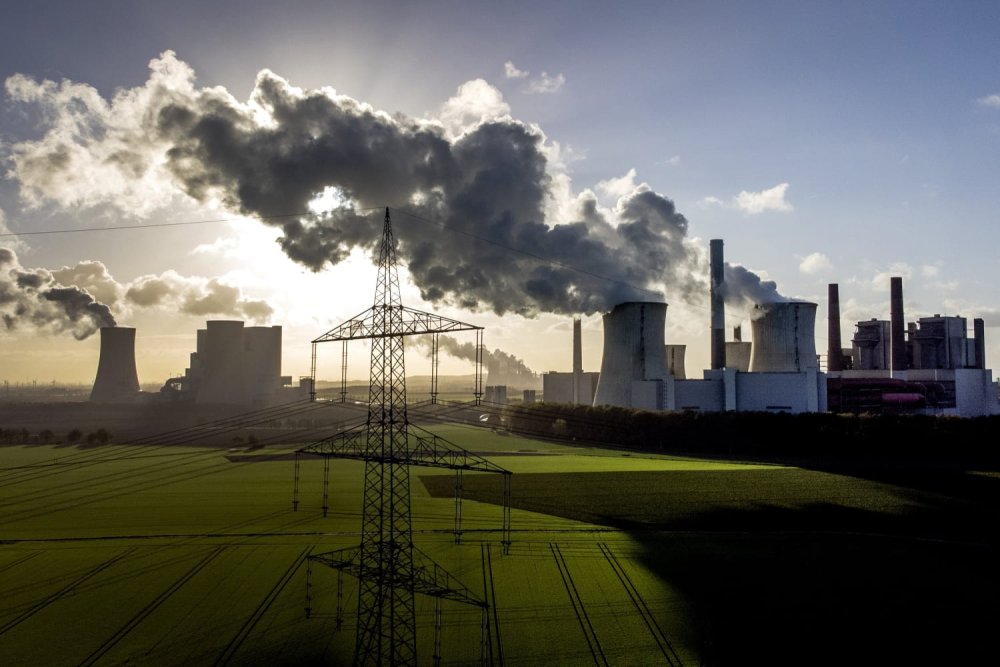
Scientists emphasize that the main driver of this rapid warming is human activity, particularly the burning of fossil fuels like coal, oil, and natural gas, which release greenhouse gases into the atmosphere and trap heat. Global fossil fuel consumption and emissions have both reached record levels, mainly contributing to the recent acceleration in warming.
The study also notes that the past 11 years have all been the warmest on record, with the three most recent years among the hottest ever observed. This trend underscores the urgency of reducing carbon emissions and shifting toward cleaner energy sources in order to limit future warming and avoid the most severe consequences of climate change.
Global warming has accelerated over the past decade.
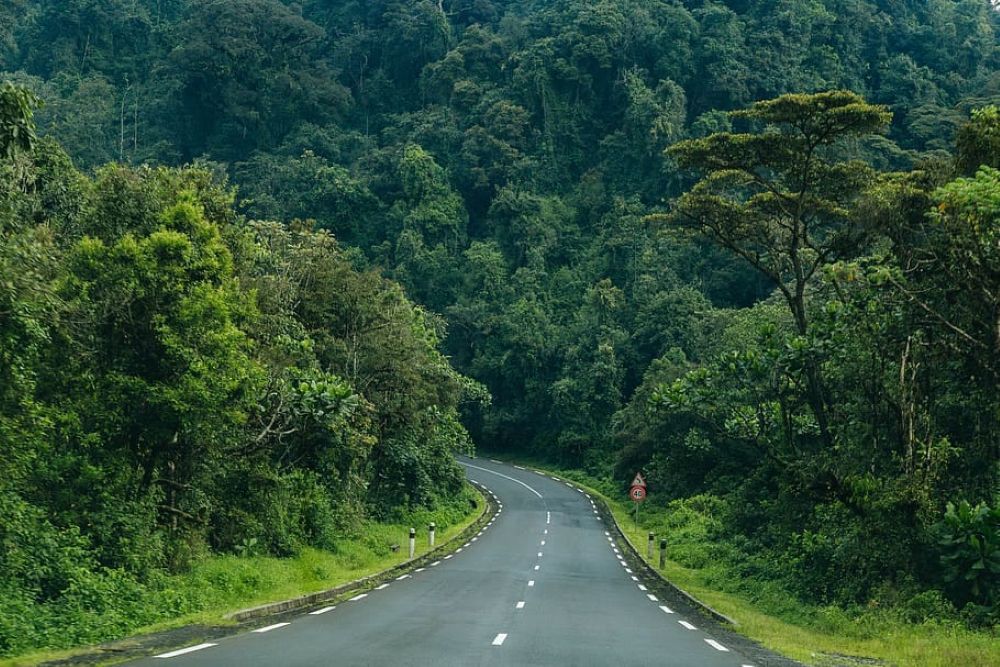
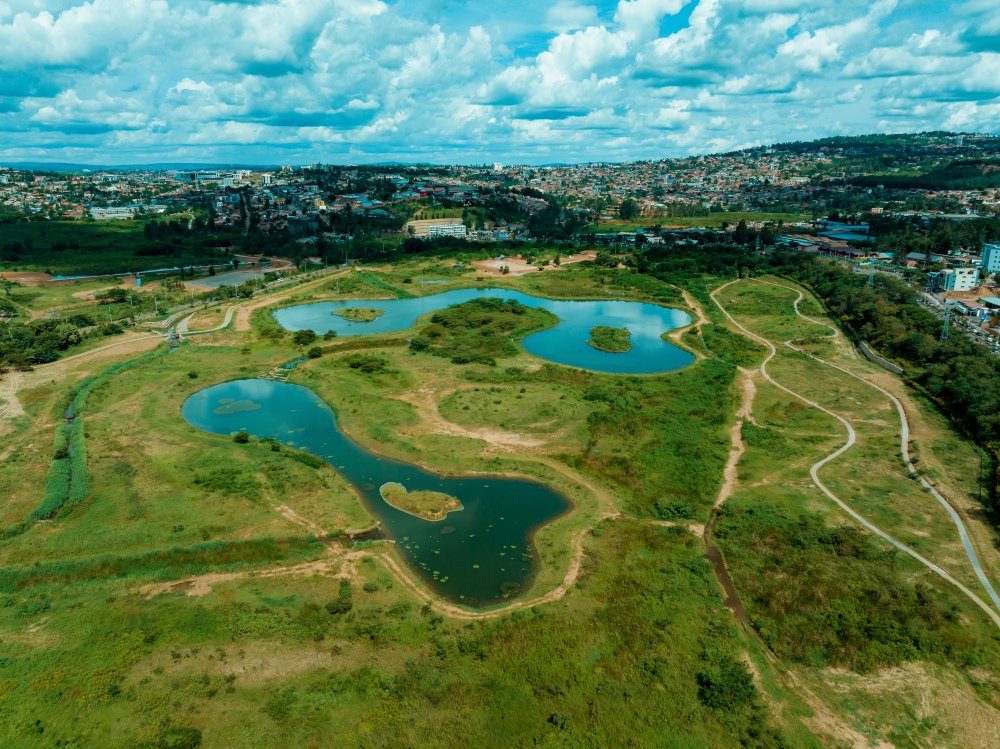
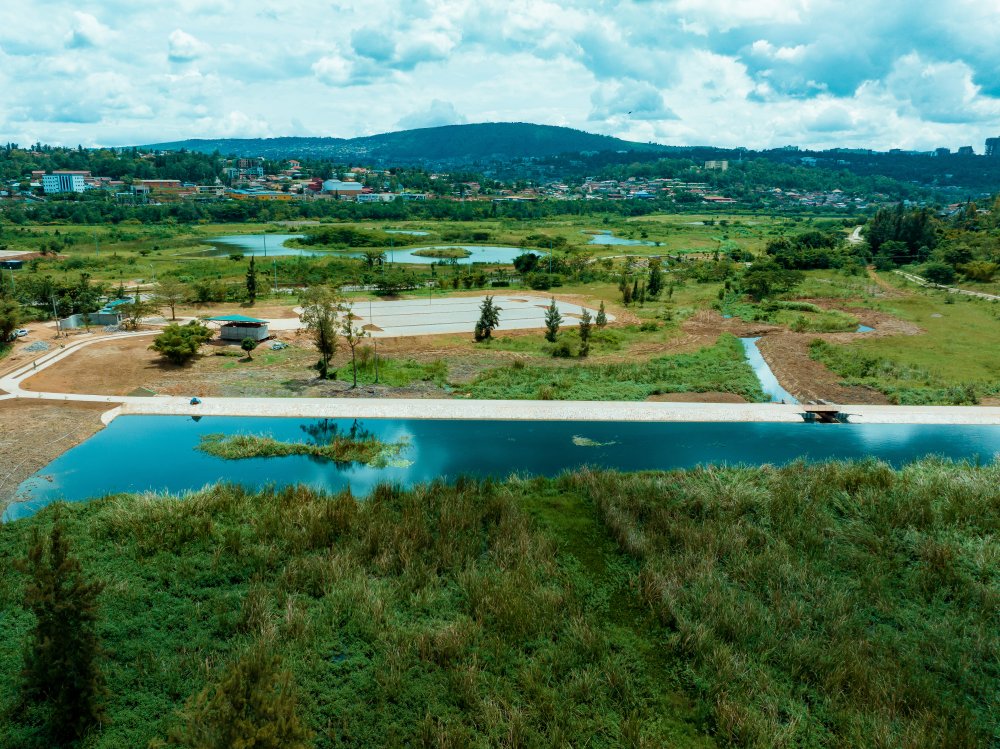
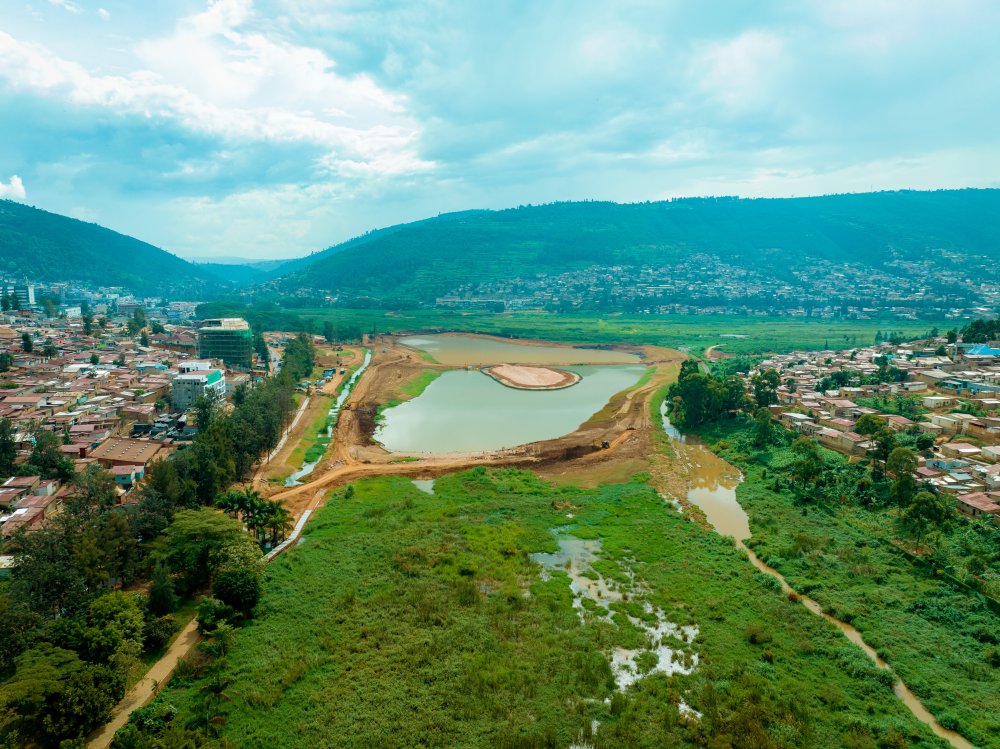
Data shared with IGIHE shows that between January 1 and March 11, 2026, disasters including lightning strikes, landslides and floods claimed lives in different parts of the country.
Among the victims, 14 people were killed by lightning, while five died in fires. Floods and landslides each killed three people, while two people died after houses collapsed. One person lost their life in a disaster linked to mining activities.
MINEMA also reported that besides the fatalities, 75 people have been injured since the start of the year, while 297 houses were damaged.
The disasters also destroyed crops on 220 hectares of land, killed 25 cows and nine other livestock, and damaged public infrastructure.
According to the ministry, the incidents also destroyed eight school classrooms, 14 roads, 22 electricity lines, and 22 bridges. In addition, one church and one market were damaged.
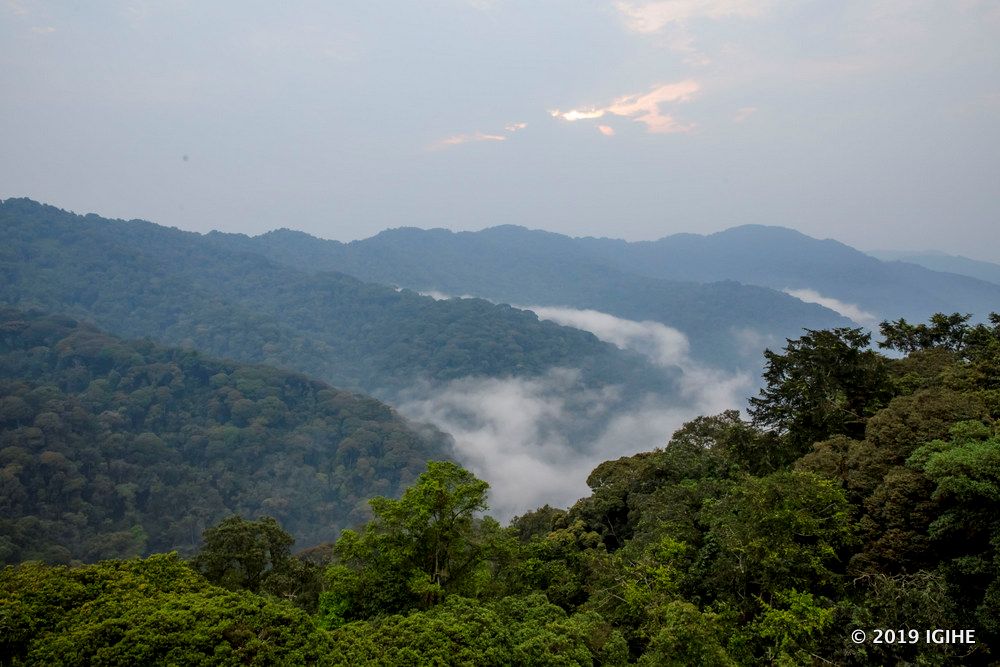
Recently, Rwanda’s Meteorological Agency warned that March 2026 is expected to receive above-average rainfall, which could increase the risk of disasters.
The meteorological agency said rainfall during the month could be slightly higher than the usual average, increasing soil moisture levels.
While this may benefit agricultural activities at the beginning of the Season B planting period, it could also bring strong winds and thunderstorms capable of triggering disasters, especially in areas where the ground is already saturated.
Forecasts indicate that rainfall between 100 and 350 millimeters is expected in the first and second ten-day periods of March, slightly above the usual average for those periods. Between March 21 and 31, rainfall is expected to return to normal levels ranging between 89 and 292 millimeters.
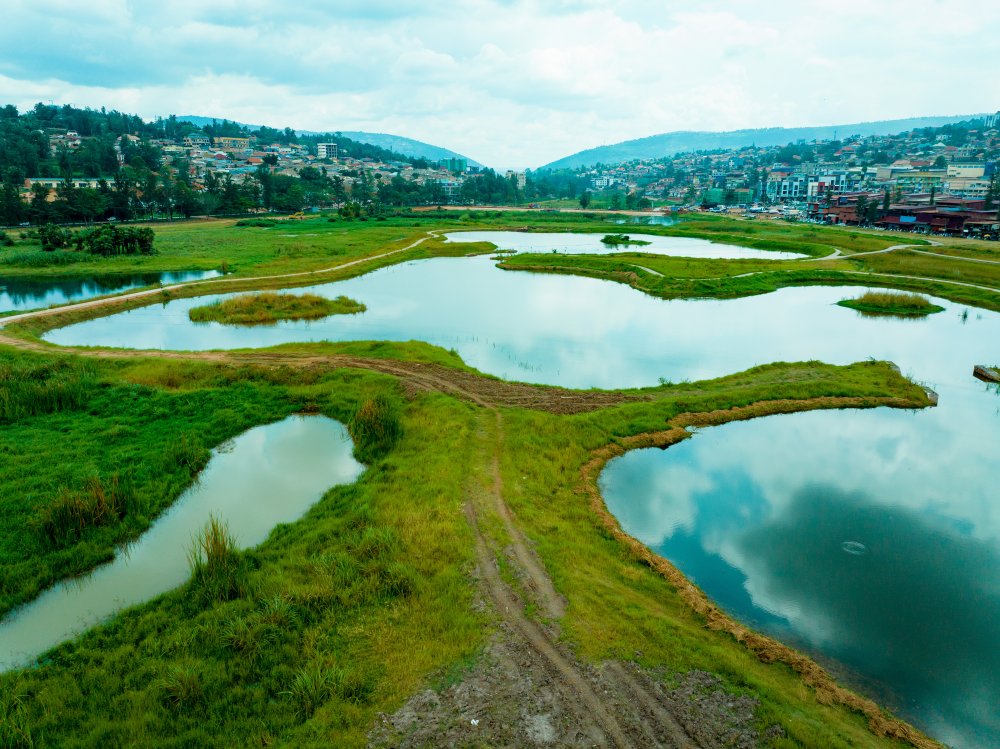
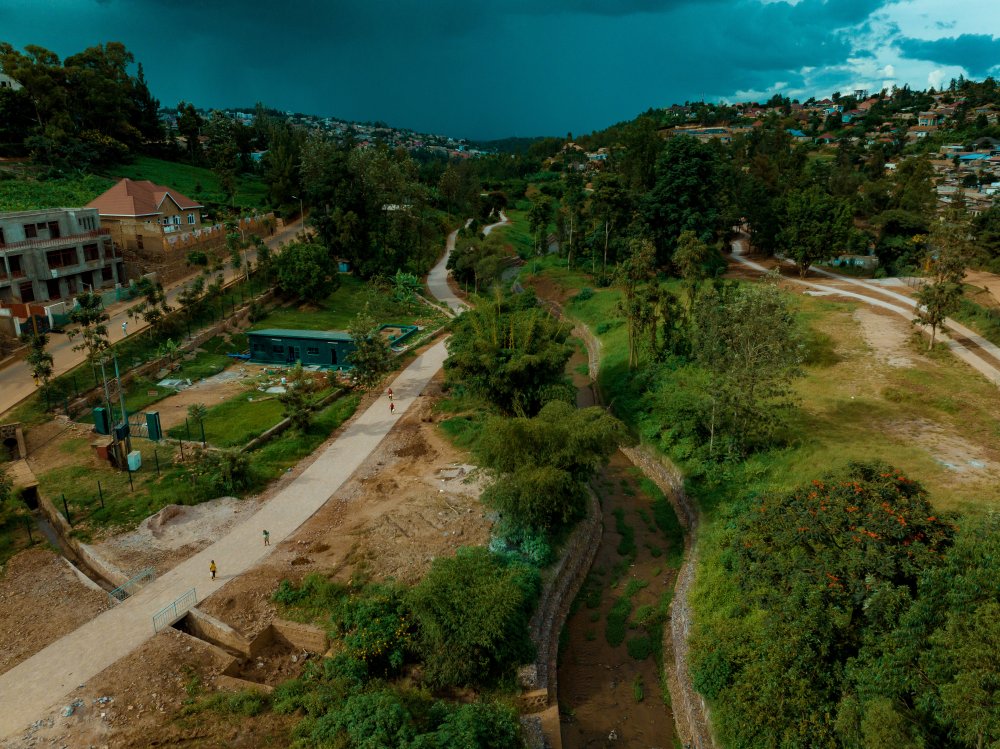
The Minister in charge of Emergency Management, Albert Murasira, recently urged residents to take precautions against disasters linked to heavy rains, particularly those living in high-risk zones.
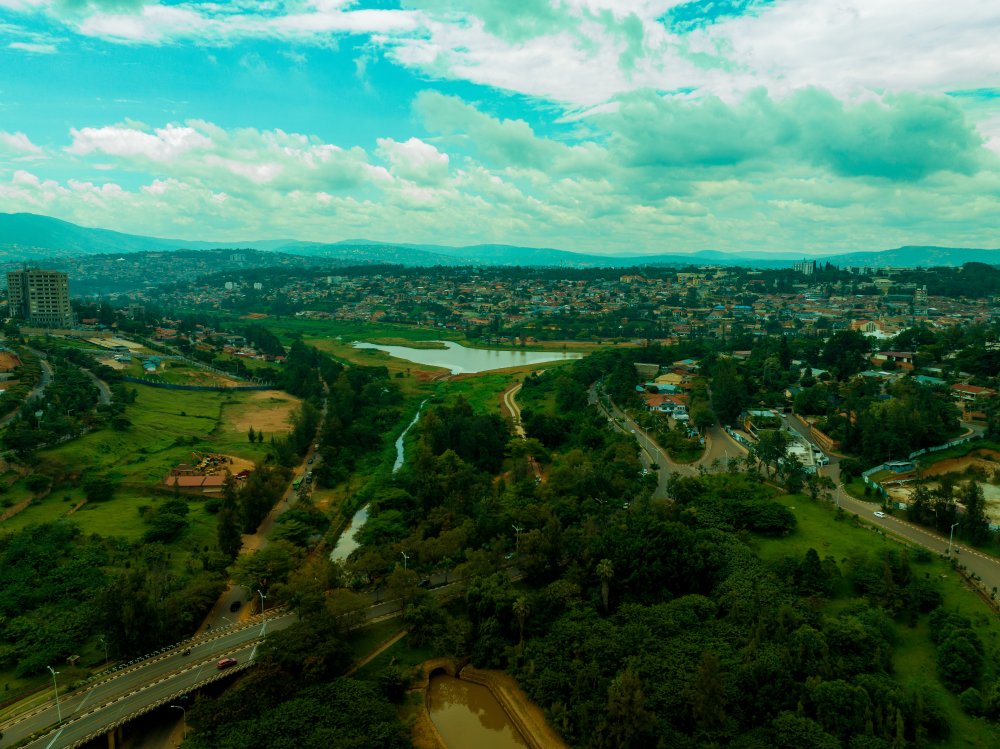
He also called on people living in wetlands and high-risk zones to relocate to safer areas to avoid putting their lives in danger, stressing that long-term measures are being implemented to ensure communities do not settle in hazardous locations.
MINEMA has reported that disasters claimed 28 lives in Rwanda since start of 2026.
The research, published in Proceedings of the National Academy of Sciences, focuses on the microbe Nitrosopumilus maritimus, a type of ammonia-oxidizing archaea that plays a crucial role in ocean nutrient cycles. Scientists say these microbes make up roughly 30 percent of marine microbial plankton and are essential for the chemical processes that sustain marine life.
As ocean temperatures rise due to climate change and marine heatwaves, scientists have been concerned about how warming waters, sometimes reaching depths of more than 1,000 meters, could disrupt delicate biological and chemical systems in the deep sea.
The study was led by Wei Qin, a microbiology professor at the University of Illinois Urbana‑Champaign, and David Hutchins of the University of Southern California. Using controlled laboratory experiments, the team exposed cultures of Nitrosopumilus maritimus to different temperatures and iron levels.
They discovered that warmer conditions combined with limited iron actually improved the microbes’ efficiency in using the metal, which is vital for their metabolism. This suggests the organisms can adapt to the stress of higher temperatures and reduced nutrient availability.
According to the researchers, global ocean models indicate that these microbes could continue, and possibly strengthen, their role in nitrogen cycling and supporting marine productivity in a warming ocean.
Later this year, the scientists plan to test their findings during a research expedition aboard the RV Sikuliaq, traveling from Seattle to the Gulf of Alaska and toward Honolulu to study natural microbial populations in real ocean conditions.
A research group co-led by the University of Illinois Urbana-Champaign predicts that a surprisingly adaptable species of marine archaea will play an important role in reshaping biodiversity in the planet’s oceans as the climate changes. Credit: Photo by Fred Zwicky
According to the charity Butterfly Conservation, the large tortoiseshell butterfly has recently been seen in counties including Kent, Sussex, Hampshire, Dorset and Cornwall, as well as on the Isle of Wight.
BBC has reported that the surge in sightings has led experts to conclude that the species is now breeding in the UK again rather than appearing only as an occasional migrant.
The Large Tortoiseshell Butterfly was once widespread across England and Wales but was last recorded breeding in Britain in the 1980s.
Its decline has largely been linked to the spread of Dutch Elm Disease across Europe during the 20th century, which devastated elm trees, an important host plant where the butterfly lays its eggs.
Although rare sightings have occurred over the years, conservationists say the recent cluster of around 20 reports suggests the species may be re-establishing itself.
Professor Richard Fox, head of science at Butterfly Conservation, told BBC that scientists are unsure why the butterfly disappeared from Britain in the first place. However, he believes climate change may now be helping expand its range again across Europe.
One enthusiast, Trevor Collett, travelled more than 90 minutes from Surrey to woodland near Ashford in Kent in search of the butterfly.
After hours of searching, he finally spotted one and described the moment as a “degree of elation.”
Conservationists say the renewed sightings offer a rare piece of good news at a time when many butterfly species are declining.
The large tortoiseshell has been declared a resident breeding species
Kijaji made the remarks late Sunday during an inspection tour of the park, where she assessed the damage caused by recent downpours linked to climate change, which had left several tourist vehicles stranded for extended periods.
She said the government would urgently release the funds to ensure the timely rehabilitation of the affected infrastructure, including bridges and roads critical for tourism activities in the park.
“I urge tour guides to strictly follow instructions from rescue officers deployed by the Tanzania National Parks Authority in areas affected by the rains,” Kijaji said.
Serengeti Chief Park Warden Ismail Omary said the park had already taken emergency measures following the damage, including temporary repairs to roads and bridges, deployment of security personnel, and provision of emergency accommodation for stranded visitors and drivers.
Omary added that park authorities also assisted in rescuing stranded vehicles and waived overstay fees for tourists whose departures were delayed due to damaged roads.
Serengeti National Park in northern Tanzania is a vast protected savanna ecosystem covering about 14,750 square kilometers, famous for its sweeping grasslands, scattered acacia trees, rocky kopjes, and one of the highest concentrations of wildlife in the world.
Tanzania will allocate 8.1 billion Tanzanian shillings (about 3.2 million U.S. dollars) to repair roads and bridges damaged by heavy rains in Serengeti National Park.
The discoveries were made during a six-week scientific expedition led by researchers from the UK Centre for Environment, Fisheries and Aquaculture Science (CEFAS) aboard the research vessel RRS James Cook.
According to BBC, the team explored waters surrounding the Cayman Islands, Anguilla, and Turks and Caicos Islands, areas where much of the deep ocean had never been studied before.
Working day and night, scientists used deep-sea cameras and acoustic mapping equipment capable of withstanding extreme pressure to explore depths of up to 6,000 meters (19,700 feet).
Because existing maps were outdated and sometimes inaccurate, researchers had to navigate parts of the ocean floor that had never been properly charted.
The expedition revealed remarkable biodiversity. Scientists recorded nearly 14,000 individual marine specimens and identified about 290 different types of sea life.
Among them were strange and rarely seen species, including a pelican eel with a glowing pink tail used to lure prey, a barreleye fish with upward-pointing tubular eyes, and a dragonfish with a luminous rod beneath its chin.
Dr James Bell, who led the expedition, said the discoveries highlight just how little humans know about the deep ocean.
“This is the first step into environments people have never seen, and in some cases didn’t know existed,” he said.
“Just yesterday we found a kind of type of swimming sea cucumber, and we still don’t know what it is,” he added, describing the diversity as “really, really astonishing”.
One of the most striking discoveries was an underwater mountain called Pickle Bank, located north of Little Cayman. Rising from a depth of about 2,500 meters to just 20 meters below the sea surface, the mountain’s slopes were covered with vibrant marine life.
Video footage shows bright blue, yellow and orange coral formations, with fish darting between whip-like coral branches and jelly-like sea sponges.
Researchers say the area may contain one of the healthiest coral reefs in the Caribbean. Unlike many reefs across the region, it appears untouched by the stony coral disease that has devastated coral ecosystems in recent years.
Deep reefs such as this are often protected by their depth. They are also less exposed to rising ocean temperatures, which scientists say have damaged around 80 percent of the world’s corals since 2023.
The team also mapped nearly 25,000 square kilometres of seabed and captured more than 20,000 images of deep-sea life, including glowing lanternfish and unusual cephalopods.
Despite these advances, Dr Bell noted that much of Earth’s ocean remains unexplored.
“We know the surface of Mars or the Moon better than we know the surface of our own planet,” he said. “We can’t do that for our ocean. We have to map it bit by bit using acoustic instruments on ships.”
Among the most surprising findings was a steep underwater ridge in Turks and Caicos Islands waters. The ridge rises about 3,200 meters high and stretches 70 kilometres along the seabed, a major geological feature that was missing from existing maps.
The researchers also discovered a massive vertical sinkhole known as a blue hole south of Grand Turk.
“Imagine taking an ice cream scoop out of the sea-floor. That’s what we saw, a crater about 300m wide to 550m below sea level,” Bell explained.
The blue hole could rival the famous Great Blue Hole in size. Surprisingly, cameras sent into the formation revealed life inside, including sponges, sea urchins and several fish species.
Near Anguilla, the team confirmed the existence of a coral reef nearly four kilometres long after local fishers reported pulling up pieces of coral from the area. Some of the black coral found there may be thousands of years old.
“It tells us that these environments are really pristine and healthy,” said Bell.
The findings will help scientists and local authorities better manage marine ecosystems and identify sustainable fishing opportunities for island communities. The research is also part of the UK’s Blue Belt Programme, which supports conservation in British Overseas Territories.
“Our islands were literally born from the sea,” said Kelly Forsythe from the Cayman Islands Department of Environment. “But when it comes to our offshore environments, we really haven’t had a chance before to discover what’s out there.”
Researchers say the discoveries will also support global efforts to protect 30 percent of the world’s oceans by 2030 through marine protected areas.
“Anyone can draw a box on a map and say, ‘That’s a marine protected area’,” Bell said. “But unless you know what’s in it, you don’t know if that’s useful at all.”
An enope squid (Enoploteuthidae squid), dragonfish (Neonesthes), pelican eel (Eurypharynx pelecanoides) and barreleye (Opisthoproctus soleatus)Scientists used specialist deep sea equipment to survey marine biodiversity on the sea-floorMesophotic coral in Turks and CaicosPickle Bank Ancient Reef, Cayman