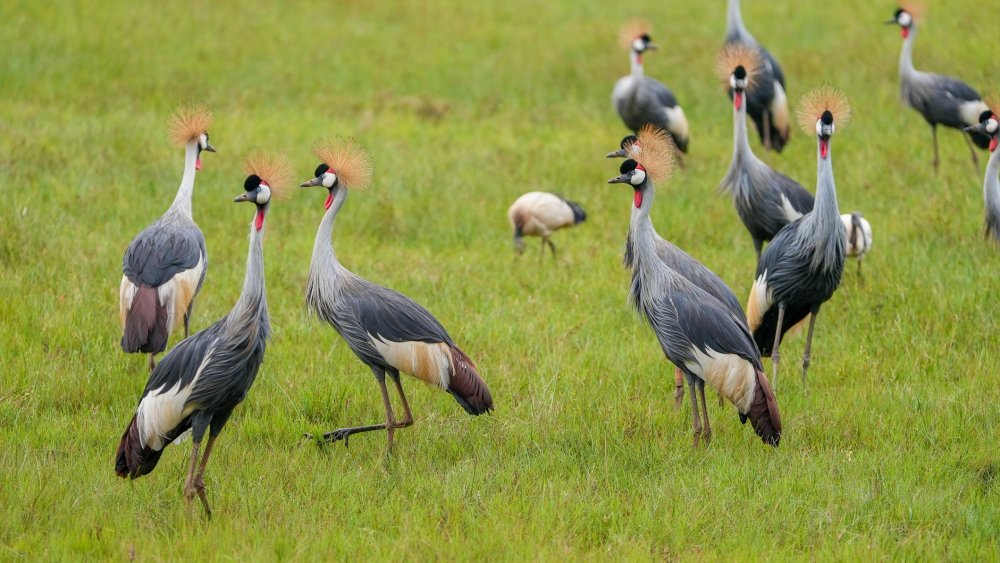
Figures released by the Rwanda Wildlife Conservation Association (RWCA) on August 14, 2026, show that Rwanda recorded 1,438 cranes in 2026, up from 487 counted in the first national census in 2017.
The latest figure represents an increase of 951 cranes, or 195%, meaning the population has nearly tripled in less than a decade.
RWCA began its conservation efforts in 2015 after finding that the number of cranes in the wild had fallen to fewer than 300. The organisation focused on stopping the illegal capture of the birds, including those taken from the wild and kept in homes, gardens and hotels, before being rescued and taken to appropriate care facilities.
In 2017, RWCA conducted Rwanda’s first national crane census, recording 487 birds. Since then, annual censuses have provided data on changes in the crane population and other information used to guide conservation efforts.
The population has continued to grow in recent years. In 2025, Rwanda had 1,245 cranes, meaning about 200 more were recorded in 2026 alone.
Rugezi wetland drives recovery
RWCA says Rugezi Wetland, which stretches across Burera and Gicumbi districts, has played a major role in the recovery of Rwanda’s crane population.
Only 71 cranes were recorded in Rugezi in 2017. By 2026, that number had risen to 378, an increase of 307 birds.
The wetland now accounts for more than a quarter of all cranes recorded in Rwanda.
The increase has been linked to efforts to restore and protect Rugezi Wetland, as well as collaboration with communities living around it to encourage their participation in environmental conservation.
RWCA has 75 wetland guardians working in Rugezi on a daily basis. They monitor the cranes, report illegal activities, help restore degraded parts of the wetland and work with local communities to reduce activities that could damage the ecosystem.
Despite the increase in numbers, RWCA says cranes remain classified as a threatened species on the International Union for Conservation of Nature (IUCN) Red List, meaning continued conservation efforts are needed to protect the population.
Because cranes can move across national borders, RWCA expanded its conservation efforts beyond Rwanda in 2025 by signing agreements with four organisations in Burundi, Tanzania and Uganda.
The agreements aim to strengthen protection of cranes across borders, particularly birds that have been observed moving from Rwanda into neighbouring countries.
Figures released by the Rwanda Wildlife Conservation Association (RWCA) on August 14, 2026, show that Rwanda recorded 1,438 cranes in 2026, up from 487 counted in the first national census in 2017.
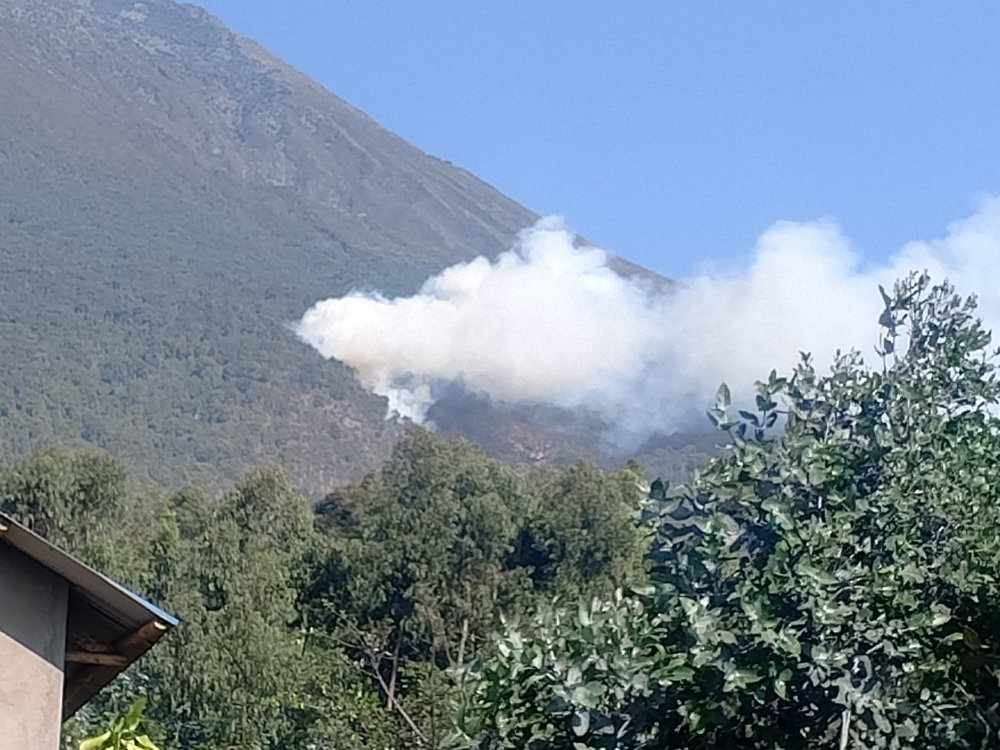
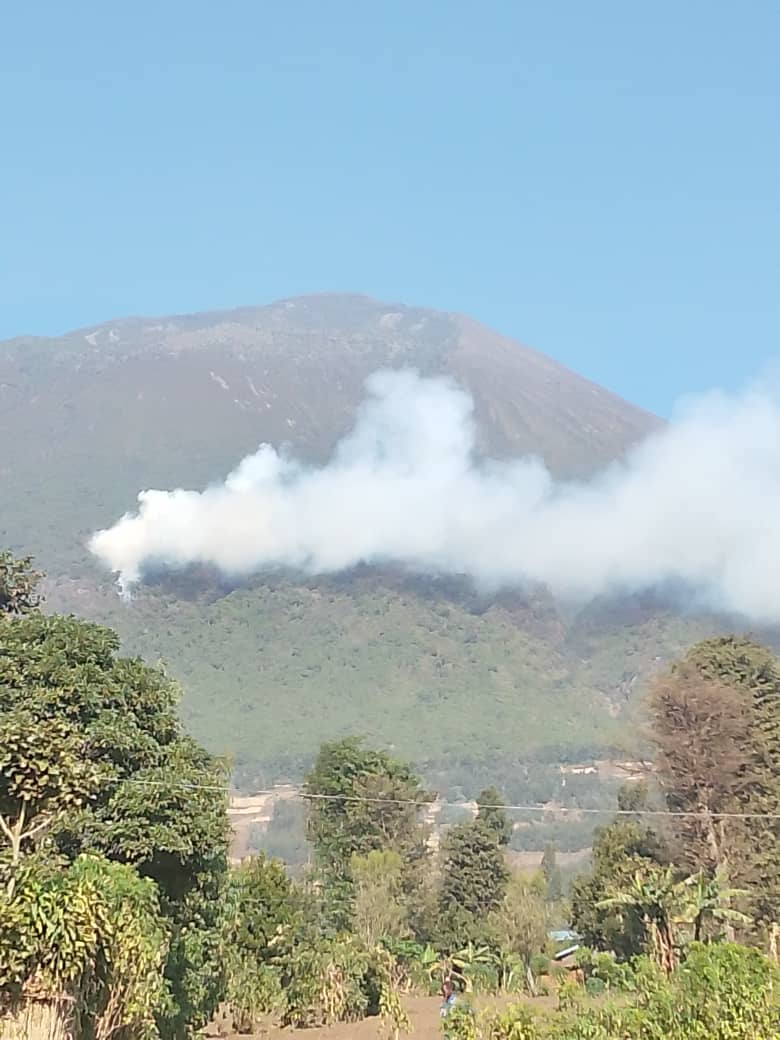
A resident of Nyagahinga Cell in Cyanika Sector told IGIHE that the fire started in the middle of the mountain at around 6 a.m. and spread uphill, making efforts to extinguish it difficult because of the long distance that responders have to cover on foot.
“We saw the forest had caught fire at around 6 a.m. this morning. We tried to see whether there were people putting it out, but we did not see anyone. It continued burning. As we speak, we are on the mountain trying to put it out,” the resident said.
Residents of Nyagahinga said they were not concerned that the fire would reach their homes or damage their property because the mountain is about two kilometres from the settlement.
Northern Province Governor Maurice Mugabowagahunde told IGIHE that authorities from different levels had gone to the area to coordinate firefighting efforts, expressing confidence that the situation would be brought under control without significant damage.
“Yes, it is true, and we are all there. We have gone to put it out. I believe it will be resolved without much damage,” he said.
Residents said that by around 9 a.m., the fire had begun to weaken on Mount Muhabura, raising hopes that it could soon be extinguished.
The full extent of the area affected was not immediately known as the fire was still burning when this story was published, while residents continued efforts to put it out. The cause of the fire had also not been established.
Residents said some people enter Volcanoes National Park to collect honey, a practice that sometimes requires them to light smoke to drive bees away. They suspect that such activity could have caused the fire.
Mount Muhabura was last affected by a major fire in 2009.
The volcano stands at 4,127 metres above sea level, making it the second-highest of Rwanda’s five volcanoes.
During the dry season, vegetation in several national parks, including Volcanoes National Park, where Mount Muhabura is located, becomes dry and more vulnerable to fires. This increases the risk of wildfires if flames reach the vegetation.
The fire broke out in the middle of Mount Muhabura early in the morning.The area affected by the fire is far from nearby residential areas.
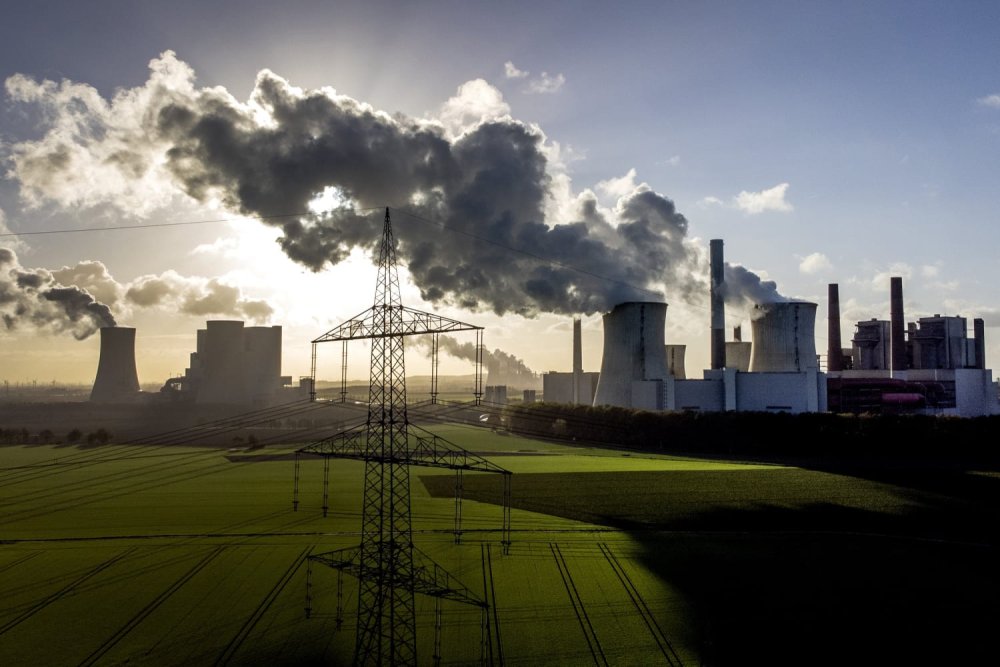
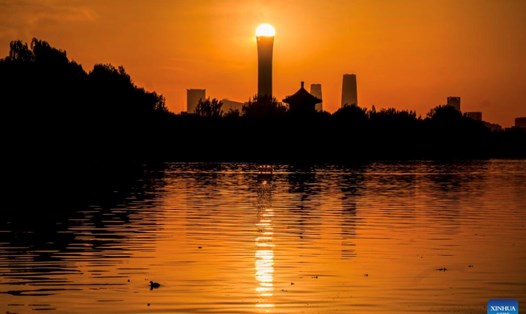
The global average surface air temperature in July was 1.47 degrees Celsius above the estimated pre-industrial average for 1850-1900, according to the Copernicus Climate Change Service cited by the WMO.
Western Europe experienced its hottest June-July period on record, with extreme heat continuing into August and some countries now facing their fourth heatwave since May, the WMO said.
“What we have seen over the last few months is the combined effect of long-term warming with a persistent pattern of alternating high- and low-pressure systems stretching across the Northern Hemisphere,” said John Kennedy, head of climate information at the WMO.
High-pressure systems are typically associated with high temperatures and dry conditions, while low-pressure systems tend to bring cooler and wetter weather, Kennedy said, adding that such high-pressure patterns can persist for days or even weeks, as seen this year.
In Western Europe, the prolonged spell of extreme heat continued as widespread dryness observed between March and June persisted and intensified, the WMO said.
Exceptionally low rainfall and soil moisture were reported in France, Spain, parts of Germany and Britain, as well as areas further east. The heat, low soil moisture and drought have taken a heavy toll on ecosystems and agriculture, lowered river levels, disrupted transport and energy production, and increased the risk of wildfires, according to the WMO.
July also saw exceptional wildfire activity across Western Europe in terms of both the area burned and emissions, the WMO said.
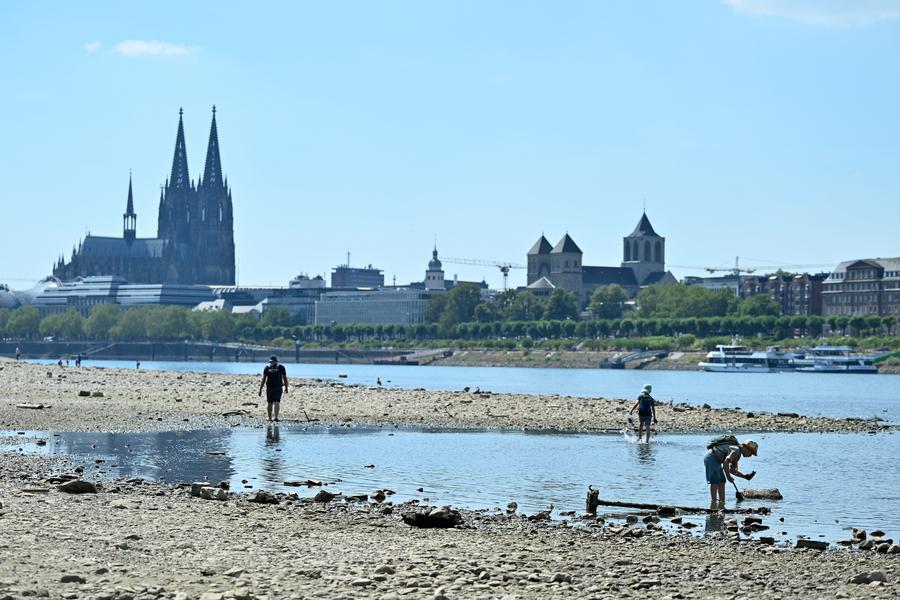
People enjoy themselves on the banks of the Rhine River in Cologne, Germany, Aug. 10, 2026. (Photo by Ulrich Hufnagel/Xinhua)
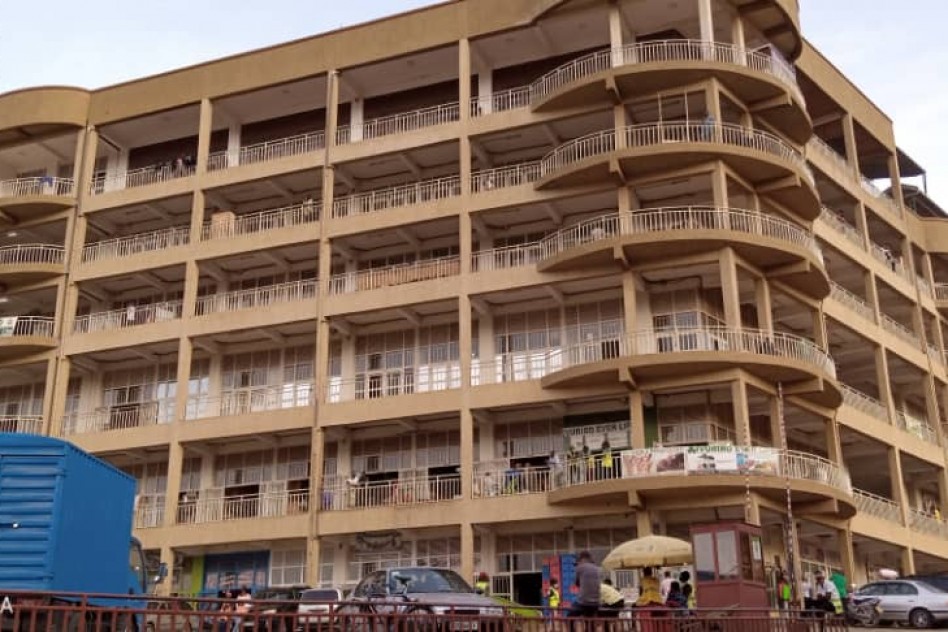
In a public notice issued on Tuesday, August 11, the City said the building had been reopened following the initial implementation of measures required to address sanitation concerns and improve the safety of people working there.
However, the reopening does not mean all corrective measures have been completed. The management of Inkundamahoro Building has been instructed to continue addressing outstanding requirements, including installing an appropriate wastewater treatment system, ensuring the daily collection and proper disposal of solid waste, carrying out necessary repairs and repainting, among other measures.
The reopening comes just days after the City temporarily closed the building over continued failure to comply with safety, sanitation and environmental requirements.
In a notice issued on August 8, the City said it had issued several directives and notices between May and August requiring the management to address deficiencies. Despite the interventions, key concerns remained unresolved, including the discharge of untreated wastewater from toilets directly into a wetland.
The City said the latest incident involving the discharge of untreated wastewater was confirmed on August 7, prompting the temporary closure. The City had warned that the building would remain closed until the required corrective measures were implemented and compliance verified by the relevant authorities.
Following the initial implementation of those measures, the City has now permitted the building to reopen while requiring management to complete the outstanding work.
The City also reminded people working in Inkundamahoro Building of their responsibility to maintain cleanliness and proper sanitation in their workplace.
At the same time, the warning extends beyond Inkundamahoro. The City reminded all building managers, particularly those managing buildings that accommodate large numbers of people, to comply with applicable sanitation, safety and environmental requirements.
“Those who fail to comply with these requirements or to implement corrective measures recommended following inspections will be held accountable,” the City said in its latest notice.
In a public notice issued on Tuesday, August 11, the City of Kigali said Inkundamahoro building had been reopened following the initial implementation of measures required to address sanitation concerns and improve the safety of people working there.
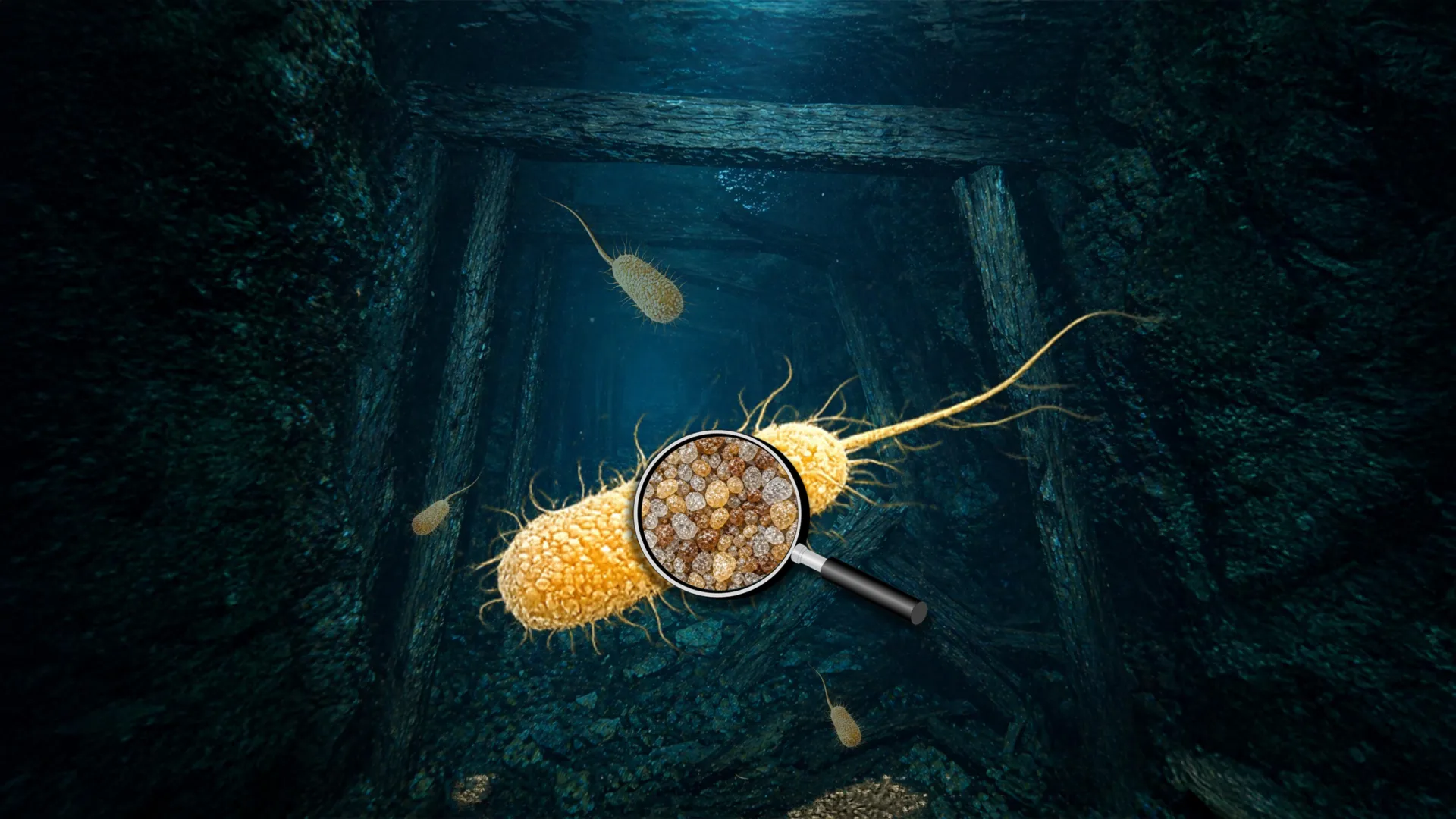
Researchers from the Helmholtz-Zentrum Dresden-Rossendorf, working with Wismut GmbH and the University of Granada, found that bacteria living in uranium contaminated mine water can help remove the metal from water when supplied with glycerol, a substance that serves as a food source for microorganisms.
In laboratory experiments, about 95 percent of the dissolved uranium disappeared from the water within 130 days.
Uranium is a radioactive heavy metal that is normally locked inside minerals in soil. However, mining and other environmental processes can cause it to dissolve and enter groundwater.
Once uranium becomes mobile in water, it can spread through the environment and pose risks because of its toxicity.
The researchers wanted to understand not only whether bacteria could reduce the amount of uranium dissolved in water, but also what happened to the uranium after it was removed.
The team collected water from a flooded uranium mine in Germany’s Ore Mountains.
The mine, operated by Wismut GmbH, provided researchers with a naturally occurring community of microorganisms.
In the laboratory, the scientists added controlled amounts of glycerol to samples of the mine water and created oxygen free conditions similar to those found deep underground.
As the bacteria used the glycerol as a food source, the concentration of dissolved uranium gradually fell.
After 130 days, only about five percent of the uranium originally dissolved in the water remained. Further investigation showed that the uranium had accumulated within the bacteria’s cell walls.
The researchers then used advanced microscopy and spectroscopy techniques to determine what form the uranium had taken.
Their analysis revealed an unexpected result. A significant amount of the uranium had entered a chemical state known as pentavalent uranium, or uranium with a valency of five.
Pentavalent uranium has generally been considered rare and unstable, with scientists previously viewing it as a temporary chemical state.
The team discovered that the uranium had combined with iron and oxygen to form a compound known as FeU(V)O4.
The compound is particularly interesting because previous research had shown that it could remain stable even when exposed to atmospheric oxygen for more than 25 years.
However, scientists had not previously understood how the compound could naturally form or that bacteria could play a role in its formation.
The new experiments provided another surprise.
When the researchers exposed dried bacterial material containing the uranium compound to oxygen, the amount of FeU(V)O4 actually increased rather than decreased.
This suggests that the compound may be more stable in oxygen rich conditions than previously expected. It also strengthens the possibility that bacterial activity could help transform mobile uranium into a form that is less likely to spread through water.
Dr Evelyn Krawczyk-Bärsch, a scientist in HZDR’s Terrestrial Microbiology research group and a co author of the study, said the findings showed for the first time that bacteria supplied with glycerol can convert dissolved uranium into a stable chemical compound.
However, the researchers stressed that more work is needed before the discovery can be turned into a practical method for cleaning contaminated environments.
The scientists now plan to investigate the uranium binding bacteria in greater detail and study the biochemical and geochemical processes responsible for the transformation.
A better understanding of these processes could help determine whether microorganisms can eventually be used as part of efforts to remediate uranium contaminated water and other environments.
Scientists have uncovered an unexpected role for bacteria in converting mobile uranium into a stable chemical form.
The country is building a carbon market system that allows verified climate projects to generate carbon credits, which can then be sold to organisations seeking to reduce their greenhouse gas emissions.
Each carbon credit represents one tonne of carbon dioxide equivalent that has been reduced, avoided or removed from the atmosphere through an approved activity.
For Rwanda, carbon markets are part of a broader strategy to support its ambition of becoming a climate-resilient and carbon-neutral economy by 2050.
The country is exploring these markets as a way to attract climate finance, support green growth and fund projects in areas such as clean energy, forestry, sustainable agriculture, waste management and clean cooking technologies.
Although Rwanda contributes a relatively small share of global greenhouse gas emissions, it faces significant climate-related challenges, including risks linked to floods, droughts, land degradation and changing weather patterns.
The government considers climate finance an important requirement for implementing mitigation and adaptation measures under its climate commitments.
Carbon markets operate through different mechanisms. They include the Clean Development Mechanism (CDM) established under the Kyoto Protocol, voluntary carbon markets and mechanisms created under Article 6 of the Paris Agreement.
Article 6 allows countries to cooperate in achieving climate targets through approaches that include transferring emission reductions between countries. However, such transactions require strong systems to verify reductions and prevent the same emission reduction from being counted more than once.
Carbon markets allow high-emitting companies and countries to offset part of their emissions by buying verified carbon credits from projects that reduce or remove greenhouse gases.
Carbon market framework and international partnerships
Rwanda established a major foundation for its carbon market ambitions in December 2023 when it launched its National Carbon Market Framework on the sidelines of the United Nations Climate Change Conference (COP28) in Dubai.
Developed through the Rwanda Environment Management Authority (REMA), the framework establishes rules for generating, approving, monitoring and trading carbon credits. It aims to enhance transparency, safeguard environmental integrity and strengthen Rwanda’s participation in global carbon markets.
The framework also lays the foundation for Rwanda’s engagement in Article 6 mechanisms under the Paris Agreement by setting procedures for project authorisation, emission reduction verification and carbon accounting.
At its launch, Rwanda said the initiative would support the transition to a low-carbon economy by attracting investment in clean technologies and sustainable solutions while ensuring locally generated carbon credits meet international standards.
However, establishing the framework was only the first step. Rwanda has since focused on strengthening the systems, skills and project pipeline needed to make the carbon market operational.
On March 27, 2025, the Global Green Growth Institute (GGGI) and the Government of Rwanda, through REMA, launched a project aimed at improving Rwanda’s readiness to participate meaningfully and equitably in international carbon markets under Article 6 of the Paris Agreement.
The two-year project, supported through GGGI’s Carbon Transaction Facility with a budget of $854,859, focuses on operationalising Rwanda’s National Carbon Market Framework.
The initiative addresses challenges including limited awareness among public and private sector actors about Article 6 opportunities, capacity gaps among stakeholders and the need to develop a stronger pipeline of high-quality mitigation projects.
Under the project, GGGI and REMA are supporting capacity building, strengthening governance systems, developing guidelines and supporting the identification of carbon projects in key sectors, including agriculture, forestry, energy, transport and waste management.
The initiative is also intended to improve engagement between project developers, government institutions and potential international buyers.
Rwanda has also entered into several international partnerships to support its carbon market participation.
In December 2023, Rwanda signed cooperation agreements with Singapore and Kuwait to advance collaboration under Article 6 of the Paris Agreement.
In September 2024, the Rwanda Green Fund (FONERWA), REMA, Gold Standard and Singapore-based investment company GenZero signed an agreement to develop a pipeline of Article 6-compliant carbon credit projects.
The partnership focuses on identifying projects capable of generating high-integrity carbon credits while providing additional benefits such as biodiversity protection, improved livelihoods and job creation.
In January 2026, Rwanda and Singapore launched a call for proposals for high-quality carbon credit projects under their bilateral implementation agreement, inviting developers to submit both technology-based and nature-based initiatives.
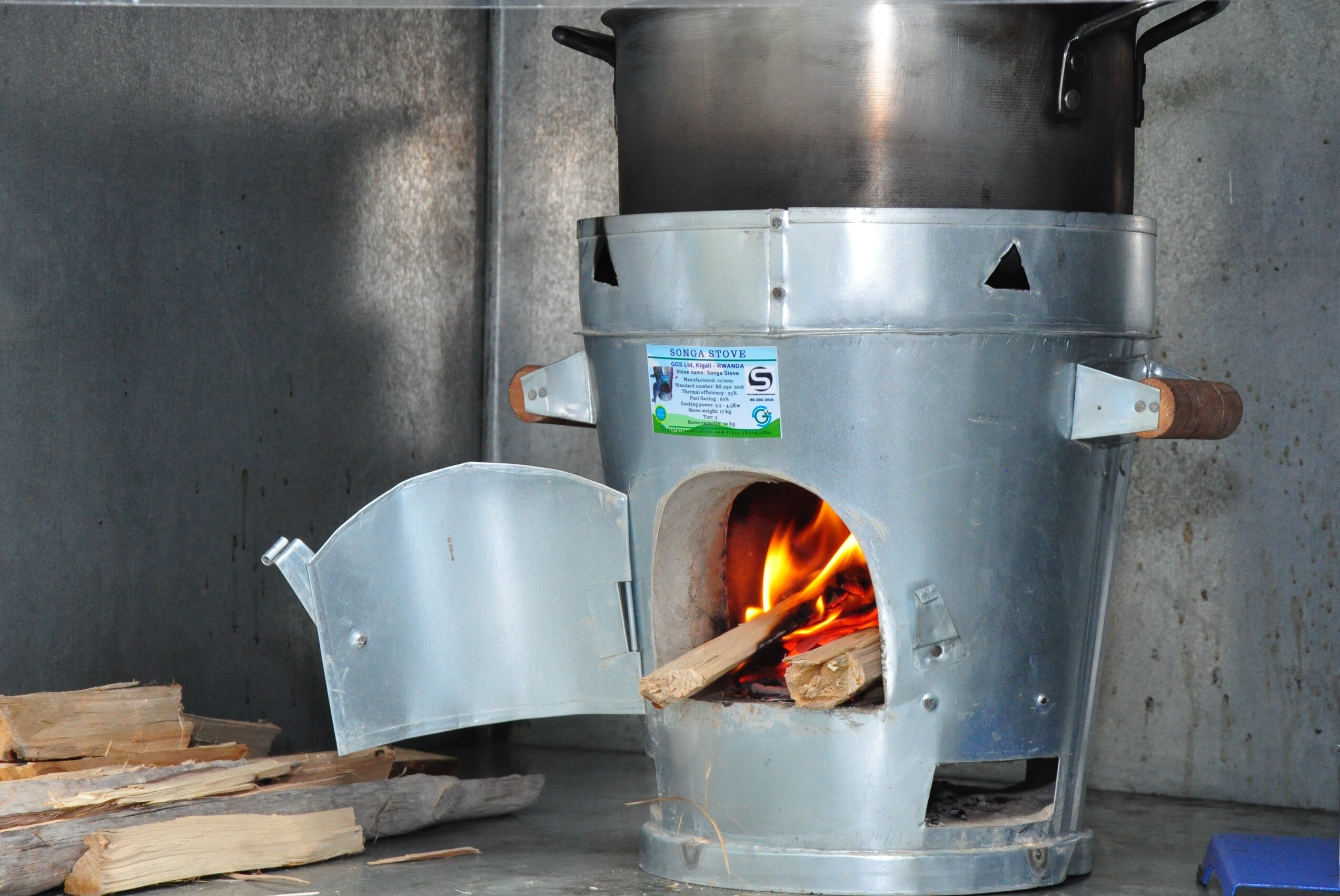
Improved cookstove projects are at the centre of Rwanda’s carbon market journey, helping households reduce reliance on firewood, cut emissions and improve indoor air quality while generating carbon credits for climate finance.
Projects, communities and the future of Rwanda’s carbon market
Rwanda’s carbon market activities have so far been largely driven by improved cookstove projects, which remain among the most developed climate initiatives in the country. These projects help households transition from traditional cooking methods that rely heavily on firewood to more efficient technologies.
Besides reducing greenhouse gas emissions, they contribute to lower indoor air pollution and reduced pressure on forests.
Improved cookstove projects accounted for about 87 percent of Certified Emission Reductions issued from Rwanda’s carbon market activities, according to national climate data. Lighting and solar projects accounted for much of the remaining share.
By December 2020, Rwanda had received more than 2.25 million carbon credits through Clean Development Mechanism and Voluntary Carbon Market activities.
The country is now expanding beyond clean cooking into other areas, including forestry restoration, agroforestry, renewable energy, sustainable agriculture and water purification.
In June 2025, REMA announced that 19 projects were ready to participate in international carbon markets. The projects included 12 energy-efficient cookstove initiatives, three agroforestry and reforestation projects and four water purification projects.
Rwanda is also putting emphasis on ensuring that carbon finance benefits communities involved in climate projects.
New regulations require that at least 30 percent of revenues generated from land-based carbon projects directly benefit communities, landowners, farmers and other stakeholders whose land contributes to the projects.
The government expects carbon markets to become an additional source of climate finance. Rwanda estimates that selling 7.5 million tonnes of carbon dioxide equivalent in carbon credits could generate about $337 million, depending on market prices.
To support investors, GGGI and REMA have also developed practical guidance explaining carbon market opportunities, project requirements and approval processes.
Potential areas for investment include forestry projects, renewable energy installations, methane capture, energy efficiency initiatives, clean cooking solutions and sustainable agricultural practices.
Rwanda’s efforts come as African countries seek to increase their participation in global carbon markets. Kigali is scheduled to host the Carbon Markets Africa Summit in October 2026, bringing together governments, investors, project developers and climate finance institutions to discuss opportunities for scaling credible carbon markets on the continent.
As international buyers increasingly seek high-integrity credits, Rwanda is moving from establishing regulatory frameworks to developing projects that can attract investment and deliver tangible climate outcomes.
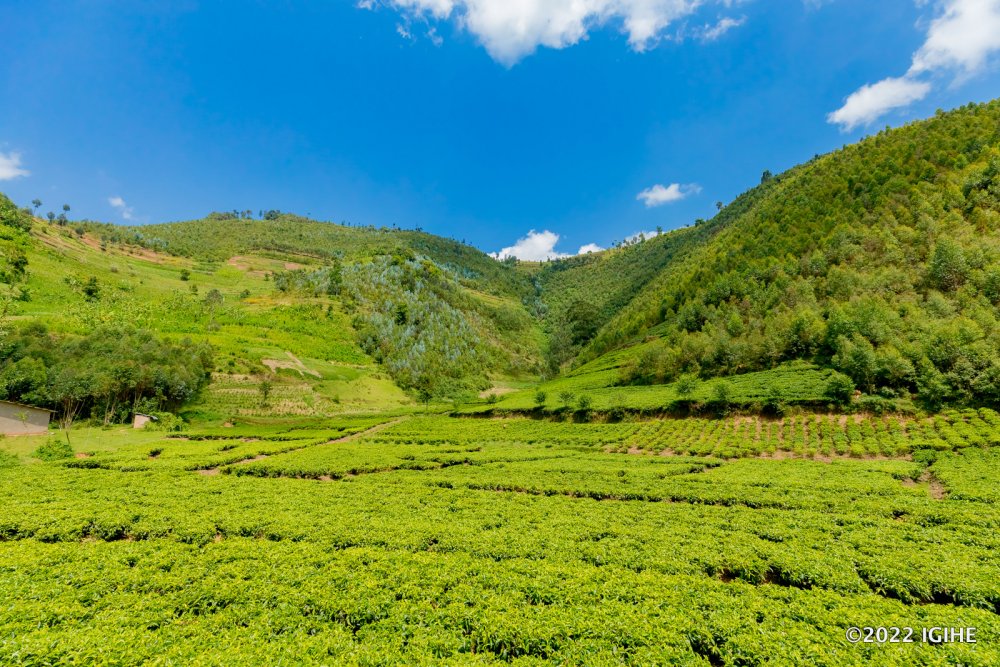
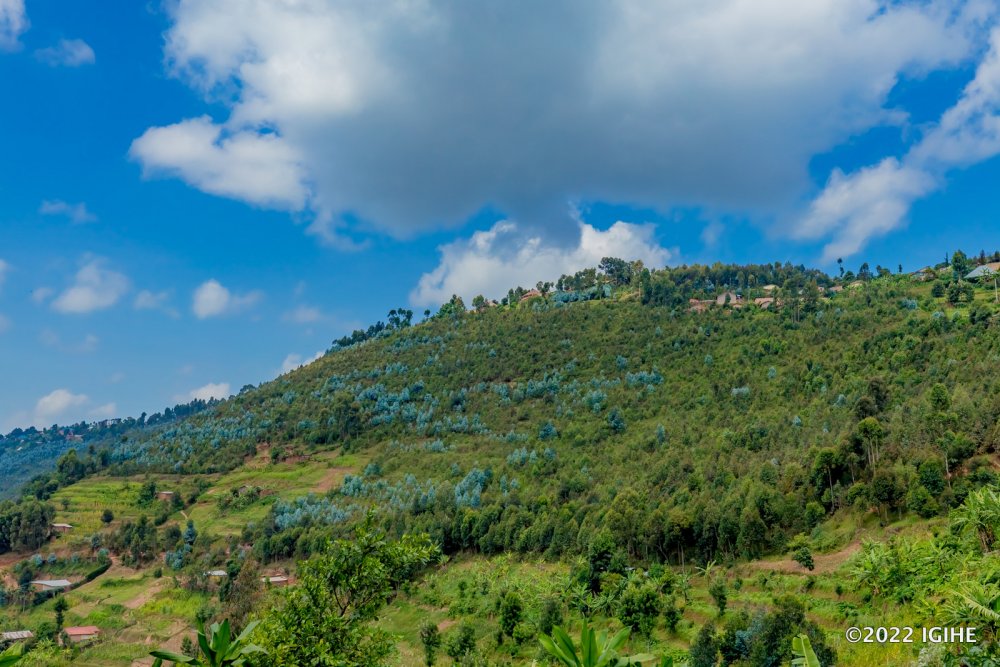
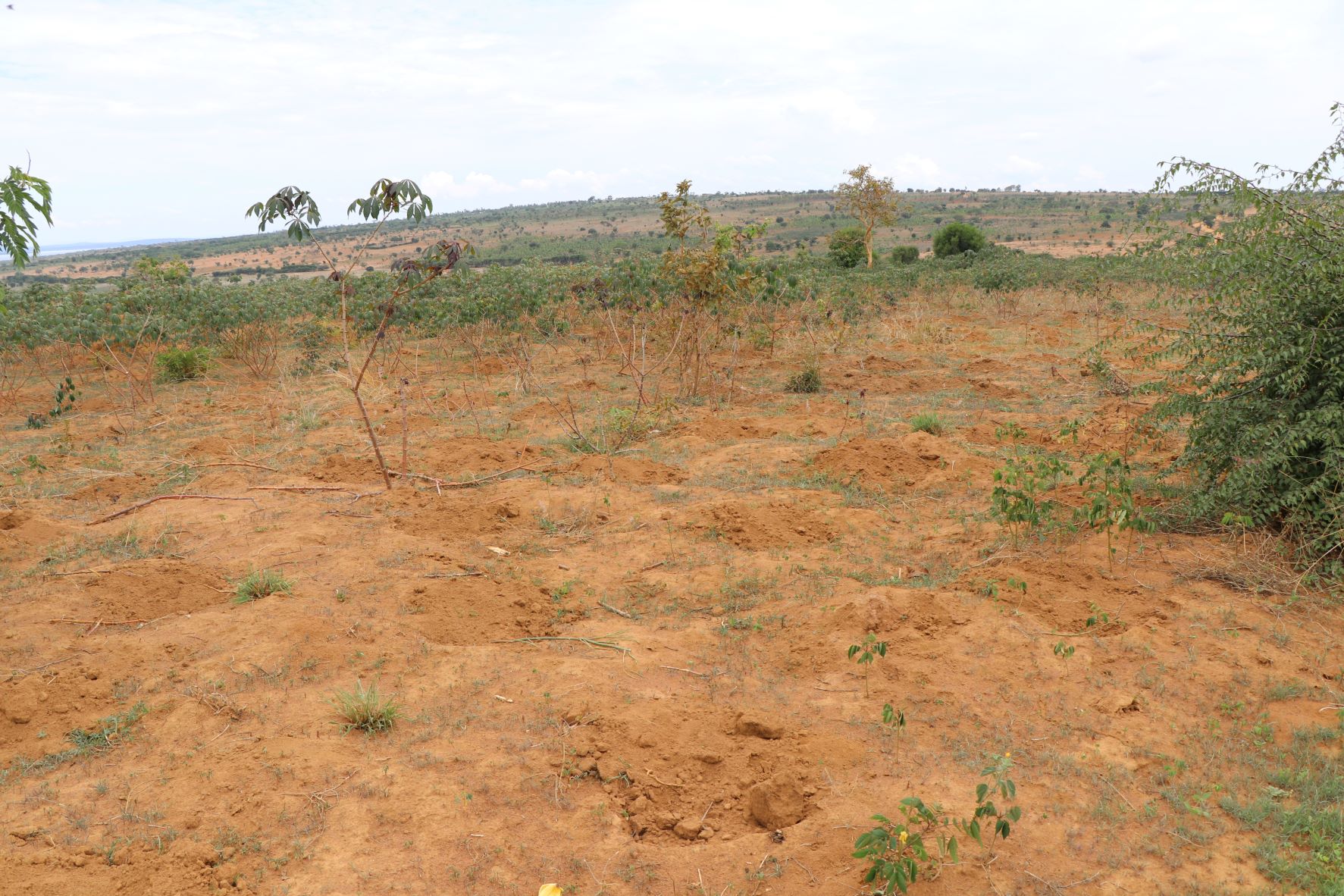
Through initiatives such as Green Gicumbi, Rwanda is restoring degraded forests and helping ecosystems recover their natural state. These reforestation efforts contribute to carbon removal, biodiversity conservation and sustainable livelihoods while creating opportunities within the country’s emerging carbon market.
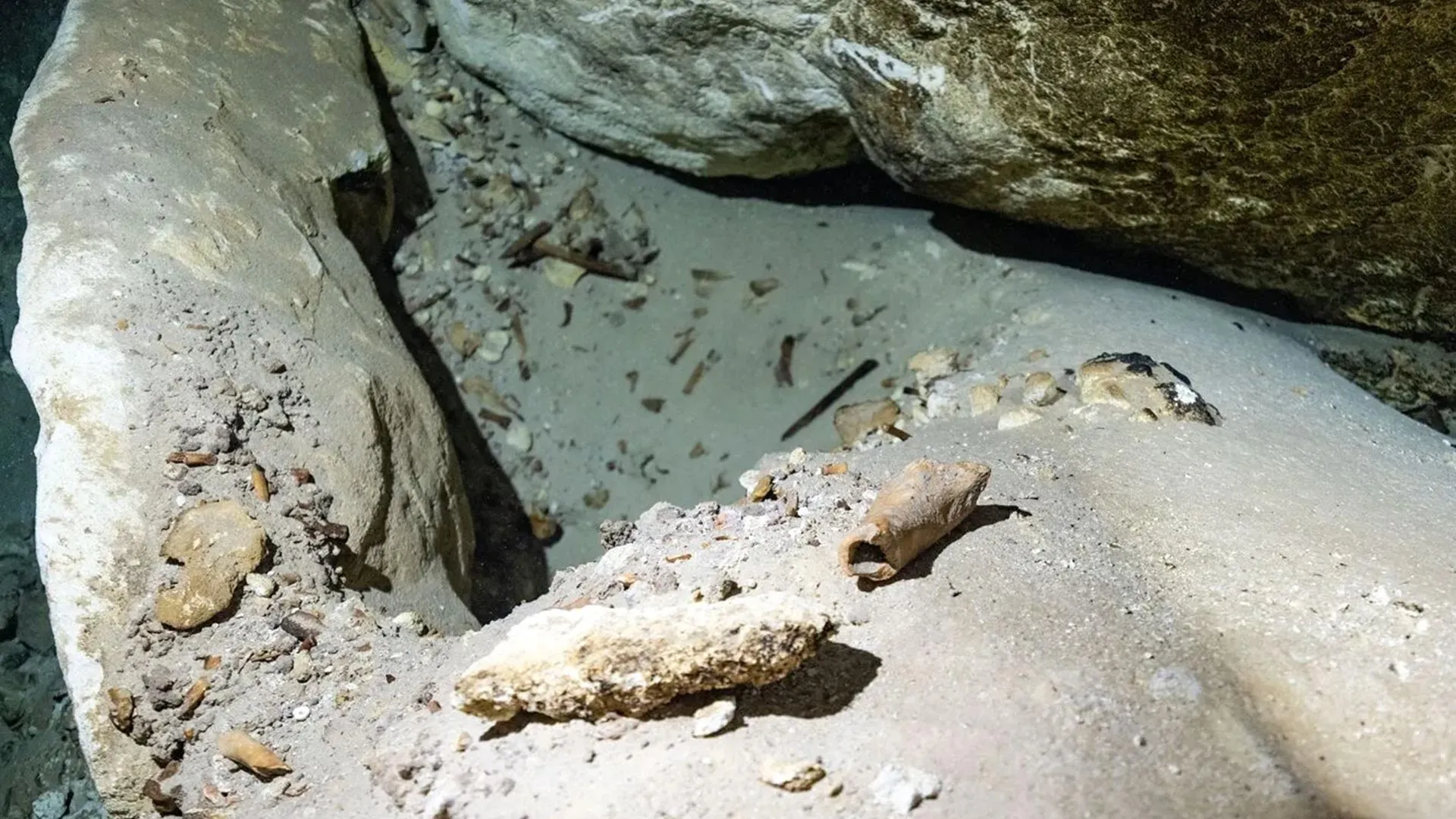
A study from Griffith University found that bones recovered from underwater caves in South Australia carry unique “fingerprints” shaped by the conditions they experienced after the animals died.
These changes were influenced by darkness, algae, bacteria, and other environmental factors inside the caves.
The findings provide researchers with a new method to investigate how the remains of ancient megafauna, including some of the giant animals that once roamed Australia, entered and survived in underwater cave systems.
Scientists have long studied fossilized bones to understand extinct species, but determining how those remains arrived in unusual locations such as submerged caves has remained a challenge.
The new research suggests that microscopic changes preserved on bones can reveal important information about their journey through different environments.
According to the researchers, underwater caves create unique conditions that can preserve biological remains for thousands of years. The absence of sunlight, along with interactions between minerals, microorganisms, and water, leaves distinctive marks on bones that act like environmental records.
These clues allow scientists to examine not only the animals themselves but also the conditions surrounding their burial and preservation.
The research could improve scientists’ understanding of ancient ecosystems and provide new insights into Australia’s extinct megafauna, a group of large animals that disappeared thousands of years ago.
By studying these hidden signals inside underwater cave bones, researchers hope to reconstruct the events that brought extinct giants to their final resting places and learn more about how environmental changes affected ancient life.
Ancient underwater cave bones has revealed secrets of Australia’s extinct giants
The Rwanda Meteorology Agency forecast indicates that maximum temperatures will range between 21°C and 32°C, while minimum temperatures are expected to remain between 10°C and 18°C. The expected maximum temperatures are slightly above the normal August range, which usually falls between 20°C and 31°C.
The highest temperatures, ranging from 31°C to 32°C, are expected in parts of southern Kigali City, eastern Bugesera, Kayonza, Kirehe and Gisagara districts, western parts of Ngoma District, as well as the Bugarama plain.
Meanwhile, cooler conditions are expected in parts of Nyabihu District, western and northern areas of Ngororero and Musanze districts, and eastern parts of Rubavu and Rutsiro districts, where maximum temperatures are forecast to range between 21°C and 23°C.
Minimum temperatures will remain within the normal August range, with the coldest areas expected to record between 10°C and 12°C. These include parts of Nyabihu, Nyamagabe and Nyaruguru districts, northern and western parts of Musanze and Ngororero, northern Gakenke and Rulindo, southern Burera, western Gicumbi, and parts of Rusizi, Nyamasheke, Rutsiro and Rubavu.
The warmest nights and early mornings are expected in central and western Kigali City, Nyagatare, Gatsibo, Kayonza and Kirehe districts, as well as the Bugarama plain, where minimum temperatures could range between 16°C and 18°C.
Rainfall expected below average
The country is expected to receive between 5 and 100 millimetres of rainfall during August, below the long-term average range of 20 to 126 millimetres for the month.
The highest rainfall amounts, ranging between 80 and 100 millimetres, are forecast in western parts of Musanze District and northern areas of Nyabihu and Rubavu districts.
Rainfall between 60 and 80 millimetres is expected in parts of Musanze, Nyabihu, Rubavu, Burera, Gakenke, Nyamagabe, Ngororero, Karongi and Nyamasheke districts.
Several other parts of the country are expected to receive between 20 and 60 millimetres, while some areas are forecast to receive as little as 5 to 20 millimetres.
Strong winds expected in some areas
Moderate to strong winds are expected across the country, with speeds ranging between 4 and 12 metres per second.
Strong winds of between 8 and 12 metres per second are forecast in parts of Rusizi, Nyamasheke, Karongi, Rutsiro, Rubavu, Burera and Kirehe districts, as well as parts of Nyamagabe, Ngororero, Nyabihu, Gicumbi, Gatsibo, Ngoma, Nyagatare and Kayonza.
Moderate winds of between 4 and 6 metres per second are expected in parts of Kigali City, Musanze, Rulindo, Nyanza, Gakenke, Nyabihu and Gisagara districts, while other parts of the country are expected to experience winds ranging between 6 and 8 metres per second.
The expected maximum temperatures are slightly above the normal August range, which usually falls between 20°C and 31°C.
The UN chief made the appeal at a press encounter, citing an update on El Nino forecasts released by the World Meteorological Organization (WMO).
According to the new forecasts, this summer’s extremes — record-shattering heat domes, apocalyptic wildfires, thousands of lives lost in scorching conditions, record-high global sea-surface temperatures — are only a warm-up act, said Guterres.
El Nino is strengthening, adding fuel to a planet already on fire. The Pacific waters driving the phenomenon have never been this warm this early in an El Nino and temperatures are still rising, he said. “At the same time, WMO’s outlook shows that through October, nearly every land area on Earth is expected to be hotter than normal.”
El Nino does not bring heat alone; it profoundly affects the world’s rainfall. India’s monsoon is already running well below average. Hotter and drier conditions are forecast from Central America and the Caribbean to parts of South America, South Asia, the Southwest Pacific, Europe and Africa, warned Guterres.
“The verdict is clear: the climate crisis is in overdrive,” he said.
The UN chief called for action on four fronts: protect people before heat becomes deadlier, make work safer, build and retrofit for the coming heat, and stop fueling the climate crisis.
Extreme heat is a society-wide threat that demands a government-wide response. Every city and country should have heat-health action plans, early warning systems and public health measures that reach every community in time. And access to sustainable cooling must expand urgently and equitably, he said.
Governments and employers must set heat standards, adjust working hours, and protect incomes when work must stop. Protection from extreme heat must be designed into cities, homes, schools and hospitals, and factored into every plan and public budget, he said.
Guterres warned that every new fossil fuel project approved today makes tomorrow’s heatwaves more dangerous, and the world less secure.
“Today’s findings show that extreme heat is not a future threat. It is here. It is becoming more dangerous. And unless we act — to protect people and tackle the root cause of the crisis — it will become deadlier still,” he said. “The warm-up act is over. We cannot afford to wait for the main event.”
El Nino is strengthening, adding fuel to a planet already on fire.
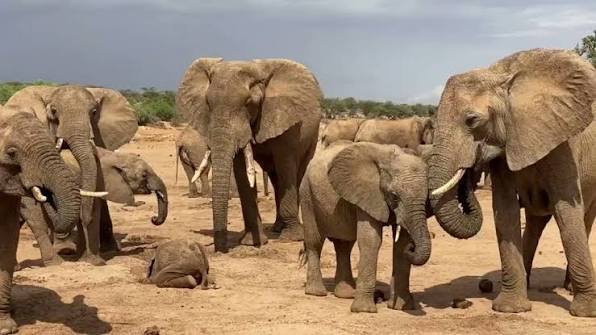
The elephants were found dead in the Amboseli ecosystem, which includes Amboseli National Park, a renowned wildlife sanctuary that is home to thousands of elephants and attracts visitors from around the world.
According to the Kenya Wildlife Service (KWS), laboratory tests conducted on samples collected from the dead elephants detected cyanide, a highly toxic chemical. Authorities believe the animals consumed tomatoes that had been contaminated with the poison after venturing onto farmland bordering the protected area.
The discovery followed weeks of investigations into the deaths, which occurred between late June and late July. Wildlife officials had initially suspected poisoning after several elephants showed unusual symptoms, including partial paralysis, before dying.
KWS Director General Erustus Kanga said the poisoning is a serious concern because it could affect more than just wildlife.
“Other than the elephants and the wildlife that may be feeding in those fields, we have the local livestock. We have the goats. We have the cattle that are there. Eventually, if this is truly what is in the system, then we are going to see a bigger impact,” Kanga said.
Authorities have not yet determined who contaminated the tomatoes or whether the poisoning was deliberate. Investigators are examining the circumstances surrounding the incident as they work to establish whether criminal activity was involved.
Kenya has previously experienced cases in which elephants were intentionally poisoned after straying onto farms and destroying crops. As agriculture continues to expand near wildlife habitats, conflicts between local communities and elephants have become more frequent.
Although cyanide is highly poisonous, KWS said there is currently no evidence that the contamination poses an immediate risk to people. However, officials are continuing environmental assessments and monitoring the area to determine whether other animals may have been affected.
The deaths have sparked concern among conservationists, who warn that the incident highlights the growing pressure facing Kenya’s wildlife as human activities increasingly overlap with protected ecosystems.
The Kenya Wildlife Service said investigations remain ongoing and pledged to continue working with local communities to strengthen wildlife protection while reducing conflicts between people and elephants.
Cyanide-laced tomatoes have been blamed for deaths of 15 elephants in Kenya