According to a statement released by the Office of the President of Türkiye, the two leaders highlighted the positive development in trade and investment relations between Türkiye and Rwanda.
Erdoğan said Türkiye would continue strengthening cooperation with Rwanda in several areas, particularly the defense industry.
The Turkish president also welcomed efforts aimed at de-escalating tensions between Rwanda and the Democratic Republic of the Congo (DRC) and expressed Türkiye’s support for the ongoing process.
The conversation between President Kagame and Erdoğan comes at a time when Rwanda and Türkiye continue to strengthen relations across various areas, including trade, investment and security cooperation.
Rwanda-Türkiye relations cover areas such as trade, investment, education, culture, energy, research and security. The relationship gained further momentum after Rwanda opened its embassy in Ankara in 2013, followed by Türkiye opening its embassy in Kigali in 2014, helping to deepen cooperation between the two countries.
In the years that followed, cooperation between Rwanda and Türkiye expanded, particularly in trade and investment.
Trade between the two countries has grown from a value of about $1 million in the 2000s to nearly $500 million.
During President Kagame’s working visit to Türkiye in January 2025, Rwanda and Türkiye signed four cooperation agreements that cover media and communications, civil aircraft accident and serious incident investigation, radio and television, and military electronics and C4I (Command, Control, Communications, Computers, and Intelligence) technologies.
President Kagame said the agreements demonstrated the two countries’ commitment to continuing to explore opportunities for cooperation, while President Erdoğan described the visit as another new step towards strengthening relations between the two countries.
Turkish President Recep Tayyip Erdoğan and Rwandan President Paul Kagame have discussed bilateral relations and defence industry cooperation.
Of this total, public charging facilities numbered 5.099 million, an increase of 21.3 percent from a year earlier.
Private charging facilities totaled 18.58 million units by the end of last month, surging 48.8 percent year on year.
The data, sourced from the national charging infrastructure monitoring and service platform, highlights the continued expansion of China’s EV support network alongside a surge in EV sales.
China’s new-energy vehicle (NEV) sales in July 2026 accounted for more than 60 percent of monthly new car sales for the first time, industry data showed earlier this month.
In July alone, NEV output and sales reached over 1.57 million and 1.56 million units, respectively, up a respective 26.8 percent and 23.7 percent year on year, according to data from the China Association of Automobile Manufacturers.
As NEV sales continue to soar, China has been accelerating the improvement of its charging network to keep pace with growing demand.
In October 2025, China unveiled a three-year action plan to improve the country’s EV charging infrastructure, aiming to establish a nationwide network of 28 million charging facilities, with public charging capacity surpassing 300 million kilowatts by the end of 2027.
China aims to increase the share of NEVs in its total vehicle fleet to 30 percent by 2030, according to an action plan for carbon peaking during the 15th Five-Year Plan period (2026-2030).
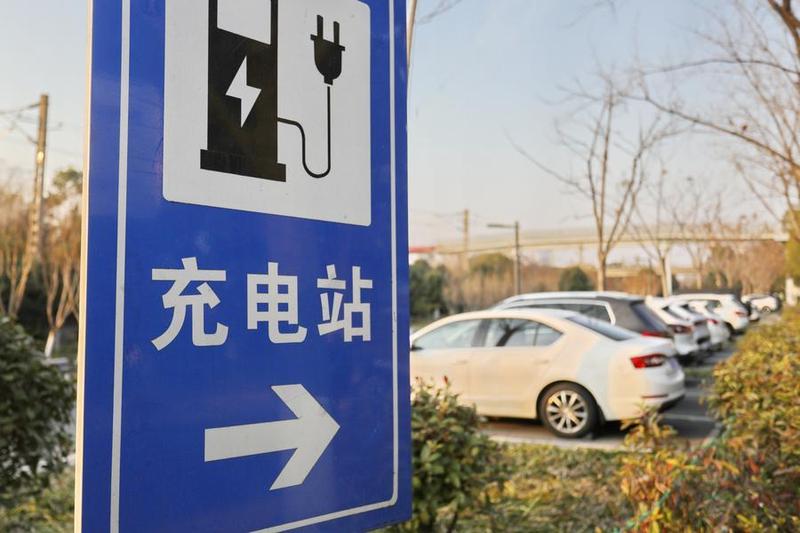
This photo taken on Jan 21, 2026 shows an electric vehicle charging station in Jiaxing city, East China’s Zhejiang province. [Photo/Xinhua]
Kagame met Wamkele Mene, Secretary-General of the African Continental Free Trade Area (AfCFTA), at Urugwiro Village as Rwanda reiterated its commitment to implementing the continental trade agreement.
The discussions also highlighted the need for African countries to honour their commitments under AfCFTA if the continent is to achieve its ambition of expanding trade among member states.
The agreement establishing AfCFTA was signed in Kigali in March 2018 and entered into force in May 2019 after securing the required ratifications. It seeks to create a single African market by progressively removing trade barriers, including tariffs on 90% of goods traded across the continent. In 2024, intra-African trade was estimated at about $220 billion.
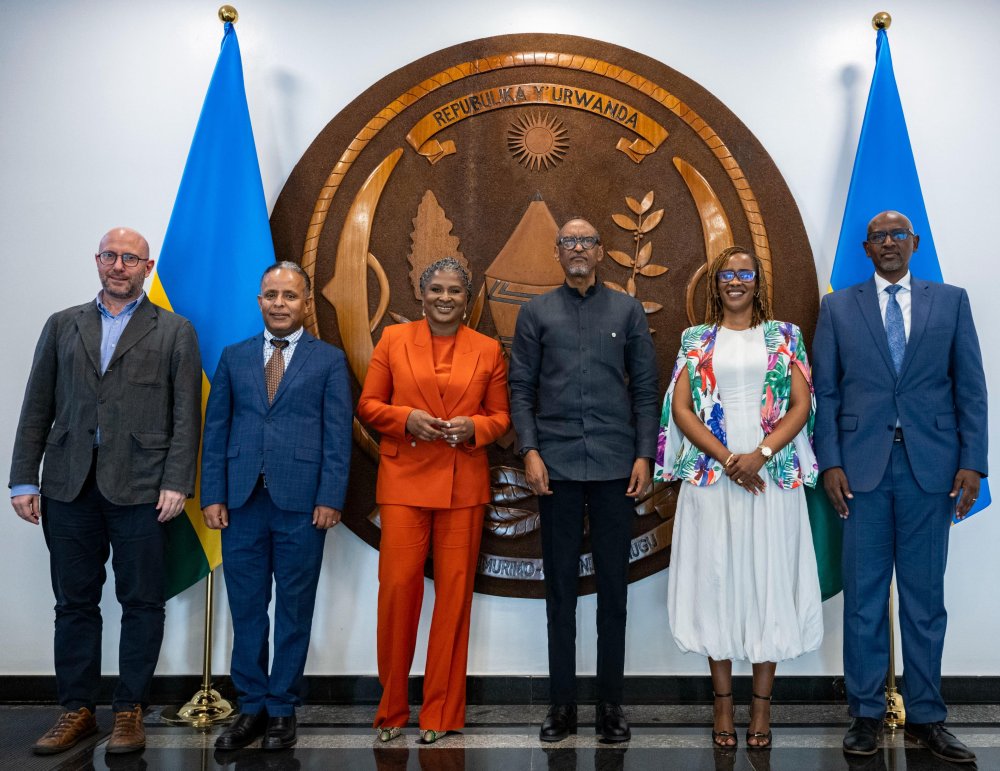
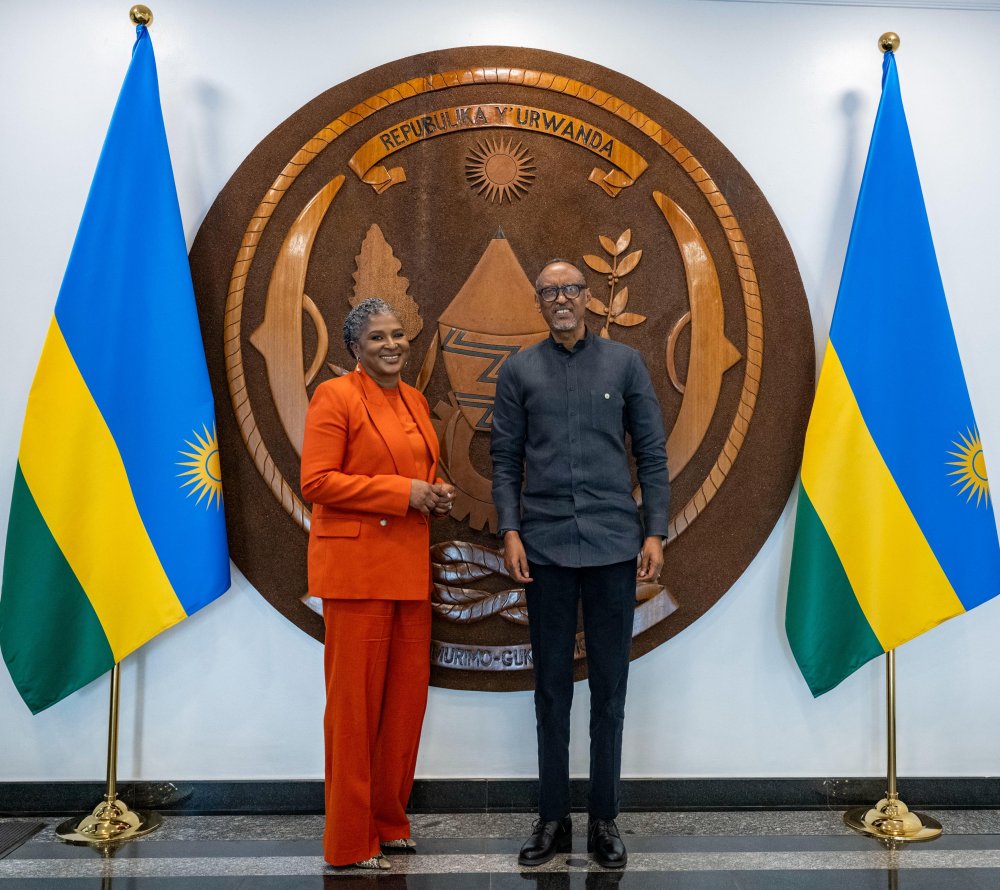
Kagame also received Monica Geingos, former First Lady of Namibia and Chancellor of Kepler College, who was in Kigali for the Africa Mindset Reset Forum.
Their discussions focused on education and access to opportunity in advancing youth empowerment in Rwanda and across the continent.
Geingos, who served as Namibia’s First Lady from 2015 until the death of her husband, former President Hage Geingob, in February 2024, has been involved in initiatives supporting youth and social development. She was appointed Chancellor of Kepler College in July 2024.
Kepler began in Rwanda in 2004 as Orphans of Rwanda before becoming Generation Rwanda and later developing into Kepler, an institution focused on expanding access to higher education and employment opportunities for young people from disadvantaged backgrounds.
Kagame also met Mbeki, who was in Kigali for the Africa Mindset Reset Forum. Their discussions focused on the objectives of the forum and the need for good governance to support Africa’s mindset shift. Mbeki served as President of South Africa from 1999 to 2008.
The two-day Africa Mindset Reset Forum brought together African leaders, policymakers, young people and other participants in Kigali to discuss approaches to the continent’s development and leadership.
Speaking at the forum, Kagame said Africa has the people and resources needed to succeed but is held back by attitudes that Africans need to confront.
He urged Africans to recognise and support one another’s achievements instead of continually looking outside the continent for validation and inspiration.
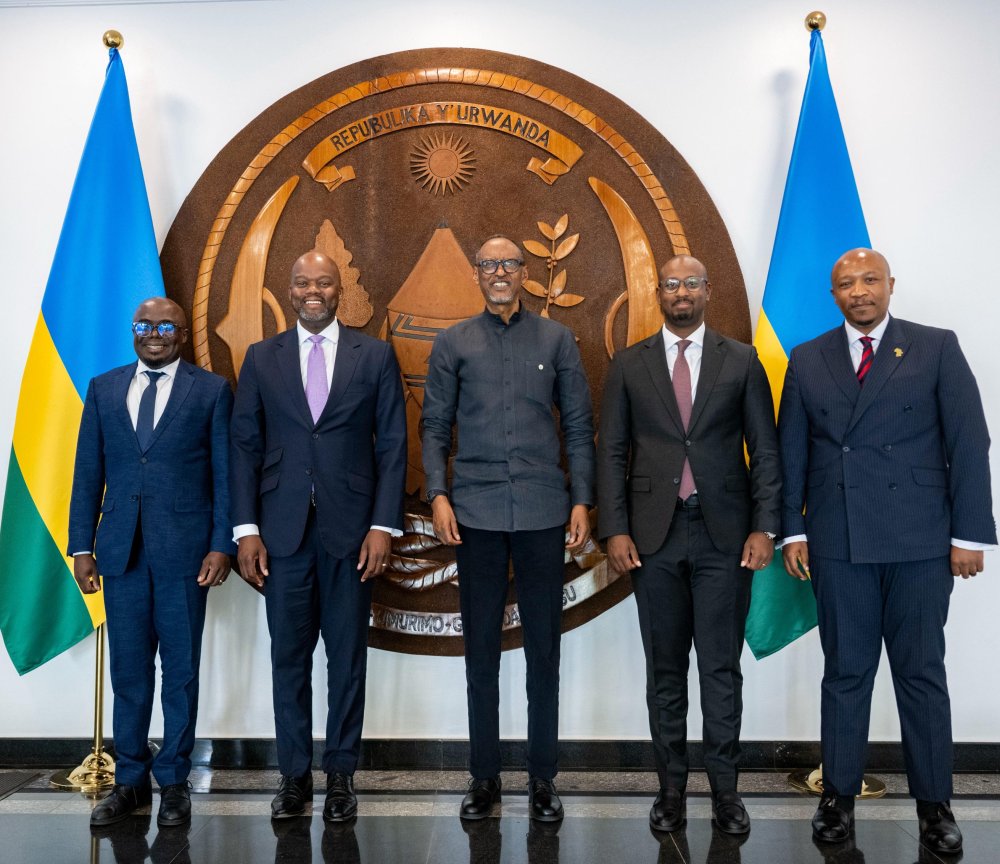
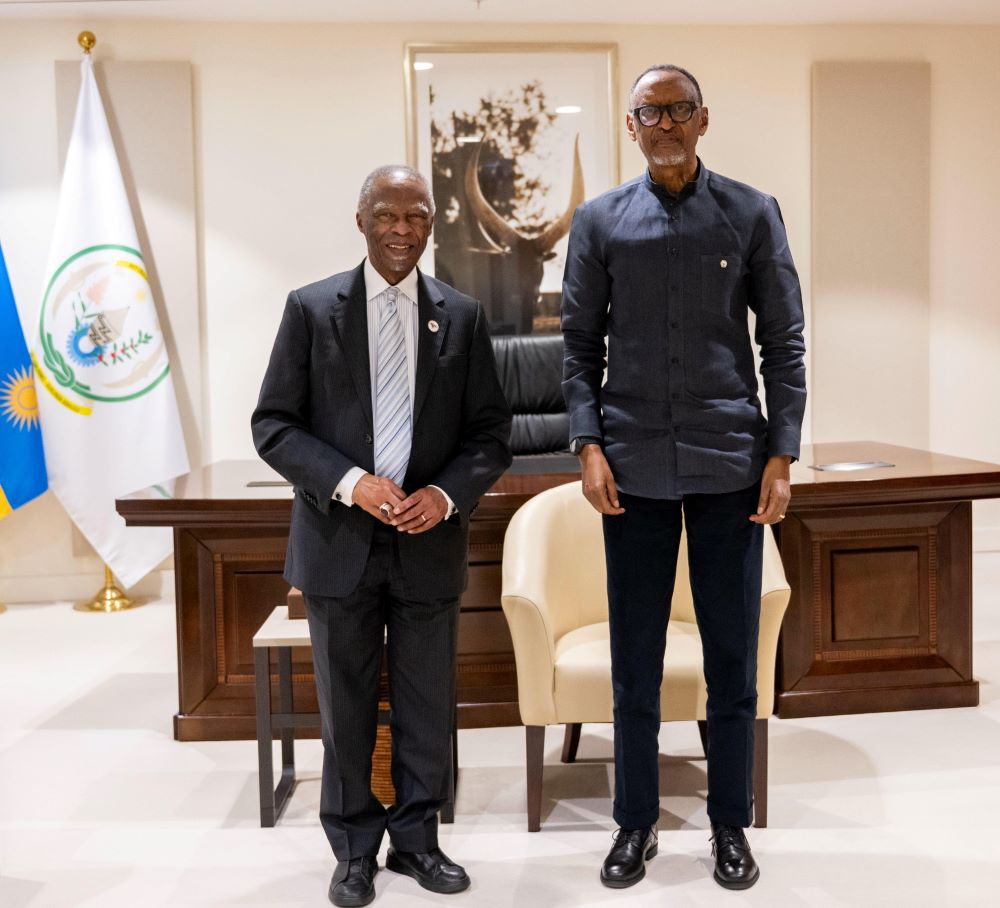
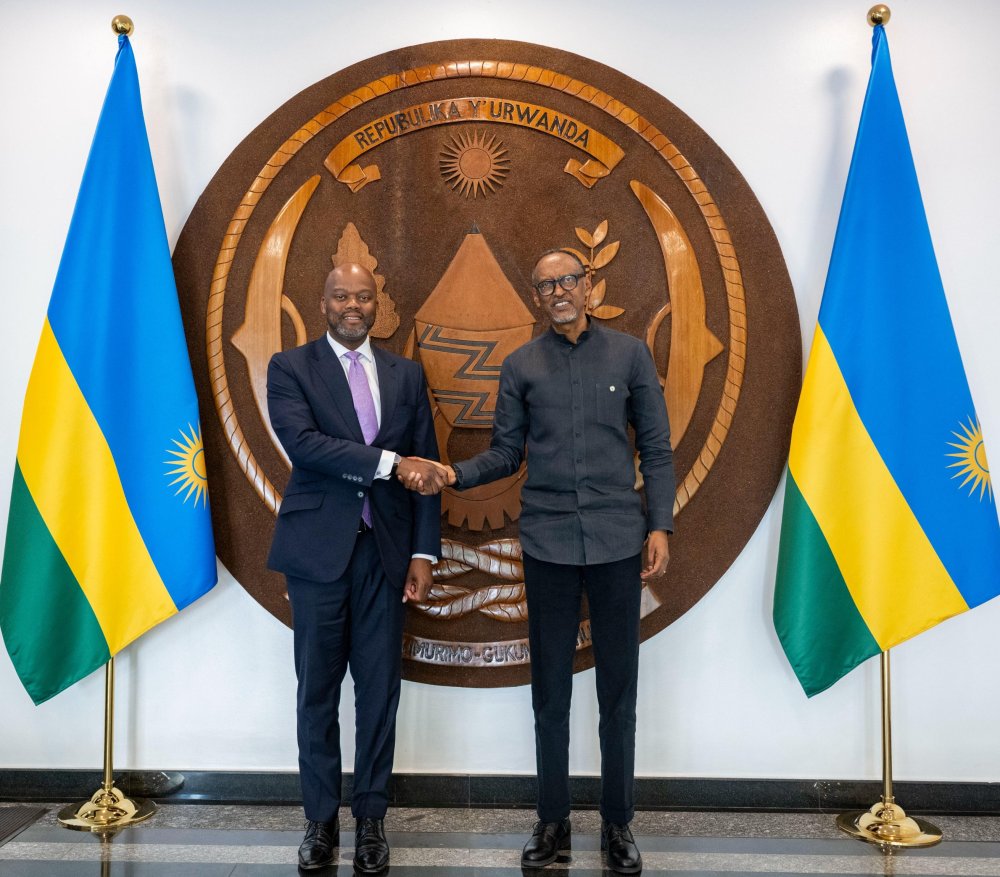
President Paul Kagame and Thabo Mbeki discussed the objectives of the Africa Mindset Reset Forum and the need for good governance to support Africa’s mindset shift.President Paul Kagame met Wamkele Mene, Secretary-General of the African Continental Free Trade Area (AfCFTA), at Urugwiro Village on August 26, 2026.President Paul Kagame held talks with AfCFTA Secretary-General Wamkele Mene on Rwanda’s commitment to implementing the continental trade agreement.Monica Geingos, former First Lady of Namibia and Chancellor of Kepler College, met President Paul Kagame during her visit to Kigali for the Africa Mindset Reset Forum.President Paul Kagame and Monica Geingos discussed the importance of education and access to opportunities in advancing youth empowerment in Rwanda and across Africa.
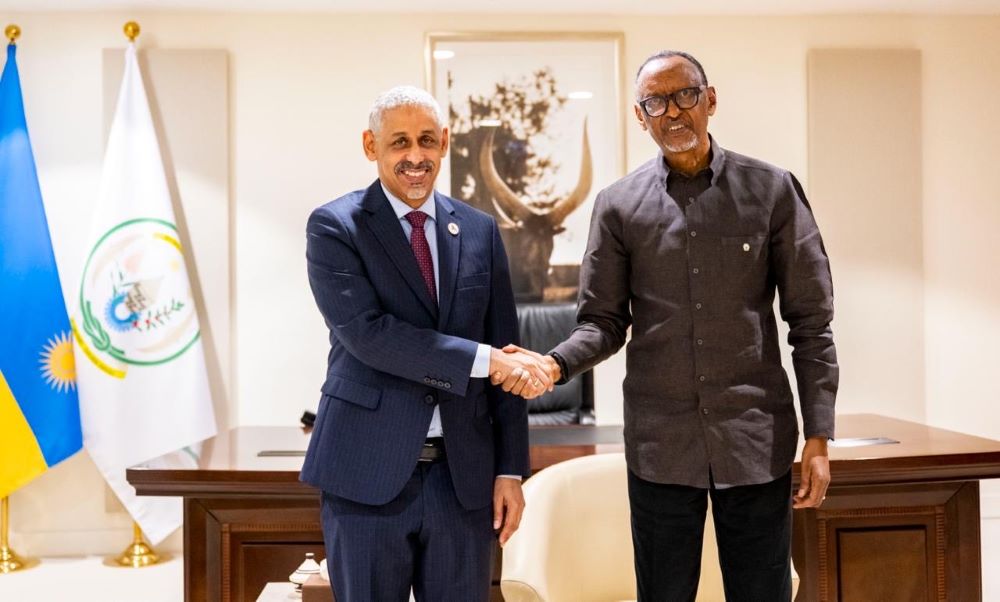
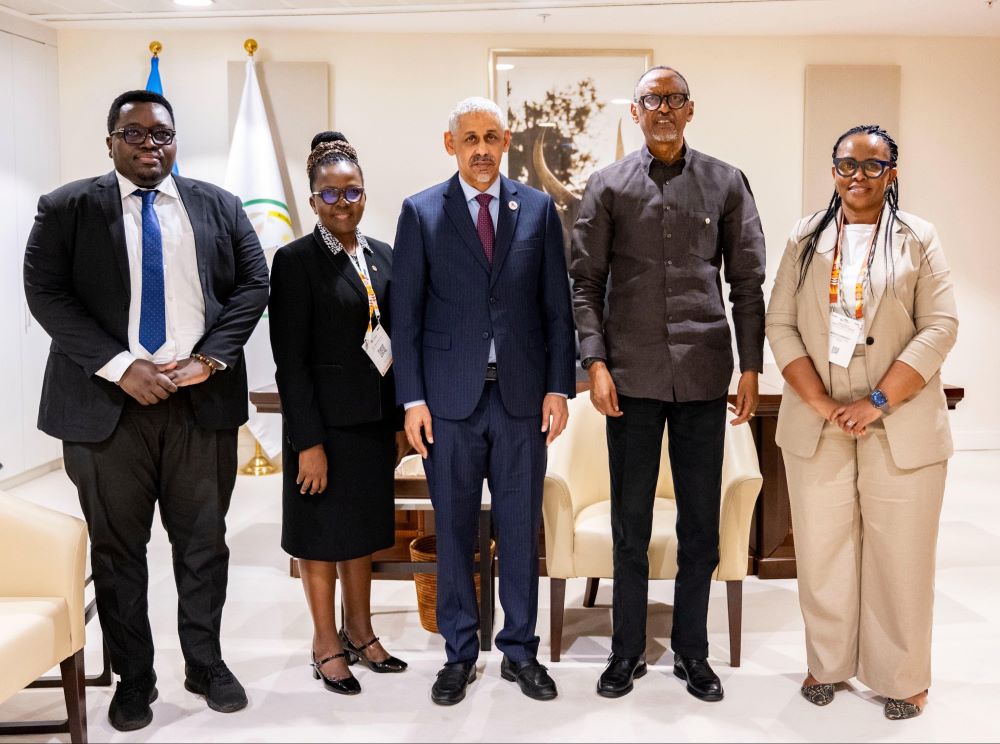
According to the Office of the President, the two discussed Rwanda’s partnership with the African Development Bank and exchanged priorities for accelerating investment, economic growth and Africa’s development.
The meeting came as the two-day Africa Mindset Reset Forum brought together African leaders, policymakers, young people and other participants in Kigali to discuss approaches to the continent’s development and leadership.
Speaking at the forum, Kagame said Africa has the people and resources needed to succeed but is held back by attitudes that Africans need to confront.
He urged Africans to recognise and support one another’s achievements instead of continually looking outside the continent for validation and inspiration.
The meeting with the AfDB president also comes against the backdrop of the Bank’s growing financial engagement with Rwanda.
The AfDB plans to invest more than $400 million, equivalent to about Rwf590 billion, in Rwanda’s agriculture sector over the next three years, according to its 2025 Country Portfolio Performance Review released on August 20.
The planned investment is part of efforts to rebalance the Bank’s Rwanda portfolio, which is currently dominated by infrastructure, accounting for 87% of total commitments.
The Bank’s active portfolio in Rwanda stood at $2.6 billion as of January 2026, covering 29 operations.
The agriculture sector currently represents a relatively small share of the portfolio, with agriculture, communications, social and urban development together accounting for 6% of its value.
A $348 million Climate Smart Agriculture Results-Based Financing programme is among the agriculture operations in the Bank’s pipeline.
President Paul Kagame met Dr. Sidi Ould Tah on the sidelines of the inaugural Africa Mindset Reset Forum in Kigali.President Paul Kagame and AfDB Group President Dr. Sidi Ould Tah held talks on investment, economic growth and Africa’s development.
The briefing, held on August 21, 2026, provided an opportunity for the government to engage diplomatic partners, share Rwanda’s approach to the issue and highlight ongoing efforts to address the challenges posed by illicit alcoholic beverages.
The Government of Rwanda said it remains committed to safeguarding public health, strengthening societal resilience and working with partners to advance solutions that protect communities.
The briefing comes as Rwanda steps up efforts to tackle illicit alcoholic beverages amid growing concerns about their impact on public health and families.
In just two weeks, authorities in Kigali closed 30 factories found to be producing alcoholic beverages that did not meet required standards. They also shut down 840 bars and 10 liquor stores for failing to comply with regulations.
The crackdown has also exposed alleged failures and misconduct among some officials responsible for regulating and certifying alcoholic beverages. On August 13, the Rwanda Investigation Bureau (RIB) presented 18 suspects, all public servants, including the Director General of the Rwanda Food and Drugs Authority, Prof Emile Bienvenu. Ten of those presented were Rwanda FDA employees, while others were officials from the Rwanda Standards Board and local government institutions.
RIB spokesperson Dr Murangira B. Thierry said 104 people had been arrested since July 20 in connection with offences related to the production and distribution of substandard alcoholic beverages. Of these, 97 case files had been prepared and submitted to the prosecution.
According to RIB, preliminary investigations found that some licences for alcoholic beverage factories were allegedly issued without following recommendations from Rwanda FDA’s Internal Technical Licensing Committee. Officials from the Rwanda Standards Board are also being investigated over the alleged issuance of quality certification to companies whose products did not meet required standards.
Five local government officials have also been arrested over allegations that they helped factory operators evade enforcement, including by warning them about planned inspections or allowing facilities that had been closed to resume operations.
As part of the wider crackdown, Rwanda has closed more than 150 factories suspected of producing substandard alcoholic beverages and launched operations to seize and destroy the products. Authorities are also pursuing people suspected of being involved in their production and distribution.
In Kigali alone, authorities have seized more than 470,000 litres of ethanol allegedly used to manufacture the drinks and collected nearly four million bottles of substandard alcoholic beverages.
The government’s response follows reports from health authorities linking the consumption of illicit alcohol to serious health consequences. More than 500 people have received treatment, over 50 have died and more than 100 others have reportedly suffered vision loss.
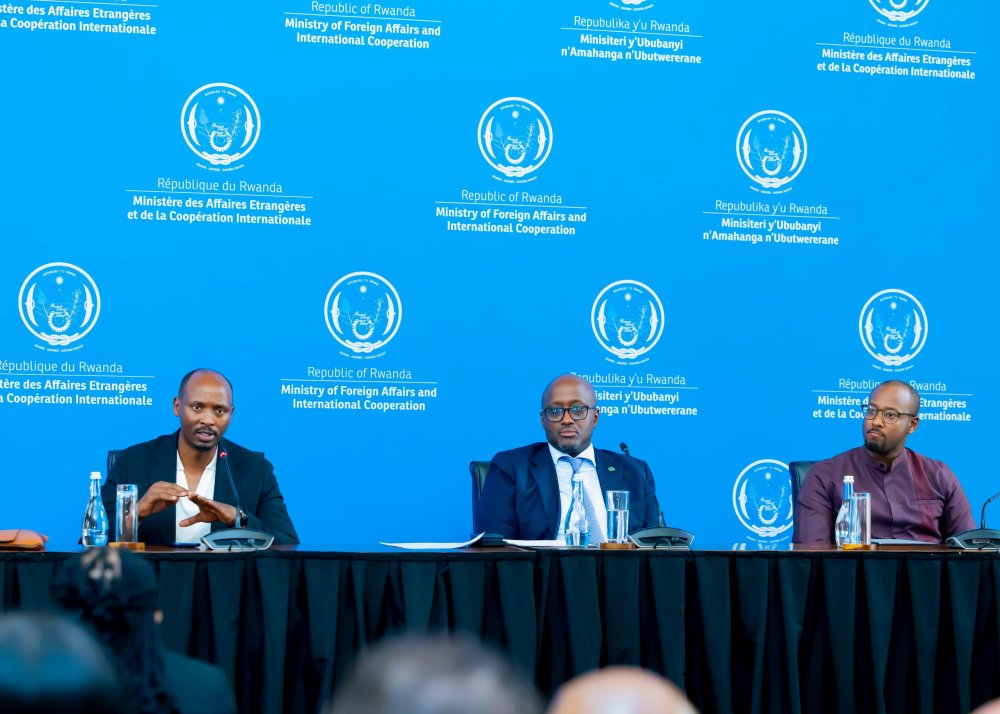
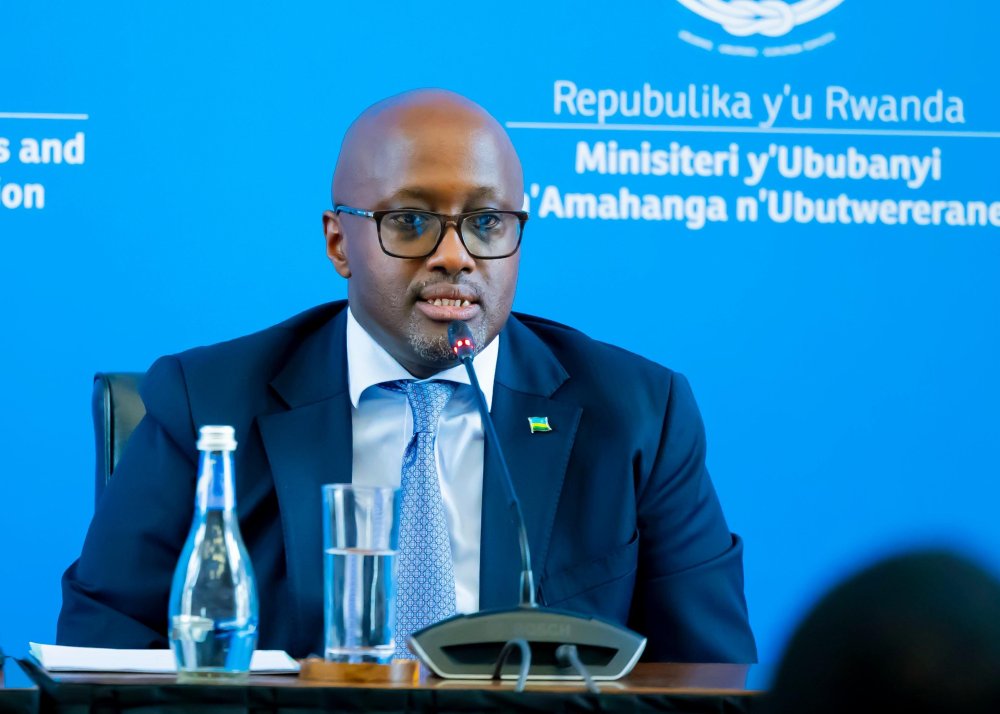
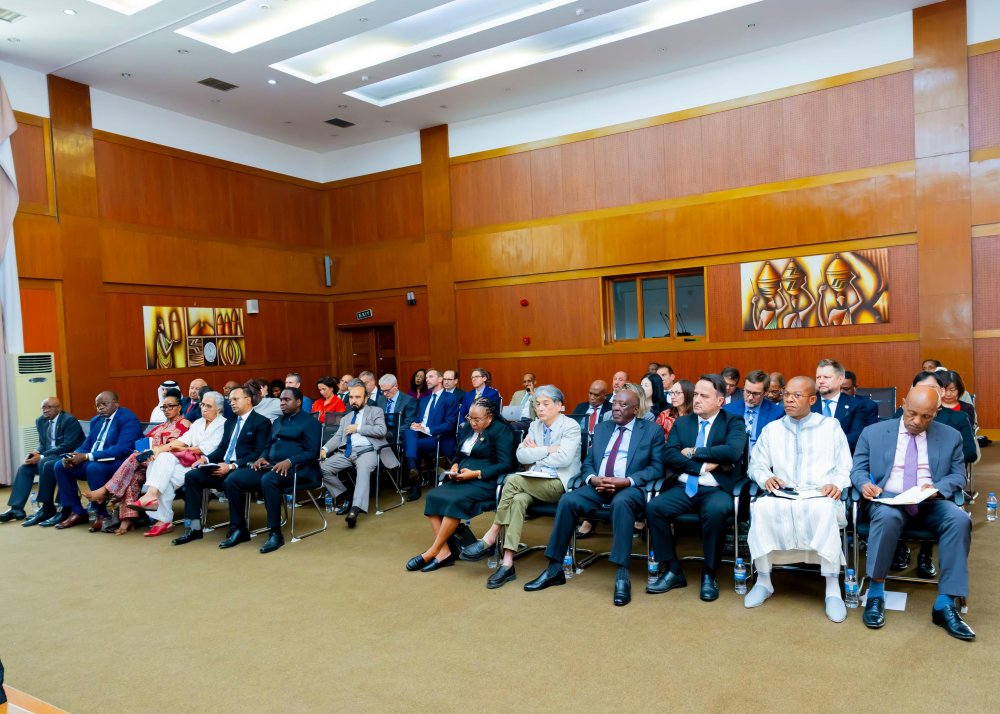
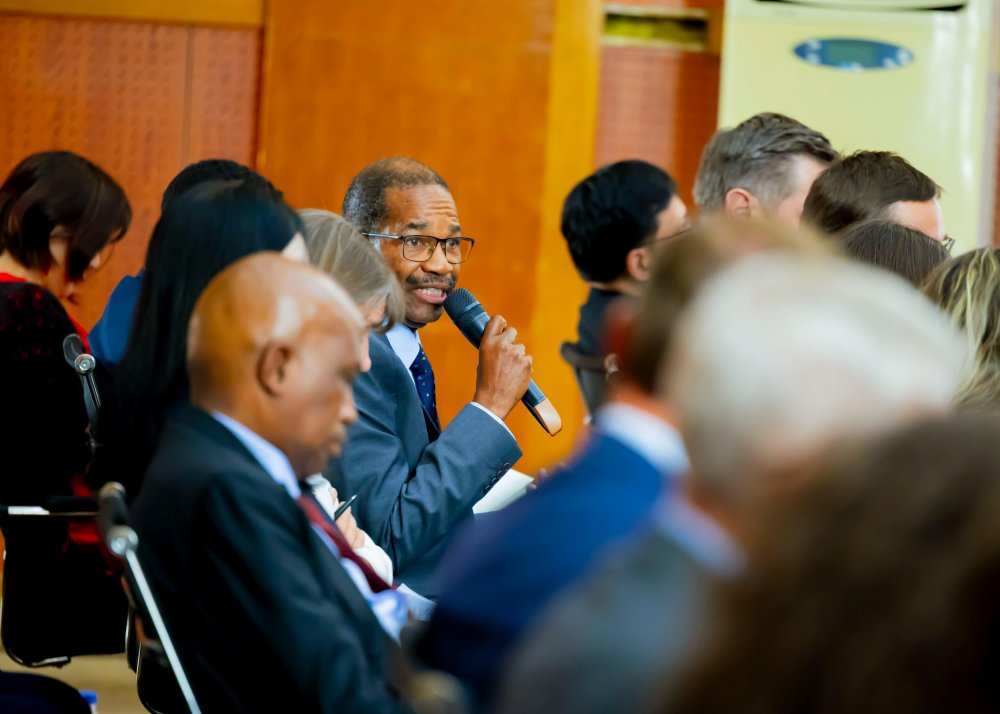
Rwanda’s Minister of Foreign Affairs and International Cooperation, Olivier Nduhungirehe addressing diplomats.Diplomats accredited to Rwanda attended the briefing.Rwanda’s Minister of Foreign Affairs and International Cooperation, Olivier Nduhungirehe, with Health Minister Dr Sabin Nsanzimana and Minister of Trade and Industry Tony Kajangwe during the briefing with diplomatic representatives in Rwanda.The diplomats had an opportunity to seek further clarification on the decision to crack down on illicit alcoholic beverages.
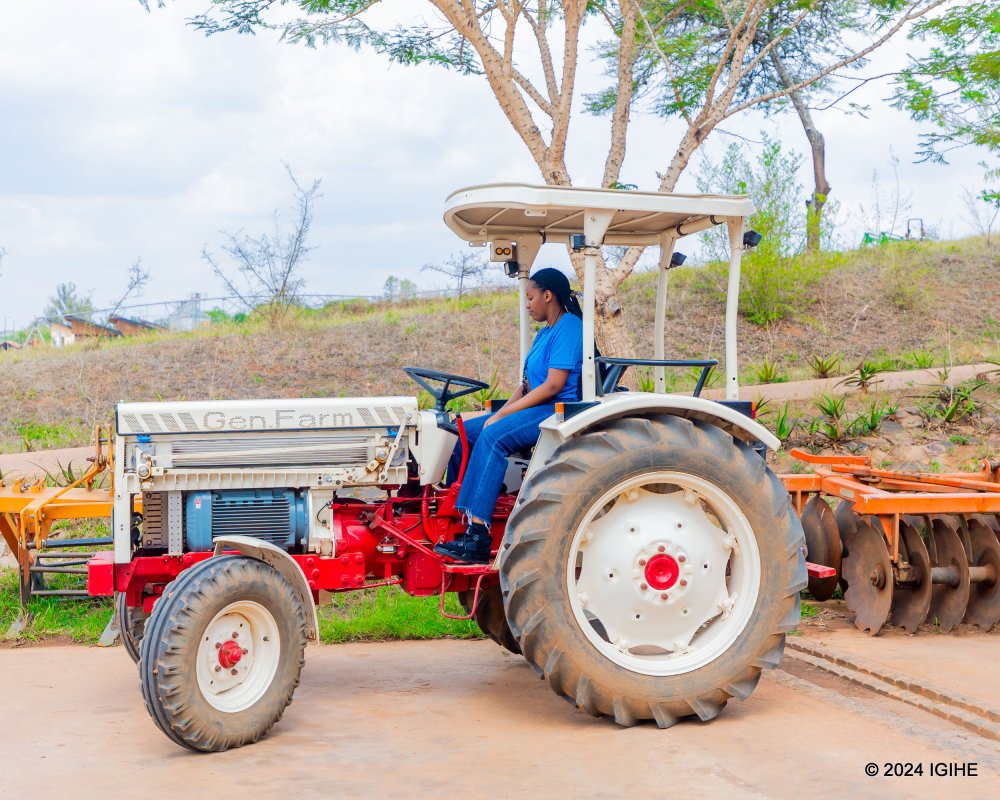
The Rwanda Agriculture and Animal Resources Development Board (RAB) said it is working with partners to identify machines that can enable farmers and agricultural service providers to adopt the practice on a larger scale.
Of the 765,000 hectares planned for cultivation nationwide during the 2027A season, about 100,000 hectares are expected to be cultivated using soil-conserving methods, which the government considers an important way of improving productivity while protecting farmland.
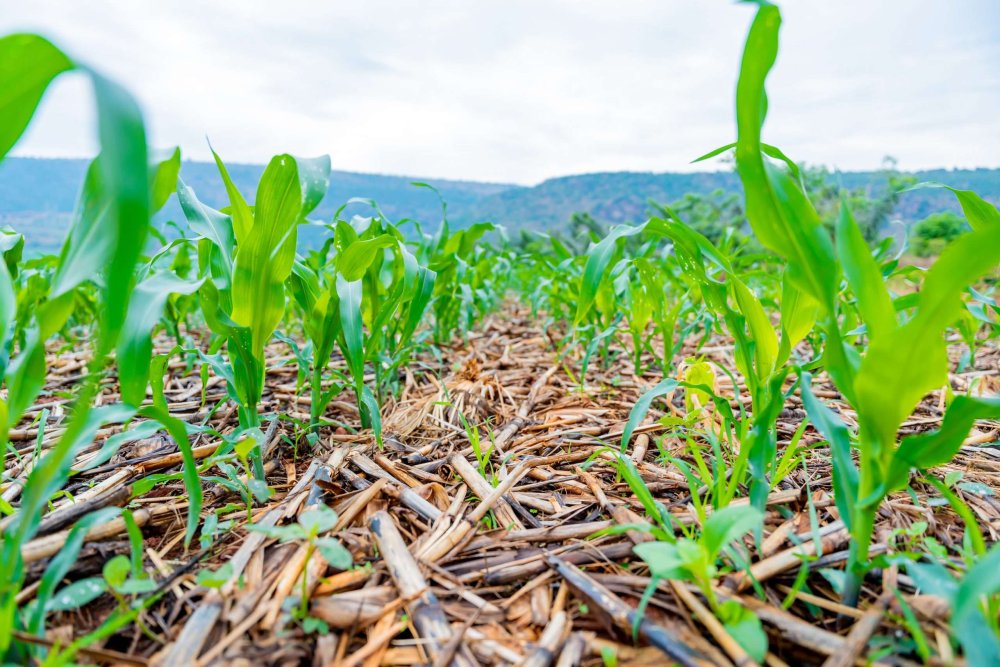
The approach involves making small planting holes, applying manure or fertiliser and planting crops such as maize or beans without extensively turning over the soil. Farmers then cover the field with mulch.
The method helps retain moisture in the soil when it rains, allowing crops to access water for longer periods and potentially improving yields.
However, the lack of suitable machinery has emerged as one of the challenges to expanding the practice, particularly among farmers cultivating large areas.
RAB Acting Director General Dr. Florence Uwamahoro said the institution was working with various partners to find machinery that could be used by agricultural service providers across the country.
“We are working with different partners to obtain machinery used in soil-conserving agriculture. There are places such as RICA and others where some of these machines are already available, but we want all people providing mechanised farming services to have machines that can be used on large areas,” Dr. Uwamahoro said.
Her comments came on Tuesday during an expanded meeting on preparations for the 2027A agricultural season and measures to strengthen food security in Rwanda’s Eastern Province.
The government plans to place greater emphasis on soil-conserving agriculture during the coming season, alongside the expansion of farming under the selected high-productivity areas known as Food Basket Sites (FOBASI).
Authorities expect agricultural output from the FOBASI areas to double compared with previous production levels.
About 246,000 hectares are expected to be cultivated under the FOBASI programme during the 2027A season, with around 100,000 hectares receiving particular attention.
Another 100,000 hectares will specifically be dedicated to soil-conserving agriculture.
FOBASI is a government programme designed to promote areas with high agricultural production potential. Farmers operating in the selected areas receive technical and financial support, early access to agricultural inputs and other assistance intended to improve productivity.
The programme is implemented on relatively small plots of about five hectares, managed by small groups of farmers.
Mulching helps protect the soil, retain moisture and create better conditions for crops to grow.Agricultural machinery is used to support farm operations and improve efficiency on cultivated land.
President Xi Jinping and other senior leaders of the Communist Party of China and the state, including Li Qiang, Zhao Leji, Wang Huning, Cai Qi, Ding Xuexiang, Li Xi and Han Zheng, bid farewell to Zhu at the Babaoshan Revolutionary Cemetery on Tuesday morning.
Amid solemn music, they walked slowly toward Zhu’s body and stood in silent tribute. They then paid their final respects with three bows and shook hands with Zhu’s family members. Hu Jintao, former President of the People’s Republic of China sent a wreath to express his condolences over Zhu’s passing.
Zhu died of illness on Aug 12 in Beijing at the age of 98.
He had served as a member of the Standing Committee of the Political Bureau of the 14th and 15th Central Committees of the CPC.
Zhu was extolled in an obituary as an excellent Party member, a time-tested and loyal communist fighter, and an outstanding proletarian revolutionist, statesman and leader of the Party and the state.
Xi Jinping, Li Qiang, Zhao Leji, Wang Huning, Cai Qi, Ding Xuexiang, Li Xi, Han Zheng and Hu Jintao, among others, had either visited Zhu when he was in hospital or expressed deep condolences and offered sincere sympathies to his family through various means after his passing.
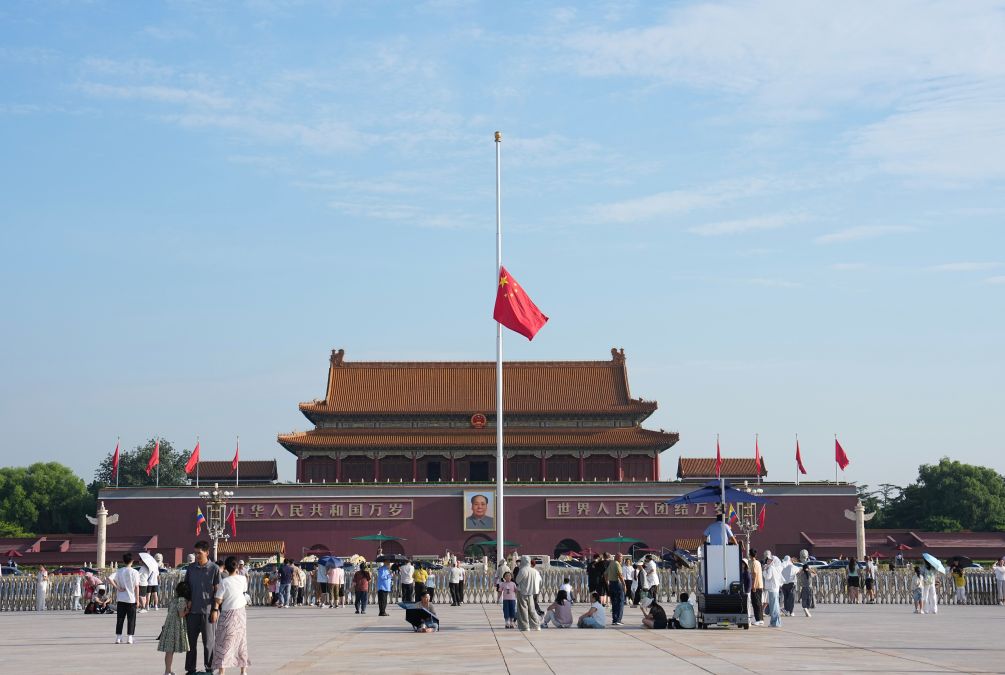
A Chinese national flag flies at half-mast to mourn the death of Comrade Zhu Rongji at Tian’anmen Square in Beijing, capital of China, Aug. 18, 2026. (Xinhua/Ju Huanzong)
Makolo made the remarks on Sunday, August 16, 2026, in response to DRC Government Spokesperson and Minister of Communication and Media Patrick Muyaya, who accused Rwanda of using the massacre for political purposes.
In a post on X, Makolo blamed Muyaya for continuing to “twist a day of remembrance for the victims of the Gatumba massacre into another platform for anti-Rwanda propaganda.” “The Banyamulenge who were slaughtered in 2004 by DRC’s Burundian allies were Congolese,” Makolo said.
She said the memory of the victims should not be used as a political tool by Kinshasa or as a basis for what she called “selective outrage” while the FDLR and other groups continue to operate in the DRC.
“Their memory is not Kinshasa’s political tool, nor is it an invitation for selective outrage while the Kinshasa-sponsored FDLR and other genocidal remnants still operate with impunity on DRC soil, in violation of the Washington Peace Agreement,” she wrote.
Makolo further accused Kinshasa of deliberately diverting attention from what Rwanda considers the underlying causes of insecurity in eastern DRC.
“Deliberately obscuring/distracting from the real sources of insecurity in eastern DRC is the core of ‘instrumentalisation’,” she said. Muyaya had said the Banyamulenge are Congolese rather than Rwandans living in Congo and accused Rwanda of using the Gatumba massacre to advance its political agenda. Rwanda has repeatedly denied accusations that it is responsible for insecurity in eastern DRC.
The Gatumba massacre occurred on August 13, 2004, at a refugee camp near Burundi’s border with the DRC. More than 150 Congolese refugees, most of them Banyamulenge, were killed, while more than 100 others were injured.
The attack was attributed to fighters from Burundi’s FNL, a predominantly Hutu rebel movement. The victims were largely Banyamulenge, a Congolese community commonly associated with the Tutsi population of eastern DRC.
The FNL initially claimed responsibility for the attack, although one of its former leaders later denied that the group had issued such a statement.
Burundi’s role in the events has also been questioned beyond the fact that the massacre occurred on its territory. Investigations reported that Burundian soldiers and police did not intervene even though the killings were taking place only metres from their military installations.
In the DRC, allegations also emerged after the massacre that some Congolese Mai-Mai fighters may have been involved in the attack. Kinshasa was urged to conduct a thorough investigation into the possible involvement of its nationals, particularly individuals who may have been serving in the national armed forces.
The massacre has remained a subject of calls for accountability, with survivors and relatives of victims renewing efforts to pursue justice in recent years.
In 2024, survivors and relatives of those killed renewed efforts to seek justice, filing complaints against individuals suspected of involvement in the massacre. Information relating to the cases was also submitted to the International Criminal Court (ICC).
Rwanda Government Spokesperson Yolande Makolo has criticized the DRC for using the Gatumba massacre against the Banyamulenge to target Rwanda.
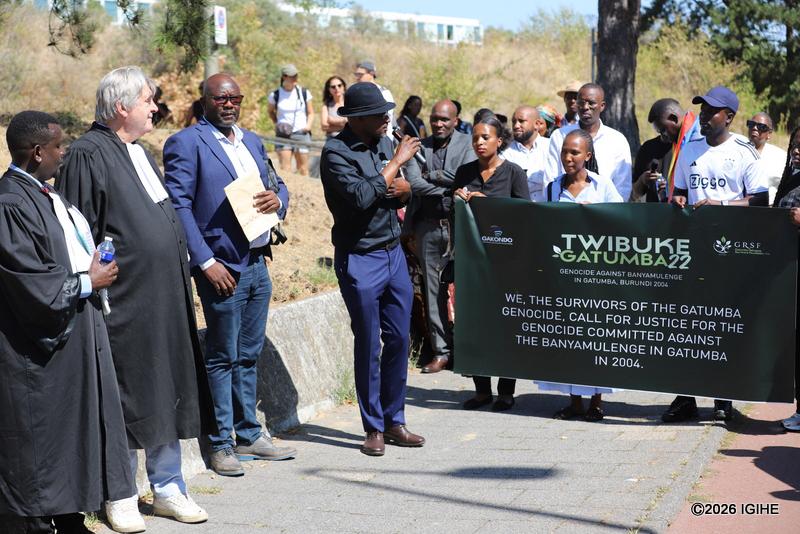
Speaking during activities to denounce international silence held in The Hague on Friday, Shomongo called for justice for victims of violence, greater recognition of alleged abuses and peaceful coexistence among communities in the Great Lakes region.
The activities included a march before the International Criminal Court (ICC) and a commemorative ceremony marking the August 13, 2004 massacre at the Gatumba refugee camp in Burundi, where Banyamulenge refugees were attacked.
Shomongo said the initiative at the ICC was organized by members of civil society and the diaspora to draw the attention of international justice institutions to what he described as violence against the Banyamulenge population.
“We acted as responsible citizens, as a people and as a population,” he said, arguing that what he considered the international community’s silence had left affected communities with little choice but to take action and demand justice.
Calls for investigations and accountability
Shomongo said violence affecting the Banyamulenge deserves greater attention from the international community and called for thorough investigations to establish the facts and determine individual responsibility. “We are asking for justice, nothing else,” he said.
He particularly criticized the United Nations and the European Union, which he accused of failing to adequately address or document reports of violence in the Minembwe area.
He also raised concerns about the work of some human rights organizations operating in the region, saying they had not sufficiently documented alleged abuses against Banyamulenge communities.
Shomongo said documentation of alleged violations is essential if victims are to have a chance of obtaining justice. He said members of civil society have travelled to difficult-to-access areas to gather information and document what they describe as conditions on the ground.
Remembering the Gatumba massacre
The activities in The Hague also included a ceremony commemorating the victims of the August 13, 2004 massacre at Gatumba, Burundi.
Banyamulenge refugees living at the Gatumba refugee camp were attacked on that day, leaving over 160 people dead and many others injured.
For Shomongo, the commemoration was an opportunity to remember the victims and draw attention to what he considers an inadequate response to crimes committed in the Great Lakes region.
He said the lack of what he views as sufficient judicial action has contributed to a continuing sense of injustice among survivors and their communities.
Allegations over the situation in Minembwe Shomongo also raised concerns about the security and humanitarian situation in Minembwe, referring to the presence and activities of foreign forces on Congolese territory. He alleged that certain actions had contributed to isolating the local population and worsening the humanitarian situation.
Shomongo described some of the alleged actions as “acts of genocide” and called for competent judicial authorities to investigate the claims.
The allegations reflect Shomongo’s views and have not been established through a judicial process. Any legal determination would require an independent examination of the facts and evidence and the establishment of individual responsibility in accordance with international law.
Calling for peaceful coexistence
Alongside his calls for justice, Shomongo emphasized the need for peace and coexistence among communities in the Great Lakes region.
“We want people to live in peace. We want people to live together,” he said.
He called for an end to hate speech and ethnic violence, which he described as major obstacles to peaceful coexistence.
According to Shomongo, communities in the region share historical and cultural ties that extend beyond the borders created during the colonial period.
He said he wants to see a DRC where all communities can live safely and exercise their rights without facing threats because of their identity.
A campaign that will continue
Shomongo said the activities in The Hague were part of a broader campaign rather than an isolated initiative.
He said civil society organizations and members of the diaspora intend to continue documenting alleged abuses, ensuring that victims are heard and seeking accountability for those who may be responsible.
“We are here because we have no other choice,” he said.
Through the campaign, the organizers say they hope to amplify the voices of Banyamulenge communities, seek justice for victims and contribute to lasting peace in the Great Lakes region.
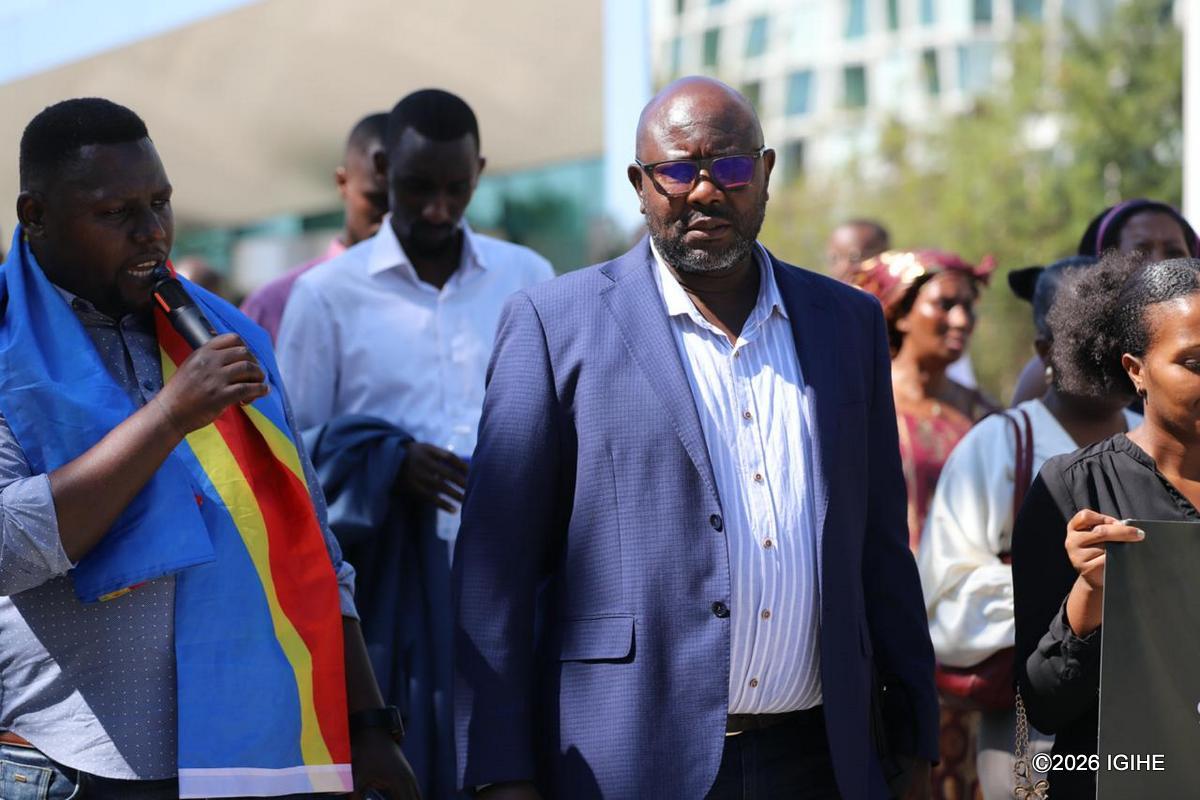
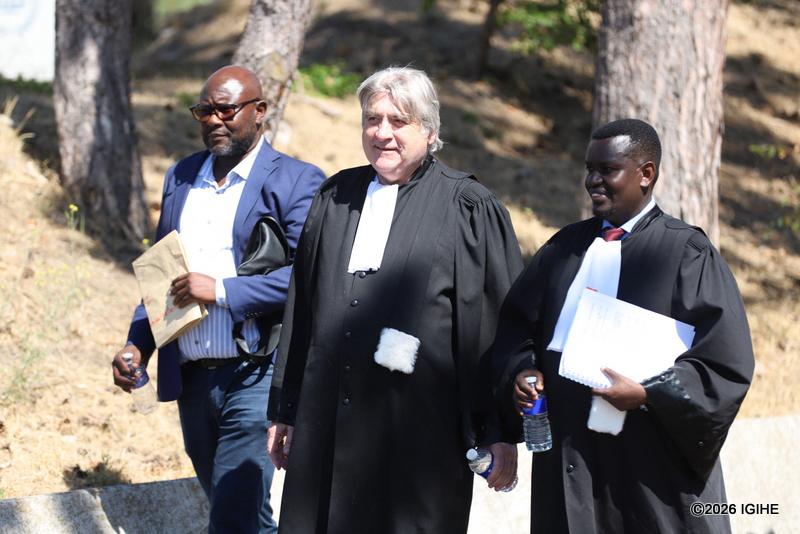
Shomongo said violence affecting the Banyamulenge deserves greater attention from the international community and called for thorough investigations to establish the facts and determine individual responsibility.Pitchou Shomongo (in blue suit), president of Diaspora Plurielle, during activities in The Hague focused on justice for Banyamulenge communities.Pitchou Shomongo (first-left) during a gathering in The Hague highlighting calls for justice and accountability for Banyamulenge victims.
Kanimba made the remarks in an interview with KP Media24 about his career, leadership experience and some of the major decisions he took while serving in positions that shaped Rwanda’s economic development.
Kanimba joined the National Bank of Rwanda in 2000 as Deputy Governor and was appointed Governor in 2002.
When he took over as Governor, the Rwandan franc was weak and the country faced a serious shortage of foreign currency.
He explained that one of the reasons for the shortage was that some Rwandan businesspeople who had accumulated significant wealth had fled the country after the 1994 Genocide against the Tutsi, taking their money abroad.
Others who stayed in Rwanda had also kept their wealth outside the country rather than depositing it in local banks.
According to Kanimba, this was partly driven by a misconception that foreign currency belonged to the government and that individuals did not have the right to own it.
At the time, the central bank was the only institution authorizing people to access and use foreign currency, a system he said created room for corruption, favoritism and other irregularities.
“It is why we introduced a system where everyone could open a foreign currency account, just as they had a Rwandan franc account, and use the money as they wished,” Kanimba said.
He said the reform helped bring more foreign currency into Rwanda, with funds flowing into the central bank as well as commercial banks operating in the country at the time.
Tackling the informal foreign exchange market
As foreign currency began returning to the country and people became more aware of their right to use it, some foreign exchange service providers continued operating outside the legal framework.
Kanimba said one of the major areas where he believes he contributed to the country’s economic transformation was in organizing and formalizing Rwanda’s foreign exchange market.
“One of the major things I think I helped this country put in order was organizing and improving the foreign exchange market in Rwanda,” he said.
He recalled inviting some of the informal money changers to a meeting, where he explained that their activities were being conducted outside the law.
He then encouraged them to organize themselves into associations that could obtain legal authorization to operate as recognized foreign exchange businesses.
The proposal was initially met with resistance because some of the money changers feared that formalization was simply a way for the government to take away the little income they were making.
Kanimba said he reassured them that they would receive tax relief as they transitioned into the formal system.
“I immediately called the Commissioner at RRA, who came and addressed them, assuring them that those who followed that process would not pay taxes for three years,” he said. Kanimba said the reforms became an important catalyst for the development of business and the wider economy.
By the end of June 2023, 26.8% of Rwanda’s foreign exchange reserves were invested in short-term assets, while 73.2% were held in medium- and long-term investments, broadly in line with BNR’s targets of 25% and 75%, respectively.
The reforms Kanimba described came as Rwanda continued to strengthen its financial sector and expand economic activity.
In 2025, the National Institute of Statistics of Rwanda reported that the country’s gross domestic product grew by 11.8% in the third quarter, following growth of 7.8% in the second quarter and 6.5% in the first quarter.
The International Monetary Fund (IMF) has also projected strong economic growth for Rwanda in 2026, with the country’s GDP expected to expand by 7.2%.
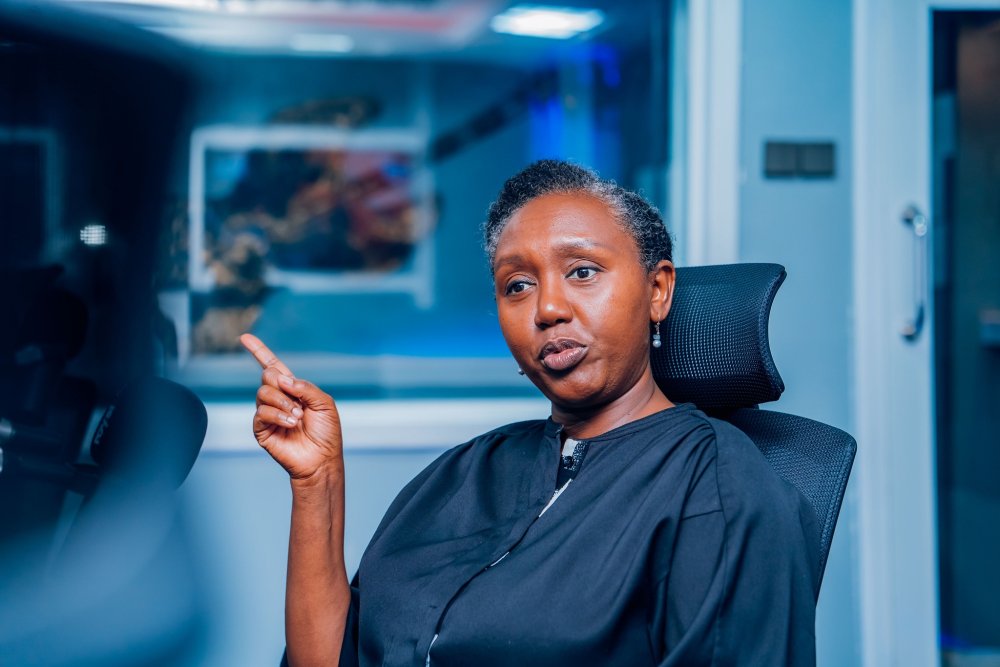
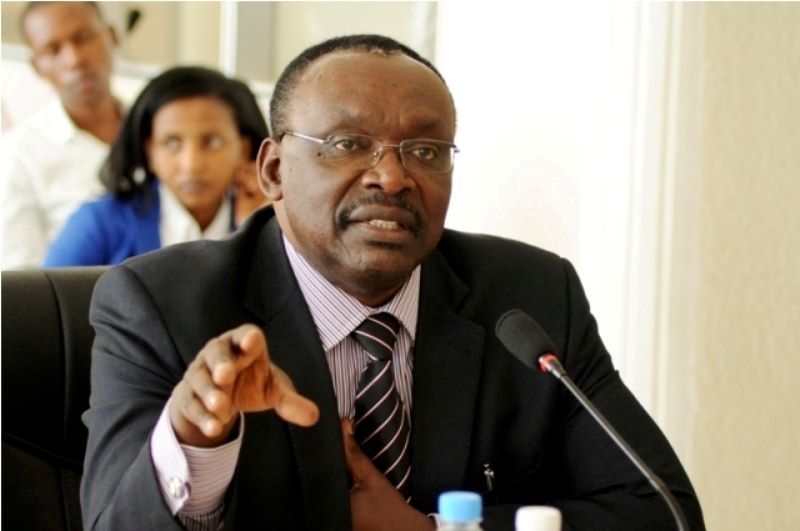
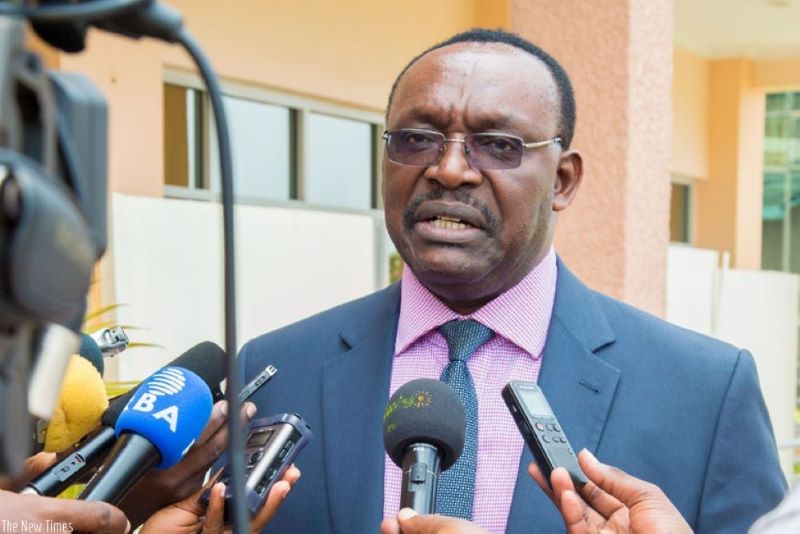
François Kanimba, former Governor of the National Bank of Rwanda, has reflected on reforms that reshaped Rwanda’s foreign exchange market.