A total of 34 Toyota pickup trucks equipped with mounted weapons, two light armored vehicles (one of which was destroyed), and dozens of motorcycles, weapons and accessories, among others, were recovered, Niger’s national television reported.
Niger’s Forces vives de la Nation, a grouping representing various sectors of society, organised a rally Wednesday at the Place de la Concertation in Niamey.
The rally was attended by members of the National Council for the Safeguard of the Homeland, government officials, and thousands of residents. Organizers said the event was intended to express support for the national authorities and reaffirm their commitment to Niger’s sovereignty and national refoundation.
The Nigerien Defense Ministry announced Saturday that it had foiled an attempted mutiny involving a group of soldiers at Air Base 101 in Niamey.
According to a ministry statement, a group of soldiers “who had broken with military discipline and regulations” attempted to detain some of their fellow soldiers at the base and opened fire at several sensitive sites in the capital. The swift response of the defense and security forces brought the movement under control and enabled them to regain control of the sites concerned.
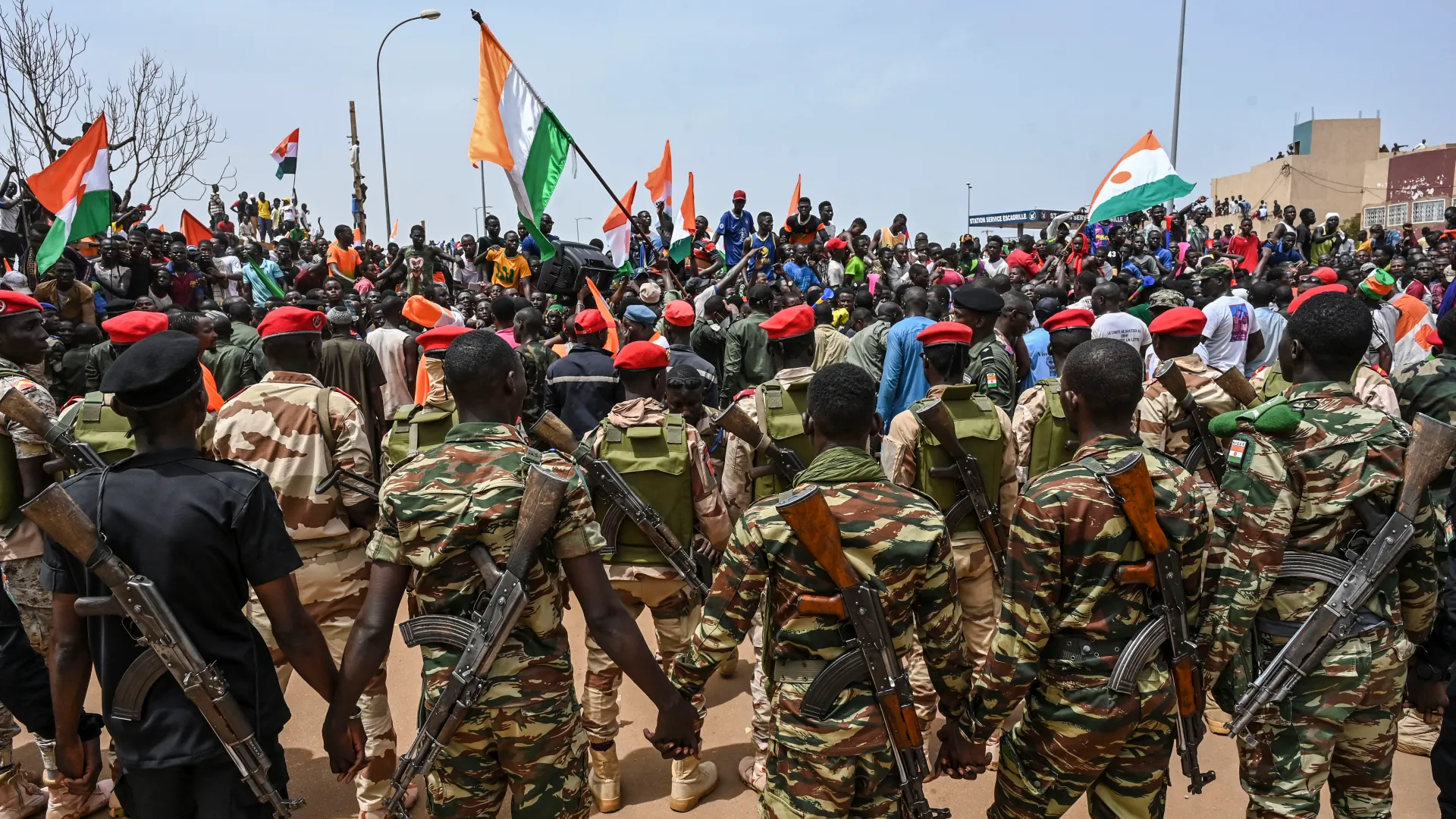
Niger’s Defense and Security Forces seized a large cache of weapons and military equipment after quelling a mutiny at Base 101 in Niamey, local media reported Wednesday.
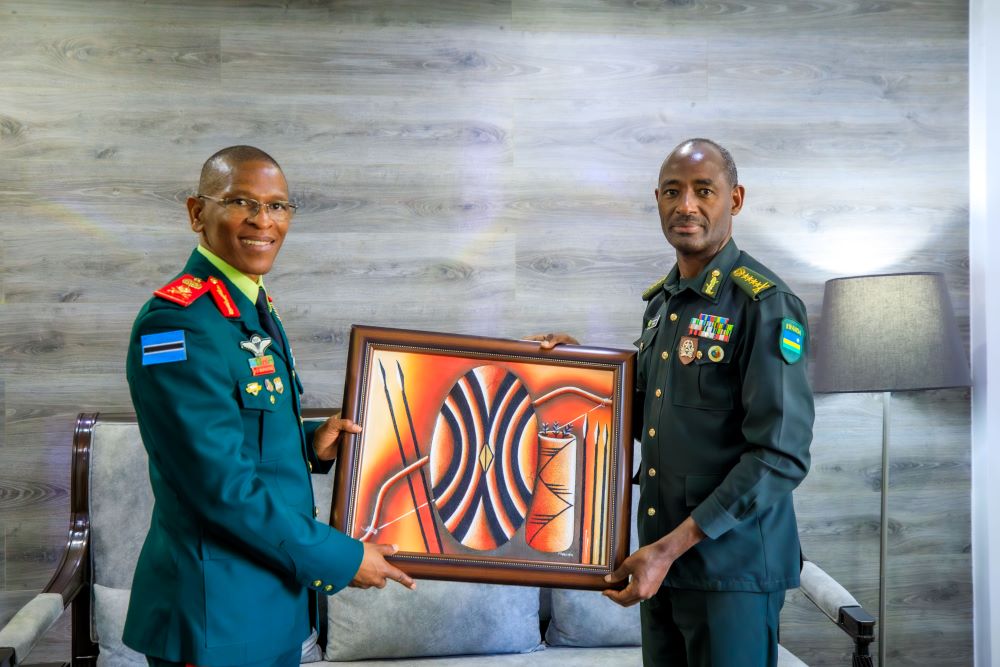
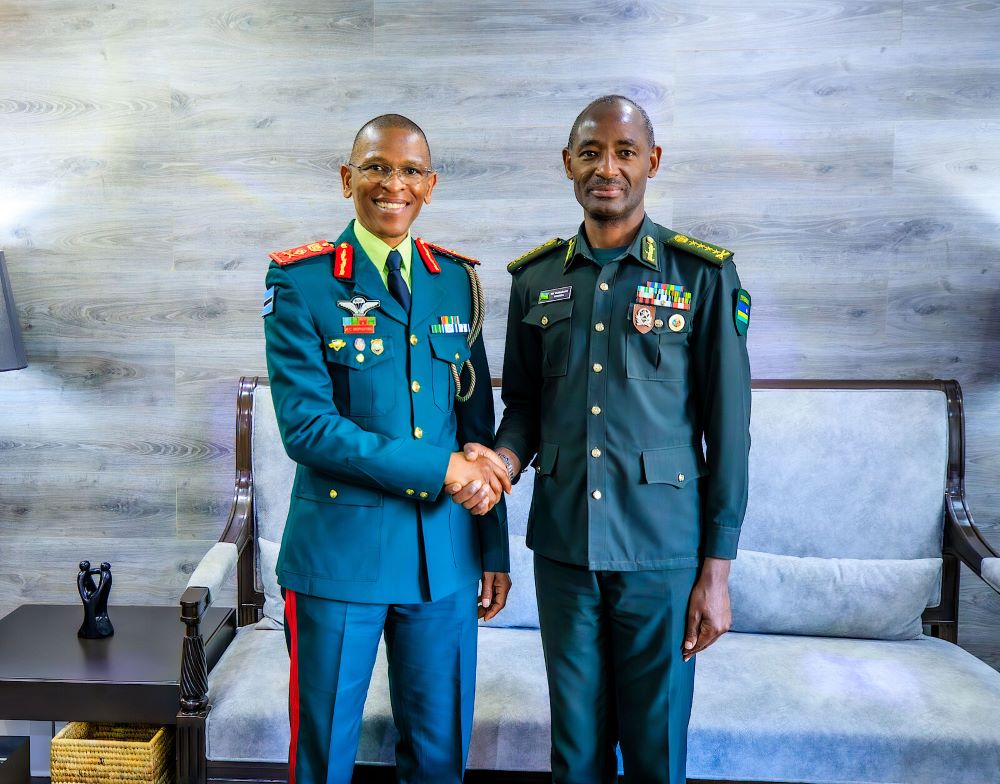
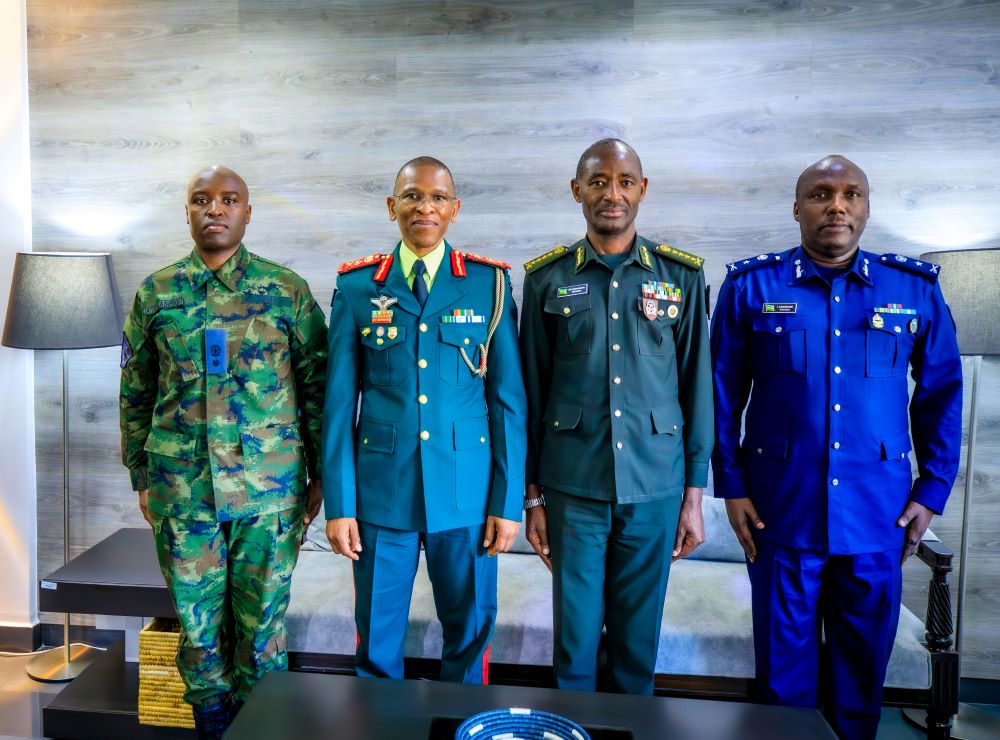
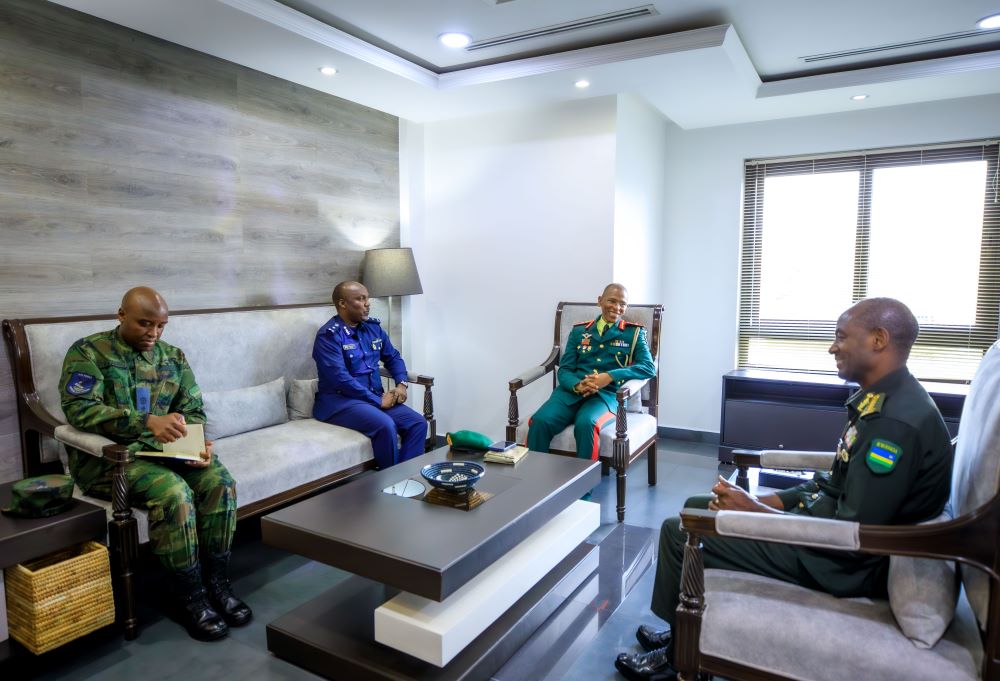
The commitment was reiterated on Wednesday, at RDF Headquarters in Kimihurura, where the RDF Chief of Defence Staff (CDS), Gen MK Mubarakh, received the Commander of the Botswana Defence Force, Gen Mpho Churchill Mophuting, who is in Rwanda to attend the 2026 Eastern and Southern Africa Anti-Money Laundering Group meeting.
Gen MK Mubarakh commended the progress made in defence cooperation between the two countries, particularly through the exchange of military training opportunities at various levels.
He noted that these opportunities have enabled officers from both defence forces to gain a deeper understanding of each other’s institutions, share operational experiences and strengthen professional ties.
The RDF Chief of Defence Staff also welcomed the establishment of the National Defence University Rwanda (NDU-R), including the National Defence College Rwanda, which commenced programmes this year.
He expressed Rwanda’s readiness to welcome officers from the Botswana Defence Force to these institutions as part of efforts to further expand and deepen military training cooperation.
RDF Chief of Defence Staff Gen MK Mubarakh met Botswana Defence Force Commander Gen Mpho Churchill Mophuting in Kigali.RDF Chief of Defence Staff Gen MK Mubarakh received the Commander of the Botswana Defence Force, Gen Mpho Churchill Mophuting at RDF Headquarters on Wednesday, September 3, 2026. Rwanda and Botswana have explored new opportunities to advance defence training and institutional cooperation.
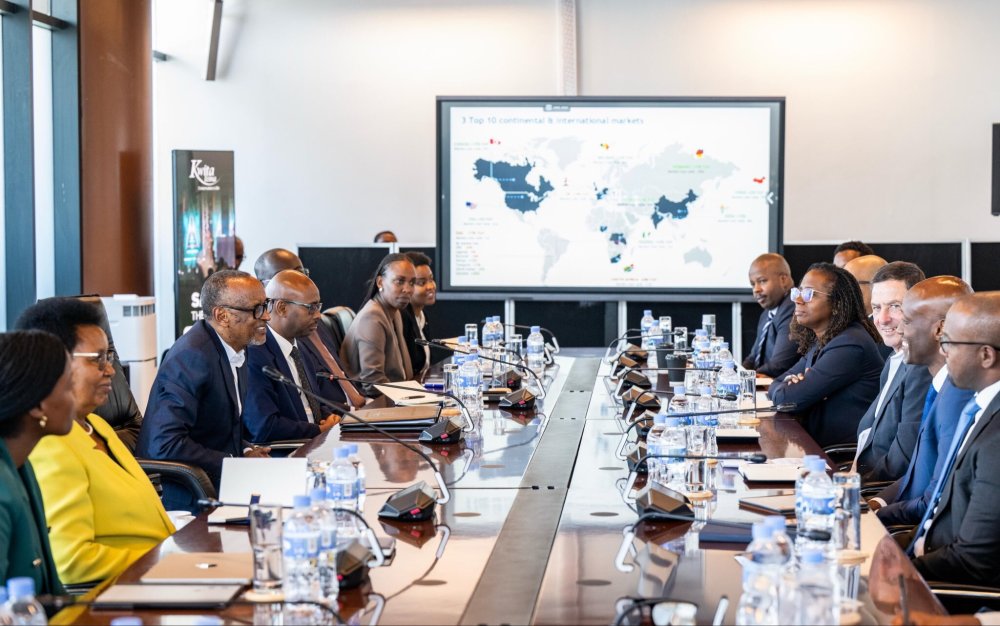
According to the Office of the President, the meeting reviewed RDB’s priorities and ongoing efforts to accelerate private sector development, attract and facilitate investment, promote exports and tourism, and strengthen Rwanda’s competitiveness.
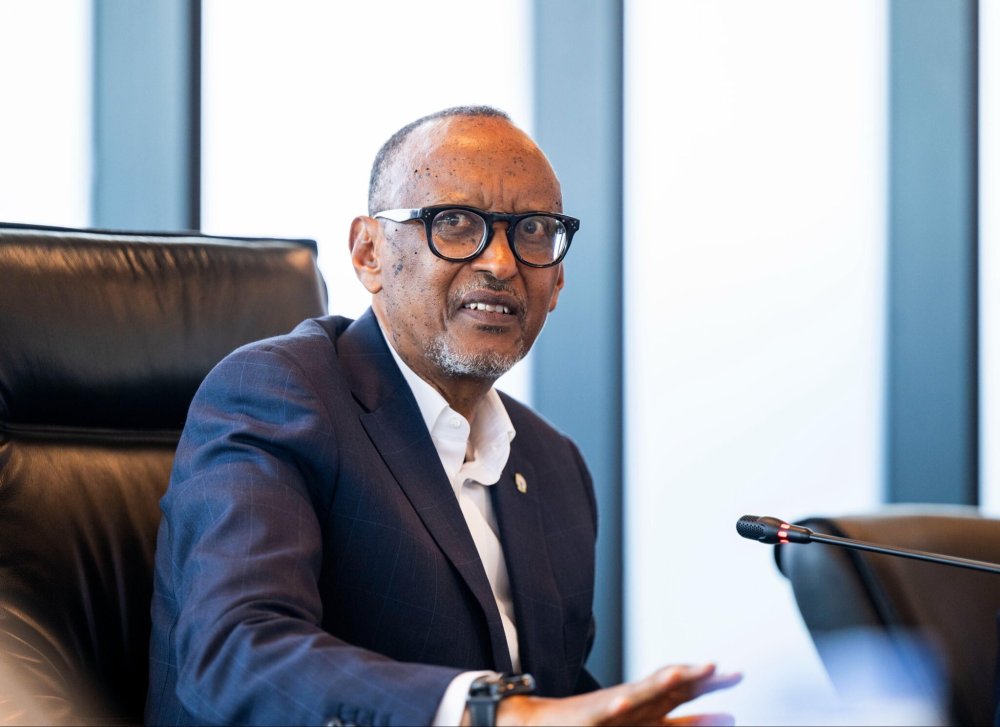
Kagame emphasized the need for continued focus on delivery and accountability, while urging efforts to continuously improve the business environment to enable companies and investors to thrive.
The RDB Board of Directors is led by Itzhak Fisher, who serves as its Chairperson. The board also includes Evelyn Kamagaju as Vice Chairperson.
Other members are Alice Nkulikiyinka, Country Director of Business Professionals Network (BPN) Rwanda; Ivan Kagame, an investment and finance professional; Liban Soleman Abdi; Dr. Diane Karusisi, Chief Executive Officer of Bank of Kigali; Eric Kacou; and Kassahun Kebede.
The meeting was also attended by RDB Chief Executive Officer Jean Guy Afrika and his deputy, Juliana Kangeli Muganza.
The meeting comes as RDB continues to play a central role in promoting Rwanda as an investment and tourism destination, supporting businesses and facilitating investment across different sectors of the economy.
President Kagame stressed delivery, accountability and a stronger business environment for investors at RDB Board of Directors meeting. President Kagame joined the RDB Board of Directors meeting on Wednesday, September 2.
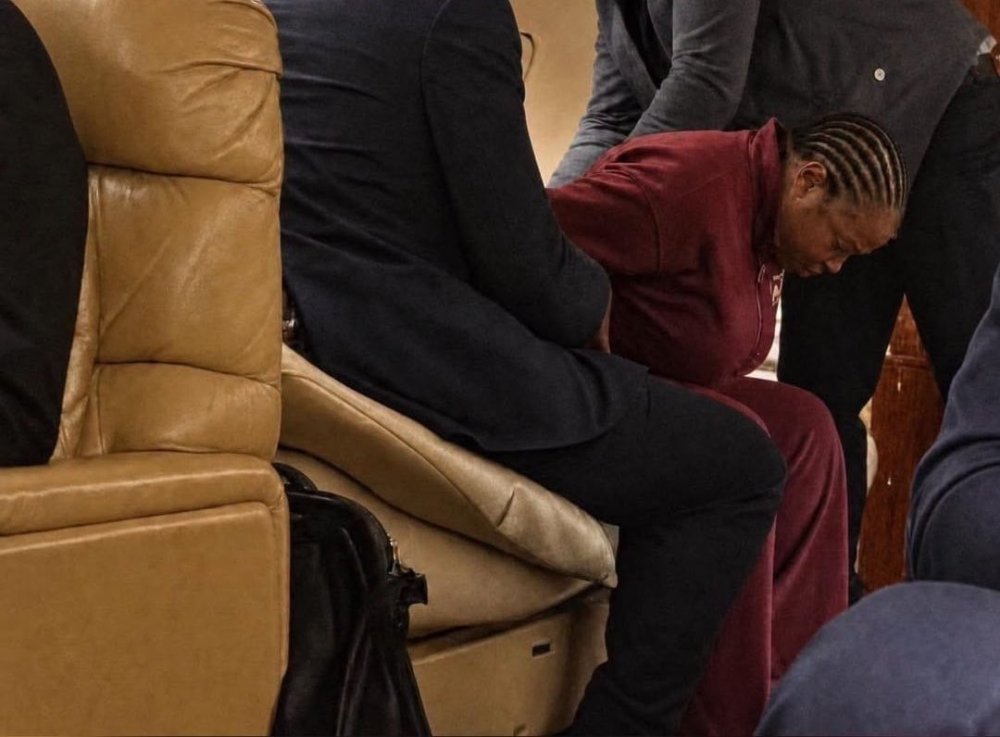
Amb. Nduhungirehe made the remarks in response to DRC Government Spokesperson and Minister of Information and Communication Patrick Muyaya, who welcomed the arrest of Denise Mukendi Dusauchoy in Tanzania and her transfer to Kinshasa on August 31, 2026.
Dusauchoy, who became widely known on social media platforms including TikTok, is accused of offences including spreading false information and inciting division among Congolese, in connection with messages she posted in support of AFC/M23.
Commenting on a statement by the DRC Ministry of Justice explaining Dusauchoy’s arrest, Muyaya said she was the first person on a long list of wanted individuals and that justice would reach them wherever they were.
“She is the first on a long list. Wherever you are in the world, justice will reach you. As an example, we have a responsibility to protect our children, and therefore the State will do what is necessary,” Muyaya said.
Amb. Nduhungirehe responded that several people in the DRC, including Major General Sylvain Ekenge, MP Justin Bitakwira, Martin Fayulu, Jean-Claude Mubenga, Gabriel Mokia, Chancella Tshala Balandi and Kalonji Kabamba wa Mulumba, have made statements promoting hatred and division but have not been prosecuted.
“Meanwhile, those who, on social media and on state television in Kinshasa, openly engage in hate speech and genocide ideology against Congolese Tutsi are clearly on no “list” and are therefore not being pursued by Congolese justice,” Amb. Nduhungirehe said.
He said some of the individuals were known in the DRC for referring to Congolese Tutsis as insects or as “cockroaches and a virus that must be eradicated,” while others had called on Congolese not to marry them or had made statements calling for their extermination in the country.
Amb. Nduhungirehe also reminded Muyaya that instead of being prosecuted, some of these individuals, including MP Bitakwira, had been received by DRC President Félix Tshisekedi and his wife, Denise Nyakeru, with whom they took a commemorative photograph.
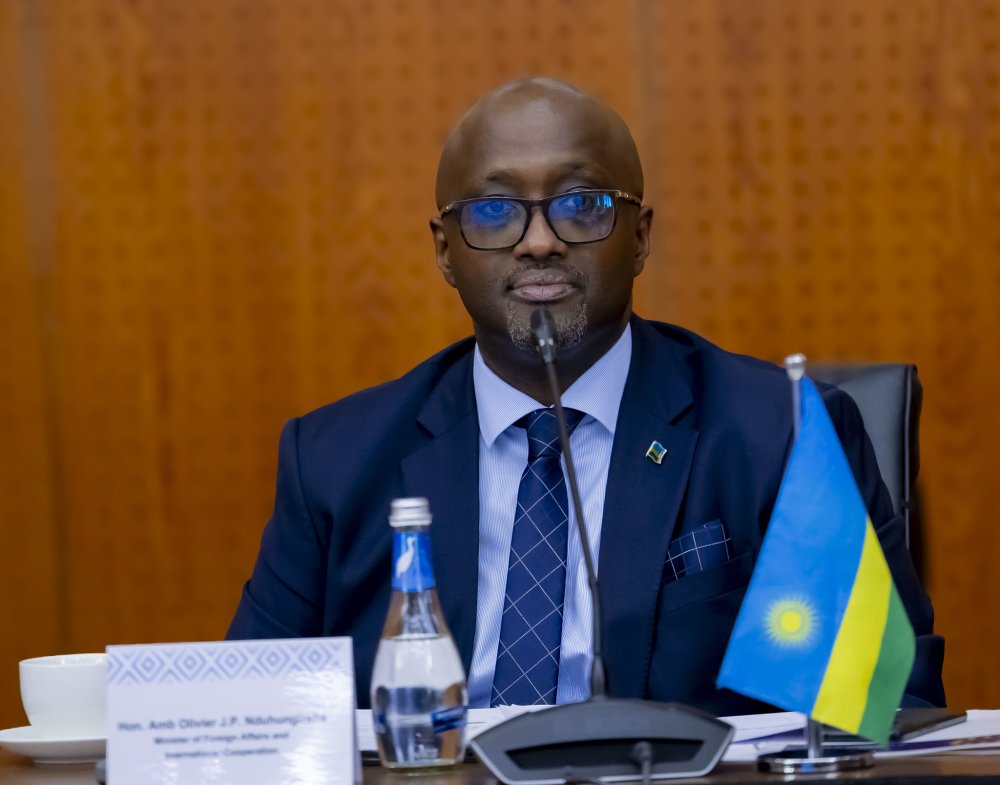
Denise Mukendi Dusauchoy was arrested in Tanzania and transferred to Kinshasa on August 31, 2026, where she faces allegations including spreading false information and inciting division among Congolese.Rwanda’s Foreign Affairs Minister Olivier Nduhungirehe has questioned the DRC’s response to hate speech, saying some individuals who have made inflammatory statements against Congolese Tutsi have not faced legal action.
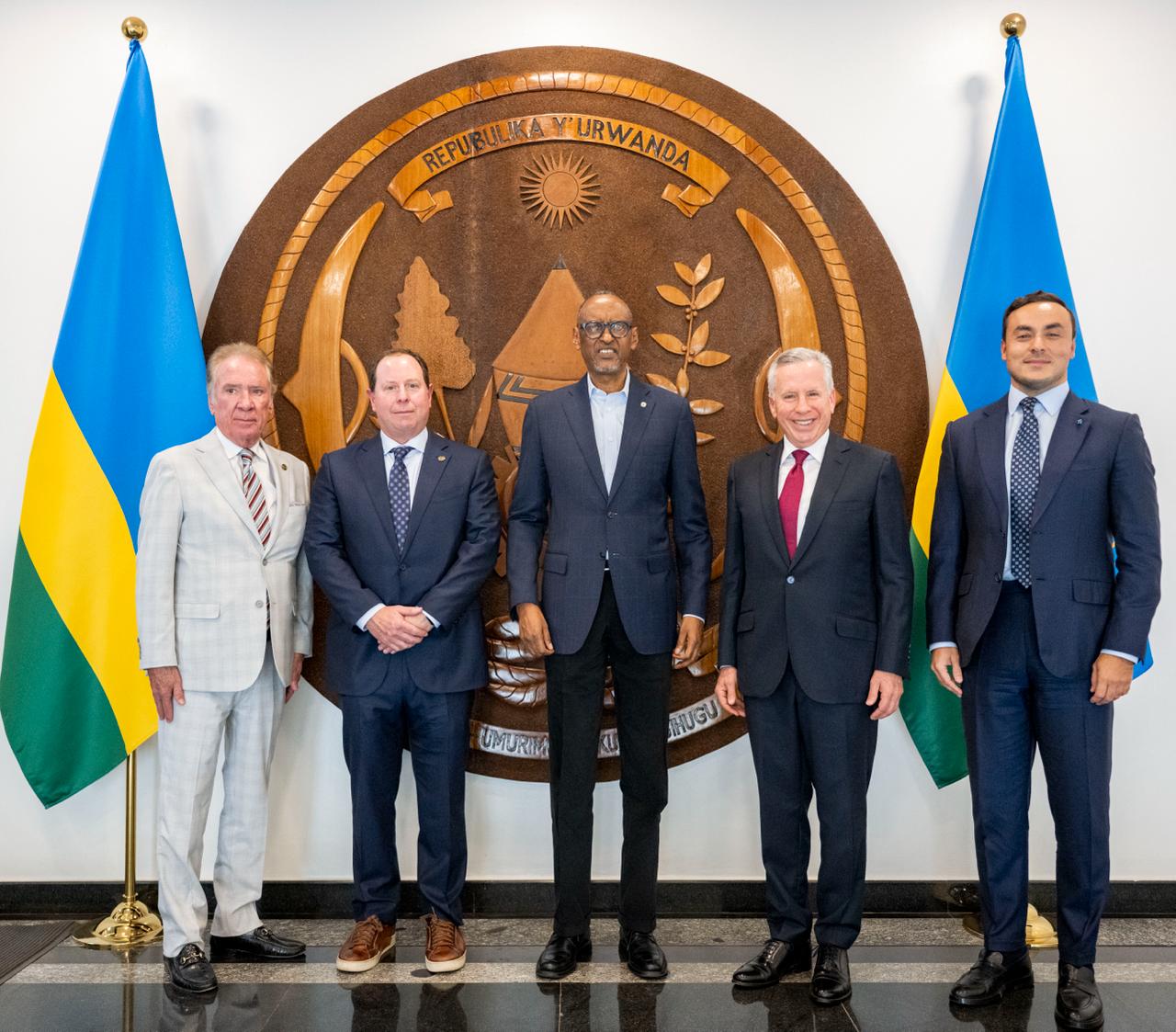
The discussions focused on the role of capital markets in mobilising long-term capital, attracting domestic and international investment, and broadening financing options for enterprises. They also considered the importance of deeper and more competitive capital markets in supporting private-sector growth and Rwanda’s wider economic priorities.
Chairperson Holtzman expressed his appreciation to President Kagame for his leadership and continued support for the development of Rwanda’s capital markets.
Chairperson Holtzman noted “Thank you, Your Excellency President Kagame for your visionary and inspirational leadership. Every day you motivate us to work harder and do better for our great country. Thank you for the opportunity to serve and to try to make a difference.”
He was joined by Blair Richardson, founder of Denver-based Bow River Capital, a US$7.5 billion private equity fund; Dan Green, CEO of JA Green Development, the largest operator of a logistics hub at America’s third-largest airport in Denver; and Korab Toplica, CEO of Mabetex Africa, a US$8 billion Swiss-based construction and development company.
Chairperson Holtzman also commended President Kagame for his support for Rwanda’s capital market development and the broader reform agenda that has strengthened the country’s investment environment.
He noted the importance of a sound policy and regulatory framework in attracting capital, widening access to finance and positioning the capital markets as a key source of long-term funding for Rwanda’s economy.
CMA’s Chairperson Marc Holtzman has met President Kagame on Rwanda’s Capital Markets Development
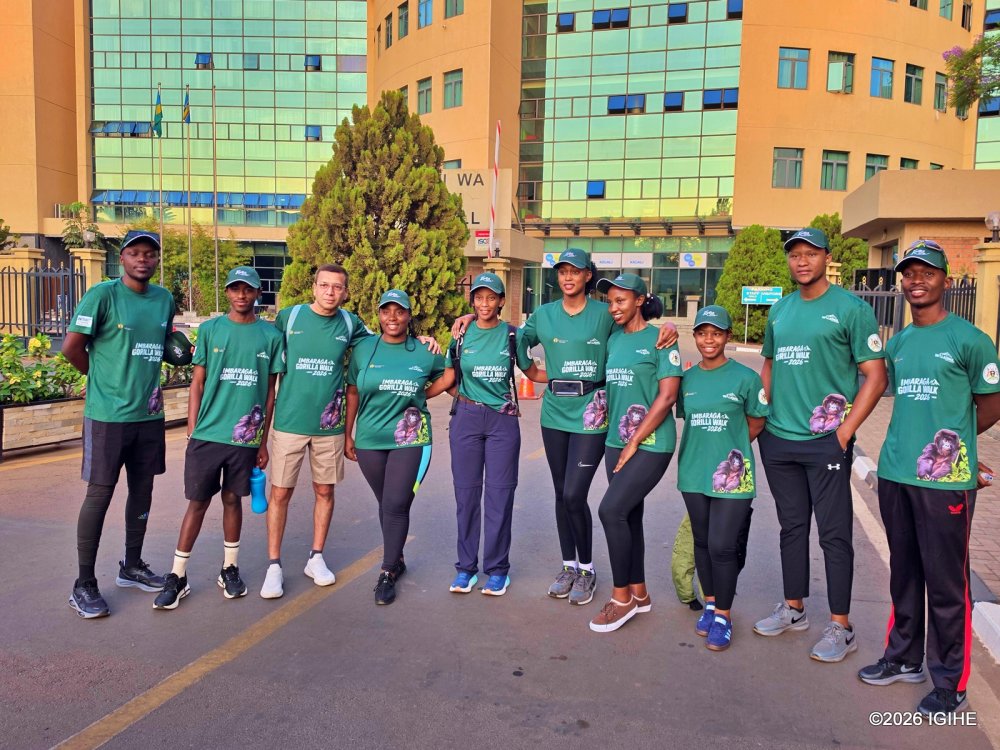
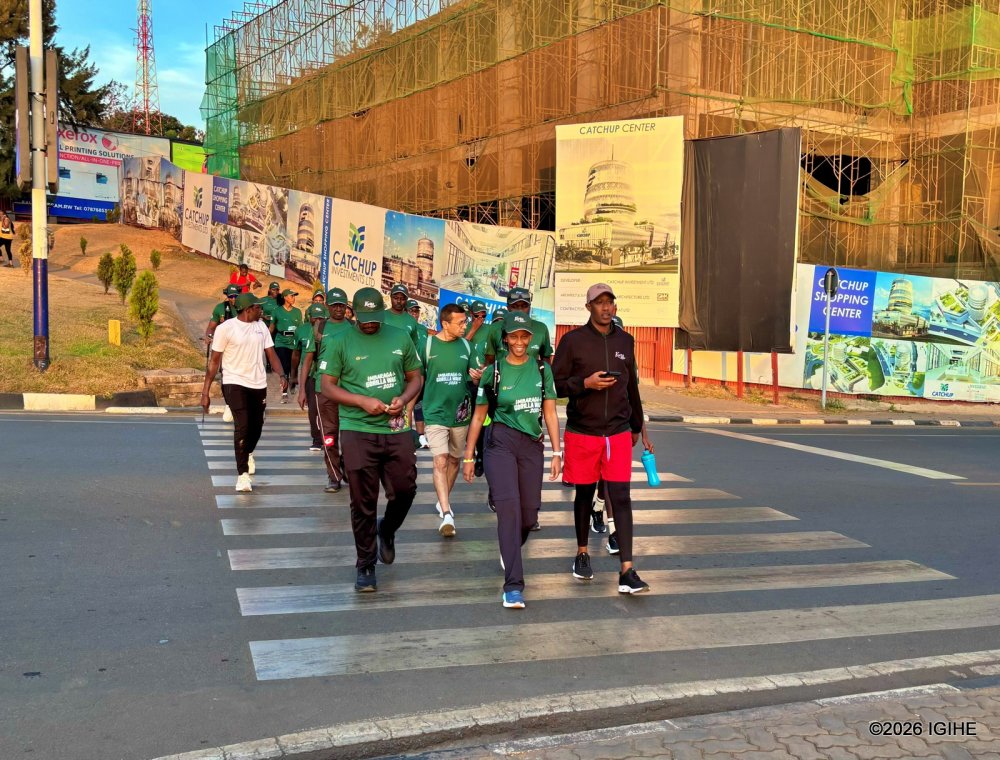
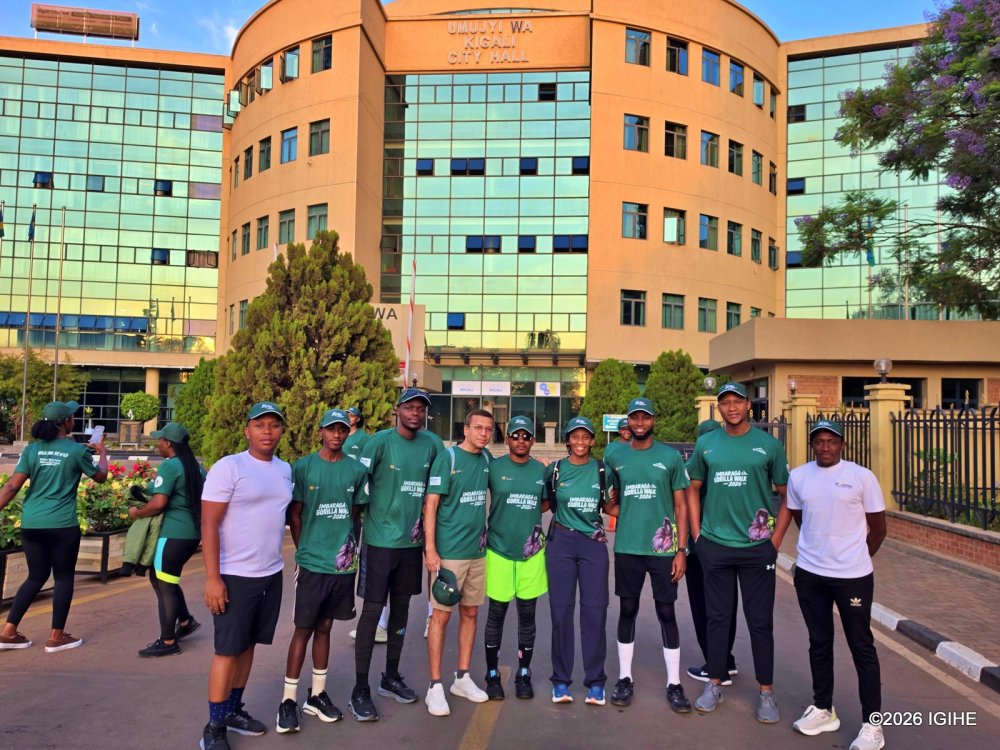
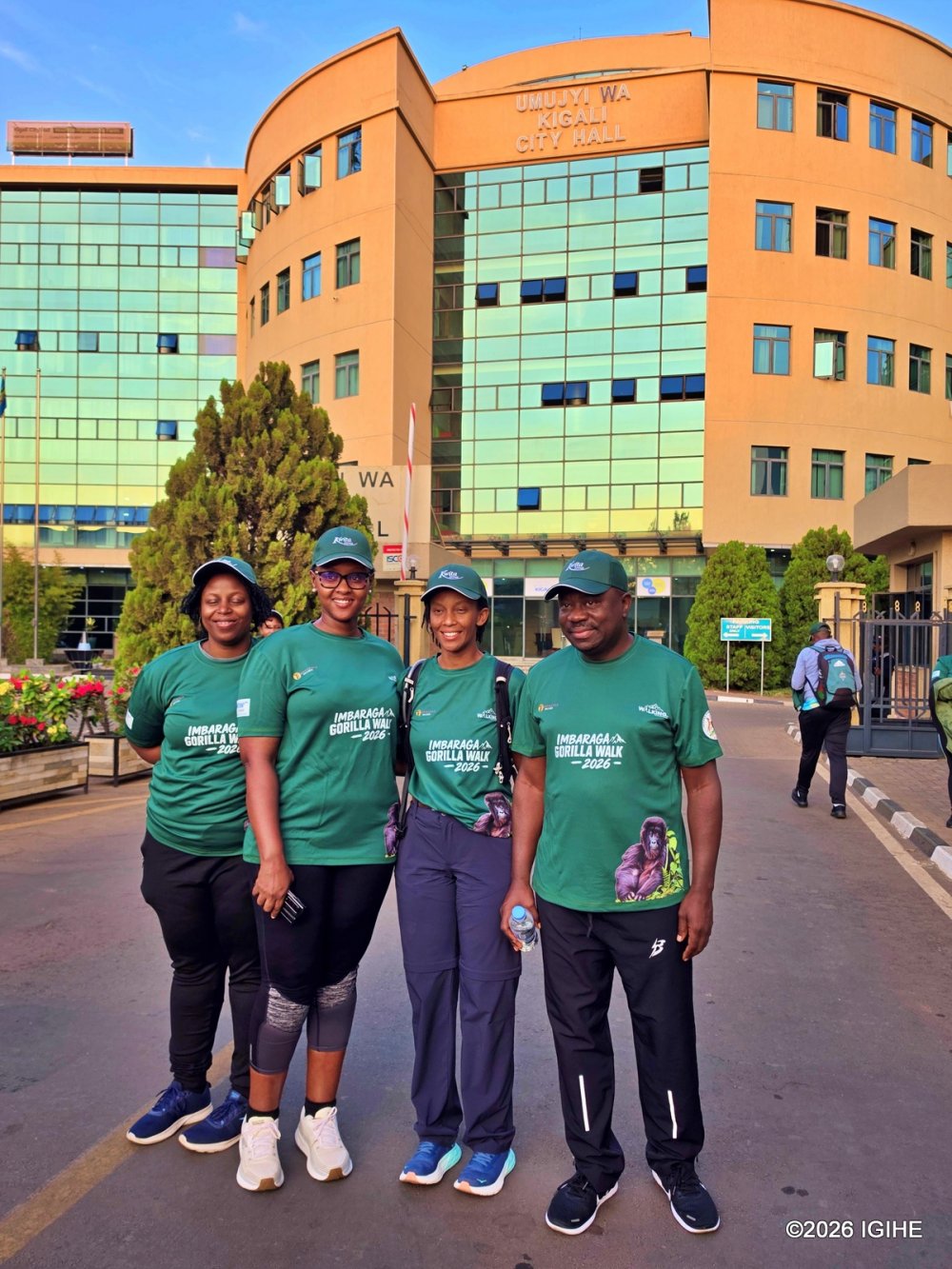
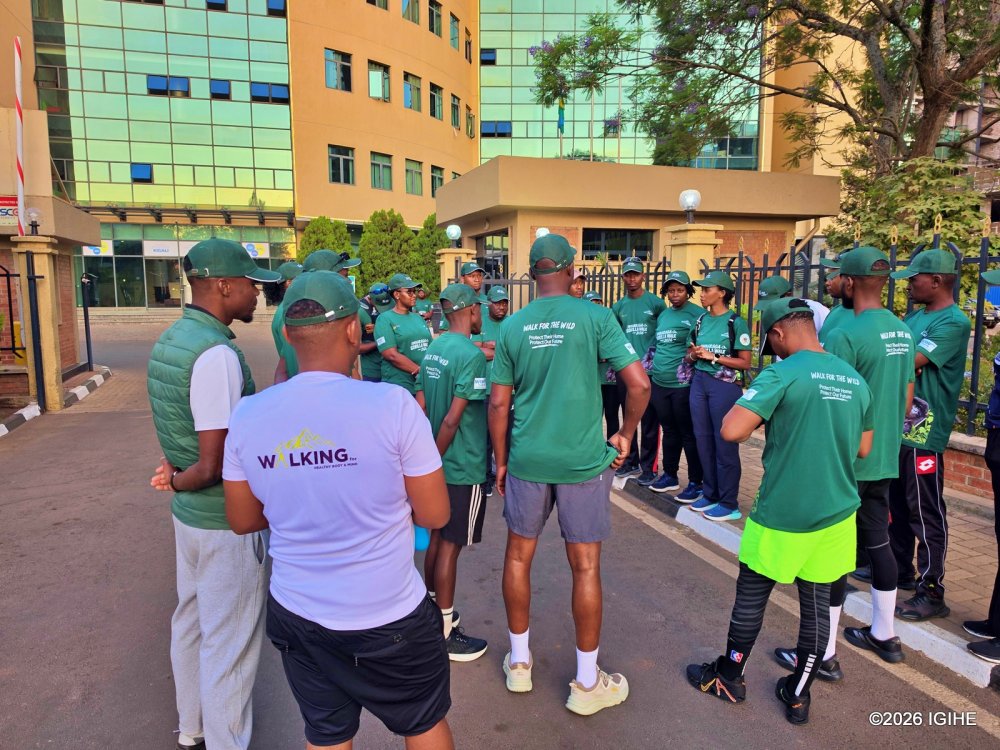
The group gathered at the Kigali City offices before beginning the journey to Musanze, where they are expected to arrive on September 3. On September 4, they will travel to Kinigi to attend Kwita Izina.
Speaking to IGIHE before their departure, Bazongere said the group would spend the first night at Nyirangarama before continuing to Musanze the following day.
“We will spend two days on the journey. Today, we will spend the night at Nyirangarama, and tomorrow, September 3, 2026, we will spend the night in Musanze,” she said.
Bazongere organised the journey, dubbed ‘Imbaraga Gorilla Walk’. She is passionate about sports and has previously organised various walking journeys to raise awareness about different causes.
She said the initiative is intended to use the journey as a way to promote environmental conservation and encourage people to take part in protecting Rwanda’s natural heritage.
“The goal is not simply to walk, but to use our journey as a way to promote healthy living, promote tourism in Rwanda and encourage people to play a role in conserving our natural heritage,” Bazongere said.
Bazongere said ‘Imbaraga Gorilla Walk 2026’ brings together sport, wellbeing, tourism and environmental conservation, while also promoting efforts to protect mountain gorillas and other wildlife.
The walk comes as Rwanda prepares to host the 2026 Kwita Izina ceremony in Kinigi on September 4, an annual event that celebrates the conservation of mountain gorillas and brings together local and international conservationists, tourists, officials and other stakeholders.
Members of the Imbaraga Gorilla Walk group begin their journey from Kigali to Musanze on September 2, 2026.Bazongere Rosine and other participants set off from Kigali as part of the Imbaraga Gorilla Walk 2026.More than 20 participants gather at the Kigali City offices before setting off on foot for Musanze.The group will walk along the Kigali-Musanze route during a two-day journey linked to Kwita Izina.Participants in the Imbaraga Gorilla Walk 2026 use the journey to promote healthy living, tourism and environmental conservation.
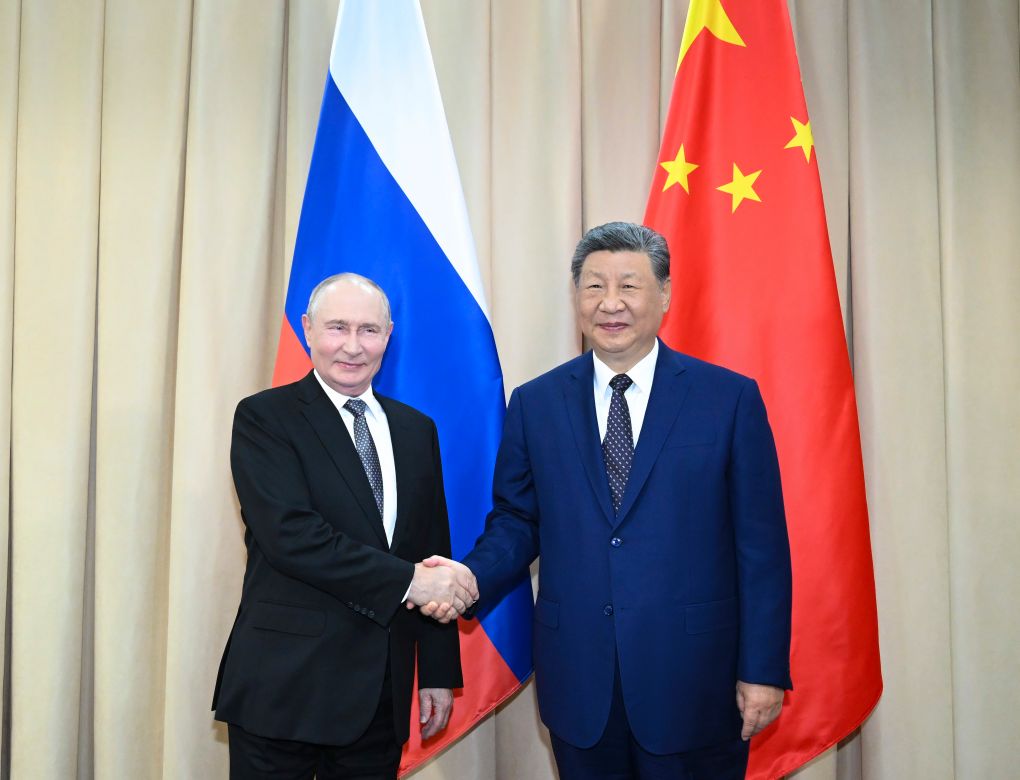
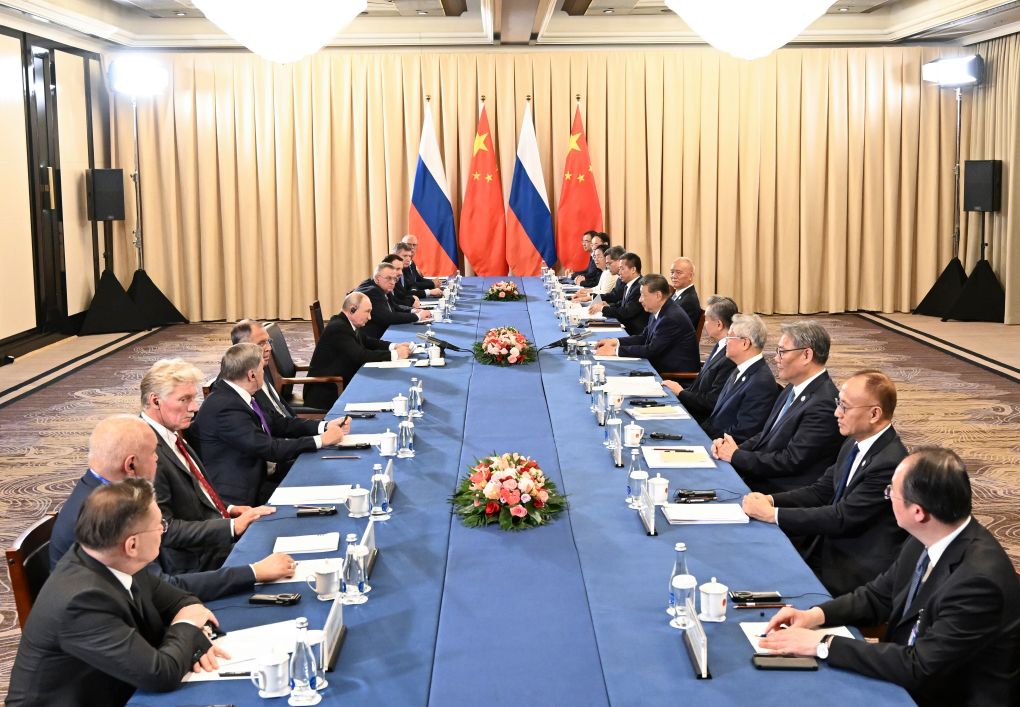
Xi made the remarks in a meeting with Putin on the sidelines of the Shanghai Cooperation Organization (SCO) Summit 2026 in Bishkek, Kyrgyzstan.
Xi said that during the successful state visit of Putin to China in May, he and Putin made arrangements to steer bilateral relations toward higher-quality and higher-level development from a strategic and long-term perspective, and reached consensus on deepening cooperation between China and Russia across various sectors under the new circumstances.
The competent authorities of the two countries are actively implementing the consensus, with substantial results already made, Xi said, adding that exchanges and cooperation between the two sides have maintained a strong momentum.
Xi noted that the international landscape is witnessing a notable increase in uncertain and unpredictable factors, against the backdrop of accelerating profound changes unseen in a century. But the pursuit of people across the world of peace, development, cooperation and win-win outcomes remains unchanged, he added.
The SCO shoulders the important responsibility for safeguarding regional stability and promoting regional development, he said.
China, he said, stands ready to work with Russia and other parties to jointly chart the course for the development of the SCO, help ensure its steady and sustained progress, and strengthen the driving force for reform of global governance and the advancement of an equal and orderly multipolar world.
Amid a turbulent and complex international landscape, Russia and China have continuously deepened their comprehensive strategic coordination, upholding equality, mutual trust, and mutual support, while cooperation and development across various fields have advanced rapidly, and Russia-China relations have become a model for relations between countries, Putin said.
Russia is willing to maintain high-level exchanges with China, strengthen cooperation in areas such as trade, energy, industry, transportation, and science and technology, enhance people-to-people and cultural exchanges, and promote bilateral relations to achieve new results, he said.
Through the joint efforts of all parties, the SCO has evolved into a dynamic and efficient regional cooperation platform with significant international influence, said Putin, noting that Russia and China should continuously strengthen their solidarity and cooperation within the organization and play a guiding role.
Russia is willing to strengthen coordination and cooperation with China within multilateral mechanisms such as the United Nations, the BRICS mechanism and the G20, support China in hosting the APEC Economic Leaders’ Meeting, and jointly uphold world peace, stability and prosperity, he said.
The two heads of state also exchanged views on international and regional issues of common concern.
Chinese President Xi Jinping meets with Russian President Vladimir Putin on the sidelines of the Shanghai Cooperation Organization Summit 2026 in Bishkek, Kyrgyzstan, Aug. 31, 2026. (Xinhua/Yan Yan)
Chinese President Xi Jinping meets with Russian President Vladimir Putin on the sidelines of the Shanghai Cooperation Organization Summit 2026 in Bishkek, Kyrgyzstan, Aug. 31, 2026. (Xinhua/Li Xiang)
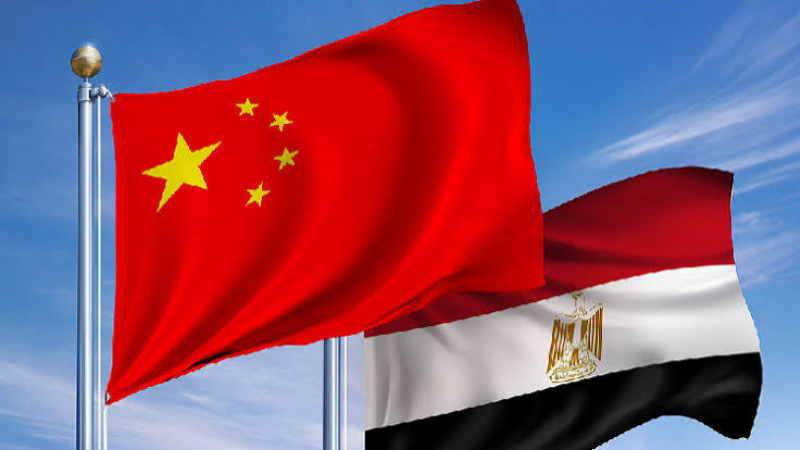
The seven-decade journey of China-Egypt relations is a powerful testament to what solidarity and cooperation can achieve. Over the years, the two countries have steadily strengthened their ties despite shifts in the regional and global landscape, maintained close coordination on international affairs, supported each other on issues of mutual interest, and expanded practical cooperation, making their partnership a model of amity, solidarity and cooperation among developing countries.
That spirit of solidarity was evident from the very beginning of their diplomatic ties. In the early years of the People’s Republic of China, Beijing supported Egypt’s efforts to reclaim sovereignty over the Suez Canal. In 1971, Cairo voted in favor of restoring the People’s Republic of China’s lawful seat at the United Nations. The two peoples also stood together in the struggle against colonialism and hegemonism, laying a solid foundation for a friendship that has endured for seven decades.
In recent years, China-Egypt relations have been deepening under the guidance of the two heads of state and are now at their best in history. For over a decade, Xi and Egyptian President Abdel Fattah al-Sisi have met more than 10 times, providing strategic guidance for the continued expansion of bilateral cooperation.
In 2014, the two countries elevated their relationship to a comprehensive strategic partnership. During Xi’s 2016 state visit to Egypt, the two sides agreed to align the Belt and Road Initiative with Egypt’s development strategies. In 2024, Egypt became the first Arab country to include the goal of building a community with a shared future in a bilateral joint statement.
Anchored in the leaders’ shared vision, China-Egypt cooperation has flourished across a range of fields including trade, investment, industry, energy, science and technology, and cultural exchange, delivering tangible benefits to people in both countries.
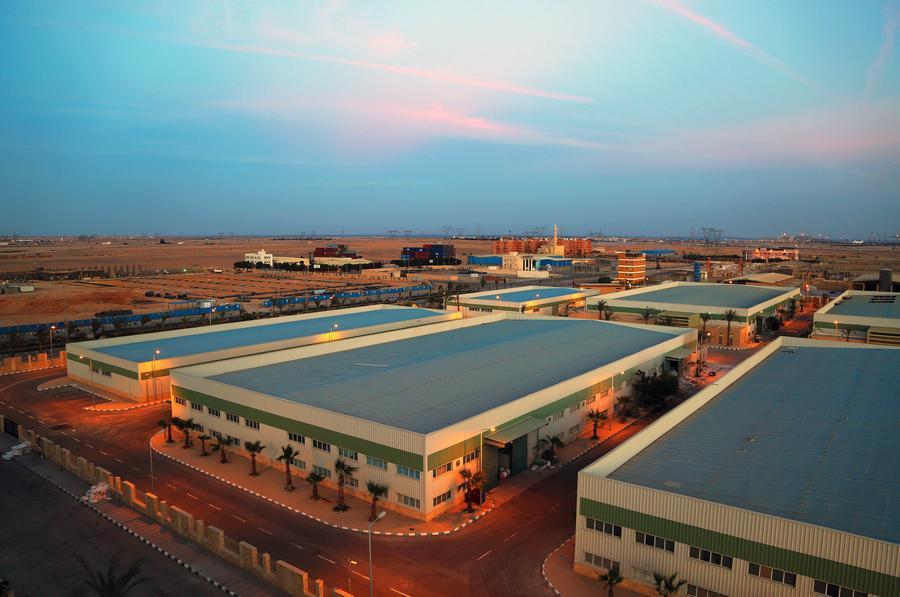
China has been Egypt’s largest trading partner for over a decade, while landmark projects such as the China-Egypt TEDA Suez Economic and Trade Cooperation Zone, the Benban Solar Park, the remote sensing MisrSat-2 satellite and the Government Data and Cloud Computing Center illustrate how bilateral cooperation has expanded into areas ranging from renewable energy and space technology to digital governance.
Cooperation has also extended beyond economics. Joint archaeological excavations in Luxor and exhibitions of Egyptian civilization in China have brought the histories and cultures of the two ancient civilizations closer to their peoples. Such exchanges have given the bilateral relationship a deeper human foundation.
The significance of China-Egypt ties also extends beyond the two countries. Egypt was the first Arab country to establish diplomatic relations with Beijing, making the China-Egypt relationship a starting point for China’s ties with the Arab world. Over the years, the momentum of China-Arab cooperation has continued to grow, with Belt and Road projects creating new opportunities for development and improving livelihoods across the region.
China and Egypt have also worked closely in multilateral institutions, including the United Nations, the Group of 20, BRICS and the Shanghai Cooperation Organization. By coordinating their positions and speaking up on issues of common concern, the two countries have contributed to a stronger voice for the Global South.
At a time of profound global change — with economic recovery still fragile, unilateralism and hegemonism on the rise, and regional conflicts continuing to escalate — it is more urgent than ever for Global South countries to stand together and pursue common progress.
For the Global South, China-Egypt cooperation carries a broader message. By pooling their strengths, expanding practical cooperation and supporting each other’s development paths, Global South countries can create more opportunities for themselves and make a greater contribution to the world’s shared development.
The upcoming visit by Xi will provide a new opportunity to carry this spirit forward. China will continue to work with Egypt and other partners across the Arab world to deepen mutually beneficial cooperation, uphold multilateralism, amplify the voice of developing countries and promote a more just and equitable international order.
As China and Egypt mark the 70th anniversary of diplomatic ties, Chinese President Xi Jinping’s state visit to Egypt is set to inject fresh impetus into bilateral relations
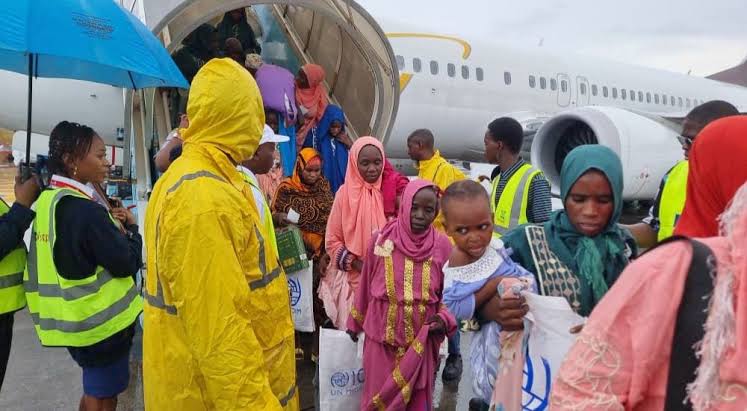
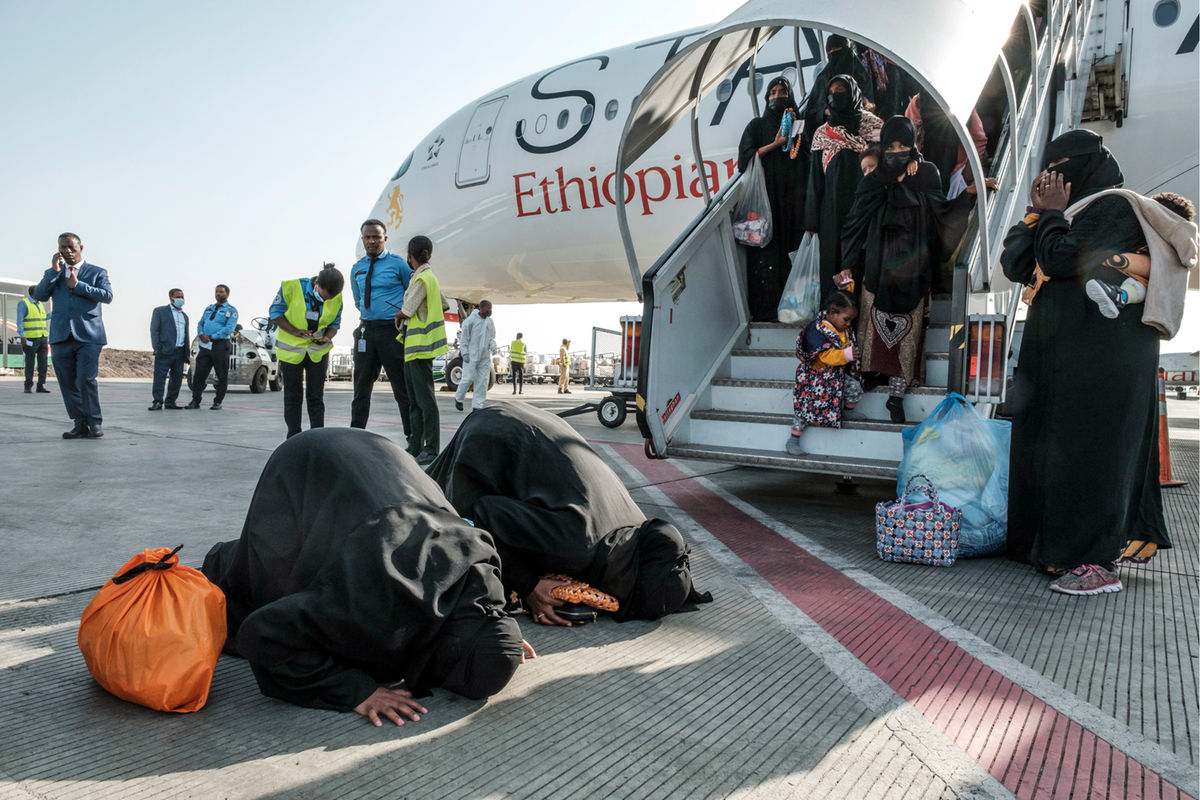
The Ethiopian government announced Monday that it has repatriated nearly 100,000 nationals facing dire conditions abroad over the past 12 months under an ongoing government-led initiative.
The Ministry of Women and Social Affairs said in a statement that more than 98,900 Ethiopians were safely returned home during the latest round of a coordinated repatriation initiative, which began on Sept. 15 last year.
As part of these efforts, some 2,463 undocumented citizens were repatriated last week alone from Saudi Arabia, where they were said to be “stranded in difficult conditions,” according to the ministry.
The Ethiopian government and humanitarian partners are currently implementing coordinated initiatives to provide returning citizens with appropriate support and care at temporary facilities, as well as rehabilitate and reunite them with their families, it was noted.
Despite government-led public awareness campaigns regarding the dangers of human trafficking, estimates indicate that thousands of Ethiopians are trafficked annually to Saudi Arabia and other Gulf countries, where they work primarily in the informal economy.
In addition to the risk of imprisonment and other hardships, Ethiopian migrants often face life-threatening dangers as they attempt to navigate the perilous Red Sea route in hopes of reaching the Gulf countries through war-torn Yemen.
Ethiopian women repatriated from Saudi Arabia react as they disembark from the airplane at the Bole Airport, in Addis Ababa, on March 30, 2022. (Photo by EDUARDO SOTERAS / AFP)
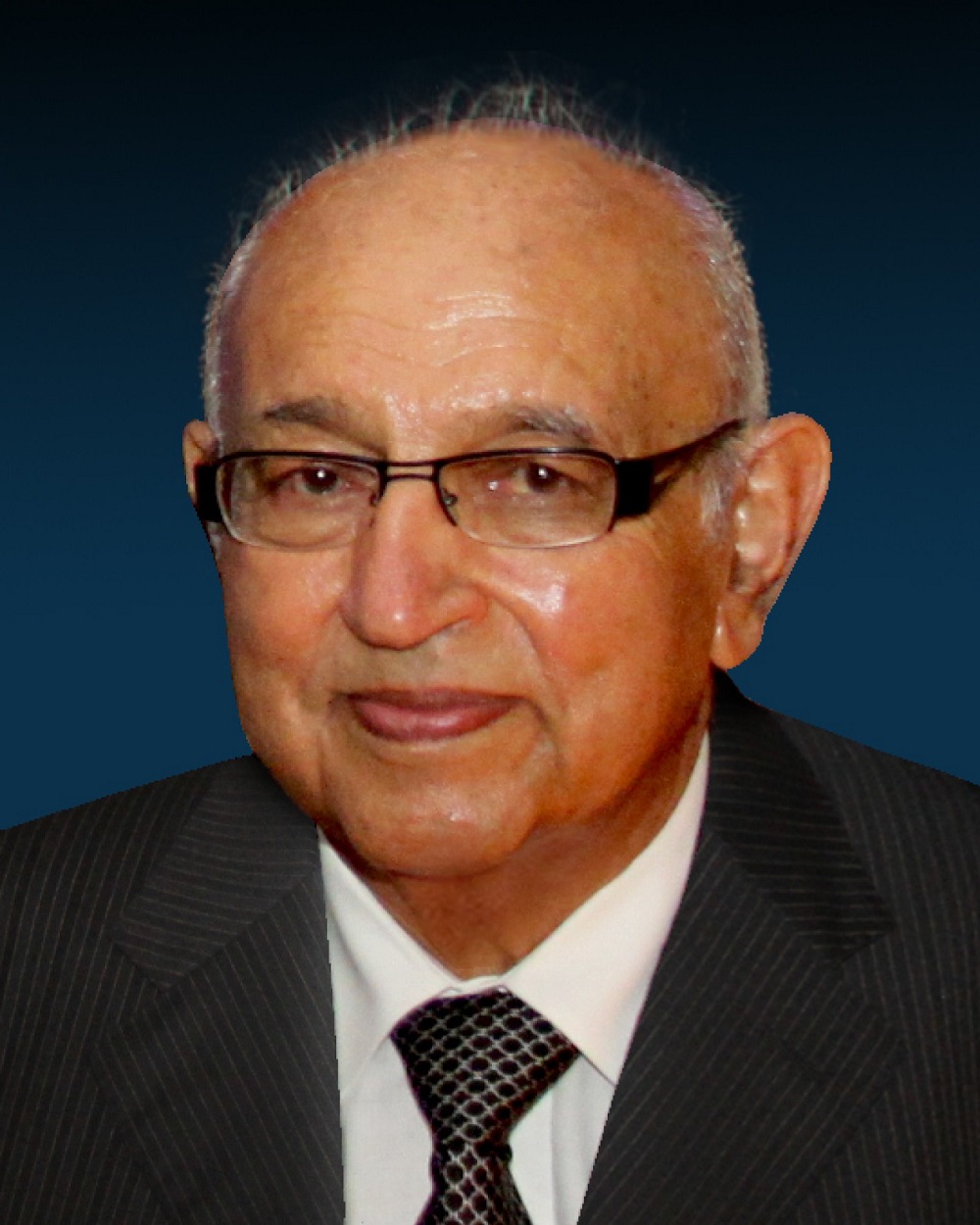
Jaffer died at Aga Khan University Hospital in Nairobi, Kenya, on the evening of August 28, 2026.
An employee of Sulfo Rwanda who has worked for the company for 18 years told IGIHE that Jaffer had been ill for some time. He initially received treatment at King Faisal Hospital in Rwanda before being transferred to Nairobi.
“He had been ill for some time. He initially received treatment at King Faisal Hospital in Rwanda before being transferred to Aga Khan University Hospital in Nairobi. He later improved and was discharged from hospital, after which he continued receiving treatment at home under medical supervision,” the employee said.
The employee added that Jaffer returned to Rwanda last year after his condition improved and visited the Sulfo Rwanda factory.
“He came and appeared to be bidding farewell to the factory. He toured it thoroughly before eventually handing it over to his son and grandson,” he said.
Jaffer began investing in Rwanda in 1962. He is recognised as one of the pioneers of the country’s soap manufacturing industry, after noticing that many Rwandans at the time relied mainly on water for bathing and washing clothes, while others used traditional methods involving plants and herbs.
He started with a soap brand called Tembo, produced at a factory equipped with a small machine roughly the size of a barrel.
The business later expanded, with Sulfo Rwanda adding other products, including cosmetics and bottled drinking water under the Source du Nil brand.
Sulfo Rwanda currently employs 630 people and exports its products to markets in Rwanda and neighbouring countries, including Burundi, Uganda, Tanzania and the Democratic Republic of Congo.
Jaffer also played a role in introducing golf to Rwanda. His other investments included the importation of vehicle tyres, batteries and cooking gas.
He maintained homes in Rwanda, Kinshasa in the Democratic Republic of Congo and Nairobi, where he was living before his death.
A memorial service to celebrate his life is scheduled to take place in Nairobi on August 30, 2026.
Sulfo Rwanda founder Aitmadi Tajdin Hussain Jaffer has died at the age of 93