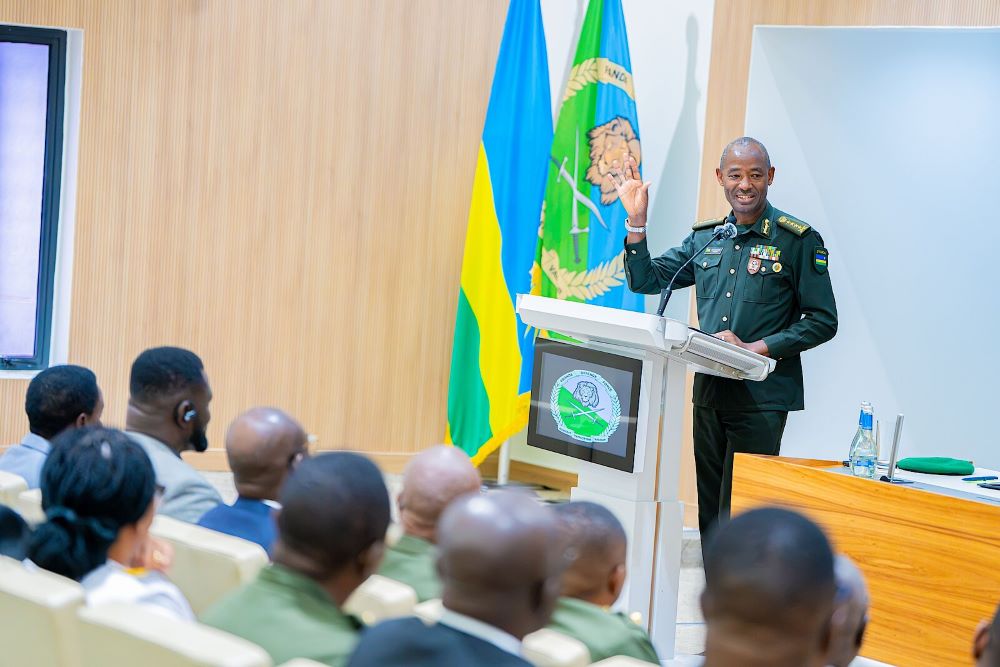
Welcoming the delegation, Gen MK Mubarakh, noted that the RDF and the Ghana Armed Forces have maintained a long-standing relationship and share strong commitments, particularly in the areas of military professional education and training exchanges.
He added that the current visit provides another opportunity to share experiences and further strengthen the existing relationship between the two defence institutions.
The Deputy Commandant, Brig Gen Eric Kodo Konadu, thanked the Rwanda Defence Force for the warm welcome and noted that Rwanda and Ghana share a strong and historic relationship, which was further strengthened by the positive role played by Ghanaian peacekeepers during the 1994 Genocide against the Tutsi.
He described the study tour as an opportunity to further strengthen the existing relationship and enable the visiting officers to gain a deeper understanding of Rwanda’s experience in national security, national cohesion and development.
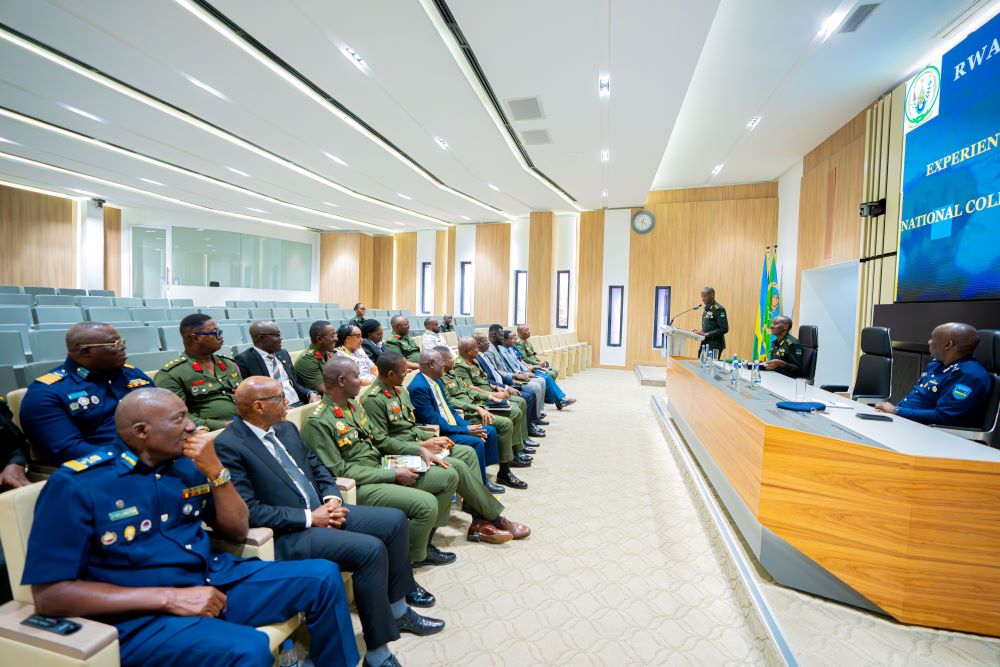
During their visit to RDF Headquarters, the delegation also attended a briefing on the RDF’s transformation journey and its contribution to regional and international peace and security.
The session highlighted the RDF’s evolution from a liberation movement into a modern and professional military institution committed to national development, regional peace and international security.
As part of their itinerary, the delegation visited the Kigali Genocide Memorial to pay their respects to the victims of the 1994 Genocide against the Tutsi, followed by a tour of the Campaign against Genocide Museum.
The remainder of their programme will include visits to the RDF Command and Staff College, military welfare institutions such as Zigama CSS and Military Medical Insurance, as well as several government institutions.
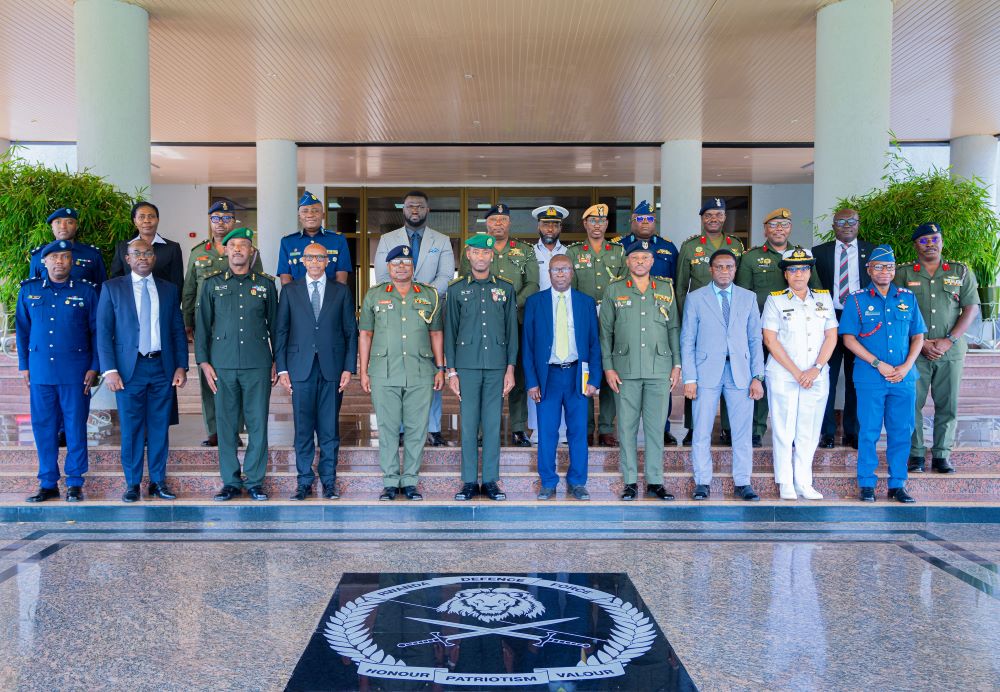
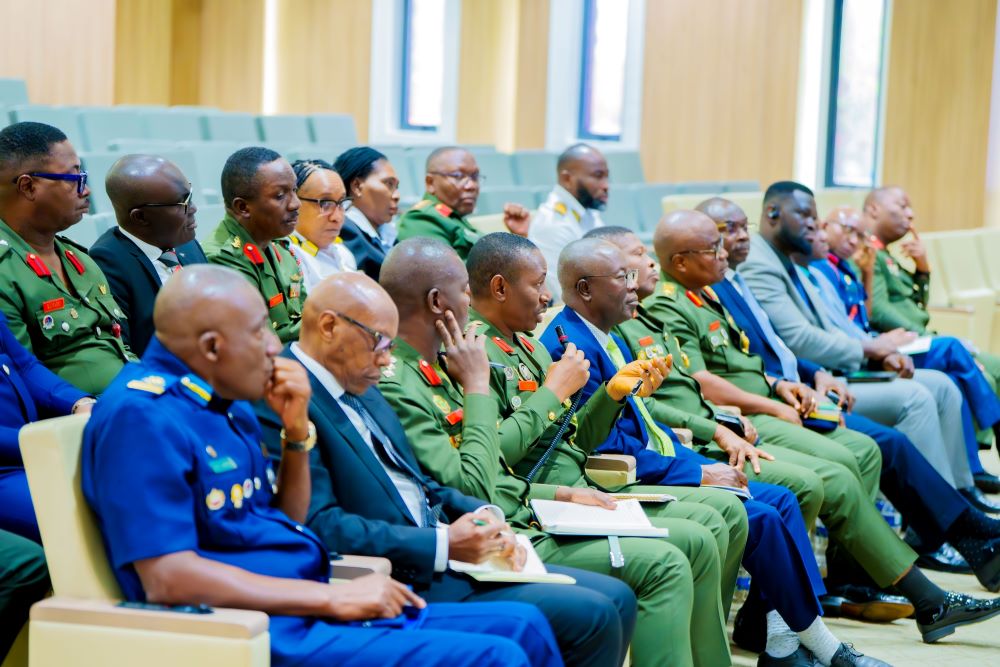
4. Gen MK Mubarakh says the Ghanaian delegation’s visit provides an opportunity to share experiences and further strengthen ties between the two defence institutions.1. The Ghana National Defence College delegation poses for a group photo with Rwanda Defence Force officials during its study visit to Rwanda.The Ghana National Defence College delegation is in Rwanda for a study visit focused on national security, cohesion and development.Ghanaian military officers learn about the Rwanda Defence Force’s transformation journey during a visit to RDF Headquarters.
The company’s interconnected programmes are transforming education in 25 schools across five districts including Muhanga, Nyarugenge, Gasabo, Musanze and Huye.
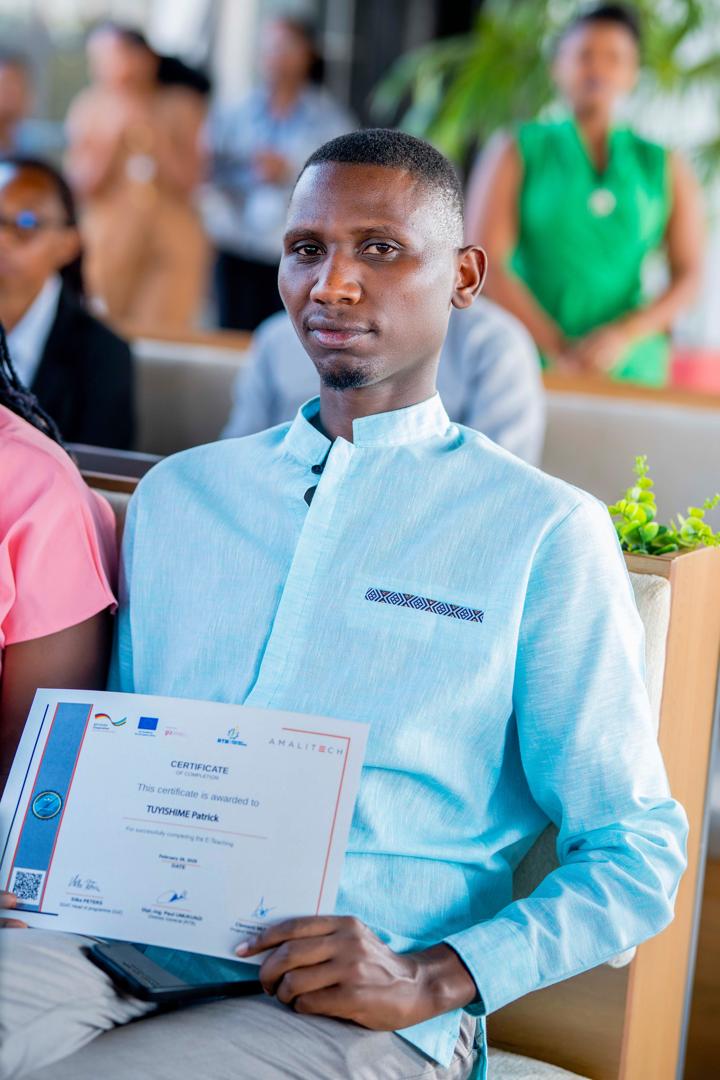
In partnership with the Rwanda Education Board (REB), AmaliTech’s Digital Literacy Training has equipped 23 teachers with essential technology skills.
Now serving as “digital ambassadors,” these educators will integrate technology into classrooms and leading after-school coding clubs, with the programme expected to benefit 2,500 students over three years.
“Before, using a computer in class felt intimidating,” said participating teacher Dusengimana David. “Now, not only can I teach with it—I can help my students explore technology meaningfully.”
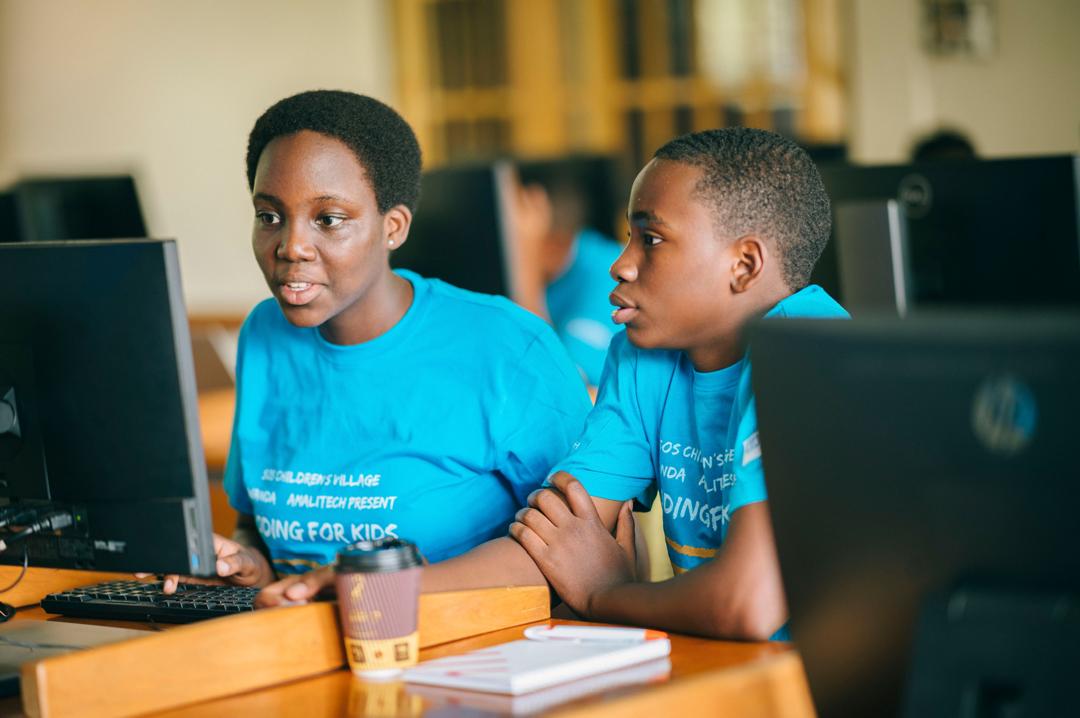
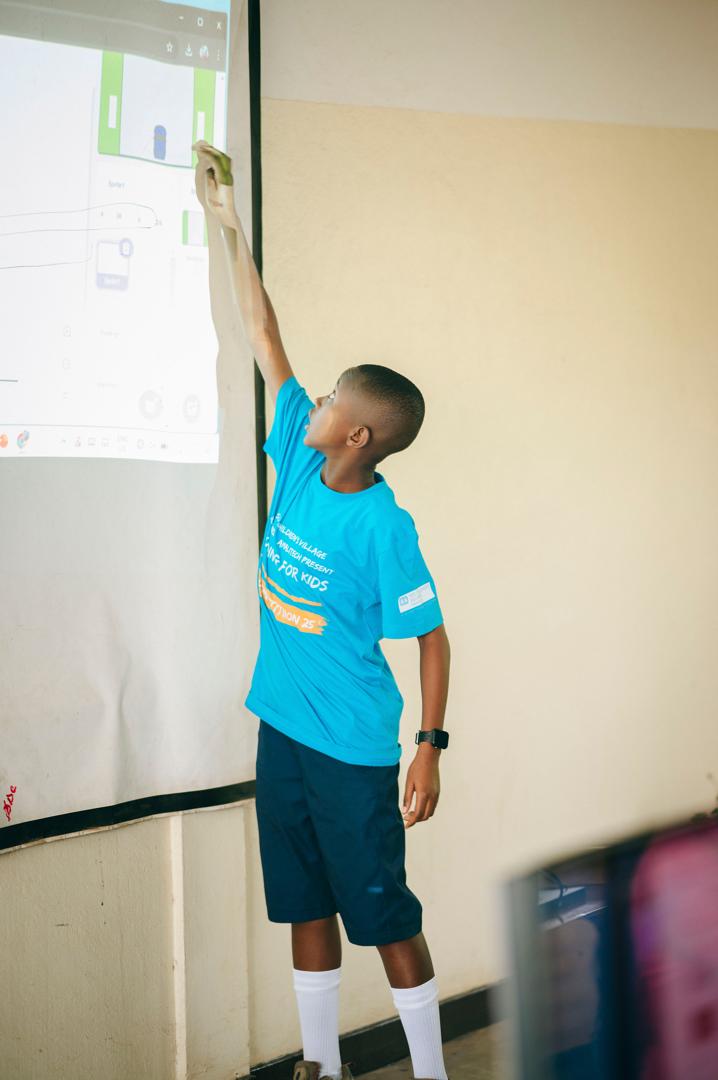
While the Digital Literacy Training equips teachers to bring technology into everyday lessons, AmaliTech’s Coding for Kids (C4K) programme extends this impact directly to children, nurturing creativity and problem-solving skills for 600 students.
The programme, first launched in Ghana in 2021, introduces students to programming languages like Scratch and HTML/CSS. A recent C4K competition at SOS Kigali highlighted the students’ growing abilities, showcasing interactive projects and creative web pages.
To further its commitment to inclusivity, AmaliTech hosted an intensive Women’s Coding Bootcamp. The five-day programme provided 20 women with foundational skills in HTML, CSS, and JavaScript, preparing them for careers in the tech industry.
Ituze Joella Liza, a participant shared, “I learned from inspiring senior women developers at AmaliTech. It showed me I can build a career in technology.”
The bootcamp is part of AmaliTech’s goal to train more than 200 women in digital skills by the end of 2027, building a stronger pipeline of women into Rwanda’s tech industry.
These initiatives align with AmaliTech’s mission to deliver global technology services while investing in local talent. By training teachers, inspiring children, and empowering women, AmaliTech is building a stronger, tech-enabled Rwanda.
The company invites schools, NGOs, government agencies, and private organizations to collaborate in expanding digital literacy and creating new opportunities across the nation.
AmaliTech is a social business that provides pathways to sustainable careers in the ICT sector for young graduates in sub-Saharan Africa, while delivering high-quality software and digital services to global clients.
With offices in Ghana, Rwanda, Germany, and the U.S., AmaliTech combines training, employment, and continuous learning to build a highly skilled workforce that meets international standards.
Its teams support clients with tailored software development, digital service delivery, and scalable solutions, enabling them to address critical talent gaps and drive innovation.
As a social enterprise, it reinvests surplus into training and community impact projects, expanding access to digital skills for women, persons with disabilities, and youth.
This approach allows AmaliTech not only to provide jobs but also to foster inclusion, create opportunities, and contribute to the growth of thriving digital economies.
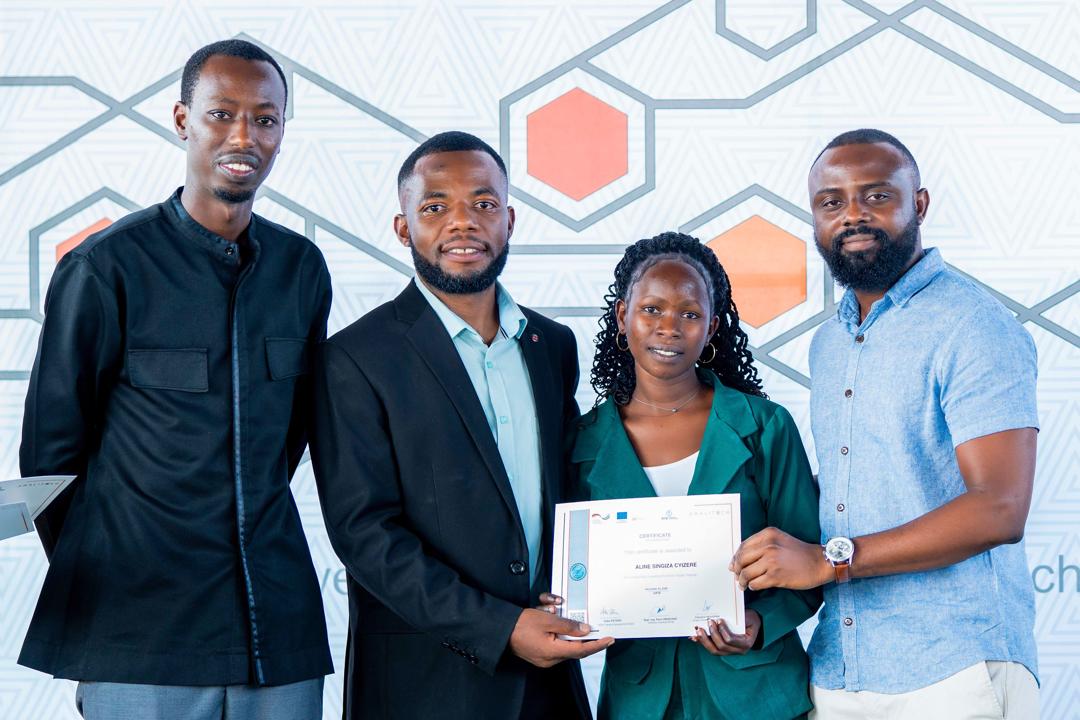
AmaliTech is expanding its CSR initiatives in Rwanda by equipping teachers, children and women with digital skills.Teachers trained by AmaliTech are taking on the role of digital ambassadors, helping integrate technology into classrooms across Rwanda.AmaliTech’s digital literacy programme is expected to reach 2,500 students through teachers trained to use technology in classrooms.AmaliTech’s Digital Literacy Training has equipped 23 teachers with technology skills to support digital learning in schools.AmaliTech’s Coding for Kids programme is introducing 600 students to programming while developing creativity and problem-solving skills.AmaliTech is combining teacher training, children’s coding programmes and women’s skills development to expand access to digital opportunities in Rwanda.
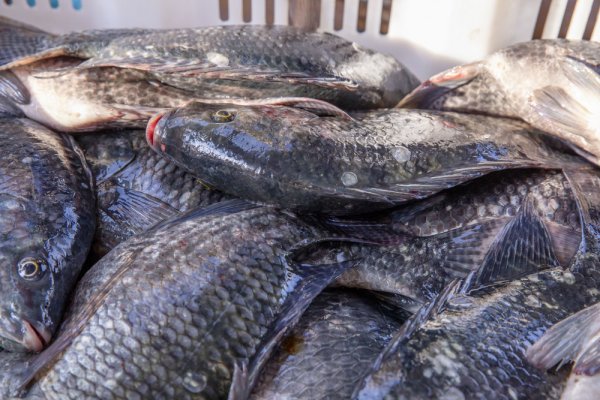
Fine Fish, a company engaged in fish farming on 90 hectares of Lake Kivu in Rubavu’s bays, is behind the planned investment.
Fine Fish Managing Director Munyangeyo Themistocles said the company plans to establish the plant to meet growing demand for fish feed, which is currently largely sourced from outside the area.
He made the remarks on September 12, 2026, during a meeting of private-sector representatives in Rubavu District.
Munyangeyo said the company is ready to begin the project once basic infrastructure is developed at the approved industrial park.
“The industrial park has already been approved and we are waiting for basic infrastructure such as roads, electricity and water. We are ready to start the factory project, and we have already ordered machinery worth Rwf3 billion. Together with other equipment and the building, we expect the investment to cost Rwf4 billion,” he said.
He said the plant would make it easier for fish farmers around Lake Kivu to access feed, while infrastructure such as the Kivu Belt Road and ports in Rusizi and Rubavu is expected to facilitate transportation.
The company also plans to establish another branch focused on adding value to fish once the feed plant becomes operational.
Western Province Governor Ntibitura Jean Bosco said the plant would help address challenges faced by fish farmers in the province.
He said fish farmers currently have to source feed from other provinces, including the Southern Province, increasing transportation costs.
“If the factory is completed, it will solve the challenge of accessing fish feed easily, and particularly the problem of having to bring it from other provinces at a high cost,” he said.
According to the Ministry of Agriculture and Animal Resources, Rwanda’s fish production rose from 43,133 tonnes in 2024 to 52,439 tonnes in 2025.
The country produced 71.6 million fingerlings during the year and targets fish production of 80,620 tonnes by 2035.
The Rwf4 billion fish feed processing plant is expected to be established in Rubavu Industrial Park once basic infrastructure, including roads, electricity and water, is in place.
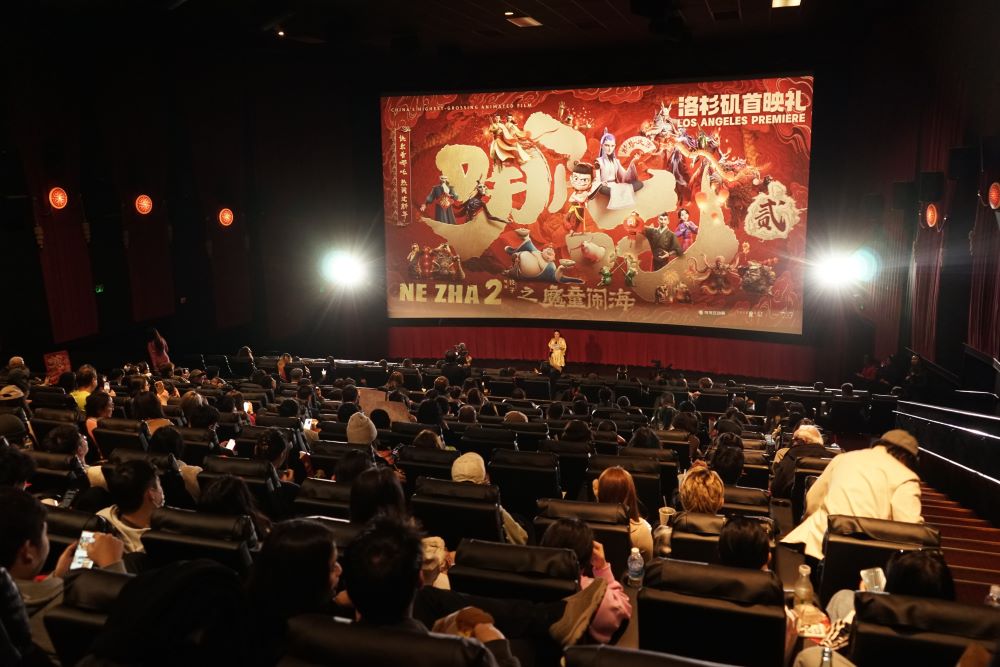
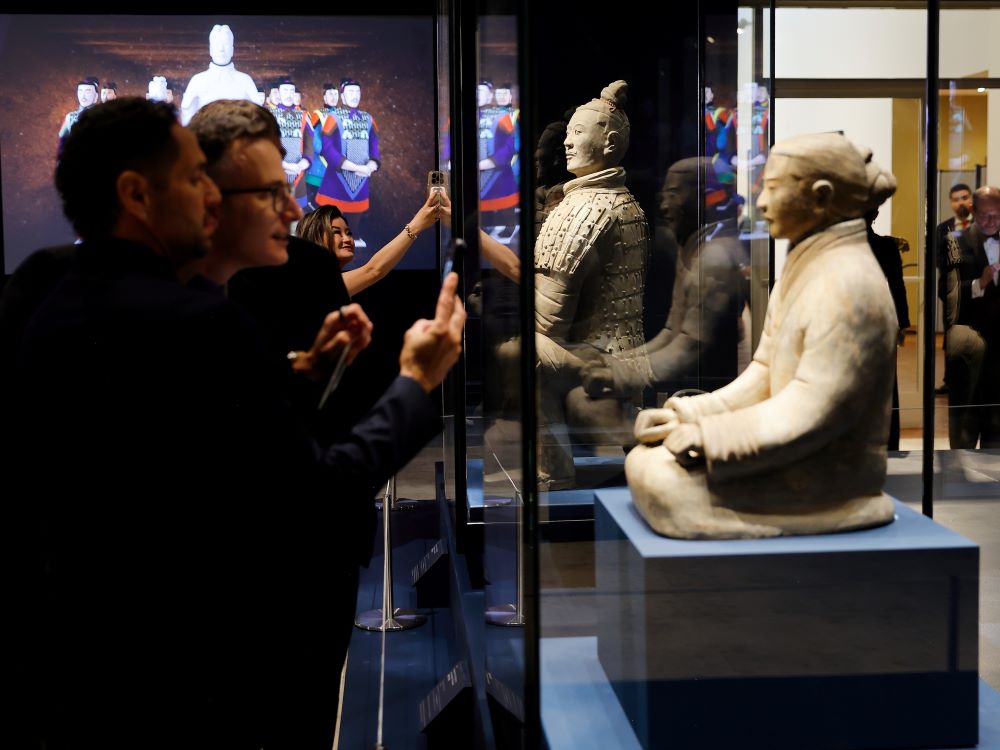
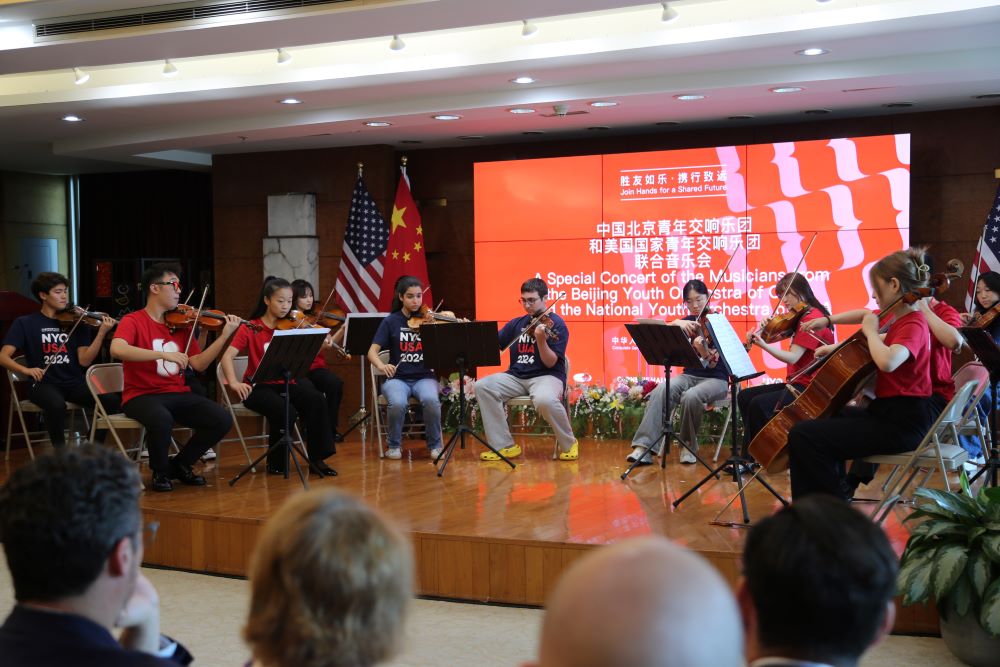
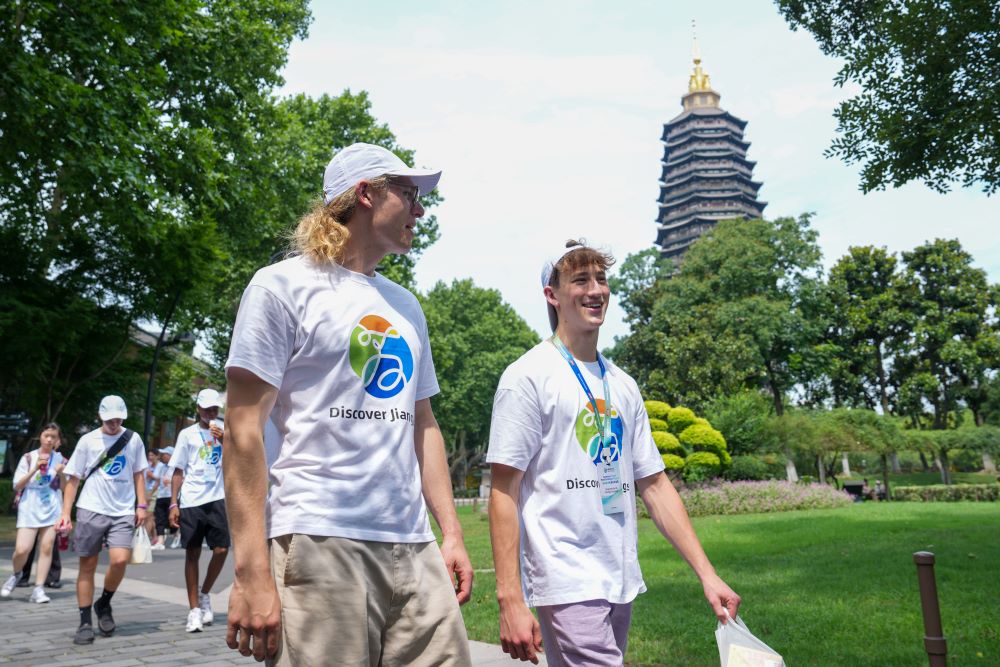
In recent years, the two countries have been strengthening people-to-people ties through cultural exchanges to inject sustained positive momentum into China-U.S. relations.
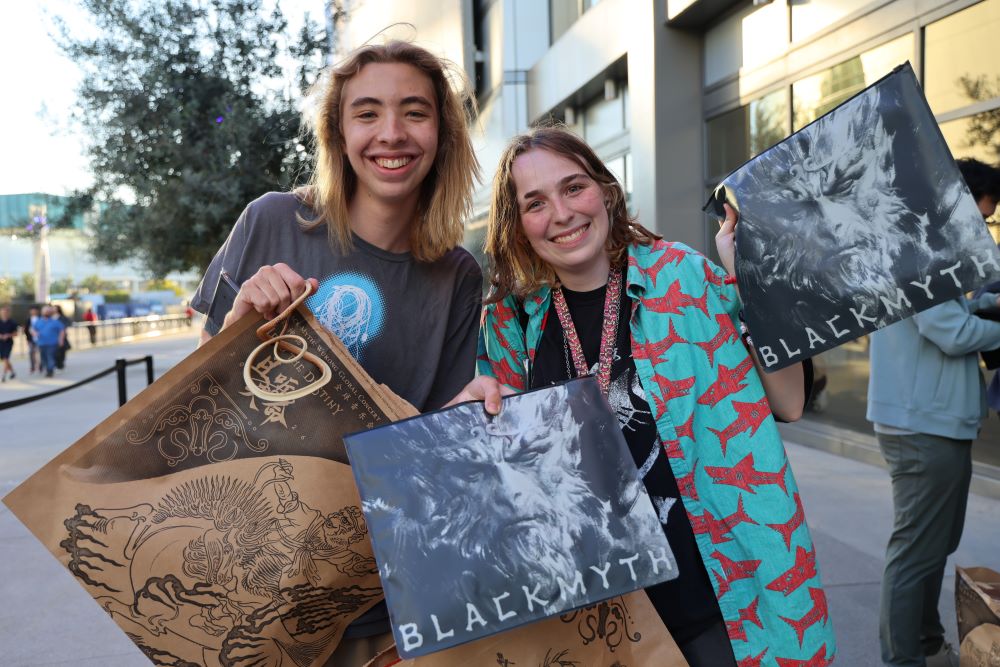
Fans of Chinese video game “Black Myth: Wukong” pose for a photo in downtown Los Angeles, California, the United States on July 7, 2026. A theatrical orchestral concert featuring the music from the game was held in Los Angeles on July 7, showcasing the unique fusion of Chinese mythology and Eastern aesthetics. (Photo by Zeng Hui/Xinhua)
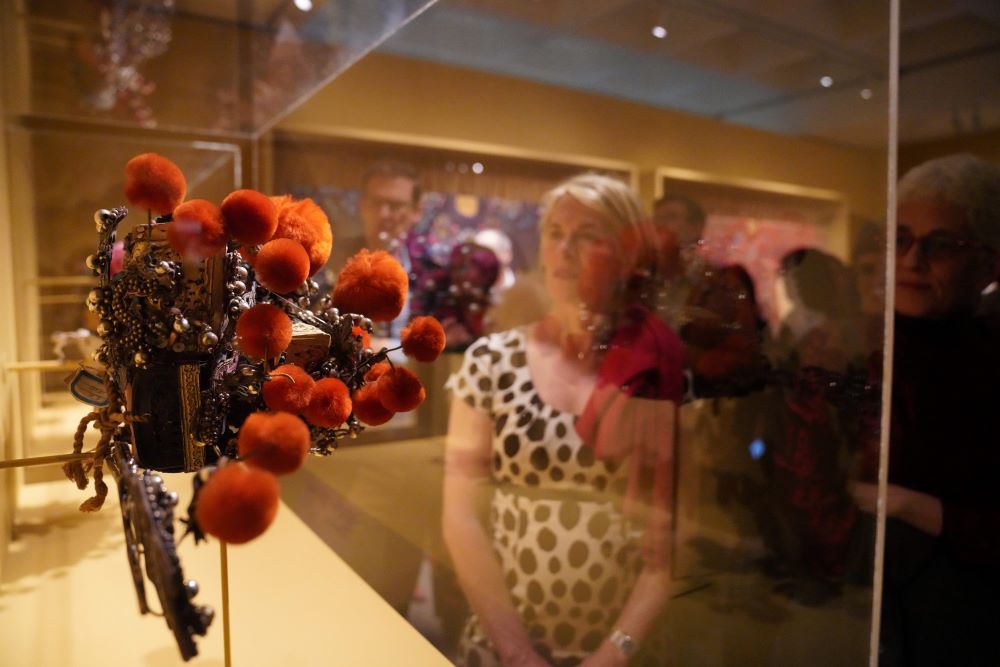
People visit “The Dancing Goddess: Mei Lanfang in America”, an exhibition marking the 96th anniversary of the 1930 North American tour of China’s renowned Peking Opera artist Mei Lanfang, in New York, the United States, on March 11, 2026. (Xinhua/Zhang Fengguo)
People attend the North American premiere of the Chinese animated film “Ne Zha 2” at the TCL Chinese Theatre in Los Angeles, the United States, Feb. 8, 2025. (Photo by Zeng Hui/Xinhua)
People visit the exhibition “World of the Terracotta Warriors: New Archaeological Discoveries in Shaanxi in the 21st Century” at the Bowers Museum in Orange County, California, the United States, May 22, 2025. (Photo by Qiu Chen/Xinhua)
Young musicians from Beijing Youth Orchestra of China and the National Youth Orchestra of the United States of America perform during a joint concert at the Chinese Consulate General in New York, the United States, Aug. 6, 2024. (Xinhua/Liu Yanan)
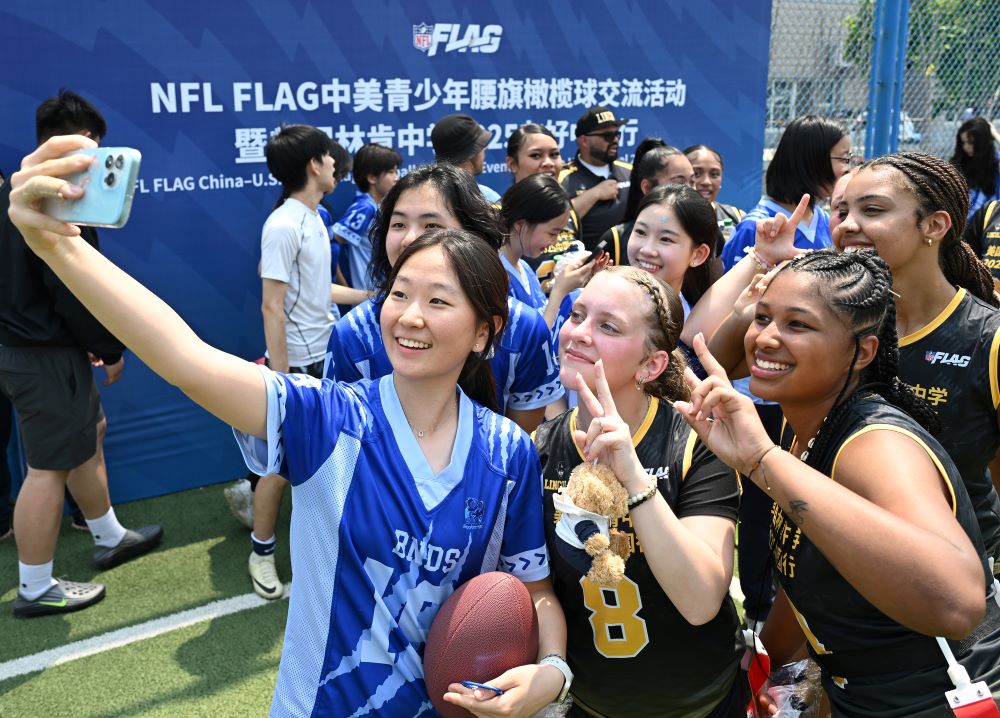
Students of Lincoln High School of the U.S. state of Washington and Beijing National Day School take selfies during the NFL FLAG China-U.S. Youth Flag Football Exchange Event & Lincoln High School 2025 China Tour in Beijing, capital of China, May 26, 2025. (Xinhua/Li He)American students visit a park during a music and cultural exchange camp between young people of China and the United States in Changzhou City, east China’s Jiangsu Province, July 14, 2026. (Xinhua/Li Bo)
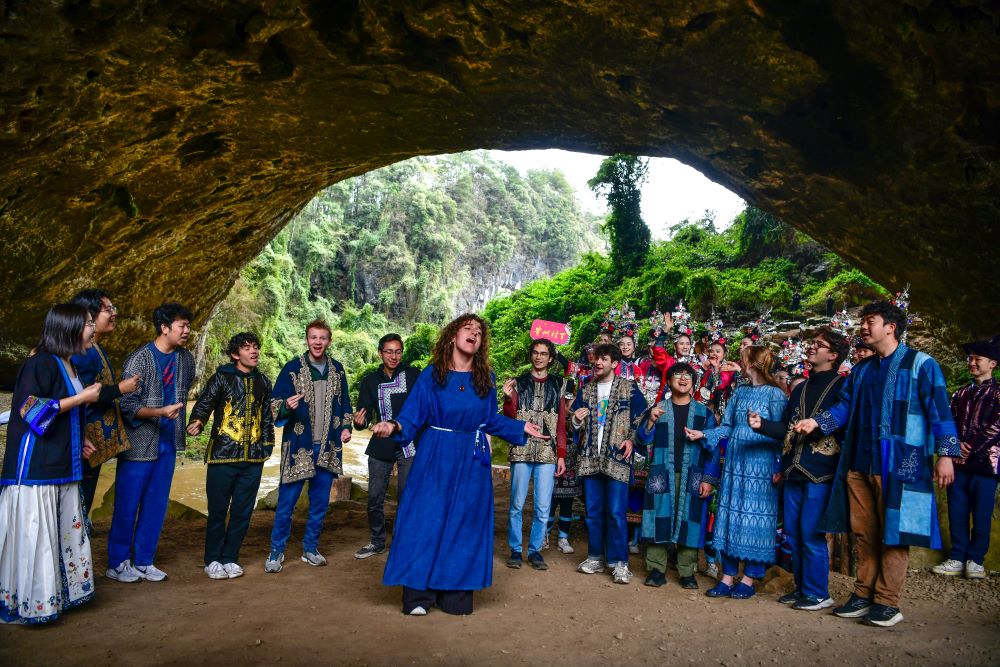
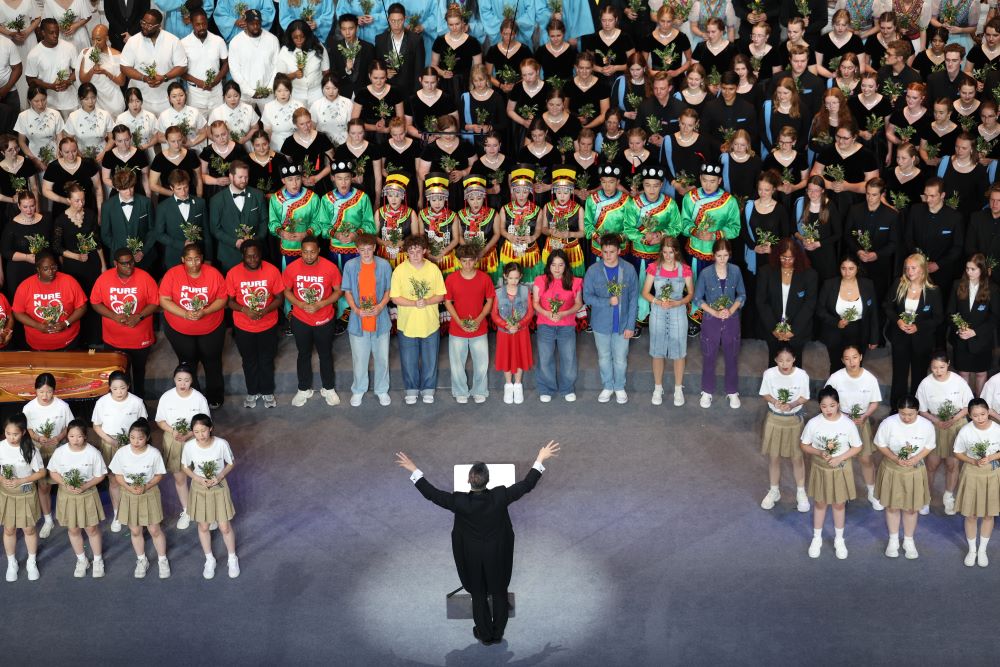
Members of the Whiffenpoofs a cappella choir of Yale University sing a song during a cultural exchange event with local youth in Liping County, Miao-Dong Autonomous Prefecture of Qiandongnan, southwest China’s Guizhou Province, March 24, 2026. (Xinhua/Yang Wenbin)Teenagers from China and the United States sing during the closing performance of Bond with Kuliang: 2025 China-U.S. Youth Choir Festival at China National Opera House in Beijing, capital of China, July 16, 2025. (Xinhua/Lu Ye)
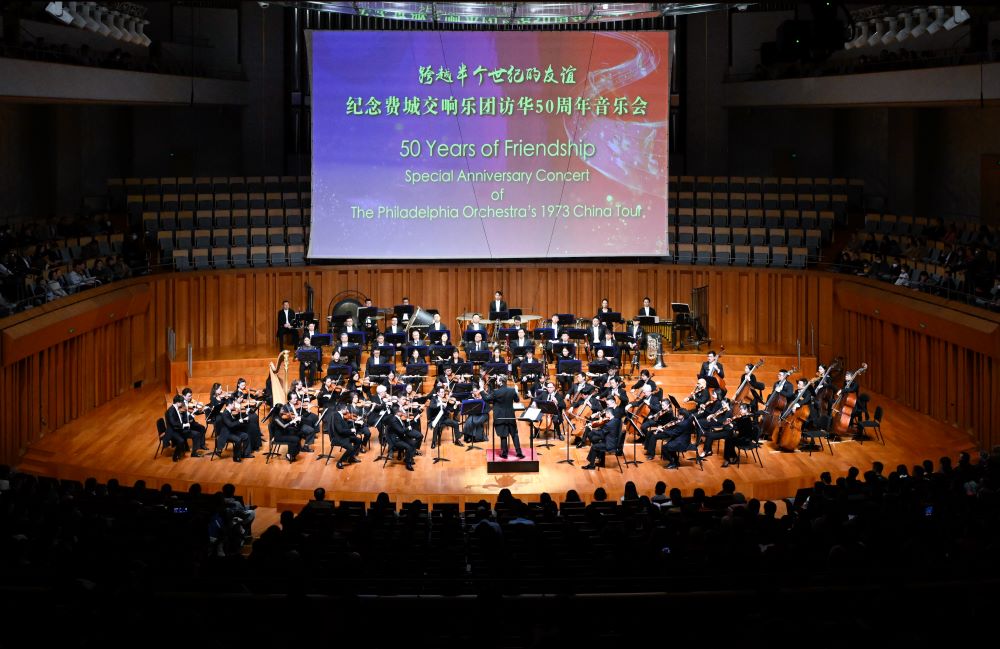
A special 50th anniversary concert celebrating the Philadelphia Orchestra’s 1973 visit to China is held in Beijing, capital of China, Nov. 10, 2023. (Xinhua/Shen Hong)
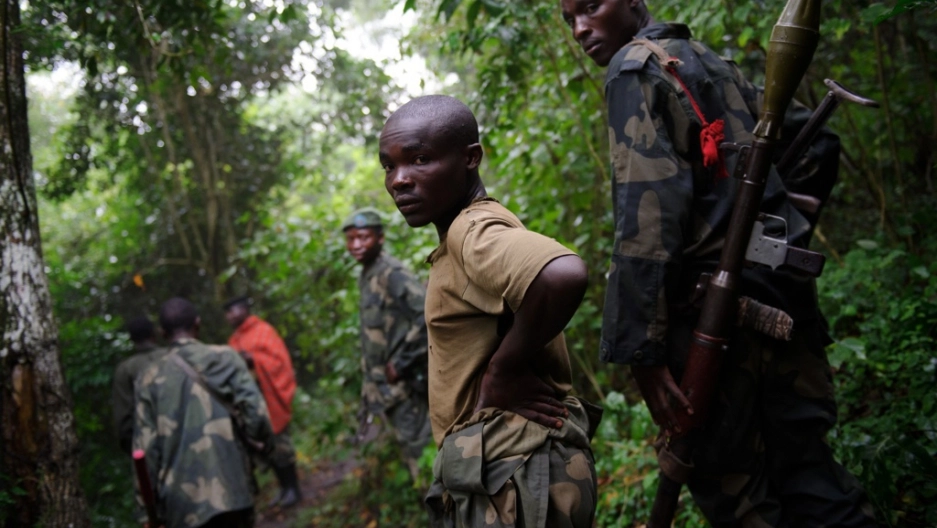
Nkurunziza, from Mukura Sector in Rutsiro District, said he was forcibly recruited at the age of 14 after growing up in the DRC forests where his parents were FDLR members.
He said children raised within the group were taught that they had to join the armed group to help it eventually return to Rwanda and seize power.
“They told us that Rwanda was the promised land of the Hutu,” Nkurunziza said.
He also said FDLR members were warned against listening to Rwandan radio, with those caught doing so facing death.
“They used to tell us that Rwanda was the promised land of the Hutu, and that if they caught you listening to Rwandan radio, they would kill you so that you would not know the truth,” he said.
Despite the warnings, Nkurunziza secretly listened to Rwandan radio, which made him question what he had been told and eventually encouraged him to escape.
He said his experience after returning to Rwanda was different from the stories he had heard while in the FDLR.
“When I arrived in Rwanda, I was received well, contrary to the lies we had been told during the 13 years I spent with the FDLR,” he said.
Another former member, Uwimana (not real name), 20, said she was taken into the group at the age of 12 alongside four other girls.
“They would keep us locked inside their houses so that we could not escape,” she said, adding that they were subjected to sexual violence and forced to carry weapons during combat operations.
Uwimana said she remained in the group until she was 20 and eventually escaped with one of her children.
“I became tired of that life and decided to escape. I escaped with one child, but I still have hope that I will find the others,” she said.
RDRC figures show that 12,832 former combatants have passed through the Mutobo Demobilisation and Reintegration Centre since its establishment in 2001.
Uwimana, 20, recounts how she was taken into the FDLR at the age of 12 and subjected to years of abuse before eventually escaping with one of her children.Sgt Nkurunziza Evariste recounts how he was forcibly recruited into the FDLR at the age of 14 and spent 13 years with the armed group.
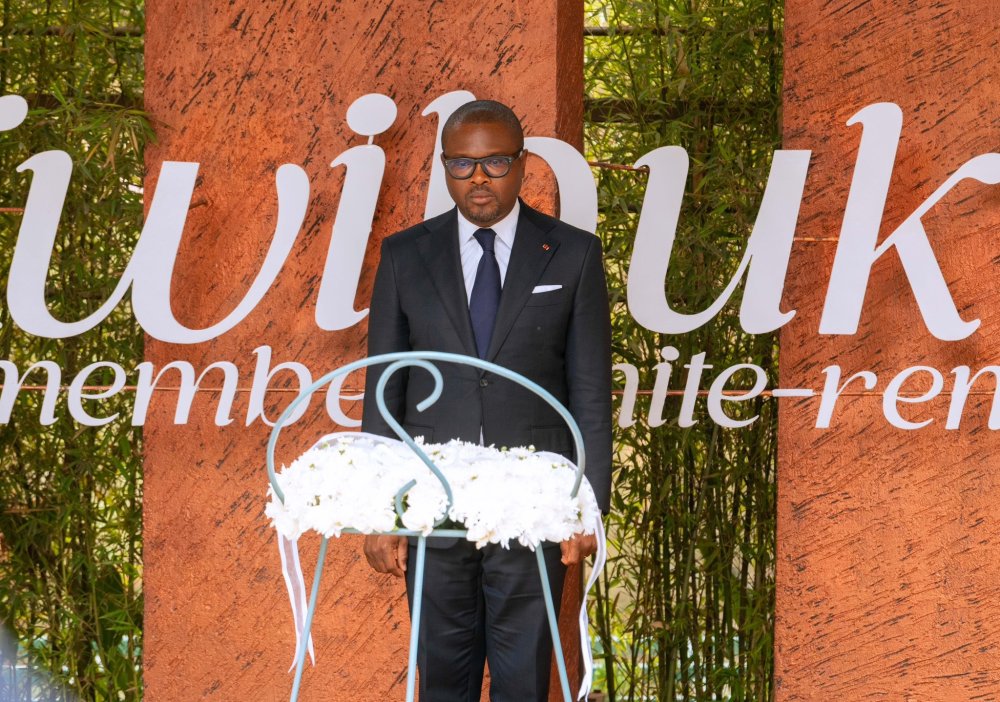
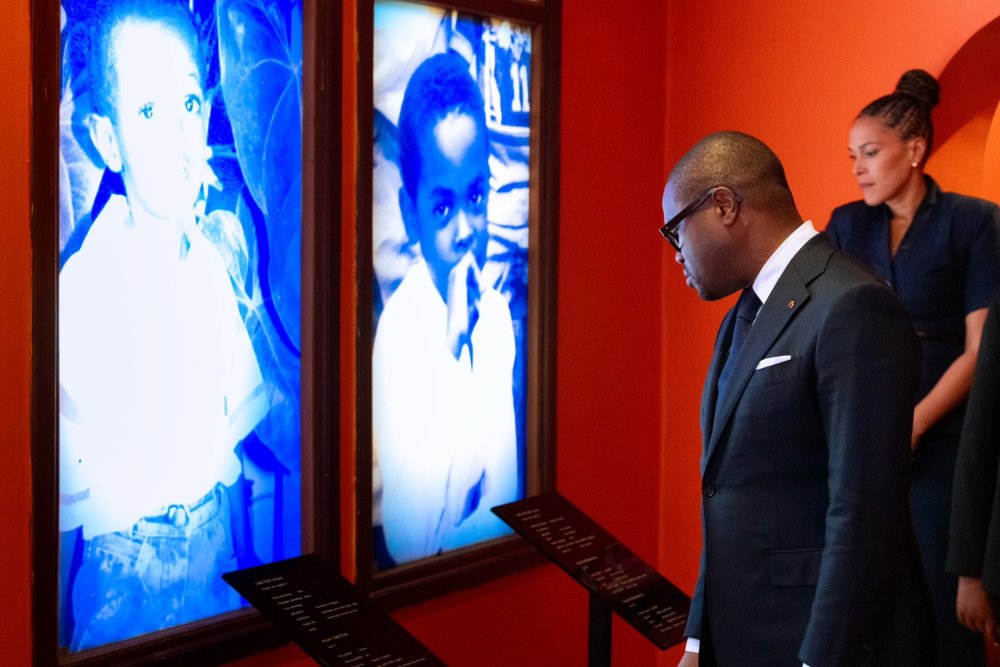
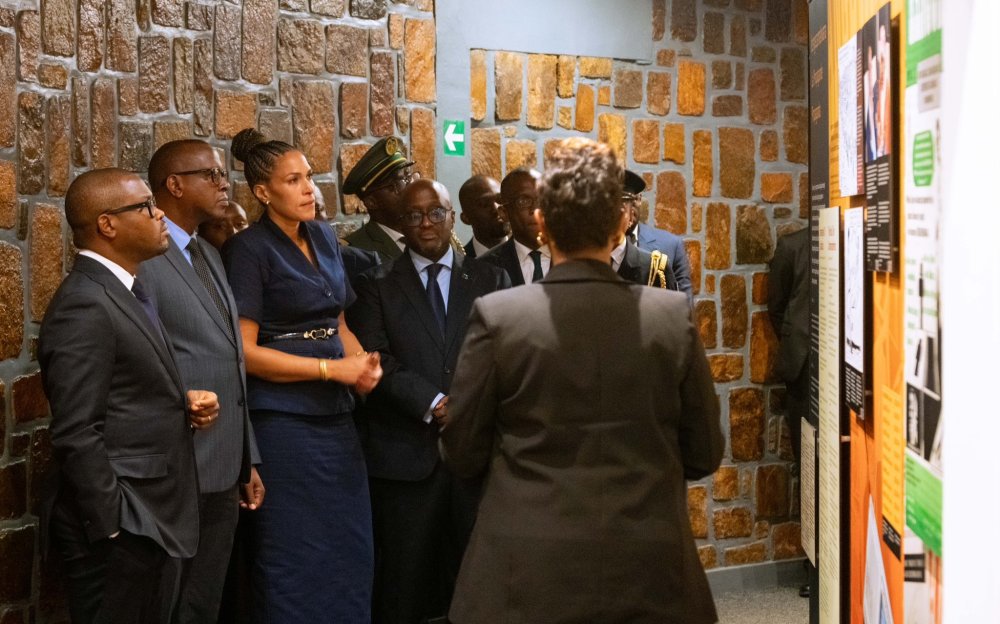
During the visit, Wadagni toured parts of the memorial and was briefed on the history of the Genocide against the Tutsi and Rwanda’s reconstruction journey.
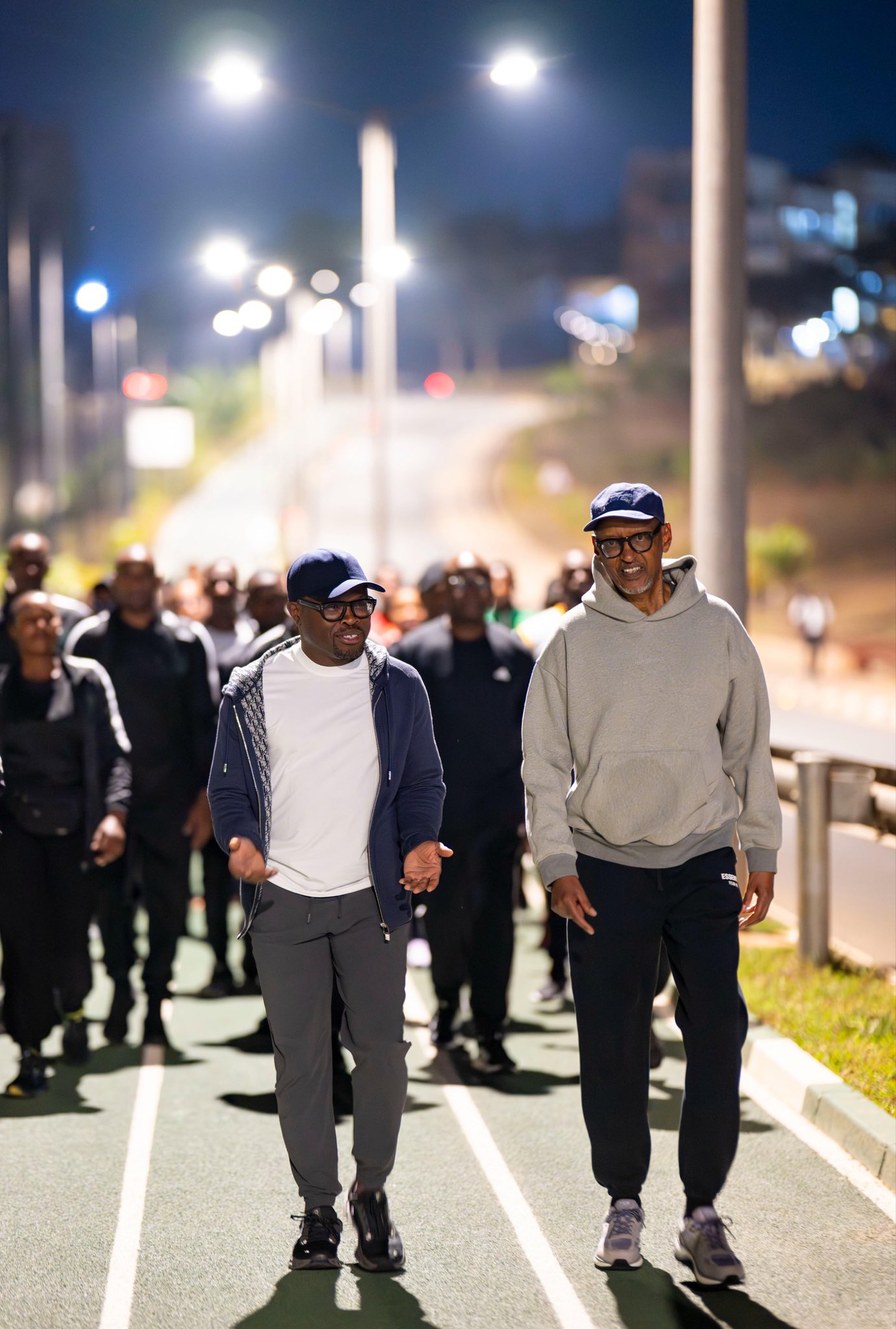
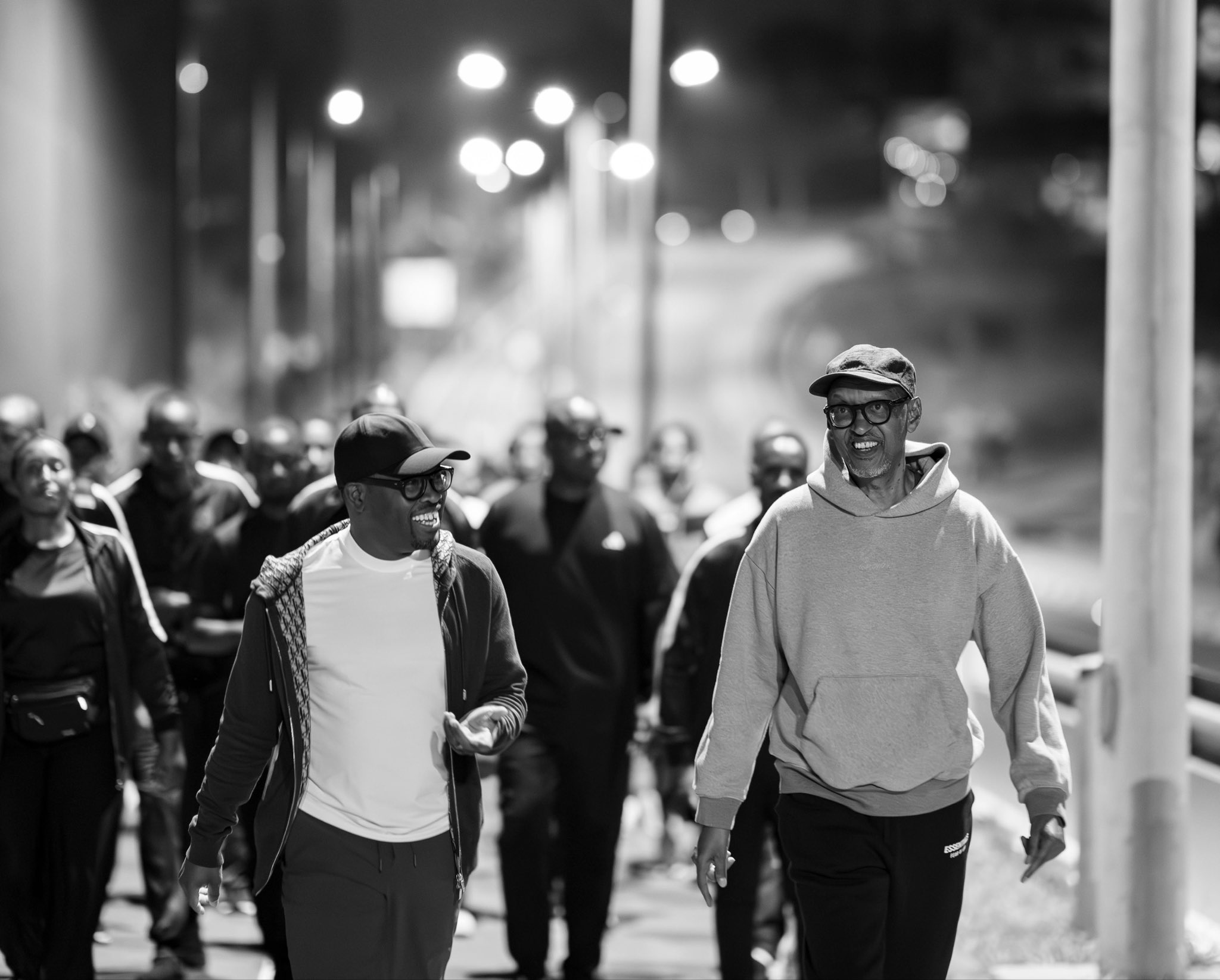
On the same evening, Wadagni and President Paul Kagame joined Kigali residents for a walk along the Nyarutarama Green Carpet, a green corridor designed to provide safe and accessible spaces for walking, running and other outdoor sports activities.
Wadagni is in Rwanda for a two-day official visit aimed at strengthening relations and cooperation between the two countries.
Earlier on Wednesday, Kagame received Wadagni at Village Urugwiro, where the two leaders held talks on expanding bilateral cooperation.
Rwanda and Benin cooperate in areas including trade and investment, agriculture, technology, urban planning, public service delivery, transport and security.
In 2023, Rwanda and Benin signed 10 cooperation agreements and other instruments during Kagame’s visit to Benin, including agreements related to taxation.
Wadagni, 50, became President of Benin in May 2026, succeeding Patrice Talon after two terms in office.
He previously served as Benin’s Minister of Economy and Finance for 10 years and visited Rwanda in 2023 as Talon’s special envoy.
Benin President Romuald Wadagni pays tribute to victims of the Genocide against the Tutsi at the Kigali Genocide Memorial.Benin President Romuald Wadagni toured the Kigali Genocide Memorial where he learnt about history of the Genocide against the Tutsi.President Wadagni visited the Kigali Genocide Memorial during his two-day official visit to Rwanda.President Romuald Wadagni joins President Paul Kagame and Kigali residents for a walk along the Nyarutarama Green Carpet.President Wadagni and President Kagame take a walk along Kigali’s Nyarutarama Green Carpet.
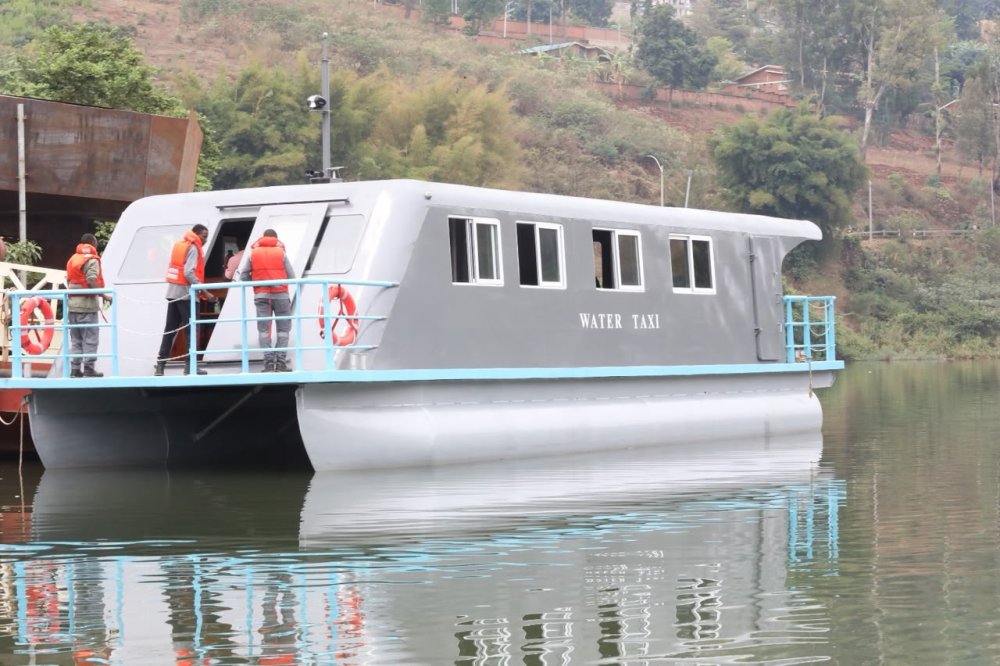
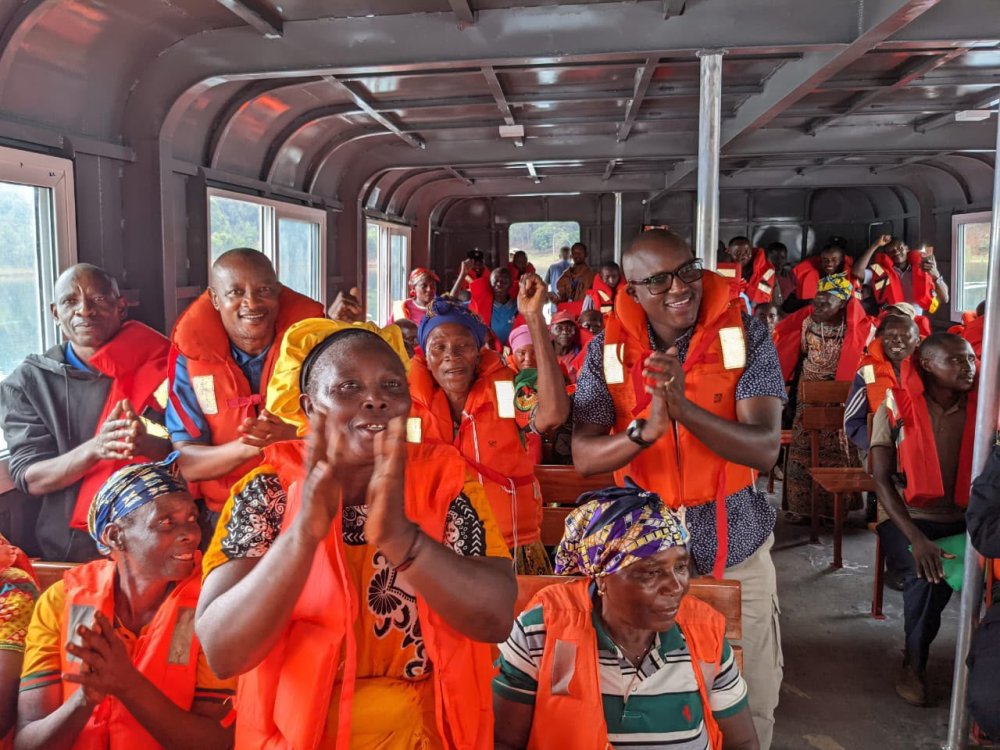
The boat was handed over on Wednesday, September 16, 2026. It can carry up to 51 passengers in seated positions and up to five tonnes of cargo.
Alfred Habimana, the Vice Mayor of Rusizi District in charge of economic development, said the boat is valued at nearly Rwf500 million.
He said the new boat is intended to address challenges residents have faced when travelling to and from the island.
“Today, we handed over to Nkombo Island residents a boat provided by the President of the Republic. It is intended to address the difficulties they used to face. Even when it rains or the sun is shining, they will now be able to travel because the boat is covered and in good condition,” Habimana said.
He said the boat was procured through a tender issued by the Rwanda Transport Development Agency (RTDA), adding that its services would be provided at an affordable cost.
The fare previously paid by residents travelling to Kamembe town has been reduced by Rwf500.
Habimana urged residents to take care of the new boat and other infrastructure provided to them.
“We ask residents to protect the facilities they have received, including this boat and other infrastructure that will be provided to them,” he said.
The boat is expected to improve mobility for Nkombo residents, facilitate trade and enable traders to transport goods to the island more safely.
One Nkombo resident said they previously relied on wooden boats, which made travel particularly difficult during the rainy season.
“It was not easy because we used wooden boats. During the rainy season, traders would go to buy goods, but their merchandise would get wet, or they would be unable to transport it back to the island. This boat is therefore a solution,” the resident said.
Nkombo residents had previously received another modern boat in October 2020. It was also provided in response to calls to improve transport for people living on the island and had a capacity of 30 passengers and three tonnes of cargo.
The boat later developed technical problems and stopped operating, prompting the authorities to initiate a new project to provide a replacement.
The new covered boat is expected to improve travel for Nkombo residents, particularly during the rainy season.The new boat can carry up to 51 passengers and five tonnes of cargo, easing transport for Nkombo Island residents.Residents of Nkombo Island have received a new boat valued at nearly Rwf500 million to facilitate passenger and cargo transport.
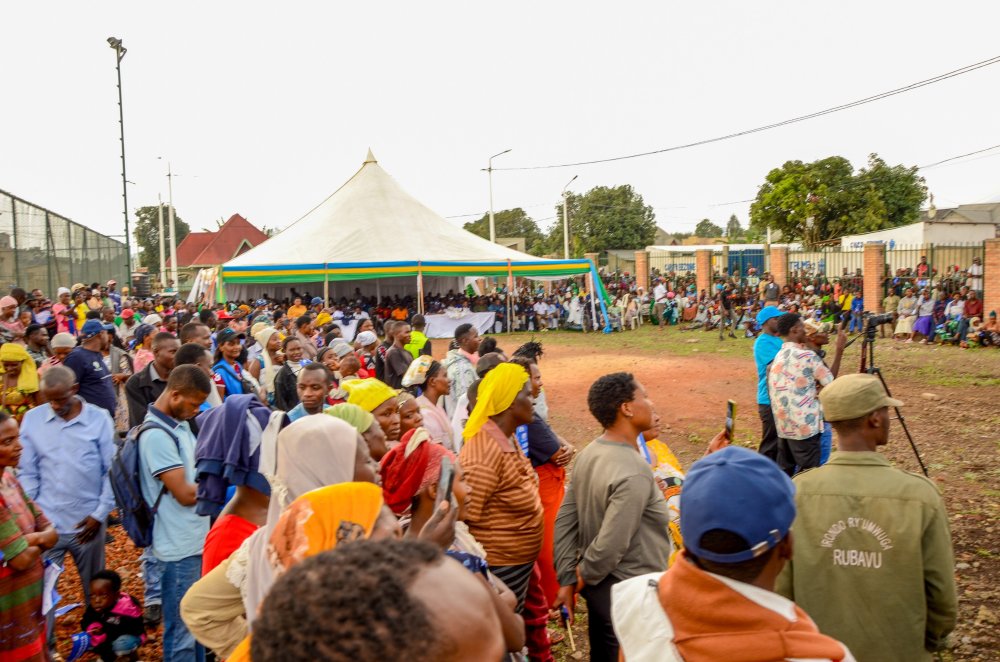
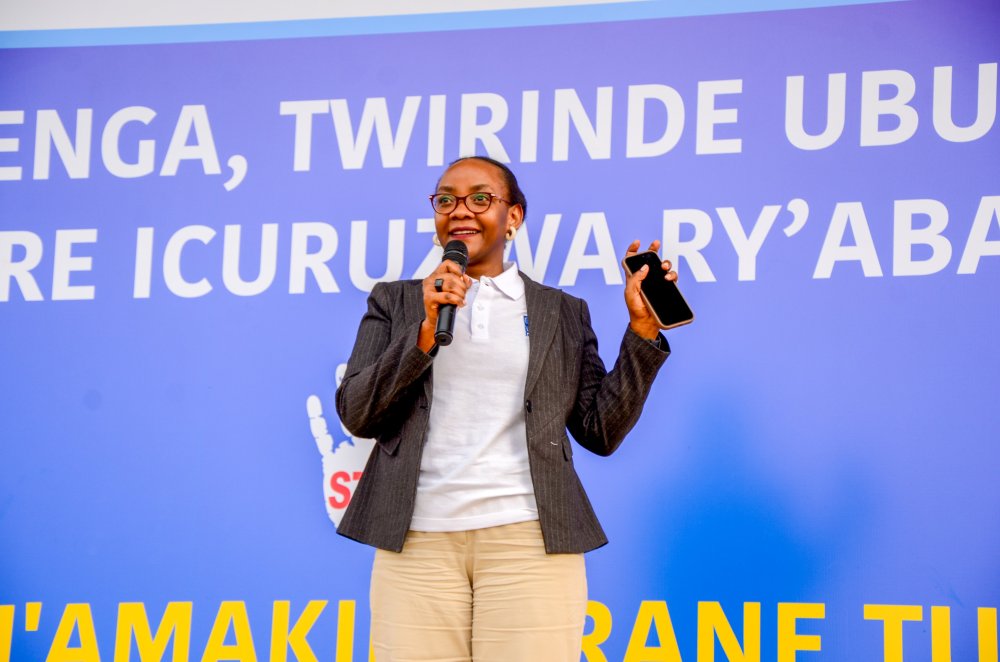
Ingabire Joselyne, Senior State Attorney in charge of International Justice and Judicial Cooperation at the Ministry of Justice, disclosed the figures in Rubavu on Tuesday, September 15, 2026, during a campaign to raise awareness about human trafficking.
“Recent figures on human trafficking show that 297 people had been repatriated between July 2025 and June 2026. This remains a serious and concerning crime globally, as many people are lured through technology,” Ingabire said.
She added that 11 cases involving 12 people accused of human trafficking had been tried, demonstrating that the crime also occurs in Rwanda.
Speaking to IGIHE, Ingabire said the 297 people had been trafficked to four countries including Cambodia, Laos, Myanmar and Oman. Most of those repatriated were young people.
She said repatriated victims receive different forms of support, including medical care for six months before they are reintegrated into their families.
Residents also said human trafficking remains a growing concern, including in neighbouring countries.
Rwanda has ratified several international agreements aimed at combating human trafficking and continues to implement their provisions, although challenges remain.
Measures include prosecuting people involved in trafficking, preventing the crime through awareness campaigns, protecting victims and strengthening cooperation in the fight against human trafficking.
In the past three years, 54 people in Rwanda have been convicted and sentenced for human trafficking offences. They include 12 convicted in 2025, 18 in 2024 and 24 in 2023.
The campaign to raise awareness about human trafficking was held in Rubavu on Tuesday, September 15, 2026.Ingabire Joselyne, Senior State Attorney in charge of International Justice and Judicial Cooperation at the Ministry of Justice, disclosed the figures on Tuesday.
The two-day meeting will bring together members of the Joint Security Coordination Mechanism (JSCM), a body established to coordinate and monitor the implementation of the parties’ security commitments.
The talks will also be attended by facilitators including the United States, Qatar, Togo and the African Union Commission.
The meeting comes as fighting continues in eastern DRC, while some key provisions of the peace agreement have yet to be fully implemented.
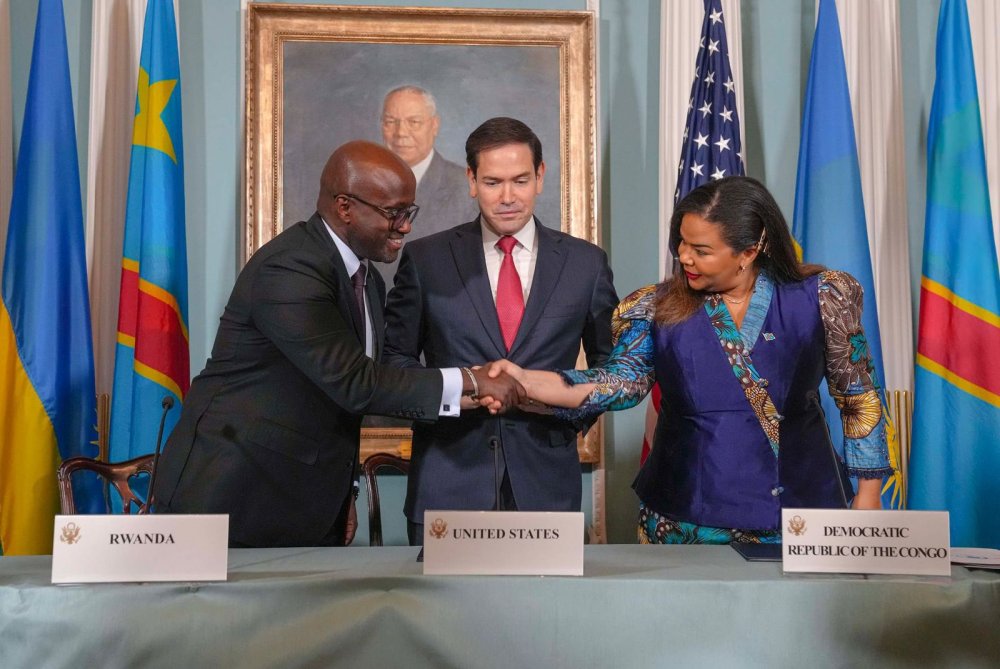
The Rwanda-DRC peace agreement was signed in Washington on June 27, 2025, and was later reinforced by the Washington Accords for Peace and Prosperity signed on December 4.
Among the key commitments is the complete dismantling of the Democratic Forces for the Liberation of Rwanda (FDLR) by the DRC, while Rwanda is expected to lift its defensive measures in line with progress on that commitment.
The FDLR is expected to remain a major issue in the Geneva talks. Rwanda has repeatedly accused the DRC of supporting, arming and cooperating with the group.
On July 28, the DRC government said part of the FDLR terrorist group had agreed to a process involving disarmament, demobilisation and relocation to designated sites. Kinshasa presented the move as progress towards fulfilling its commitments.
Rwanda, however, rejected the approach, arguing that the Washington agreement requires the complete dismantling of the FDLR rather than negotiations with the group.
Meanwhile, fighting between the DRC army, FARDC, and M23 has continued in North and South Kivu. M23 captured several areas in 2025, including Goma and Bukavu.
The September talks will follow the sixth JSCM meeting held in Geneva on August 12 and 13, where both sides agreed to strengthen mechanisms for monitoring and verifying implementation of the Washington agreement.
Delegations from Rwanda and the Democratic Republic of Congo are expected to meet in Geneva, Switzerland, on September 16 and 17, 2026, for talks on the implementation of the Washington peace agreement.
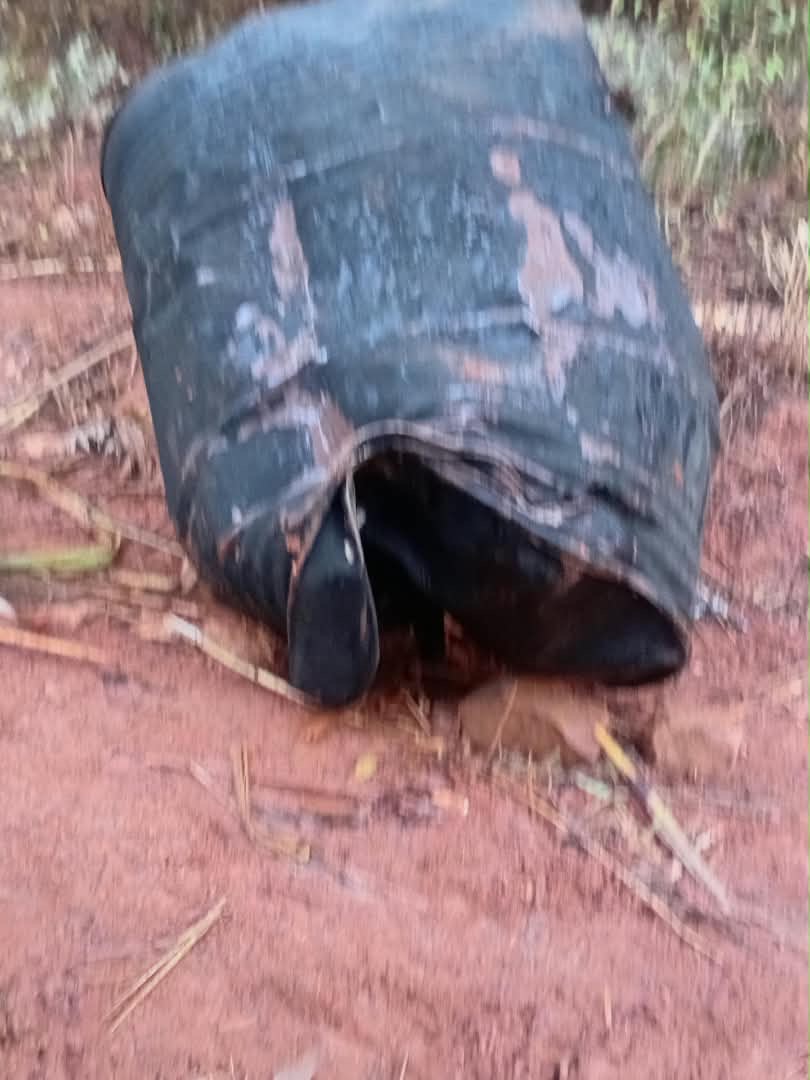
The incident happened in the wee hours of Monday, September 14, 2026, in Kiryango Village, Nkungu Cell, Munyaga Sector.
Munyaga Sector Executive Secretary Munyentwari Damascene told IGIHE that the four had gone into a forest at night to brew the illicit alcohol for sale.
“They went into the forest at night to brew Kanyanga. The drum then exploded. A piece of metal struck one of them, killing him instantly. The other three are being treated at Rwamagana Hospital. They suffered serious burns,” he said.
Munyentwari warned residents against producing illicit alcohol, which is prohibited in Rwanda.
He said producing illicit alcohol is punishable by law and urged residents to avoid activities that could lead to imprisonment and financial losses for their families.
“We urge residents to sell and consume alcohol that is permitted by Rwandan law. They should stop producing illicit alcohol and other prohibited substances because anyone caught doing so is punished by law. In most cases, they are imprisoned. We urge them to stop and instead consume or sell legally permitted alcohol,” he said.
The person who died was a 20-year-old man. The three others, aged 14, 16 and 22, were seriously injured and are receiving treatment at Rwamagana Hospital.
The damaged alcohol-brewing drum at the scene of the incident in Rwamagana District.The incident occurred in Kiryango Village, Nkungu Cell, Munyaga Sector, Rwamagana District, in the early hours of September 14, 2026.