The other countries are Ghana, Guinea-Bissau and the Republic of Congo. The WHO Regional Office for Africa confirmed the closure of the outbreaks following independent technical assessments conducted between January and June 2026.
The assessments reviewed disease surveillance, laboratory and epidemiological data, vaccination coverage and the quality of outbreak response activities before determining that transmission had been interrupted in all five countries.
While confirming the closure of the outbreaks, WHO Regional Director for Africa Dr Mohamed Janabi cautioned against complacency, stressing that continued disease surveillance and high immunization coverage remain essential to prevent future outbreaks.
Uganda and Burundi make progress
In Uganda, health authorities intensified surveillance and outbreak response measures after poliovirus was detected in May 2024. The response involved coordination between national and subnational authorities, alongside efforts to strengthen the country’s capacity to identify and contain further transmission.
Uganda also upgraded its laboratory capacity earlier this year, improving its ability to detect poliovirus and respond rapidly to vaccine-preventable diseases.
In Burundi, a circulating poliovirus type 2 outbreak was declared in March 2023. Authorities subsequently strengthened routine immunisation, epidemiological investigations and environmental surveillance, supported by the Global Polio Eradication Initiative (GPEI).
Targeted vaccination campaigns were also used to close immunity gaps and protect children in communities at risk.
The WHO said the experience of the five countries demonstrates the importance of rapid detection, strong government leadership, sustained surveillance, community engagement and high-quality vaccination campaigns in stopping poliovirus transmission.
WHO noted that outbreak closure is a country-specific technical determination based on evidence showing that transmission linked to a particular outbreak has been interrupted. It does not mean that countries are permanently protected from future detections or importations.
“Every outbreak closed means more children protected from a disease that can cause lifelong paralysis,” said Mike McGovern, Chair of the GPEI Polio Oversight Board and Rotary International’s International PolioPlus Committee.
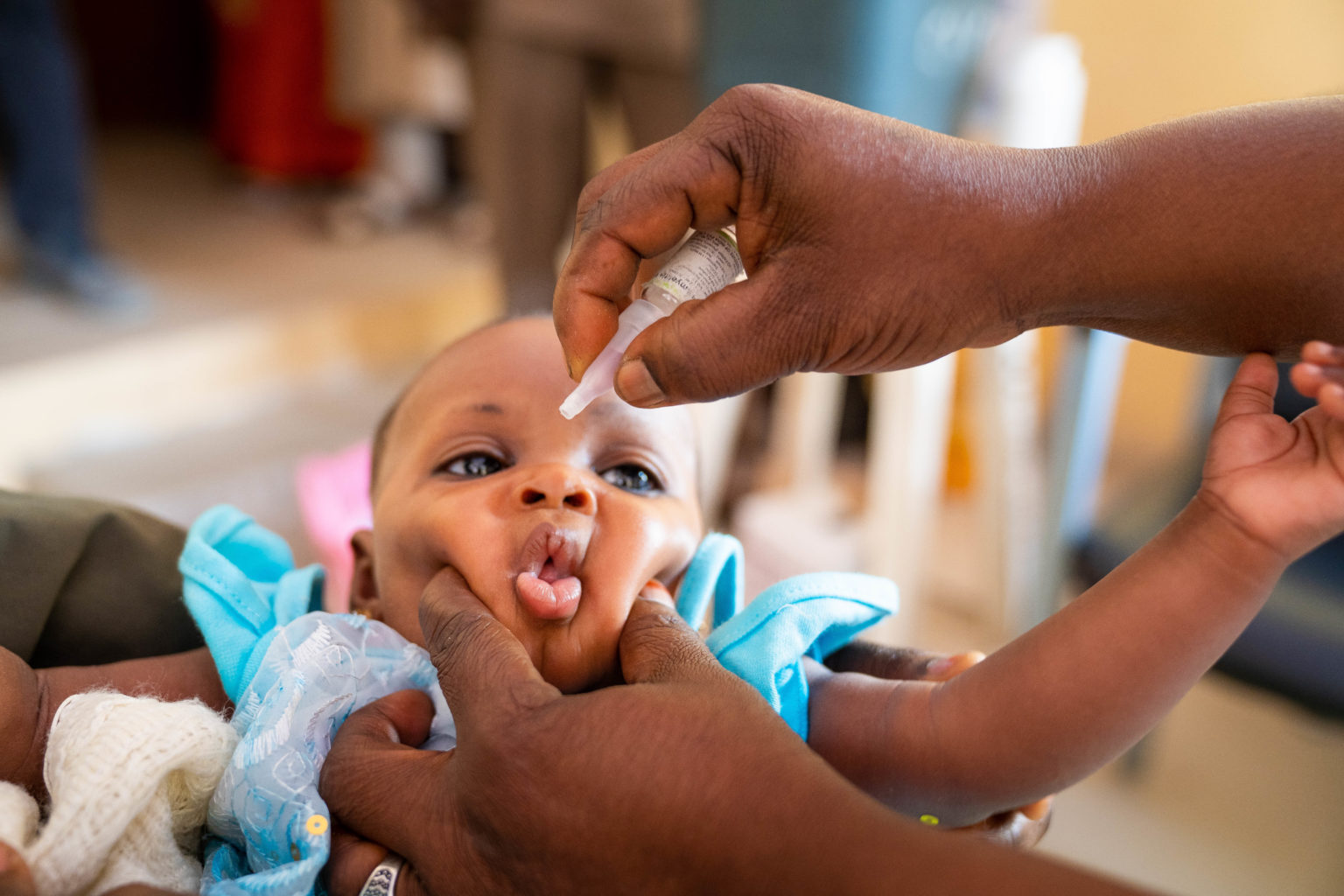
Polio is a highly infectious disease that can cause irreversible paralysis. There is no cure, but vaccination can prevent the disease.
Rwanda was declared polio-free in 2004 after reporting its last case of wild poliovirus in 1993.
Uganda and Burundi are among five African countries that have successfully stopped the transmission of poliovirus type 2, according to the World Health Organisation (WHO), marking a significant milestone in efforts to protect children from paralysis caused by the disease.
Nchimbi said on Tuesday, August 25, that he had written to President Samia Suluhu Hassan informing her of his decision to resign, effective September 4, 2026.
He said the resignation was made in accordance with Articles 50(2)(c) and 149(2) of Tanzania’s Constitution.
Nchimbi said his decision was also linked to a commitment he made to President Samia in August 2025, when he pledged to support her and the country with loyalty and said he would relinquish his position if she ever felt that another vice president was needed.
“I have satisfied myself, beyond doubt, that H.E. the President desires a change; therefore, I have decided to fulfill my promise,” Nchimbi said in a public notice.
He said he would continue serving as “a good citizen of Tanzania” after leaving public office.
His resignation comes amid media reports of a fallout between Nchimbi and President Samia, although neither side has publicly detailed the circumstances behind the reported differences.
Nchimbi was sworn in as vice president in November 2025 after serving as Samia’s running mate in the October 2025 presidential election.
Before becoming vice president, Nchimbi served as secretary-general of the ruling Chama Cha Mapinduzi (CCM). He previously held senior government positions, including minister of information and minister of home affairs, and later served as Tanzania’s ambassador to Brazil and Egypt.
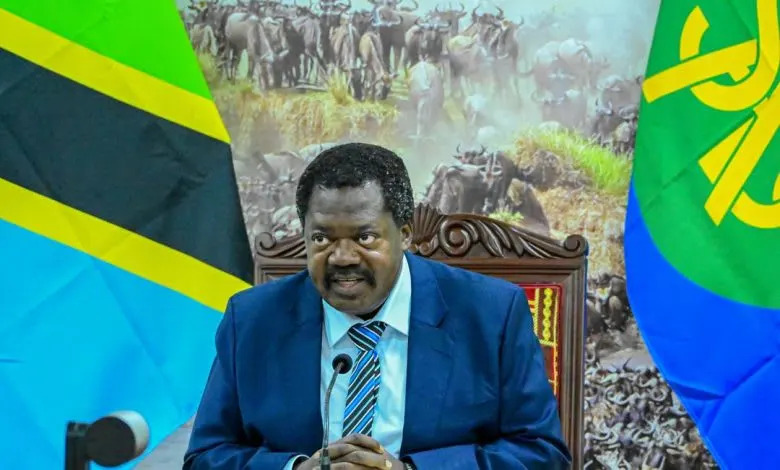
Tanzania’s Vice President Emmanuel Nchimbi has announced his resignation from the position and from public service, effective September 4, 2026.
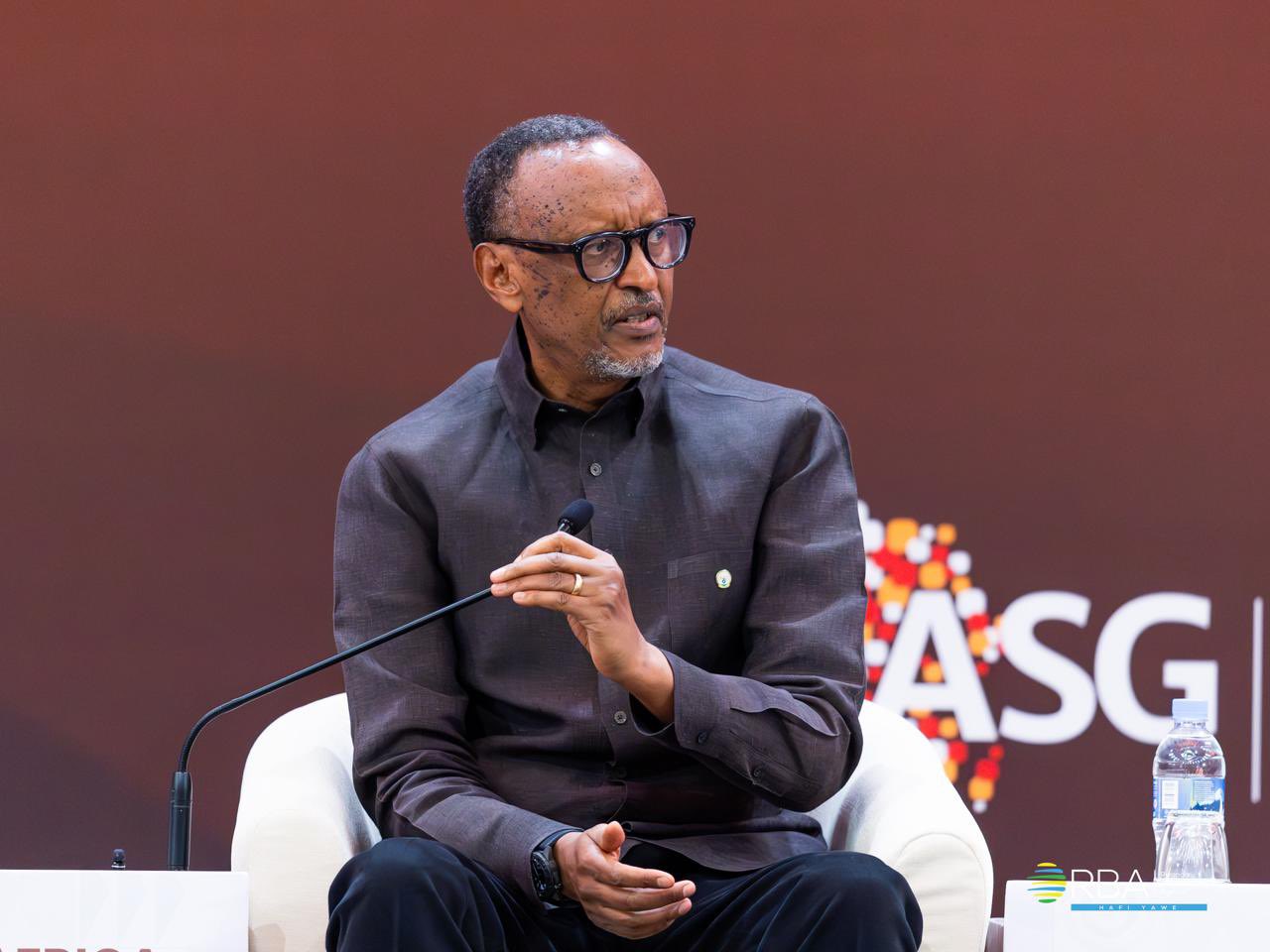
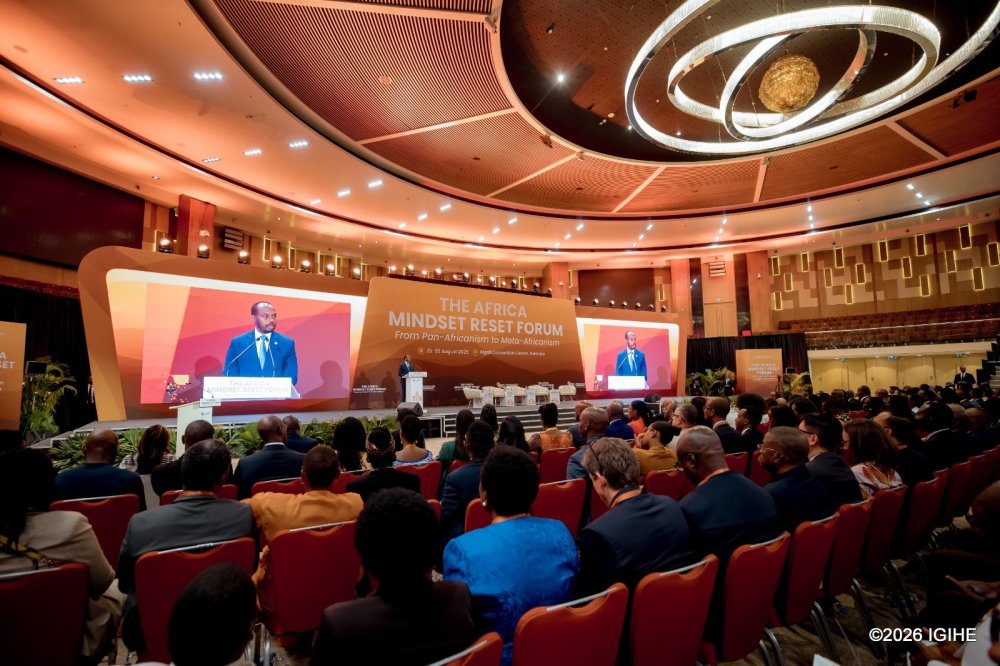
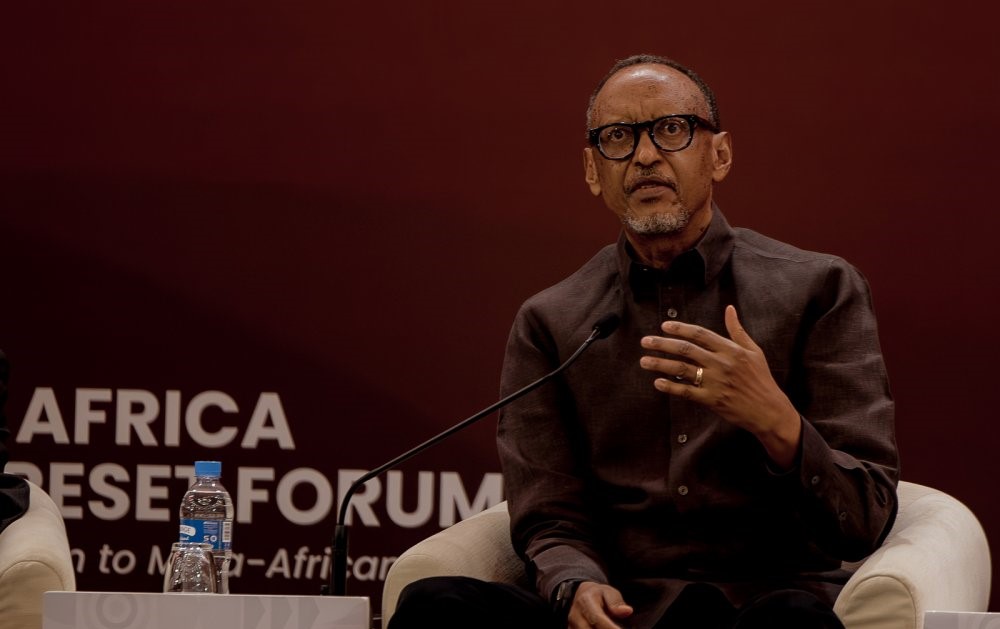
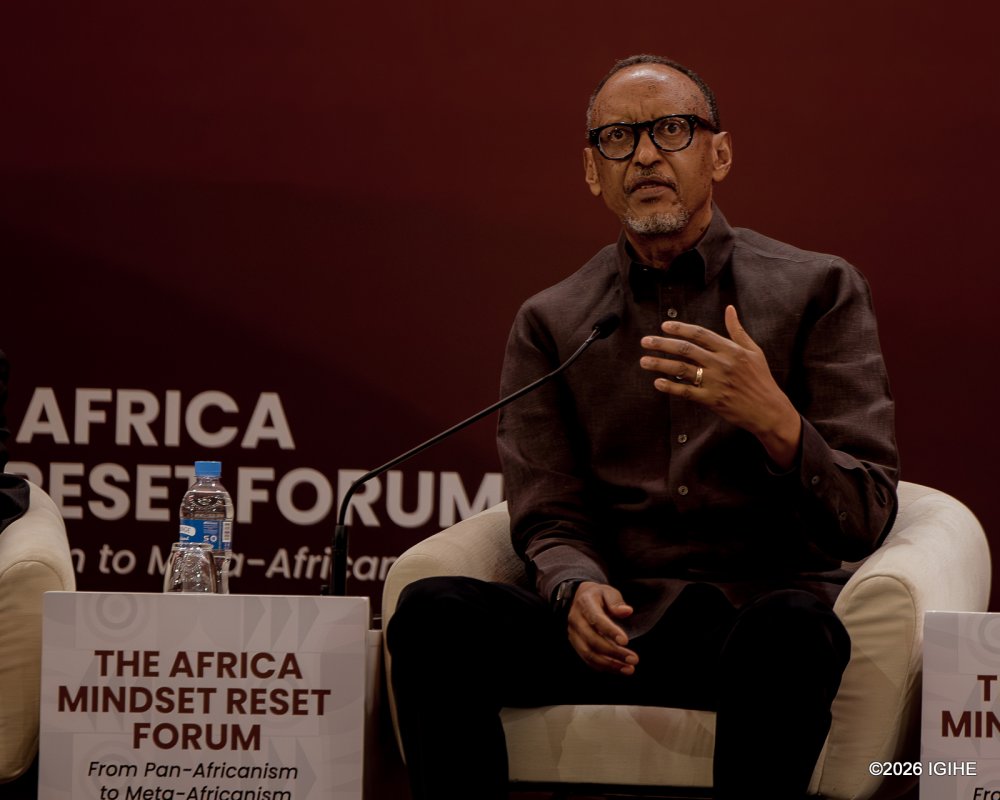
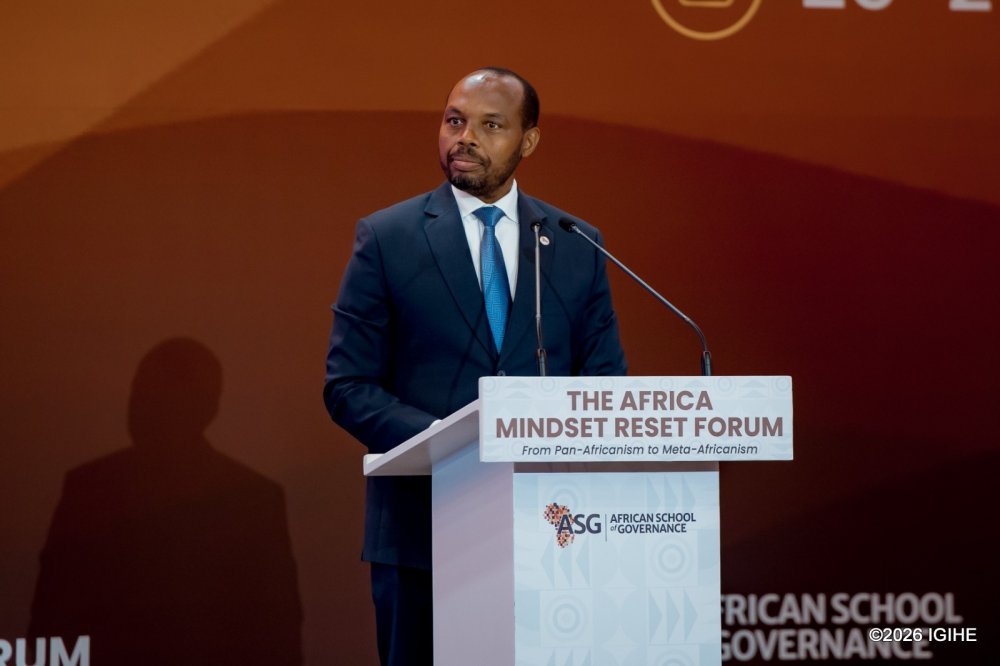
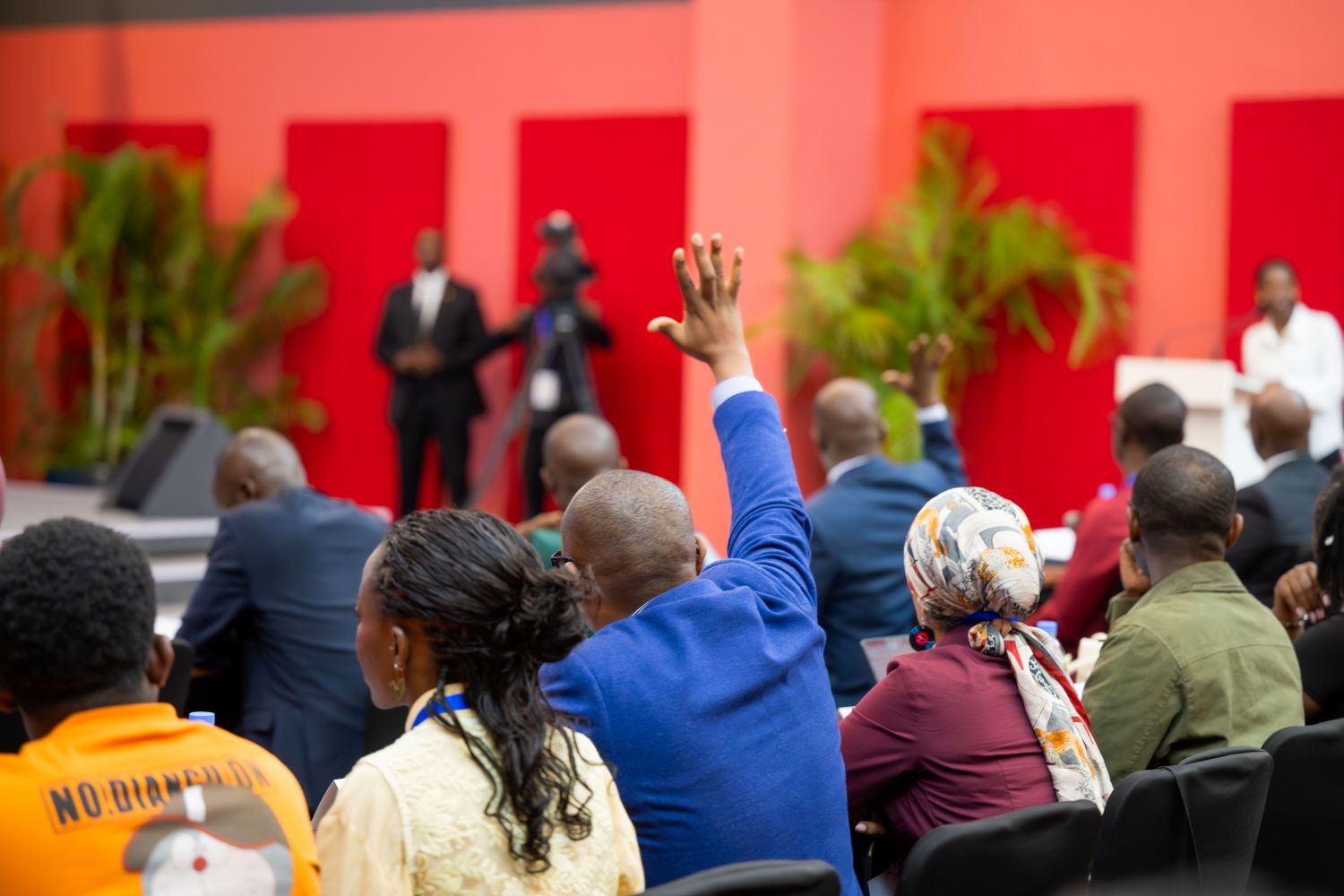
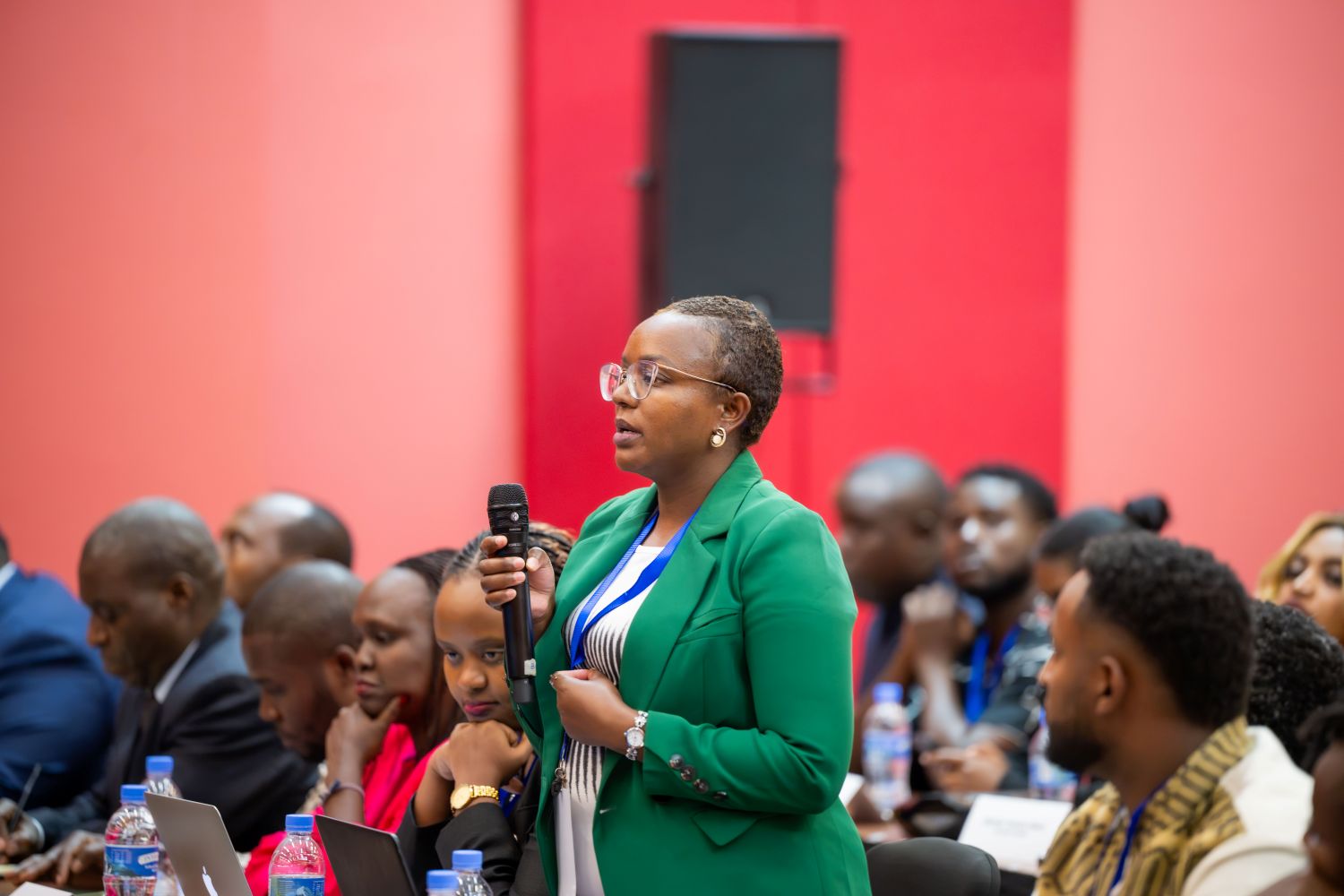
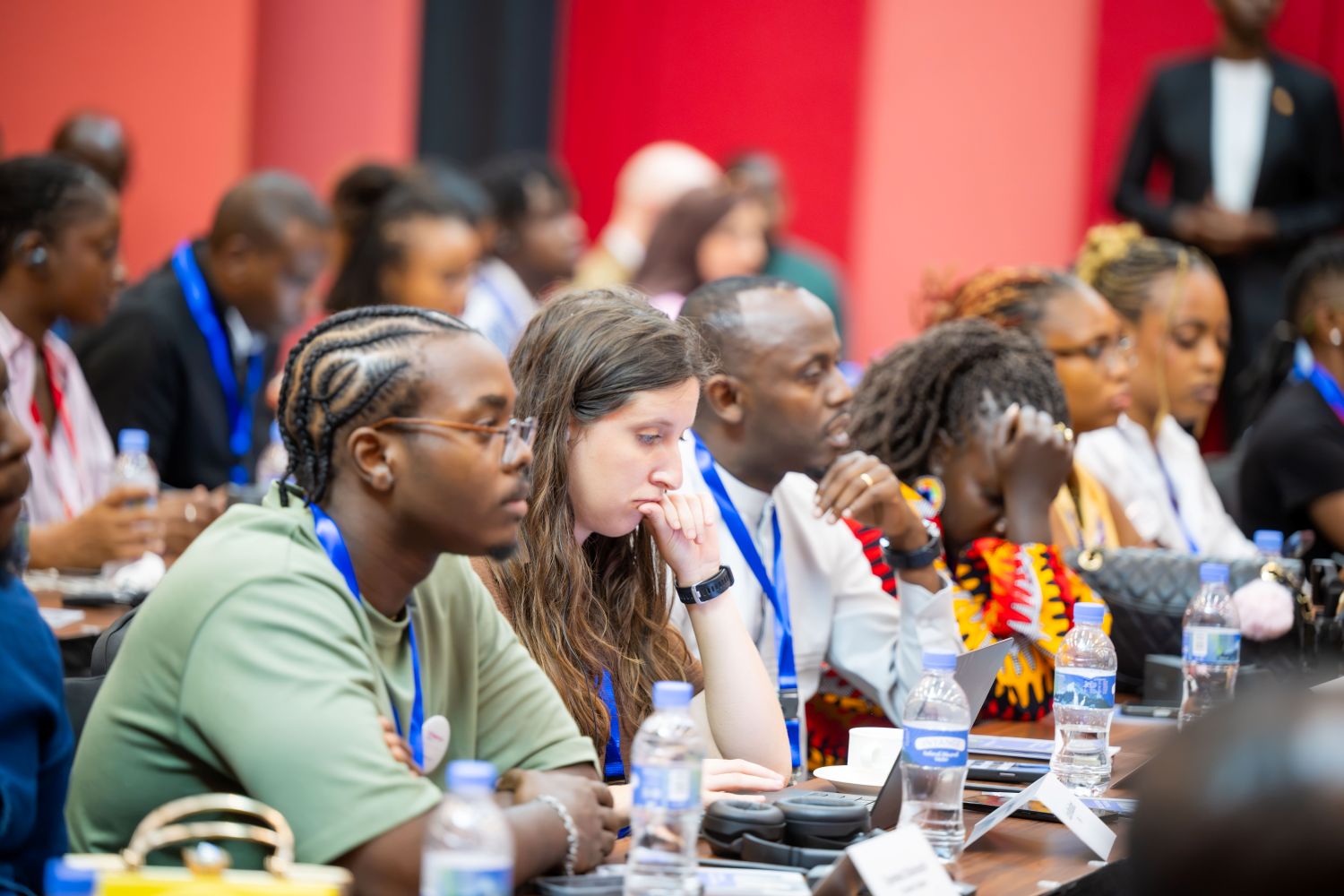
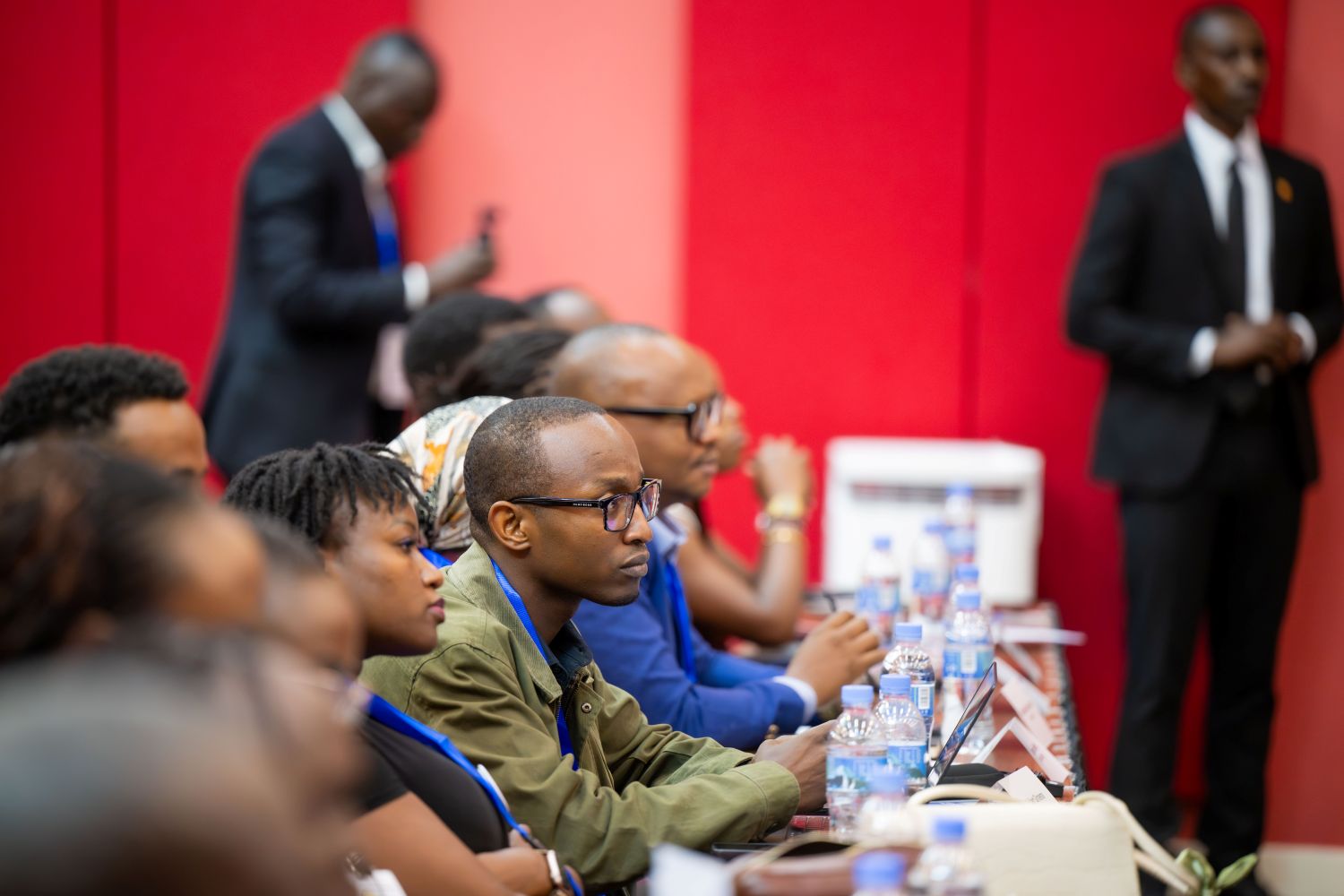
Speaking on a panel at the inaugural Africa Mindset Reset Forum, hosted by the African School of Governance (ASG) at the Kigali Convention Center, Kagame said Africa has “everything in place to succeed”: people, resources and lessons from its own history, yet keeps falling short because of attitudes Africans have not confronted.
He said the continent has been reduced to “simply admiring others,” pointing out that this often means admiring people and institutions outside Africa rather than fellow Africans doing good work at home. That habit, he argued, leaves the continent open to being dictated to by others, while Africans themselves lament and complain rather than act.
“Why don’t we do things so that we can actually admire each other?” Kagame asked, adding that there are capable people within Africa whom others on the continent should be joining and supporting, rather than looking elsewhere for inspiration.
The Head of State noted that Africa’s obstacles are less about missing resources or policy frameworks and more about a mindset that has not caught up with the continent’s ambitions. He said Africa cannot change without changing its own behaviour and attitudes, and that intentions must be matched with action and visible results.
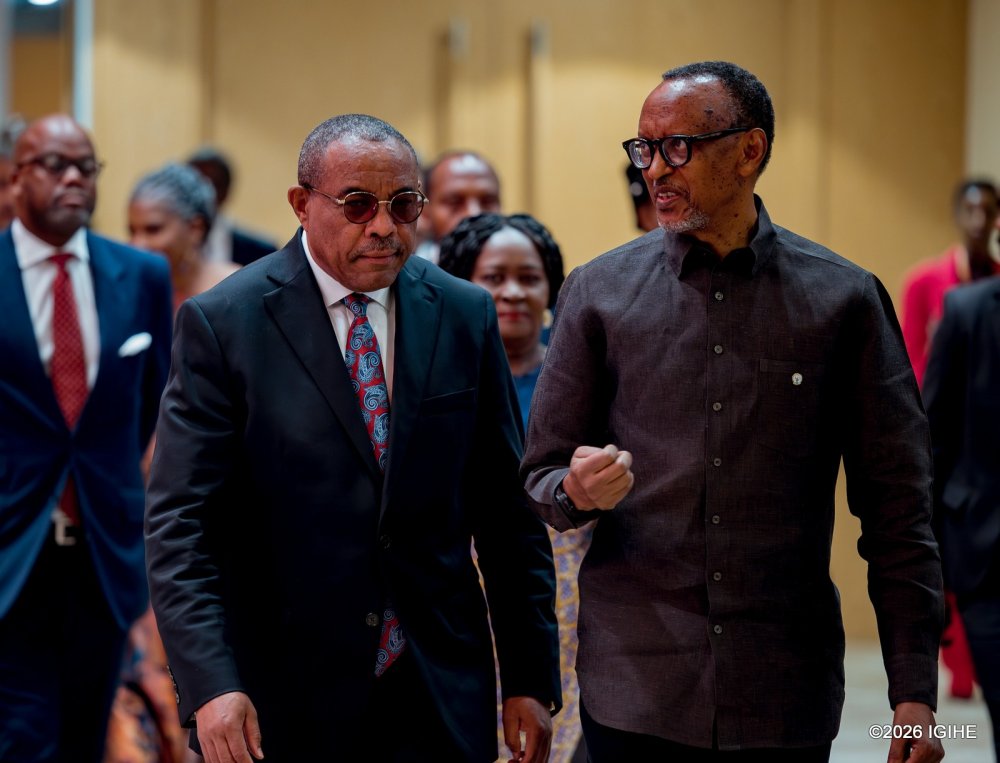
Kagame co-founded the African School of Governance alongside former Ethiopian Prime Minister Hailemariam Desalegn. The school, officially inaugurated in January 2025, was created to train a new generation of African leaders grounded in homegrown solutions to the continent’s challenges.
Other leaders echo the call for accountability
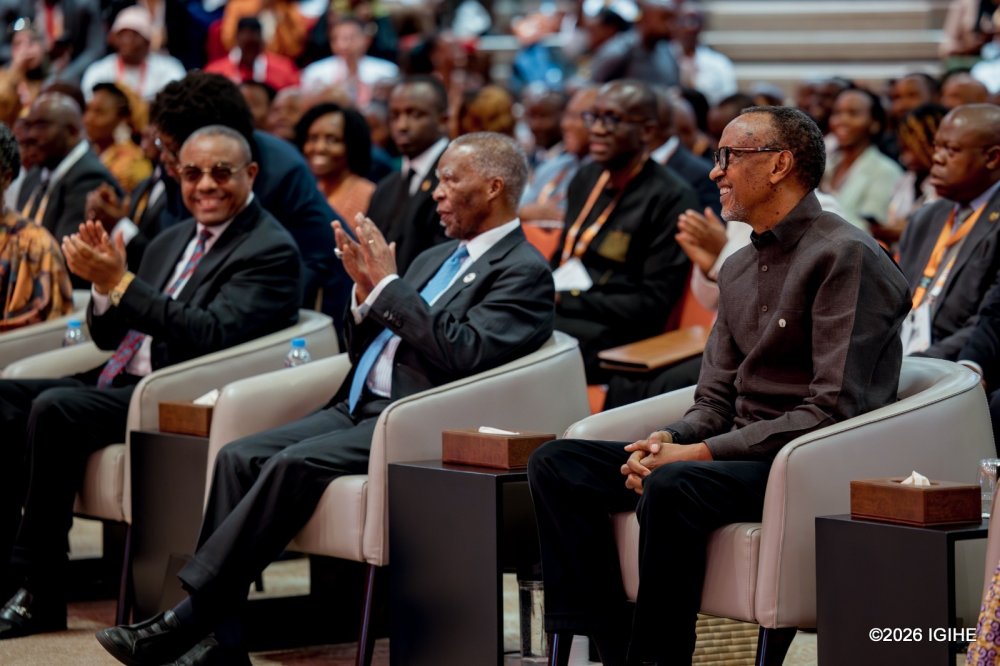
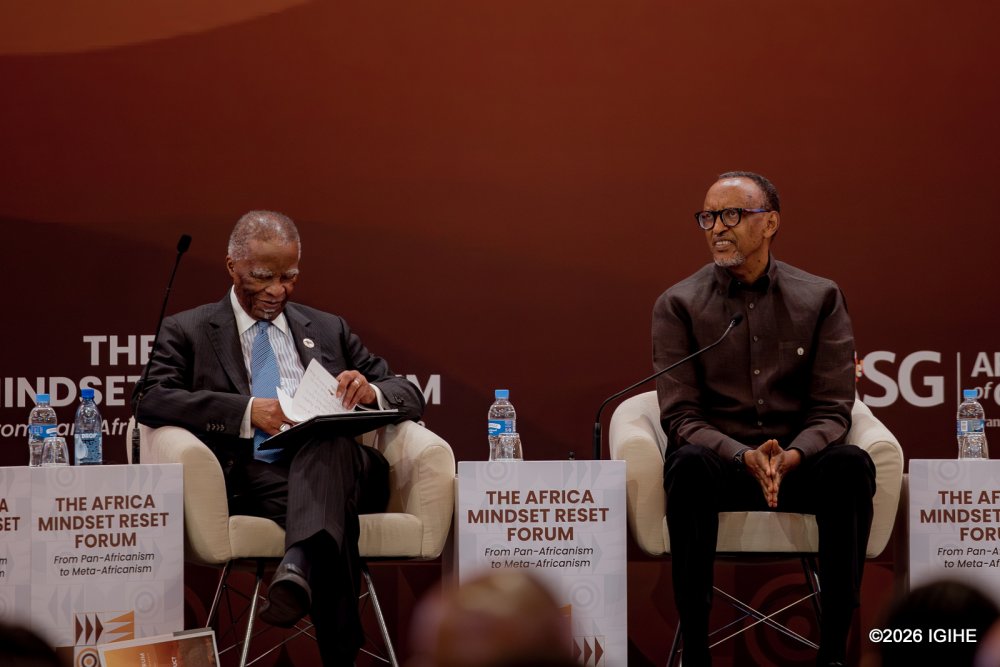
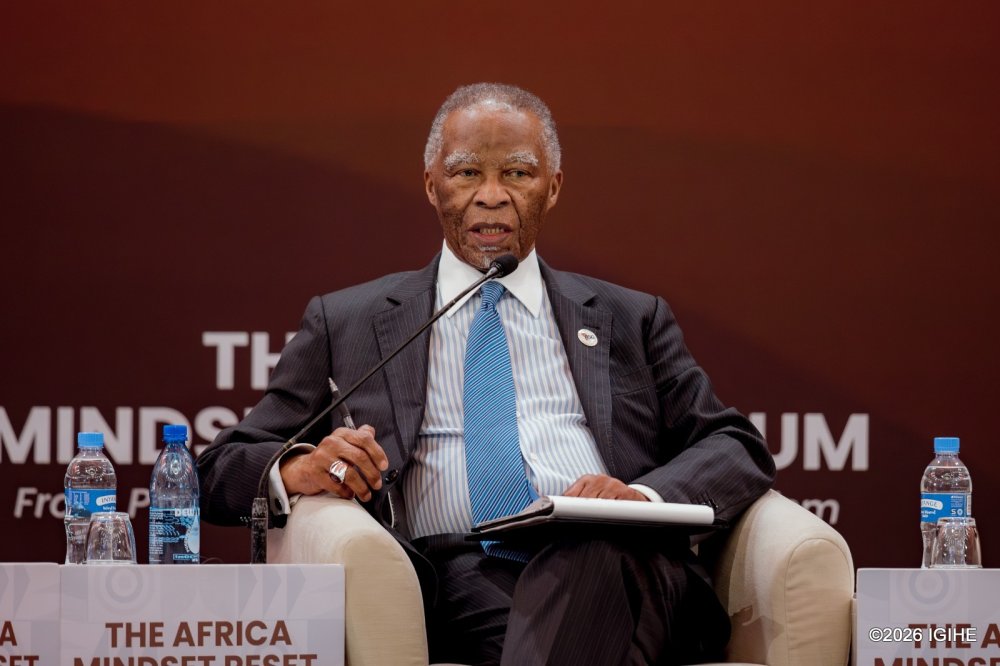
Former South African President Thabo Mbeki, sitting alongside Kagame on the panel, said none of Africa’s problems can be resolved without addressing the quality of its leadership. He argued that leaders on the continent owe each other honesty rather than diplomatic silence, saying failures in one country inevitably affect its neighbours.
Mbeki urged young Africans to stay committed to the cause “until the Africa we want does indeed emerge,” comparing the effort to running a marathon without dropping out.
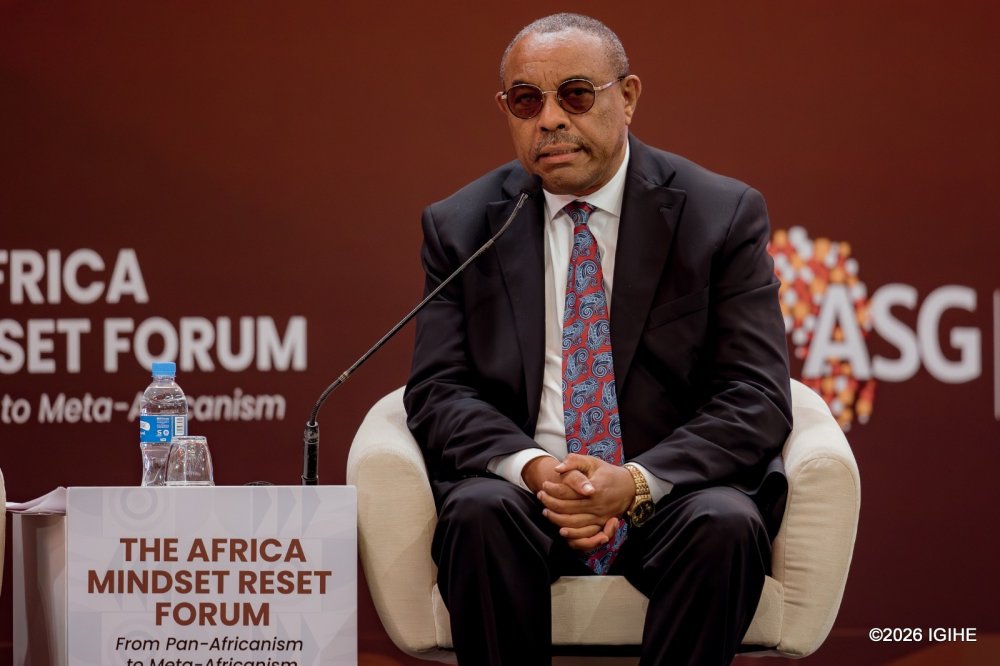
Former Ethiopian Prime Minister Hailemariam Desalegn, ASG’s co-founder and chairman, said the continent’s leadership has often been driven by a “rent-seeking” mindset rather than a developmental one. He pointed to Ethiopia’s own turnaround, from a country reliant on food aid in the 1970s to a grain surplus producer, as evidence that a deliberate mindset shift among ordinary farmers and officials can change a country’s trajectory within a generation.
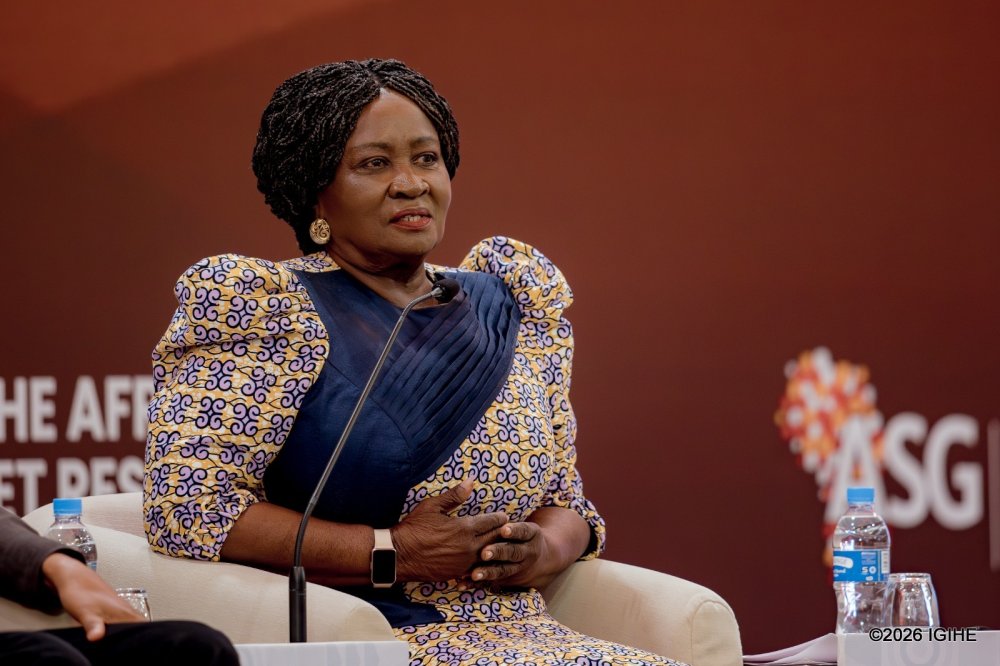
Ghana’s Vice President, Naana Jane Opoku-Agyemang, said Africa’s problem is not a shortage of policies or plans but a failure to take ownership of its own story and decisions. She called for capacity building that raises young Africans differently from previous generations, moving them from being “a victim of the circumstance to an active agent of change.”
ASG President Francis Gatare, opening the forum, introduced “Meta Africanism” as what he called the next stage of Pan-Africanism, a shift from resistance and solidarity toward collective construction, agency and disciplined implementation of Africa’s own plans.
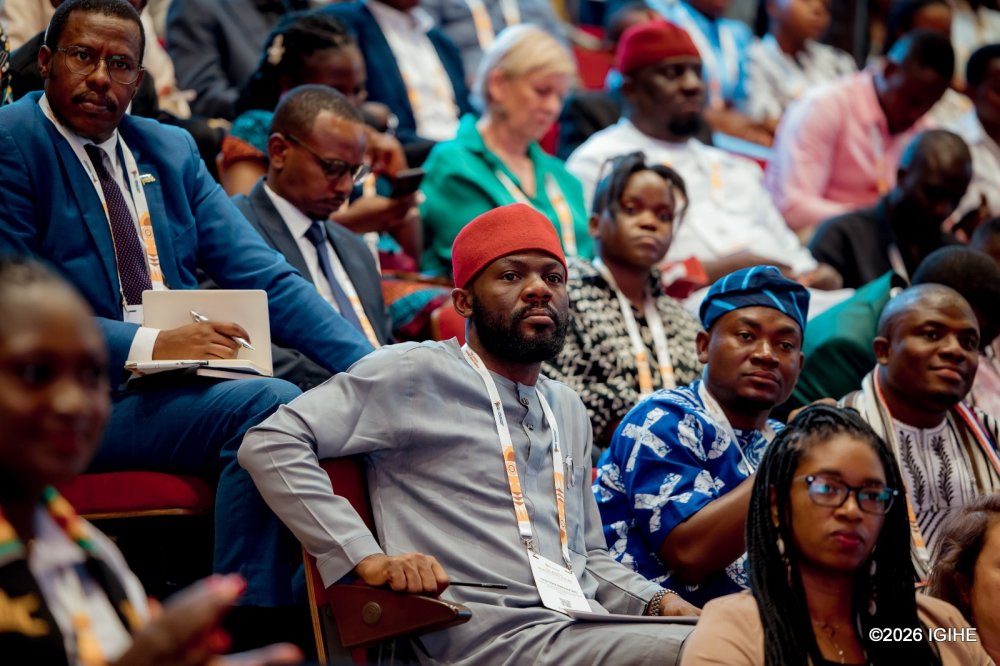
The forum, running from August 25 to 26 in Kigali, has drawn more than 2,500 participants in person and thousands more following online.
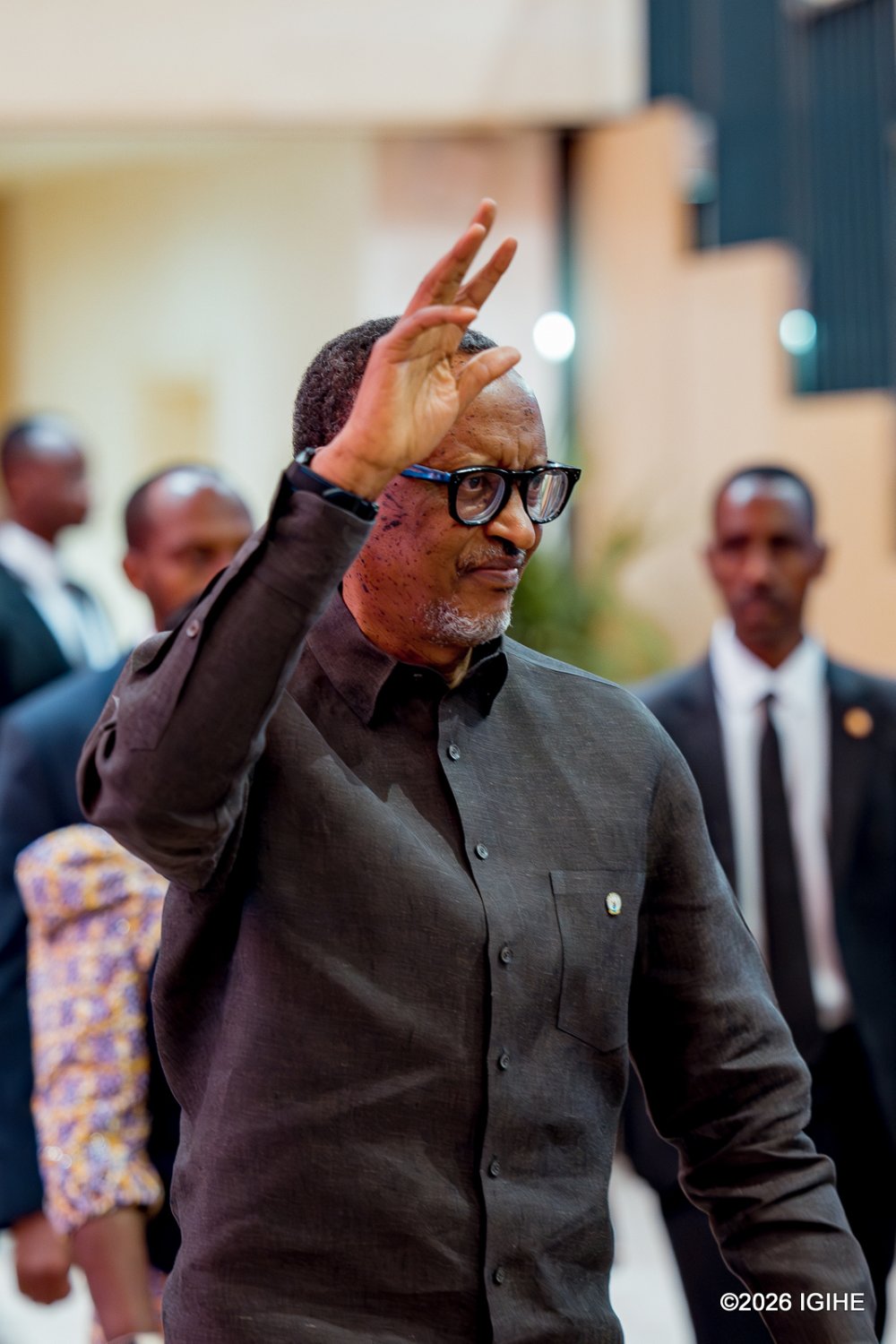
President Kagame was speaking on a panel at the inaugural Africa Mindset Reset Forum, hosted by the African School of Governance (ASG) at the Kigali Convention Center.Kagame said Africa has “everything in place to succeed”: people, resources and lessons from its own history, yet keeps falling short because of attitudes Africans have not confronted.
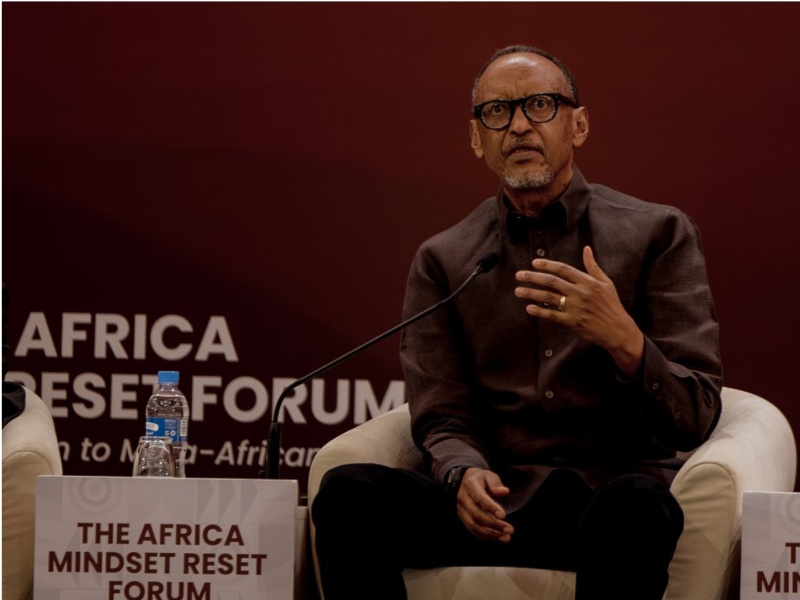
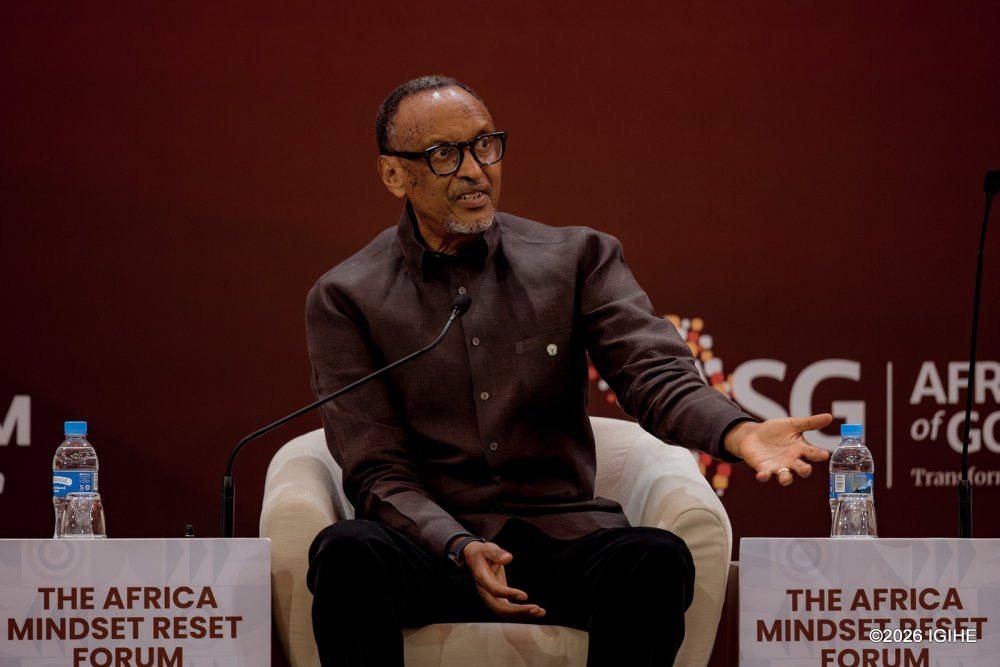
Speaking during a panel discussion at the Africa Mindset Reset Forum hosted by the African School of Governance (ASG) in Kigali on Tuesday, President Kagame said young people should not be driven into confrontation simply because they have the energy or ability to fight, but should first establish whether a cause is justified and worth the sacrifice it demands.
“You have to be selective. There has to be justification for a fight. Don’t just pick fights for the sake of it,” Kagame said.
“Don’t just pick a fight because you can fight. Choose a moment, choose what for. And it must be a just cause. And when you have been clear about it, you’ve done all the checks, then give it the fight it deserves. But be selective. Choose,” he stressed.
Kagame’s advice was rooted in his own experience as a Rwandan refugee. His family fled Rwanda amid persecution and violence in the early 1960s, and he spent much of his childhood and early life in Uganda as a refugee.
He told the forum that the hardships of life in exile shaped the determination among many Rwandans to reject a future of permanent displacement and seek a different life.
“We can’t live as refugees forever,” Kagame said, recalling the circumstances that pushed many Rwandans to make difficult choices about their future. He said some who had endured years of hardship reached a point where they felt they had to try to build “a life that is worth something” and one they could stand up and fight for.
In October 1990, the Rwandan Patriotic Front (RPF) launched an armed liberation struggle aimed at ending decades of exclusion and allowing refugees to return home. Kagame, who became commander of the RPF’s military forces, played a central role in the four-year struggle.
Reflecting on the decision to join the struggle, Kagame said it was a conscious choice made despite the enormous risks involved.
“When I was young, there were all kinds of problems that came with a silver lining, in the sense that they made a number of us who lived that life say, ‘We shouldn’t accept this,’” he recalled.
“Together with others, we made that choice, and we decided to shape the kind of life we wanted,” Kagame added, noting that those who took such decisions understood that the cost could be high.
The President said such choices also create a lasting sense of responsibility, particularly when they are made with the hope of improving the lives of others. Having taken risks to change their circumstances, he said, those who survive and succeed have an obligation to ensure that future generations do not experience the same hardships.
He urged young people to find a purpose that goes beyond themselves and to consider how their choices can affect the lives of others.
“It’s in your capacity, in your ability, in your every possibility to say, to give your life a purpose and to make a choice, a choice that you know, if you have made it, is not just going to be confined to your life, but it has impact on other people’s lives,” Kagame noted.
Former South African President Thabo Mbeki also reflected on his experience of joining the African National Congress Youth League at the age of 13, drawing lessons from South Africa’s long struggle against apartheid.
“The struggle hasn’t ended. So you stay with the struggle, you stay on course. The commitment you made as a 13-year-old, you stay with it,” he reflected.
He urged young Africans to persevere in the pursuit of “the Africa we want,” even when the journey becomes difficult, echoing Kagame’s call for young people to choose meaningful causes and commit themselves to them.
The discussion took place at the inaugural Africa Mindset Reset Forum, which seeks to encourage a shift in attitudes and approaches needed to accelerate Africa’s transformation, moving beyond identifying the continent’s challenges towards collective action and implementation.
The two-day forum is being hosted by the African School of Governance, a pan-African institution for leadership, public policy and management co-founded by Kagame and former Ethiopian Prime Minister Hailemariam Desalegn. The school was officially inaugurated in January 2025 after receiving accreditation from Rwanda’s Higher Education Council.
In his opening remarks, ASG President Francis Gatare said the school was founded on the conviction that Africa does not lack ambition, resources or talent, but needs the leadership mindset required to build strong institutions and deliver results. He said its mission is to help develop a new generation of ethical African leaders with a transformative mindset and a commitment to public service.
Gatare also welcomed the school’s new cohort, comprising 238 participants from 22 African countries, who are beginning programmes ranging from the Master of Public Administration to executive education and leadership programmes for young, emerging and senior leaders.
President Kagame was speaking during a panel discussion at the Africa Mindset Reset Forum hosted by the African School of Governance (ASG) in Kigali on Tuesday.President Kagame said young people should not be driven into confrontation simply because they have the energy or ability to fight, but should first establish whether a cause is justified and worth the sacrifice it demands.Former South African President Thabo Mbeki also reflected on his experience of joining the African National Congress Youth League at the age of 13, drawing lessons from South Africa’s long struggle against apartheid.Professor Jane Naana Opoku-Agyemang, the current Vice President of Ghana, was also a panellist at the forum.The African School of Governance was co-founded by Kagame and former Ethiopian Prime Minister Hailemariam Desalegn (pictured).ASG President Francis Gatare said the school was founded on the conviction that Africa does not lack ambition, resources or talent, but needs the leadership mindset required to build strong institutions and deliver results.
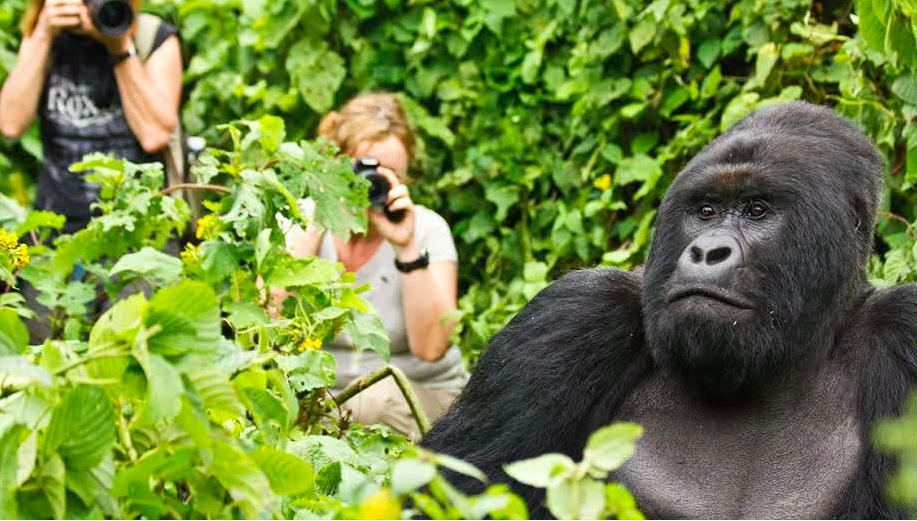
The connection between conservation and tourism is particularly evident in the country’s mountain gorilla tourism, which remains one of Rwanda’s most valuable tourism offerings.
According to the Rwanda Development Board’s (RDB) 2025 annual performance report, Rwanda’s tourism sector generated $685 million in revenue in 2025, nearly four times the $164 million recorded in 2021.
Tourism revenue rose to $455 million in 2022 as the sector recovered from the effects of the Covid-19 pandemic, before reaching $620 million in 2023 and $647 million in 2024.
In 2025, tourism revenue increased by 6% compared with the previous year, supported by growth in visitor numbers and air travel. Revenue from air travel rose by 9% to $594 million.
Gorilla tourism accounted for a significant share of those earnings, generating $248 million in 2025, an increase of 7%.
Rwanda received 1.49 million visitors during the year, up from 1.36 million in 2024, representing a 9% increase. Visitors arriving by air increased by 23%.
The growth illustrates how the conservation of a species once considered highly vulnerable has become closely intertwined with Rwanda’s tourism ambitions.
Rwanda received 1.49 million visitors during the year, up from 1.36 million in 2024, representing a 9% increase. Visitors arriving by air increased by 23%.
From 430 gorillas to more than 1,100
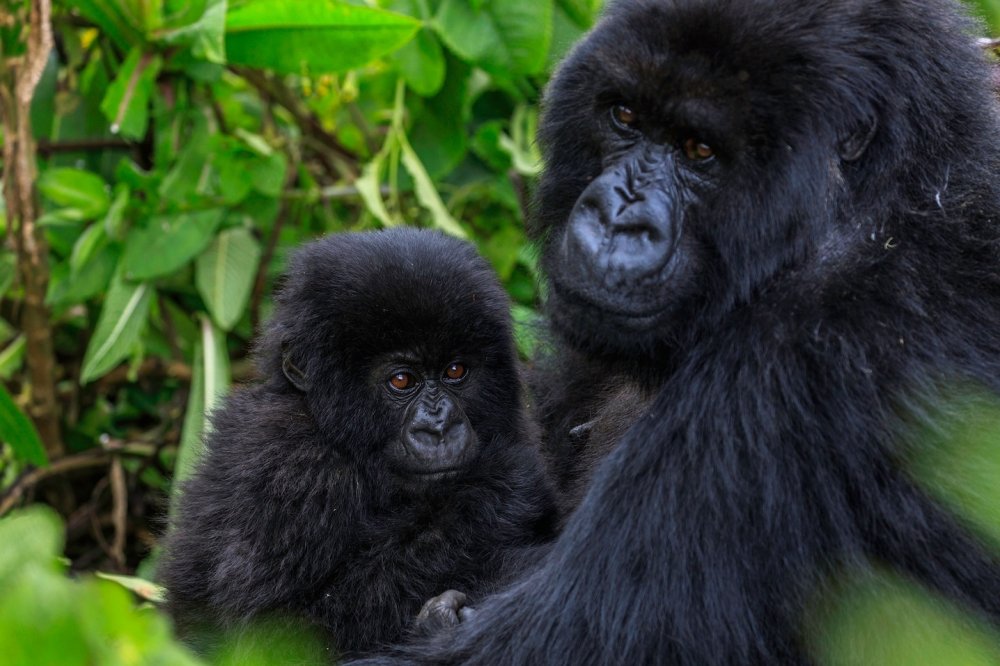
When Rwanda introduced Kwita Izina as an annual gorilla-naming ceremony in 2005, about 430 mountain gorillas were estimated to live in the Virunga Massif.
More than two decades later, the population has grown to more than 1,100 mountain gorillas across the Virunga Massif, which is shared by Rwanda, Uganda and the Democratic Republic of Congo.
The increase has followed years of conservation efforts involving governments, conservation organisations, researchers, veterinarians, park rangers and communities living around protected areas.
“Thanks to the leadership of Rwanda, the dedication of conservationists and the commitment of our communities, mountain gorillas have come back from the brink. Today, there are more than 1,000 mountain gorillas worldwide, including more than 600 in the Virunga Massif,” Prime Minister Dr. Justin Nsengiyumva remarked during last year’s 20th anniversary of the baby gorilla naming ceremony, reflecting on the species’ recovery.
For Rwanda, protecting the gorillas has gone beyond preserving an endangered species. It has created a tourism attraction that brings international visitors into the country and generates revenue that can in turn support conservation and communities.
Kwita Izina grows beyond gorilla naming
The story of this relationship is perhaps best captured by Kwita Izina.
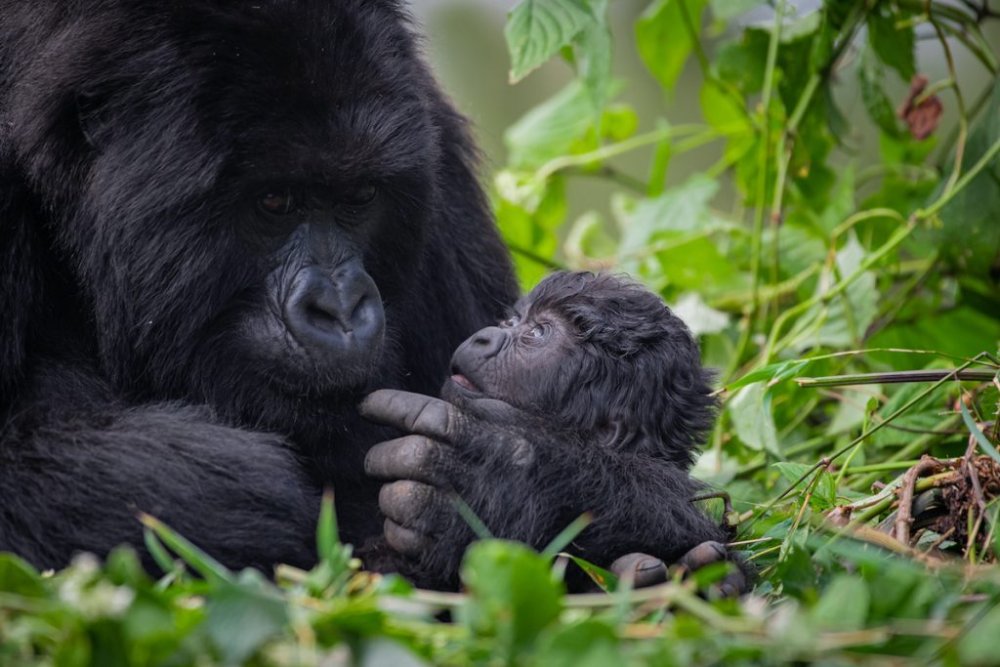
The 2026 ceremony will take place in Kinigi, Musanze District, on September 4, when 22 baby gorillas will be given names. Up through 2025, a total of 438 gorillas have been named since the event became an annual ceremony in 2005.
Over the years, Kwita Izina has evolved beyond the naming of gorillas. It has become a platform bringing together conservationists, researchers, government officials, business leaders and international visitors to discuss wildlife protection and the role of communities in conservation.
“For over two decades, Kwita Izina has showcased Rwanda’s belief that conservation is not simply about protecting wildlife. It is about creating opportunities for people, supporting communities, growing tourism and ensuring that future generations inherit a healthy and thriving natural environment,” RDB stated recently ahead of the 2026 edition.
The event has also become an important avenue for promoting Rwanda as a destination and highlighting the economic value of protecting its natural heritage.
Tourism growth beyond gorillas
While gorilla tourism remains an important source of revenue, Rwanda has continued to diversify its tourism products.
Visits to friends and relatives generated $180 million in 2025, an increase of 19%, while educational travel generated $64 million after growing by 17%. Business tourism contributed $112 million.
The diversification has helped broaden the sector while gorilla tourism continues to anchor Rwanda’s wildlife offering.
Bringing tourism benefits to communities
Rwanda has also sought to ensure that the economic value created by conservation reaches communities living near national parks.
Through its tourism revenue-sharing programme, 10% of tourism revenues is allocated to communities living around protected areas.
The funds are invested in projects such as schools, health centres, water infrastructure and other community facilities.
RDB says more than Rwf23 billion has been invested in nearly 1,300 community projects since the programme began.
The model is designed to strengthen the relationship between communities and conservation by ensuring that people living alongside protected areas benefit from the tourism economy generated by wildlife.
Expanding Volcanoes National Park
The next phase of Rwanda’s conservation efforts is also expected to expand the space available for wildlife.
Rwanda is implementing a $259 million, 10-year project to expand Volcanoes National Park by 3,740 hectares and establish an additional 6,620-hectare buffer zone.
The project includes the $30 million Smart Green Village in Rurembo, which is being developed for families relocated from areas designated for the park’s expansion.
The village will include water and electricity, schools, health facilities, farmland and livestock facilities.
The project is expected to improve the livelihoods of more than 17,000 people, including 547 households that will relocate to the village, while reducing human-wildlife conflict by 80%.
The expansion reflects the broader approach Rwanda has taken to conservation, combining the protection of natural habitats with efforts to address the needs of communities living around them.
As Rwanda prepares for another Kwita Izina ceremony, the annual event offers more than a celebration of newborn gorillas.
It represents a conservation journey that has helped Rwanda build one of its most recognisable tourism products, while creating a model in which wildlife protection, tourism revenue and community development are increasingly connected.
The 2026 ceremony will take place in Kinigi, Musanze District, on September 4, when 22 baby gorillas will be given names. Up through 2025, a total of 438 gorillas have been named since the event became an annual ceremony in 2005.
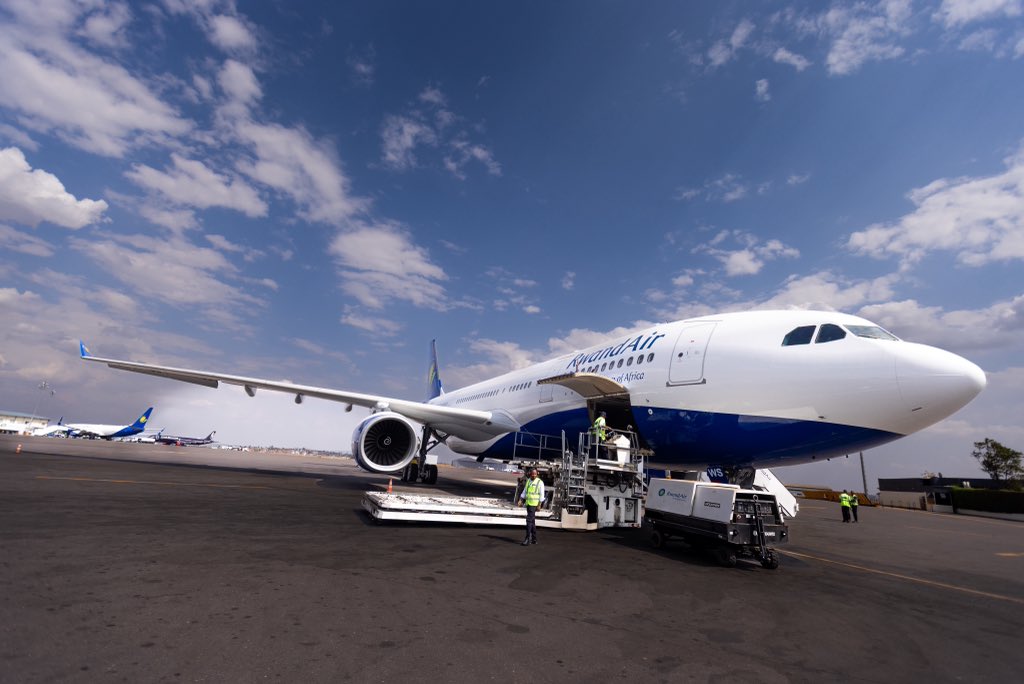
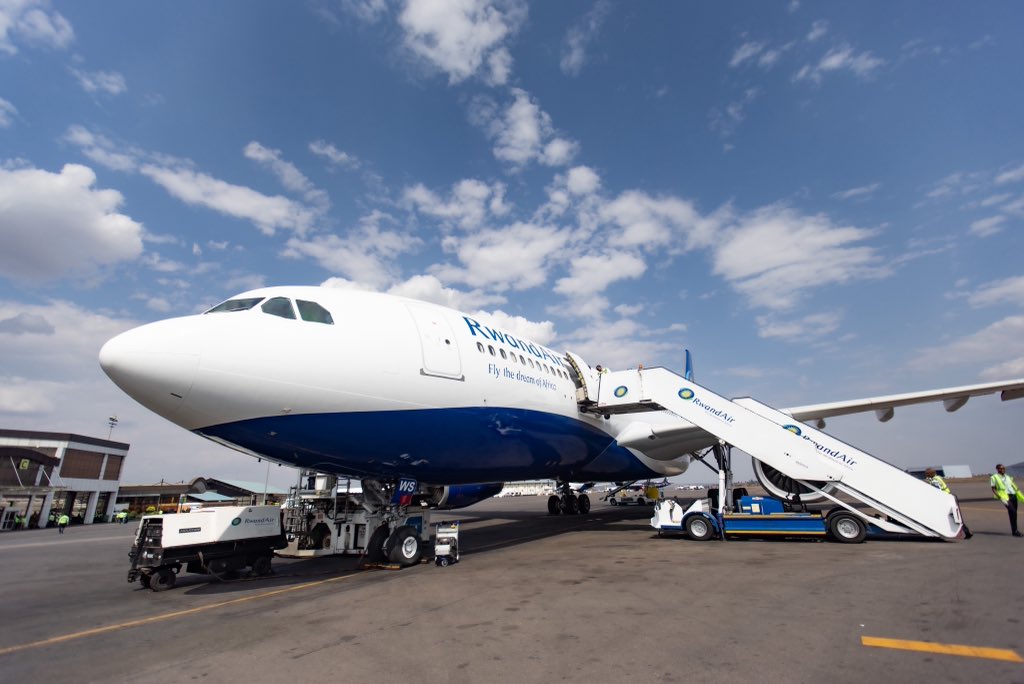
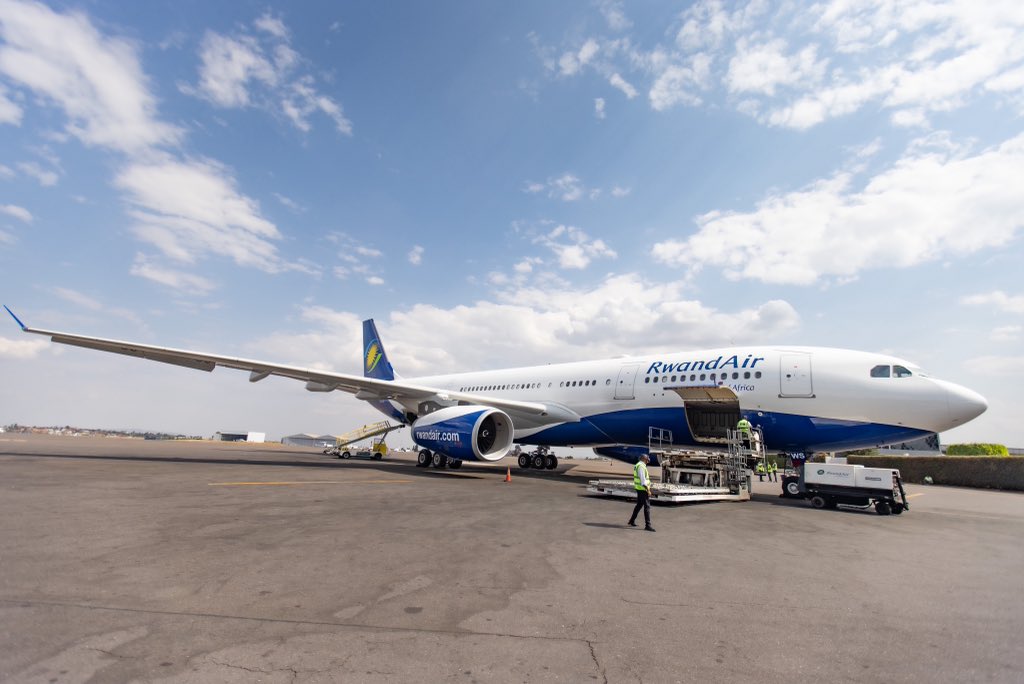
In a statement shared on Monday, August 24, RwandAir said the aircraft is the first of five A330s scheduled to join its fleet as part of efforts to support its continued expansion.
The airline said the addition will enhance passenger comfort and reliability while improving onboard connectivity, allowing travellers to stay connected throughout their journeys.
“This aircraft is the first of five A330s scheduled to join the fleet, strengthening our long-haul capabilities and supporting our continued growth,” RwandAir said.
The latest addition comes as the national carrier continues to expand its fleet to meet growing demand across its network.
In August 2025, RwandAir added two Boeing 737-800 aircraft to its fleet, primarily to serve short and medium-haul routes. Each of the aircraft has a passenger capacity of 174.
The fleet expansion is part of RwandAir’s broader growth strategy, with the airline investing in additional aircraft to enhance connectivity within Africa and beyond. In June 2025, the airline’s Chief Commercial Officer, Fouad Caunhye, said new aircraft would be delivered in phases to meet rising regional and international demand.
RwandAir operates a diverse fleet that includes A330-200s, A330-300s, Boeing 737 Next Generation jets, Bombardier CRJ900s and De Havilland Dash 8-400s, serving destinations across Africa, Europe, Asia, the Americas and the Middle East.
RwandAir said the aircraft is the first of five A330s scheduled to join its fleet as part of efforts to support its continued expansion.The airline said the addition will enhance passenger comfort and reliability while improving onboard connectivity, allowing travellers to stay connected throughout their journeys.
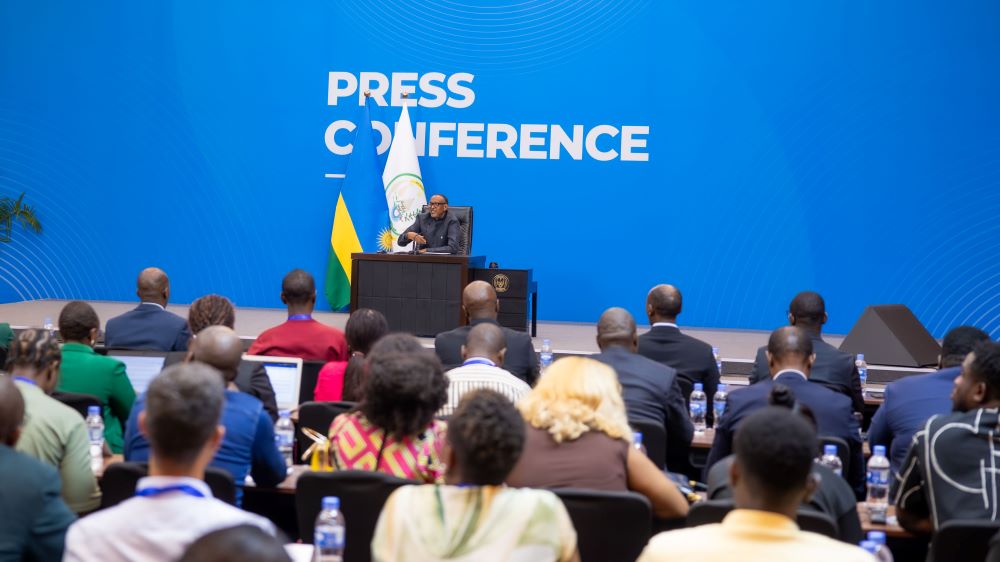
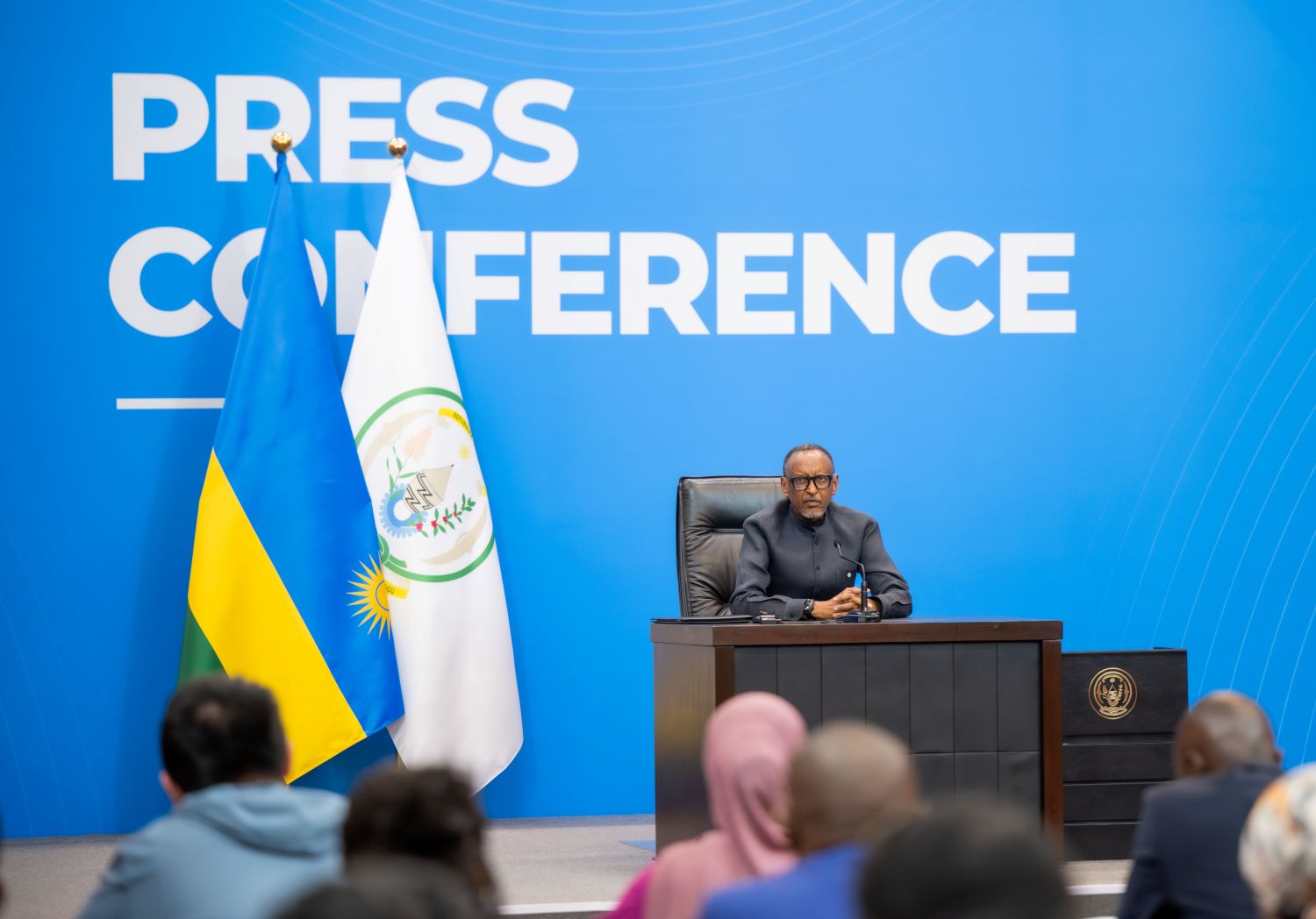
Responding to a question about reports that Rwanda could acquire a stake in the refinery during a press conference in Kigali on Monday, President Kagame said discussions were still at an early stage and that it was too soon to provide further details.
“In a way, there has been. But it is too early to talk about the details, because I think it is a work in progress. Things are still being thought out,” Kagame said during the press conference at the Kigali Convention Centre.
“But what I can say is that Rwanda would be very happy to be part of that kind of investment.”
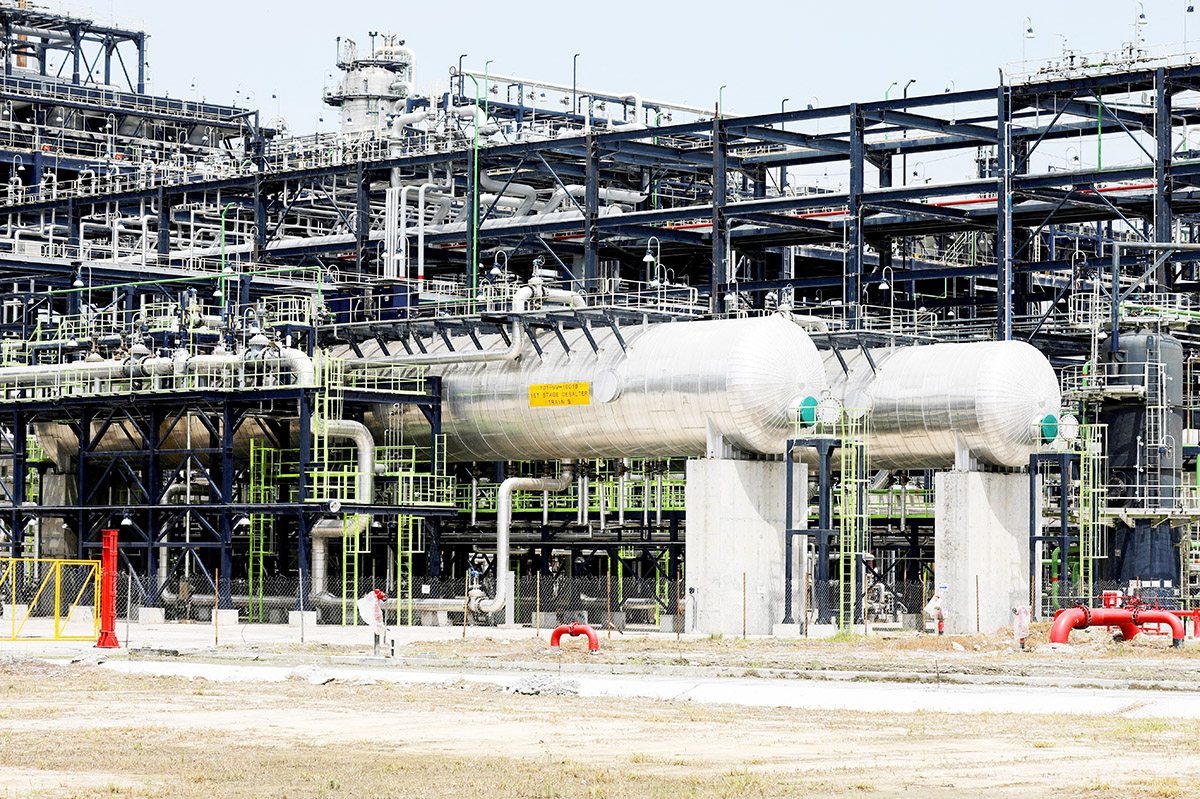
His remarks follow reports that the Nigerian businessman is seeking regional partners for a major refinery project planned for Kenya’s northern coast.
Dangote has reportedly offered East African countries a combined 30 percent equity stake in the project, with Kenya, Rwanda and Ethiopia among the countries reported to have expressed interest.
According to reports, Kenya could take a 10 percent stake worth about $500 million, while the combined regional stake would be valued at approximately $1.5 billion.
The refinery is planned for Lamu and is expected to have a processing capacity of up to 700,000 barrels per day, potentially making it one of Africa’s largest refining facilities.
The refinery itself is estimated to cost up to $16 billion, while the broader petrochemical complex and additional port infrastructure could bring the total investment to around $20 billion.
If completed, the project could help reduce East Africa’s dependence on imported refined petroleum products and strengthen the region’s energy security by creating a major source of fuel closer to regional markets.
President Kagame did not provide details on the size of a potential Rwandan investment or the stage of the discussions, stressing that the plans were still being considered.
Responding to a question about reports that Rwanda could acquire a stake in the refinery during a press conference in Kigali on Monday, President Kagame said discussions were still at an early stage and that it was too soon to provide further details.President Paul Kagame said Rwanda would be “very happy” to participate in the project.
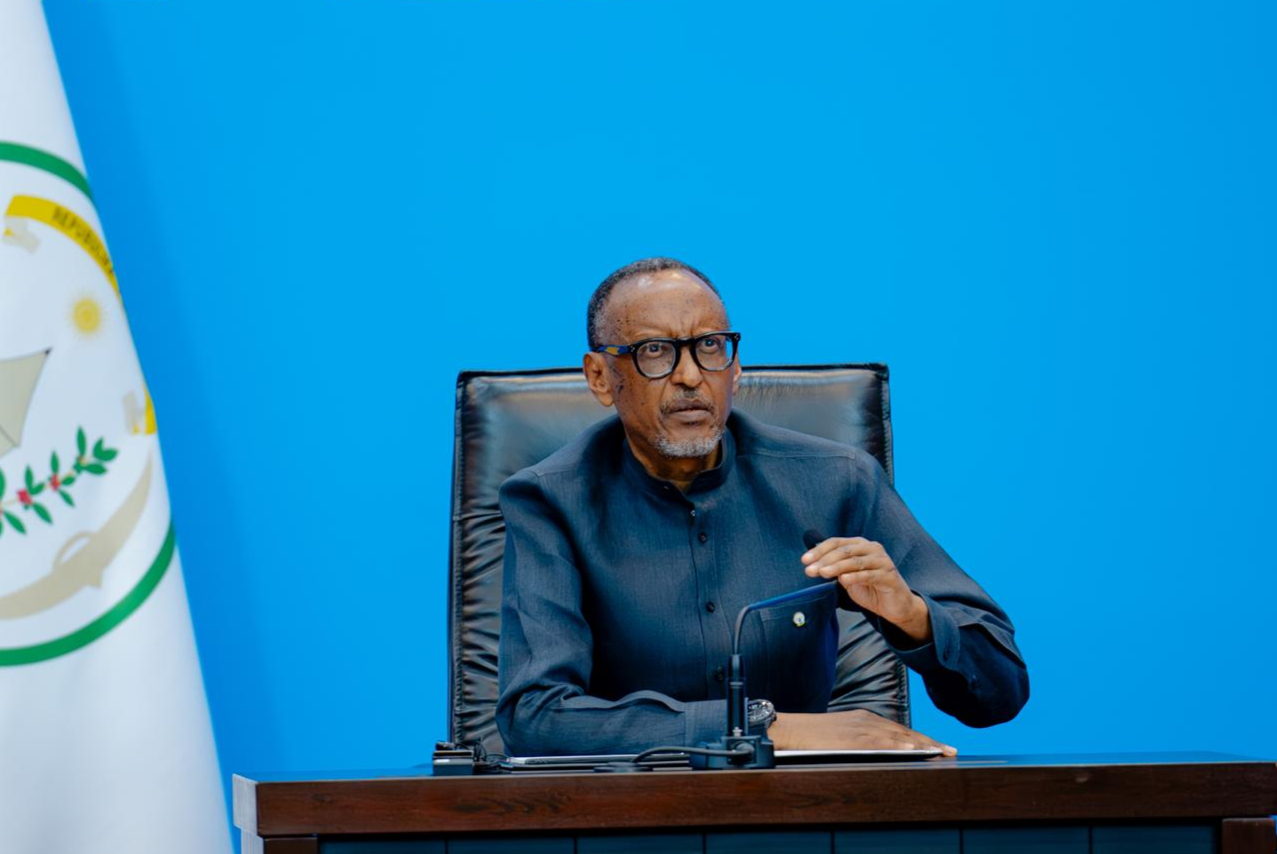
Speaking during a press conference at the Kigali Convention Centre on Monday, President Kagame said Rwanda had never made such a commitment to Burundi.
“There is no commitment we ever made that we did not fulfil, not with the President of Burundi, not with anybody,” Kagame said, adding that perhaps Ndayishimiye had “dreamt and thought it had happened.”
Ndayishimiye, in an interview with BBC Gahuzamiryango in July 2026, said Burundi was still waiting for Rwanda to fulfil what the two countries had agreed upon. When asked to specify the matter, he said it concerned the transfer to Bujumbura of individuals accused of attempting to overthrow Nkurunziza in May 2015.
Kagame said he was unaware of any meeting or agreement in which Rwanda had committed to handing over the suspects.
The Head of State accused Ndayishimiye of being dishonest, recounting a conversation the two leaders had following reports that Burundi had deployed troops to North Kivu Province in eastern Democratic Republic of Congo.
Kagame said Rwanda’s intelligence services had informed him about the deployment, prompting him to call Ndayishimiye to seek clarification. He also raised concerns over reports linking Burundi to the Democratic Forces for the Liberation of Rwanda (FDLR), as well as earlier incursions into Rwanda by armed groups operating from Burundi, including the FLN.
According to Kagame, Ndayishimiye strongly denied that Burundian forces had been deployed to North Kivu and urged him to cross-check the information, suggesting that those who had provided the reports were attempting to cause problems.
“I said, President, I will take your word, much as I think the reports I received were credible, but I will take your word for it,” Kagame said.
However, Kagame said the reports were subsequently confirmed when Burundian soldiers were captured in North Kivu by AFC/M23 fighters.
“A couple of weeks after, they were captured in the north of Kivu,” he remarked.
Kagame said he therefore did not know what commitment or meeting Ndayishimiye was referring to when he claimed Rwanda had failed to honour an agreement regarding the 2015 coup suspects.
Rwanda has in the past said it cannot hand over the persons linked to the coup because they are refugees protected under international law.
Speaking during a press conference at the Kigali Convention Centre on Monday, President Kagame said Rwanda had never made such a commitment to Burundi.
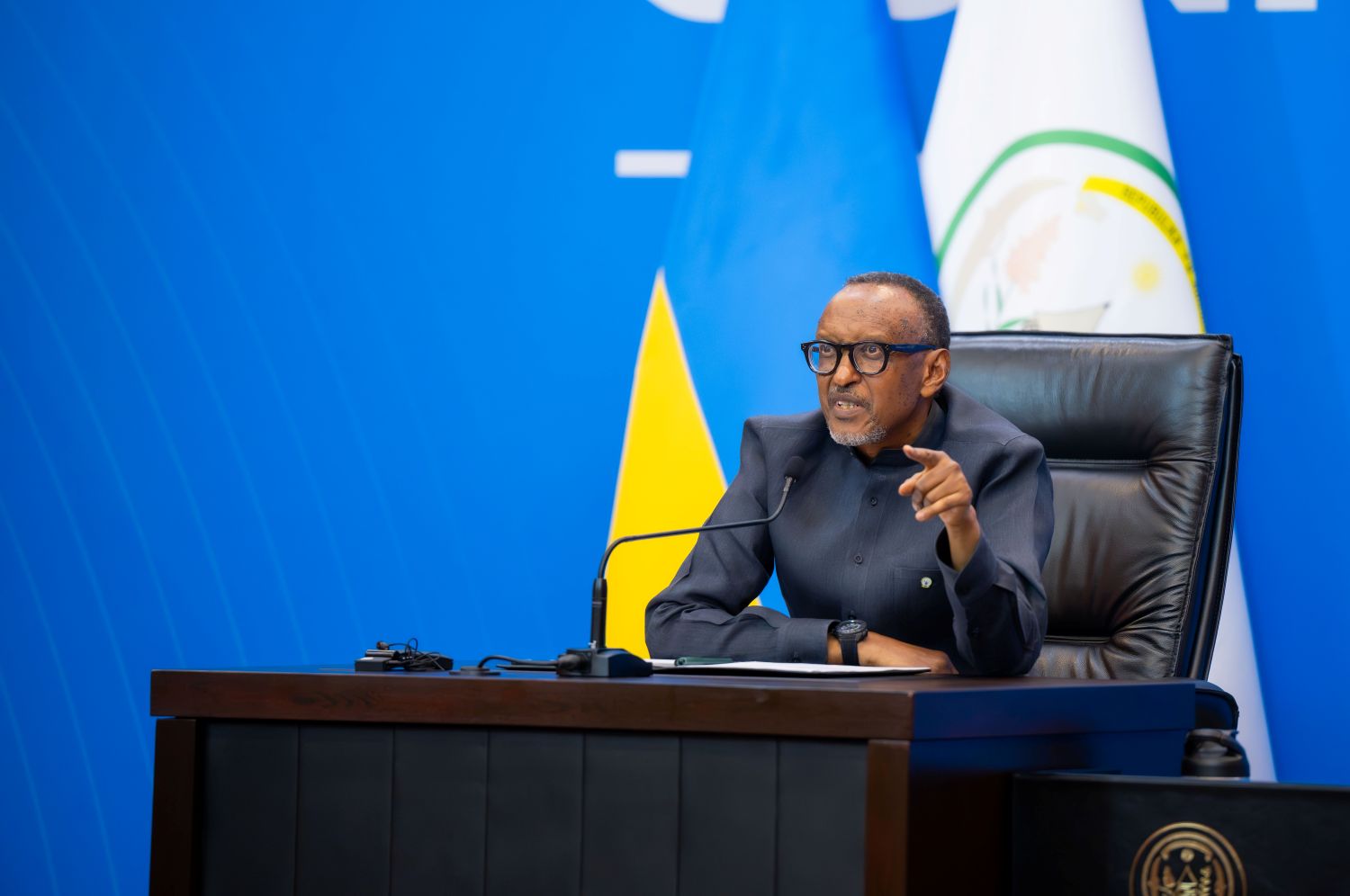
Speaking during a press conference at the Kigali Convention Centre on Monday, Kagame said Rwanda’s security concerns over the FDLR have persisted for about three decades and will continue to shape the country’s involvement in the regional conflict as long as the armed group remains a threat.
“Rwanda’s problem has always been the FDLR in Congo. I can repeat it a hundred times,” Kagame said.
“And if this problem of FDLR is not resolved, of course Rwanda will always remain involved as part of this problem. There are no two ways about it.”
President Kagame was responding to a question about a recently reported Congolese protocol for the disarmament, demobilisation and cantonment of FDLR fighters, which Kinshasa said was part of its commitments under the Washington peace agreement. Rwanda has rejected the arrangement as inconsistent with the agreement. The United States, which brokered the deal, has said the DRC must neutralise the FDLR as part of its commitments under the Washington Accords.
The journalist asked whether Rwanda viewed the initiative as the neutralisation process envisaged under the agreement or as a political manoeuvre.
Kagame said efforts to resolve the FDLR issue had been ongoing for decades, involving the United Nations, the United States, European countries, African states and other actors, but had failed to address the root causes of the problem.
“The handling and the mishandling of this problem over many years is known. The actors are known,” he remarked
He argued that successive efforts had focused on superficial aspects of the crisis rather than addressing its underlying causes.
The Head of State also rejected arguments that Rwanda uses the FDLR, formed by individuals responsible for the 1994 Genocide against the Tutsi in Rwanda, as a justification for its involvement in eastern DRC.
“If you don’t want Rwanda, if nobody keeps saying Rwanda, Rwanda, Rwanda, and doesn’t want Rwanda to have anything to say in this, why don’t you remove this problem and see whether Rwanda is using it as an excuse?” he posed.
‘We will do anything that contributes to that protection’
Kagame said Rwanda’s approach would be guided first by the need to protect itself, while also seeking to avoid giving its adversaries opportunities to threaten the country.
“We behave in a manner that protects us at any cost. We will do anything that contributes to that protection, day or night,” he stressed.
“There are no two ways about it; that one we will, no question.”
He added that Rwanda would seek to act responsibly while protecting its interests.
“We will do what is right to protect ourselves, and we will do it without fear, favour, day or night, any time,” Kagame said.
President Kagame also maintained that Rwanda’s desire for peace remained central to its approach to the regional crisis.
“We want peace to the point that we are ready to fight for it. And that’s our main goal. We want peace, and we want to work with others to have peace,” he said.
His remarks came as he questioned the effectiveness of international efforts to address the conflict in eastern DRC, including the use of sanctions.
Kagame argued that sanctions had created additional problems rather than resolving the underlying conflict.
“Instead of sanctioning FDLR or those who work with them or support them, they sanction those who fight them. I don’t understand the logic,” he noted.
He also questioned the failure to address the origins of the conflict involving various armed groups in eastern DRC, including AFC/M23.
Kagame said Rwanda would continue working with other countries on peace efforts while maintaining its own security as a priority.
“We are happy to do that, I think. It is a pleasure to do the hardest task to protect ourselves. That’s what it is,” he said.
Speaking during a press conference at the Kigali Convention Centre on Monday, Kagame said Rwanda’s security concerns over the FDLR have persisted for about three decades and will continue to shape the country’s involvement in the regional crisis as long as the armed group remains a threat.
The figure translates to about 844 new cases every month and 11,241 over the 12-month period, highlighting continued challenges in controlling the HIV epidemic in the city.
The study reviewed 649,570 people who were tested for HIV at various health facilities across Kampala during the period.
Women accounted for 64 percent of those tested, while men made up the remaining 36 percent. People aged between 20 and 24 constituted the largest proportion of those who underwent testing.
However, women also accounted for the majority of newly identified HIV-positive cases, at 62 percent, compared with 38 percent among men. The largest share of new positive cases was recorded among people aged between 30 and 39.
Dr. Douglas Tuhumwire, KCCA’s care and treatment lead, said the authority suspects several factors could be contributing to the rise in new cases, including unregulated sexual activity in massage parlours, spas and lodges, domestic violence, inequalities and sexual behaviour influenced by digital and social media.
He said the suspected factors require further investigation to establish their contribution to the increase.
The findings were presented during the 2026 Kampala HIV/TB Stakeholders’ Meeting, where health officials and other partners renewed calls for stronger HIV prevention efforts, particularly among young people.
Josephine Kalebei, executive director of Reach Out Mbuya Community Health Initiative, described the trend as “very scary” and stressed that prevention remains critical as funding for HIV programmes declines.
“We are calling upon every actor to take the issue of prevention seriously because since these children have grown up in the era where we have medication, they are neither worried nor aware of the dangers of HIV,” she said.
Kampala Lord Mayor Ronald Balimwezo called for stronger coordination among government agencies and development partners involved in the HIV response. He also urged residents to regularly test for HIV to help guide prevention and treatment efforts.
The study further found that Kampala has not yet achieved the UNAIDS 95-95-95 targets. About 88 percent of people living with HIV know their status, while 78 percent of those who know their status are on treatment. However, 97.5 percent of people receiving treatment have achieved viral suppression.
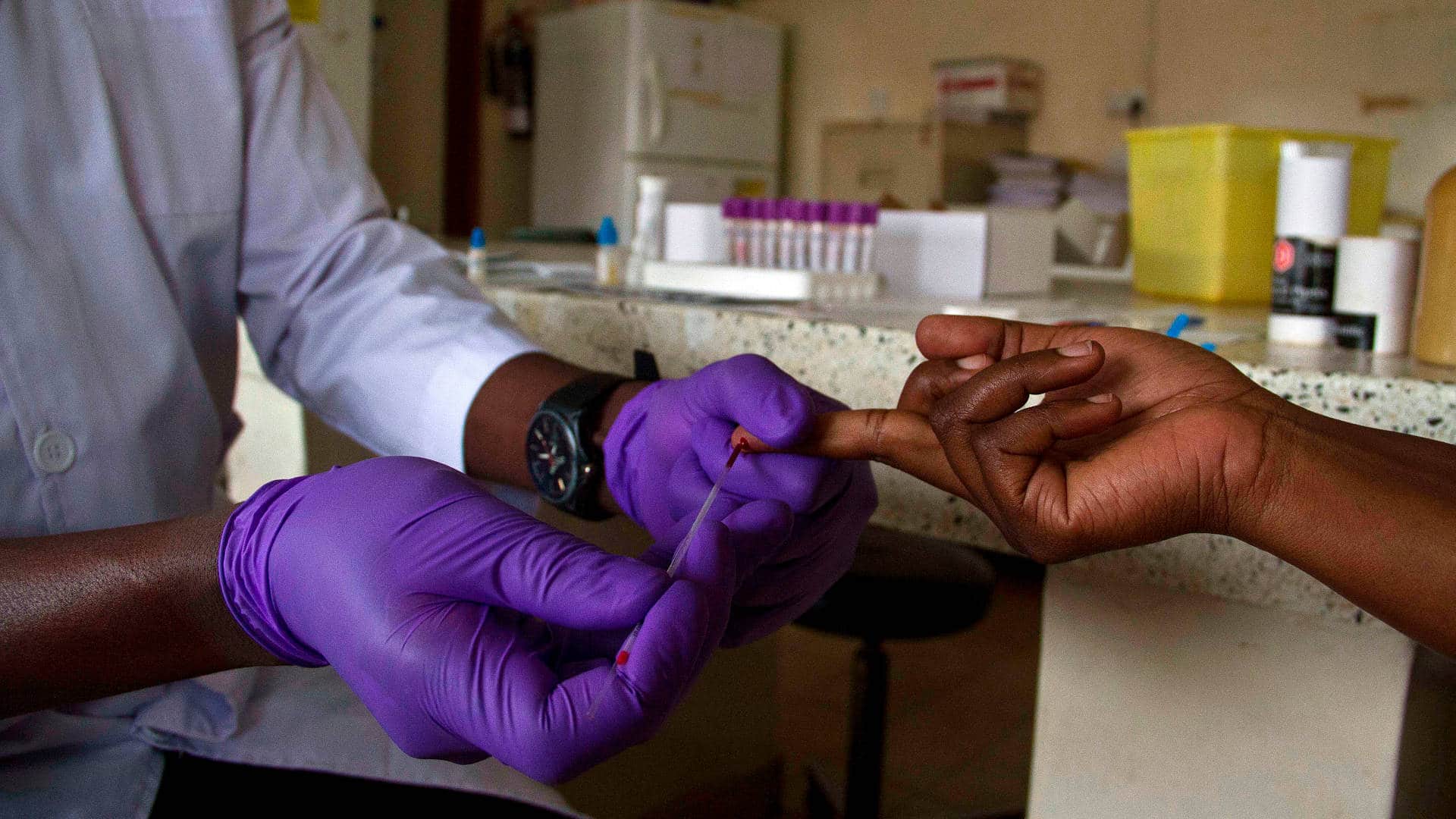
A health worker draws blood from a man to test for HIV in Kampala. Uganda’s capital, Kampala, recorded an average of 211 new HIV-positive cases every week between July 2025 and June 2026, according to a study by the Kampala Capital City Authority (KCCA).