The faithful were urged to maintain the spirit of Ramadan by continuing to do good deeds and avoiding sin beyond the fasting period.
The national Eid prayer was held on March 20, 2026, at Kigali Pele Stadium in Nyamirambo and was led by the Mufti of Rwanda, Sheikh Sindayigaya Mussa.
The Rwanda Muslim Community announced that more than Rwf 38 million was raised during Ramadan to support vulnerable Muslims, enabling the distribution of food on Eid day. Under the initiative, 20 tonnes of rice were provided to those in need.
The national Eid prayer was held on March 20, 2026, at Kigali Pele Stadium in Nyamirambo.
Sibomana Salimu, Executive Secretary of the Rwanda Muslim Community, said that although Ramadan has ended, the commitment to faith should continue.
He also noted that preparations for the annual Hajj pilgrimage to Saudi Arabia are underway, with 65 pilgrims expected to depart from Rwanda in May. The group will travel directly to Saudi Arabia.
Delivering his message, Mufti Sindayigaya emphasised the importance of sustaining good character and righteous actions beyond Ramadan.
“The end of Ramadan should not mark the end of good deeds. We must continue praying and supporting the vulnerable. A wise person draws strength from this period,” he said.
He added that consistency in doing good, even in small acts, is what defines true devotion.
“Good deeds are not temporary. Even the smallest acts matter when done consistently,” he noted.
The Mufti further cautioned against returning to sinful behaviour after the fasting period, stressing that true worship extends throughout the year.
“It is a great loss for one to fast during Ramadan only to return to sin afterward. Worship should not be limited to one month while the rest of the year is neglected,” he said.
He also called on Muslims to uphold discipline, integrity, and values that reflect their faith.
Sindayigaya urged the Muslim community to remain grateful for the peace and stability in Rwanda, noting that in some parts of the world, particularly in the Middle East, communities marked the end of Ramadan under difficult security conditions due to ongoing conflicts.
“Peace enables economic growth and allows people to enjoy its benefits. We should always be thankful,” he said.
Mufti of Rwanda, Sheikh Sindayigaya Mussa, urged the Muslims community to maintain the spirit of Ramadan by continuing to do good deeds and avoiding sin beyond the fasting period.
He concluded by encouraging unity among Muslims, calling for collective efforts toward development and social cohesion.
“Our unity is a strong foundation for achieving sustainable development,” he said.
He also extended Eid greetings to all Rwandans.
Rwanda’s Chief of Defence Staff, General Mubarakh Muganga, attended Eid prayer.Sindayigaya urged the Muslim community to remain grateful for the peace and stability in Rwanda.The Executive Secretary of the Rwanda Muslim Community, Sibomana Salimu, said that during Ramadan, Muslims supported vulnerable people.
The Chadian government confirmed the attack occurred Wednesday and said the drone was launched from within Sudanese territory.
The paramilitary Rapid Support Forces (RSF) condemned what it called a drone attack on Al-Tina and blamed the Sudanese Armed Forces (SAF), calling it “a violation of Chad’s sovereignty and a dangerous escalation.”
The SAF denied involvement and said in a statement Thursday that an RSF drone had struck a gathering of civilians inside Chad, calling it part of a “repeated pattern” of cross-border attacks.
Chad’s information minister and government spokesperson, Qassem Sharif, said the government had raised its military and security forces to a higher state of alert following the strike. He said Chad reserves the right to pursue those responsible inside Sudan under international law.
The strike comes as fighting between the SAF and RSF has intensified along the Sudanese-Chadian border, particularly in the Darfur region, where both sides have clashed over supply routes and border crossings.
The crossings between Sudan and Chad, including the Adre crossing, are vital commercial and humanitarian corridors for Darfur’s population.
Chad closed its border with Sudan on February 23 after armed groups crossed into its territory, allowing exceptions only for humanitarian purposes with prior authorization.
The SAF and RSF have been at war since April 2023. The conflict has killed tens of thousands of people and displaced millions inside Sudan and across the region.
The Sudan conflict has driven millions of people to flee across the border to Chad. Chad’s president has ordered the military to retaliate against future attacks from Sudan following a drone attack that killed at least 17 people and injured several other people attending a funeral.
In its latest Global Trade Outlook and Statistics report, the WTO forecast that in a baseline growth scenario excluding energy price shocks, global merchandise trade growth would slow to 1.9 percent in 2026 from 4.6 percent in 2025 before rebounding to 2.6 percent in 2027.
Commercial services trade growth will ease to 4.8 percent in 2026, then accelerate again to 5.1 percent in 2027. Together, goods and services trade will grow 2.7 percent in 2026 compared with 4.7 percent in 2025, the report said.
Global GDP growth is projected to moderate slightly from 2.9 percent in 2025 to 2.8 percent in both 2026 and 2027, the report noted.
However, the WTO warned that these baseline projections could deteriorate if the ongoing Middle East conflict continues to disrupt energy markets.
The United States and Israel launched massive attacks on Iran on February 28, disrupting global shipping, sending oil prices soaring and shaking the global economy.
European gas and oil prices rose sharply in early trading on Thursday. The Dutch TTF benchmark, a key reference for European gas supply contracts, surged more than 30 percent to 70.7 euros (about 76.8 U.S. dollars) per megawatt-hour at the open, before easing to around 67 euros per megawatt-hour. The price has more than doubled from around 32 euros megawatt-hour before the conflict began.
Oil prices also moved higher. Brent crude, the international benchmark, rose to above 116 dollars per barrel in early trading.
If crude oil and liquefied natural gas prices remain elevated throughout 2026, world merchandise trade growth would be reduced by 0.5 percentage points to just 1.4 percent in 2026. Services trade would also grow at a slower rate of 4.1 percent. Global GDP growth could be cut by 0.3 percentage points, the report said.
WTO Director-General Ngozi Okonjo-Iweala said the outlook reflects the resilience of global trade, supported by trade in high technology products and digitally delivered services, adaptations in supply chains and the avoidance of tit-for-tat retaliation on tariffs.
However, Okonjo-Iweala cautioned against further pressure from the Middle East conflict on global trade. “Sustained increases in energy prices could increase risks for global trade, with potential spillovers for food security and cost pressures on consumers and businesses,” she said.
The WTO’s new chief economist Robert Staiger told a press conference that the “unusually strong trade growth” in 2025 was mainly driven by the frontloading of imports in North America in anticipation of higher U.S. tariffs, as well as a surge in AI-related goods.
But the two forces are “unlikely to persist through 2026,” said Staiger.
However, the WTO economists still see potential upside if the Middle East conflict is short-lived and AI-related spending remains strong throughout 2026 and into 2027, which could lift merchandise trade growth by 0.5 percentage points to around 2.4 percent in 2026 and 2.7 percent in 2027.
Under the baseline scenario, Asia is expected to lead merchandise trade growth in 2026, with imports rising by 3.3 percent and exports by 3.5 percent. South America is also projected to post strong export growth of 3.5 percent.
In contrast, North America’s imports growth would remain flat at 0.3 percent. Europe’s exports are forecast to stagnate at 0.5 percent, while the Middle East is expected to see a sharp slowdown in exports to 0.6 percent.
The report also highlighted continued disruptions to global transport and services trade linked to the Middle East conflict.
The WTO cautioned that a prolonged crisis may lead to structurally higher transport costs, reduced transhipment activity and shifts in global travel and trade patterns toward alternative routes.
The logo of the World Trade Organization (WTO) is pictured at the WTO headquarters in Geneva, Switzerland, March 19, 2026. The WTO said on Thursday that global trade growth is set to slow in 2026 after a stronger-than-expected performance in 2025, warning that the ongoing Middle East conflict could add further pressure on global trade.A press conference on World Trade Organization (WTO)’s latest Global Trade Outlook and Statistics report is held at its headquarters in Geneva, Switzerland, March 19, 2026. The World Trade Organization (WTO) headquarters is pictured in Geneva, Switzerland, March 19, 2026.
Held on Thursday under the theme “Capital Market Connect: Preparing Businesses for Investment Success,” the forum brought together entrepreneurs, investors, policymakers, and development partners to explore how Rwanda’s private sector can access long-term financing through the stock market and related instruments.
The event underscored the growing role of capital markets in supporting business expansion, improving corporate governance, and enhancing investor confidence, key elements considered essential for attracting both local and international investment.
Opening the forum, Rwanda Stock Exchange Chief Executive Officer, Pierre Celestin Rwabukumba, said capital markets remain central to linking ideas with financing and enabling businesses to scale.
“Good businesses require access to great capital. Capital markets allow ideas to become companies, and companies to become industries,” he said, emphasising that market development is a strategic pillar for national economic growth.
He noted that the Listings Forum serves as a platform to engage businesses across sectors and raise awareness about the value of listing on the stock exchange, including access to long-term funding, broader investor participation, and strengthened governance structures.
Bob Junker, Head of Cooperation at the Luxembourg Embassy in Kigali, reaffirmed the international community’s support for Rwanda’s financial growth, highlighting the importance of capital markets in driving innovation and competitiveness.
“Capital markets play a critical role in enabling businesses to grow, to innovate, and to compete,” he said, adding that listing on a stock exchange also improves transparency and visibility for companies seeking to scale sustainably.
From a policy perspective, Antoine Marie Kajangwe, Permanent Secretary at the Ministry of Trade and Industry (MINICOM), emphasised that capital markets provide alternative financing options beyond traditional lending, including equity listings and corporate bonds.
He noted that Rwanda Stock Exchange initiatives, such as the Investment Clinic, are helping businesses meet the standards required by investors by strengthening financial reporting, governance, and internal management systems.
“A key barrier is meeting corporate governance standards. Investments follow preparation,” he said, pointing to the need for SMEs to formalise operations and improve compliance in order to access capital market financing.
The forum also highlighted the challenges faced by small and medium enterprises (SMEs), particularly in meeting due diligence and governance requirements. Stakeholders noted that programs like the Investment Clinic are designed to bridge these gaps by equipping firms with the tools needed to become “investment ready.”
Capital Market Authority Rwanda representatives reiterated that investor trust depends on strong regulatory frameworks and transparent business practices.
Eric Karekezi Ngabonziza, Head of Market Development at the Capital Market Authority, highlighted that regulations are designed to create the right conditions for investment, noting that “we are not here to create barriers. We are here to build the conditions that make investment possible.”
The Listings Forum forms part of RSE’s broader efforts to expand awareness of capital markets across Rwanda’s business community and encourage more companies to consider listing as a viable financing option.
Rwanda Stock Exchange, established in 2005, currently lists more than 100 securities, including equities, government treasury bonds, and corporate bonds, and continues to play a central role in mobilising capital for economic development.
As Rwanda’s economy continues to grow, stakeholders at the forum emphasised that stronger capital markets will be critical in connecting businesses with investors, fostering innovation, and supporting long-term, inclusive economic growth.
Rwanda Stock Exchange (RSE), together with its partners, urged businesses to leverage capital markets as a pathway to sustainable growth. Rwanda Stock Exchange CEO, Pierre Celestin Rwabukumba, said capital markets remain central to linking ideas with financing and enabling businesses to scale.Bob Junker, Head of Cooperation at the Luxembourg Embassy in Kigali, reaffirmed the international community’s support for Rwanda’s financial growth.Antoine Marie Kajangwe, Permanent Secretary at the Ministry of Trade and Industry (MINICOM), emphasised that capital markets provide alternative financing options beyond traditional lending.Eric Karekezi Ngabonziza, Head of Market Development at the Capital Market Authority, highlighted that regulations are designed to create the right conditions for investment.The forum was interactive, allowing attendees to engage with the panellists.The forum brought together entrepreneurs, investors, policymakers, and development partners to explore how Rwanda’s private sector can access long-term financing through the stock market and related instruments.
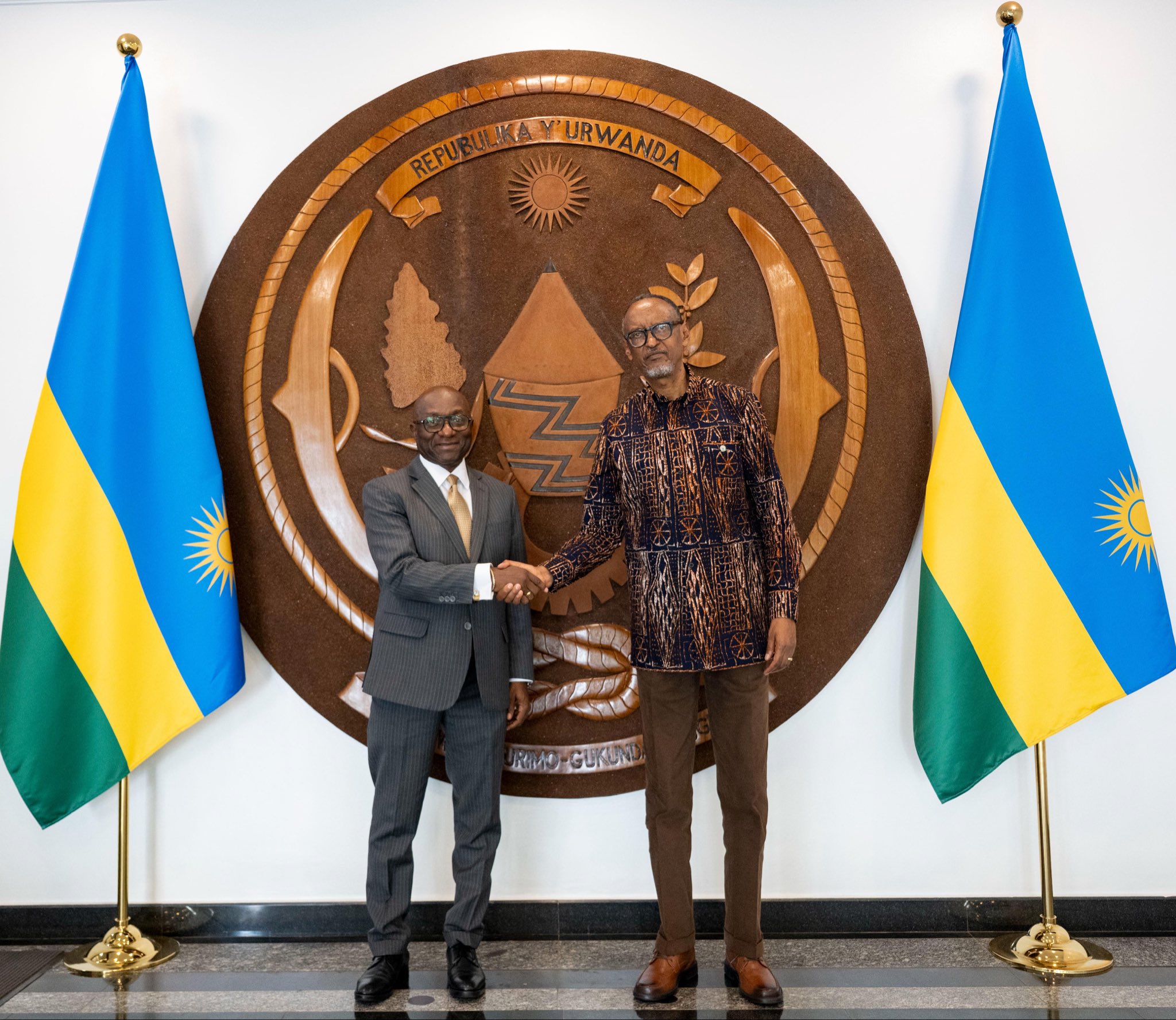
In a message shared on X, Kagame said he looks forward to the continuation of strong bilateral relations and close cooperation with the Republic of the Congo.
“Rwanda welcomes the strong quality of our bilateral relations and looks forward to continuing close cooperation in support of our shared priorities and the prosperity of our peoples,” President Kagame said on Friday.
Sassou Nguesso, 82, secured a fifth term after winning 94.82 percent of the vote in Sunday’s presidential election, according to the Interior Ministry. Out of 3,167,909 registered voters, turnout reached 84.64 percent, reflecting strong participation in the electoral process.
Seven candidates contested the election. Uphrem Dave Mafoula finished a distant second with about 1.03 percent of the vote. Other contenders included Joseph Kignoumbi Kia Mboungou, Anguios Nganguia Engambe, and first-time candidates Vivien Romain Manangou, Destin Gavet, and Mabio Mavoungou Zinga.
Under the country’s electoral framework, the president is elected through direct voting, with a two-round system applied if no candidate achieves a majority in the first round.
Rwanda and the Republic of the Congo have maintained a longstanding partnership marked by cooperation across multiple sectors, including diplomacy, trade, and security. In August 2016, Rwanda opened its embassy in Brazzaville, further strengthening diplomatic engagement.
The two countries signed a series of agreements in 2011 covering trade, air transport, tourism promotion, energy, security, environmental protection, and fisheries. Air connectivity has also been reinforced, with RwandAir operating flights between Kigali and Brazzaville since that year.
Cooperation expanded further in November 2021, when both nations signed agreements on military collaboration, higher education, land management, sustainable development, and trade promotion. Additional deals focused on environmental protection and expanding air transport links.
In the same year, Rwanda’s Housing Authority and Congo-Brazzaville’s SOPRIM entered into a partnership to promote housing development and the construction of affordable, modern homes.
Relations between the two leaders have remained cordial over the years. During a visit to Rwanda in 2023, Sassou Nguesso was awarded the Agaciro Medal by President Kagame in recognition of his contribution to Africa’s development.
In 2023, President Kagame gifted cows to Denis Sassou Nguesso in a gesture of friendship and respect.President Kagame upon his arrival in Brazzaville, Republic of the Congo, in 2022. President Kagame during his third visit to Congo-Brazzaville in 2013.President Kagame praised the relations between Rwanda and the Republic of the Congo (Congo-Brazzaville). During a visit to Rwanda in 2023, Sassou Nguesso was awarded the Agaciro Medal by President Kagame in recognition of his contribution to Africa’s development.
Construction of the two-storey building valued at Rwf 678 million is progressing, with partners laying a symbolic foundation stone on Wednesday, March 18, 2026, in a ceremony attended by senior government officials and development partners.
The project is expected to transform the existing facility into a modern, one-stop health centre offering integrated and client-centred services, particularly in HIV prevention, care, and treatment, as well as broader primary healthcare.
Artistic impression of the new modern facility, estimated to cost Rwf 678 million.
Speaking at the event, Dr. Lambert Rangira, AHF Rwanda Country Program Manager, said the expansion reflects a strong partnership between the Government of Rwanda and development partners aimed at strengthening the country’s health system.
“This project demonstrates what can be achieved when institutions work together toward a common goal, which is improving access to quality healthcare for all,” he said.
He also requested a collective commitment from all stakeholders to ensure that this investment translates into measurable impact for the Rwandan communities it will serve.
He emphasised that the new facility will go beyond infrastructure, delivering tangible benefits such as reduced waiting times, improved confidentiality, enhanced patient experience, and better health outcomes.
A symbolic foundation stone was laid at the site of the new facility on Wednesday, March 18, 2026.
The project is progressing well and is currently 38% complete, with full completion scheduled for October this year.
The expansion comes as AHF Rwanda continues to scale up its operations. Since launching in 2006, the organisation has grown from supporting just a few facilities to working in 11 districts. What began with three health facilities in Gasabo, Kicukiro, and Nyabihu districts with 850 patients in 2026 has expanded significantly over the past two decades. Today, AHF Rwanda supports 38 health facilities across 11 districts, collectively serving more than 47,200 people living with HIV.
The Kagugu Health Center expansion is also part of AHF Rwanda’s broader growth strategy. This year, the program plans to expand services to 24 additional sites, bringing care to an estimated 11,000 more clients across five new districts. By the end of the year, AHF Rwanda aims to reach 62 health facilities across 16 districts.
Aerial view of the new building. The project is expected to be completed by October 2026.
Founder and President of AIDS Healthcare Foundation Michael Weinstein, who was visiting Rwanda for the first time, commended the country’s coordinated approach to healthcare delivery, particularly in the fight against HIV.
“Rwanda has been a global leader in HIV response by ensuring that all partners work within one system,” he said. “Facilities like this need to be expanded to meet demand, and what we are seeing here is the essence of partnership.”
At the local level, the expansion is expected to address longstanding challenges at Kagugu Health Centre, which currently serves a population of over 100,000 people.
According to the facility’s head, Dogo Trésor, limited space has constrained service delivery despite growing demand.
“We follow up nearly 3,000 HIV patients, with more than 2,500 active clients, and currently record over 40 new HIV cases each month. The current infrastructure is not enough,” he said, adding that the expansion will allow for improved working conditions and the recruitment of additional staff.
Front view of the modern hospital under construction at Kagugu Health Center.
Kigali City authorities also welcomed the project as a key contribution to urban health development. Urujeni Martine, Vice Mayor in charge of Socio-Economic Affairs, noted that the investment aligns with Kigali’s broader goal of ensuring residents have timely access to quality healthcare.
“This facility will play a critical role in improving the well-being of our citizens and supporting sustainable development,” she said.
From the national perspective, the Ministry of Health highlighted the project’s alignment with Rwanda’s priorities, including modernising health infrastructure and improving service delivery.
Representing the Ministry, Dr. Oreste Tuganeyezu said the expansion would significantly enhance the quality of care provided at the facility.
“This project contributes directly to improving healthcare quality and supporting health workers, while also strengthening services for people living with HIV,” he said, adding that AHF’s support has been instrumental in expanding access to care and supporting vulnerable populations by covering their Community-Based Health Insurance (Mutuelle de Santé) contributions.
Dr. Oreste also noted that the project aligns with Rwanda’s broader health sector goals, including the plan to quadruple the number of health professionals between 2025 and 2029, which will further improve service delivery and reduce the workload on existing staff.
Once completed, the upgraded facility will offer a wide range of services under one roof, including HIV testing and counselling, laboratory services, pharmacy, maternal and child health services, non-communicable disease screening, and dedicated youth-friendly spaces.
AHF, which has a presence in more than 50 countries across Africa, the Americas, the Asia/Pacific region, and Europe, has been operating in Rwanda for the last 20 years and offers a comprehensive range of services, including HIV testing, care and treatment, prevention programs including Condom education and distribution, and integrated non-communicable disease (NCD) services, advocacy initiatives, and provision of supplemental personnel and monthly operational funding to all supported sites.
With robust testing models and strong community outreach, AHF Rwanda ensures services reach hard-to-access areas. The organisation partners with community-based organisations (CBOs) for mobilisation, education, and referrals, while also advocating for policy changes to benefit people living with HIV (PLHIV). To date, it has distributed more than 3 million condoms through its strategically located condom kiosks and dispensers across the city.
Founder and President of the AIDS Healthcare Foundation, Michael Weinstein, led other partners to lay a foundation stone for the new health facility under construction on Wednesday, March 18, 2026.The two-story building is 38% complete.Founder and President of the AIDS Healthcare Foundation, Michael Weinstein, during a tour of the Kagugu Health Center on Wednesday.Michael Weinstein, founder and president of the AIDS Healthcare Foundation, was given a tour of the hospital operations.Kagugu Health Center head, Dogo Trésor, said the expansion will provide much-needed relief to the hospital amid rising demand from the local community.Representing the Ministry, Dr. Oreste Tuganeyezu said the expansion would significantly enhance the quality of care provided at the facility.
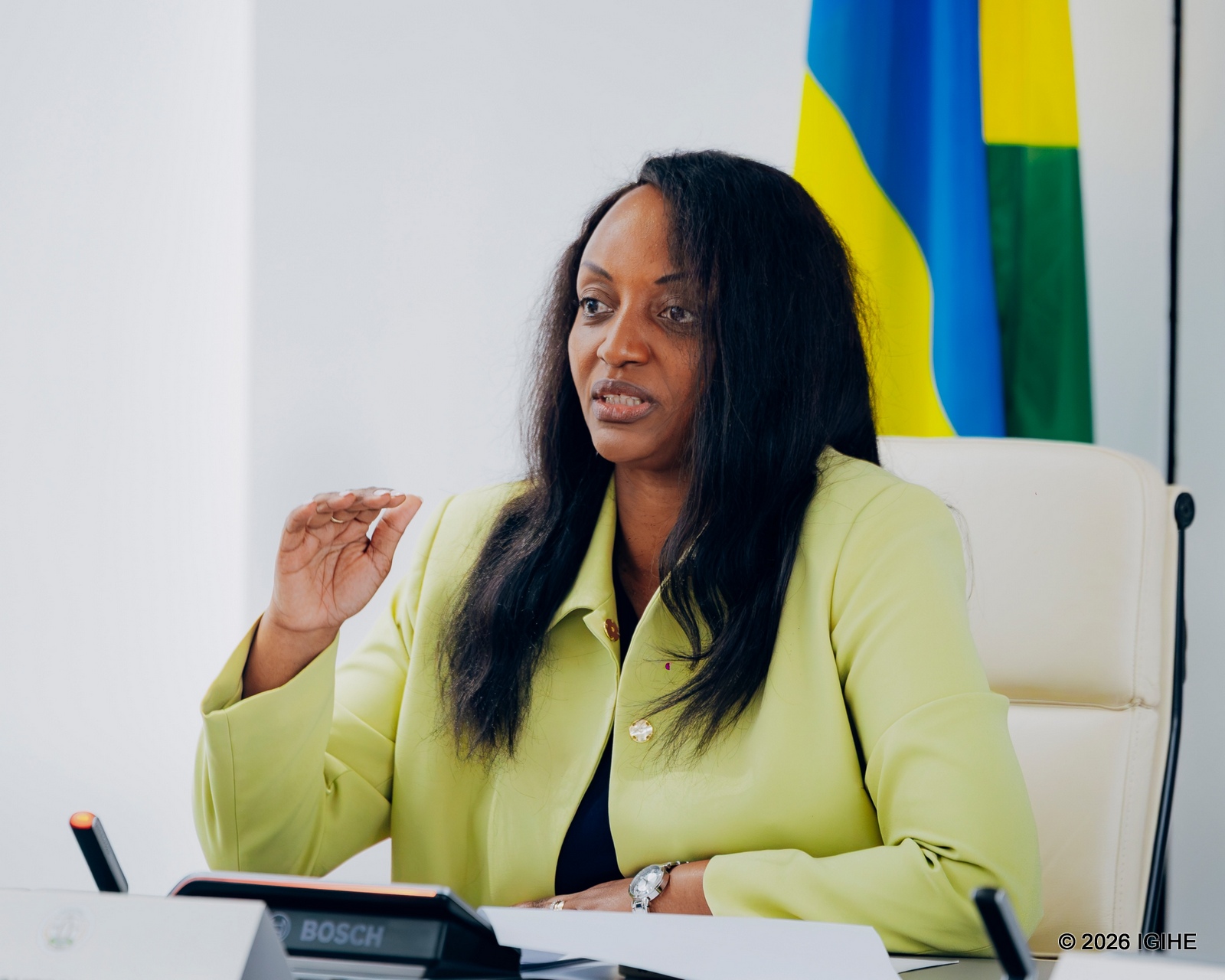
Delivering the National Policy and Financial Stability Statement (NPFSS) 2026 on Thursday at the Kigali Convention Centre, Governor Hakuziyaremye addressed members of the public and stakeholders from various sectors, emphasising the Central Bank’s mandate to maintain price stability and promote a sound and inclusive financial system.
“We meet at a time when the global economic environment is marked by elevated uncertainties, in particular geopolitical tensions, volatile stock markets, and commodity markets. These developments continue to shape global and domestic inflation dynamics, financial conditions, and growth prospects around the world and in Rwanda,” the governor stated.
The ongoing Middle East conflict began in late February 2026, when US and Israeli strikes on Iranian military targets escalated tensions in the region. This disruption triggered sharp increases in global energy prices.
The Governor noted that disruptions in oil and gas flows via the Strait of Hormuz have triggered sharp price increases, with crude oil rising 43% from $72 to $103 per barrel, and natural gas up 64% from $32 to $52 per megawatt-hour. She warned that these energy price shocks elevate risks to inflation and could slow economic activity if the conflict persists.
Despite global pressures, the Rwandan franc depreciated against the US dollar at a much slower pace in 2025, with a 4.4% decline compared to a 9.4% drop in 2024. This relative stability was supported by a stronger current account, boosted by tourism receipts and remittances, reforms in the domestic foreign exchange market, and a weakening of the US dollar globally.
Governor Hakuziyaremye also addressed concerns about the potential impact of the Middle East crisis on food and agriculture. When asked about fertiliser supply, which largely comes from the Middle East, she said that imports for upcoming agricultural seasons B and C are secure. However, the Central Bank and government will continue to monitor potential effects on season A, which starts in September.
“As a country, we diversify sources of fertiliser, and there are always ways to access raw materials when a region is impacted,” she explained.
Rwanda’s economy remained strong in 2025, with GDP growth of 9.4%, surpassing the Second National Strategy for Transformation (NST2) target of 9.3%. Growth was driven by industry (11%), services (8.5%), and agriculture (7.4%), supported by exports of coffee, minerals, and other industrial and digital services.
The Governor also highlighted developments in Rwanda’s financial sector, which recorded nearly 24% growth in total assets to 15.9 trillion Rwandan francs in 2025. Lending rose 25% to support households and businesses, with trade, construction, personal loans, and manufacturing accounting for 70% of total credit. Digital financial services expanded rapidly, with the eKash platform nearly tripling transaction values to 136 billion francs.
Looking ahead, the Central Bank remains vigilant against global and domestic risks, including geopolitical tensions, energy price shocks, virtual assets, operational and cyber threats, and limited financing in strategic sectors.
Inflation remains above target, with headline inflation at 9.2% in February 2026, slightly above the upper bound of 8%. The Governor said inflation is expected to remain elevated in the near term but gradually return to the target range of 2–8% by the end of 2026.
“In spite of global headwinds, the central bank remains confident in Rwanda’s macroeconomic stability, sustained growth, and the soundness of the financial system to support the financial resilience of households and businesses,” Governor Hakuziyaremye assured.
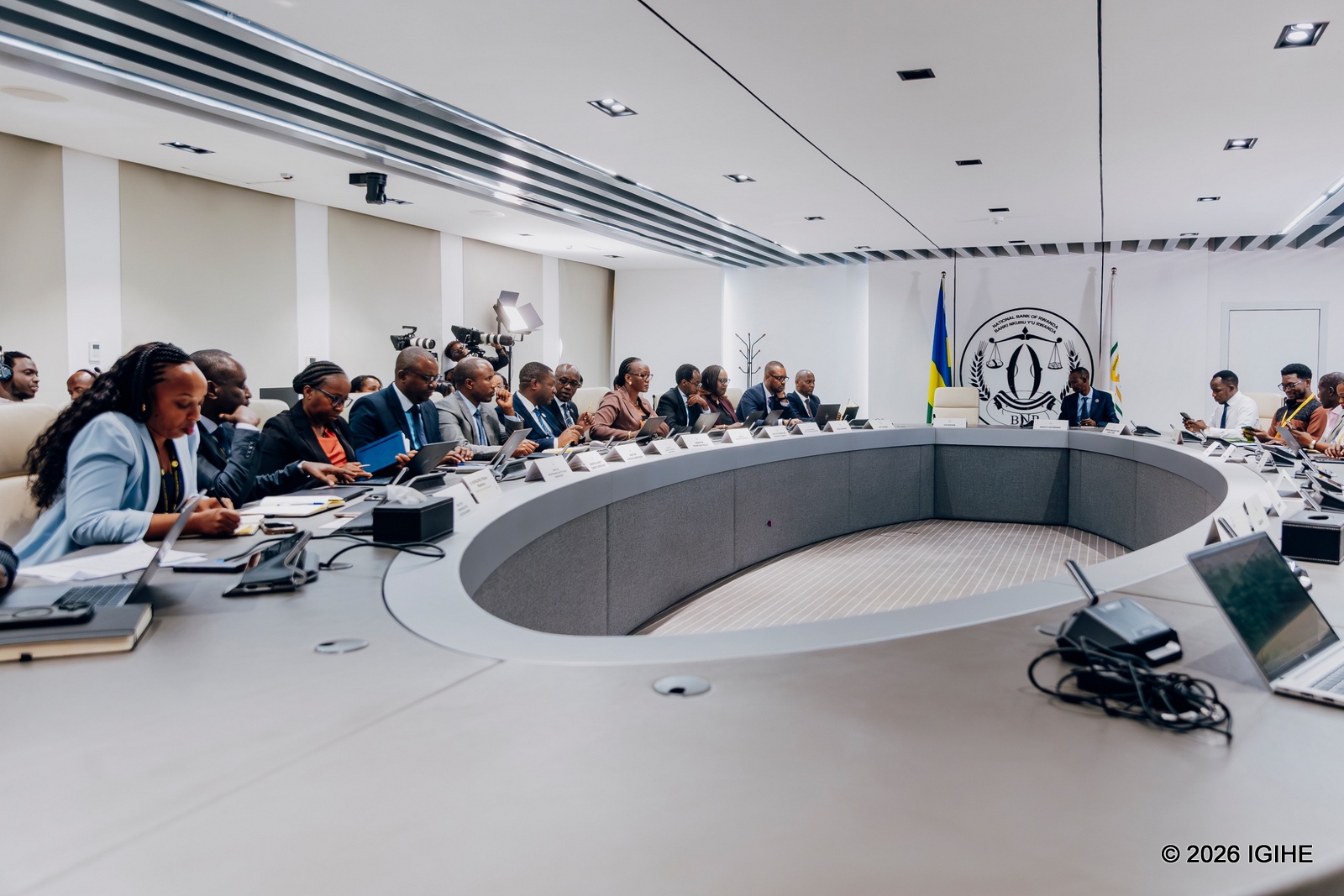
Governor Hakuziyaremye and her team from BNR addressed members of the public and stakeholders from various sectors.She emphasised the Central Bank’s mandate to maintain price stability and promote a sound and inclusive financial system.The meeting was attended by stakeholders from various sectors.
The sanctions, announced on Wednesday, March 18, 2026, target Mauritius-based PwC Associates Africa Ltd., PricewaterhouseCoopers Limited, Kenya, and PricewaterhouseCoopers Rwanda Limited. They are tied to the Eastern Electricity Highway Project under the First Phase of the Eastern Africa Power Integration Program in Ethiopia.
The project, designed to increase the volume and reduce the cost of electricity supply in Kenya while generating revenues for Ethiopia through electricity exports, was intended to boost regional power integration and reduce energy costs for consumers.
According to the World Bank, the PwC firms, prominent for providing audit, tax, and advisory services, “obtained confidential procurement information from project officials to improperly influence the award of a consultancy services contract in 2019” for implementing International Financial Reporting Standards at the Ethiopian Electric Power Corporation.
Investigators also found attempts by the firms to influence the award of a contract for Fixed Asset Inventory and Revaluation for the Ethiopian Electric Utility (EEU FAIR Contract). During the selection and execution of that contract, PwC Associates “misrepresented the availability, qualifications, and employment status of key experts, and failed to fully disclose all subconsultants.” The Bank said these actions “constitute collusive and fraudulent practices under the Bank Group Consultant Guidelines.”
As a result, the three firms and any affiliates they control are barred from participating in World Bank-financed projects and operations. The debarment is part of a settlement agreement under which the companies admitted to wrongdoing.
The World Bank noted that the reduced debarment period takes into account the firms’ “admission of misconduct, cooperation, strengthening of aspects of their existing integrity compliance program, and voluntary remedial actions,” including internal investigations, disciplinary measures against responsible staff, training, and ceasing business with involved subconsultants.
PwC firms must also implement or enhance integrity compliance programs aligned with the Bank’s guidelines and continue full cooperation with the Bank’s Integrity Vice Presidency to regain eligibility. PricewaterhouseCoopers Africa Limited, which oversees PwC network firms in Africa, signed the agreement as a non-sanctioned party.
The Bank added that the debarment “qualifies for cross-debarment by other multilateral development banks” under the 2010 Agreement for Mutual Enforcement of Debarment Decisions, raising the potential for wider repercussions across Africa.
The sanctions target Mauritius-based PwC Associates Africa Ltd., PricewaterhouseCoopers Limited, Kenya, and PricewaterhouseCoopers Rwanda Limited. They are tied to the Eastern Electricity Highway Project under the First Phase of the Eastern Africa Power Integration Program in Ethiopia.
Trump’s remarks followed reports that Iran hit Qatar’s liquefied natural gas (LNG) facilities, after Israel launched an attack on Wednesday against Iran’s South Pars offshore natural gas field in the Persian Gulf it shares with Doha.
Qatar reported fires and extensive damage at its LNG facilities targeted by Iran, adding that emergency response teams had been deployed to contain the situation.
“The United States knew nothing about this particular attack, and the country of Qatar was in no way, shape, or form, involved with it, nor did it have any idea that it was going to happen,” Trump said.
“NO MORE ATTACKS WILL BE MADE BY ISRAEL pertaining to this extremely important and valuable South Pars Field unless Iran unwisely decides to attack” Qatar again, he added.
If Iran attacks Qatar again, “the United States of America, with or without the help or consent of Israel, will massively blow up the entirety of the South Pars Gas Field at an amount of strength and power that Iran has never seen or witnessed before,” he warned.
Meanwhile, Oman’s Foreign Ministry condemned the targeting of energy facilities in Iran’s South Pars gas field, describing it as a dangerous escalation that threatens regional security and global energy supplies.
The United States and Israel launched massive attacks on Iran on February 28, disrupting global shipping, sending oil prices soaring and shaking the global economy.
Trump’s remarks followed reports that Iran hit Qatar’s liquefied natural gas (LNG) facilities, after Israel launched an attack on Wednesday against Iran’s South Pars offshore natural gas field in the Persian Gulf it shares with Doha.
As Iran’s top security official, Larijani’s killing represents a major loss for Iran’s leadership and has sparked more intense retaliatory attacks from Tehran on Israeli and U.S. targets. Here is what you need to know about Larijani’s death:
Who was Larijani?
Born in 1958, Larijani served as a senior official in Iran for several decades.
After Iran’s 1979 Islamic Revolution, he joined the Islamic Revolution Guard Corps (IRGC) in the early 1980s, before transitioning to government, serving as Culture Minister between 1994 and 1997.
During the early stages of Iran’s nuclear crisis, Larijani, who once served as Iran’s chief nuclear negotiator, played a key role in the process that ultimately led to a nuclear agreement.
In 2008, Larijani ran for a seat in the Iranian parliament and was elected speaker, a position he held until 2020.
Larijani tried to run for president in 2021 and again in 2024, but on both occasions, the Constitutional Council disqualified him.
In 2025, following the 12-day war between Israel, the United States and Iran, President Masoud Pezeshkian appointed Larijani as secretary of the Supreme National Security Council.
How did Larijani die?
Since Iran’s former Supreme Leader Ali Khamenei was killed in an Israeli strike in February, Larijani had played a key role in Iran’s national affairs, frequently issuing tough statements in response to U.S. and Israeli attacks.
On Tuesday, the Israel Defense Forces said that it carried out precision airstrikes in Tehran, killing Gholamreza Soleimani, commander of Iran’s Basij volunteer force, and Larijani.
Israeli Prime Minister Benjamin Netanyahu said later on Tuesday that Israel had killed Larijani, adding, “There are many more surprises.”
Late Tuesday night, Iran’s Supreme National Security Council confirmed that its secretary, Larijani, had been killed.
In a statement, the council said Larijani died early Tuesday alongside his son Morteza Larijani, deputy for security affairs at the council’s secretariat Alireza Bayat, and several others.
The council praised Larijani’s long service to Iran’s development and called for national unity in the face of external threats.
Reactions to Larijani’s death
Iran’s Supreme Leader Mojtaba Khamenei offered his condolences on Wednesday over the death of Larijani, while hinting at retaliation.
In a statement on social media, he condemned the “assassination,” stating that those responsible would inevitably “pay the price for their crimes.”
In an interview with Al Jazeera on Wednesday, Iranian Foreign Minister Seyed Abbas Araghchi said Israel’s killing of Larijani will not deal a fatal blow to Iran’s leadership.
“I do not know why the Americans and the Israelis still have not understood this point: The Islamic Republic of Iran has a strong political structure with established political, economic, and social institutions,” Araghchi said. “The presence or absence of a single individual does not affect this structure.”
Russia on Wednesday condemned the killing of Larijani. “We certainly condemn actions intended to harm health or, even more so, to kill representatives of the leadership of a sovereign and independent Iran, as well as other countries. We condemn such actions,” Kremlin spokesman Dmitry Peskov told reporters in a daily briefing.
Hamas on Wednesday also condemned the “treacherous” Israeli strike on Tehran that killed Larijani.
Praising Larijani’s support for the Palestinian cause, the group extended condolences to Iran’s leadership and people, calling the attack a “flagrant aggression” against Iran.
As Iran’s top security official, Larijani’s killing represents a major loss for Iran’s leadership and has sparked more intense retaliatory attacks from Tehran on Israeli and U.S. targets. Here is what you need to know about Larijani’s death: