Priced at nearly $2,899 (approximately Rwf 4.2 million), the 10-inch trifold smartphone was primarily sold in South Korea and the United States, but its innovative design has drawn global attention as a glimpse into the future of mobile devices.
The Galaxy Z TriFold was first announced on December 1, 2025, made its debut in South Korea on December 12, and went on sale in the US on January 30. It features a 6.5-inch cover screen and two hinges that allow it to unfold into a 10-inch main display, combining smartphone portability with tablet-sized functionality.
According to Bloomberg, Samsung will begin the phase-out in its home market of South Korea and will stop selling the device in the US once current inventory is depleted. While the report cited a Samsung spokesperson, the company has not issued a formal public statement on the decision. In the US, the TriFold was available through Samsung’s website and select Experience Stores, with a few units reportedly sold recently in Texas and New York, shared by buyers on online communities.
Industry experts say the TriFold was never intended to be a regular part of Samsung’s lineup. South Korea’s Dong-A Ilbo reported that the device was designed as a “flagship showcase” to demonstrate Samsung’s technical prowess rather than to generate long-term profits. Only 3,000 units were sold on each of two days following the official release.
Rising component costs have also contributed to the device’s short market run. DRAM, NAND flash, and application processors, which power memory, storage, and operating systems, have surged in price this year due to increased demand for AI-related computing workloads. These higher costs reduced profit margins for the Galaxy Z TriFold, making it a niche luxury device rather than a mainstream smartphone.
Some of the tech enthusiasts who tested the device described it as “versatile, innovative and practical,” while noting that it is “not for everyone.” Its high price and limited availability have reinforced its status as a collectible tech statement rather than a mass-market product.
The Samsung Galaxy Z TriFold has two hinges and opens up into a 10-inch tablet.
The event, hosted by the Rwanda Stock Exchange (RSE) at Mövenpick Kigali, is part of the “Ring the Bell for Gender Equality” initiative, an annual, worldwide event that takes place around International Women’s Day to spotlight how financial markets can advance gender equality.
Speaking at the ceremony, RSE CEO Pierre-Célestin Rwabukumba emphasised that gender equality is central to Rwanda’s development.
“When women rise, economies rise. When women succeed, societies prosper. Investing in women is not charity, it is nation-building,” he said.
The event, hosted by the Rwanda Stock Exchange (RSE) atMövenpick Kigali, is part of the “Ring the Bell for Gender Equality” initiative.
This year’s theme, “Rights. Justice. Action. For All Women and Girls,” reflects the need for measurable progress and collective responsibility to achieve equality.
Rwabukumba noted that stock exchanges are more than trading platforms. “They shape corporate behaviour, mobilise investment, and promote transparency and good governance. Inclusive capital markets lead to stronger economies,” he said.
The RSE boss added that companies with gender-diverse leadership perform better and that women’s access to finance drives innovation and entrepreneurship, aligning with Rwanda’s Vision 2050 and the ambitions of the Kigali International Financial Centre (KIFC).
“If we educate women, we educate a nation,” he remarked, adding, “At the Rwanda Stock Exchange, we strongly believe that inclusive capital markets lead to stronger economies. When companies promote gender diversity in leadership, they perform better.”
Speaking at the ceremony, RSE CEO Pierre-Célestin Rwabukumba emphasized that gender equality is central to Rwanda’s development.
Minister of Gender and Family Promotion, Consolée Uwimana, highlighted persistent gaps in women’s participation in Rwanda’s private sector, despite the country leading in political decision-making, with women holding 64% of parliamentary seats. While women occupy 32% of decision-making positions and own 34% of businesses, their representation remains low in sectors such as transport, construction, and mining.
“To bridge the gap, we do not only pledge, but we will act,” she said, urging financial institutions, development partners, and private sector actors to develop actionable roadmaps for women’s economic transformation.
Minister of Gender and Family Promotion, Consolée Uwimana, highlighted persistent gaps in women’s participation in Rwanda’s private sector, despite the country leading in political decision-making.
Romeo Ngarambe, CEO of the Capital Market Authority (CMA), stressed the multiplier effect of empowering women.
“When you empower a woman, you empower her children, her household, her community,” he said, urging capital markets to open doors for women entrepreneurs, investors, and leaders.
Ngarambe added that financial literacy, investor education, and products designed with women in mind are critical steps toward inclusive markets.
Global partners, including the International Finance Corporation (IFC), UN Women, and the UN Global Compact, reaffirmed the importance of leadership, accountability, and accelerated action to close the global gender financing gap, estimated at over $360 billion annually.
As Marie Claire Dushimumukiza of the UN Global Compact noted, “Progress requires more than intention; it requires accelerated action, leadership, and accountability. It signals that markets matter in advancing gender equality.”
A highlight of the event was an awards ceremony, recognising outstanding achievements in finance and financial literacy. Hortense Mudenge, CEO of KIFC, was honoured as the 2026 Women Achiever in Finance, while students from Gashora Girls Academy, part of the Gashora NexGen Investors Program, were recognised for their efforts in financial literacy, receiving a cash prize of 2 million Rwandan francs to support their journey as future investors.
Students from the Gashora Girls Academy received a cash prize of 2 million Rwandan francs to support their journey as future investors.
The ceremony concluded with the symbolic ringing of the bell by the Guest of Honour alongside representatives from RSE, IFC, UN Women, and UN Global Compact, marking the opening of economic opportunities for women in Rwanda and reinforcing the nation’s commitment to inclusive growth.
The event, hosted by the Rwanda Stock Exchange (RSE) atMövenpick Kigali, is part of the “Ring the Bell for Gender Equality” initiative.Representatives from various institutions, including security agencies, attended the event.
IGIHE has learned from reliable sources that Rwanda will be represented at the meeting.
The talks will mark the first direct engagement between the two sides in the U.S. capital since Washington imposed sanctions earlier this month on the Rwanda Defence Force (RDF) and several senior Rwandan military officials, prompting protest from Kigali, which described the measures as “unjust” and “one-sided.”
In a statement released on March 2, Kigali argued that the sanctions ignore violations by the DRC and misrepresent the broader dynamics of the conflict in eastern Congo in light of the Washington Accords signed in December last year.
“The sanctions issued today by the United States unjustly targeting only one party to the peace process misrepresent the reality and distort the facts of the conflict in eastern Democratic Republic of Congo,” the statement read.
“Consistent and indiscriminate drone attacks and ground offensives constitute clear violations of ceasefire agreements by the DRC, and continue to cost many lives. Protecting Rwanda is a badge of honour which the Rwanda Defence Force carries very proudly,” it added.
Rwanda and the DRC signed the Washington Accords in Washington, D.C., in early December 2025, in a bid to restore peace in eastern Congo.
Despite the agreement, DRC-allied coalition, including the FDLR militia, mercenaries, Burundian soldiers and Wazalendo fighters, has continued launching attacks on AFC/M23 positions and densely populated areas using ground and drone offensives.
Rwanda maintains that its defensive measures along the border with the DRC will remain in place until the FDLR militia group is dismantled, as committed to under the Washington Accords.
The FDLR was formed by perpetrators of the 1994 Genocide against the Tutsi who fled to eastern Congo after the genocide. Kigali has repeatedly accused the Kinshasa administration of harbouring FDLR forces, which pose a major security threat to Rwanda’s security.
The planned meeting in Washington could provide an opportunity to revive diplomatic engagement between Rwanda and the DRC under the framework of the Washington Accords. The agreement aims to address security concerns in eastern Congo while advancing regional economic cooperation.
The talks are expected to take place as dozens of African officials and private-sector representatives gather in Washington for the annual Powering Africa Summit, scheduled for Thursday and Friday.
Energy ministers from several African countries are expected to attend the summit alongside investors and U.S. officials.
The Washington Accords, signed by the two countries in the U.S. capital in December 2025, aim to address security concerns in eastern Congo while advancing regional economic cooperation.
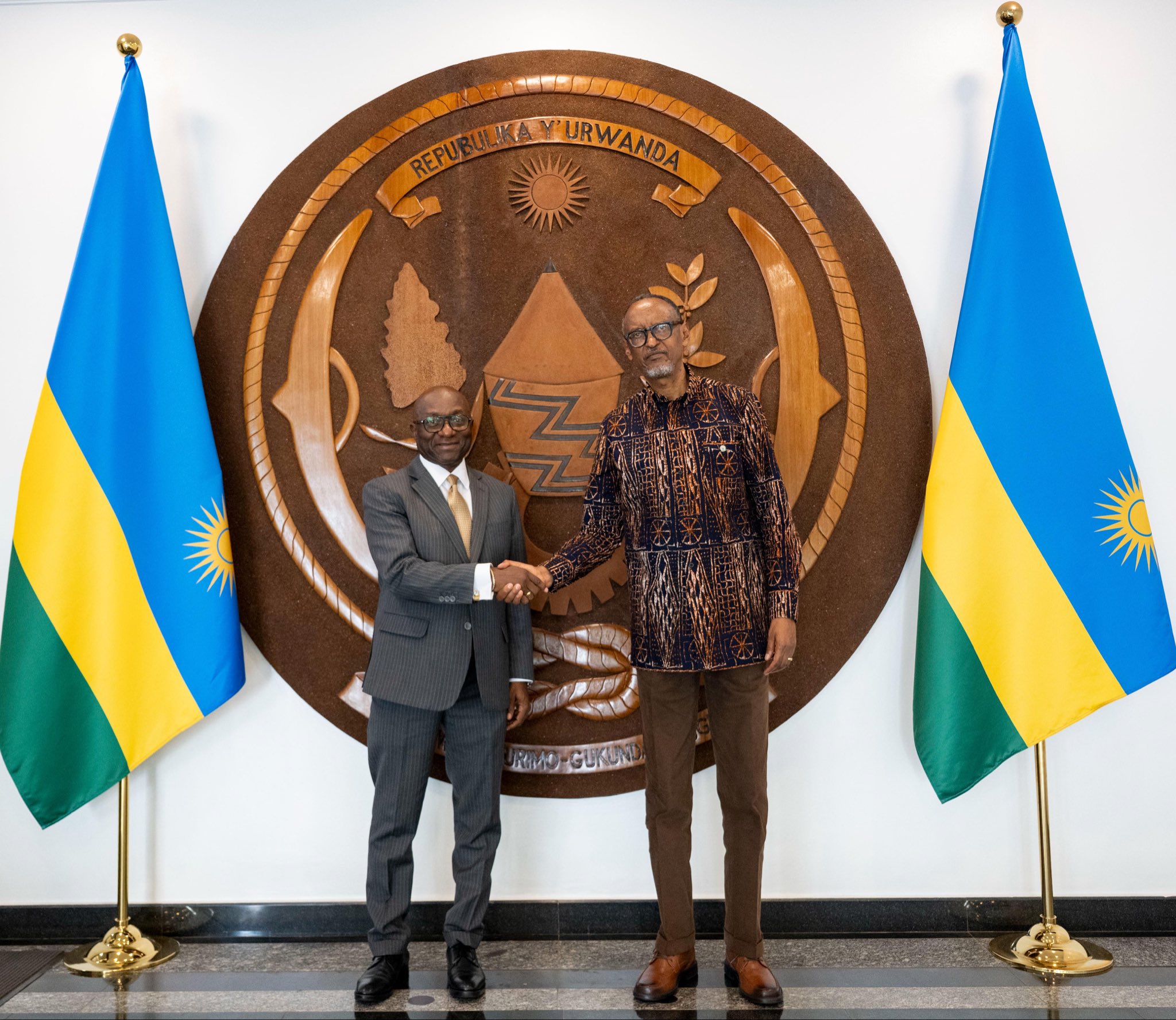
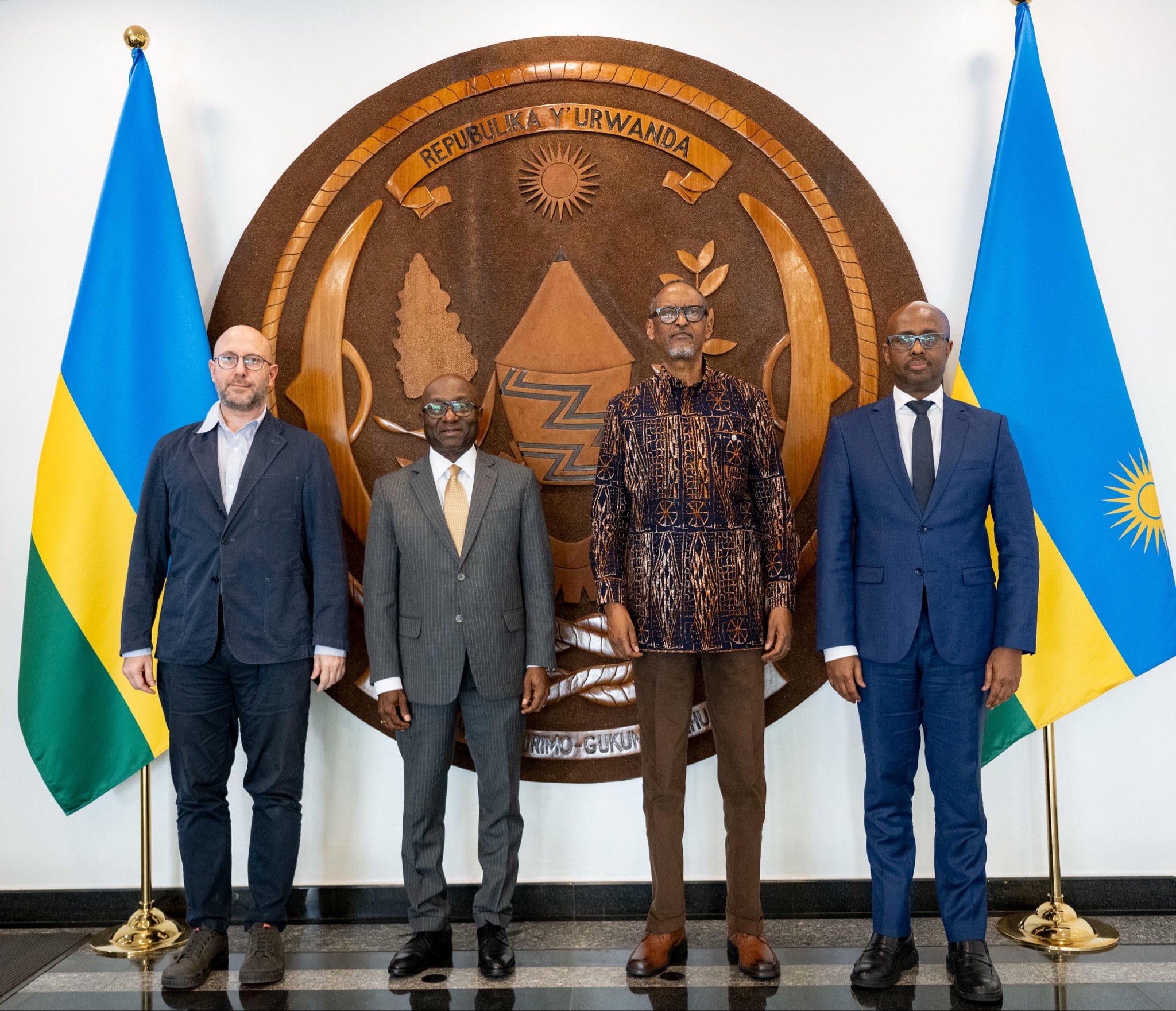
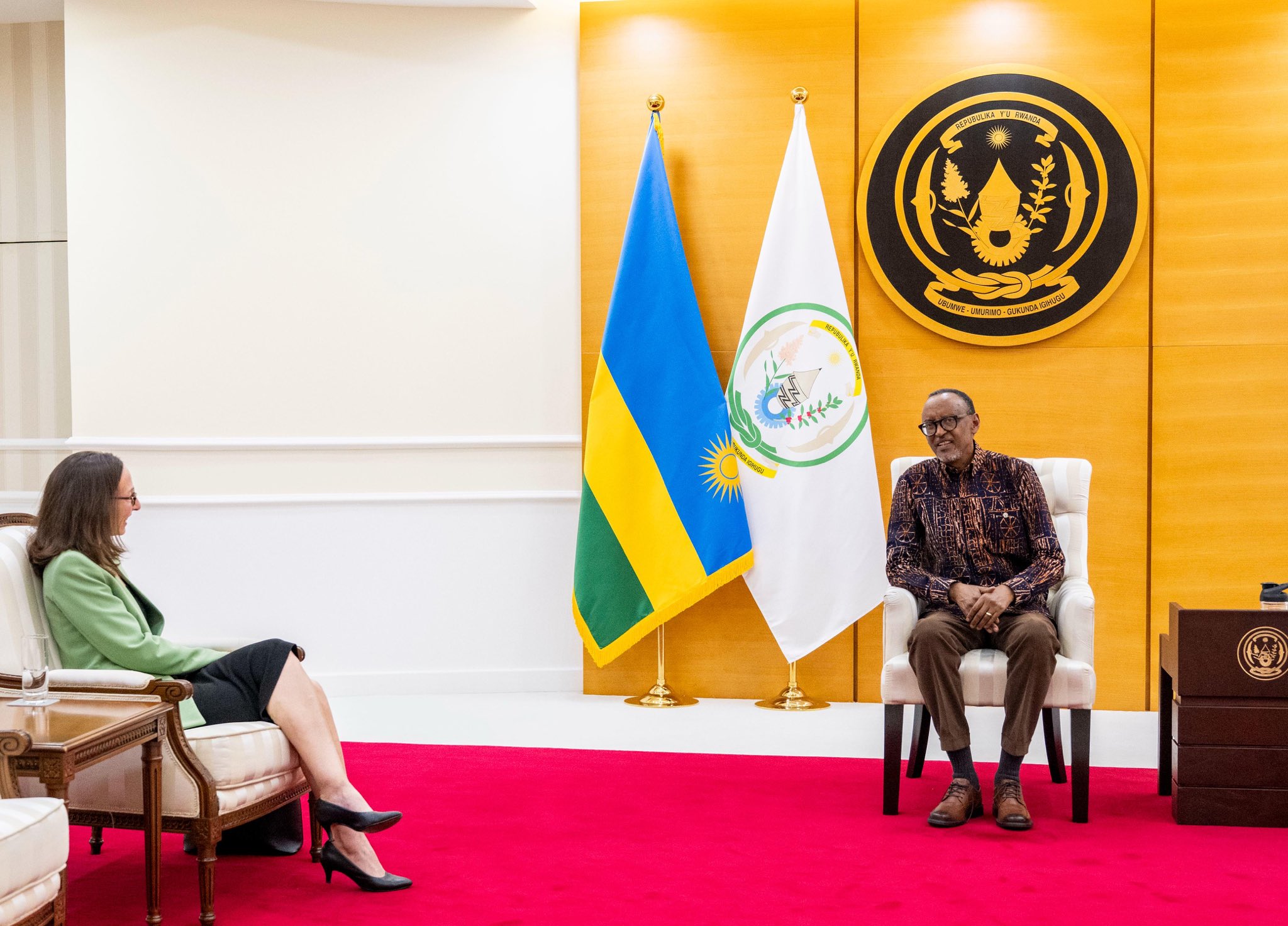
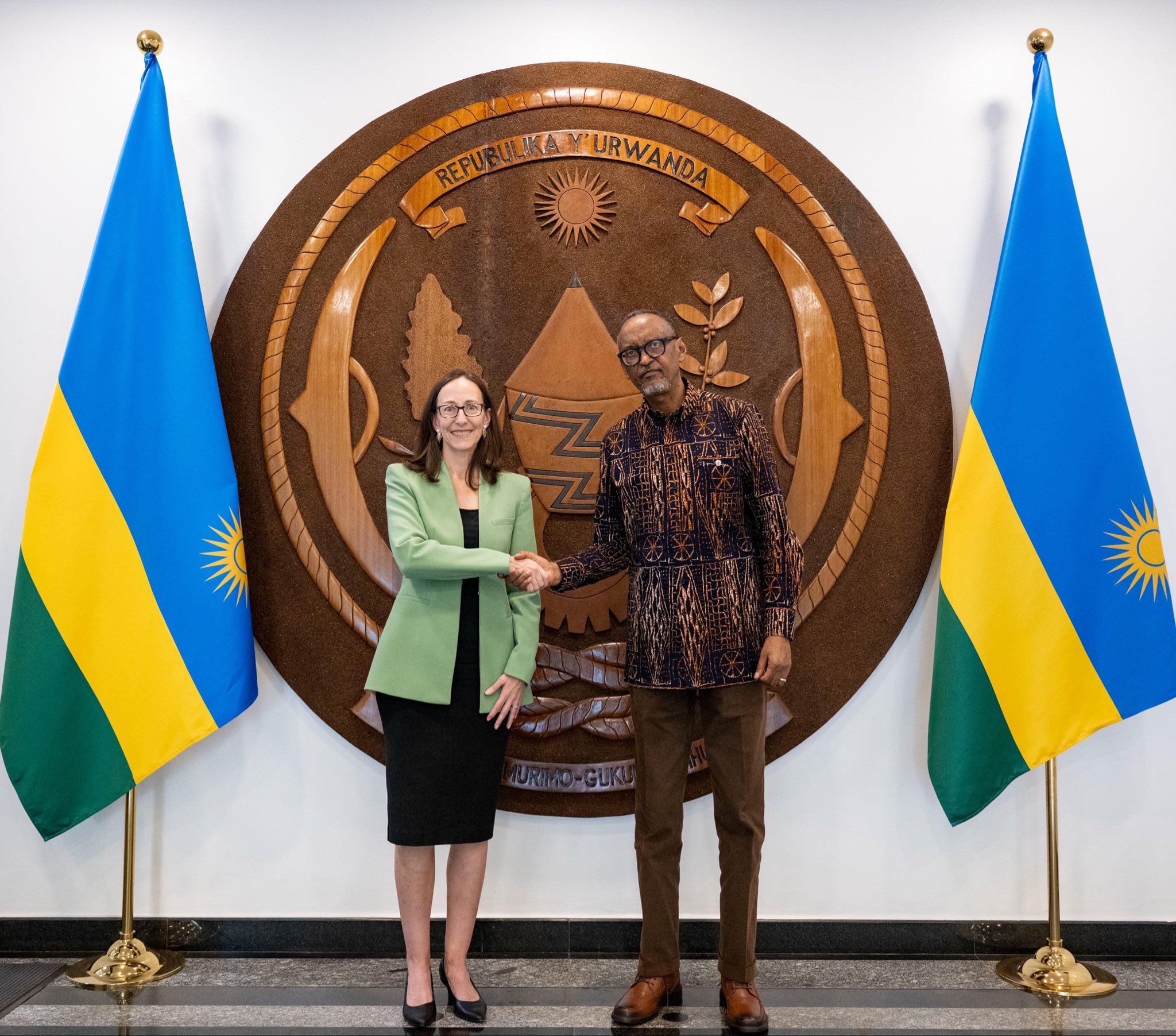
The two ministers also discussed expanding cooperation in areas that would bring mutual benefits to both nations.
During the visit, Minister Nduhungirehe is expected to meet Djibouti’s President and deliver a special message from Rwanda’s President, Paul Kagame.
Rwanda and Djibouti have maintained strong diplomatic relations for many years. Through a joint ministerial-level commission, the two countries regularly meet to assess opportunities to deepen their partnership.
In November 2025, the two nations signed nine cooperation agreements through this commission, covering sectors such as sports, health, family development, and diplomatic training.
Rwanda and Djibouti had previously concluded other agreements aimed at promoting trade, air transport, technology cooperation, investment protection, and visa-free travel for diplomats.
As part of their growing partnership, Djibouti allocated Rwanda 60 hectares of land, including areas near its port and within a designated commercial zone. In return, Rwanda granted Djibouti 10 hectares of land in the Masoro Industrial Zone.
The two ministers also discussed expanding cooperation in areas that would bring mutual benefits to both nations.
The move comes as the tech giant ramps up investment in artificial intelligence (AI) technology and looks to boost efficiency through AI-powered tools.
No official date for the layoffs has been announced, and the total number of affected employees has yet to be finalised. Sources told Reuters that senior leaders at Meta have been instructed to begin planning for potential reductions.
A spokesperson for Meta described the report as “speculative” and said the company had not made any final decisions.
If implemented, the job cuts would mark the largest workforce reduction at Meta since late 2022 and early 2023, when the company carried out a series of layoffs under a restructuring it called the “year of efficiency.”
At the end of last year, Meta employed nearly 79,000 people globally. In 2022 and 2023, previous rounds of layoffs affected more than 21,000 employees in total.
The potential staff reduction coincides with CEO Mark Zuckerberg’s strong push into generative AI. Meta has offered lucrative multi-year compensation packages to attract top AI talent and is investing heavily in new infrastructure, including plans to spend $600 billion on data centers by 2028.
The company has also acquired Moltbook, a social networking platform for AI agents, and the Chinese startup Manus for around $2 billion.
Zuckerberg has said that AI could dramatically improve efficiency within teams, with some projects now achievable by a single skilled employee rather than large groups.
Meta’s move reflects a broader trend in the U.S. tech industry. Companies like Amazon and Block have recently announced significant layoffs, citing increased productivity from AI tools.
However, some analysts warn that these cuts may partly be “AI-washing,” a term used to describe reductions masked as AI-driven efficiency but also motivated by previous over-hiring.
Meta’s AI projects have faced challenges, including criticism of the Llama 4 models and delays with its Behemoth model. The company’s superintelligence team is now focusing on a new model called Avocado.
The potential staff reduction coincides with CEO Mark Zuckerberg’s strong push into generative AI.
“I’m demanding that these countries come in and protect their own territory, because it is their own territory,” Trump told reporters aboard Air Force One, referring to the strait.
Trump didn’t name the countries the White House is negotiating with.
In an interview with The Financial Times on Sunday, Trump said that NATO members should send warships to help open up the Strait of Hormuz or face a “very bad” future.
“If there’s no response or if it’s a negative response, I think it will be very bad for the future of NATO,” he told the British newspaper.
A report in The Wall Street Journal earlier Sunday said the White House plans to announce a multinational coalition as early as this week, citing U.S. officials.
“Many countries, especially those who are affected by Iran’s attempted closure of the Hormuz Strait, will be sending War Ships” to secure the oil trade route, Trump claimed in a post on Truth Social on Saturday.
Publicly, many governments have been reluctant to commit to such a mission before the end of the U.S.-Israel war with Iran, given the risks involved, said The Wall Street Journal in its report.
In his first message as Iran’s new Supreme Leader, Mojtaba Khamenei on Thursday called for the continued closure of the Strait of Hormuz and pledged to open new fronts in his country’s conflict with the United States and Israel.
The United States and Israel launched massive attacks on Iran on February 28, disrupting global shipping, sending oil prices soaring and shaking the global economy.
US President Donald Trump wants seven countries heavily reliant on Middle East oil join a coalition to escort vessels through the Strait of Hormuz, a key waterway through which about 20 percent of the world’s oil passes.
As attacks between the warring sides continue, shipping through the strategic Strait of Hormuz, a vital global transport chokepoint, has been heavily disrupted.
Beyond the energy and shipping sectors, the global food supply is also feeling the pinch, reflected in a sharp surge in food prices and warnings from UN agencies.
How does the crisis hit food production?
The Gulf region not only produces a significant portion of the world’s fertilizer but also supplies key raw materials, with roughly one-third of global seaborne fertilizer trade passing through the Strait of Hormuz.
As transport through the Strait of Hormuz is largely disrupted, natural gas, the essential feedstock for nitrogen fertilizers, has become difficult to deliver to major agricultural producers such as Brazil and Sudan. Meanwhile, fertilizer producers in India and Pakistan are also struggling to secure raw materials.
Phosphate fertilizers face similar disruption. Gulf states accounts for roughly one-fifth of the world’s phosphate fertilizer output and one-quarter of the world’s sulfur supply, a petrochemicals’ byproduct used to process phosphate. With exports largely halted, the supply shock is cascading across fertilizer markets.
The timing compounds the crisis. Across the Northern Hemisphere, from Europe to North America, farmers typically purchase fertilizer in March for application in April and May. Fertilizer shortages could force growers to reduce usage or shift to less input-intensive crops — decisions that may translate into lower yields months later.
A fire breaks out on a Thai cargo ship after it was struck in the Strait of Hormuz on March 11, 2026.
How do energy prices affect food costs?
Modern agriculture is deeply dependent on fossil fuels. Oil and natural gas power tractors, irrigation systems, and grain dryers; they also underpin fertilizer production, food processing, refrigeration, and transportation. Even packaging materials, from plastic wraps to storage containers, are derived from petrochemicals.
Global fertilizer prices have surged by roughly one-third since the conflict began. Plastics futures are also soaring, with chemical giant BASF announcing price increases of up to 20 percent for core plastic additives worldwide. Higher fuel prices are also pushing up shipping and logistics costs, which feed directly into food supply chains.
“If the crisis continues, transportation and food processing costs may rise further, and agricultural inputs such as fertilizers may become scarce,” Samina Sultan, an economist of the German Economic Institute, warned. “Supply risks could further push up agricultural product costs, leading to higher supermarket prices and triggering a new round of inflationary pressures.”
How could global food security be at risk?
The United Nations has warned that rising food and energy prices will hit hardest in developing countries and among low-income families, where food already accounts for a large share of spending.
“The conflict is already having immediate food security impacts in the Middle East. In Lebanon, significant internal displacement is occurring within a population that has been grappling with high levels of food insecurity for several years,” the World Food Programme (WFP) said in a recent report.
Humanitarian operations are also under strain.
“Extended shipping routes and congestion are jeopardizing WFP’s ability to reach vulnerable populations quickly, increasing the risk that people will wait longer for assistance and face heightened food insecurity and malnutrition,” added the report.
As the crisis deepens, what began as a regional conflict over energy and geopolitics is increasingly turning into a threat to the global food supply, with consequences measured not only in barrels of oil, but also in empty plates.
France’s Adrien Fourmaux finished second, delivering Hyundai Shell Mobis WRT its first podium of the season, while Toyota’s rising star Sami Pajari completed the podium in third. Katsuta’s breakthrough triumph propels him to second in the championship standings, just three points behind leader Elfyn Evans, who retired on Saturday following suspension damage.
Triumph amid chaos
The rally was full of challenges from the start. Heavy rains during the opening Camp Moran stage caused Katsuta’s intercom to fail, leaving him without pace notes from Johnston. A puncture on Friday dropped the Japanese driver to seventh overall overnight.
The race was hit by heavy rains, forcing drivers to battle through mud.
Katsuta steadily climbed the leaderboard on Saturday’s punishing gravel stages, taking advantage of troubles faced by his competitors. Championship leader Elfyn Evans suffered two punctures and eventual rear suspension failure, forcing him to retire. Rising star Oliver Solberg and eight-time world champion Sébastien Ogier also retired with mechanical issues, handing Katsuta the rally lead.
Starting Sunday’s final leg with a 1-minute 25-second advantage, Katsuta carefully managed the rough terrain of Oserengoni and Hell’s Gate to secure victory.
“I don’t know what to say. We have faced so many difficult moments. Aaron has worked very hard with me, and the team always believed in me even when I was struggling. I’m here because of them and Aaron,” Katsuta said, emotionally overwhelmed at the finish.
Kenyan President William Ruto was present at the finish to personally present Katsuta with the winner’s trophy.
Podium and other highlights
Fourmaux delivered a composed drive to secure second overall despite Hyundai battling severe overheating issues. Pajari, despite suffering a tyre explosion and another puncture on Saturday morning, guided his Toyota GR Yaris Rally1 to a solid third-place finish.
Esapekka Lappi finished fourth after adopting a cautious approach across the demanding Kenyan stages. Meanwhile, Robert Virves claimed the WRC2 category victory on his first Kenyan appearance, beating Gus Greensmith by 30.3 seconds, with Paraguay’s Fau Zaldívar rounding out the podium.
Kenyan President William Ruto was present at the finish to personally present Katsuta with the winner’s trophy.
Rwanda was represented by four crews, with notable performances. Christian Kanangire and Kevin Shyaka, driving a Subaru Impreza WRX STi, finished as the top-performing Rwandan team, placing 27th overall after showing remarkable consistency through the final Hell’s Gate stages.
Queen Kalimpinya made history as the first Rwandan woman to compete in the WRC Safari Rally. Despite a technical setback that ruled her car out of the ARC classification, she continued in the national category and showcased resilience to reach the final stages alongside co-driver Olivier Ngabo.
Co-driven by Aaron Johnston, Katsuta sealed the win by 27.4 seconds, ending years of near misses in his pursuit of a WRC crown.
The lender has not publicly disclosed the amount involved in the attempted fraud.
In a statement on Sunday, the lender said that when the fraud was detected, it immediately activated its security and incident response protocols, working closely with relevant authorities to contain the situation. According to the bank, the majority of the suspicious transactions were successfully reversed within 24 hours of detection.
“We acted swiftly to protect our customers and ensure the integrity of their accounts,” the bank said. “Our teams remain vigilant, and we are fully cooperating with the relevant authorities to investigate the matter.”
Investigations into the matter are ongoing in coordination with law enforcement and regulatory agencies, including the National Bank of Rwanda.
Equity Bank Rwanda has emphasised that no customer funds were lost, and all accounts remain secure.
“We wish to reassure our customers and stakeholders that customer deposits and accounts remain safe and secure, and the Bank’s operations continue as normal. No customer funds have been lost,” the bank added.
The bank reiterated its zero-tolerance approach to financial crime and said it continues to strengthen cybersecurity infrastructure, transaction monitoring systems, and internal controls to protect customer assets.
Equity Bank Rwanda also encourages responsible reporting of any suspected misconduct through its official whistleblowing platform.
“Cyber threats remain a global challenge affecting financial institutions worldwide,” the bank said. “We remain fully committed to transparency and will continue to cooperate with authorities as investigations progress.”
Equity Bank Rwanda has confirmed that its internal monitoring systems recently detected irregular banking transactions linked to an attempted fraud.
The final, held at the IPRC Kigali Ecology Tennis Court, was also attended by Rwanda Development Board CEO Jean-Guy Afrika, State Minister in the Ministry of Sports Rwego Ngarambe, French Ambassador Aurélie Royet-Gounin, and Rwanda Tennis Federation President Karenzi Théoneste.
After dropping the first set 4-6, Trungelliti bounced back in the second set, dominating 6-0 as Cecchinato appeared to struggle with a shoulder issue. The Argentine secured the title by winning the third set 6-3. This marks Trungelliti’s second appearance in Kigali, having reached the final of the ATP Challenger 50 in 2024.
“This tournament showcases Rwanda as a growing hub for professional tennis in Africa,” said Karenzi Théoneste.
After dropping the first set 4-6, Trungelliti bounced back in the second set.
Earlier in the week, Trungelliti, 36, reached the final by defeating Czech player Zdenek Kolar 6-3, 6-3, while Cecchinato advanced by beating second seed Arthur Géa of France 6-3, 6-4.
The Kigali tournaments form part of the African Tennis Tour, with the ATP Challenger 75 held in the first week and ATP Challenger 100 in the second. Rwanda has hosted back-to-back editions since 2025, following its debut in 2024 with an ATP Challenger 50.
The first week’s ATP Challenger 75 concluded on March 8, with 20-year-old Austrian Joel Schwaerzler defeating Italian Stefano Napolitano 7-6(5), 7-6(6) to claim the title. American Jay Clarke and Dutch player Max Houkes won the doubles in a thrilling 2-1 final against Siddhant Banthia (India) and Alexander Donski (Bulgaria).
Italy’s Marco Cecchinato took the opening set on Sunday in the ATP Challenger 100 final in Kigali but eventually lost to Argentina’s Marco Trungelliti.
This week, Serbian Stefan Latinović and Frenchman Luka Pavlović took the doubles title, defeating Donski and Banthia 7-6(5), 7-6(2). Two Rwandan players, Ishimwe Claude and Niyigena Étienne, received wildcards into the main draws but were eliminated in the early rounds.
Over 40 players from across the globe competed in Kigali, including participants from Argentina, Austria, Burundi, Croatia, Czech Republic, Ecuador, Finland, France, Germany, Italy, Japan, Netherlands, Romania, Russia, Rwanda, South Africa, Spain, Switzerland, Tunisia, the UK, and the US.
Trungelliti, ranked 132 in the world, was the highest-ranked player, followed by Arthur Gea (161) and Luka Mikrut (165). Several players who competed at the Australian Open in January 2026, including Trungelliti, Gea, Mikrut, Roberto Carballes Baena, Jay Clarke, Zdenek Kolar, Jérôme Kym, and Marco Cecchinato, were in Kigali for the Rwanda Challenger 2026.
The ATP Challenger circuit has produced many of the sport’s top names, including world No. 1 Carlos Alcaraz and former world No. 1s Roger Federer, Rafael Nadal, Andy Roddick, and Juan Martin Del Potro, the 2009 US Open champion.
Rwanda has hosted the ATP Challenger tournament for the third consecutive year.President Paul Kagame and First Lady Jeannette Kagame attended the match.Rwanda Development Board CEO Jean-Guy Afrika (left) was also present.