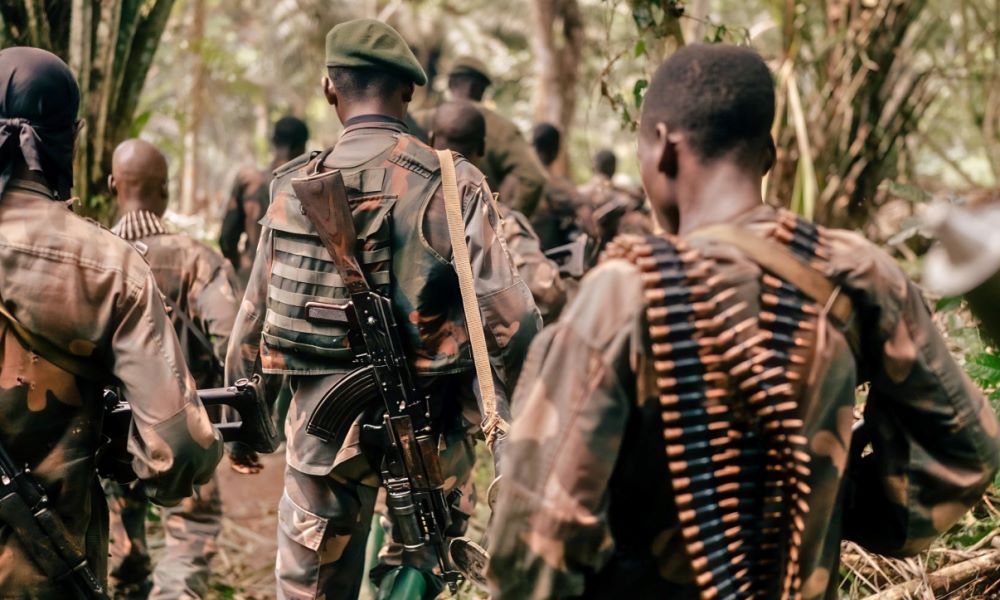
Speaking before members of the parliamentary Defence and Security Committee, Muadiamvita explained that AFC/M23 possesses more advanced communication capabilities compared to those of the Congolese armed forces.
He noted that weaknesses in FARDC’s communication infrastructure have created serious operational challenges on the battlefield.
According to him, enemy forces have been able to intercept military messages, disrupting planned operations.
“The lack of strong communication systems in this modern technological era has caused frontline troops to face difficulties, as the enemy has been able to access their communications, making military operations difficult to execute. The adversary has built an advanced communication system that allows it to intercept exchanges between command structures and troops on the ground,” he said.
A report from the parliamentary committee also highlights that the minister stressed the importance of secure communication in military operations, warning that failures in this area have contributed to repeated setbacks for FARDC.
Muadiamvita further informed lawmakers that the government of the DRC is engaging friendly countries to secure modern communication equipment for the army, designed to prevent further infiltration by AFC/M23.
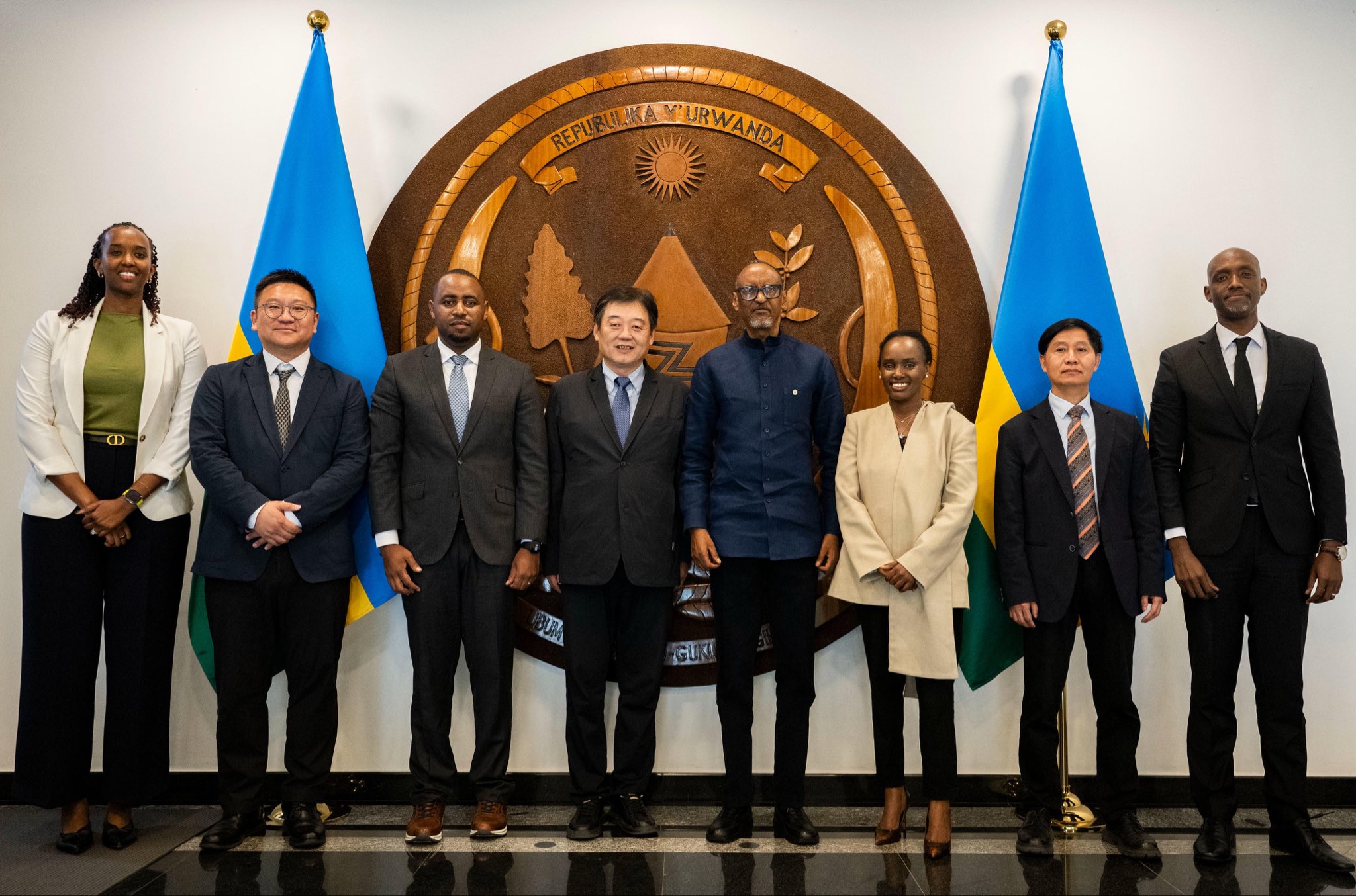
Recent high-level discussions between President Paul Kagame and a delegation from Chery Holding, led by Xu Hui, Chairman of Rich Resource International Investments (RRII) and Vice President and Board Secretary of Chery Holding, have drawn attention to the possibility of establishing a local EV assembly plant in Rwanda.
A day after meeting with the President last month, the Rwanda Development Board (RDB) Deputy CEO Juliana Muganza and Xu Hui signed a strategic partnership framework, laying the groundwork for sustainable investment and the growth of e-mobility solutions.
The talks were aligned with Rwanda’s broader industrialisation and e-mobility strategy, which prioritises sustainable transport and value-added manufacturing.
Chery Holding is among China’s leading car manufacturers and an increasingly influential player in the global mobility industry.
Established in 1997 in Wuhu, Anhui Province, the company has expanded into a Fortune Global 500 firm, now producing over 2.6 million vehicles each year and exporting to markets across Asia, Africa, Europe, and Latin America.
The group manages a diverse portfolio that covers traditional internal combustion vehicles, hybrids, and electric mobility solutions. Its brands include Chery New Energy, Exeed, Jetour, and Omoda, alongside other emerging EV-focused lines.
Over time, it has also built joint ventures and technological partnerships, particularly in areas such as advanced driver assistance systems and electrification, underscoring its shift toward smarter and lower-carbon transport solutions.
Chery was among the early Chinese automakers to invest in electric vehicle development, launching its EV programmes in the late 2000s and steadily expanding its capabilities in battery-electric platforms.
In recent years, the company has further accelerated its global EV push through strategic partnerships and investments aimed at boosting production capacity and strengthening its technological edge.
Discussions between President Kagame and Chery delegation recently focused on potential investment opportunities.
A project still at the exploratory stage
Speaking to IGIHE, Gao Zhiqiang, the Economic and Commercial Counselor at the Chinese Embassy in Rwanda, has clarified that while the idea of an EV assembly plant in Rwanda is being actively discussed, it remains at an early stage.
According to him, Chery has expressed interest in deepening cooperation with Rwandan counterparts in the electric mobility sector, including the possibility of setting up an assembly facility. However, he emphasized that this is still an intention rather than a confirmed investment.
“There are many technical issues that still need to be discussed, and follow-up steps are required,” he noted, adding that both sides are still engaging to explore feasibility and market potential.
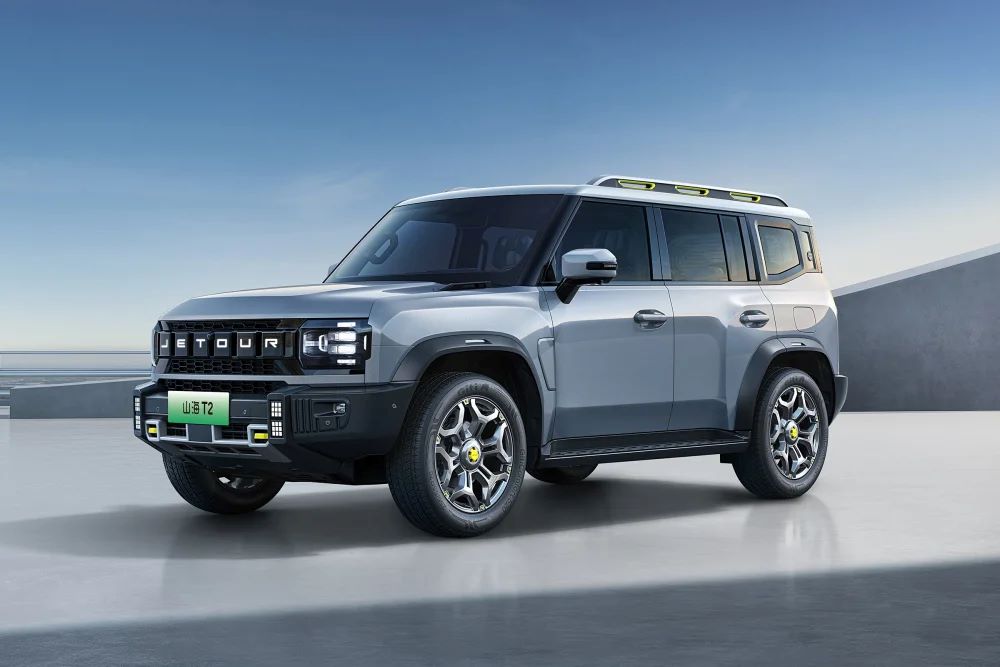
Jetour is a modern SUV brand from Chery, and it is gradually winning the Rwandan market.
Rwanda positioned as a potential regional hub
Despite the early stage of discussions, Gao has expressed optimism about Rwanda’s attractiveness as an investment destination. Gao highlighted Rwanda’s stable governance, improving business environment, and strategic positioning as key advantages for foreign investors.
He further encouraged Chery to think beyond Rwanda’s domestic market and consider the broader regional opportunity, suggesting that the country could serve as a production and distribution hub for East Africa and beyond.
“Rwanda could become a business hub, especially with upcoming infrastructure such as the new Bugesera International Airport,” he said, pointing to long-term economic potential driven by improved connectivity and logistics.
Timeline
While interest is growing, officials cautioned that the project is unlikely to materialize in the immediate future.
According to Gao, setting up such a facility would require significant preparation, coordination, and investment planning.
“It will take time — at least two years or more. It will not happen next year,” he explained, underscoring the complexity of establishing automotive manufacturing operations.
Broader wave of Chinese industrial interest
Beyond the proposed EV assembly plant, Gao said, other Chinese investors are also engaging with Rwanda, exploring opportunities in manufacturing and industrial parks.
Among them is Asia Machinery, a firm proposing the development of an automobile industrial park, with submissions already made to Rwanda Development Board (RDB) and the Ministry of Trade and Industry (MINICOM).
Another firm in the medical equipment sector is also considering establishing an industrial park in Rwanda’s Eastern Province, reflecting a broader trend of diversified Chinese investment interest.
Although exact figures were not disclosed, preliminary estimates suggest that combined investments from these emerging projects could reach tens of millions of dollars.
Chery is seeking to establish an electric vehicle assembly plant in Rwanda.
Alignment with Rwanda’s e-mobility agenda
The discussions come at a time when Rwanda is accelerating its transition toward sustainable transport. The government has introduced policies requiring public institutions to allocate at least 30% of newly procured vehicles to electric models, a move aimed at reducing emissions and supporting green mobility adoption, amid global oil disruptions.
In this context, a potential EV assembly plant would align closely with national priorities, including industrialisation, job creation, and technology transfer. It would also support Rwanda’s long-term ambition to develop a domestic automotive value chain anchored in clean energy solutions.
While the Chery EV assembly project is still in its early stages, both Rwandan and Chinese stakeholders appear aligned on its long-term potential. If realized, the investment could position Rwanda as an emerging player in Africa’s electric mobility ecosystem, while strengthening industrial cooperation between the two countries.
Rwanda and China have maintained strong cooperation over the years, with total trade between Rwanda and China reaching $849 million in 2025, an increase of 26.9 percent year-on-year, while Rwanda’s exports to China rose by 42 percent.
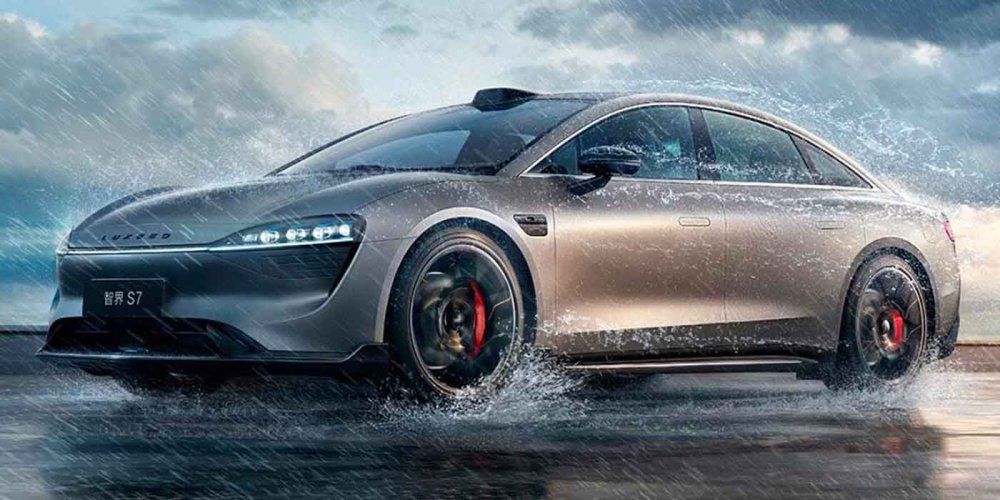
Tiggo 7 is one of the modern vehicles gaining traction in the European market.Luxeed is one of the high-quality electric vehicle brands produced by Chery.
The move comes as the country continues to face a worsening security crisis nearly two weeks after an alliance of jihadist fighters and separatist rebels launched nationwide assaults. During the attacks, Defence Minister Sadio Camara was killed in an apparent suicide truck bombing targeting his residence near Bamako.
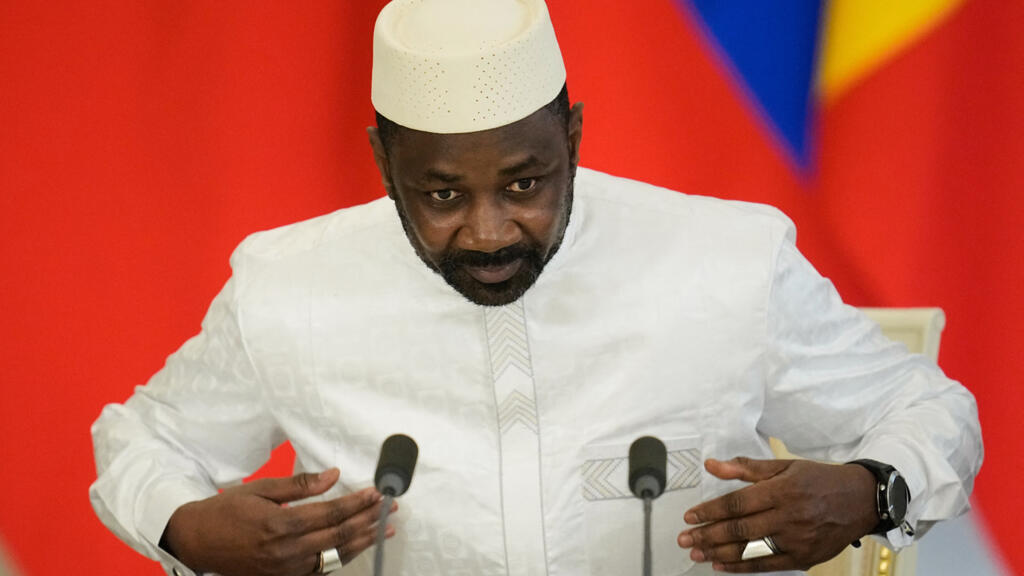
A decree read on state television on Monday confirmed Goïta’s new role as defence minister. He will be supported by army chief of staff Gen Oumar Diarra, who has been named minister delegate.
Goïta’s decision to hold both the presidency and the defence portfolio is widely seen as an effort to tighten his control amid growing pressure on his leadership.
The unrest began on 25 April when residents across Mali woke to gunfire and explosions as the separatist Azawad Liberation Front and the al-Qaeda-linked JNIM group launched coordinated attacks. Since then, the insurgents have reportedly imposed partial blockades on Bamako and other major cities.
The offensive, which also forced Malian and allied Russian forces to withdraw from the northern city of Kidal, has raised questions about the strength of Goïta’s military government, which came to power following a coup in August 2020.
Authorities say several soldiers have been arrested for alleged links to the attacks, with investigations suggesting involvement of both former and serving military personnel in planning and execution.
Mali has also coordinated with Niger and Burkina Faso to carry out air strikes against the insurgents. The three military-led countries, which form the Alliance of Sahel States, have expelled French troops and turned to Russian support in their fight against armed groups. However, insecurity persists, with large areas still outside government control.
Mali’s military leader Gen Assimi Goïta has taken over as defence minister after the officer who previously held the post was killed in a wave of surprise attacks.
The ministry confirmed that the sounds heard in scattered areas of the country were the result of the successful interception of the aerial threats.
It urges the public to obtain information from official sources, verify the facts, and adhere to all public safety measures upon receipt of warning messages.
Meanwhile, the UAE National Emergency Crisis and Disasters Management Authority said air defenses are responding to a missile threat, urging residents to remain in safe locations and follow official updates.
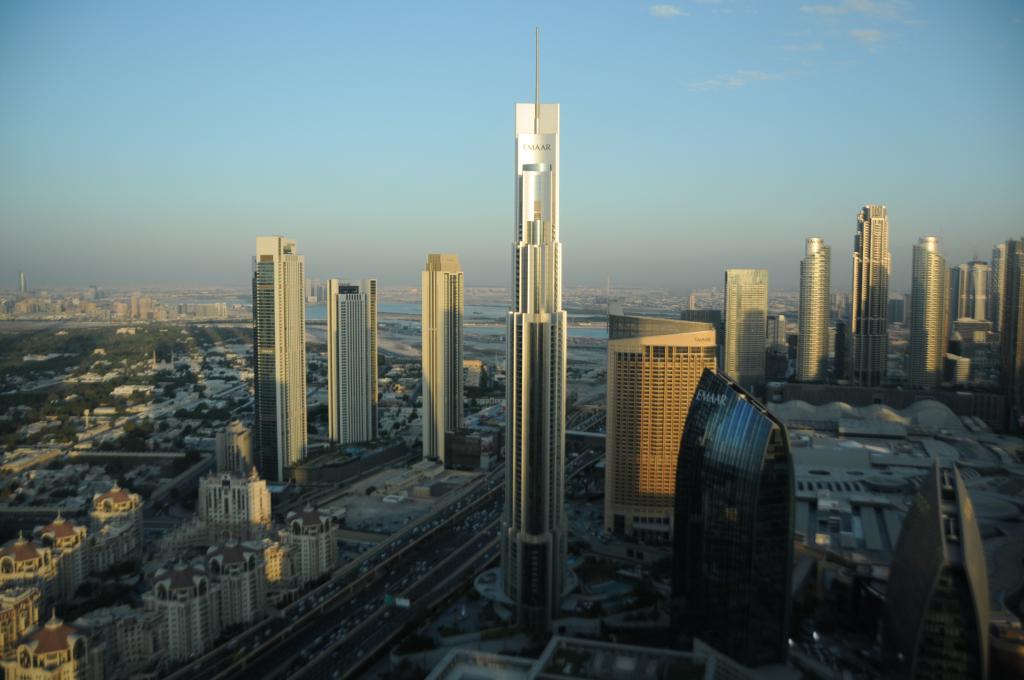
This photo taken on Oct. 17, 2024 shows a city view of Dubai, the United Arab Emirates.
“We are going to see inflation climbing up, and then inevitably, inflation expectations would start de-anchoring,” she said at a conference hosted by the Milken Institute in Washington, D.C.
She noted that current conditions, including a prolonged conflict, oil prices hovering at or above 100 U.S. dollars per barrel, and mounting inflationary pressures, have already activated the IMF’s “adverse scenario.”
In April, the IMF issued three scenarios for global GDP growth in 2026 and 2027, namely the main “reference forecast,” a middle “adverse scenario,” and a much worse “severe scenario.”
Under the adverse scenario, global growth would slow to 2.5 percent in 2026, while inflation would rise to 5.4 percent.
The reference scenario, which assumes a short-lived conflict, projects growth of 3.1 percent and inflation of 4.4 percent.
“This scenario, with every day that passes, is further and further behind in the rear-view mirror,” Georgieva said.
For the severe scenario forecast, global growth would be just 2 percent, with inflation hitting 5.8 percent.
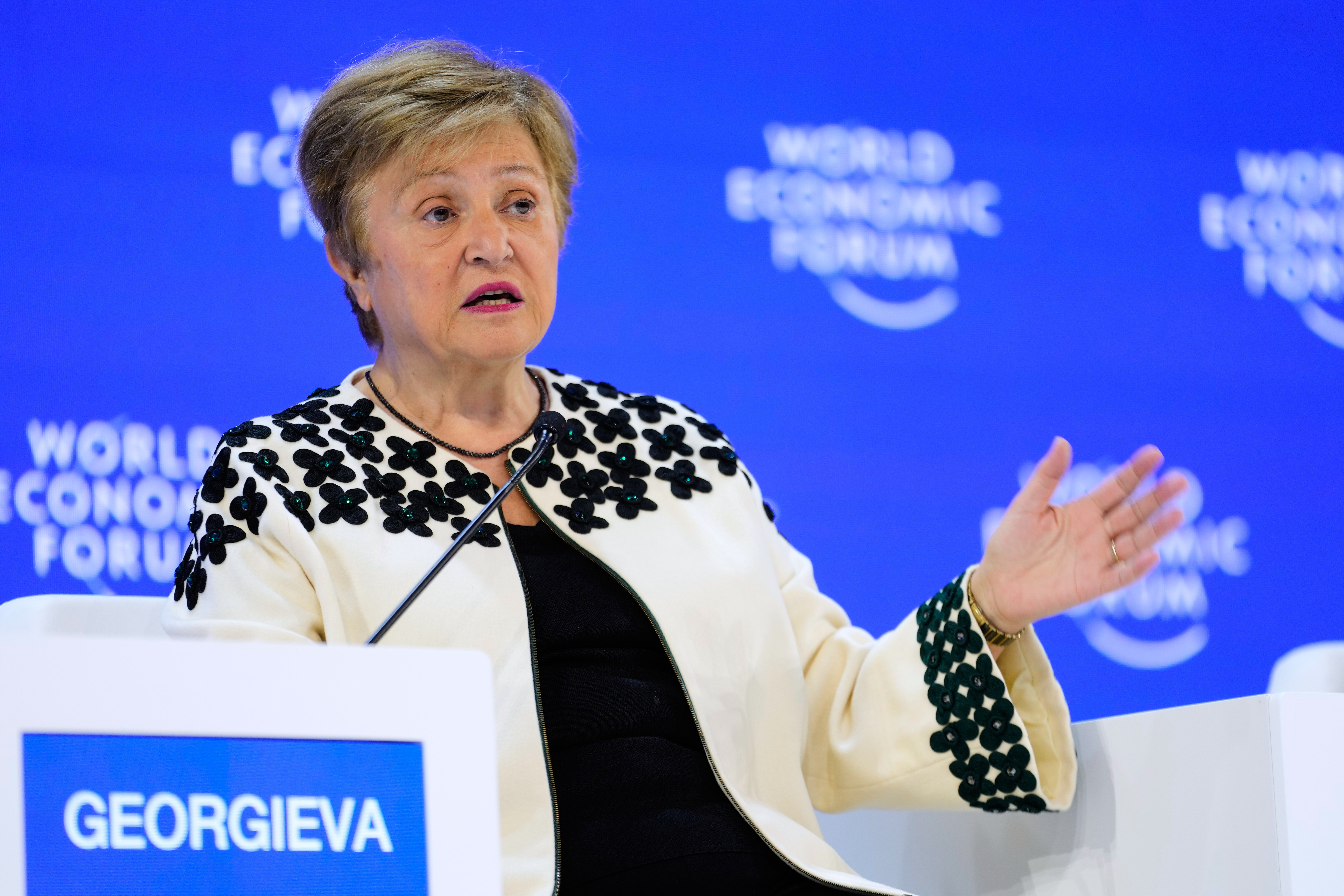
FILE – Kristalina Georgieva, Managing Director of the International Monetary Fund, attends the Annual Meeting of the World Economic Forum in Davos, Switzerland, Jan. 23, 2026. (AP Photo/Markus Schreiber, File)
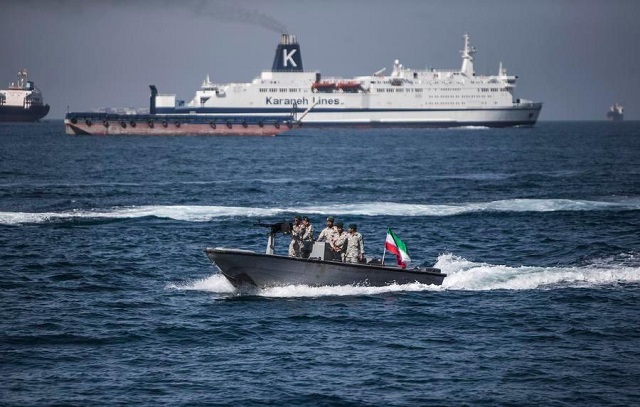
The USS Truxtun and USS Mason, supported by Apache helicopters and other aircraft, faced a series of coordinated threats during the passage, said the report, citing Pentagon officials, who spoke under condition of anonymity.
No U.S. warship was struck, though Iran launched small boats, missiles and drones against them as a sustained barrage, the officials were quoted as saying.
None of the projectiles launched by Iran reached the U.S. vessels, they said, adding that the U.S. military’s assisting efforts, bolstered by air support, successfully intercepted or deterred each incoming threat.
U.S. President Donald Trump told Fox News on Monday that the Iranians are “more malleable” than they were before.
In a phone interview with Fox News, the president threatened that if Iran targets U.S. ships in the Strait of Hormuz as the Pentagon begins operations to restore commercial shipping transit through the strait, they would be “blown off the face of the Earth.”
However, in another phone interview with ABC News on Monday, Trump stopped short of saying Iran’s Monday attacks had violated the U.S.-Iran ceasefire.
“[It was] not heavy firing,” Trump said, downplaying the attacks.
Brad Cooper, chief of the U.S. Central Command, told reporters earlier on Monday that Iranian forces had launched “multiple cruise missiles, drones, and small boats at ships we are protecting.”
U.S. forces have sunk six Iranian small boats targeting civilian vessels in the Strait of Hormuz and intercepted several Iranian missiles and drones, said Cooper.
Iran later rejected the U.S. claims, saying that “no commercial vessels or oil tankers” have transited the Strait of Hormuz, the semi-official Tasnim News Agency reported.
On Feb. 28, the United States and Israel launched joint strikes on Tehran and other Iranian cities, killing then-Supreme Leader Ali Khamenei, senior military commanders and civilians. Iran responded with waves of missile and drone attacks on Israel and U.S. targets across the region and restricted passage through the Strait of Hormuz for vessels linked to Israel and the United States.
A ceasefire took effect on April 8, followed by talks between Iranian and U.S. delegations in Islamabad that ended without a deal.
Two U.S. Navy destroyers have passed through the Strait of Hormuz and entered the Gulf after navigating an Iranian barrage, U.S. media outlet CBS News reported on Monday night.
In recent days, employees working in the building were informed to prepare for relocation. In a statement released on Monday, RDB stated that institutions previously operating in the building will be temporarily moved to alternative office spaces.
“Until the new premises are ready, One Stop Centre services are available at the Ground Floor of the Ministry of Infrastructure [Kimihurura KG 1 Roundabout, Kigali]. Other services will continue through RDB’s existing digital platforms,” reads the statement.
Institutions housed in the RDB Building include RDB, RCB, RMB, and RHA.
A building that has long attracted controversy
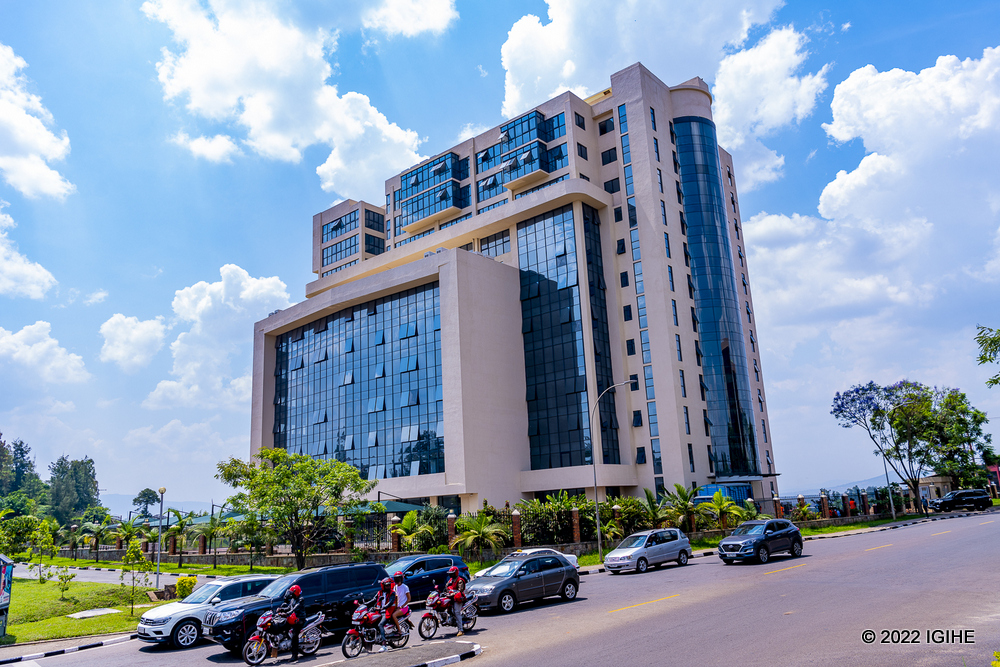
The RDB Building, located in Gishushu, is a 12-storey structure with four underground floors that can be used for various purposes, including parking and gym facilities. It has a total floor area of approximately 42,000 square metres.
The building was purchased by the government for Rwf 42 billion after concerns had been raised over its quality standards. The Rwanda Housing Authority (RHA) previously stated that it had conducted assessments to determine whether the building met required standards.
Analyses reportedly revealed several structural and construction-related issues, prompting corrective measures linked to both design and construction flaws.
Over time, these problems are said to have persisted and, in some cases, worsened, leading to growing concerns about the safety of occupants and the need for urgent intervention.
As a result, authorities decided to relocate all services from the building to ensure the safety of users while renovation works are undertaken.
The Deputy Director General of RHA, Dr Noël Nsanzineza, previously told Members of Parliament that, under the purchase agreement, the original owner was responsible for correcting the identified defects.
He stated: “According to the sale agreement, the issues were supposed to be corrected by the building’s owner. However, the contract also included a clause allowing us to withhold about Rwf 2 billion if the corrections were not made. The owner failed to fully address the problems despite some attempts, and we eventually decided to withhold the funds.”
The RDB Building, located in Gishushu, is a 12-storey structure with four underground floors that can be used for various purposes, including parking and gym facilities.
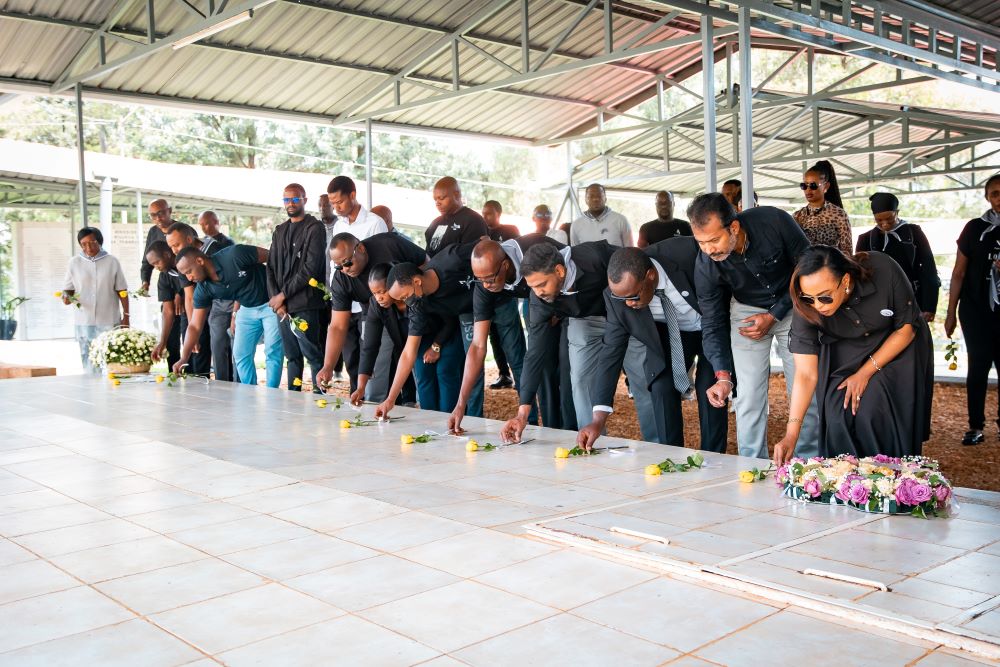
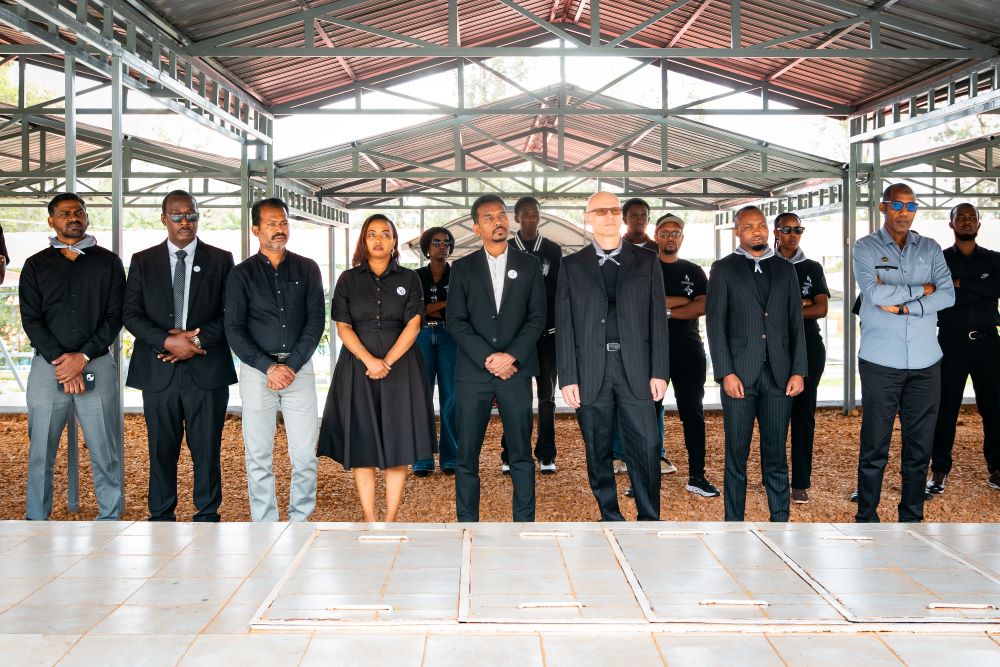
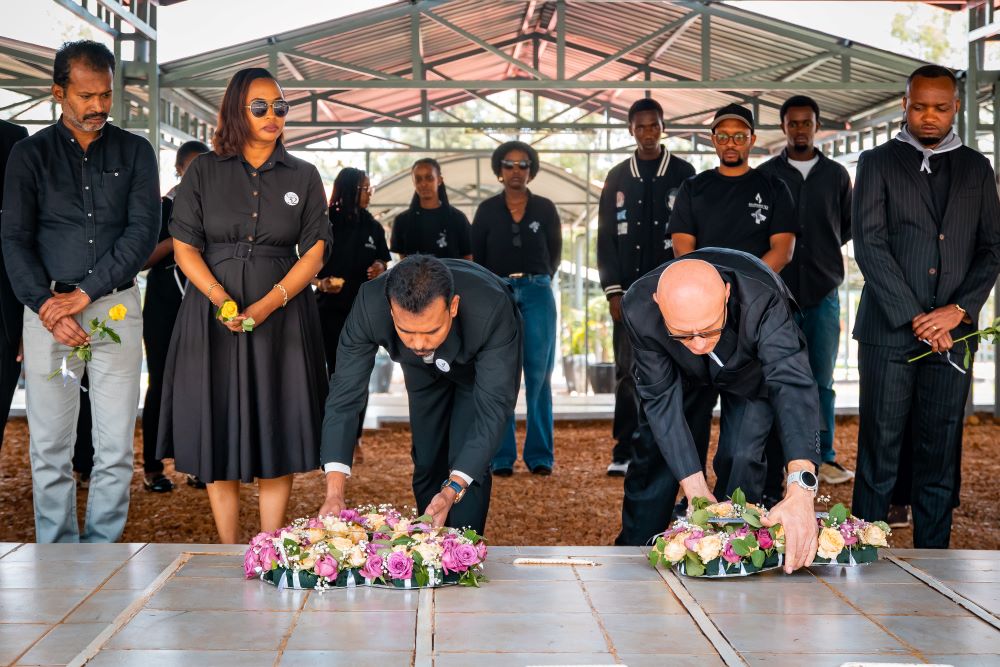
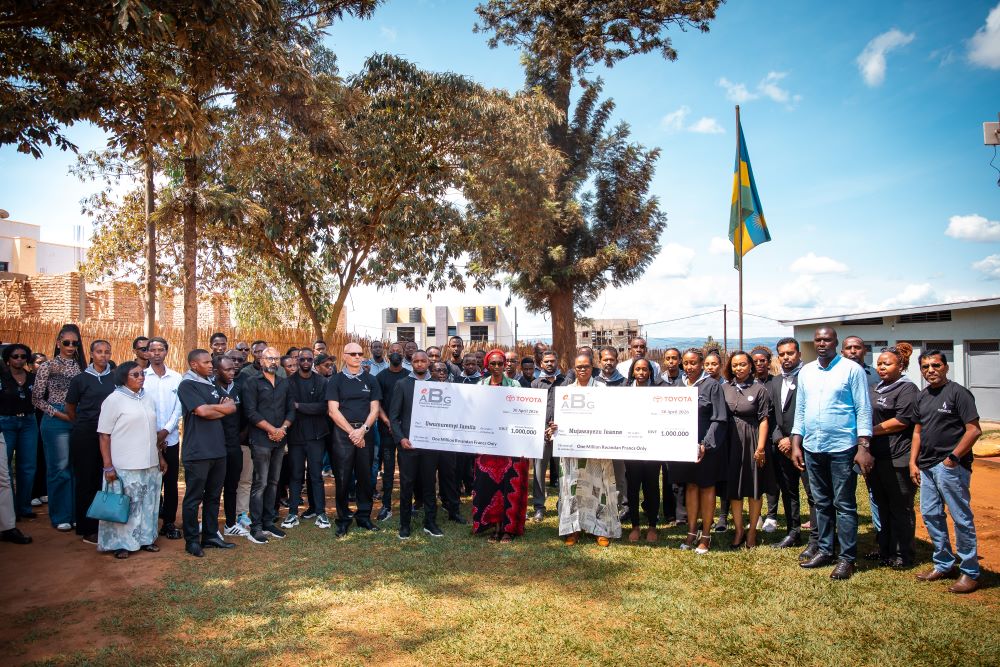
The commemoration event, held on April 30, 2026, began with a visit to Nyanza Genocide Memorial followed by a visit to Gahanga Sector in Kicukiro District. As part of its longstanding support to survivors, Akagera Busness Group and Toyota Rwanda provided a contribution of 1 million RWF each to two families from Gahanga and Kagasa, underscoring its dedication to solidarity and community impact.
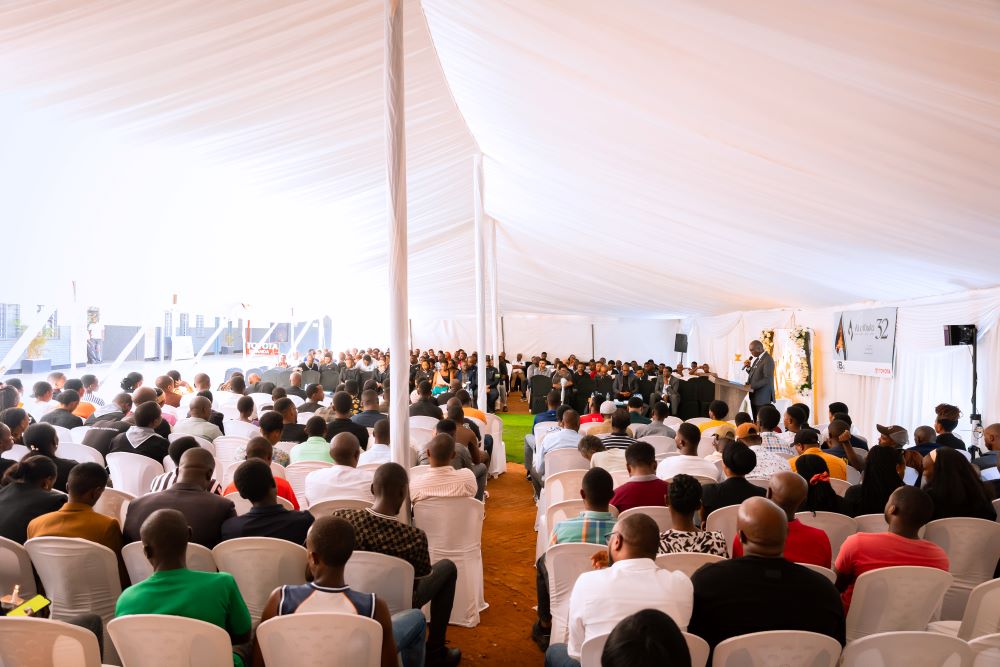
Employees later held commemoration talks at the company’s headquarter in Karuruma, Jali Sector, Gasabo District.
Dr. Théoneste Rutayisire, Head of Research at the Ministry of National Unity and Civic Engagement (MINUBUMWE), outlined Rwanda’s historical trajectory from the pre-colonial period, through colonial rule, to the Second Republic, which culminated in the 1994 Genocide against the Tutsi.
He stressed that genocide is never accidental but planned and systematically prepared over time.
“Genocide does not happen by accident. It is planned, as was the case in 1994. It was prepared and taught for over 30 years,” he said.
He noted that the genocide was not only orchestrated by political actors but also involved businesspeople and investors who played a role in its preparation and execution.
“In the preparation of the Genocide against the Tutsi, political power and financial influence were both used. Some businessmen benefited from bank loans to strengthen their enterprises, and later those same resources were used to support the genocide agenda,” he said.
Participants also heard testimony from genocide survivor and ABG employee Gilbert Gasore, who survived in the former Cyangugu Prefecture, Kimbogo Commune (now Mwururu Sector, Rusizi District). He shared his traumatic experience and the circumstances that enabled his survival.
Gilbert Gasore said he was 16 years old at the time and had already witnessed signs of preparation for the genocide, including the stockpiling and production of weapons used to kill Tutsi civilians in his area.
He dismissed claims that the genocide was triggered by the shooting down of the presidential plane, saying preparations had long been underway.
“In our area, a man known as ‘Byabeyi’ was responsible for sharpening spears and reinforcing clubs with nails. He would go into the forests searching for wood used to make these weapons,” he said.
He added that these weapons were produced under the instruction of a local youth, Théodore Rukeratabara, and were later used in attacks that killed Tutsi residents in the area.
The representative of Ibuka in Gasabo District, Madame Solange Mukanizeyimana, recalled the history of La Rwandaise during the Genocide, explaining how the Interahamwe looted vehicles that were in stock at Karuruma, leaving the company in a very bad state. She also expressed appreciation to the investors of both companies for coming to Rwanda, investing, and providing employment opportunities to Rwandans.
Member of Parliament Murora Beth urged employees of both companies, most of whom are young people, to take an active role in countering genocide denial and distortion of history, particularly on social media.
“I want to remind you that the battle of guns is over. Today, the fight continues on social media, where some people distort the history of the Genocide against the Tutsi. You must learn this history so that you are able to respond to such narratives,” she said.
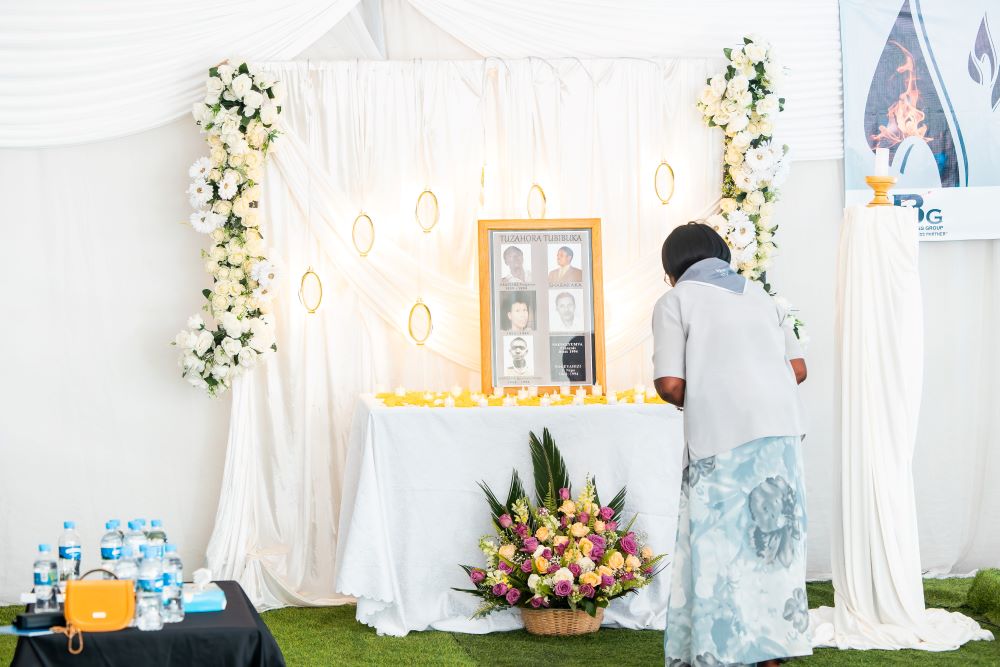
The commemoration included visits to Nyanza Genocide Memorial and Gahanga Sector as staff honored lives lost in 1994The management laying wreaths at the mass grave of Nyanza Genocide MemorialThe commemoration event, held on April 30, 2026, began with a visit to Nyanza Genocide Memorial followed by a visit to Gahanga Sector in Kicukiro District.As part of its longstanding support to survivors, Akagera Busness Group and Toyota Rwanda provided a contribution of Rwf 1 million each to two families from Gahanga and Kagasa.The commemoration event served as a moment for reflection, unity, and honoring the lives lost, while reinforcing the company’s commitment to remembrance and resilience. Employees also held commemoration talks at the company’s headquarter in Karuruma, Jali Sector, Gasabo District.
The team consisted of renowned broadcaster David Attenborough and photographer Martin Saunders. They were confident their work would proceed smoothly, having secured all the necessary permits from Rwandan authorities. In addition, they had the support of primatologist Dian Fossey, who had extensive experience studying gorillas in the Karisoke area, between Mount Karisimbi and Mount Bisoke.
According to Attenborough, their preparations had been thorough, with all required permissions in place and everything appearing well organized.
Dian Fossey, widely known in the Ruhengeri by a local nickname as Nyiramacibiri, had devoted her life to protecting mountain gorillas. Her work went far beyond feeding or treating them, she lived among them in the wild, even establishing a base in the volcanic mountains. She would later be killed under circumstances widely believed to be linked to powerful interests opposed to her conservation efforts.
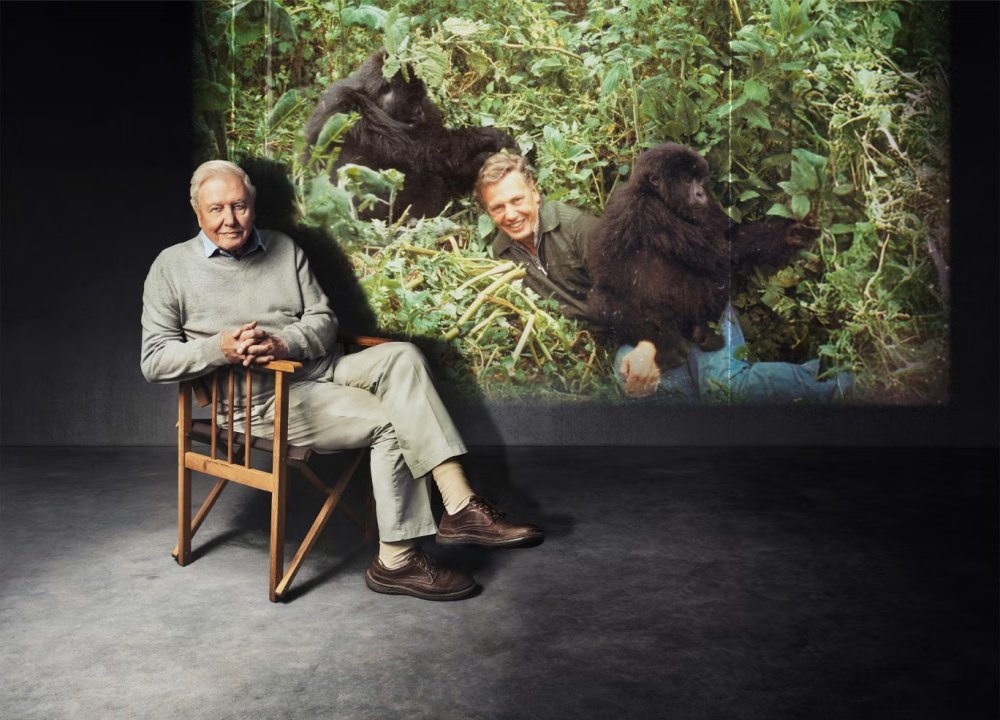
Filming the gorillas proved challenging for Attenborough, who was not yet accustomed to their behavior. At one point, a dominant male gorilla named Pablo climbed onto him, creating a moment of fear. Despite the tension, he remained focused and continued the work that had brought him there.
After completing the demanding work, Attenborough and Saunders returned to Kigali, preparing to head back to the United Kingdom with what they believed was an extraordinary story, one that would reveal to the world the complex and human-like nature of these animals.
Their journey from Ruhengeri had been filled with excitement, as they believed they had achieved something rare. However, as they approached Kigali International Airport, that sense of accomplishment quickly turned into fear. Attenborough began to wonder whether they would safely leave the country—or lose everything they had worked so hard to capture.
Gunfire suddenly erupted overhead. At first, they were unsure what was happening, but it soon became clear that they themselves were being targeted by Rwandan soldiers attempting to stop them, apparently suspecting them of wrongdoing.
Attenborough later described the confusion of the moment, recalling how they turned and saw armed security personnel approaching them.
The two men were stopped and quickly realized that the footage they had captured was at risk. Sensing danger, they discreetly rearranged how they stored their film in an effort to prevent it from being confiscated.
When the soldiers reached them, they demanded to inspect their belongings. However, the exact reason for the suspicion remained unclear—whether they were accused of threatening national security, illegal wildlife activities, or something else entirely.
They were taken away from the airport and first brought to a hotel. The following morning, they were transferred to a military facility, where they were made to stand in an open area under the sun, surrounded by armed personnel. At that moment, they feared for their lives, unsure whether they would be imprisoned, executed, or subjected to other forms of punishment.
Saunders later reflected that they were left standing in the heat without explanation, unable to understand what they were being accused of, which only heightened their anxiety about what might happen next.
After some time in detention, the authorities unexpectedly decided to release them. The two men were allowed to leave, greatly relieved—not only to have regained their freedom, but also because their valuable footage remained intact.
This dramatic episode is recounted in the documentary, Making Life of Earth: Attenborough’s Greatest Adventure, released by BBC on May 3, 2026, just days before Attenborough’s 100th birthday.
More recently, Attenborough has also been involved in another documentary released on April 17, 2026, on Netflix. This production also explores the lives of mountain gorillas and was created in collaboration with Silverback Films.
The film brought together contributions from several prominent figures in filmmaking, including James Reed, Alastair Fothergill, Leonardo DiCaprio, Jennifer Davisson, and Phillip Watson.
The project combined over 250 hours of footage captured between 2023 and 2024, along with archival material filmed by Attenborough during his time in Rwanda.
According to Fothergill, the original idea was simply to tell the story of gorillas. However, after discussions with the Dian Fossey Gorilla Fund—which has spent more than six decades protecting gorillas in Rwanda—the project gained momentum.
The concept evolved further when Fothergill approached Attenborough, who had previously worked on gorilla-related documentaries. Attenborough welcomed the idea and revealed that he had kept detailed notes from his earlier experiences in Rwanda, which could enrich the film.
The resulting documentary not only highlights how gorillas live, but also shows their complex social dynamics, including struggles for leadership and behaviors that often resemble human interactions.
Sir David and Martin during an excursion in ComorosThe film “Making Life of Earth: Attenborough’s Greatest Adventure,” features footages of a gorilla climbing onto Sir David Attenborough.
In a statement to Xinhua, the WHO said it is supporting a public health event involving a cruise vessel sailing in the Atlantic Ocean. To date, one case of hantavirus infection has been laboratory confirmed, and there are five additional suspected cases. Three of the six affected individuals have died, and one is currently in intensive care in South Africa.
The agency said detailed investigations are going on, including further laboratory testing and epidemiological investigations. Medical care and support are being provided to passengers and crew. Sequencing of the virus is also ongoing, it added.
Hantavirus infections are typically linked to environmental exposure (exposure to infected rodents’ urine or faeces). While rare, hantavirus may spread between people, and can lead to severe respiratory illness, requiring careful patient monitoring, support and response.
WHO is facilitating coordination between member states and the ship’s operators for the medical evacuation of two symptomatic passengers, as well as full public health risk assessment and support to the remaining passengers on board.
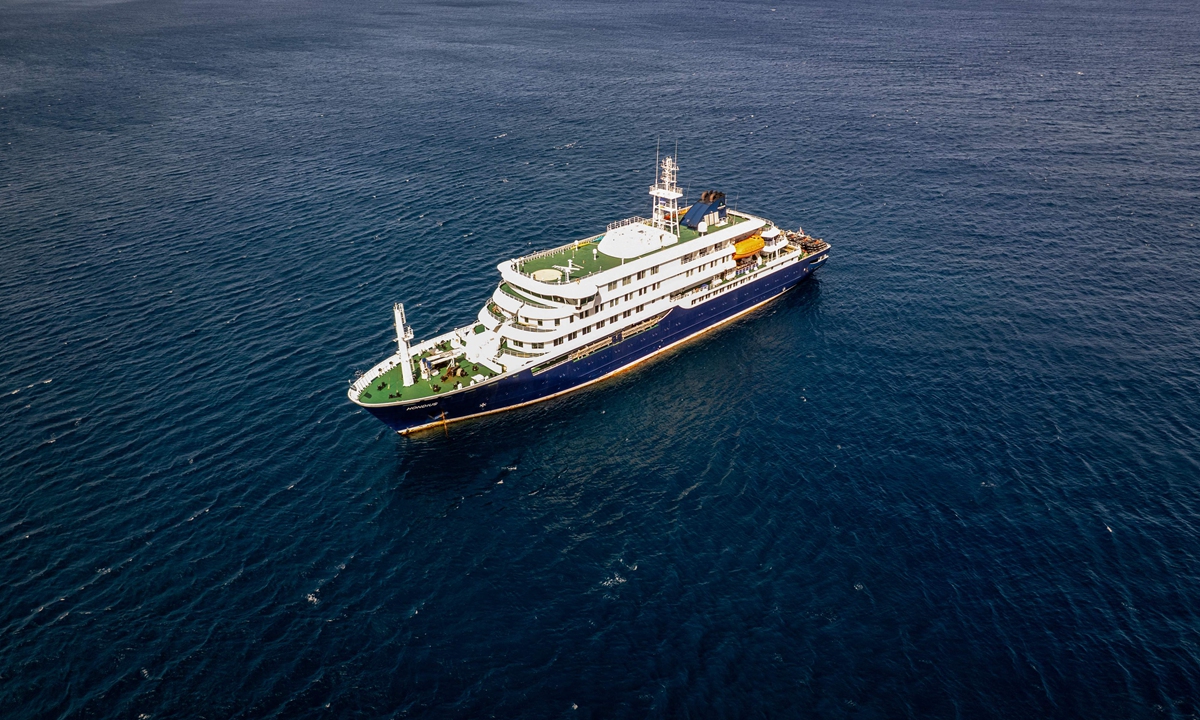
According to earlier reports, South Africa’s National Department of Health confirmed that two people have died from an acute respiratory infection on board a cruise ship known as MV Hondius in the Atlantic Ocean.
Previous reports said MV Hondius was sailing from Ushuaia in Argentina to Cape Verde when it experienced a “severe acute respiratory illness,” resulting in the deaths of an elderly couple and another person receiving treatment in an intensive care unit in Johannesburg, South Africa.
This aerial picture of the cruise ship MV Hondius stationary off the port of Praia, the capital of Cape Verde, on May 3, 2026. Photo: CFP