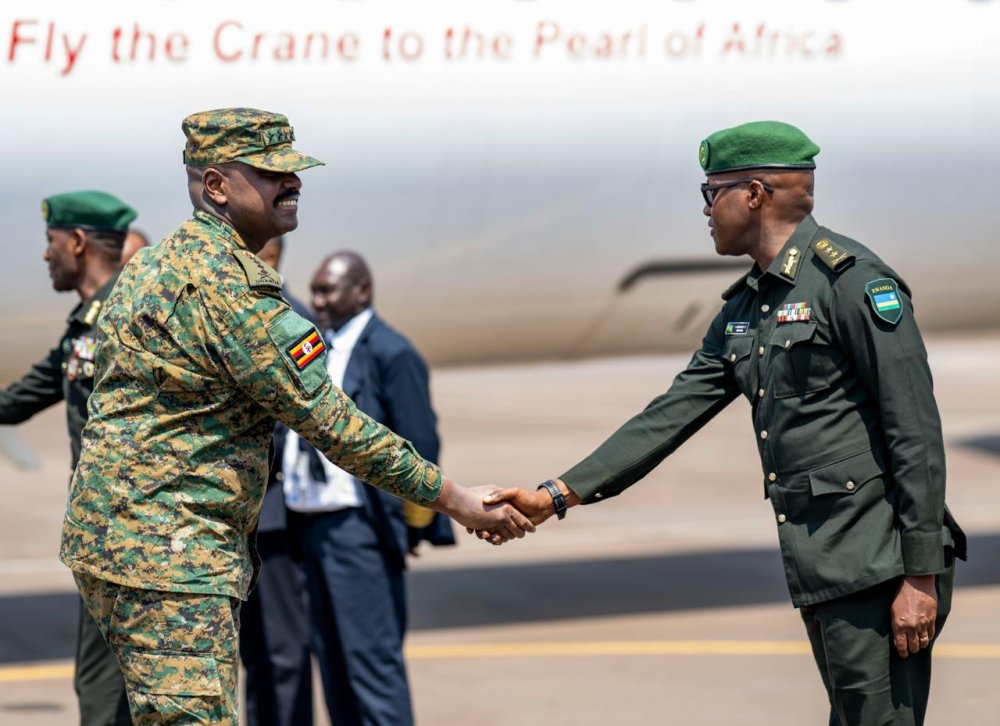
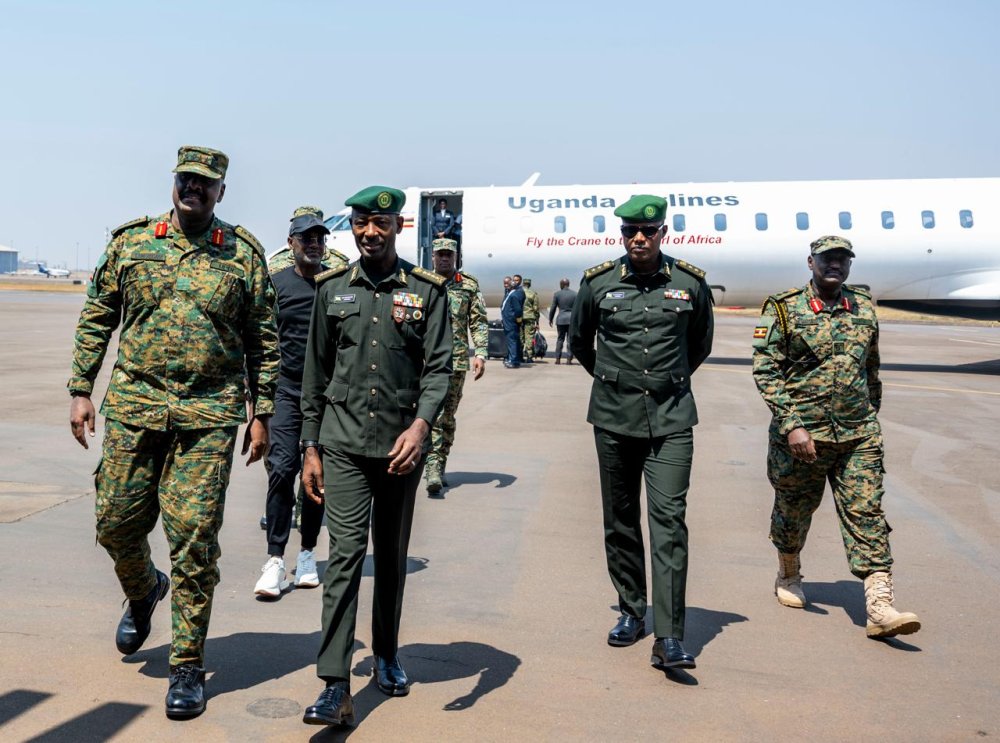
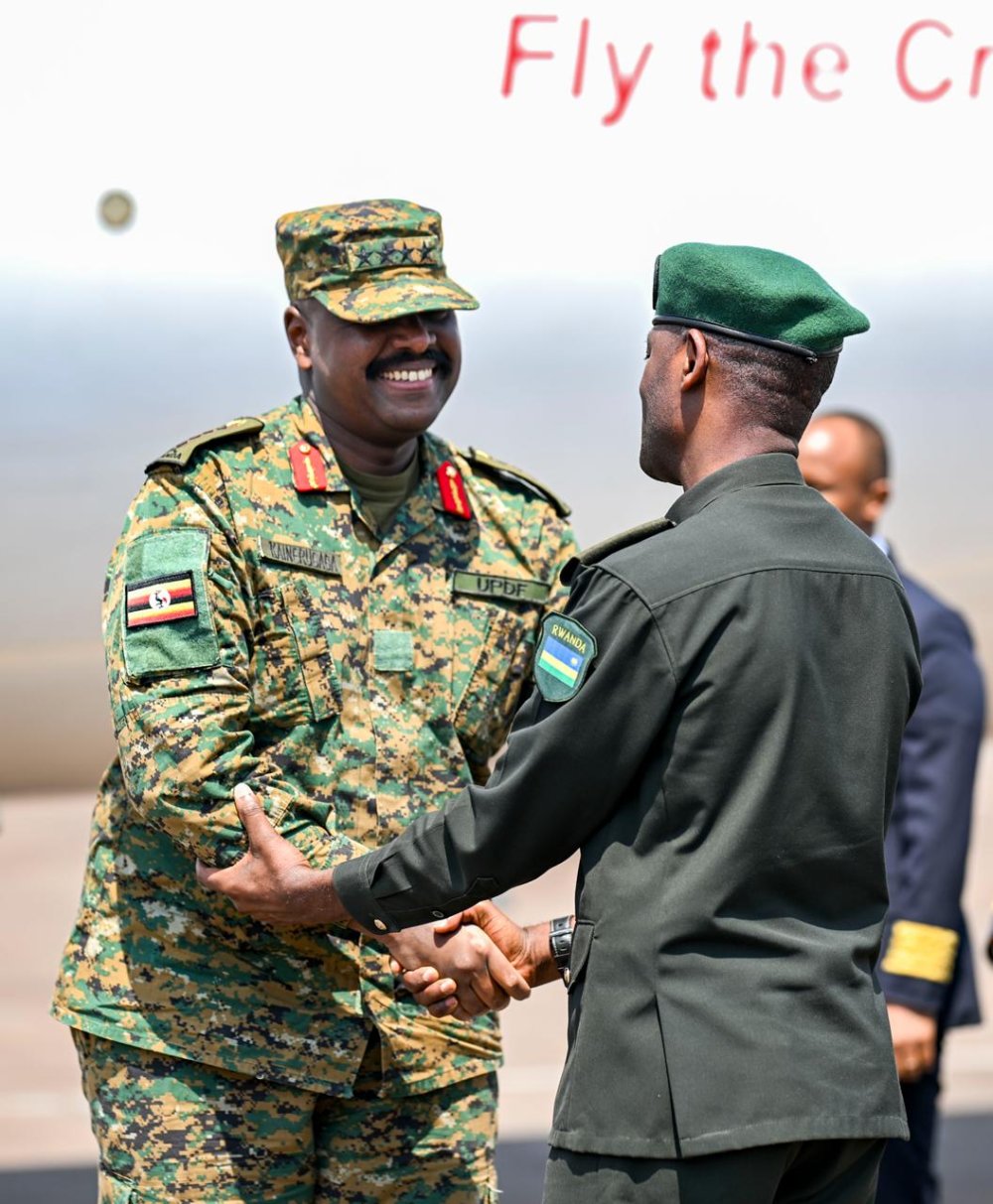
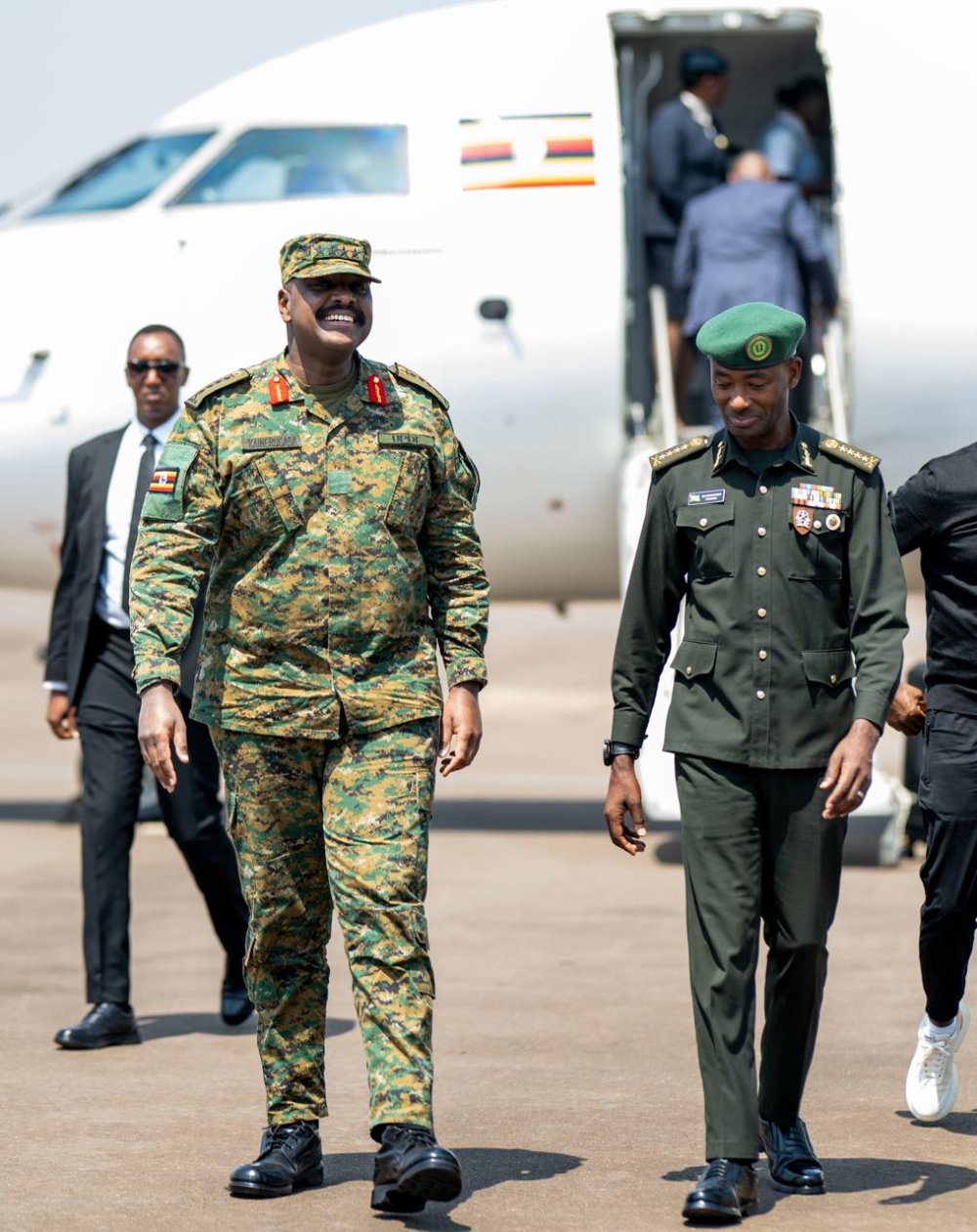
Gen Muhoozi was received at Kigali International Airport on Saturday, July 25, 2026, by the Chief of Defence Staff of the Rwanda Defence Force (RDF), Gen Mubarakh Muganga.
Also present to welcome him were Maj Gen Willy Rwagasana, Commander of the RDF’s Republican Guard, and Col Ezekiel Matsiko, Uganda’s Defence Attaché to Rwanda.
During the visit, Gen Muhoozi is expected to meet senior Rwanda Defence Force officials to discuss ways of further enhancing defence cooperation between Rwanda and Uganda. He is also scheduled to be received by President Paul Kagame.
This marks Gen Muhoozi’s first visit to Rwanda since March 2025, when he held discussions with senior RDF commanders on bilateral military cooperation.
During that visit, he also toured the Rwanda Defence Force Command and Staff College in Nyakinama of Musanze District, where he delivered a lecture on the role of African countries in promoting peace and security across the continent.
Maj Gen Willy Rwagasana, Commander of the RDF’s Republican Guard also welcomed Gen Muhoozi in Kigali. Gen Muhoozi Kainerugaba was received by senior Rwanda Defence Force officials upon arrival in Rwanda.Rwanda Defence Force Chief of Defence Staff Gen. Mubarakh Muganga welcomed Gen Muhoozi Kainerugaba in Kigali.Gen. Muhoozi Kainerugaba arrives at Kigali International Airport for a two-day visit to RwandaGen. Muhoozi Kainerugaba has arrived at Kigali International Airport for a two-day visit to Rwanda
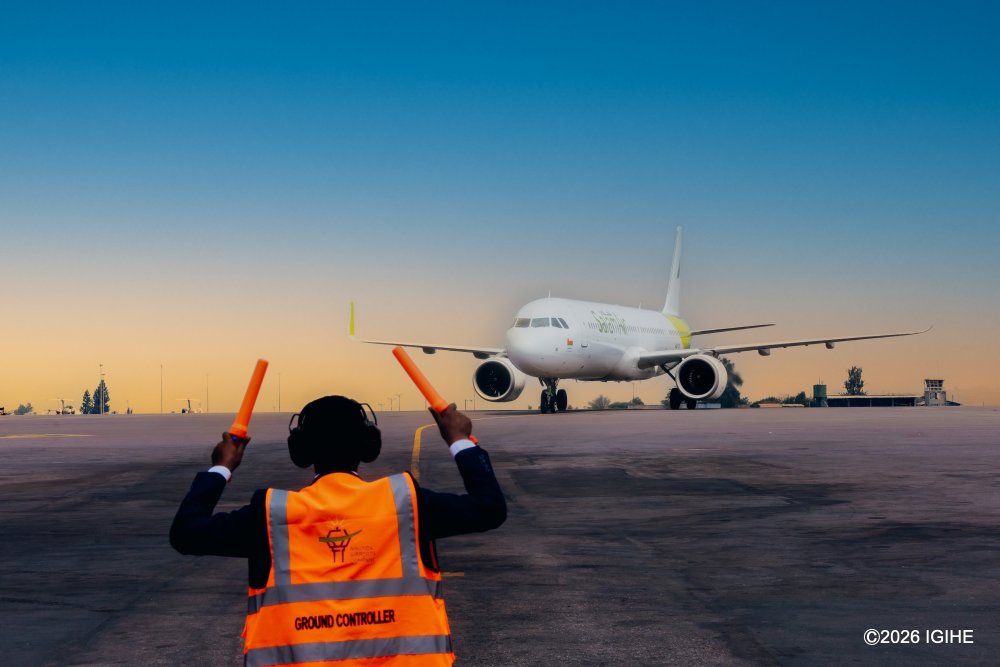
Oman’s low-cost carrier, SalamAir, officially launched its direct flights between Muscat and Kigali, marking the airline’s expansion into the African market. The inaugural flight landed on Tuesday, July 21, 2026, with the route scheduled to operate twice a week.
The new air link has sparked optimism about the benefits it will bring to both nations, from boosting tourism and trade to expanding employment and investment opportunities.
As Rwanda continues positioning itself as a leading tourism destination, the direct connection to Oman is expected to attract more visitors from Oman and neighboring Gulf countries while also providing easier access for African travelers heading to Oman.
The route is also anticipated to stimulate investment. Easier travel will allow Omani investors to explore business opportunities in Rwanda, particularly in sectors where the country has seen significant growth.
For ordinary citizens, the new flights will simplify travel for business, tourism, education, and family visits, making movement between the two countries faster and more affordable.
Employment opportunities for Rwandans
Oman has a population of over 5.3 million, with a significant proportion made up of expatriates. Foreign workers play a vital role in sectors such as construction, healthcare, tourism, transportation, and hospitality.
Rwanda’s Honorary Consul to Oman, Hamood Khalfan Al Busaidi, described the launch of the flights as the realization of a dream he had pursued for more than three decades.
“For me, this is a dream come true. I have represented Rwanda’s interests in Oman for more than 30 years, and I have followed this initiative closely. Today it has become a reality with the support of leaders from both countries.”
Al Busaidi noted that the new air connection could create employment opportunities for qualified Rwandans, as Oman relies heavily on foreign professionals.
“Oman has a relatively small population, while Rwanda has about 14 million people. This creates employment opportunities for educated people in Oman,” he said.
He also highlighted business opportunities for Rwandan exporters, particularly those dealing in agricultural products such as fresh fruits and vegetables.
Conversely, Oman could expand exports to Rwanda in areas including construction materials, natural resources, and other industrial products.
According to Al Busaidi, increased interaction between business communities and government officials from both countries will help identify additional sectors for cooperation and investment.
RwandAir could soon launch direct flights to Oman.
A longstanding relationship
Despite regional geopolitical tensions affecting the Strait of Hormuz, through which nearly 20% of the world’s petroleum supplies pass, Rwanda and Oman have maintained strong bilateral relations.
Al Busaidi emphasized that ties between the two countries go back many years, with several Omani families having lived in Rwanda.
He himself was born in Rwanda to an Omani father and a Rwandan mother. Other Omanis were also born or have lived in Rwanda, reflecting the longstanding relationship between the two nations.
The launch of SalamAir’s Muscat–Kigali route is expected to encourage Omani investment in sectors such as transportation, tourism, mining and infrastructure development.
The direct connection will also facilitate tourism in both directions while supporting Oman’s ambition to use Kigali as a gateway to the wider African market.
For Rwanda, the route is expected to improve trade logistics and provide easier access to markets in the Middle East.
Speaking to IGIHE, Senator Murangwa Ndangiza Hadidja, Chairperson of the Senate Standing Committee on Foreign Affairs, Cooperation and Security, welcomed the development, saying the new route would deepen cooperation between the two countries.
“We highly appreciate this opportunity for Rwanda to strengthen its partnership with Oman. The launch of SalamAir flights opens new possibilities for trade, tourism, and employment between our two countries.”
Rwanda’s Minister of State in the Ministry of Infrastructure, Col. Claudien Bizimungu, also said the direct flights would significantly reduce travel costs and inconvenience for passengers who previously had to connect through third countries to reach Oman.
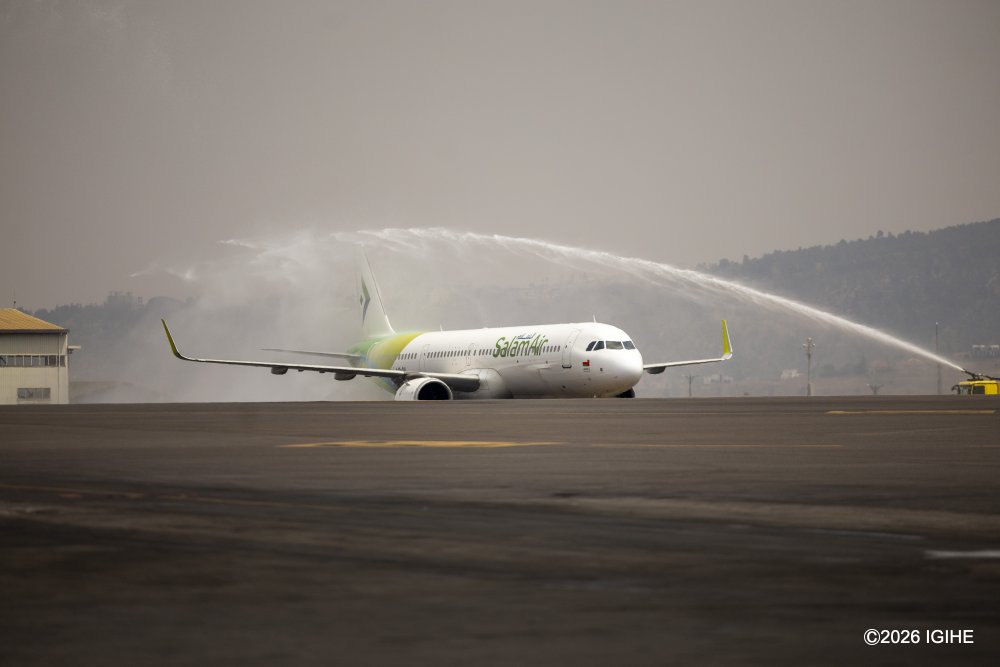
SalamAir’s first flight to Kigali receives a ceremonial water salute upon arrival.
A new destination for RwandAir
During the inauguration of SalamAir’s Muscat–Kigali service, officials also revealed that RwandAir may soon begin operating flights to Oman.
Rwanda’s Ambassador to Oman, Dan Munyuza, who is based in Egypt, said Omani authorities have committed to facilitating all the necessary approvals if RwandAir decides to launch the route.
Minister of State Col. Claudien Bizimungu confirmed that the bilateral air services agreement allows airlines from both countries to operate flights between Kigali and Muscat.
“RwandAir could begin operating this route in the near future because that is Rwanda’s objective. Rather than relying solely on foreign airlines, we want our national carrier to provide Rwandans and international travelers with direct access to the destinations they need. We are investing in these connections to make travel and business more convenient.”
Located on the southeastern coast of the Arabian Peninsula, Oman is a Middle Eastern nation whose capital, Muscat, is the destination served by the newly launched direct flights from Kigali.
The country covers approximately 309,500 square kilometers and had a population of about 5.3 million as of May 2026. Nearly half of its residents are expatriates, making Oman one of the Gulf countries with a large foreign workforce.
Arabic is the country’s official language, while English is widely spoken, particularly in business, tourism, and international trade.
Oman’s currency is the Omani Rial (OMR), one of the world’s strongest currencies. One Omani Rial is worth more than Rwf3,800. The country is ruled by Sultan Haitham bin Tarik.
Oman’s economy was valued at approximately $107 billion in 2024. While oil and natural gas remain the backbone of its economy, the country has been actively pursuing economic diversification by investing in tourism, mining, infrastructure, logistics and ports, and renewable energy.
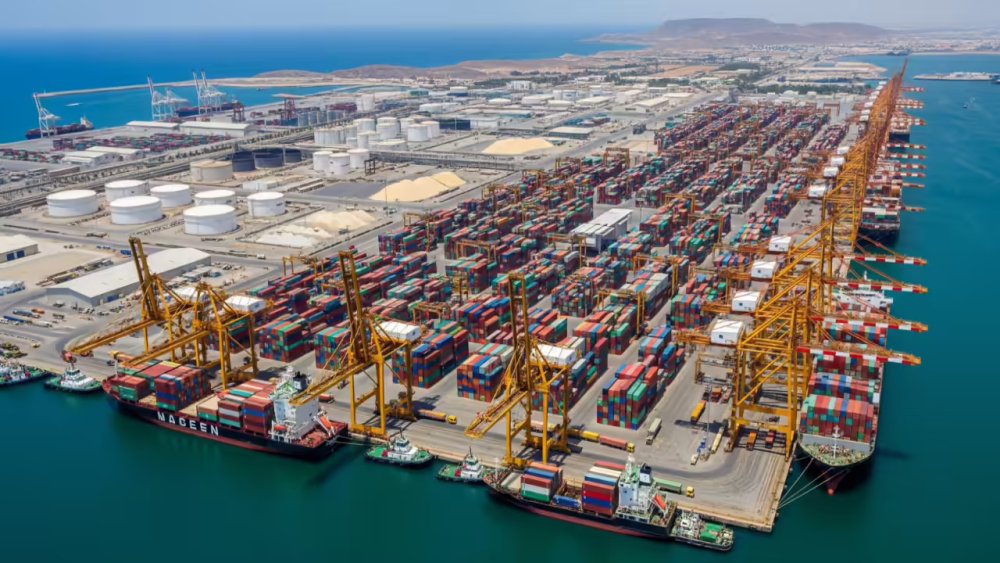
SalamAir’s inaugural flight arrives at Kigali International Airport.Oman is home to some of the region’s most strategically important commercial ports.
The decision was approved during a Cabinet meeting held on Friday as part of Rwanda’s broader strategy to strengthen its technology and innovation ecosystem.
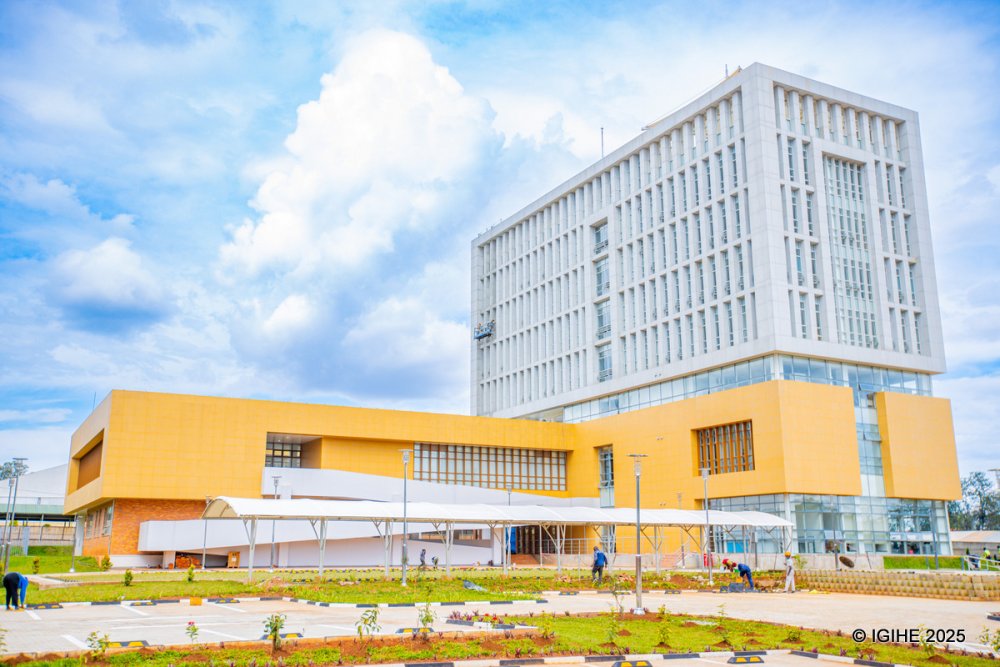
The Rwanda Institute of Computing will officially open in September 2026 as a specialized institution under the University of Rwanda. It will offer advanced degree programs in Artificial Intelligence (AI) and Cybersecurity.
According to a statement issued by the Office of the Prime Minister, the institute builds on the success of the Rwanda Coding Academy by creating a clear pathway for students to pursue advanced studies in computer science and emerging technologies.
The statement noted: “The institute will provide a seamless pathway to advanced computing education and further strengthen Rwanda’s talent pipeline for the digital economy.”
Rwanda is among the African countries that have adopted a national Artificial Intelligence policy. On June 8, 2026, the Cabinet also established the National Artificial Intelligence Agency, which will help accelerate innovation, attract investment, support AI implementation, and strengthen governance in the sector.
Artificial intelligence is already being applied across Rwanda in a wide range of sectors, including healthcare, education, justice, agriculture, and many other areas of national development.
The country continues to prioritize a knowledge-based and technology-driven economy.
Under its five-year National Strategy for Transformation, Rwanda aims for all citizens to possess basic digital literacy by 2029, while one million people are expected to receive training in computer programming.
Government statistics indicate that by the end of 2024, more than 60% of Rwandans had acquired basic digital skills.
Mobile phone ownership has also grown significantly, with 85% of households owning a mobile phone in 2024, up from 67% in 2017.
By 2029, Rwanda aims to ensure that all citizens have the digital skills needed to access both government and private-sector services online from anywhere in the country, using digital technologies.
The Rwanda Institute of Computing will officially open in September 2026 as a specialized institution under the University of Rwanda.
The sharp rise in cumulative figures was mainly due to the integration of harmonized databases from the eastern provinces of Ituri and North Kivu into the national database on Wednesday, including previously uncounted cases, the ministry said, adding that the increase did not solely reflect newly reported cases from the past 24 hours.
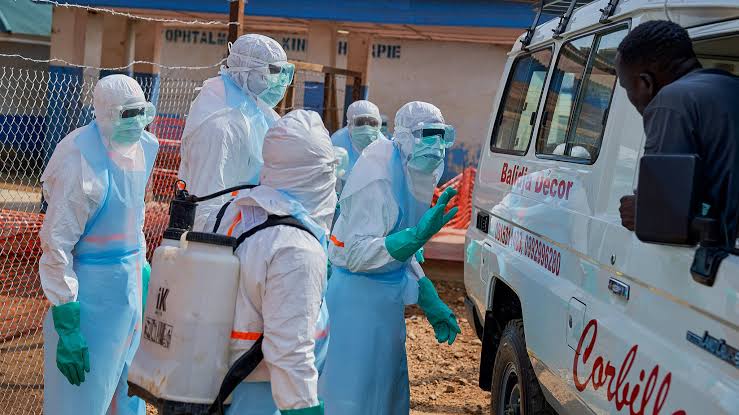
It said 97 confirmed cases and 62 deaths were reported on Wednesday. A total of 519 patients have recovered, while 722 others remain in isolation or are receiving treatment.
During a visit on Thursday to Kisangani, capital of the newly affected Tshopo province, Prime Minister Judith Suminwa Tuluka said many patients were arriving at health facilities only after developing severe symptoms, making treatment more difficult.
She said the government would strengthen community training and awareness campaigns to encourage suspected patients to seek medical care at an earlier stage.
The government had allocated 50 million U.S. dollars to the Ebola response, with priority given to laboratories, medical equipment, community surveillance and patient care, she added.
Meanwhile, the University of Oxford announced Friday that the first volunteer had been vaccinated in the world’s first human trial of a vaccine designed to protect against the Bundibugyo ebolavirus strain responsible for the current outbreak.
The candidate vaccine, ChAdOx1 BDBV, was developed by the university’s Oxford Vaccine Group and Pandemic Sciences Institute. The Serum Institute of India has manufactured and stockpiled about 620,000 doses, including 4,000 investigational doses supplied for the trial, according to the university.
The first-stage study is expected to recruit about 50 healthy adults and will primarily assess the vaccine’s safety and immune responses. Subject to regulatory approval, further clinical studies are being prepared in cooperation with partners in Uganda, the university said.
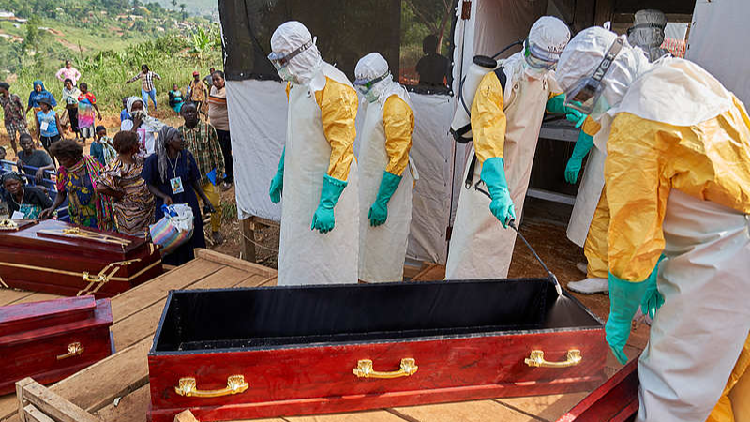
The Democratic Republic of the Congo (DRC) has recorded 2,905 confirmed Ebola cases with 1,269 deaths.
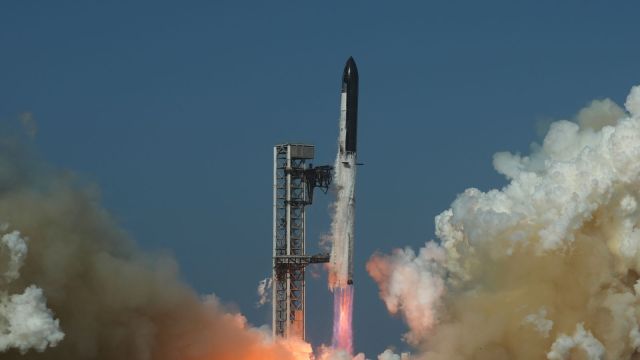
Starship lifted off from the company’s Starbase facility in the U.S. state of Texas at about 5:52 p.m. Central Time. Shortly after launch, SpaceX confirmed stage separation. The Super Heavy booster splashed down in the Gulf of Mexico as scheduled, according to SpaceX.
The Starship upper stage completed its ascent burn and was coasting through space. It later deployed 20 next-generation Starlink V3 satellites. SpaceX said the flight test would provide critical data as it prepares to expand the Starlink constellation.
During the mission, Starship successfully ignited one of its Raptor engines while in space, testing a maneuver needed for future orbital missions. It also performed a banking maneuver to simulate the final approach for a future return and catch attempt at Starbase.
About one hour and five minutes after liftoff, Starship completed the flight test with a scheduled splashdown in the Indian Ocean, SpaceX said.
The mission continued testing the upgraded Version 3 Starship and Super Heavy vehicles, which made their debut during the previous flight test in May.
The launch was originally scheduled for July 16 but was delayed twice due to technical issues and weather conditions.
SpaceX’s mega rocket Starship lifts off for a test flight from Starbase, Texas, Friday, July 24, 2026. (AP)
According to a communiqué issued by the Office of the Prime Minister, Cabinet was briefed on key initiatives designed to accelerate Rwanda’s transition to a knowledge-based, cashless and digitally driven economy.
The initiatives include the establishment of the Rwanda Institute of Computing (RIC), the modernization of telecommunications infrastructure from 2G/3G to 4G/5G networks, and the rollout of eKash as an interoperable national digital payment platform to accelerate financial inclusion and digital transactions.
Cabinet also approved the Rwanda Food Innovation Ecosystem Strategy together with the establishment of the Rwanda Food Innovation Partnership (RFIP), an initiative intended to fast-track innovation in food systems through agile regulation, attracting investment, creating jobs, and strengthening food security and nutrition.
The meeting further approved a draft law ratifying the Financing Agreement between the Republic of Rwanda and the International Development Association (IDA) relating to a second additional financing package for the recovery and resilience project. The agreement was signed in Kigali on June 25, 2026.
Among other decisions, Cabinet approved a Ministerial Order governing authorisations relating to dynamites or accessories.
It also approved applications for Rwandan nationality.
Cabinet endorsed a Shareholders Agreement between the Government of Rwanda and JSC National Mining Company “Tau-Ken Samruk” (TKS) for the establishment of a joint venture to undertake mineral exploration and mining activities in Rwanda.
The meeting further approved a concession agreement between the Government of Rwanda and InipasvalleyRw Ltd for the High-Value Therapeutic Crops Project.
It also approved an amendment to the Power Purchase Agreement between the Energy Utility Corporation Limited (EUCL) and Nyirahindwe HPP relating to the development and operation of the Nyirahindwe I Hydropower Plant in Nyamasheke District.
Cabinet granted agrément to three proposed diplomatic representatives.
Those approved include Ms Jirusaya Birananda as Ambassador Extraordinary and Plenipotentiary of the Kingdom of Thailand to the Republic of Rwanda, with residence in Nairobi; Ms Marie Goreth Nizigama as the UN Women Country Representative in Rwanda; and Mr Anton Buttigieg as the proposed Honorary Consul of Rwanda to the Republic of Malta.
During the meeting’s Any Other Business session, the Minister of National Unity and Civic Engagement informed Cabinet that Umuganura 2026 celebrations are scheduled for August 7, 2026.
The Minister of Finance and Economic Planning also informed Cabinet that Kigali will host the 26th Council of Ministers of the Eastern and Southern Africa Anti-Money Laundering Group (ESAAMLG) from August 31 to September 5, 2026.
Cabinet was further informed by the Minister of Agriculture and Animal Resources that Kigali will host the Africa Food Systems Forum (AFSF) Summit 2026 from September 1 to 4, 2026, with the event also marking the forum’s 20th anniversary.
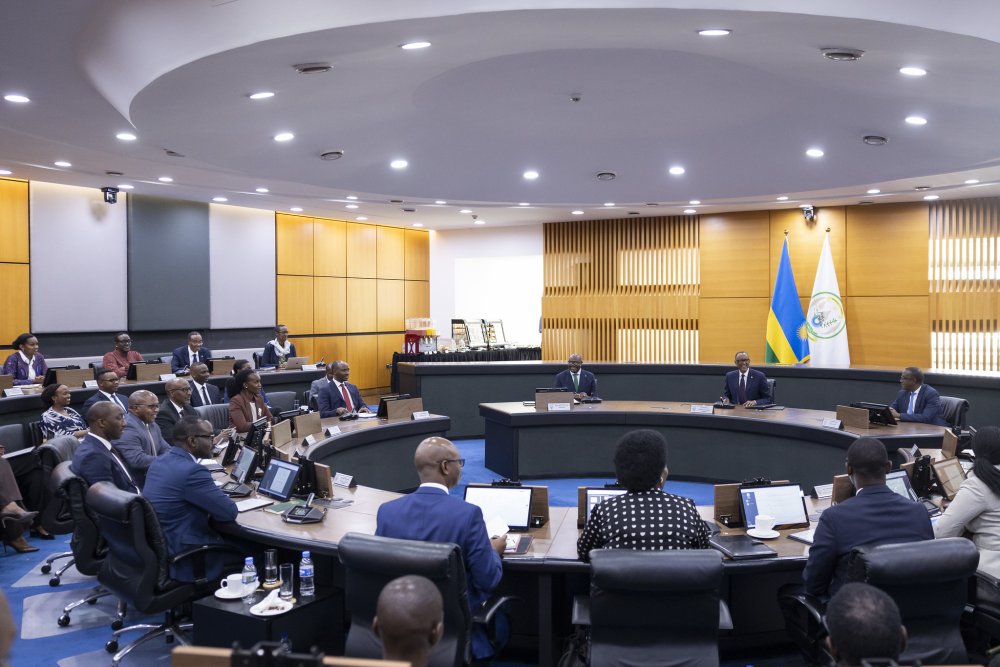
President Paul Kagame chaired a Cabinet meeting that approved the establishment of the Rwanda Nature Foundation alongside a series of measures on digital transformation, food security, investment and international cooperation.
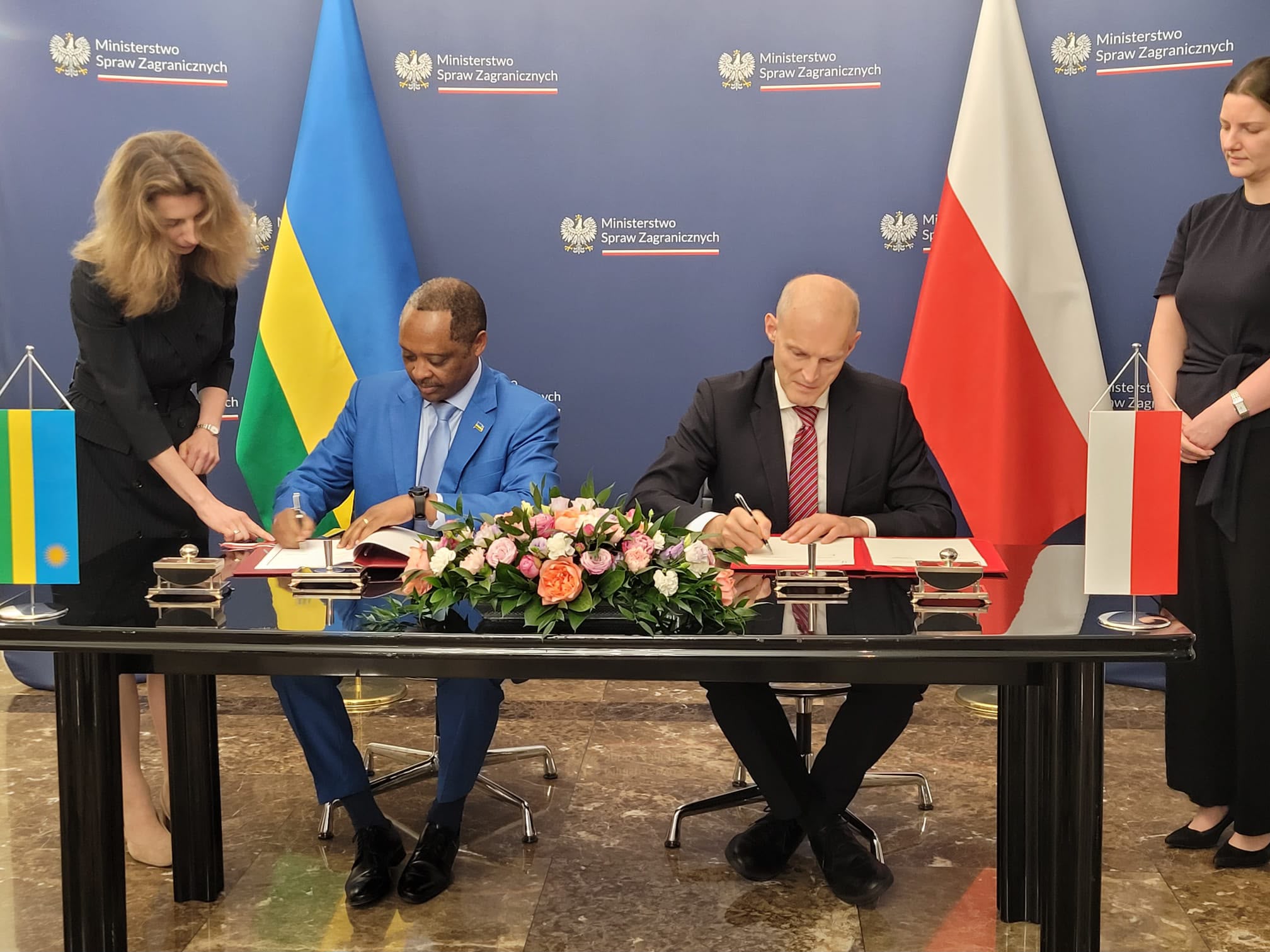
The agreement was signed on Friday in Warsaw by Poland’s Secretary of State at the Ministry of Foreign Affairs, Wojciech Zajączkowski, who oversees African affairs, and Rwanda’s Ambassador to Poland, Prof. Anastase Shyaka.
Officially titled the “Bilateral Agreement on Engagement in Gainful Occupation by Family Members of the Members of the Diplomatic Mission,” the agreement enables eligible family members of diplomats and other embassy personnel from Rwanda in Warsaw and Poland in Kigali to undertake gainful employment in accordance with the laws and regulations of their host country.
Speaking during the signing ceremony, Secretary of State Wojciech Zajączkowski welcomed the growing partnership between the two countries.
“We are pleased with the relationship we have with Rwanda and with the way our cooperation continues to grow,” he said.
He added that Rwanda is the first African country with which Poland has signed such an agreement.
For his part, Ambassador Prof. Anastase Shyaka thanked the Polish government for the importance it attaches to strengthening its friendship and cooperation with Rwanda.
“Rwanda highly values its excellent cooperation with Poland. Just as you consider us among your close friends, we equally regard you as one of our trusted partners and friends,” he said.
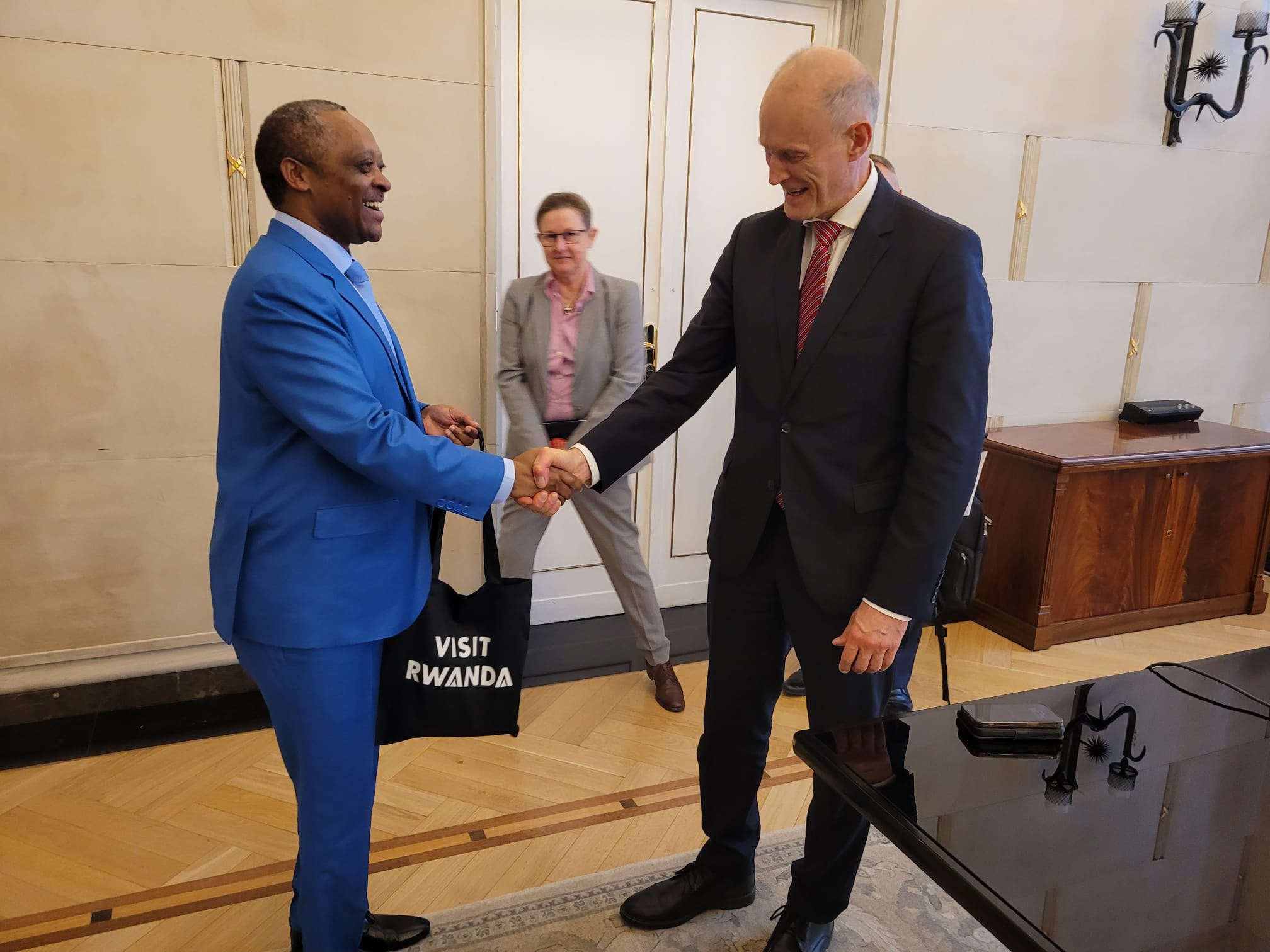
The ceremony concluded with an exchange of gifts, including a Visit Rwanda souvenir, and was attended by officials from both the Rwandan and Polish sides.
The agreement reflects the two countries’ commitment to deepening bilateral cooperation while making it easier for the families of diplomatic personnel to integrate into the societies where they are posted.
Rwanda and Poland have signed an agreement enabling eligible family members of diplomatic mission staff to engage in gainful employment abroad.The agreement signed in Warsaw allows family members of Rwandan diplomats in Poland and Polish diplomats in Rwanda to seek employment under host country regulations.Rwanda’s Ambassador to Poland Prof. Anastase Shyaka and Poland’s Secretary of State Wojciech Zajączkowski signing an agreement allowing family members of diplomats to work in their host countries.
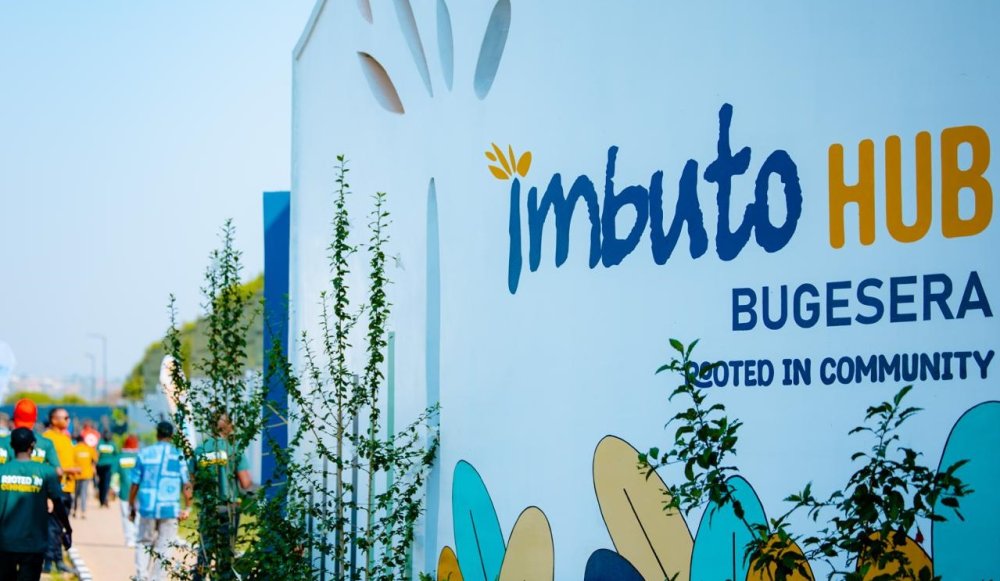
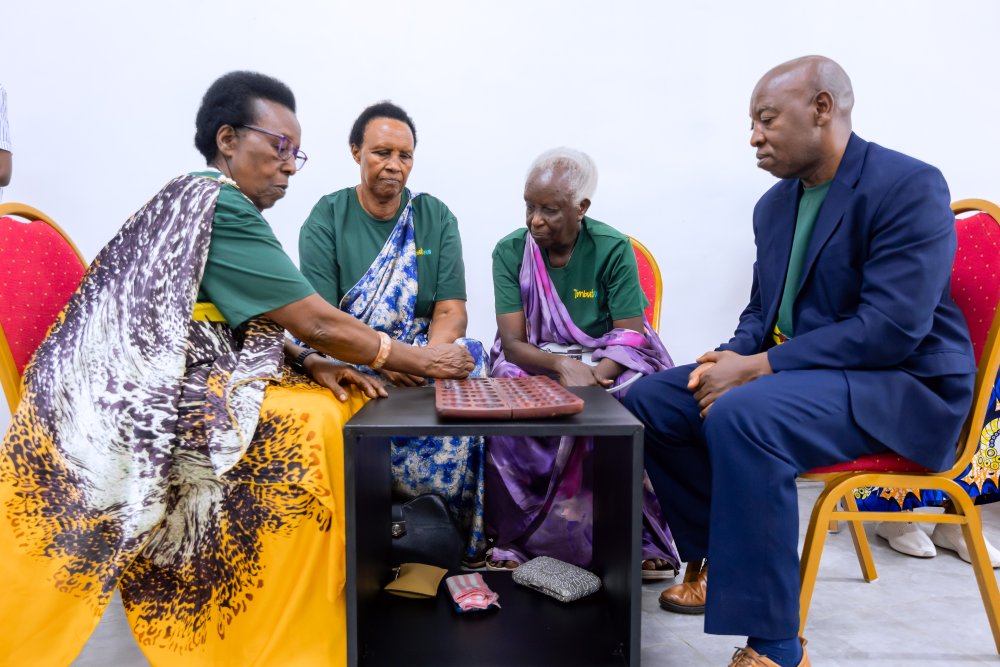
The initiative was unveiled on Friday, July 24, 2026, in Nyamata Sector, Bugesera District, where First Lady Jeannette Kagame inaugurated the first Imbuto Hub.
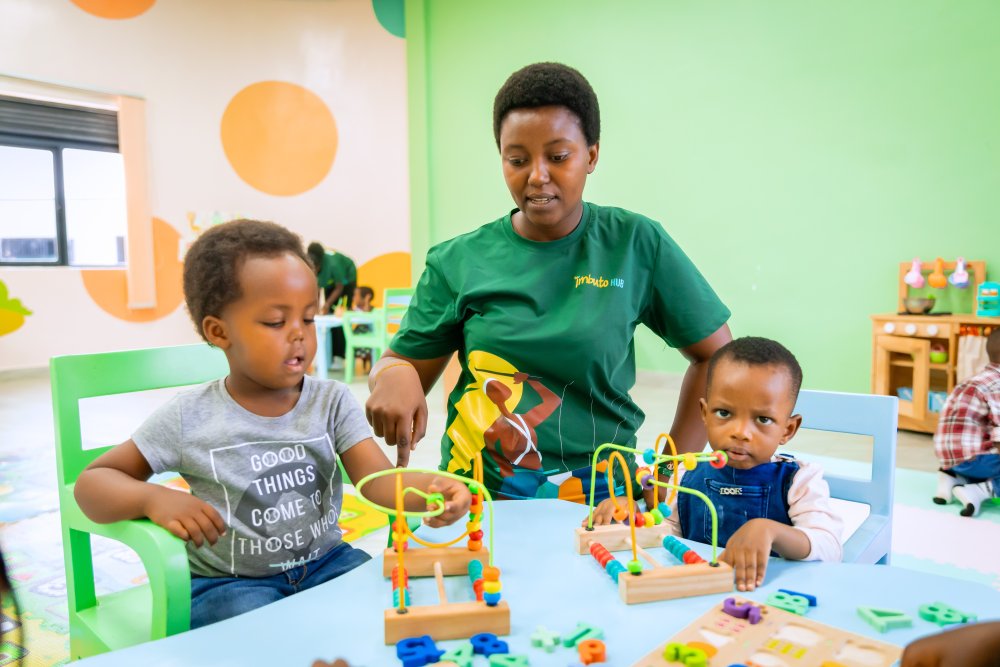
The Bugesera hub will provide a wide range of free services, including counselling on health and wellbeing, sports and recreation, digital skills, vocational training, early childhood care, and other community-focused programmes. The services are designed to benefit children, youth and adults.
Although the programme has begun in Bugesera, Imbuto Foundation plans to expand it to Kicukiro, Rwamagana and Muhanga districts in the next phase.
The foundation also intends to establish at least one Imbuto Hub in every district over the next five years to improve the wellbeing of families across the country.
As part of the initiative, the Kimisagara Youth Centre has already been renovated and equipped to offer the full range of services available at an Imbuto Hub.
The Imbuto Hubs project was conceived as Imbuto Foundation marked its 25th anniversary, representing a new approach to bringing essential services closer to communities.
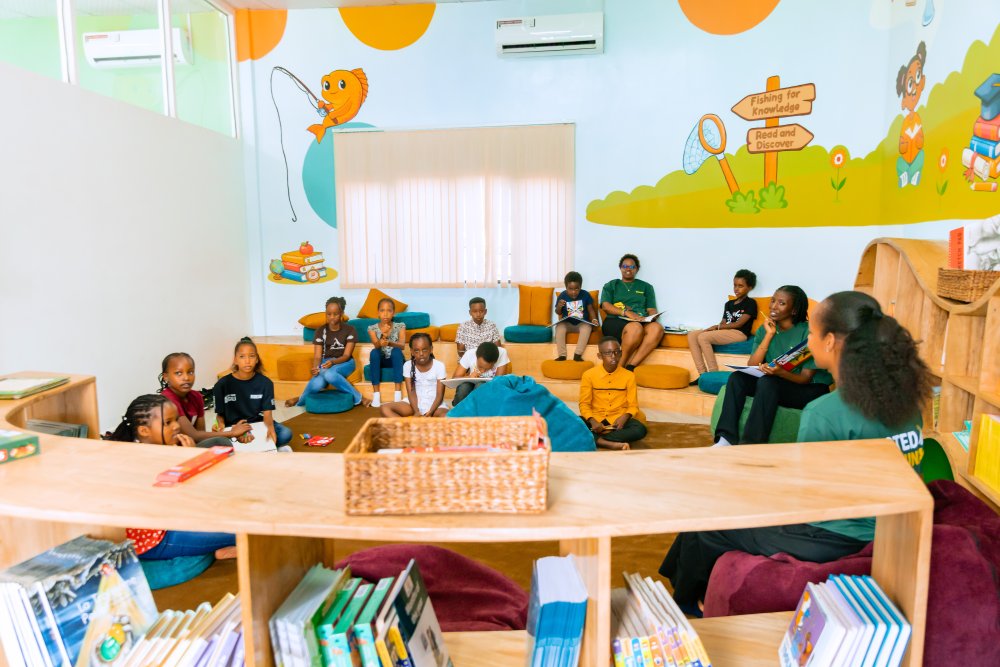
The Bugesera hub features sports facilities, recreational spaces, areas for community engagement, a library, and child-friendly spaces for young children, whether accompanied by parents or on their own.
The hubs will also host business and entrepreneurship advisers, innovation mentors, development partners and accomplished professionals who can inspire and guide young people.
Older youth will have access to vocational training in areas such as tailoring, hairdressing, carpentry, handicrafts, and literacy, among other skills. The specific vocational courses and services offered at each hub will be tailored to the needs of the surrounding community.
Speaking at the launch, Imbuto Foundation Director General Elodie Shami said the establishment of Imbuto Hubs is intended to strengthen families and communities by creating spaces where people can learn, connect and thrive.
She said this will be achieved through sports, recreation, early literacy programmes for children, technology and other community-based activities.
“This is the culture we want to build. It is not just the culture of Imbuto Foundation; it is something that is rooted in the community,” she said.
Shami stressed that the initiative is about more than constructing buildings.
“Buildings alone do not transform the wellbeing of families. It is people and our partners who make that happen. That is the journey we are inviting everyone to join. We are not simply asking for support to build structures; we are asking people to be part of building stronger families and communities,” she said.
Bugesera District Mayor Richard Mutabazi described the project as a major milestone for youth development, talent promotion and good governance.
He said the initiative was developed after assessing the needs of children and young people, resulting in facilities that include sports grounds, recreational spaces and other community services.
“Previously, young people in Bugesera had limited access to sports infrastructure, and the facilities that existed were outdated,” Mutabazi said.
“We are delighted that our youth now have a modern centre that will help them expand their knowledge, foster innovation and prepare them to contribute to the country’s development,” he added.
The newly launched Imbuto Hub in Bugesera will provide free services ranging from health counselling and digital skills training to sports, recreation and vocational education.The Imbuto Hubs initiative was conceived as Imbuto Foundation celebrated its 25th anniversary, introducing a new community-centred approach to family development.The Bugesera Imbuto Hub features modern sports facilities, a library, child-friendly spaces and community learning areas designed to strengthen family wellbeing.Children, youth and adults are expected to benefit from the wide range of free programmes offered through the Imbuto Hub in Bugesera.Imbuto Foundation Director General Elodie Shami says the Imbuto Hubs initiative is designed to strengthen families by creating spaces where communities can learn, connect and thrive.
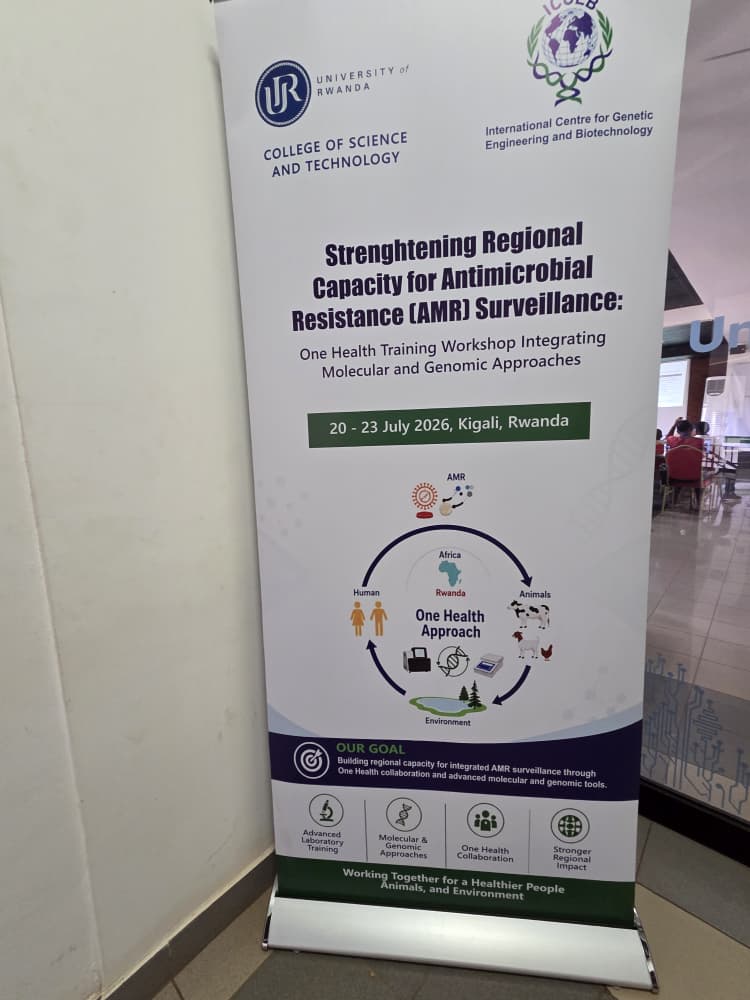
The four-day workshop, held from 20–23 July 2026 at UR-CST in Kigali, brought together 50 researchers, laboratory scientists, veterinarians, public health professionals, and academics from Rwanda, Ethiopia, Kenya, Tanzania, Burundi, and South Africa. Supported by funding from ICGEB and the University of Rwanda, the programme equipped participants with advanced knowledge and practical skills in molecular biology, genomics, bioinformatics, and integrated AMR surveillance.
Opening the workshop on behalf of the Dean of the School of Science, Prof. Banzi Wellars welcomed participants to the University of Rwanda and emphasized the importance of investing in scientific capacity to address AMR as one of today’s most pressing public health challenges. He encouraged participants to make the most of the opportunity to learn from leading experts and to build lasting professional networks that will strengthen AMR surveillance and research across the region.
Representing ICGEB, Prof. Stefano Cacciatore reaffirmed the organization’s commitment to supporting scientific excellence and capacity development in its member countries. He encouraged participants to take advantage of ICGEB’s research grants, fellowships, and training programmes that promote innovation and international scientific collaboration.
Speaking during the opening ceremony, Prof. Dieudonné Mutangana, ICGEB Liaison Officer in Rwanda and the Head of Biology Department at UR, highlighted the growing threat posed by AMR and the need for coordinated regional action.
“This workshop represents a critical step in addressing a mounting global public health threat that transcends boundaries, affecting humans, animals, food systems, and our environment alike.”
He commended the collaboration between UR and ICGEB for bringing together international and local expertise to strengthen Africa’s scientific capacity to respond to AMR.
Presenting the objectives of the workshop, Dr. Jean Paul Nshizirungu, the workshop coordinator, stressed that AMR requires collective action across institutions and borders. He noted that beyond strengthening technical competencies in AMR surveillance, the training was designed to foster long-term regional partnerships that will advance collaborative research, knowledge sharing, and evidence-based public health interventions.
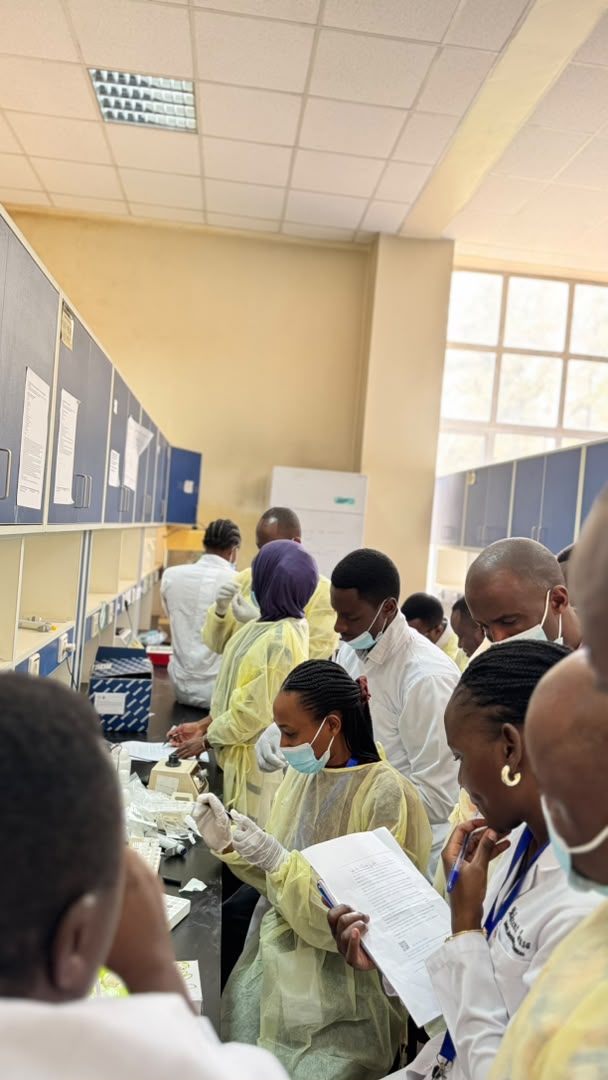
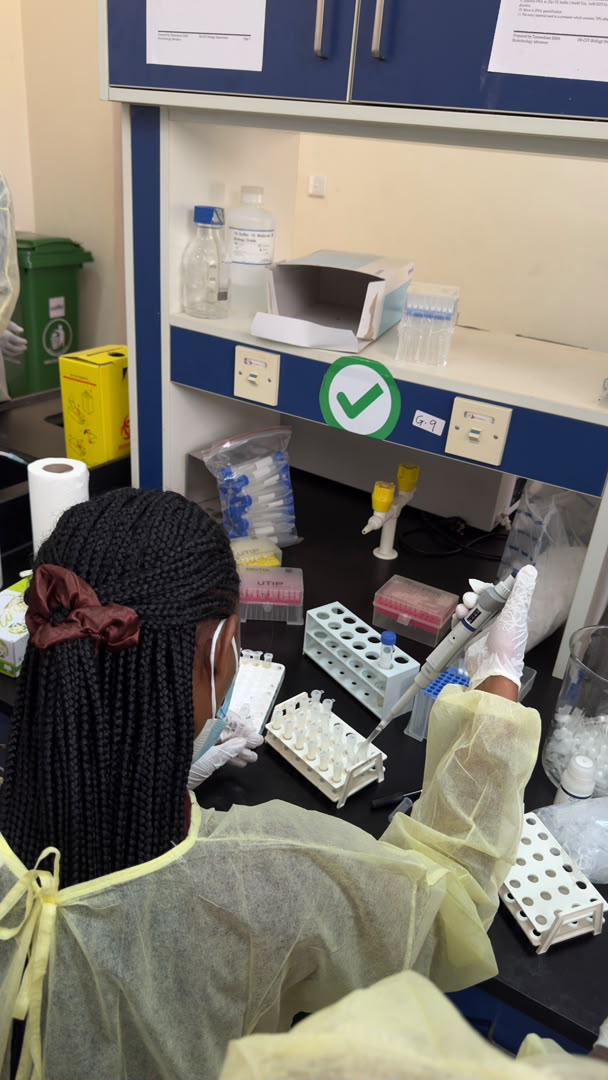
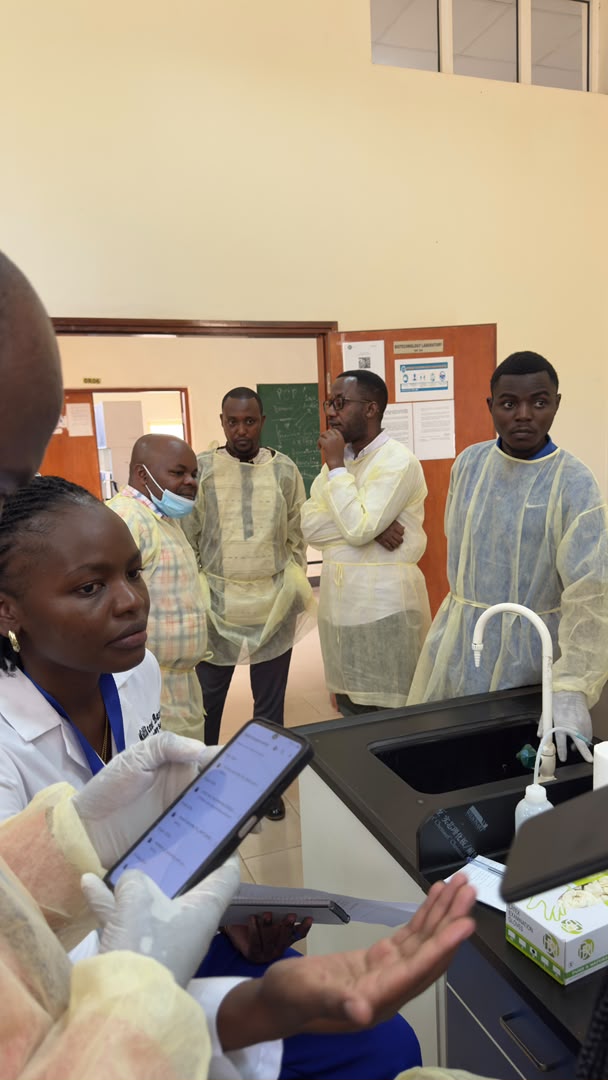
Throughout the programme, participants engaged in expert-led lectures and intensive laboratory practical sessions covering AMR from national, regional, and global perspectives.
The training focused on mechanisms and drivers of AMR, AMR surveillance data collection and analysis, molecular diagnostics, genomics and sequencing technologies, bioinformatics for AMR gene analysis, the One Health approach, and strategies for preventing AMR.
Speaking at the closing ceremony, the Principal of the UR-CST, Prof. Gatare Ignace, commended the organizers, facilitators, and participants for their commitment to strengthening regional scientific capacity. He encouraged participants to apply the knowledge and practical skills acquired during the workshop to improve AMR surveillance systems within their institutions and countries, emphasizing that the workshop’s impact would ultimately be reflected in stronger public health systems and enhanced research collaboration.
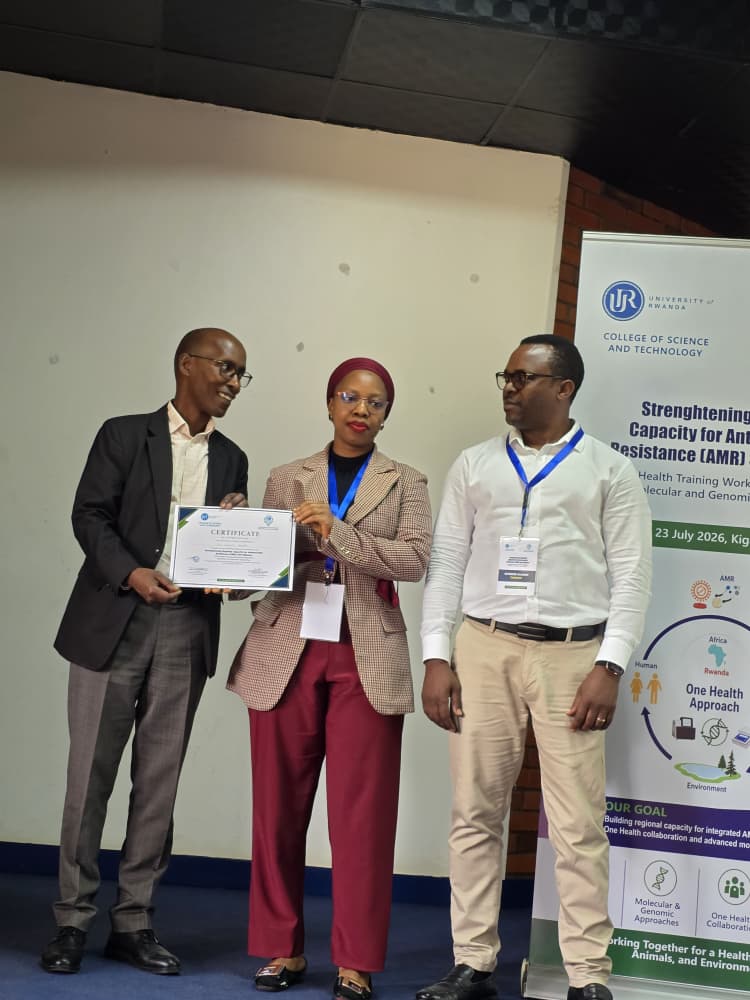
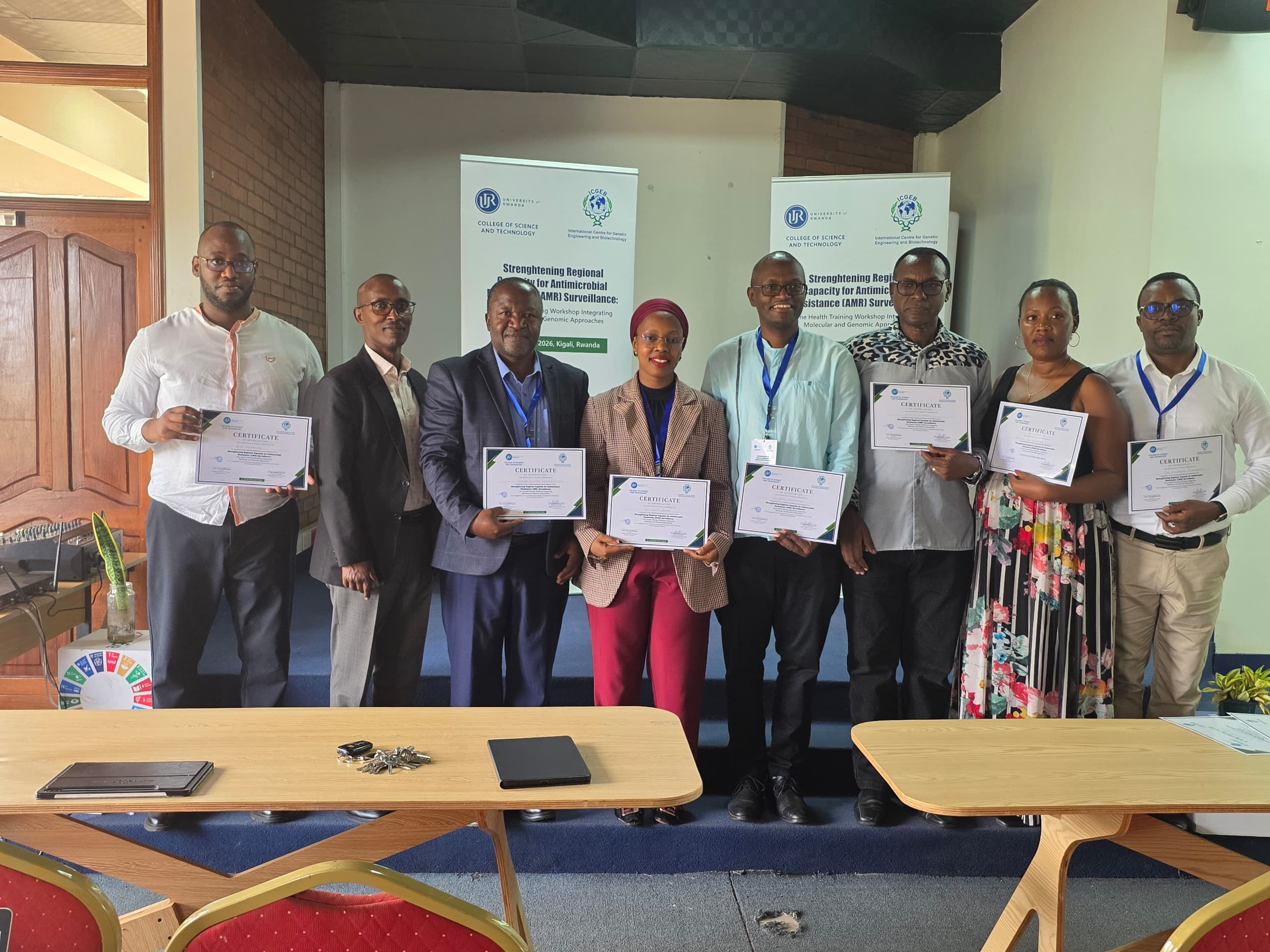
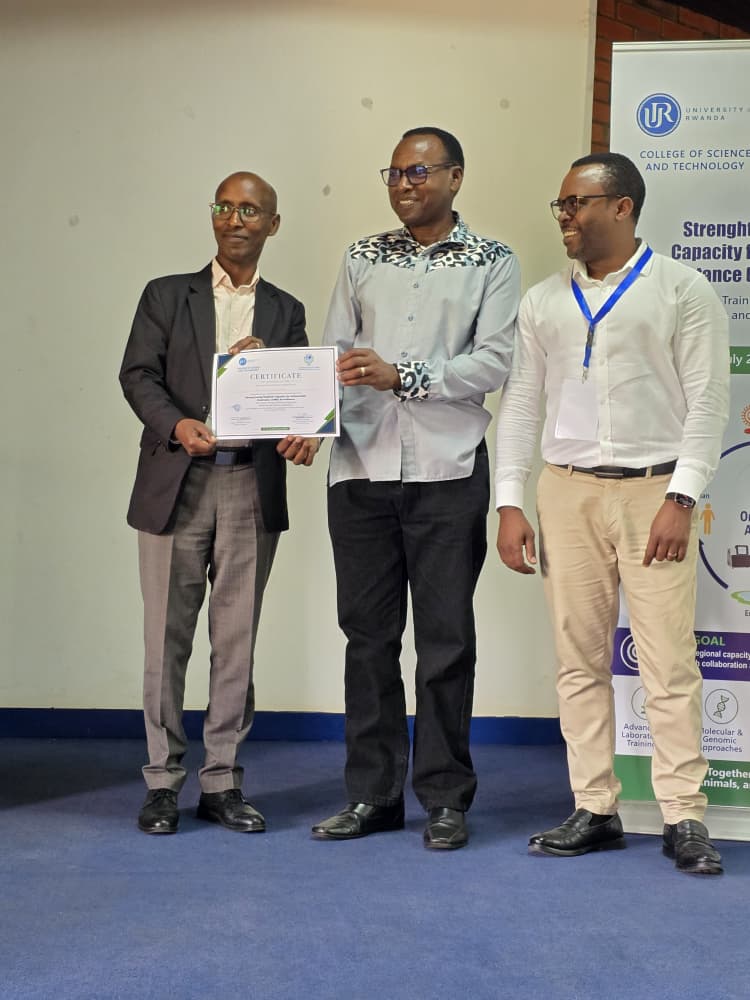
The workshop concluded with the awarding of certificates to participants, recognizing the successful completion of the intensive training programme.
Participants reaffirmed their commitment to strengthening collaboration, advancing research, and applying the knowledge gained to enhance antimicrobial resistance surveillance and response across the region.
By bringing together experts and participants from six African countries, the initiative underscores the University of Rwanda’s commitment to advancing scientific excellence, promoting regional partnerships, and developing the skilled human resources needed to address complex global health challenges.
The collaboration with ICGEB reflects a shared vision of strengthening Africa’s capacity to combat antimicrobial resistance through innovative research, knowledge exchange, and the One Health approach.
Participants posing for a photo after the One Health training workshop.Experts shared knowledge on antimicrobial resistance during the regional workshop.Researchers and health professionals from six African countries took part in the training.Scientists engaged in practical laboratory sessions during the four-day training.Participants gained hands-on skills in genomics and bioinformatics during the workshop.Participants received certificates after completing the AMR training programme.The training on antimicrobial resistance surveillance was hosted by UR-CST.
During his two years in office, Starmer’s approach to Rwanda was defined less by efforts to strengthen ties and more by his decision to end the UK’s asylum partnership with the country.
Relations between the two countries deteriorated further as conflict intensified in eastern Democratic Republic of Congo (DRC), prompting the UK to impose sanctions on Rwanda over allegations of its involvement in the conflict.
Ending the Rwanda asylum plan
Starmer entered office promising to immediately end the policy of sending asylum seekers to Rwanda. He fulfilled that pledge as soon as he became Prime Minister on July 5, 2024, arguing that the scheme was a waste of taxpayers’ money.
The decision left Rwanda taking the UK to international arbitration, seeking compensation for payments it said were still owed after it had already invested heavily in preparations to receive asylum seekers.
At the same time, Starmer’s government suspended some UK financial support to Rwanda, citing contested allegations that Rwanda was involved in the conflict in eastern DRC.
Why did Starmer leave office?
On June 22, 2026, Starmer announced he would resign as leader of the Labour Party after mounting pressure from Labour MPs and ministers.
Many within the party feared he would not be the right person to lead Labour into the next general election as Nigel Farage’s Reform UK gained momentum among British voters.
The election of Andy Burnham as MP for Makerfield in northern England further intensified pressure on Starmer and marked the beginning of the end of his leadership.
Starmer agreed to step aside and pledged to support a smooth transition. He remained Prime Minister until July 20, 2026, when Burnham officially took office.
His departure followed declining public approval, criticism of his domestic policies, concerns over the economy and cost of living, and fears Labour could lose the next general election.
The Rwanda deal that defined his tenure
The UK-Rwanda Migration and Economic Development Partnership was launched in April 2022 under Conservative Prime Minister Boris Johnson.
The agreement provided for some asylum seekers who entered the UK through irregular routes—particularly those crossing the English Channel in small boats—to be relocated to Rwanda, where their asylum claims would be processed.
Supporters argued the plan would deter people-smuggling gangs that profit from illegal migration and often put migrants’ lives at risk.
The first deportation flight was due to leave on June 14, 2022, but was halted at the last minute following an interim ruling by the European Court of Human Rights.
In November 2023, the UK Supreme Court ruled that the scheme was unlawful, citing concerns that asylum seekers sent to Rwanda could ultimately be returned to countries where they faced persecution.
The government of Rishi Sunak responded by signing a new treaty with Rwanda in December 2023 and passing legislation declaring Rwanda a safe country for asylum seekers.
Although Parliament approved the legislation, the plan had not been implemented by the time Starmer took office in July 2024.
Opposition before taking office
Starmer opposed the Rwanda policy long before becoming Prime Minister. In June 2022, while serving as Leader of the Opposition, he dismissed the plan as a distraction rather than a genuine solution to irregular migration.
He argued that small-boat crossings should instead be tackled through closer cooperation with France, European law enforcement agencies and efforts to dismantle people-smuggling networks before migrants reached the UK’s shores.
Starmer maintained that individuals with no legal right to remain in Britain should be returned to their countries of origin, but insisted that deporting them to Rwanda was expensive and ineffective.
On May 10, 2024, during a speech in Dover, he publicly pledged that if elected Prime Minister, he would immediately cancel the Rwanda plan.
He described it as a political “gimmick” designed to appeal to voters without solving the migration crisis.
Instead, he promised to redirect the funding into establishing a new Border Security Command bringing together investigators, intelligence officers, border officials and police.
He also argued that anti-terrorism legislation could be used to target criminal gangs involved in people smuggling.
Labour’s 2024 election manifesto similarly pledged that money allocated to the Rwanda scheme would instead be invested in border security and combating organised crime.
“Dead and buried”
Labour won the July 4, 2024 general election, making Starmer Prime Minister. During his first press conference on July 6, he confirmed that the Rwanda asylum plan had been scrapped.
He famously declared that the scheme was “dead and buried before it started,” arguing it had never served as a deterrent to irregular migration.
The decision halted deportations to Rwanda but did not automatically terminate the legal agreement between the two countries.
Rwanda insisted it was under no obligation to refund money already received because it had fulfilled its commitments, including preparing accommodation, staffing and reception facilities for relocated migrants.
Arbitration over payments
Rwanda argued that the UK still owed scheduled payments for 2025 and 2026. On November 24, 2025, Rwanda filed a case before the Permanent Court of Arbitration in The Hague, with the claim becoming public in January 2026.
Kigali sought more than £100 million, including two scheduled payments of £50 million each, as well as additional damages for what it described as a breach of contract.
The UK maintained that both governments had agreed in November 2024 that no further payments would be made.
The agreement was formally terminated on March 16, 2026. An arbitration ruling issued on June 1, 2026, rejected Rwanda’s claim for additional payments. Rwanda accepted the decision and announced it would not appeal.
Tensions over DRC conflict
Migration was not the only issue that strained UK-Rwanda relations during Starmer’s tenure. In early 2025, fighting escalated in eastern DRC as AFC/M23 captured Goma and Bukavu. The UK accused Rwanda of supporting the rebel group and deploying troops in Congolese territory.
Rwanda consistently rejected the allegations, maintaining that its defensive measures were aimed at protecting its national security by countering the FDLR militia and other armed groups it says threaten the country.
On February 25, 2025, the UK announced a series of measures against Rwanda. These included suspending high-level participation in Rwandan government events, limiting trade promotion activities, freezing direct financial assistance to the Rwandan government, except for support benefiting the vulnerable communities, and suspending future defence training.
London also said it would review export licences for military-related equipment destined for Rwanda and consider additional sanctions in coordination with international partners.
Rwanda condemned the measures as unjustified sanctions that demonstrated the UK’s bias in the conflict. Kigali argued that it could not be expected to compromise its own national security or that of its citizens.
As of April 2026, the UK maintained that the measures introduced in 2025 remained in place while continuing to call on all parties to implement the commitments contained in regional peace agreements.
Migration challenge remains
Although Starmer fulfilled his pledge to end the Rwanda scheme, irregular migration to the UK continued.
Since he took office, more than 77,000 migrants have reportedly entered the UK through irregular routes, raising questions among critics about whether abolishing the Rwanda policy has helped address the small-boats crisis.
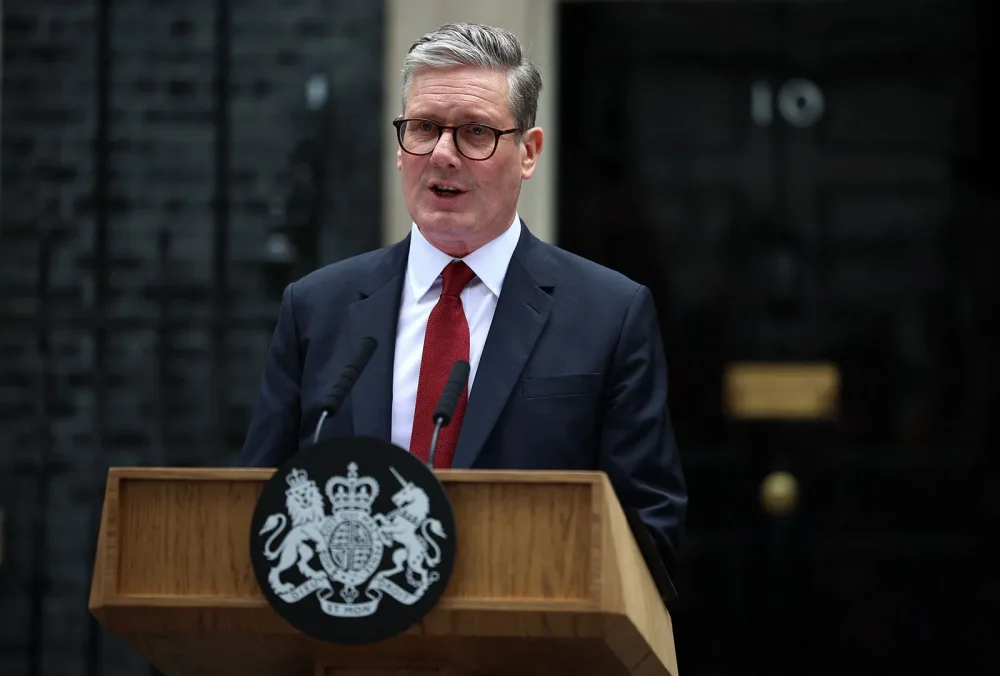
Sir Keir Starmer’s two-year tenure as United Kingdom Prime Minister came to an end on July 20, 2026.