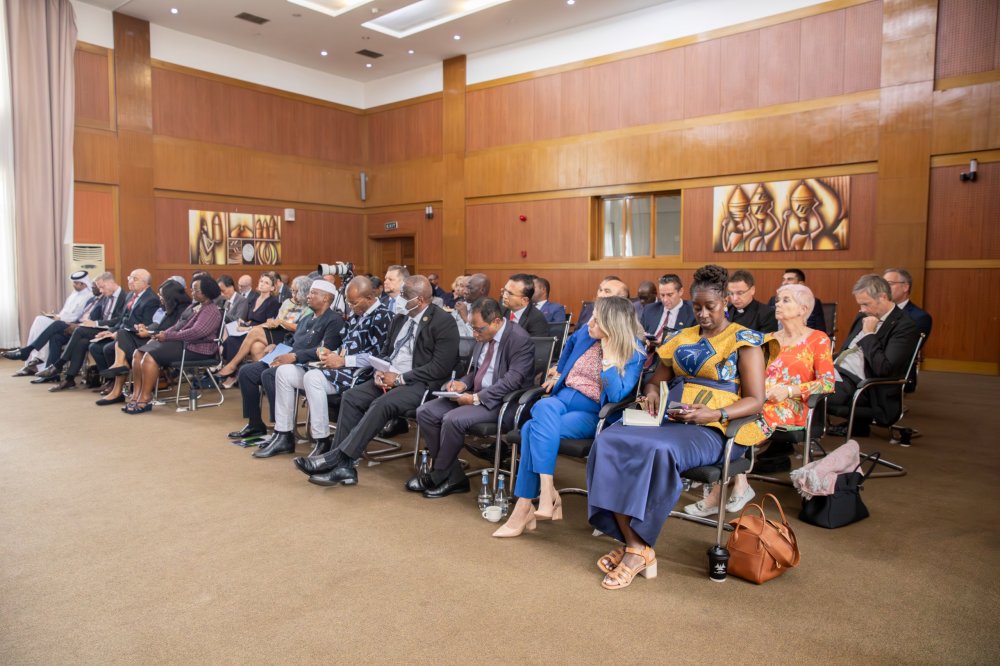
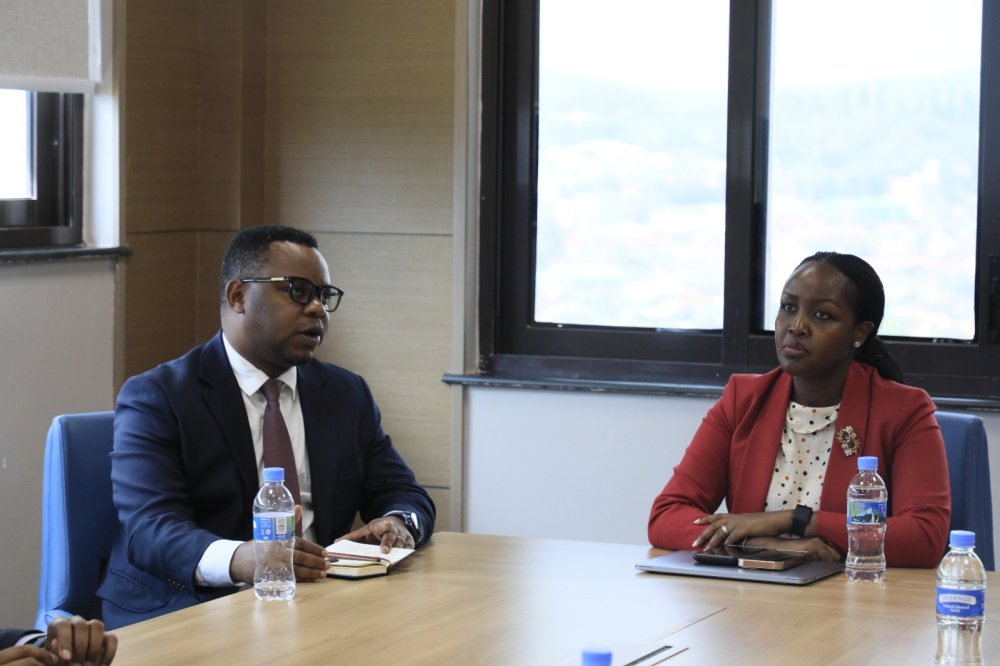
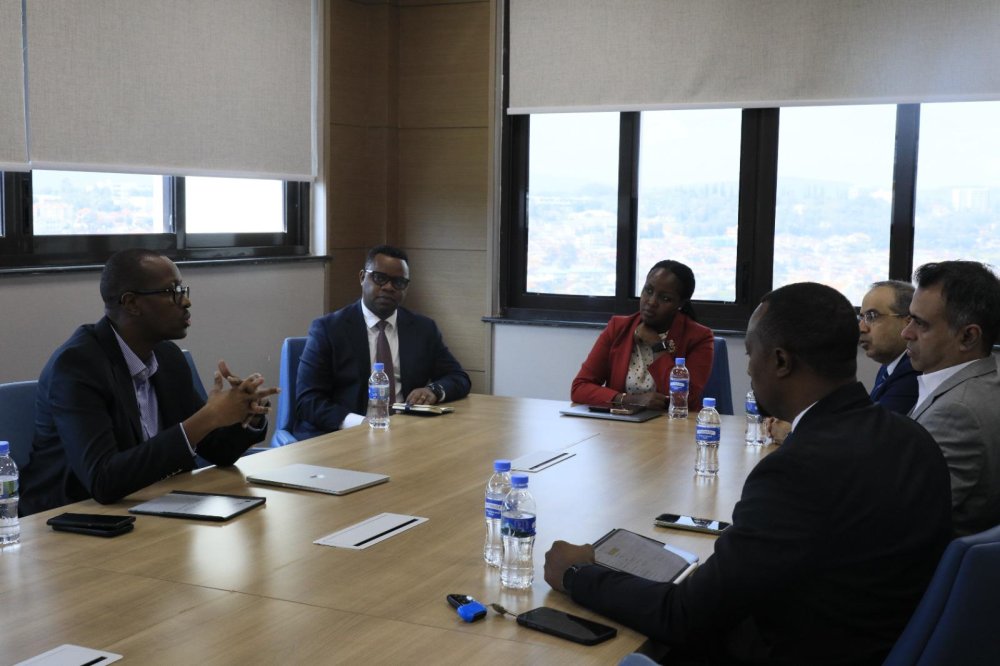
Speaking at a diplomatic briefing, Amb. Nduhungirehe highlighted Rwanda’s position on the upcoming Francophonie elections, regional security and cooperation with Mozambique.
He also briefed diplomats on measures Rwanda has put in place to prevent the spread of Ebola from the Democratic Republic of Congo (DRC) and Uganda.
Mushikiwabo, who has led the OIF since 2018 and was re-elected in 2022, is seeking a third term. Elections are scheduled for November in Cambodia.
Amb. Nduhungirehe praised her leadership, saying Louise Mushikiwabo elevated La Francophonie to another level.
“Ms Louise Mushikiwabo has elevated La Francophonie to greater heights. Under her leadership the organisation has secured its rightful place at decision-making tables on issues related to youth employment, democratic governance, the economy, culture, gender and the promotion of the French language,” he noted.
On regional security, Amb. Nduhungirehe reiterated Rwanda’s support for peaceful solutions to tensions with the DRC and urged international partners to encourage Kinshasa to honor commitments made under existing peace processes.
“ Rwanda calls on the international community and all partners to engage the DRC in a constructive manner that produces tangible results in implementing its end of the bargain,” he said.
He warned that failure to apply impartial pressure could encourage a military approach rather than dialogue.
“Failing to do so would amount to supporting the DRC’s never-ending military approach. Without even-handed pressure and follow up, we cannot create the conditions and incentives necessary for lasting peace in the Great Lakes region,” Minister,” the minister added.
Amb. Nduhungirehe also addressed Rwanda’s security cooperation with Mozambique, confirming that Kigali will continue working directly with the Mozambican government to support the deployment of Rwandan troops and police in Cabo Delgado.
“Rwanda decided this year to work exclusively with the Government of Mozambique, which has secured and will continue to secure the necessary funding for the Rwandan Security Forces in Cabo Delgado.
Collaboration between the two governments has been successful so far and will continue to remain so in the future,” he stated.
This follows a decision by the European Union, influenced by Germany and Belgium, to block €20 million in funding that had been allocated to support counter-terrorism operations in Mozambique.
Rwanda deployed soldiers and police officers to Mozambique at the invitation of the Mozambican government in July 2021. The mission aims to help the country combat terrorist and insurgent groups operating in Cabo Delgado Province.
Over the past five years, the deployment has recorded significant gains, with insurgents largely pushed back from areas secured by Rwandan forces. The improved security situation has enabled many residents who had fled the violence to return to their homes.
Envoys accredited to Rwanda during discussions with Foreign Minister Nduhungirehe. Amb. Nduhungirehe reiterated Rwanda’s support for peaceful solutions to tensions with the DRC and urged international partners to encourage Kinshasa to honor commitments made under existing peace processes.
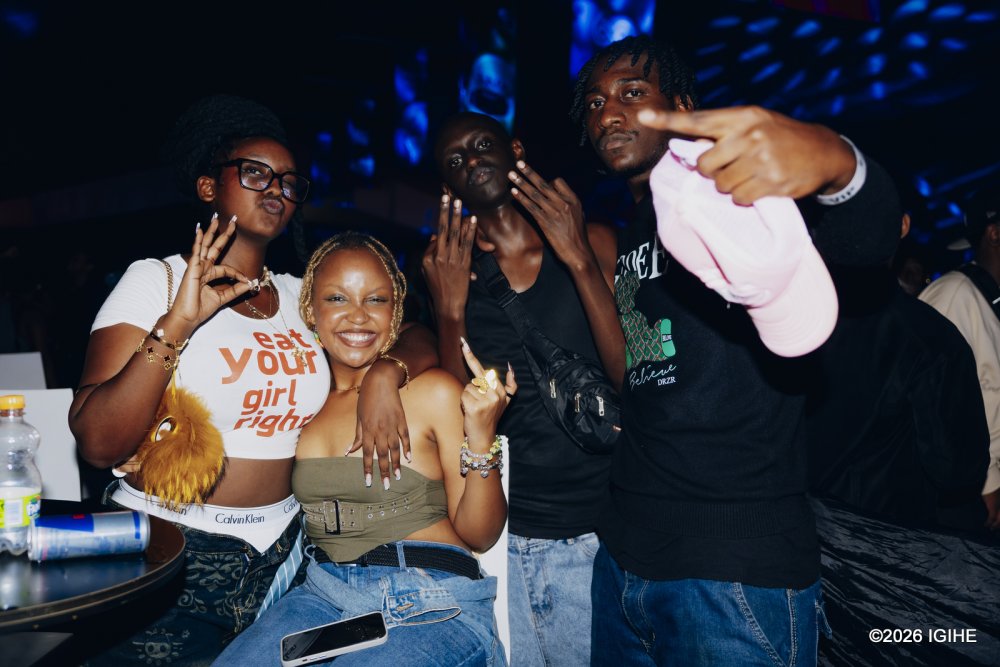
Dubbed “Africast Fest: A Shallipopi Xperience,” the event was held at Camp Kigali and was organized in partnership with beverage manufacturer Skol Rwanda through its Skol Malt brand.
The concert was preceded by a series of promotional entertainment activities under the banner “Shallipopin’ Ahandi,” which helped build anticipation ahead of the main event.
Fans began arriving early, with many paying special attention to their outfits for the occasion. However, the concert started later than scheduled as attendees continued to stream into the venue between 7 p.m. and 11 p.m.
At around 10:20 p.m., MC Policy took to the stage to warm up the crowd, repeatedly assuring concertgoers that they were in for an unforgettable night.
A few minutes before midnight, Rwandan artist Kid From Kigali was invited onto the stage to kick off the performances. He opened with “Rich,” his collaboration with Arnaud Gray and Ish Kevin, before treating fans to other popular songs including “Inyota.”
The singer also brought rising artist Mwiza onto the stage, a move that was well received by the audience. His energetic performance kept the crowd engaged and set the tone for the rest of the night.
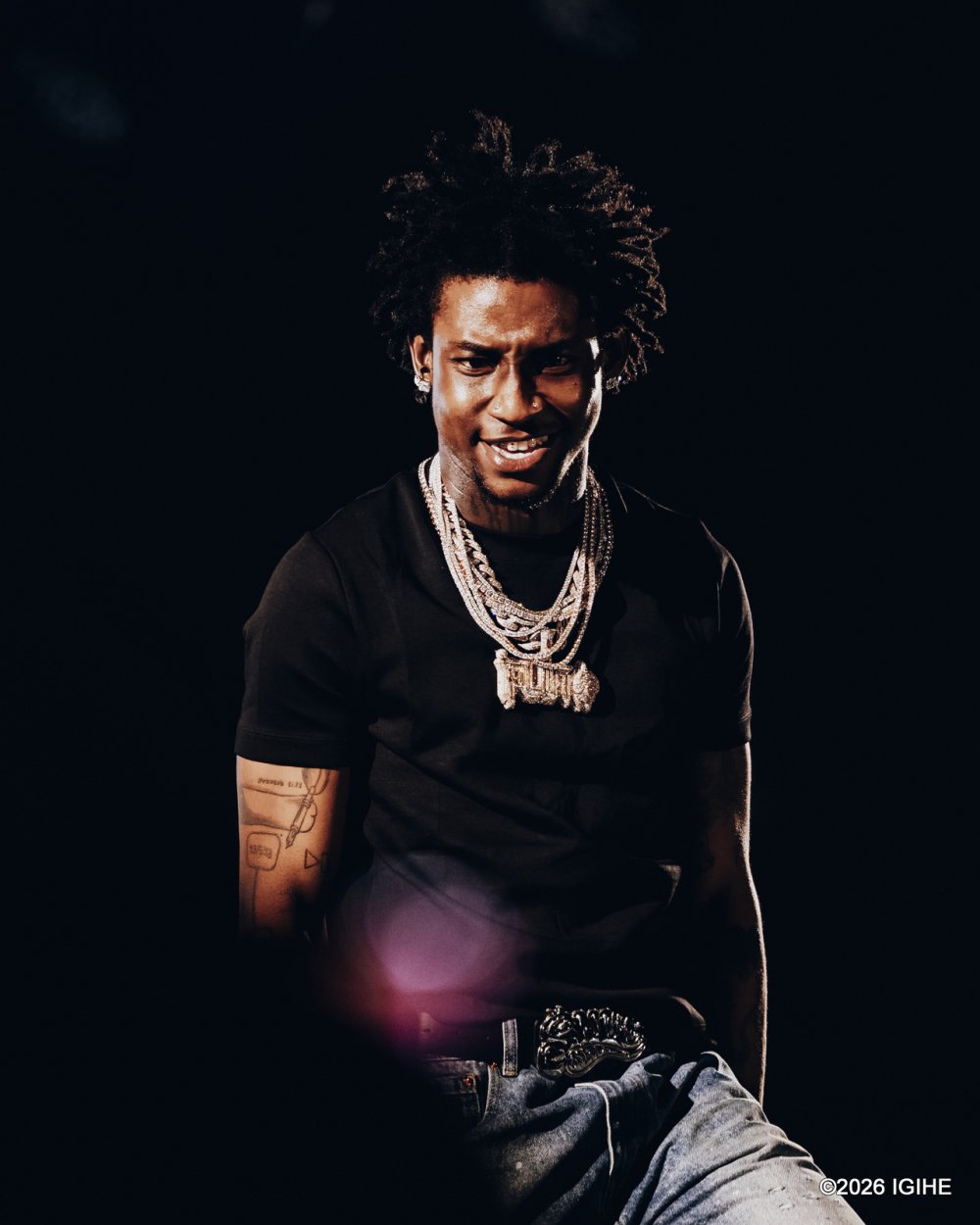
At around 12:30 a.m., the moment many had been waiting for finally arrived as Shallipopi stepped onto the stage. The Nigerian star opened his set with “Sharpiru,” one of his most popular songs, before performing several other hits including “High Tension.”
After about 25 minutes on stage, Shallipopi closed his performance with “Laho,” widely regarded as his signature song. Before ending the show, he invited fans to sing along with him, and the crowd responded enthusiastically, bringing the concert to a memorable conclusion.
Shallipopi engaged the audience during his performance, with fans joining him in singing his signature song, ‘Laho.’Music lovers from across Rwanda filled Camp Kigali for Africast Fest, where Shallipopi headlined his first performance in the country.Concertgoers sing and dance along as Shallipopi performs some of his biggest hits during his debut show in Rwanda.Nigerian singer Shallipopi performed before a packed crowd at Camp Kigali during his first-ever concert in Rwanda on May 29, 2026.
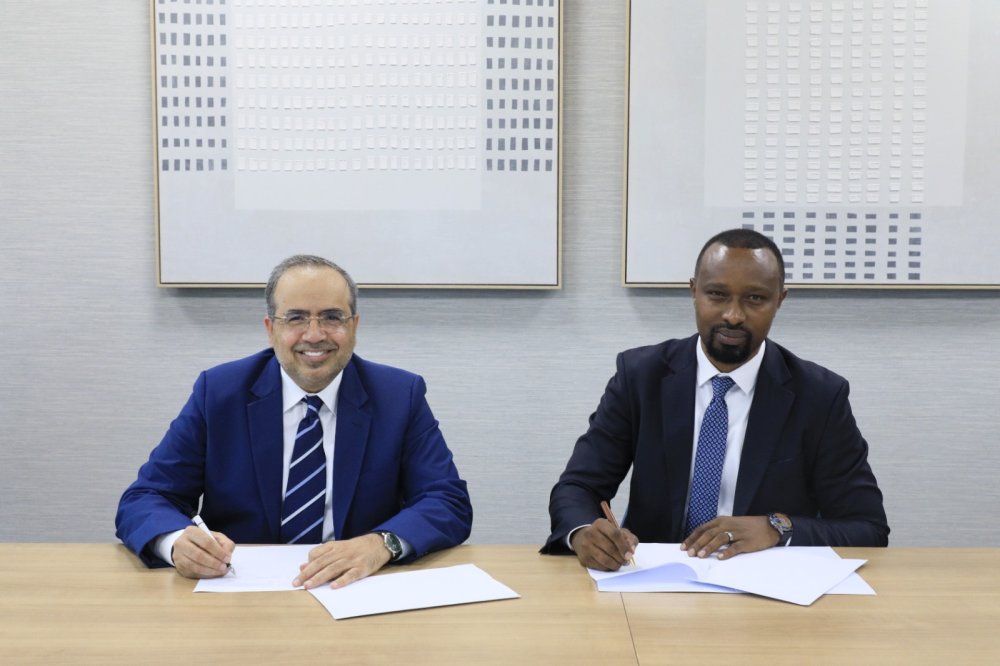
The agreement, signed on May 23, 2026, forms part of broader cooperation between Rwanda and Oman in the fields of technology and innovation.
Under the partnership, the two companies will work together to develop a modern data center, expand cloud and data storage services, strengthen digital infrastructure, and support the adoption of artificial intelligence technologies.
The planned facility will be built to Tier III standards, offering high levels of reliability, redundancy, and operational resilience for critical digital services. It is expected to provide continuous operations even during maintenance or upgrades, with an availability rate of 99.982 percent.
Designed to be AI-ready, the data center will support advanced computing applications, cloud services, and data-intensive technologies, enabling faster data processing and analysis while improving digital service delivery.
The project reflects Rwanda’s continued efforts to position itself as a regional technology hub and accelerate its digital transformation agenda through investments in secure and future-ready infrastructure.
The signing ceremony was witnessed by Minister of ICT and Innovation Paula Ingabire, State Minister Yves Iradukunda, and Rwanda Information Society Authority (RISA) Chief Executive Officer Antoine Sebera.
Officials said the initiative is expected to strengthen data resilience, promote innovation, and support the development of smarter digital systems across the country. It will also help reduce reliance on foreign data-hosting facilities while creating an environment capable of attracting major global technology investments.
BSC, which has operated in Rwanda since 2008, has deployed more than 8,000 kilometers of fiber-optic infrastructure nationwide, providing internet connectivity to schools, healthcare facilities, government institutions, and private businesses.
Founded in 2012 and headquartered in Muscat, Oman Data Park has become one of the leading providers of data center and cloud services in the Middle East, serving hundreds of organizations across multiple sectors.
The partnership comes as Rwanda continues to expand its data center industry. Earlier this year, Minister Ingabire said the sector is growing by approximately 35 percent annually, with the country seeking to attract up to $5 billion in investments in data center infrastructure powered by 100 megawatts of electricity.
The agreement also highlights the growing economic and technological cooperation between Rwanda and Oman. In January 2026, the two countries signed several cooperation agreements covering cargo transport, logistics infrastructure, aviation, and investment around the future Bugesera International Airport.
The agreement was signed between Broadband Systems Corporation (BSC) and Oman Data Park. Minister of ICT and Innovation Paula Ingabire, State Minister Yves Iradukunda witnessed the signing if the agreement. The agreement, signed recently, forms part of broader cooperation between Rwanda and Oman in the fields of technology and innovation.Under the partnership, the two companies will work together to develop a modern data center.
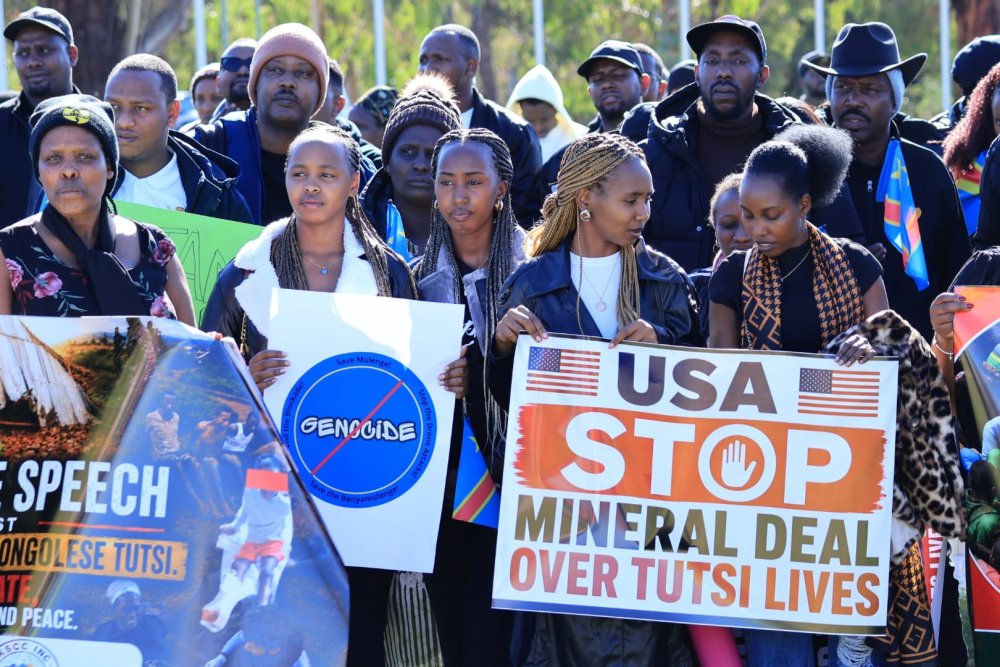
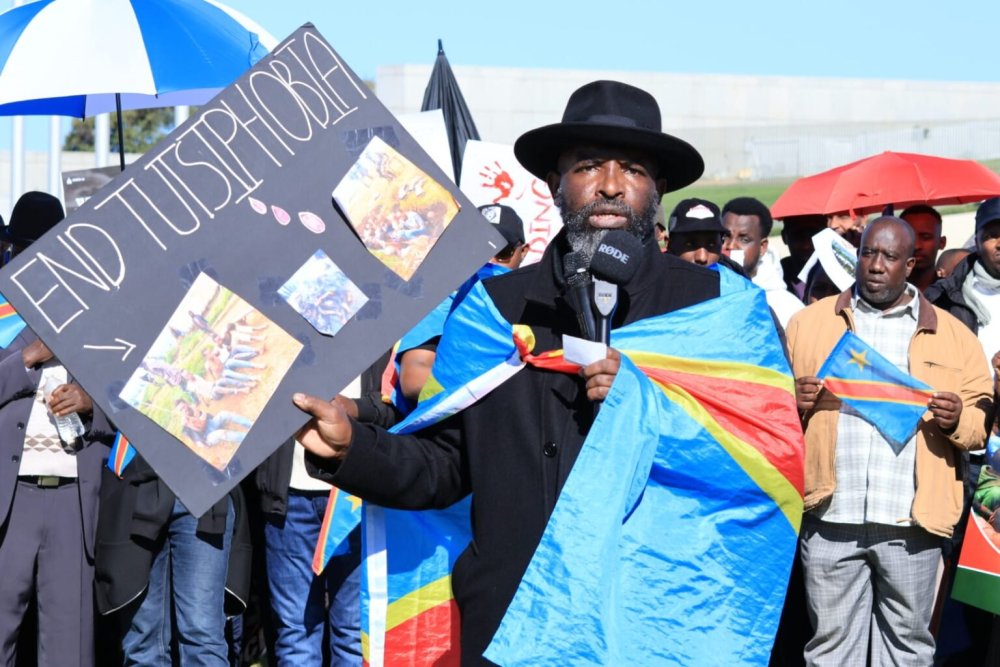
The demonstrators denounced what they described as targeted violence against Banyamulenge and Congolese Tutsis based on their ethnic identity.
They accused several actors, including the Congolese government, Burundian troops operating in eastern DRC, the FDLR terrorist group, Wazalendo militia, and other armed groups, of involvement in the attacks.
The protest also highlighted what participants called growing hate speech, discrimination, and persecution directed at Banyamulenge and Tutsi communities across the DRC.
Organizers said the demonstration comes amid continued reports of attacks in South Kivu, including drone strikes, the burning of villages, and restrictions on humanitarian access to Banyamulenge communities living in the highlands of Minembwe.
They argued that these conditions have contributed to the deaths of civilians, including children, the elderly, and other vulnerable groups.
The protest was organized by the Banyamulenge Congolese Community of Australia (BCCA) and the Kinyarwanda Speaking Congolese Community (KSCC).
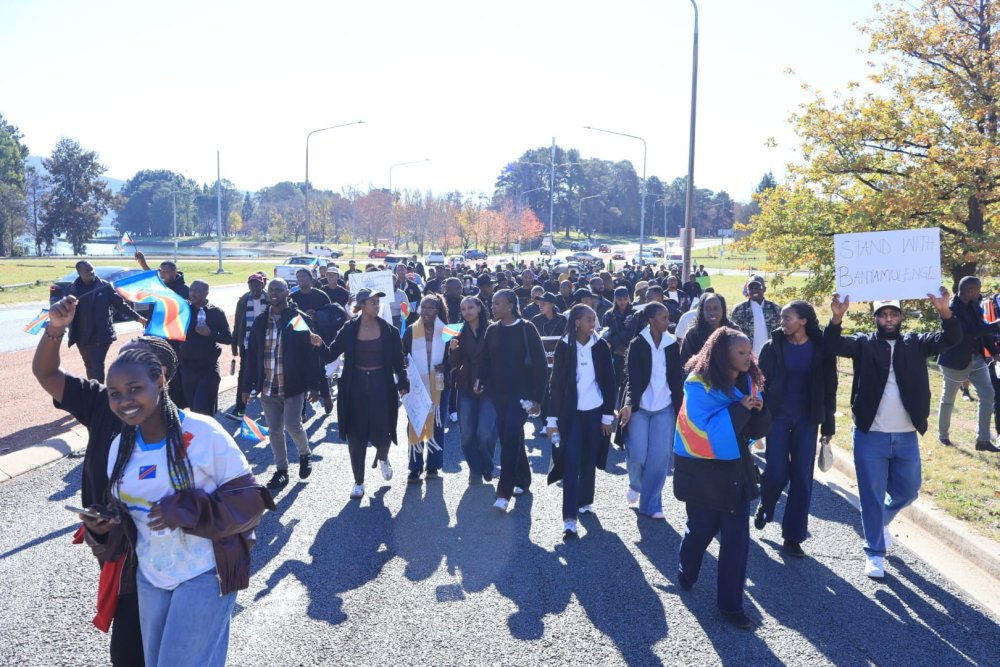
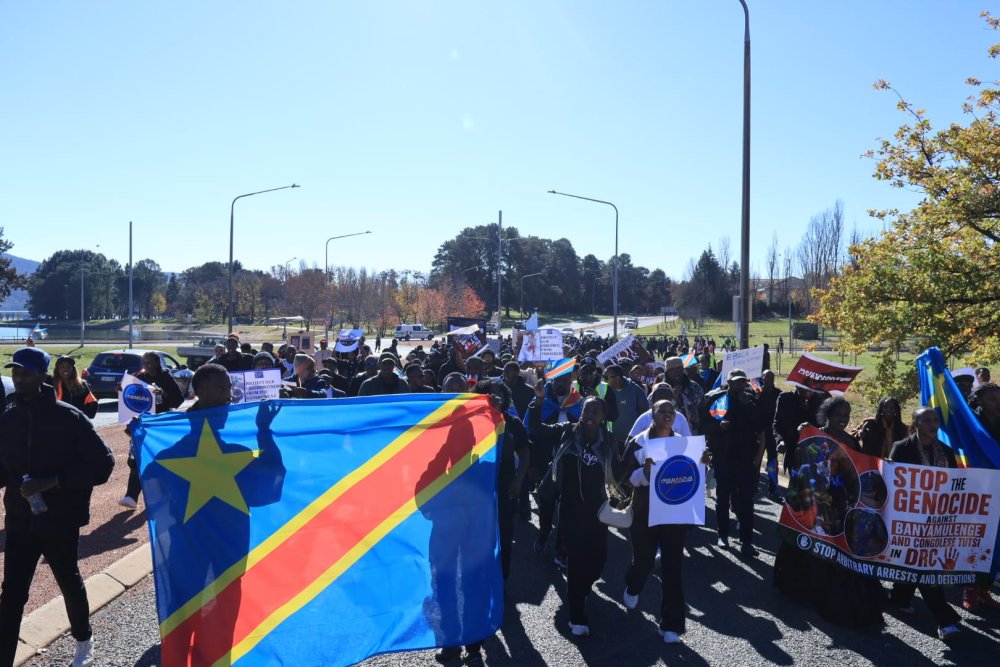
Participants marched through Canberra and delivered written messages to the embassies of the United States and Belgium, calling for greater international attention to the situation in eastern Congo.
Speaking during the protest, BCCA President Birori Zawadi Munyaruhanga said demonstrators were demanding justice, peace, and equal rights for affected communities.
“We are calling for justice, peace, and the right to live like everyone else,” he said, while also appealing for protection from both the Congolese government and the United States.
KSCC President Innocent Amini Yuhi said Canberra was chosen to ensure that the protesters’ message reached policymakers. He noted that similar advocacy efforts were underway among Banyamulenge communities in the United States and Belgium.
The protest follows demonstrations held earlier this year by Banyamulenge communities in Washington, D.C., and Kenya, where participants also called on the international community to intervene and address violence affecting civilians in South Kivu.
Protest organizers argued that lasting peace will require stronger international engagement and the implementation of peace agreements signed between the Congolese government and AFC/M23, which they say have yet to be fully implemented.
Members of the Banyamulenge community in Australia have staged a peaceful protest in Canberra, calling for justice and an end to violence against their communities in eastern DRC.Community leaders addressed protesters during a rally in Canberra, urging stronger international engagement to help restore peace and security in eastern Congo.Protesters march through Canberra on May 29, 2026, raising concerns over killings, discrimination, and insecurity affecting Banyamulenge community in eastern Democratic Republic of Congo.Demonstrators gather in Australia’s capital to raise awareness of attacks, displacement, and humanitarian challenges facing Banyamulenge communities in South Kivu.
The outbreak, caused by the Bundibugyo strain of the Ebola virus, has infected more than 1,000 people and claimed over 200 lives in the DRC. In neighboring Uganda, nine infections and one death have been recorded.
In response to the situation, Rwanda has strengthened preventive measures at all border posts with the DRC and Uganda, as well as at Kigali International Airport. Travelers are being screened for Ebola symptoms, while foreign nationals who have been in the DRC within the previous 30 days are currently not permitted to enter the country.
Rwandan citizens and legal residents returning from affected areas are allowed to come back but must undergo quarantine and monitoring.
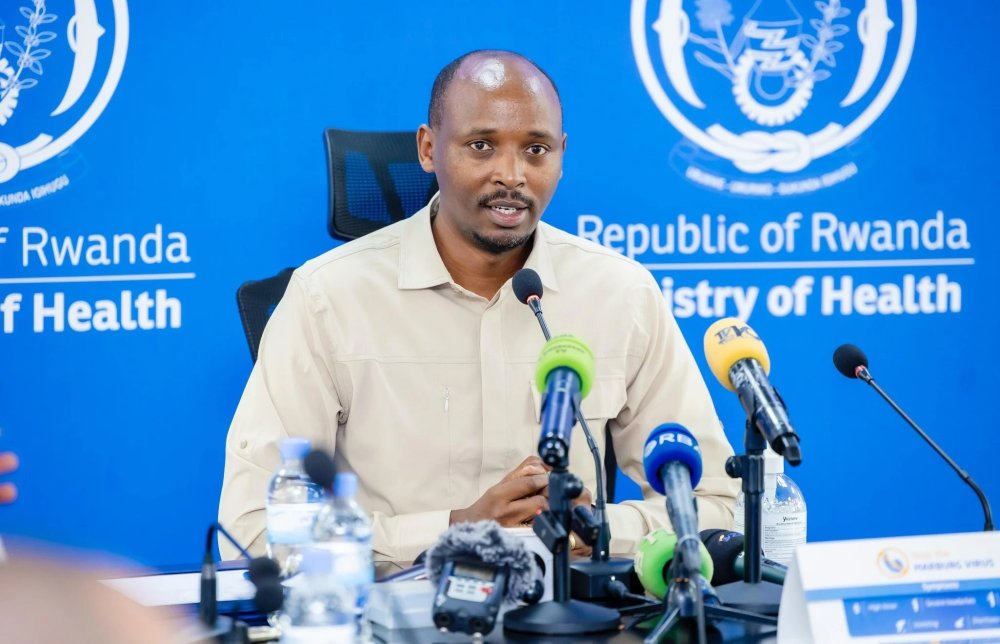
Speaking to Rwanda Broadcasting Agency (RBA) on Friday, May 29, 2026, Dr. Nsanzimana stressed that no Ebola case has been detected in Rwanda.
He said several individuals are being closely monitored by health officials, but none has shown symptoms of infection.
“The most important message is to reassure Rwandans. Ebola outbreaks have occurred in our region before, and we have successfully dealt with them. Our goal is to ensure that Ebola does not reach Rwanda,” he said.
The minister described the Bundibugyo strain as particularly concerning because it is difficult to diagnose. He noted that there is currently no approved vaccine or specific treatment for the strain, prompting countries worldwide to heighten preparedness efforts.
Dr. Nsanzimana also warned against using unofficial border crossing routes, commonly known as “panya” routes. He urged travelers returning from affected countries to follow established health procedures, including the mandatory 21-day monitoring period.
Despite the heightened precautions, the minister emphasized that cross-border trade will continue. However, measures have been introduced to reduce the movement of large numbers of people by encouraging representatives to transport goods on behalf of traders.
Residents living near borders with affected countries have also been encouraged to remain vigilant and help authorities prevent the virus from entering Rwanda.
Dr. Nsanzimana has stressed that no Ebola case has been detected in Rwanda.
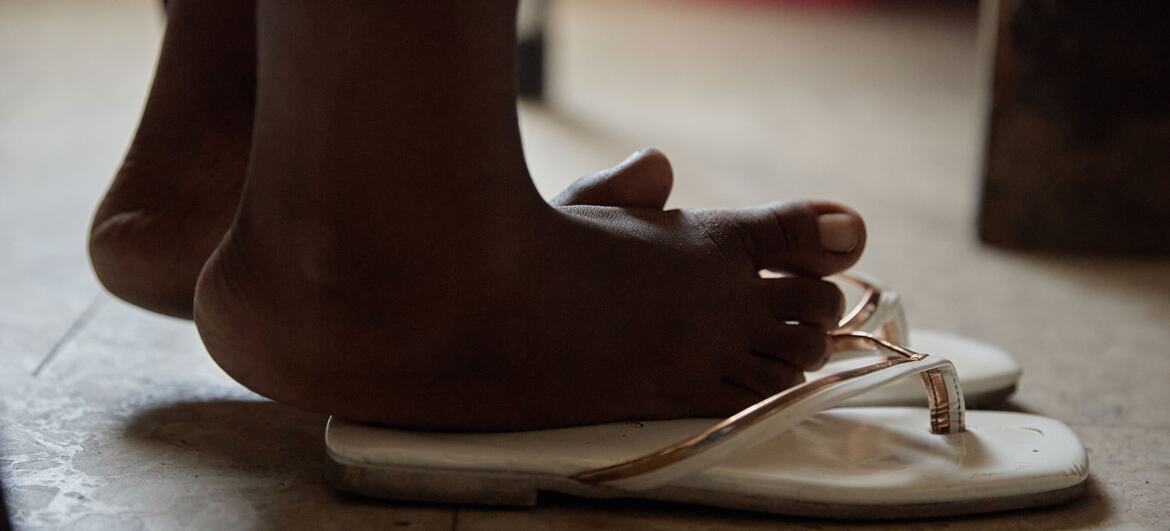
“Cases of conflict-related sexual violence verified by the United Nations in 2025 rose sharply from 2024, marked by extreme brutality, and overwhelmingly targeted women and girls,” said the annual report of the UN secretary-general.
A total of 9,788 cases of conflict-related sexual violence were documented in 2025, more than doubling the figure from 2024 (with 4,617 cases), according to the report, which was submitted to the Security Council on Thursday and was made available to the press on Friday.
The report notes that the cases of conflict-related sexual violence should be understood not as the full picture, as violations remained largely unseen and underreported when ongoing conflict, insecurity, and restrictions on humanitarian access increasingly obstructed reporting and documentation, which was further undermined by mission drawdowns and budget cuts in which specialized capacity on gender and women’s protection were often the first to be reduced.
A total of 77 parties, including state and non-state actors, are listed for cases of conflict-related sexual violence in this 17th annual report, which covers 21 conflict-affected countries for which information verified by the United Nations was available.
Two new state actors are listed: the Israeli armed and security forces, and the Russian armed and security forces. Three new non-state actors operating in the Democratic Republic of the Congo are listed in this report.
The report says that in 2025, documented cases of sexual violence as a tactic of war, torture, terrorism and political repression surged, while multiple and overlapping political, security and humanitarian crises worsened. Civilians were targeted with rape, gang rape, abductions and sexual slavery by state and non-state actors.
Sexual violence and exploitation in the context of abduction and trafficking in persons continued to be observed as a tactic of terrorism. Displaced, refugee and migrant women and girls faced elevated risks of sexual violence. Sexual violence was perpetrated in detention in multiple settings, such as in Israel and the State of Palestine, Russia and Ukraine, according to the report.
Impunity for conflict-related sexual violence persisted in 2025. Overall, the level of compliance by parties to conflict with applicable international norms remained low. Over 65 percent of the parties listed in the annex to the present report are persistent perpetrators, appearing in the annex for five or more years without taking remedial or corrective action, according to the report.
Conflict-related sexual violence continues to be used as a weapon of war.
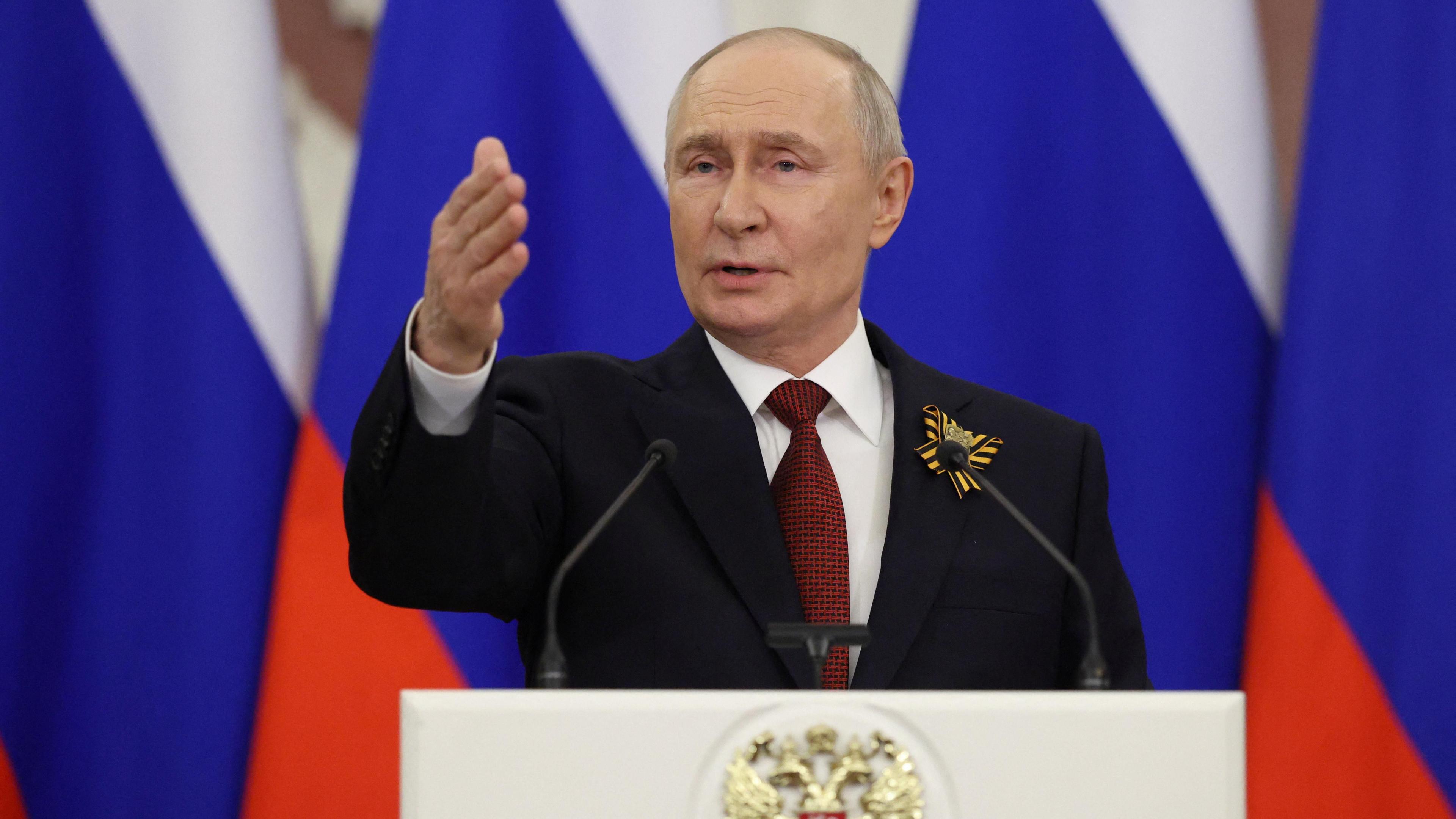
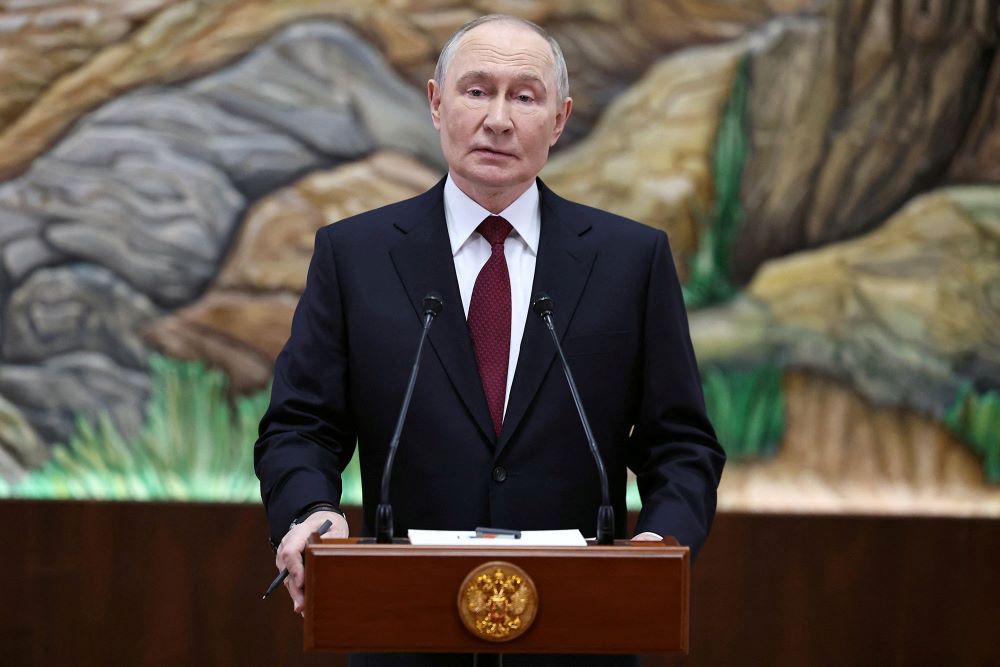
Putin made the remarks at a press conference following the conclusion of his state visit to Kazakhstan, RIA Novosti reported Friday.
He said Russia’s strikes on Kiev were carried out in response to Ukrainian attacks on the Lugansk region, adding that Russian forces are conducting offensives along the entire frontline of the special military operation zone.
Putin also described statements by some European politicians about preparing for war with Russia as “nonsense,” saying Russia has neither threatened European countries in the past nor does so now, but any location posing a direct military threat to Russia would be regarded as a “legitimate target.”
Russian President Vladimir Putin attends the Collective Security Treaty Organization (CSTO) summit in Bishkek, Kyrgyzstan, on Thursday, November 27. Alexander Kazakov/Reuters
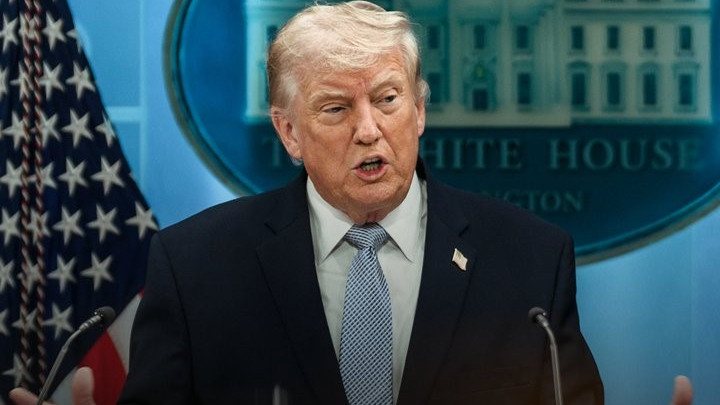
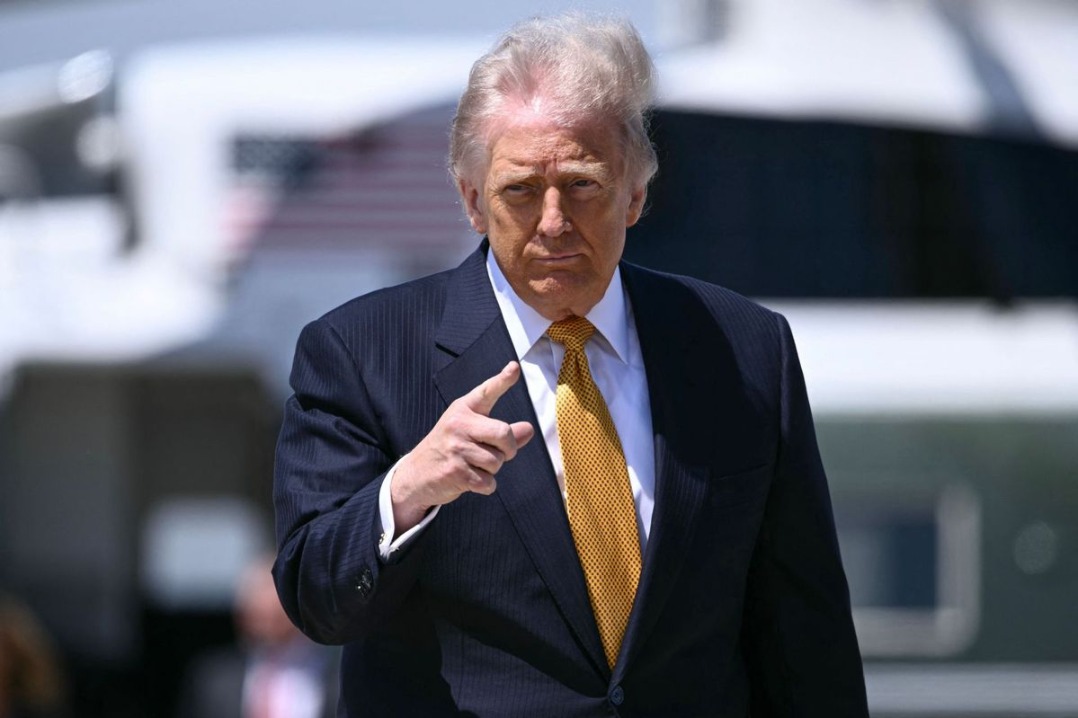
“The Situation Room meeting has concluded and lasted approximately two hours. President Trump will only make a deal that is good for America and satisfies his redlines. Iran can never possess a nuclear weapon,” a White House official said in a statement.
It was not immediately clear why Trump did not reach a decision.
Earlier on Friday, Trump outlined conditions for a deal with Iran in a post on Truth Social, claiming he will be meeting his national security team “to make a final determination” on the day.
Among the U.S. key demands are the elimination of Iran’s enriched nuclear materials, reopening the Hormuz Strait with no tolls and removing water mines left.
“Iran must agree that they will never have a Nuclear Weapon or Bomb. The Hormuz Strait must be immediately open, no tolls, for unrestricted shipping traffic, in both directions. All water mines (bombs), if any, will be terminated,” Trump wrote.
The U.S. Naval blockade “will now be lifted,” said Trump.
Iran’s enriched nuclear material, the so-called “nuclear dust” which has been buried deep underground due to U.S. bombing in June last year, will be unearthed by the United States in close coordination and conjunction with Iran and the International Atomic Energy Agency and destroyed, said Trump.
Iranian Foreign Ministry spokesperson Esmail Baghaei said in a phone interview with Iranian state media on Friday that current negotiations were limited in scope and did not include “the nuclear issue.”
Earlier on Friday, Trump outlined conditions for a deal with Iran in a post on Truth Social, claiming he will be meeting his national security team “to make a final determination” on the day.
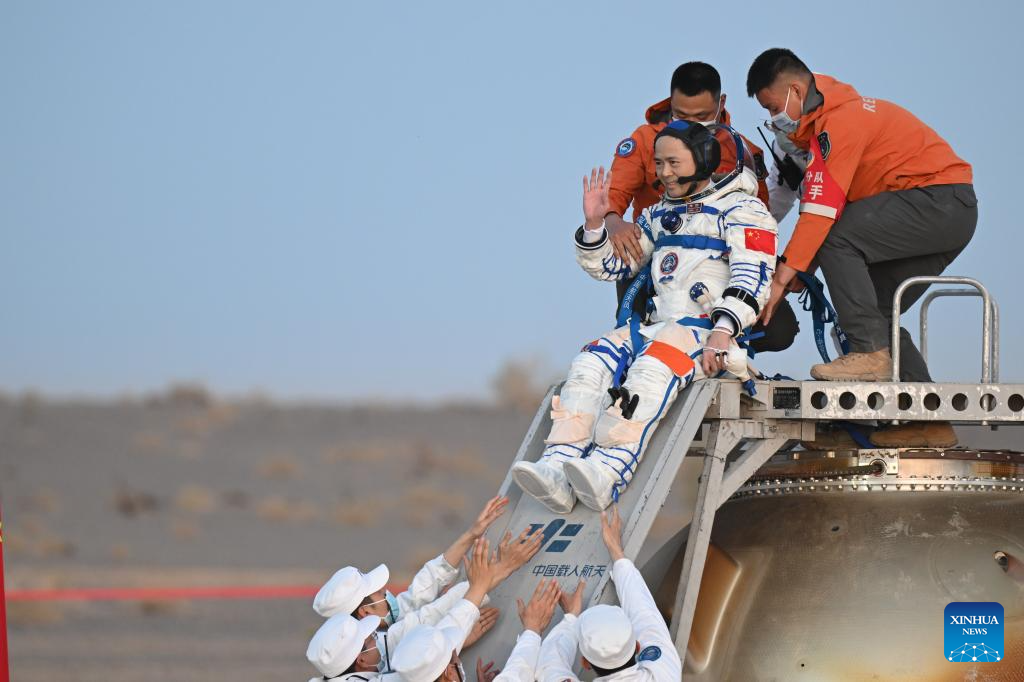
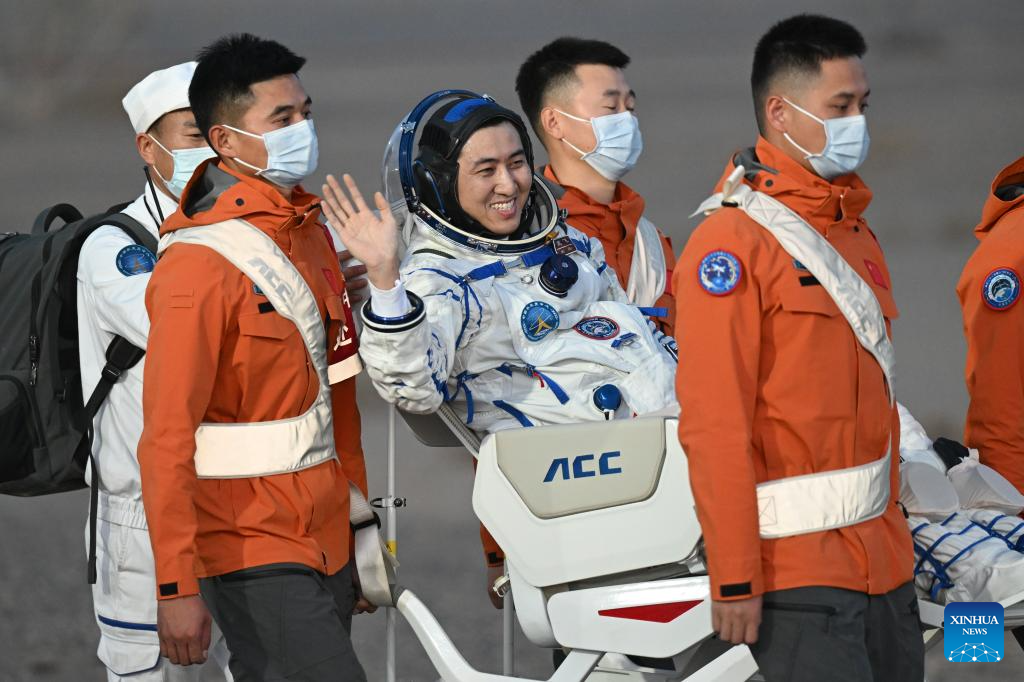
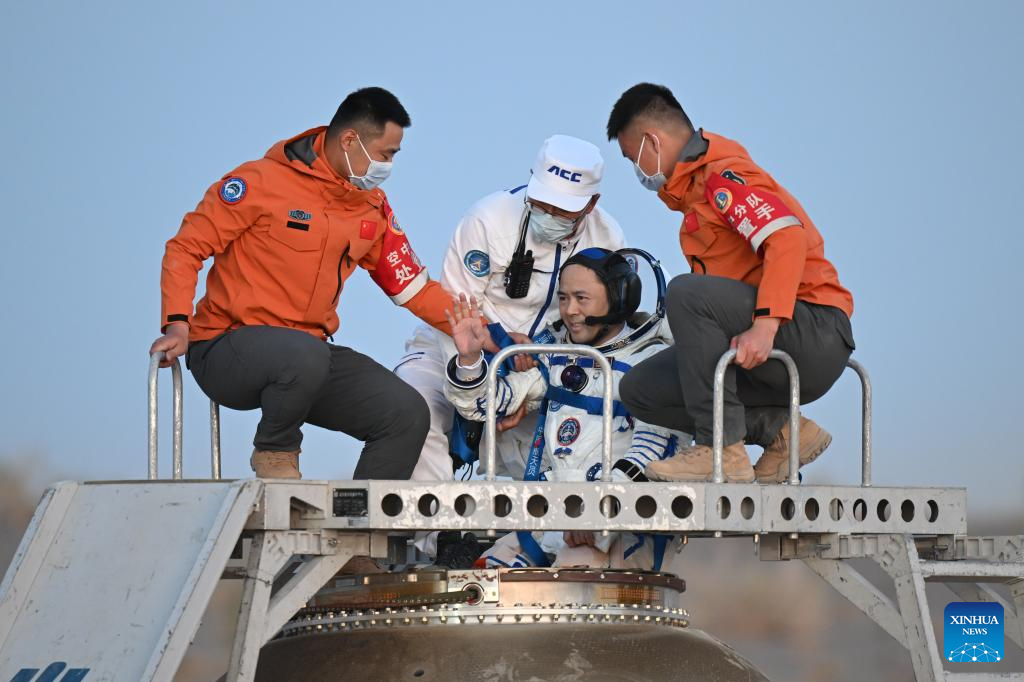
The trio consisting of Zhang Lu, Wu Fei and Zhang Hongzhang are all in good health, said the China Manned Space Agency (CMSA), noting that the Shenzhou-21 spaceflight mission is a complete success.
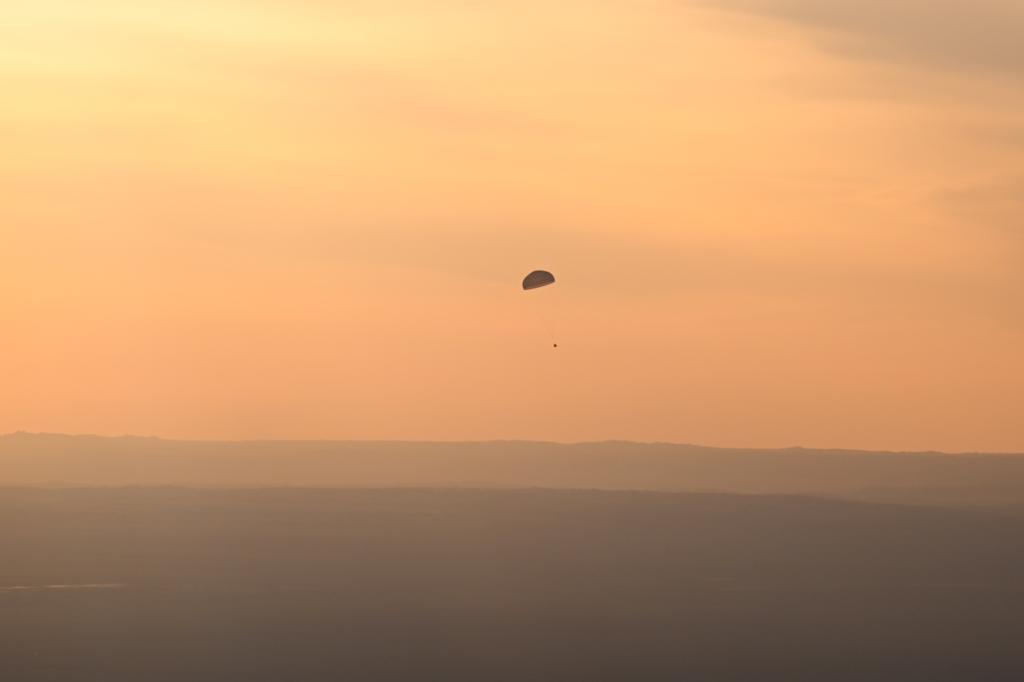
At 7:20 p.m. (Beijing Time), the Beijing Aerospace Control Center issued a return command via the ground station, and in response the orbital capsule of the Shenzhou-22 spaceship separated from the return capsule.
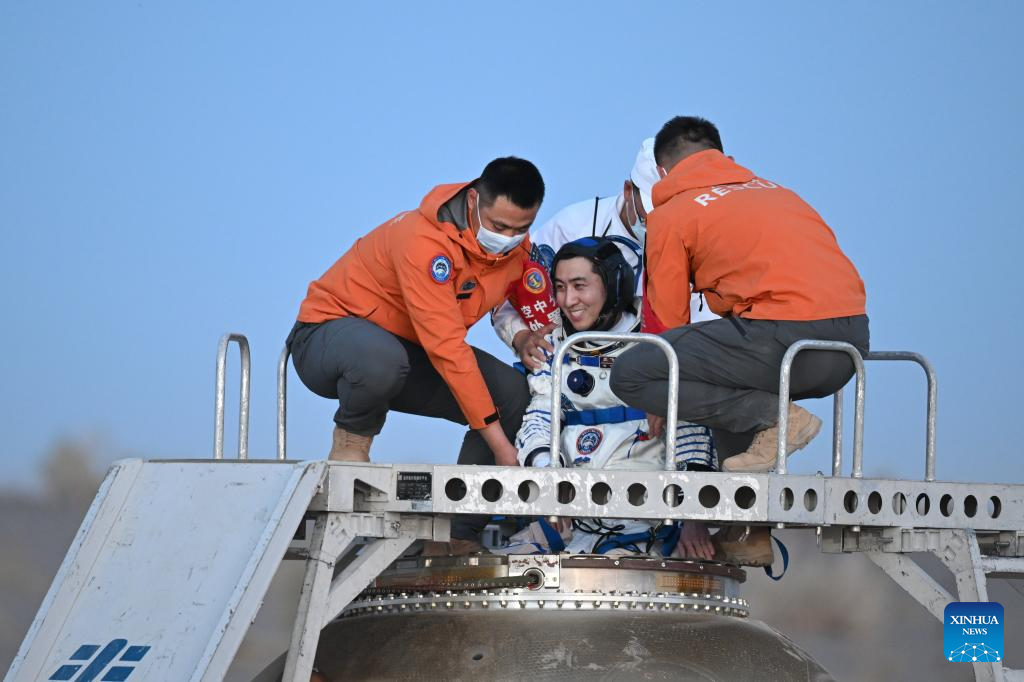
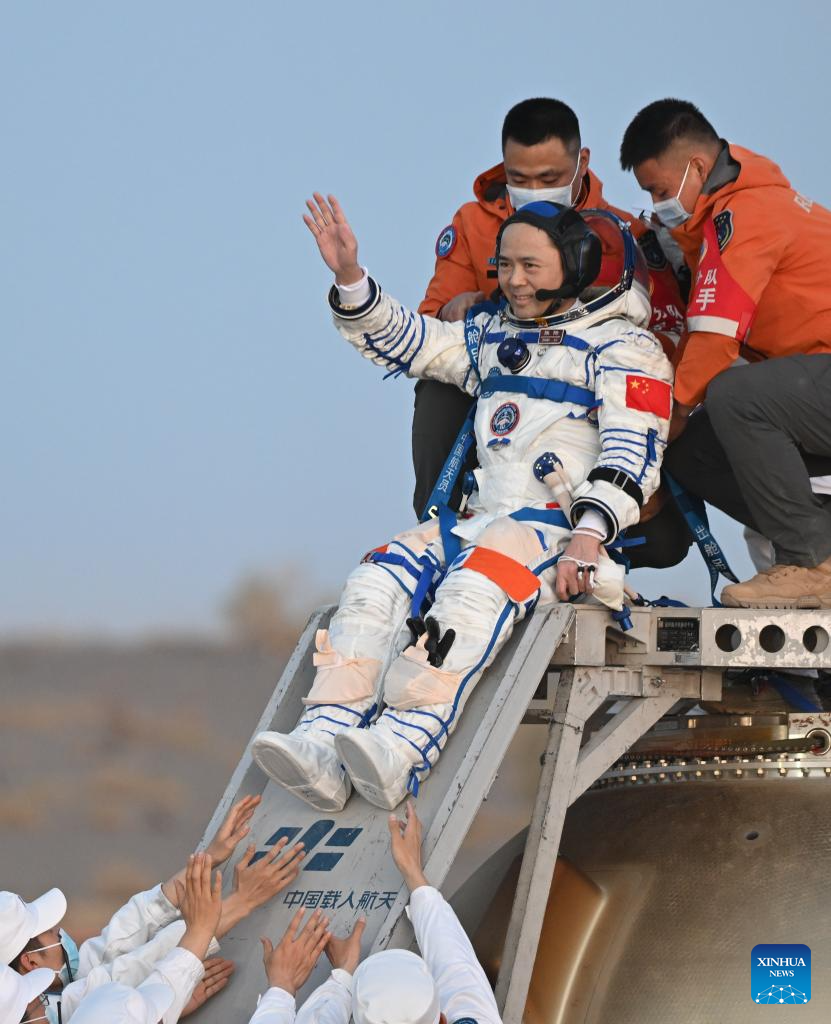
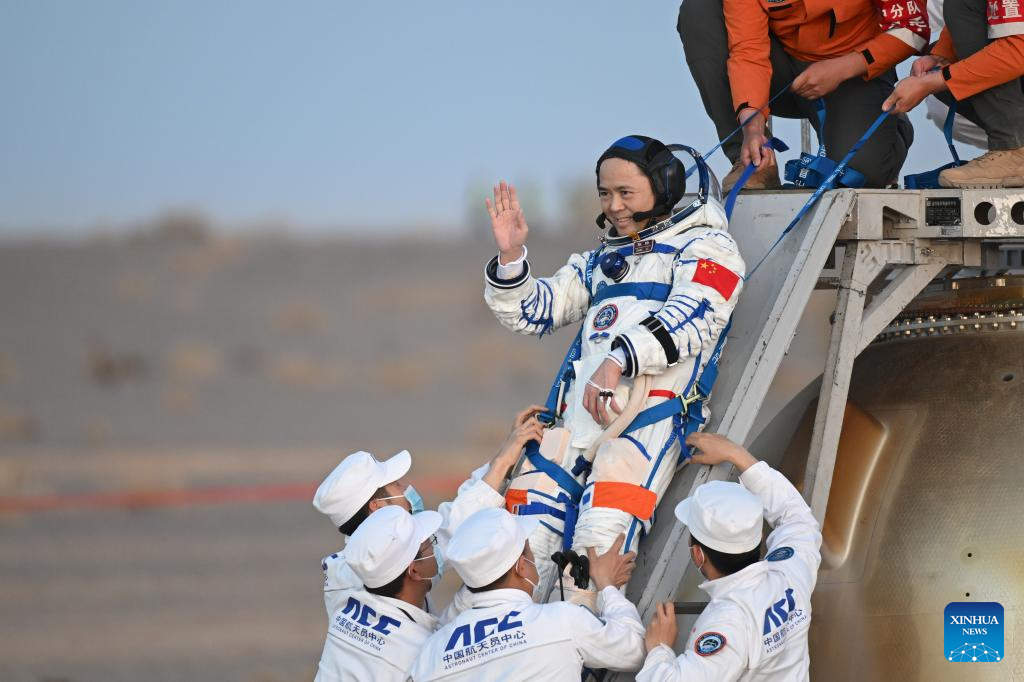
The brake engine then ignited, and the return capsule separated from the propulsion capsule. The return capsule touched down at 8:11 p.m. at the Dongfeng landing site in north China’s Inner Mongolia Autonomous Region, the CMSA said, while by 8:59 p.m., the Shenzhou-21 crew had all left the return capsule.
“One person’s voyage to the sea of stars rests on a whole team’s absolute devotion and loyalty,” said Zhang Lu, mission commander of the crew and a veteran astronaut on his second spaceflight, expressing his gratitude for the support of his family, all staff participating in the manned space program, and most importantly, the motherland and the Chinese people.
Zhang Lu has completed a total of seven extravehicular activities (EVAs) so far, becoming the Chinese astronaut who has performed the most spacewalks to date.
Ahead of China’s National Science and Technology Workers Day on May 30, Zhang also brought a carefully preserved apple back to Earth as a tribute to all science and technology workers across the country.
“On the launch day of the Shenzhou-21 space mission, the ground support team gave us an apple to wish us a safe and smooth mission,” he said. “So when we departed the Tiangong space station, we deliberately brought an apple back to give to all sci-tech workers, and say to them: thank you for your tireless hard work.”
Wu, the spaceflight engineer of the crew, who completed three spacewalks during his 210-day maiden mission to the Chinese space station, is the youngest Chinese astronaut so far to carry out EVAs.
“Being entrusted with such an important responsibility on my first spaceflight is the result of my motherland’s trust, my predecessors’ guidance, and the entire crew’s concerted efforts, which enabled me to fulfill the mission successfully,” said Wu.
Zhang Hongzhang, payload specialist of the crew, oversaw a slew of scientific experiments in the space station, including the projects he co-designed.
“Moving from a ground-based laboratory to the space station, it is our great motherland that has allowed me to realize the perfect integration of my scientific aspirations and spaceflight dream,” he said.
During the Shenzhou-21 mission, the crew conducted three spacewalks and completed tasks such as the inspection and photographing of the Shenzhou-20 spaceship return capsule’s viewport window and the installation of space debris shielding devices on the space station, while they also carried out multiple cargo in-and-out operations.
China launched the Shenzhou-21 spaceship on Oct. 31, 2025 to send the Shenzhou-21 crew to its space station for rotation with the Shenzhou-20 crew. However, the Shenzhou-20 crew later found that the Shenzhou-20 spaceship’s return capsule viewport window had suffered a suspected impact from space debris during its mission and was unfit for the crew return mission.
On Nov. 14, 2025, the Shenzhou-20 crew returned safely aboard the Shenzhou-21 spacecraft. On Nov. 25, 2025, China launched the Shenzhou-22 spaceship to provide an emergency return vessel for the Shenzhou-21 crew.
Diverse space experiments
The Shenzhou-21 crew achieved new results in an array of scientific experiments and technological tests covering microgravity fundamental physics, space material science, space life sciences, aerospace medicine and new space technologies.
The crew completed electrochemical optical in-situ research of lithium-ion batteries in terms of space applications, as well as related experiments in the fields of life sciences, fluid and combustion experiments.
The crew also achieved, for the first time aboard China’s space station, the closed-environment breeding of mice, laying a technical foundation for future space mammal experiments. In addition, they grew low-defect indium selenide crystals in orbit, which have been used to prepare high-performance field-effect transistor prototype devices on the ground, demonstrating significantly superior performance.
In the field of space medicine, the crew achieved non-contact detection of in-orbit physiological indicators through intelligent recognition of facial micro-movements, and constructed a preliminary model for astronaut exercise fatigue.
They realized the aeroponic cultivation of cherry tomatoes and wheat for the first time on China’s space station, validating related key technologies. They also successfully achieved in-orbit ignition of a new ionic liquid propellant, obtaining dynamic optical information on the catalytic ignition and sustained combustion processes.
Astronaut Wu Fei, a member of the Shenzhou-21 crew, is out of the Shenzhou-22 spaceship’s return capsule after it touched down at the Dongfeng landing site in north China’s Inner Mongolia Autonomous Region, May 29, 2026. The return capsule of the Shenzhou-22 spaceship, carrying the Shenzhou-21 astronauts Zhang Lu, Wu Fei and Zhang Hongzhang, touched down at the Dongfeng landing site on Friday.Astronaut Zhang Lu, commander of the three-member Shenzhou-21 crew, is out of the Shenzhou-22 spaceship’s return capsule after it touched down at the Dongfeng landing site in north China’s Inner Mongolia Autonomous Region, May 29, 2026. The return capsule of the Shenzhou-22 spaceship, carrying the Shenzhou-21 astronauts Zhang Lu, Wu Fei and Zhang Hongzhang, touched down at the Dongfeng landing site on Friday. The return capsule of the Shenzhou-22 spaceship, carrying the Shenzhou-21 astronauts Zhang Lu, Wu Fei and Zhang Hongzhang, is about to touch down at the Dongfeng landing site in north China’s Inner Mongolia Autonomous Region, on May 29, 2026. The return capsule of the Shenzhou-22 spaceship, carrying the Shenzhou-21 astronauts Zhang Lu, Wu Fei and Zhang Hongzhang, touched down at the Dongfeng landing site on Friday.
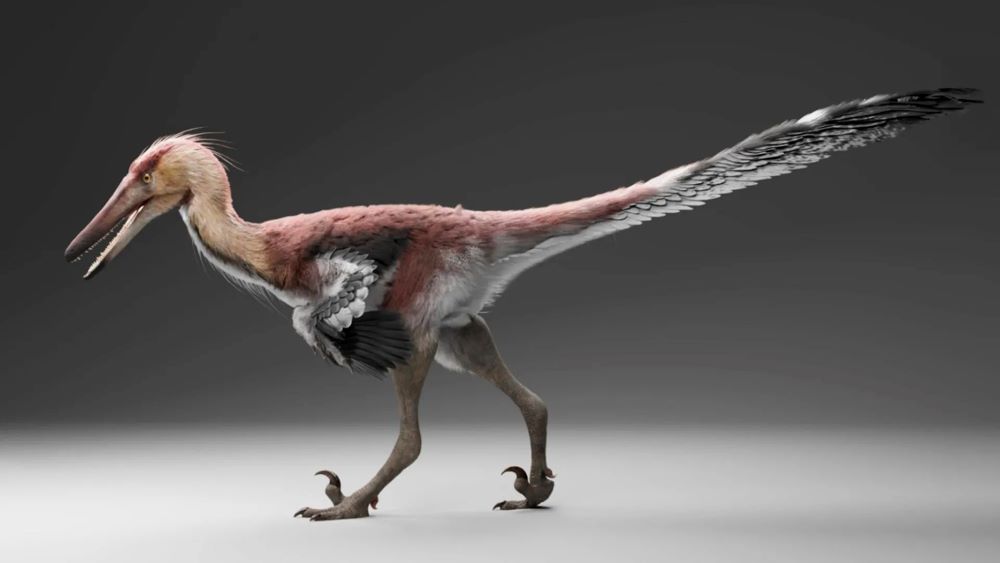
The dinosaur, named Kank australis, lived around 70 million years ago during the Late Cretaceous period. Fossils including teeth, vertebrae and toe bones were found near El Calafate in Argentina’s Santa Cruz Province.
Researchers say the animal belonged to a group of dinosaurs known as unenlagiids, relatives of the famous Velociraptor. Unlike the fast land predators often shown in movies, Kank may have spent much of its time catching fish in rivers and ponds.
Paleontologist Dr. Matías Motta, who led the study published in the Journal of Vertebrate Paleontology, said the dinosaur lived in a humid environment filled with winding rivers, seasonal ponds, fish, insects and aquatic plants.
Scientists estimate Kank reached between 2.5 and 3 meters long. Its neck bones showed unusual features linked to strong and flexible neck movements, similar to those seen in modern herons that strike quickly to catch prey.
Researchers also found fish fossils alongside Kank remains, strengthening the idea that it specialized in fishing. However, it likely also hunted frogs, lizards and small mammals while sharing its habitat with giant predators such as the 10-meter-long Maip macrothorax.
The dinosaur’s name comes from Aonikenk Indigenous mythology. “Kank” refers to a giant rhea whose footsteps were believed to form the Southern Cross constellation, while “australis” means “from the south.”
The first fossils were discovered in 2018, but additional remains found in later excavations helped scientists confirm it as a new species.
A reconstruction of Kank by the artist Gabriel Díaz Yantén. Credit: Gabriel Díaz Yantén