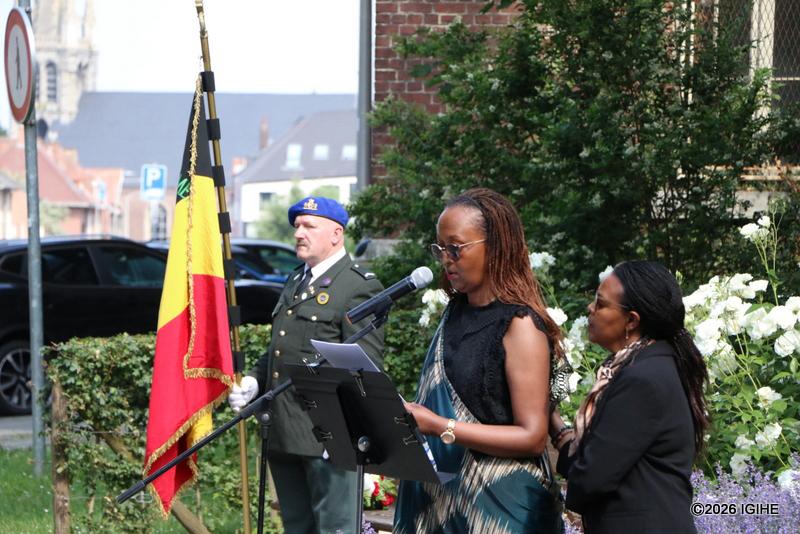
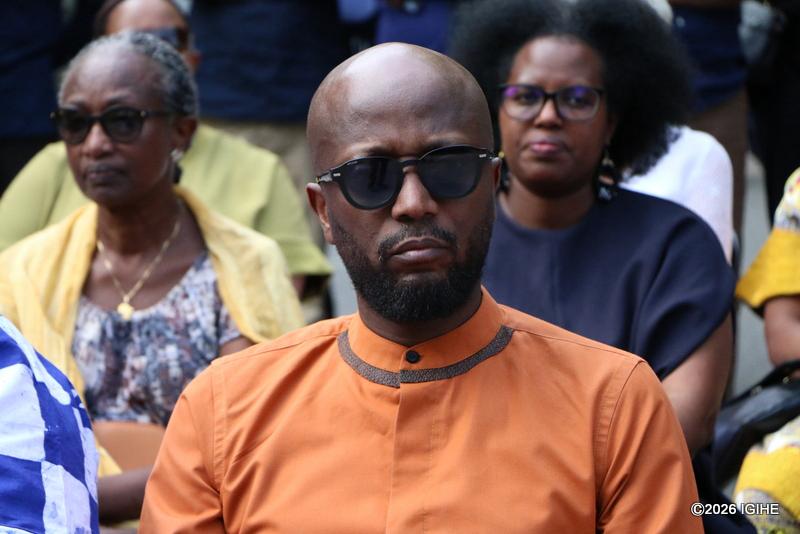
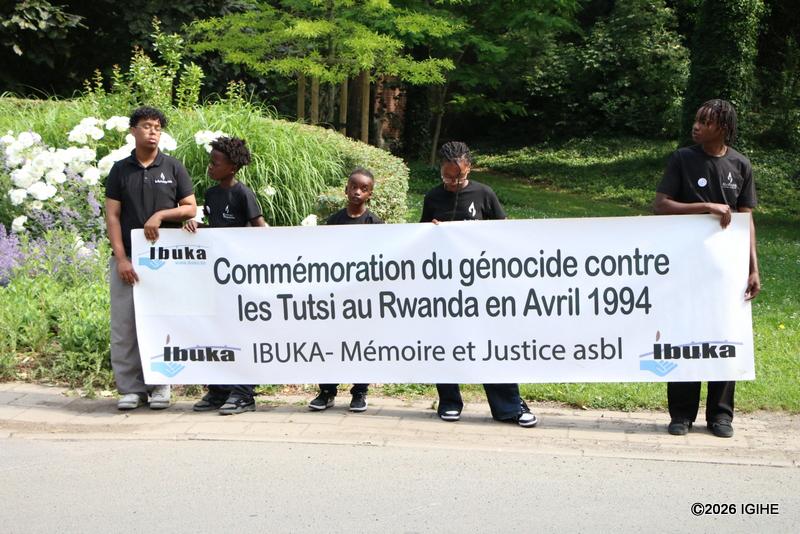
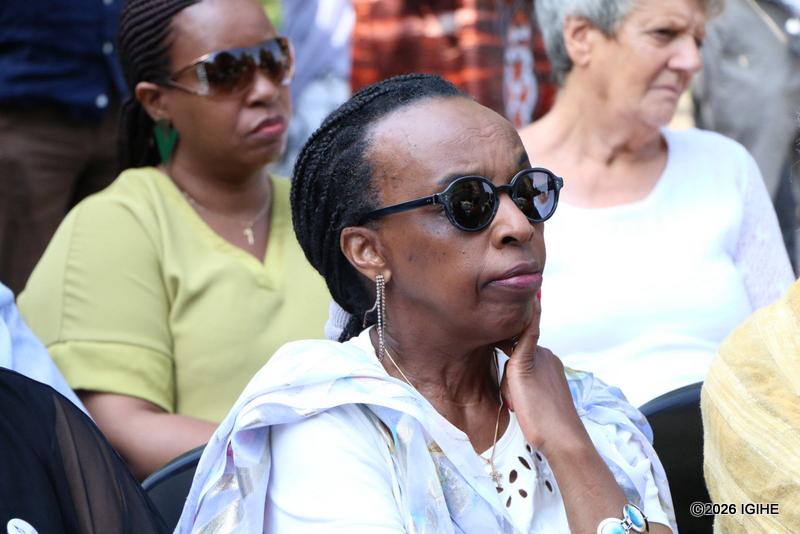
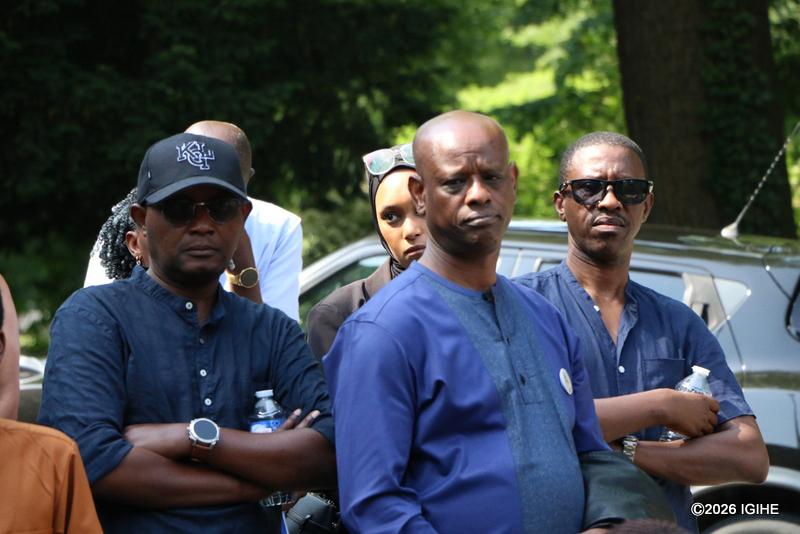
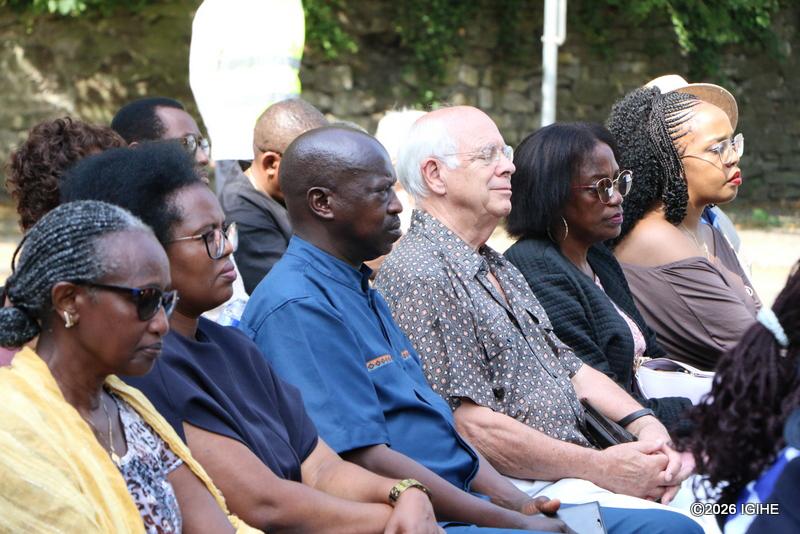
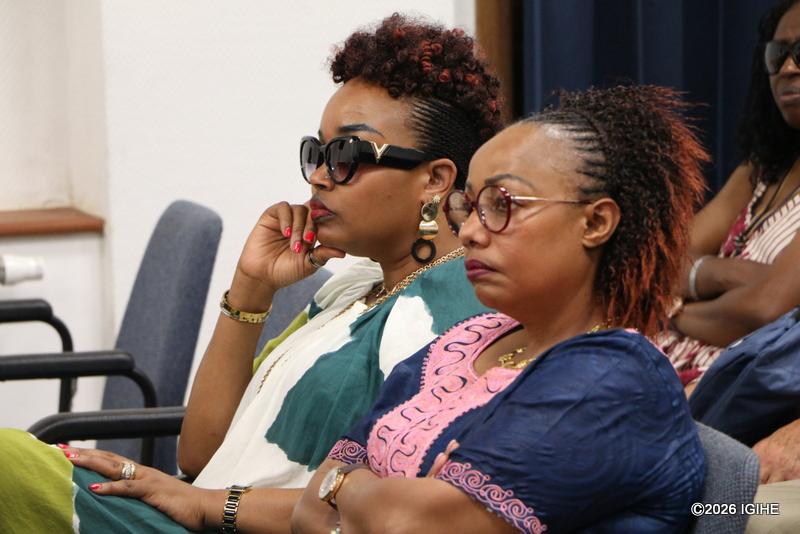
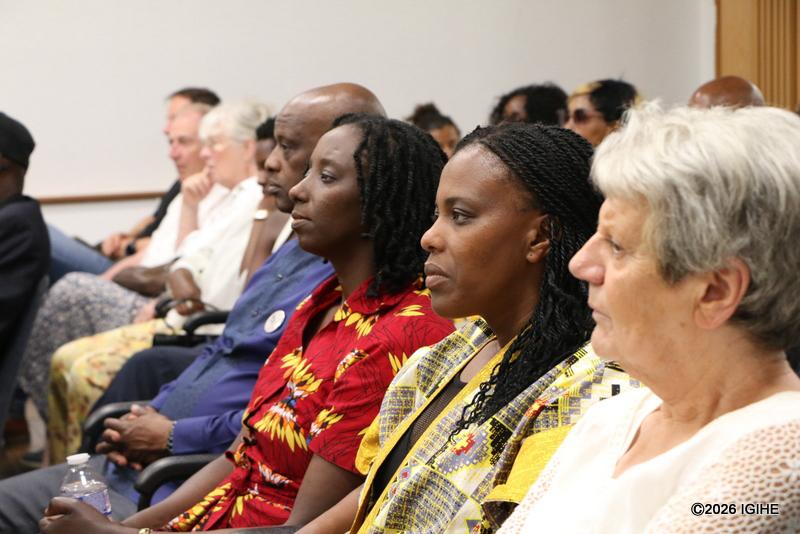
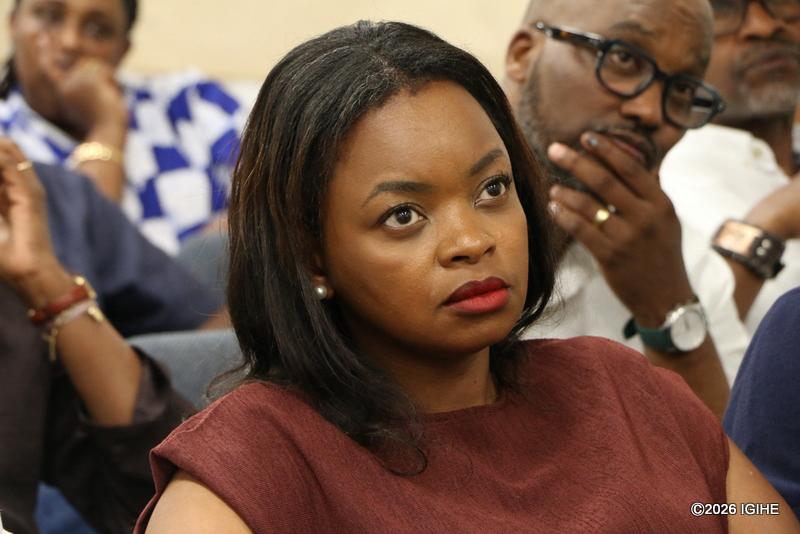
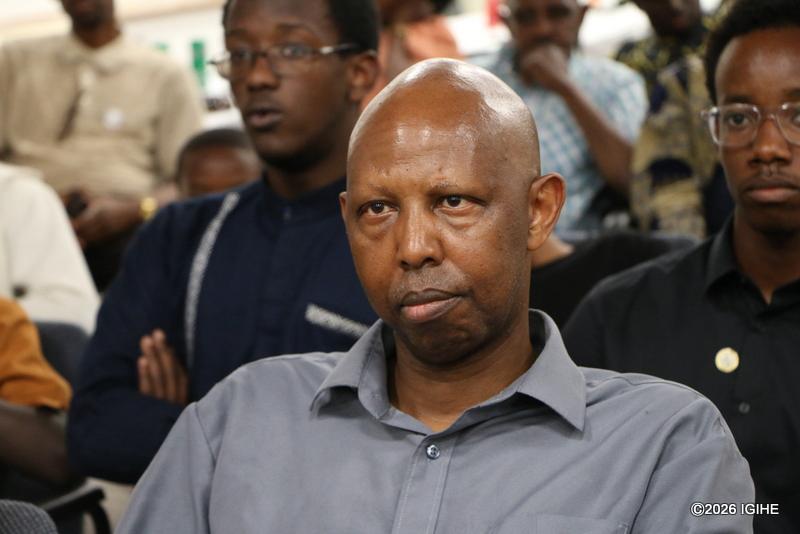
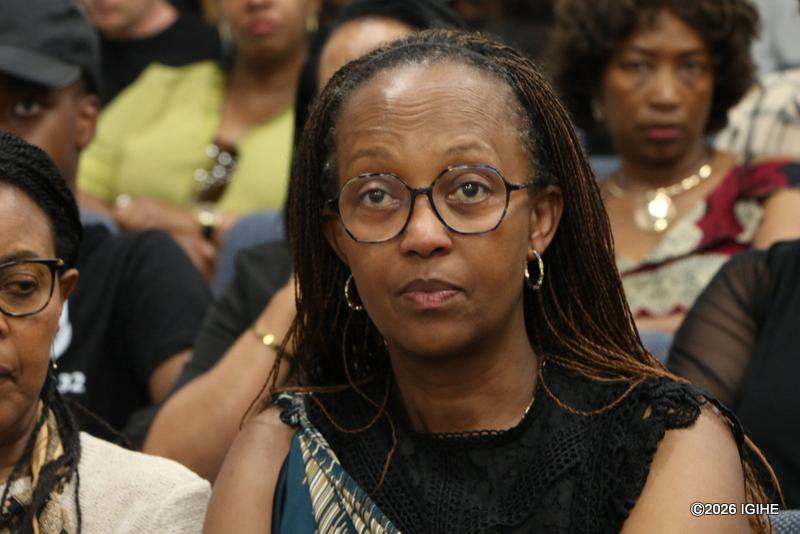
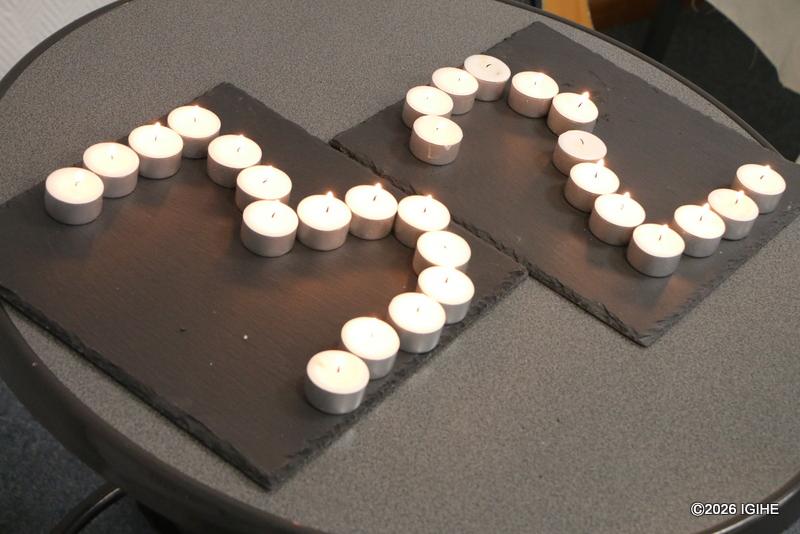
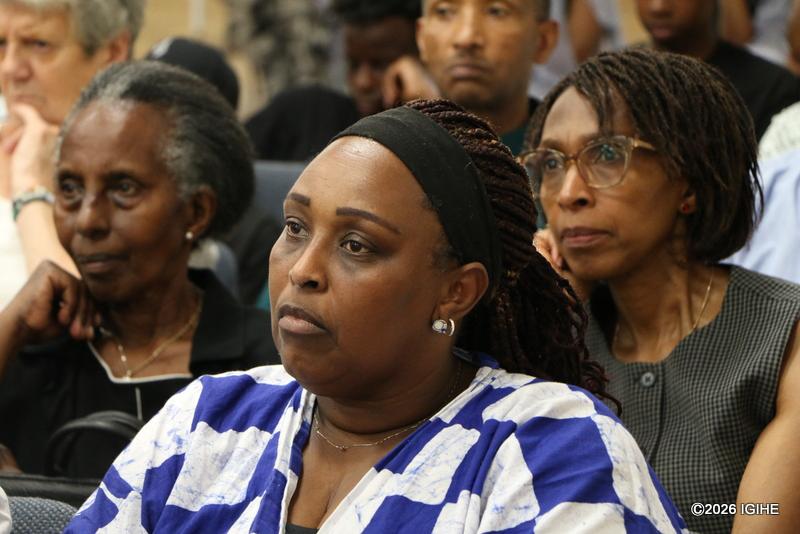
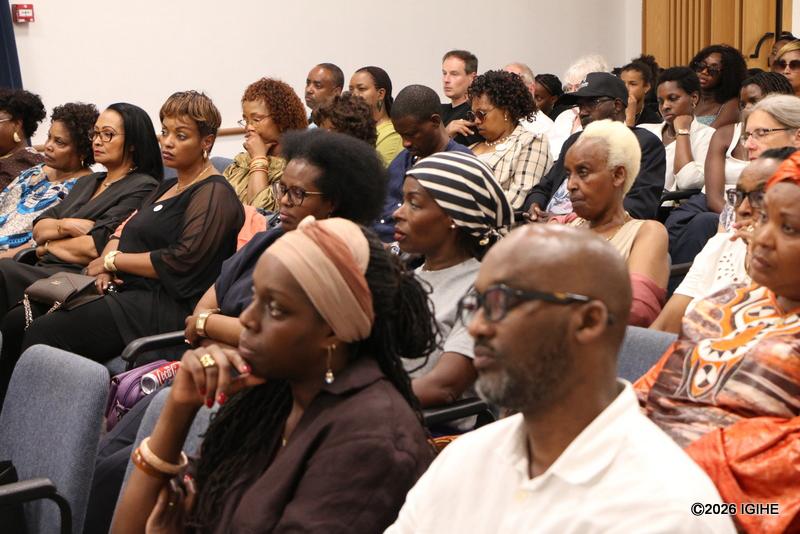
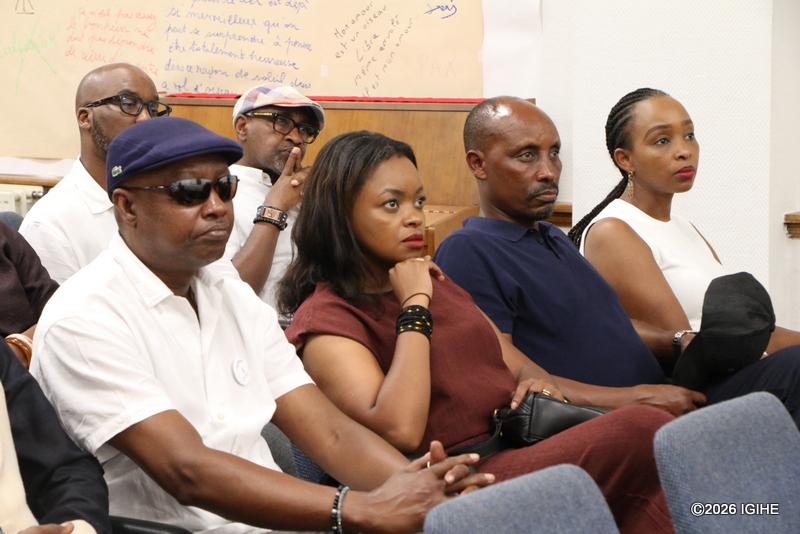
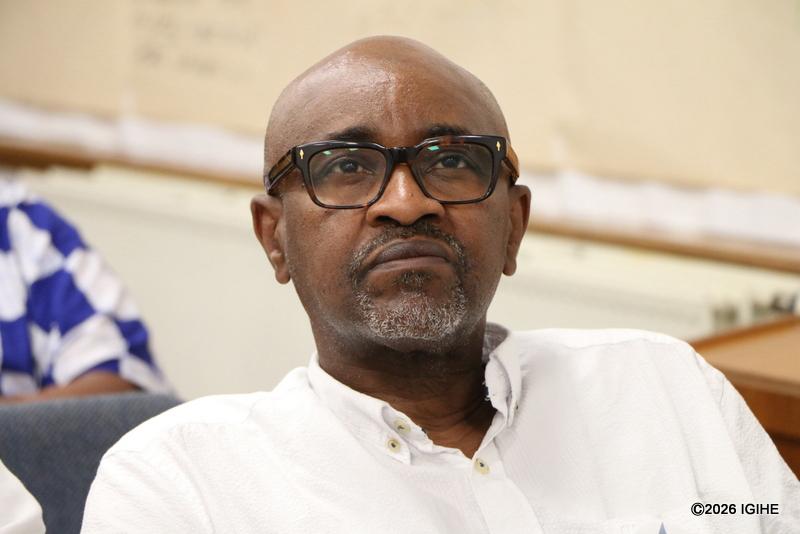
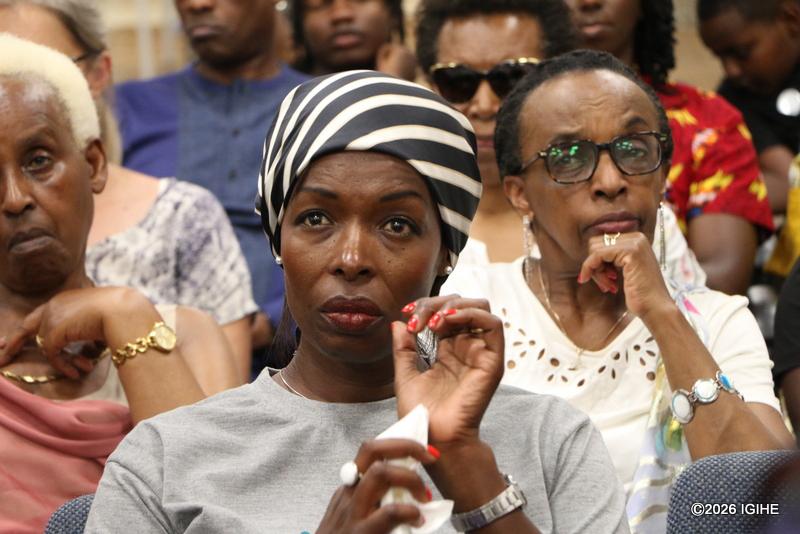
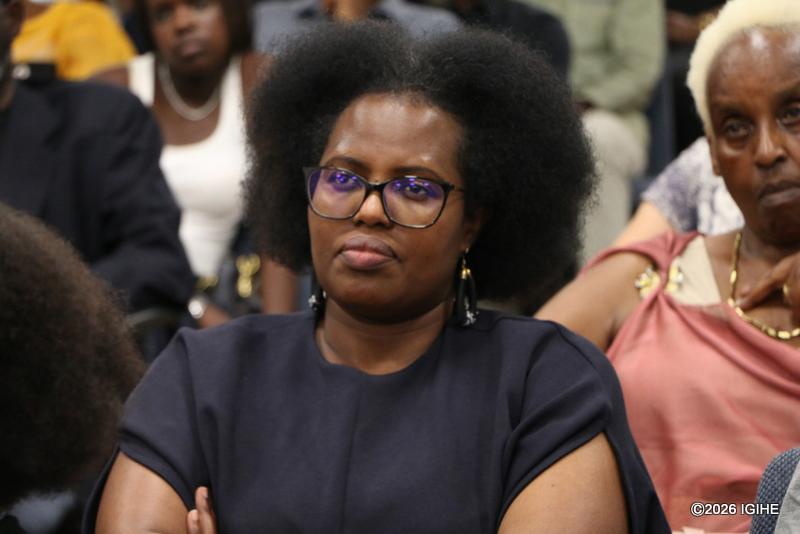
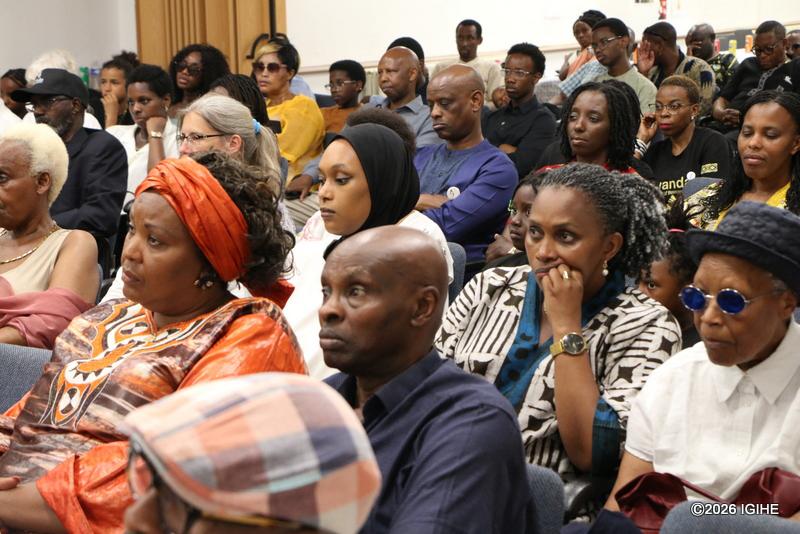
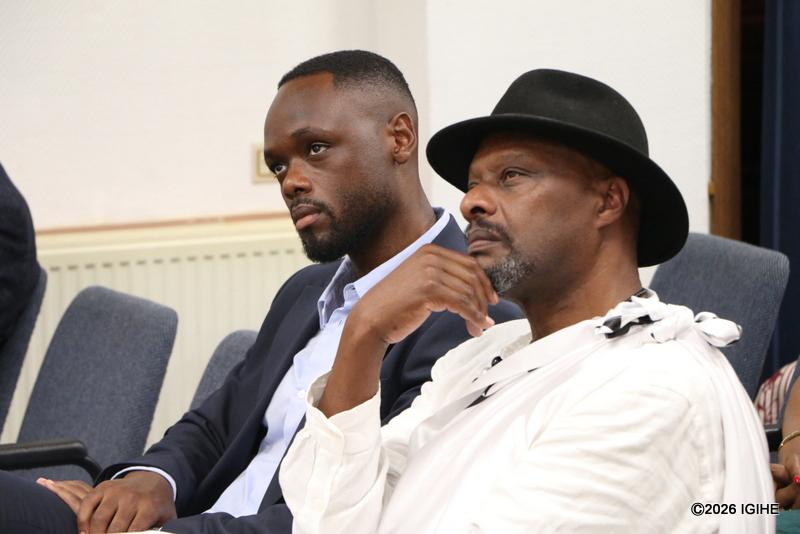
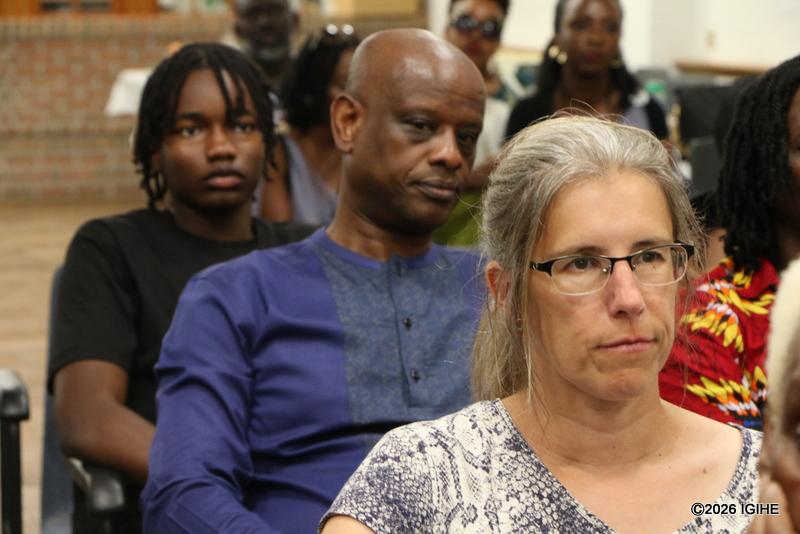
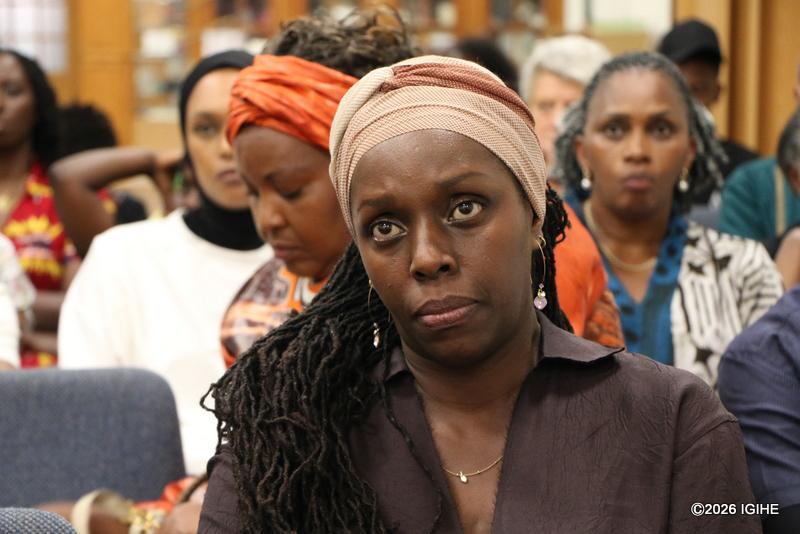
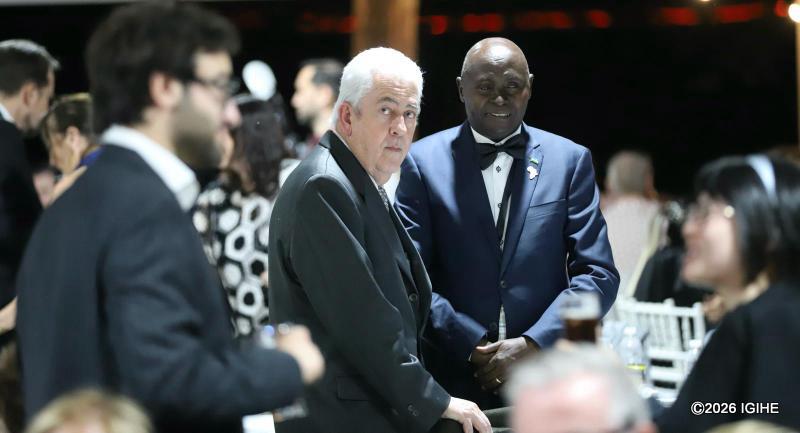
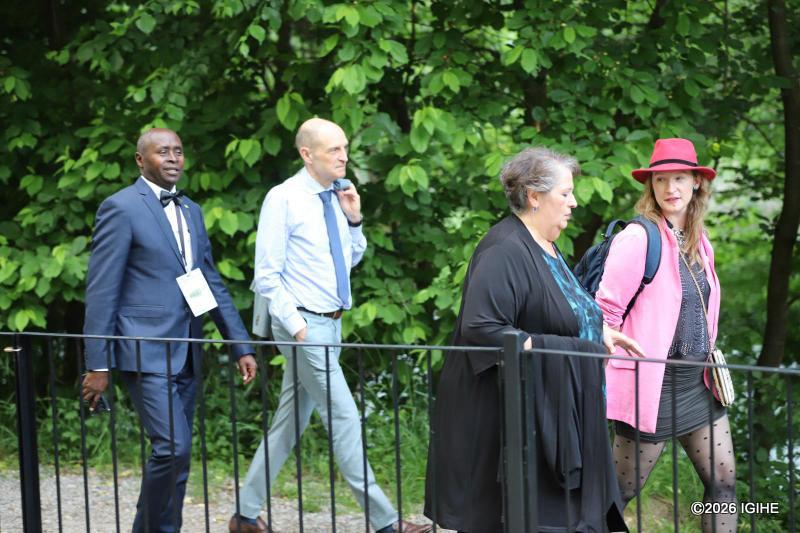
On this occasion, they were called upon to confront those who deliberately seek to distort the tragic history Rwanda experienced.
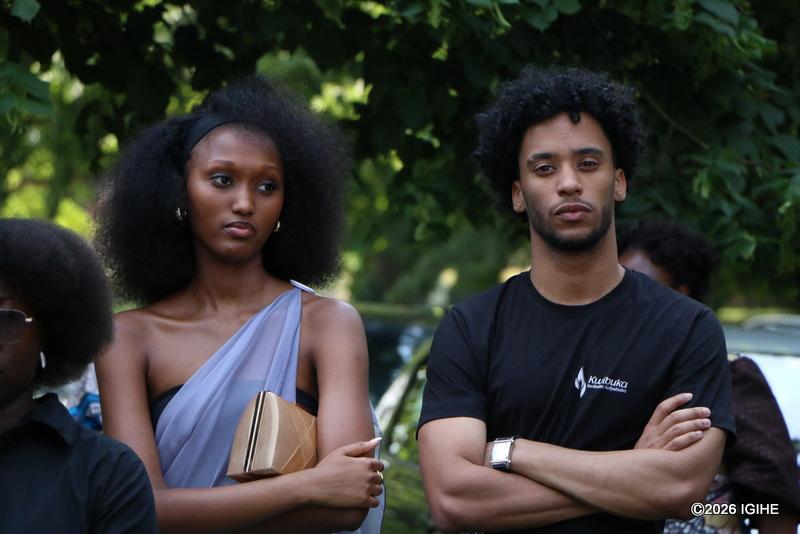
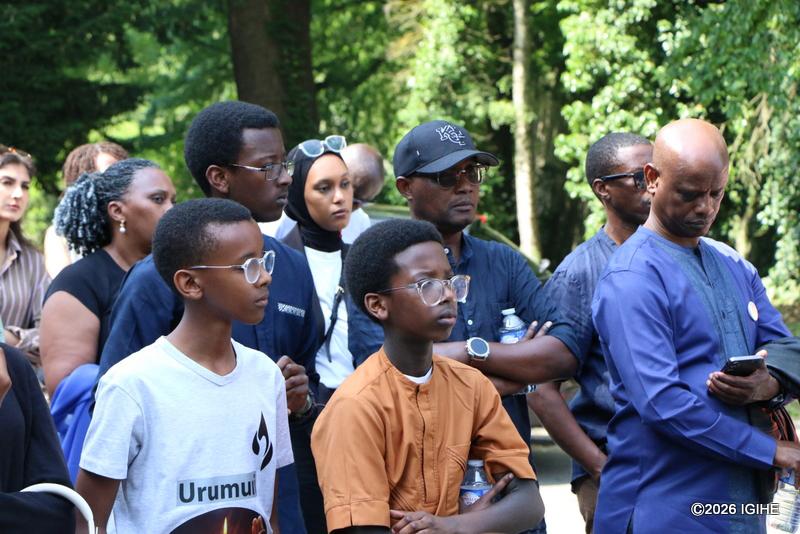
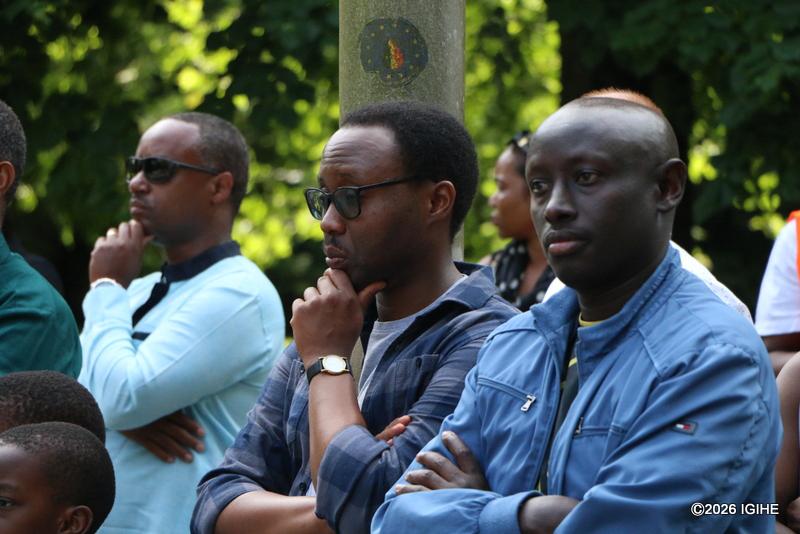
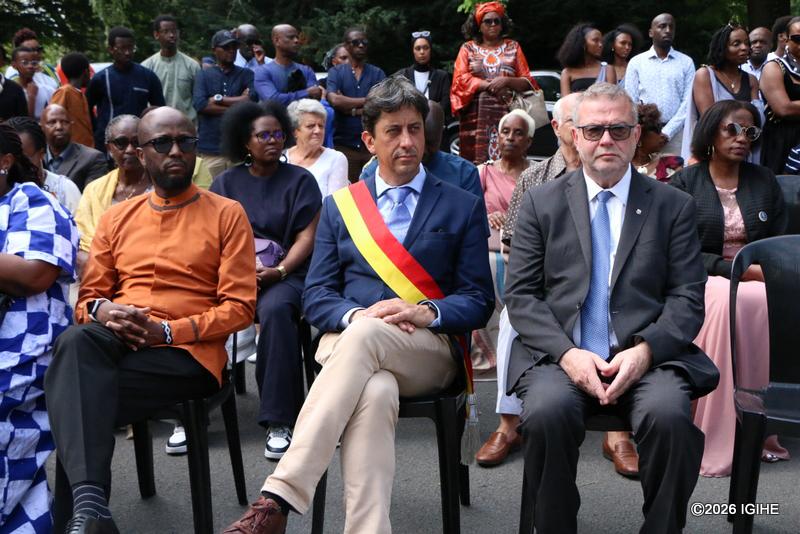
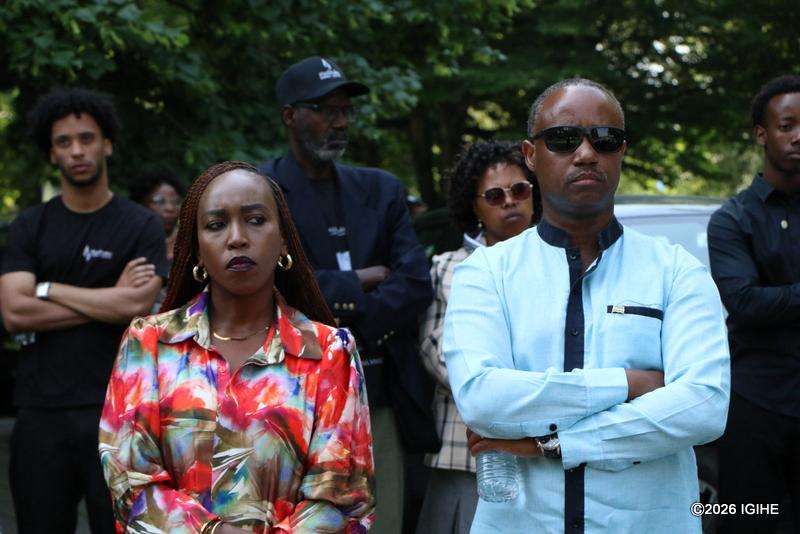
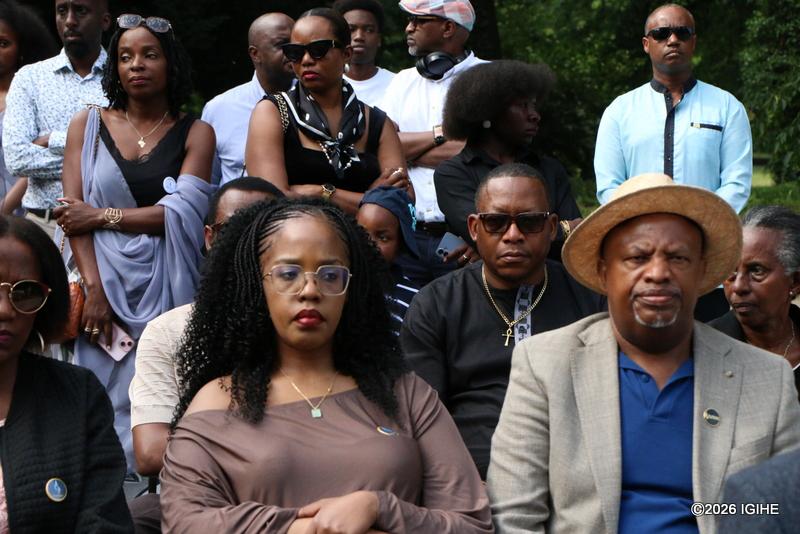
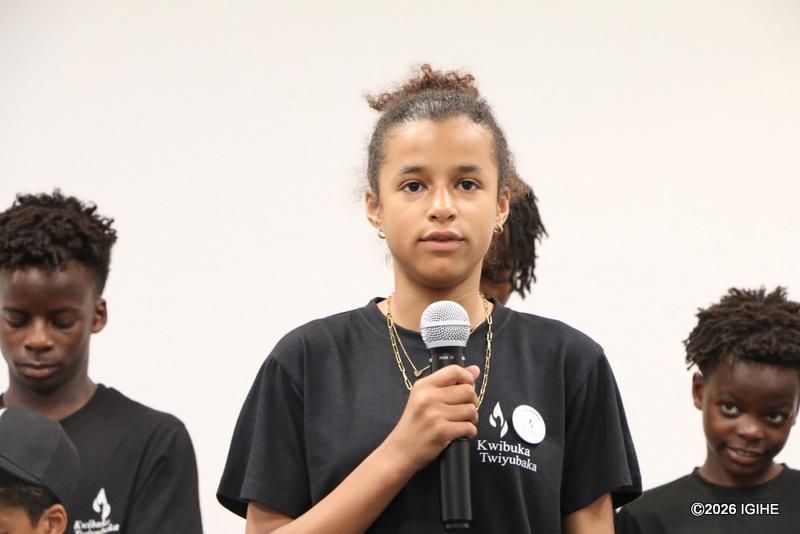
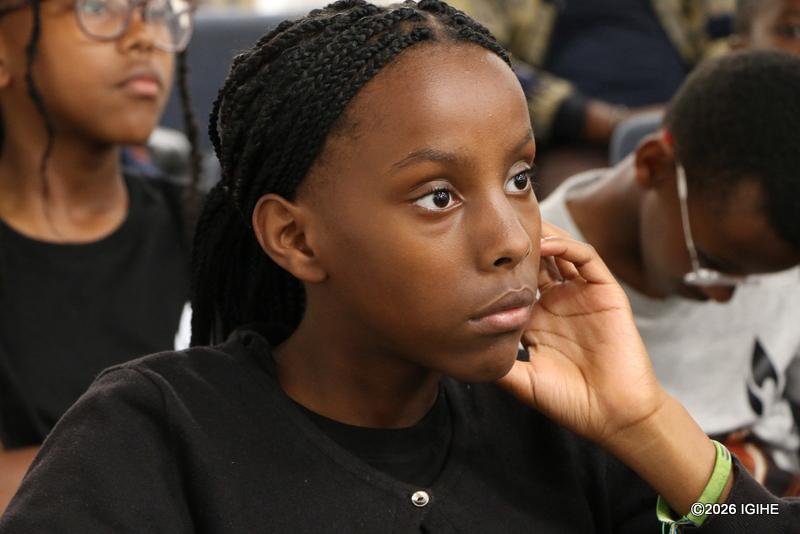
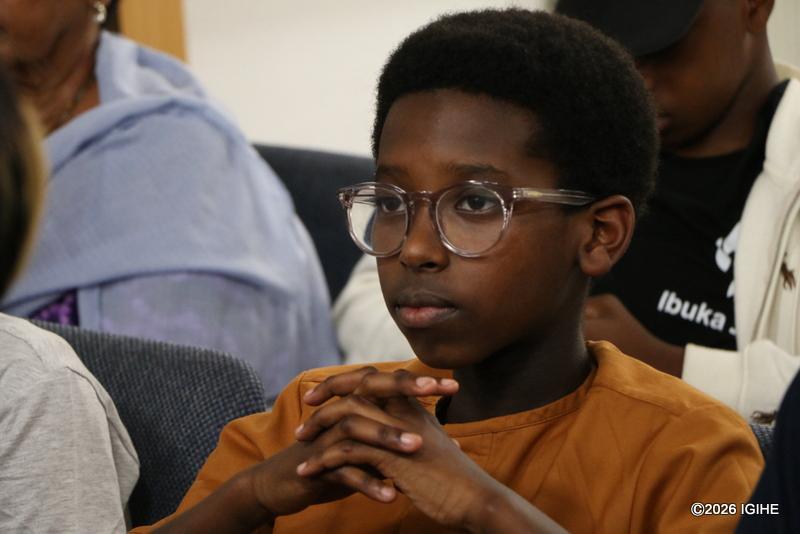
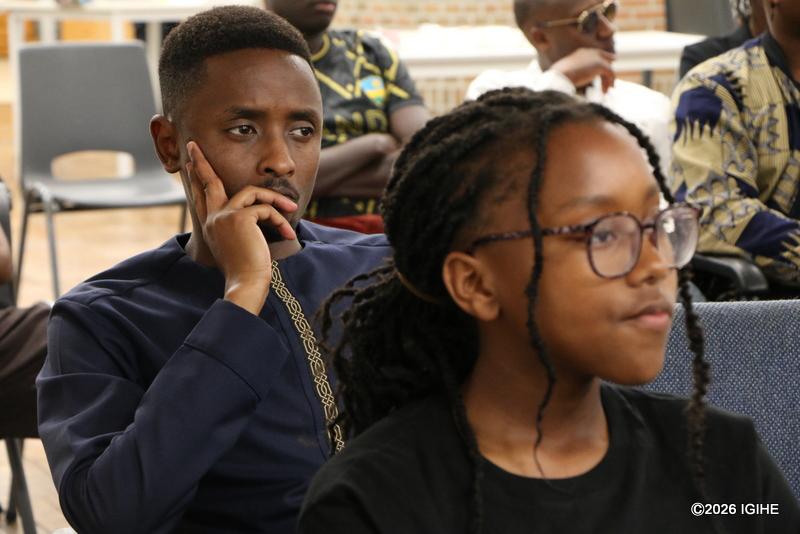
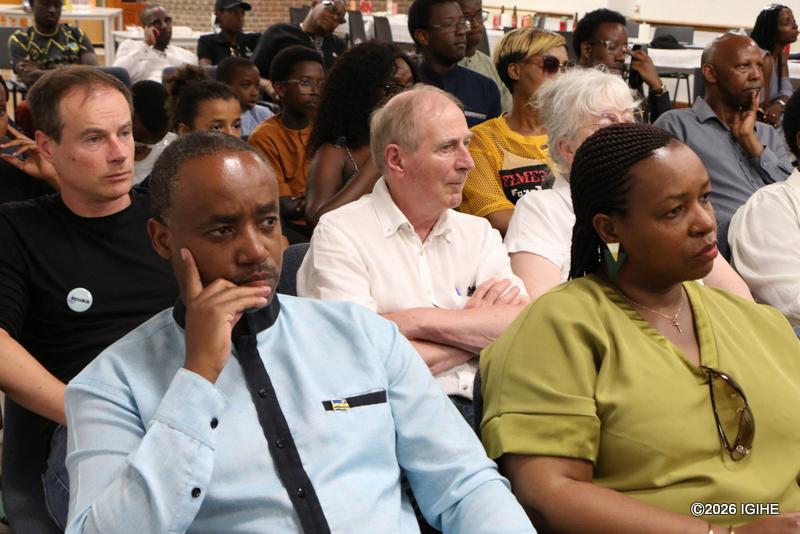
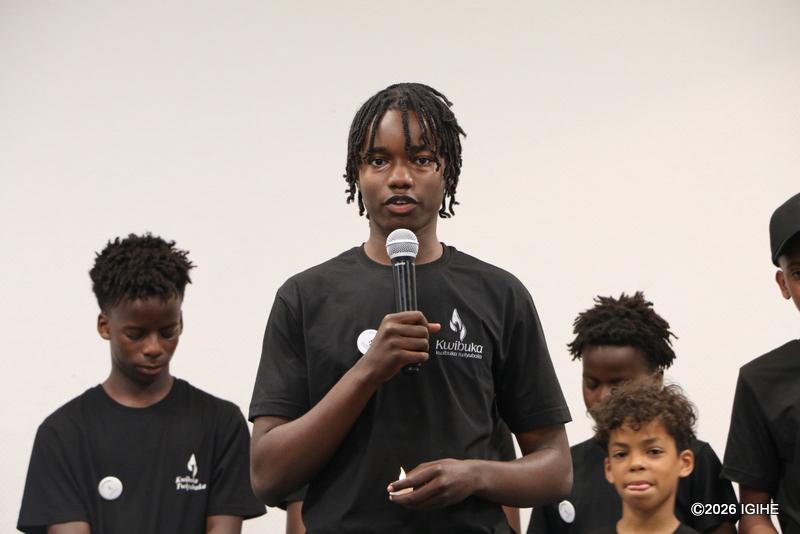
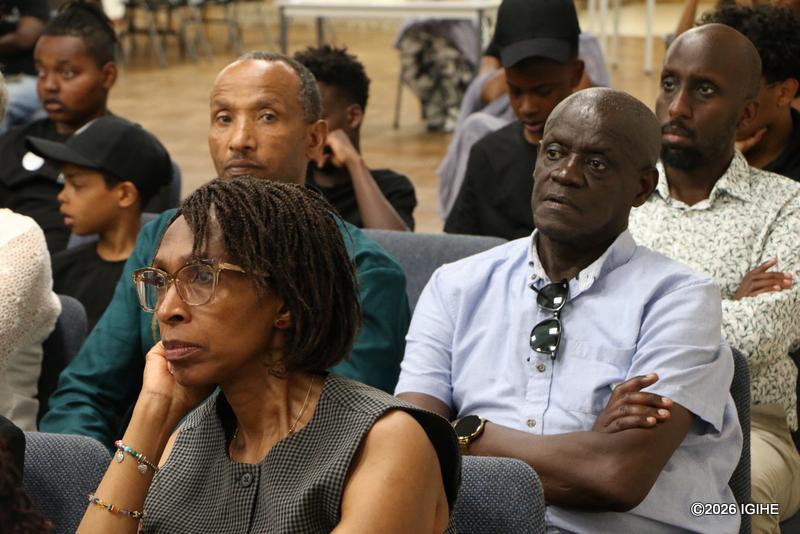
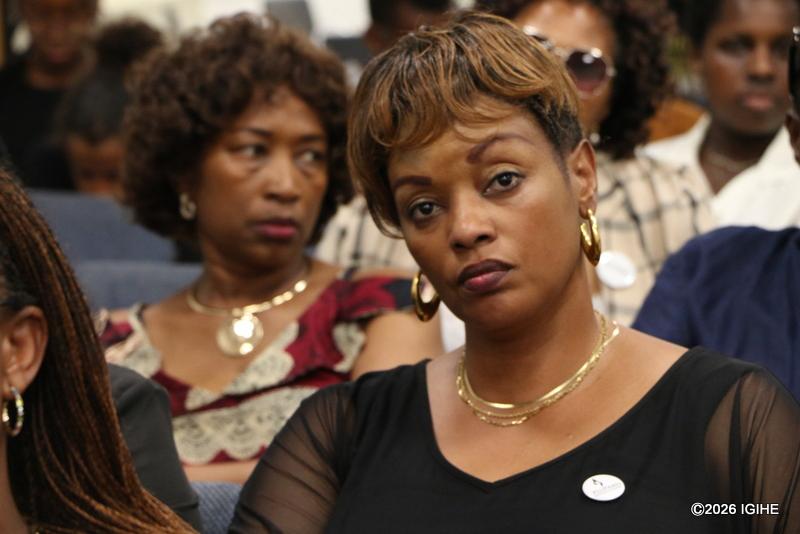
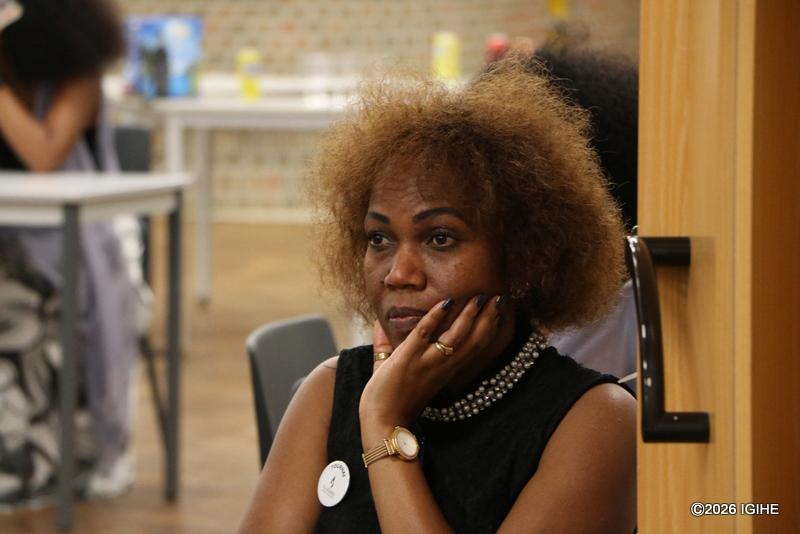
Among the participants were many young people who were reminded of the importance of preserving the memory of the victims of the Genocide against the Tutsi. They were encouraged to continue learning about the history that led Rwanda to this tragedy so that it may never happen again and so they can defend the truth against genocide denial and revisionism.
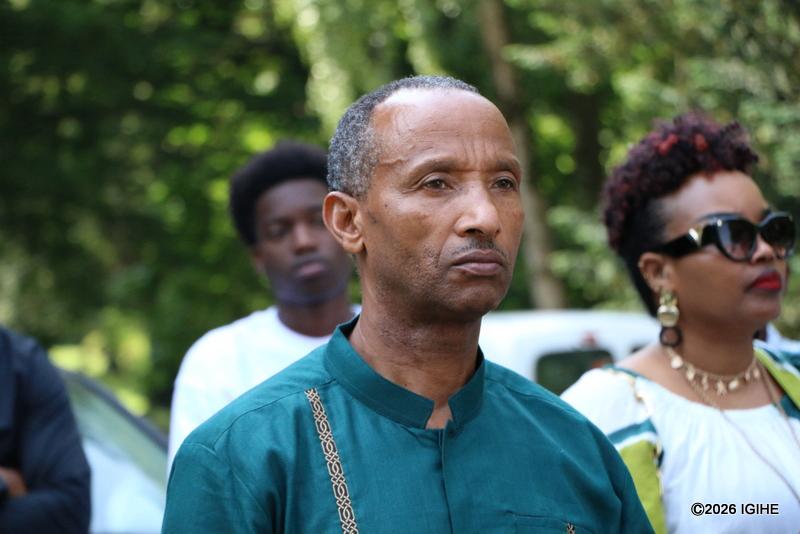
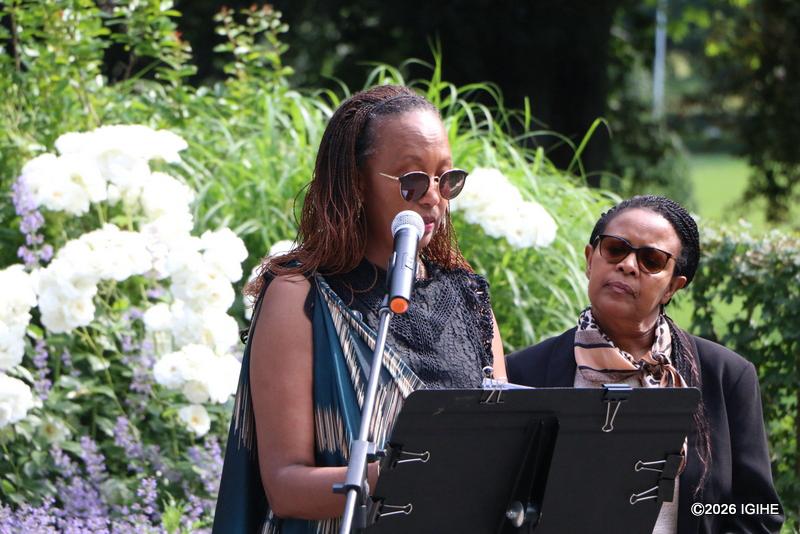
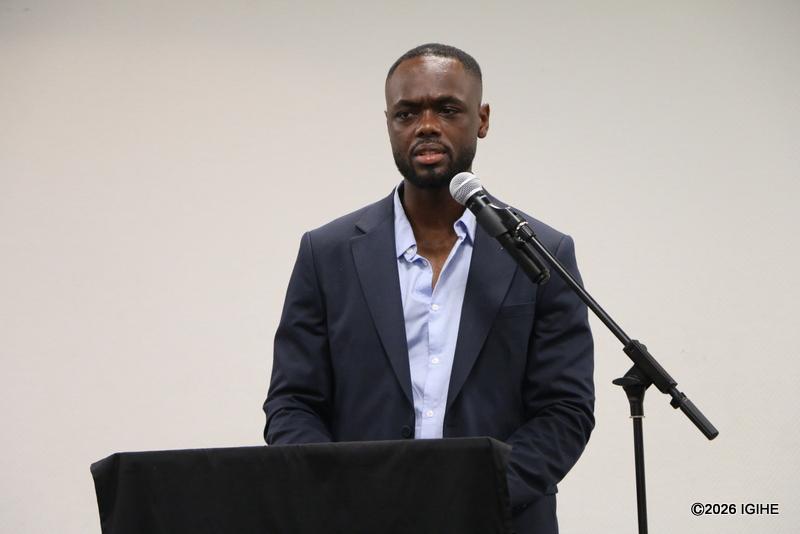
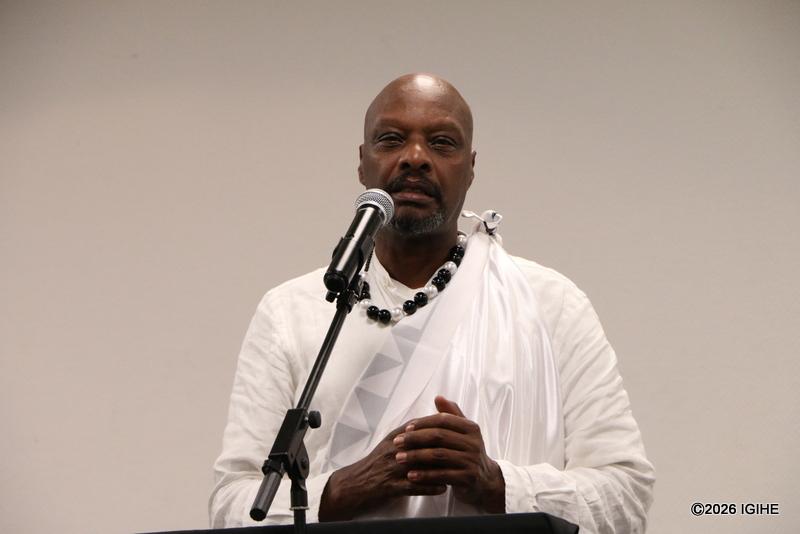
The President of the Rwandan Diaspora in the cities of Mons and Tournai, Arnold Turagara, recalled the dark periods Rwanda went through, emphasizing that the people of this city, as well as Europe in general, have also experienced difficult times marked by wars.
He stated: “Tournai is a city that has gone through difficult periods, including wars throughout its history. However, its residents managed to rebuild themselves after those painful moments.”
He also reminded participants that the 1994 Genocide against the Tutsi was carefully planned and carried out with extreme cruelty, leading to the killing of more than one million people in just one hundred days solely because of who they were.
“Commemorating today is not only about looking back at the past, but also about preserving this memory so that we are not trapped by it and can continue moving forward with life,” he added.
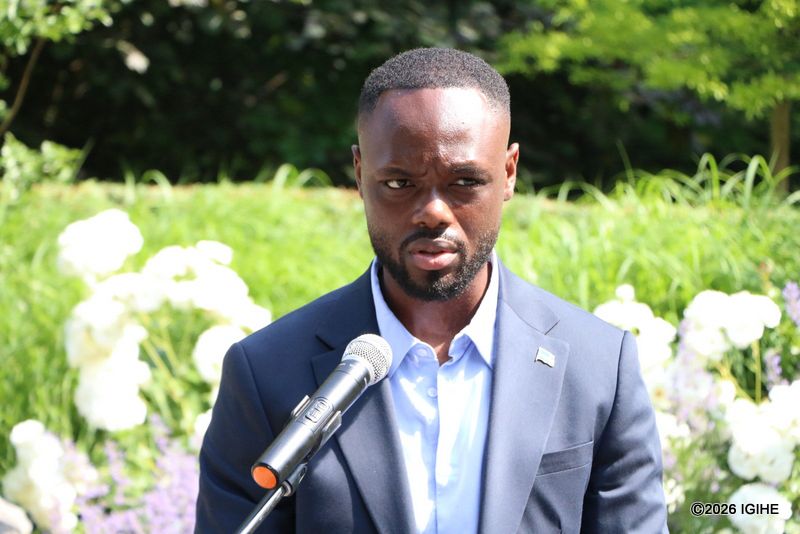
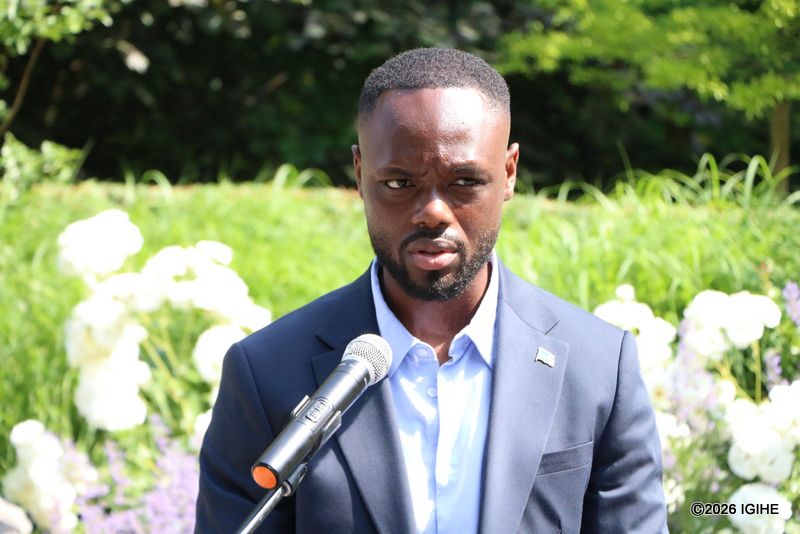
The President of the Rwandan Diaspora in Belgium at the national level, Gakuba Ernest, condemned those who continue to falsify the history of the Genocide against the Tutsi by spreading false information.
He said: “Distorting history is unacceptable because doing so indirectly supports those who planned and executed the Genocide against the Tutsi.”
He reminded attendees that the genocide did not happen by accident, but was the result of long-term preparation marked by hate propaganda spread by leaders of the time and by the dehumanization of Tutsi.
Representing Ibuka Mémoire et Justice Belgique, emphasized thatmore than one million Tutsi killed during the genocide reflects the reality of what happened.
He praised the courage and resilience of genocide survivors, who endured extremely difficult periods of persecution because of their identity.
Gakuba also criticized certain European countries for not doing enough to arrest individuals involved in the Genocide against the Tutsi who were convicted by Rwandan courts yet continue to live freely in Europe.
According to him, some of them actively contribute to spreading genocide ideology and denying the genocide.
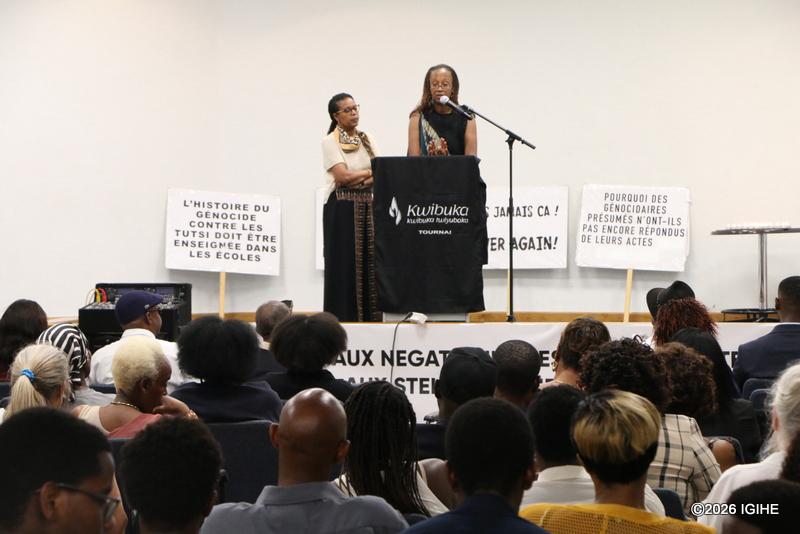
He insisted: “This history must be taught in schools so that younger generations can learn about it from an early age.”
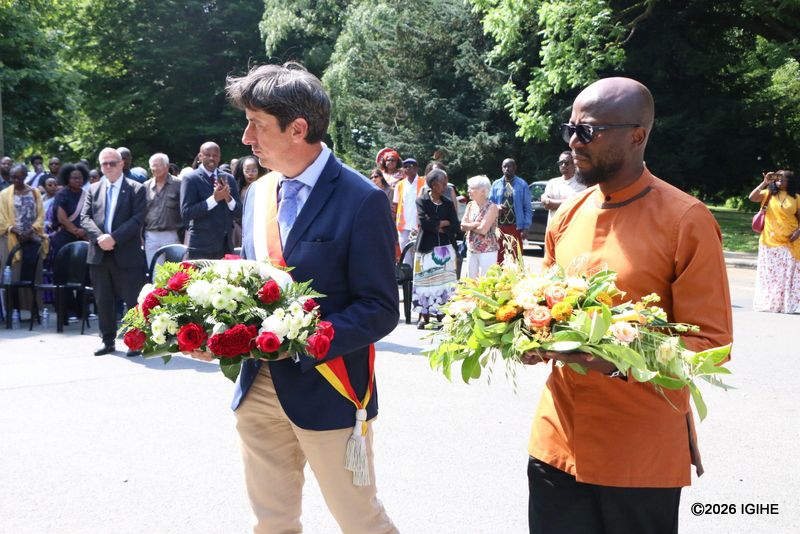
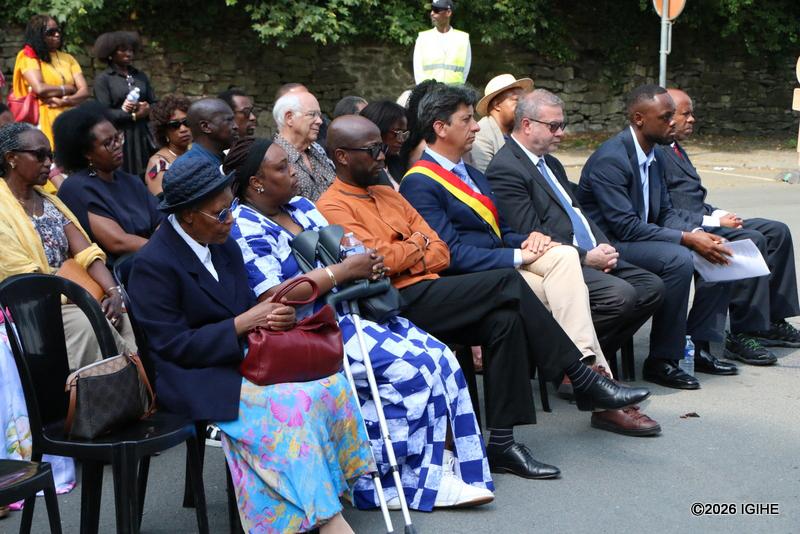
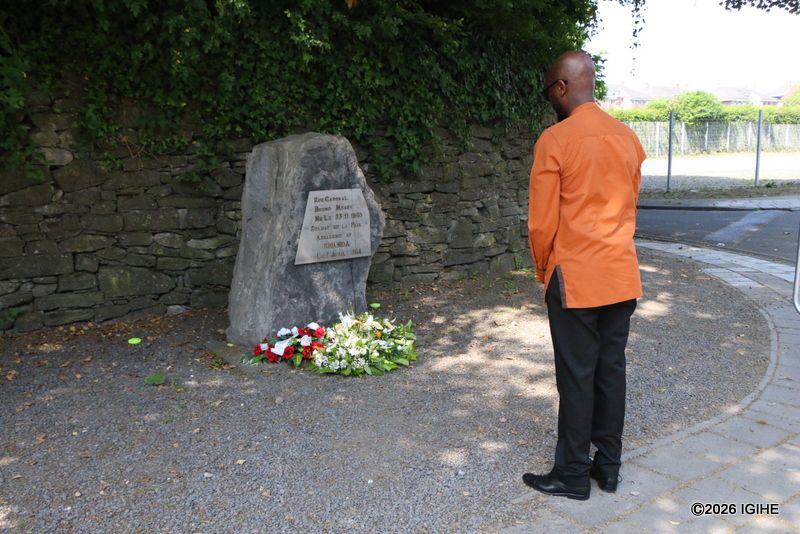
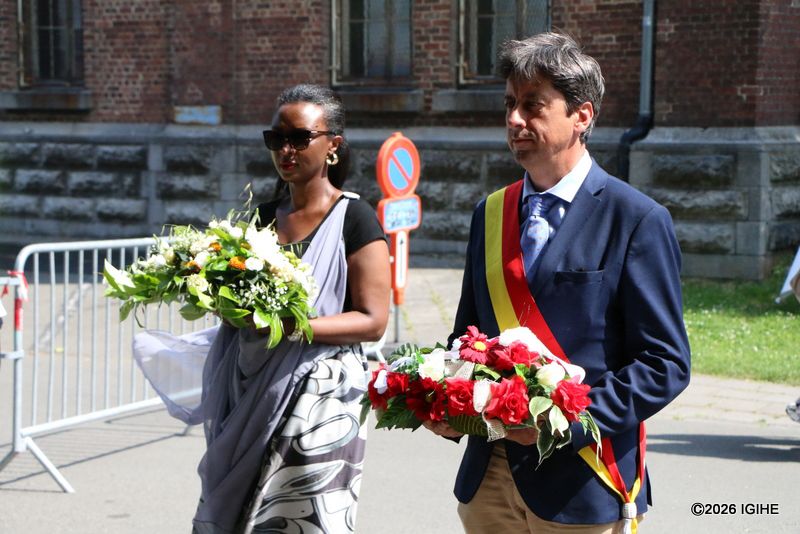
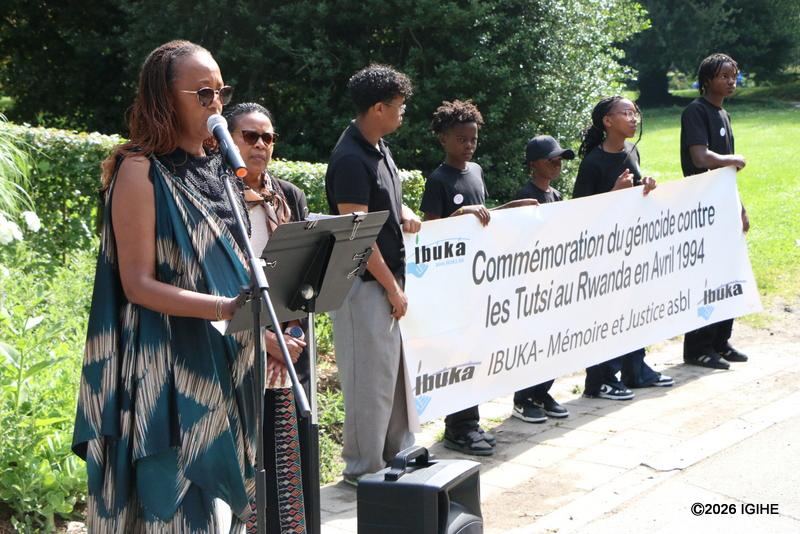
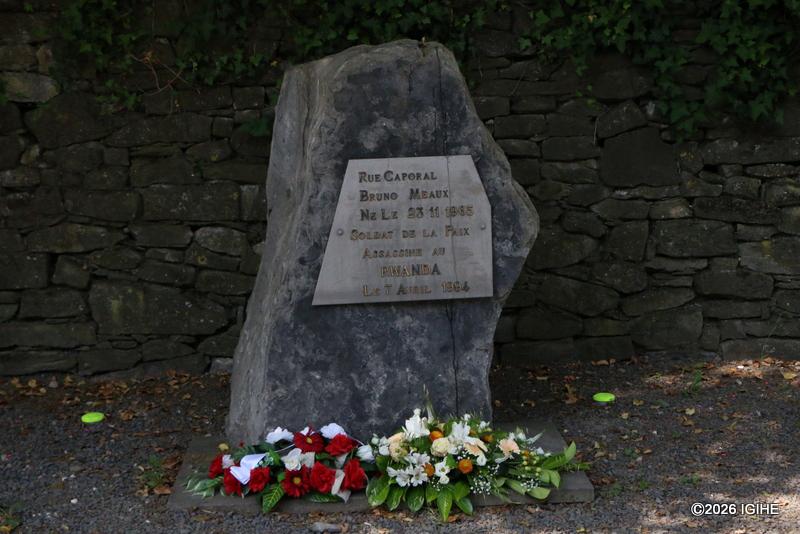
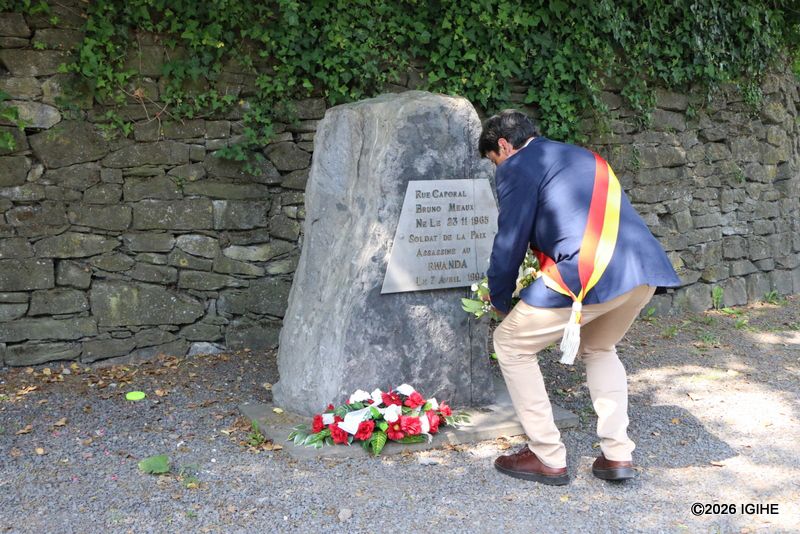
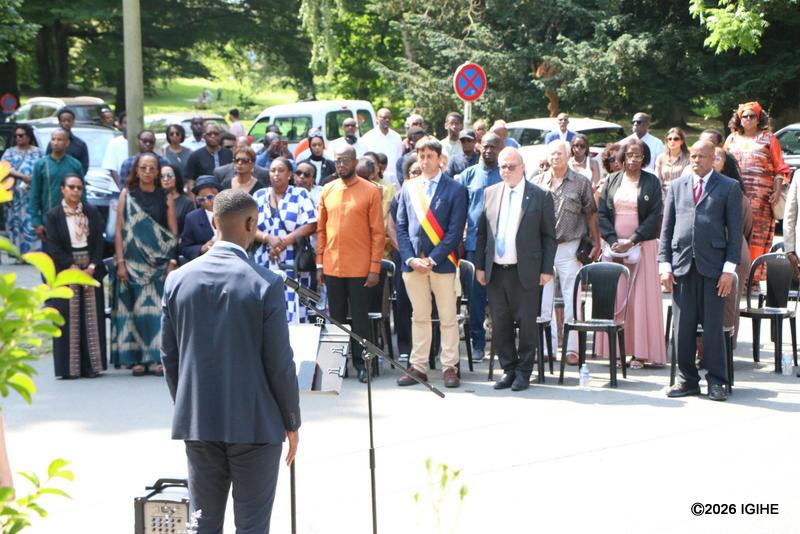
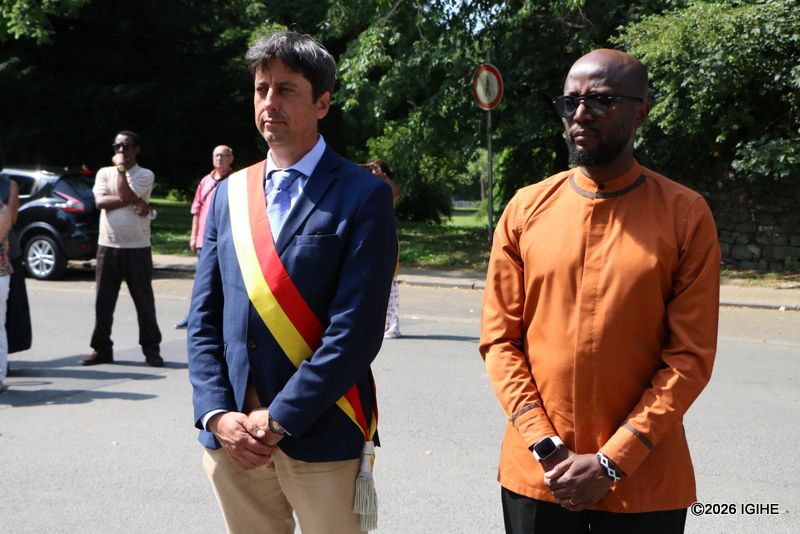
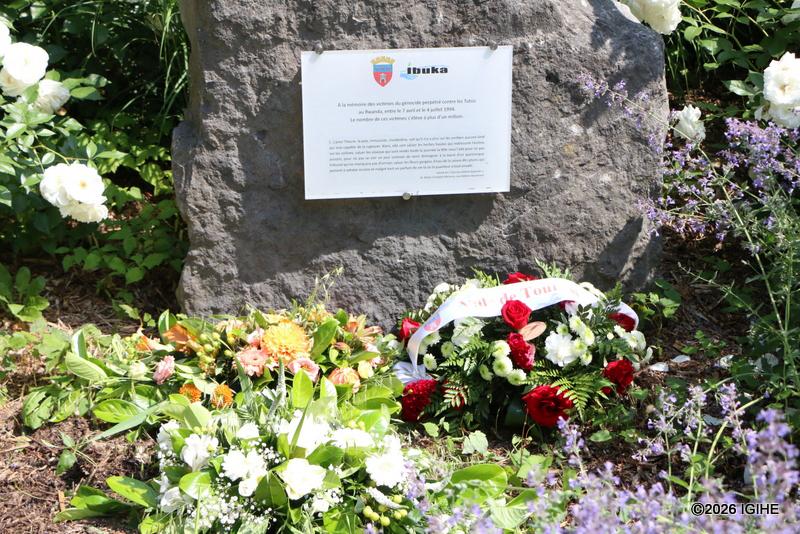
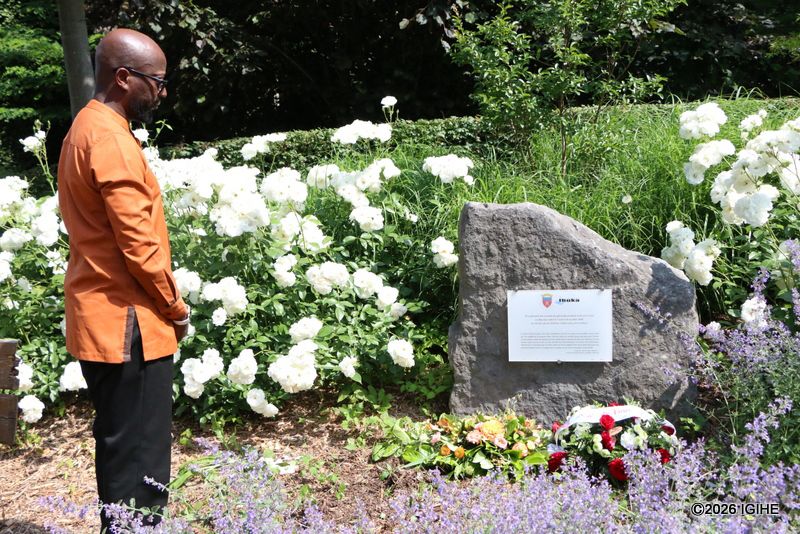
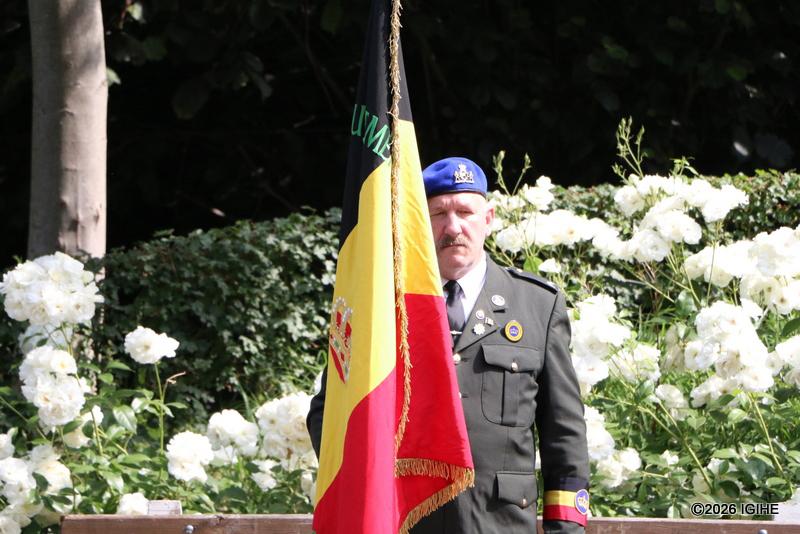
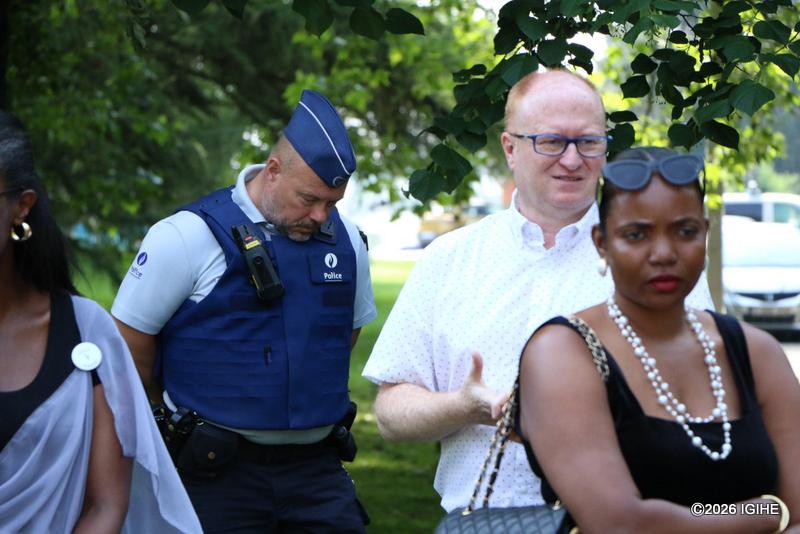
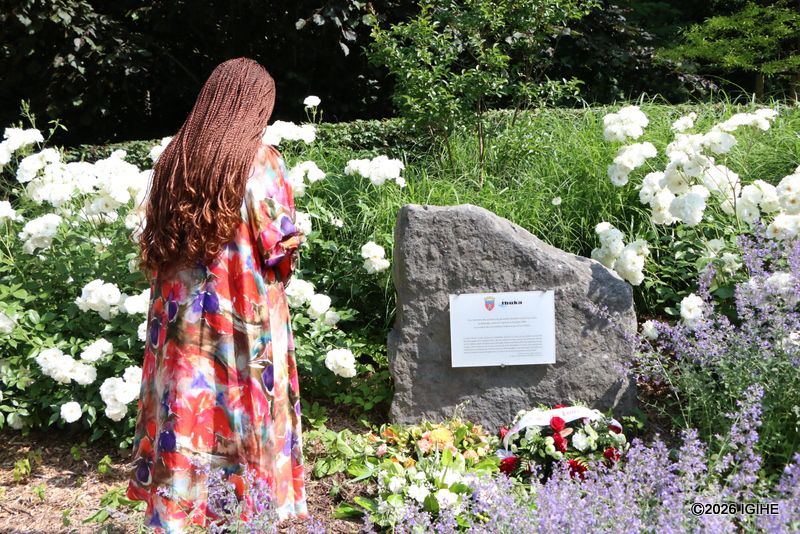
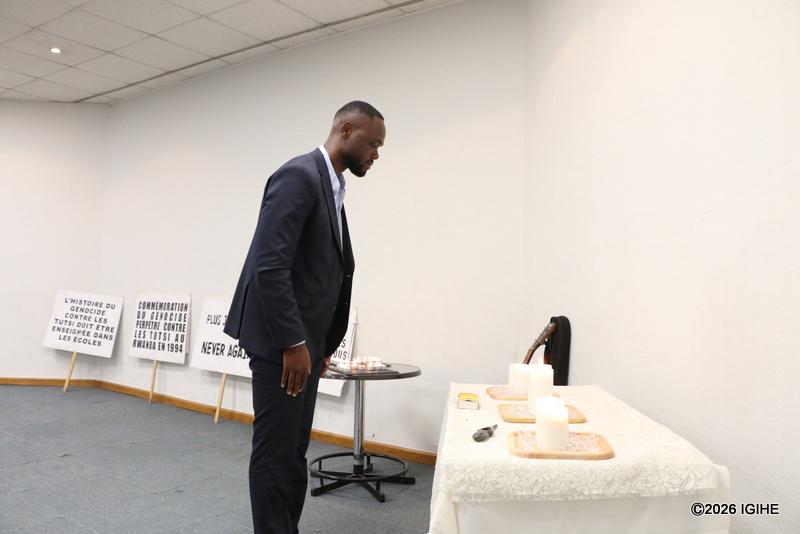
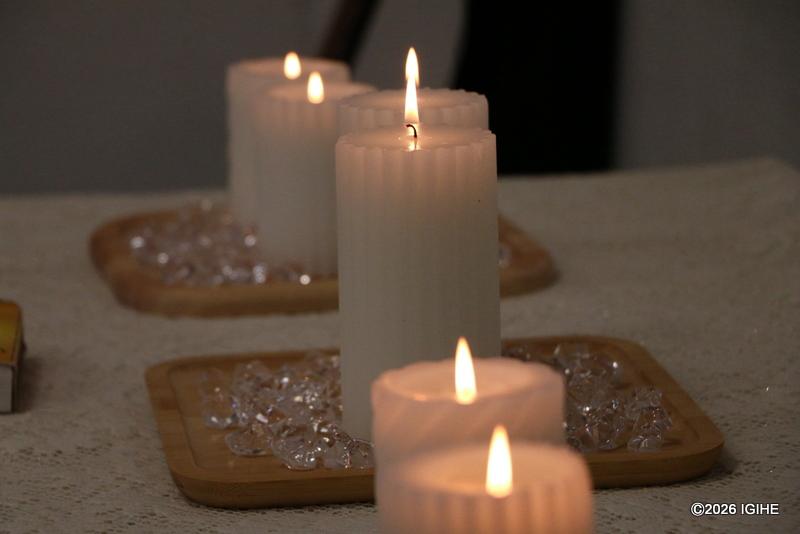
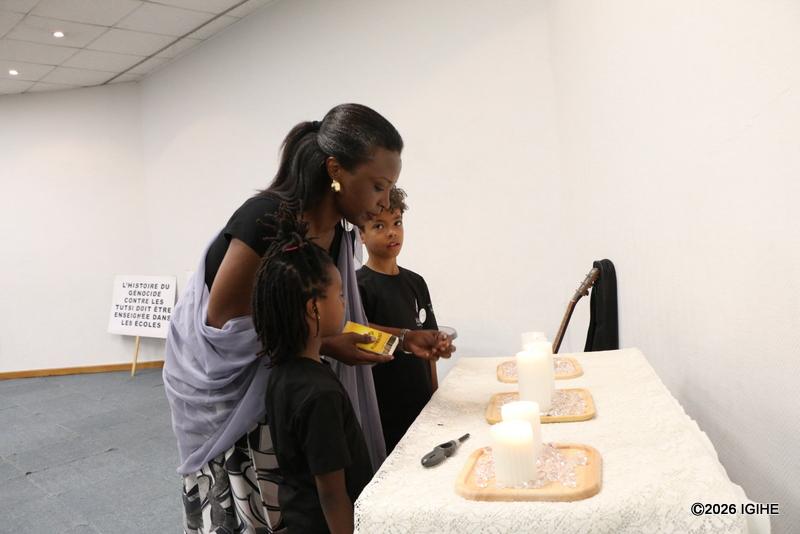
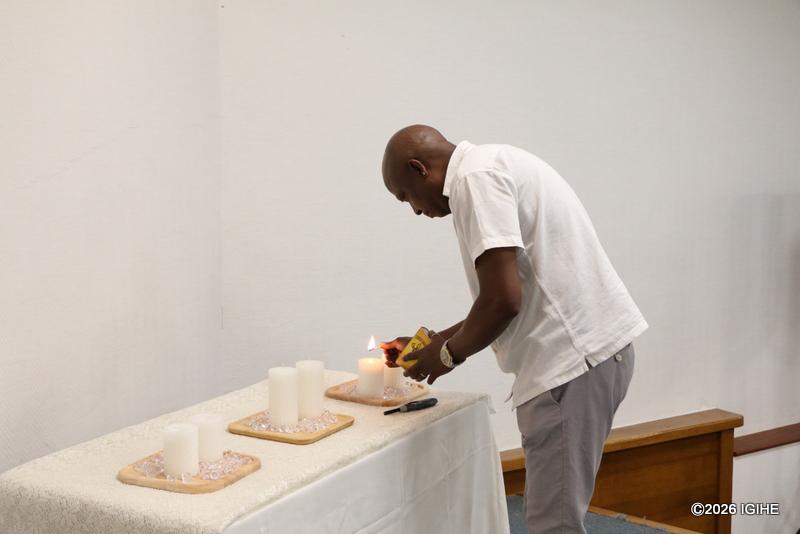
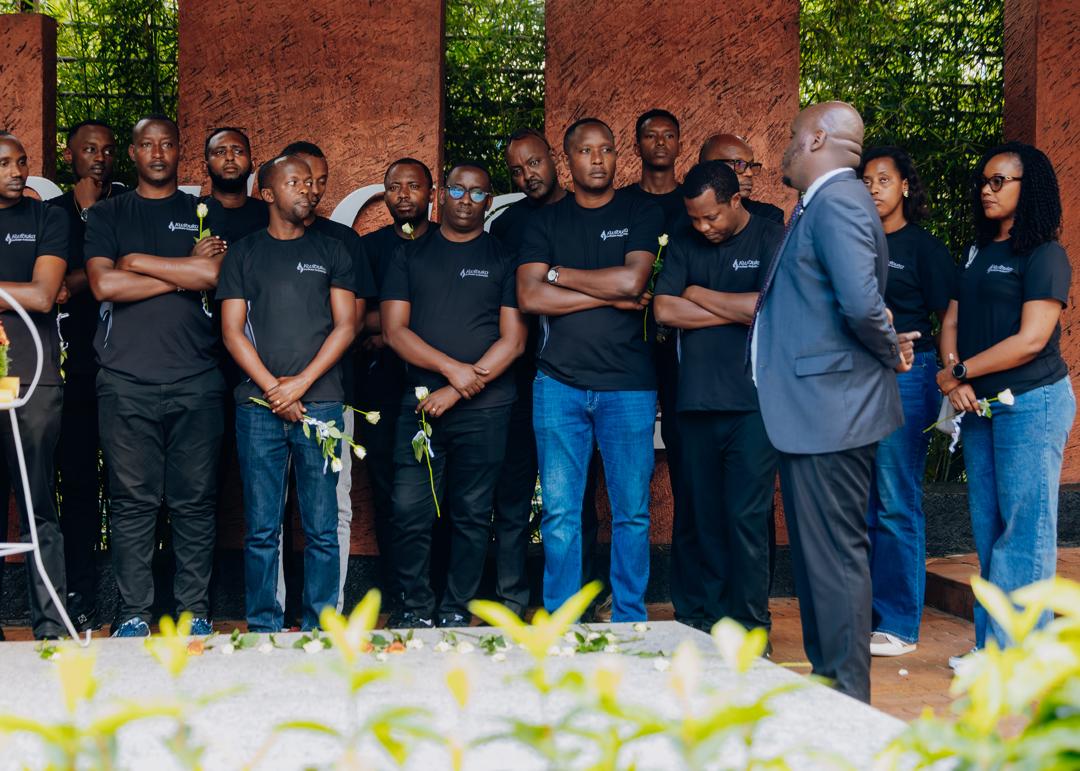
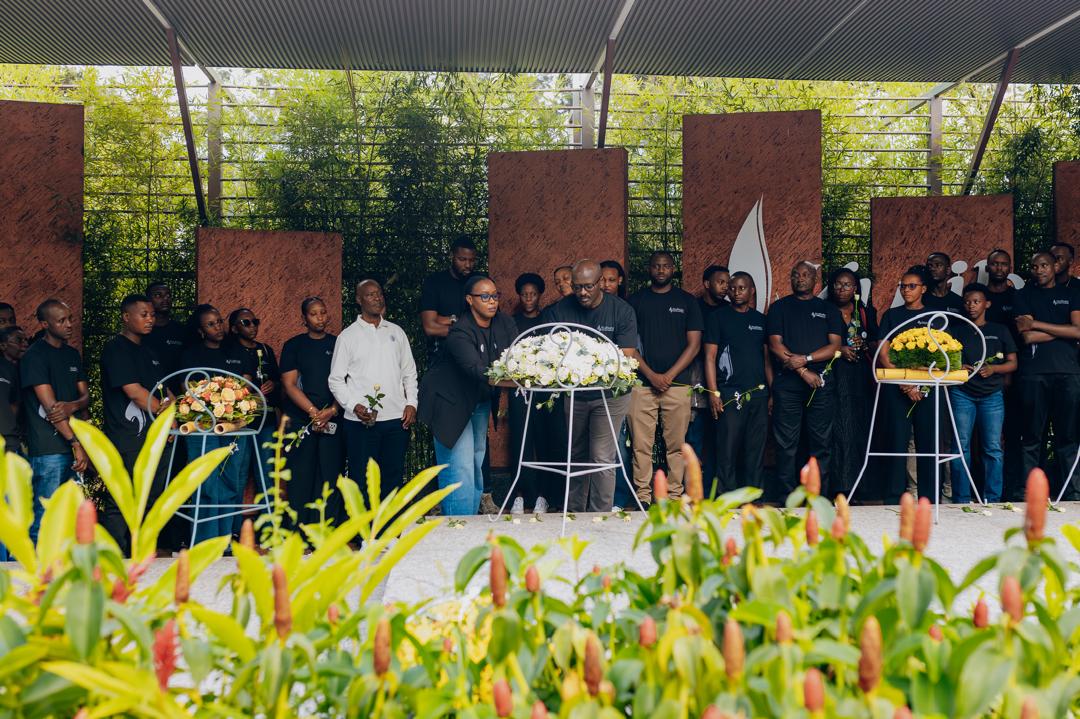
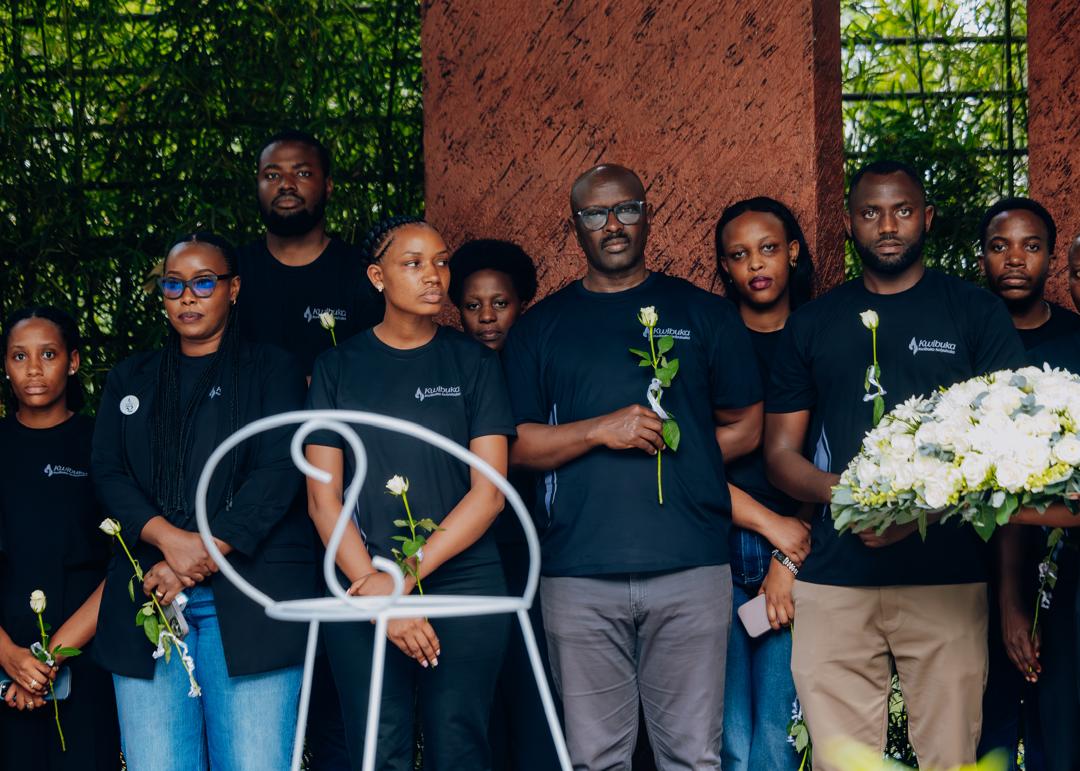
The first part of the commemoration took place near the memorial located close to the Saint-Jean Military School on Rue du Caporal Bruno Méaux in Tournai. The ceremony included wreath laying, speeches from various leaders, and tributes to the victims of the Genocide against the Tutsi.
The memorial also honors Belgian soldiers killed in Rwanda, some of whom were originally from Tournai.
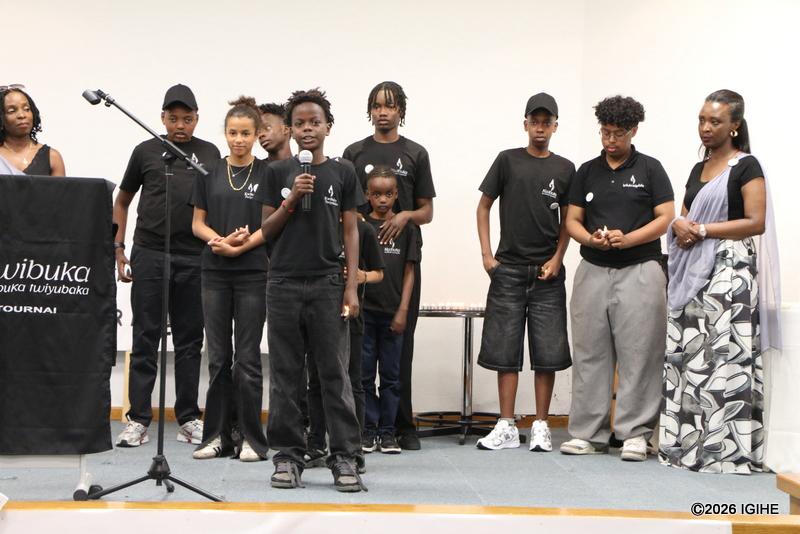
The second part of the day featured testimonies, discussions, and memorial songs aimed at strengthening messages of peace and unity.
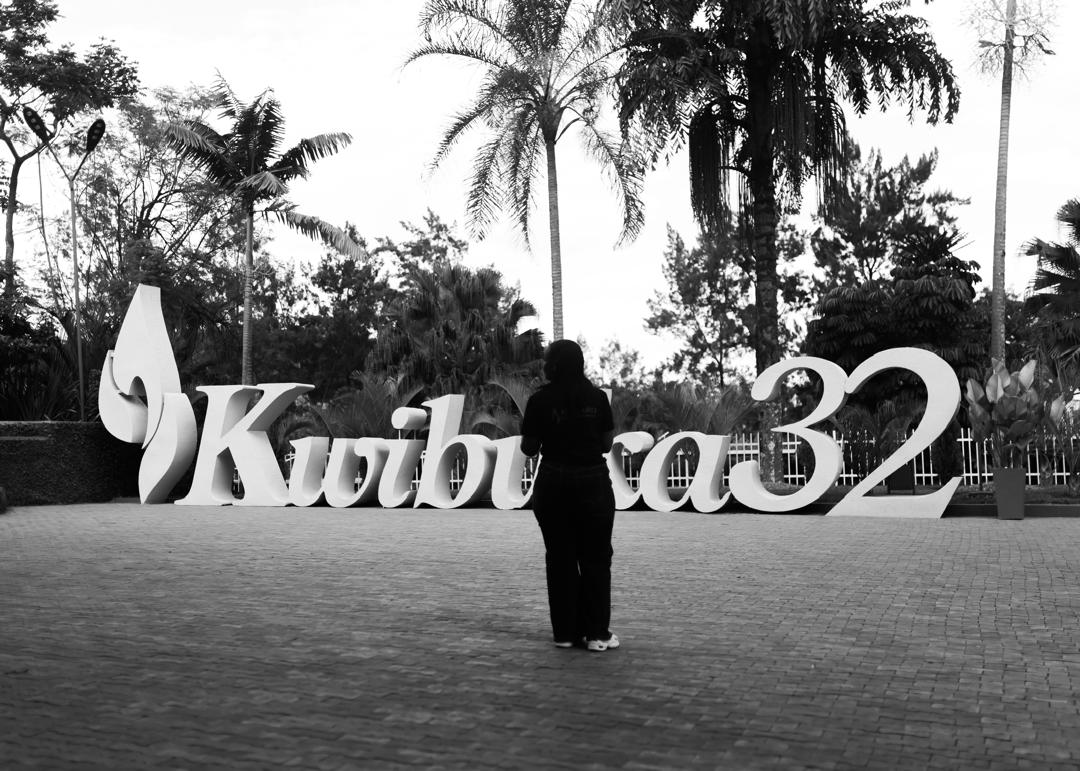
Since April 7, 2026, activities marking the 32nd commemoration of the Genocide against the Tutsi in Belgium have taken place successively in Brussels, Liège, Bruges, Namur, Louvain-la-Neuve, Mons, Charleroi, and Tournai.
The next event will take place in the city of Louvain on June 6, which will also mark the conclusion of the symbolic 100 days of commemoration in Belgium.
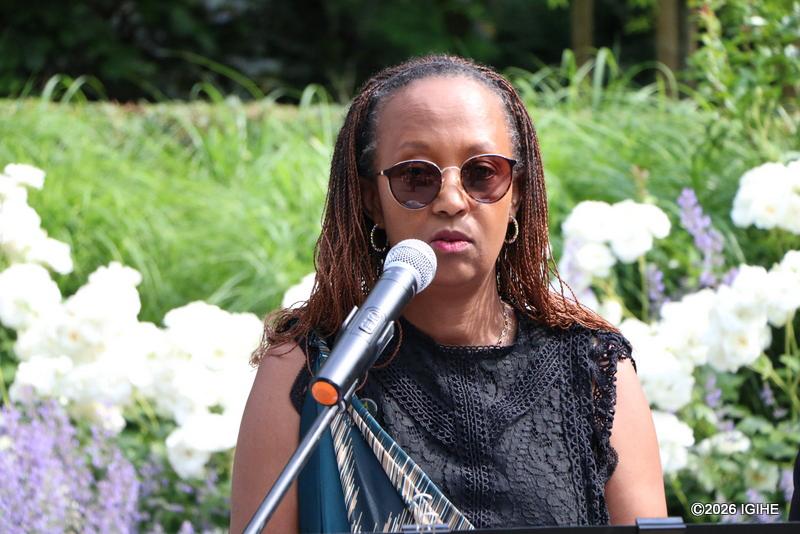
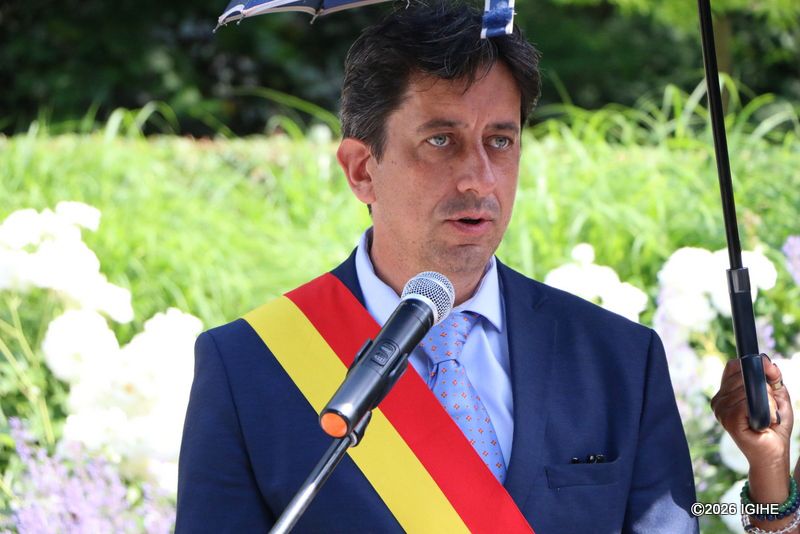
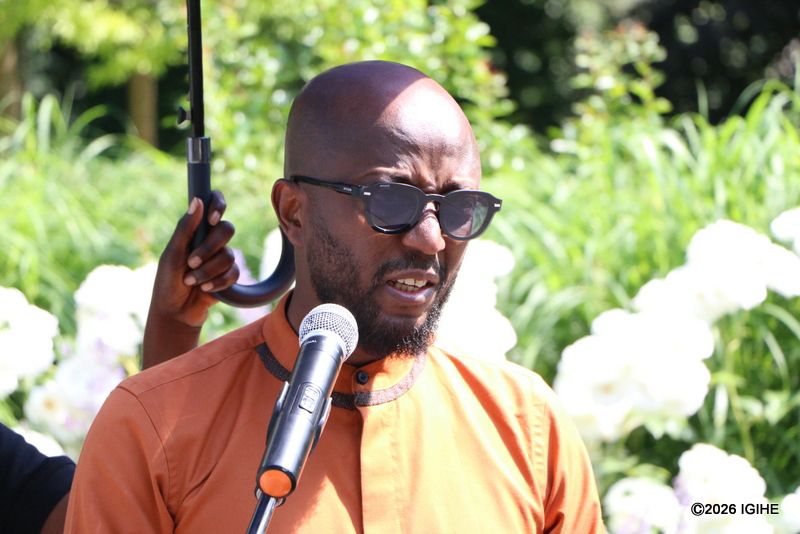
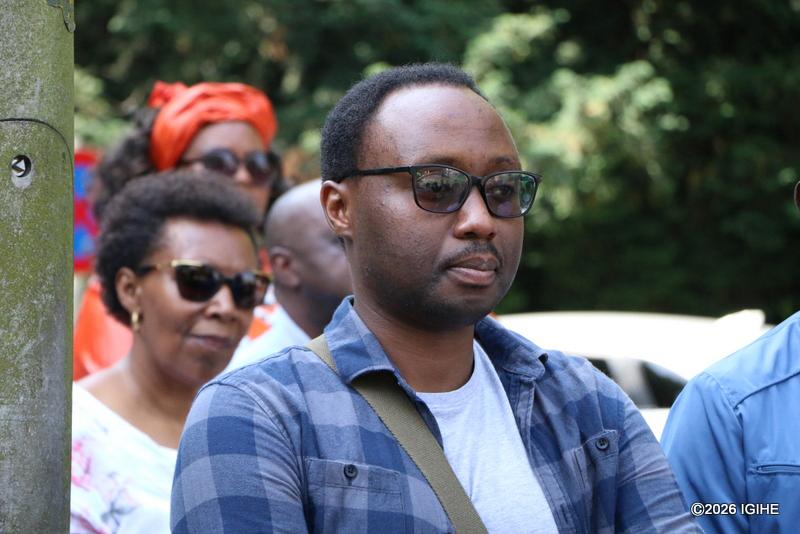
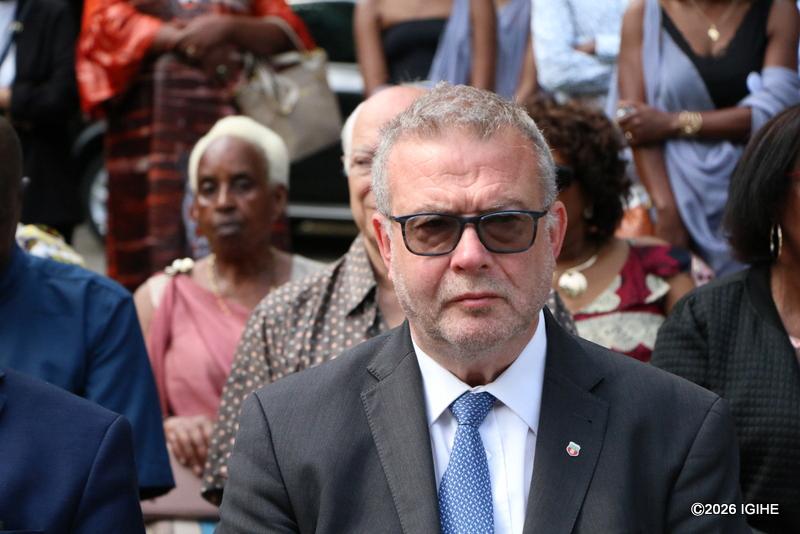
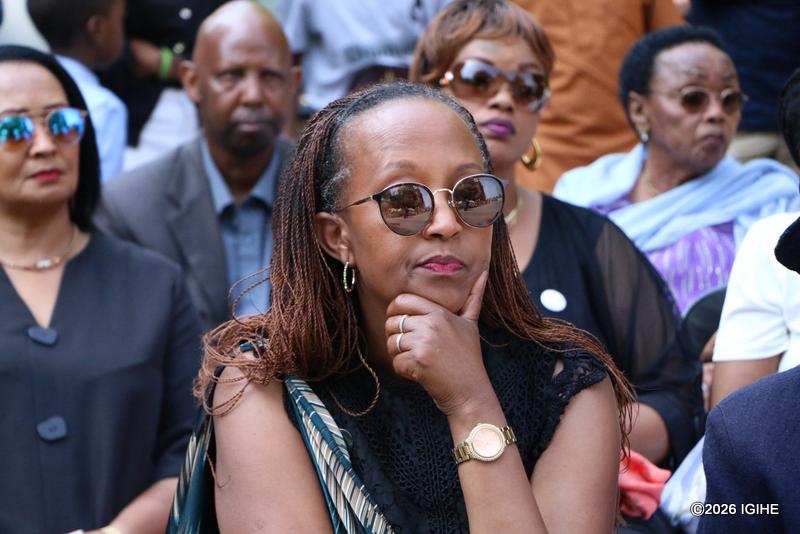
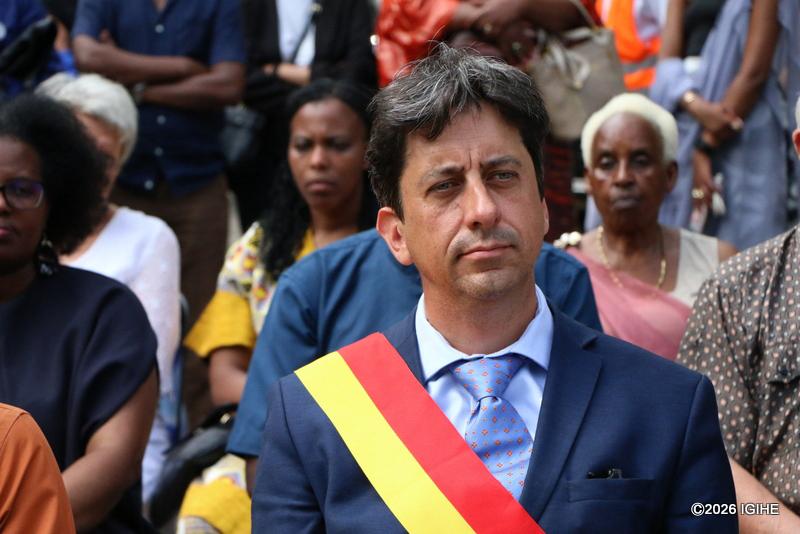
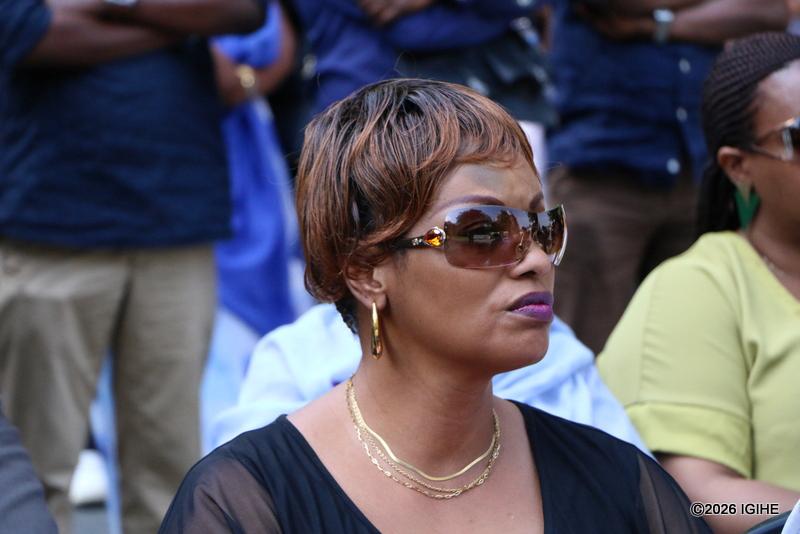
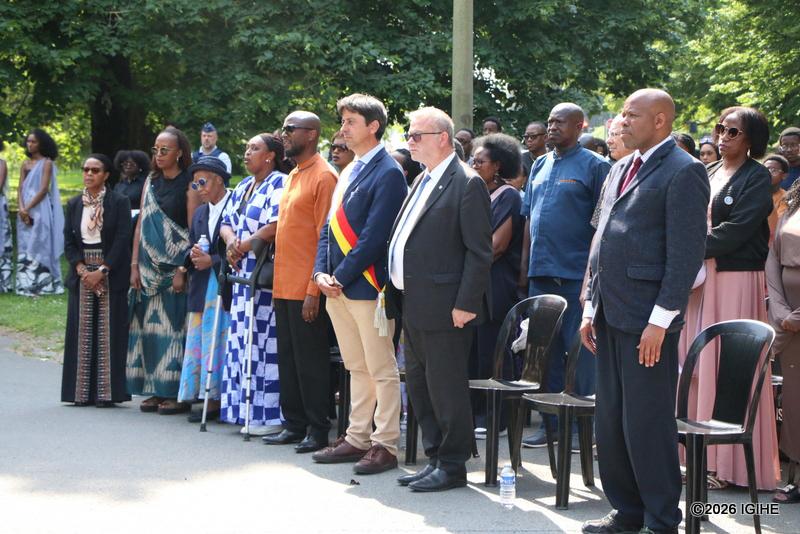
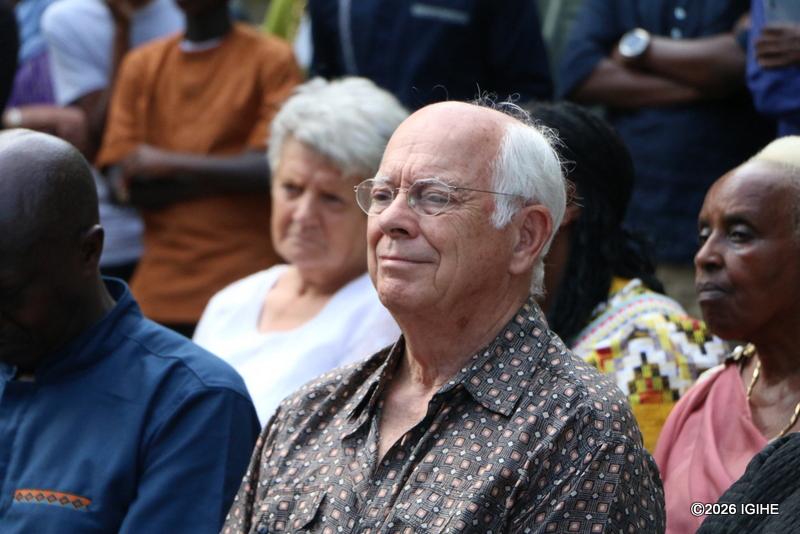
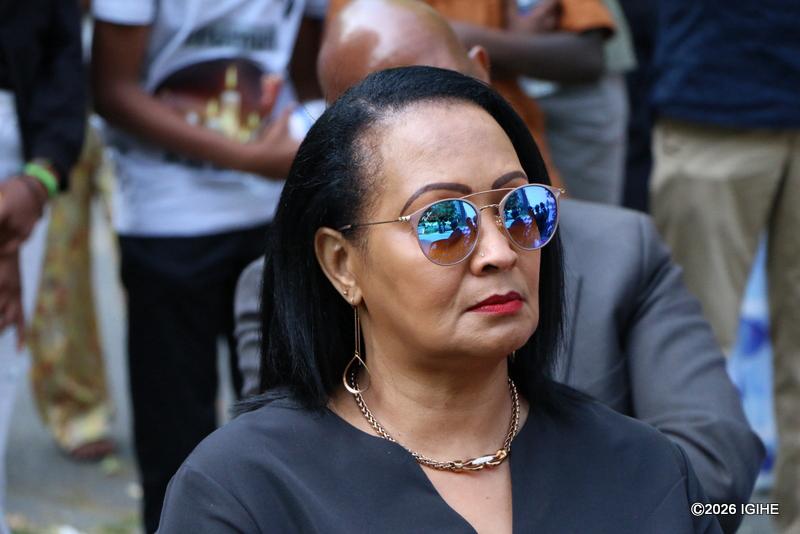
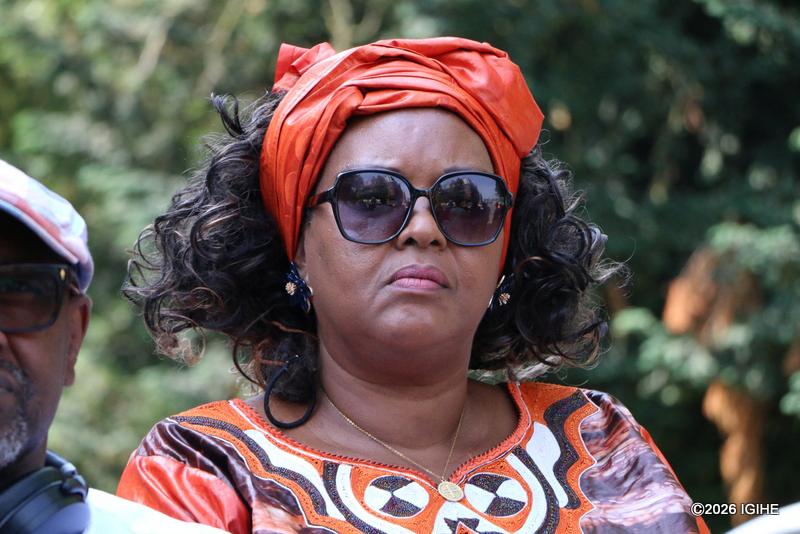
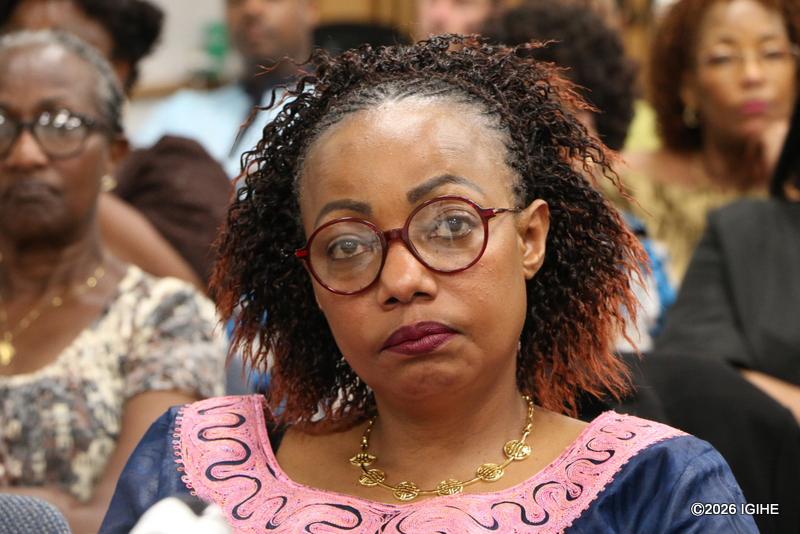
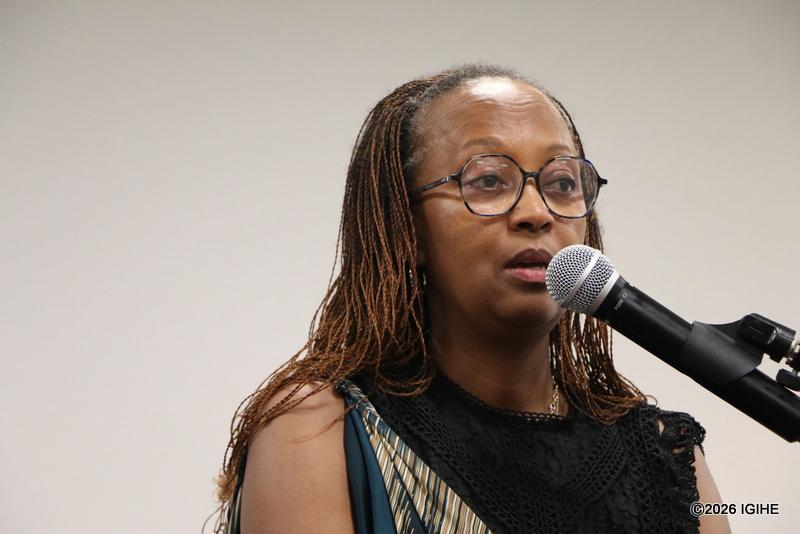
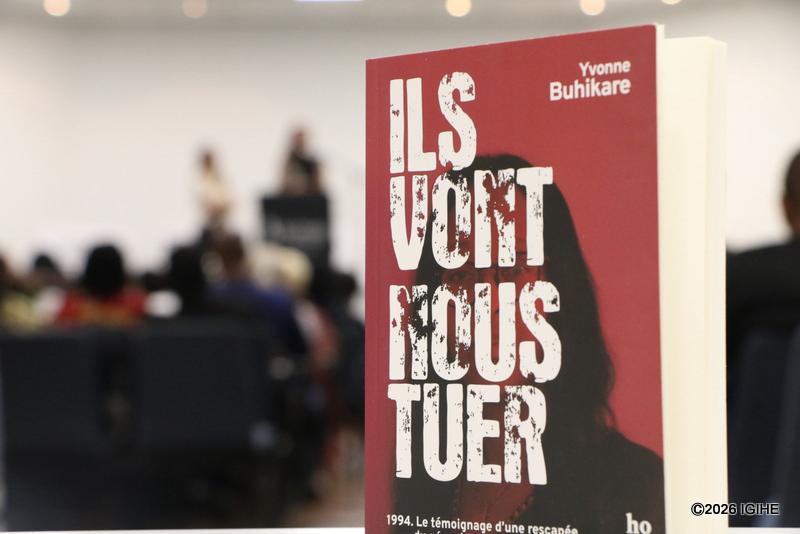
Yvonne Buhikare shared her testimony, which she also documented in a book titled “Ils vont nous tuer” Benjamin Brotcorn, an alderman of the city of Tournai, attended the 32nd commemoration of the victims of the 1994 Genocide against the Tutsi in Rwanda.Gakuba Ernest, President of the Rwandan Diaspora in BelgiumArnold Turagara, President of the Rwandan Diaspora in the cities of Mons and Tournai.
The promotion, Fly to the Home of Champions with SKOL Malt, invites football lovers aged 18 and above to predict the four teams they believe will reach the semi-finals of the upcoming global football tournament for a chance to win a fully paid trip to the home country of the tournament winner.
The campaign is built around the shared excitement of football, bringing together fans in bars, social spaces, and viewing experiences while rewarding them with prizes throughout the tournament period, SKOL indicated.
How the promotion works
To participate in the challenge, consumers are required to purchase a SKOL Malt, select the four teams they believe will qualify for the semi-finals, collect the bottle back labels corresponding to those teams, and upload a clear photo of the four labels on the campaign platform, www.skolfootball.rw.
Participants must also register their details and submit their predictions through the platform. Each entry must contain exactly four different teams, and the uploaded labels must match the selected teams.
Consumers can participate once per day, with multiple entries increasing their chances of qualifying for the grand prize draw if all four predicted teams reach the semi-finals.
According to the campaign organisers, the winner of the grand prize will receive a fully paid trip to the country of the tournament winner. If more than one participant correctly predicts the four semi-finalists, the final winner will be selected through a random draw by a bailiff.
Eligibility and prize conditions
Participation in the promotion is open strictly to individuals aged 18 and above, and all participants must agree to the campaign terms and conditions. Eligibility to travel and possession of a valid passport will also be required for the grand prize winner.
The organisers further pointed out that all entries must contain accurate participant information, as incomplete or incorrect details may lead to disqualification.
The campaign platform can be accessed via smartphone at www.skolfootball.rw, although consumers without smartphones can still participate with assistance from hostesses at participating bars and receive confirmations through SMS.
SKOLFootballVillageto host live screenings, fan activities
As part of the campaign, SKOL Malt will also host the SKOL Football Village at Camp Kigali from June 11 to July 19, where football fans will be able to watch all tournament matches through live screenings.
The Football Village will also feature several fan engagement activities, including sitting football, kicker games, PS5 gaming, and other entertainment experiences designed to bring supporters together throughout the tournament.
With football excitement continuing to build globally, the campaign seeks to combine fan engagement, entertainment, live match experiences, and rewards through a shared celebration of the game.
Globally, an estimated 60% of people who died between 2023 and 2026 were cremated. Japan and South Korea lead the practice, with more than 90% of deaths resulting in cremation, while Sweden, Denmark and Slovenia report rates of around 87%.
The method is gaining popularity largely because it requires far less land than traditional burials.
A grave occupies significantly more space than an urn containing cremated remains, allowing cremation to reduce cemetery land use by up to 95%.
In countries such as Rwanda, where burial grounds may remain unused for up to 20 years and the population continues to grow, this presents a practical advantage.
Rwanda established a legal framework for cremation in 2015 through a ministerial order. Despite its benefits and growing global use, however, cremation remains an emotional subject for many people.
A new step for cremation in Rwanda
Rwanda may soon take another step by introducing electricity-powered cremation and establishing standard charges for the service. If all goes according to plan, the change could take effect in 2026.
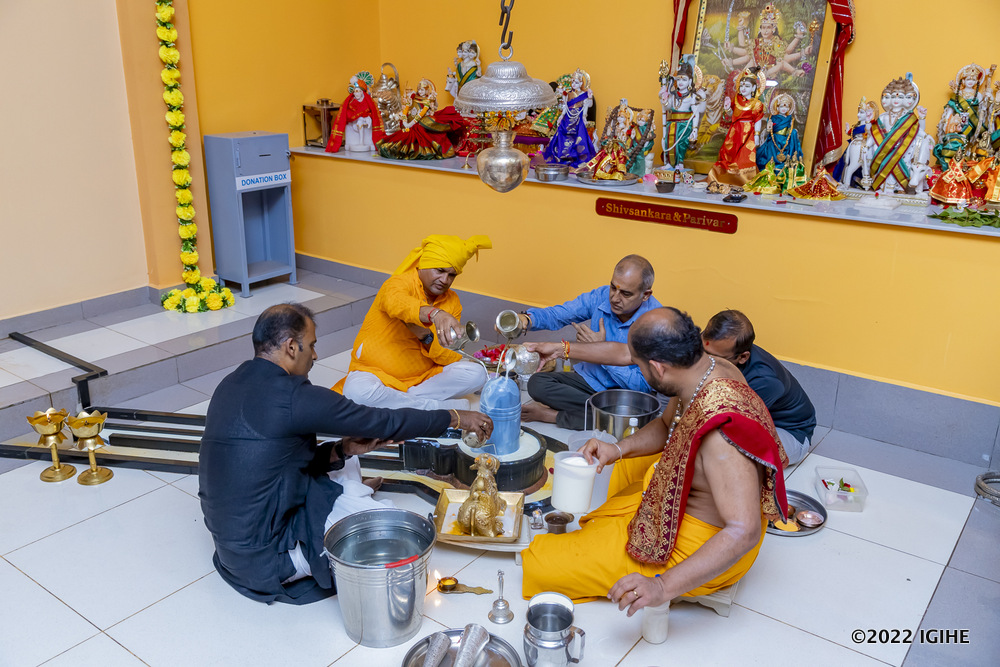
Since Rwanda legalized cremation, members of the Hindu community, under Hindu Mandal, have been the primary providers of the service, mainly cremating the bodies of their fellow worshippers living or working in Rwanda.
The Government of Rwanda later reached an agreement with the Hindu community allowing their cremation facility to continue offering the service to all Rwandans who may wish to use it, especially since cremation has not yet become common among the local population.
The Hindu community, which has a temple in Kigali, originally operated a cremation site in the city. However, as Kigali expanded, the government requested that the facility be relocated from the city center to an area away from growing residential and development zones.
In 2009, the community moved the cremation site to Murama Cell in Nyamata Sector, Bugesera District.
However, a major challenge emerged: electricity had not yet reached the area, a situation that remains unchanged today. As a result, cremations have continued to be carried out using firewood rather than modern equipment.
Since the relocation, more than 200 bodies have been cremated at the site, including those of seven Rwandans. Most of the Rwandans cremated were married to foreigners from countries where cremation is a common practice.
Since January 2026 alone, the facility has cremated the remains of 20 foreign nationals, including several people who died in the same accident.
Officials responsible for managing the Hindu cremation site say preparations to introduce modern electric cremation services are at an advanced stage. The transition will also allow authorities to establish standard pricing for the service.
Until now, the service has largely been provided as assistance to those seeking cremation rather than as a commercial operation.
One official involved in managing the facility told IGIHE: “The installations have already been completed; what remains is the machinery. That is when the actual prices will be determined. Let electricity arrive first, then we will go to China to bring the cremation machines because the order has already been placed.”
The official declined to provide a specific timeline for the launch of electric cremation services but emphasized that preparations on their side are nearly complete.
The main remaining requirement is the extension of electricity to the area.
Bodies in Rwanda are set to be cremated using electricity.
Electricity expected by the end of June
Valens Nzamurambaho, the official in charge of electricity matters in Bugesera District, told IGIHE that if everything proceeds as planned, electricity should reach several areas of the district that currently lack power, including the location of the cremation site, by the end of June 2026.
He said: “The project to extend electricity there is not limited to that area alone but also covers other sectors across Bugesera District. The contract between the Energy Development Corporation Limited [EDCL] and TBA in Nyamata Sector is, according to the information I have, expected to end in June.”
Nzamurambaho explained that the contract was originally expected to conclude only after electricity had already been supplied to the targeted areas.
He added: “The contract was supposed to be completed by the end of June, which also meant that electricity should already have reached those areas. Although there are still some challenges, not only in that location but also in other places as well, I do not foresee any problem for that area. Electricity could be available there by the end of June. If nothing changes, it should be by June 30.”
Members of the Hindu community have a temple in Kigali where they conduct their religious ceremonies.
A practice with ancient roots
Historians note that the exact origins of cremation are not known. However, some records suggest that it was practiced in China as early as 8,000 years before Christ, while it became more widespread around the world by approximately 3,000 BC.
It is believed that cremation first spread through Europe before moving eastward into Asia and eventually reaching other regions.
Before cremation takes place, farewell ceremonies may be conducted depending on the beliefs of the deceased or their family.
The body is also inspected to ensure that it does not contain metal objects such as necklaces, rings or other items that could explode or be damaged during the cremation process. Such items are removed beforehand.
Under Rwanda’s ministerial regulations, a request for cremation may be made by the deceased before death or by a person authorized by them.
The request can be made either in writing or verbally in the presence of at least two adult witnesses.
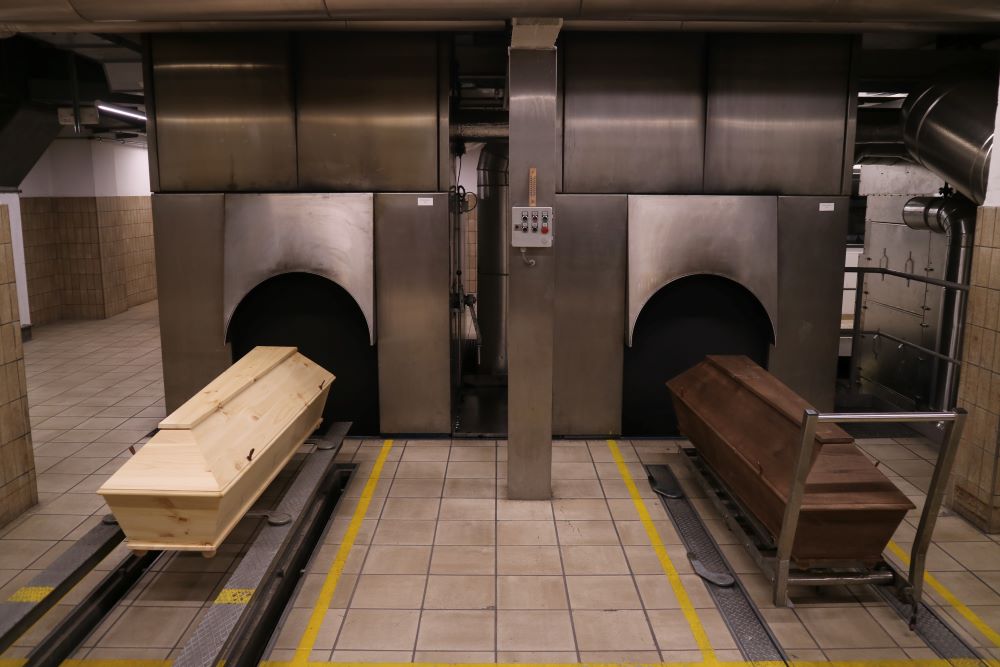
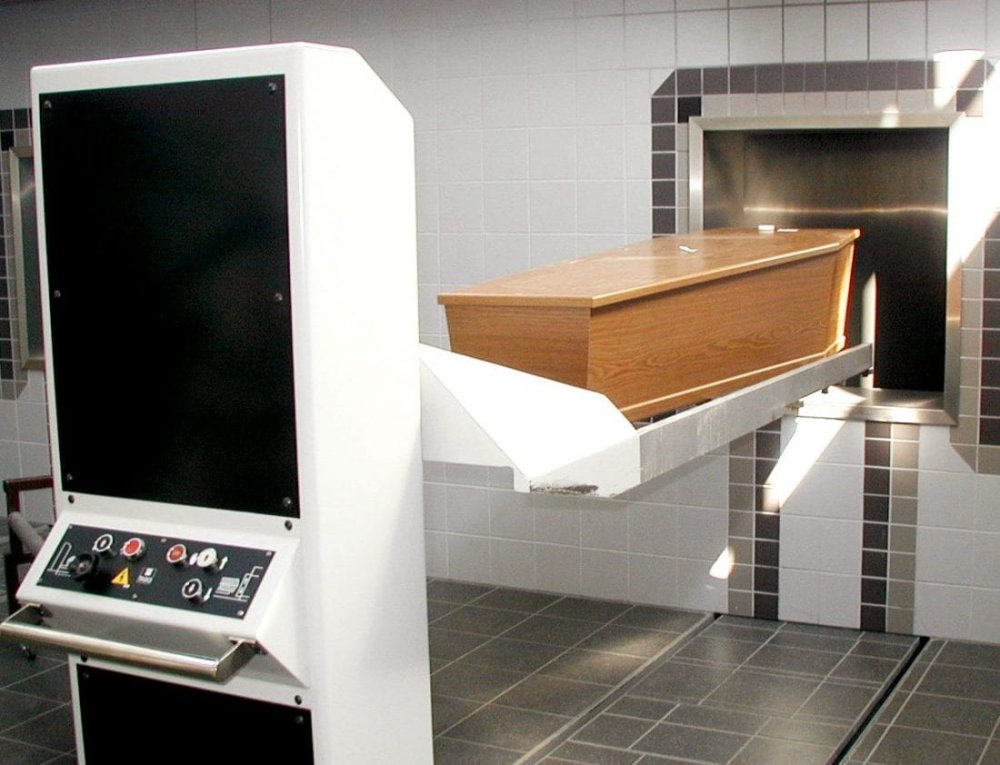
The regulations further state that cremation must be carried out in a specially designed furnace powered by electricity and equipped with a continuous heat source. A backup generator must also be available to ensure operations continue during power outages.
The mayor of the district where a body is to be buried may authorize cremation if no individual comes forward to claim it.
After all required checks are completed, the body is placed in a cremation chamber or furnace. Regulations prohibit placing more than one body in the chamber at the same time.
The chamber operates at temperatures ranging between 600°C and 1,000°C, where the cremation process begins.
The entire process takes about three hours. What remains afterward is often referred to as ashes, although the remains are actually bone fragments. These fragments are passed through another machine that grinds them into a fine powder.
The cremated remains of a man typically weigh about 2.7 kilograms, while those of a woman average around 1.8 kilograms.
Rwanda’s ministerial regulations state that cremated remains are considered the property of the deceased’s family or, in some cases, the state.
Family members may agree to keep the ashes in a single urn or divide them among themselves as they wish.
The ashes may then be buried in a public cemetery, a private cemetery, at a family home, or in another location designated by the family. In cases where the deceased has no family, the state determines where the ashes will be placed.
The infrastructure used for cremation in Rwanda is located in Bugesera.
Concluding on Sunday, the four-day expo brought together more than 700 exhibitors, showcasing cutting-edge technologies, products and application scenarios in the field of artificial intelligence (AI).
Industry insiders at the venue said AI is accelerating its integration into education, public services, manufacturing and daily life, improving efficiency in traditional industries while creating new business models and growth opportunities.
At the booth of iFLYTEK Co., Ltd., a leading Chinese AI company specializing in intelligent speech and AI technologies, a smart blackboard named iFLYTEK AI Board drew widespread attention.
Combining a traditional chalkboard with an electronic display, the device digitizes handwritten equations the moment they are written, turning abstract mathematical concepts into vivid visual representations.
Similar AI-powered applications are already making their way into classrooms.
During a physical education class at Tianjin Second Xinhua High School, students squat, jump and land in response to instructions from an electronic announcer. Their jump distances are instantly broadcast by a voice system and uploaded in real time to the teacher’s device, enabling immediate analysis of physical performance and fitness indicators.
“AI is transforming education in unprecedented ways,” said Dong Bin, deputy general manager of the brand marketing center at iFLYTEK.
“It frees teachers from repetitive tasks so they can focus on educational research, while helping students spend less time on excessive drills and concentrate on meaningful self-improvement.”
According to the company, iFLYTEK has provided smart education products and solutions to more than 50,000 schools across China, benefiting over 130 million teachers and students.
In the expo’s embodied intelligence zone, robots of various types demonstrated their capabilities in real-life scenarios, including cooking, massage services, vehicle refueling and musical performances.
Among them was the Aimoga Smart Police Robot, a wheeled traffic-police robot that waved its arms with the precision of a seasoned officer while demonstrating its ability to direct traffic in real-world conditions.
The robot has already been deployed in several Chinese cities, including Hefei, Wuhu and Changzhou, serving as an intelligent assistant to traffic police officers.
“Equipped with lidar and 360-degree cameras, the robot is capable of autonomous navigation, environmental perception and human-machine interaction,” said Chen Gaoyuan, a staff member at AiMOGA Robotics Technology Co., Ltd.
“It can assist with traffic direction and road patrols, and help discourage traffic violations, while also taking on repetitive and labor-intensive tasks during major events and holiday traffic peaks,” Chen added.
Focusing on the development and commercial application of embodied intelligent robots, the company is accelerating the transition of robotics from technology demonstrations to real-world deployment.
Its humanoid robots, traffic-police robots and medical-service robots have been exported to more than 50 countries and regions, finding applications in automobile dealerships, exhibition halls, public-service venues, hospitals and traffic management.
Such popularity is also evident at the nearby booth of PaXini Technology. Specializing in multidimensional tactile-sensing technology and humanoid robot development, the company has already deployed its products on a large scale in precision manufacturing, automotive production lines and medical rehabilitation.
Its TORA-series humanoid robots can perform a wide range of tasks, including food preparation and delivery, coffee making, table cleaning, household tasks and other service functions, said Lin Tong, a senior executive at PaXini Technology (Tianjin) Co., Ltd.
Lin added that the company has established partnerships with several leading international firms, with its products and solutions serving markets across North America, Europe and Asia-Pacific.
“China’s embodied intelligence industry enjoys clear advantages in deployment speed, scenario diversity and supply-chain coordination,” Lin said.
“With the world’s richest manufacturing scenarios, comprehensive supply chains and extensive robot application environments, China provides a natural real-world training ground for embodied intelligence,” Lin added.
Behind these increasingly rich application scenarios lies sustained policy support.
China issued a new generation AI development plan as early as 2017, and unveiled guidelines on further implementing the “AI Plus” initiative last year. The country’s 15th Five-Year Plan (2026-2030) also calls for fully implementing the initiative to foster AI-driven development, fueling the burgeoning growth of its AI innovations.
According to the National Data Administration, China has become the world’s largest holder of AI patents, accounting for about 60 percent of the global total, while the scale of its core AI industry has exceeded 1.2 trillion yuan (about 176 billion U.S. dollars).
“AI is accelerating its deep integration with a wide range of industries, upgrading traditional sectors, and driving breakthroughs in productivity and efficiency,” said Chen Jiachang, vice minister of China’s Ministry of Science and Technology.
Chen expects technologies such as embodied intelligence, brain-inspired AI and brain-computer interfaces to create new growth areas and business models, heralding China’s leap toward an AI powerhouse.
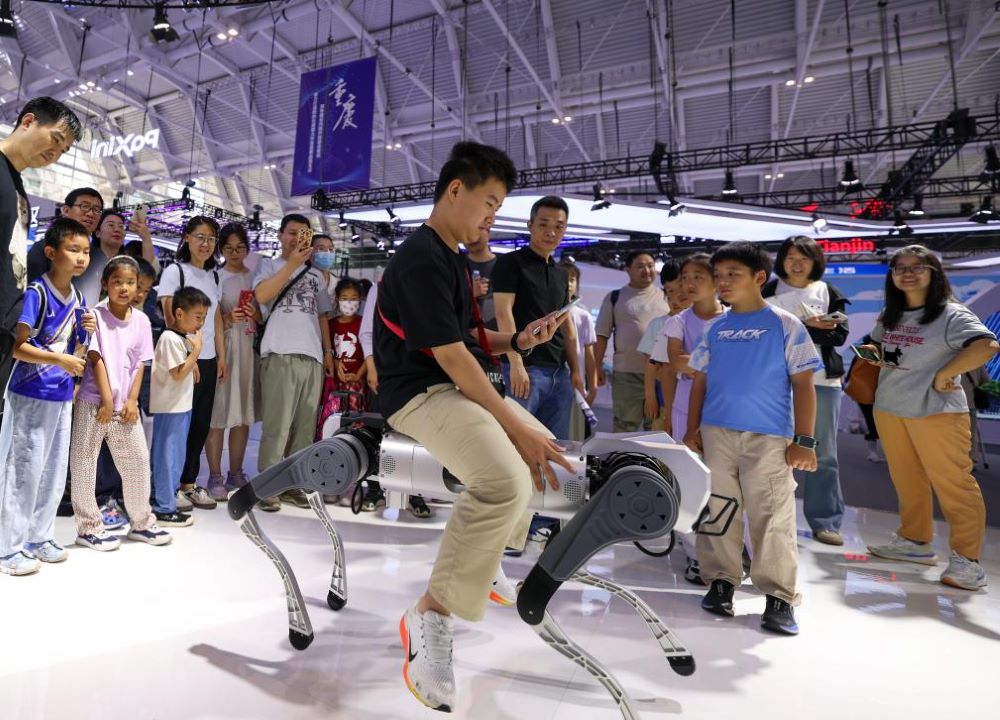
A visitor tries the load-bearing capability of a quadruped robot at the World Intelligence Expo 2026 in Tianjin, north China, May 30, 2026. (Xinhua/Sun Fanyue)
Macron said on social media that he has spoken with Saudi Arabia’s Crown Prince and Prime Minister Mohammed bin Salman bin Abdulaziz Al Saud, Oman’s Sultan Haitham bin Tariq, United Arab Emirates President Sheikh Mohamed bin Zayed Al Nahyan and Egyptian President Abdel-Fattah al-Sisi.
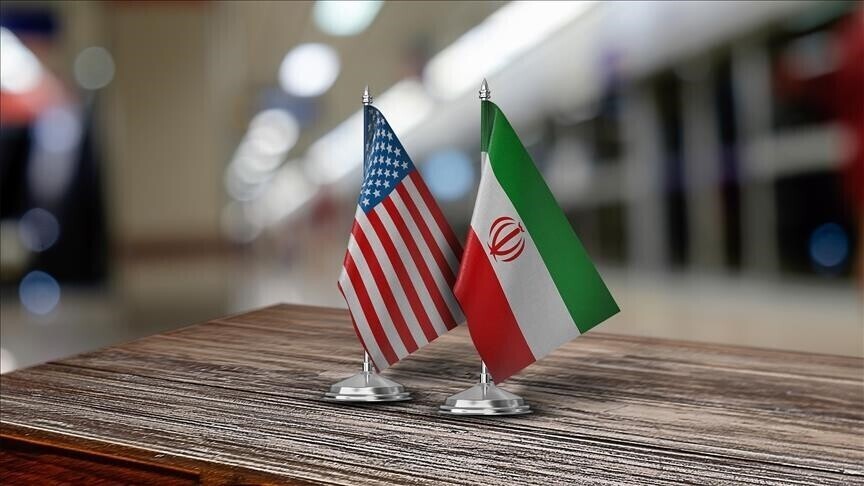
He said he delivers the same message to all these leaders, stressing that it is essential for the United States and Iran to reach an agreement quickly.
According to Macron, the priority is to secure a ceasefire and reopen the Strait of Hormuz without any conditions and in accordance with international law. Discussions should then continue with a view to reaching a comprehensive and robust agreement on other issues, particularly Iran’s nuclear and ballistic missile programs and regional stability.
Macron said France stands ready to play its part, including through a multinational initiative jointly led with Britain to help safeguard maritime traffic through the Strait of Hormuz.
Macron said regional stability must begin with Lebanon and called on all parties to cease hostilities. He added that France will continue supporting Lebanon’s efforts to restore state sovereignty and territorial integrity.
According to Lebanon’s Public Health Emergency Operations Center, an Israeli airstrike on Sunday struck an area adjacent to Hiram Hospital in the southern city of Tyre, injuring 13 hospital staff members and causing extensive damage to the facility.
Macron said regional stability must begin with Lebanon and called on all parties to cease hostilities. He added that France will continue supporting Lebanon’s efforts to restore state sovereignty and territorial integrity.
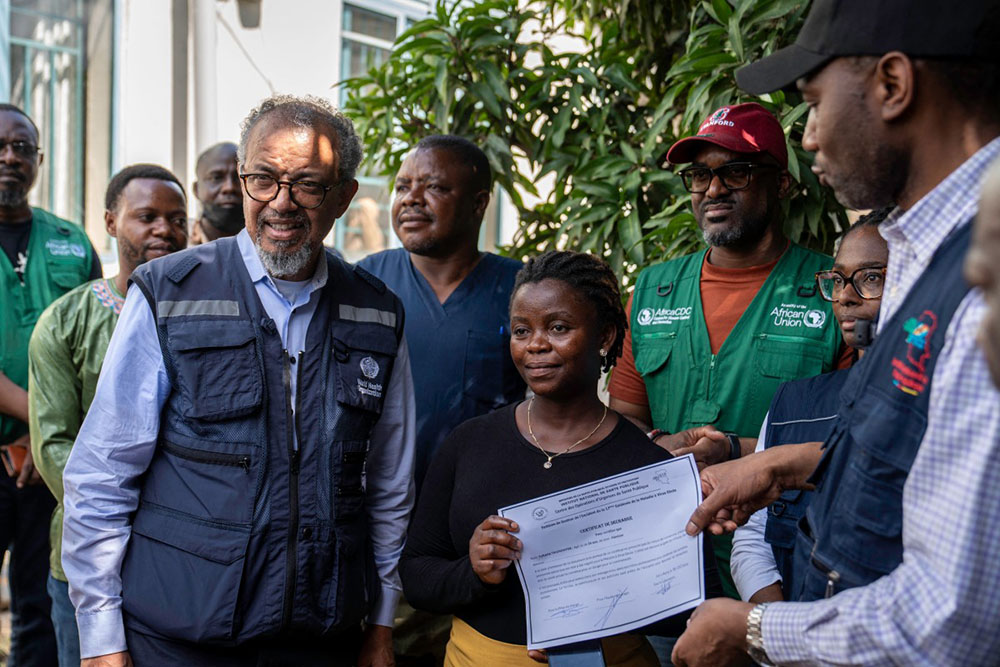
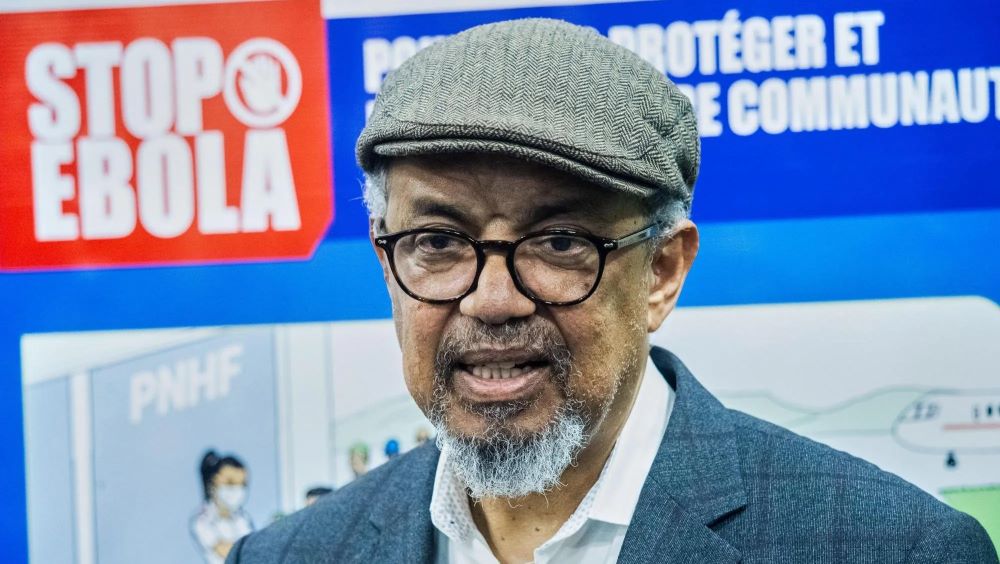
Speaking at a joint press conference with Congolese officials in Bunia, the capital of northeastern Ituri Province and the epicenter of the outbreak, Tedros said on Saturday that he came to the area to show that people in the provinces of Ituri, North Kivu and South Kivu, and across the DRC, “are not alone.”
“We are not here to tell people what to do. We are here to listen,” Tedros said, stressing that communities understand their own challenges and are often best placed to identify solutions. “Building trust takes time, and it starts with listening.”
The latest outbreak, declared on May 15, is the 17th in the DRC since the virus was first identified in 1976. In the past two weeks, over 1,000 suspected cases and more than 230 suspected deaths have been reported. Neighboring Uganda has also reported nine confirmed cases.
The WHO chief said community ownership, government leadership, and international support would be key to ending the outbreak, which has spread across three eastern provinces, Ituri, North Kivu and South Kivu, in a region already strained by insecurity, population movement, and humanitarian needs.
DRC Health Minister Roger Kamba said the best-case scenario would be to contain the outbreak within the three affected provinces and avoid wider spread. He said the vast majority of cases remain concentrated in Ituri, while North Kivu has far fewer cases and South Kivu has reported only one case.
Kamba said authorities hope to bring the epidemic under control within four to six months, based on the country’s experience with previous Ebola outbreaks and the disease’s incubation period.
He added that the DRC has previously controlled multiple epidemics, including Ebola and mpox, and expects the international community to trust the country’s response capacity.
Tedros also expressed confidence that the outbreak can be stopped, citing the DRC’s long experience in dealing with Ebola. He noted that the country has faced Ebola 16 times before and has ended every outbreak. “If we do our best, it can be stopped,” Tedros said. “The issue is in our hands.”
The current outbreak is caused by the Bundibugyo virus, a less common Ebola species for which no licensed vaccine or specific treatment currently exists.
Patients infected with Bundibugyo Ebola can survive if they receive timely and quality medical care, Tedros said, adding that some patients in Ituri have already recovered. He also said the WHO is working with partners to advance safe and effective vaccines and treatments through clinical trials.
On testing, Kamba said laboratory capacity had been strengthened after earlier delays. Around 900 samples had been tested, with about 260 positive cases identified, he said, noting that the response now has the capacity to process incoming samples and aims to conduct 200 to 300 tests per day.
Tedros and Kamba both stressed that basic public health measures remain crucial, including hand hygiene, accurate information, contact tracing, laboratory testing, patient care, and safe and dignified burials.
Tedros said he understood the pain of losing loved ones and the importance of honoring the dead, but warned that touching the bodies of those who died from Ebola could further spread the virus. “Protecting each other, even in grief, is one of the hardest and most important things we can do,” he said.
Since the outbreak began in the DRC, several countries have closed borders with the country to prevent the spread of the disease. Tedros urged countries that have imposed travel bans or border closures to reconsider their measures. “These measures make the response harder, and they discourage transparency and trust that saves lives,” he said.
Kamba echoed that message, saying the DRC wanted the international community to keep borders open and recognize that Congolese authorities know how to manage Ebola outbreaks.
The WHO chief also warned that mistrust, misinformation, and disinformation remain major challenges. He said public messaging must be coordinated among the government, the WHO and other partners, and must be based on science, evidence, and data.
“Solidarity is our best immunity,” Tedros said. He noted that the WHO would remain alongside the DRC for as long as needed, and that support should extend beyond the current outbreak.
Tedros has been in Bunia to show solidarity with Congolese people. Tedros Adhanom Ghebreyesus, Director-General of the World Health Organization (WHO), poses with a woman who has recovered from Ebola in Bunia, in the northeastern Democratic Republic of the Congo, on May 31, 2026 (Photo by AFP)
Reacting to Saturday U.S. media reports that the United States amended elements of the draft agreement and sent it back to Tehran, Tasnim quoted an informed source as saying that Iran will also make its own amendments to the draft deal, and “nothing is final yet.”
The source said Iran will only accept a draft it agrees to, and the amendments made by the United States do not imply Tehran’s approval.
U.S. media, citing officials, said U.S. President Donald Trump raised concerns over parts of the draft, including the release of Iran’s frozen assets, and wanted tougher terms in the MoU, especially on Iran’s nuclear material.
Iran and the United States are reportedly working to finalize an MoU on ending the war that started on Feb. 28 with joint attacks by the United States and Israel against Iran.
The two sides reached a temporary ceasefire on April 8. Over the past weeks, they have exchanged several proposed plans outlining conditions for ending the conflict through Pakistani mediation.
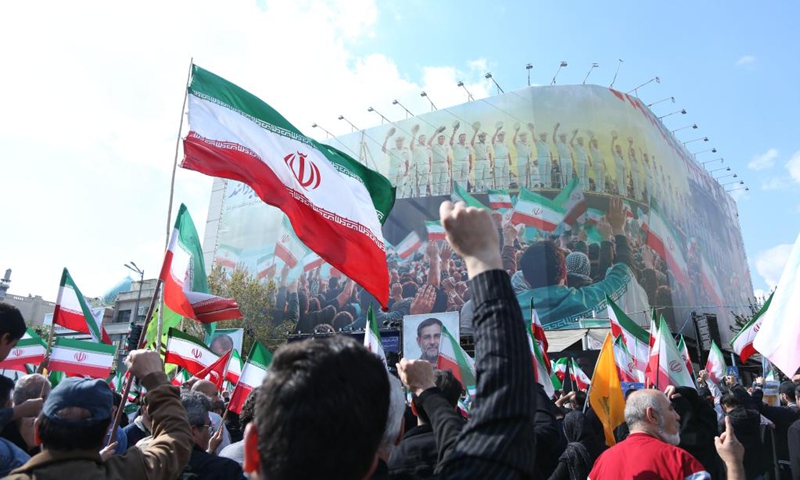
People attend a funeral ceremony for Alireza Tangsiri, chief commander of the Navy of the Islamic Revolution Guards Corps (IRGC), and other armed forces personnel killed in U.S. and Israeli strikes, in Tehran, Iran, on April 1, 2026. (Xinhua/Shadati)
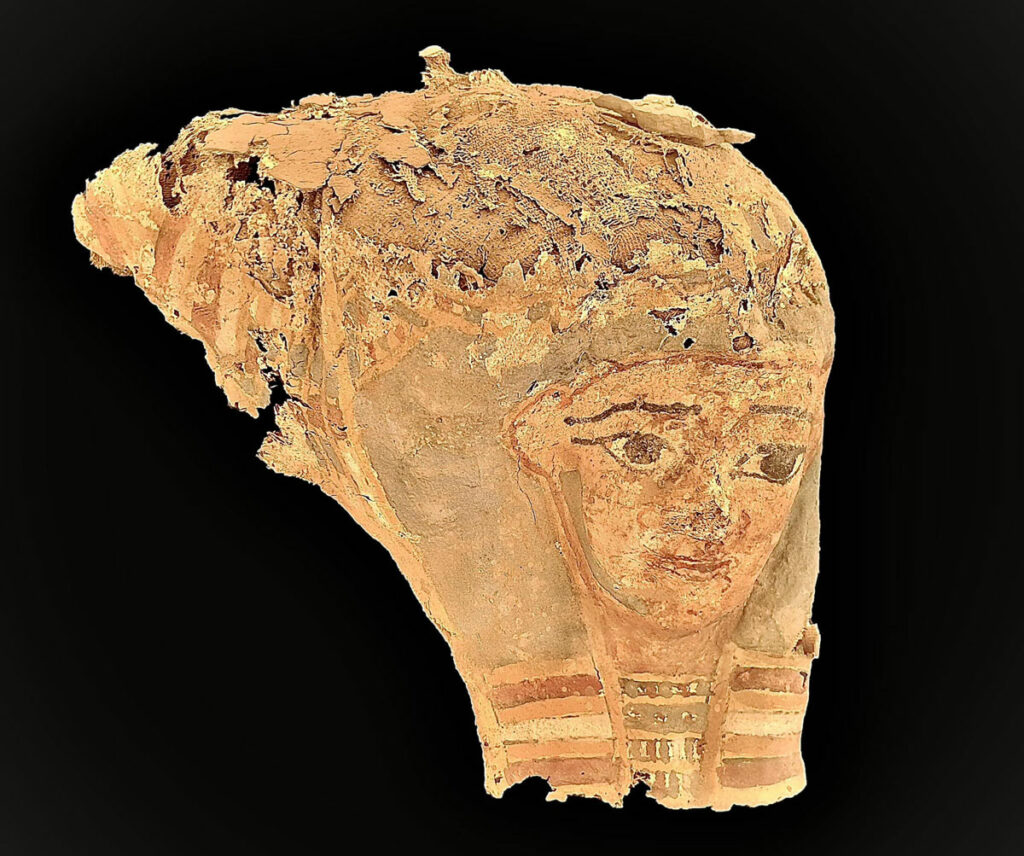
A statement by the Ministry of Tourism and Antiquities said the discovery, made by an Egyptian archaeological mission from the Supreme Council of Antiquities at the “Ihnasya al-Medina” site, shed new light on the religious and cultural prominence of the ancient city across various historical eras.
Among the key findings is a reused stone block featuring a prominent inscription of Pharaoh Senusret III’s coronation and birth names, alongside a cartouche of the deity “Osiris-Naref,” a major god worshiped in Ihnasya during ancient Egyptian and Ptolemaic times.
Hisham Elleithy, secretary-general of Egypt’s Supreme Council of Antiquities, said uncovering the cartouche of King Senusret III is a “significant find,” as the pharaoh was historically linked to several major monuments at the site.
The mission also excavated structural extensions of a Roman basilica, the remnants of an ancient Doric temple, fragments of wall statues, and Roman-era pottery molds used for minting coins. A rare marble statue head of Aphrodite, the Greek goddess of love and beauty, was also discovered, the statement said.
One of Egypt’s most vital archaeological sites, “Ihnasya al-Medina” flourished during the Greco-Roman eras, when it was known as Herakleopolis Magna.
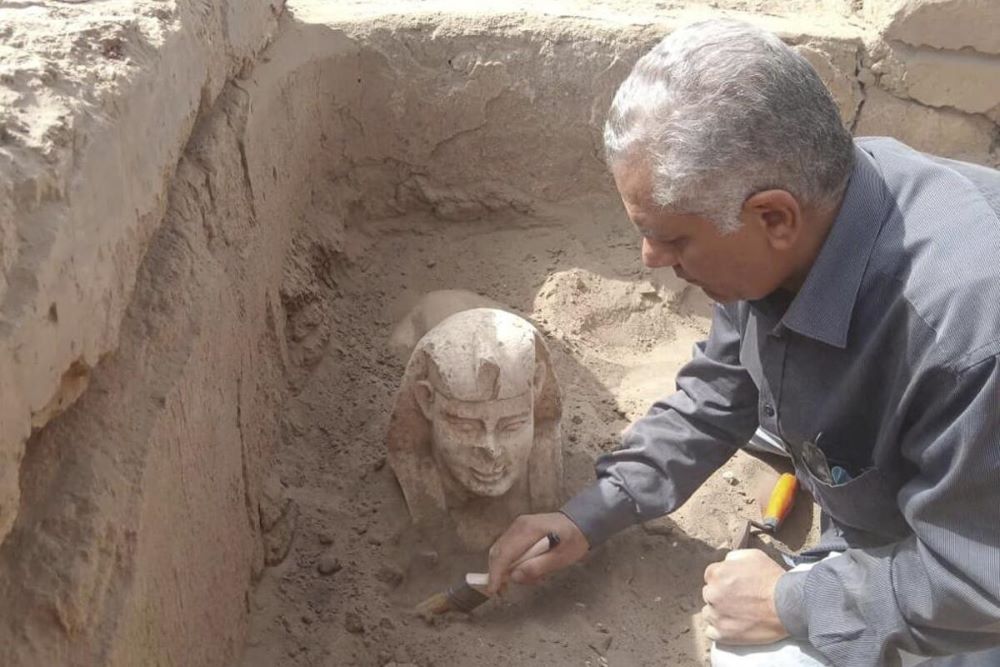
A sphinx statue believed to be made in the likeness of a Roman emperor is uncovered from an archaeological site in Qena, Egypt, in an undated photo distributed Monday. (Egyptian Ministry of Tourism and Antiquities via Associated Press)
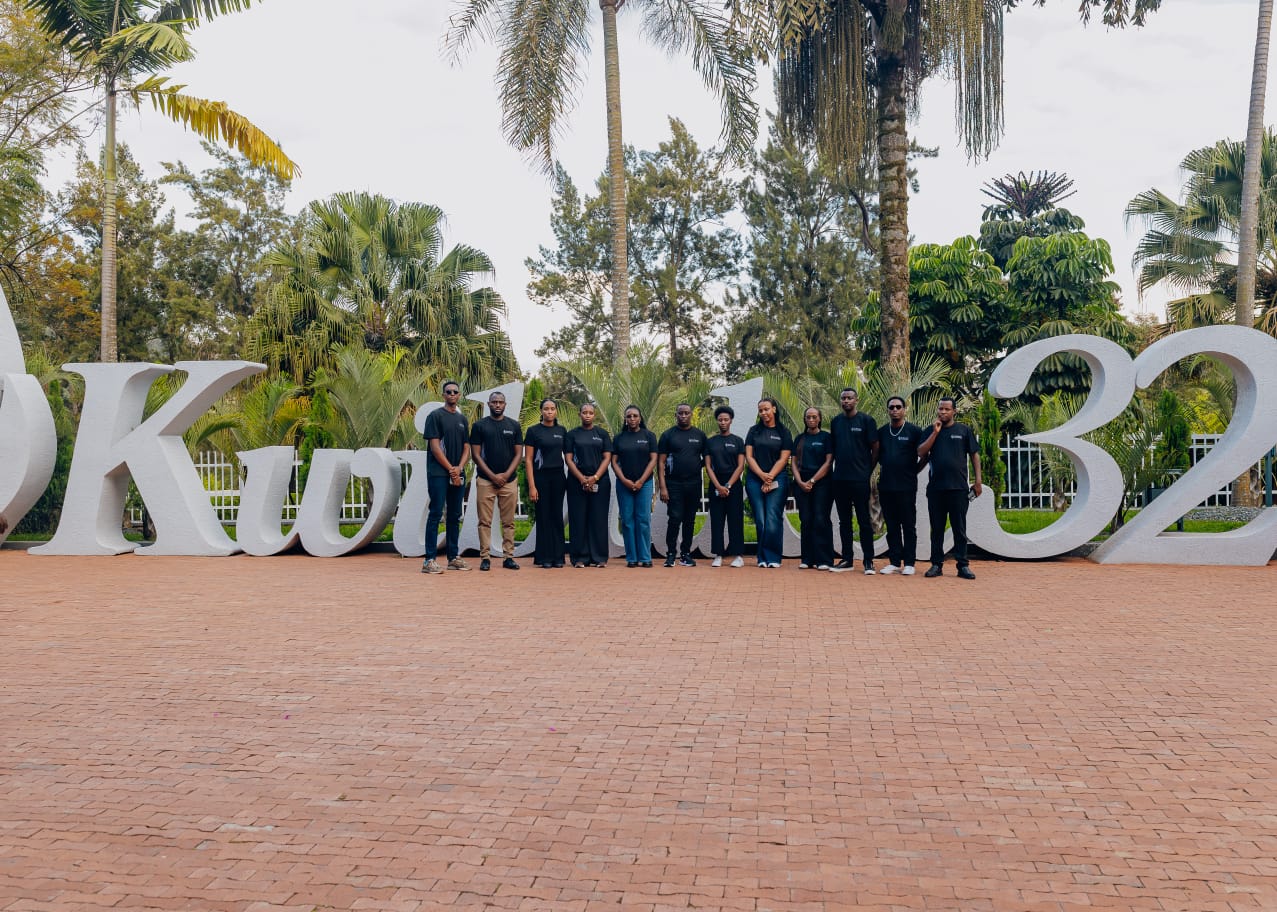
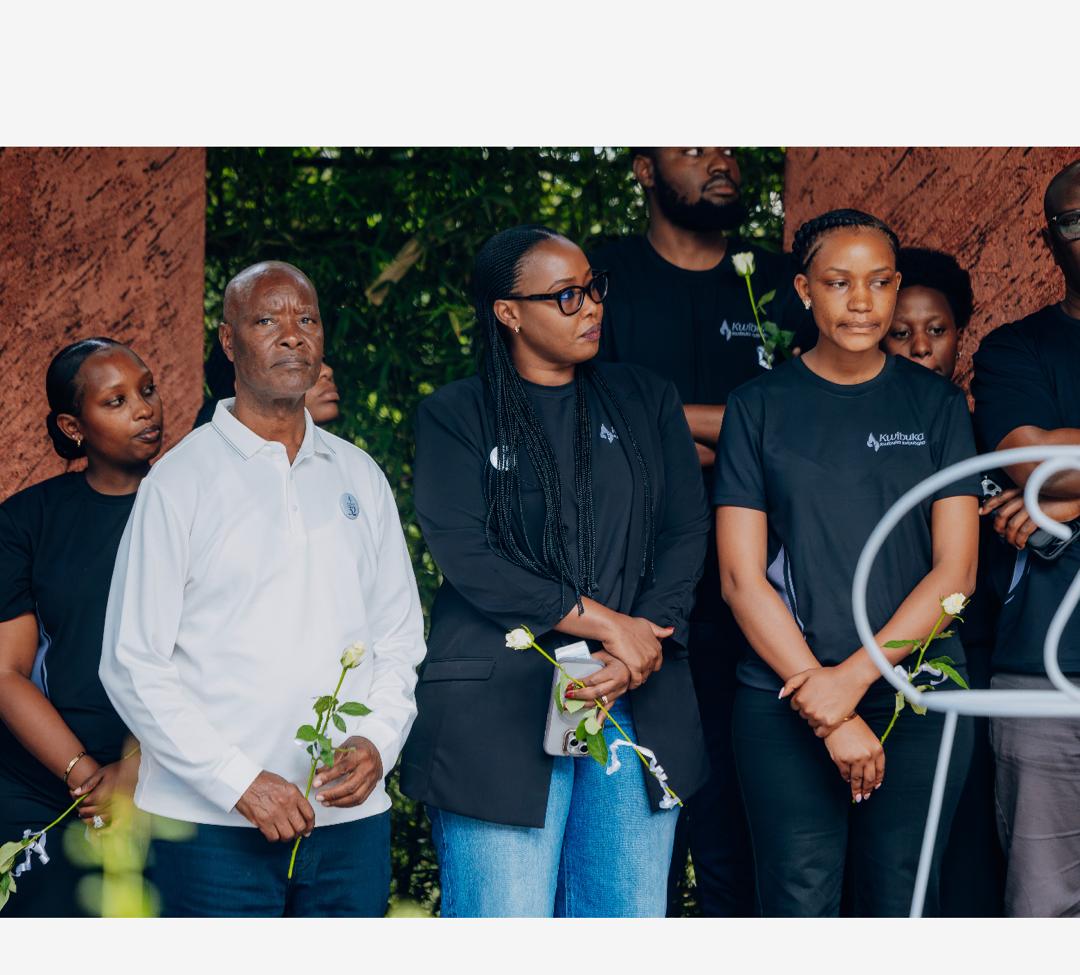
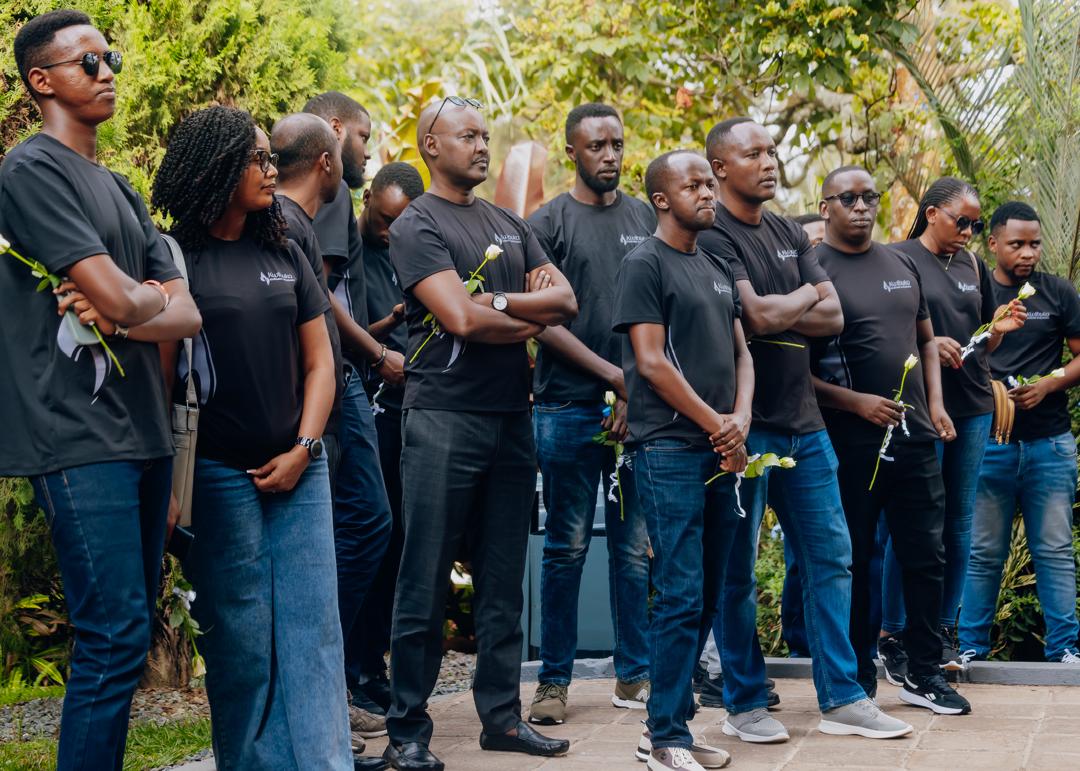
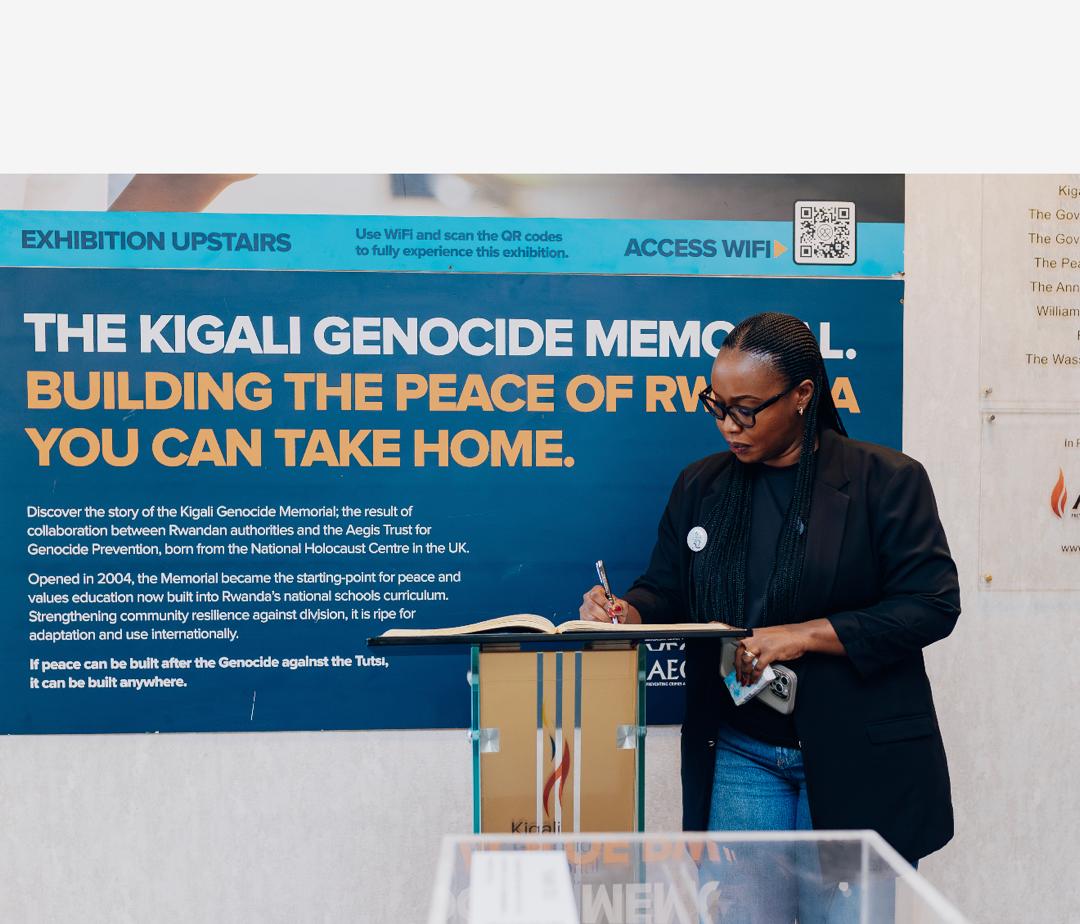
The two activities took place on May 29, 2026. The staff first toured the Kigali Genocide Memorial, where they were taken through the history of the 1994 Genocide against the Tutsi, including how it was planned and executed.
They were guided through different exhibition sections that document the events leading up to and during the genocide.
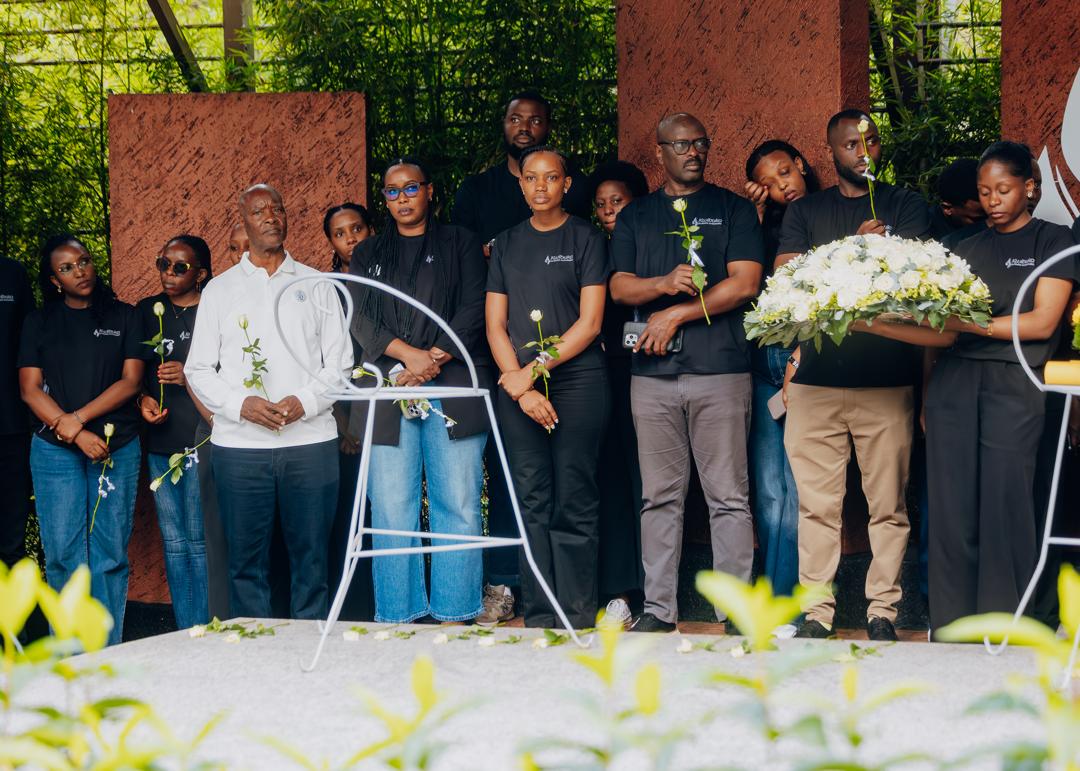
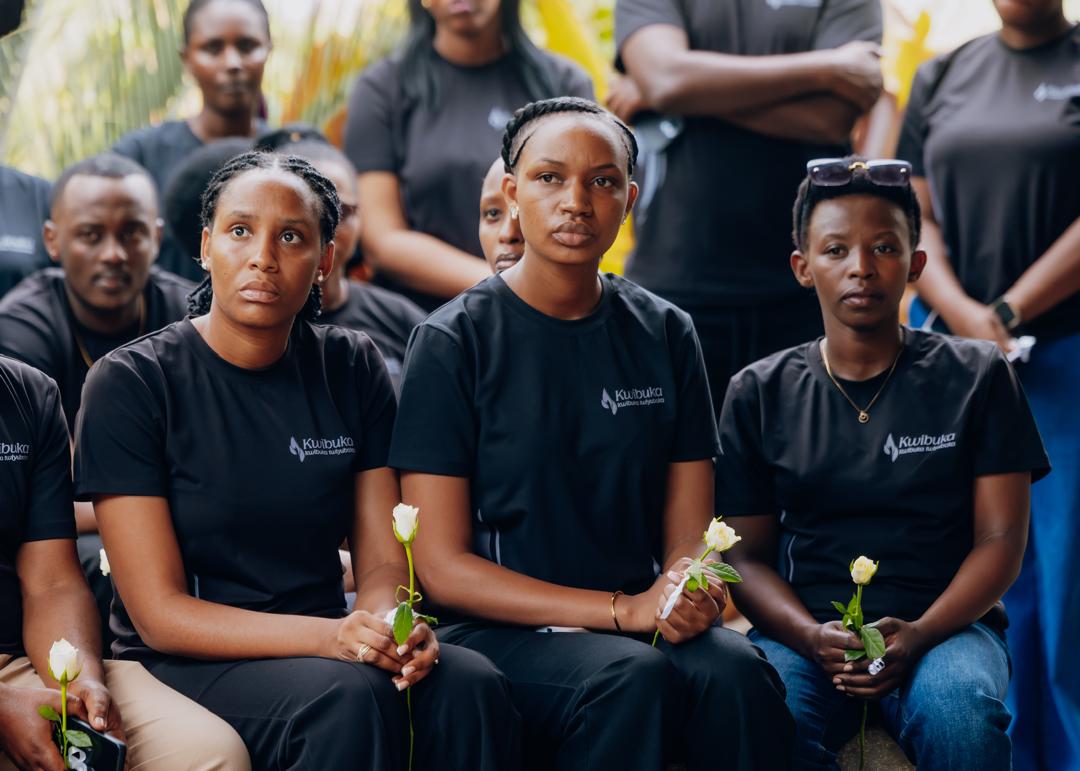
They then observed a moment of silence in honor of more than 250,000 victims buried at the memorial and laid wreaths at the burial site as a sign of respect.
After the memorial visit, employees of Prime International Carriers Ltd proceeded to Remera Sector in Gasabo District, where they visited a house they are constructing for Iribagiza Chantal, a genocide survivor.
The housing project, which is nearing completion, is intended to provide improved living conditions for the survivor and her family.
Speaking during the visit, Prime International Carriers Ltd Rwanda Managing Director Akimana Audrey said commemorating the Genocide against the Tutsi is an important duty, but added that it should also be accompanied by efforts to support survivors and contribute to rebuilding their lives.
“We also think about people who were affected by the Genocide against the Tutsi, so each year we try to support at least one survivor in order to stand with them on this journey and show them that the future is bright,” she said.
Akimana also noted that visiting the memorial offers an important opportunity to learn from history, especially for young people and foreign employees working at the company, helping them understand the past and build a better future based on those lessons.
She added: “The most important thing we must do is to move forward without forgetting. In particular, we must fully understand this history of genocide and teach it to young people and future generations so that it never happens again.”
Prime International Carriers Ltd provides logistics services including international freight forwarding for imports and exports, customs clearance support, and facilitation of trade for Rwandan businesses.
Beyond Rwanda, the company also operates in Burundi, Tanzania, Uganda, and Kenya.
Employees of Prime International Carriers Ltd observed a moment of silence at the Kigali Genocide Memorial in honor of victims of the 1994 Genocide against the Tutsi.Company staff reflected on lessons from history during a visit to the Kigali Genocide Memorial. Prime International Carriers Ltd Rwanda Managing Director Akimana Audrey said commemorating the Genocide against the Tutsi is an important duty, that should also be accompanied by efforts to support survivors and contribute to rebuilding their lives. Company staff toured exhibitions at the Kigali Genocide Memorial, learning about the history and events of the 1994 Genocide against the Tutsi.Prime International Carriers Ltd management and staff laid wreaths at the Kigali Genocide Memorial as part of their remembrance activities.Staff of Prime International Carriers Ltd pay tribute at the Kigali Genocide Memorial in Gisozi during a commemorative visit on May 29, 2026.
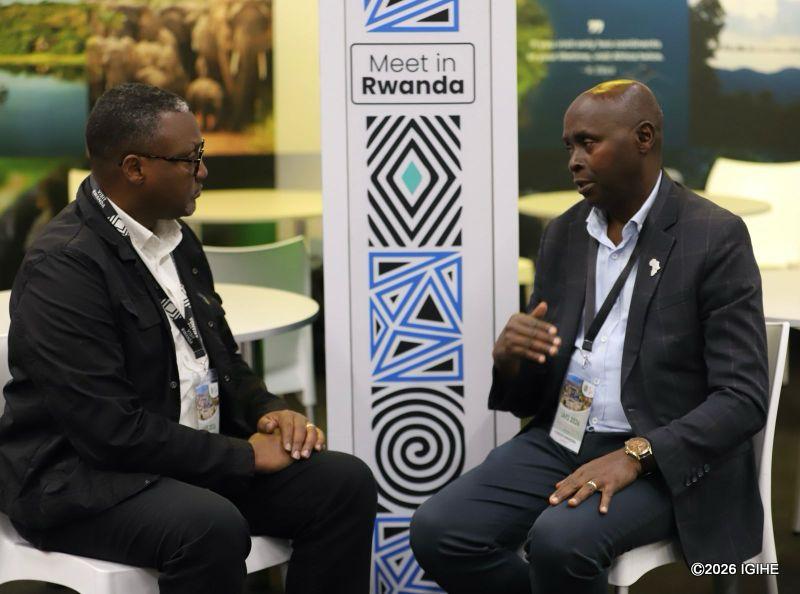
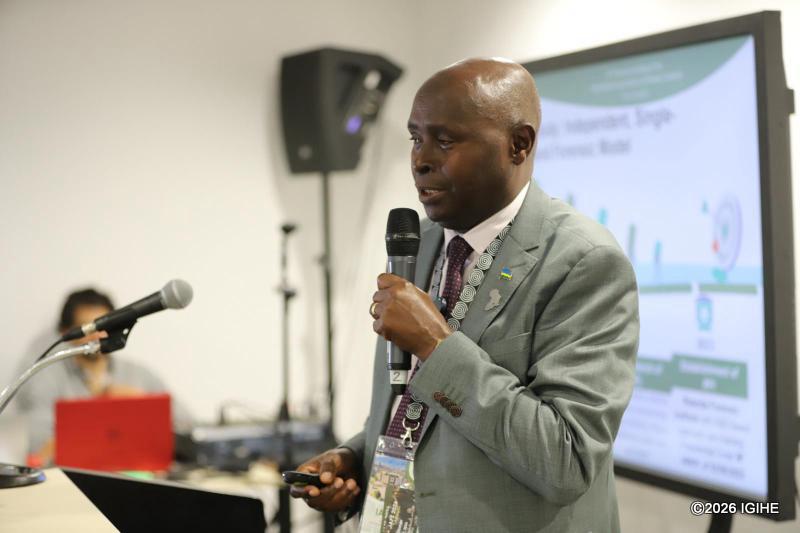
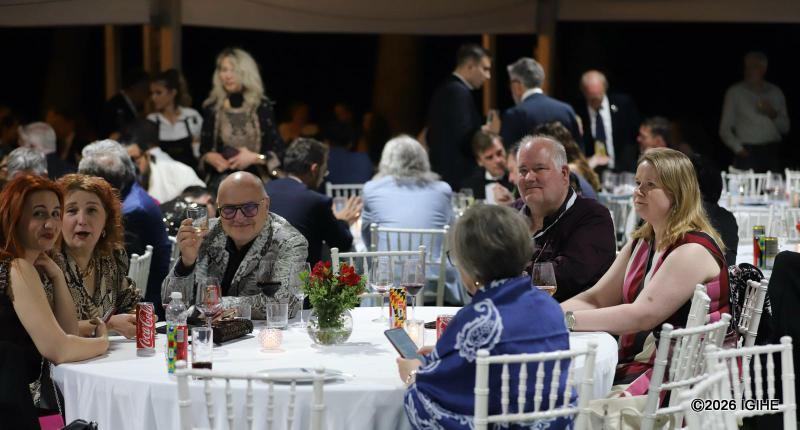
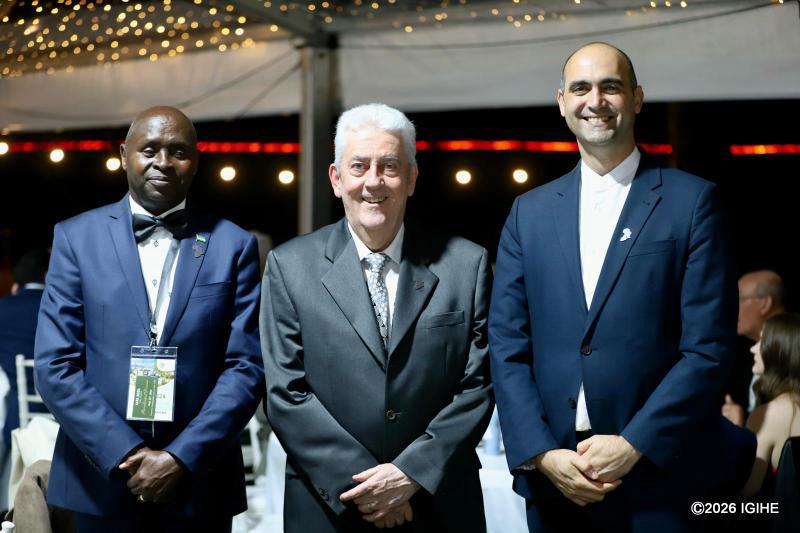
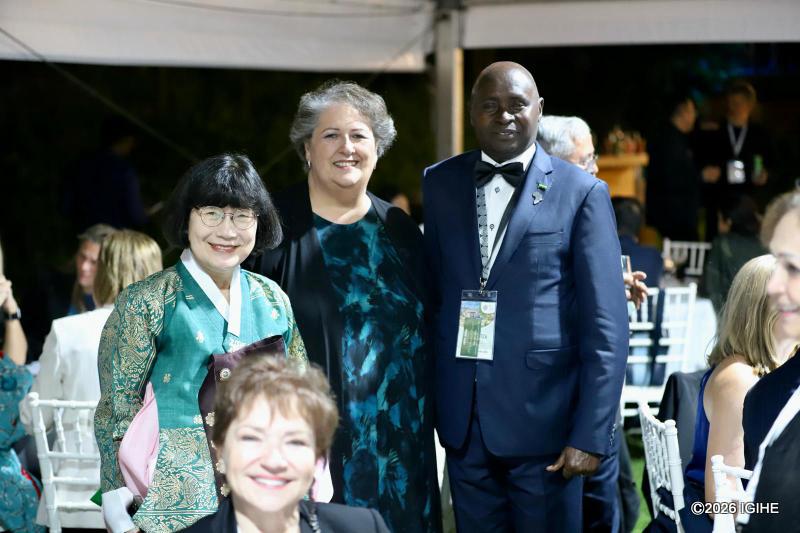
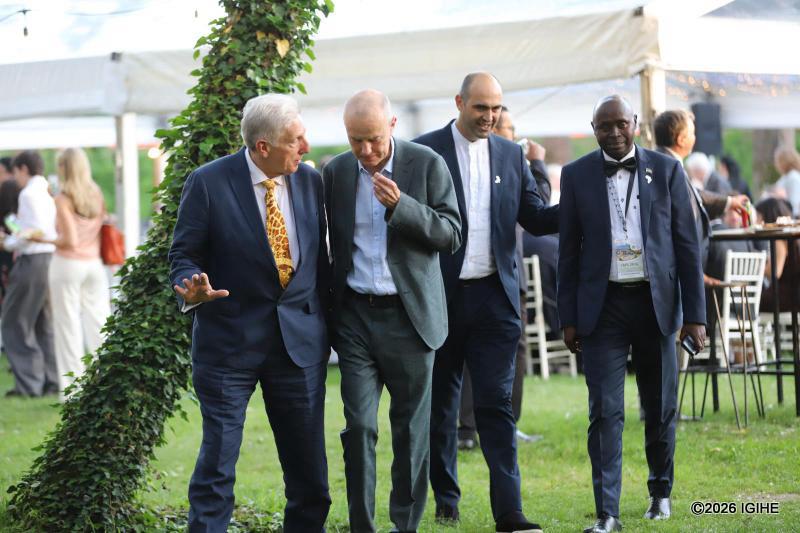
The agreements were concluded during the International Association of Forensic Sciences (IAFS 2026) conference, currently taking place in Sofia, Bulgaria. The global forum brings together researchers, scientists, and forensic experts to exchange knowledge and address challenges facing the sector.
Rwanda is represented at the conference by the Rwanda Forensic Institute (RFI), in collaboration with the African Forensic Sciences Association (AFSA), which has been headquartered in Kigali since 2022.
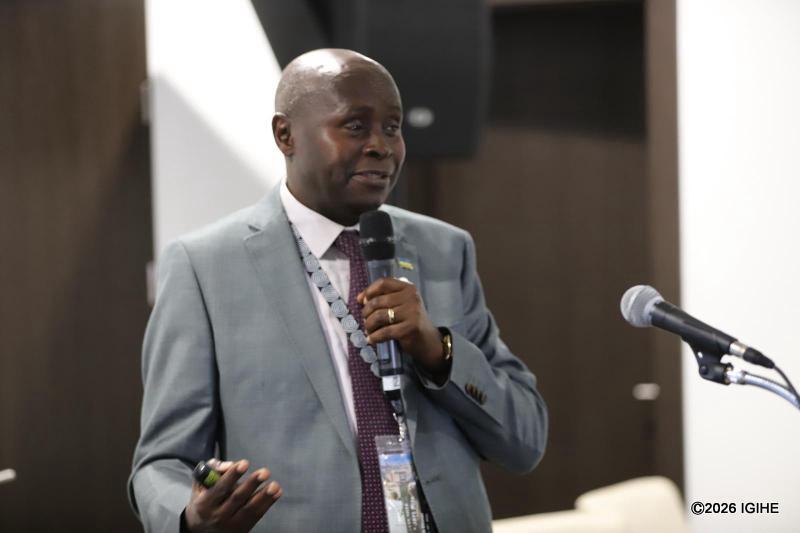
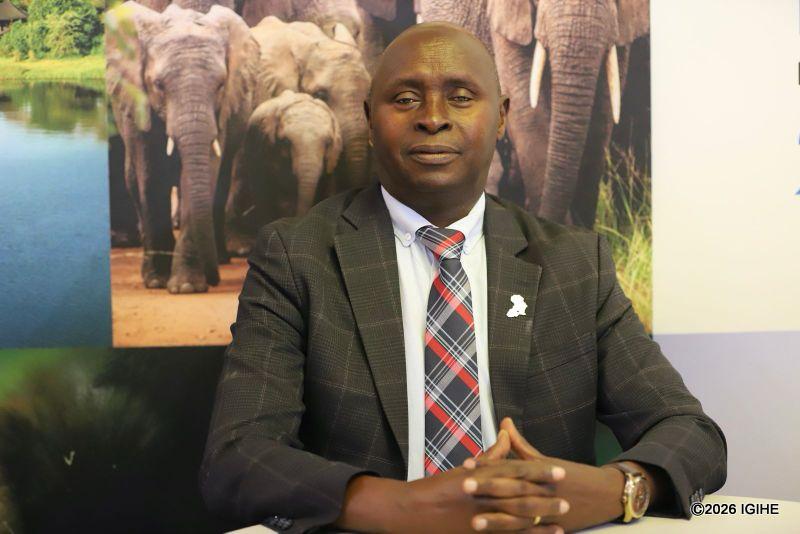
Speaking to IGIHE, RFI Director General Dr. Charles Karangwa said the event, which opened on May 25, 2026, provided Rwanda with valuable exposure, expertise, and new partnerships.
He noted that RFI continues to expand its footprint in forensic science, adding that its services are no longer limited to Rwandans but are increasingly attracting international clients.
“For example, last year we received people from 45 countries. Many of them come as tourists, but also take advantage of the services offered by RFI,” he said.
Dr. Karangwa highlighted that RFI’s uniqueness lies in its integrated structure, housing more than 10 laboratories under one institution, unlike in many countries where forensic labs are scattered across different security agencies and often inaccessible or expensive for civilians.
He added that Rwanda’s growing visibility in international conferences has increased global awareness of gaps in forensic services, attracting more people to seek services in the country.
“They say these services are usually within security institutions and are expensive elsewhere. I will go on holiday to see Rwanda’s beauty and at the same time access testing services at RFI,” he said, adding that government subsidies help make services more affordable for foreigners and Rwandans alike.
He noted that continued demand could eventually reduce costs for Rwandans as well.
Participation in IAFS 2026 is considered a major milestone for RFI, as it strengthens international collaboration and opens doors for future expansion. The institute also used the forum to secure partners that will support its ongoing projects.
RFI is currently implementing a five-year strategic plan that includes expanding its presence across Rwanda’s provinces and scaling its operations across Africa.
Dr. Karangwa said the conference also provided an opportunity to promote Rwanda’s model of integrated forensic services.
“Today we held a meeting bringing together Africans. It is an opportunity to showcase what we have so that others can understand and collaborate with us,” he said. He added that many participants were surprised by Rwanda’s advanced forensic capabilities, comparable to those in Europe and the United States.
He explained that Rwanda’s approach to forensic science was partly shaped by its history.
“As a country that suffered the 1994 Genocide against the Tutsi, there was a need to use scientific evidence to deliver unquestionable justice,” he said. “Every Rwandan should feel that the justice they receive is based on science and cannot be challenged.”
Beyond partnerships, Rwanda also used the conference to promote its ambition of establishing a model African training school for forensic science professionals.
RFI said the event helped raise visibility for the project and attract support from potential partners.
The IAFS, founded in 1957, is considered one of the world’s leading platforms for forensic science cooperation. Its conferences have been hosted across Europe, North America, Asia, and Oceania, but never in Africa or South America.
Rwanda had submitted a bid to host the 2029 edition of the conference. Competing with the United Kingdom, Brazil, Mexico, and Saudi Arabia, Rwanda lost to Brazil.
Dr. Karangwa said Brazil won after multiple bids and due to the rotation principle, with Africa and South America still awaiting their first hosting opportunities.
He added that Rwanda was encouraged to reapply in the future once Africa’s turn becomes more favorable.
In addition to networking and promotion, Rwanda also secured cooperation agreements with a Turkish justice ministry-affiliated institution and a French forensic organization.
Dr. Karangwa said preparations are also underway for the 2027 AFSA conference, for which Rwanda is actively promoting participation, with several partners already confirming attendance.
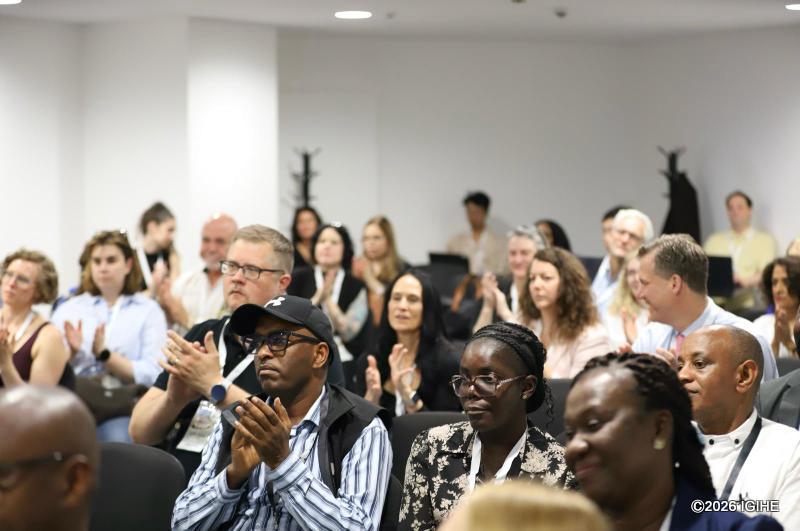
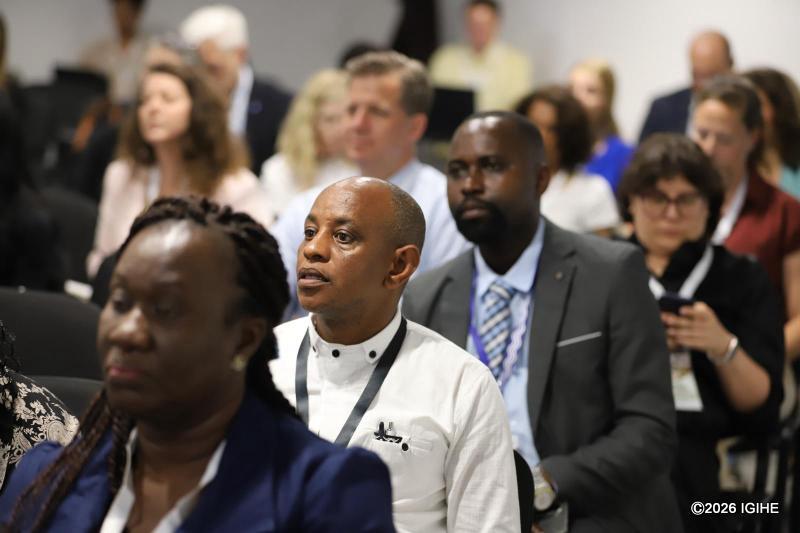
RFI Director General Dr. Charles Karangwa says the institution is ready to expand its operations across African countries.Participants at IAFS 2026 commend Rwanda for the progress made in advancing forensic science used in the justice system.RFI Director General Dr. Charles Karangwa delivered a presentation at IAFS 2026, highlighting Rwanda’s significant progress in the sector.Participants at IAFS 2026 follow a presentation delivered by RFI Director General Dr. Charles Karangwa.RFI Director General Dr. Charles Karangwa during an interview with IGIHE.
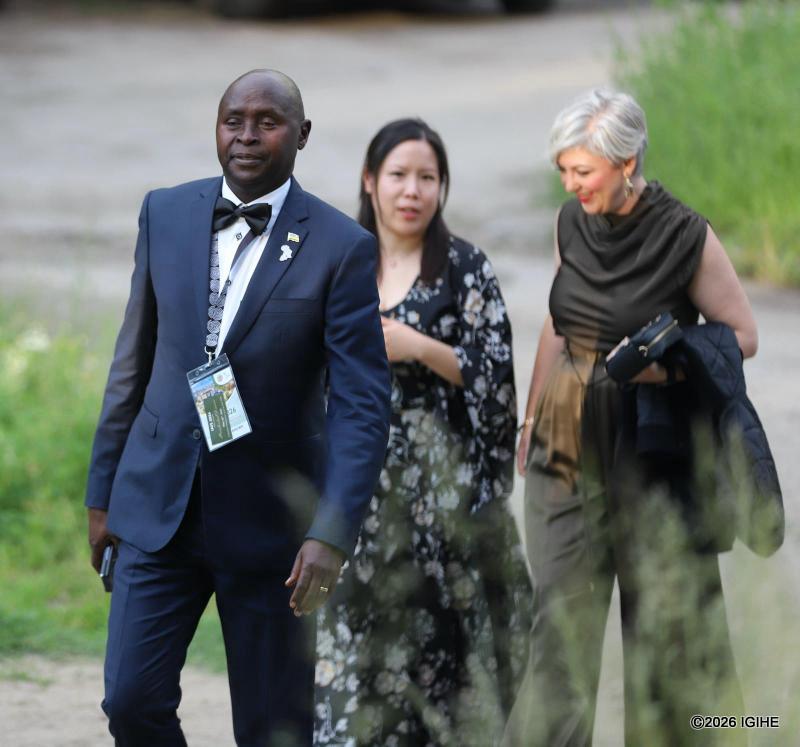
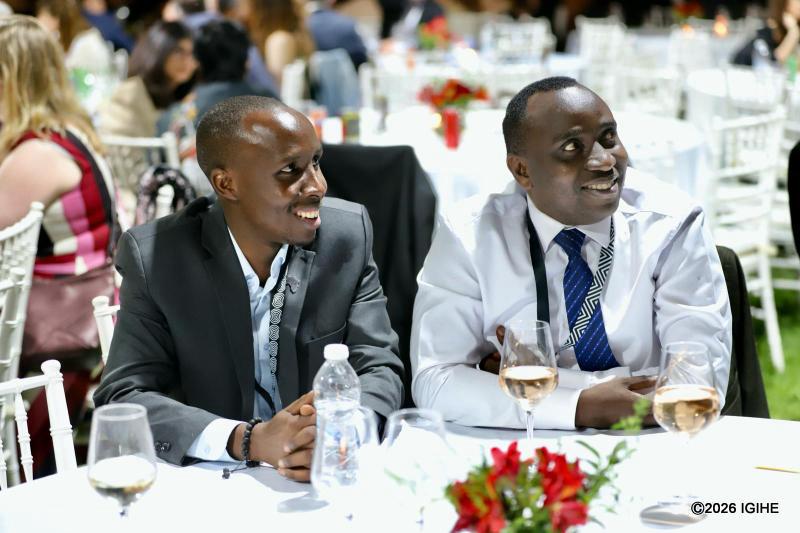
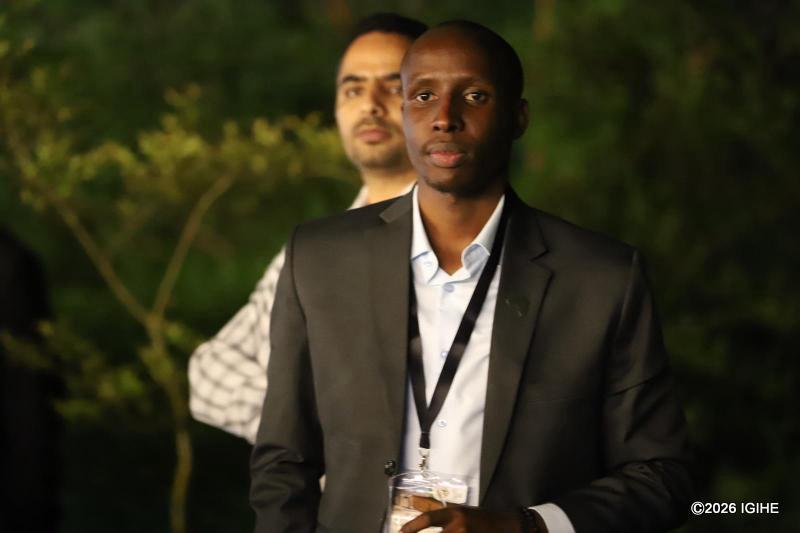
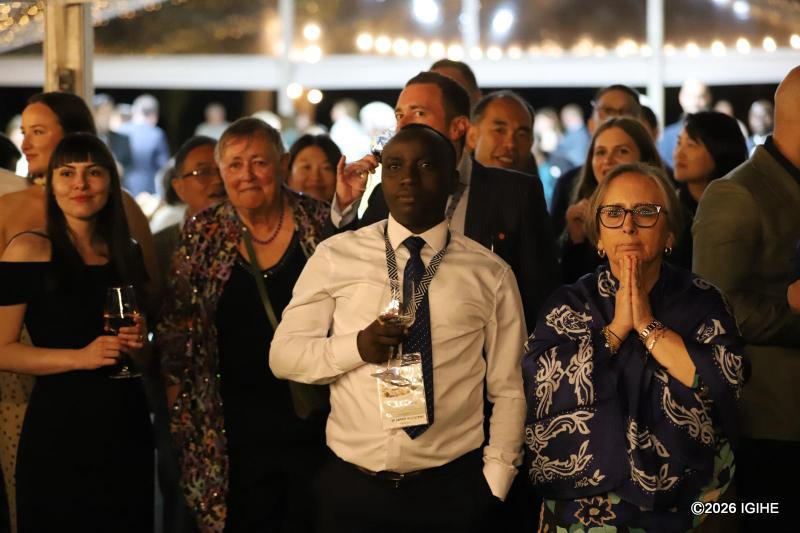
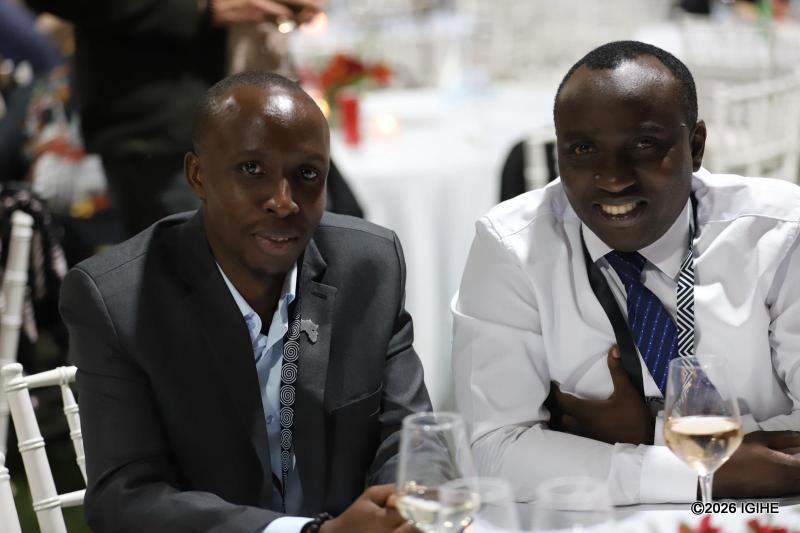
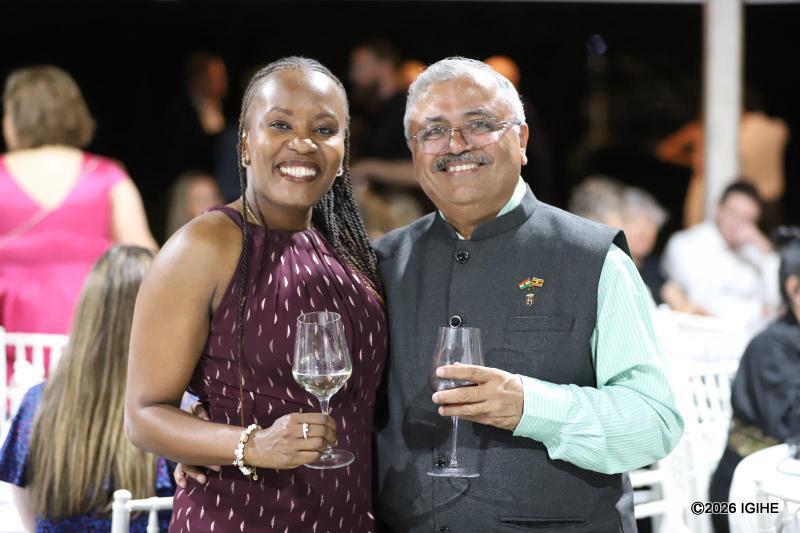
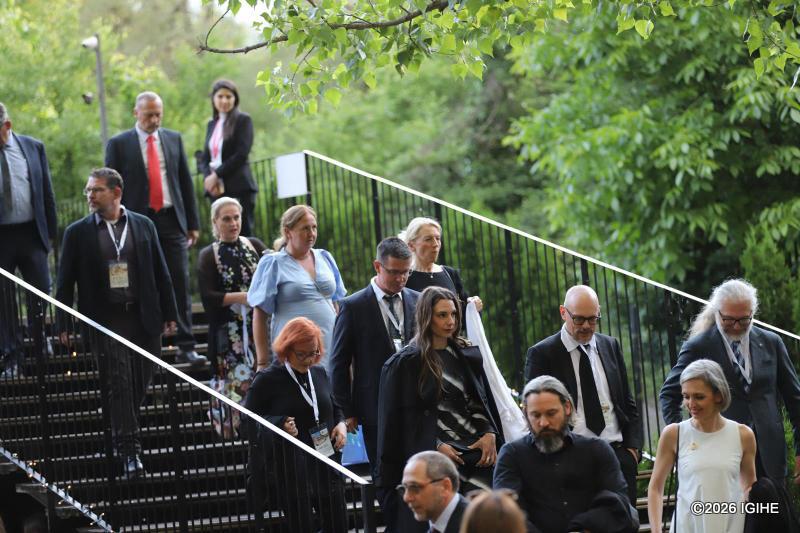
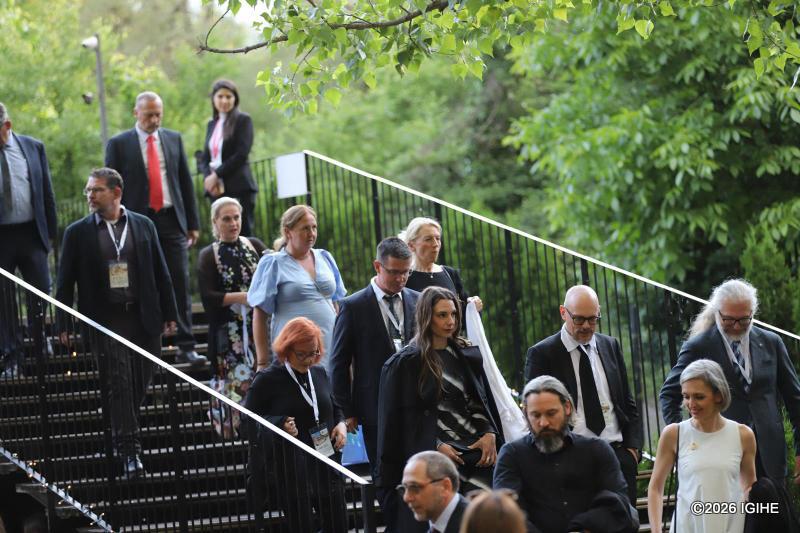
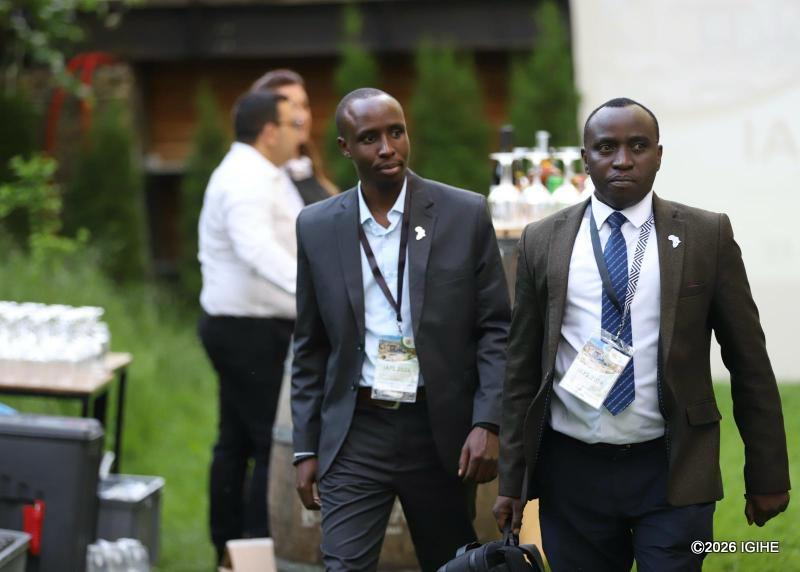
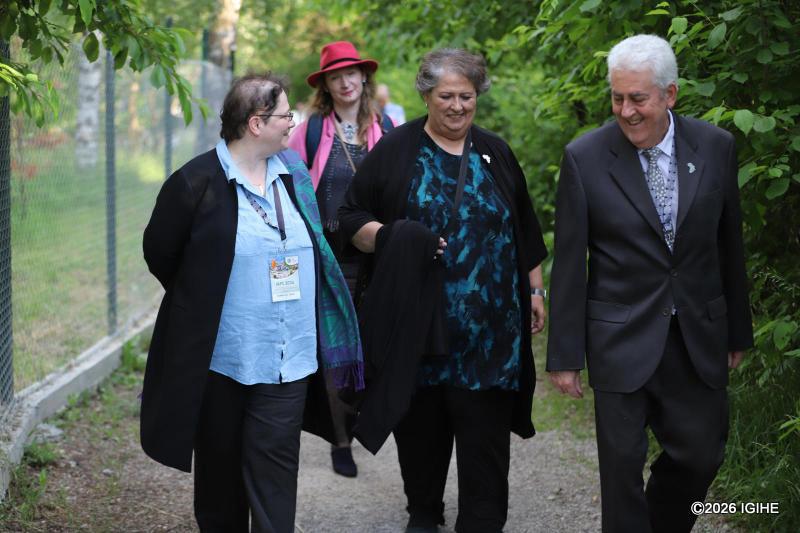
Evening reception photos featuring invited participants of IAFS 2026 in Sofia, Bulgaria