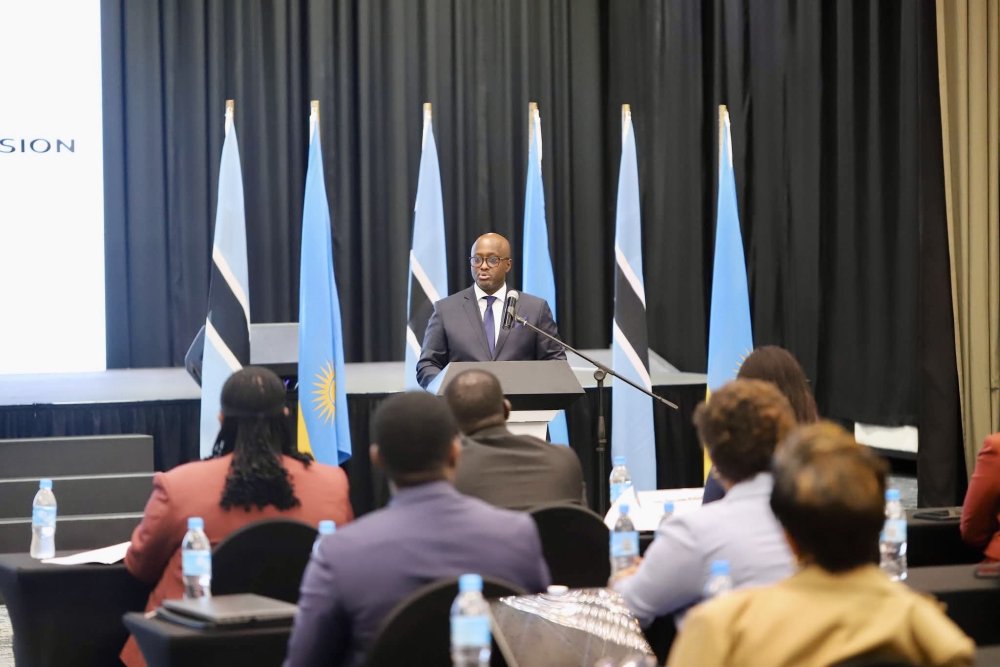
The meeting marked the second session of the Joint Permanent Commission on Cooperation (JPCC), co-chaired by Rwanda’s Minister of Foreign Affairs, Olivier Nduhungirehe, and Botswana’s Minister of International Relations, Phenyo Butale.
In his remarks, Nduhungirehe highlighted the strong ties between Rwanda and Botswana and underscored the need to further deepen bilateral economic cooperation.
Rwanda’s delegation also included the Deputy CEO of the Rwanda Development Board, Juliana K. Muganza, along with other government officials and private sector representatives.
The discussions focused on finalizing new cooperation agreements aimed at strengthening and expanding relations between the two countries.
Both sides reviewed legal and regulatory frameworks that will guide the partnership, covering areas such as trade, agriculture, and the avoidance of double taxation.
Both ministers welcomed the finalisation of six key instruments, which are expected to be signed during President Kagame’s state visit to Botswana on May 6, 2026.
The Joint Permanent Commission on Cooperation was established in 2019 during President Kagame’s previous visit to Botswana.
During the visit, Kagame is expected to meet his counterpart, Gideon Boko, with discussions set to focus on cooperation in areas including trade and technology, tourism, animal vaccine production, transport, and the diamond sector.
The visit is also expected to result in the signing of multiple agreements covering trade and investment, institutional collaboration, and partnerships between the Rwanda Development Board and its counterpart institution in Botswana.
The meeting marked the second session of the Joint Permanent Commission on Cooperation (JPCC), co-chaired by Rwanda’s Minister of Foreign Affairs, Olivier Nduhungirehe, and Botswana’s Minister of International Relations, Phenyo Butale.
He described the match between Visit Rwanda partners Arsenal FC and Atlético Madrid as an exciting encounter, commending Arsenal for their performance and qualification.
“Great match between Visit Rwanda partner teams Atlético Madrid and Arsenal. Congratulations to Arsenal FC on the win and qualification for the UEFA Champions League Final. May the best VisitRwanda partner team win!” Kagame wrote on X.
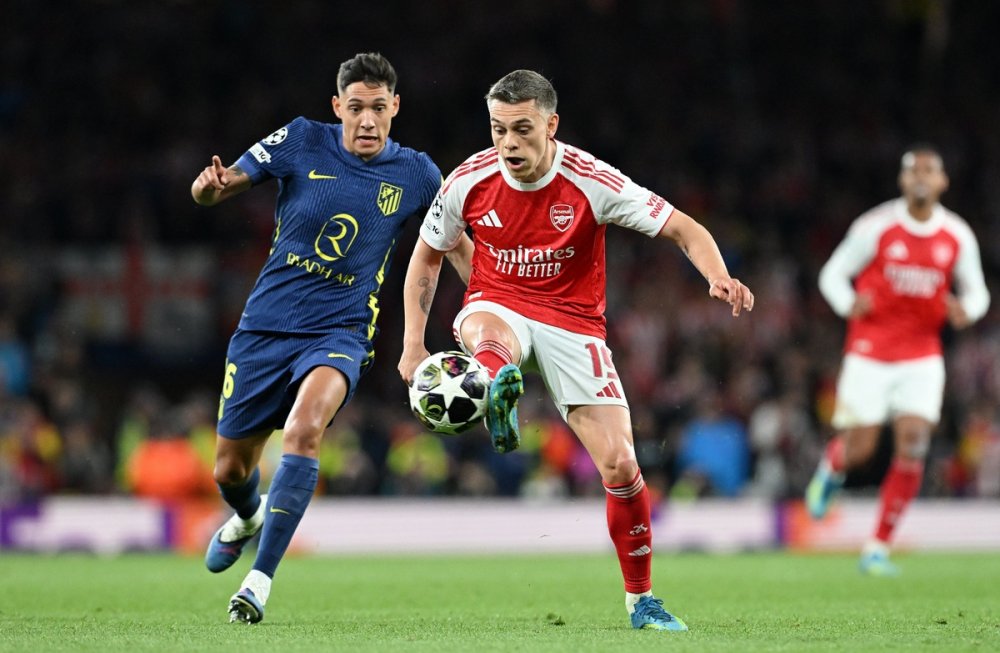
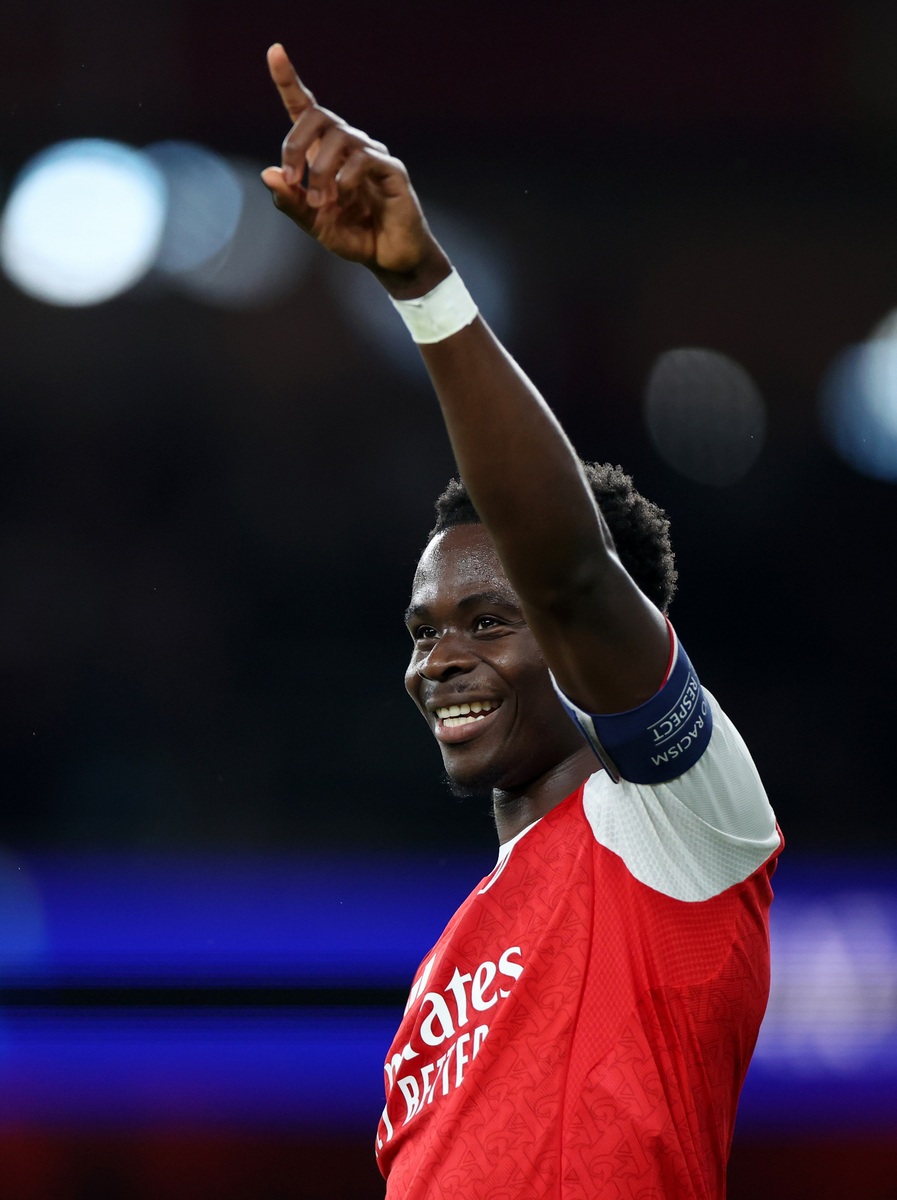
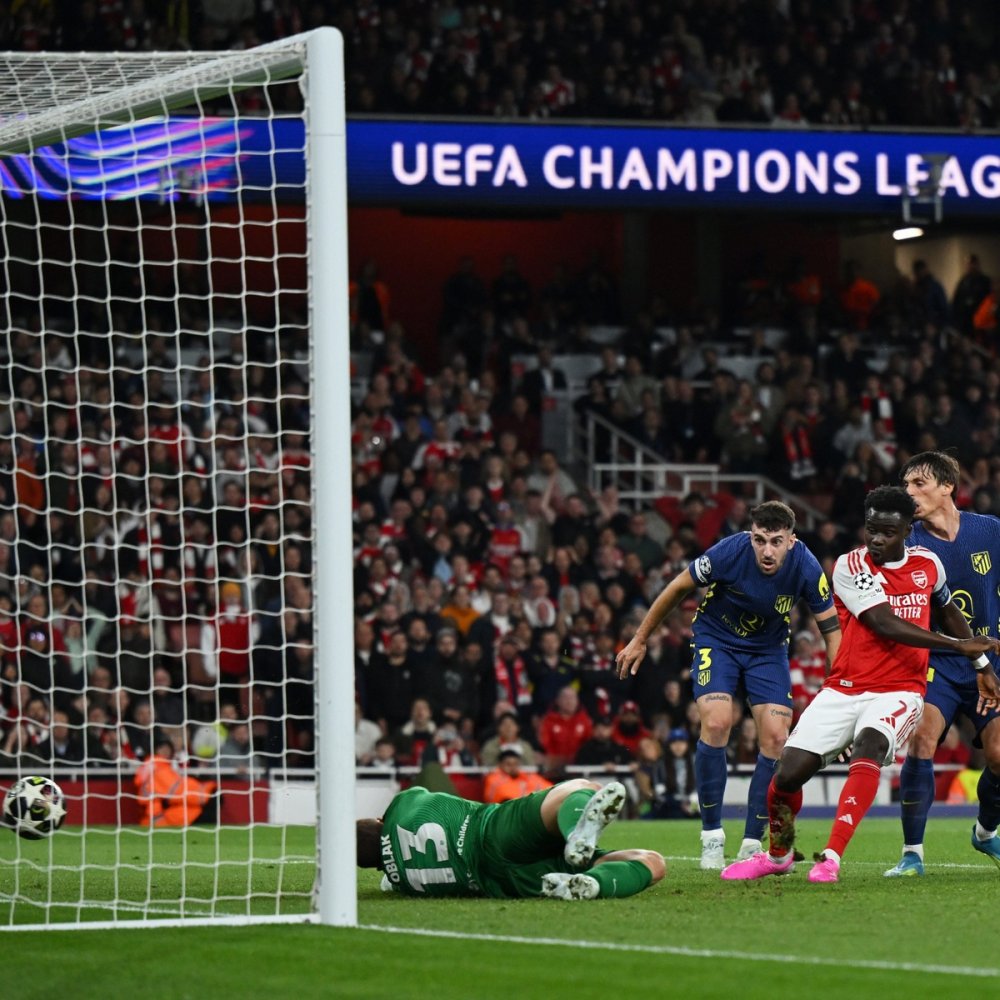
The two teams faced off in the second leg of the semi-final on May 5, 2026. Playing at Emirates Stadium, Arsenal took control early in the match and dominated much of the game. In the 44th minute, Bukayo Saka scored the only goal, giving Arsenal a 2-1 aggregate win over the two legs.
Another semi-final clash is scheduled for May 6, 2026, between Bayern Munich and Paris Saint-Germain, both also partners of Visit Rwanda. In the first leg, PSG secured a 5-4 victory at home against Bayern Munich.
The winner of that tie will face Arsenal FC in the final, set to take place in Budapest on May 30, 2026.
This marks Arsenal’s second appearance in a UEFA Champions League final, their first being in 2006 when they lost to FC Barcelona.
Playing at Emirates Stadium, Arsenal took control early in the match and dominated much of the game. In the 44th minute, Bukayo Saka scored the only goal, giving Arsenal a 2-1 aggregate win over the two legs. The two teams faced off in the second leg of the semi-final on May 5, 2026.The two teams faced off in the second leg of the semi-final on May 5, 2026.
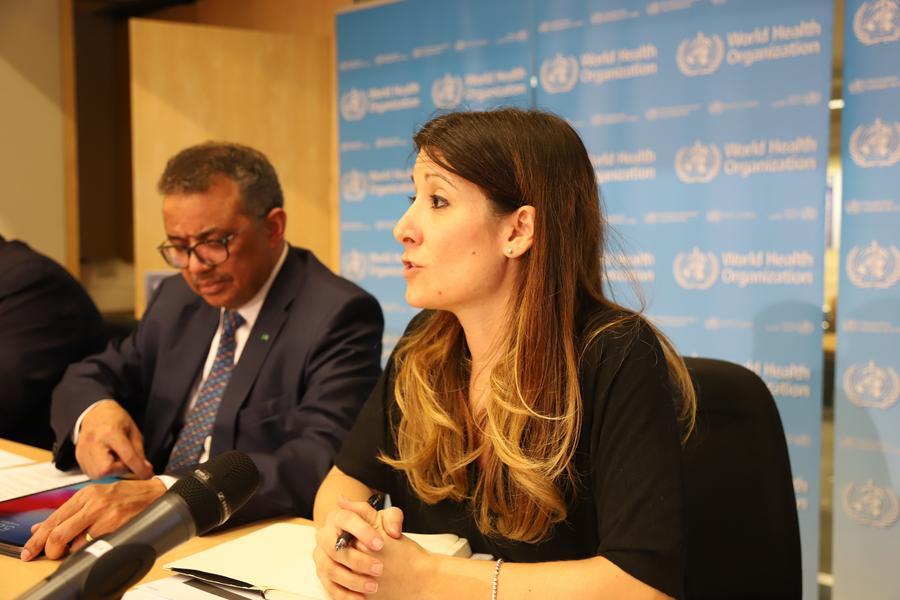
The agency received reports of a hantavirus outbreak on the Hundius on May 2. Seven individuals of the 147 passengers and crew have been reported ill and three have died. The situation remains fluid, WHO’s chief of Epidemic and Pandemic Preparedness and Prevention Maria Van Kerkhove told reporters in Geneva.
“One patient is in intensive care in South Africa, although we understand that this patient is improving,” she said, adding that two other patients, still on board the ship, are being prepared for medical evacuation to the Netherlands for treatment.
Van Kerkhove stressed that the situation is being closely monitored. As a precaution, passengers have been asked to remain in their cabins while disinfection and other public health measures are carried out.
“The plan is, and our highest priority is, to medically evacuate these two individuals” to make sure that they receive the required care, and there are no other symptomatic patients on board, she said.
The ship is set to continue on to the Canary Islands, Spain, and the WHO is working with the Spanish authorities “to do a full epidemiologic investigation, full disinfection of the ship,” she added.
Hantaviruses are carried by rodents and can cause severe disease in humans. Thousands of infections are estimated to occur each year. People usually get infected through contact with infected rodents or their urine, their droppings, or their saliva.
As to the suspected origins of the virus, Van Kerkhove said that the initial patients — a husband and wife — boarded the ship in Argentina.
“With the timing of the incubation period of hantavirus, which can be anywhere from one to six weeks, our assumption is that they were infected off the ship,” she said.
“We do believe that there may be some human-to-human transmission that’s happening among the really close contacts,” such as the husband and wife and others who have shared cabins, she noted.
According to the WHO, human-to-human transmission of infection hantavirus between people is uncommon, but limited spread has been reported among close contacts in previous outbreaks of the Andes virus, which is part of the hantavirus group.
There are no specific treatments for hantavirus other than supportive care. “Typically, people will develop respiratory symptoms, so respiratory support is really important,” Van Kerkhove said.
This file photo shows Maria van Kerkhove (R), who was technical lead for the WHO’s Health Emergencies Program, speaking during a daily briefing in Geneva, Switzerland, on March 5, 2020.
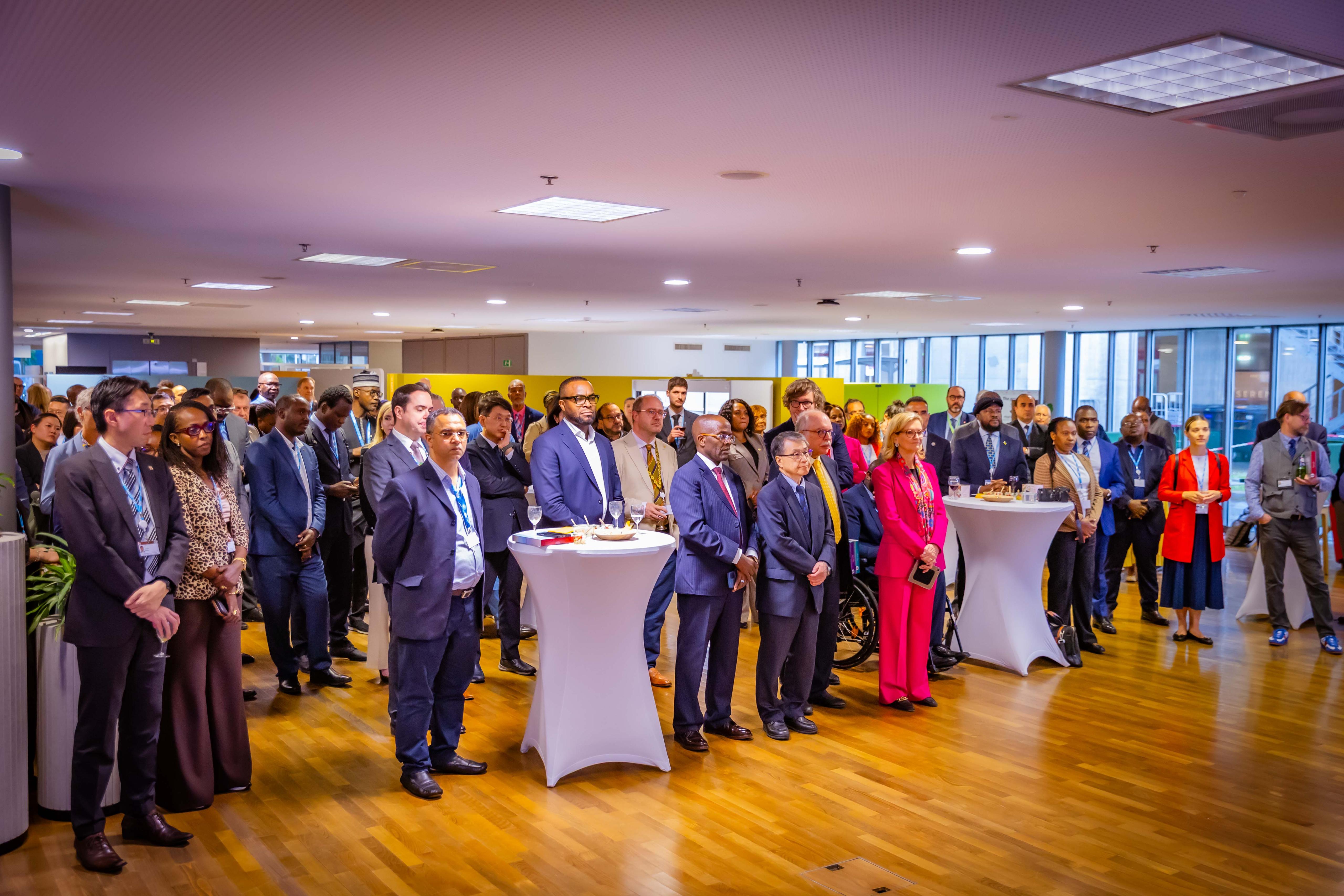
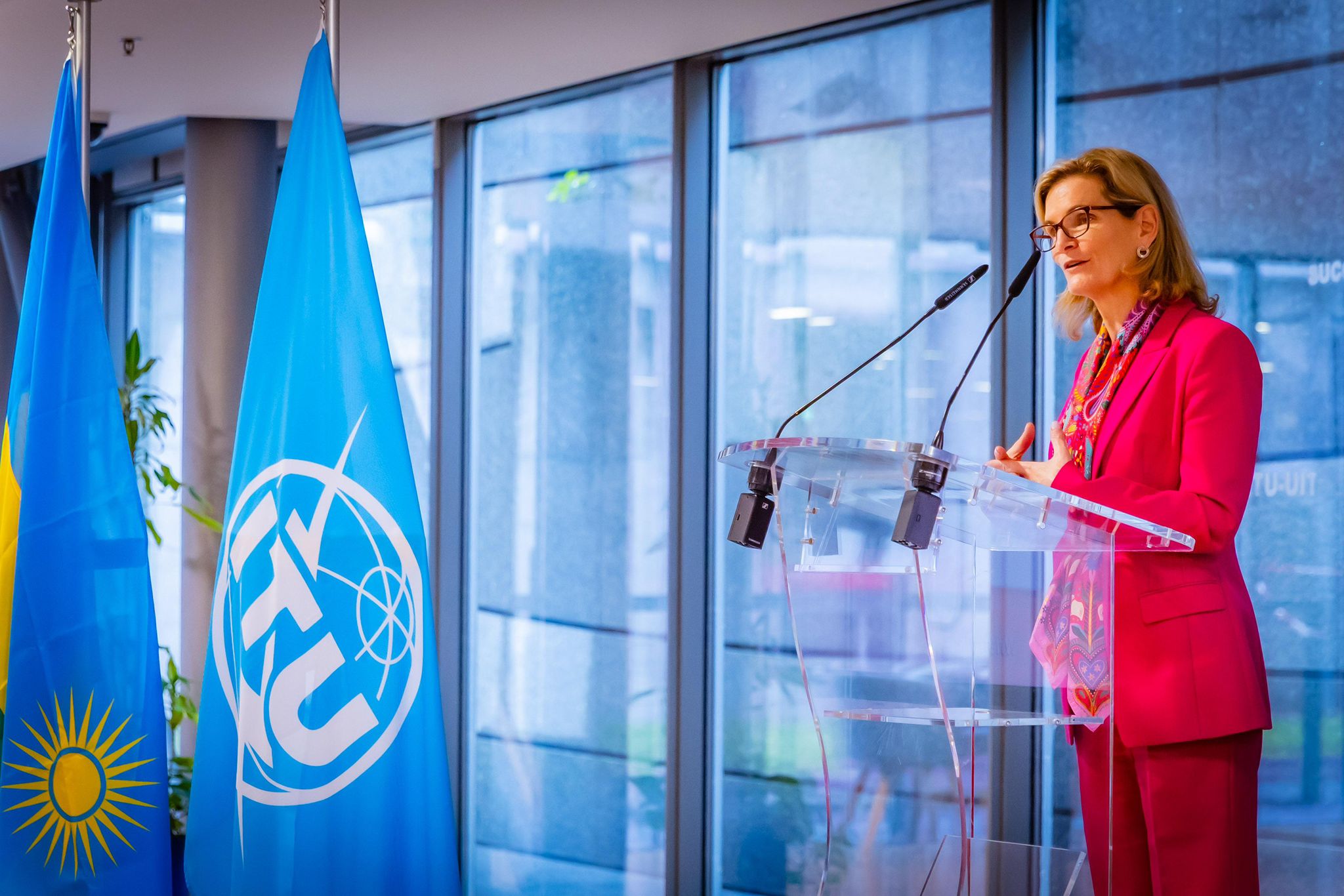
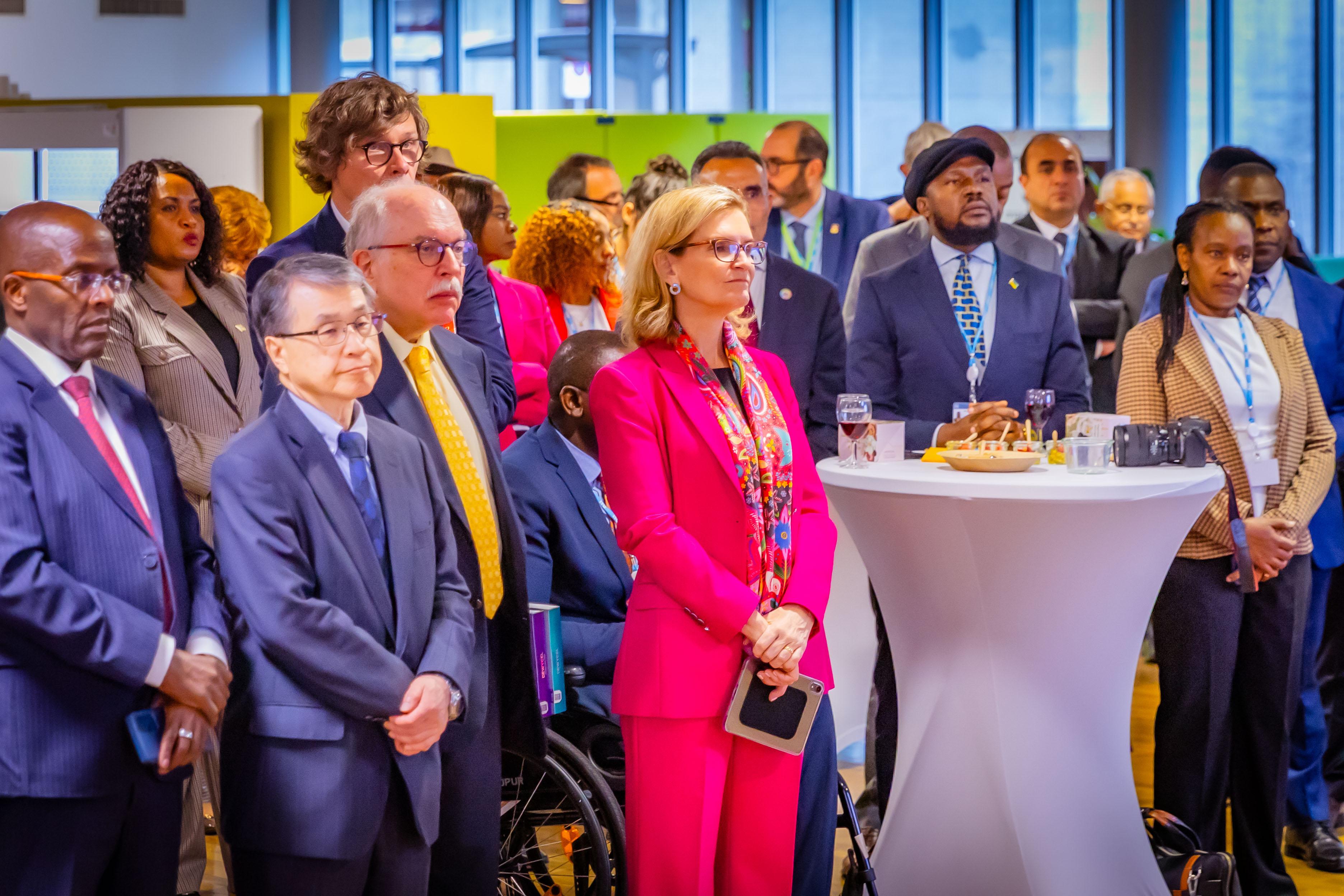
She made the remarks on May 4, 2026, in Geneva during an official reception held on the sidelines of the ITU Council session, attended by high-level delegates including the ITU Secretary-General, Doreen Bogdan-Martin.
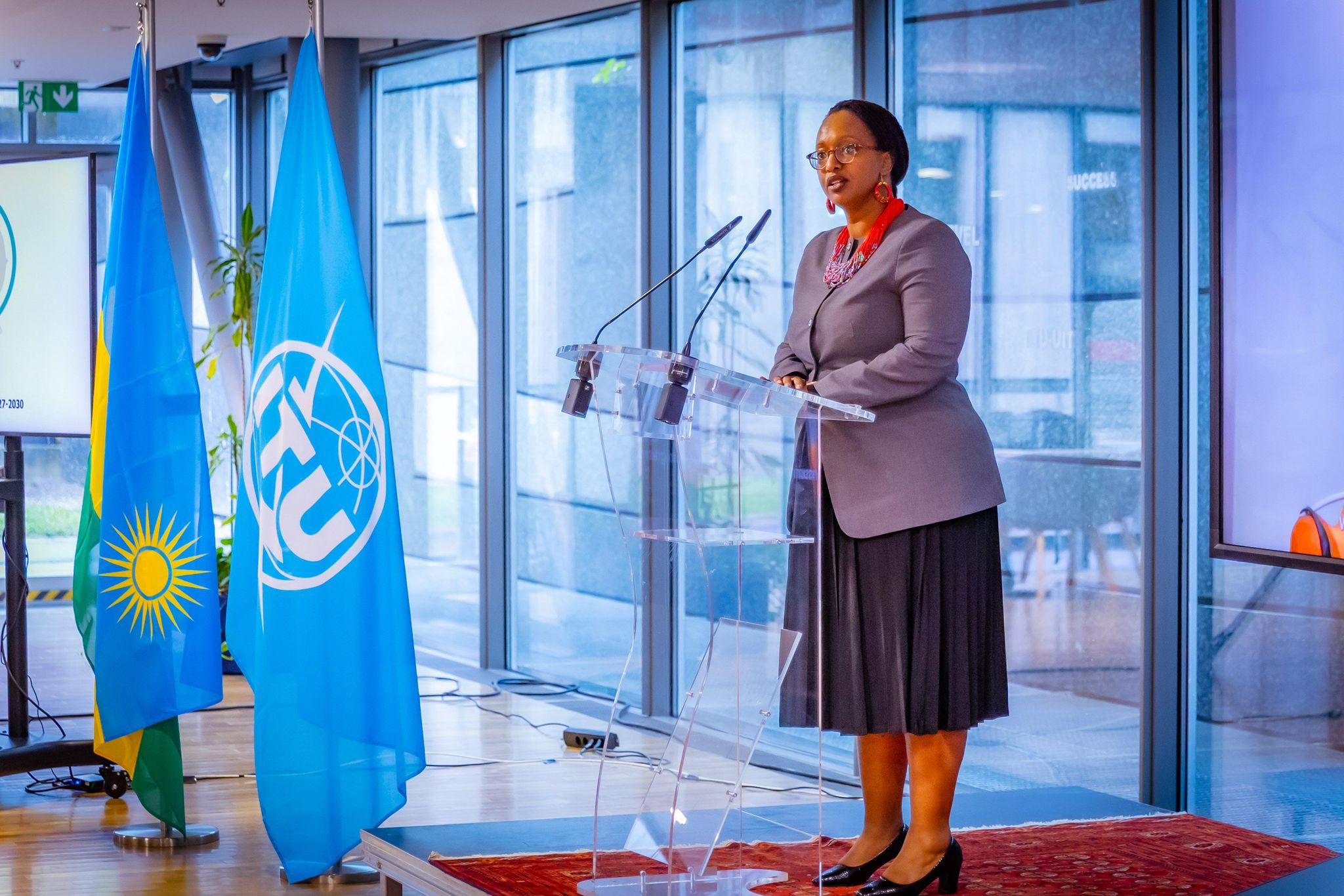
Bakuramutsa expressed appreciation to Swiss authorities for hosting the session, before highlighting Rwanda’s longstanding role on the ITU Council since 2010, where it represents the African region. She said Rwanda’s engagement has been guided by its commitment to promoting universal and inclusive connectivity in line with global digital development goals.
She noted that Rwanda has actively contributed to international discussions on key issues such as meaningful connectivity, spectrum management, digital policy, and artificial intelligence, while consistently advocating for the interests of developing countries, including affordable access and bridging the digital divide.
The Ambassador also pointed to Rwanda’s broader efforts to position itself as a regional technology hub, citing initiatives such as the Smart Africa Alliance, headquartered in Kigali, and the hosting of Mobile World Congress Kigali since 2022.
She further highlighted national projects aimed at strengthening digital infrastructure and innovation, including a data-sharing platform, a cybersecurity hub, e-government services, and an artificial intelligence scaling hub targeting sectors such as healthcare, agriculture, and education.
Bakuramutsa emphasized that despite global progress, about 2.2 billion people remain without internet access, underlining the need for continued international cooperation. She recalled Rwanda’s role in hosting major ICT events, including the World Telecommunication Development Conference in 2022, which contributed to advancing global commitments through the Kigali Declaration and Action Plan.
On the diplomatic front, she formally announced Rwanda’s bid for re-election to the ITU Council, seeking support from Member States to continue contributing to the global ICT agenda, particularly in areas such as digital public infrastructure, innovation, and entrepreneurship.
Taking the floor, ITU Secretary-General Doreen Bogdan-Martin commended Rwanda’s leadership in digital development, both in Africa and globally. She highlighted Kigali’s transformation into a growing innovation hub and referenced key initiatives including the Partner2Connect Digital Coalition and Mobile World Congress Kigali.
Bogdan also praised Rwanda’s progress in artificial intelligence, digital education, and e-waste management, as well as its continued engagement in ITU initiatives. She further acknowledged the role of President Paul Kagame in advancing the country’s digital agenda on the global stage.
Delegates listen as Amb. Urujeni Bakuramutsa presents Rwanda’s vision for inclusive connectivity during the ITU Council session in Geneva.Rwanda’s Ambassador Urujeni Bakuramutsa addresses delegates in Geneva as the country announces its bid for re-election to the International Telecommunication Union Council.ITU Secretary-General Doreen Bogdan-Martin commended Rwanda’s leadership in digital development. Doreen Bogdan-Martin joins international delegates in Geneva as Rwanda highlights its digital leadership and re-election bid to the ITU Council.
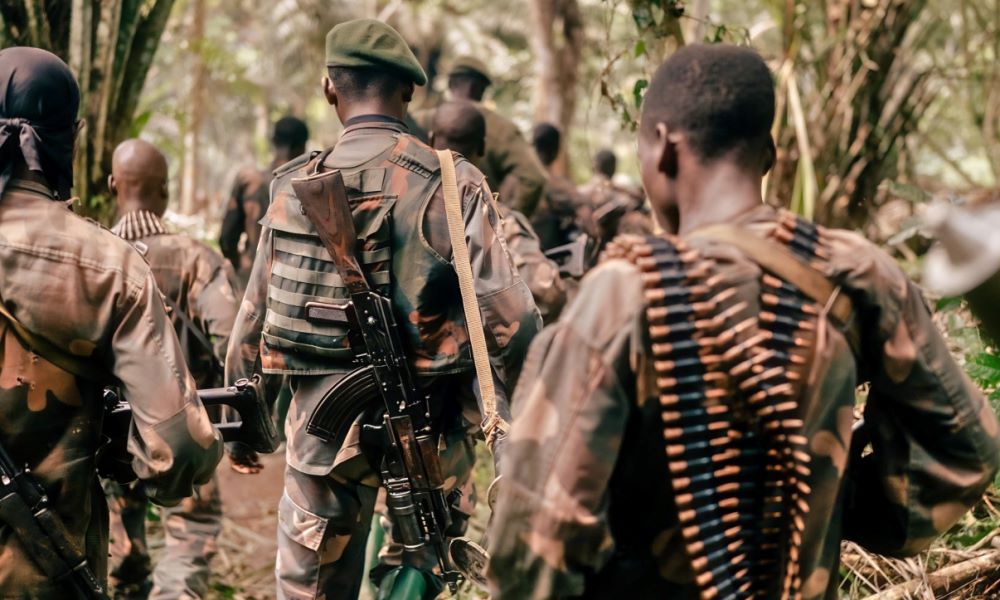
Speaking before members of the parliamentary Defence and Security Committee, Muadiamvita explained that AFC/M23 possesses more advanced communication capabilities compared to those of the Congolese armed forces.
He noted that weaknesses in FARDC’s communication infrastructure have created serious operational challenges on the battlefield.
According to him, enemy forces have been able to intercept military messages, disrupting planned operations.
“The lack of strong communication systems in this modern technological era has caused frontline troops to face difficulties, as the enemy has been able to access their communications, making military operations difficult to execute. The adversary has built an advanced communication system that allows it to intercept exchanges between command structures and troops on the ground,” he said.
A report from the parliamentary committee also highlights that the minister stressed the importance of secure communication in military operations, warning that failures in this area have contributed to repeated setbacks for FARDC.
Muadiamvita further informed lawmakers that the government of the DRC is engaging friendly countries to secure modern communication equipment for the army, designed to prevent further infiltration by AFC/M23.
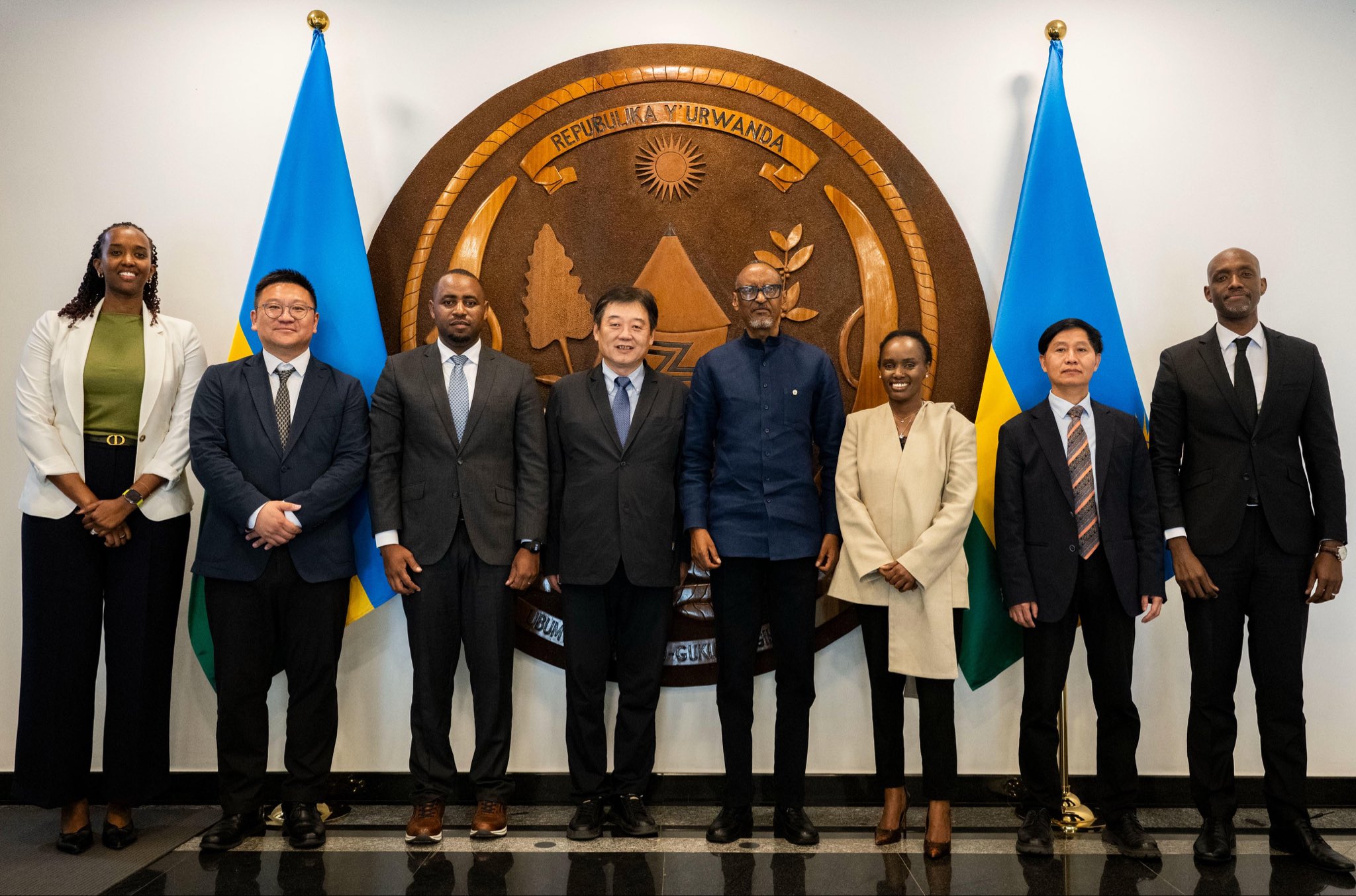
Recent high-level discussions between President Paul Kagame and a delegation from Chery Holding, led by Xu Hui, Chairman of Rich Resource International Investments (RRII) and Vice President and Board Secretary of Chery Holding, have drawn attention to the possibility of establishing a local EV assembly plant in Rwanda.
A day after meeting with the President last month, the Rwanda Development Board (RDB) Deputy CEO Juliana Muganza and Xu Hui signed a strategic partnership framework, laying the groundwork for sustainable investment and the growth of e-mobility solutions.
The talks were aligned with Rwanda’s broader industrialisation and e-mobility strategy, which prioritises sustainable transport and value-added manufacturing.
Chery Holding is among China’s leading car manufacturers and an increasingly influential player in the global mobility industry.
Established in 1997 in Wuhu, Anhui Province, the company has expanded into a Fortune Global 500 firm, now producing over 2.6 million vehicles each year and exporting to markets across Asia, Africa, Europe, and Latin America.
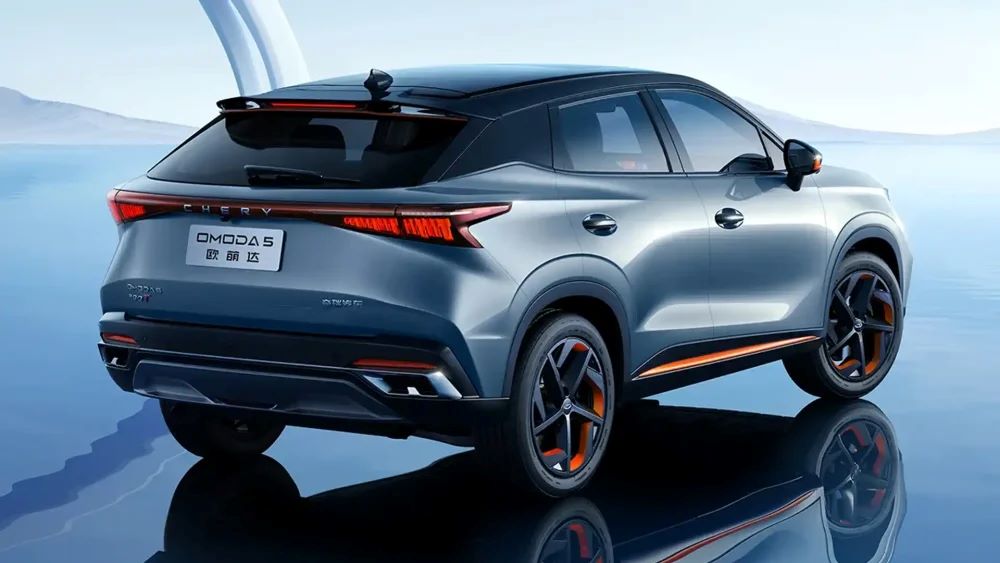
The group manages a diverse portfolio that covers traditional internal combustion vehicles, hybrids, and electric mobility solutions. Its brands include Chery New Energy, Exeed, Jetour, and Omoda, alongside other emerging EV-focused lines.
Over time, it has also built joint ventures and technological partnerships, particularly in areas such as advanced driver assistance systems and electrification, underscoring its shift toward smarter and lower-carbon transport solutions.
Chery was among the early Chinese automakers to invest in electric vehicle development, launching its EV programmes in the late 2000s and steadily expanding its capabilities in battery-electric platforms.
In recent years, the company has further accelerated its global EV push through strategic partnerships and investments aimed at boosting production capacity and strengthening its technological edge.
Discussions between President Kagame and Chery delegation recently focused on potential investment opportunities.
A project still at the exploratory stage
Speaking to IGIHE, Gao Zhiqiang, the Economic and Commercial Counselor at the Chinese Embassy in Rwanda, has clarified that while the idea of an EV assembly plant in Rwanda is being actively discussed, it remains at an early stage.
According to him, Chery has expressed interest in deepening cooperation with Rwandan counterparts in the electric mobility sector, including the possibility of setting up an assembly facility. However, he emphasized that this is still an intention rather than a confirmed investment.
“There are many technical issues that still need to be discussed, and follow-up steps are required,” he noted, adding that both sides are still engaging to explore feasibility and market potential.
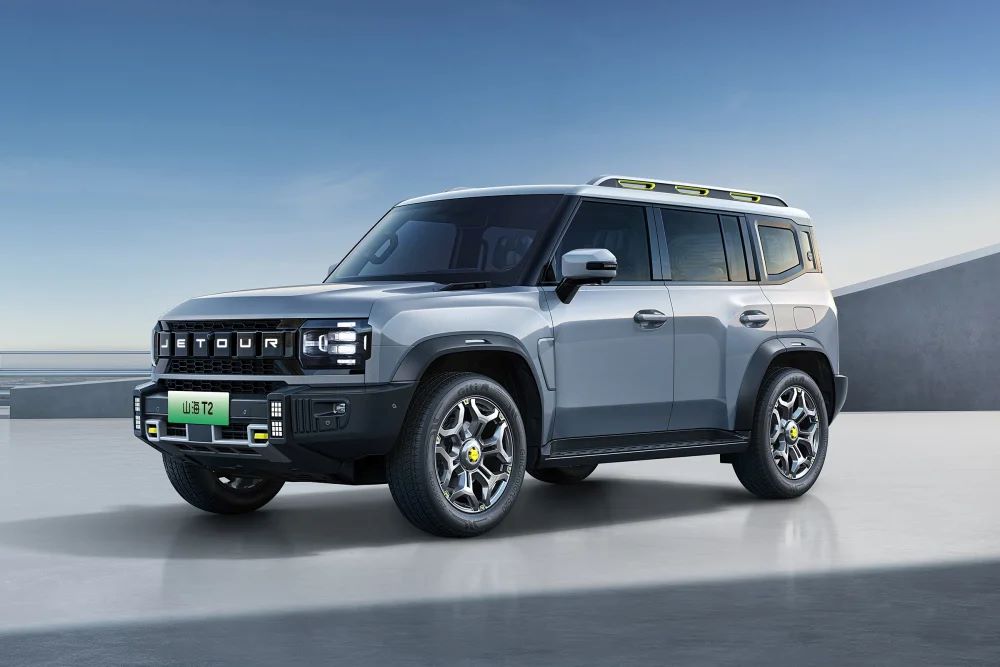
Jetour is a modern SUV brand from Chery, and it is gradually winning the Rwandan market.
Rwanda positioned as a potential regional hub
Despite the early stage of discussions, Gao has expressed optimism about Rwanda’s attractiveness as an investment destination. Gao highlighted Rwanda’s stable governance, improving business environment, and strategic positioning as key advantages for foreign investors.
He further encouraged Chery to think beyond Rwanda’s domestic market and consider the broader regional opportunity, suggesting that the country could serve as a production and distribution hub for East Africa and beyond.
“Rwanda could become a business hub, especially with upcoming infrastructure such as the new Bugesera International Airport,” he said, pointing to long-term economic potential driven by improved connectivity and logistics.
Timeline
While interest is growing, officials cautioned that the project is unlikely to materialize in the immediate future.
According to Gao, setting up such a facility would require significant preparation, coordination, and investment planning.
“It will take time — at least two years or more. It will not happen next year,” he explained, underscoring the complexity of establishing automotive manufacturing operations.
Broader wave of Chinese industrial interest
Beyond the proposed EV assembly plant, Gao said, other Chinese investors are also engaging with Rwanda, exploring opportunities in manufacturing and industrial parks.
Among them is Asia Machinery, a firm proposing the development of an automobile industrial park, with submissions already made to Rwanda Development Board (RDB) and the Ministry of Trade and Industry (MINICOM).
Another firm in the medical equipment sector is also considering establishing an industrial park in Rwanda’s Eastern Province, reflecting a broader trend of diversified Chinese investment interest.
Although exact figures were not disclosed, preliminary estimates suggest that combined investments from these emerging projects could reach tens of millions of dollars.
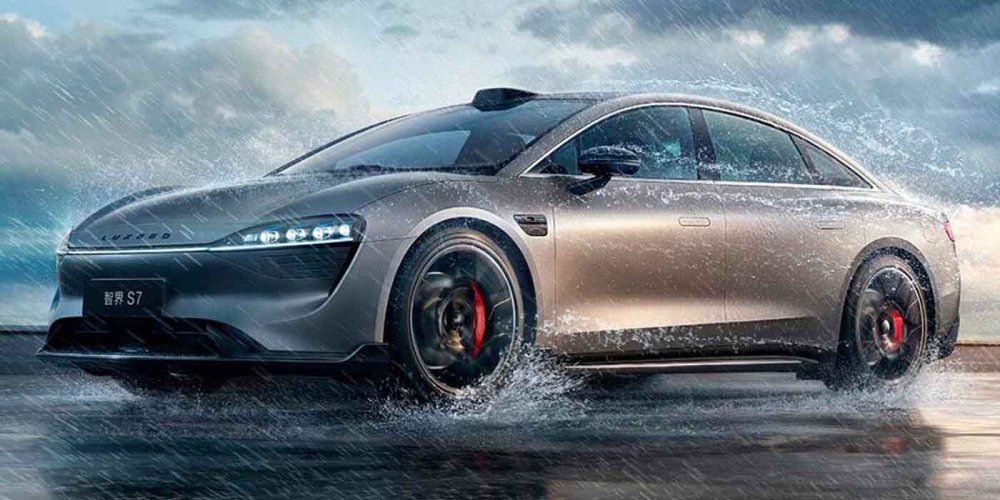
Chery is seeking to establish an electric vehicle assembly plant in Rwanda.
Alignment with Rwanda’s e-mobility agenda
The discussions come at a time when Rwanda is accelerating its transition toward sustainable transport. The government has introduced policies requiring public institutions to allocate at least 30% of newly procured vehicles to electric models, a move aimed at reducing emissions and supporting green mobility adoption, amid global oil disruptions.
In this context, a potential EV assembly plant would align closely with national priorities, including industrialisation, job creation, and technology transfer. It would also support Rwanda’s long-term ambition to develop a domestic automotive value chain anchored in clean energy solutions.
While the Chery EV assembly project is still in its early stages, both Rwandan and Chinese stakeholders appear aligned on its long-term potential. If realized, the investment could position Rwanda as an emerging player in Africa’s electric mobility ecosystem, while strengthening industrial cooperation between the two countries.
Rwanda and China have maintained strong cooperation over the years, with total trade between Rwanda and China reaching $849 million in 2025, an increase of 26.9 percent year-on-year, while Rwanda’s exports to China rose by 42 percent.
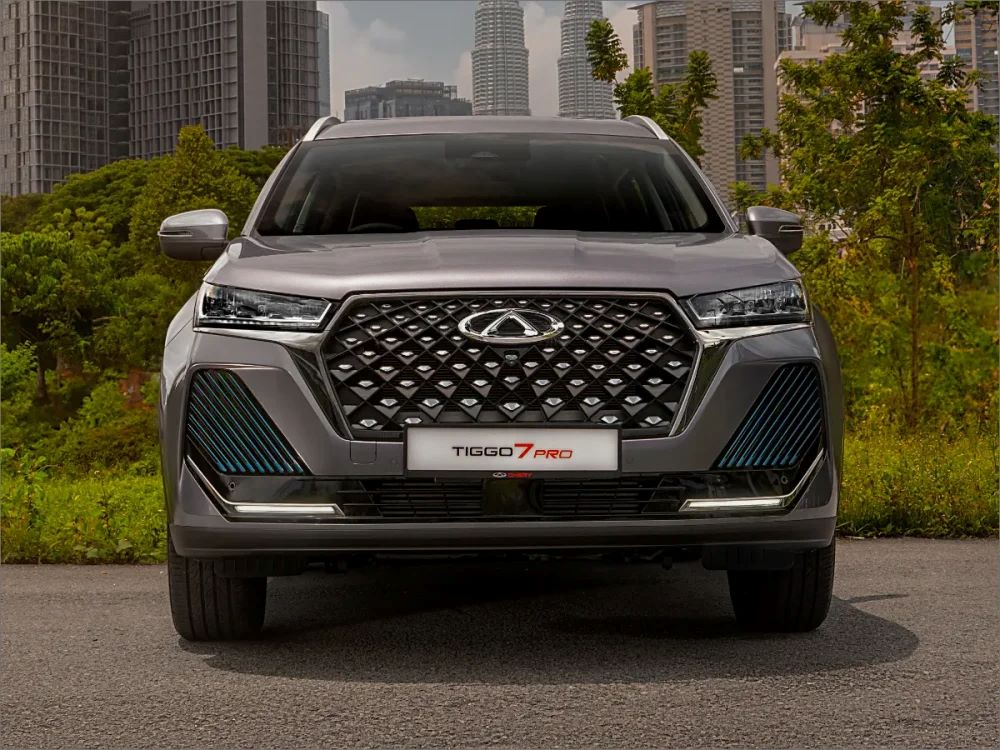
Tiggo 7 is one of the modern vehicles gaining traction in the European market.Luxeed is one of the high-quality electric vehicle brands produced by Chery.
The move comes as the country continues to face a worsening security crisis nearly two weeks after an alliance of jihadist fighters and separatist rebels launched nationwide assaults. During the attacks, Defence Minister Sadio Camara was killed in an apparent suicide truck bombing targeting his residence near Bamako.
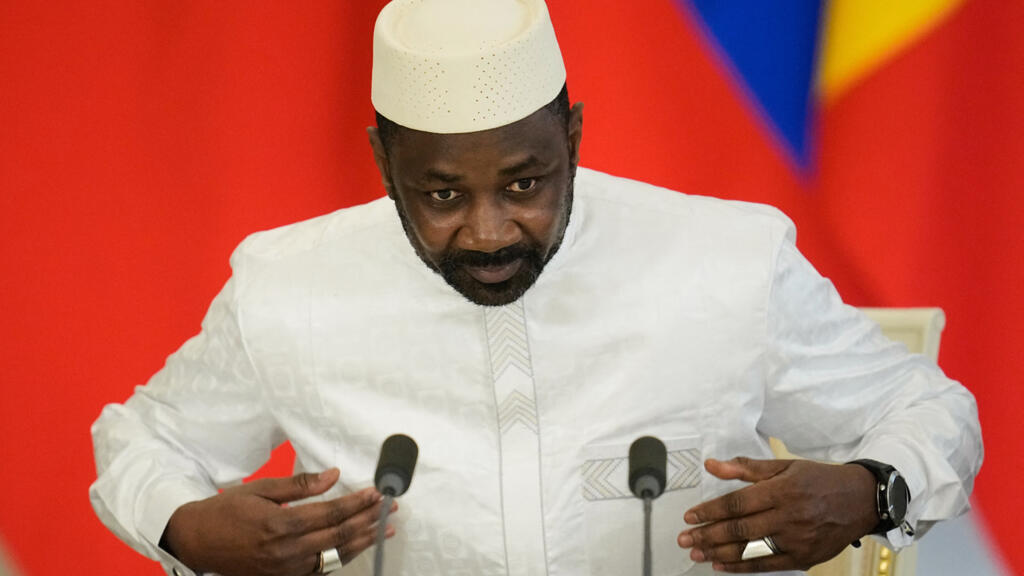
A decree read on state television on Monday confirmed Goïta’s new role as defence minister. He will be supported by army chief of staff Gen Oumar Diarra, who has been named minister delegate.
Goïta’s decision to hold both the presidency and the defence portfolio is widely seen as an effort to tighten his control amid growing pressure on his leadership.
The unrest began on 25 April when residents across Mali woke to gunfire and explosions as the separatist Azawad Liberation Front and the al-Qaeda-linked JNIM group launched coordinated attacks. Since then, the insurgents have reportedly imposed partial blockades on Bamako and other major cities.
The offensive, which also forced Malian and allied Russian forces to withdraw from the northern city of Kidal, has raised questions about the strength of Goïta’s military government, which came to power following a coup in August 2020.
Authorities say several soldiers have been arrested for alleged links to the attacks, with investigations suggesting involvement of both former and serving military personnel in planning and execution.
Mali has also coordinated with Niger and Burkina Faso to carry out air strikes against the insurgents. The three military-led countries, which form the Alliance of Sahel States, have expelled French troops and turned to Russian support in their fight against armed groups. However, insecurity persists, with large areas still outside government control.
Mali’s military leader Gen Assimi Goïta has taken over as defence minister after the officer who previously held the post was killed in a wave of surprise attacks.
The ministry confirmed that the sounds heard in scattered areas of the country were the result of the successful interception of the aerial threats.
It urges the public to obtain information from official sources, verify the facts, and adhere to all public safety measures upon receipt of warning messages.
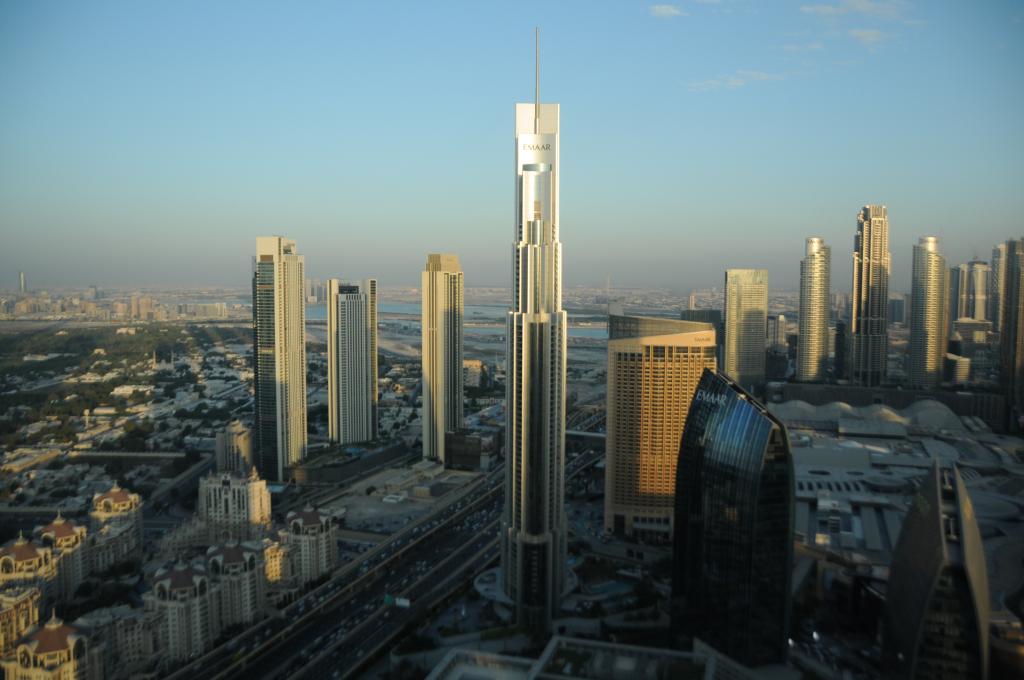
Meanwhile, the UAE National Emergency Crisis and Disasters Management Authority said air defenses are responding to a missile threat, urging residents to remain in safe locations and follow official updates.
This photo taken on Oct. 17, 2024 shows a city view of Dubai, the United Arab Emirates.
“We are going to see inflation climbing up, and then inevitably, inflation expectations would start de-anchoring,” she said at a conference hosted by the Milken Institute in Washington, D.C.
She noted that current conditions, including a prolonged conflict, oil prices hovering at or above 100 U.S. dollars per barrel, and mounting inflationary pressures, have already activated the IMF’s “adverse scenario.”
In April, the IMF issued three scenarios for global GDP growth in 2026 and 2027, namely the main “reference forecast,” a middle “adverse scenario,” and a much worse “severe scenario.”
Under the adverse scenario, global growth would slow to 2.5 percent in 2026, while inflation would rise to 5.4 percent.
The reference scenario, which assumes a short-lived conflict, projects growth of 3.1 percent and inflation of 4.4 percent.
“This scenario, with every day that passes, is further and further behind in the rear-view mirror,” Georgieva said.
For the severe scenario forecast, global growth would be just 2 percent, with inflation hitting 5.8 percent.
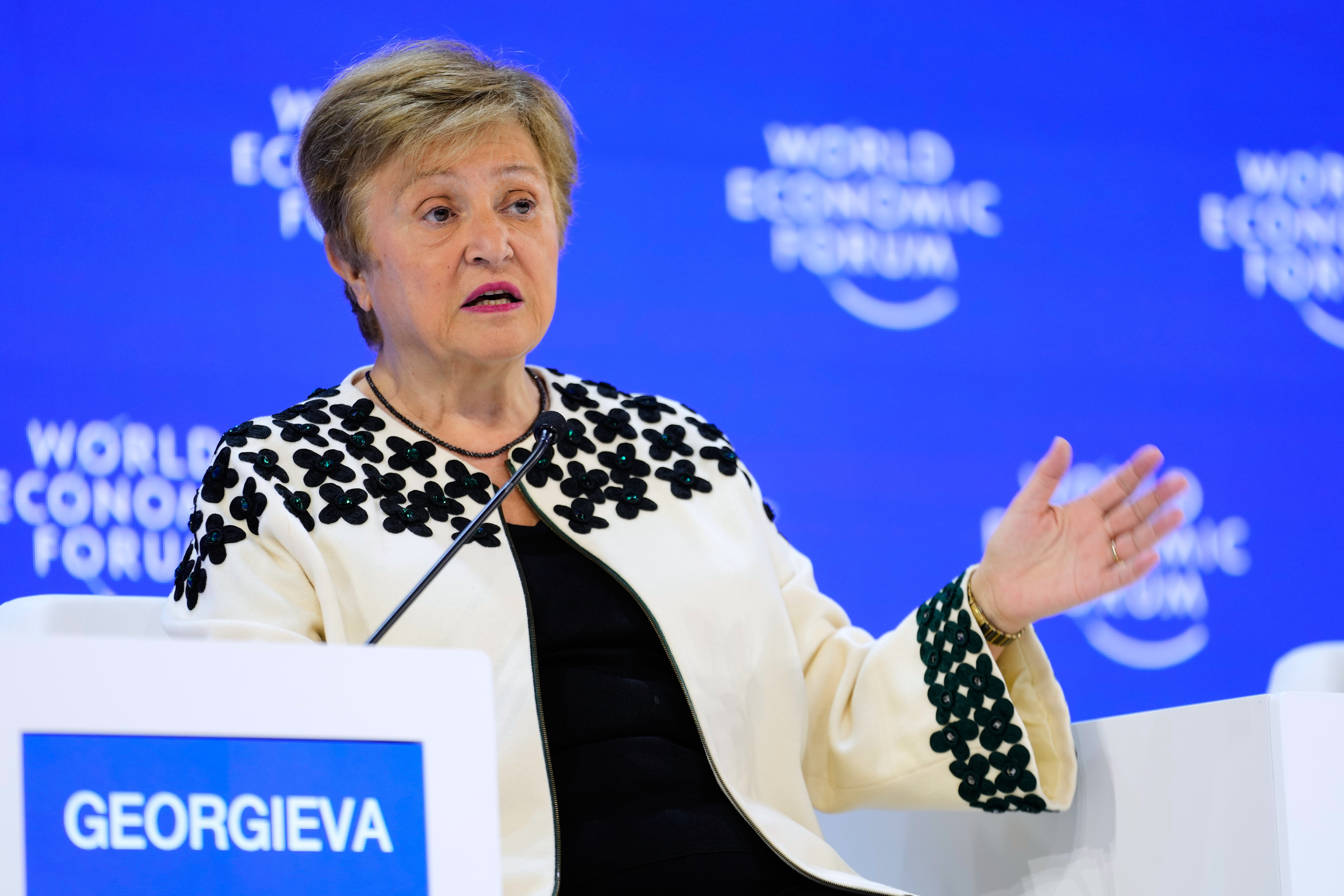
FILE – Kristalina Georgieva, Managing Director of the International Monetary Fund, attends the Annual Meeting of the World Economic Forum in Davos, Switzerland, Jan. 23, 2026. (AP Photo/Markus Schreiber, File)
The USS Truxtun and USS Mason, supported by Apache helicopters and other aircraft, faced a series of coordinated threats during the passage, said the report, citing Pentagon officials, who spoke under condition of anonymity.
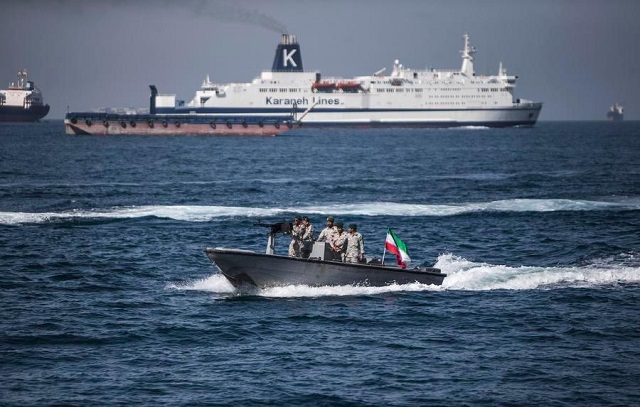
No U.S. warship was struck, though Iran launched small boats, missiles and drones against them as a sustained barrage, the officials were quoted as saying.
None of the projectiles launched by Iran reached the U.S. vessels, they said, adding that the U.S. military’s assisting efforts, bolstered by air support, successfully intercepted or deterred each incoming threat.
U.S. President Donald Trump told Fox News on Monday that the Iranians are “more malleable” than they were before.
In a phone interview with Fox News, the president threatened that if Iran targets U.S. ships in the Strait of Hormuz as the Pentagon begins operations to restore commercial shipping transit through the strait, they would be “blown off the face of the Earth.”
However, in another phone interview with ABC News on Monday, Trump stopped short of saying Iran’s Monday attacks had violated the U.S.-Iran ceasefire.
“[It was] not heavy firing,” Trump said, downplaying the attacks.
Brad Cooper, chief of the U.S. Central Command, told reporters earlier on Monday that Iranian forces had launched “multiple cruise missiles, drones, and small boats at ships we are protecting.”
U.S. forces have sunk six Iranian small boats targeting civilian vessels in the Strait of Hormuz and intercepted several Iranian missiles and drones, said Cooper.
Iran later rejected the U.S. claims, saying that “no commercial vessels or oil tankers” have transited the Strait of Hormuz, the semi-official Tasnim News Agency reported.
On Feb. 28, the United States and Israel launched joint strikes on Tehran and other Iranian cities, killing then-Supreme Leader Ali Khamenei, senior military commanders and civilians. Iran responded with waves of missile and drone attacks on Israel and U.S. targets across the region and restricted passage through the Strait of Hormuz for vessels linked to Israel and the United States.
A ceasefire took effect on April 8, followed by talks between Iranian and U.S. delegations in Islamabad that ended without a deal.
Two U.S. Navy destroyers have passed through the Strait of Hormuz and entered the Gulf after navigating an Iranian barrage, U.S. media outlet CBS News reported on Monday night.