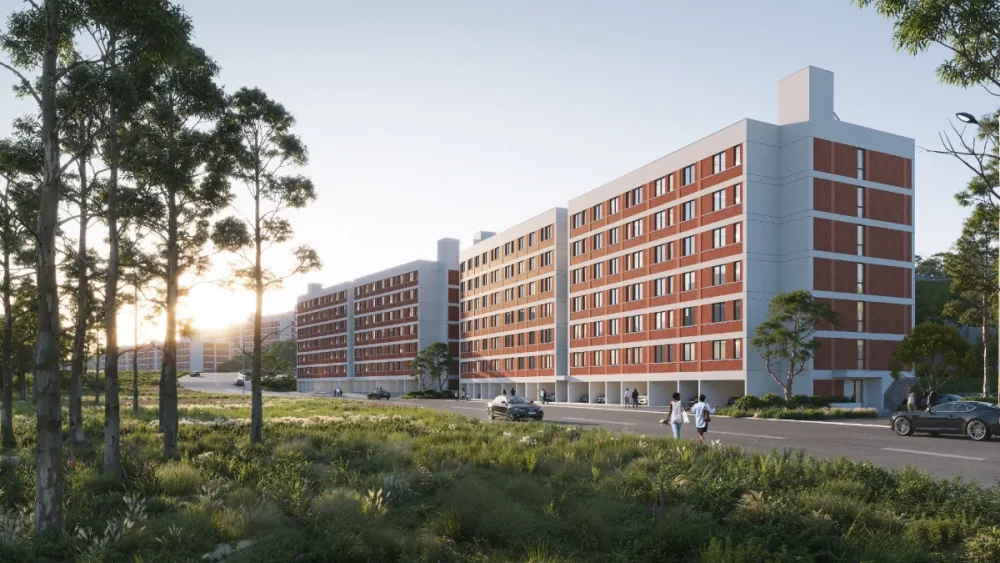
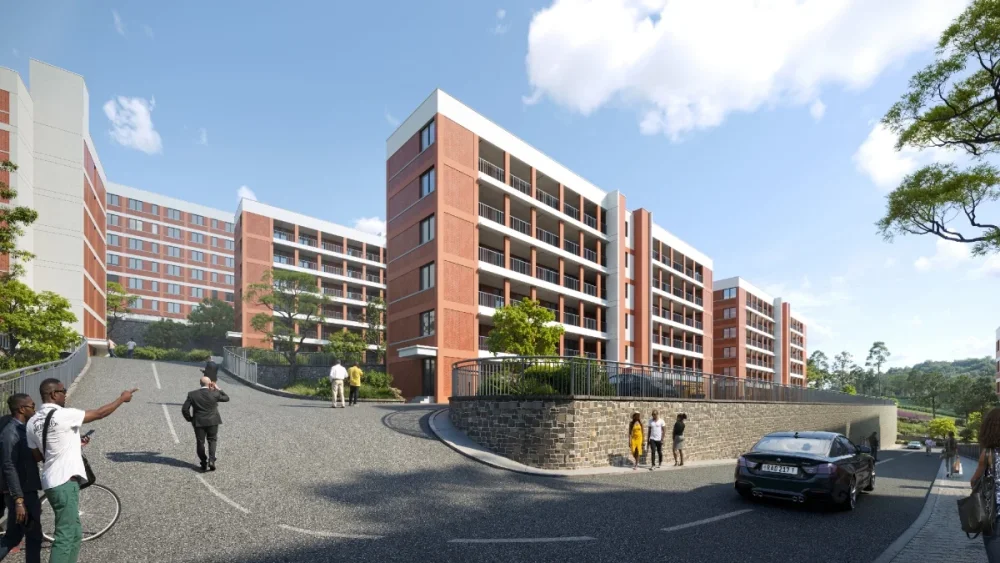
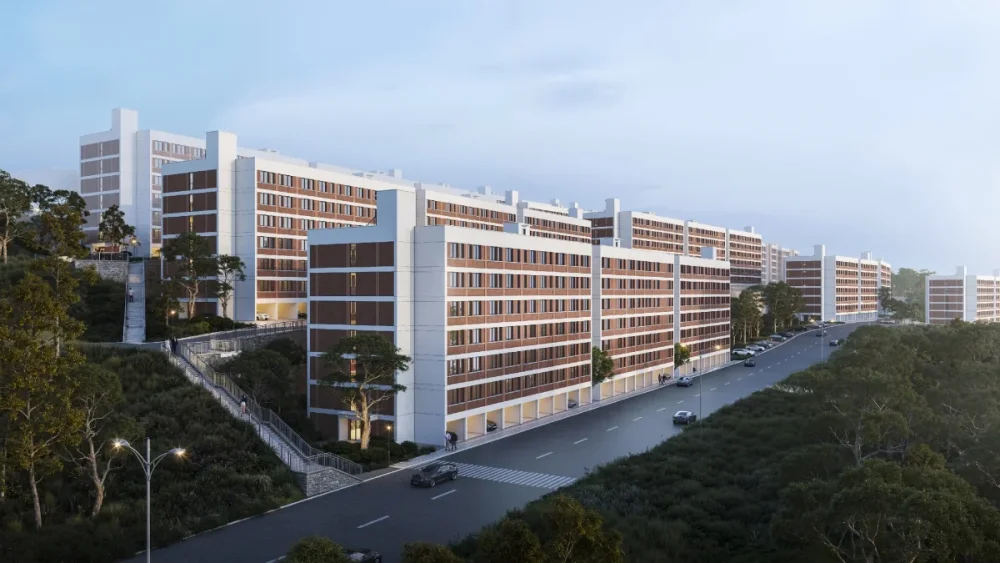
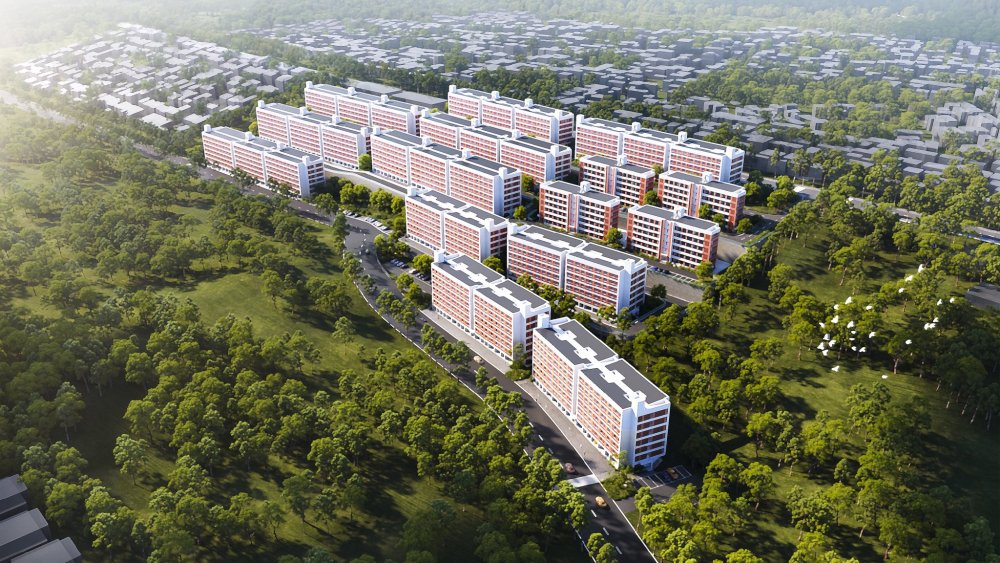
The project, located in Kabuhunde Village, Kagugu Cell, Kinyinya Sector in Gasabo District, is expected to provide modern housing for 716 families currently living on a 33.699-hectare site.
The development will feature six-storey buildings (G+6), equipped with designated parking spaces and elevators.
City of Kigali spokesperson Emma-Claudine Ntirenganya said the new neighbourhood will also include key infrastructure and services, including tarmac roads, a wastewater treatment facility, public recreational spaces, a market and a health centre.
Residents who currently own land or houses within the project area will receive new homes based on the value of their existing properties and in accordance with compensation regulations, allowing them to retain ownership of the new homes.
The Kagugu project will follow an approach similar to that used in the Mpazi and Nyabisindu housing developments.
The first phase of the Mpazi project delivered nearly 800 homes, while its expansion is expected to provide more than 4,100 additional homes. The Nyabisindu project is expected to deliver more than 2,000 homes by June 2027.
Ntirenganya said that beyond the number of houses being constructed, the projects are aimed at improving the living conditions of low- and middle-income residents while preserving communities and the achievements they have made over the years.
“This means that families can move into modern, secure houses with better services without being separated from their neighbours. Parents can continue accessing the markets and businesses they have traditionally relied on,” she stated.
She noted that residents would continue living close to their workplaces and sources of income, while their children would remain in the schools they already attend.
“The biggest change will be in their daily lives: safe and well-built homes, improved hygiene and sanitation, better roads and water networks, organised housing, recreational spaces, and easier access to services and infrastructure,” Ntirenganya said.
The Kabuhunde Rehousing Project will feature six-storey residential buildings with elevators and designated parking spaces.Construction of the Kabuhunde Rehousing Project is scheduled to begin in January 2027.The new Kabuhunde housing project in Kagugu is expected to provide homes for 716 families.The new Kagugu neighbourhood will include tarmac roads, a market, a health centre and public recreational spaces.
El Niño is a climate pattern associated with unusually warm sea surface temperatures in the Pacific Ocean, which can influence weather patterns around the world. In Africa, it can bring drought to some areas while causing above-average rainfall in others.
On August 10-11, 2026, the Ministry in Charge of Emergency Management (MINEMA), in partnership with the World Bank, conducted a two-day Tabletop Simulation Exercise for Rwanda’s Contingent Emergency Response Project (CERP).
The exercise aimed to strengthen Rwanda’s preparedness to effectively activate and implement the CERP mechanism in response to eligible emergencies, while ensuring rapid and efficient access to emergency financing.
MINEMA Permanent Secretary Aristarque Ngoga said disaster preparedness goes beyond having emergency equipment, stressing the need for institutions at all levels to understand their responsibilities and be ready to respond quickly when disasters occur.
“Preparedness is not only about having resources available; it is also about ensuring that institutions understand their roles and can act quickly and in a coordinated manner when an emergency occurs. The CERP simulation allows us to identify and address potential gaps before they affect our response to a real crisis,” said Ngoga.
Rwanda has also requested $86.2 million, equivalent to more than Rwf126.6 billion, to strengthen preparedness and emergency response capacity in areas considered particularly vulnerable to disasters.
Climate experts have warned that 2026 could rank among the hottest years globally. Meteo Rwanda Director General Aimable Gahigi said Rwanda could receive more than 400 millimetres of rainfall in the coming months.
Gahigi said the potential effects of El Niño could resemble conditions experienced in 1997 and 2023, when heavy rains affected countries across the region between October and December.
Since the beginning of 2026, MINEMA has relocated 4,785 households from areas considered highly vulnerable to disasters. Nearly 4,000 people have also been trained in disaster preparedness and response, while 14 temporary shelters have been established to accommodate people affected by disasters.
Emergency response equipment has been stocked in Kigali, Musanze, Kayonza and Karongi to facilitate faster interventions when disasters occur.
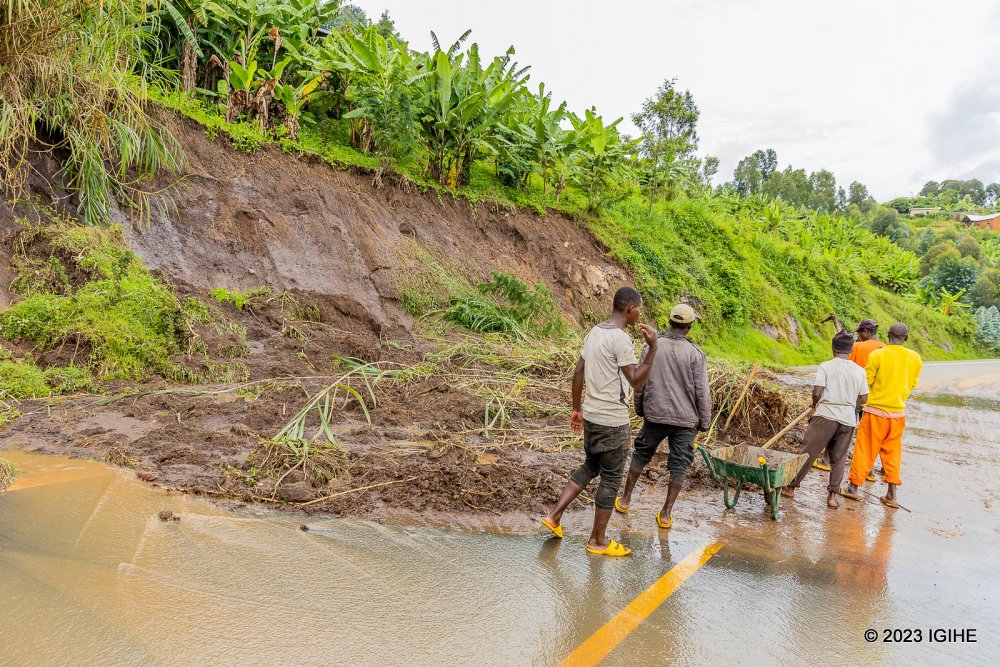
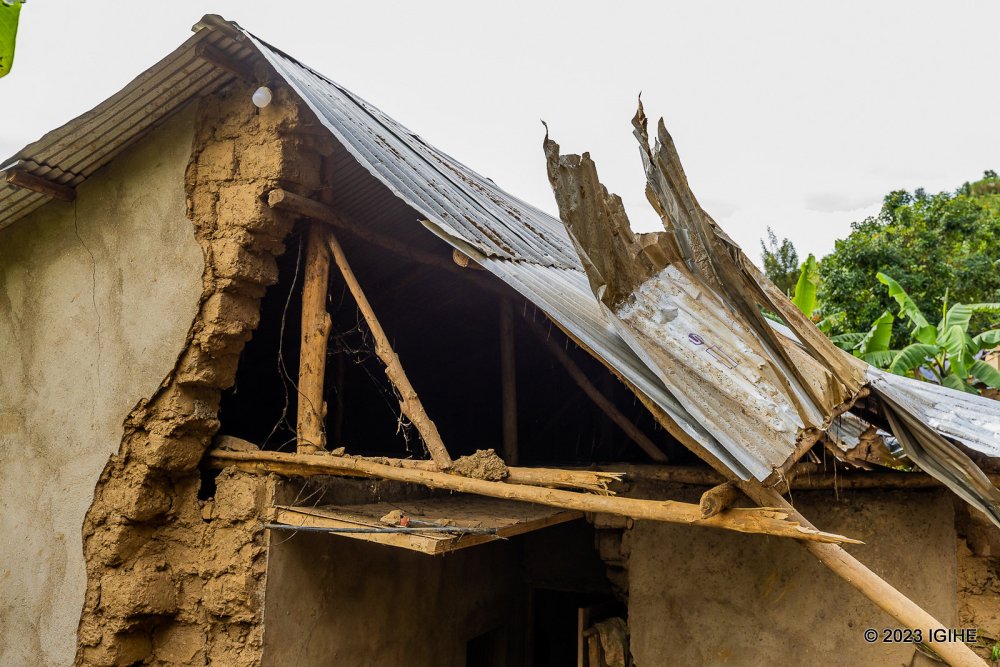
Over the past five years, disasters have damaged more than 16,600 houses across Rwanda, with about 2,700 completely destroyed. They have also damaged roads, bridges, schools, electricity infrastructure, health facilities and markets.
Rwanda is seeking additional funding to strengthen disaster preparedness and emergency response in vulnerable areas.In 2023, Rwanda was hit by severe disasters that damaged infrastructure across the country.
Pezeshkian made the remarks in a televised interview broadcast Friday night, responding to questions about whether ongoing diplomatic efforts could revive the peace memorandum of understanding (MoU) signed by Iran and the United States in June and restore the Iranian nation’s rights.
“We can move forward” if Iran’s actions are met with reciprocal and proportional actions from the other side, the Iranian president said, acknowledging that the two sides might not achieve all their objectives.
Under the MoU, the United States was expected to lift a naval blockade and oil and petrochemical sanctions against Iran and release Iranian frozen assets.
Pezeshkian said Iran had exported nearly 90 million barrels of oil during the period when the agreement was being implemented.
“The main issue is that we must be committed to the MoU we have written. When we sit down at the negotiating table, we can talk to them,” he said.
On June 18, the United States and Iran signed the deal on ending the war in the region on all fronts, including Lebanon. Under the MoU, they were scheduled to hold negotiations within 60 days, which ended on Aug. 17, to reach a final agreement.
The talks’ fate remains unclear following the escalation between the two countries last month.
Pezeshkian’s comments came as Iran continues to grapple with economic pressures at home.
In a separate message Friday marking Government Week, Iranian Supreme Leader Mojtaba Khamenei called for “serious” attention to economic and livelihood challenges, including inflation, unemployment and the management of prices and markets.
Iran needs stronger economic growth, increased investment and a production boost, Khamenei said, describing greater reliance on domestic production as key to addressing the country’s economic difficulties.
Where domestic production cannot meet demand, imports should be used “properly and wisely,” he said.
Khamenei also called for maintaining national unity and protecting social cohesion, warning against using statements that lead to hopelessness and weaken national and public motivation.
The remarks came amid intensified U.S. economic pressure on Iran. Earlier this month, U.S. President Donald Trump announced “the most crushing economic operation ever taken” against any country providing a lifeline to Iran.
“This will be Economic Warfare and Isolation on an unprecedented scale,” Trump said in a social media post, calling the move “an ECONOMIC D-DAY.”
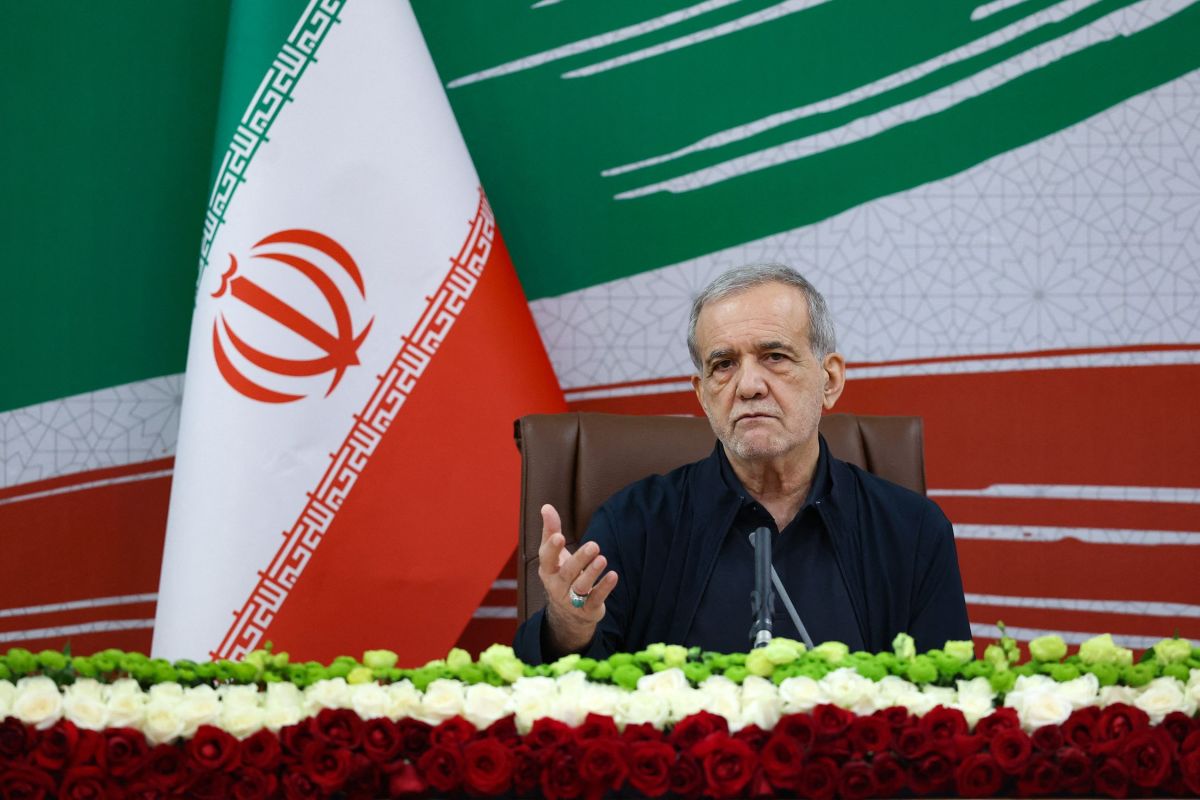
Iranian President Masoud Pezeshkian said Friday that Iran will negotiate with the United States, but remains wary of Washington,
The GSDF said it was extremely regrettable that one of its members, who was supposed to abide by laws and discipline, had committed such an act, public broadcaster NHK reported.
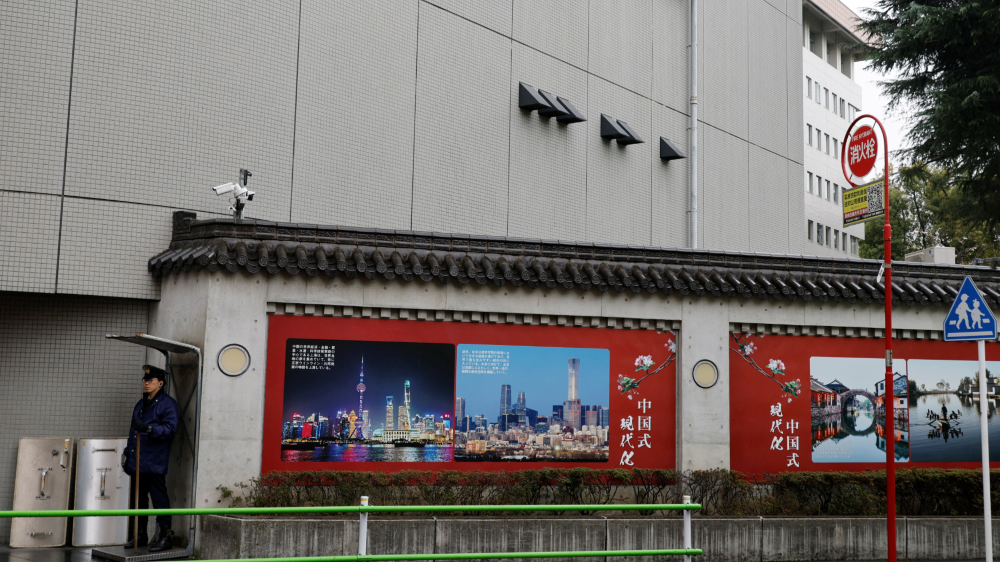
On March 24, the GSDF officer, identified as Kodai Murata, allegedly scaled a barbed-wire wall and broke into the Chinese embassy in Tokyo with an 18-cm blade, threatening to kill Chinese diplomatic personnel. He was later arrested by the police.
Japanese prosecutors indicted Murata on charges including trespassing and threatening embassy staff.
The embassy has lodged solemn representations and a strong protest with the Japanese side, demanding that Japan provide a responsible explanation. So far, however, the Japanese side has only expressed that the incident was “regrettable,” without offering an apology.
A Japanese police officer stands guard in front of the Chinese Embassy in Tokyo, Japan, March 25, 2026.
“Treasury promised to sever every economic lifeline Tehran has left and finally end the threat” of Iran, said U.S. Treasury Secretary Scott Bessent, referring to the campaign dubbed “Operation Economic Outcast.”
“We also warned that Iran’s enablers cannot continue to enjoy access to the U.S. dollar and the global financial system,” Bessent said. “Banque Misr UAE decided to find out the hard way, and today, we are taking the first step in holding it accountable for its continued, egregious support of the Iranian regime.”
According to the department, Banque Misr UAE is “a critical node” for Iran’s access to U.S. dollars. Between January 2024 and June 2026, the bank processed approximately 1.8 billion dollars in transactions for 103 companies that the department said may be part of Iranian shadow banking networks.
The proposed action against the bank would cut off what the department described as a key financial lifeline and sanctions evasion vehicle for Iran.
Separately, the Treasury Department’s Office of Foreign Assets Control on Friday also sanctioned Iranian national Reza Mohammad Taeedi, general manager of Bank Melli’s Dubai branch, claiming that the bank had facilitated billions of dollars in transactions through accounts controlled by the Islamic Revolutionary Guard Corps’ Quds Force.
Bessent announced “Operation Economic Outcast” on Monday, saying the campaign was aimed at severing Iran’s remaining financial lifelines. He warned that any entity facilitating money laundering or sanctions evasion on behalf of Iran would be cut off from the U.S. financial system.
Iranian Foreign Minister Seyed Abbas Araghchi condemned the U.S. campaign as “economic terrorism” and called on the United Nations to denounce the U.S. actions.
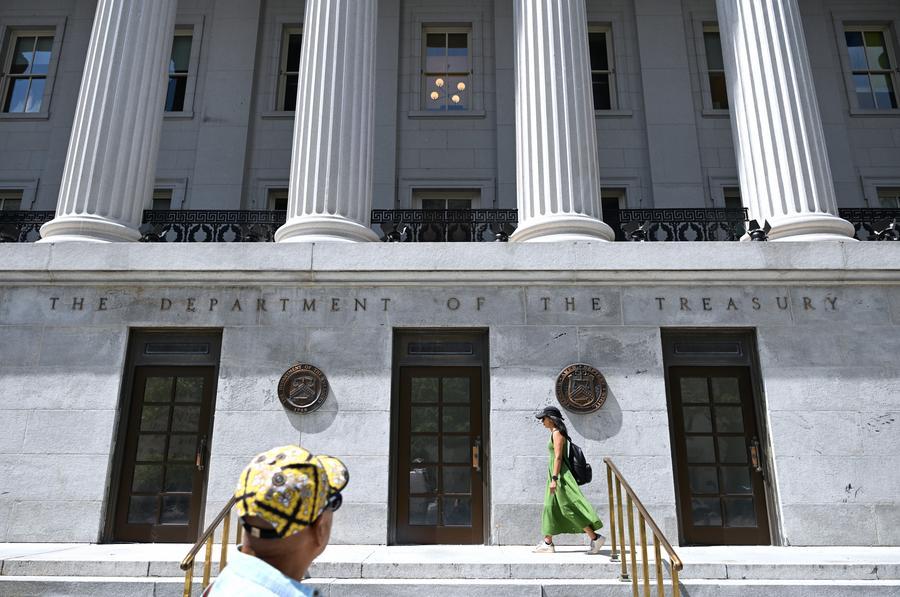
People walk past the U.S. Department of the Treasury in Washington, D.C., the United States, Aug. 24, 2026. (Xinhua/Li Rui)
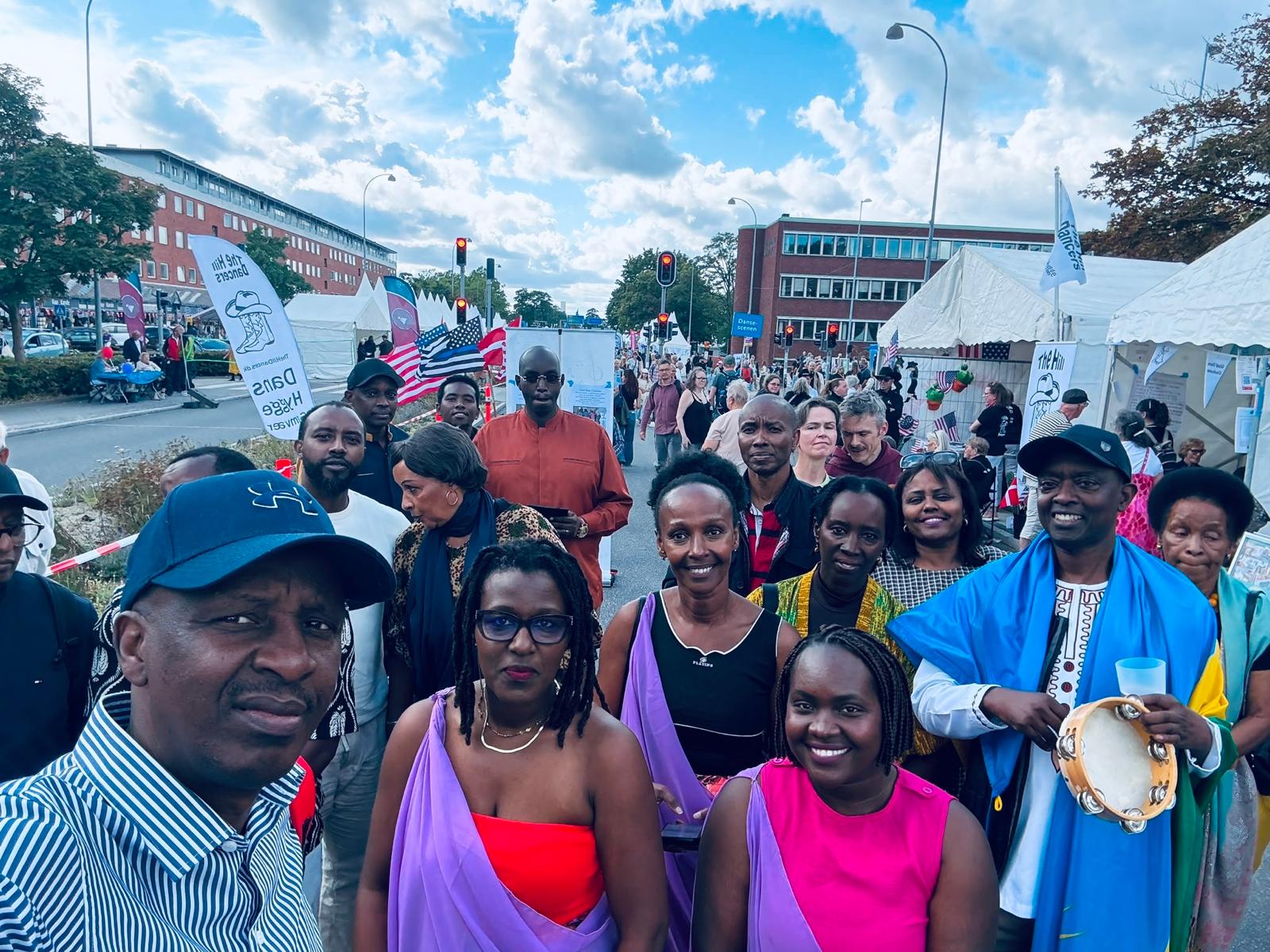
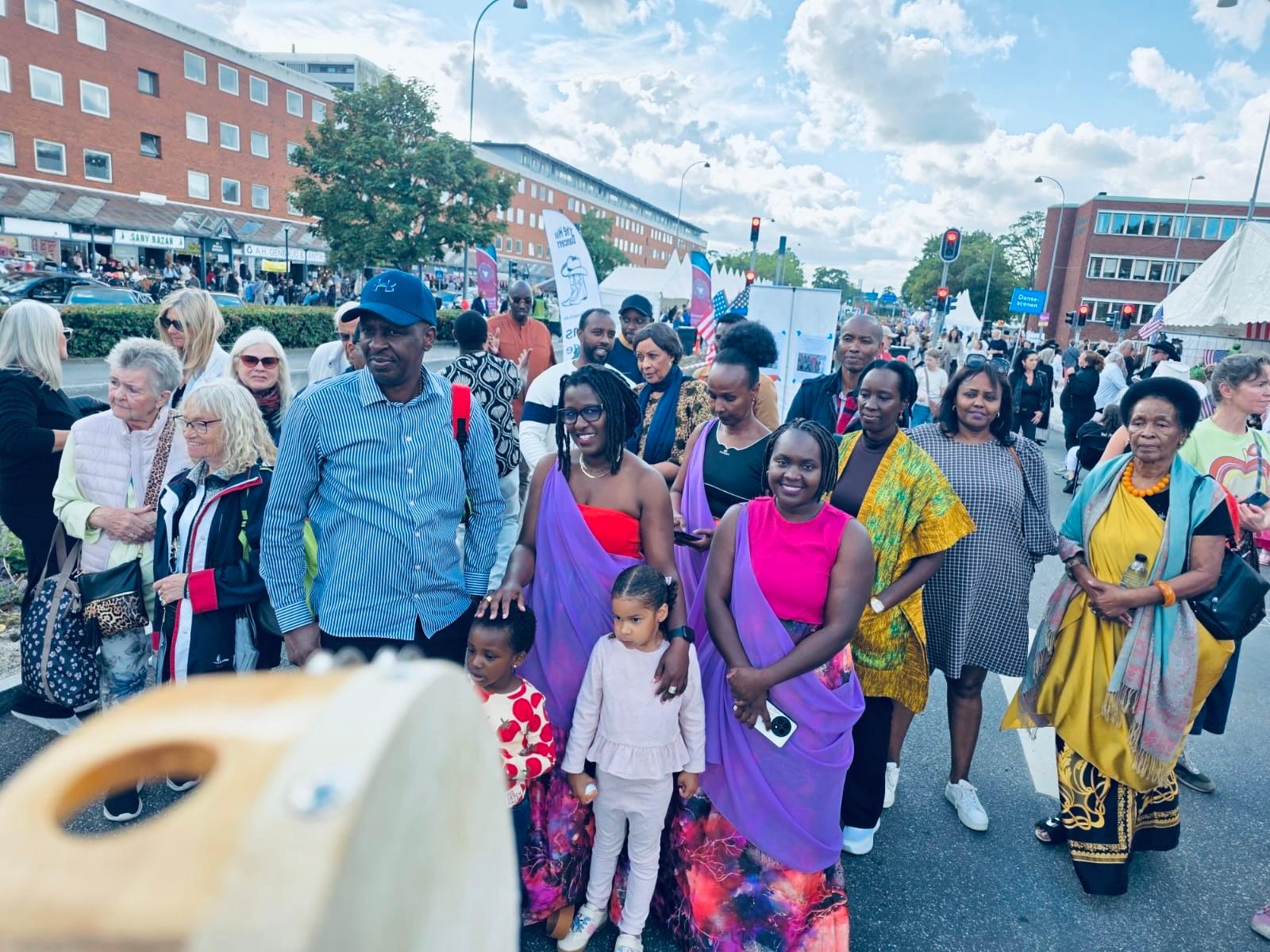
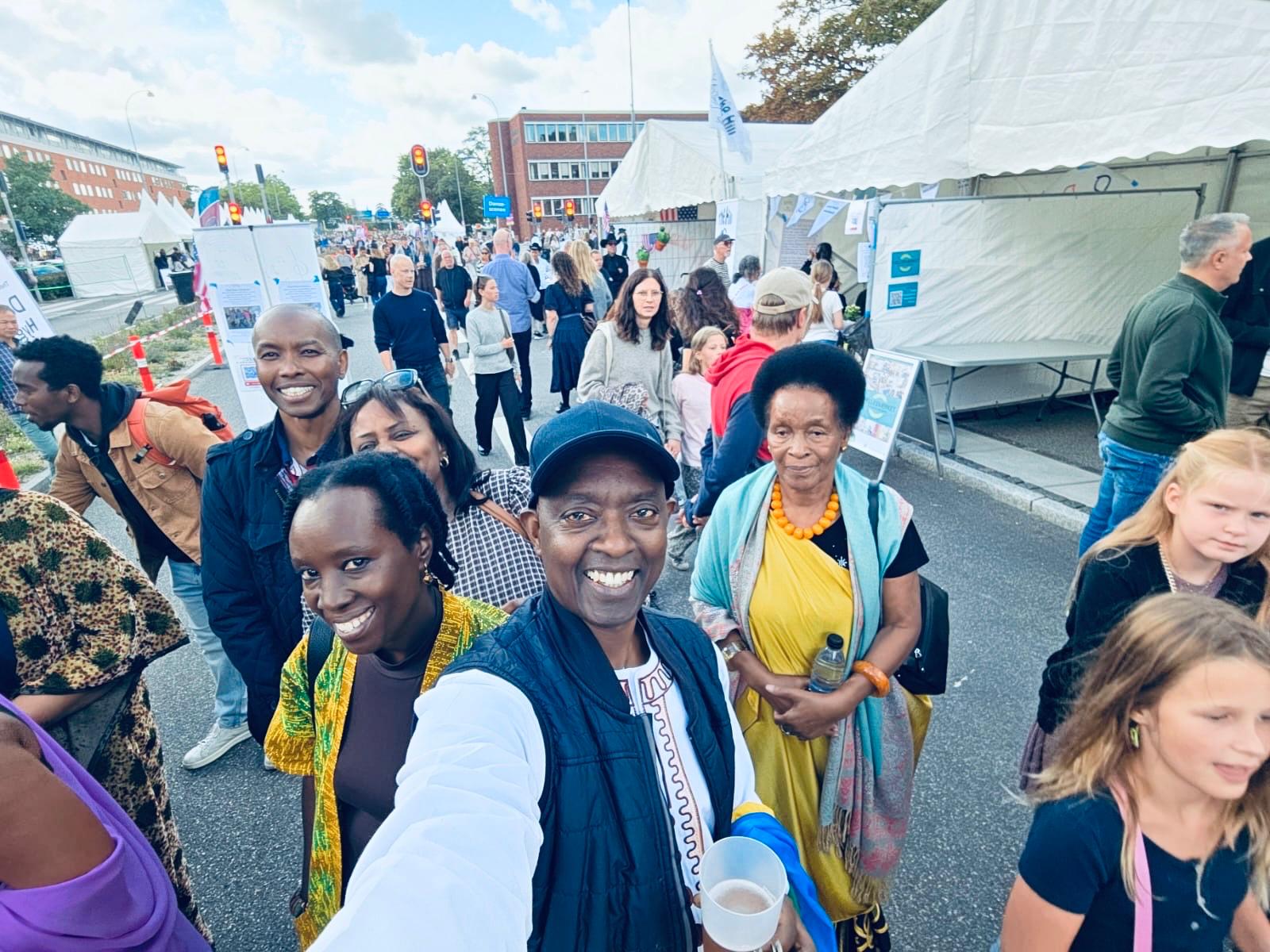
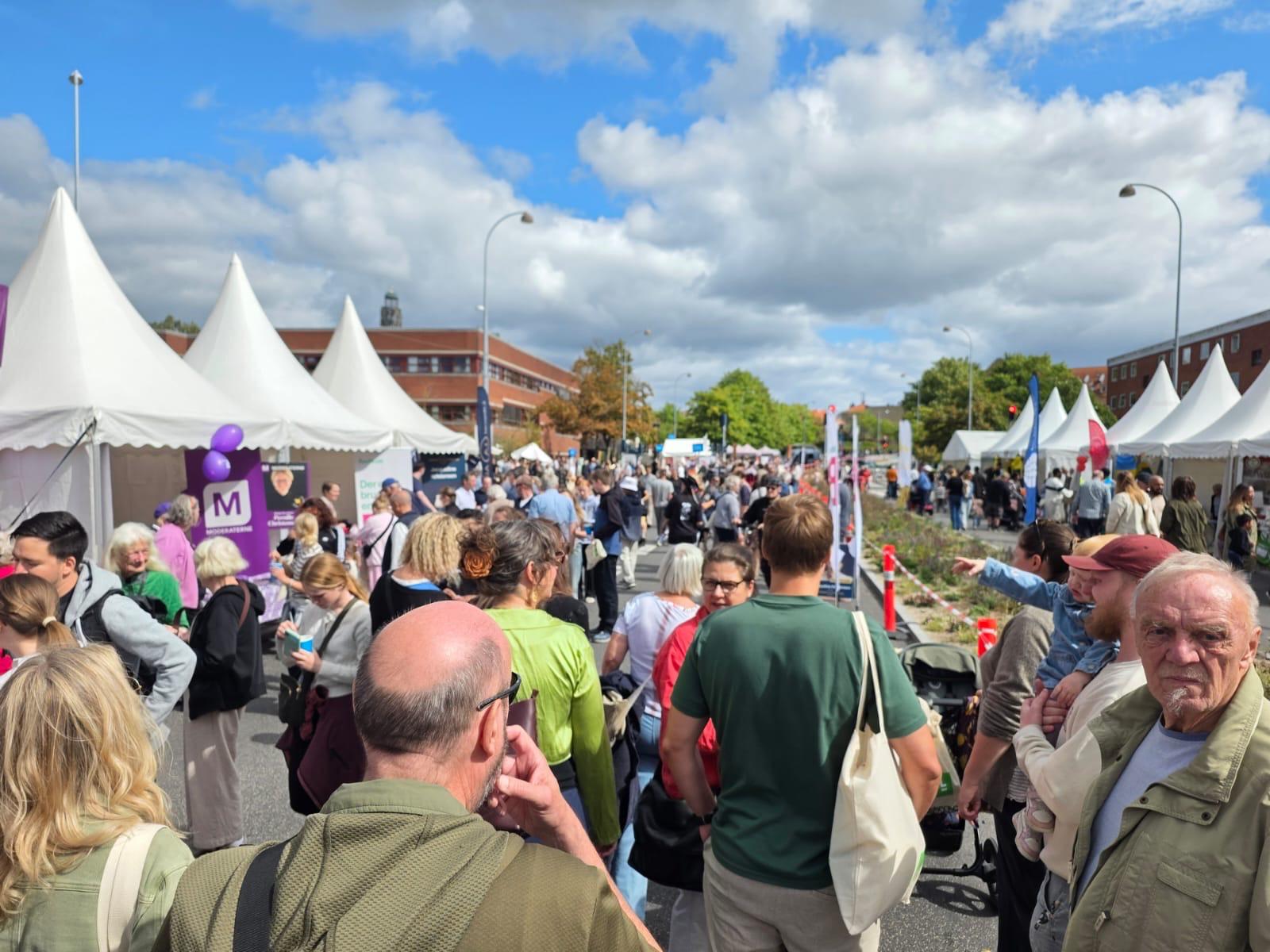
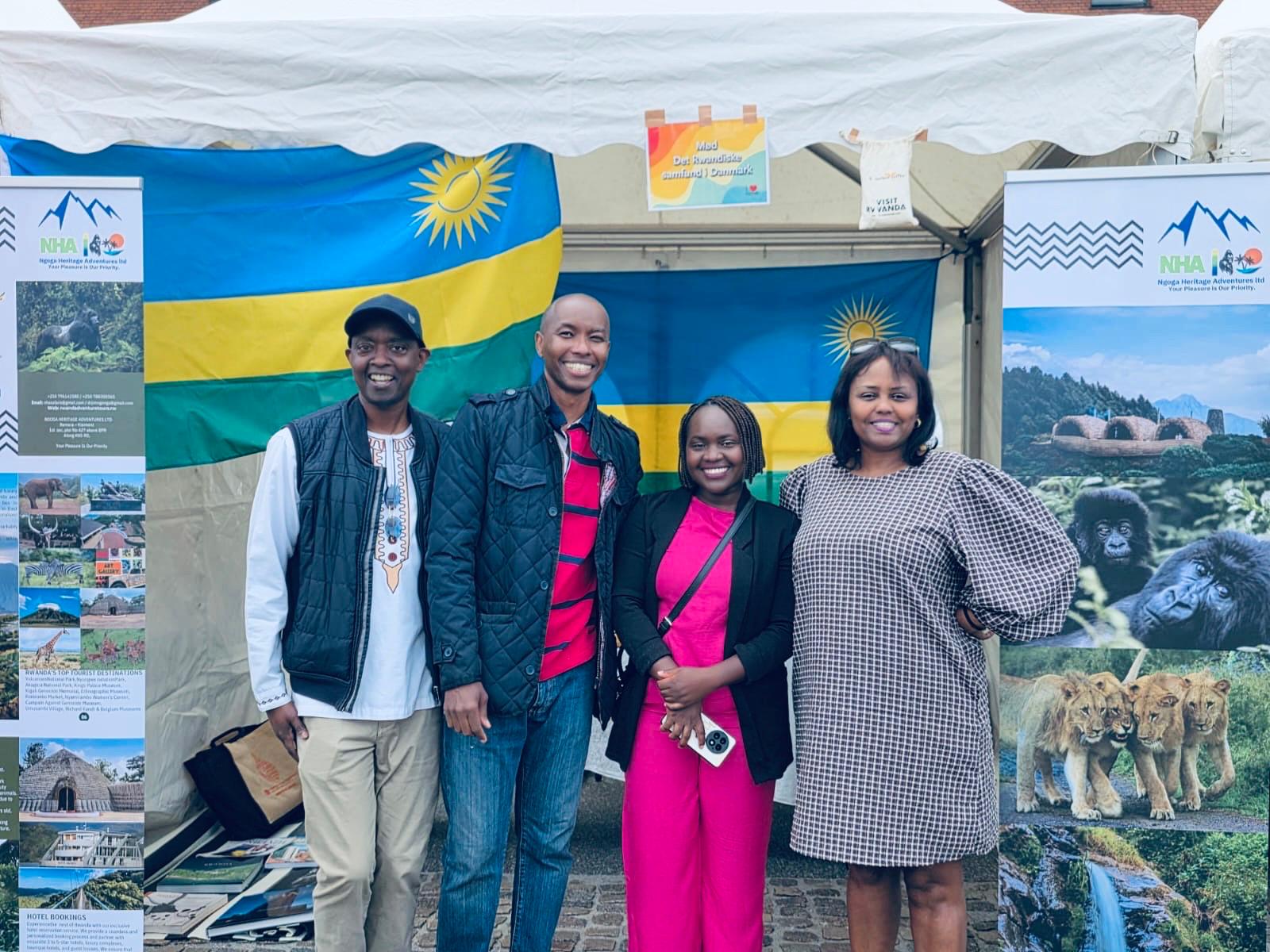
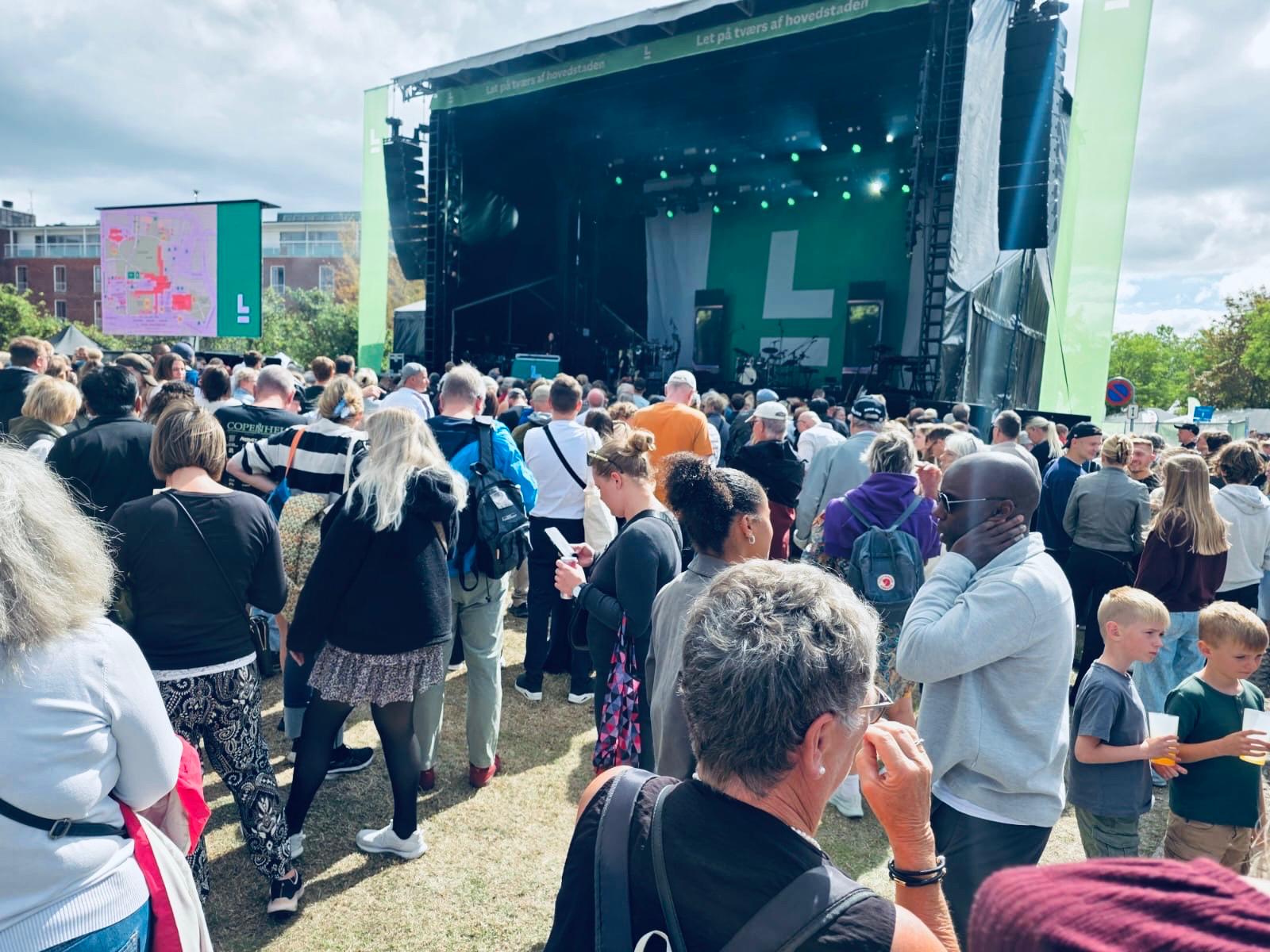
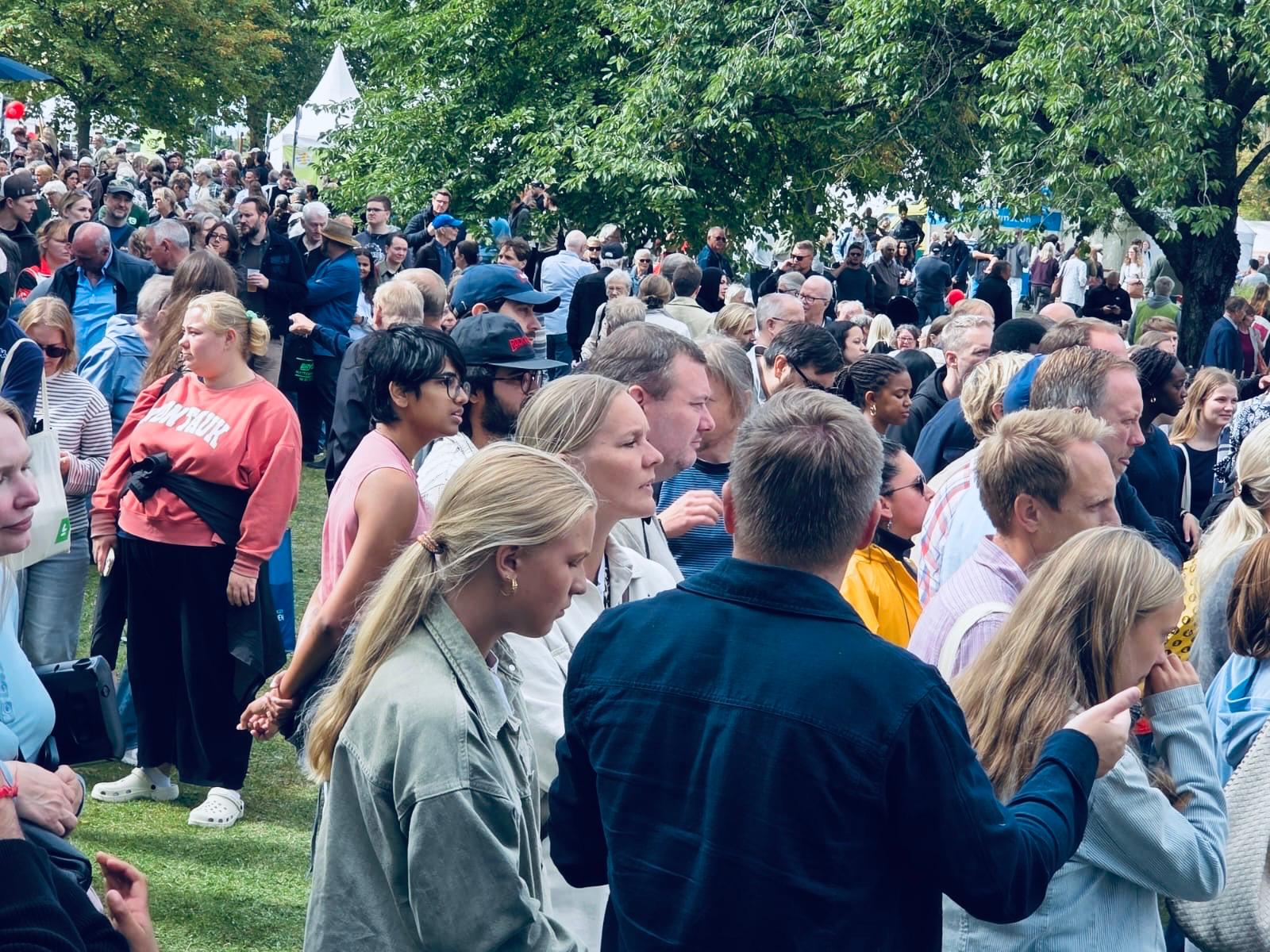
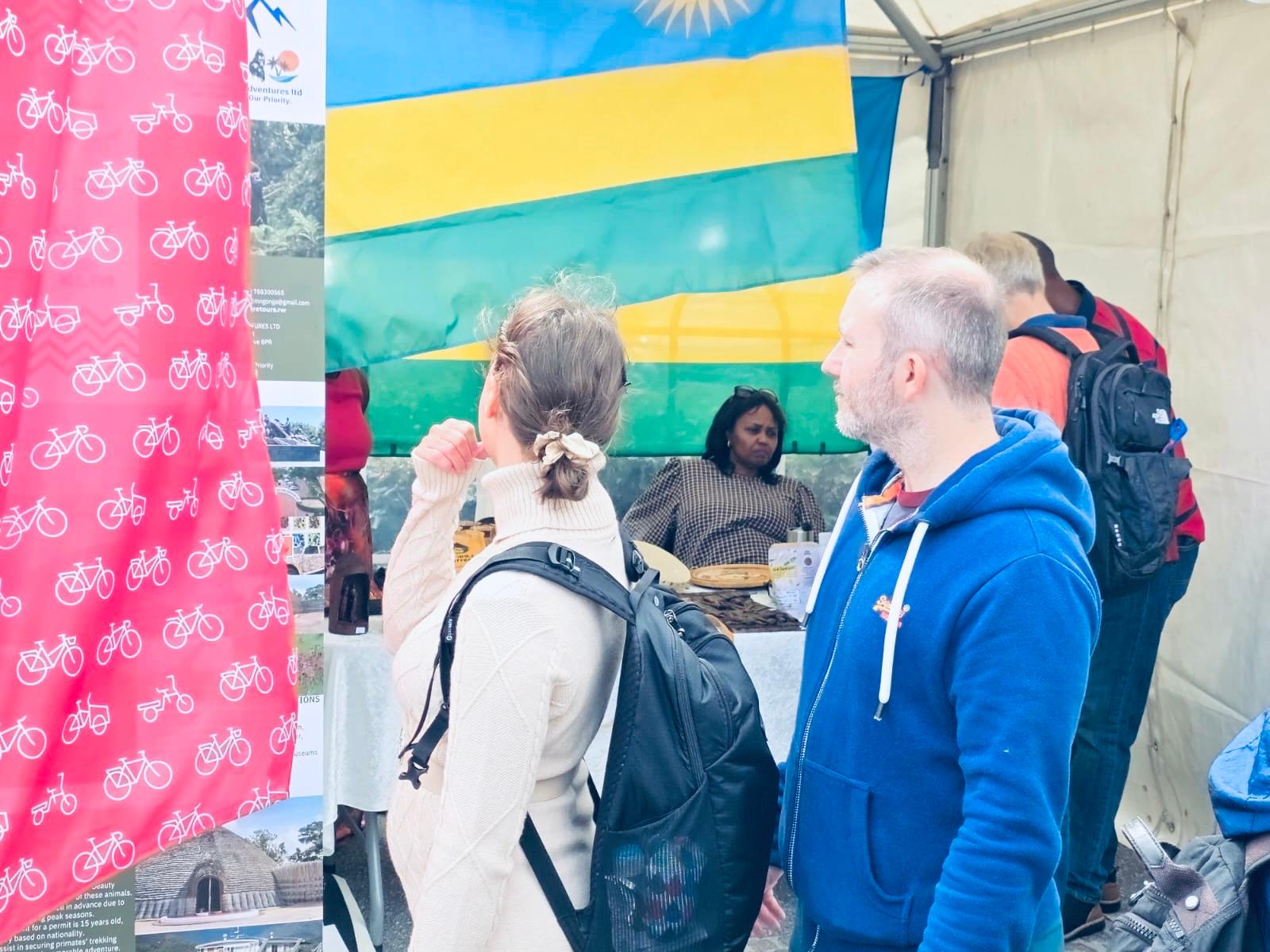
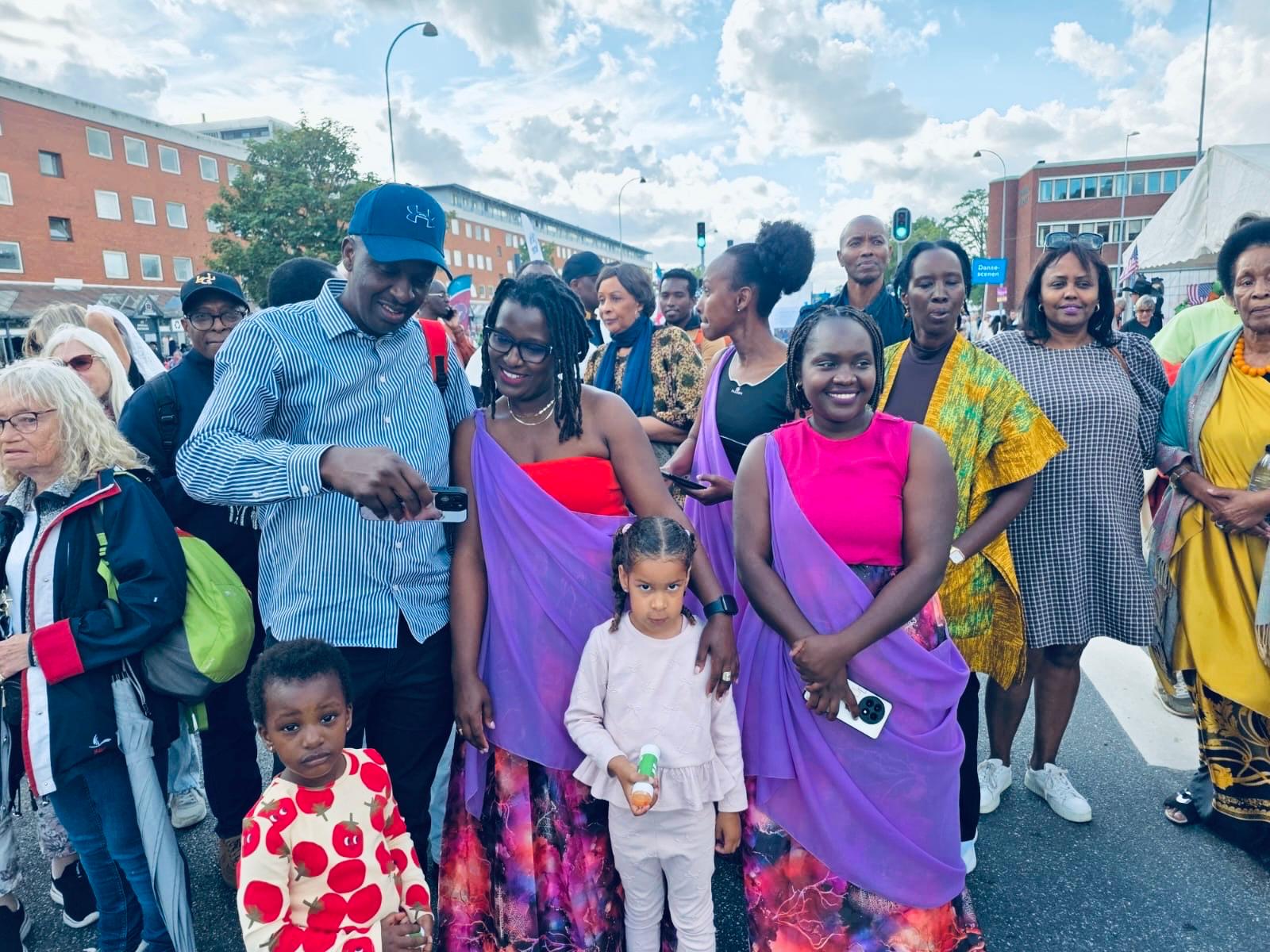
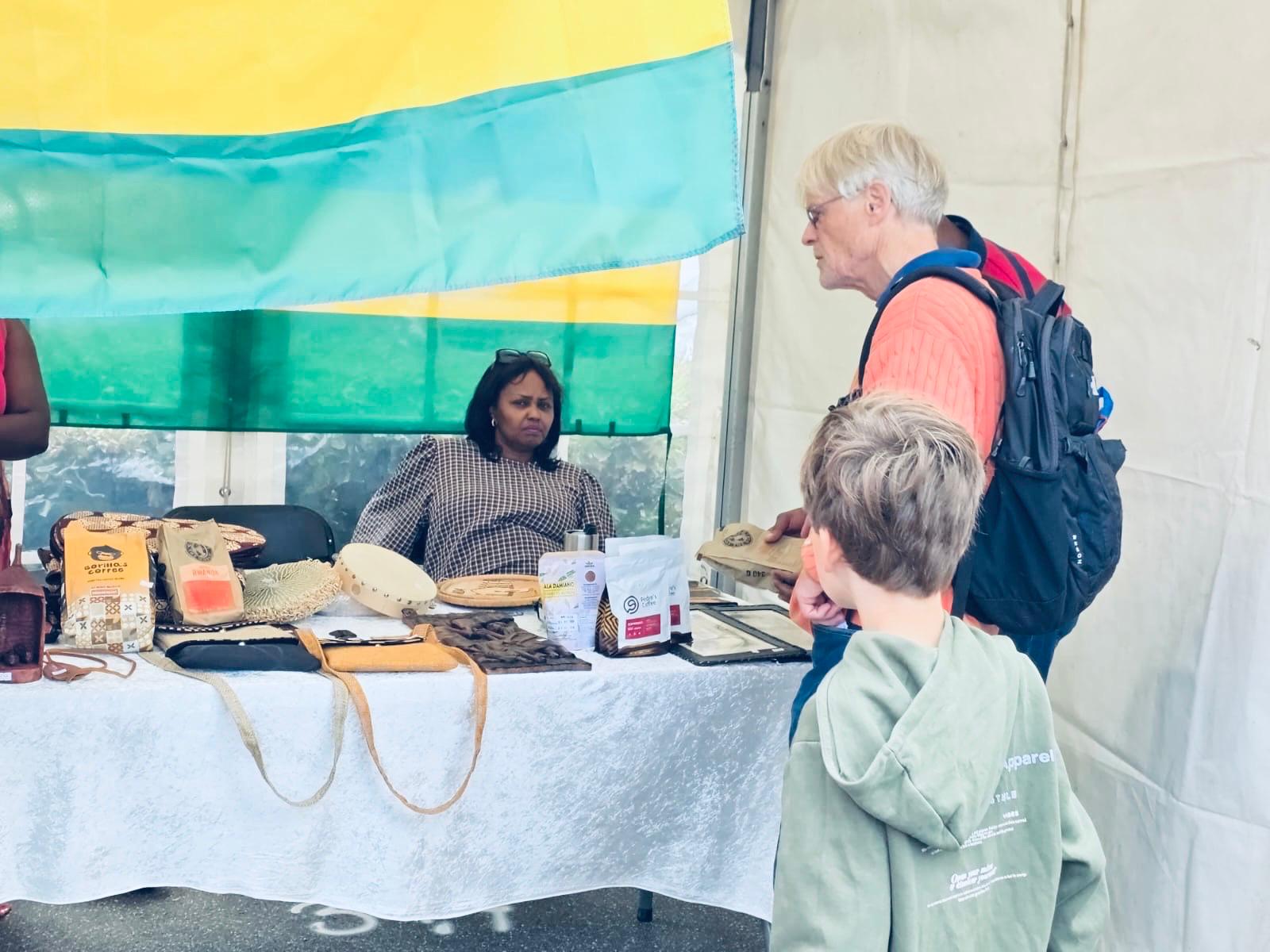
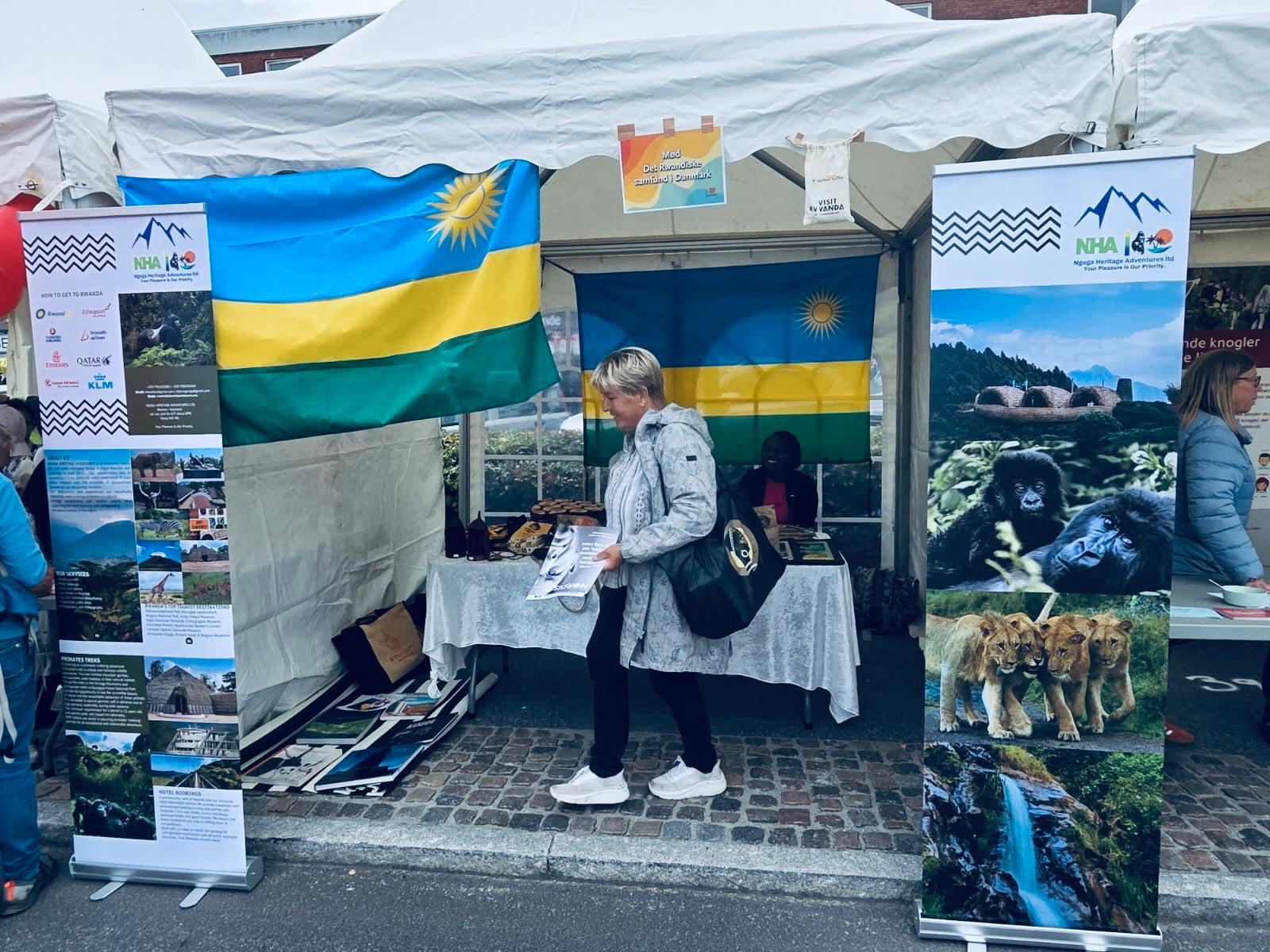
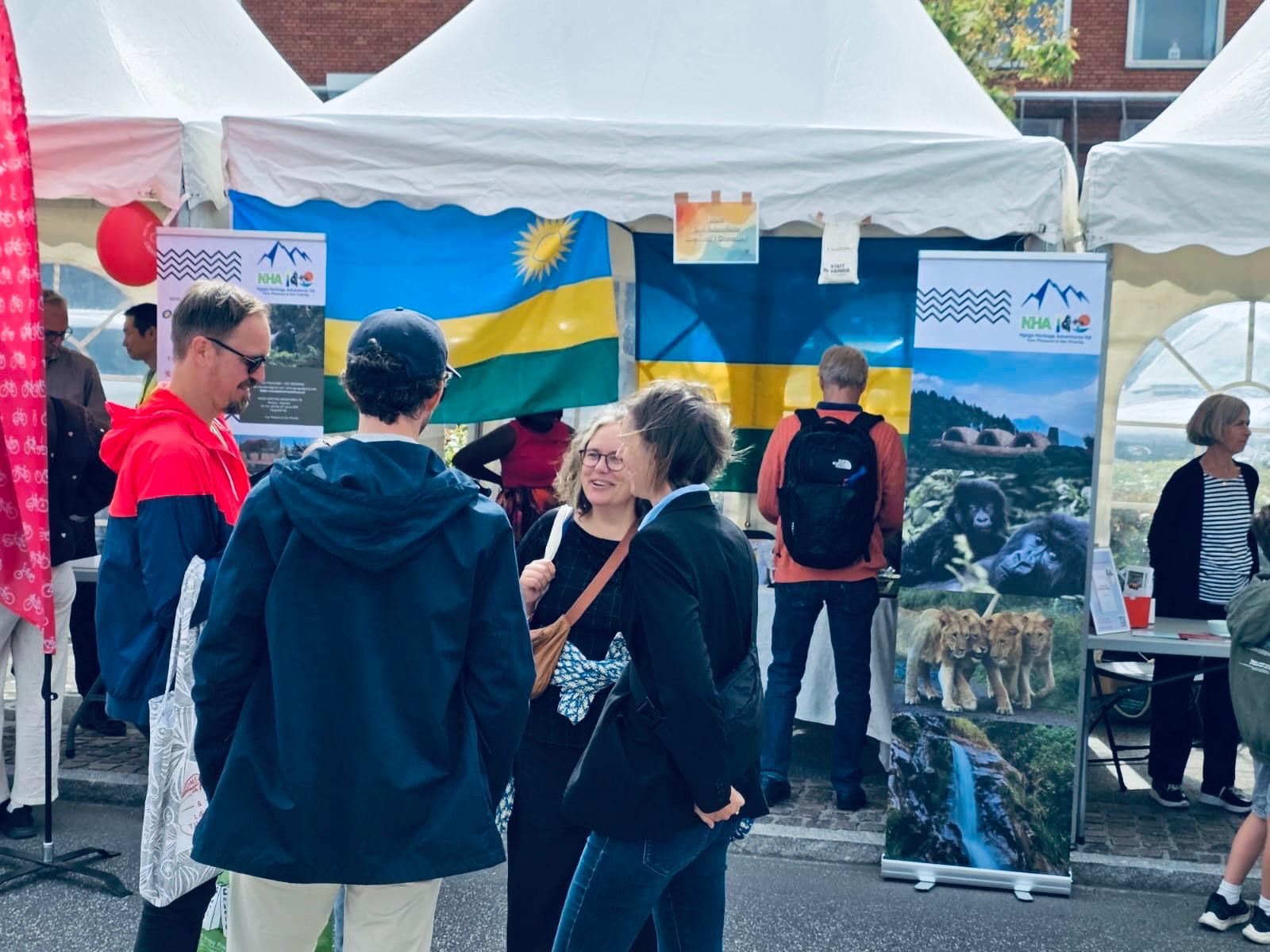
Held in the Greater Copenhagen area, the annual festival brought together residents, political representatives, associations, businesses and people from diverse cultural backgrounds, providing the Rwandan community with an opportunity to share the country’s heritage and strengthen cultural ties with the local community.
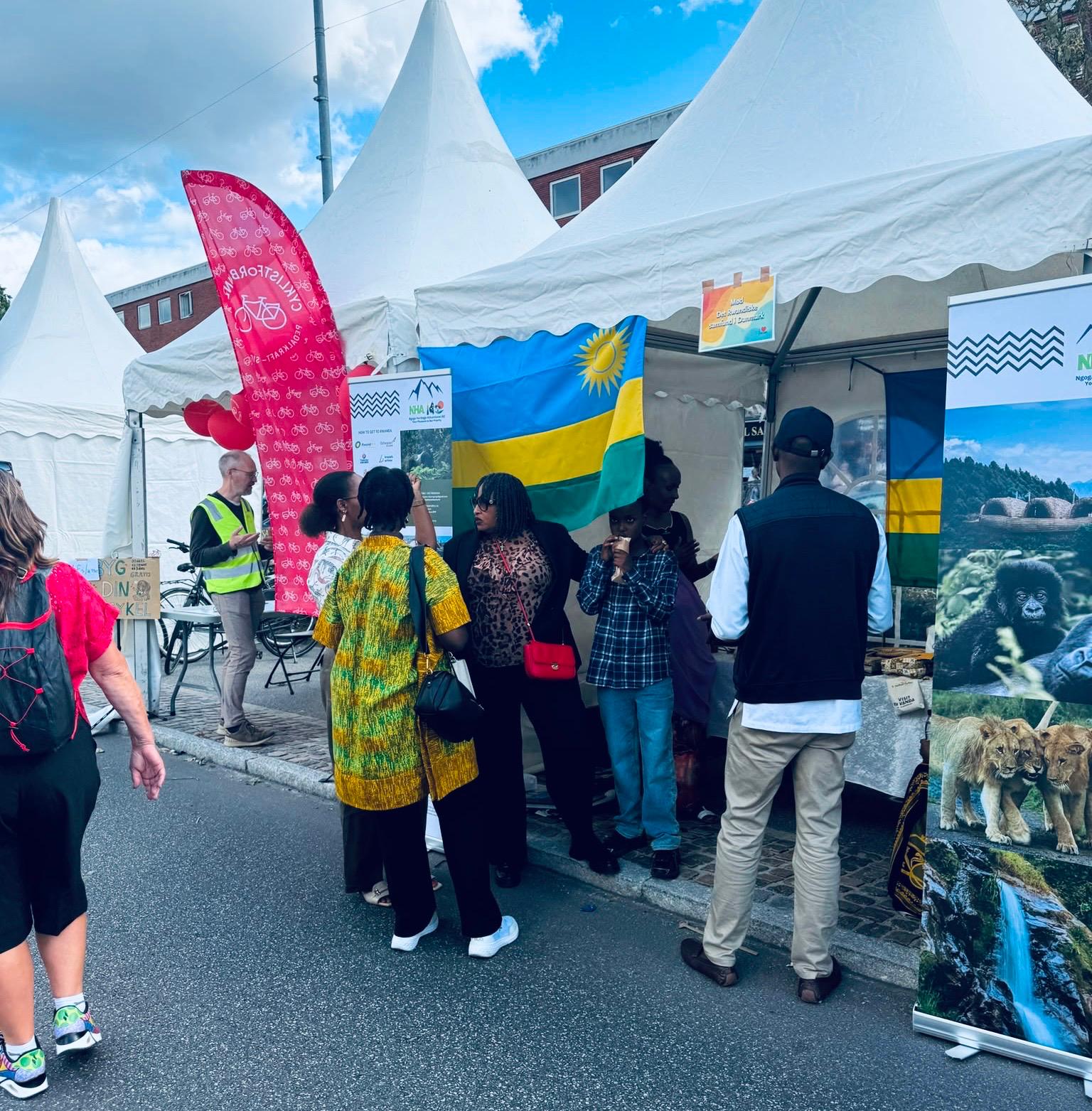
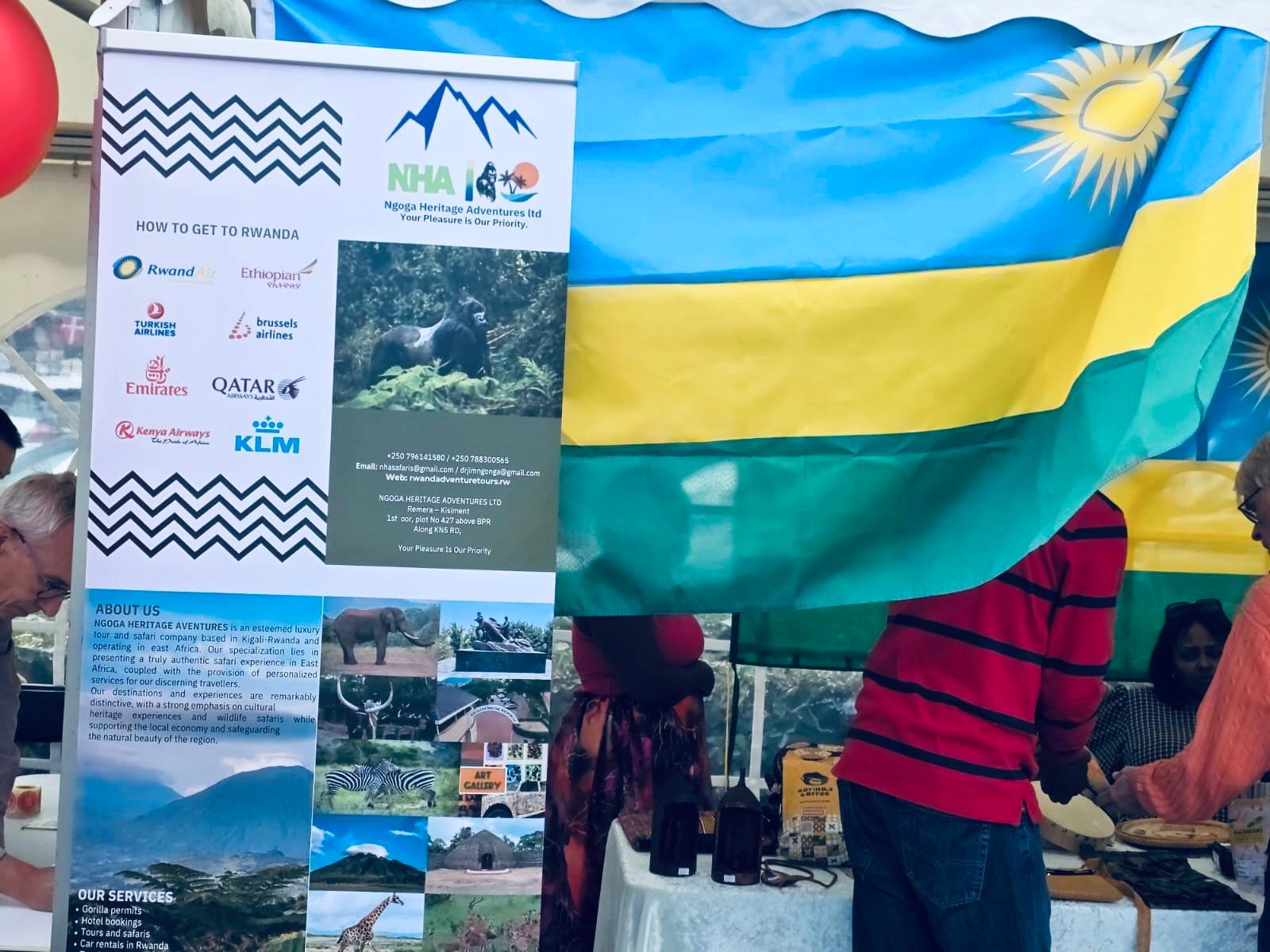
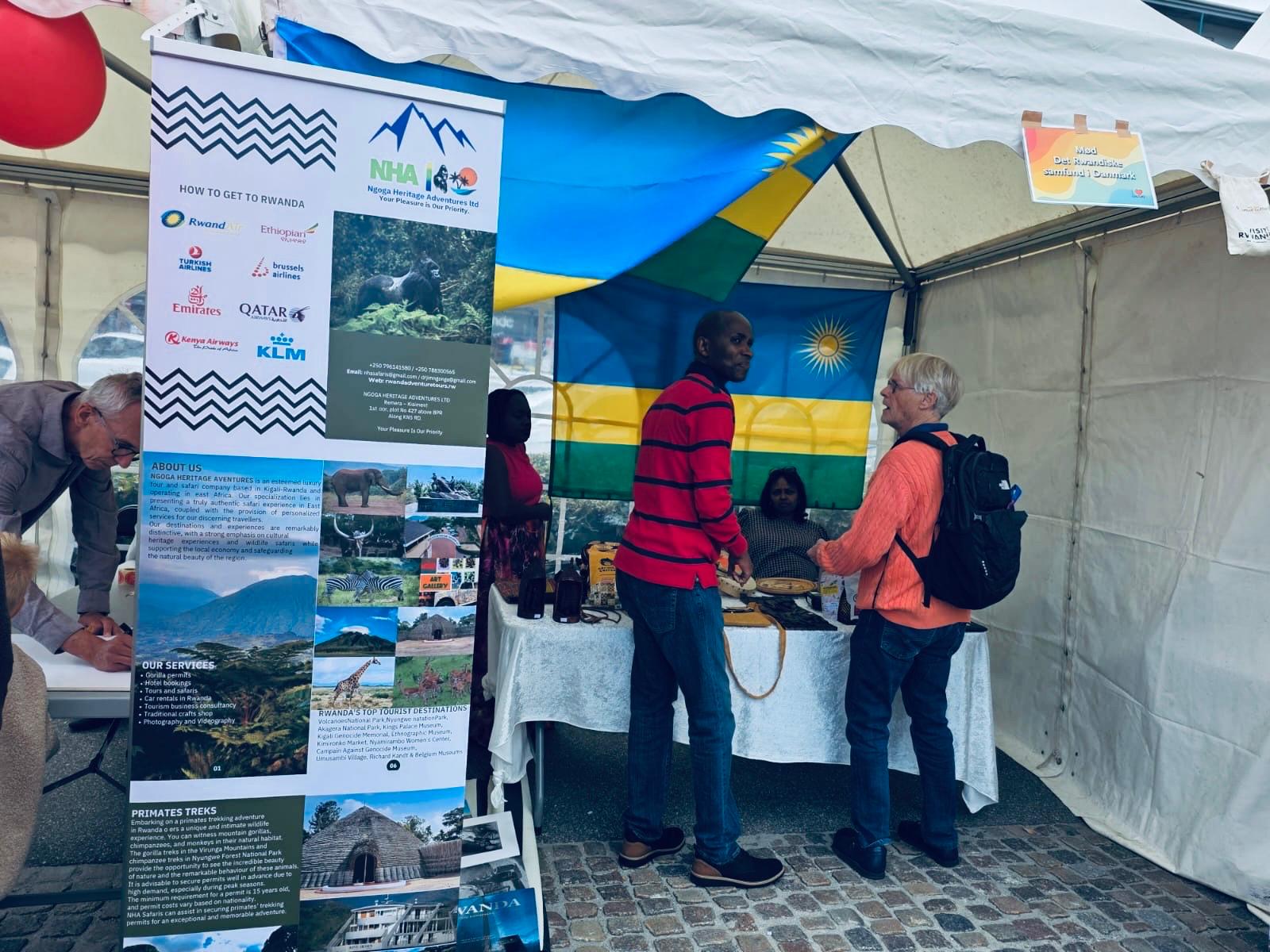
At the Rwandan stand, visitors learned about Rwanda’s tourism attractions, including its wildlife and other travel experiences, while also receiving practical information for those interested in visiting the country.
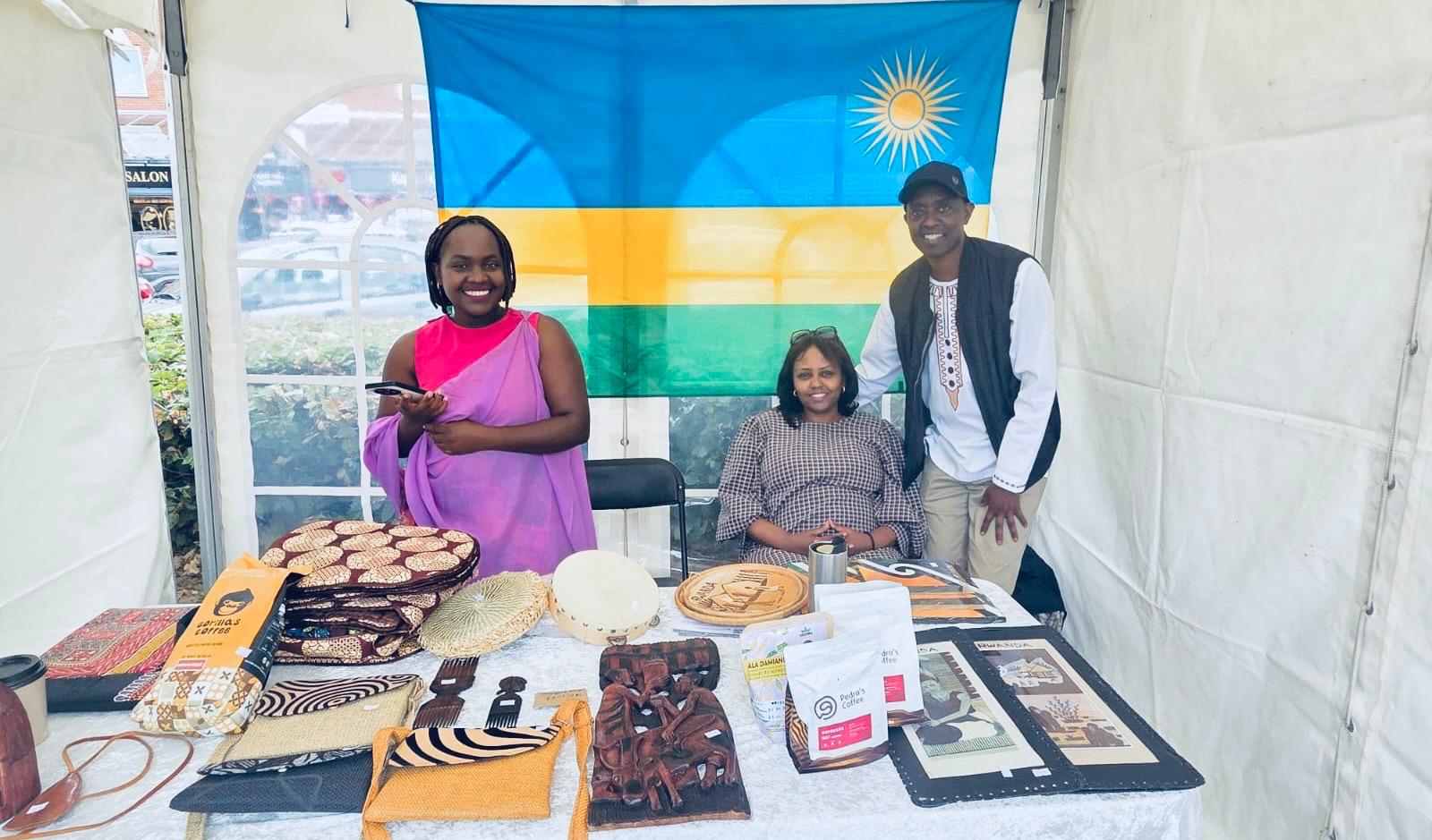
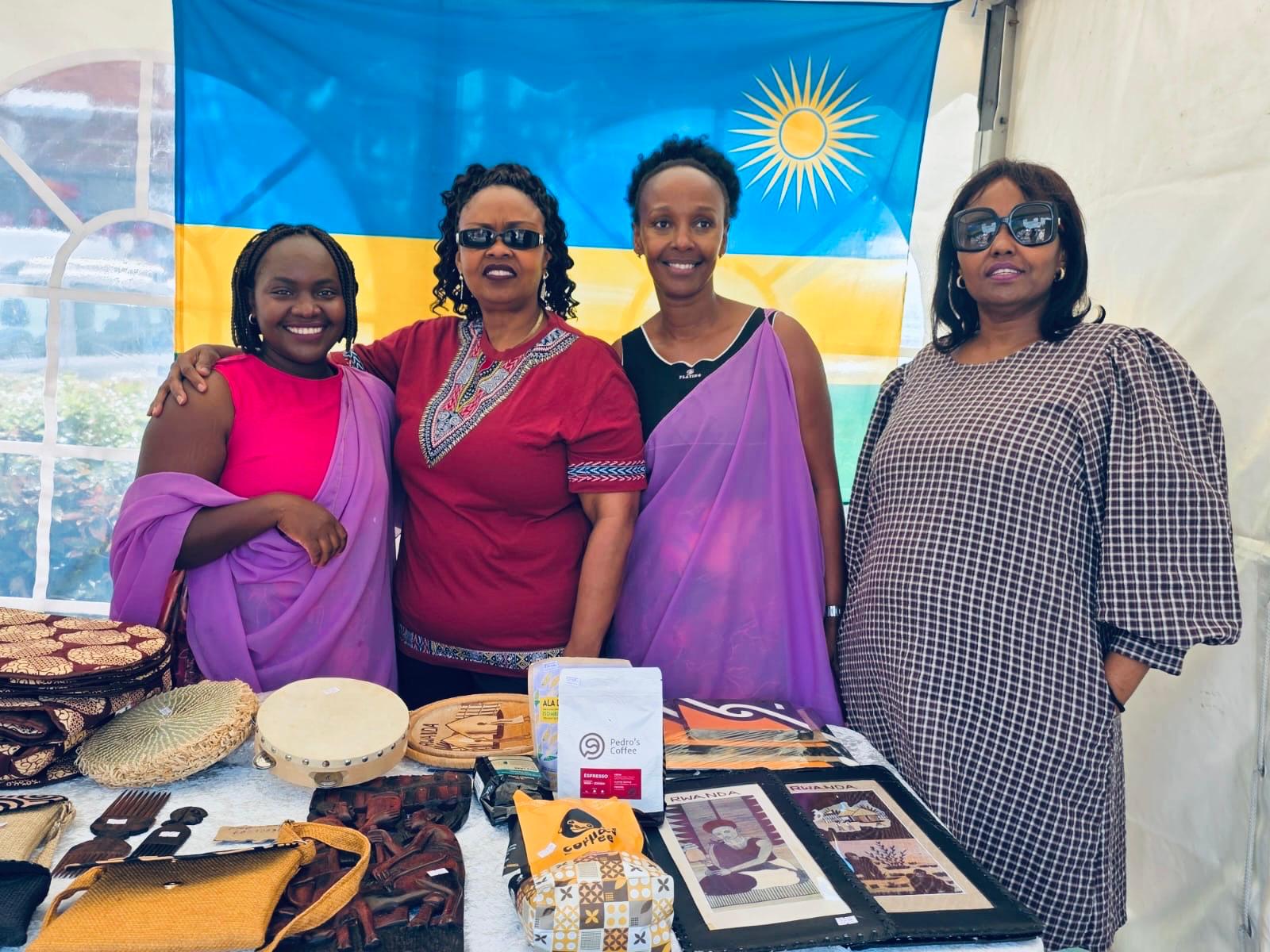
The community also presented a range of Rwandan products, including coffee, handwoven bags, artistic creations and other handcrafted items reflecting the creativity and craftsmanship of Rwandans. Rwandan coffee attracted particularly strong interest among festival participants.
Nelly Gatete, a representative of RCA Denmark, said children, young people and adults were all invited to participate in the activities.
“The goal of the Rwandan community is, above all, to help young people understand that they do not have to choose between being Rwandan and being Danish. They can have roots in both cultures, contribute to both societies, and use this unique position to serve as bridges between the two,” she said.
Gatete said the festival also demonstrated how diversity can become a strength when people have opportunities to meet, exchange and learn about one another.
Gladsaxe is home to people from different countries, cultures and backgrounds, she said, adding that such diversity becomes a source of strength when communities are given opportunities to interact.
Traditional Rwandan songs and dances were also part of the programme, with Itorero Umurage entertaining festivalgoers through performances showcasing Rwandan traditions.
Rwandan artist Suzanne Nyiranyamibwa also contributed to the event, helping introduce the public to aspects of Rwanda’s culture and history.
Gatete said the event demonstrated that people can maintain their cultural identity while building new connections in the communities where they live.
“Gladsaxedagen 2026 showed that people can preserve their roots while also putting down new roots in the communities where they live. Culture and belonging are not contradictory; they can go hand in hand, complement each other, and help build a stronger community in which everyone feels represented,” she said.
The event gave young Rwandans living abroad an opportunity to reconnect with and celebrate their heritage, while allowing Danish residents and people from other communities to discover and engage with Rwandan culture.
The participation further highlighted the role of Rwandans living abroad in strengthening links between Rwanda and Denmark through cultural exchange, tourism promotion and the showcasing of Rwandan products.
The Municipality of Gladsaxe has also regularly responded to invitations from the Embassy of Rwanda in the Nordic countries to participate in events including the commemoration of the Genocide against the Tutsi and International Women’s Day.
Such engagements have contributed to relations between the municipality, its residents and the Rwandan community in Denmark.
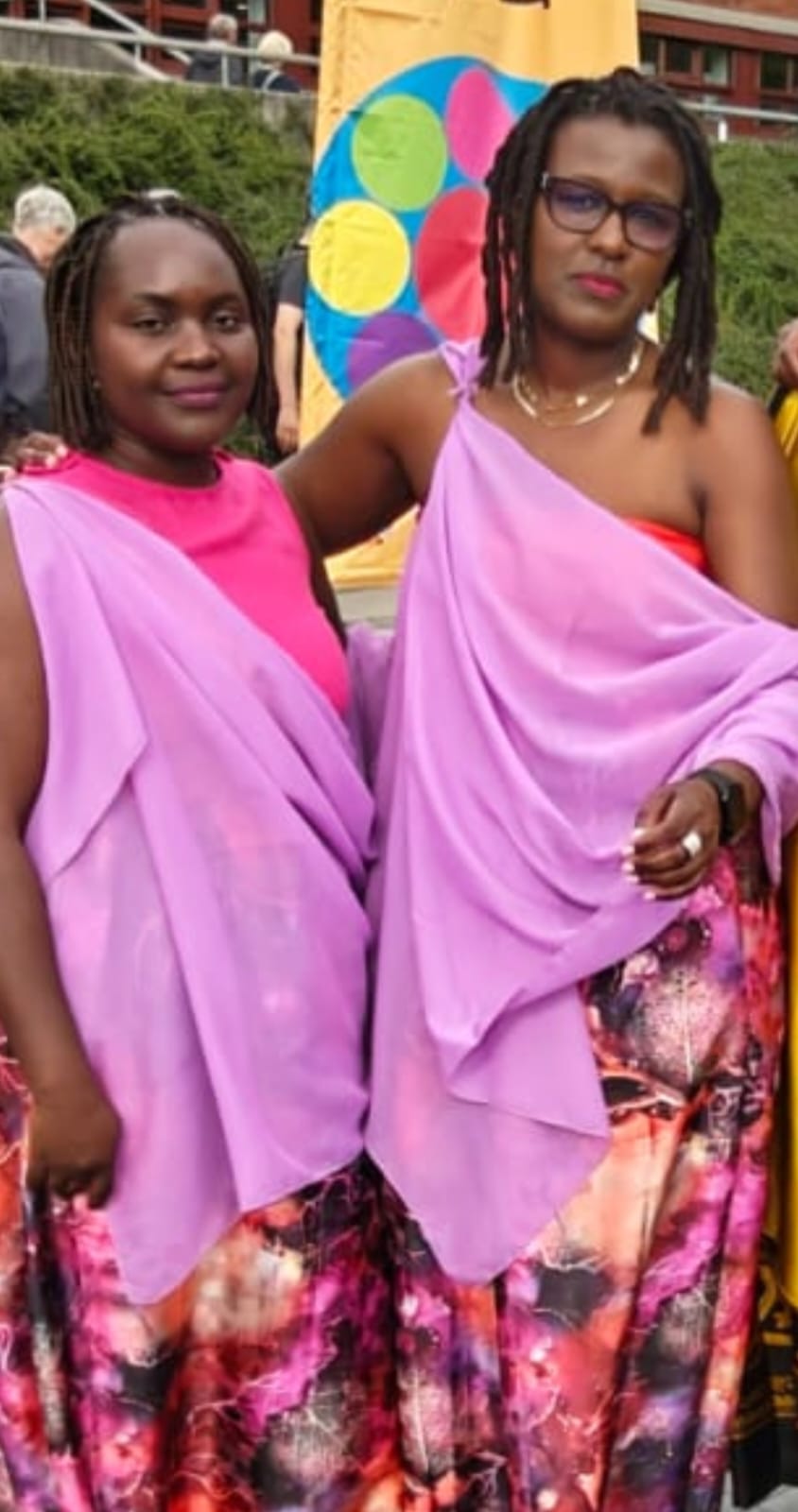
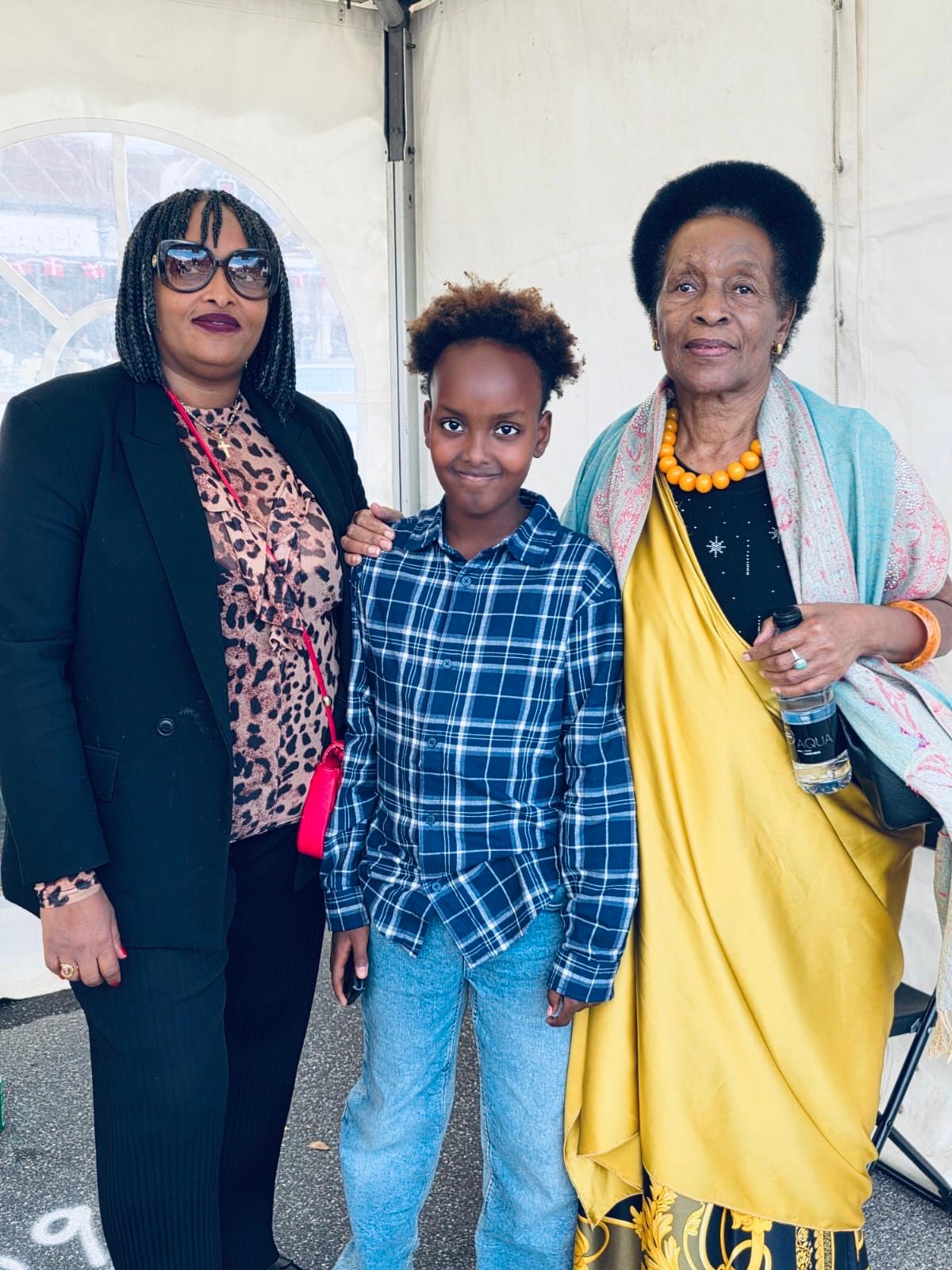
Nelly Gatete and Diane Ganza also attended the event.Rwandans living in Copenhagen use Gladsaxe Day 2026 to promote Rwanda as a tourism destination.Festival visitors learnt about Rwanda’s wildlife and other tourism experiences at the Rwandan stand in Gladsaxe.The Rwandan community in Copenhagen brought aspects of Rwanda’s culture and history to visitors at Gladsaxe Day 2026.Rwandan artist Suzanne Nyiranyamibwa contributed to the community’s cultural showcase at Gladsaxe Day 2026.Rwandan products and handcrafted items were displayed at the community’s stand during the annual Gladsaxe festival.Visitors explored Rwanda’s tourism attractions at the Rwandan stand during Gladsaxe Day 2026 in Denmark.
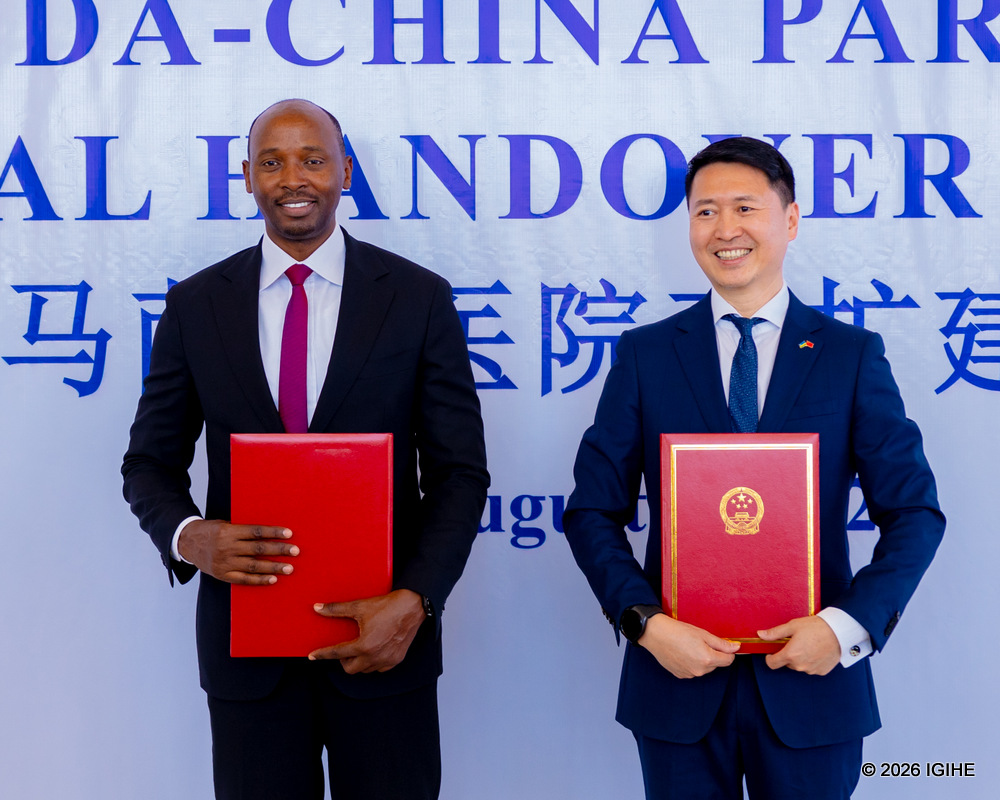
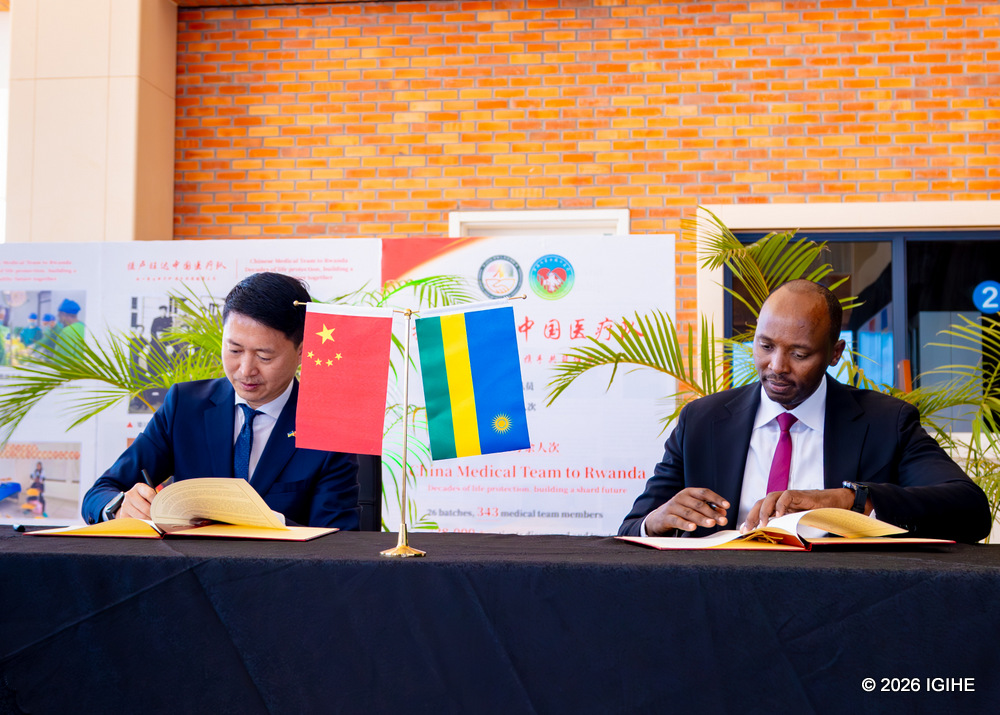
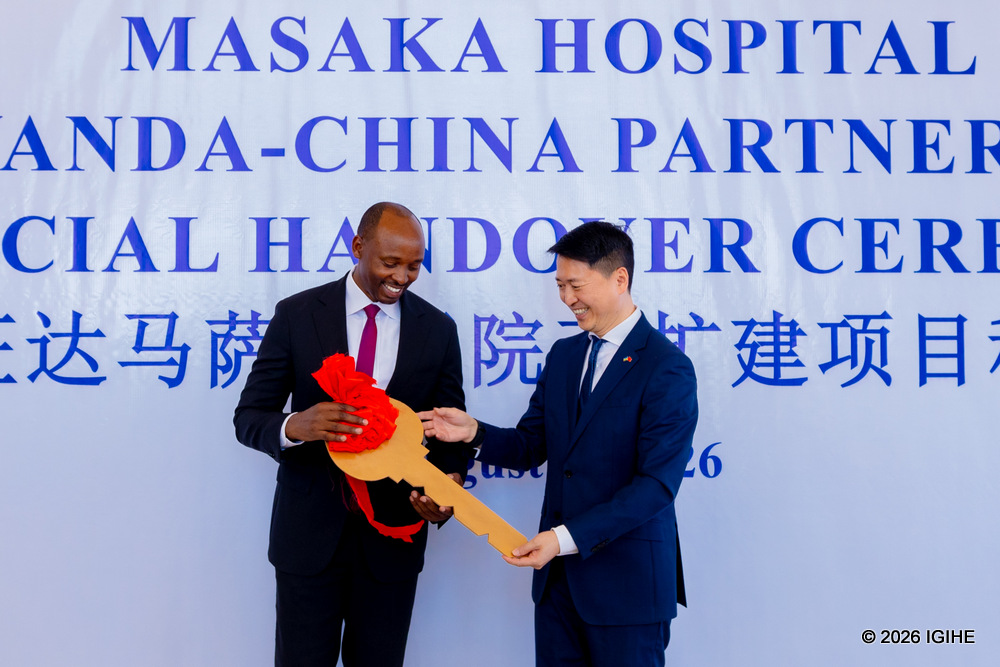
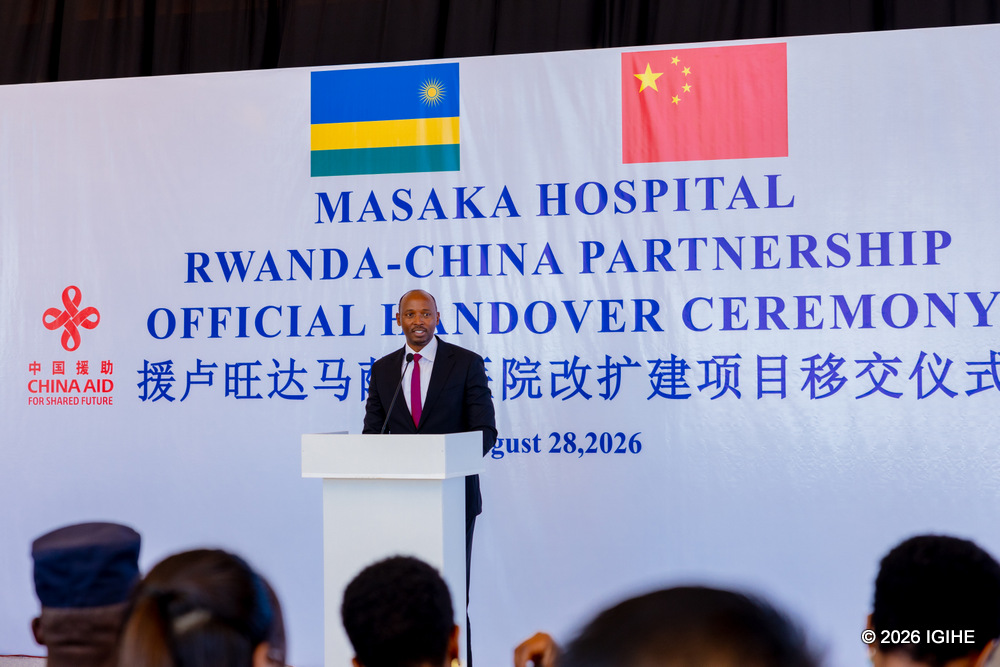
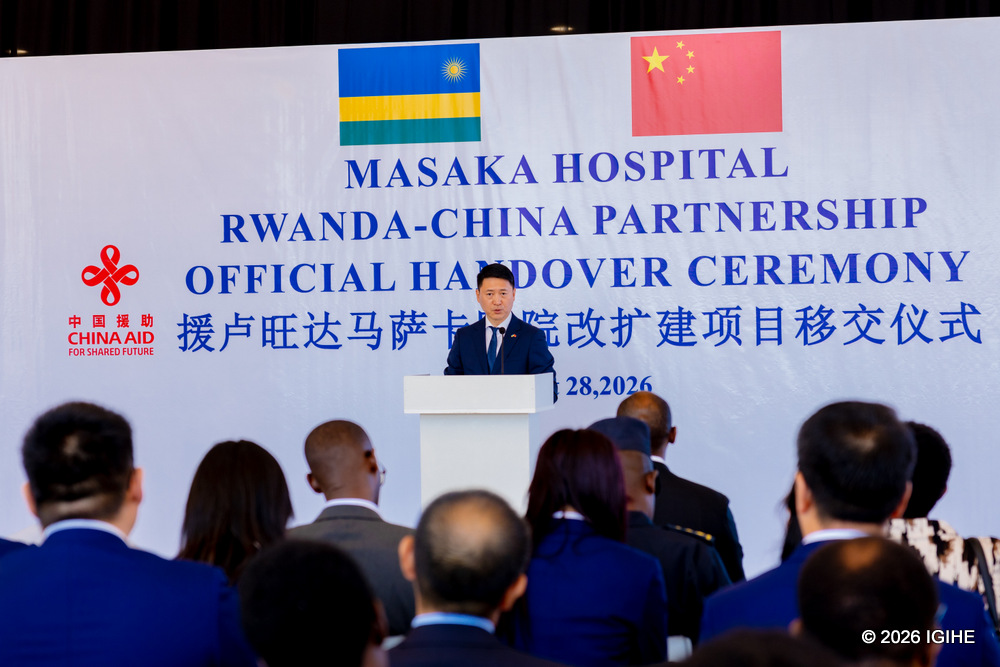
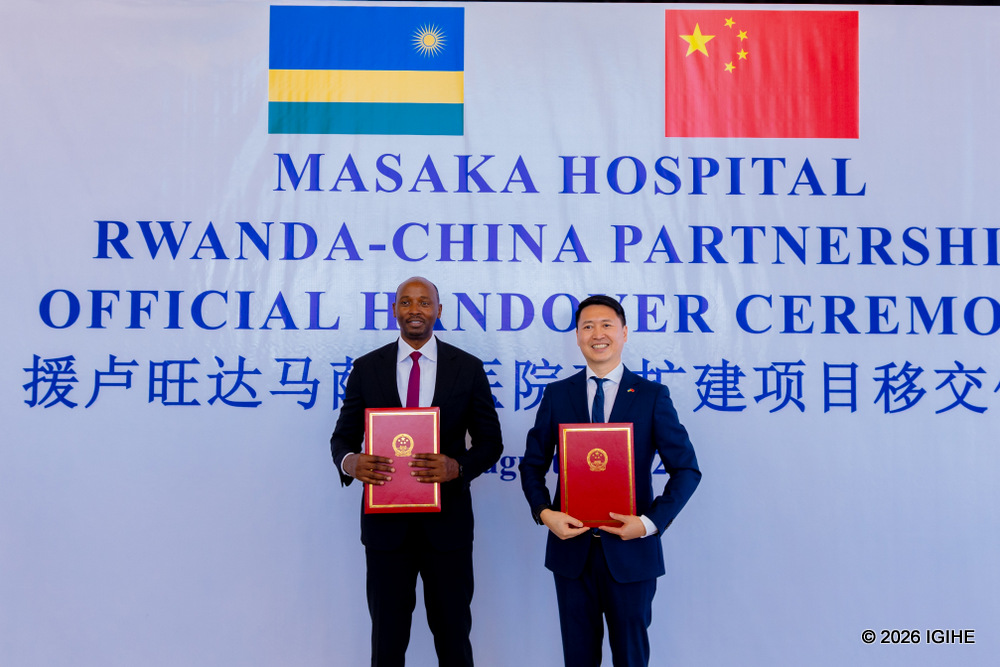
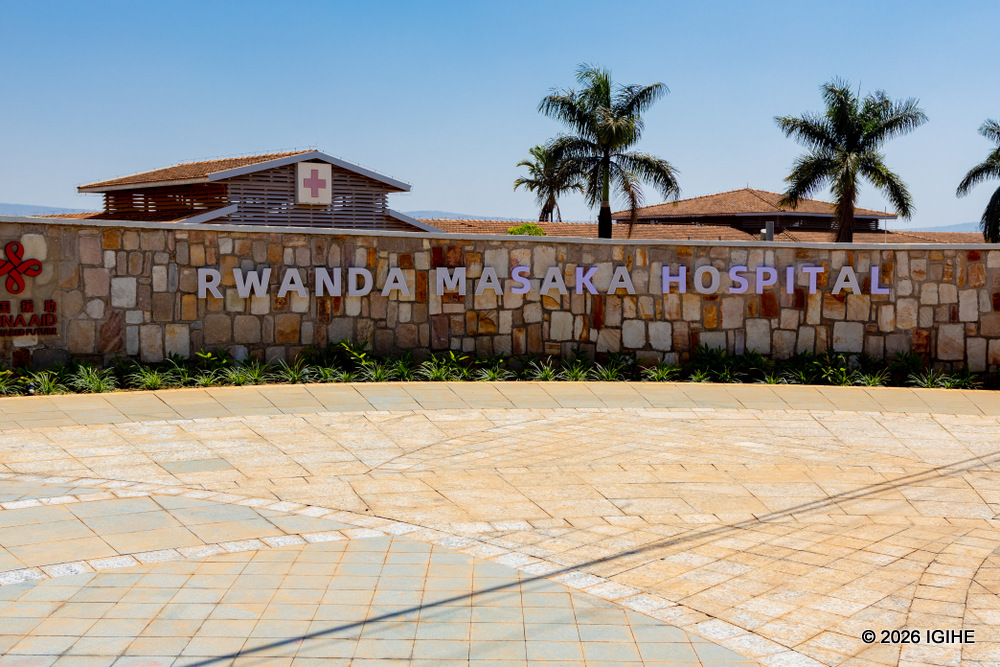
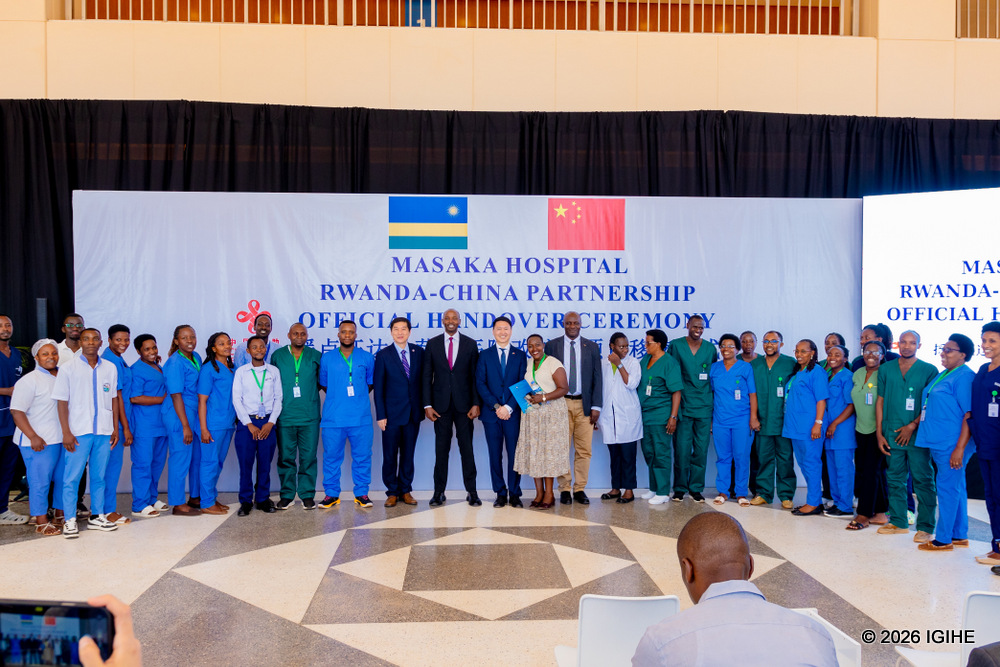
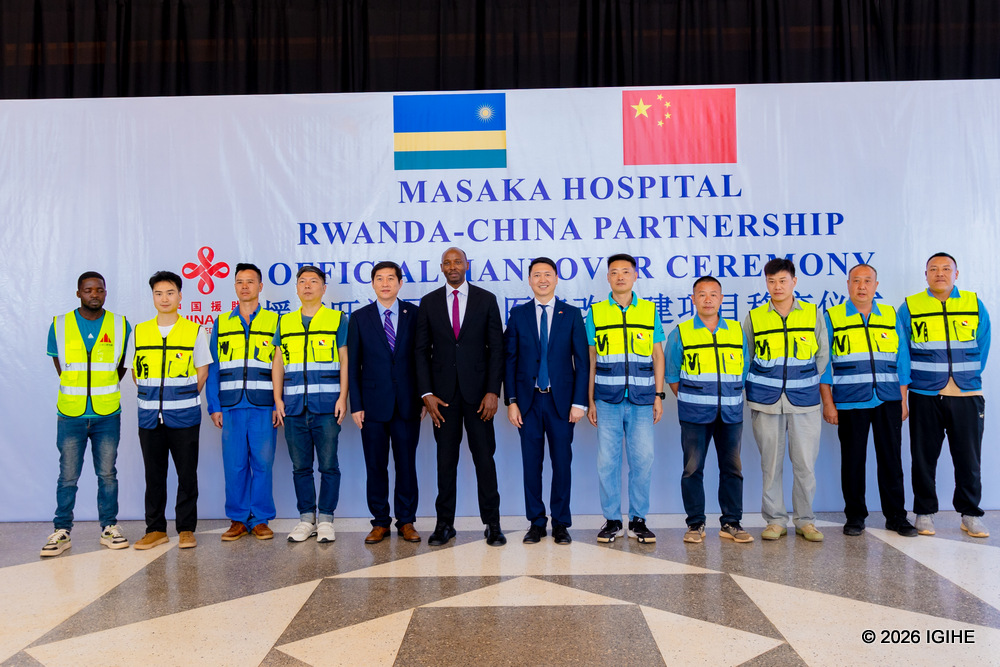
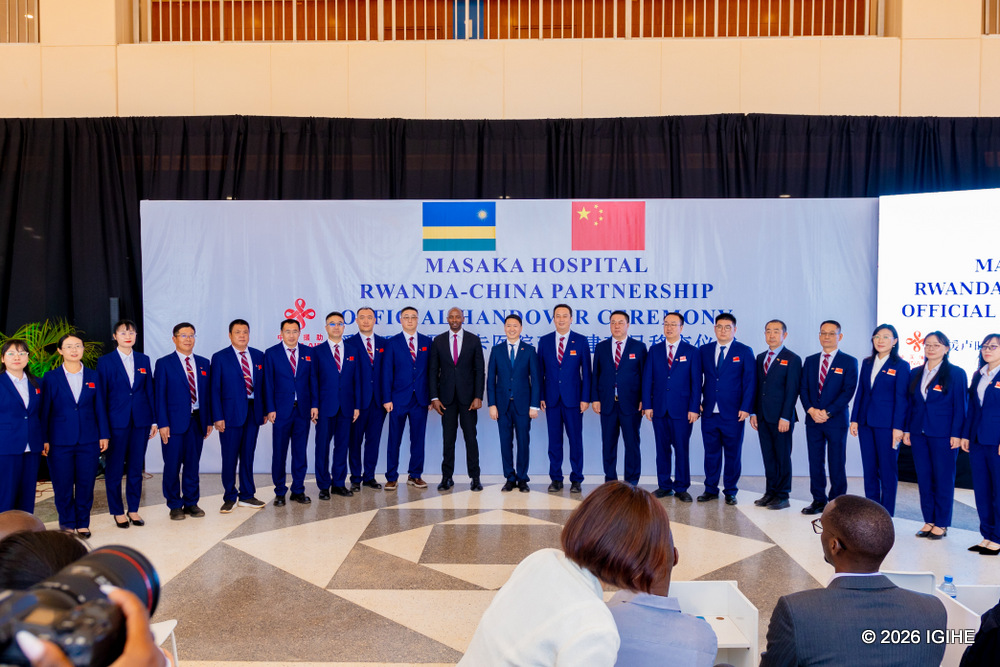
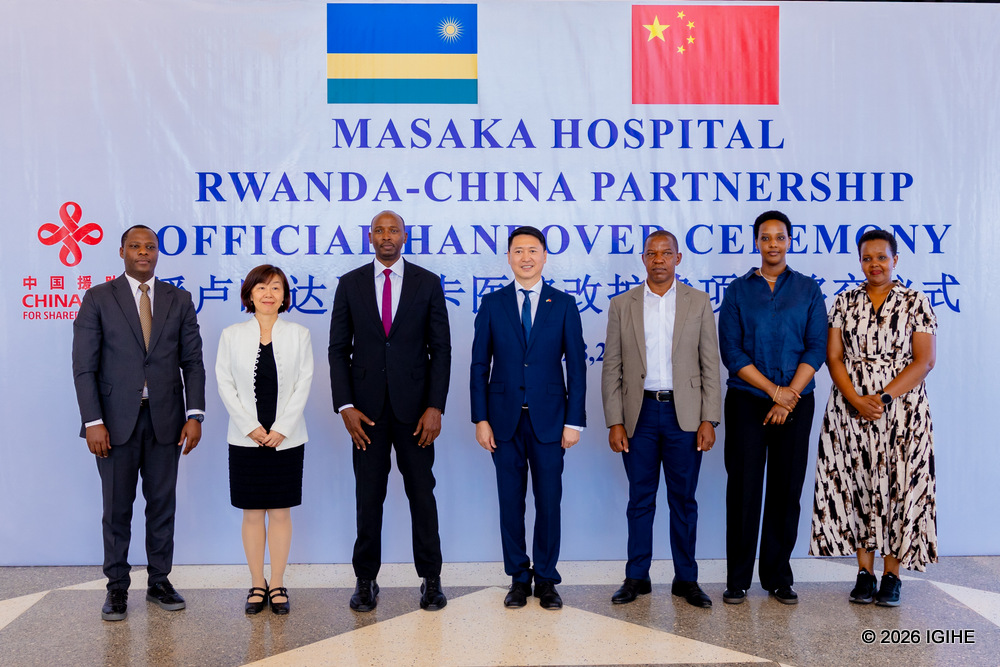
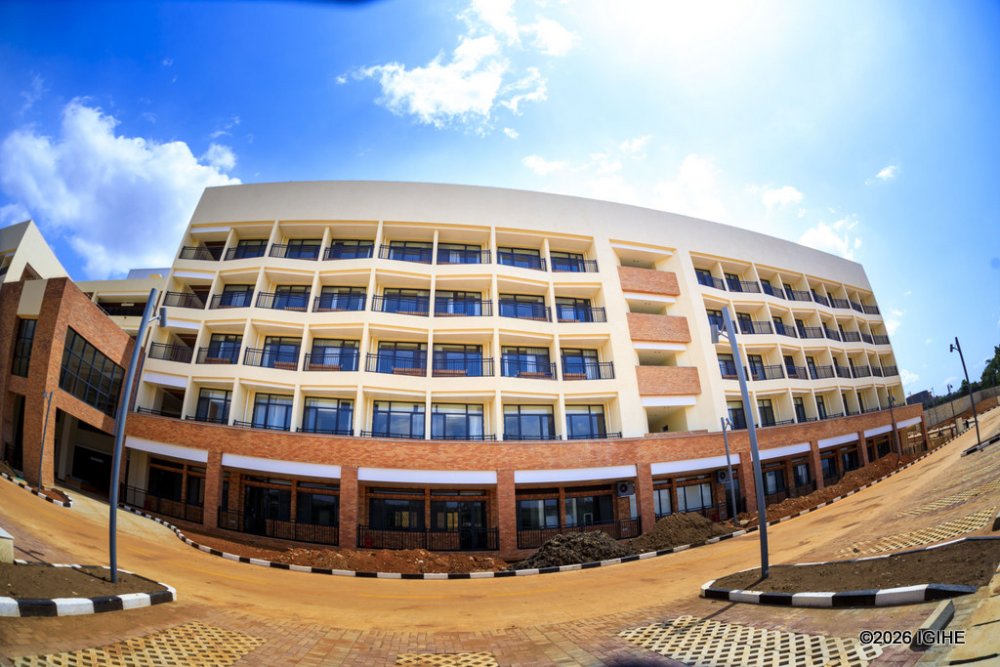
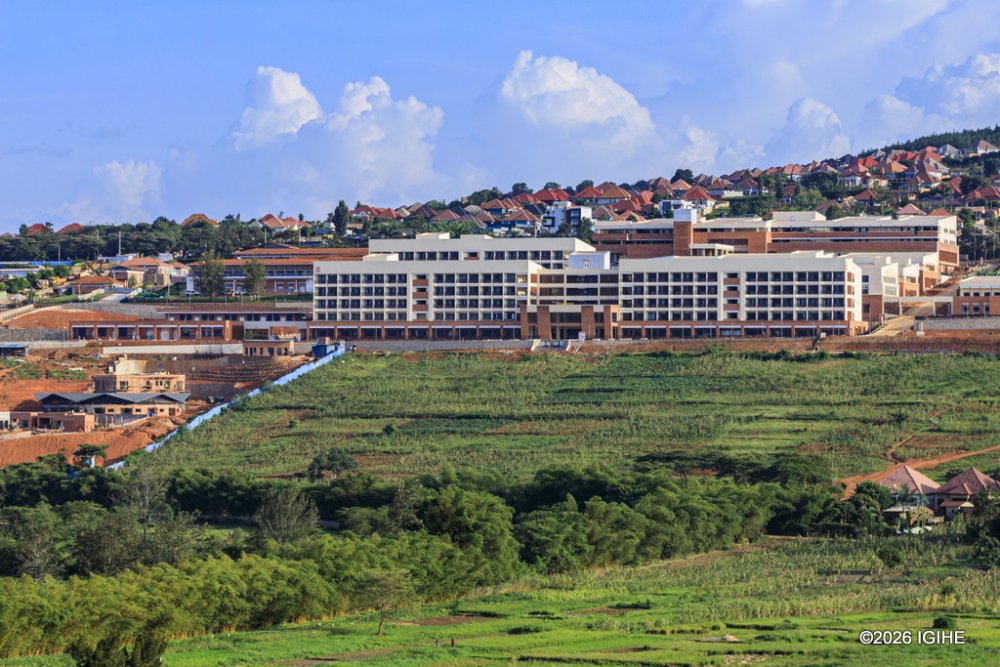
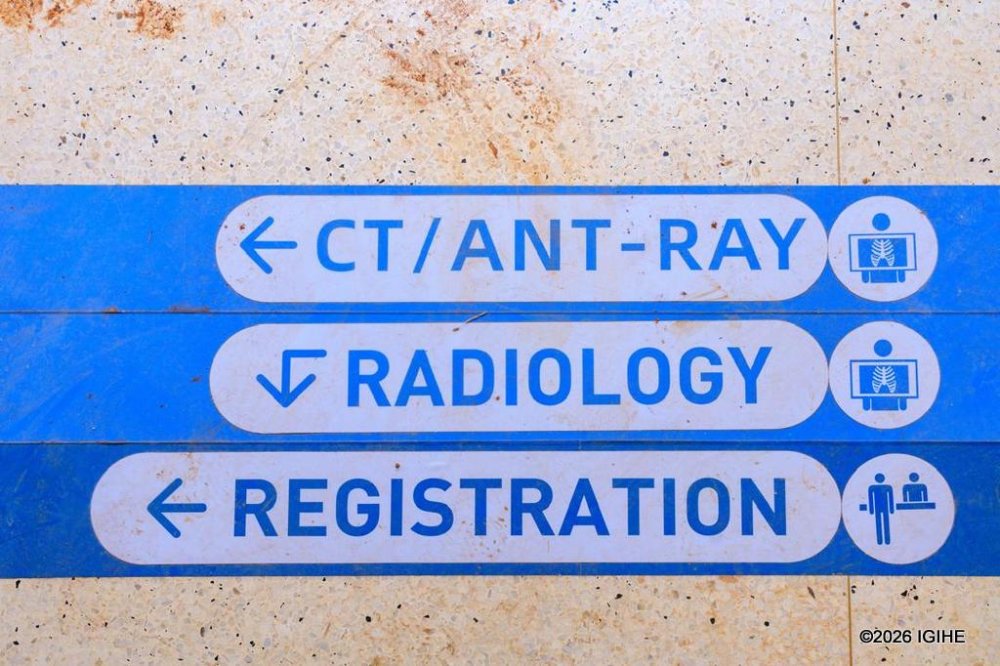
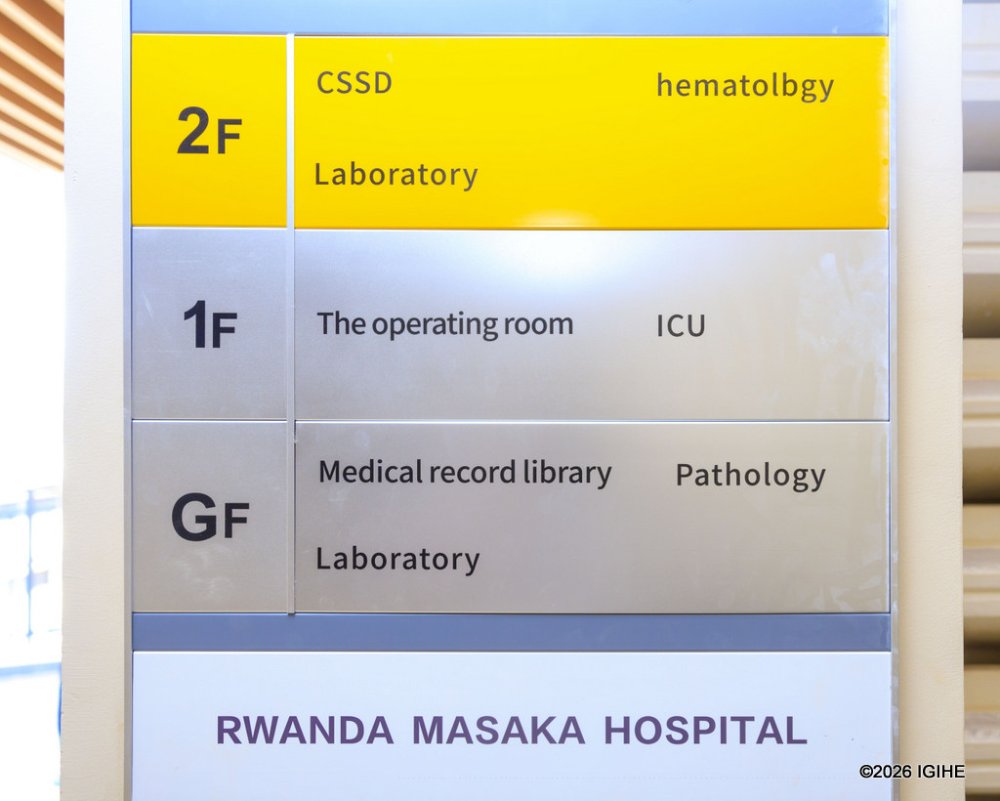
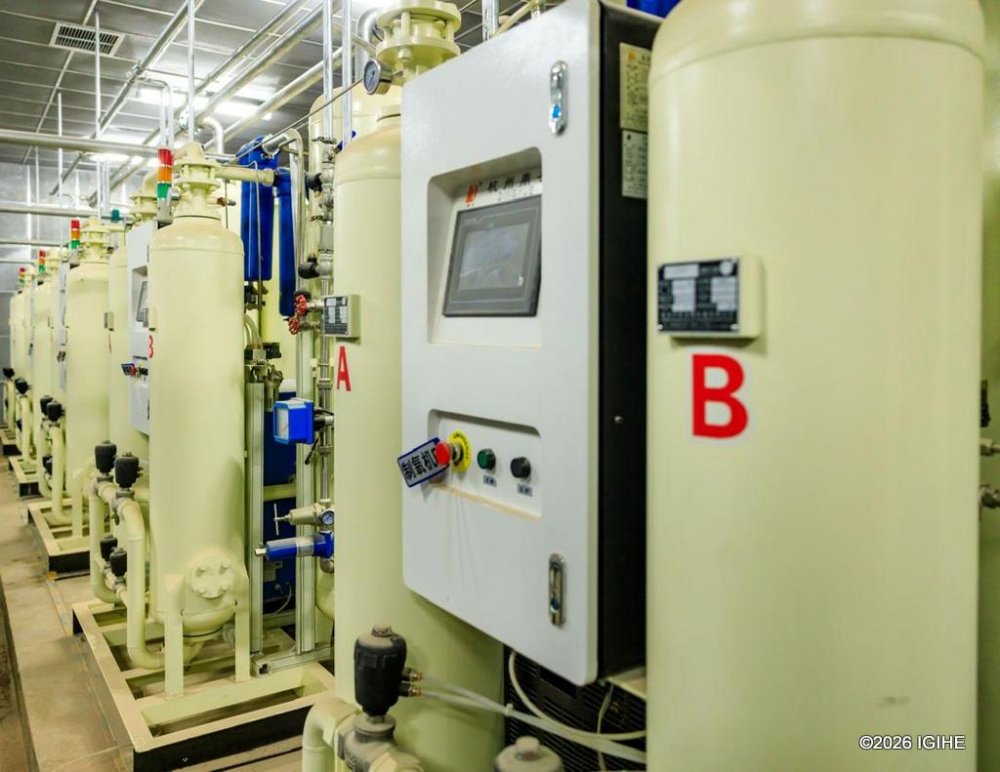
The handover ceremony held on August 28, 2026, followed the completion of the China-aided Masaka Hospital Renovation and Expansion Project, which has transformed the facility into one of the largest comprehensive teaching hospitals in Rwanda and the region.
The expanded hospital, located in Kicukiro District, will become the new home of the University Teaching Hospital of Kigali (CHUK), which is expected to relocate to Masaka by the end of 2026.
Rwanda’s Minister of Health, Dr. Sabin Nsanzimana, described the facility as the largest hospital in Rwanda in terms of capacity, saying the new building has more than 700 beds and, together with the existing Masaka District Hospital next door, brings the total capacity to more than 800 beds.
“This hospital is the largest in Rwanda. It’s the largest because the one we had in Rwanda with the highest number of bed capacity had 500,” Dr. Nsanzimana said during the handover ceremony.
He said the significance of the project goes beyond the size of the building, with the services planned for the facility expected to provide high-level medical care to patients from Rwanda and beyond.
“So if you look at the region, it’s also among the largest hospitals. And not only the building, but also the services that will be provided in this hospital plan to be at the high level for national, but also for international medical care,” he said.
The minister said Rwanda expects the new facility to develop into a medical hub serving Africa and beyond, building on the longstanding partnership between Rwanda and China.
“We expect this to be a hub for medicine in Africa and beyond, through the friendship and partnership in Rwanda and China,” Dr. Nsanzimana said.
From 127 to 837 beds
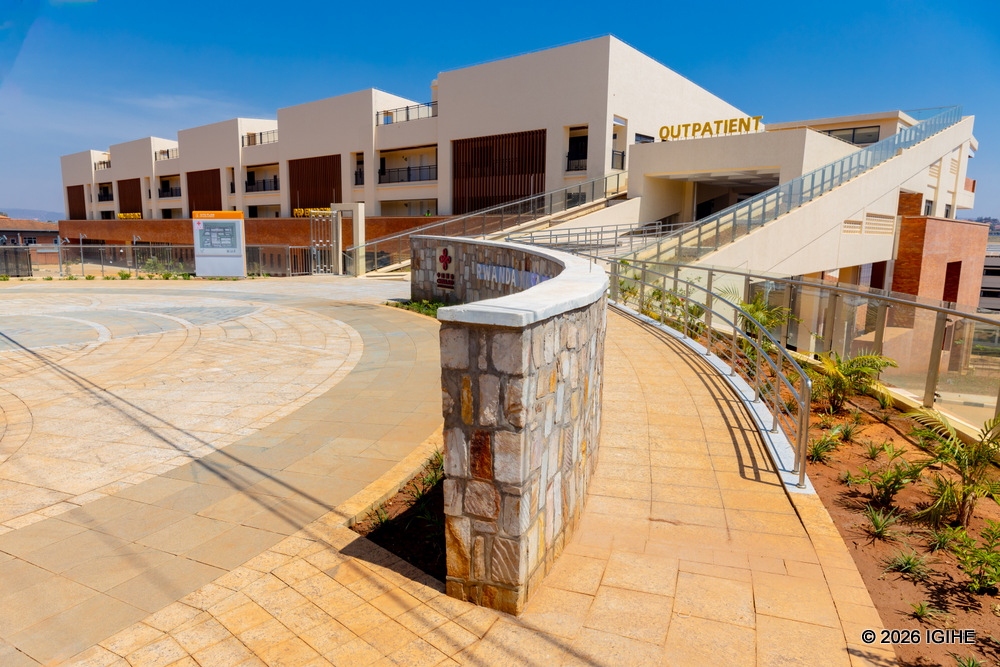
The scale of the transformation is reflected in the expansion of the hospital’s infrastructure. The hospital’s floor area has increased from about 6,389 square metres to 56,957 square metres, while the number of beds has risen from 127 to 837.
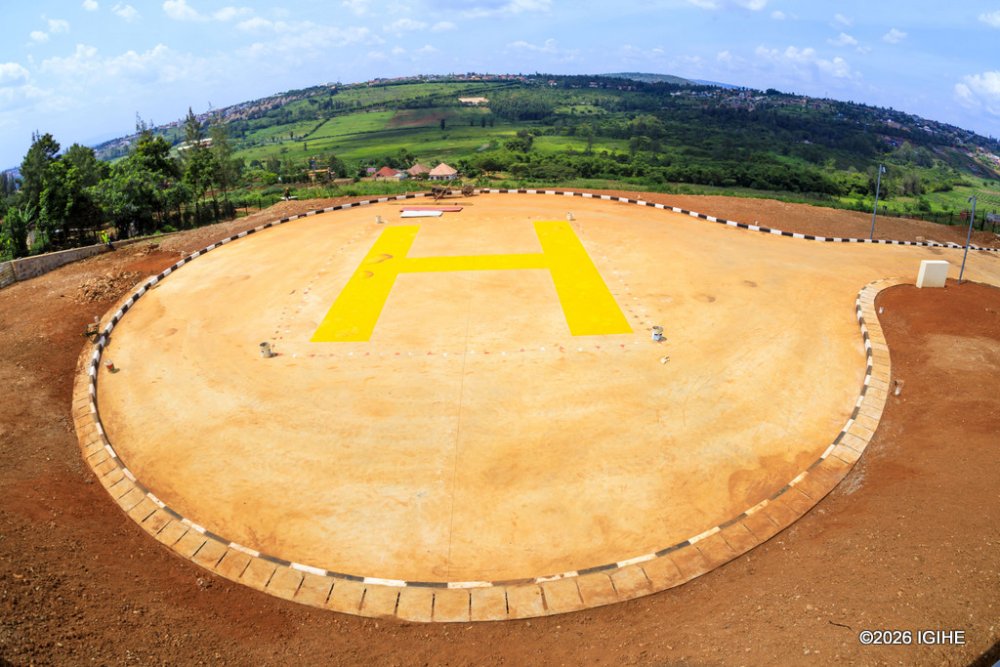
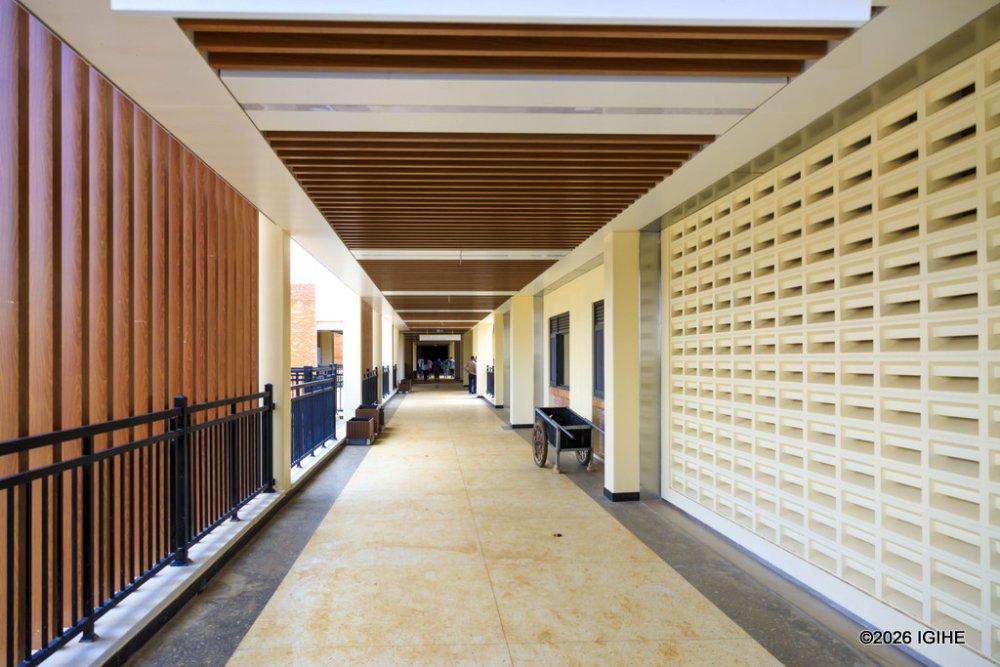
The facility has 22 operating theatres and a planned daily outpatient capacity of 2,000 visits. It comprises 13 buildings, including an outpatient and emergency building, a medical technology building, inpatient wards and an administrative building. The project also includes a helicopter pad.
A connecting corridor system was designed to respond to the complex terrain around the hospital, where the height difference reaches up to 32 metres, making movement between different sections of the facility easier for patients and medical personnel.
The project was designed by IPPR International Engineering and undertaken by Shanghai Construction Group Co. Ltd. Construction began in July 2022, with the project’s groundbreaking ceremony held on March 30, 2023.
The project cost 580 million Chinese yuan, equivalent to more than Rwf124 billion, and is the largest grant aid project undertaken by the Chinese government in Rwanda so far.
Chinese Ambassador to Rwanda Gao Wenqi said the transformation represented a historic development for a hospital that has been closely associated with the two countries’ relationship for more than a decade.
“Masaka Hospital stands as both a witness and participant to China-Rwanda friendship,” Amb. Gao said.
The original Masaka Hospital was built with support from the Chinese government and officially opened in 2011, with a floor area of 6,398 square metres and 127 beds, providing basic medical services to people in surrounding areas.
In 2018, during Chinese President Xi Jinping’s state visit to Rwanda, Xi and President Paul Kagame witnessed the exchange of notes on the expansion and renovation project.
Amb. Gao said the project therefore reflected the continued attention given to the partnership by the leadership of both countries.
“The successful completion of this renovation and expansion project marks a comprehensive and historical transformation of the hospital, ushering in a new era of development in both its facilities and service capabilities,” he said.
New home for CHUK
The expanded Masaka facility is expected to play a central role in the reorganisation of tertiary healthcare services in Kigali.
The Ministry of Health recently announced that CHUK would move to the new facility by the end of 2026. Its current premises in central Kigali will, however, continue providing critical emergency services.
Speaking at the handover, Dr. Nsanzimana said preparations were already underway to ensure a smooth transition and allow services to begin at the new facility as soon as possible.
“After the building is officially received today, there’s work being done to see the services starting as soon as possible with CHUK moving in here,” he said.
He said the government was working with CHUK leadership and other government teams to make the transition smooth.
“I can’t wait to see patients coming in, in a few weeks,” Dr. Dr. Nsanzimana said, noting that steps were already being taken to prepare the facility for use.
The minister also highlighted the potential for the hospital to become a centre for medical research and technology.
He said discussions with Ambassador Gao had included the possibility of doctors in Rwanda working remotely with specialists in China, including through technology that could allow medical professionals in different countries to participate in procedures.
“That is how you can connect people even remotely with technology. That is what we are working on,” he said.
Building on decades of medical cooperation
The handover also builds on a longstanding China-Rwanda partnership in healthcare following the establishment of diplomatic relations between Rwanda and China dating back to 1971.
So far, China has dispatched 26 batches of medical teams, comprising 343 medical personnel, to Rwanda. The teams have provided medical services at Masaka Hospital and Kibungo Hospital, cumulatively treating more than 720,000 patients and performing more than 40,000 surgeries.
In September 2023, the Rwanda Traditional Chinese Medicine Acupuncture and Moxibustion Center was established at Masaka Hospital, while a Traditional Chinese Medicine consultation room was set up at Kibungo Hospital in 2026.
The 26th Chinese medical team is currently working at both facilities. Amb. Gao said China intends to build on this cooperation by using the new Masaka Hospital as a platform for deeper collaboration in healthcare.
He outlined three areas of future cooperation: establishing a collaborative medical centre, strengthening medical talent development and expanding technology-driven cooperation, adding that the two countries would work to develop the hospital into a regional centre of medical excellence.
Amb. Gao also pledged continued support for training Rwandan medical and public health professionals through long-term expert support, training programmes and clinical mentorship.
Chinese Ambassador to Rwanda Gao Wenqi and Rwanda’s Minister of Health Dr. Sabin Nsanzimana signing handover documents. Rwandan Minister of Health received the keys to the expanded Masaka Hospital during the official handover ceremony.Rwanda’s Minister of Health Dr. Sabin Nsanzimana addresses guests during the official handover of the expanded Masaka Hospital.Chinese Ambassador to Rwanda Gao Wenqi speaks during the handover ceremony of the China-aided Masaka Hospital expansion project.Rwanda’s Minister of Health Dr. Sabin Nsanzimana with Chinese Ambassador to Rwanda at the handover of the newly renovated and expanded Masaka Hospital.The expanded Masaka Hospital, which has grown from 127 to 837 beds, has been officially handed over to Rwanda.The project was undertaken by Shanghai Construction Group Co. Ltd.So far, China has dispatched 26 batches of medical teams, comprising 343 medical personnel, to Rwanda.Chinese and Rwandan officials pose for a group photo during the official handover of the expanded Masaka Hospital.The expanded Masaka Hospital comprises 13 buildings, including outpatient and emergency facilities, inpatient wards and medical technology facilities.The expanded Masaka Hospital includes a helicopter pad as part of its upgraded facilities.The new Masaka Hospital is equipped with 22 operating theatres and has a planned daily outpatient capacity of 2,000 visits.The expanded Masaka Hospital has a total floor area of 56,957 square metres, up from 6,389 square metres.The expanded Masaka Hospital has increased its bed capacity from 127 to 837 following the renovation and expansion project.The expanded Masaka Hospital is expected to strengthen Rwanda’s capacity to provide high-level medical care to patients from Rwanda and beyond.
According to a statement released by the Office of the President of Türkiye, the two leaders highlighted the positive development in trade and investment relations between Türkiye and Rwanda.
Erdoğan said Türkiye would continue strengthening cooperation with Rwanda in several areas, particularly the defense industry.
The Turkish president also welcomed efforts aimed at de-escalating tensions between Rwanda and the Democratic Republic of the Congo (DRC) and expressed Türkiye’s support for the ongoing process.
The conversation between President Kagame and Erdoğan comes at a time when Rwanda and Türkiye continue to strengthen relations across various areas, including trade, investment and security cooperation.
Rwanda-Türkiye relations cover areas such as trade, investment, education, culture, energy, research and security. The relationship gained further momentum after Rwanda opened its embassy in Ankara in 2013, followed by Türkiye opening its embassy in Kigali in 2014, helping to deepen cooperation between the two countries.
In the years that followed, cooperation between Rwanda and Türkiye expanded, particularly in trade and investment.
Trade between the two countries has grown from a value of about $1 million in the 2000s to nearly $500 million.
During President Kagame’s working visit to Türkiye in January 2025, Rwanda and Türkiye signed four cooperation agreements that cover media and communications, civil aircraft accident and serious incident investigation, radio and television, and military electronics and C4I (Command, Control, Communications, Computers, and Intelligence) technologies.
President Kagame said the agreements demonstrated the two countries’ commitment to continuing to explore opportunities for cooperation, while President Erdoğan described the visit as another new step towards strengthening relations between the two countries.
Turkish President Recep Tayyip Erdoğan and Rwandan President Paul Kagame have discussed bilateral relations and defence industry cooperation.
The funds will support projects in energy, roads, public transport, housing, health infrastructure and waste management, with the largest allocations going to two energy projects.
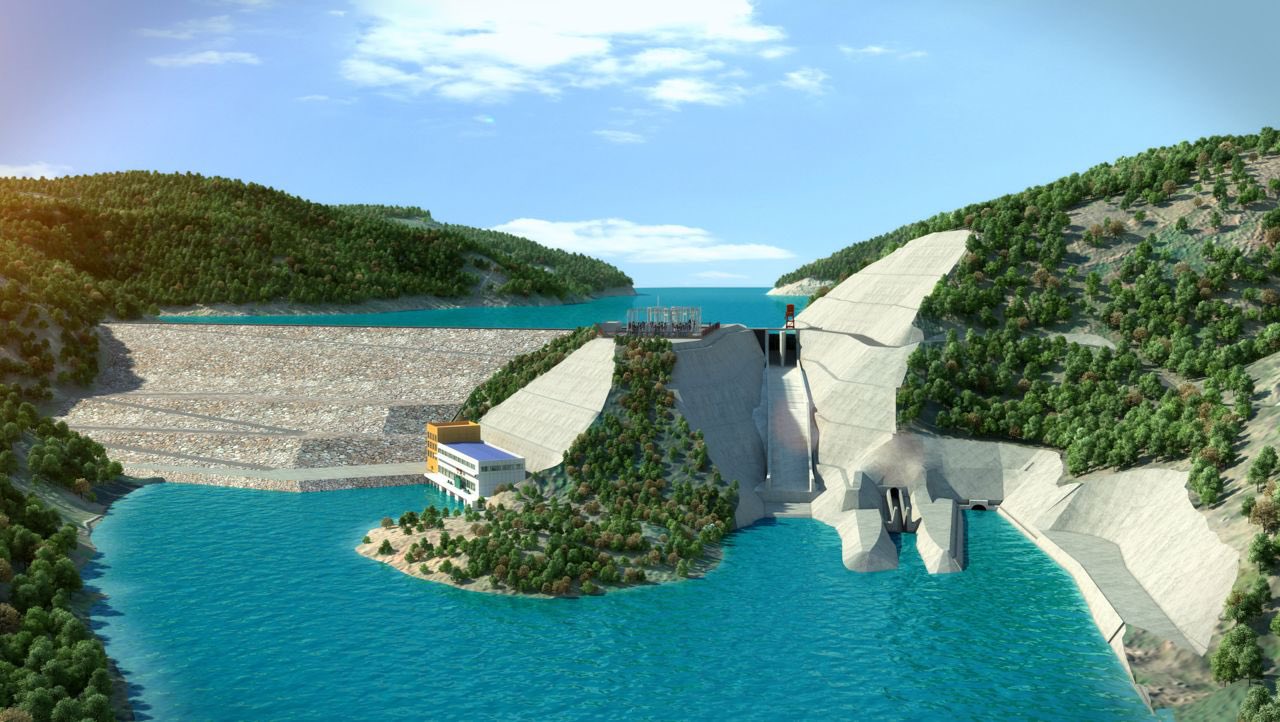
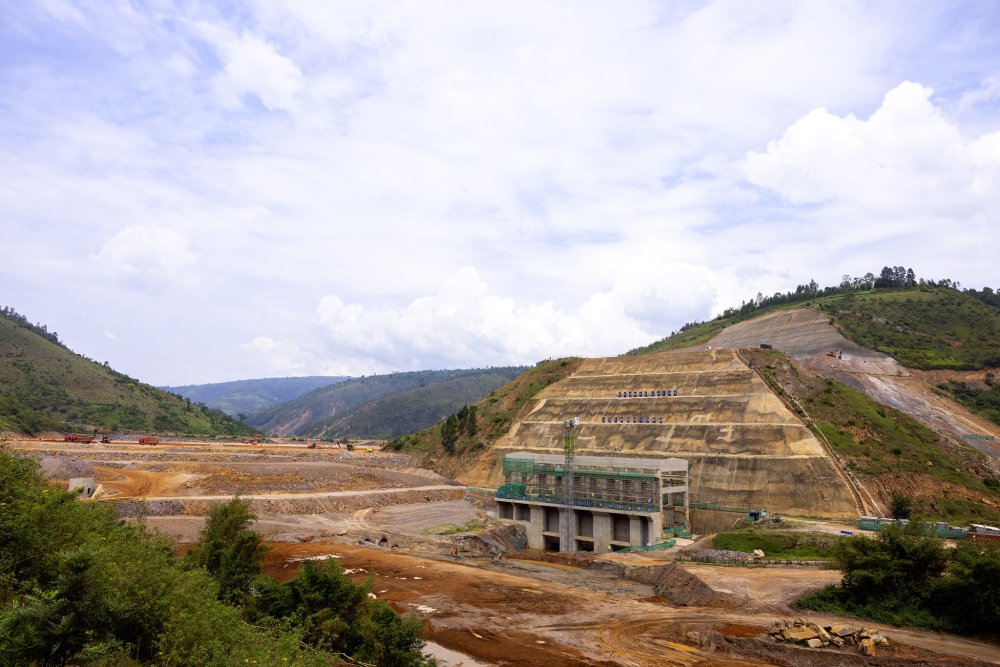
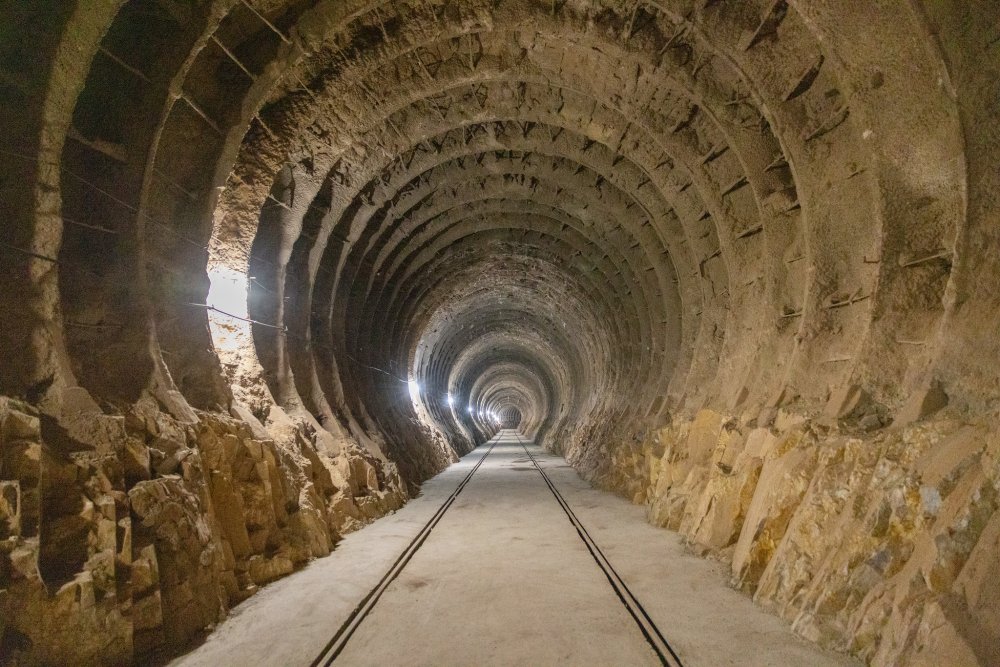
The Nyabarongo II power plant, which is expected to generate 43.5 megawatts, has the largest allocation at Rwf 149.81 billion, equivalent to about 24.5% of the total infrastructure budget.
Construction of the power plant is currently 73.82% complete and is expected to reach 75% in the first quarter, 80% in the second, 90% in the third and 95% by the end of the financial year.
The planned activities include completing and approving the remaining construction designs for the powerhouse, spillway, switchyard and transmission lines. The project will also involve monitoring construction works, completing the third phase of land acquisition and developing a plan for an early warning system to alert residents in case of a problem.
The second-largest allocation, Rwf 90.97 billion, will go towards connecting 199,487 new households to electricity. Baseline figures show that 2,348,087 households were already connected to the national grid.
The Energy Development Corporation Limited (EDCL) plans to connect 40,487 households in the first quarter, 45,000 in the second, 52,000 in the third and 62,000 in the fourth. The work will include preparing surveys and designs, procurement, construction of medium- and low-voltage electricity networks, compensation payments and connecting households.
Road maintenance in Kigali is the third-largest item, with Rwf 40 billion allocated to the project. The Rwanda Road Maintenance Fund (RMF) will review and approve contracts and invoices related to road maintenance works before payments are made.
The implementation target is to have 25% of the funds disbursed in the first quarter, 50% in the second, 75% in the third and 100% by the end of the financial year.
The rehabilitation and development of housing in Nyabisindu will receive Rwf 29.53 billion, making it the fourth-largest project by allocation. The project consists of 2,029 houses and is currently 23.36% complete, with the target of reaching full completion during the financial year.
The Rwanda Housing Authority (RHA) is responsible for overseeing implementation, while the Rwanda Social Security Board (RSSB) will provide financing. The City of Kigali will work with residents, pay temporary rent for people relocated by the project and determine the beneficiaries of the houses. The Ministry of Defence is responsible for construction works.
Another Rwf 22.26 billion has been allocated to the rehabilitation of the 10-kilometre Prince House–Giporoso–Masaka road. The works are expected to progress from 5% to 15% during the financial year.
The project will involve compensation payments, relocating utility networks and other infrastructure along the project route, as well as mobilising construction materials and workers. The Rwanda Transport Development Agency (RTDA), City of Kigali, Ministry of Infrastructure and Ministry of Finance and Economic Planning are involved in its implementation.
Public transport is also a major area of investment, with Rwf 21.45 billion allocated for the construction of 250 smart bus shelters. The facilities will include systems displaying bus arrival times, lighting, seating and infrastructure designed to make them accessible to people with disabilities.
The target is to complete 10% of the shelters in the first quarter, 40% in the second, 40% in the third and all 250 by the fourth quarter.
A further Rwf 21 billion has been allocated for 84 new electric buses. Fifty buses will be provided through the City of Kigali’s RUMI project, while 34 will come through RTDA’s KUTI project, alongside infrastructure for parking and charging the buses.
The programme also includes completing the legal and financial arrangements for the wider project involving 300 electric buses and approving the timeline for the first batch of 100 buses to be delivered to Rwanda.
The rehabilitation of Ruhengeri Referral Hospital has been allocated Rwf 12.5 billion. The project is expected to start from zero and reach 20% in the second quarter, 25% in the third and 30% by the end of the financial year.
The Ministry of Infrastructure and RHA will procure the contractor and supervising consultant and oversee implementation, while the Rwanda Biomedical Centre (RBC) and Musanze District will have responsibilities related to financing, supervision and implementation.
The first phase of the Kigali waste management project in Nduba will receive Rwf 12.03 billion. The project is currently 45% complete and is expected to reach 100% during the financial year.
The Water and Sanitation Corporation (WASAC) is responsible for construction and supervision, while the City of Kigali will support land acquisition and monitor the works.
The tenth project is the rehabilitation of the Masaka–Kabukuba–Riziyeri and Kabukuba–Nyamata/Gahembe–Kindama roads, which has been allocated Rwf 12 billion.
The works are currently at 5% and are expected to reach 20% in the first quarter, 30% in the second, 45% in the third and 60% by the fourth quarter. Activities will include compensation for people affected by the project, construction works and meeting requirements for the release of funding from development partners.
Together, the 10 projects account for Rwf 411.56 billion of the Rwf 610.84 billion infrastructure budget for the 2026/27 financial year, highlighting the concentration of spending on major energy, transport, housing and public infrastructure projects.
Nyabarongo Dam is one of the projects allocated the largest amount of funding in this financial year.The dam is expected to reach 95% completion by the end of this financial year.This photo shows the artistic impression of Nyabarongo dam
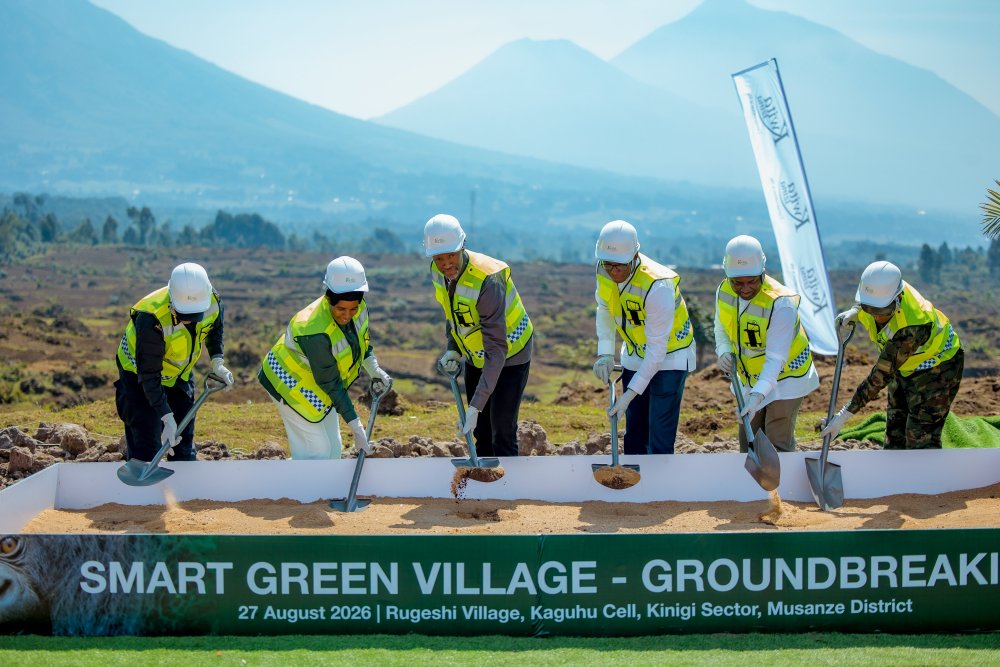
The project, valued at more than $49 million, is expected to provide 547 families with modern homes, basic services and opportunities to improve their livelihoods.
The Smart Green Village will combine climate-smart agriculture, renewable energy and tourism-related economic opportunities.
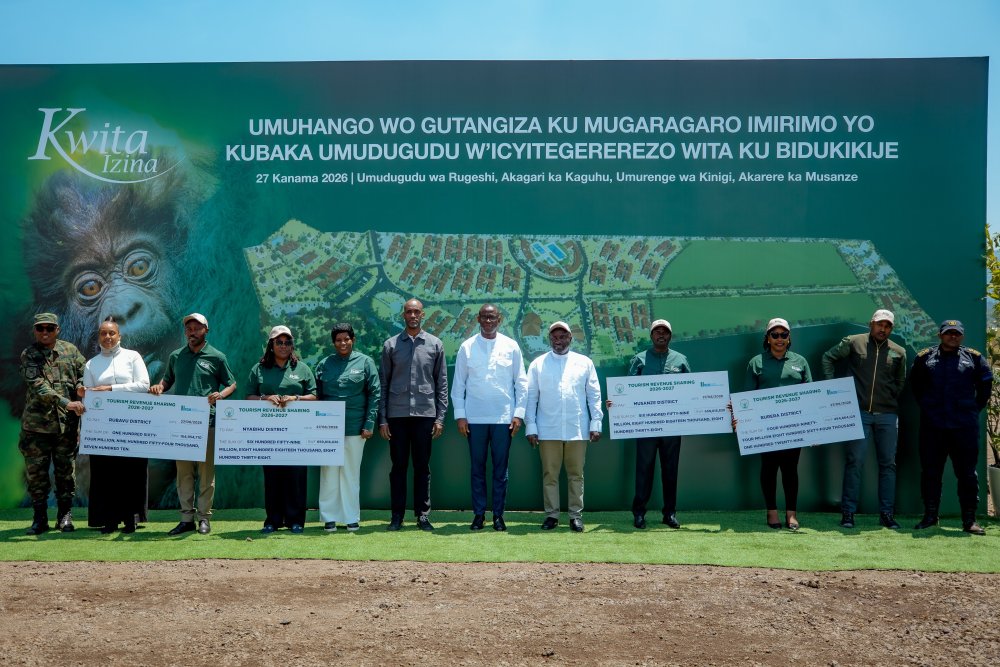
The launch of the construction works coincided with the announcement of funds to be distributed to districts surrounding Volcanoes National Park under Rwanda’s Tourism Revenue Sharing Programme.
The two initiatives highlight Rwanda’s approach of involving communities in environmental conservation and tourism development.
The activities are part of events leading up to the 21st edition of Kwita Izina, the annual gorilla naming ceremony scheduled for September 4, 2026, under the theme, “Conservation is Life: Sustaining the Future.”
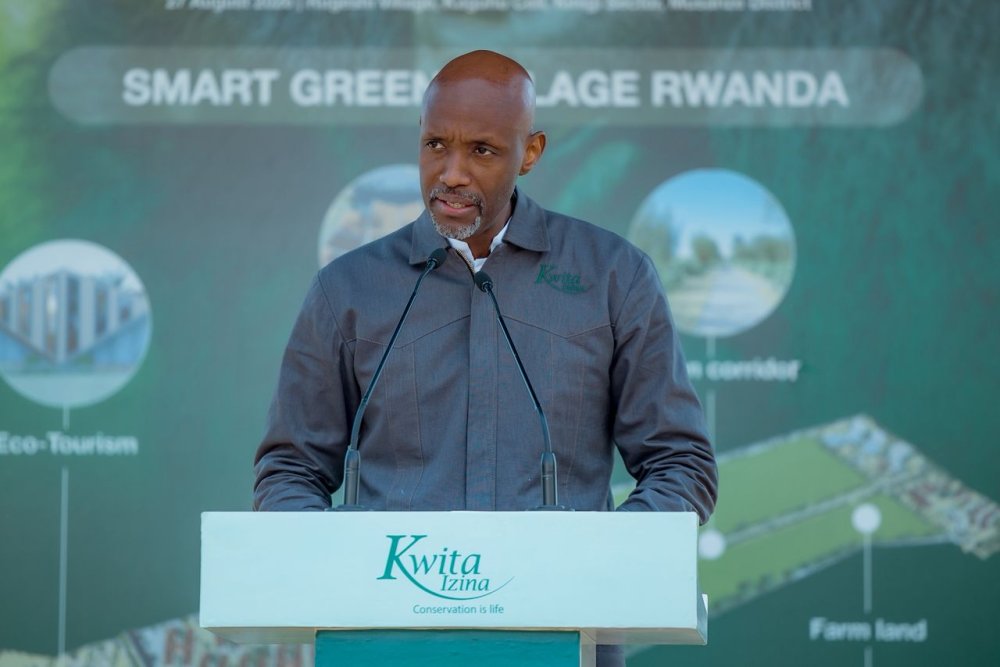
Minister of Local Government Dominique Habimana said community development should go hand in hand with environmental protection.
“This project demonstrates Rwanda’s commitment to putting citizens at the centre of development, while building communities with good infrastructure, services, welfare, cleanliness and security.
“The houses and infrastructure being built here belong to the people. I encourage residents to take ownership of them, participate in their development and protect them so that this village continues to be a clean, safe and sustainable place where families can prosper,” he noted.
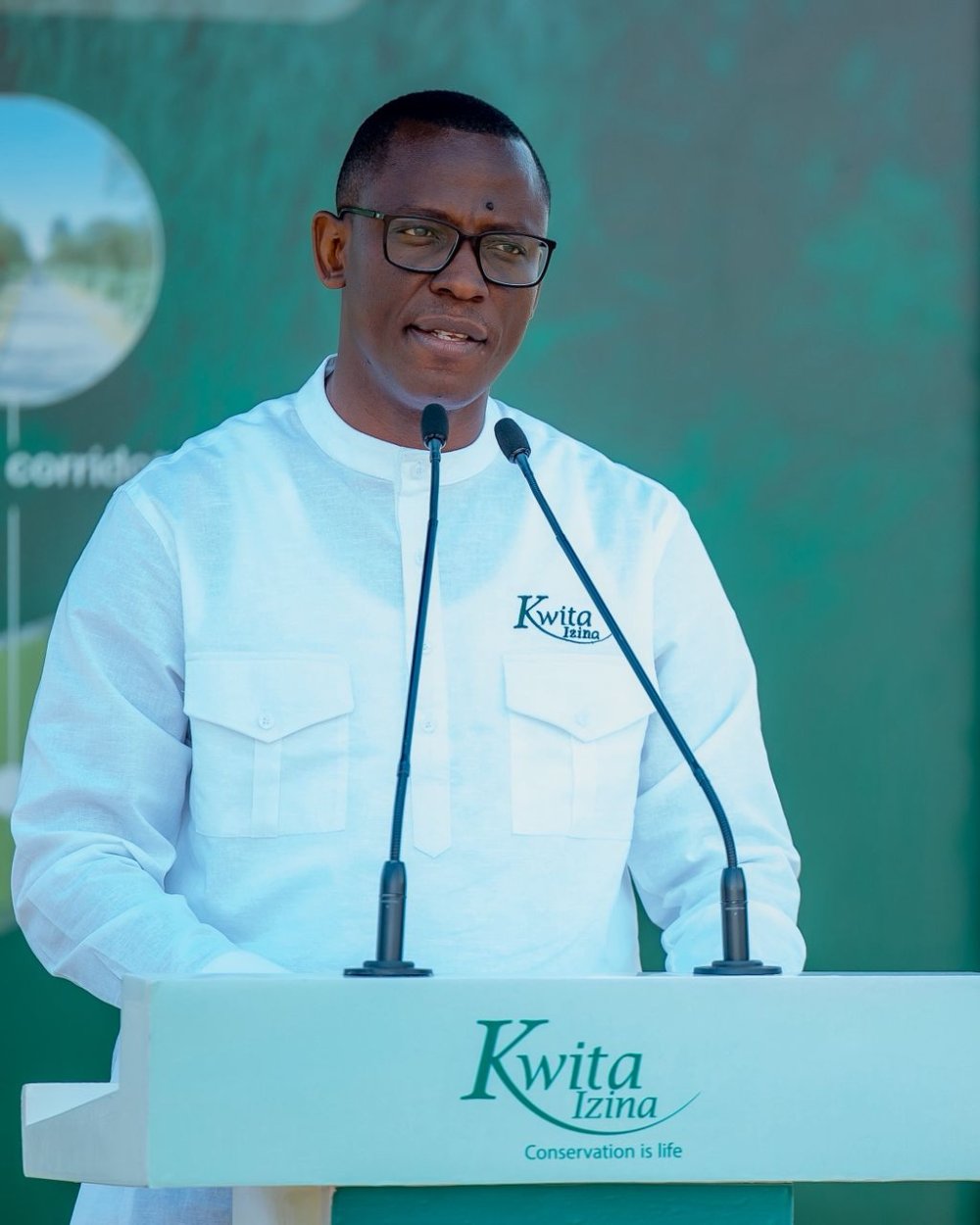
Rwanda Development Board (RDB) Chief Executive Officer Jean-Guy Afrika said the village demonstrates that environmental conservation and community development should advance together.
“It will provide families with good houses, modern infrastructure, basic services and economic opportunities, while promoting sustainable agriculture, resilience to climate change and environmental protection.”
Project linked to Volcanoes National Park expansion
The Smart Green Village is part of plans to expand Volcanoes National Park by nearly 3,740 hectares and establish a 6,620-hectare buffer zone.
The wider programme is expected to improve the livelihoods of more than 17,000 people from nearly 3,400 families, increase wildlife habitat, conserve biodiversity, promote tourism and create new economic opportunities for communities living around the park.
The programme is estimated to cost nearly $300 million and will be implemented over 10 years.
The first phase covers nearly 450 hectares and will affect 547 families living in the area planned for the park expansion.
The Government of Rwanda acquired 50 hectares in Rurembo where the Smart Green Village is being built. Compensation for the land has already been paid, while compensation for families living in the area to be incorporated into the park is also being paid.
The families relocated to the new village are expected to benefit from improved access to basic services, safer living conditions and new opportunities for economic development.
Esther Mukamakuza, one of the future beneficiaries, said the project had given residents a sense that they could set goals and make decisions that contribute to the development of their families.
“We learned that this new village will bring positive changes to our lives. We will have schools, health centres, roads and clean cooking methods, which will make things easier for women and families. We are grateful to see a future where our needs are considered and where we can also contribute to the development of our families,” she said.
Four districts receive nearly Rwf2 billion
Every year, Rwanda shares part of tourism revenue with communities living around national parks that generate the revenue.
Under the Tourism Revenue Sharing Programme, 10% of tourism revenue generated from national parks is invested in development projects benefiting surrounding communities.
The four districts surrounding Volcanoes National Park have been allocated more than Rwf1.98 billion.
Burera District will receive Rwf495 million, Musanze Rwf659.8 million, Nyabihu Rwf659.8 million and Rubavu Rwf164.95 million.
RDB said the funds will support community development activities in the four districts, ensuring that tourism revenue continues to reach people living around the park.
Northern Province Governor Maurice Mugabowagahunde said benefits from Volcanoes National Park reach communities through employment, businesses and tourism revenue sharing.
“Since this programme started, 838 projects worth Rwf8.6 billion have been supported, demonstrating that the park belongs to the people and contributes to their development.
“The expansion of Volcanoes National Park and this project will help address the shortage of agricultural land while reducing conflicts between people and wildlife. They will provide people with more space to live and farm safely, while creating better ways of protecting the environment,” he noted.
Over the past 20 years, more than Rwf23 billion has been invested in communities through the tourism revenue sharing programme, supporting projects in education, healthcare, access to clean water and social welfare.
Kwita Izina is an annual ceremony that brings together Rwandans and friends of Rwanda to name newborn mountain gorillas, drawing from the longstanding Rwandan cultural tradition of naming children shortly after birth.
Since 2005, Kwita Izina has grown into an international platform celebrating Rwanda’s conservation efforts and recognising the role of communities and partners in protecting mountain gorillas and their habitat.
The 21st Kwita Izina ceremony, during which 22 baby gorillas will be named, will take place on September 4, 2026, in Kinigi, Musanze District.
Officials lay the foundation stone at the site where the Smart Green Village will be built.The four districts surrounding Volcanoes National Park have been allocated more than Rwf1.98 billion.Jean-Guy Afrika, RDB Chief Executive Officer, highlighted the importance of linking environmental conservation with community development.Dominique Habimana, Minister of Local Government, urged residents to take ownership of the infrastructure being developed in the Smart Green Village.