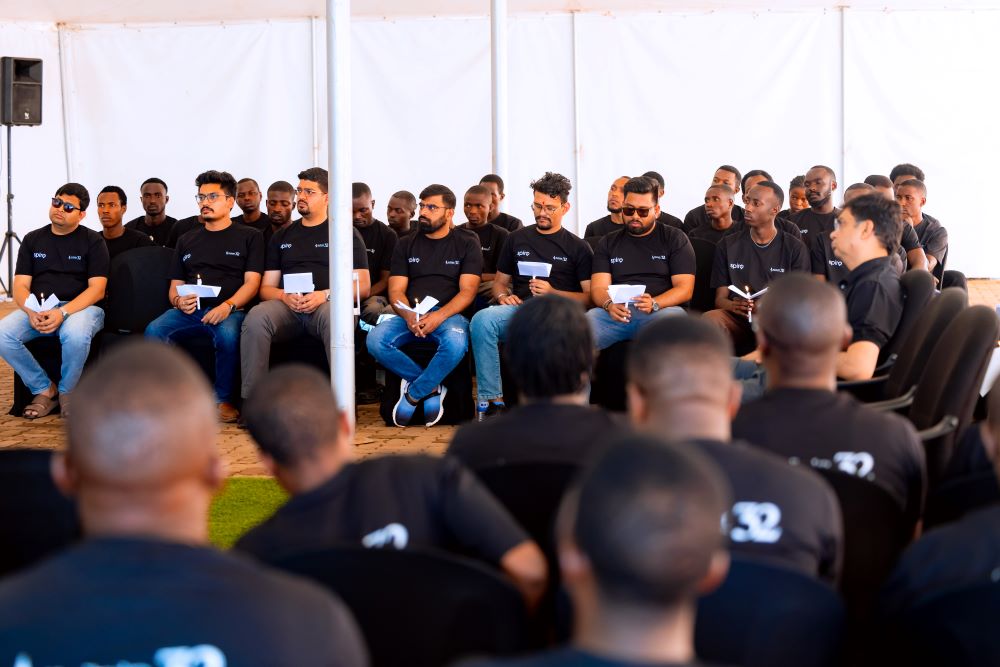
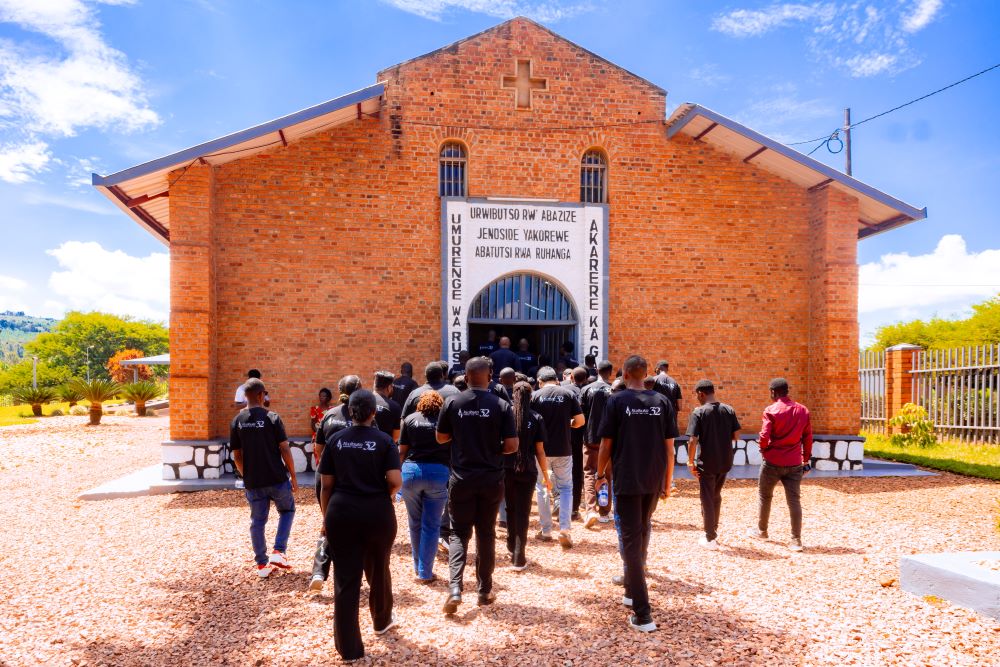
The visit took place on May 8, 2026, during which the staff were given detailed accounts of how the Genocide against the Tutsi was planned and executed under the former regime, as well as the country’s journey toward recovery and rebuilding.
They also laid wreaths at the mass graves where more than 37,890 victims of the Genocide against the Tutsi are buried at the Ruhanga Memorial site.
The Managing Director of Spiro Rwanda, Amit Chawla, said that although he is not Rwandan, the atrocities committed during the genocide deeply touched him. He praised the Government of National Unity, particularly the Inkotanyi, as well as the resilience and humanity demonstrated by Rwandans.
“When I look at the hard work, love and humanity that characterize the Rwandans we work with every day, and the continued progress of Rwanda, it clearly shows that you chose not to remain prisoners of history. Other countries can truly learn from your example,” he said.
Chawla encouraged young people to continue preserving the country’s history and strengthening unity to ensure such tragedies never happen again.
Karambizi Oleg Olivier, an official from Rwanda’s Ministry of National Unity and Civic Engagement responsible for strategies against genocide denial and minimization, commended Spiro Rwanda employees for supporting genocide survivors. He urged especially the youth to develop a deeper understanding of Rwanda’s history so they can help educate others.
“It is your responsibility to know Rwanda’s history because, although the Genocide was stopped by the Inkotanyi, its ideology continues to spread even today,” he said.
“Young people must stand against those who continue to spread genocide ideology, particularly through social media platforms such as Facebook, X, YouTube and others. This should become part of your values and patriotism.”
Karambizi noted that many young people killed during the Genocide against the Tutsi had dreams and ambitions they never had the opportunity to fulfill. He cautioned the youth against being influenced by individuals who use social media to downplay or deny the genocide.
As part of the visit, Spiro Rwanda’s management also provided support to the Ruhanga Genocide Memorial and assisted genocide survivors by renovating two homes.
Staff members of Spiro Rwanda laid flowers at Ruhanga Genocide Memorial in honor of victims of the 1994 Genocide against the Tutsi.Spiro Rwanda Managing Director Amit Chawla praised Rwanda’s resilience and unity during a visit to the Ruhanga Genocide Memorial.Karambizi Oleg Olivier, an official from Rwanda’s Ministry of National Unity and Civic Engagement commended Spiro Rwanda employees for supporting genocide survivors. Spiro Rwanda employees visited the Ruhanga Genocide Memorial, where they learned about Rwanda’s history and journey of recovery.Spiro Rwanda staff visited the memorial and reaffirmed commitment to uphold history.
On May 6, 2026, Tshisekedi told journalists in Kinshasa that Congolese citizens were examining the Constitution to determine whether amendments were necessary. He also stated that if the conflict in eastern Democratic Republic of the Congo continues until 2028, elections may not be held.
“If we fail to stop this war, unfortunately we may not be able to organize elections in 2028,” Tshisekedi said. “But it would not be because I refused to organize them. The capacity exists, we could do it, but we cannot organize elections without North Kivu and South Kivu.”
The Congolese president also questioned whether the current Constitution should remain unchanged, while rejecting claims that constitutional reform was linked to ambitions for a third term in office.
“What is so special about this Constitution? Should we leave it as it is? What prevents us from reviewing it?” Tshisekedi said. “One thing we should not do is connect this to a third term. I do not want a third term, but if the people ask me to lead for a third term, I would accept.”
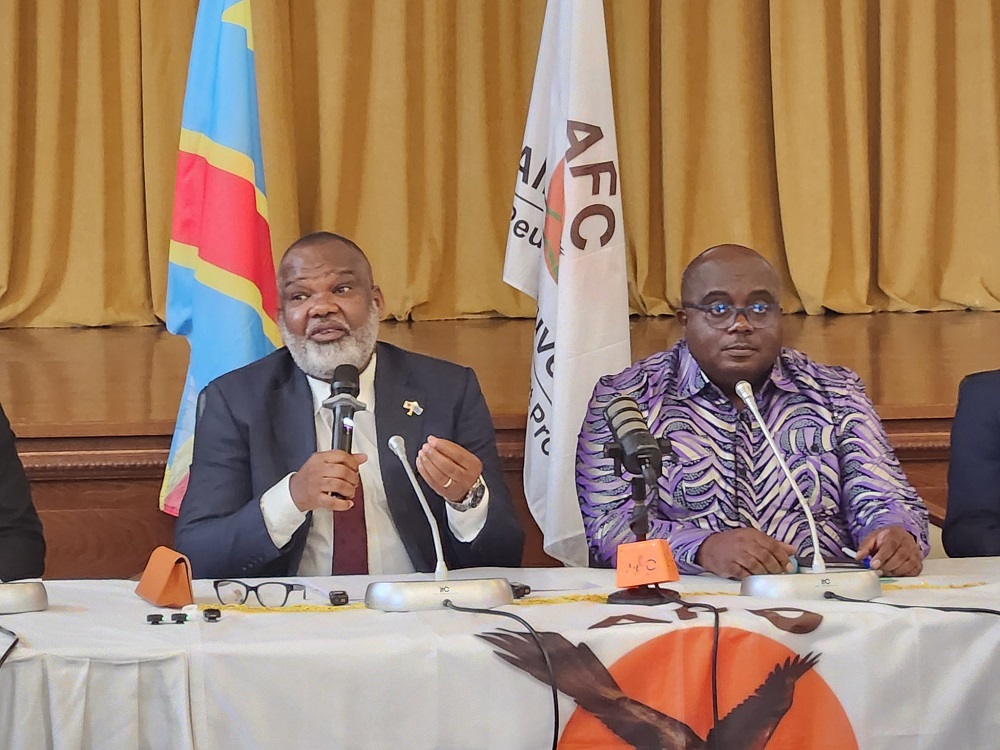
Speaking during a press conference in Goma on May 8, Nangaa criticized Tshisekedi, who recently apologized to Congolese citizens for failing to carry out the war against Rwanda that he had promised during the final stages of his 2023 presidential campaign.
Tshisekedi had said he was misled into believing that the Congolese army was strong, only to later discover that it had been infiltrated by enemies. He linked this to the growing number of arrests and prosecutions involving military officers accused of betraying the country.
Nangaa suggested that Tshisekedi’s departure from office could come sooner than expected.
“Do not be surprised if he leaves in the coming days. He will go,” Nangaa said. “And do not be surprised to hear him say, ‘I did not know I was president.’ He will say, ‘I did not know it was my responsibility to guarantee Congo’s security or to do this or that.’”
The AFC/M23 leader argued that efforts to amend the Constitution would fail and called on Congolese citizens from different sectors to unite behind the alliance in order to block Tshisekedi’s plans.
“He wants to change the Constitution. If he is capable, let him try,” Nangaa said. “But as far as we are concerned, and I speak on behalf of AFC/M23, the time is now. This press conference allows Congolese people to understand our objective. AFC/M23 calls on all politicians and all citizens to support the struggle to protect the DRC.”
Nangaa further stated that AFC/M23 seeks support from Congolese living in Kinshasa, those in exile, and even some members of the ruling Union Sacrée coalition, claiming that certain figures within the alliance are already holding secret talks with AFC/M23.
Corneille Nangaa, the leader of the AFC/M23 alliance, has declared that President Félix Tshisekedi has limited time left in office
According to the fund, the savings were collected between May 1 and May 8, 2026. The increase pushed the total assets under management to Rwf97.4 billion.
RNIT-Iterambere also indicated that investors withdrew Rwf380 million from the fund during the same period. The value of one unit share stood at Rwf271.72 during the week.
Individuals who save through RNIT-Iterambere Fund begin earning returns the following day after making their investment. The returns continue to accumulate throughout the year, with investors currently receiving an annual return of 11.78%.
The RNIT-Iterambere Fund was established by the Government of Rwanda in 2014 and became fully operational in 2016.
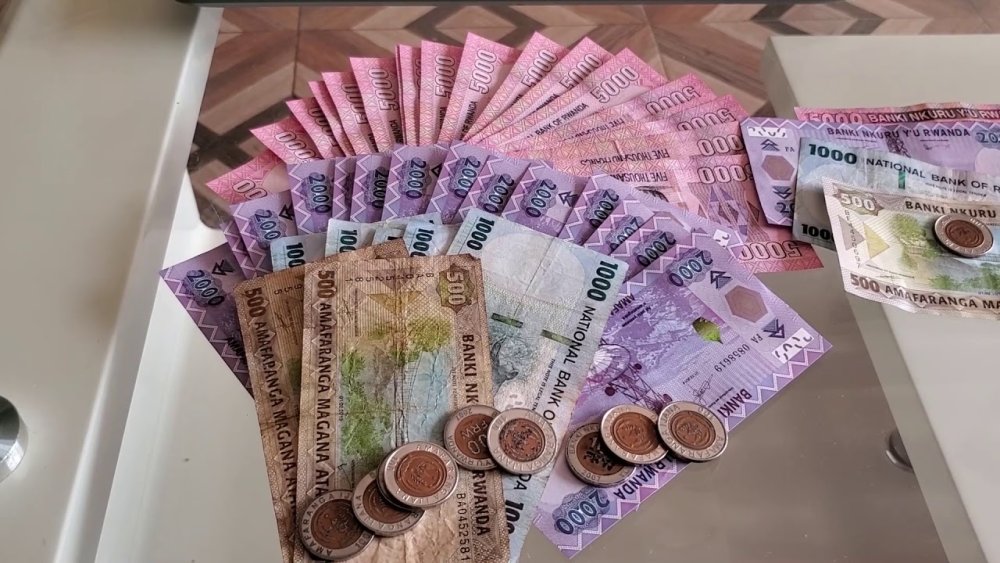
The initiative was introduced to promote a savings culture among Rwandans while helping them understand investment management and earn returns on their savings over time. Savings in the fund can start from as little as Rwf2,000.
RNIT-Iterambere also indicated that investors withdrew Rwf380 million from the fund during the same period.
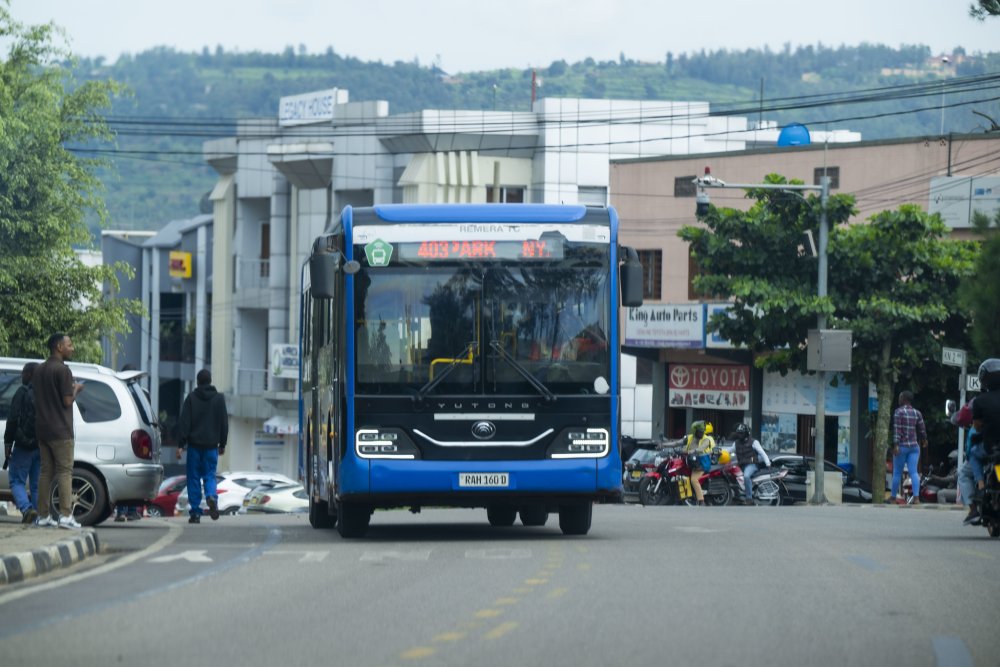
The move comes as Rwanda continues encouraging residents to use public transport following the sharp rise in global and local fuel prices.
Since the campaign began, the number of daily bus commuters in the City of Kigali has increased from 180,000 to 230,000 passengers.
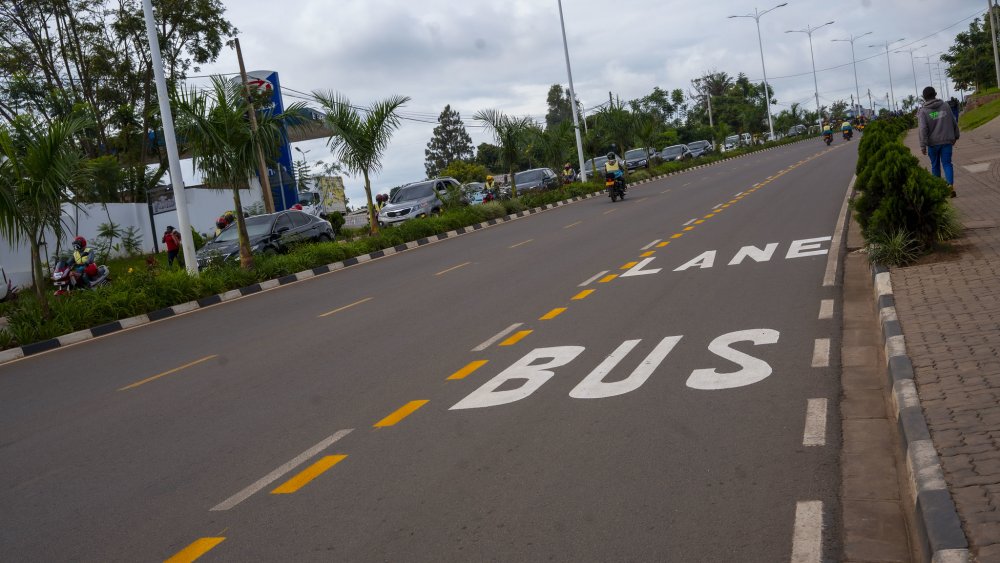
Uwihanganye explained that the recently introduced bus lanes were designed to improve efficiency by allowing buses to move faster and depart at intervals of five minutes.
“Since last week, when these bus lanes were introduced, buses operating within those lanes are expected to depart every five minutes and move quickly,” he said.
Passengers using the buses say transport services have improved compared to before, noting that buses no longer spend excessive time stuck in traffic or waiting to fill up with passengers before departing.
“The fact that people appreciate the service is reflected in the numbers. In just one week, 10,000 more passengers started using buses, and this is only the beginning,” Uwihanganye added.
He also noted that traffic congestion has eased, especially during peak hours when vehicles previously remained stuck for long periods during morning and evening commutes.
The City of Kigali recently designated several large public parking areas to support the park-and-ride initiative, where motorists can leave their private cars and continue their journeys using buses.
The designated parking areas include Kabuga Bus Park, Stade Amahoro parking area in Rwahama, Kigali Pele Stadium, the former Magerwa site in Ruyenzi, Kamonyi District, and Gahanga.
Fuel prices in Rwanda have continued to rise sharply, with a litre of petrol currently costing Rwf2,938 while diesel is priced at Rwf2,205 per litre.
Passengers using the buses say transport services have improved compared to before, noting that buses no longer spend excessive time stuck in traffic or waiting to fill up with passengers before departing.
The park was recently listed by Tripadvisor among notable tourist attractions, further boosting its international visibility.
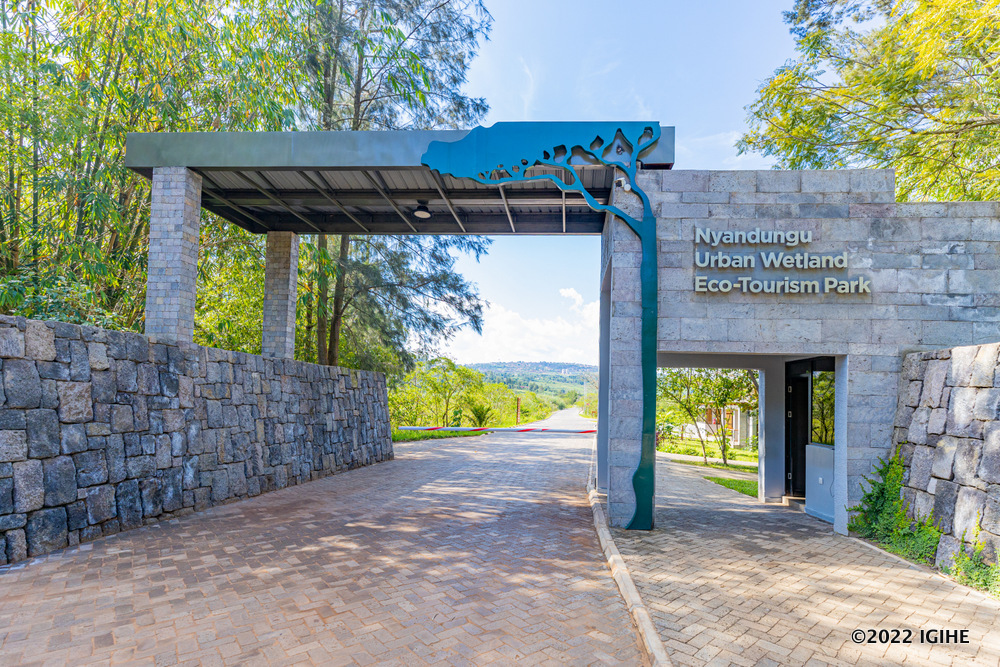
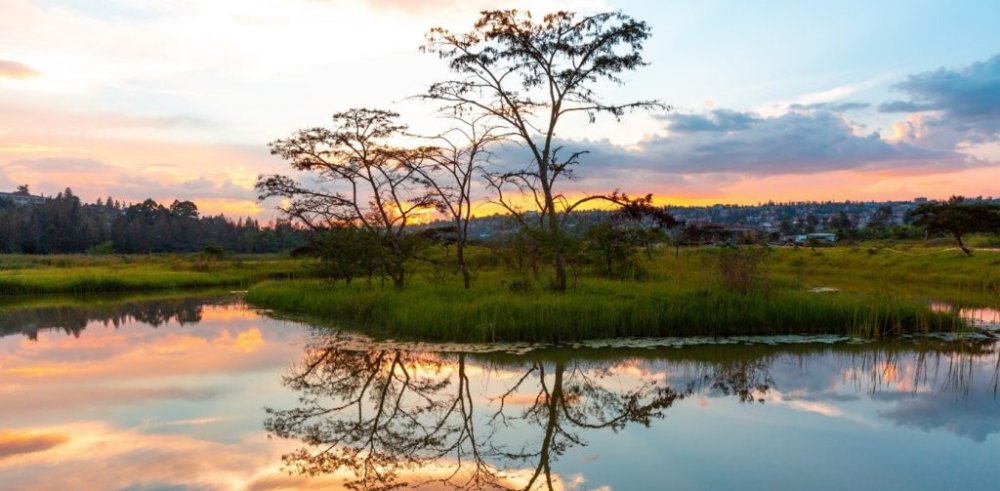
The transformation of Nyandungu began in 2016 with a project aimed at restoring the degraded Nyandungu wetland and converting it into an eco-tourism park. What was once a polluted and heavily exploited marshland has since become one of Kigali’s leading green spaces.
Before rehabilitation efforts started, the wetland had been used for farming, livestock grazing and, in some areas, as an illegal dumping site. The degradation contributed to frequent flooding caused by runoff water from surrounding hills and nearby communities.
Restoration works were completed in 2022, paving the way for the official opening of Nyandungu Eco-Tourism Park.
Today, the park covers more than 121 hectares across Ndera Sector in Gasabo District and Nyarugunga Sector in Kicukiro District. It stretches along the road linking La Palisse Hotel to Ndera.
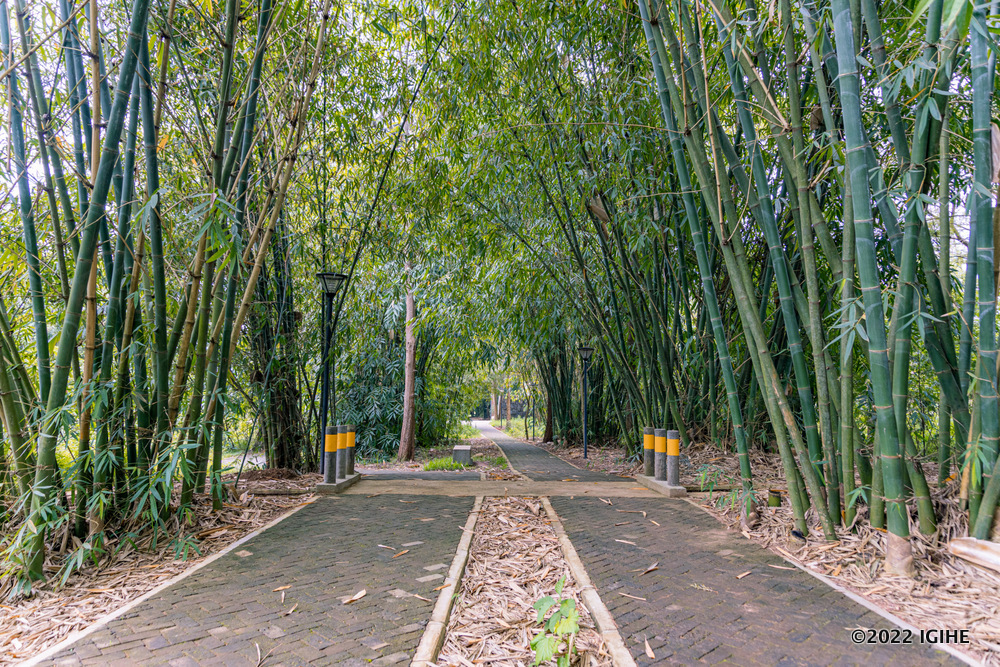
At the time of its inauguration, the park consisted of five sections. Two were dedicated to wetland restoration, featuring grasses and trees designed to naturally filter polluted water flowing into the marsh. The remaining three sections were developed for tourism and recreation, including more than 10 kilometers of walking and cycling trails.
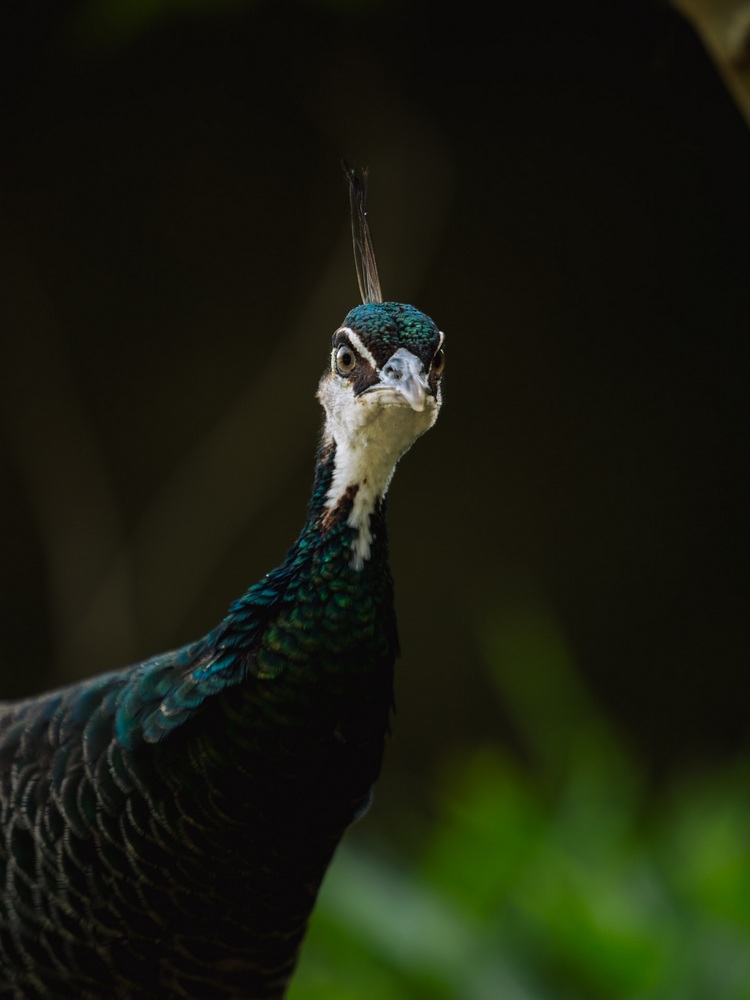
The park initially recorded 102 bird species, including crowned cranes and herons. That number has now surpassed 200 species, among them crested cranes and several other rare birds. Wildlife such as turtles, monitor lizards and mongooses have also started reappearing in the ecosystem.
Nyandungu is now home to more than 25,000 trees, up from about 17,000 during the early stages of development. Most of these are indigenous species.
Research conducted by the Regional Research Centre for Integrated Development (RCID) showed that biodiversity in the park has nearly doubled over the past two years. More than 250 plant species and around 75 bird species have been added during that period.
The number of visitors has also continued to rise steadily. In 2025, the park received more than 111,000 visitors and generated over Rwf360 million in revenue. In comparison, it welcomed more than 76,000 visitors in 2024, generating Rwf158 million.
One of the park’s distinguishing features is that more than 70 percent of visitors are Rwandans, highlighting its growing popularity among local residents. Visitors are not allowed to bring outside food into the park, but there is an on-site restaurant serving meals and drinks.
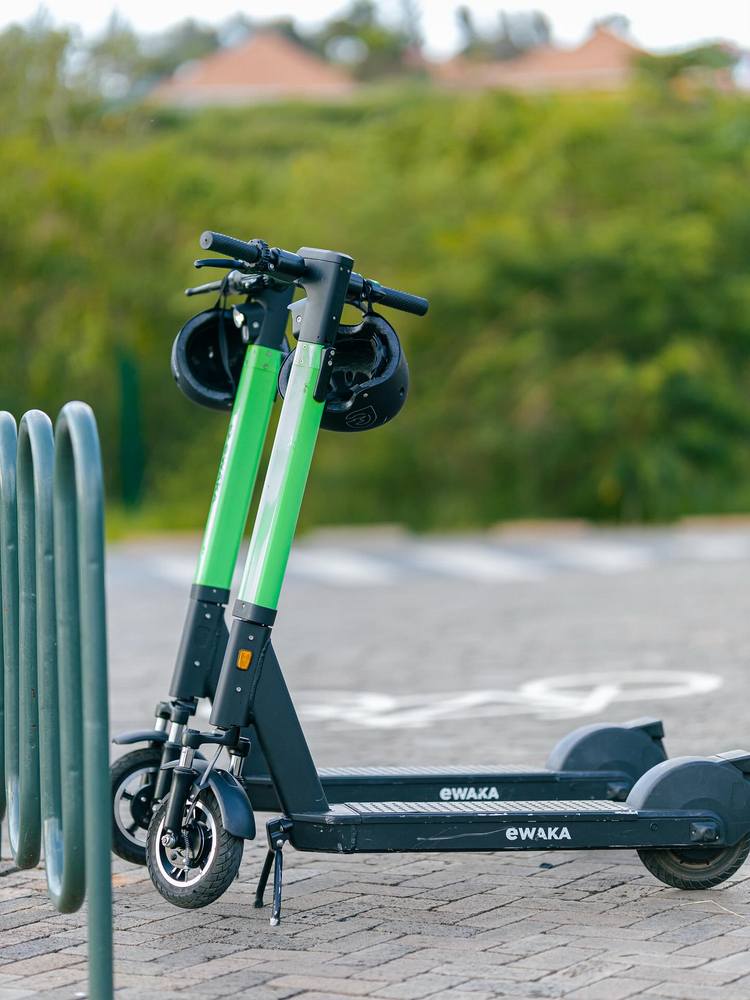
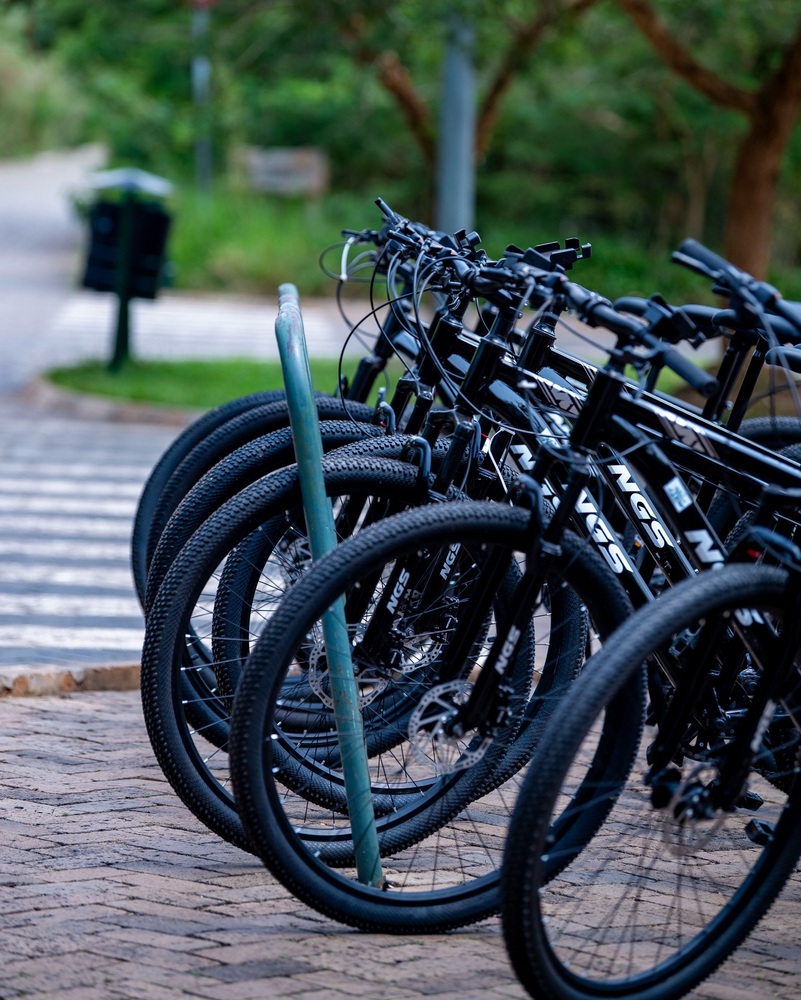
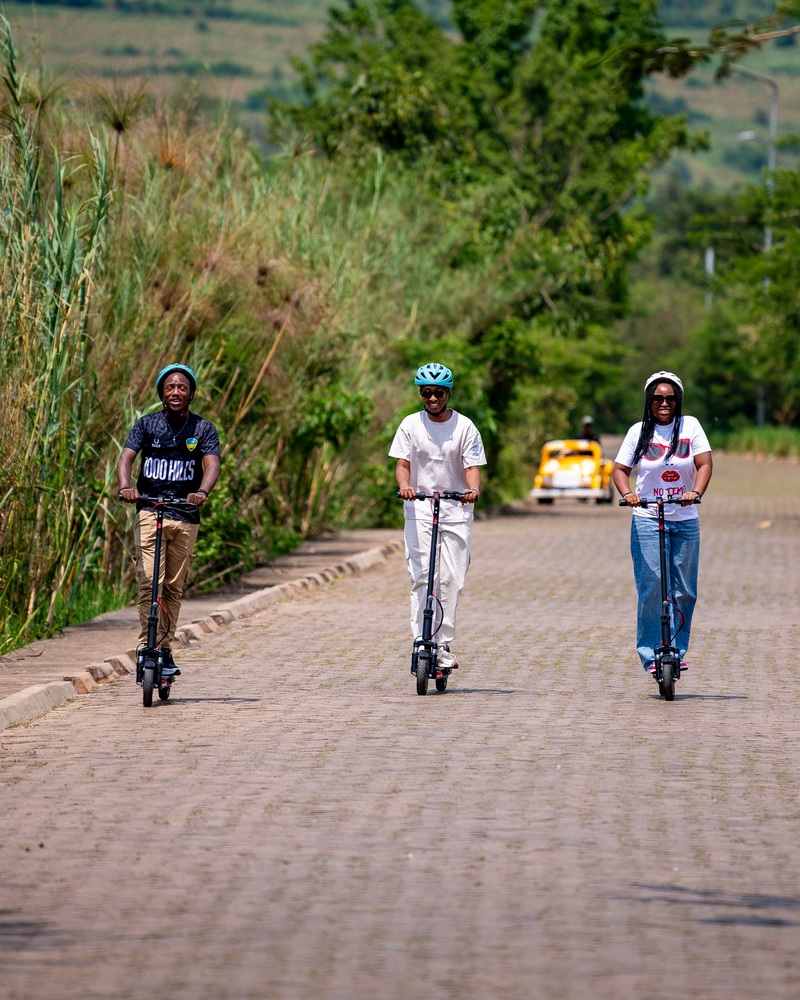
To make the experience more attractive, the park has continued introducing new recreational activities. In addition to bicycles, visitors can now use scooters and small tour vehicles.
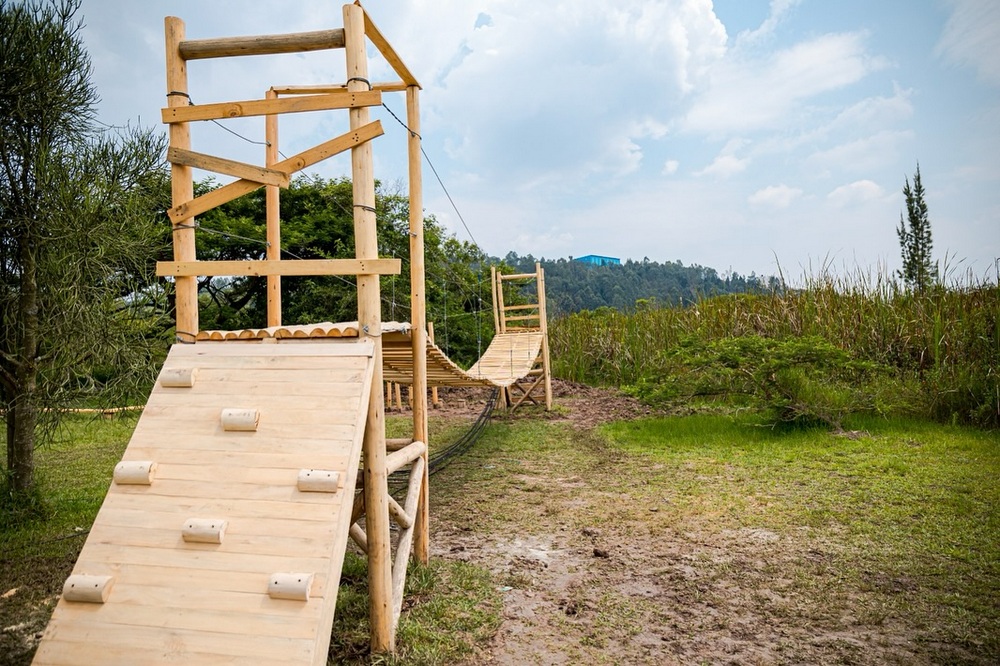
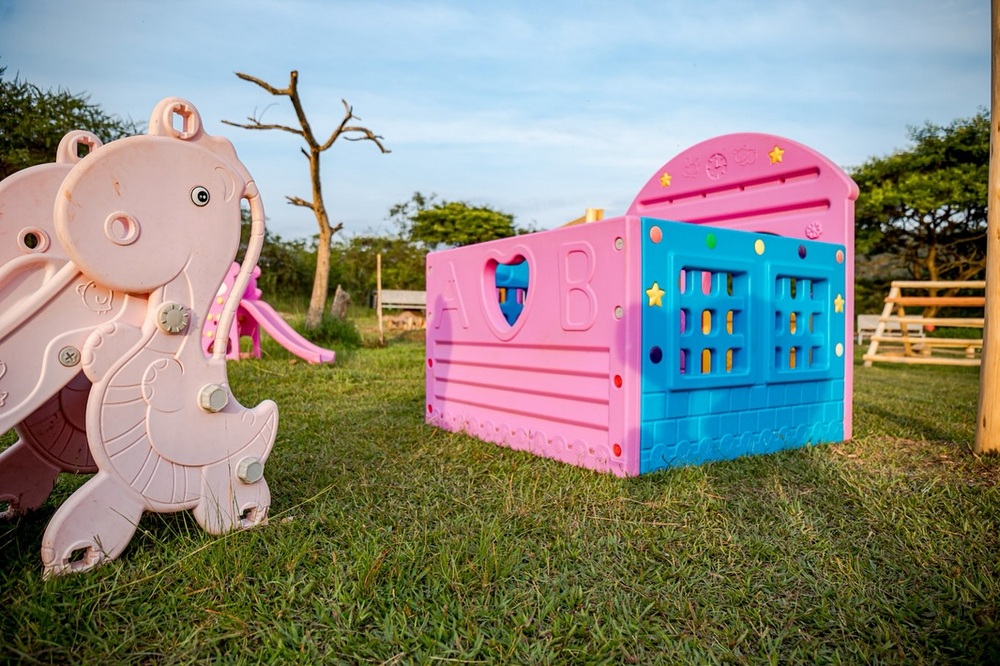
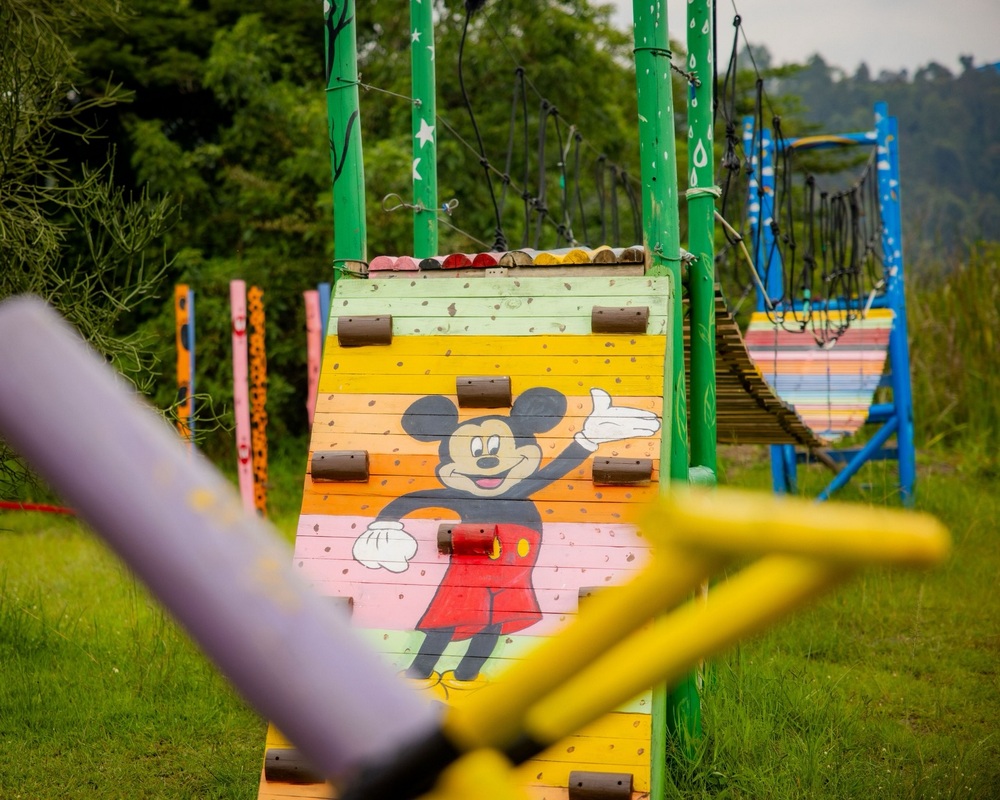
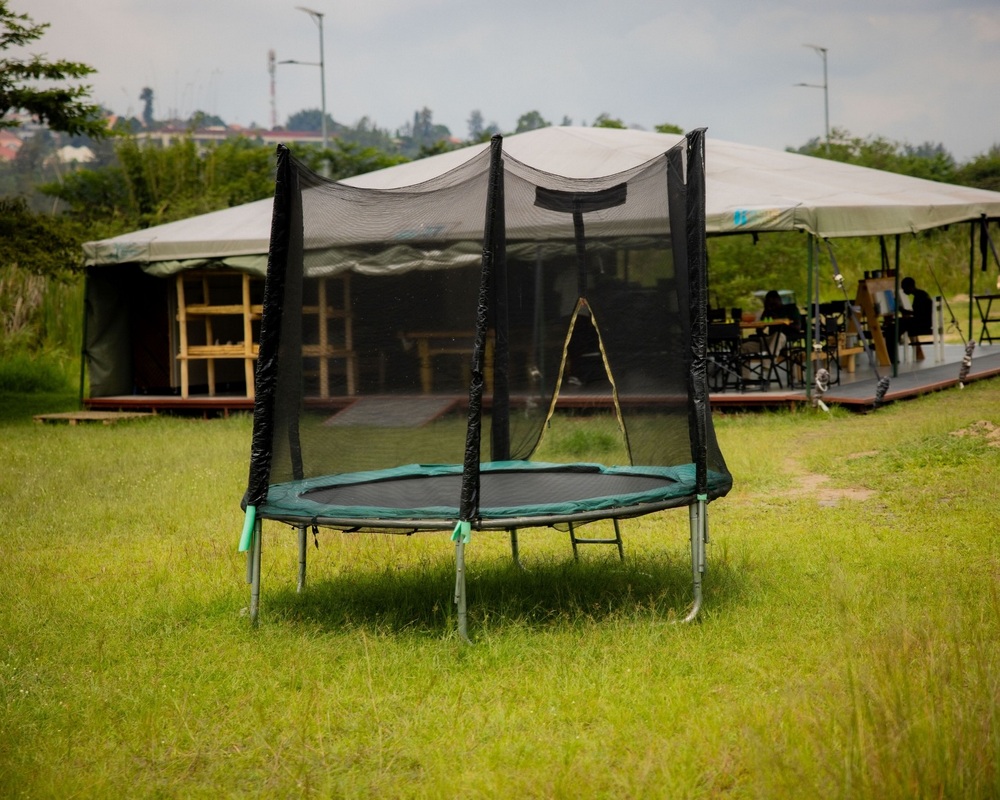
Adventure activities have also been added, including a high ropes course suspended between trees, hanging bridges, chess areas and several other leisure facilities. Children have not been left out either. The park includes playgrounds and entertainment areas designed specifically for young visitors.
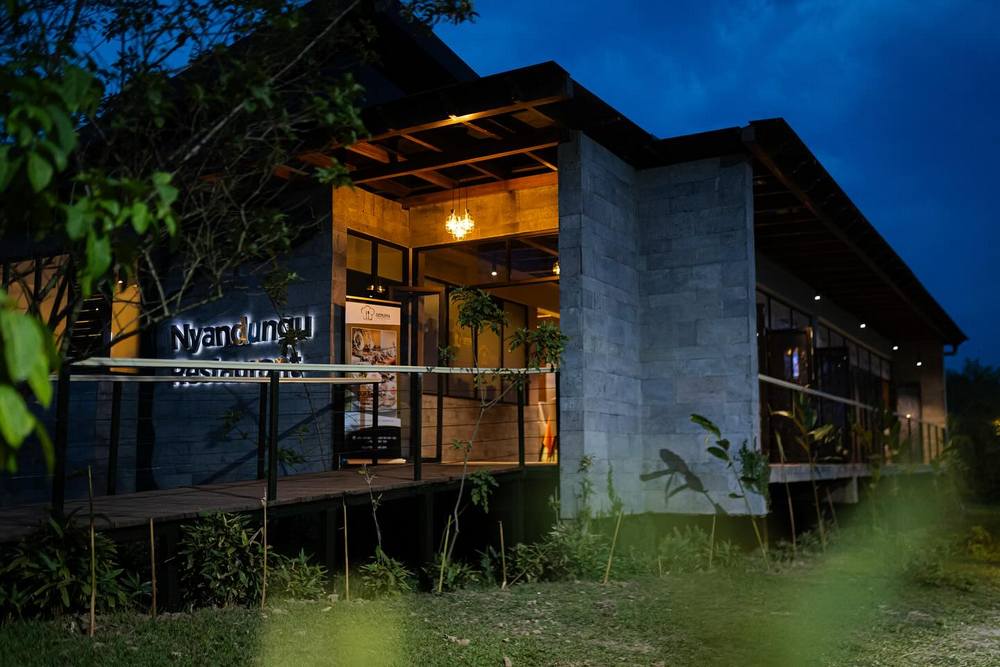
Nyandungu also hosts shops selling Made-in-Rwanda products such as clothing, bags, toys and handcrafted items, including puzzle games featuring African-themed designs.
The park has further expanded into hosting environmentally friendly events through specially designed gardens and open-air venues.
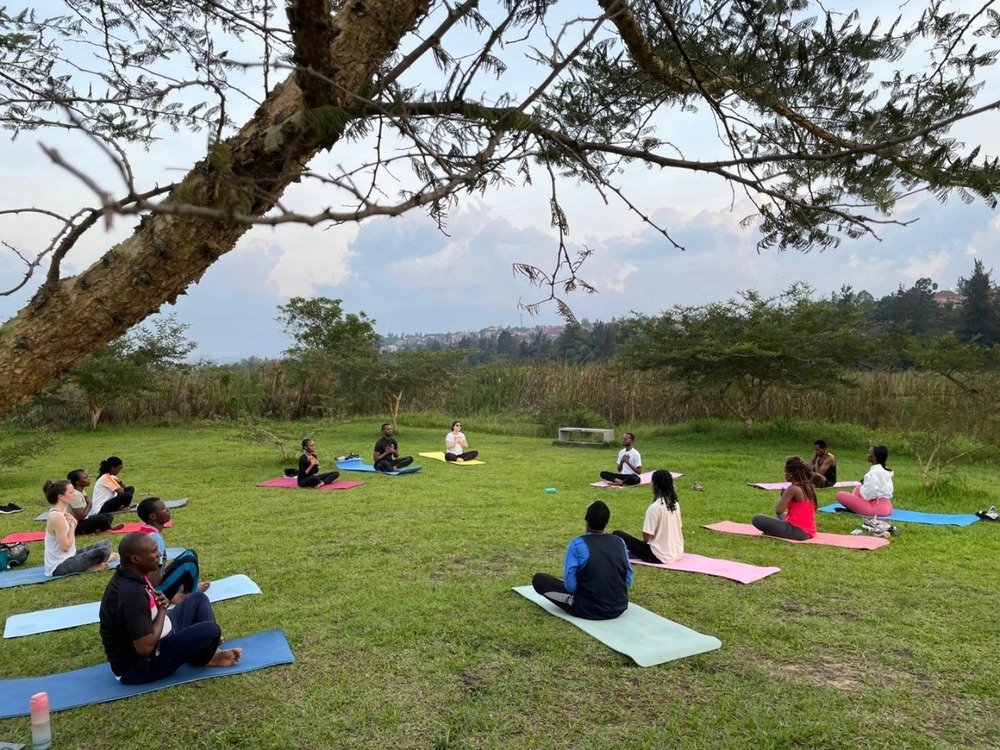
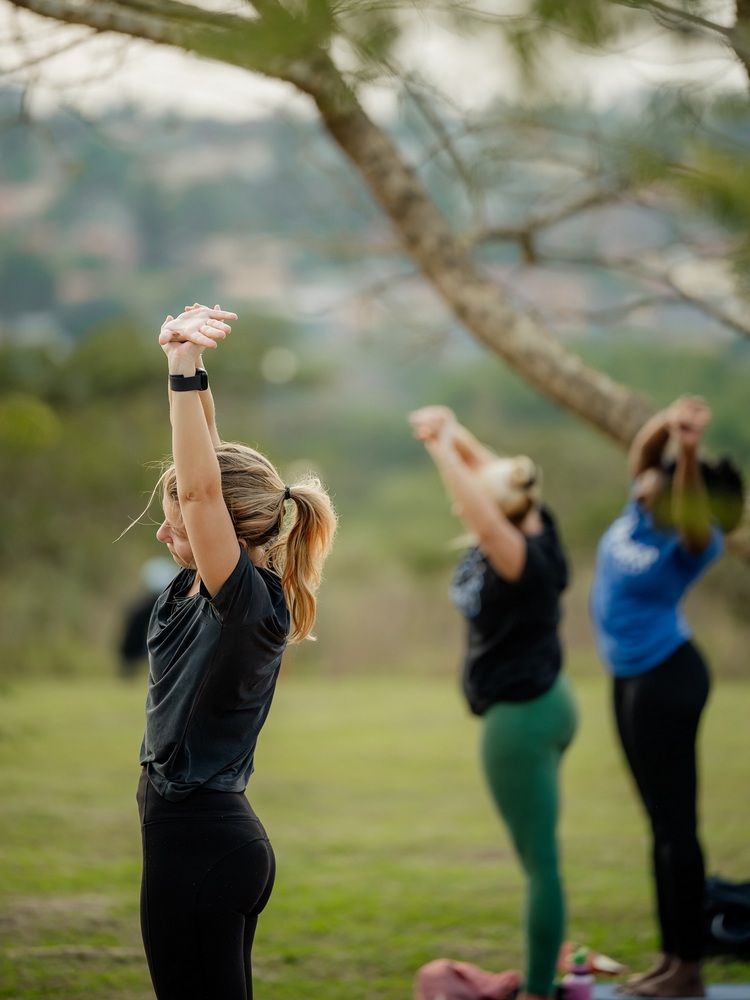
Among them is the Pope John Paul II Garden, named after Pope John Paul II, who celebrated Mass in the area during his 1990 visit to Rwanda. The site was chosen because of its capacity to accommodate large crowds. Other sections are dedicated to wellness activities such as yoga and fitness sessions.
Beyond tourism and entertainment, Nyandungu has also become a quiet retreat for many Kigali residents. Benches placed throughout the park allow visitors to sit under trees near small artificial lakes, creating a peaceful environment for reading, reflection or simply enjoying nature.
More animals and attractions planned
The Manager of Nyandungu Eco-Tourism Park, Ildephonse Kambogo, said the park’s development is still ongoing and that plans are underway to introduce additional wildlife species.
He explained that feasibility studies have already been conducted to determine which animals can adapt to the park’s environment.
“We started by conducting research to identify which animals are suitable for this park and capable of living here. We studied species such as impalas, sitatungas and other small mammals. The research was completed in April, and we are now looking at how to begin introducing them,” he said.
Kambogo added that the park management is optimistic the animals will thrive, noting that species already present in the park have adapted well and reproduced successfully.
He also revealed that new tourism activities, including a zipline and climbing wall for adventure enthusiasts, are expected to be introduced in the future.
In 2024, the Rwanda Environment Management Authority (REMA) announced plans to expand the park by an additional 43 hectares. Recent biodiversity studies show that plant species have increased significantly, rising from 258 species in 2023 to 523 species in 2025.
Wildlife species have also grown steadily. Bird species increased from 83 to over 150, reptiles rose by nine species to reach 11, fish species increased from five to seven, while mammal species rose to 13.
As Kigali continues to grow into a modern urban center, Nyandungu Eco-Tourism Park is emerging as a symbol of how environmental restoration, tourism and urban living can coexist in one of Africa’s fastest-changing cities.
The Pope John Paul II Garden at Nyandungu Eco-Tourism Park honors the late pontiff’s 1990 visit to Rwanda.Other sections are dedicated to wellness activities such as yoga and fitness sessions.Indigenous trees and restored wetlands have transformed Nyandungu into a thriving urban ecosystem in Kigali.Birdlife continues to flourish at Nyandungu Eco-Tourism Park, where more than 200 species have now been recorded.Cyclists and pedestrians explore more than 10 kilometers of recreational trails inside Nyandungu Eco-Tourism Park.Nyandungu Eco-Tourism Park continues to expand its eco-tourism offerings with plans for new wildlife species and adventure activities.Scooters and small tour vehicles have been added to improve visitor experiences at Nyandungu Eco-Tourism Park.A restored wetland at Nyandungu Eco-Tourism Park now serves as a peaceful escape for Kigali residents and tourists alike.Benches placed beneath trees offer visitors quiet spaces to read, reflect and enjoy nature within Kigali’s urban setting.A restored wetland at Nyandungu Eco-Tourism Park now serves as a peaceful escape for Kigali residents and tourists alike.Children enjoy play areas at Nyandungu Eco-Tourism Park, which has expanded its family-friendly attractions in recent years.
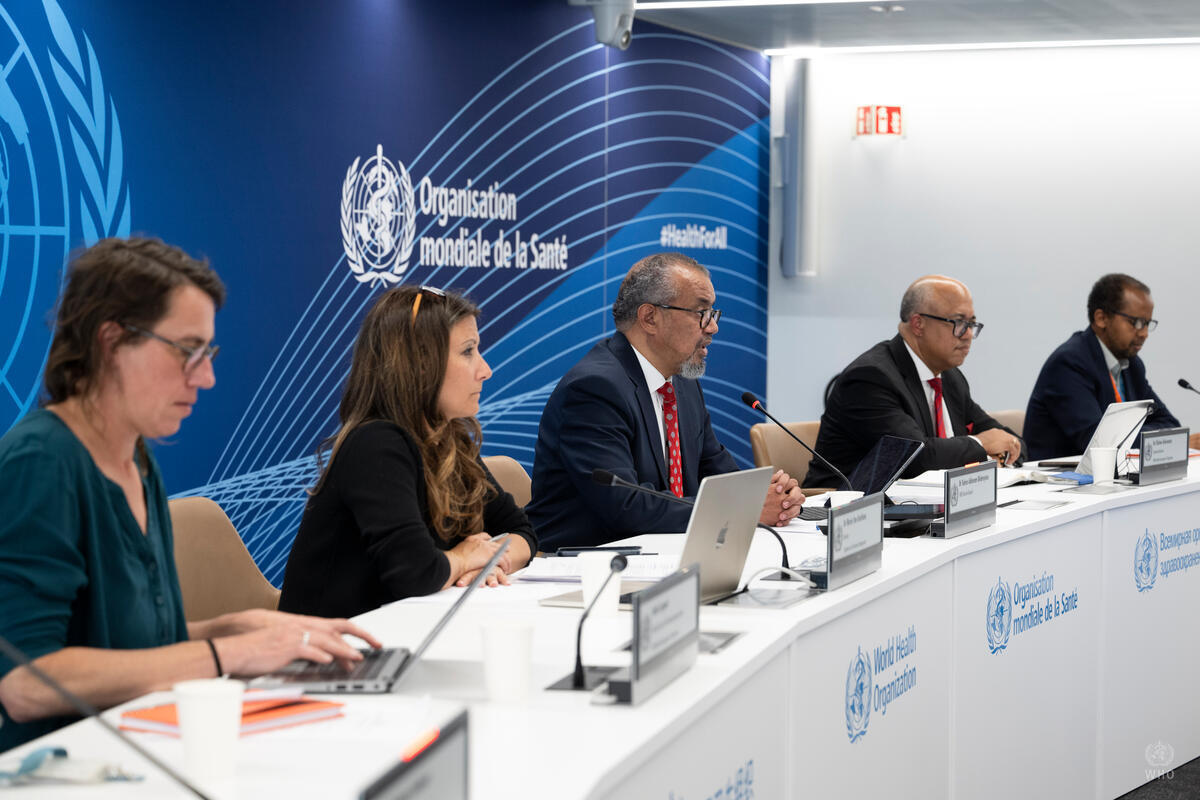
“This is not COVID” and its risk to the general population remains “absolutely low,” Lindmeier said at a briefing in Geneva, as the agency continues to coordinate the response to the outbreak on a cruise ship in the Atlantic.
“I need to stress again and again, even those who have been sharing cabins don’t seem to be both infected in some case … it’s not spreading anything close to how COVID was spreading,” he said.
Three people have died and several others have fallen ill aboard the cruise ship MV Hondius, prompting a major international public health response involving countries across Europe, Africa and Latin America.
Media briefing on Hantavirus hosted by Dr Tedros at WHO headquarters, Geneva, Switzerland, May 7. [Photo / WHO]
The secretary-general is concerned by the reported recent exchange of fire in the Strait of Hormuz, Farhan Haq, deputy spokesman for the UN chief, said at a daily briefing.
The secretary-general calls on all parties to fully abide by the ceasefire and refrain from any actions that could lead to renewed escalation or undermine ongoing diplomatic efforts, he said.
U.S. and Iranian forces traded fire on Thursday. The U.S. military said it was a “self-defense” action while Tehran accused Washington of violating a ceasefire that took effect on April 8.
UN Secretary-General Antonio Guterres urges all sides to exercise maximum restraint to avoid further escalation following the exchange of fire in the Strait of Hormuz
The move came after Ghana requested that the African Union (AU) debate at the upcoming AU Mid-Year Coordination Summit in June what it described as “xenophobic attacks” against African nationals in South Africa.
In a statement, South Africa’s Department of International Relations and Cooperation (DIRCO) said the government had “swiftly condemned acts of confrontation and intimidation” following sporadic incidents since late April involving some immigrants, including citizens of fellow African countries.
Since late April, protests against illegal migration, some of which turned violent, have taken place in cities including Johannesburg, Pretoria and Durban, with protesters accusing foreign nationals of taking jobs and business opportunities.
DIRCO said law enforcement agencies had been instructed to ensure the safety of citizens, residents and visitors, and to hold perpetrators accountable in accordance with the law.
DIRCO Minister Ronald Lamola has engaged counterparts from several African countries, including Ghana and Nigeria, to brief them on developments and reaffirm South Africa’s commitment to protecting the rights of all people living in the country, said the department.
The department also dismissed social media claims that Ghanaian and Nigerian nationals had been killed during recent protests, saying there was “no credible evidence” to support such allegations.
According to DIRCO, about 3 million migrants currently reside in South Africa, around 90 percent of whom are from other African countries.
The government acknowledged that migration pressures, unemployment and irregular migration had at times contributed to tensions between local communities and foreign nationals.
Pretoria reiterated its support for regional and continental migration frameworks, noting that many African countries continue to face economic and border management challenges linked to migration.
DIRCO said South Africa was reviewing its immigration policy framework to better address these challenges and remained open to “continued diplomatic engagement and constructive dialogue” with African countries on issues of mutual concern.
“South Africa will continue to lead with a Pan-African heart,” Lamola said. “Our commitment is to solidarity, the rule of law, and the safety of all who reside within our borders. Migration must be managed through cooperation, compassion and continental responsibility.”
A march protesting against undocumented migrants in Durban on 6 May, 2026. AFP
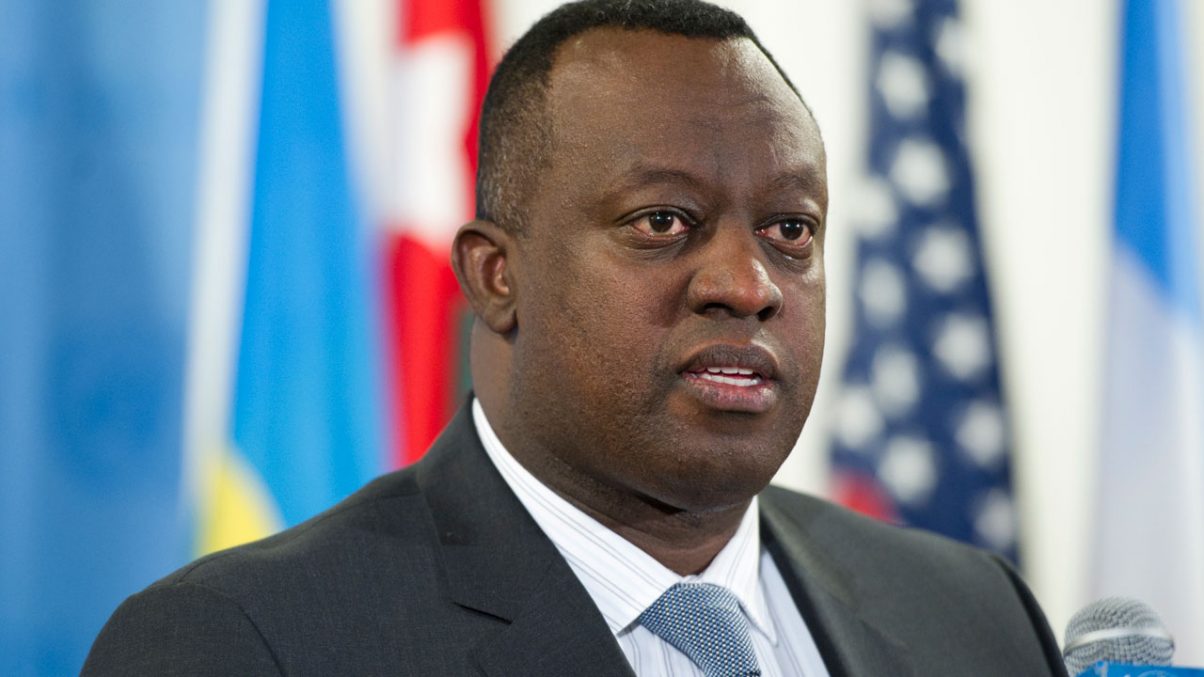
According to a statement issued by Liston Abramson LLP, the law firm that represented the complainant, the jury found that Gasana raped their client and awarded her $5 million in damages.
Gasana previously served as Rwanda’s Permanent Representative to the United Nations and also held the rotating presidency of the United Nations Security Council.
The case was filed by a Rwandan woman who was 21 years old at the time of the alleged incidents. She was working as a summer intern when Gasana was serving as Rwanda’s representative to the UN.
According to the lawsuit cited by the New York Post in 2019, the woman alleged that Gasana assaulted her twice between June and July 2014. The report said Gasana first invited her to the Millennium Hilton Hotel, or One UN Plaza, for dinner before allegedly persuading her to go upstairs to what appeared to be a meeting room but turned out to have a bedroom behind it.
The woman alleged that Gasana raped her in that room. The New York Post reported that she did not immediately report the incident because she was afraid Gasana could harm her or take action against her family in Rwanda. The report further said Gasana allegedly assaulted her again weeks later, on 11 July 2014.
In its statement, Liston Abramson LLP said the case required years of litigation and “extraordinary courage” from the complainant. The firm said she faced not only the trauma of the abuse, but also what evidence at trial showed were efforts by the defense to publicly attack her credibility and reputation and intimidate potential witnesses.
“No verdict can erase the harm she has suffered,” the law firm said. “But this verdict sends a clear message: even powerful individuals can be held accountable.”
Gasana left his position as Rwanda’s Permanent Representative to the United Nations in August 2016.
Former Rwandan UN Ambassador Eugène Gasana has been found liable in sexual assault case
The proposal was included in a report titled “Counting What Counts: A Compass of Progress for People and Planet,” which was released by the UN secretary-general’s independent High-Level Expert Group on Beyond GDP and presented a dashboard of globally applicable indicators providing a new compass of progress for people and planet.
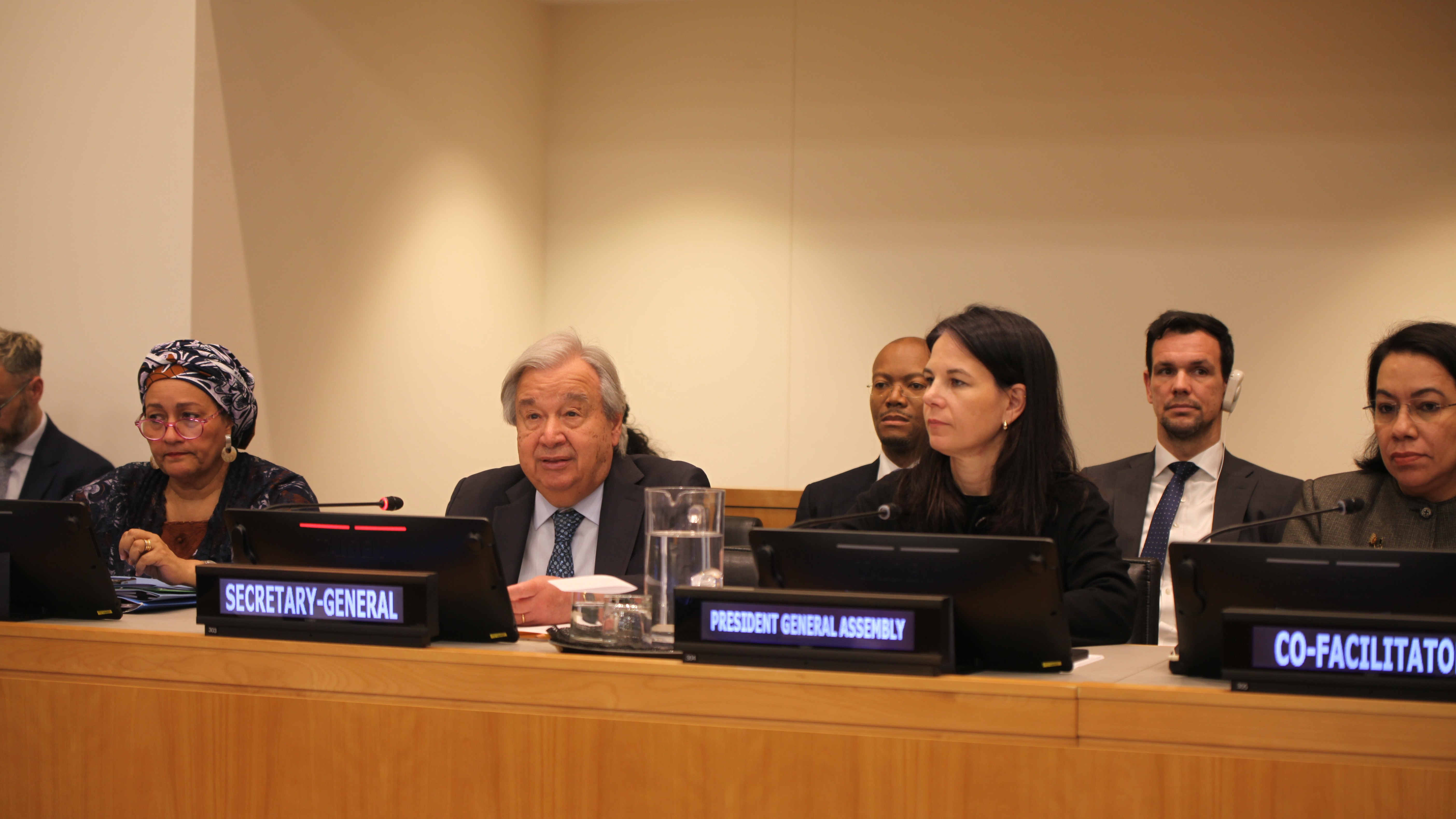
The report “is a landmark step in correcting a longstanding blind spot in measuring progress: The over-reliance on Gross Domestic Product,” UN Secretary-General Antonio Guterres said at a UN General Assembly (UNGA) plenary meeting to launch the report.
GDP is the most widely used metric of economic progress and well-being. But “it cannot be the only one,” he said.
UNGA President Annalena Baerbock said the report proposed a dashboard of 31 indicators that complement GDP and build on existing frameworks and are designed to provide a more complete and policy-relevant picture of progress across economic, social, and environmental dimensions, including the capacity of societies to manage risks, like disasters, and respond to shocks, like crises.
“The objective of this report is not to reject GDP, nor to dismiss the importance of economic growth,” she said.
According to Nora Lustig, co-chair of the High-Level Expert Group, GDP ignores inequality and poverty, does not capture environmental degradation, and misses non-monetary dimensions of well-being, like health, education and peace.
“Growth can mean many things. Growth in education. Growth in arts and leisure. Better health. Moving Beyond GDP does not mean eschewing economic growth — but instead reflecting progress across the critical dimensions of well-being for people and planet. This is what we hope to capture in our report,” said Kaushik Basu, another co-chair of the High-Level Expert Group.
For decades, GDP has guided major policy decisions at every level worldwide. While it remains an essential measure of economic output, relying on GDP alone risks an incomplete picture of progress — one where the economy can grow even as critical dimensions of well-being, like safety or environmental quality, deteriorate sharply, according to the UN Department of Global Communications (DGC).
At the core of the report, which responds to a mandate from UN member states under the Pact for the Future to develop a limited number of country-owned, universally applicable indicators that complement and go beyond GDP, is a concise, ready-to-use dashboard designed to display a comprehensive assessment of progress, incorporating well-being, equity and inclusion, and sustainability, said the DGC in a press release.
Drawing on the existing Sustainable Development Goal global indicator framework and established statistical systems, the dashboard allows governments to begin using it immediately to inform their decision-making.
The report also draws attention to areas that determine progress but are often overlooked, such as cross-country spillovers, in recognition that wellbeing in one country is often influenced by activities and decisions in other countries, and outlines a clear roadmap of what is needed to go beyond GDP. In addition to a data agenda, the report provides actionable recommendations for different stakeholders, governments, the multilateral system, the statistical community, and civil society and media, said the DGC.
The UN High-Level Expert Group on Beyond GDP comprises 14 globally recognized experts appointed in May 2025, drawing on expertise in economics, statistics, development policy, inequality, sustainability and public policy from diverse regions and institutional backgrounds.
The United Nations on Thursday proposed the first global blueprint for how countries can assess progress that complements gross domestic product (GDP).