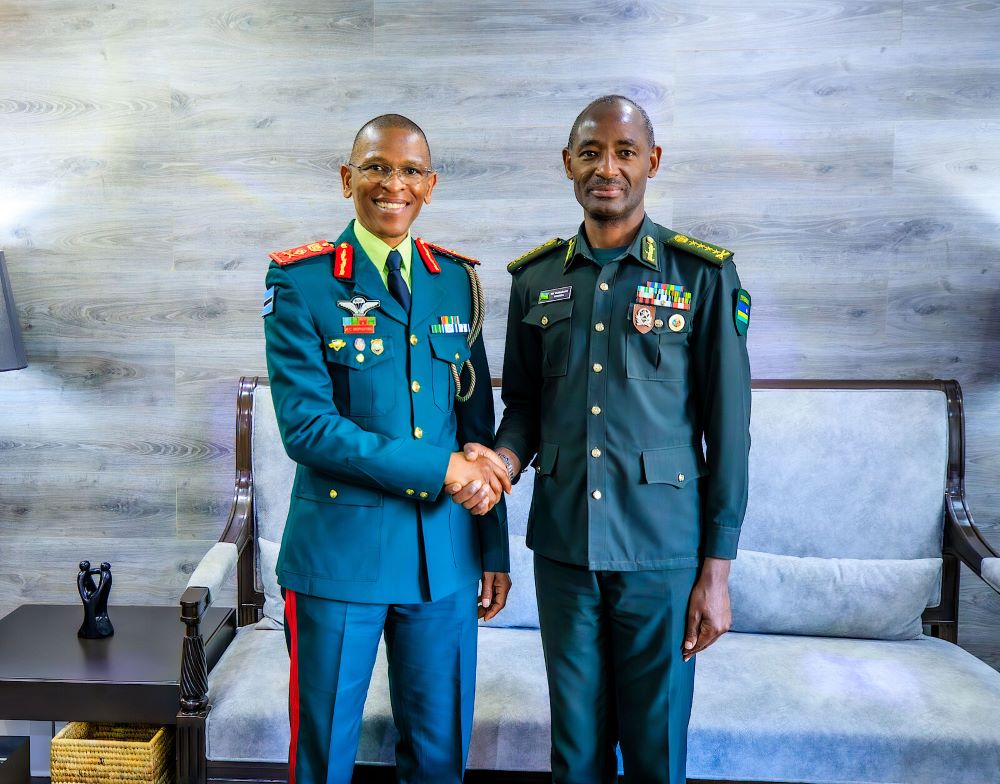
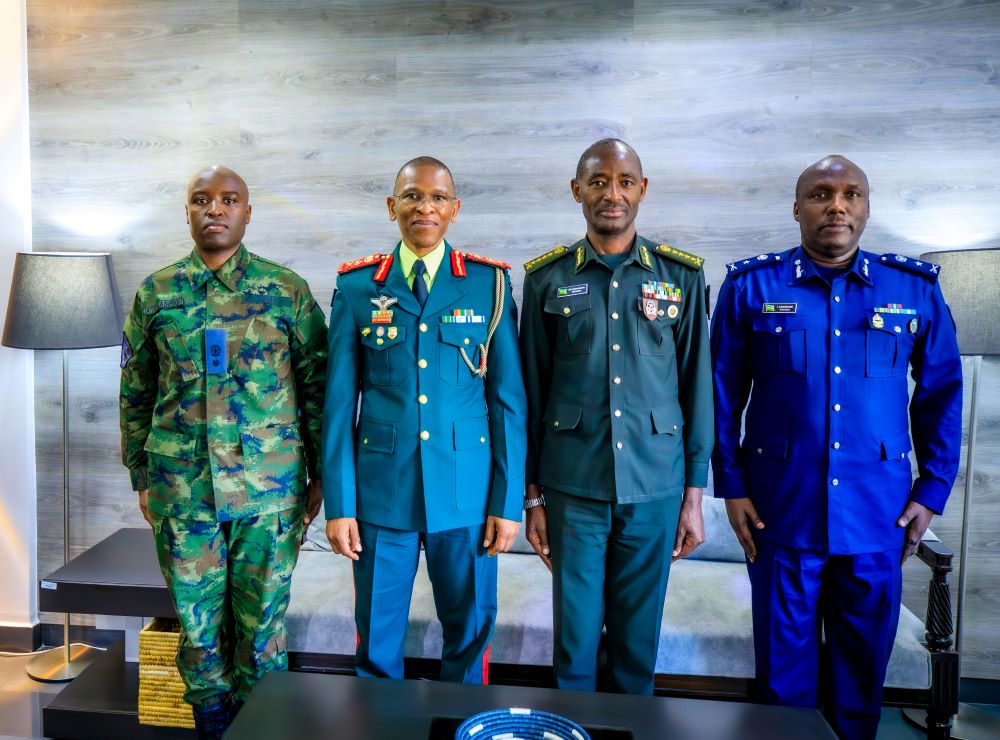
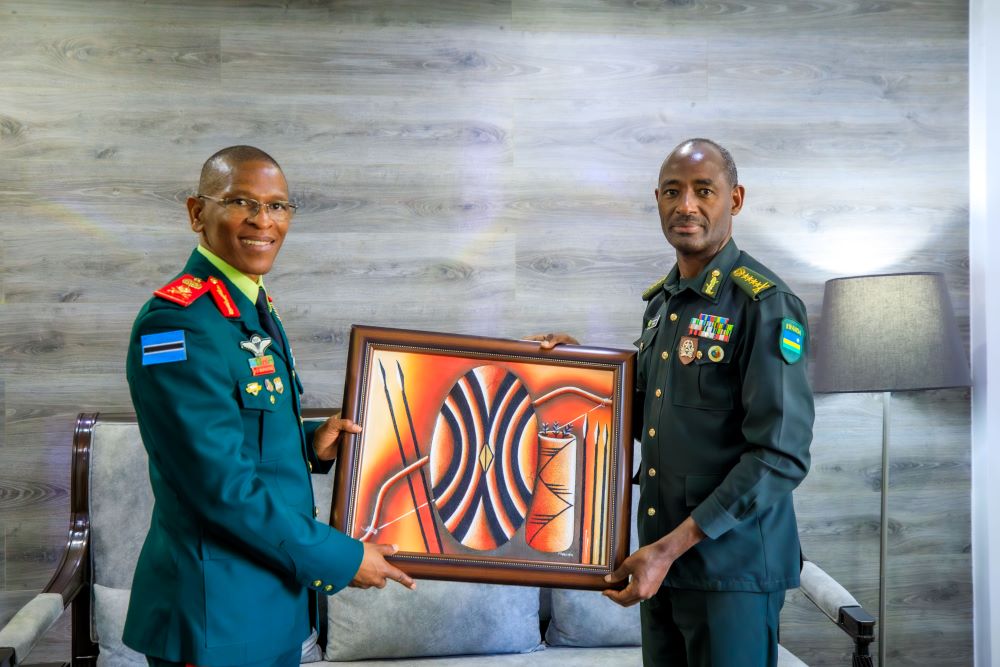
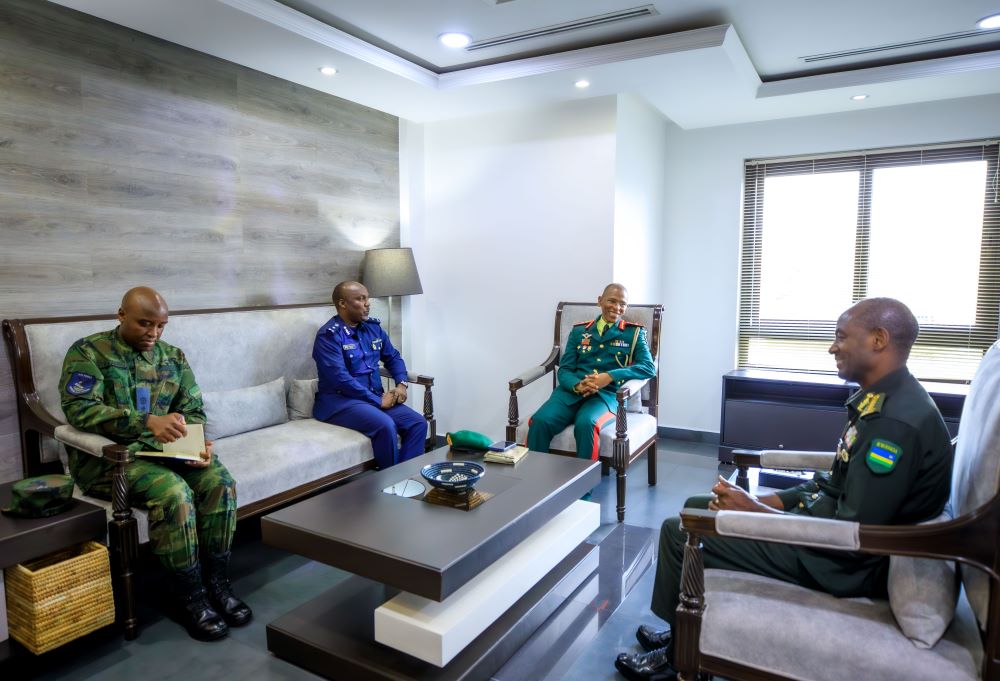
The commitment was reiterated on Wednesday, at RDF Headquarters in Kimihurura, where the RDF Chief of Defence Staff (CDS), Gen MK Mubarakh, received the Commander of the Botswana Defence Force, Gen Mpho Churchill Mophuting, who is in Rwanda to attend the 2026 Eastern and Southern Africa Anti-Money Laundering Group meeting.
Gen MK Mubarakh commended the progress made in defence cooperation between the two countries, particularly through the exchange of military training opportunities at various levels.
He noted that these opportunities have enabled officers from both defence forces to gain a deeper understanding of each other’s institutions, share operational experiences and strengthen professional ties.
The RDF Chief of Defence Staff also welcomed the establishment of the National Defence University Rwanda (NDU-R), including the National Defence College Rwanda, which commenced programmes this year.
He expressed Rwanda’s readiness to welcome officers from the Botswana Defence Force to these institutions as part of efforts to further expand and deepen military training cooperation.
RDF Chief of Defence Staff Gen MK Mubarakh met Botswana Defence Force Commander Gen Mpho Churchill Mophuting in Kigali.RDF Chief of Defence Staff Gen MK Mubarakh received the Commander of the Botswana Defence Force, Gen Mpho Churchill Mophuting at RDF Headquarters on Wednesday, September 3, 2026. Rwanda and Botswana have explored new opportunities to advance defence training and institutional cooperation.
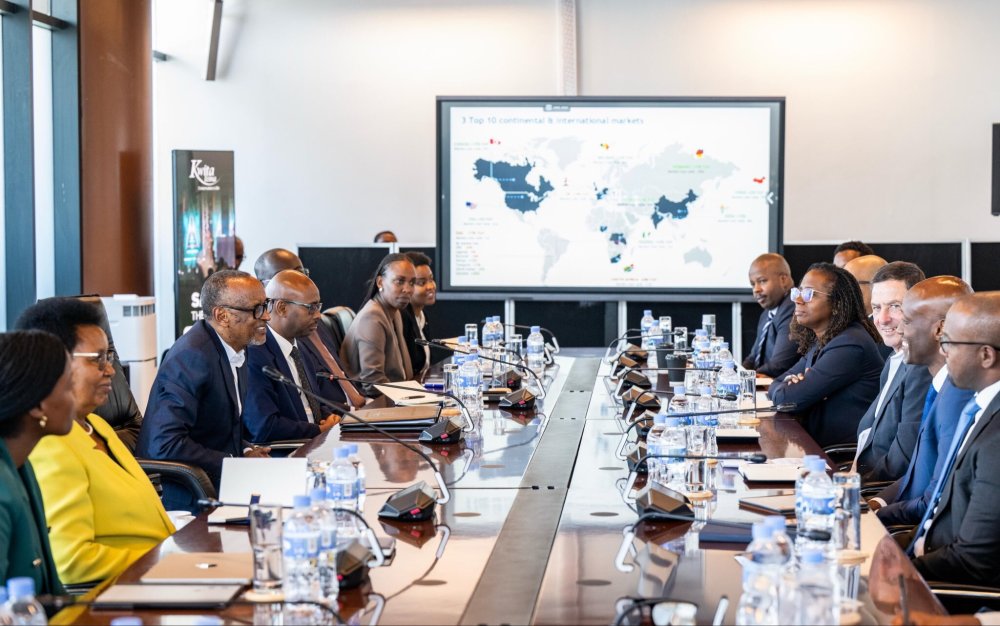
According to the Office of the President, the meeting reviewed RDB’s priorities and ongoing efforts to accelerate private sector development, attract and facilitate investment, promote exports and tourism, and strengthen Rwanda’s competitiveness.
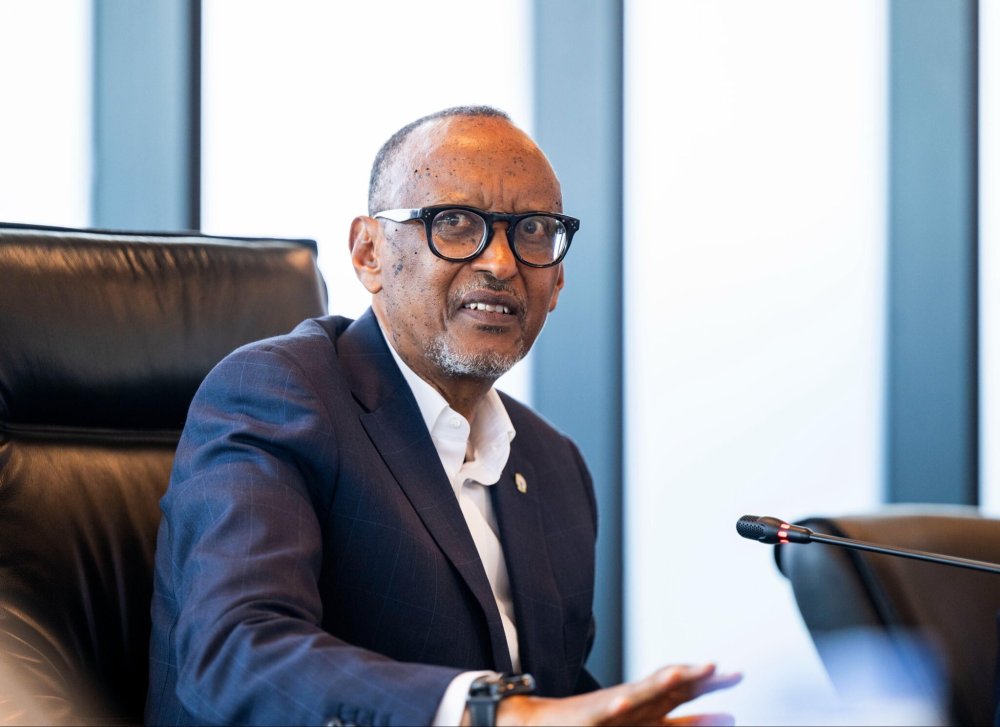
Kagame emphasized the need for continued focus on delivery and accountability, while urging efforts to continuously improve the business environment to enable companies and investors to thrive.
The RDB Board of Directors is led by Itzhak Fisher, who serves as its Chairperson. The board also includes Evelyn Kamagaju as Vice Chairperson.
Other members are Alice Nkulikiyinka, Country Director of Business Professionals Network (BPN) Rwanda; Ivan Kagame, an investment and finance professional; Liban Soleman Abdi; Dr. Diane Karusisi, Chief Executive Officer of Bank of Kigali; Eric Kacou; and Kassahun Kebede.
The meeting was also attended by RDB Chief Executive Officer Jean Guy Afrika and his deputy, Juliana Kangeli Muganza.
The meeting comes as RDB continues to play a central role in promoting Rwanda as an investment and tourism destination, supporting businesses and facilitating investment across different sectors of the economy.
President Kagame stressed delivery, accountability and a stronger business environment for investors at RDB Board of Directors meeting. President Kagame joined the RDB Board of Directors meeting on Wednesday, September 2.
The ruling was delivered on September 2, 2026, after the prosecution requested 30 days of remand, arguing that there were substantial grounds to believe Shema committed the alleged offences and that he could abscond if released while investigations continued.
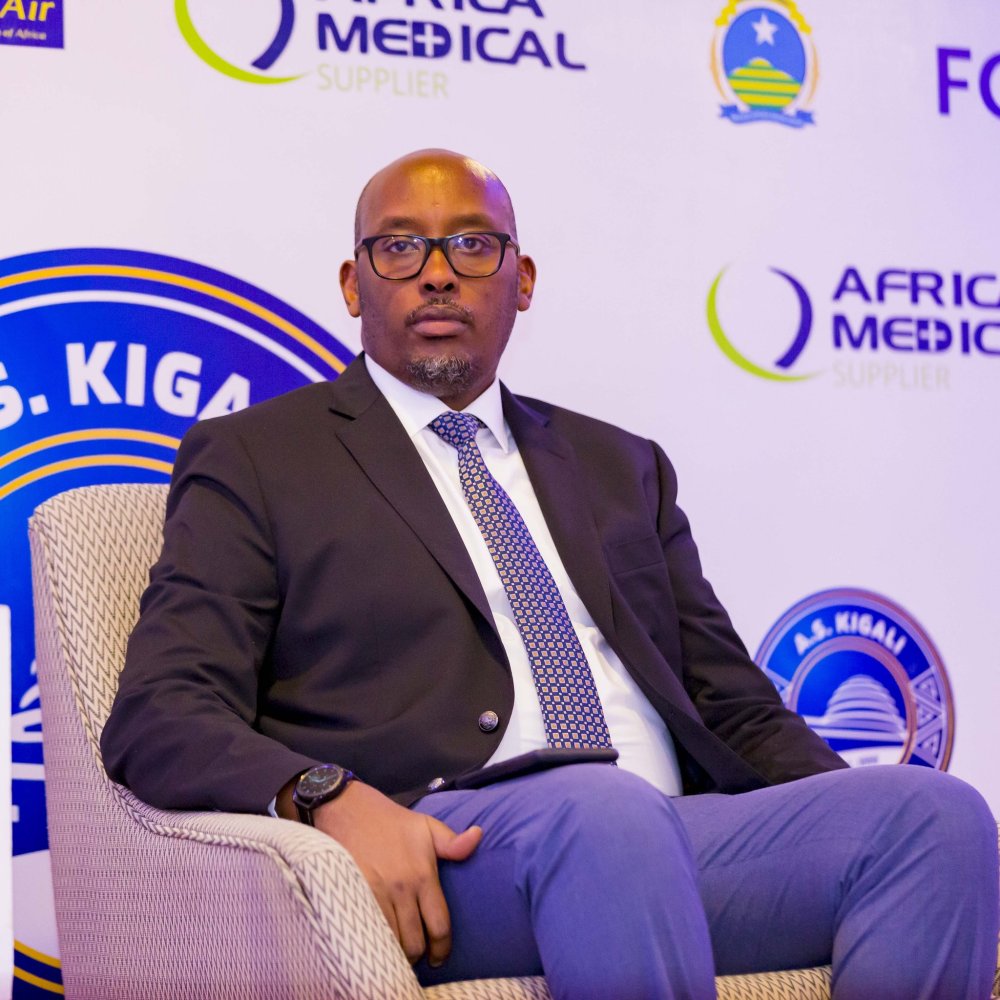
The case stems from a contract worth more than €1 million between Africa Medical Supplier Plc, a company owned by Shema that deals in medical equipment, and ABZL International General Trading LLC. The agreement, signed on January 23, 2024, was linked to World Bank procurement for the supply of medical equipment to the Democratic Republic of Congo.
Under the agreement, Africa Medical Supplier was required to pay ABZL within 60 days. The prosecution told the court that the company failed to meet the payment deadline and repeatedly delayed ABZL before eventually promising to settle the outstanding amount by email.
On August 5, 2025, Shema allegedly issued ABZL two cheques worth $400,000 and $200,000. The prosecution said the cheques were dishonoured because the company’s account did not have sufficient funds between August 1 and 10, 2025.
Shema denied the charges, saying ABZL was a financial services company based in the United Arab Emirates with which he had maintained business relations since 2017. He said their previous contracts had been successfully completed.
He told the court that Africa Medical Supplier had paid $400,000 in May 2024 and another $400,000 in December 2024, but that the second payment could not be completed because of an issue with ABZL’s account. He said the contract required ABZL to provide an alternative account in such circumstances.
Shema also said a dispute between ABZL shareholders led one of them to take the cheques, add payment instructions and request that the money be paid into a US bank account. He questioned why cheques originally intended for payment in Dubai would be redirected to the United States.
Shema maintained that he would not flee if released and told the court that he owns assets worth more than Rwf5 billion that could be used as security.
His defence counsel challenged the validity and handling of the cheques, arguing that the bank had cancelled them on July 16, 2025, before the alleged offence date of August 5. The lawyer also pointed to a change in the payment destination from the UAE to a US bank account on June 25, 2025.
The defence asked the court to grant Shema bail, arguing that the dispute arose from a commercial contract rather than a personal criminal matter.
The defence also said they submitted evidence of a $600,000 payment made through BK and a letter requesting assistance from the Rwanda Investigation Bureau (RIB) to transfer the funds to the designated account.
The court also noted discrepancies in the cheques, including the fact that both bore the same cheque number. The original did not have a date, while the copy presented to the court was dated either August 5 or August 8, 2025. Both documents bore Shema’s signature.
The prosecution, however, told the court that when RIB asked the bank whether the cheques were covered, the bank confirmed that they were not, noting that the Africa Medical Supplier account held just over $1,000.
After considering the submissions, the court remanded Shema in custody for 30 days as investigations continue.
Nyarugenge Primary Court has remanded Shema Fabrice for 30 days
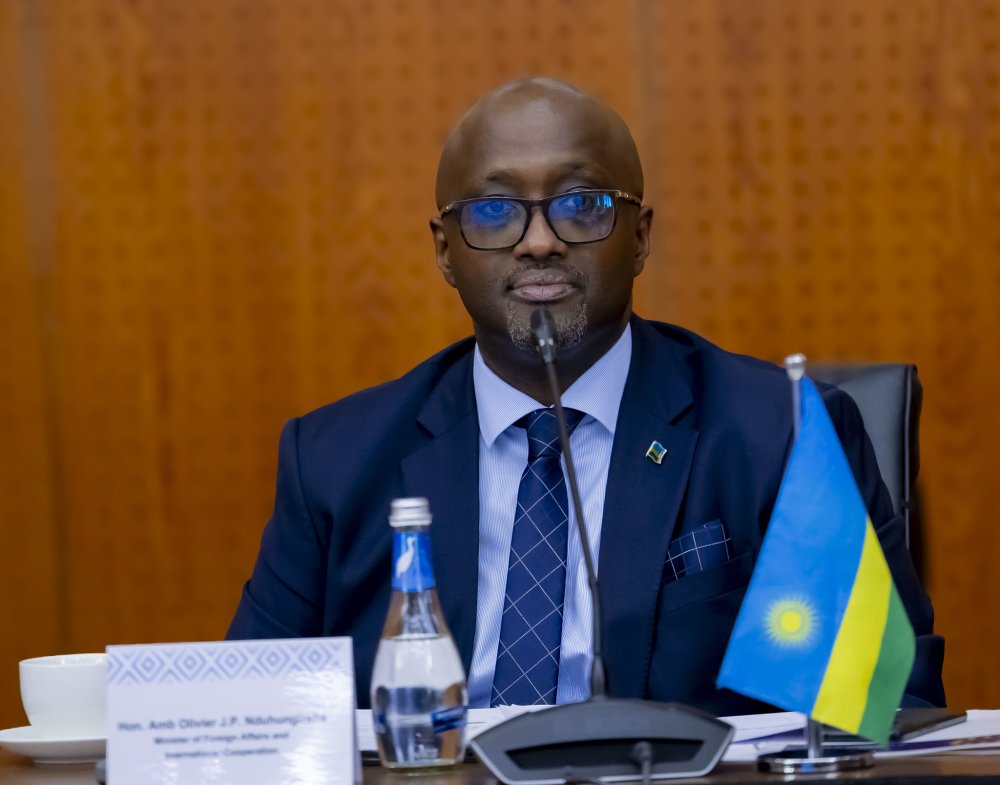
Amb. Nduhungirehe made the remarks in response to DRC Government Spokesperson and Minister of Information and Communication Patrick Muyaya, who welcomed the arrest of Denise Mukendi Dusauchoy in Tanzania and her transfer to Kinshasa on August 31, 2026.
Dusauchoy, who became widely known on social media platforms including TikTok, is accused of offences including spreading false information and inciting division among Congolese, in connection with messages she posted in support of AFC/M23.
Commenting on a statement by the DRC Ministry of Justice explaining Dusauchoy’s arrest, Muyaya said she was the first person on a long list of wanted individuals and that justice would reach them wherever they were.
“She is the first on a long list. Wherever you are in the world, justice will reach you. As an example, we have a responsibility to protect our children, and therefore the State will do what is necessary,” Muyaya said.
Amb. Nduhungirehe responded that several people in the DRC, including Major General Sylvain Ekenge, MP Justin Bitakwira, Martin Fayulu, Jean-Claude Mubenga, Gabriel Mokia, Chancella Tshala Balandi and Kalonji Kabamba wa Mulumba, have made statements promoting hatred and division but have not been prosecuted.
“Meanwhile, those who, on social media and on state television in Kinshasa, openly engage in hate speech and genocide ideology against Congolese Tutsi are clearly on no “list” and are therefore not being pursued by Congolese justice,” Amb. Nduhungirehe said.
He said some of the individuals were known in the DRC for referring to Congolese Tutsis as insects or as “cockroaches and a virus that must be eradicated,” while others had called on Congolese not to marry them or had made statements calling for their extermination in the country.
Amb. Nduhungirehe also reminded Muyaya that instead of being prosecuted, some of these individuals, including MP Bitakwira, had been received by DRC President Félix Tshisekedi and his wife, Denise Nyakeru, with whom they took a commemorative photograph.
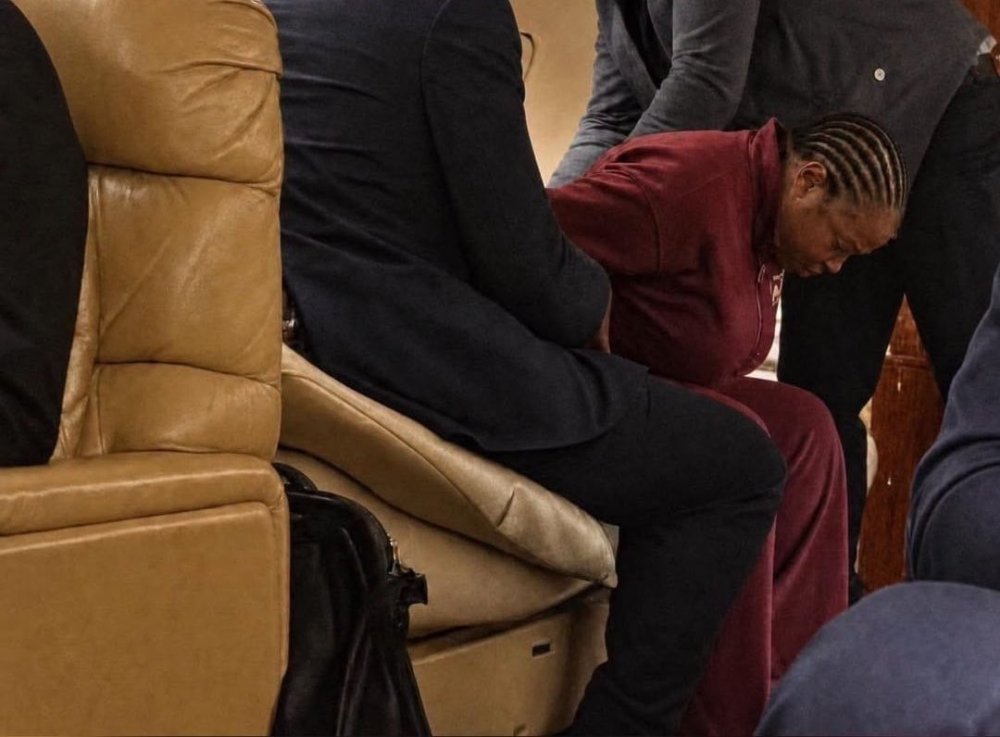
Denise Mukendi Dusauchoy was arrested in Tanzania and transferred to Kinshasa on August 31, 2026, where she faces allegations including spreading false information and inciting division among Congolese.Rwanda’s Foreign Affairs Minister Olivier Nduhungirehe has questioned the DRC’s response to hate speech, saying some individuals who have made inflammatory statements against Congolese Tutsi have not faced legal action.
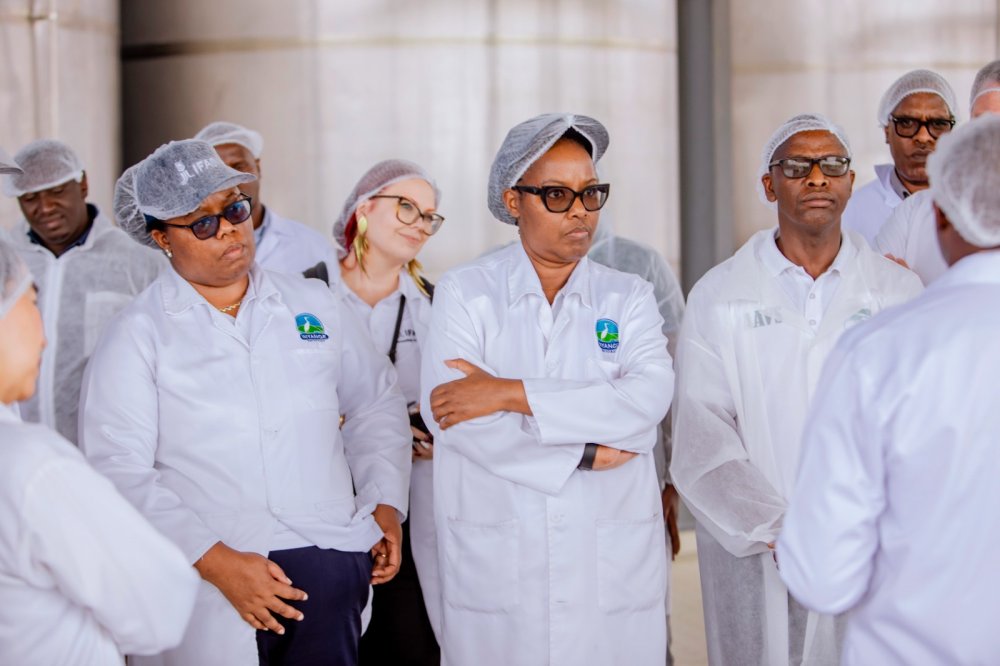
She made the remarks on Monday, August 31, 2026, during a visit by International Fund for Agricultural Development (IFAD) Vice President Dr. Gérardine Mukeshimana and senior officials from several countries to projects aimed at adding value to milk production in Nyagatare District.
The delegation visited Nyagatare Daily Marketing Cooperative, which is supported by the Rwanda Dairy Development Project Phase II (RDDP II), funded by IFAD. They also visited private veterinary practitioners operating in Nyagatare and the Inyange powdered milk processing plant.
Rugamba Sam, who collects about 100 litres of milk per day, said farmers still face challenges in accessing high-yielding dairy cattle that would enable them to operate commercially.
He said that although dairy farming is profitable, farmers have yet to gain sufficient access to cattle capable of producing large quantities of milk.
Mukansanga Cecile, who keeps eight cows, said they produce about 50 litres of milk per day. However, during the dry season, production drops significantly, with her four lactating cows producing only slightly more than 10 litres per day.
She called for support to help farmers access cattle with higher milk yields.
Uwituze said Rwanda is continuing to promote livestock farming based on market demand.
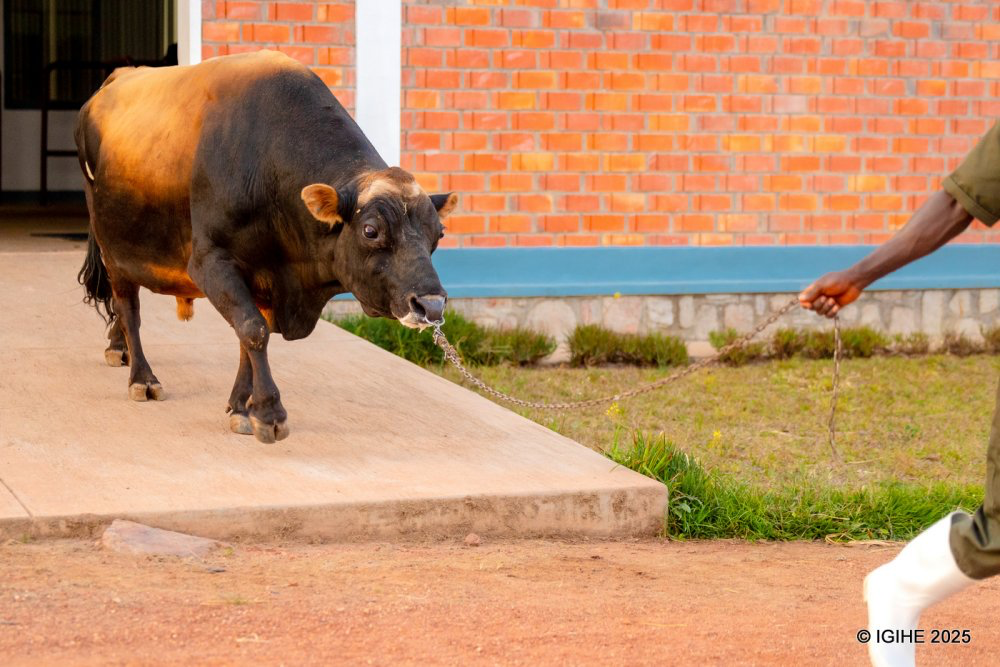
“We currently have 30 bulls. This year, we renewed our stock and brought in 30 new ones, which are now available at our Isonga Centre. We have three breeds of dairy cattle, as well as breeds of beef cattle. We brought them in to provide breeding material for beef cattle to farmers. They are now doing well.”
Dr. Uwituze said the semen from the bulls will be used to improve cattle breeds among farmers and increase the availability of animals suited for both dairy and beef production.
She also said the government is testing a system that could allow farmers to access sexed semen from next year, enabling them to know whether the resulting calf will be male or female.
“There are investors we are talking to so that they can come and support us. The discussions are already underway.”
Meanwhile, IFAD Vice President Dr. Gérardine Mukeshimana called for greater investment in smallholder farmers and livestock keepers to enable them to meet market demand.
She said 70 percent of agricultural and livestock production comes from smallholder farmers and called for efforts to build their capacity so they can increase production and better meet market needs.
State Minister for Agriculture and Animal Resources, Dr Solange Uwituze, said Rwanda has acquired 30 bulls from Switzerland, Finland and other countries, which are expected to provide new breeding stock.The disclosure was made on Monday, August 31, during a visit by IFAD Vice President Dr Gérardine Mukeshimana and other officials to milk production projects in Nyagatare.
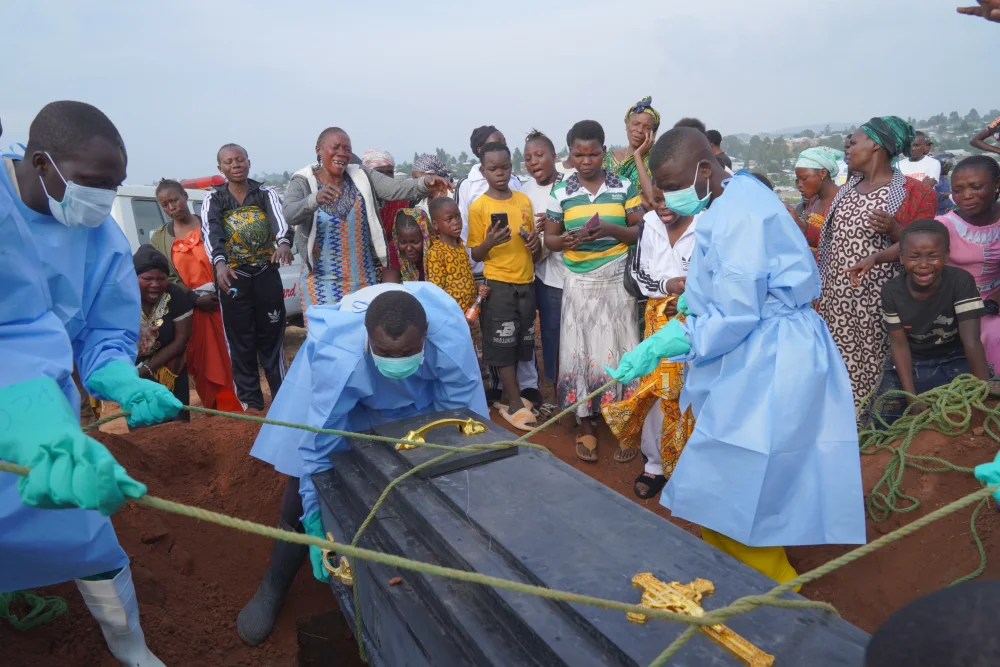
Figures released by the DRC Ministry of Health show that 6,186 people have contracted the virus, including 3,007 who have died, since the outbreak was declared in mid-May 2026. It is now the fastest-spreading Ebola outbreak ever recorded.
The outbreak has mainly affected parts of eastern DRC, where efforts to contain its spread have been hampered by several challenges, including insecurity, attacks on health workers and limited medical infrastructure.
The World Health Organization (WHO) has warned that the outbreak could become the most serious Ebola epidemic on record, potentially surpassing the West Africa outbreak of 2014 to 2016, which killed about 11,000 people.
The outbreak is caused by the Bundibugyo virus, one of the less common Ebola species. There is currently no approved vaccine or specific treatment for the virus.
Despite this, the DRC government continues to use the Ervebo vaccine, which has been used in previous Ebola outbreaks, with WHO saying it may help protect people who receive it.
The Ebola virus has so far spread to six provinces in the DRC.
More than 3,000 people have died from an Ebola outbreak in the Democratic Republic of Congo.
The discussions focused on the role of capital markets in mobilising long-term capital, attracting domestic and international investment, and broadening financing options for enterprises. They also considered the importance of deeper and more competitive capital markets in supporting private-sector growth and Rwanda’s wider economic priorities.
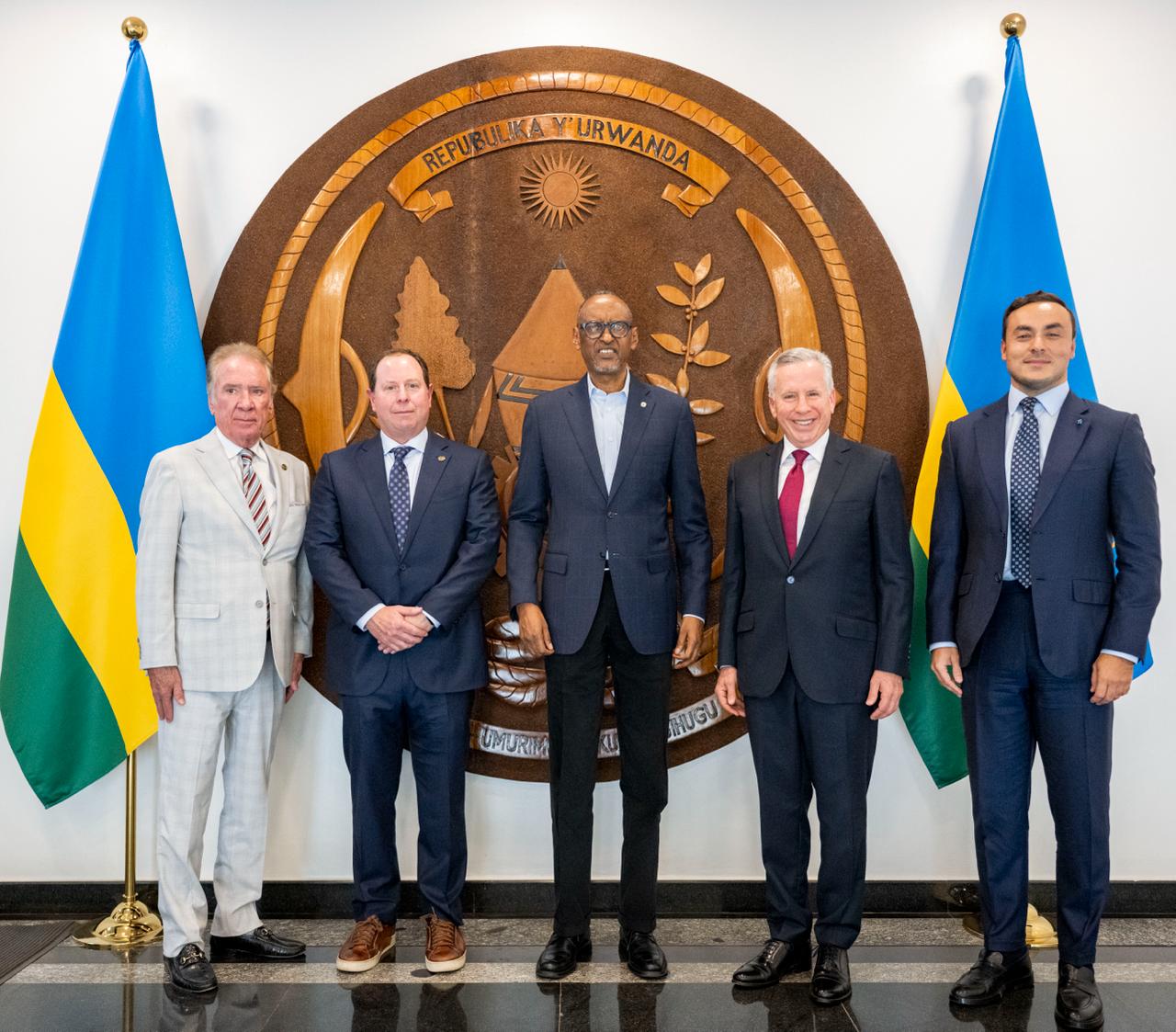
Chairperson Holtzman expressed his appreciation to President Kagame for his leadership and continued support for the development of Rwanda’s capital markets.
Chairperson Holtzman noted “Thank you, Your Excellency President Kagame for your visionary and inspirational leadership. Every day you motivate us to work harder and do better for our great country. Thank you for the opportunity to serve and to try to make a difference.”
He was joined by Blair Richardson, founder of Denver-based Bow River Capital, a US$7.5 billion private equity fund; Dan Green, CEO of JA Green Development, the largest operator of a logistics hub at America’s third-largest airport in Denver; and Korab Toplica, CEO of Mabetex Africa, a US$8 billion Swiss-based construction and development company.
Chairperson Holtzman also commended President Kagame for his support for Rwanda’s capital market development and the broader reform agenda that has strengthened the country’s investment environment.
He noted the importance of a sound policy and regulatory framework in attracting capital, widening access to finance and positioning the capital markets as a key source of long-term funding for Rwanda’s economy.
CMA’s Chairperson Marc Holtzman has met President Kagame on Rwanda’s Capital Markets Development
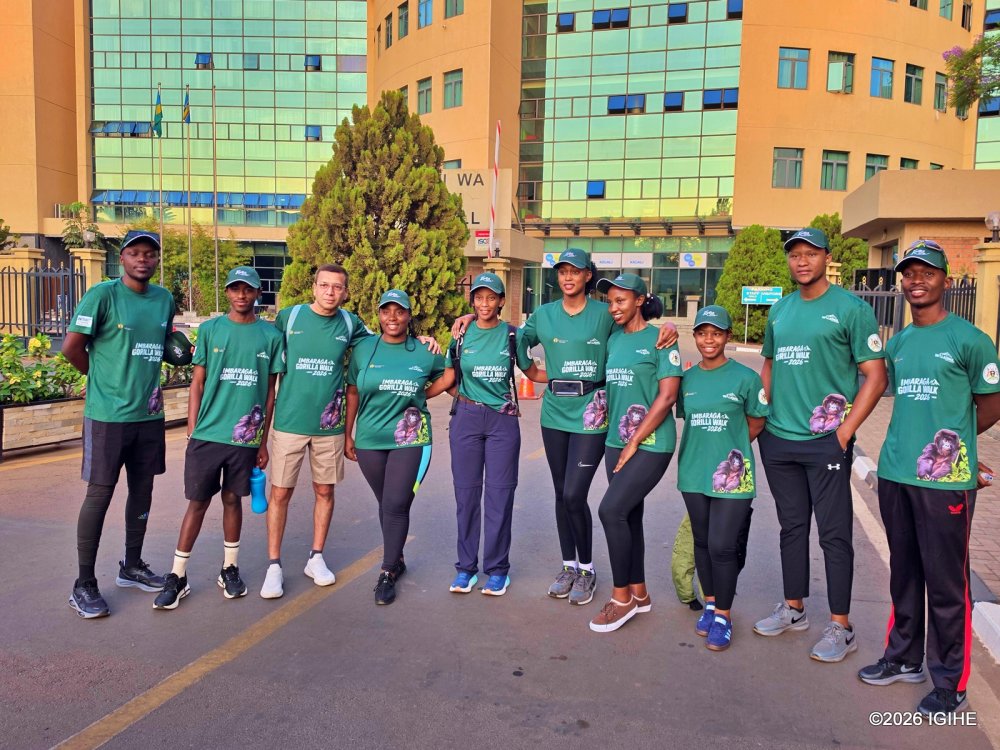
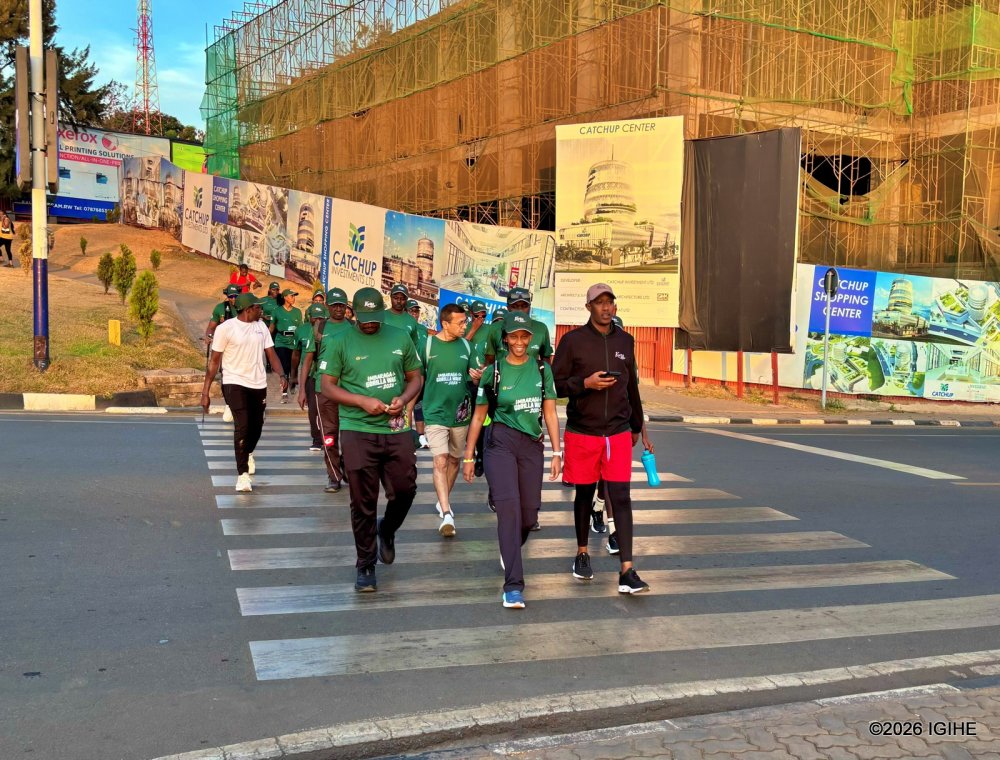
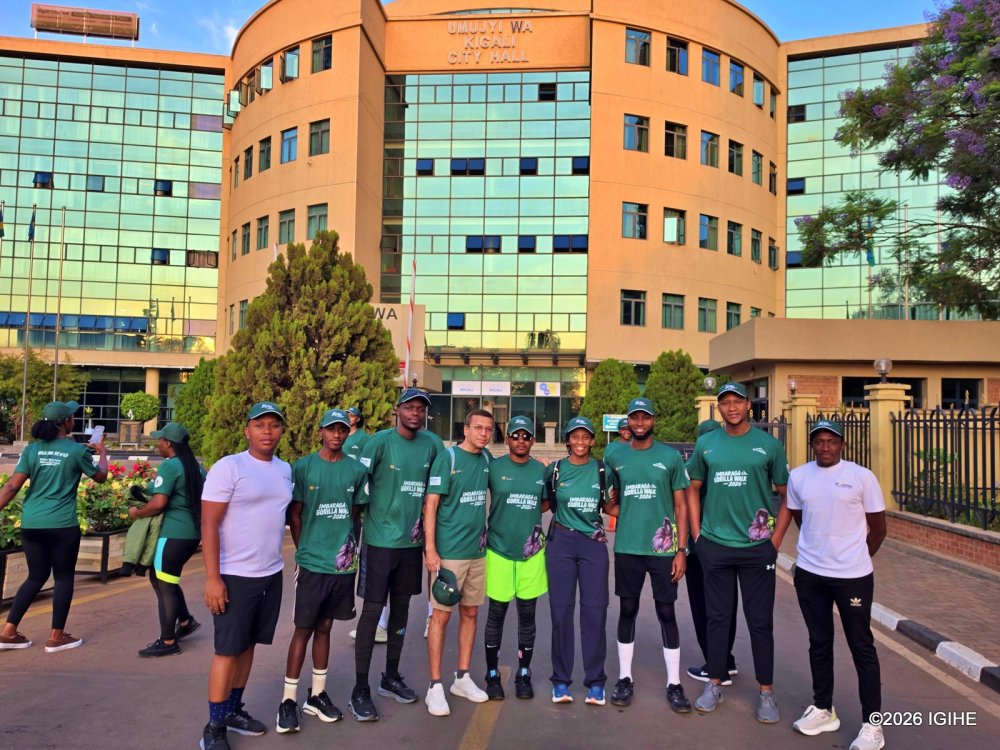
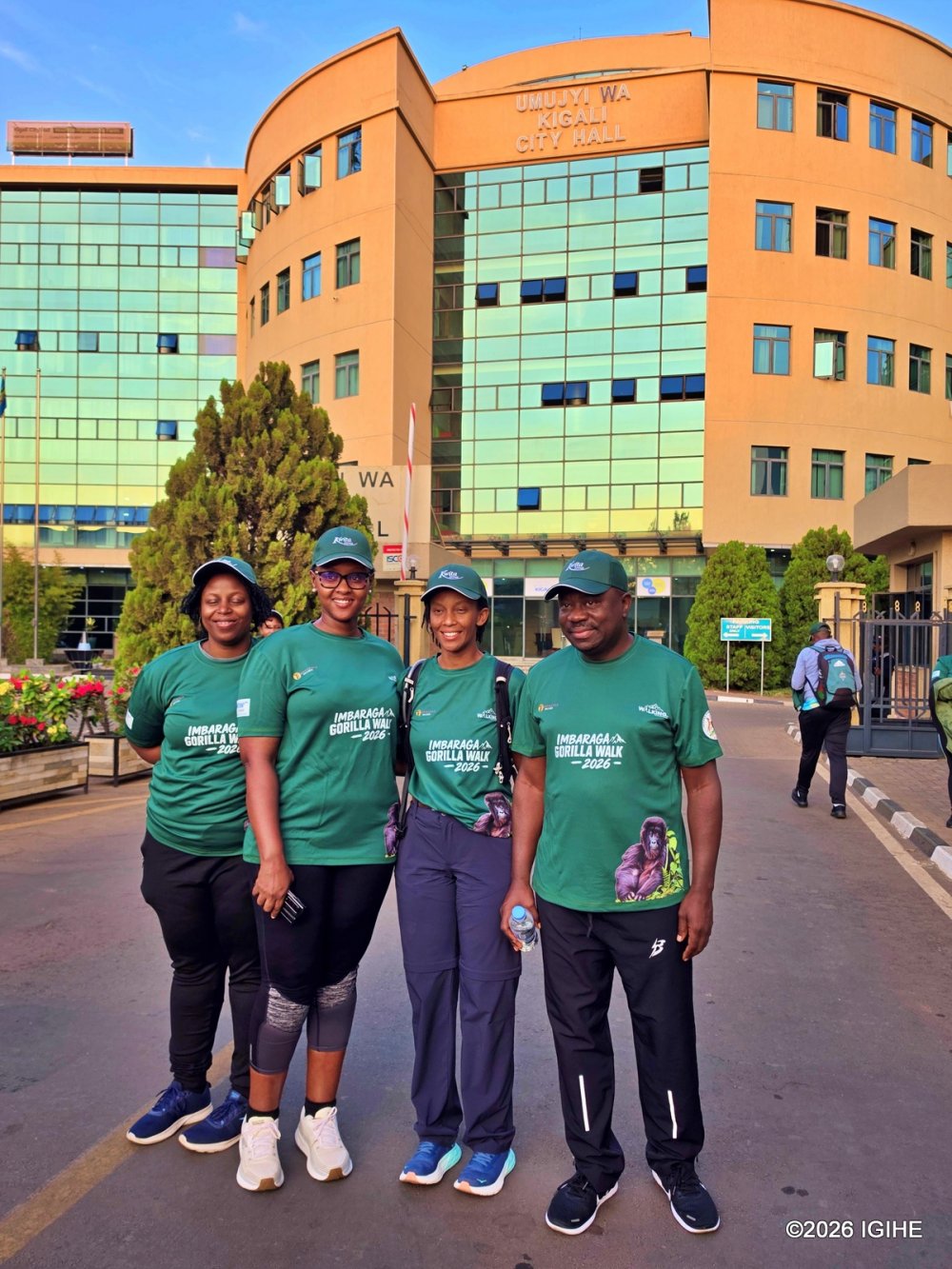
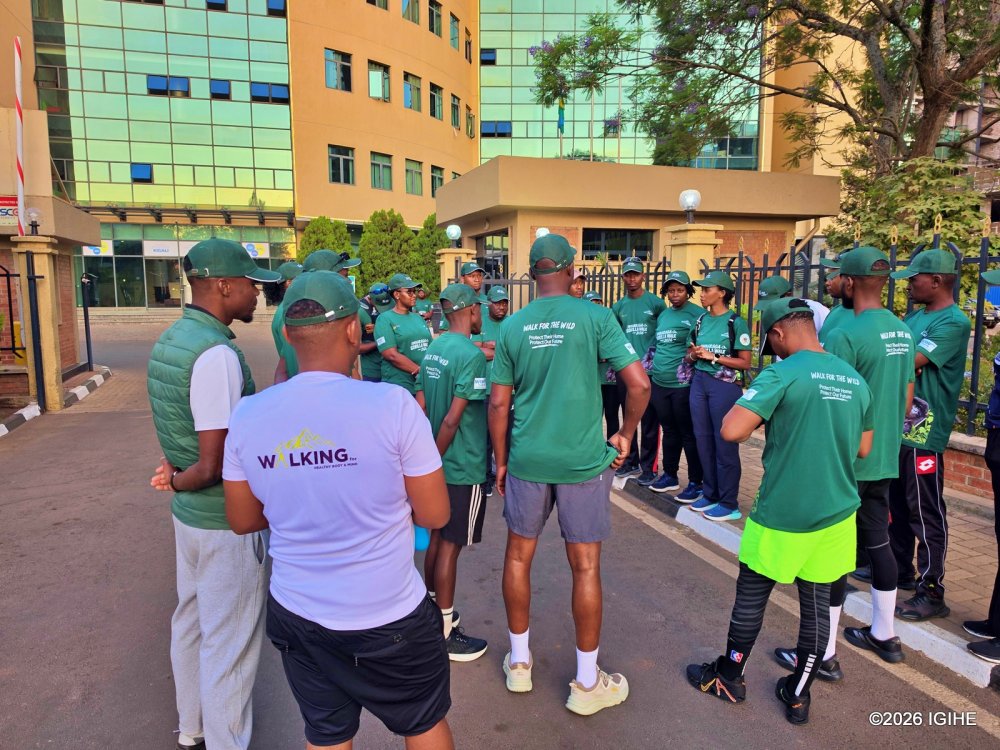
The group gathered at the Kigali City offices before beginning the journey to Musanze, where they are expected to arrive on September 3. On September 4, they will travel to Kinigi to attend Kwita Izina.
Speaking to IGIHE before their departure, Bazongere said the group would spend the first night at Nyirangarama before continuing to Musanze the following day.
“We will spend two days on the journey. Today, we will spend the night at Nyirangarama, and tomorrow, September 3, 2026, we will spend the night in Musanze,” she said.
Bazongere organised the journey, dubbed ‘Imbaraga Gorilla Walk’. She is passionate about sports and has previously organised various walking journeys to raise awareness about different causes.
She said the initiative is intended to use the journey as a way to promote environmental conservation and encourage people to take part in protecting Rwanda’s natural heritage.
“The goal is not simply to walk, but to use our journey as a way to promote healthy living, promote tourism in Rwanda and encourage people to play a role in conserving our natural heritage,” Bazongere said.
Bazongere said ‘Imbaraga Gorilla Walk 2026’ brings together sport, wellbeing, tourism and environmental conservation, while also promoting efforts to protect mountain gorillas and other wildlife.
The walk comes as Rwanda prepares to host the 2026 Kwita Izina ceremony in Kinigi on September 4, an annual event that celebrates the conservation of mountain gorillas and brings together local and international conservationists, tourists, officials and other stakeholders.
Members of the Imbaraga Gorilla Walk group begin their journey from Kigali to Musanze on September 2, 2026.Bazongere Rosine and other participants set off from Kigali as part of the Imbaraga Gorilla Walk 2026.More than 20 participants gather at the Kigali City offices before setting off on foot for Musanze.The group will walk along the Kigali-Musanze route during a two-day journey linked to Kwita Izina.Participants in the Imbaraga Gorilla Walk 2026 use the journey to promote healthy living, tourism and environmental conservation.
In a statement published on its official news outlet Sepah News, the IRGC said its “regret-inducing response against the aggressors” have begun, noting its air defense had shot down a “hostile” U.S. MQ-9 Reaper drone.
Its aerospace forces also launched ballistic missile and drone strikes on Camp Titin in Jordan and Shaikh Isa Air Base in Bahrain, reportedly killing “a large number of” U.S. troops and destroying several key facilities and combat helicopters.
It stressed that the U.S. strikes will only protract the closure of the Strait of Hormuz and make the Iranian armed forces more determined to “suppress the foreign forces interfering in the waterway.”
The IRGC said the attacks began after the United States bombed a number of civilian places in Iran’s southern coasts “out of desperation” and in retaliation for the U.S. “criminal” and deadly attack on a wedding ceremony in Hormozgan province.
The Jordanian Armed Forces-Arab Army (JAF) said later that the country’s air defense systems on Tuesday evening intercepted and destroyed 10 of 13 ballistic missiles that entered the country’s airspace from Iran in the past hours.
Three other missiles fell in remote areas away from population centers, with no casualties or loss of life reported, according to a JAF statement.
The semi-official Fars news agency cited Ahmad Nafisi, Hormozgan’s deputy governor for political and security affairs, as saying that at least five people, including a four-year-old child and a woman, were killed and over 50 others wounded in the U.S. attack targeting the wedding ceremony in Sirik county.
Multiple explosions were heard Tuesday evening in several southern Iranian provinces as U.S. Central Command, in a post on social media platform X, announced the start of strikes against IRGC targets.
The explosions were heard in the counties of Sirik, Bandar Abbas, Qeshm and Jask in Hormozgan, Konarak and Chabahar in Sistan and Baluchestan province, Jiroft in Kerman province, and Asaluyeh in Bushehr province, Iranian media reported.
Iran’s main military command, Khatam al-Anbiya Central Headquarters, said in a statement that in response to the U.S. “air aggression,” the Iranian armed forces will deal “crushing and shattering” blows to the United States.
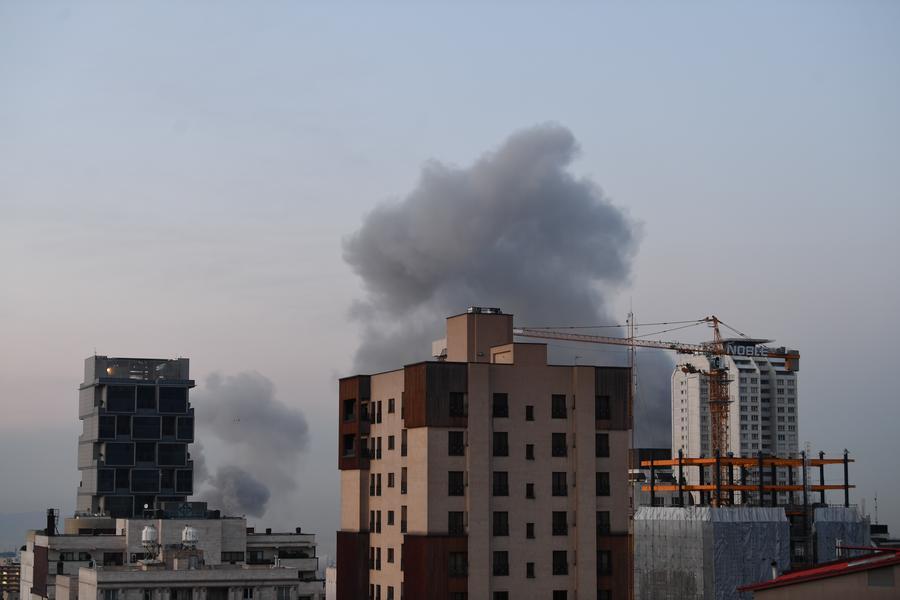
Smoke billows after explosions heard in downtown Tehran, Iran, April 1, 2026. (Xinhua/Shadati)
The collision occurred at around 3:00 a.m. local time (0000 GMT) south of Istanbul’s Silivri district, the Istanbul Governor’s Office said in a statement.
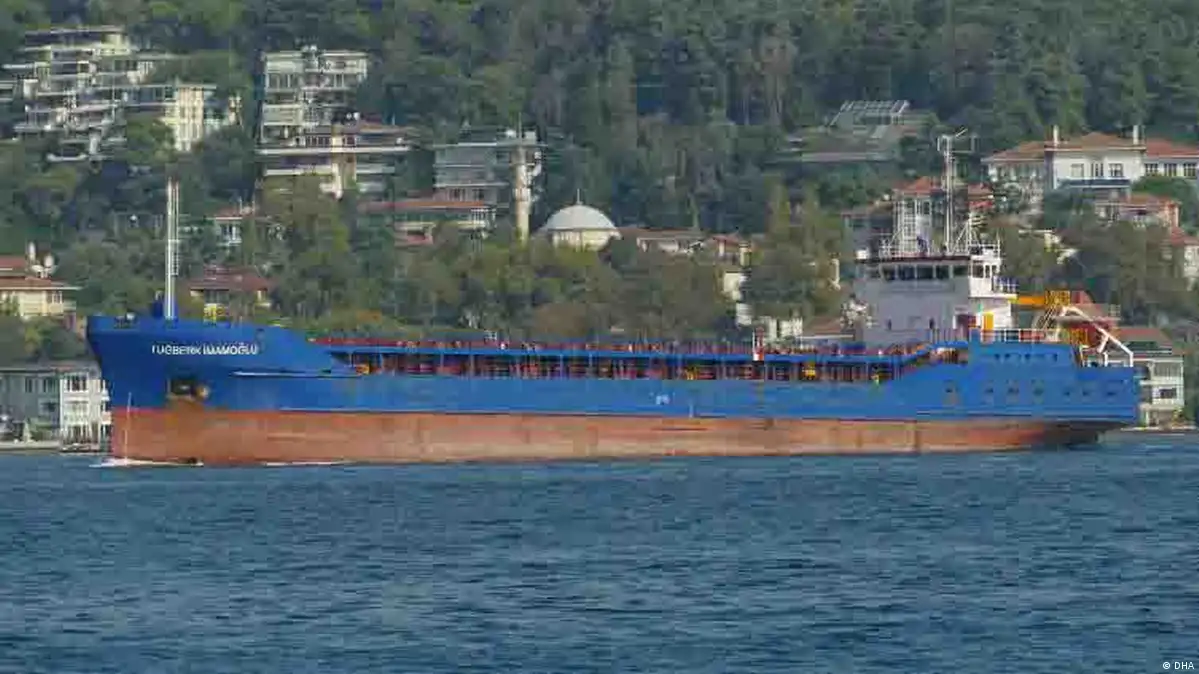
The incident involved the commercial ship Alsu, which was traveling from the northwestern province of Kocaeli to Aliaga district in Izmir province, and the Tugberk Imamoglu, which was sailing from the southern port of Iskenderun to Karadeniz Eregli on Türkiye’s Black Sea coast.
Authorities were unable to establish contact with the Tugberk Imamoglu and its 10 crew members, the statement said. Initial assessments showed no visible damage to Alsu.
Many naval units were dispatched to the area. Search and rescue operations are ongoing.
Contact was lost with the cargo ship Tugberk Imamoglu and its 10 crew members