In recent days, employees working in the building were informed to prepare for relocation. In a statement released on Monday, RDB stated that institutions previously operating in the building will be temporarily moved to alternative office spaces.
“Until the new premises are ready, One Stop Centre services are available at the Ground Floor of the Ministry of Infrastructure [Kimihurura KG 1 Roundabout, Kigali]. Other services will continue through RDB’s existing digital platforms,” reads the statement.
Institutions housed in the RDB Building include RDB, RCB, RMB, and RHA.
A building that has long attracted controversy
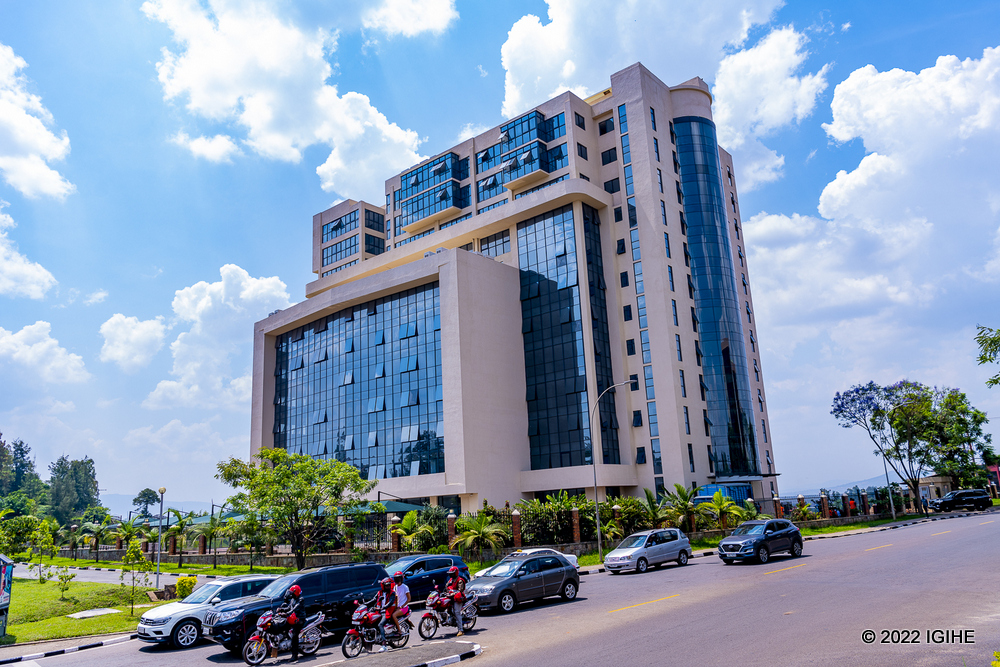
The RDB Building, located in Gishushu, is a 12-storey structure with four underground floors that can be used for various purposes, including parking and gym facilities. It has a total floor area of approximately 42,000 square metres.
The building was purchased by the government for Rwf 42 billion after concerns had been raised over its quality standards. The Rwanda Housing Authority (RHA) previously stated that it had conducted assessments to determine whether the building met required standards.
Analyses reportedly revealed several structural and construction-related issues, prompting corrective measures linked to both design and construction flaws.
Over time, these problems are said to have persisted and, in some cases, worsened, leading to growing concerns about the safety of occupants and the need for urgent intervention.
As a result, authorities decided to relocate all services from the building to ensure the safety of users while renovation works are undertaken.
The Deputy Director General of RHA, Dr Noël Nsanzineza, previously told Members of Parliament that, under the purchase agreement, the original owner was responsible for correcting the identified defects.
He stated: “According to the sale agreement, the issues were supposed to be corrected by the building’s owner. However, the contract also included a clause allowing us to withhold about Rwf 2 billion if the corrections were not made. The owner failed to fully address the problems despite some attempts, and we eventually decided to withhold the funds.”
The RDB Building, located in Gishushu, is a 12-storey structure with four underground floors that can be used for various purposes, including parking and gym facilities.
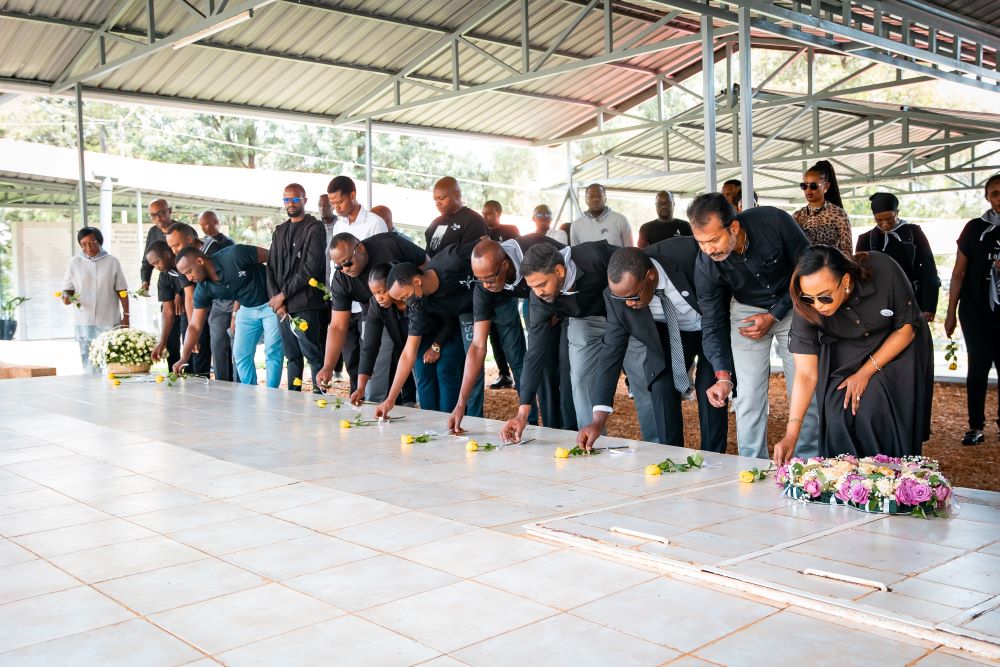
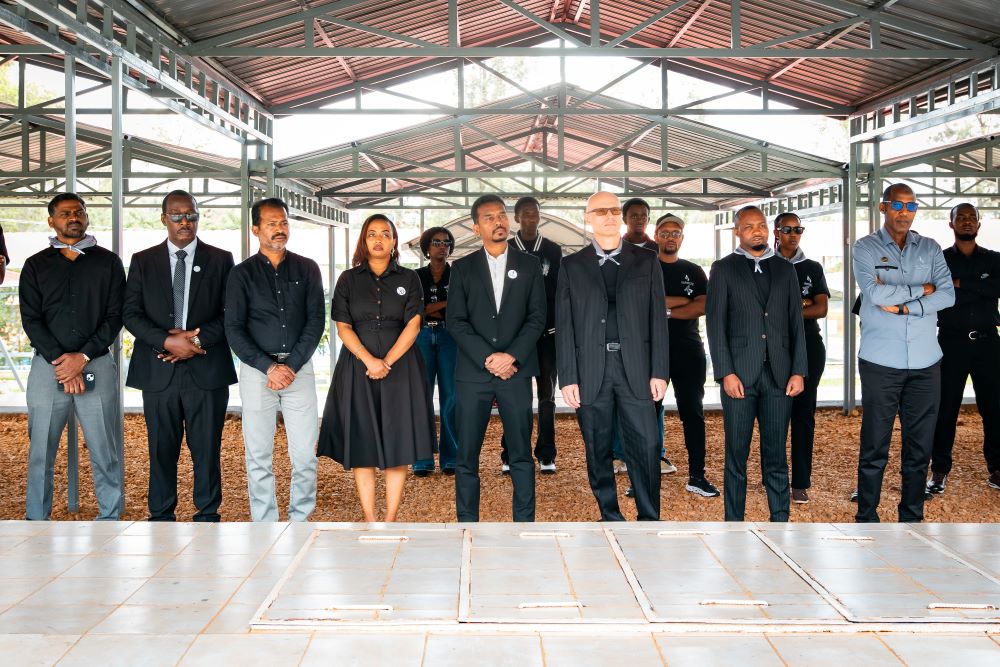
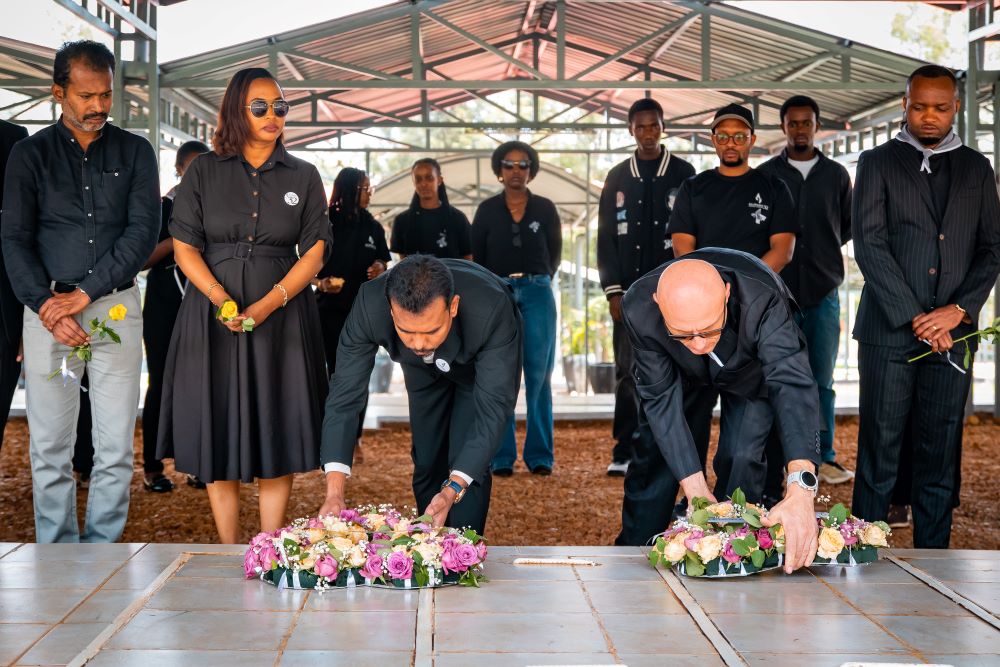
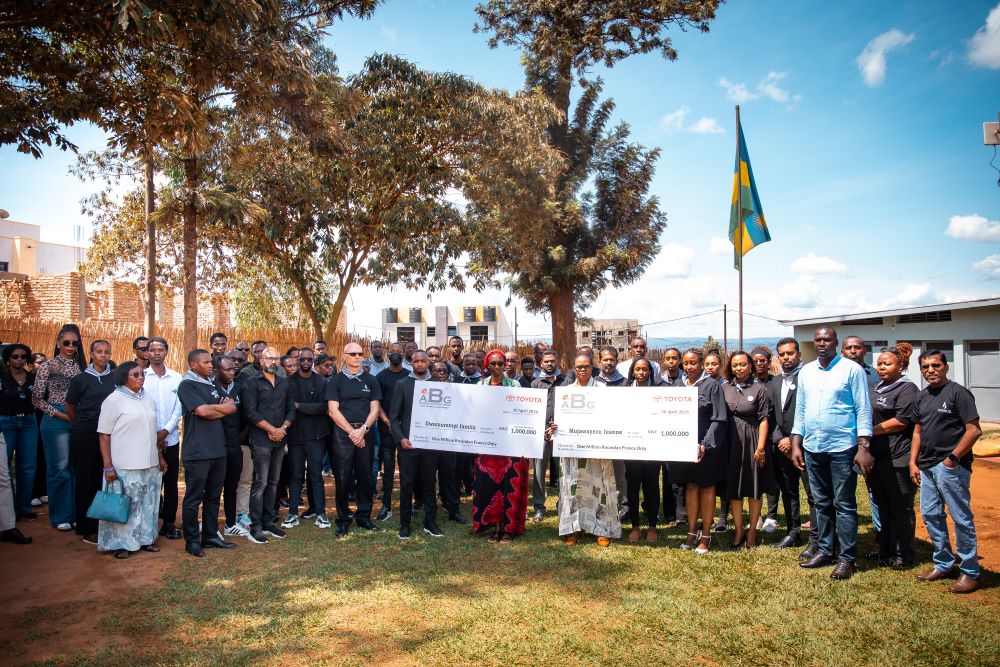
The commemoration event, held on April 30, 2026, began with a visit to Nyanza Genocide Memorial followed by a visit to Gahanga Sector in Kicukiro District. As part of its longstanding support to survivors, Akagera Busness Group and Toyota Rwanda provided a contribution of 1 million RWF each to two families from Gahanga and Kagasa, underscoring its dedication to solidarity and community impact.
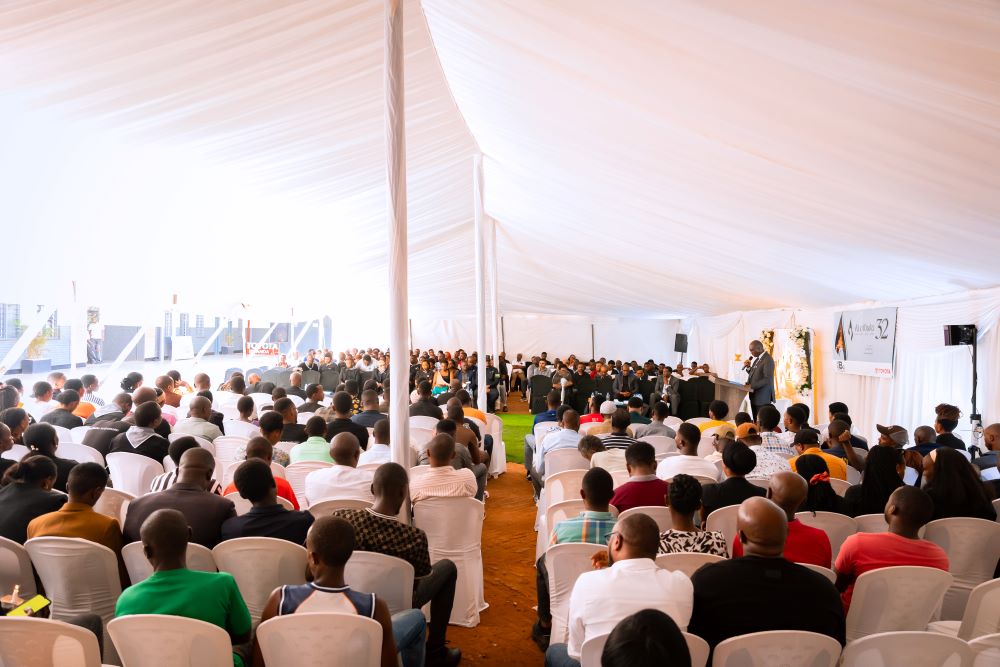
Employees later held commemoration talks at the company’s headquarter in Karuruma, Jali Sector, Gasabo District.
Dr. Théoneste Rutayisire, Head of Research at the Ministry of National Unity and Civic Engagement (MINUBUMWE), outlined Rwanda’s historical trajectory from the pre-colonial period, through colonial rule, to the Second Republic, which culminated in the 1994 Genocide against the Tutsi.
He stressed that genocide is never accidental but planned and systematically prepared over time.
“Genocide does not happen by accident. It is planned, as was the case in 1994. It was prepared and taught for over 30 years,” he said.
He noted that the genocide was not only orchestrated by political actors but also involved businesspeople and investors who played a role in its preparation and execution.
“In the preparation of the Genocide against the Tutsi, political power and financial influence were both used. Some businessmen benefited from bank loans to strengthen their enterprises, and later those same resources were used to support the genocide agenda,” he said.
Participants also heard testimony from genocide survivor and ABG employee Gilbert Gasore, who survived in the former Cyangugu Prefecture, Kimbogo Commune (now Mwururu Sector, Rusizi District). He shared his traumatic experience and the circumstances that enabled his survival.
Gilbert Gasore said he was 16 years old at the time and had already witnessed signs of preparation for the genocide, including the stockpiling and production of weapons used to kill Tutsi civilians in his area.
He dismissed claims that the genocide was triggered by the shooting down of the presidential plane, saying preparations had long been underway.
“In our area, a man known as ‘Byabeyi’ was responsible for sharpening spears and reinforcing clubs with nails. He would go into the forests searching for wood used to make these weapons,” he said.
He added that these weapons were produced under the instruction of a local youth, Théodore Rukeratabara, and were later used in attacks that killed Tutsi residents in the area.
The representative of Ibuka in Gasabo District, Madame Solange Mukanizeyimana, recalled the history of La Rwandaise during the Genocide, explaining how the Interahamwe looted vehicles that were in stock at Karuruma, leaving the company in a very bad state. She also expressed appreciation to the investors of both companies for coming to Rwanda, investing, and providing employment opportunities to Rwandans.
Member of Parliament Murora Beth urged employees of both companies, most of whom are young people, to take an active role in countering genocide denial and distortion of history, particularly on social media.
“I want to remind you that the battle of guns is over. Today, the fight continues on social media, where some people distort the history of the Genocide against the Tutsi. You must learn this history so that you are able to respond to such narratives,” she said.
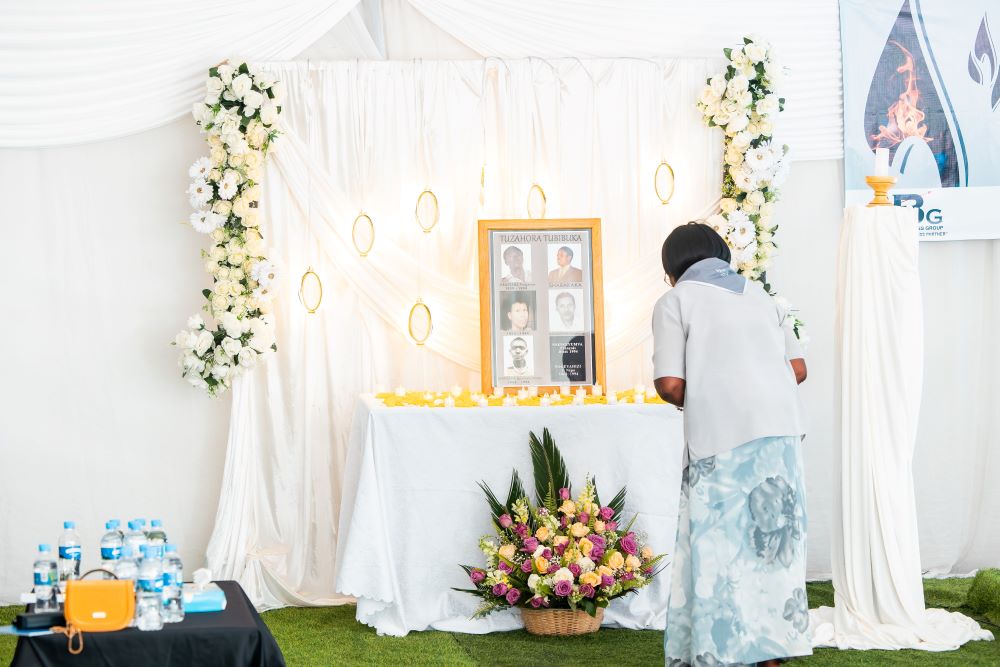
The commemoration included visits to Nyanza Genocide Memorial and Gahanga Sector as staff honored lives lost in 1994The management laying wreaths at the mass grave of Nyanza Genocide MemorialThe commemoration event, held on April 30, 2026, began with a visit to Nyanza Genocide Memorial followed by a visit to Gahanga Sector in Kicukiro District.As part of its longstanding support to survivors, Akagera Busness Group and Toyota Rwanda provided a contribution of Rwf 1 million each to two families from Gahanga and Kagasa.The commemoration event served as a moment for reflection, unity, and honoring the lives lost, while reinforcing the company’s commitment to remembrance and resilience. Employees also held commemoration talks at the company’s headquarter in Karuruma, Jali Sector, Gasabo District.
The team consisted of renowned broadcaster David Attenborough and photographer Martin Saunders. They were confident their work would proceed smoothly, having secured all the necessary permits from Rwandan authorities. In addition, they had the support of primatologist Dian Fossey, who had extensive experience studying gorillas in the Karisoke area, between Mount Karisimbi and Mount Bisoke.
According to Attenborough, their preparations had been thorough, with all required permissions in place and everything appearing well organized.
Dian Fossey, widely known in the Ruhengeri by a local nickname as Nyiramacibiri, had devoted her life to protecting mountain gorillas. Her work went far beyond feeding or treating them, she lived among them in the wild, even establishing a base in the volcanic mountains. She would later be killed under circumstances widely believed to be linked to powerful interests opposed to her conservation efforts.
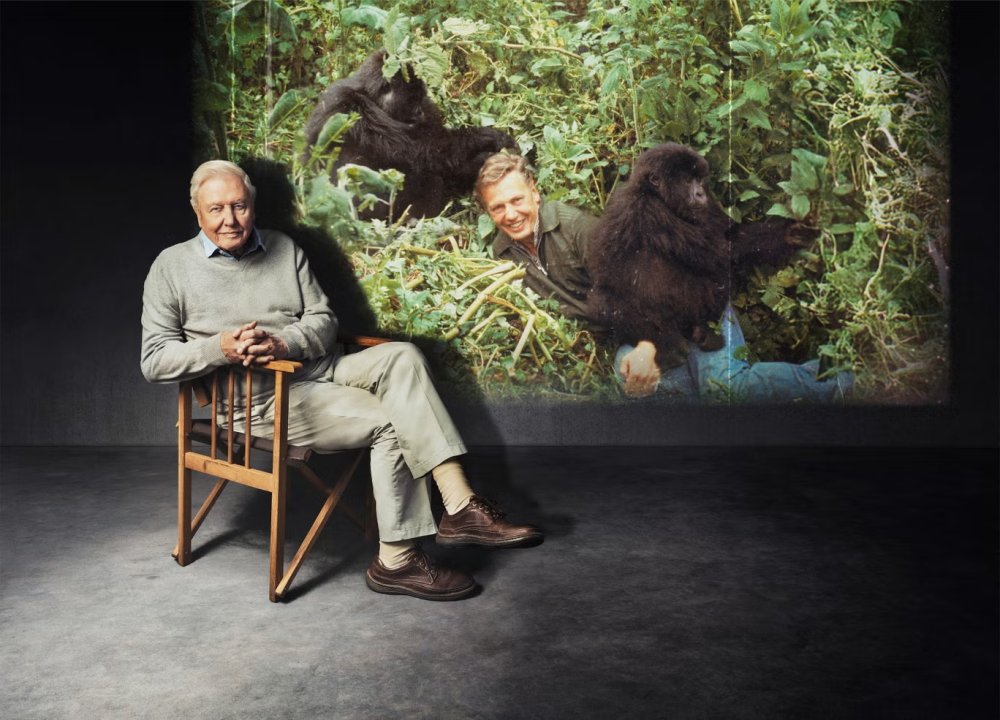
Filming the gorillas proved challenging for Attenborough, who was not yet accustomed to their behavior. At one point, a dominant male gorilla named Pablo climbed onto him, creating a moment of fear. Despite the tension, he remained focused and continued the work that had brought him there.
After completing the demanding work, Attenborough and Saunders returned to Kigali, preparing to head back to the United Kingdom with what they believed was an extraordinary story, one that would reveal to the world the complex and human-like nature of these animals.
Their journey from Ruhengeri had been filled with excitement, as they believed they had achieved something rare. However, as they approached Kigali International Airport, that sense of accomplishment quickly turned into fear. Attenborough began to wonder whether they would safely leave the country—or lose everything they had worked so hard to capture.
Gunfire suddenly erupted overhead. At first, they were unsure what was happening, but it soon became clear that they themselves were being targeted by Rwandan soldiers attempting to stop them, apparently suspecting them of wrongdoing.
Attenborough later described the confusion of the moment, recalling how they turned and saw armed security personnel approaching them.
The two men were stopped and quickly realized that the footage they had captured was at risk. Sensing danger, they discreetly rearranged how they stored their film in an effort to prevent it from being confiscated.
When the soldiers reached them, they demanded to inspect their belongings. However, the exact reason for the suspicion remained unclear—whether they were accused of threatening national security, illegal wildlife activities, or something else entirely.
They were taken away from the airport and first brought to a hotel. The following morning, they were transferred to a military facility, where they were made to stand in an open area under the sun, surrounded by armed personnel. At that moment, they feared for their lives, unsure whether they would be imprisoned, executed, or subjected to other forms of punishment.
Saunders later reflected that they were left standing in the heat without explanation, unable to understand what they were being accused of, which only heightened their anxiety about what might happen next.
After some time in detention, the authorities unexpectedly decided to release them. The two men were allowed to leave, greatly relieved—not only to have regained their freedom, but also because their valuable footage remained intact.
This dramatic episode is recounted in the documentary, Making Life of Earth: Attenborough’s Greatest Adventure, released by BBC on May 3, 2026, just days before Attenborough’s 100th birthday.
More recently, Attenborough has also been involved in another documentary released on April 17, 2026, on Netflix. This production also explores the lives of mountain gorillas and was created in collaboration with Silverback Films.
The film brought together contributions from several prominent figures in filmmaking, including James Reed, Alastair Fothergill, Leonardo DiCaprio, Jennifer Davisson, and Phillip Watson.
The project combined over 250 hours of footage captured between 2023 and 2024, along with archival material filmed by Attenborough during his time in Rwanda.
According to Fothergill, the original idea was simply to tell the story of gorillas. However, after discussions with the Dian Fossey Gorilla Fund—which has spent more than six decades protecting gorillas in Rwanda—the project gained momentum.
The concept evolved further when Fothergill approached Attenborough, who had previously worked on gorilla-related documentaries. Attenborough welcomed the idea and revealed that he had kept detailed notes from his earlier experiences in Rwanda, which could enrich the film.
The resulting documentary not only highlights how gorillas live, but also shows their complex social dynamics, including struggles for leadership and behaviors that often resemble human interactions.
Sir David and Martin during an excursion in ComorosThe film “Making Life of Earth: Attenborough’s Greatest Adventure,” features footages of a gorilla climbing onto Sir David Attenborough.
In a statement to Xinhua, the WHO said it is supporting a public health event involving a cruise vessel sailing in the Atlantic Ocean. To date, one case of hantavirus infection has been laboratory confirmed, and there are five additional suspected cases. Three of the six affected individuals have died, and one is currently in intensive care in South Africa.
The agency said detailed investigations are going on, including further laboratory testing and epidemiological investigations. Medical care and support are being provided to passengers and crew. Sequencing of the virus is also ongoing, it added.
Hantavirus infections are typically linked to environmental exposure (exposure to infected rodents’ urine or faeces). While rare, hantavirus may spread between people, and can lead to severe respiratory illness, requiring careful patient monitoring, support and response.
WHO is facilitating coordination between member states and the ship’s operators for the medical evacuation of two symptomatic passengers, as well as full public health risk assessment and support to the remaining passengers on board.
According to earlier reports, South Africa’s National Department of Health confirmed that two people have died from an acute respiratory infection on board a cruise ship known as MV Hondius in the Atlantic Ocean.
Previous reports said MV Hondius was sailing from Ushuaia in Argentina to Cape Verde when it experienced a “severe acute respiratory illness,” resulting in the deaths of an elderly couple and another person receiving treatment in an intensive care unit in Johannesburg, South Africa.
This aerial picture of the cruise ship MV Hondius stationary off the port of Praia, the capital of Cape Verde, on May 3, 2026. Photo: CFP
He made the remarks in an interview with state-run IRIB TV while noting that the U.S. response is being reviewed.
He stressed that Iran’s plan is exclusively focused on ending the war, and “nothing pertaining to the nuclear field’s details exists in it.”
“At present, we are focused on the parameters related to ending the war in the region, including Lebanon,” Baghaei added, stressing “we have no nuclear negotiation at this stage.”
Also on Sunday, Iranian Foreign Minister Seyed Abbas Araghchi briefed his Omani and German counterparts on Iran’s latest diplomatic efforts and initiatives to end the war.
In separate phone calls, Araghchi exchanged views with Omani Foreign Minister Sayyid Badr bin Hamad bin Hamood Albusaidi and German Foreign Minister Johann Wadephul on the latest regional and international developments, according to statements released by the Iranian Foreign Ministry.
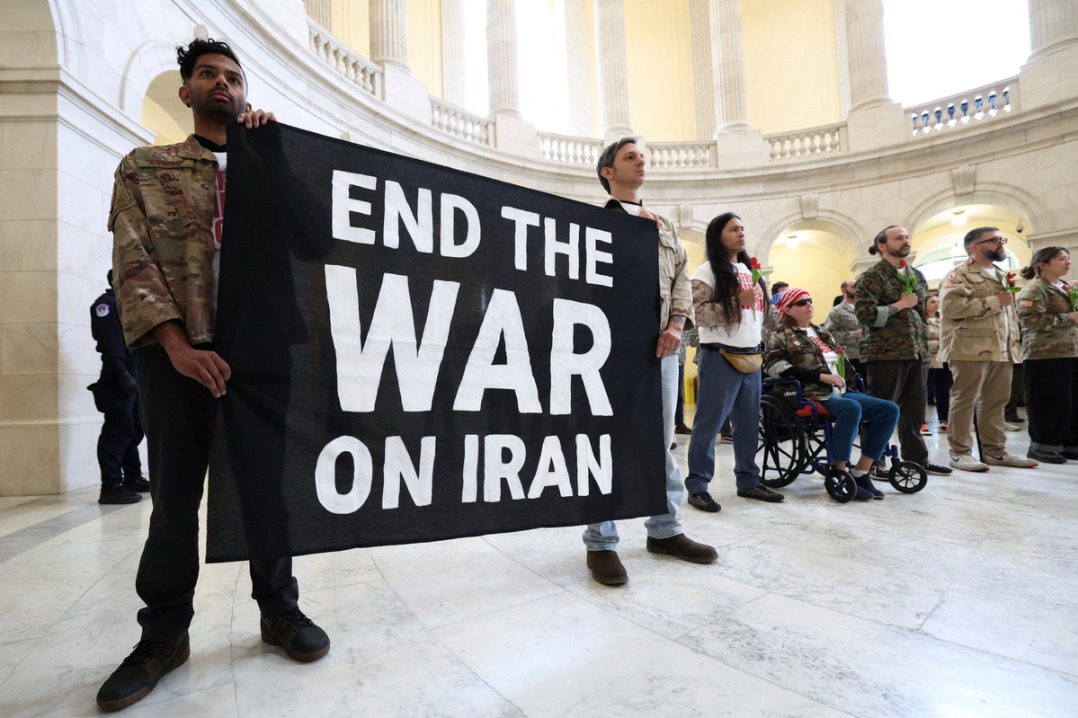
On Feb. 28, Israel and the United States launched joint strikes on Tehran and other cities, killing Iran’s then-Supreme Leader Ali Khamenei, senior commanders, and civilians. Iran responded with waves of missile and drone attacks targeting Israel and U.S. interests in the region.
A ceasefire took effect on April 8, followed by talks between Iranian and U.S. delegations in Islamabad that failed to produce a deal.
On Feb. 28, Israel and the United States launched joint strikes on Tehran and other cities, killing Iran’s then-Supreme Leader Ali Khamenei, senior commanders, and civilians. Iran responded with waves of missile and drone attacks targeting Israel and U.S. interests in the region.
The initiative comes at a critical time for Africa’s agricultural expansion, particularly for South Africa’s fast-growing citrus sector, he said.
“South African citrus production is on such a significant growth trajectory that unlocking its full economic potential requires improved access to all high-value markets like China,” the business leader said.
Highlighting the sector’s broader socio-economic contribution, Ntshabele noted that the country’s citrus industry currently supports about 140,000 jobs at the farm level alone and that expanded access to a large market such as China could create further employment opportunities and support rural development.
Many rural communities in South Africa rely heavily on agricultural exports, he said, adding that citrus-producing regions are likely to be among the first to benefit from improved market access under the new tariff policy.
The zero-tariff treatment, he said, will help expand trade access and deepen economic ties between Africa and China, while strengthening the continent’s external trade resilience amid global economic uncertainty.
Such policy measures could contribute to a more stable global trading system by promoting inclusive trade and reducing barriers for developing economies, helping diversify supply chains, he added.
African exporters are expected to gain a stronger foothold in one of the world’s largest consumer markets, reinforcing confidence in long-term economic cooperation and shared growth between Africa and China, Ntshabele said.
“We greatly value the opportunities the Chinese market holds,” he added.
Many rural communities in South Africa rely heavily on agricultural exports
As a hallmark of China-Africa cooperation in the new era, the zero-tariff measure is expected to reduce trade barriers and deliver long-term benefits to people on both sides, injecting fresh momentum into their joint pursuit of modernization while contributing to a more inclusive and universally beneficial global trading system.
A reliable market
On the outskirts of the Ethiopian capital city of Addis Ababa, construction is underway on a new roasting facility for Awo Coffee to meet soaring export orders. According to Awo Coffee General Manager Tesfaye Gebru, about 90 percent of the firm’s roasted products are shipped to China each year.
“Since we began in 2014, the fast-growing Chinese coffee market has emerged as our primary export destination,” said Gebru, noting that in 2024, the company exported about 140 tonnes of Ethiopian green coffee beans and 20 tonnes of processed coffee products to China, with annual growth of around 10 percent.
Awo Coffee sources beans from its own 14-hectare farm. “We purchase beans from smallholder farmers at higher prices, directly boosting their incomes. During harvest seasons, we also hire local villagers to pick coffee cherries,” said Gebru.
Awo’s rapid expansion has been supported by early access to China’s zero-tariff policy. Effective from December 2024, China granted all least developed countries with which it has diplomatic relations zero-tariff treatment for 100 percent tariff lines, including 33 African countries.
The impact on Ethiopian coffee exporters has been swift. Ethiopia, widely known as the home of Arabica coffee, has strengthened its position in the Chinese market, rising to become one of the largest suppliers of coffee to China in recent years.
As China’s zero-tariff policy now extends to 53 African countries, Cameroon cocoa farmer George Wambo Cornyu described it as “a golden opportunity.”
“It’s going to encourage our domestic processing and also value additions,” said Cornyu, also president of Masoka-Ikata Farmers Cooperative in Cameroon. “It is going to trigger industrialization in our own sector.”
Beyond tariff reductions, China has in recent years expanded market access for African exports through upgraded “green channels” and other facilitation initiatives. It has also supported African participation in major trade expos such as the China International Import Expo, helping African products reach global markets.
In 2025, China-Africa trade grew by 17.7 percent year on year to reach 348 billion U.S. dollars, while Africa’s exports to China exceeded 123 billion dollars, reflecting deepening economic and trade ties.
James Kandoya, a senior economic journalist at Tanzania’s The Guardian Newspaper, noted that for a long time, many African products struggled to enter major global markets due to high tariffs, strict standards, or complicated procedures.
“When China opens its market to African exports with zero tariffs, it immediately creates real opportunities. It gives African businesses the feeling that there is a reliable market willing to engage with us on fairer terms. That can encourage more investment in agriculture, processing, and logistics,” he said.
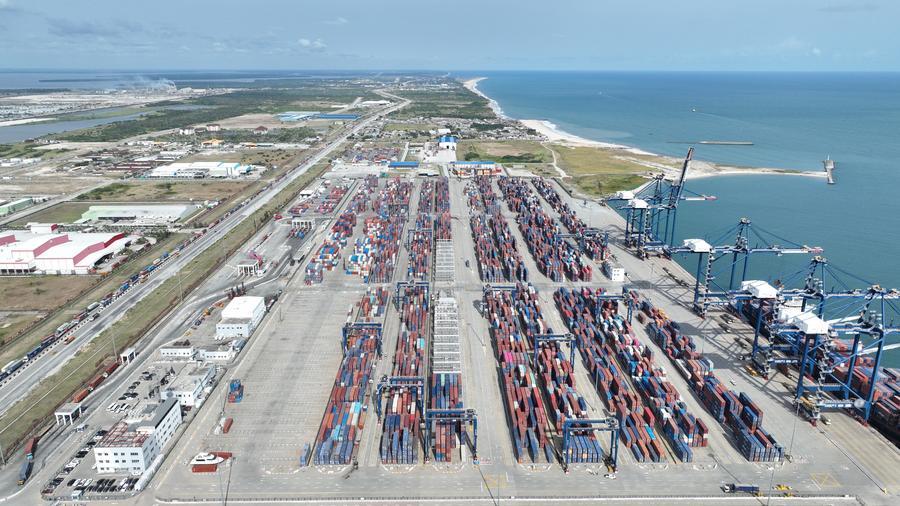
An aerial drone photo taken on March 26, 2026 shows a view of the Lekki port in Lagos, Nigeria. (China Harbour Engineering Company Ltd./Handout via Xinhua)
A driver of African modernization
In March, the first cargo train carrying 54 containers of locally produced goods exported to China under zero-tariff treatment departed from Nairobi, Kenya’s capital. It traveled along the Chinese-built Mombasa-Nairobi Standard Gauge Railway to the port city of Mombasa before continuing by sea to China.
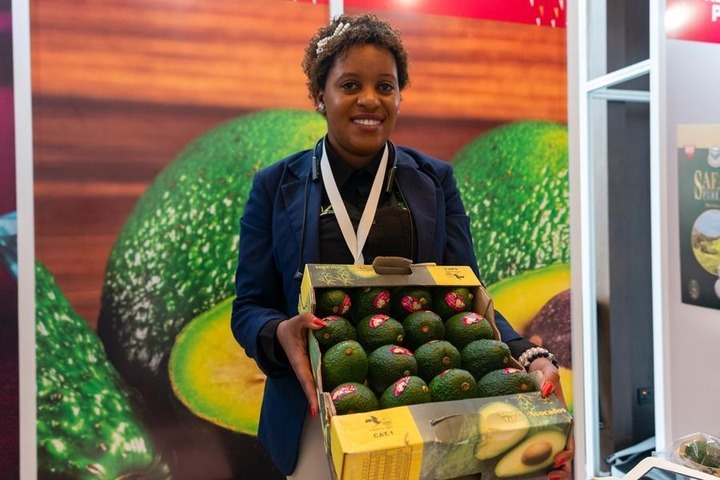
Among the shipments was a batch of avocado oil produced at a processing plant in the Athi River Export Processing Zone on the outskirts of Nairobi, invested in by the Chinese company Sanmark Limited.
Since beginning operation in August 2025, the processing plant has exported about 410 tonnes of avocado oil to China, where the product has evolved from a niche health item to a regular feature on major e-commerce platforms.
With China’s zero-tariff policy taking effect in May, Kenya’s avocado industry players expect further export growth.
“We look forward to exporting more avocado oil and boosting incomes for local farmers,” said Muhammad Khan, operations manager at Sanmark Limited. “I also believe more Chinese investors will be encouraged to enter the Kenyan market and set up processing factories, enhancing the efficiency and resilience of the industrial chain.”
In 2022, fresh Kenyan avocados embarked on their journey to China. Since then, Chinese and Kenyan companies have launched full value-chain cooperation spanning avocado cultivation, processing, cross-border logistics, and end-market distribution, significantly boosting the sector’s overall development.
Describing the zero-tariff initiative as “an unprecedented breakthrough in the export journey,” Lee Kinyanjui, cabinet secretary in the Ministry of Investments, Trade and Industry, said: “This is more than a policy shift; it is a game changer that opens the door to one of the world’s largest consumer markets and positions Kenya for a new era of trade growth and value addition.”
“Over the past two decades, the (China-Africa cooperation) framework has steadily shifted toward trade, industrialization support, and infrastructure development. Duty-free access complements infrastructure corridors, logistics projects, and industrial parks already developed through China-Africa cooperation,” Zimbabwean economic analyst and political commentator Dereck Goto said.
Sharing a similar view, Balew Demissie, a senior communication and publication consultant at the Policy Studies Institute of Ethiopia, said as a combined measure of trade and investment, “the zero-tariff policy closely aligns with Africa’s urgent industrialization agenda.”
“It could complement domestic industrial policies by creating new opportunities for manufacturing expansion, agro-processing, and export-oriented industrialization, thereby injecting fresh momentum into Africa’s modernization trajectory,” he added.
“This is an approach where China is trying to re-establish supply chains that are more predictable, that are more stable in this erratic world,” said Tabani Moyo, research fellow with the Graduate School of Business and Leadership at the University of KwaZulu-Natal, South Africa. “Hence, (there is) a need for the multiple industries in Africa to chip in and drive the modernization agenda through value-addition of their commodities.”
A timely stabilizer
Amid rising volatility and growing protectionism in global trade, China’s zero-tariff policy underscores its firm commitment to fostering an open world economy, advancing shared development across the Global South through practical cooperation, and injecting stability into the global trade system and economic growth.
During the 39th African Union Summit, United Nations Secretary-General Antonio Guterres welcomed the move, appealing to all developed countries and nations with large economic potential to take the same measure.
African Union Commission Chairperson Mahmoud Ali Youssouf said that China’s initiative is particularly vital as Africa bears the brunt of global uncertainties, which have disastrous effects on African economies, particularly those with structural vulnerabilities.
“We also see isolationist policies across the world, while protectionism is growing,” he said, noting that China’s zero-tariff treatment is a “very timely” move that will help Africa tackle global challenges.
“Amid unilateralism and protectionism, China’s zero-tariff treatment enhances trade resilience, supports diversification of African exports, and sustains development prospects by shielding them from external shocks,” said Leseko Makhetha, head of the Department of Economics at the National University of Lesotho.
“It reinforces a rules-based global trading system, offering an alternative to protectionism and helping stabilize trade flows amid global tensions,” Makhetha noted.
This photo taken on April 15, 2026 shows containers at the Nairobi station of the Mombasa-Nairobi Standard Gauge Railway (SGR) in Nairobi, Kenya. (Photo by Nelson Asienwa/Xinhua)
China’s announcement of zero-tariff treatment starting May 1 for all the 53 African countries with which it maintains diplomatic ties reaffirms its consistent commitment to opening its vast market to Global South partners.
As Chinese President Xi Jinping has put it, China is committed to providing new opportunities for the world with the new achievements of Chinese modernization and offering new impetus to Global South partners, including Africa, via its huge market.
At a moment when globalization is buffeted by protectionism, China remains firm in its conviction that mutually beneficial and open cooperation is the right path forward and the common aspiration of all people.
Through concrete action, it is transforming a consumer market of over 1.4 billion people into tangible development opportunities for African nations, yielding fruitful results.
The macro picture is compelling. China-Africa trade reached a record 348 billion U.S. dollars in 2025, up 17.7 percent year on year. Of the total, China’s imports from Africa amounted to 123 billion dollars, an annual increase of 5.4 percent.
China’s new zero-tariff measures will inject much-needed certainty and confidence into the African economy. In an increasingly uncertain global trade environment, the biggest advantage of the policy is not short-term profit but long-term predictability, said Cobus van Rensburg, general manager of the South African Pecan Nut Producers Association.
“It adds a lot of security, especially from a supply point of view, as well as from a demand point of view, because it creates a better bond between South Africa and China,” he said.
The zero-tariff policy marks another key step in furthering industrial partnership between the two sides, and is expected to help Africa move up the global value chain. The Forum on China-Africa Cooperation Beijing Action Plan explicitly commits to supporting “Africa in developing local value chains, manufacturing and deep processing of critical minerals.”
Over the years, China has also made great efforts to remove other non-tariff barriers in its trade with Africa. Expanded sanitary and phytosanitary agreements have widened the “green lanes” for African agricultural exports to China, while digital customs supervision and regulatory innovation have shortened the journey from farm to port and, ultimately, to consumers.
The results are already visible across Africa. In Kenya, avocados and macadamia nuts now move efficiently by rail toward Chinese markets, raising farmers’ incomes while driving investment in cold-chain logistics and related industries. In Cote d’Ivoire, a modern cocoa-processing complex built by a Chinese company has helped the country move beyond its long-standing reliance on raw bean exports, allowing local farmers to participate in higher-value stages of production. In Rwanda, Chinese-supported cold storage and drying facilities have enabled premium dried chillies to reach consumers in China, opening new opportunities for local growers.
Through technology transfer, infrastructure investment and expanded market access, China is helping Africa strengthen the industrial foundations needed for long-term development. Across the continent, China is increasingly seen as a reliable and sincere partner.
History has shaped that trust. African countries supported the restoration of China’s lawful seat at the United Nations more than five decades ago, while China has in recent years championed the African Union’s entry into the G20 and consistently advocated greater African representation in global governance.
As 2026 marks the China-Africa Year of People-to-People Exchanges, ties are deepening from government cooperation to closer bonds between ordinary people. Rooted in mutual respect and shared development, the China-Africa partnership is becoming an important force driving the rise of the Global South and supporting a more balanced global economy.
Over the years, China has also made great efforts to remove other non-tariff barriers in its trade with Africa.
In an exclusive interview with IGIHE, Niyonzima explained that the FDLR was built on a deep-rooted ideology that viewed Tutsis as enemies everywhere, insisting that no country should be governed by a Tutsi.
“What we were mainly taught was the evil nature of the Tutsi, just as we had been taught while still in Rwanda,” he said.
In 2000, he underwent training in intelligence work, a field he later led within the FDLR leadership structure prior to his return to Rwanda.
He described the FDLR leadership system as being organized into commissions similar to ministries, each with its own leadership and operational staff.
His responsibilities included gathering intelligence related to the group, assessing operational risks, recruiting new fighters, and managing relations with other armed groups such as Nyatura, FARDC and Congolese communities more broadly.
Deep-rooted ideology and ethnic targeting
Niyonzima revealed that due to genocidal ideology and anti-Tutsi hatred, anyone perceived to resemble a Tutsi could be targeted, accused of collaboration, or even placed on the front lines.
He emphasized that the FDLR ideology was built on the belief that Tutsis were enemies everywhere.
“We considered every Tutsi an enemy, whether in Uganda, Burundi, Congo, or Rwanda,” he said.
He further noted that the group opposed any possibility of a Tutsi leading a country, viewing them as perpetual adversaries.
False prophecies and ideological indoctrination
As a pastor within the group, Niyonzima said he used the Bible alongside what he described as false prophecies claiming divine support for their cause, including the belief that they would eventually conquer Rwanda.
He explained that each commander had a group of so-called prayer leaders who played a role in mobilization and decision-making, including leadership changes.
“When they wanted to replace a leader, they would use a so-called prophet who would fall down and ‘prophesy’ while covered. This was used to justify decisions,” he said.
Niyonzima also revealed that the group gradually shifted toward promoting ethnic identity over language, deciding to emphasize “Hutu” identity instead of Kinyarwanda.
“We said we should no longer speak Kinyarwanda but Hutu language. We were told we were Hutu and our enemy was the Tutsi,” he said.
He added that the group justified its actions by linking their narrative to grievances about regional conflicts involving Hutus in neighboring countries.
He further stated that intelligence structures within the FDLR monitored individuals planning to leave the group or communicating with people in Rwanda. Such individuals could be targeted and killed under suspicion of betrayal.
“When you believe you are fighting an enemy, everything you do feels justified. We would say: if this person leaves, they will one day become a threat. So we eliminate them early.”
Recruitment of youth and Congolese civilians
Niyonzima rejected claims that the FDLR is composed only of elderly fighters, explaining that the group actively recruited children, including those as young as 14, as well as young Congolese civilians.
He said the recruits were indoctrinated with hatred narratives, teaching them that the Tutsi was their enemy.
He also revealed that recruitment networks existed in neighboring countries, including Burundi and Uganda, and within Congolese communities.
Regret and reflection
Looking back, Niyonzima expressed deep regret for the years he spent in the Congolese forests, saying he lost valuable time that could have been used for personal development.
“My biggest regret is the time I wasted living in fear of nothing. I was afraid to return, but when I eventually did, I found people I left behind doing well. I have nothing to show for those years,” he said.
Niyonzima also expressed remorse for having spread extremist ideology. “What pains me most is that I taught people false ideas that Tutsis are evil, enemies, and cruel. But when I returned, I saw how people live together peacefully. I ask for forgiveness because I acted in ignorance,” he added.
Niyonzima called on former comrades still in eastern Congo forests to return home, urging them not to continue wasting their lives.
He also encouraged cooperation between regional actors, including the Congolese leadership, stressing that confrontation with Rwanda is not a viable path forward.
Niyonzima explained that the FDLR was built on a deep-rooted ideology that viewed Tutsis as enemies everywhere
The final event took place on April 30, 2026, featuring five finalists selected from an initial pool of 1,200 applicants. The challenge is designed to support youth-led innovations that improve productivity and efficiency in the agricultural sector.
The grand prize of Rwf 30 million was awarded to Mutoni Goodluck for her project, Goodness of God Ltd, which produces natural hair care oils designed to promote hair growth and maintenance.
Mutoni explained that she began experimenting with her products in 2019 and officially entered the market in 2024. Her oils are made from natural ingredients including onions, ginger, and garlic.
She noted that sourcing raw materials requires close collaboration with farmers from land preparation to harvest, a process that initially limited her production capacity.
“We were working with about 120 farmers. During dry seasons, production would drop due to limited yields,” she said. “With this support, we plan to organize farmers into groups and train them so we can improve production and ensure consistent supply.”
Isidore Niyigirimpuhwe won second place and received Rwf 20 million for his project, Tech Plus, which focuses on developing egg incubator machines capable of hatching chicks after 21 days.
His innovation includes machines with different capacities, ranging from 120 eggs to large-scale incubators holding up to 40,000 eggs. He said the funding will help increase production capacity.
“We had many clients, but building one machine used to take three to four days. Now we aim to scale up so that we can produce at least one machine per day,” he said.
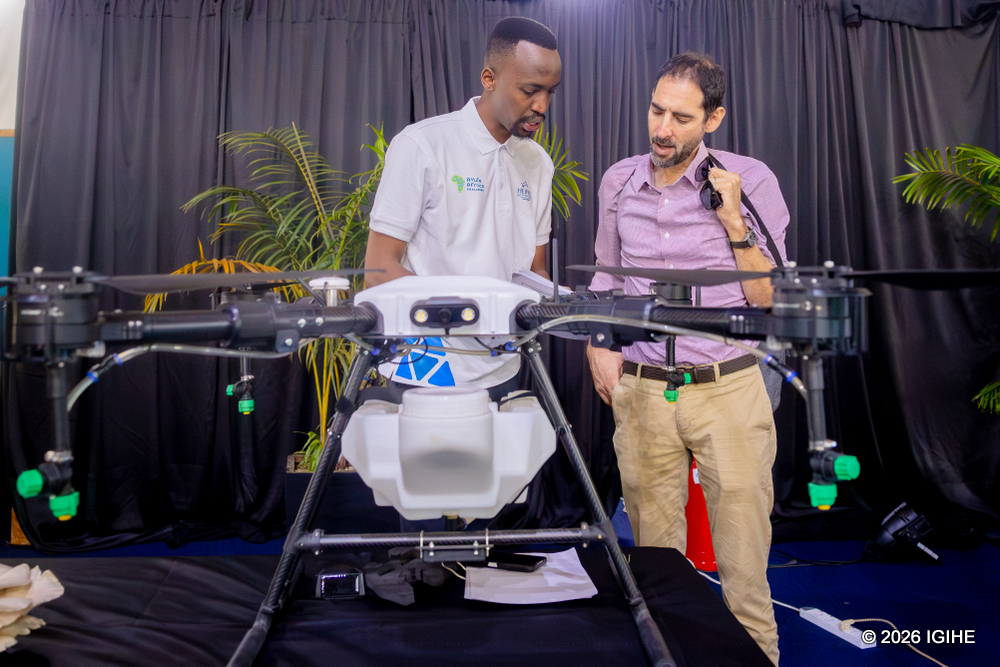
Muyumbano Happy Axel secured third place with Rwf 15 million for his project, Ampere Vision, which develops agricultural drones used for spraying pesticides on crops.
Each drone can cover up to 18 hectares per day, significantly improving efficiency in pest control.
He said the funding will help expand production to meet growing demand. “We had limited drones, which made it difficult to serve many farmers. Now we can scale up because our main challenge was access to equipment,” he said.
Other finalists included Josiane Mujawayesu, who is developing organic fertilizer from biodegradable waste combined with insects such as worms and flies that she breeds for this purpose.
Another finalist, Abdu Usanase, presented a digital platform that helps farmers calculate the quantity of seeds needed and also supports storage solutions that allow crops such as potatoes to be preserved for up to six months without spoiling.
Government and partners emphasize collaboration
Minister of Agriculture and Animal Resources, Dr. Ndabamenye Telesphore, highlighted that young people are increasingly understanding their role in agriculture through innovation and encouraged collaboration among entrepreneurs.
“There is a youth platform in agriculture that brings together everyone from farmers to exporters. What we always encourage is teamwork and partnerships between complementary projects so that profits can grow,” he said.
Verena Ruzibuka, Country Director for Heifer International Rwanda, noted that even participants who did not win are still supported through other programs.
“Even those who do not win continue to benefit from other initiatives that help them expand their markets. For example, we work with mushroom farmers and connect them to solve shared challenges,” she said.
She added that young entrepreneurs also receive continuous mentorship to help strengthen and scale their businesses.
Mutoni Goodluck received the Rwf 30 million grand prize at the AYuTe Africa ChallengeProducts developed by Mutoni Goodluck, winner of the grand prize at the AYuTe Africa ChallengeVerena Ruzibuka, Country Director for Heifer International Rwanda, noted that even participants who did not win are still supported through other programs. Muyumbano Happy Axel won Rwf 15 million prize at the AYuTe Africa ChallengeMuyumbano Happy Axel explains how his agricultural drone operates.Minister of Agriculture and Animal Resources, Dr. Ndabamenye Telesphore, encouraged youth participation in agriculture innovation.Abdu Usanase presents his digital platform helping farmers determine required seeds based on expected yieldsJosiane Mujawayesu explains her organic fertilizer project combining waste and insects such as flies and wormsIsidore Niyigirimpuhwe, inventor of an egg incubation machine, wins second prize of Rwf 20 millionPromising but emerging innovation project was recognized and supported for further developmentThe third edition of the AYuTe Africa Challenge concluded with awards given to outstanding agricultural innovations