The RN5 road, which is commonly used for transportation, passenger travel, and trade, connects residents from the Uvira territory located in the Ruzizi Valley.
On the morning of March 15, 2026, traders traveling from the Runingu center towards Sange were turned back by FARDC and Wazalendo forces.
Radio Maendeleo reported that some passengers traveling from Bukavu to areas in the Ruzizi Valley or the city of Uvira were also blocked, causing a build-up of people at the Sange center as they awaited further instructions.
After a prolonged period of confusion, these residents were informed that no vehicles, motorcycles, or pedestrians were allowed to proceed into the city of Uvira from areas controlled by the AFC/M23 group.
The road had been functioning smoothly from the beginning of December 2025 until January 2026, when AFC/M23 controlled all the areas in the Ruzizi Valley and the city of Uvira.
Since AFC/M23 withdrew from the city of Uvira in mid-January 2026, traffic has significantly decreased on this road due to the fact that travelers now pass through areas controlled by opposing factions.
The FARDC and Wazalendo forces have stated that this decision was made to ensure security in the controlled areas, but the residents do not agree, as they are calling for increased security rather than restrictions on their livelihoods.
FARDC and Wazalendo reportedly blocked the key road between Bukavu and Uvira on Sunday, March 15, 2026.
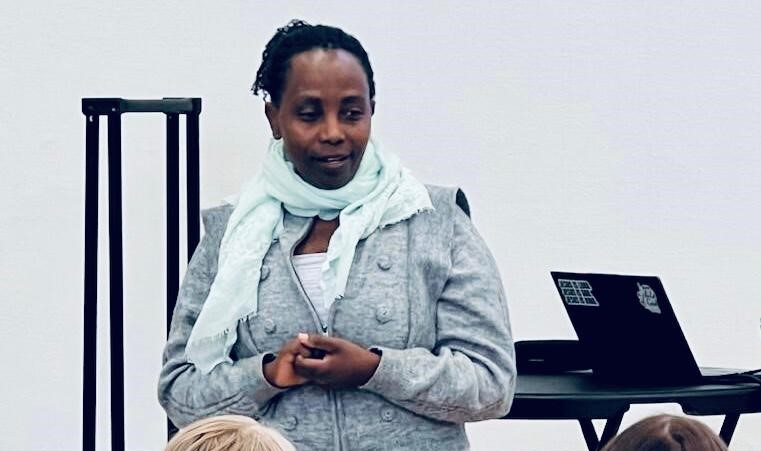
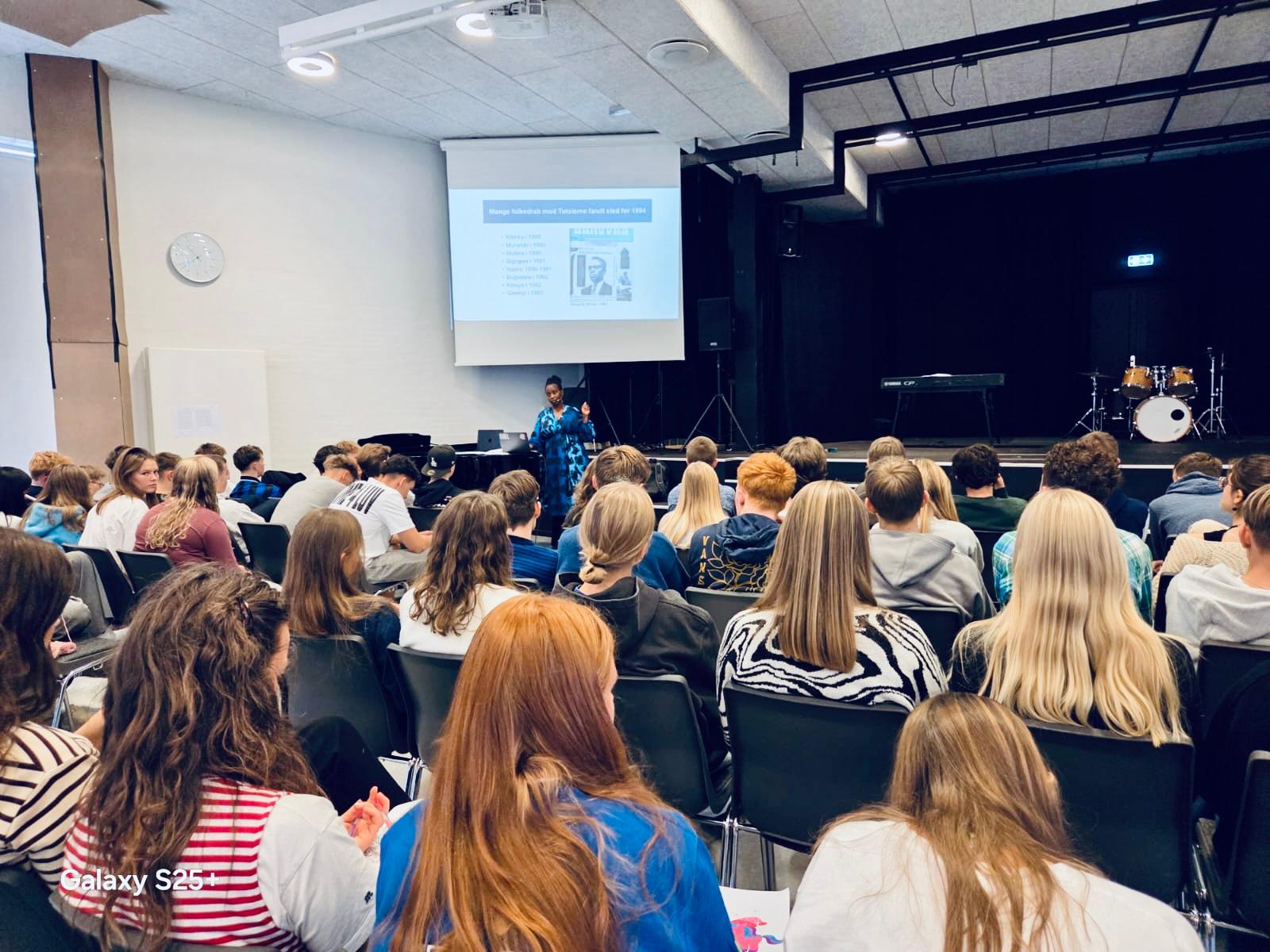
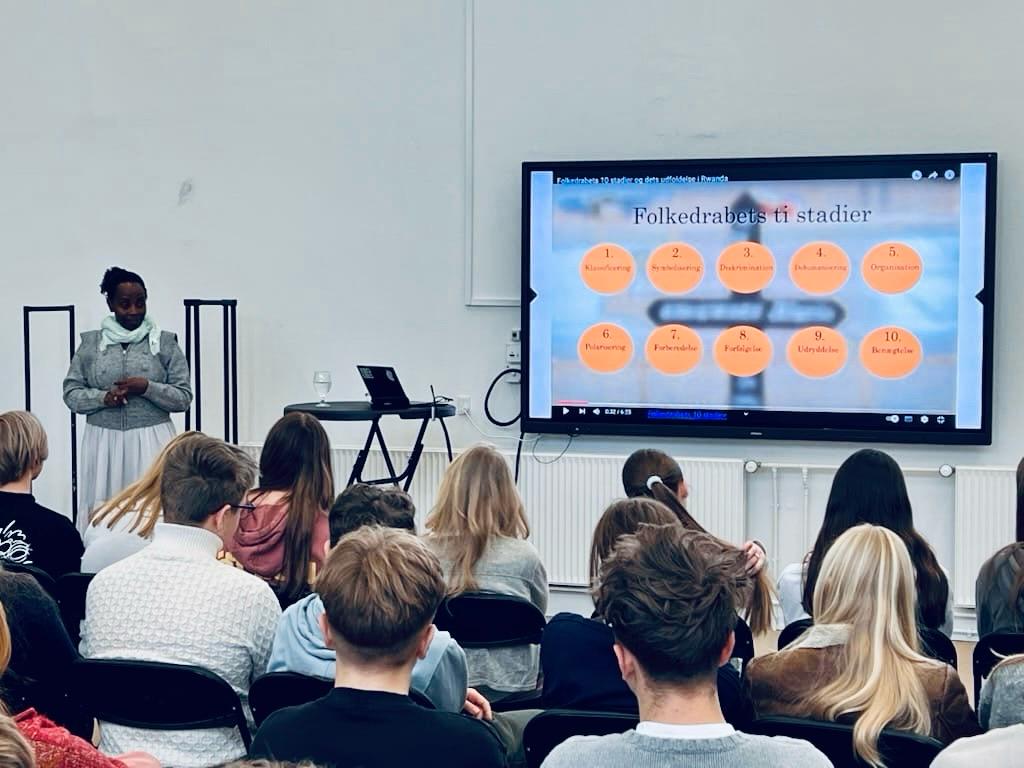
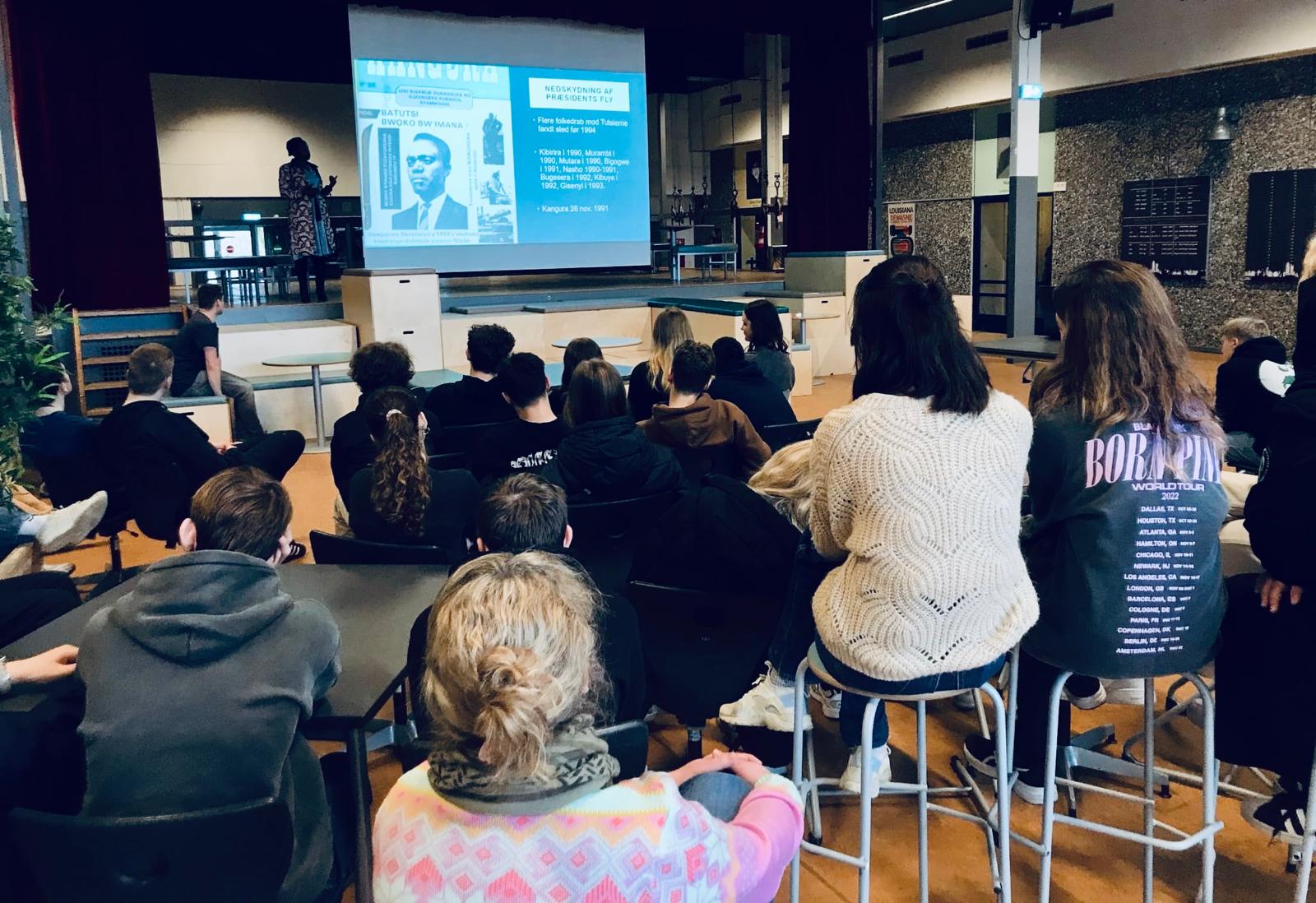
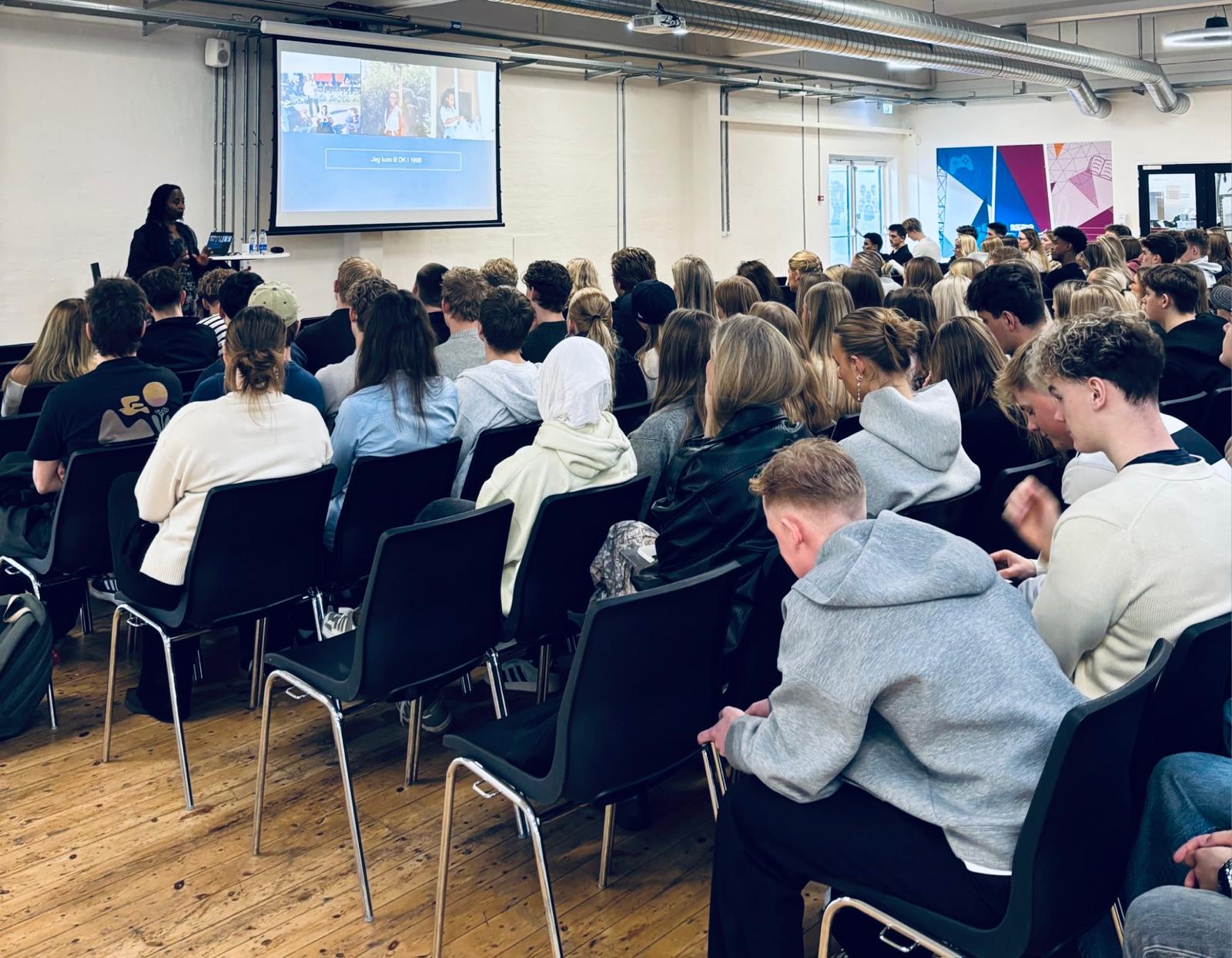
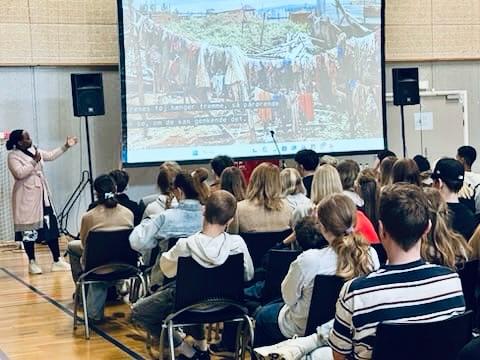
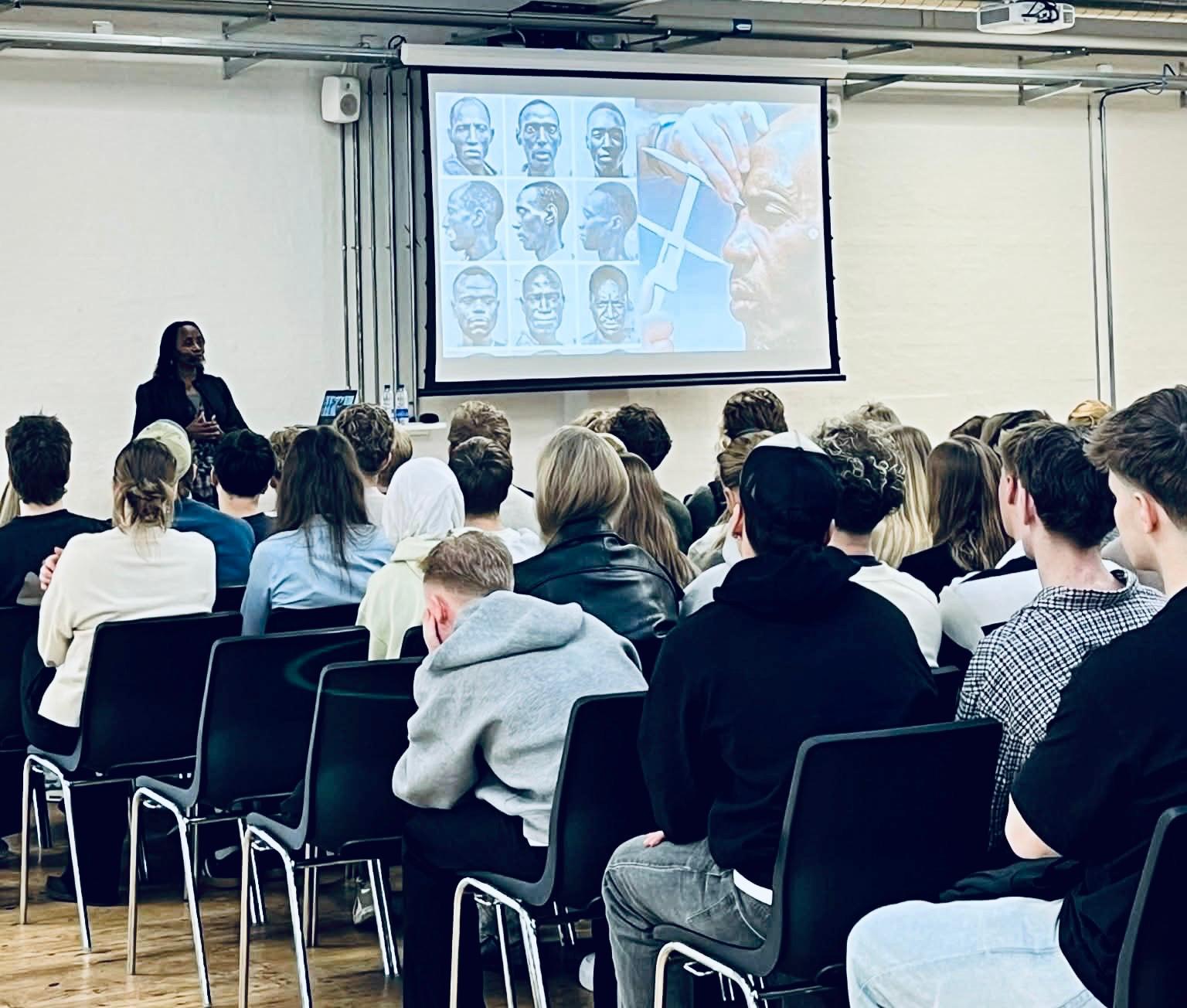
Speaking to IGIHE, Jackiline Hansen explained her efforts to raise awareness among students about the genocide ahead of the 32nd commemoration period.
Hansen said her commitment to this work began within the Rwandan community in the Jylland-Fyn region through Kwibuka activities organized to honor victims of the genocide.
“My commitment began with our early initiatives within the Rwandan community in Jylland-Fyn, particularly through Kwibuka activities dedicated to commemorating the victims of the genocide,” she said.
She noted that from a young age, she felt a personal responsibility to share Rwanda’s history and ensure that the truth about the genocide is preserved.
“From a young age, I made it my mission to convey the truth about Rwanda’s history, guided by my convictions and the lessons I have received,” she explained. “I strongly believe that every Rwandan has a responsibility to defend the memory of our history, especially in the face of those who distort, downplay, or even deny it.”
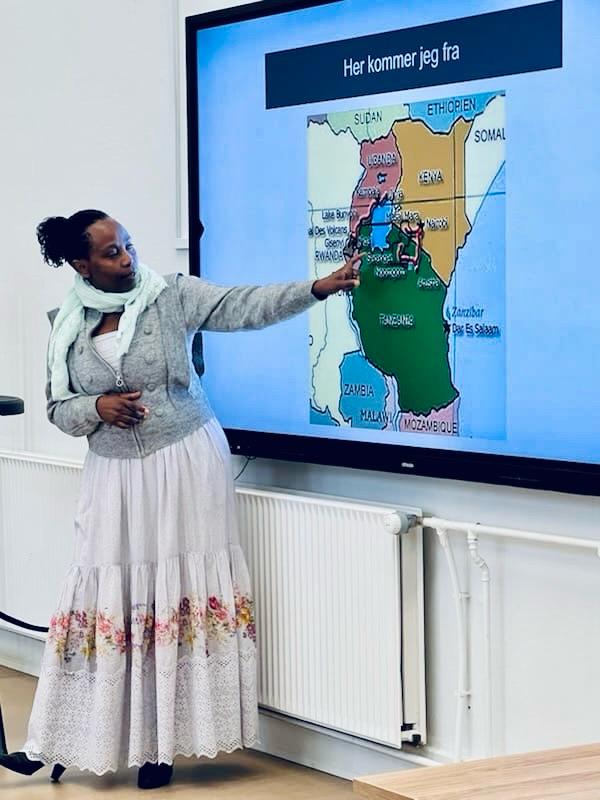
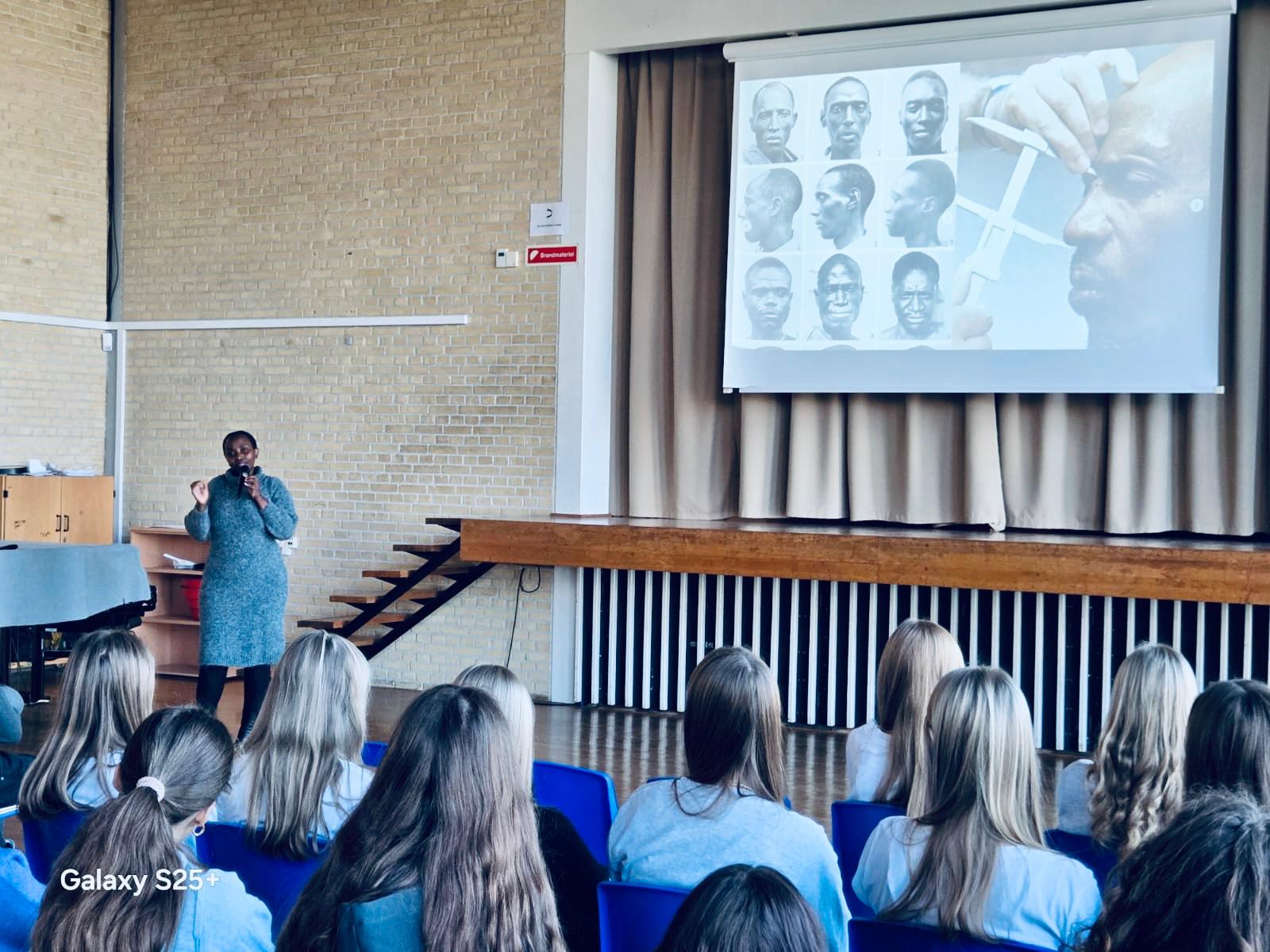
As part of her awareness efforts, Hansen recently led educational sessions in six schools across Copenhagen, where she engaged more than 400 students in discussions about the genocide and its lasting impact.
The sessions created a space for dialogue and reflection, focusing on themes such as collective responsibility, justice, the reconstruction of Rwandan society after the genocide, and the country’s ongoing efforts to promote sustainable development and strengthen resilience among its population.
Hansen recalled one particularly memorable moment during the sessions.
“During one session, some students invited their parents to join the discussion, showing that passing on memory can go beyond school walls and reach the wider community,” she said.
According to Hansen, the strong engagement from students highlighted the importance of educating younger generations through consistent initiatives that preserve historical memory and promote understanding.
“Speaking about our history as Rwandans is a true responsibility,” she concluded.
From March 23 to 29, 2026, delegates will gather at the Bosque Expo venue for what promises to be a pivotal UN wildlife conference, the first time Brazil has hosted this landmark event.
Under the compelling theme “Connecting Nature to Sustain Life”, the meeting underscores the indispensable role of ecological connectivity, the seamless web of habitats, corridors, and stopover sites that migratory species rely on to complete their epic journeys.
Representatives from the CMS’s 133 Parties, comprising 132 countries plus the European Union, will join forces with scientists, conservation organizations, Indigenous Peoples, local communities, environmental NGOs, and other stakeholders from across the globe.
High-level government officials, including Brazil’s Ministry of the Environment and Climate Change leadership, are expected to preside over sessions, with João Paulo Capobianco designated as the COP15 President. The gathering will also feature side events, stakeholder dialogues, and a dedicated high-level segment aimed at securing renewed political commitments.
This COP follows the momentum built at COP14, held in February 2024 in Samarkand, Uzbekistan, the first CMS COP in Central Asia, under the banner “Nature Knows No Borders.”
That meeting launched the groundbreaking State of the World’s Migratory Species report, revealing that 44% of monitored populations were declining and over one in five listed species faced extinction risk.
It also adopted the Samarkand Strategic Plan for Migratory Species 2024–2032, setting ambitious targets for habitat restoration, reduced infrastructure impacts, and enhanced connectivity.
Recent updates paint an even starker picture: an interim assessment shows declines have worsened to 49% of migratory species populations, with 24% now at heightened extinction risk.
Mounting threats include habitat fragmentation, overexploitation, fisheries bycatch, marine and plastic pollution, illegal take, climate-driven disruptions, light pollution, renewable energy infrastructure collisions, anthropogenic noise, and emerging risks like deep-sea mining.
Delegates at COP15 are poised to tackle these challenges head-on through a comprehensive agenda. Key discussions will center on implementing the Samarkand Strategic Plan, proposing amendments to the CMS Appendices to afford stricter protections to vulnerable species; such as certain sharks and rays, hammerhead and thresher sharks, giant otters, striped hyenas, Amazon catfish, and potentially others like the snowy owl.
Cross-cutting issues will dominate debates, including measures to curb bycatch and fisheries mortality, combat pollution and illegal take, promote wildlife health, address climate impacts, safeguard seamount ecosystems, and advance ecological connectivity initiatives, including tools like an Atlas of Animal Migration.
Participants will also explore synergies with other global frameworks, such as the Convention on Biological Diversity and Ramsar wetlands convention, while emphasizing sustainable livelihoods, pastoralism in rangelands, and the role of infrastructure in minimizing harm to migratory routes.
Expected outcomes include the adoption of a high-level Ministerial Declaration reaffirming global commitments, approvals of new species listings and concerted action plans, strengthened guidelines on emerging threats, and concrete steps to operationalize the Strategic Plan through the next decade.
These decisions could galvanize coordinated international efforts, potentially reversing declines and ensuring migratory species, from soaring birds and ocean-crossing whales to river-traversing fish, continue to sustain ecosystems and human well-being.
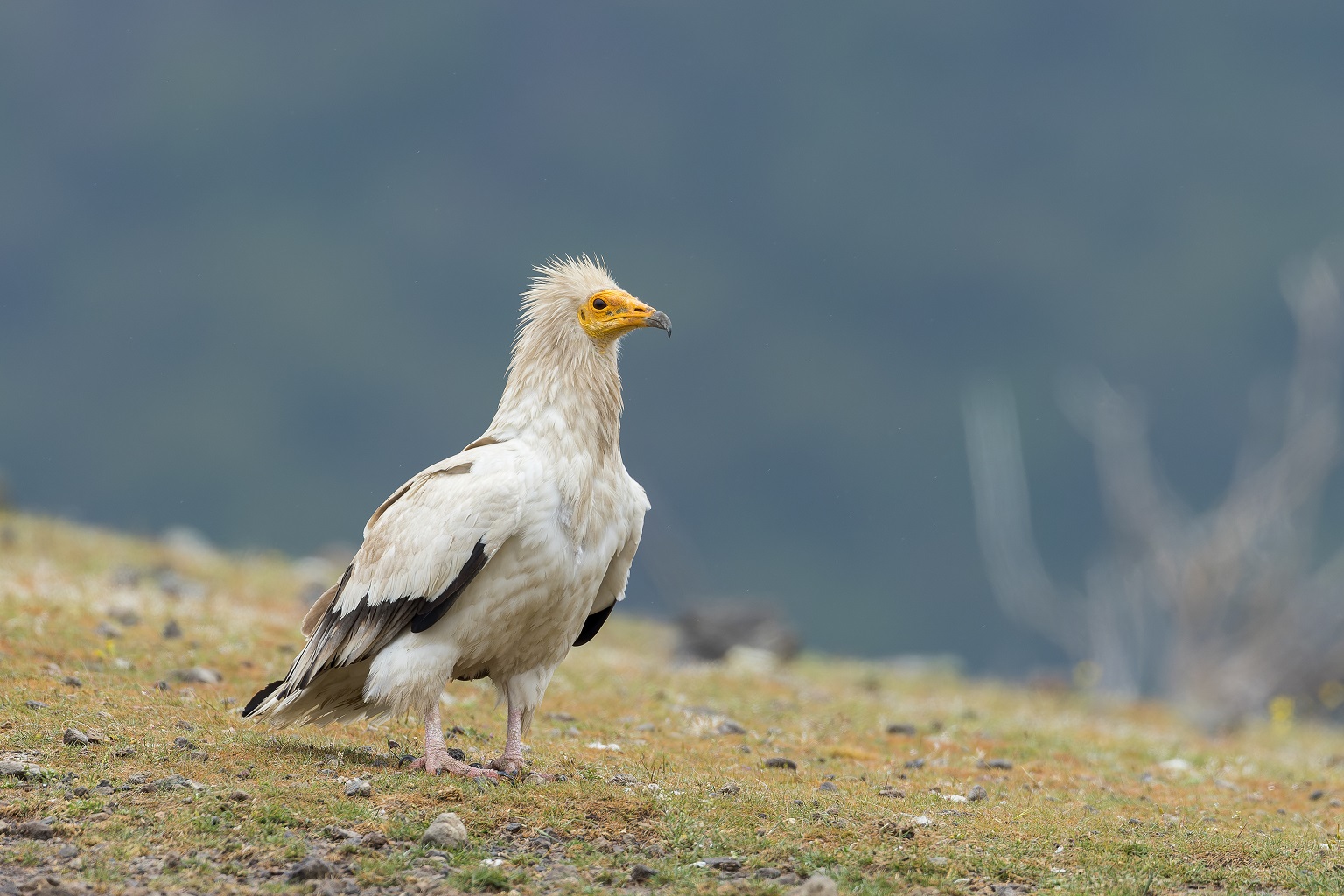
The Egyptian vulture can fly up to 640 kilometers (400 miles) in a day as it travels between its wintering grounds in the Sahara and European breeding sites — a migration that of up to 5,000 km (3,100 mi). Image by Sergey Dereliev.
Earth’s day is not always exactly 24 hours. It changes naturally because of the moon’s pull and processes inside the planet. But recent climate change adds a new factor. As ice melts, water moves from land to oceans, shifting Earth’s mass. This slows rotation, like a figure skater spinning more slowly when stretching their arms.
To study how unusual this is, researchers looked at tiny marine fossils called benthic foraminifera. The chemical makeup of these fossils shows old sea levels. Using this data and a special computer model, scientists could estimate how day length changed over millions of years.
During past ice ages, growing and melting ice sheets changed day length, but none as fast as today. Only around 2 million years ago was the change somewhat similar, but still slower.
This shows that today’s climate change is faster than anything in the last 3.6 million years, according to said Benedikt Soja of ETH Zurich. By the end of this century, human-driven climate change could affect day length even more than the moon does.
Even though the change is only a few milliseconds, it can affect precise tasks like space travel.
Scientists from the University of Vienna and ETH Zurich say climate change is slowing Earth’s spin, making our days slightly longer.
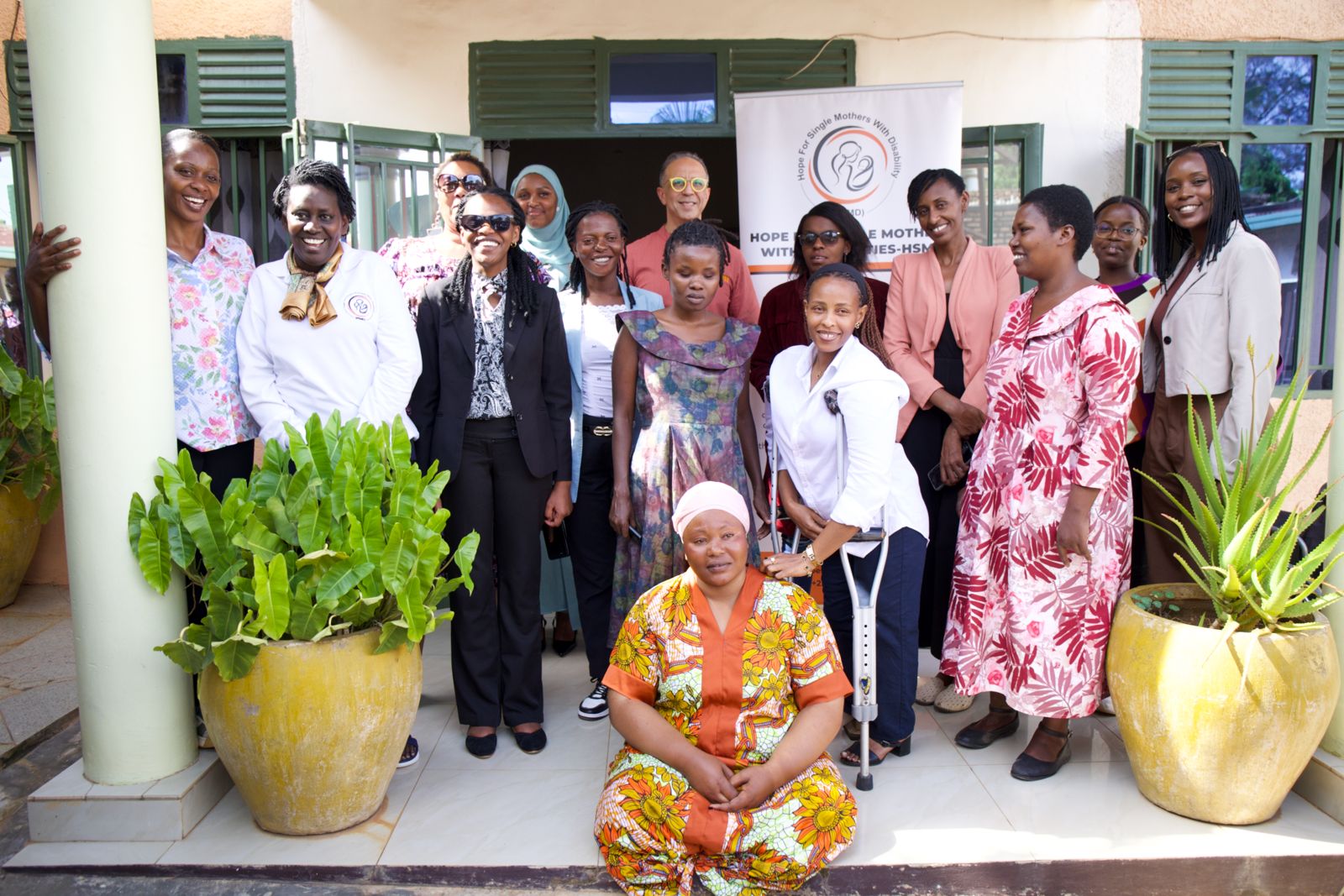
The visit centred on two of HSMD’s most pressing needs: economic empowerment and access to menstrual hygiene. In response, Zaria Court Hotel donated a two-year supply of reusable sanitary pads for 100 girls, each recipient receiving a complete pack sufficient to cover their full monthly cycle.
The choice of reusable pads was intentional and thoughtful: a sustainable, dignified solution that addresses a recurring need without placing an ongoing financial burden on women who already face significant economic hardship.
“There is a special kind of warmth you feel when you witness pure determination and hope, and we experienced that today at HSMD. Stepping away from the day to day of Zaria Court Hotel to spend time with these mothers and their children was a grounding experience.
“Their courage in the face of daily challenges is a lesson in humanity , and we are proud to stand beside them, not just as a hotel, but as neighbours and advocates,” said Walid Choubana, General Manager, Zaria Court Hotel, Tapestry Collection by Hilton.
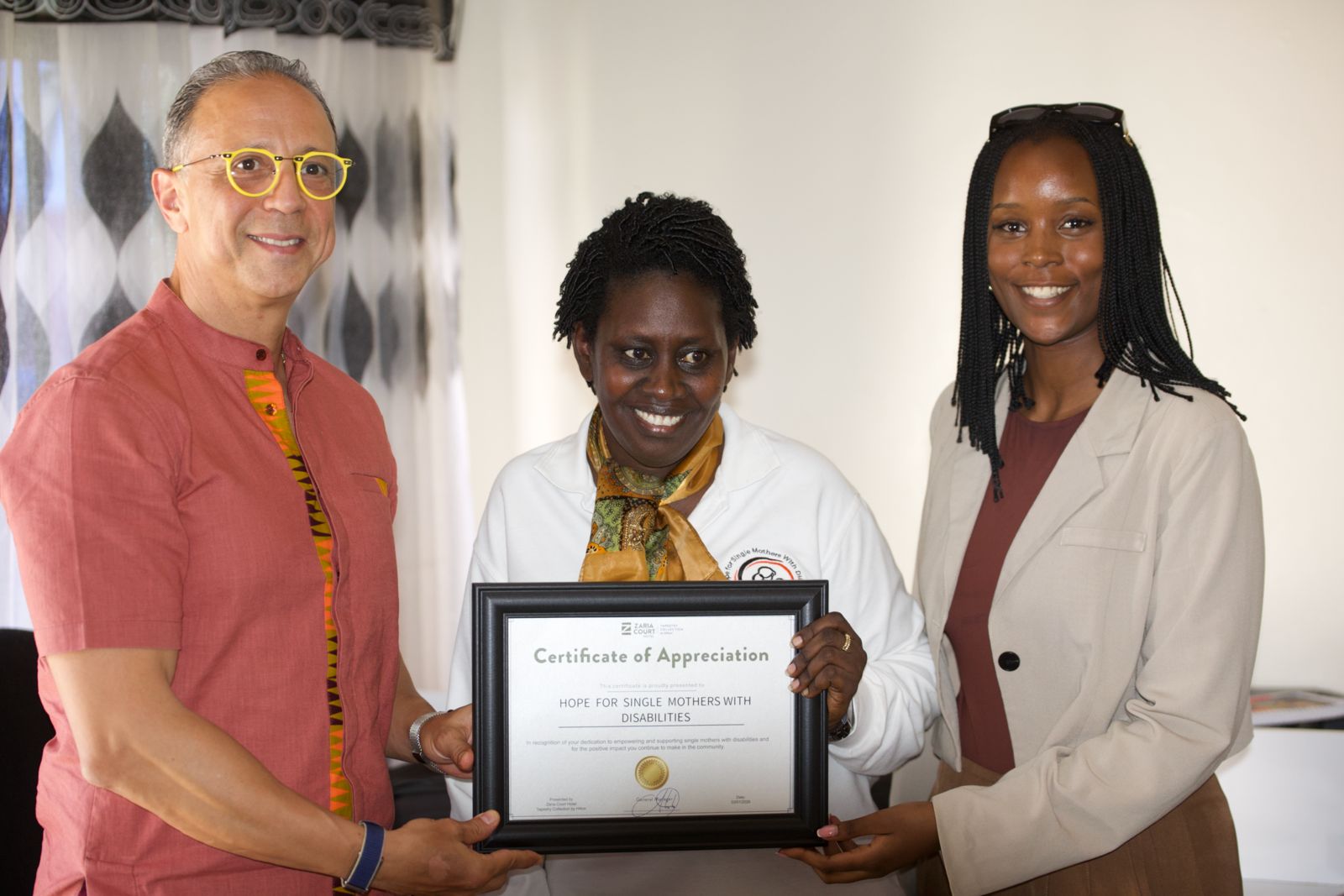
Beyond the material donation, Zaria Court Hotel presented HSMD with a Certificate of Recognition, a formal acknowledgment of the organisation’s tireless work in championing the rights and wellbeing of single mothers and girls with disabilities in Rwanda. HSMD’s vision of “a society where single mothers and girls with disabilities are self-reliant, live a dignified life free from violence” resonates deeply with Zaria Court Hotel’s own belief that prosperity in a community cannot be selective.
“We appreciate Zaria Court Hotel from our hearts for choosing to come and celebrate Women’s Month with us. You have seen our mothers and heard their testimonies . Now go and be our ambassadors. Advocate for the rights of single mothers with disabilities, be their voice, and help carry their stories far enough to change their lives,” said Ms. Tumwine Winnie, Executive Director, Hope for Single Mothers with Disabilities.
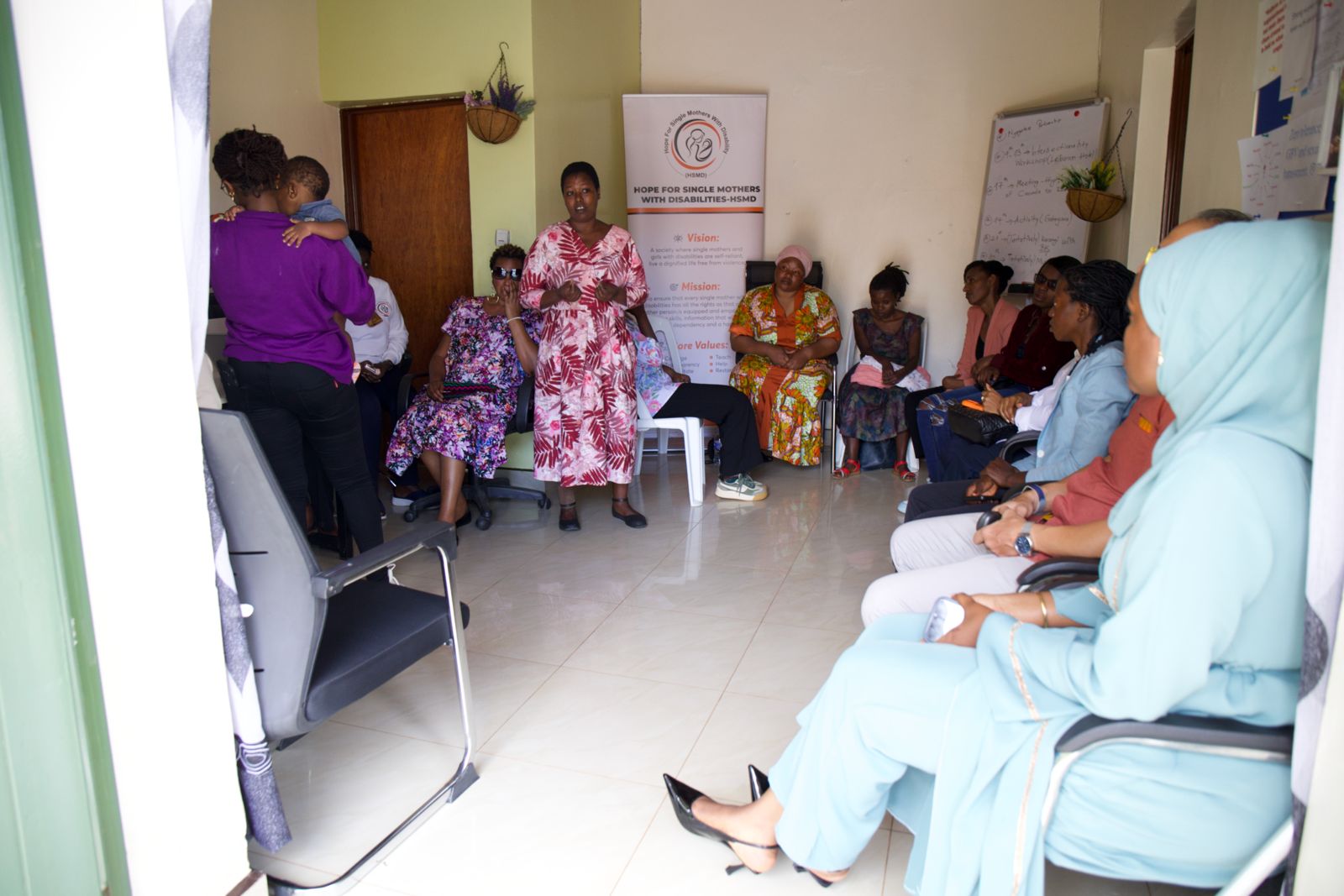
Perhaps the most quietly powerful moment of the visit was when the hotel’s team sat down to listen- Truly listen, to the stories shared by HSMD beneficiaries. Women who have navigated poverty, disability, social exclusion, and gender-based violence while raising children alone and willing to share their journeys with openness and grace. It was a moment that, as the Zaria team described it, “truly reinforced the importance of why we want to contribute impact into the community around us.”
“Living with visual impairment while raising a child alone is a challenge the world rarely stops to acknowledge. Too often, we are invisible. When Zaria Court Hotel walked through our doors, they brought more than gifts , they brought dignity. They sat with us, they listened, and they made us feel that our lives and our struggles matter. That kind of recognition gives you the strength to keep going. It reminded us that we are not alone,” noted Chantal Juru, Member, Hope for Single Mothers with Disabilities.
HSMD has been operational in Rwanda since 2018. The organisation works through an intersectional approach, recognising that single mothers and girls with disabilities face compounded barriers rooted in gender, disability, poverty, and geography.
Its programs span economic empowerment through skills training and microfinance support, protection from gender-based violence, access to sexual and reproductive health rights (SRHR), legal literacy, mental health services, and feminist leadership development. At its core, HSMD advocates for a Rwanda where no woman’s potential is capped by her circumstances.
“We came here to be with you today, to be part of this community and to show you that there are people out there who think of you every day. We promise to treat people with equality, regardless of their disabilities, including when it comes to employment,” stated Walid Choubana, General Manager, Zaria Court Hotel, Tapestry Collection by Hilton.
Zaria Court Hotel’s CSR initiative this Women’s Month reflects a growing conviction within the hospitality industry that businesses are not islands. As part of the Hilton family and one of Kigali’s premier establishments, Zaria Court Hotel recognises that the communities in which it operates are not just contexts, they are responsibilities. This visit to HSMD was not a one-time campaign; as it is the beginning of a conscious, ongoing relationship with the women and organisations shaping a more equitable Rwanda.
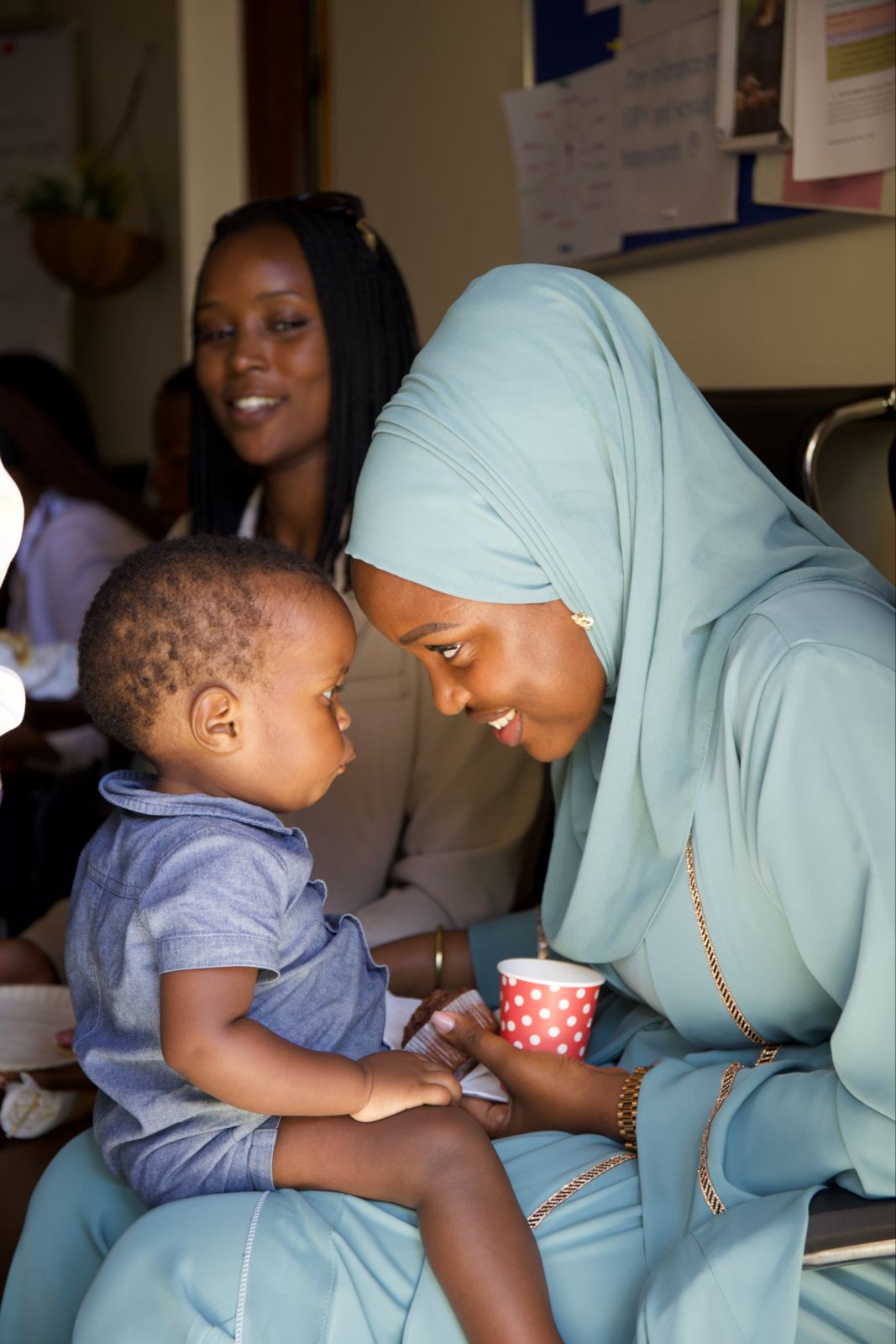
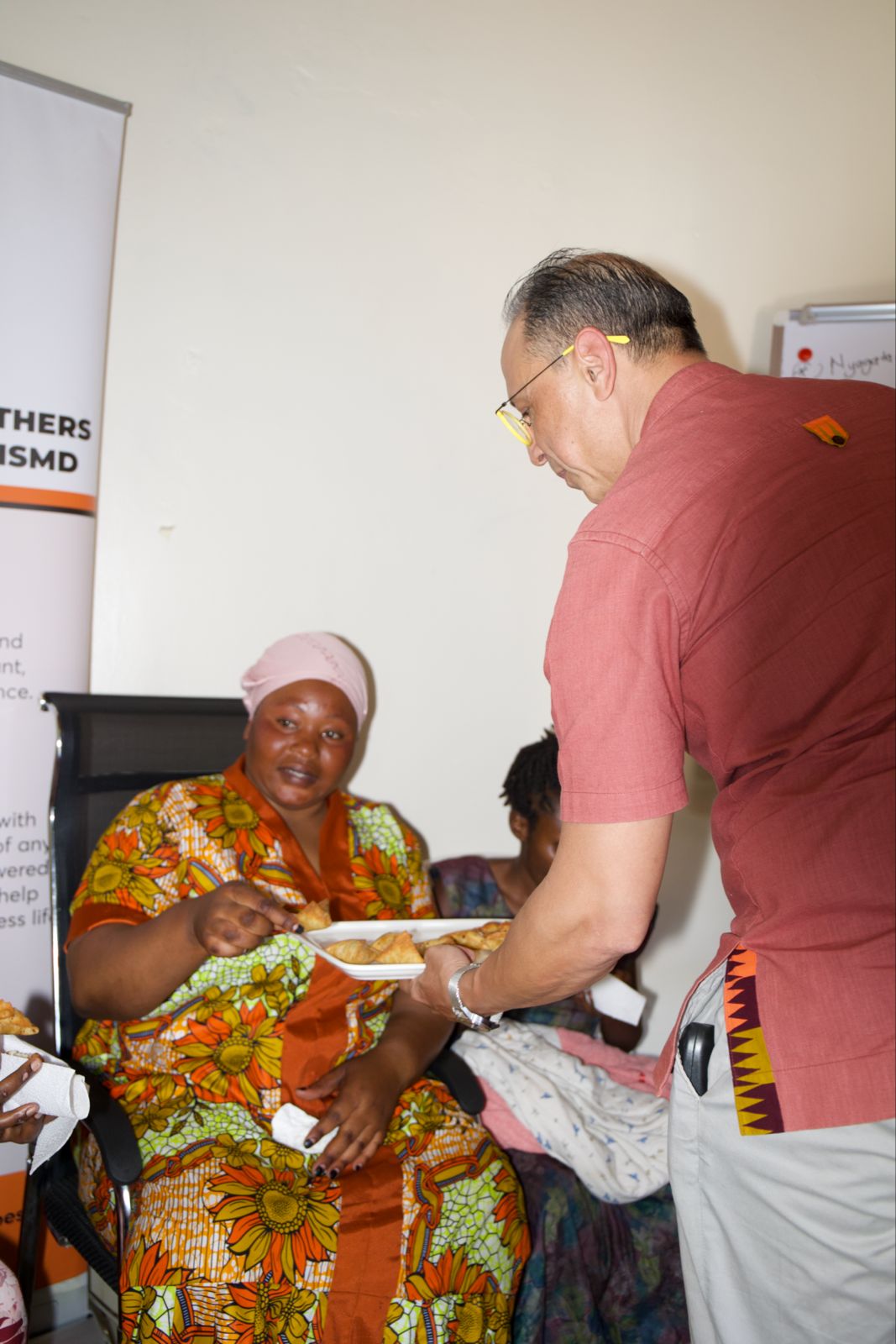
Zaria Court Hotel has celebrated Women’s Month with single mothers with disabilitiesThe visit centred on two of HSMD’s most pressing needs. The delegation also listened to the stories shared by HSMD beneficiaries. A delegation from the hotel visited Hope for Single Mothers with Disabilities on March 11, 2026. Beyond the material donation, Zaria Court Hotel presented HSMD with a Certificate of Recognition, a formal acknowledgment of the organisation’s tireless work in championing the rights and wellbeing of single mothers and girls with disabilities in Rwanda.
Heavy elements like gold and platinum are not formed on Earth. They are created during powerful cosmic events such as exploding stars or collisions between neutron stars.
During these extreme moments, a process known as the Rapid neutron capture process occurs. In this process, atomic nuclei quickly absorb neutrons, becoming heavier and unstable before breaking into more stable elements.
To better understand this transformation, scientists carried out experiments at the CERN using its ISOLDE Facility. The team studied a rare atomic form called indium-134 and tracked how it decays into different tin isotopes.
Their research revealed three major discoveries. The most important was the first measurement of energy released when unstable nuclei emit two neutrons during decay. This rare reaction helps scientists understand how heavy elements form during violent stellar events.
The researchers also identified a long-predicted nuclear state in tin-133 that had remained hidden for two decades. This discovery shows that the atomic nucleus still “remembers” how it was formed, challenging earlier theories that suggested the process erased such information.
Finally, scientists observed behavior that does not match existing nuclear models, suggesting that current theories may need to be revised.
The findings provide new clues about how elements like gold are created in the universe and could help scientists improve models that explain the origins of matter in space.
Scientists have made a breakthrough in understanding how precious metals such as gold are created in the universe.
There is no clear evidence that Iran has placed mines in the Strait of Hormuz, he said at a news briefing.
He said the United States is planning for Iran’s various measures and “that’s not a strait we’re gonna allow to remain contested.”
The Strait of Hormuz, a narrow waterway that connects the Gulf and the Gulf of Oman, is one of the world’s most critical maritime chokepoints, carrying around a quarter of global seaborne oil trade and significant volumes of liquefied natural gas and fertilizers.
Hegseth also told reporters that strikes carried out by the United States and Israel have significantly weakened Iran’s military capabilities.
“Between our Air Force and that of the Israelis, over 15,000 enemy targets have been struck,” he said.
Iran’s missile volume is down 90 percent and that of their one-way attack drones was down 95 percent as of Thursday, Hegseth further said.
Hegseth threatened that “today will be yet again, the highest volume of strikes that America has put over the skies of Iran and Tehran.”
Hegseth also told reporters that the U.S. Central Command has designated an investigating officer to complete a command investigation into a strike on an elementary school in Iran that killed over 160 people, mostly pupils.
The Feb. 28 strike on Shajarah Tayyebeh elementary school in Minab occurred during U.S. operations targeting a nearby Iranian military base.
According to reports, a preliminary finding from an ongoing military investigation indicates that the school was struck by a U.S. Tomahawk missile.
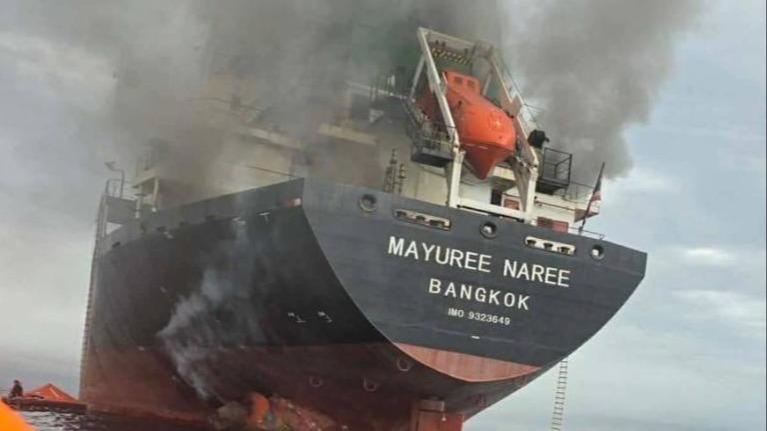
A fire breaks out on a Thai cargo ship after it was struck in the Strait of Hormuz on March 11, 2026.
“The full cost to the Government of Rwanda is at least 10 times more, in addition to the ultimate sacrifice of loss of soldiers’ lives, all to stabilize Cabo Delgado,” she said.
Makolo was reacting to a report by Bloomberg indicating that the European Union’s funding to Rwandan forces deployed in Cabo Delgado could come to an end in May 2026.
The €20 million package was approved by foreign ministers of the European Union during a meeting in Brussels, Belgium, on November 18, 2024. It followed another €20 million support package granted to Rwandan troops in December 2022, about a year and a half after they began the deployment.
The reported halt in funding comes after the United States announced sanctions against the Rwanda Defence Force (RDF) on March 2, 2026, accusing Rwanda of supporting the M23 rebel group, allegations Kigali has repeatedly denied.
A spokesperson for the European Union said the assistance programmes approved in 2022 and 2024 will expire in May 2026, adding that the bloc is reviewing the implications of the recent US sanctions targeting Rwandan military leaders.
Bloomberg reported that there are currently no plans to extend the funding.
Makolo noted that Rwanda’s continued deployment in Cabo Delgado, if deemed necessary, depends on sufficient and predictable support.
“The sustainability of Rwanda’s bilateral counter-terrorism deployment in Mozambique, if our forces are actually needed, depends on adequate, predictable funding,” she said.
She recalled that Rwanda first deployed its forces in 2021 following a request from the Mozambican authorities.
“Rwandan Forces went to Cabo Delgado in 2021 at the request of the Mozambican government, to work with a brotherly African country that needed the support; money was not the first consideration,” she said.
Makolo highlighted the impact of the mission, noting that civilians have returned to their homes, children have gone back to school, businesses have reopened, and major foreign investments have resumed.
Cabo Delgado is rich in natural gas resources and hosts major liquefied natural gas projects led by TotalEnergies, valued at around $20 billion.
The project has also received backing from the Export-Import Bank of the United States.
Makolo stressed that the work carried out by the Rwanda Defence Force has benefited both local communities and companies investing in LNG projects.
“To be clear, the work of RDF in countering terrorism in Cabo Delgado has benefitted the Mozambican people and the companies investing in LNG, and supporting that work is not a favor being granted to Rwanda,” she said.
“Should the RDF Command assess that the work being done by Rwandan Security Forces in Cabo Delgado is not appreciated, they would be right to urge the government to end this bilateral counter-terrorism arrangement and pull out,” Makolo concluded.
Rwanda first deployed its forces in 2021 following a request from the Mozambican authorities.
During the summoning, the direct involvement of Britain and France in this “terrorist attack,” which killed seven people and injured over 40, was pointed out, the ministry said in a media release.
“It is clear to us that the missile attack on Bryansk would not have been possible without the involvement of British and French specialists, as well as without the transfer of intelligence” to Kiev, it said.
It was also stated that Moscow views the shelling of Bryansk as a deliberate provocation aimed at undermining the intensified efforts to peacefully resolve the Ukraine crisis.
Moscow demanded that the United Kingdom and France issue a clear public response with a firm and unequivocal condemnation of the attack.
“Failure to do so will be considered solidarity with the terrorist methods, which is a disgrace for countries that are permanent members of the UN Security Council,” the release added.
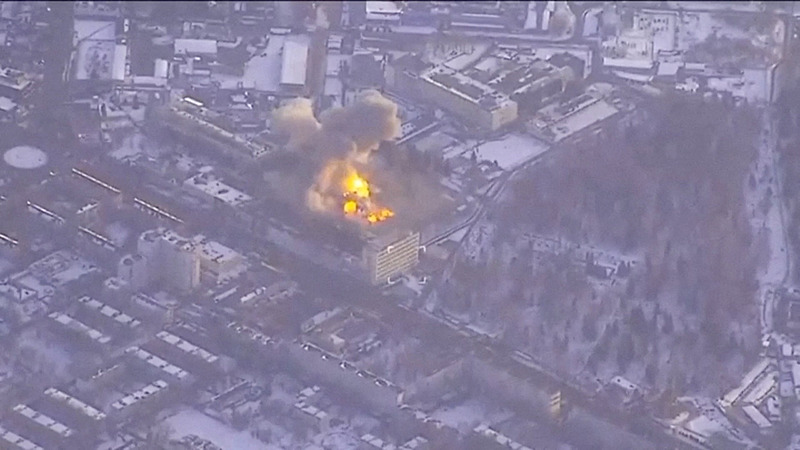
Ukraine’s military hits Russian missile plant in Bryansk. Photo by Reuters