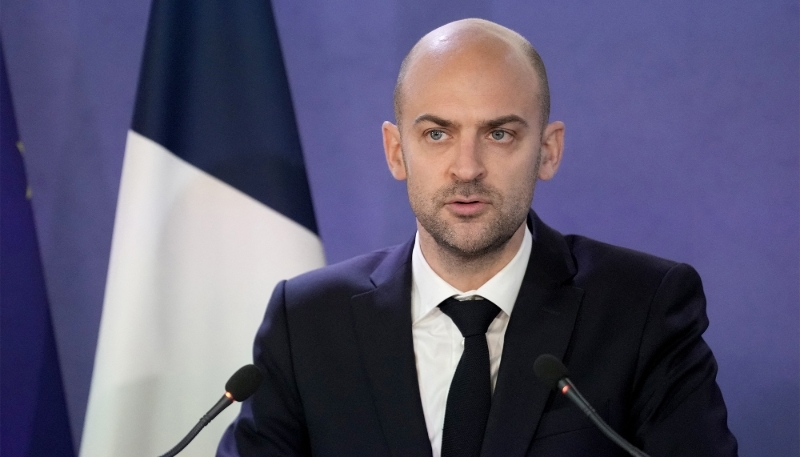
The Republic of Maldives has nominated Virginia Gamba, former UN under-secretary-general, for the position, according to a joint letter signed by UN General Assembly (UNGA) President Annalena Baerbock and Michael Waltz, president of the UN Security Council for March.
According to her curriculum vitae, Gamba is an Argentine scholar, practitioner and recognized authority on war and peace studies with over 40 years relevant experience on all themes related to peace and security, including crisis management.
At the United Nations, she served as under-secretary-general in two dockets: Children and Armed Conflict (2017-2025), and the Prevention of Genocide (2024-2025).
The four other candidates are former Chilean President Michelle Bachelet, nominated by Chile, Brazil and Mexico; Rafael Grossi, the current director general of the International Atomic Energy Agency, nominated by Argentina; Macky Sall, former president of Senegal, nominated by Burundi; and Rebeca Grynspan, economist and former vice president of Costa Rica, nominated by Costa Rica.
The UNGA is scheduled to conduct interactive dialogues with the candidates in the week of April 20.
Virginia Gamba served as the Special Representative of the UN Secretary-General for Children and Armed Conflict
The Ministry of Interior and National Administration said the victims comprise 46 men, eight women, and eight children.
“Nairobi recorded the highest number of deaths with 33, followed by the Eastern region at 17, and Rift Valley region with seven,” the ministry said in an update released in Nairobi, the Kenyan capital.
The government said the floods have affected more than 10,000 households, with 4,845 people displaced and forced to seek shelter in safer areas.
The heavy rainfall has caused flooding in several parts across the East African nation, leading to road closures, property damage, displacement and distress among the affected communities.
In addition to the tragic loss of lives, significant damage to infrastructure and livelihoods has been reported.
The Kenya Meteorological Department has forecast continued heavy rainfall and urged residents to take extreme caution to prevent further loss of life.
Kenya said floods have affected more than 10,000 households, with 4,845 people displaced
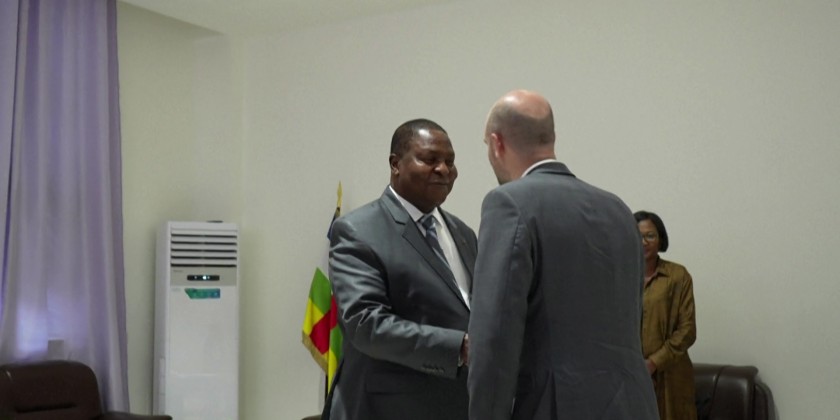
Barrot made the announcement during a two-day trip to the country.
“This is the first time in eight years that a French foreign minister is present in Bangui and my presence marks the complete restoration of relations between our two countries after a period of strain and tension,” Barrot told reporters.
He said France was looking forward to “reinforcing our relations in all sectors”.
In 2024, Faustin-Archange Touadera, president of the Central African Republic, met with his French counterpart Emmanuel Macron in Paris as part of efforts to resume ties.
Since the first State of the World’s Migratory Species report in 2024, the proportion of imperiled CMS-listed species has risen from 44% to 49%, highlighting an alarming trend over just two years.
Migratory animals, from shorebirds to freshwater fish, rely on moving across continents to breed, find food, and escape harsh weather.
Blue wildebeest, for instance, migrate across the Serengeti-Masai Mara Ecosystem in East Africa following seasonal grass growth, while humpback whales travel thousands of miles between tropical breeding grounds and Antarctic feeding areas.
When habitats are lost or fragmented, these natural journeys are disrupted, threatening the survival of entire populations.
The report identifies multiple drivers of decline, including habitat loss, hunting, overfishing, and climate change. Roads, railways, fences, and pipelines often block long-established migration routes, constraining species such as the Mongolian gazelle.
In the Arctic, mining activities and climate change have contributed to dramatic losses of tundra caribou, with some herds shrinking from hundreds of thousands to just a few thousand over decades.
Birds, in particular, are being heavily affected by highly pathogenic avian influenza (HPAI). Since 2020, H5N1 has caused mass die-offs, killing tens of thousands of waterfowl and shorebirds, and spreading to more than 500 bird species and over 100 mammals worldwide.
Species impacted include Peruvian pelicans, hooded cranes, African penguins, and red-crowned cranes, with Australia remaining largely unaffected. The virus, combined with habitat loss, has intensified the decline of many avian species.
Despite these challenges, there are some conservation successes. The reintroduction of the scimitar-horned oryx in Chad has increased its population to 575, and saiga antelope numbers have rebounded after disease outbreaks.
Mapping migration routes and creating safe corridors remain critical. Protected areas along the Serengeti-Masai Mara Ecosystem Corridor, for example, allow up to 2.5 million herbivores, including wildebeest, zebras, and gazelles, to migrate safely over vast distances.
CMS Executive Secretary Amy Fraenkel emphasizes the need for cross-border habitat protection, especially for birds and ocean species, which require networks of safe areas rather than single contiguous spaces.
Ahead of the 15th Conference of the Parties to the Convention on the Conservation of Migratory Species of Wild Animals (CMS COP15), 42 new migratory species are being proposed for CMS listing, the largest number ever, to spur urgent action.
“We know what needs to be done, and we look forward to galvanizing action by governments and other stakeholders to protect, conserve and save these species. There is no time to wait,” said Susan Lieberman, vice president of international policy at the Wildlife Conservation Society.
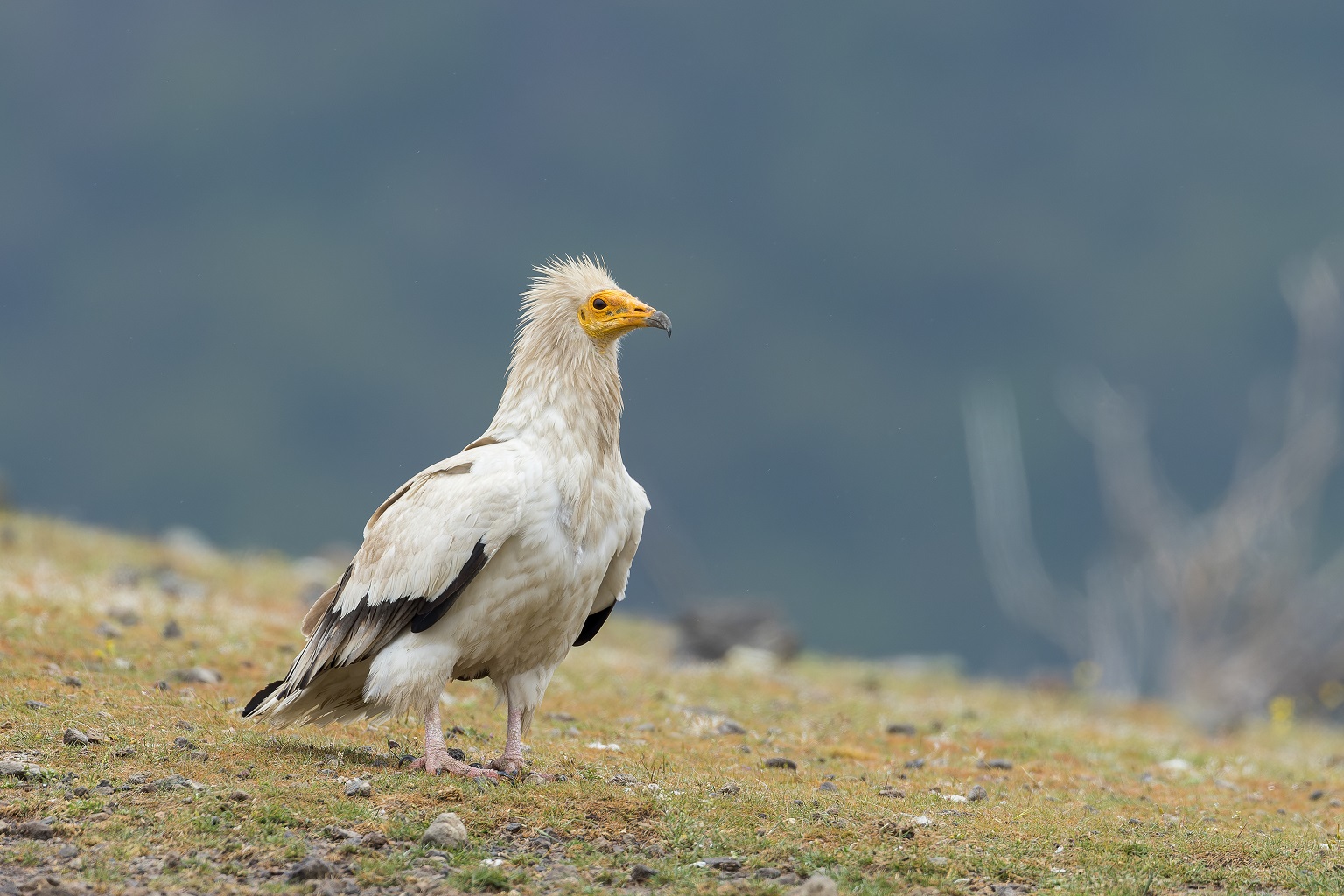
Many bird species have lost vital stopovers along flyways, but with ongoing spread of Highly Pathogenic Avian Influenza, some populations have been decimated. Shorebirds have been particularly hard-hit, including pelicans. Image by Sergey Dereliev.The Egyptian vulture can fly up to 640 kilometers (400 miles) in a day as it travels between its wintering grounds in the Sahara and European breeding sites — a migration that of up to 5,000 km (3,100 mi). Image by Sergey Dereliev.
Speaking at a press conference on Thursday, senior NASA official Lori Glaze said the agency is working toward the new launch date after the mission, originally planned for February, was postponed.
“We are on track for a launch as early as April 1, and we are working toward that date,” Glaze said, noting that although progress is encouraging, engineers still have work to complete. She described the mission as a crucial test flight that carries inherent risks.
The launch window is expected to open on April 1 at 6:24 p.m. GMT, with several additional opportunities available during the following days.
The mission will carry four astronauts: Americans Reid Wiseman, Victor Glover, and Christina Koch, along with Canadian astronaut Jeremy Hansen.
According to NASA, the spacecraft will first orbit Earth before heading toward the Moon, completing a flyby without landing and then returning to Earth for an ocean splashdown. The distance from the lunar surface will vary depending on the launch date, ranging between roughly 4,000 and 6,000 miles.
While the earlier Artemis I mission passed much closer to the Moon, Artemis II will still take astronauts tens of thousands of miles closer than any humans have traveled since the era of the Apollo program.
NASA plans to follow the mission with Artemis III, which aims to support a future lunar landing as part of the broader Artemis program to return humans to the Moon.
According to NASA, the spacecraft will first orbit Earth before heading toward the Moon, completing a flyby without landing and then returning to Earth for an ocean splashdown.
New Faces New Voices Rwanda is a non-profit organization that advances women’s economic participation through financial inclusion, entrepreneurship development, and leadership strengthening, ensuring women are active contributors to Rwanda’s economic growth.
Since its establishment in Rwanda in 2015, NFNV has worked to expand women’s access to finance, entrepreneurship skills, cooperative structures, and leadership opportunities.
The organization equips women with practical tools to earn income, manage finances, access markets, and participate in local economic decision-making.
Over the past decade, this work has contributed to visible shifts at the community level. Young women who once operated informal or subsistence activities have formalized businesses through cooperatives, entered trades traditionally dominated by men, and strengthened household income through collective enterprise.
Young women with disabilities have also expanded their economic independence through targeted support and improved access to financial services.
The anniversary event in Ruhango highlighted these experiences as examples of how women shape local economic systems when barriers are reduced and opportunities are expanded.
NFNV’s progress has been supported by strong partnerships over the past decade, including collaboration with the Mastercard Foundation and Rugori Investment Network through the Women-led, Women-owned MSME Investment Readiness Program, as well as partnerships with UN Women and other institutions advancing inclusive economic empowerment.
NFNV also established Rugori Investment Network as a sister organization to strengthen access to capital for women entrepreneurs.
Within this ecosystem, New Faces New Voices Rwanda operates as an incubator supporting women-led businesses with training, mentorship, and investment readiness, while Rugori Investment Network serves as the investment partner investing in prepared entrepreneurs.
As guest of honor, Reeta Roy, former CEO and President of the Mastercard Foundation, emphasized the importance of generational leadership: “There is something deeply generational about the work being done. When older women pass their skills and knowledge to younger ones, they ensure continuity and long-term resilience. That is exactly what New Faces New Voices Rwanda is helping to achieve.”
A young program participant also reflected on her experience: “New Faces New Voices helped me believe in myself. Through this journey, I learned that I can lead others and have a clear direction for my life, especially knowing that NFNV is walking alongside me.”
Joy S. Rwamwenge, CEO of New Faces New Voices Rwanda, highlighted the organization’s impact, from supporting 35 cooperatives in its early pilot to over 460 cooperatives creating 11,500 youth in work today.
“With a presence in 28 districts across Rwanda, we are witnessing what happens when preparation meets opportunity for women entrepreneurs,” she said
As NFNV enters its second decade, the organization seeks to focus on strengthening pathways from skills to income, deepening financial inclusion for underserved women, and working with partners to embed inclusive economic practices within cooperatives, financial institutions, and local markets.
With ten years of progress, the organisation emphasizes, the next phase will focus on scale, sustainability, and systems that work for women over the long term.
Reeta Roy, Former President of Mastercard Foundation, with Ivan Ntwali, Mastercard Foundation Country Director for Rwanda. Reeta Roy, former CEO and President of the Mastercard Foundation, toured the exhibitions and interacted with the participants.Joy Ndungutse Board Chair of New Faces, New Voices also graced the event. Joy S. Rwamwenge, CEO of New Faces New Voices Rwanda, highlighted the organization’s impact, growing from 35 pilot cooperatives to over 460, now engaging 11,500 youth in work.Representatives from partner institutions joined the celebration of a decade of women’s economic empowerment.Participants gather in Ruhango as New Faces New Voices Rwanda marks 10 years of advancing women’s economic participation.Participants listen during discussions on strengthening women-led enterprises.Women who benefited from entrepreneurship programs showcased the impact of skills training and mentorship.Leaders and partners reflected on a decade of empowering women economically across Rwanda. The anniversary event highlighted how women are shaping local economies through entrepreneurship and financial inclusion.Young women supported by New Faces New Voices Rwanda shared their experiences during the 10-year anniversary event in Ruhango District.Women entrepreneurs attended the anniversary event celebrating a decade of impact by New Faces New Voices Rwanda.Women were appreciated for their dedication. Young women supported by New Faces New Voices showcased their agricultural products.Other showcased art products. Different products were showcased by the beneficiaries.The organization seeks to focus on strengthening pathways from skills to income, deepening financial inclusion for underserved women
The financial district, one of the region’s most important economic hubs, was struck amid a broader wave of aerial threats targeting Gulf states. Explosions were reported shortly after the incident, raising alarm in the busy commercial area.
Authorities later confirmed that the damage was limited. The Dubai Government Media Office said debris from a successful air defense interception fell onto the façade of a building in central Dubai, causing minor structural damage.
“Authorities confirm that debris from a successful interception caused a minor incident on the façade of a building in central Dubai. No injuries have been reported,” the office said in a statement, adding that investigations into the incident were ongoing.
Meanwhile, the UAE National Emergency, Crisis and Disaster Management Authority stated that the country’s air defense systems were responding to a missile threat but did not provide further details.
Elsewhere in the region, Saudi Arabia reported intercepting two hostile drones over Al-Kharj Governorate, according to the Saudi Defense Ministry. Another drone was also shot down near the embassies district in Riyadh.
The incidents come amid a wave of retaliatory strikes by Iran since the outbreak of the U.S.–Israeli war on Iran on February 28.
The UAE has been subjected to over 1,000 Iranian attacks, more than any other targeted country, despite not participating in the war, according to the UAE’s foreign affairs ministry. The ministry previously affirmed the UAE’s right to self-defense under international law.
Authorities later confirmed that the damage was limited.
Additionally, some 117,000 people have sought refuge in another country, Stephane Dujarric, chief spokesman for the UN secretary-general, told a daily briefing, citing the UN Refugee Agency.
Dujarric said that, according to UN humanitarians, the Middle East region is home to some of the largest numbers of people in need of humanitarian assistance globally. “The recent escalation risks deepening civilian suffering and causing further damage to already fragile civilian infrastructure.”
The United Nations and its humanitarian partners are continuing to provide humanitarian aid to people impacted across several countries and remain ready to ramp up response in support of national authorities where needed, he said.
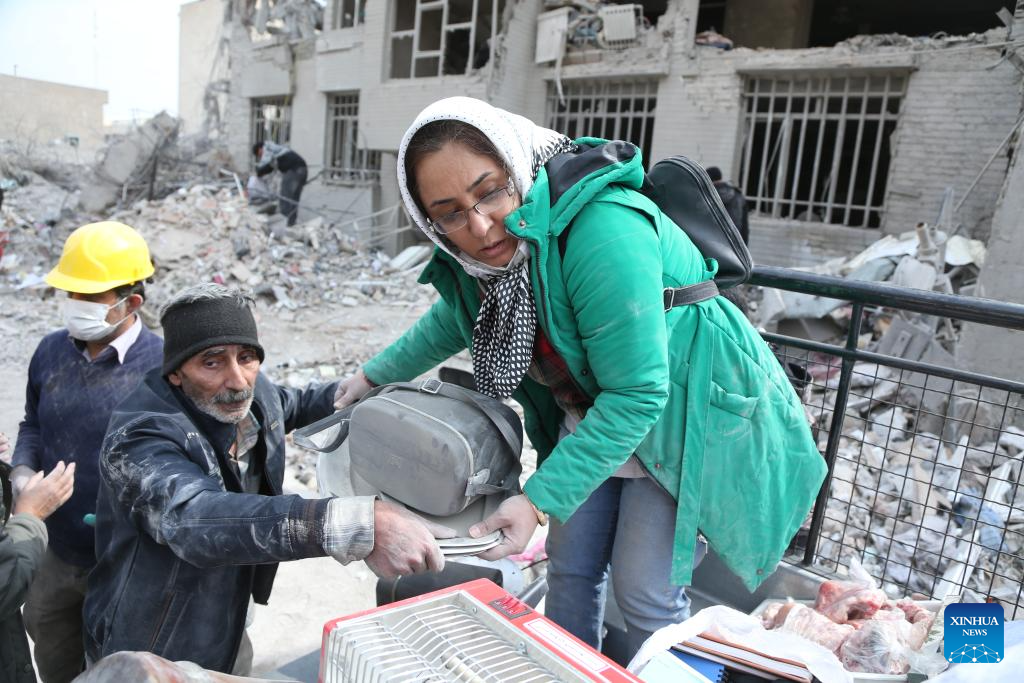
People search for daily necessities from damaged buildings in Tehran, Iran, March 12, 2026.
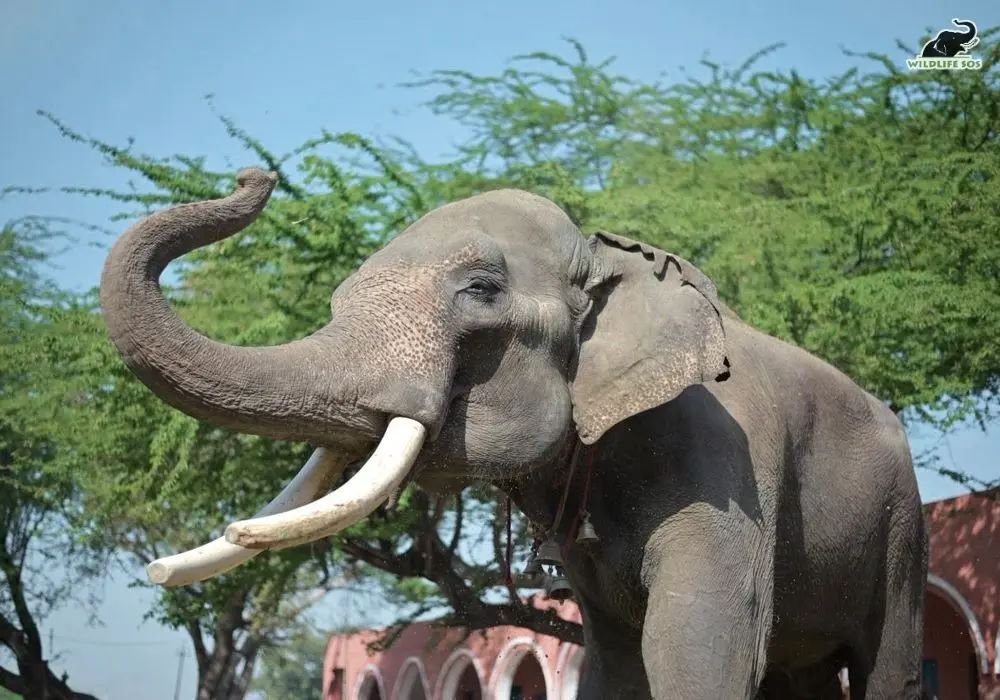
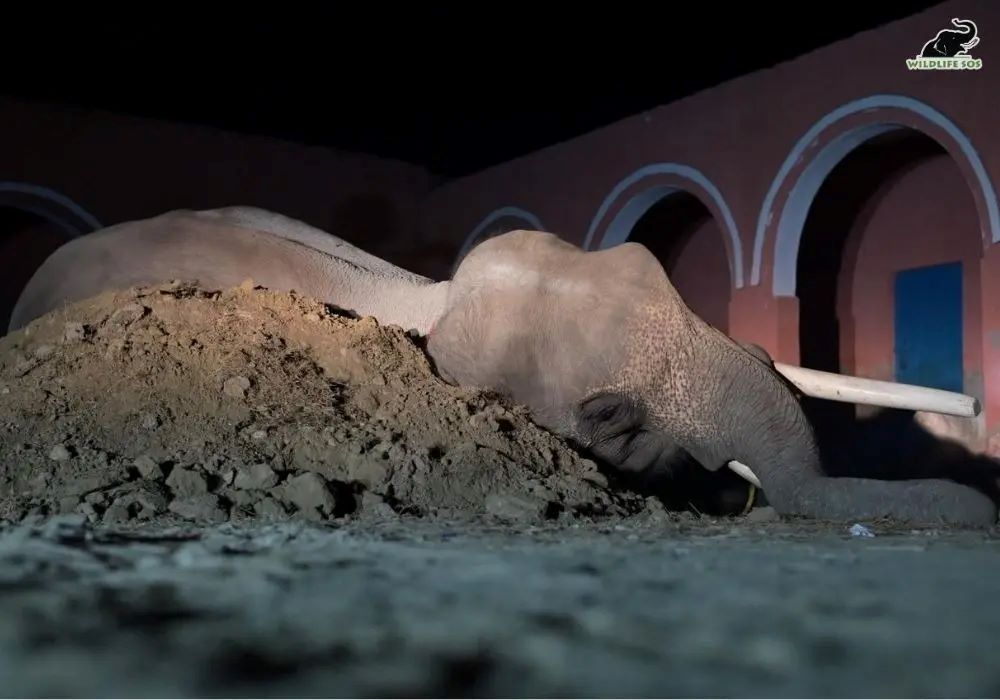
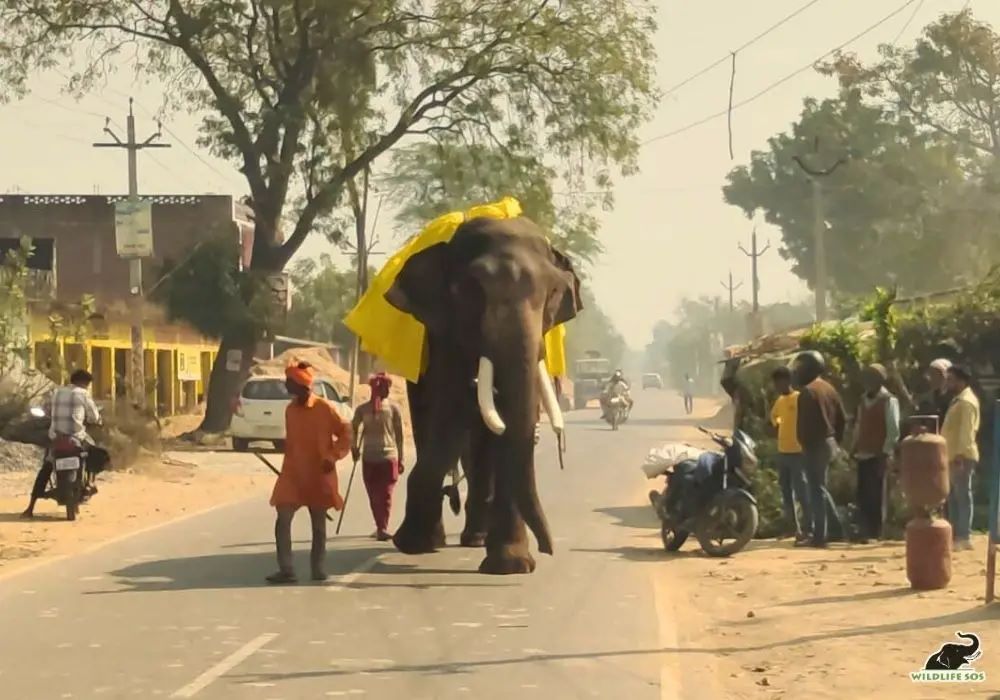
According to Wildlife SOS, the elephant, named Veer, had reportedly endured years of exploitation, including being used as a “begging” elephant on the streets, a practice that often exposes animals to harsh conditions, overwork and inadequate medical care.
Responding to the urgent situation, Wildlife SOS mobilized a specialized veterinary team late last month to rescue the injured animal and transport him to safety.
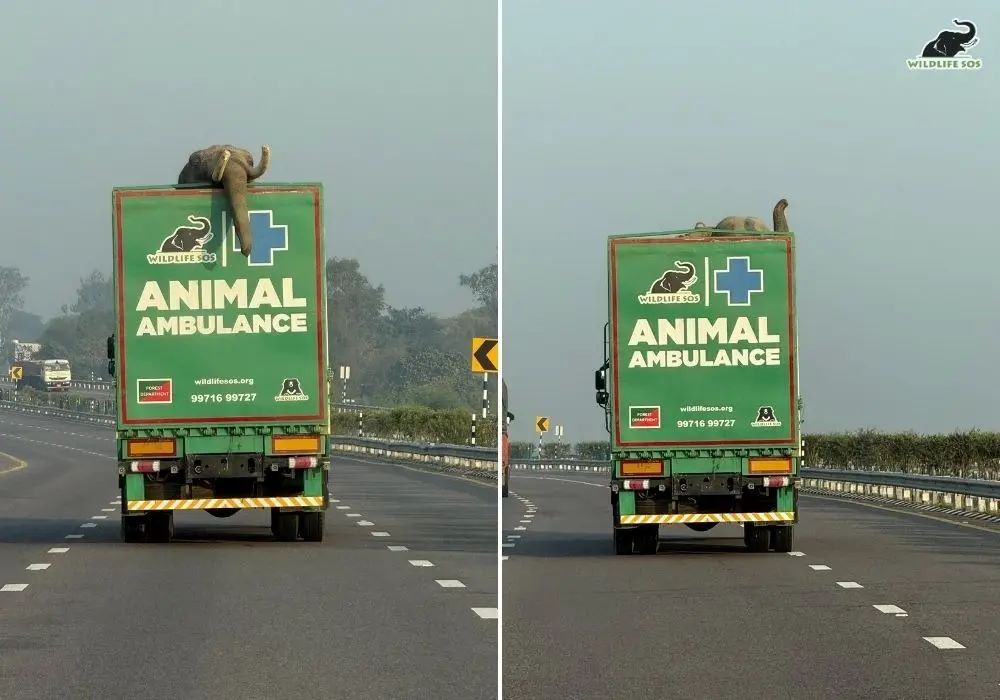
The remarkably tall, exceptionally calm and endearingly curious Veer would keep peeping and popping out his trunk over the ambulance every few minutes. Photo by Wildlife SOS
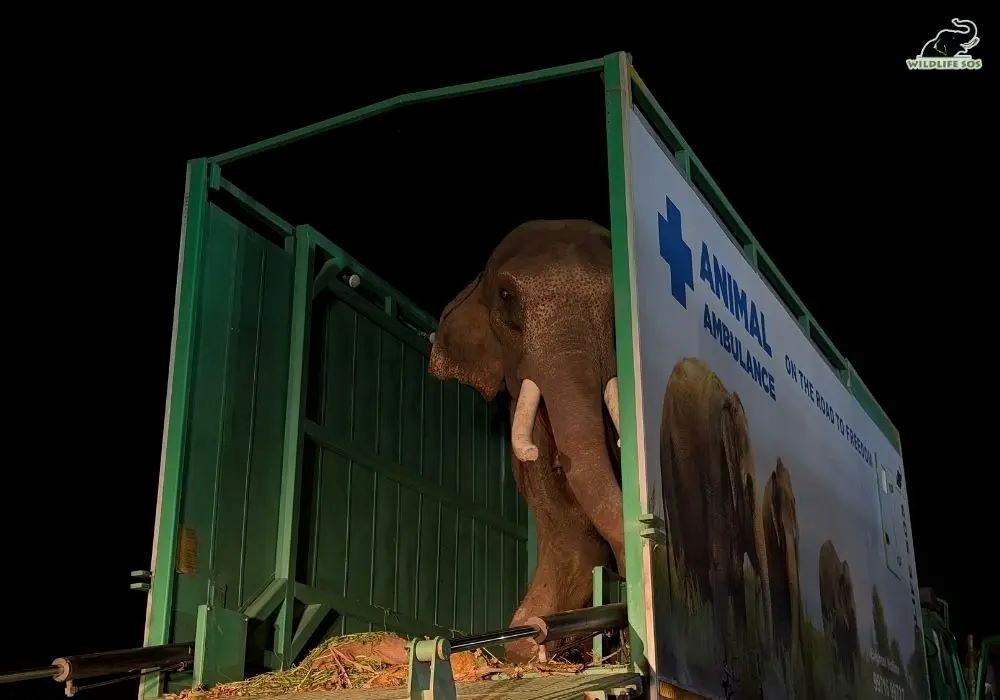
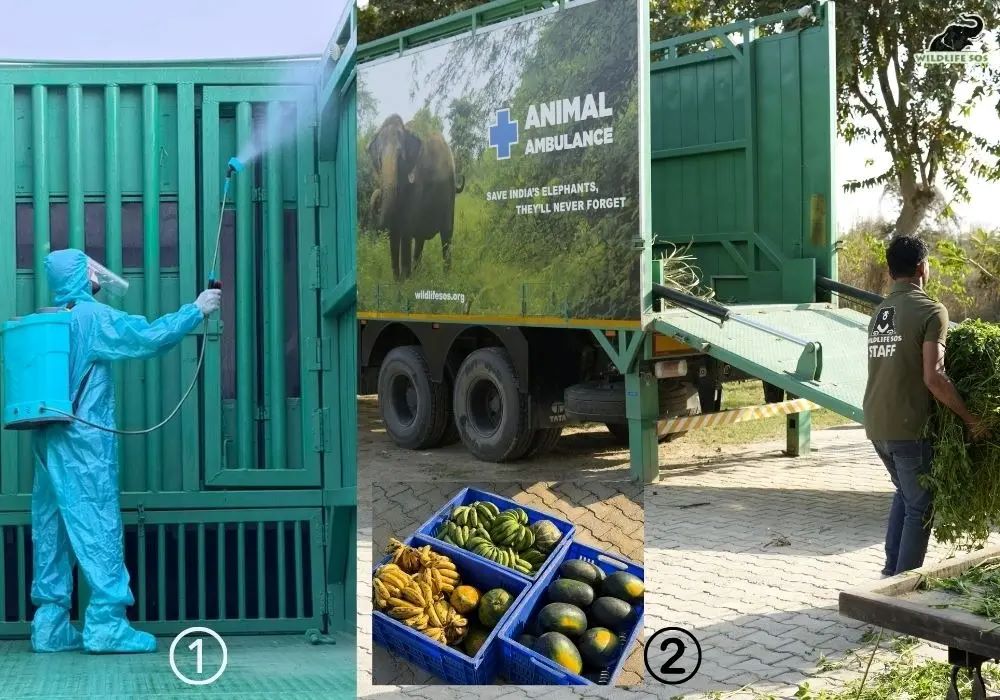
For the mission, the organization deployed its newly commissioned elephant ambulance, marking the vehicle’s first field rescue. Designed specifically for long-distance elephant transfers, the ambulance is equipped with advanced safety and stabilization systems to ensure the safe transport of injured elephants.
The vehicle includes specially designed access points that allow veterinary technicians to administer medication and monitor vital signs while maintaining a safe distance. Inside, the ambulance is structured to provide stability and reduce stress for the animal during travel. Since elephants must remain standing during transport, supportive straps and harnesses allow them to shift weight away from injured limbs.
“This rescue represents both urgency and hope,” said Nikki Sharp, Executive Director of Wildlife SOS USA. “For decades, ‘begging’ elephants have endured unthinkable physical and psychological trauma. With our new elephant ambulance and expert veterinary team, we are able to respond faster and more safely than ever before.”
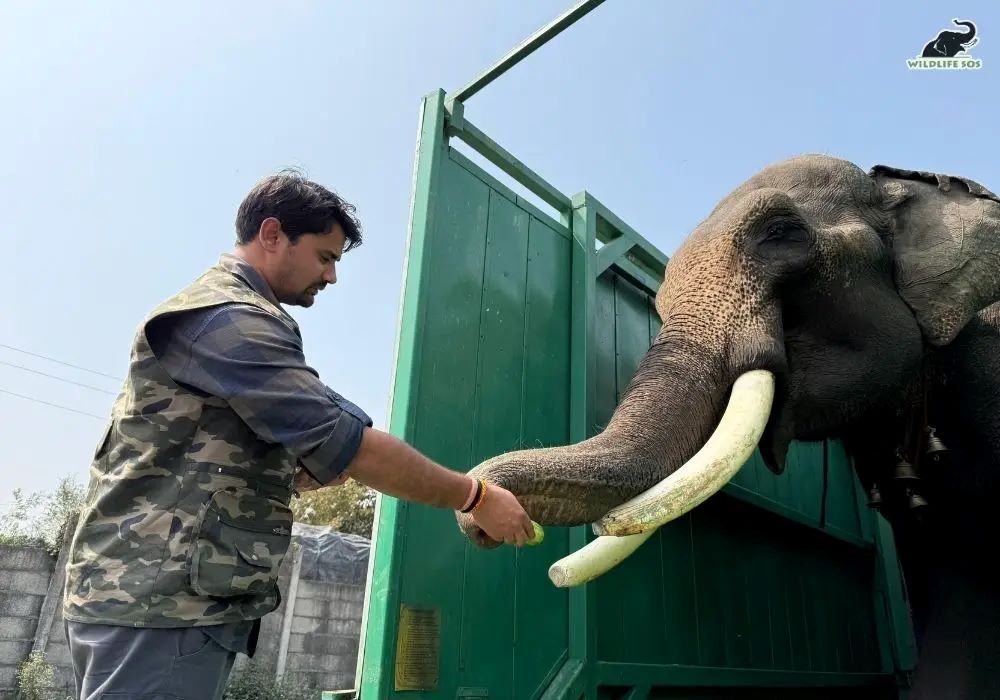
Veer displayed no unrest around the Wildlife SOS team, and remained engrossed with the abundance of food offered to him. Photo by Wildlife SOS
Upon reaching Veer, the medical team conducted an examination and provided immediate treatment before beginning the transport. Because elephants must stand while the vehicle is moving, the team made regular stops during the multi-day journey so the animal could rest and lie down.
Veer was eventually transported to the Wildlife SOS Elephant Hospital, located at the Elephant Conservation and Care Centre in Mathura, Uttar Pradesh, where he will receive specialized treatment and long-term care.
Wildlife SOS is also spearheading an international campaign to end the exploitation of elephants used for street begging in India. The initiative aims to rescue and rehabilitate all such elephants by 2030, many of whom suffer from chronic injuries, malnutrition and untreated illnesses.
The organization currently cares for more than 30 rescued elephants at its conservation facility.
“Veer’s rescue is a powerful reminder of why this work matters,” Sharp said. “Because of our supporters, he now has access to the specialized treatment and long-term care he urgently needs.”
A brighter chapter has opened up in Veer’s life, filled with nourishing care and affection. Photo by Wildlife SOSVeer was offered a lot of cucumbers to keep up his hydration levels. Photo by Wildlife SOSWhile the team faced an unexpected turn of events when the ambulance tyres sunk into the mud, caregivers made the best of the situation by creating a mud bed for Veer to aid his sleep. Photo by Wildlife SOSThe remarkably tall, exceptionally calm and endearingly curious Veer would keep peeping and popping out his trunk over the ambulance every few minutes. Photo by Wildlife SOSWildlife SOS rushed to prepare the animal ambulance by sanitising it thoroughly and stocking it with fresh edibles for the elephant thereafter. Photo by Wildlife SOSThe gentle giant was forced to walk on concrete roads, bearing goods on his back under the scorching sun. Photo by Wildlife SOS
In a statement released on Thursday, the federation highlighted that the appointment ‘reflects Rwanda’s continued commitment to strengthening football structures and achieving excellence on the continental and global stage’.
Coach Constantine is set to take charge of the Amavubi squad on Monday, March 16, 2026, and will immediately begin preparations with the existing team ahead of the FIFA Series Tournament scheduled later this month in Kigali City.
FERWAFA announced that further details regarding technical plans, strategic objectives, and the roadmap for the teams will be shared during an official press conference planned for next week.
Stephen Constantine previously served as the team’s head coach between 2014 and 2015 before leaving to take charge of the India national football team.
During his earlier stint with Amavubi, Constantine had been tasked with preparing the team for the 2016 African Nations Championship (CHAN), which was hosted in Rwanda. After his departure, Rwanda went on to reach the quarter-finals of the tournament.
He returns to Rwanda at a time when the country is ranked 131st in the FIFA rankings, compared with 68th when he left the role, the highest position Rwanda has ever achieved in its history. During his tenure, Amavubi remained unbeaten at home.
In the seven matches played during that period, the team lost only one, against Congo national football team, while drawing two games against Burundi national football team and Morocco national football team.
In 2025, Constantine expressed his continued appreciation for Rwanda after defeating Nigeria national football team on their home ground. He described Rwanda as a country that has made progress in football with talented players.
Stephen Constantine has been confirmed as new Amavubi head coach.