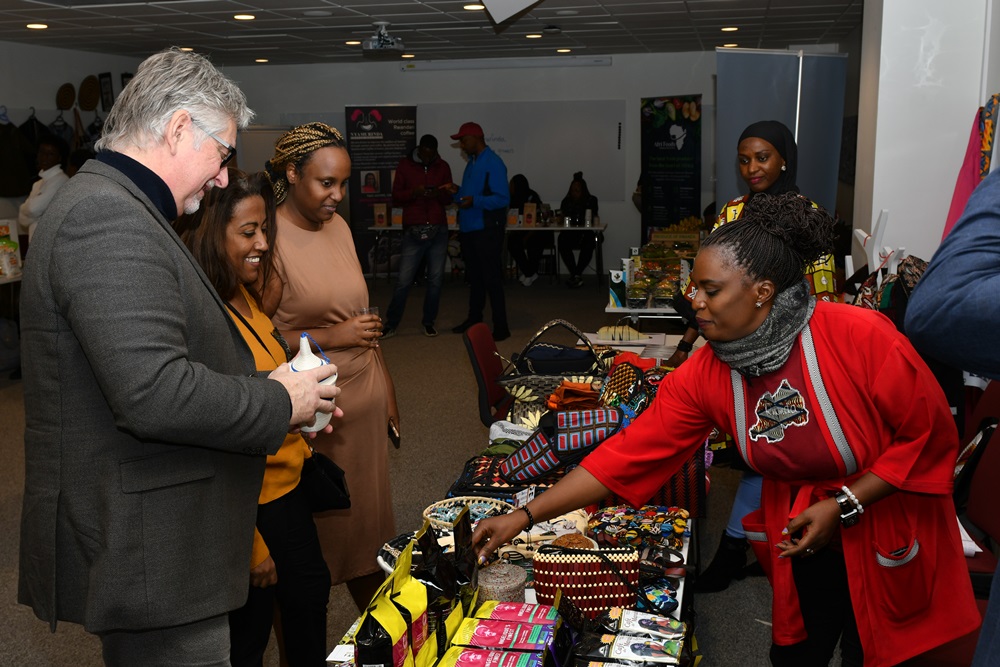
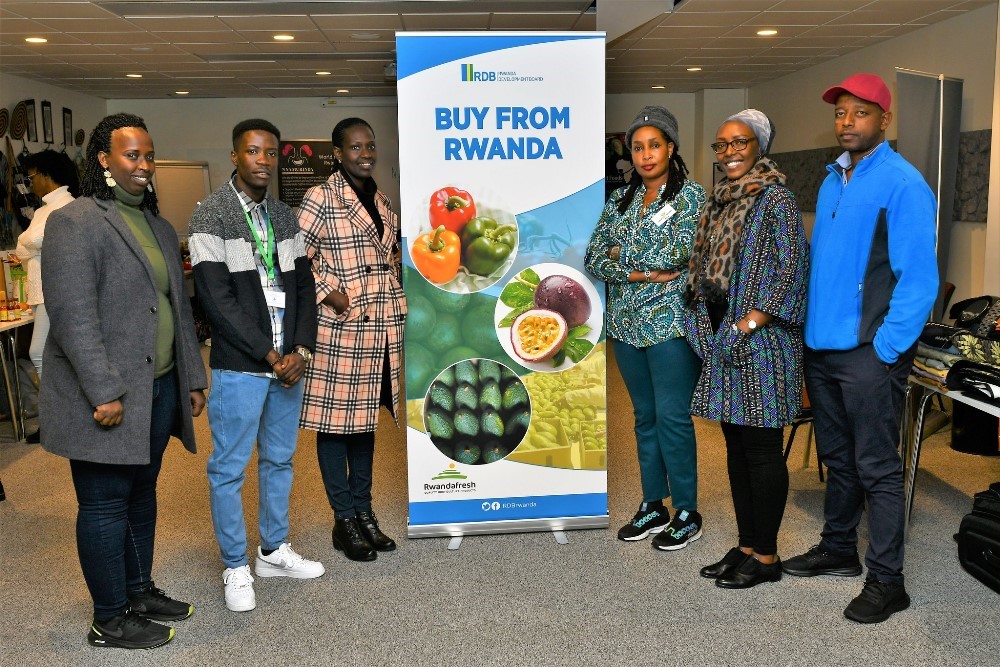
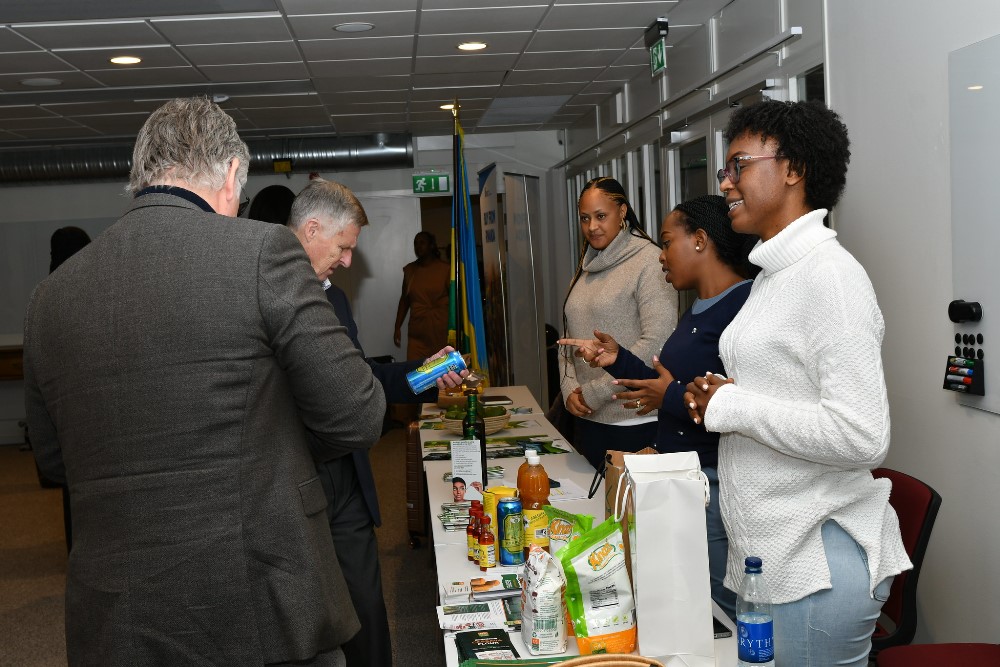
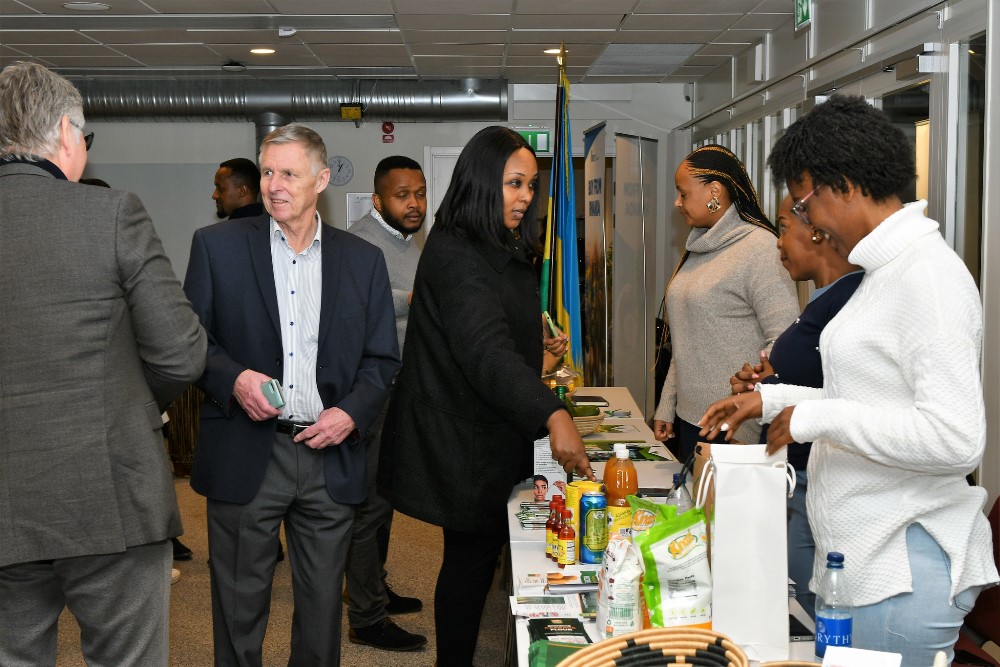
The exhibition, organised by the Embassy of Rwanda in Sweden together with Rwanda Development Board (RDB), features a variety of Rwandan products such as tea and coffee, chilli, fresh fruits and vegetables, and handcrafts among others being showcased to about 200 importers and diaspora from Nordic countries.
Business to business (B2B) meetings are also taking place along the margins of the exhibition, with Rwandan exporters negotiating future business partnerships with Nordic businesses.
Speaking at the event opening, First Secretary at the embassy, Mr. Alfred Rukeribuga said: “This exhibition has been organised to promote sales of value-added Rwandan products in the Nordic market by increasing their awareness as well as making efforts to secure shelf space for them in major selling outlets. Through this, we hope to increase the demand for Rwandan products in the long-term.”
Gambo Isah, the spokesman for the police in Katsina, told Xinhua on the telephone that the armed attackers invaded the local farm on Sunday in Kampani Mailafia village in the state’s Faskari local government area, taking away the victims to an unknown location.
“They (the gunmen) took away a total of 21 farm workers between the ages of 15 and 19. Most of them were ladies, and only four among them were men,” Isah said, noting the gunmen had already contacted some of the victims’ families for ransom.
The police spokesman said the farm manager had previously made a deal with the gunmen, who demanded “protection money” from farm owners to allow harvesting without disturbance.
Isah said the police, upon receiving a distress call from the village, had swung into action to rescue the victims and apprehend the fleeing gunmen.
Kidnapping for ransom is not uncommon in Nigeria, especially in the northern region where it has become an enterprise. Victims typically are released unharmed after ransom is paid.
The number of ships leaving Ukraine’s ports reached 426, and the amount of grain transported exceeded 9.7 million tons, Akar said in a statement.
“We will intensify our efforts on the extension of the grain initiative, which will expire on Nov. 19,” he added.
The Turkish minister underlined that while using the model of consensus reached in the grain initiative, Türkiye wanted to establish a ceasefire and open the road to peace in the coming days between Russia and Ukraine.
Russia on Wednesday announced its return to the implementation of a grain export deal via the Black Sea, saying Ukraine has promised not to use the humanitarian corridor for military attacks.
The joint coordination center for the implementation of the Black Sea Grain Initiative on Tuesday received a written guarantee from Ukraine of not using the shipping route defined in the deal and Ukrainian ports designated for grain export to conduct military operations against Russia, the Russian Defense Ministry said in a statement.
The Ukrainian side officially assured that the maritime humanitarian corridor will be used only in accordance with the provisions of the grain export deal and related regulations of the joint coordination center, it added.
On July 22, Russia and Ukraine separately signed a document in Istanbul with Türkiye and the United Nations on grain and fertilizer exports from Ukraine and Russia to ensure supplies to global markets amid the Russia-Ukraine conflict.
Margaret Muhanga, minister of state for health in charge of primary health care, told the parliament that the budget for the response plan was presented to the Cabinet and submitted to the Ministry of Finance for funding.
Muhanga said that as an emergency, the ministry has cut back on its spending and reallocated 2 billion shillings within its budget to support affected districts in carrying out response activities.
Tedros Adhanom Ghebreyesus, the World Health Organization Director General, in a tweet on Oct. 28 said adequate resources are urgently needed for scaling up the Ebola response in Uganda, as well as supporting neighboring countries to prepare.
Tedros said while 67.9 million dollars are needed for the Ebola response in Uganda, the current gap stands at 58.2 million dollars. He said the regional strategic readiness and response plan requires 133 million dollars to ramp up preparations in neighboring countries.
Uganda is grappling with the spread of the deadly disease. Some counties have started issuing travel advisories in fear of importing the disease.
Ministry of Health figures show that as of Oct. 26, the country has registered 115 confirmed Ebola cases and 32 deaths since the outbreak was announced on Sept. 20.
{BEIJING, Nov. 3 (Xinhua) — The Shenzhou-14 astronauts successfully entered the Mengtian lab module of China’s space station Tiangong at 3:12 p.m. (Beijing Time) on Thursday, according to the China Manned Space Agency.}
Following up, the Shenzhou-14 crew in the space station will welcome the subsequent arrival of the Tianzhou-5 cargo craft and Shenzhou-15 crewed spaceship, the agency said.
The Shenzhou-14 and Shenzhou-15 crew members will then conduct the first in-orbit crew rotation in China’s space history.
China launched the space lab module Mengtian on Oct. 31, taking the construction of the country’s space station into the final stage.
Latest figures from NBR’s report for the year 2021/2022 released on 31st October, shows that the country’s Gross Domestic Product (GDP) grew by 8.9% in 2022 from 4.4% of the previous year registered in June 2021.
The report also indicates that Rwandan franc depreciated by 3.8% in June by the end of June 2022, compared to 5.3 percent depreciation recorded in the corresponding period of 2021.
On another note, the banking sub-sector’s aggregate net profits increased by Rwf18.5 billion to Rwf74.4 billion during the first half of 2022 from Rwf55.9 billion during the first half of 2021.
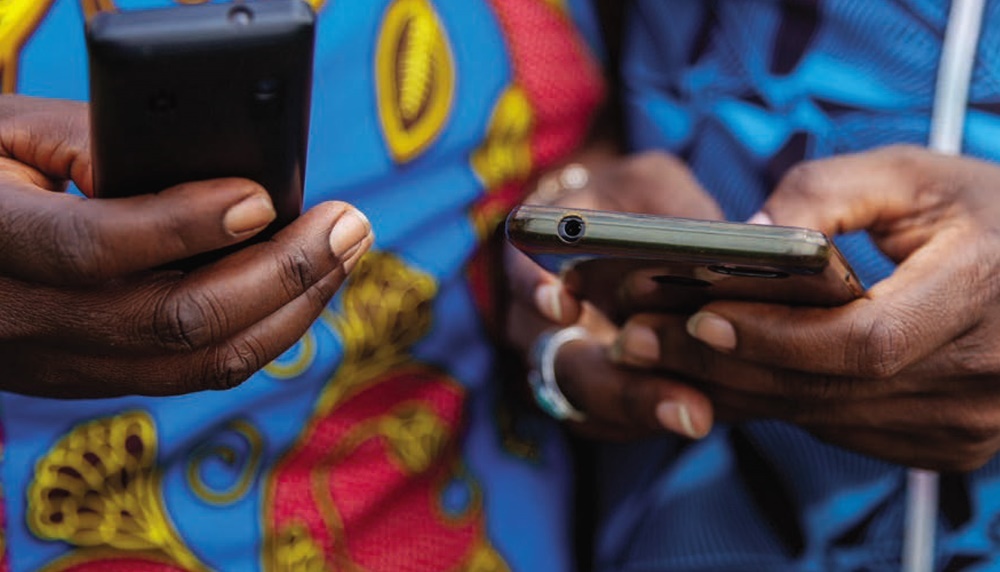
BNR indicates that transfers through mobile banking channels increased by 35 percent from 6 million to 8 million transactions and the value of transactions increased by 140 percent from Rwf917 billion to Rwf381 billion.
Meanwhile, funds transfers through internet banking increased by 42 per cent from 1,552,080 to 2,205,107 transactions and the value of transactions increased by 57 per cent from Rwf2,672 billion to Rwf4,200 billion.
The number of mobile banking subscribers increased by 18 per cent from 2,080,549 in June 2021 to 2,244,652 and Internet banking subscribers increased by 32 per cent from 106,312 to 140,662 in June 2022. Active mobile payment subscribers also increased by 9 percent from 5,079,232 in June 2021 to 5,528,109 in June 2022.
Among others; the number of card based Point-Of-Sales (POS) increased by 14 percent from 4,635 POS in June 2021 to 5,263 POS in June 2022 while the number of mobile POS increased to 49,975 in June 2022 from 45,627 in June 2021. On the other hand, Virtual POS (QR based POS) moderately increased from 4,280 in June 2021 to 4,295 in June 2022.
The number of agents providing banking services increased by 33 percent from 6,555 to 8,720 agents while mobile payment agents slightly increased by 2 percent, from 144,250 to 146,930 agents. The number of automated teller machines (ATMs) remained stable with only 1 percent of increase from 338 to 344 ATMs at end June 2022.
{{Overall performance}}
As per released report, the overall value of retail e-payment to GDP increased by 16.4 percent during the period to reach 111.9 percent.
The usage was dominated by mobile payment (transfer and acquiring services) and internet banking services, which account for 67.4 percent and 35 percent of the GDP respectively.
Transfers through mobile payment channels occupied the largest share of the total number of cashless transactions with 70 percent followed by transfers via mobile banking with 26 percent.
In terms of value, transfer through mobile payment represented 51 percent followed by internet banking with 32 percent of total value of transactions.
Rwanda is among countries with segments of the population using traditional cooking fuels. Figures from the Ministry of Environment indicate that 79.9% of the population depends on charcoal and wood as a source of cooking fuels and among the rural populations those using wood is over 90%.
The Ministry also indicates that Rwanda needs at least over US$1.37 billion by 2030 to achieve the target of reducing charcoal and firewood use from 83 percent of 2019 to 42 percent of population.
The government says that the target can only be achieved through collaboration with members of the private sector and donors.
Apart from their effects on the environment, some parts of Rwanda still struggle to access charcoal and firewood as the sources of fuel depending on their topography and the fact that there has been significant deforestation over the years making wood fuel scarce.
The majority of such areas are from Eastern Province, mainly in the districts of Ngoma, Bugesera and Rwamagana.
The issue has been also pointed out by the Governor of Eastern Province, Emmanuel Gasana who revealed that residents sometimes use dry weeds to cook food.
“When it comes to cooking fuels, our province understands it easily because residents in districts including Ngoma, Rwamagana and Bugesera are sometimes hit hard and use dry weeds as an alternative for cooking fuel,” he said.
Residents also explain that they struggle to prepare food for those with no woodlots as they spend a long time roaming around hills to collect wood sticks.
Ernestine Umutesi is a mother of four residing in Mwulire Cell, Rwamagana District.
She revealed that they hardly get cooking fuels as her family has no woodlot.
This pushed parents and children to roam around hills and bushes to be able to prepare food because they cannot cover the cost for a sack of charcoal usually sold between Rwf8000 and Rwf10000.
“Apart from charcoals, firewood bought at Rwf500 is used once. This highlights how getting cooking fuels is a serious problem,” said Umutesi.
Other residents explain that those with means to buy a sack of charcoal cannot use it for more than two weeks.
{{Interventions of Tubeho Neza }}
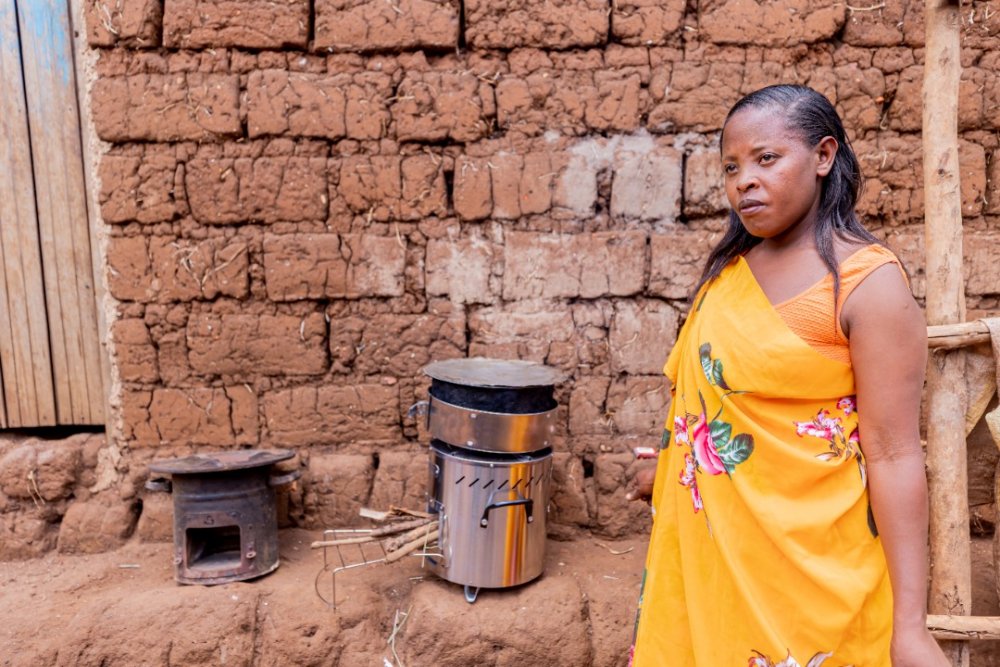
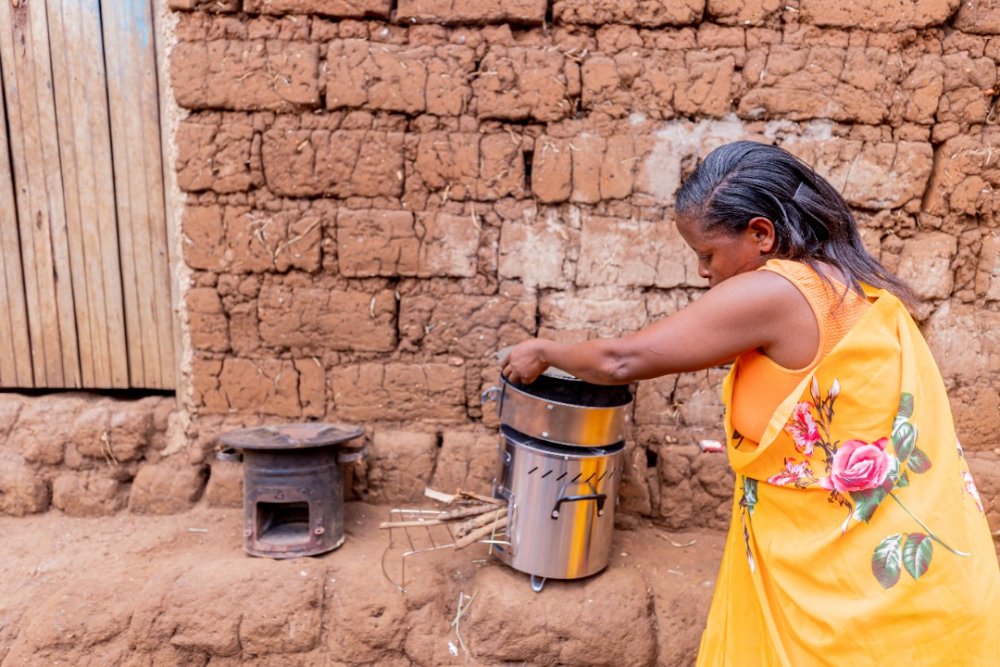
In a bid to cut expenses, reduce CO2 emissions and save forestry, the ‘Tubeho Neza’ (Live Well) project distributes energy-efficient cooking stoves which rely on wood but in much smaller quantities. It cuts wood use by 71%, and on project completion, will save 64km2 of forestry every year.
The project is run by DelAgua and is committed to uplift people’s livelihoods through access to climate and health friendly cooking stoves. The project specifically focusses on rural communities. DelAgua provides the stove free of charge, as such a high performing stove is unaffordable for the rural poor. Even subsidized, less effective stoves are out of their reach. Tubeho Neza is allowing those most in need and previously denied clean cooking, access to the best quality rocket stove available with all the health and environmental benefits it delivers.
In collaboration with the Government of Rwanda, the organization started distributing energy-efficient cooking stoves in 2012 with the target of increasing the number from current 1 million to 2.3 million stoves by 2024,one for every rural household.
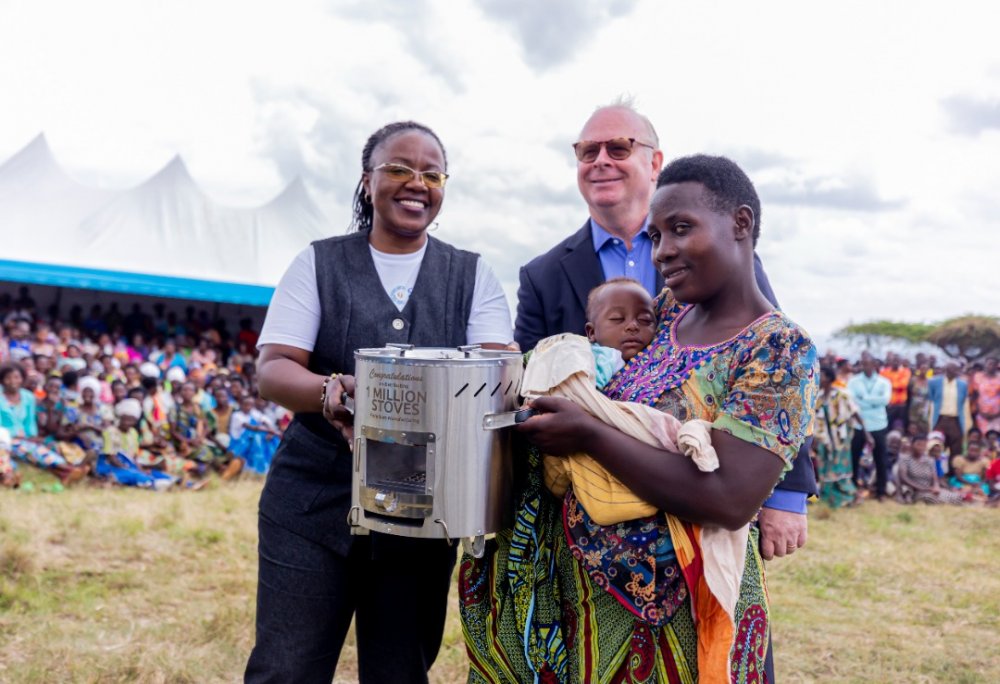
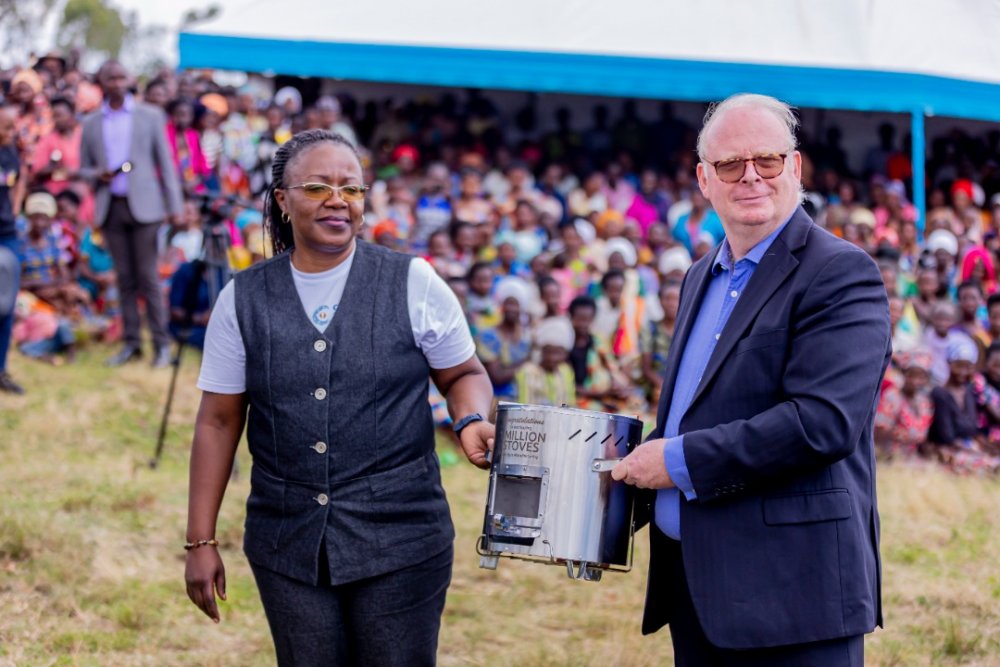
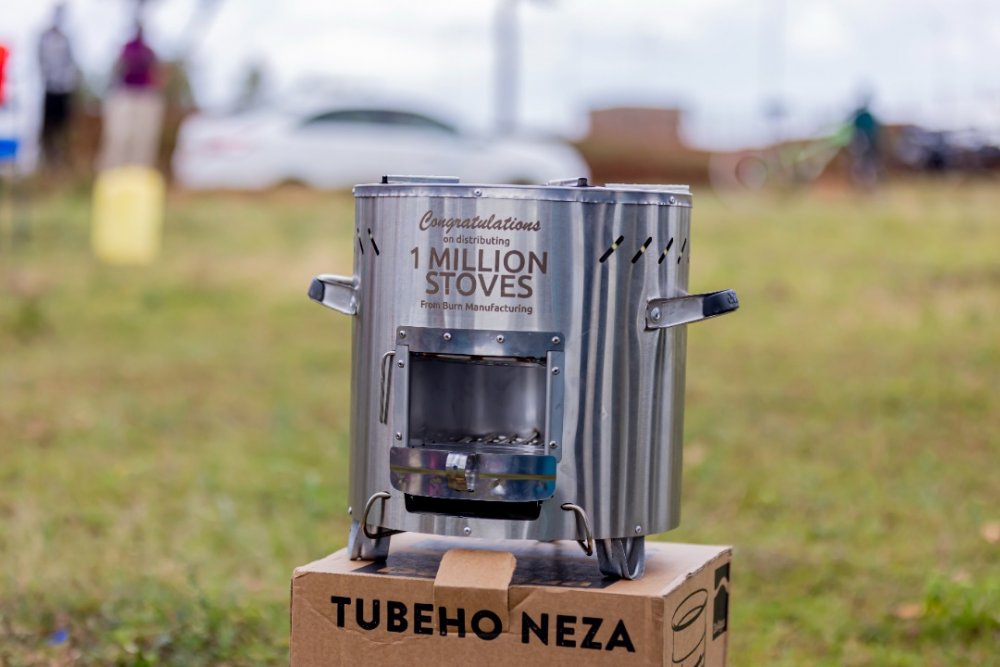
On the celebration of the project’s 10th anniversary on Wednesday, October 26 in Mwulire Sector of Rwamagana District, DelAgua donated the 1 millionth stove, marking a milestone in their emission reduction model.
The donation is meant to eliminate the use of open firewood stoves or three stone stoves mostly used in rural areas . The concept and study of the environment friendly stove was designed by DelAgua to perfectly suit the rural families and is manufactured by Burn in Kenya.
Neil McDougall, the Chairman of DelAgua says that the stove’s design and performance will contribute to improved livelihoods of people in rural areas.
“We commissioned studies in collaboration with the London School of Hygiene and Tropical Medicine. It was observed that the stove can reduce children’s deaths by 47%. It also reduces smoke as it has the capacity to burn wood cleanly and with little ash compared to three stone stoves. Also, the stove saves firewood and can reduce the use of wood sticks from ten to three. This reduces the money spent on firewood or the time spent to collect them,” he said.
Neil McDougal explained that the multi-million project is promising to contribute to the reduction of emissions and improve beneficiaries’ livelihoods as well.
{{Exemption of taxes}}
The Minister of Environment, Dr. Jeanne d’Arc Mujawamariya said that Tubeho Neza is the largest project all over the world aimed at distributing environment friendly energy efficient cooking stoves.
“In partnership with the Government of Rwanda, DelAgua initiated the Tubeho Neza project, which is the largest across the world. Today, we are halfway to our target,” she noted.
Dr. Mujawamariya revealed that the government exonerated taxes to make the exercise possible.
The stove donated for free is valued at Rwf80,000 including the lifelong education, support and service programme that is provided to every family alongside the stove.
Such is the effectiveness of the programme, independent audits show that 99% of the stoves given to beneficiaries are still in daily use.
Chantal Muhongerwa is among beneficiaries of the stoves who previously used three stone fires.
The woman explained that she would catch respiratory or eye complications due to the use of traditional fire.
Today, Muhongerwa has a different story to tell as her health conditions have improved and her home is always clean, thanks to the clean cooking stove received eight years ago which also reduced time spent in the kitchen.
“Today, I spend a few minutes cooking food and get time for rest. I save the money previously spent on large quantities of wood in a saving group to diversify sources of income. Before, I would use a log bought at Rwf2000 one day but a small amount of wood bought at Rwf500 can cook food the whole day using the energy-efficient stove. We are thankful for the great support,” she said.
Muhongerwa also revealed that the time she used to spend cooking beans has reduced from four hours to 1 hour and 40 minutes.
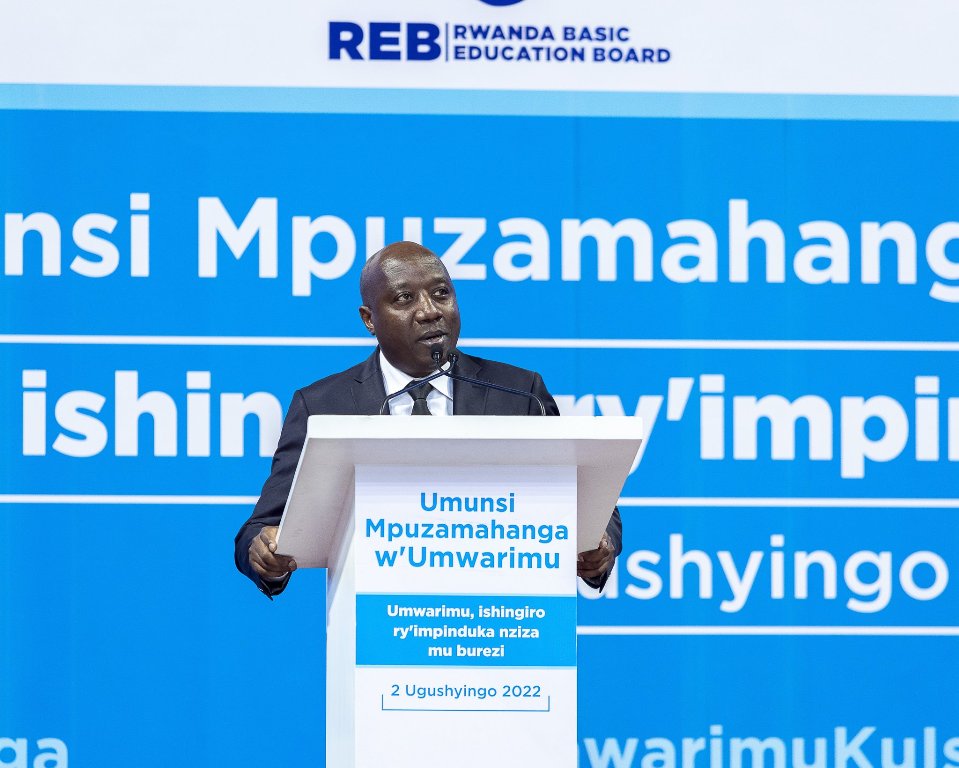
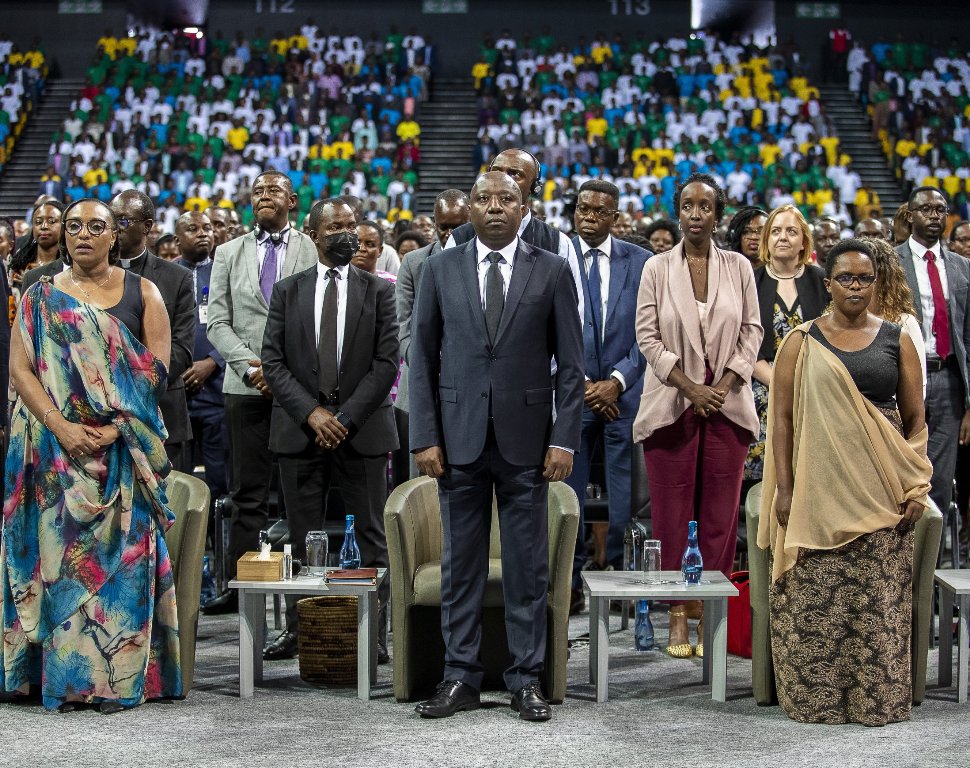
Premier Ngirente delivered the message at the celebration of World Teachers’ Day marked on Wednesday 2nd November 2022.
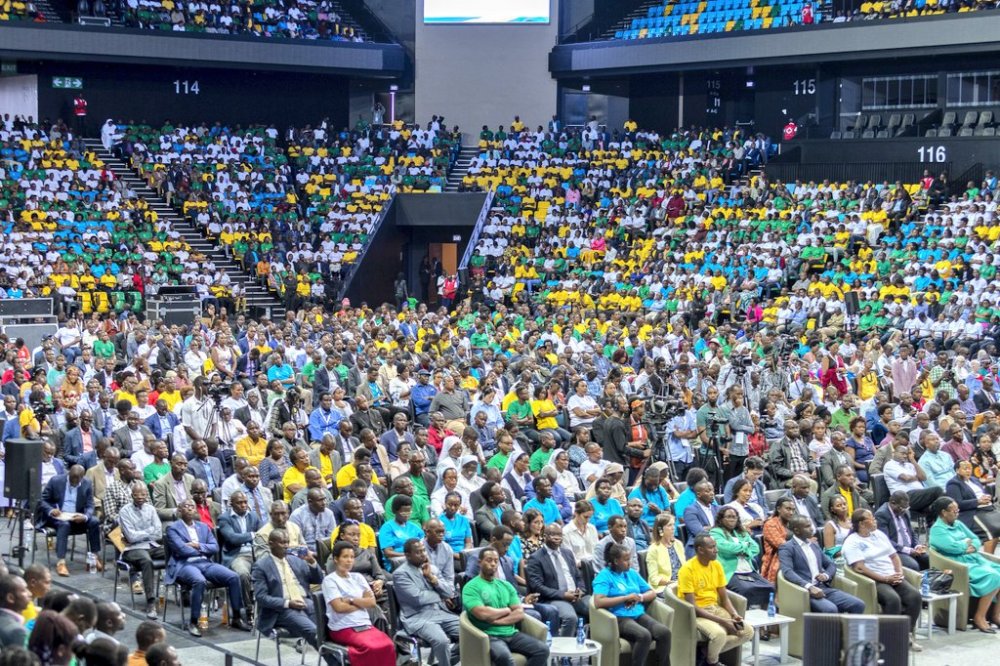
In Rwanda, the event was held at BK Arena at national level where Dr. Ngirente addressed over 7000 teachers and delivered the message from President of the Republic.
Premier Ngirente told educators that President Kagame sent him to deliver his message.
“His Excellency, President of the Republic of Rwanda wished to be with you today but could not make it over hectic schedules and other reasons. So, he asked me to represent him at this ceremony,” he said.
“His message is covered in one word. It implies that the Government of Rwanda strongly attaches great relevance to your profession. That is why we continue to call you educators and parents in Rwanda. Keep up the momentum,” added Dr. Ngirente.
The Premier revealed that he is personally proud of the profession which has been the cornerstone for many high profile personalities.
“May the teacher be respected,” he said.
Dr. Ngirente requested teachers to continue to be a good example in their profession and Rwandan society as well.
“I once again request teachers and educators altogether to be defined by good conduct to inspire the children you teach and other segments of the population. People learn from teachers’ good manners but the opposite of this tarnishes their reputation,” he said.
“Good conduct has to go hand in hand with hygiene which should characterize all Rwandans from teachers to students. The country, parents and Rwandan society expect you to play a role in instilling such good manners among them,” added Dr. Ngirente.
The Minister of Education, Dr. Valentine Uwamariya reminded teachers that they do a great job that requires dedication.
“We salute teacher’s dedication to their work. Apparently, teaching is a calling and we have been witnessing the fruits of your work. A lot still needs to be done to promote quality education, work relentlessly, and assess students’ knowledge, take heed of hygiene and work with parents whom we educate their children among others,” she advised.
Rwanda registers over 5603 teachers in nursery schools; 63,788 in primary schools; 29,858 in public and semi-public secondary schools and 7,813 in technical schools while 20,000 are from private schools.
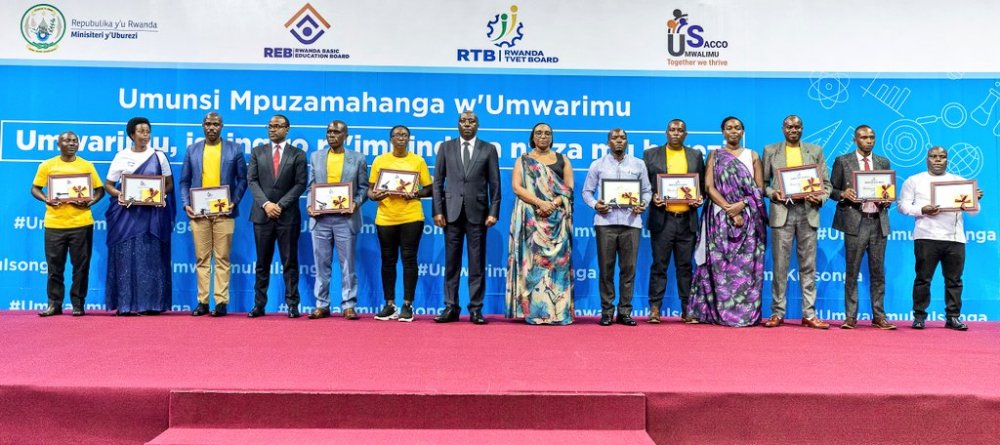
During the ceremony, five outstanding teachers were awarded for promoting quality education while five others were awarded for efficiently utilizing loans from Umwarimu Sacco.
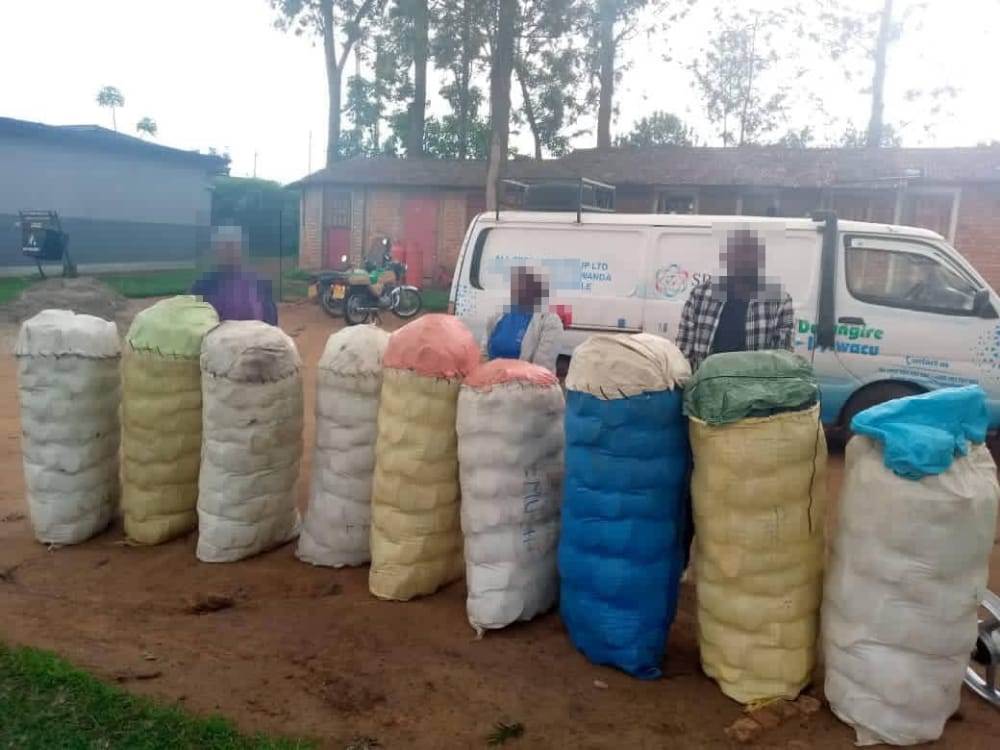
The omnibus vehicle registration number RAB 987A, was intercepted on Wednesday, November 2, in Nyagatare II, Rwempasha Sector.
The Police spokesperson for the Eastern region, Superintendent of Police (SP) Hamdun Twizeyimana said that three people, who were aboard the vehicle belonging to Speranza Group Limited, a local liquor manufacturing company, were also taken into custody.
They include the driver identified as Bosco Nsengiyumva, 45, Scovia Mukakayonde , 37, also an employee of Speranza Group Limited, and one Berine Uzamukunda, 40.
“The RPU mounted a checkpoint at about 10 a.m in Nyagatare II along Nyagatare -Kayonza road following credible information on a vehicle which had loaded smuggled used clothes attempting to transport them to unknown destination in Kigali,” SP Twizeyimana said.
He added that when Police officers searched the vehicle, they recovered nine sacks of smuggled second-hand clothes weighing 509kgs.
The sacks were covered with 65 boxes of liquors in an attempt to beat security.
Uzamukunda is the alleged rightful owner of the clothes, which were smuggled into Rwanda from Uganda through a porous border point.
SP Twizeyimana lauded the impact of the public in fighting smuggling and fraud.
Tax evasion under article 87 of the law on tax procedures provides an imprisonment of between 2 and 5 years.
Under the East African Community Management Act, goods and a vehicle intercepted transporting smuggled goods, are auctioned. The driver is also slapped a fine of US$5000.