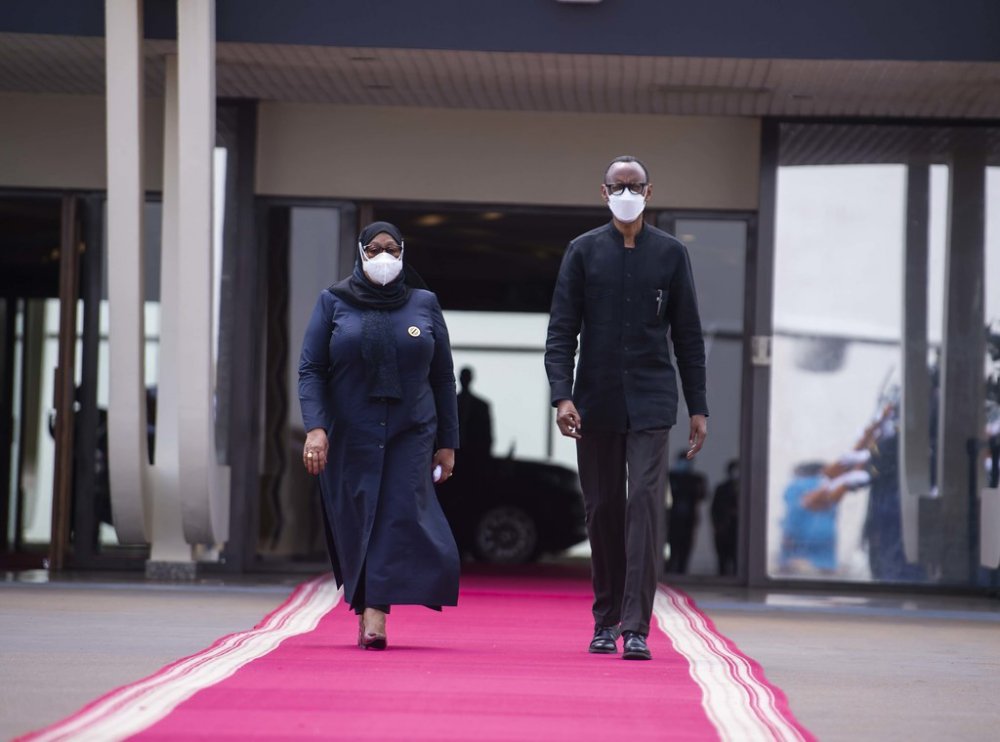
“My sincere condolences to the people of Tanzania and to President Suluhu Samia Samia Suluhu Hassan for the loss of lives following the plane accident. Our thoughts are with the families and loved ones of all the victims,” he tweeted.
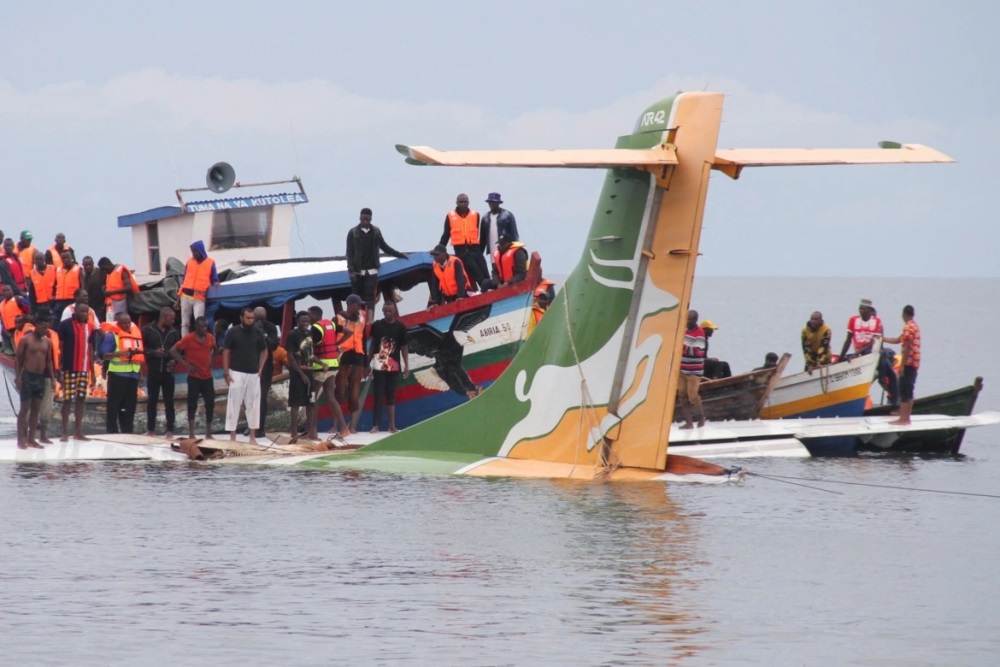
The ATR-48 aircraft belonging to Precision Air plunged into Lake Victoria as it approached Bukoba Airport from the Julius Nyerere International Airport in Dar es Salaam.
The plane was carrying 39 passengers.
It is reported that the accident is related to bad weather but investigations are ongoing to establish the cause.
Tanzanian Prime Minister, Kassim Majaliwa has arrived in Bukoba District to join citizens for the funeral of the accident’s victims at Kaitaba Stadium.
He will be representing President Suluhu who is on a working visit to China.
Bukoba Airport is located on the shores of Lake Victoria.
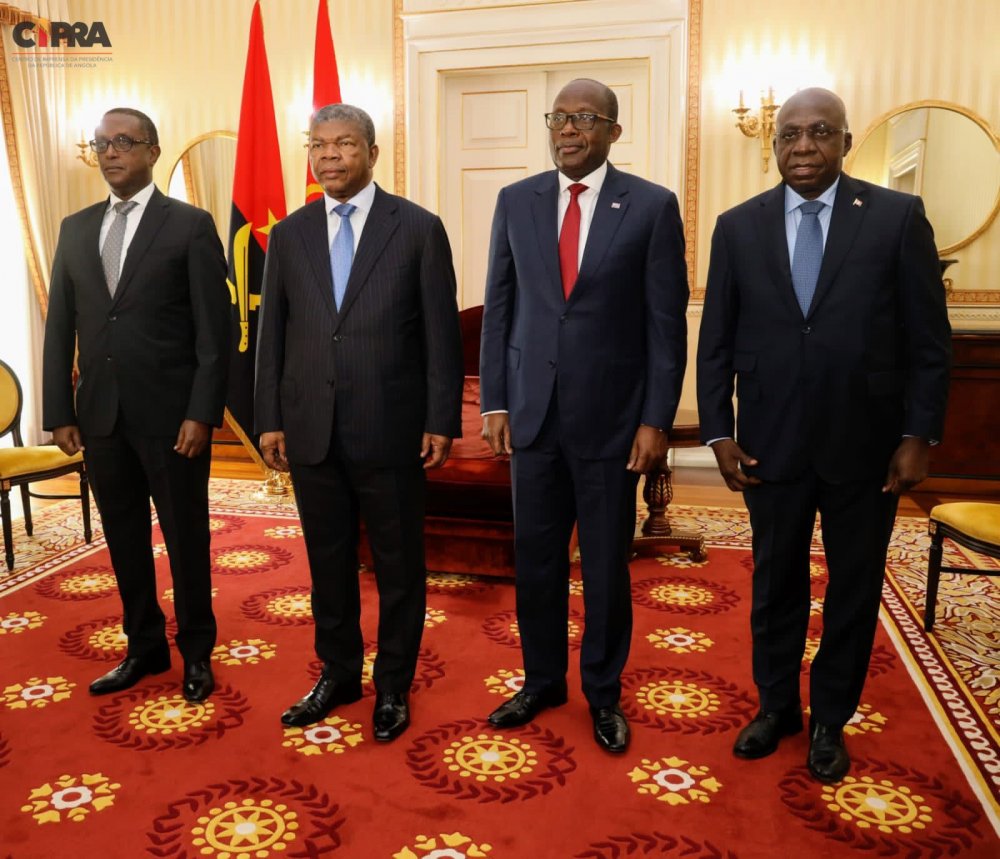
The development is part of resolutions of a meeting between Rwanda’s Minister of Foreign Affairs, Dr. Vincent Biruta and his counterpart of DRC, Christophe Lutundula held on Saturday 5th November 2022 in Luanda, the capital of Angola.
They also met with Angolan President, João Lourenço who is the mediator on tensions between Rwanda and DRC.
DRC has been accusing Rwanda of supporting M23 rebel group which captured different areas in eastern part of the country, but Rwanda repeatedly denied the allegations.
On the other hand, Rwanda also accuses DRC of working with the Democratic Forces for the Liberation of Rwanda (FDLR) to destabilize its security.
FDLR is a terrorist group formed by individuals responsible for the 1994 Genocide against the Tutsi.
A statement announcing resolutions of the meeting held on Saturday shows that both parties met with a view to restore trust between Rwanda and DRC.
The meeting was preceded by another one between military intelligence chiefs from both countries aimed at resuming the implementation of Luanda Roadmap laid out on 6th July 2022.
As per resolutions of the meeting, both ministers of foreign affairs agreed on the necessity to maintain political dialogue between leaders of DRC and Rwanda as way to end tensions between the two brother countries.
Among others, the meeting resolved on the deployment of troops under the Expanded Joint Verification Mechanism (EJVM) to assess the situation in Goma.
The EJVM is a mechanism of the International Conference of the Great Lakes Region (ICGLR) composed of military officers from the 12 member countries that is charged with monitoring and verification of border violations between DRC and neighbouring countries.
It has been also resolved that heads of military intelligence will maintain discussions as meetings to mediate both countries through Nairobi and Luanda processes go on.
The meeting takes place a t a time when President Tshisekedi disclosed that he had two options to solve problems with Rwanda: diplomacy and war.
He explained that the first option did not yield good results and requested for mass recruitment of the youth into the military to deal with the enemy.
The mother of two was nervous and in pain as she explained that her untreated 10-year-old joint pain was wearing her down. She said she had been treated by doctors over the years, but the prescribed drugs were not effective.
“It (drug) relieved me a bit…but five minutes later the pain comes back,” the 53-year-old widow told Xinhua as she and hundreds of Cameroonian residents of Bangou and Bamendjou sub-divisions of the Upper Plateau division of the region waited for a team of Chinese specialized medics who had arrived at the region on Friday for a two-day free consultation and treatment campaign.
Bangou and Bamendjou, with a population of over 100,000, are surrounded by many rural communities with abundant wildlife and dispersed settlements, and have only two hospitals. Villagers are often troubled by such health problems as gastritis, typhoid, malaria, cataract, rheumatism. But most of them cannot afford medical services.
“My brother informed me of the health campaign. I left Douala (Cameroon’s commercial hub, more than 200 km away from Bangou) at midnight and arrived here at 6:30 in the morning,” said the retired history teacher and father of five who said he has been suffering from nerves and cramps since 2016.
Martine Kouamo stood looking dejected as she watched her 10-year-old son Christian Djomo who was suffering from testicular pain. His twin sister was suffering from neck strain, and one part of her body was not stable, she said.
“I tried to use traditional medicine (on Djomo) for three years in vain. I think Chinese doctors will help because they work well,” Kouamo said.
As the sun rose over Bangou and Bamendjou, a good number of patients began taking turns to register, consult and then receive treatment from doctors in various departments, who were here as members of the 22nd Chinese medical team to Cameroon.
Fangan was among the first patients to be consulted.
She was carefully administered an acupuncture treatment, an ancient Chinese method of treatment in which fine needles are inserted through the skin at specific points to treat various physical conditions.
“As I speak to you the pain is gone,” Fangan said after the treatment. “I feel better. In the morning I couldn’t swing my neck like this…but now I can swing behind, left and right without problem.”
After being examined, little Djomo was given medicine that he hoped would heal him. “I feel about better,” he said.
For the first time since 2016, Justin Kouamou, 71, felt relieved when his sickness was detected through an echography. Before this, he had visited doctors several times, but results were not satisfactory.
“The Chinese doctors inserted needles in my skin and it magically alleviated my pain. I am still amazed by the wonders of that treatment,” Kouamou told Xinhua two days after he was administered an acupuncture treatment.
Over 1,600 patients were consulted and treated during the campaign that ran from Oct. 29-30, said Paul Sikapin, mayor of Bangou council.
“I asked firmly that such a campaign should be organized next year,” Sikapin said.
Fabrice Dubila, a medical doctor in Bangou sub-divisional hospital, said Cameroonian and Chinese doctors worked shoulder to shoulder in treating patients and offering much-needed medical services during the campaign.
“This is a great opportunity to learn from our colleagues overseas. So far we have collaborated on the diagnosis of some patients and I have also learned some other diagnostic techniques I can use to diagnose some particular diseases notably lipoma and other pathologies. I think it is a very good opportunity to have witnessed acupuncture here in Bangou,” Dubila said.
Theodore Datouo, deputy speaker of Cameroon’s National Assembly who is also a member of parliament of Upper Plateau constituency, said, the campaign was a mark of friendly relations between Cameroon and China.
“China has always assisted Cameroon in the health sector and this time it is the turn of West region to benefit,” said Datouo, the main organizer of the campaign.
“This campaign is for the wellbeing of the population, the health of the population and when the population is healthy, economic development will follow. We thank China for this cooperation and the Chinese medical team in Cameroon,” he added.
Guo Jun, head of the Chinese medical team in Cameroon said, China has already dispatched 22 medical teams and 736 medical professionals to Cameroon since 1975 to diagnose diseases, relieve patients’ pains, improve local health conditions and local medical level.
“Today’s free clinic is just an example. In the future, we will further deepen cooperation, contribute to promoting medical assistance projects and stimulating China-Cameroon friendship,” Guo said.
Besides the free clinic, the Chinese medical team, along with Beijing Urban Construction Group, donated drugs and protective materials to local hospitals.
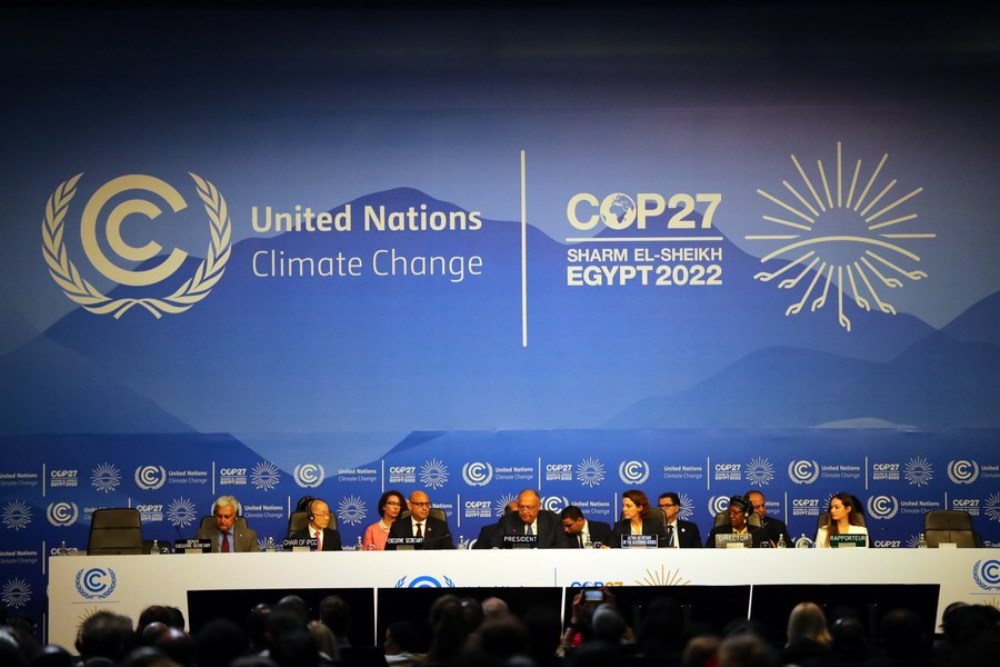
During his speech at the opening ceremony, Egyptian Foreign Minister and COP27 President Sameh Shoukry stressed the need to confront the negative effects of climate change during the two-week conference, where more than 120 world leaders will seek possible solutions to climate change challenges.
“Climate change threatens human life, and the development pattern in the industrial field which is no longer sustainable must be changed because this will lead to dire consequences,” Shoukry warned.
“We have witnessed during this year painful events in Pakistan, the African continent and various parts of Europe and America. All these events and the destruction and impact represent a lesson to be learned and alarm all over the planet … to more precaution, and to act quickly to take all necessary measures as per our commitments and pledges,” he said.
The COP27 president also underscored the importance of the participation of non-state actors, including the private sector, banks, international finance institutions, civil society, youth associations and indigenous associations, for the sake of an efficient implementation of pledges and commitments.
“Climate change-related efforts over the past decades were remarkably polarized, which has slowed down progress of the negotiations,” Shoukry said, adding the pledge to mobilize 100 billion U.S. dollars per year has not yet been honored.
Meanwhile, Alok Sharma, president of COP26 hosted in Glasgow, Scotland, urged unity to keep the 1.5-degree-Celsius goal within reach, highlighting the important role finance will play in this conference.
“We know that we have reached a point where finance makes or breaks the progress of the program ahead of us,” he noted.
“This summit must be about concrete actions and I hope when the world leaders join us today, they will explain what their countries achieved during the last year and how they will go further,” the British politician said.
Majaliwa, who visited the crash site on the shores of Lake Victoria in Bukoba district in Kagera region late Sunday afternoon, said it was likely that some passengers were still trapped in the plane’s wreckage.
The Tanzania Civil Aviation Authority (TCAA) stated earlier that Precision Air flight number 5H-PWF from Dar es Salaam to Bukoba was involved in the landing accident at 8:45 a.m. local time (0545 GMT).
“The aircraft landed in water short of the runaway about 500 meters before the threshold,” said the statement.
The statement said a rescue operation was in progress, adding the TCAA would keep the public updated on further information and proceedings.
The Kagera regional medical officer, Isesanda Kaniki, said at least three victims — two men and a woman — died while receiving treatment at a regional hospital.
Precision Air, owners of the plane, said in a separate statement there were 39 passengers, including 38 adults and one infant, and four crew members flying in its ATR-48 aircraft before it crash-landed in Lake Victoria as it approached Bukoba airport from the Julius Nyerere International Airport in Dar es Salaam.
The statement said an investigative team consisting of Precision Air technical staff and aviation experts from the TCAA has been dispatched to join the rescue team on the ground.
Tanzanian President Samia Suluhu Hassan said earlier she was shocked by news of the accident.
CMA has released a statement indicating that recent assessment detected some unlicensed entities purporting to offer its services and urged the general public to be cautious.
“In line with its investor protection mandate, the Authority hereby cautions the general public about unlicensed entities of individuals who are carrying on or purporting to carry on offering, promotion or selling of capital market services or products including online forex trading,” reads the statement in part.
“These businesses claim to be duly licensed in Rwanda and often promote investment opportunities through social media. CMA informs investors that it has not yet licensed any entity to provide online forex trading brokerage services in Rwanda and any dealings in this type of investment remain at the investor’s own risk,” adds the statement.
CMA is the only regulatory public institution established by Law, with the responsibility, among others, to protect investors in the capital market by promoting and ensuring an orderly, fair, transparent and efficient capital market in Rwanda.
Among the tools used to achieve its mandate, the CMA authorizes, through licensing businesses intending to offer, promote or sell capital market services or products to investors.
CMA has urged investors to always ascertain whether the engaging firms are licensed to operate capital market businesses in Rwanda before accepting to deal in their proposed investment products or services.
The Authority has further reminded individuals or entities conducting capital market business without license that they will be punished as per provisions of the Law regulating capital market in Rwanda.
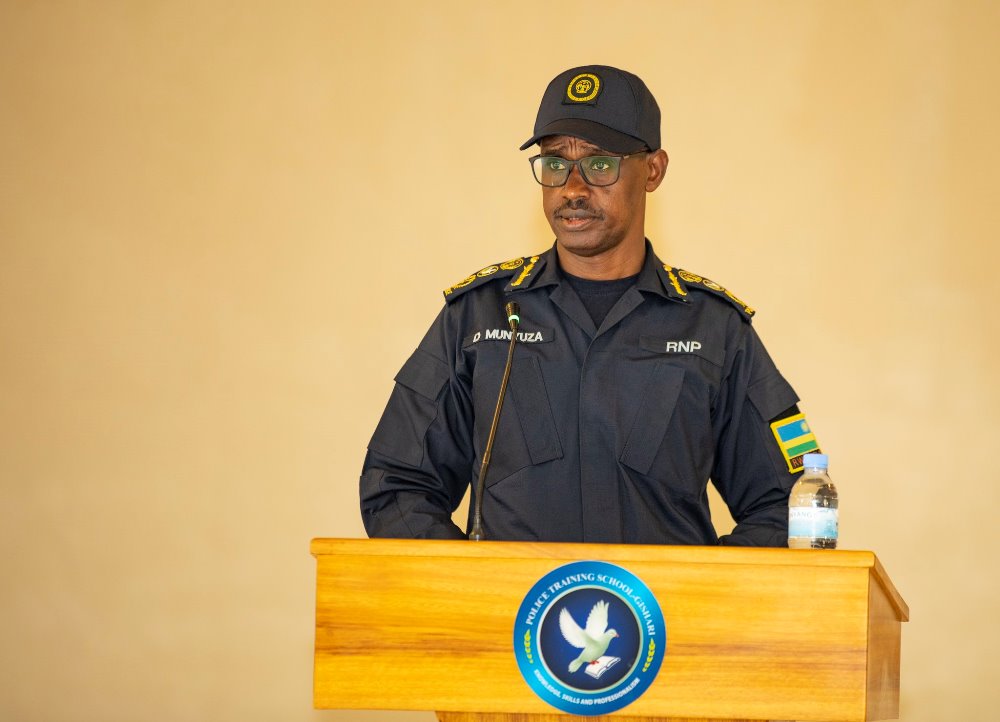
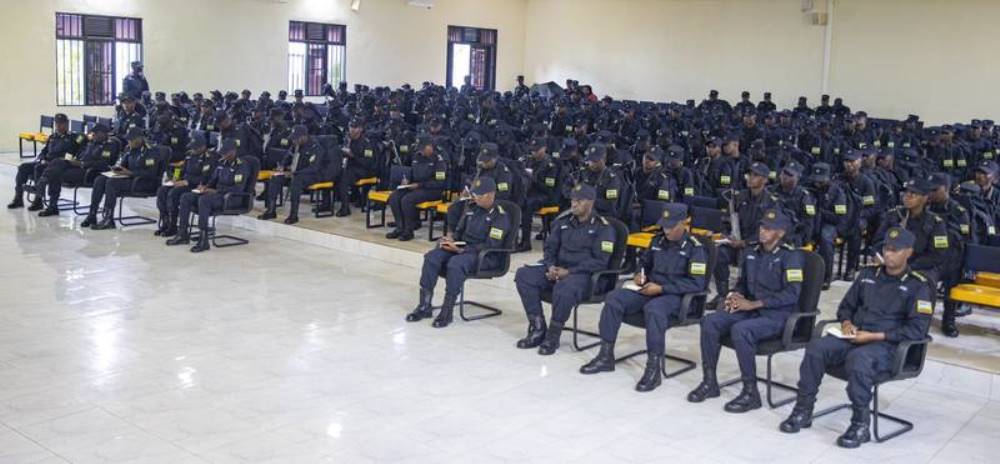
The Police Chief made the call on Sunday, November 6, while briefing 160 officers of Formed Police Unit Three (RWAFPU-III) at the Police Training School (PTS) Gishari, in Rwamagana District.
The female-dominated RWAFPU III-5 commanded by Senior Superintendent of Police (SSP) Speciose Dusabe, will this Monday replace RWAFPU III-IV headed by SSP Marie Grace Uwimana, which was deployed in November last year for a one year peacekeeping mission.
IGP Munyuza told the officers to sustain the professional image of Rwandan peacekeepers and to stand firm amidst mission challenges.
“You were trained for this mission and you proved that you are ready for the challenge. Serve with passion, love what you do and do it professionally. You are going as ambassadors, so do not taint that image,” IGP Munyuza said.
Their successful tour-of-duty, he reiterated, will be defined by their discipline, resilience, respect, politeness, teamwork, and upholding Rwandan values.
Rwanda maintains two Formed Police Unit contingents in South Sudan. The RWAFPU-III operates in the capital Juba while RWAFPU-1 contingent of 240 officers is deployed in Malakal, Upper Nile State.
The call followed separate operations in which illegal miners were arrested.
In the latest operation conducted on Friday, November 4, Police, local leaders and other security organs arrested four people in Rutongo cassiterite mining concession located in Buliza Village of Mugambazi Cell in Murambi Sector.
Superintendent of Police (SP) Alex Ndayisenga, the Northern Region Political and Civic Education Officer RPCEO identified those arrested as Alice Tuyishimire, 28, Jean Pierre Macari, 36, Jean Paul Nshimiyimana, 39 and Niyindora Protogène, 41.
They were handed over to RIB at Murambi station.
SP Ndayisenga said that the unlawful mining was reported by the management of the cassiterite concession, where the quartet was arrested.
“They were arrested at about 4a.m after the management of Rutongo Mines Limited reported a group of men that had sneaked into the concession that night. Security organs arrested all the four men at the concession,” said SP Ndayisenga.
He warned against such illegal practices that can also lead to loss of lives.
“People enter into concessions at night and sometimes they do not know the status of the site, which is dangerous.”
Article 54 of the law N° 58/2018 of 13/08/2018 on mining and quarry operations, states that; any person, who undertakes mineral or quarry exploration, exploitation, processing or trading without a licence, commits an offence.
Upon conviction, the offender is liable to imprisonment for a term of between two and six months and a fine of not less than Rwf1 million and not more than Rwf5 million or only one of these penalties.
The court also orders confiscation of any seized minerals or quarry in storage, trading or processing without a license
Xi noted that Scholz is the first European leader to visit China after the 20th National Congress of the Communist Party of China (CPC), and that it is also his first visit to China as the Federal Chancellor.
Xi said the visit will further enhance the mutual understanding and trust between the two sides and deepen practical cooperation in various fields, and gives the two sides an opportunity to plan for the growth of bilateral ties going forward.
Xi stressed that China-Germany relations could not have reached today’s level without the extraordinary vision and political courage of generations of Chinese and German leaders, mentioning this year marks the 50th anniversary of China-Germany diplomatic relations.
The five-decade journey shows that as long as the two sides follow the principles of respecting each other, seeking common ground while reserving differences, maintaining exchanges and mutual learning, and pursuing mutually beneficial cooperation, bilateral ties will keep going in the right direction on the whole and making steady progress, he said.
Noting the complex and fluid international landscape, Xi underscored the need for China and Germany, two major countries with great influence, to work together in times of change and instability and contribute more to world peace and development. China will work with Germany for a future-oriented all-round strategic partnership and for new progress in China-Germany and China-Europe relations.
Xi briefed Scholz on the 20th CPC National Congress, with a particular focus on the essence of Chinese modernization. He pointed out that modernization is an aspiration and goal shared by people in all countries. That said, countries should choose their paths to modernization in light of their own national realities.
Xi said Chinese modernization has elements that are common to the modernization processes of all countries, but it is more characterized by features unique to the Chinese context, because of China’s unique national conditions, because of China’s social system and governance philosophy, and because of understanding gained through decades of endeavors toward modernization.
The president said China has been upholding and promoting world peace through its own development. In this process, the development of China and that of other countries have become more interconnected and mutually reinforcing. China will stay committed to advancing high-standard opening up, keep to the right direction in economic globalization, promote an open world economy, and expand converging interests with other countries.
Xi stressed that political trust is easy to destroy but difficult to rebuild and that it should be nurtured and protected by both sides. He cited a quote which former German Chancellor Helmut Schmidt used and which he appreciated, that political leaders should have the serenity to accept the things they cannot change, the courage to change the things they can change, and the wisdom to distinguish between the two.
“It is important that China and Germany respect each other, accommodate each other’s core interests, adhere to dialogue and consultation, and jointly resist disturbance from bloc confrontation and attempts to see everything through the prism of ideology,” Xi said.
He called on both sides to keep to the overall direction of bilateral ties from a strategic height, pursue the biggest common ground in a constructive manner, and advance practical cooperation with an open mind to create conditions for long-term and steady growth of bilateral ties.
“There should be no self-imposed restrictions or unrealistic expectations,” Xi said.
Noting the high degree of stability and consistency in China’s policy toward Germany, he called on Germany to follow a positive China policy for the mutual benefits of both countries.
Xi pointed out that over the past five decades, bilateral practical cooperation has kept deepening, with two-way trade growing by almost 1,000 times, serving economic and social development in both countries.
“The two sides should make the pie of common interests still bigger,” he said, adding that while exploring more cooperation potential in traditional areas, efforts should be made to energize cooperation in emerging fields such as new energy, artificial intelligence and digitalization.
China will work with Germany and Europe to further deepen aviation cooperation, conduct exchanges and cooperation on COVID-19, increase interactions and mutual learning on green development and ecological conservation, and encourage more people-to-people exchanges, he said, calling on Germany to join China in resisting protectionism so that the fruitful bilateral cooperation can deliver more benefits to the two peoples.
Xi pointed out that China-Europe relations bear on global stability and prosperity in Eurasia and should be maintained and developed with efforts from both sides.
Xi said China always regards Europe as a comprehensive strategic partner, supports the strategic autonomy of the European Union and wishes Europe stability and prosperity. China maintains that its relations with Europe are not targeted at, dependent on, or subjected to a third party.
The more complex and difficult the situation becomes, the more important it is for China and Europe to uphold mutual respect, mutual benefit, dialogue and cooperation, Xi said. “China will work with Germany and with Europe to step up coordination and cooperation in international affairs and jointly look for solutions for such global issues as climate change, biodiversity and food security.”
Scholz expressed his pleasure to visit China in a year that marks the 50th anniversary of Germany-China diplomatic relations and have an in-depth discussion with Xi on Germany-China relations and on important issues of mutual interest. He thanked Xi for the update on China’s development outlook.
He observed that in a complex and grave international landscape, Europe also faces unprecedented challenges. China is playing an important role on many global issues like climate change, biodiversity, COVID-19 response and food crisis. Germany wants to maintain communication and coordination with China to better safeguard regional and global peace and security.
Scholz said China is an important trading partner for Germany and for Europe as a whole. Germany firmly supports trade liberalization, supports economic globalization, and opposes decoupling. Germany stands ready for closer trade and economic cooperation with China, and supports more mutual investment by Chinese and German businesses.
Scholz said on issues where the two countries’ positions diverge, Germany is willing to exchange views with China to increase mutual understanding and trust, and stabilize, cement and grow bilateral ties. A multi-polar world is needed in which the role and influence of emerging countries can be taken seriously. Germany opposes bloc confrontation for which politicians should be responsible. Germany will play its role in furthering Europe-China relations.
The two leaders also exchanged views on the Ukraine crisis. Xi reaffirmed China’s support for Germany and Europe to play an important role in facilitating peace talks and to build a balanced, effective and sustainable security architecture in Europe.
Under the current circumstances, the international community should support all efforts conducive to the peaceful settlement of the Ukraine crisis and call on relevant parties to remain rational and exercise restraint, start direct engagement as quickly as possible, and create conditions for the resumption of talks; oppose the use of or the threat to use nuclear weapons, advocate that nuclear weapons cannot be used and that nuclear wars must not be fought, and prevent a nuclear crisis in Eurasia; work together to keep global industrial and supply chains stable and forestall disruption to international cooperation in energy, food, finance and other areas and consequent damage to global economic recovery, especially the economic and fiscal stability of developing countries; and make joint efforts to tide civilians in areas affected by the crisis through the winter, and improve the humanitarian situation to avoid a humanitarian crisis on a bigger scale.
After the meeting, Xi held a banquet for Scholz at the Golden Hall of the Great Hall of the People.
Linda Ogallo, a climate adaptation expert at the Inter-Governmental Authority on Development (IGAD) Climate Prediction and Applications Center (ICPAC), said drought and floods are some of the climate events that have accelerated conflicts in the Horn of Africa.
“A big block of communities in the Horn of Africa are farmers who rely on agriculture and pastoralism. Therefore, their lives are tied to climate. Any negative event leads to disruption of livelihoods and displacement that push people to new areas leading to inter-community or cross-border conflicts,” said Ogallo during a virtual forum on climate change, peace and security.
She identified South Sudan, Kenya and Somalia as the countries where climate events are causing conflict.
She said South Sudan has endured the worst flooding in the past months while drought is ravaging Somalia and Kenya.
More than 800,000 people have been affected by floods in South Sudan that have caused displacements and food insecurity challenges increase conflicts between communities, according to the United Nations.
In Kenya, the movement of pastoralists in search of pasture in other areas due to drought has led to fights between communities, causing deaths.
“In Somalia, it started with drought, then desert locusts, then floods, followed by the pandemic, and now drought. It has been one extreme event after another that communities have had no chance to recover,” she said.
Ogallo said the frequent climate events are putting financial strain on African governments, which now have to use development money for emergency response activities.
She said IGAD is hoping to have a coordinated mechanism for dealing with security challenges arising from climate change.
Elizabeth Carabine, the climate security advisor at the Office of the Special Envoy of the UN Secretary-General to the Horn of Africa, said climate events force people to move, increasing competition for resources and leading to conflicts.
“People displaced by climate events are more prone to conflicts that lead to instabilities. Climate change has become a threat to peace and security, and that is a discussion African governments, African Union, and other regional bodies must be prepared to have and find solutions,” she said.