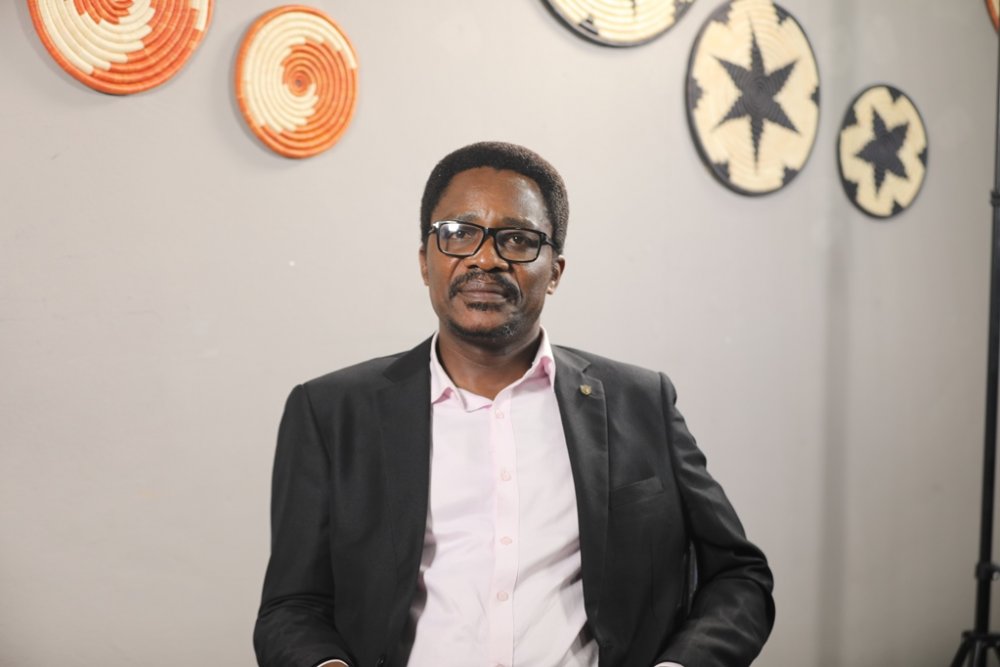
“The Congolese Diaspora in Rwanda affirms its support for the strict application of the resolutions of the Nairobi and Luanda agreements,” said the statement.
In the statement, the Congolese diaspora in Rwanda also said it remained very concerned about the escalation of tensions between Rwanda and DRC, two neighboring countries with centuries-old relations.
The DRC’s government in late October ordered Rwandan Ambassador Vincent Karega to leave the country over Rwanda’s alleged support for rebels of the March 23 Movement, an allegation Rwanda has repeatedly denied.
According to the statement, the Congolese community reaffirmed the importance of a sincere dialogue based on substantive issues that are at the root of mistrust and tension between the two countries.
The community also appealed to all Congolese and Rwandans to break the mistrust which negatively impacts bilateral relations between the two countries and to pursue the path of a real fraternity based on common African identity by placing dialogue and reciprocal trust in the foreground for the interest of all.
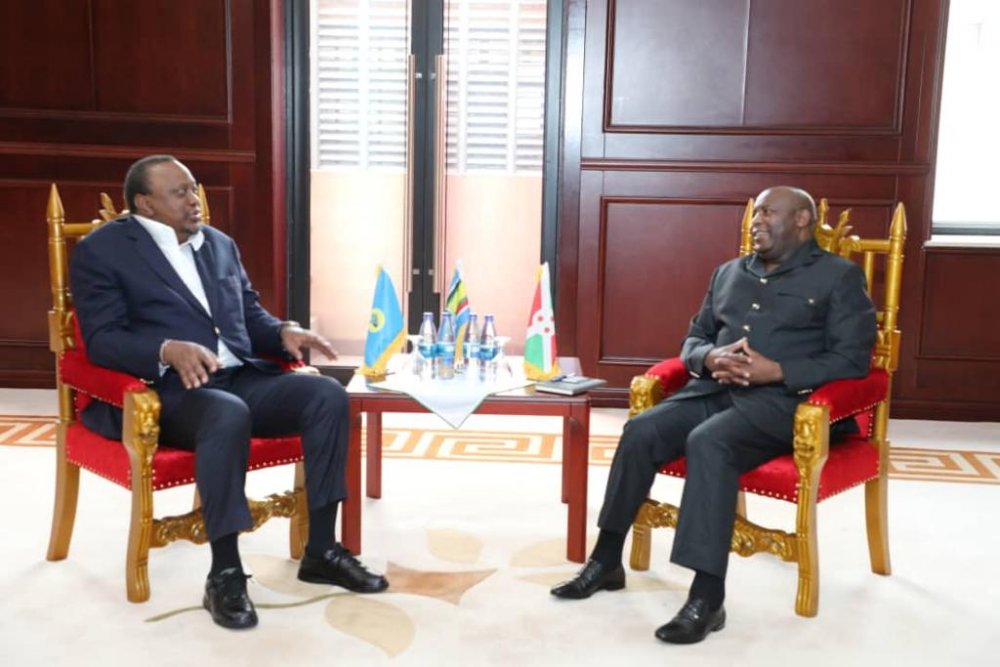
The decision was reached as Kenyatta, the EAC facilitator on the peace process in the Democratic Republic of Congo visited Burundi where he met with Ndayishimiye on Friday 4th November 2022.
They discussed different issues including the resumption of Nairobi peace talks bringing together DRC and hostile armed groups.
DRC agreed to participate in the talks but rejected any negotiations with M23 which it labeled as a terrorist group.
In April this year, EAC demanded all foreign armed groups operating in DRC including the Democratic Forces for the Liberation of Rwanda (FDLR), Allied Democratic Forces (ADF), Lord’s Resistance Army (LRA), and the National Liberation Forces (FNL) to lay down arms or be annihilated militarily through joint regional force.
Kenyatta and Ndayishimiye have also discussed the plan to send EAC joint troops to eastern DRC.
It is expected that Ugandan troops with work with Congolese Army (FARDC) to fight armed groups in Beni and Ituri regions.
Kenyan forces will be deployed in the outskirts of Goma and Rutshuru, Burundians will be based in Southern Kivu Province while others form South Sudan will be deployed in Haut-Uélé.
Areas of operations for Tanzanian troops have not yet been designated given that it already has soldiers in the country serving under The United Nations Organization Stabilization Mission in the Democratic Republic of the Congo (MONUSCO).
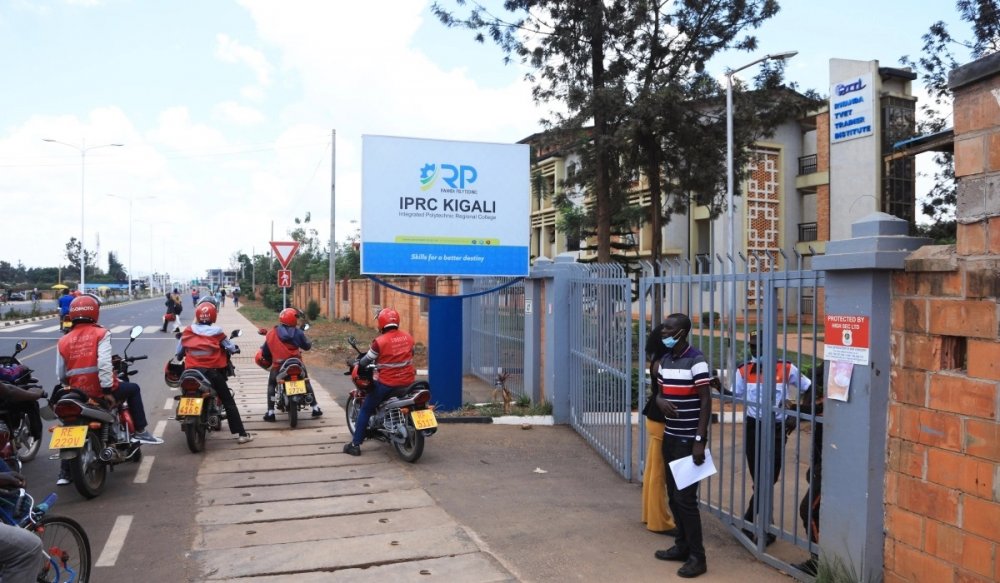
IPRC Kigali was closed on 23rd October 2022. At the time, it was disclosed that the decision was meant to allow for investigations of theft and resources misappropriation cases.
“Following the 23rd October 2022 decision by the Government of Rwanda to temporarily close IPRC Kigali for two weeks to allow investigation into serious cases of theft and misappropriations of public resources. MINEDUC informs that the campus will be reopened to all students, staff and the general public from Monday 7th November 2022,” reads part of a statement released by MINEDUC.
Students who had returned home have been requested to return to school on 7th November to continue their studies.
The closure led to the arrest of staff members and senior management including IPRC Kigali Principal, Eng Diogène Mulindahabi accused of connivance in resources misappropriation and forgery case.
Others include Vander Thomas Muhimpundu, the Director in charge of Administration and Finance at IPRC and Mediatrice Uwantege, the Director of Logistics arrested over connivance in the same case.
Meanwhile, another Jean Claude who served as a storekeeper and Fortune Ndayambaje who worked as the Deputy Director in Charge of Finance and Administration were charged with resources misappropriation.
Rukundo Tumukunde, Nepomuscene Mugenzi and Venuste Habimana are among other suspects facing resources misallocation while Eugene Yambabariye, Nzavugejo, Daniel Harerimana and a trader identified as Alphonse Manirafasha are charged with theft.
The Spokesperson of Rwanda Investigation Bureau (RIB), Dr. Murangira Thierry has told IGIHE that some equipment of the school have been recovered while six more employees were arrested.
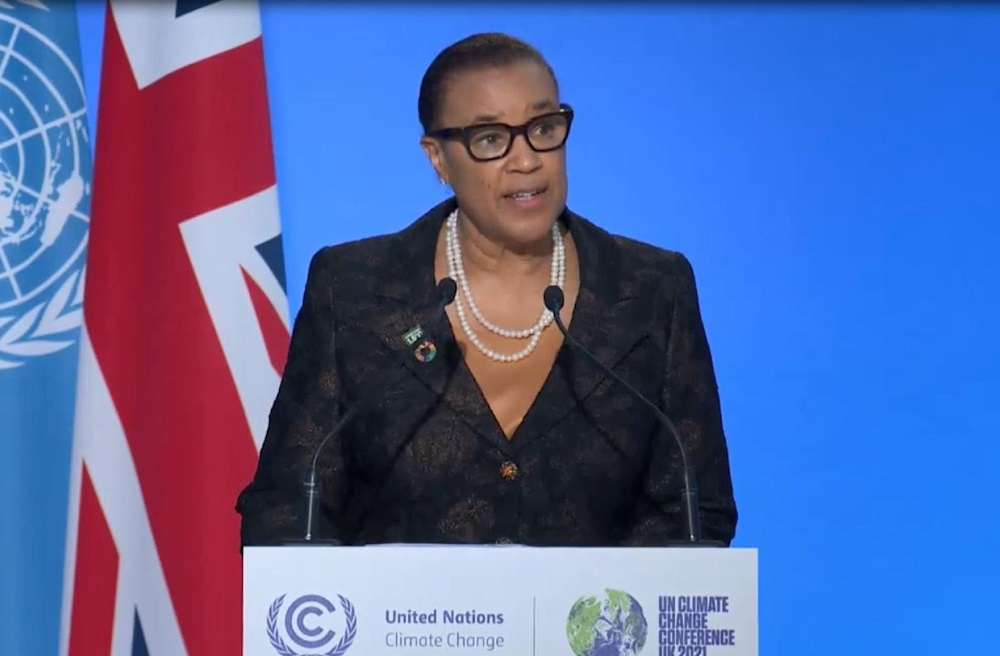
The Secretary-General will head a delegation to attend the world’s largest annual gathering of leaders around the issue of climate change, which takes place in Sharm El-Sheikh, Egypt from 6 to 18 November.
At the summit, Secretary-General Scotland will advocate for ramped-up climate action through more ambitious Nationally Determined Contributions (NDCs), national plans and targets. She will also seek to amplify the shared concerns of the 56 Commonwealth countries, including crucial issues around climate finance, sustainable energy transition, loss and damage, and partnerships and coordinated action.
Ahead of her arrival in Egypt on 5th November, the Secretary-General stated:“COP27 takes place in the midst of overlapping, interlinked and accelerating global challenges. The lasting impacts of COVID-19 combine with the effects of conflict, including in Ukraine, to destabilise global economic, energy and food systems. Against this backdrop, the climate crisis has continued to worsen, and its profound impacts are being felt by families, communities and countries across the Commonwealth.
“I understand the pressure world leaders are under, but I urge all decision-makers, advocates and allies at COP27 to ensure the promises already made are delivered, and accelerate efforts to mitigate and adapt to the urgent threat of climate change. We must never lose sight of the crushing consequences of inaction, for the for the millions who face the dangers of climate change every day, and for generations to come. We need urgent action now.”
Thirty-two of the total 56 Commonwealth member countries are small states, including 25 small island developing states, while 14 are classified as least developed countries – among the poorest and most vulnerable in the world.
Commonwealth heads of government recognise that developing countries, least developed countries and small island developing states are particularly at risk of their development gains being reversed by the impacts of climate change.
During their meeting in Kigali, Rwanda in June, they called on developed countries to deliver on their promise to jointly mobilise US$100 billion per year to support developing countries in coping with climate change, stressing the importance of transparency in implementing their pledges.
The Secretary-General added: “We must build on the substantive progress made at the previous COP26 summit, and urgently translate these commitments into action. Limiting global warming to 1.5 degrees Celsius requires rapid, deep and sustained reductions in global greenhouse gas emissions, including reducing global carbon dioxide emissions by 45 per cent by 2030. But to achieve this, developing countries will need enhanced support.”
The COP27 event will also provide the opportunity to raise awareness about Commonwealth initiatives that support member countries to tackle climate change, such as the Commonwealth Climate Finance Access Hub, the Commonwealth Blue Charter, the Commonwealth Sustainable Energy Transition Agenda and the Commonwealth Living Lands Charter: Call to Action on Living Lands.
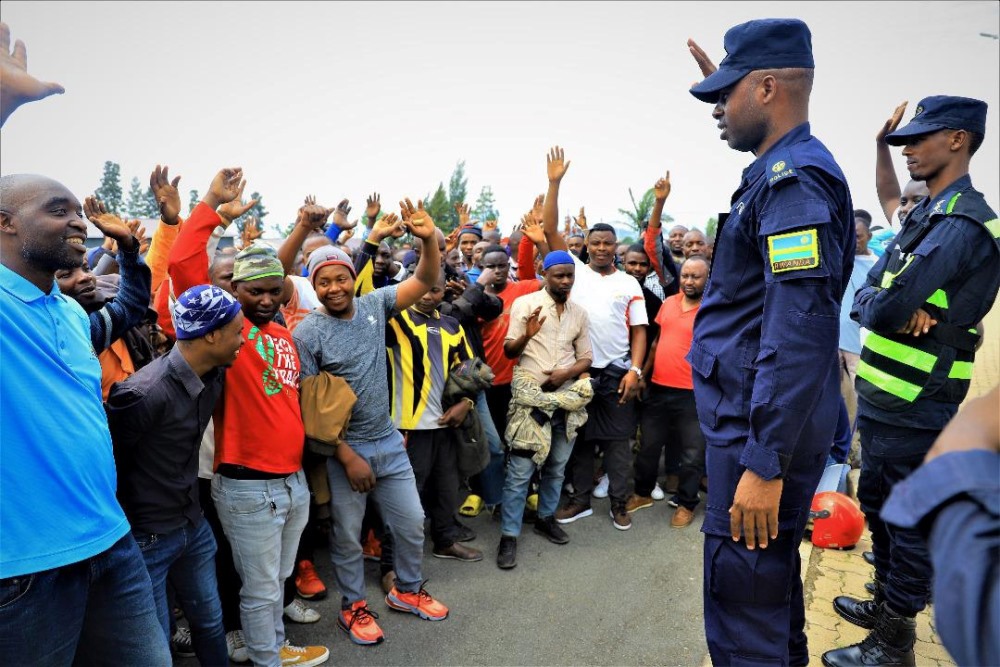
The District Police Commander (DPC) for Rubavu, Superintendent of Police (SP) Jean Bosco Karega made the call on Friday, November 4, while meeting about 400 commercial motorcyclists in Gisenyi Sector.
SP Karega reminded them of their duty to maintain security and to report anyone they suspect to be engaged in criminal activities.
“Some of you work with smugglers, drug traffickers and thieves, and some of your colleagues have been arrested in these criminal activities. Do not transport criminals or illegal goods. Instead, be responsive against such people. Make safety and security your responsibility,” SP Karega told the Motorcyclists.
He went on to urge them to always stop when required by Police officers on duty.
The taxi-moto operators were further urged to respect traffic rules and regulations to prevent accidents and loss of lives.
Over 11kgs and 339 pellets of cannabis were also impounded from suspected dealers in Burera and Kayonza districts.
One Uzarama Cyuma, 54, was arrested in Burera District, Rwerere Sector in Rugali Cell, Gatovu Village with 1kg and 339 pellets of cannabis.
Law enforcement organs are also still searching for another suspected drug dealer, who fled during the operation in Ragwe Village, Nyagatovu Cell of Mukarange Sector in Kayonza District where 10kgs of cannabis were impounded.
Superintendent of Police (SP) Alex Ndayisenga, the Northern Region Political and Civic Education Officer (RPCEO) said that Cyuma was reported by residents.
“Cyuma was a suspected drug dealer trafficking cannabis into Rwanda from Uganda. On Thursday at about 10:30a.m, it emerged that he had cannabis hidden at his home, where Police officers later recovered 1kg and 339 pellets of cannabis and took the suspect into custody,” SP Ndayisenga said.
Cyuma and the exhibits were handed over to RIB at Rusarabuye station.
Meanwhile, in Kayonza District, the trafficker was transporting the 10kgs of cannabis on a motorcycle before dropping them after seeing the Police and fleeing.
The Ministerial order nº 001/MoH/2019 of 04/03/2019 establishing the list of narcotic drugs and their categorisation classifies cannabis in the category of “very severe narcotics.’’
Article 263 of law No. 68/2018 of 30/08/2018 determining offenses and penalties in general states that any person, who unlawfully produces, transforms, transports, stores, gives to another or who sells narcotic drugs and psychotropic substances, commits an offence.
Upon conviction for very severe narcotics, the offender faces between 20 years and life imprisonment, and a fine of between Rwf20 million and Rwf30 million.
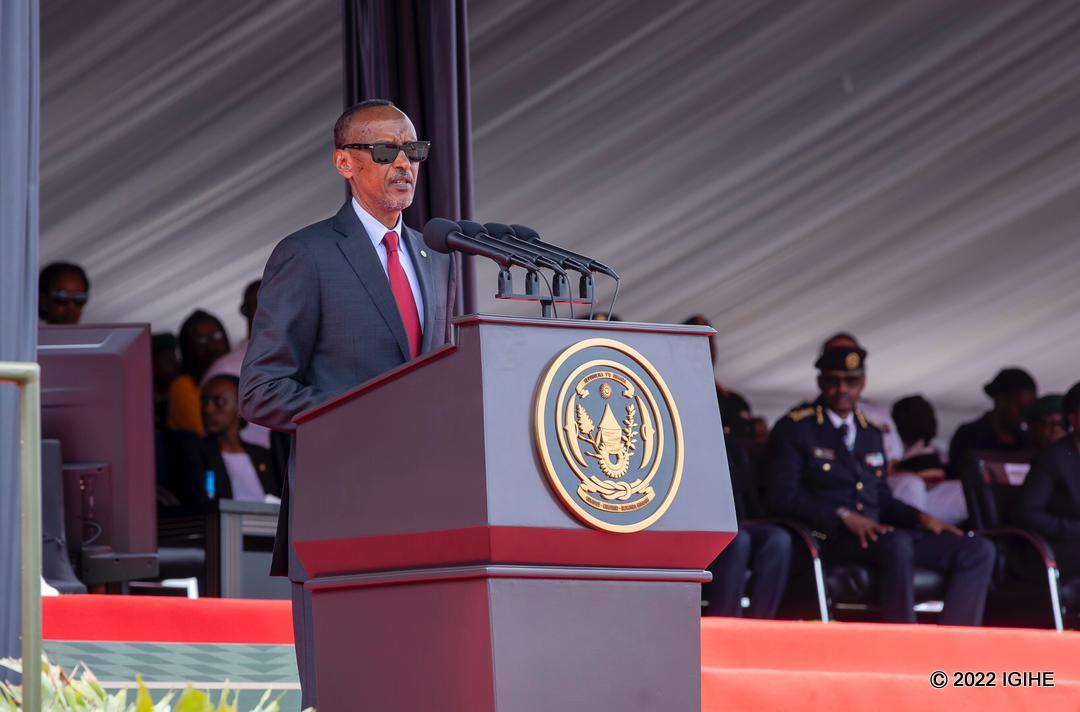
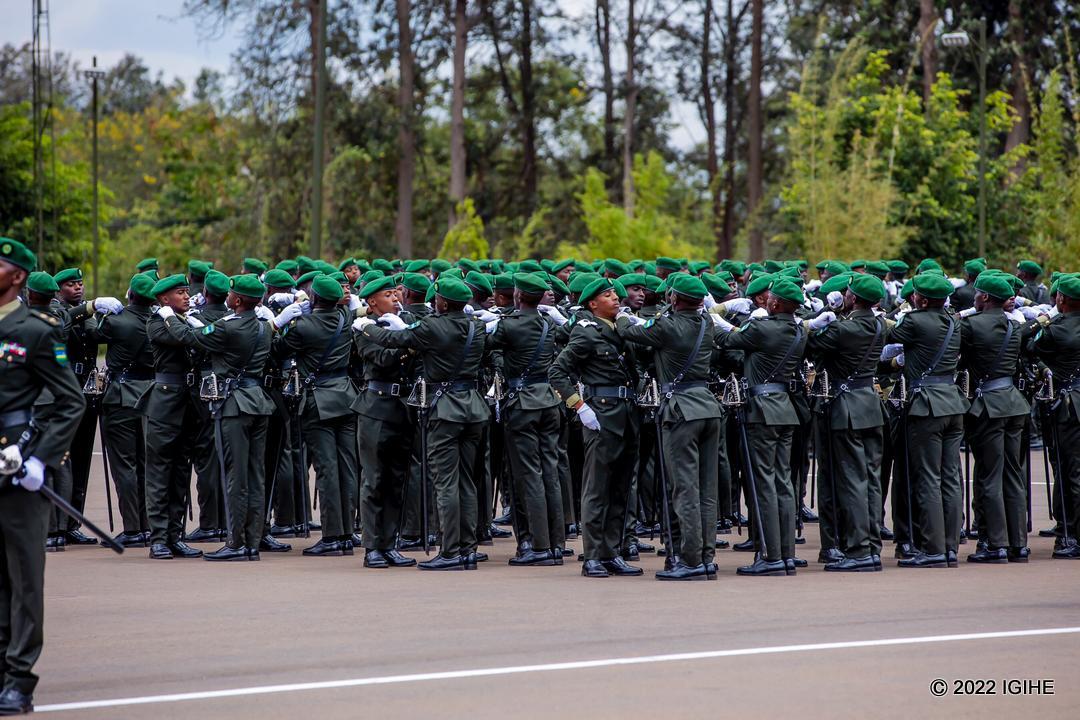
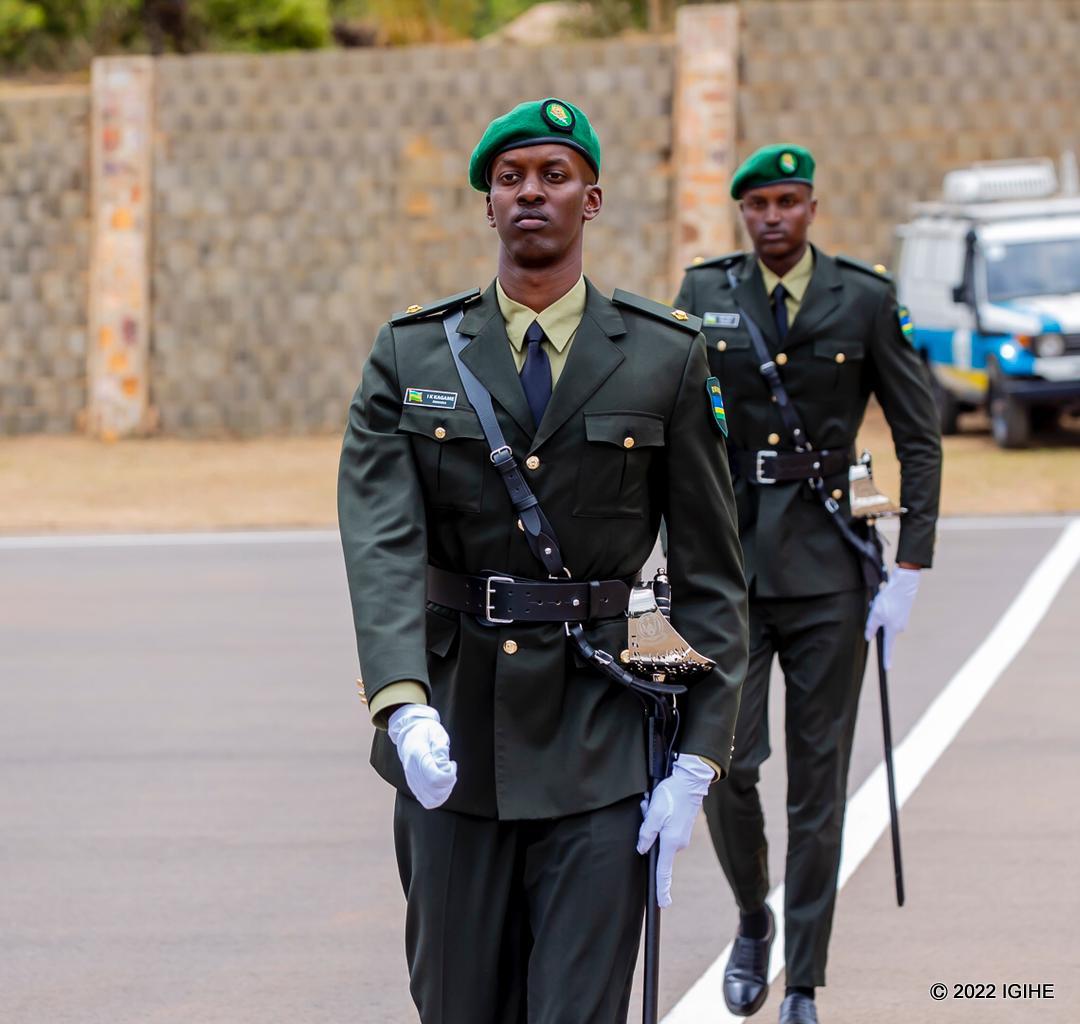
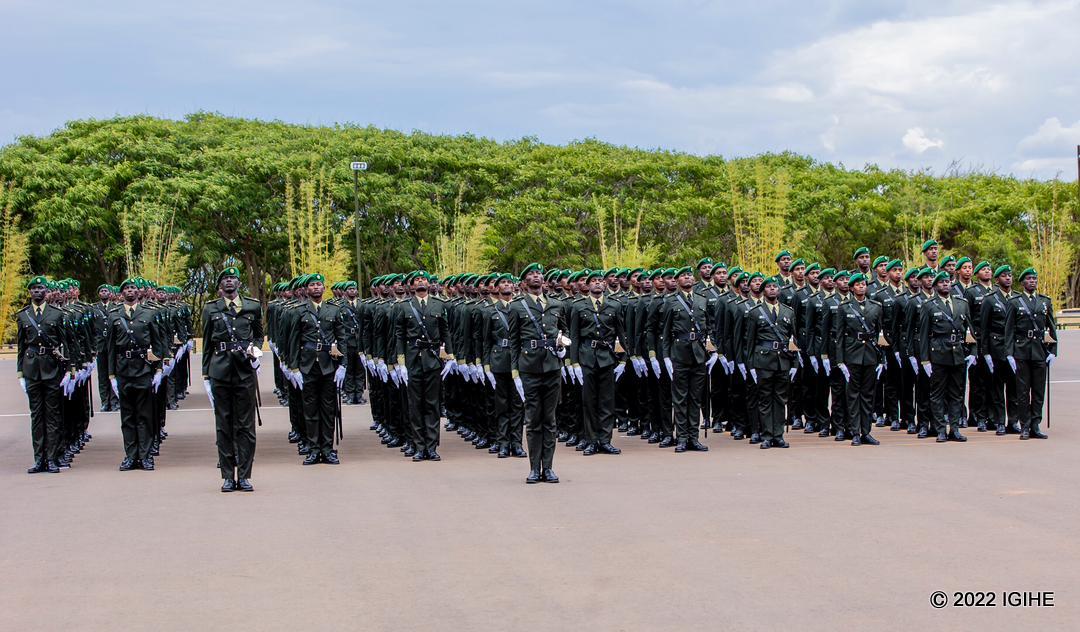
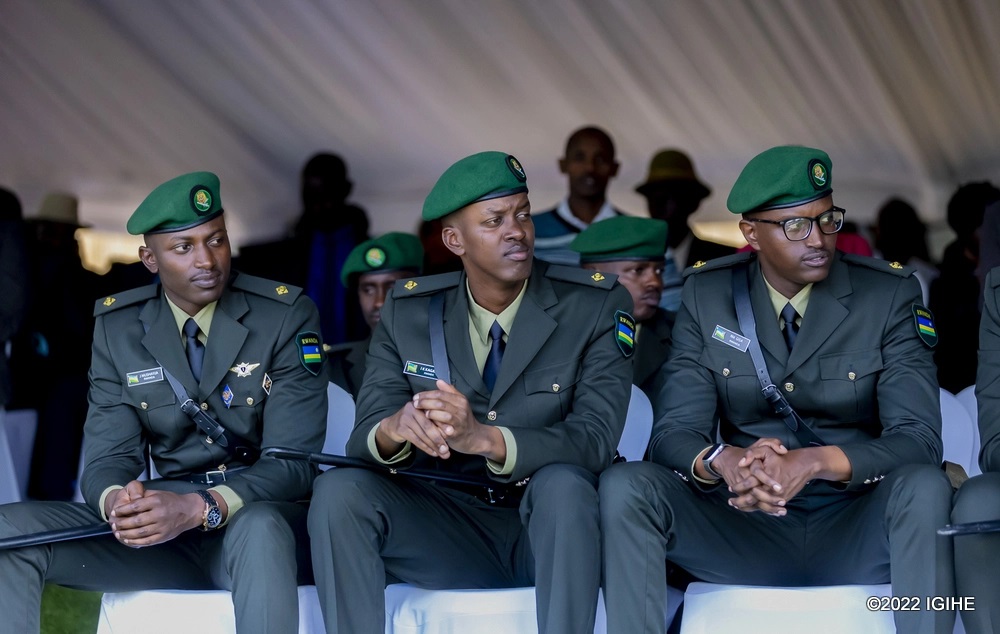
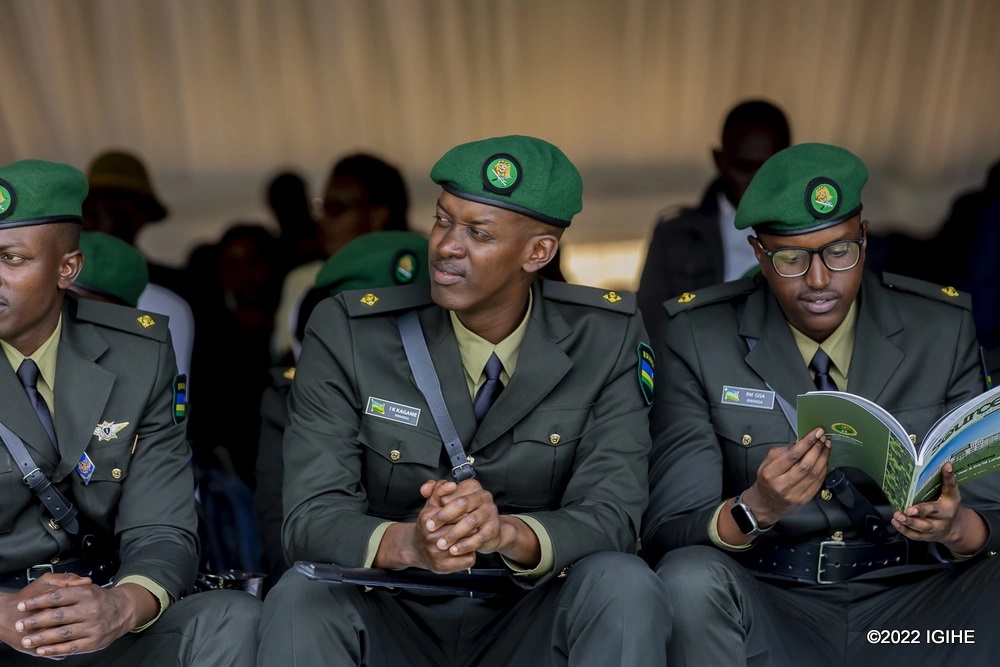
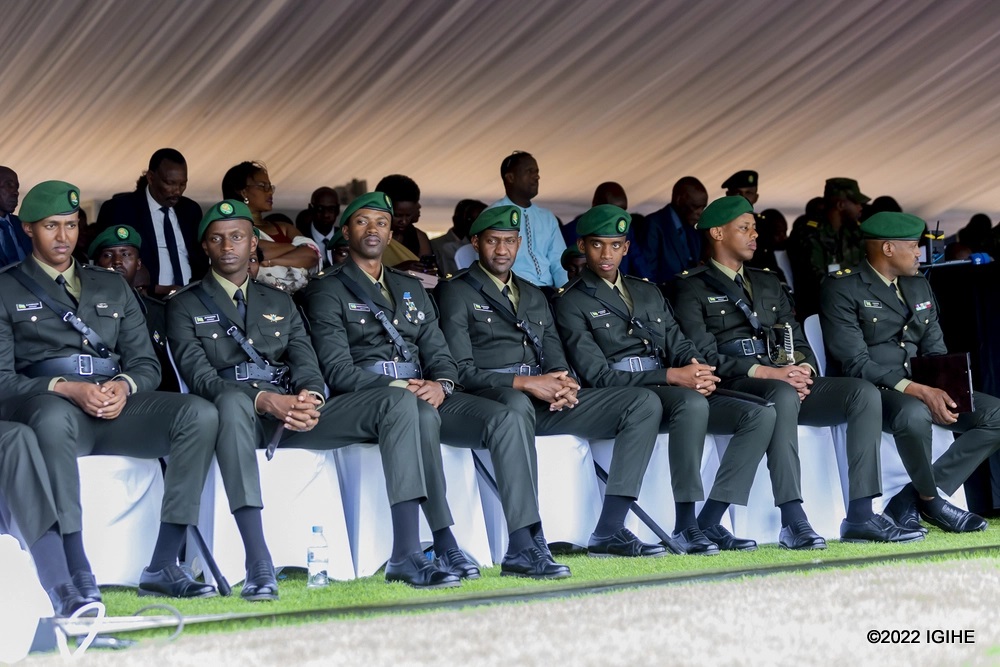
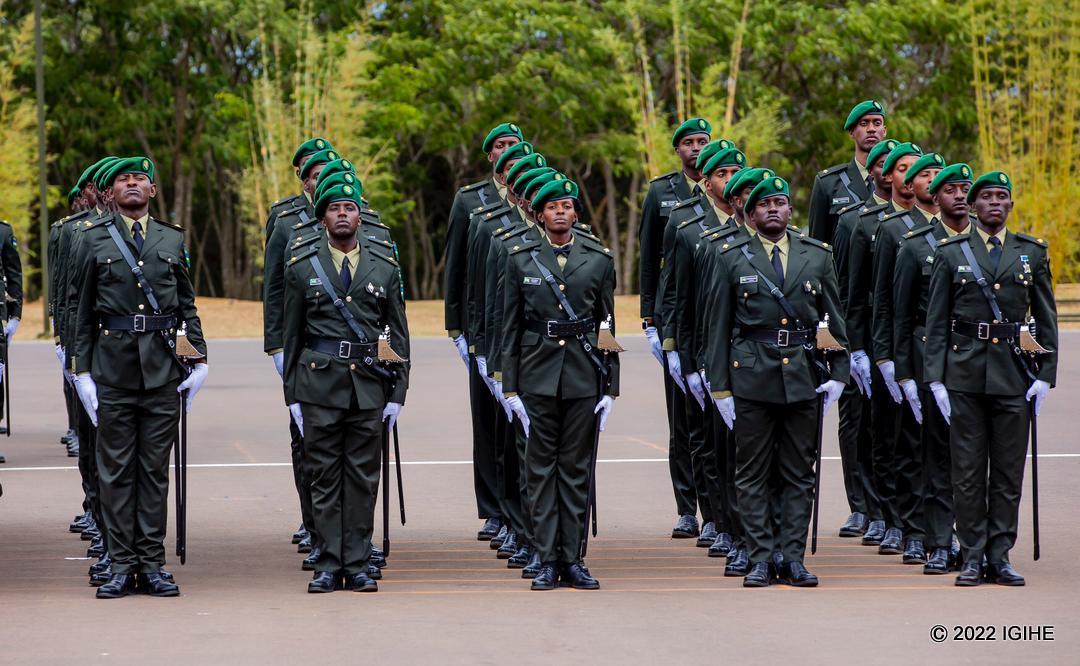
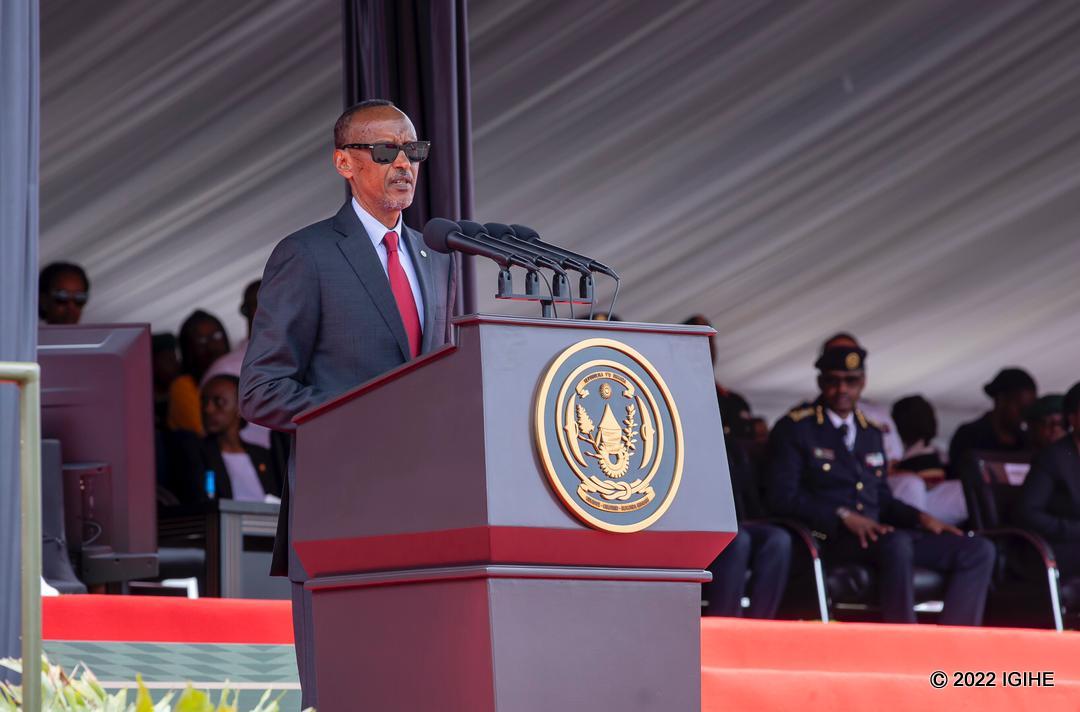
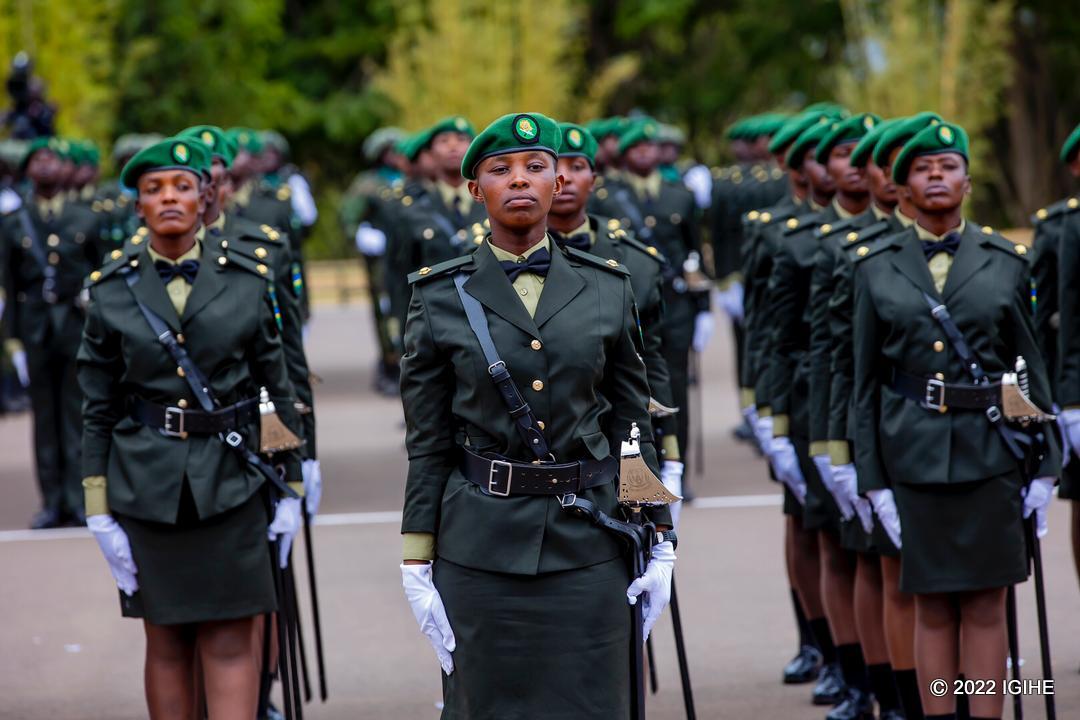
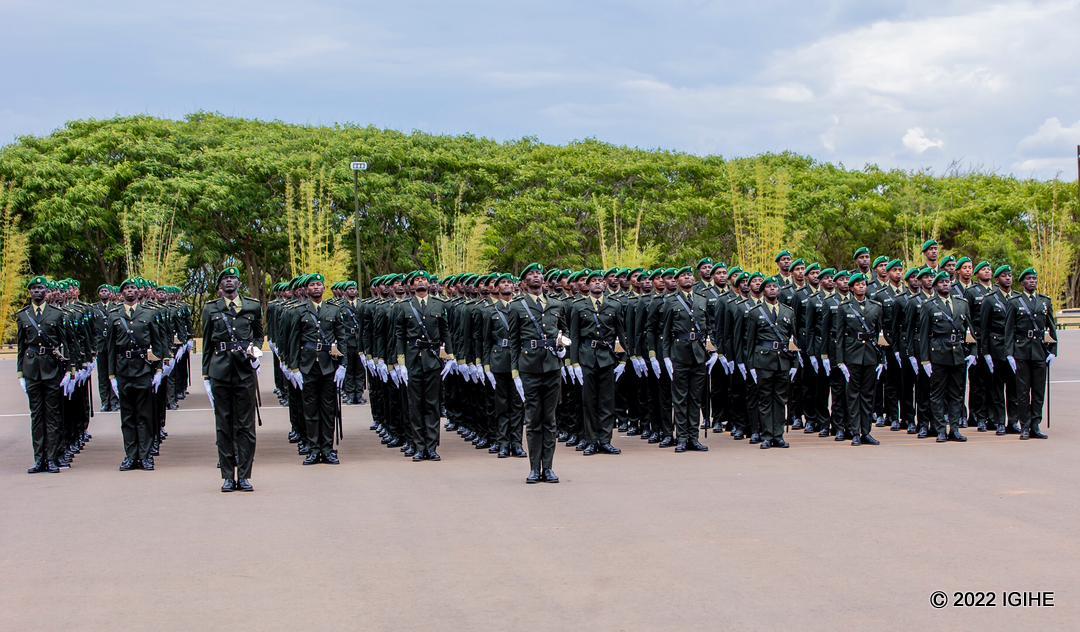
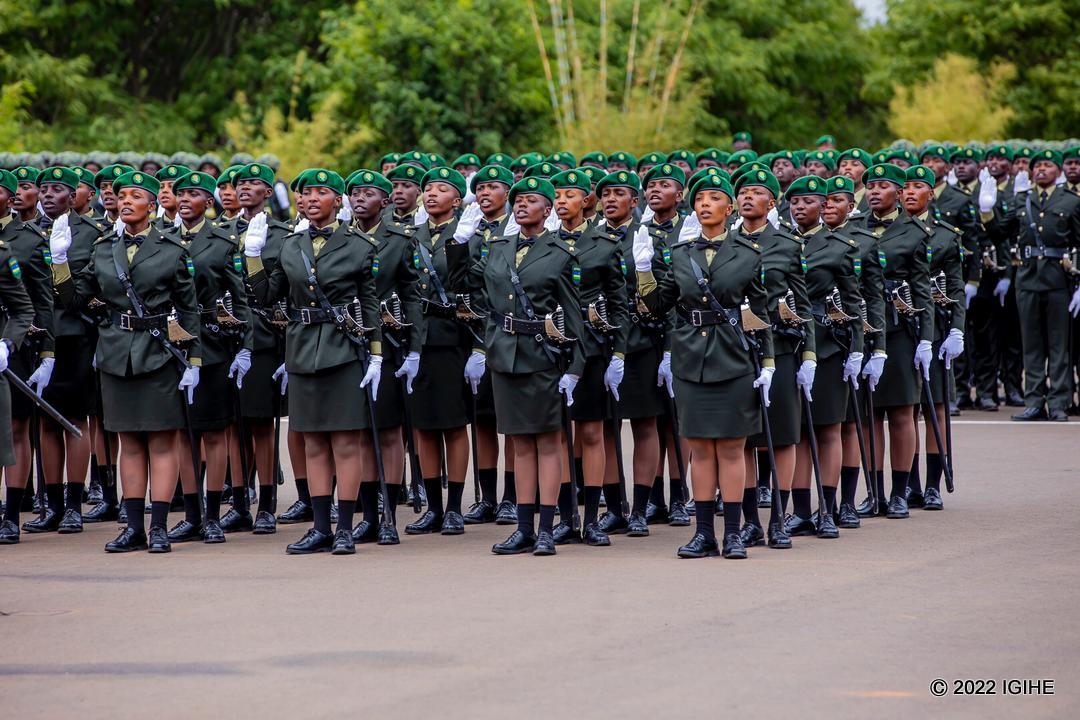
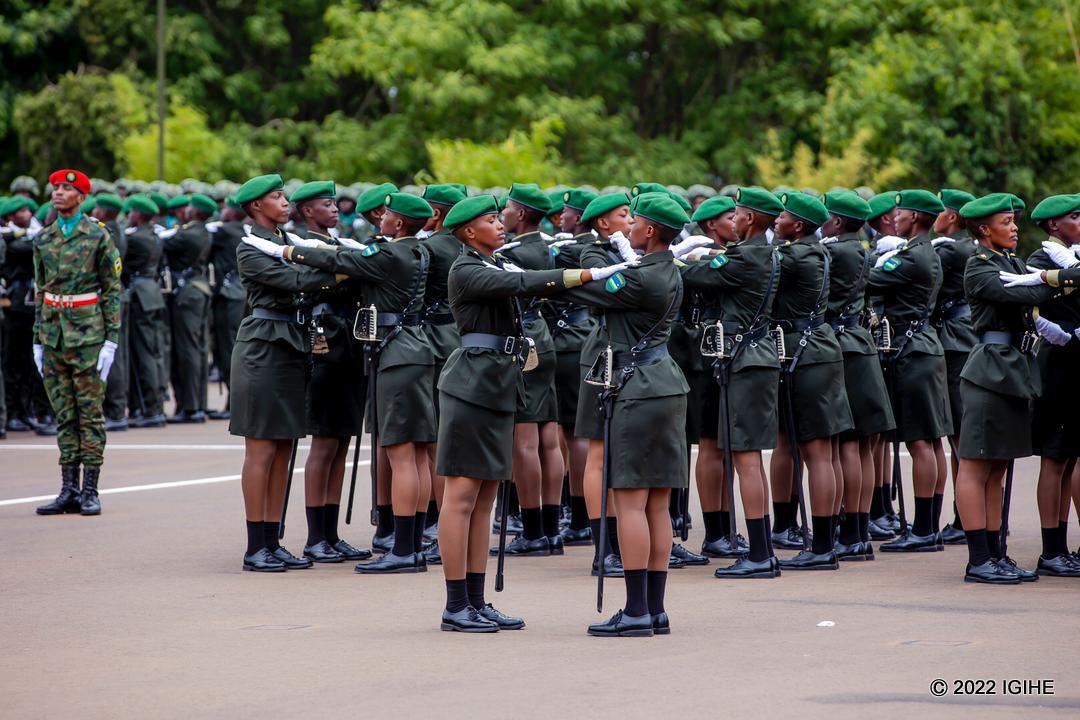
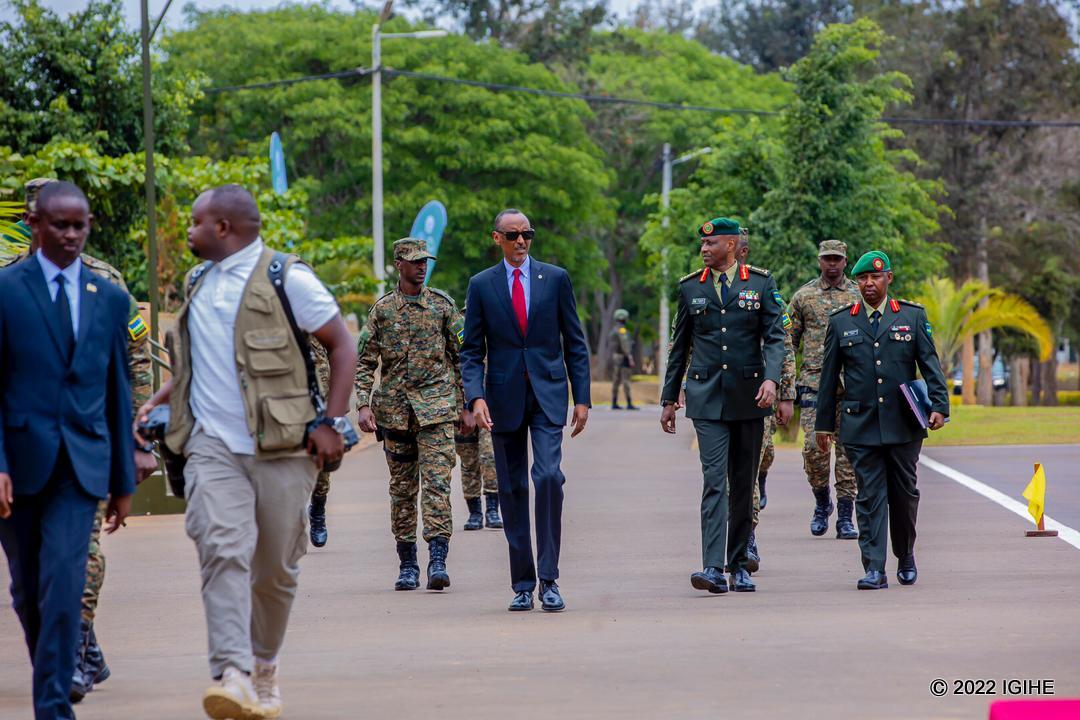
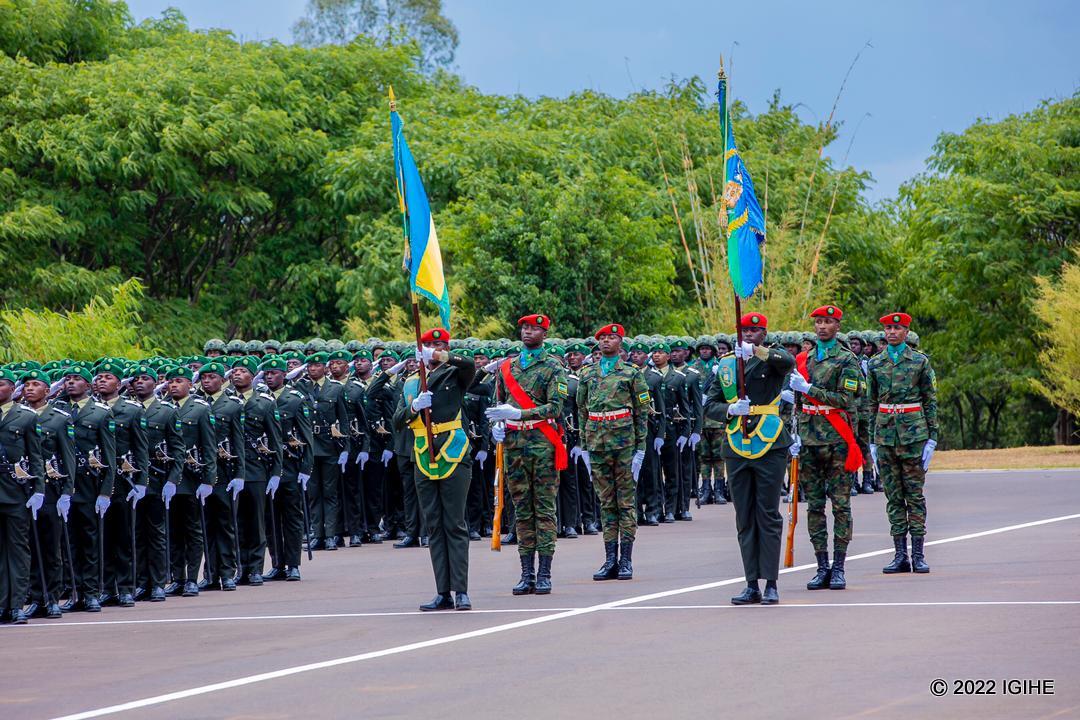
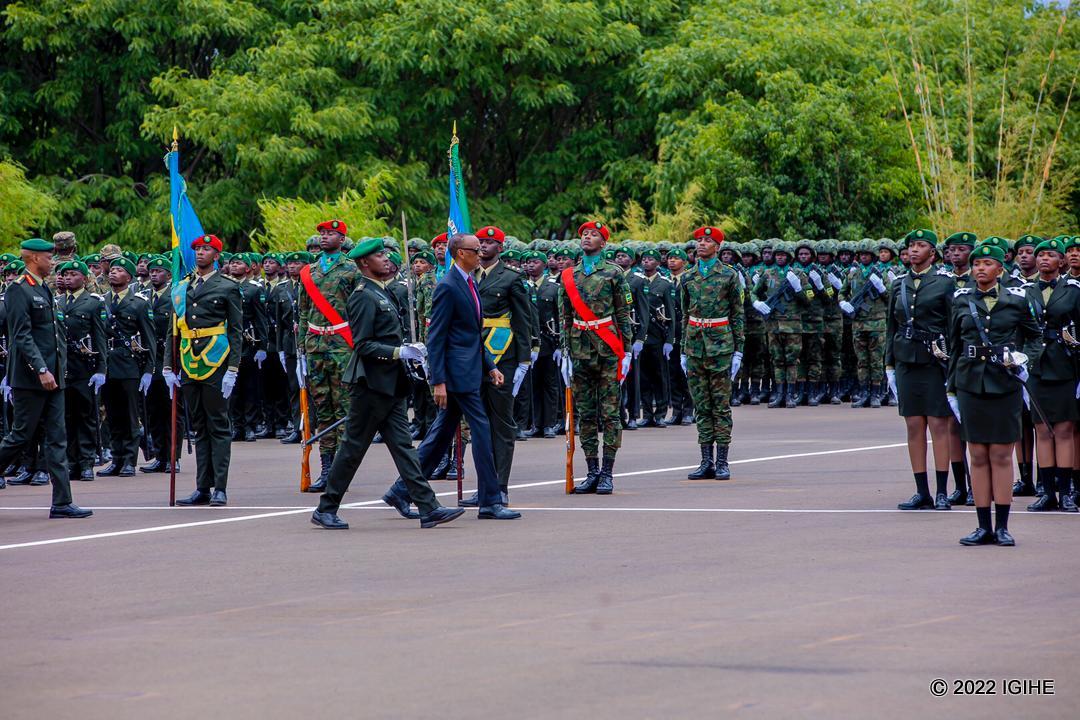
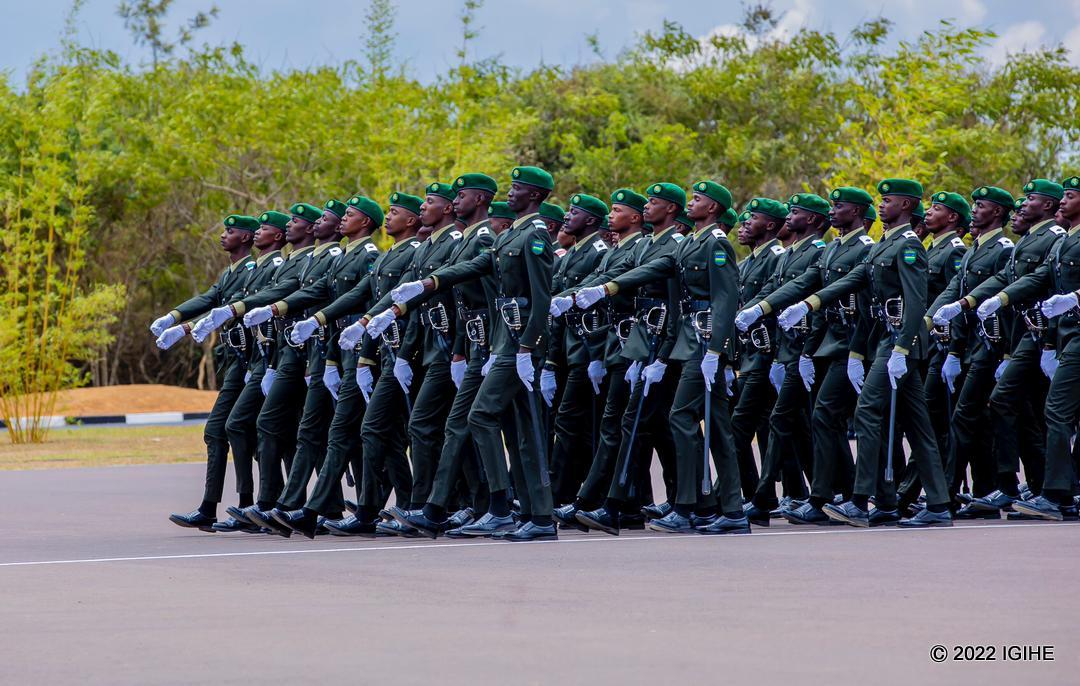
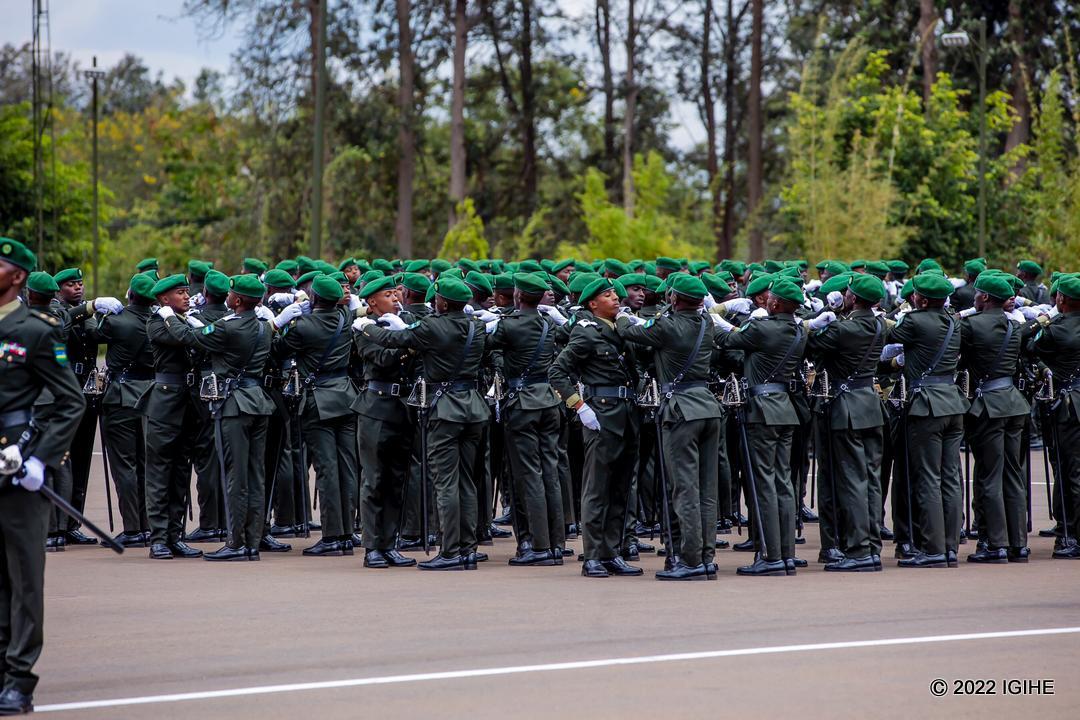
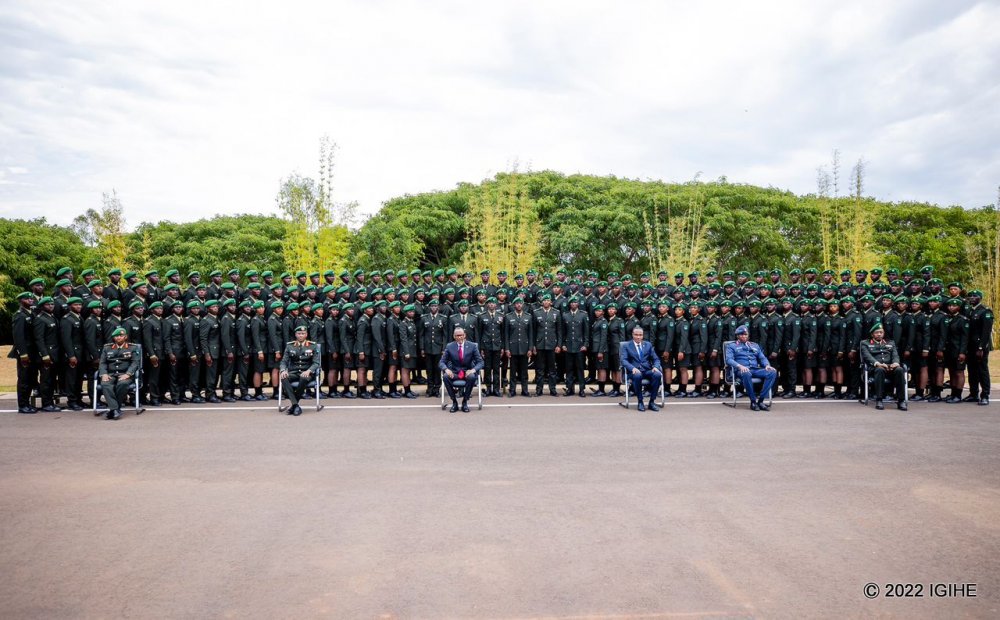
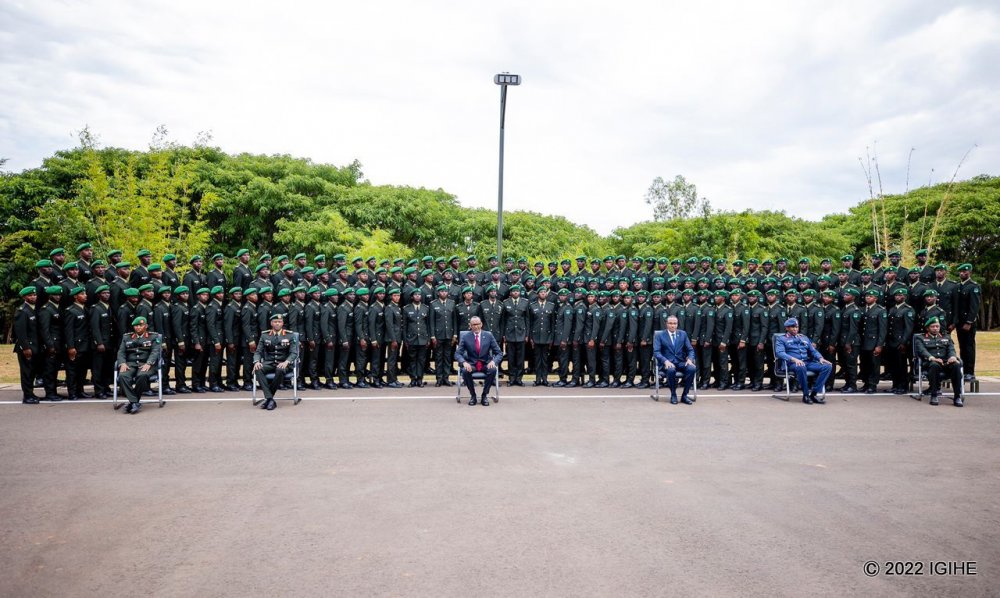
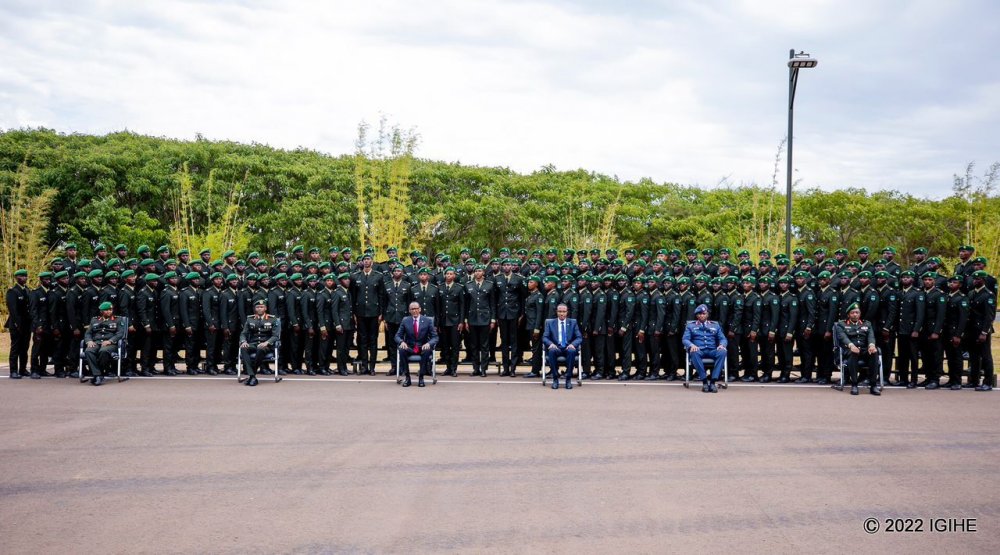
The head of state delivered the message on Friday 4th November 2022 after commissioning 568 officer cadets who graduated from Rwanda Military Academy in Bugesera District.
Kagame said that the officers commissioned to the rank of Second Lieutenant have acquired knowledge and diverse skills throughout 12 months of training.
“We congratulate you for achieving your dreams. I have no doubt that you are prepared enough and have all it takes to fulfill your duties to safeguard national security and citizens’ development,” he said.
The President reminded new officers that their primary job is to maintain security not fighting wars.
“The Rwandan army and other security organs in our country are meant to protect Rwandans, to protect the country and all its citizens, and safeguard the development we have attained, as we move forward. That is what they stand for. That is where we start. We do not start by thinking that the national army as a profession, is just about fighting wars. That comes last,” he said.
“Their primary duty is security, securing our development gains. When the latter is threatened by war, that is when fighting comes in, that is why I said that is the last resort. What we and our country stand for and the mindset of our army professionals, is that the starting point is to protect what we have achieved. This is different from building an army that just fights wars that would be wrong,” added Kagame.
The head of state highlighted that Rwanda builds the army to protect the nation instead of provoking war. He explained that it is the reason why some recruits undergo science courses before joining RDF.
Since 2015, Rwanda Military Academy (RMA) introduced different university programs to in Social and Military Sciences, Medicine, Mechanical and Electrical Engineering.
In 2022, the academy introduced Mathematics, Physics and Chemistry. RMA also plans to introduce more programs in the near future.
President Kagame has said that the officers are equipped with a skill-set of knowledge in diverse disciplines that enables them to fit in other professional roles beyond military service in Rwanda and beyond in collaboration with partner countries.
“They are ready for that and have been adequately trained. However, even fighting any war where necessary, requires knowledge,” he said.
He also urged them to deliver on their duties and uphold discipline.
“It would not make sense for you to spend all this time here training and then after, you end up being dishonourably discharged or punished in any other way because of indiscipline,” he emphasized.
Among the 568 officers commissioned today, 475 were bachelor degree holders trained for one year while 93 graduated after four years of both academic and military training.
The 93 graduates combined military training and university studies in Social and Military Sciences, Medicine, Mechanical and Electrical Engineering.
Of the 475 officers enrolled in one year program, 277 were in-service soldiers while 198 were civilians before joining the military training.
They were joined by 24 graduates who completed military training in partner countries to take the commissioning oath before serving in RDF.
These countries include the United Kingdom, United States of America, Russia, Qatar, Srilanka, Kenya and Italy.
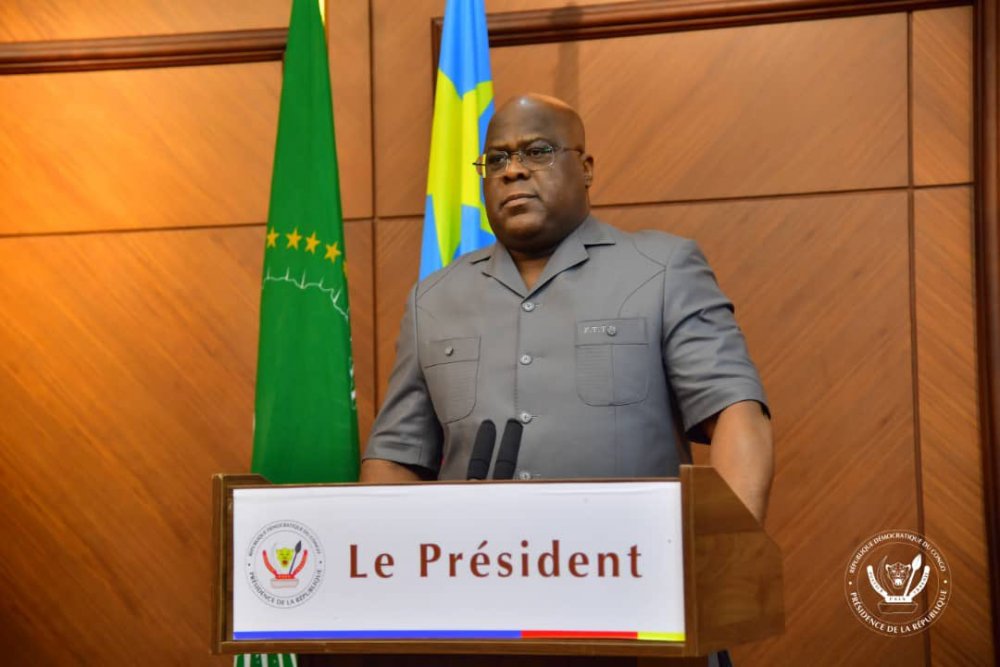
Tshisekedi made the revelation in the evening of Thursday 3rd November 2022 as he delivered state of the nation address.
He delivered the remarks at a time when the fighting between Congolese soldiers and M23 rebel group is ongoing.
Tshisekedi has called on all citizens, security personnel and politicians among others to unite against M23 and defend territorial integrity.
Tshisekedi said that the rebel group is receiving support from Rwanda in terms of resources and reinforcement troops.
Congolese Army (FARDC) in collaboration with the Democratic Forces for the Liberation of Rwanda (FDLR) continues to lose bases during the ongoing fighting with M23 rebel group.
The defeat has seen Congolese citizens and politicians externalizing the country’s problems and accuse Rwanda of supporting the rebel group, a claim which the latter has repeatedly rejected.
The accusations were followed by protests against Rwanda where Congolese continue to speak ill of the neighbouring country instead of exerting pressure on the national army to quell rebels.
M23 resumed fighting early this year requesting DRC to implement signed peace accords to give leadership positions to members of the group as a gesture to put an end to discrimination against Kinyarwanda-speaking people in the country.
DRC failed to respect the peace accords signed in 2013, labeled M23 as a terrorist group and refrained from engaging in talks with its members.
Congolese Army is gradually losing different bases to M23 which continues to advance towards Goma town after capturing strategic areas including Bunagana, Rutshuru and Rumangabo among others.
Tshisekedi has said that his country tries to maintain relations with nine neighbouring countries and elevate partnership with Rwanda and Uganda, ‘but surprised by the resurgence of M23 which had been defeated in 2013’.
“Through the false accusations of FARDC support to FDLR, Rwanda has intentions to hoard our minerals. To achieve this, it has opted to destabilize eastern DRC to create a lawless zone for its own interests,” he said.
Alluding to waging a war on Rwanda, Tshisekedi said that his country had two options to address security problems in eastern DRC: diplomacy and war.
“I have resolved to prefer the first option over the second. So, the diplomatic option has been implemented,” he said.
“It is worth reminding that our commitment to the pursuit of peace is in no way a sign of weakness, or an admission of our country’s inability to fight tries abusing our patience by means of war. It is an expression of our peaceful and hospitable character,” added Tshisekedi.
Through the diplomatic process, Tshisekedi said that he met with heads of states from East African Community (EAC) on 20th June 2022 in Nairobi, and later met with President Paul Kagame along with Angolan President João Lourenço on 6th July 2022.
In September this year, Tshisekedi also met with his counterpart of Rwanda and French President Emmanuel Macron in New York.
The Congolese President has said that these efforts yielded no tangible results towards achieving peace.
Tshisekedi explained that he has powers granted to him by the constitution to defend territorial integrity until the supreme sacrifice.
He urged Congolese to stand united and in solidarity with security forces to show the highest sense of patriotism in defending the country’s integrity and ensure security of nationals against attacks from wherever.
Tshisekedi also sent a warning to those who betray the country working in the interests of the enemy that they will face the law.
He ordered the Congolese army commander to establish dozens of military training centers as part of preparations to respond to alleged Rwanda’s support to M23.
“In response to the appeal of young people to enroll massively in our Armed Forces, I reiterate the instruction given to the Chief of Staff to accelerate the establishment of training centers through the twenty six provinces in our country,” he said.
“The war imposed on us by our neighbours demands sacrifice from each of us. It is time to silence our political differences to defend our motherland together,” added Tshisekedi.
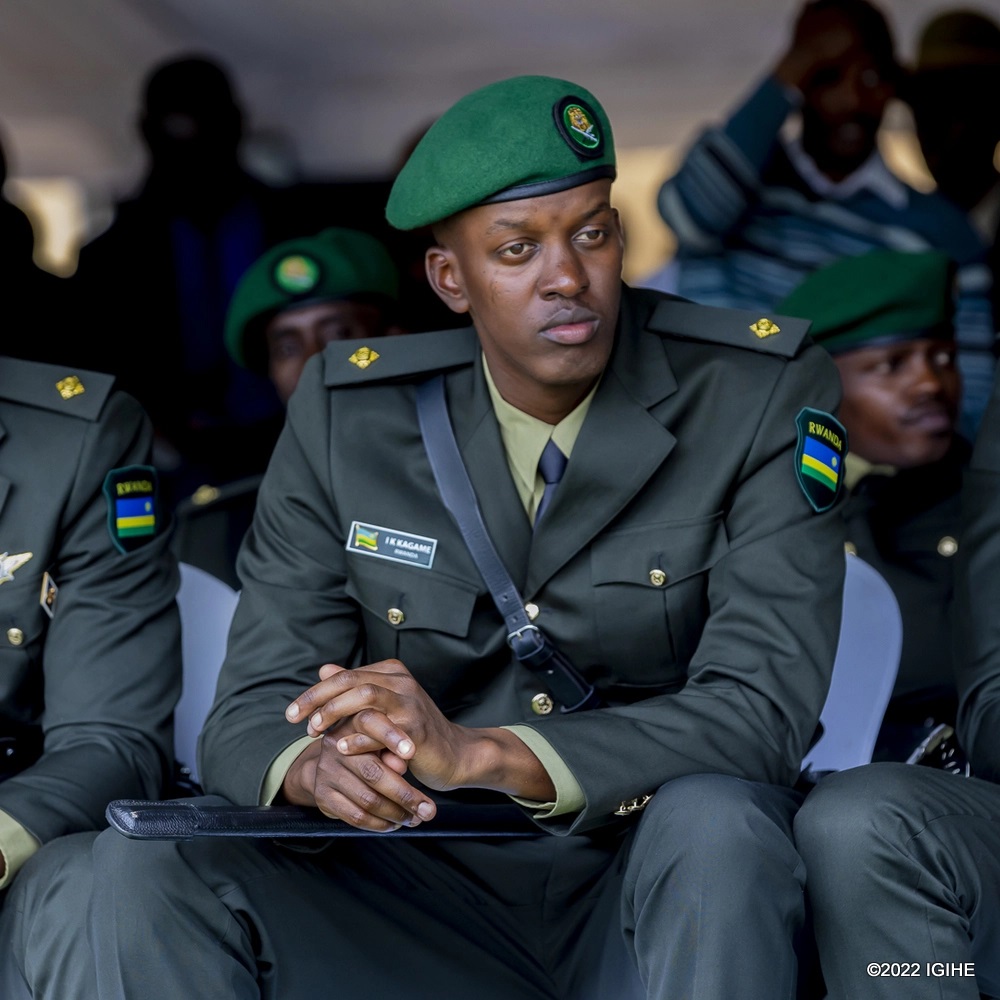
Officer Cadets from the academy have been commissioned to the rank of Second Lieutenant today by President Paul Kagame who is also the Commander-In-Chief of RDF.
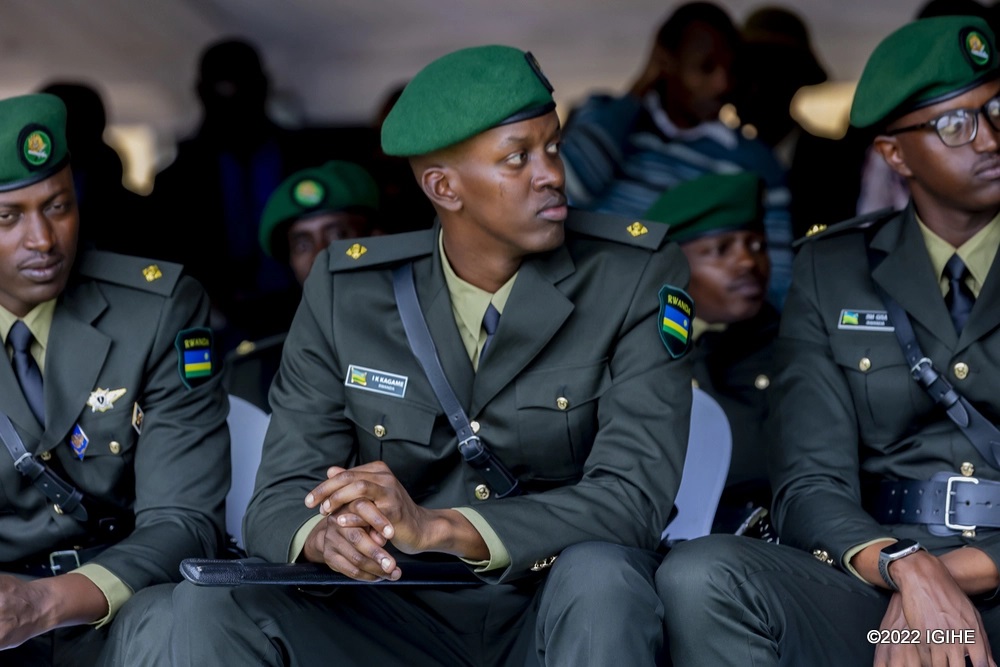
Ian Kagame graduated at the Royal Military Academy in the United Kingdom (UK) recently in August 2022 where he was commissioned to the rank of Second Lieutenant.
He had to be sworn-in before serving in RDF.
Ian Kagame had completed his Master’s degree in economics at Williams College in the United States in June 2019.
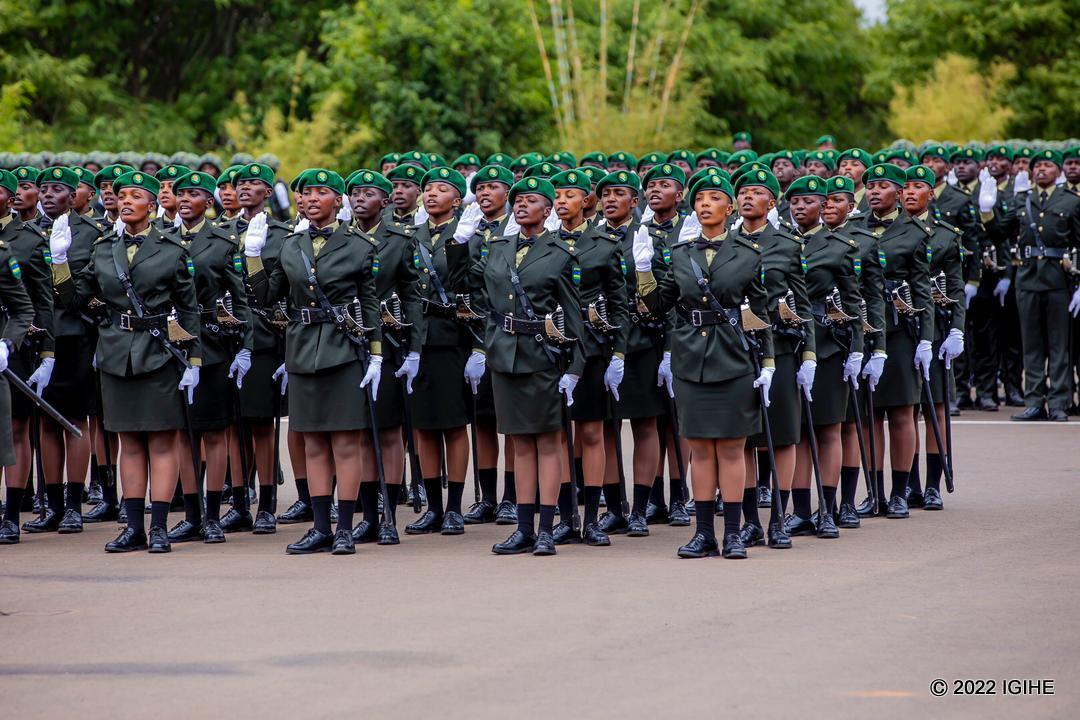
The Commander of Rwanda Military Academy said that commissioned officers include 568 officer cadets trained in Rwanda of whom 53 are girls.
They were joined by 24 graduates who completed military training in partner countries for the swearing-ceremony before serving in RDF.
These countries include the United Kingdom, United States of America, Russia, Qatar, Srilanka, Kenya and Italy.
Among the 568 officers commissioned today, 475 were bachelor degree holders trained for one year while 93 graduated after four years of both academic and military training.
The 93 graduates combined military training and university studies in Social and Military Sciences, Medicine, Mechanical and Electrical Engineering.
Of the 475 officers enrolled in one year program, 277 were in-service soldiers while 198 were civilians before joining the military training.
During the ceremony, three best students were awarded for outstanding performance.
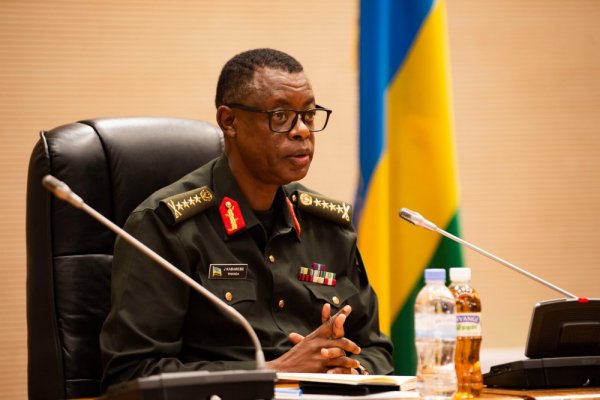
Gen Kabarebe makes the disclosure at a time when Congolese Army (FARDC) in collaboration with the Democratic Forces for the Liberation of Rwanda (FDLR) continues to lose their bases an ongoing fighting with M23 rebel group.
The defeat has seen Congolese citizens and politicians externalizing the country’s problems and accuse Rwanda of supporting the rebel group, a claim which the latter has repeatedly rejected.
The accusations were followed by protests against Rwanda where Congolese continue to speak ill of the neighbouring country instead of exerting pressure on the national army to quell rebels.
M23 resumed fighting early this year requesting DRC to implement signed peace accords to give leadership positions to members of the group as a gesture to put an end to discrimination against Kinyarwanda-speaking people in the country.
DRC failed to respect the peace accords signed in 2013, labeled M23 as a terrorist group and refrained from engaging in talks with the rebel group.
Congolese Army is gradually losing different bases to M23 which continues to advance towards Goma town after captured strategic areas including Bunagana, Rutsuru and Rumangabo among others.
On the other hand, Congolese continue to accuse Rwanda of being behind M23 and call for a war with Rwanda.
The Spokesperson of DRC recently told the media that ‘Rwanda made a wrong choice because the war it waged against our country will backfire’.
{{No fight with a mad person}}
Gen Kabarebe has said that provocations and accusations of DRC are nonsense because Rwanda’s borders with the country are safeguarded.
“There are many people declaring war against Rwanda but do not do it. When that person becomes talkative the whole day, you listen and wait for actions. That is nonsense,” he said.
Gen Kabarebe was responding to a question raised by one of participants of talks that brought together youth volunteers and students from the College of Science and Technology at the University of Rwanda (UR-CST) in the evening of 2nd November 2022.
“Rwanda can’t be drawn into war because Congolese go mad, throw stones at border or speak ill of it. We fight strategic wars, not wars of provocation […] you don’t fight a mad person […] you ignore him/her but set a red line,” he said.
Gen Kabarebe further revealed that Rwanda can’t be dragged into war by simple provocations.
“Rwanda fights strategic wars to protect its interests. It can’t be involved in provocations and reprisals over nonsense,” he noted.
The Government of Rwanda recently announced that it is closely monitoring the situation in DRC where security forces at the border are on alert.