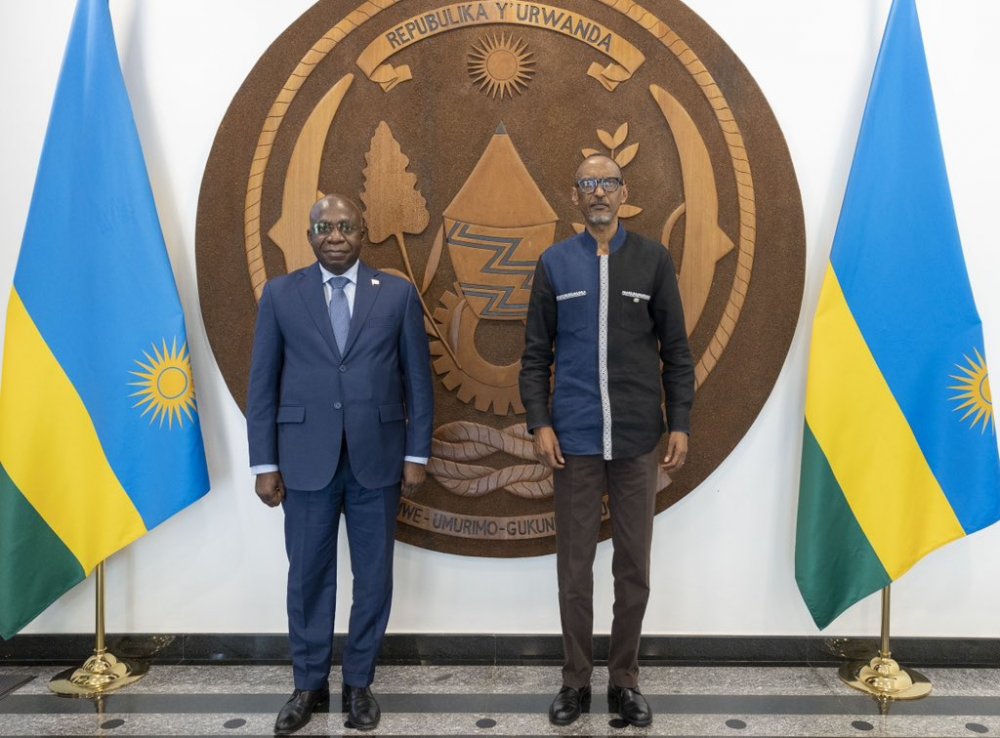
“This afternoon at Urugwiro Village, President Kagame received Hon. António Tete, Minister of External Relations of Angola who is in Rwanda with a message from President João Lourenço of Angola, who is currently serving as Chairperson of ICGLR,” reads a message posted by Rwanda’s Presidency on Twitter.
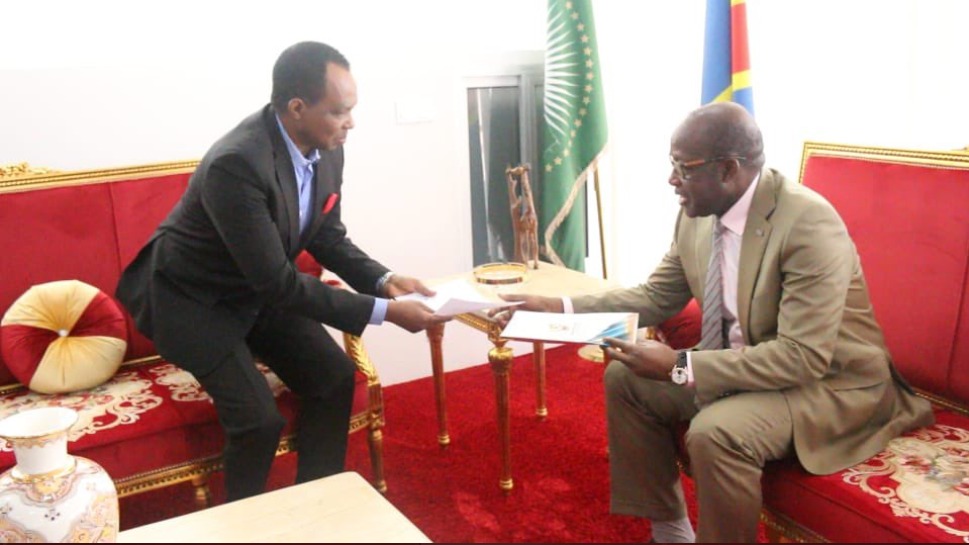
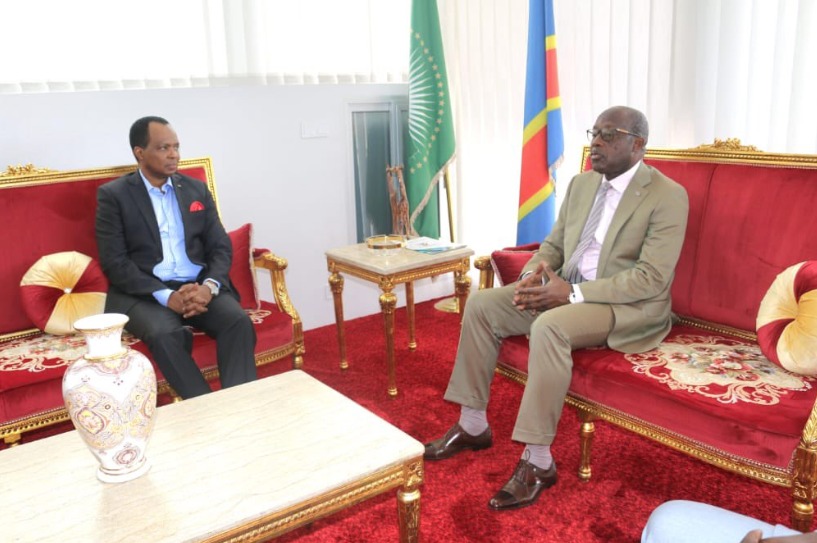
António Tete arrived in Rwanda coming from Rwanda Kinshasa, the capital of DRC where he was received by President Félix Tshisekedi on Sunday as a special envoy of Lourenço.
He began visits to the two neighbouring countries following escalated tensions amidst reciprocal accusations related to the fight between Congolese Army (FARDC) and M23 rebel group.
On Sunday, DRC resolved to expel Rwanda’s Ambassador, Vincent Karega.
The decision was reached through a High Defence Council chaired by President Felix Tshisekedi.
It was taken at a time when Congolese Army (FARDC) continues to loose bases to M23 rebel group and attributes its strength to alleged support from Rwanda.
Rwanda has however denied the allegations repeatedly calling the fight with M23 an internal problem which should be addressed by DRC.
Amb. Karega was notified of the country’s decision to expel him on in the morning of Monday.
The decision was reached on Saturday during a High Defence Council presided over by President Felix Tshisekedi following escalating tensions between Rwanda and DRC.
The decision was communicated to Amb. Karega by Congolese Minister of Foreign Affairs, Christophe Lutundula who informed him that he must leave the country in 48 hours.
Amb. Karega did not wait until the last minute but decided to depart from the country as soon as possible.
IGIHE has learnt from credible sources that Amb. Karega departed from Kinshasa on Monday afternoon heading for Congo Brazzaville from where he will be flown to Kigali.
Despite his departure, other diplomats and employees of Rwanda’s embassy in the country have stayed and will carry on their work as usual.
The Deputy Spokesperson of the Government of Rwanda, Alain Mukuralinda has told IGIHE that circumstances under which Amb. Karega was expelled is against diplomatic process as she learnt about the decision via television.
“It is not usually done before summoning an ambassador for discussions and informing him of possible decision. Even if it might be taken before, you can notify him instead of learning about the decision through television,” he said.
Congolese government last summoned Amb. Karega in May this year to provide explanations on the country’s allegations that Rwanda supports M23 rebel group.
Rwanda has repeatedly rejected the accusations and urged DRC to solve internal problems instead of externalizing them.
On the other hand, Rwanda has expressed regret over DRC’s decision to expel Amb. Vincent Karega, adding that security forces remain on alert over ongoing security problems in Congo.
Rwanda highlighted that the ongoing collaboration between Congolese Army and the Democratic Forces for the Liberation of Rwanda and their attempts to target the border area with heavy weaponry is a situation of concern.
FDLR is a terrorist formed by individuals responsible for the 1994 Genocide against the Tutsi.
The statement further indicates that Rwanda continues to bring to the attention of the international community the persistent hate speech, public incitement and violent harassment against Rwandans and Congolese Kinyarwanda-speaking communities in the DRC, carried out by Congolese officials and the general public.
Rwanda has expressed concerns over DRC’s continued provocation through scapegoating Rwanda ‘to cover up and distract from their own governance and security failures’.
The country also reiterated commitment to contribute to a sustainable, peaceful regional security solution within the agreed regional frameworks, including the Luanda Roadmap and the Nairobi Process.
Mukuralinda sent the warning on Sunday following DRC’s decision to expel Rwanda’s Ambassador, Vincent Karega.
The decision was reached through a High Defence Council chaired by Congolese President Felix Tshisekedi on Saturday.
It was taken at a time when Congolese Army (FARDC) continues to loose bases to M23 rebel group and attributes its strength to alleged support from Rwanda.
Rwanda has however denied the allegations repeatedly calling the fight with M23 an internal problem which should be addressed by DRC.
Appearing in RBA talk show in the evening of Sunday 30th October 2022, Mukuralinda affirmed that bilateral relations have deteriorated but observed that the things have not fallen apart.
“It is something that can frustrate everyone be it the government or Rwandans. They cannot express contentment over deteriorating relations. It is important to bring it to their attention that bilateral relations have been spoiled but things have not fallen apart,” he said.
Mukuralinda explained that bringing the setback to their awareness helps Rwandans to remain protected against effects of speeches propagated by leaders from the neighbouring country.
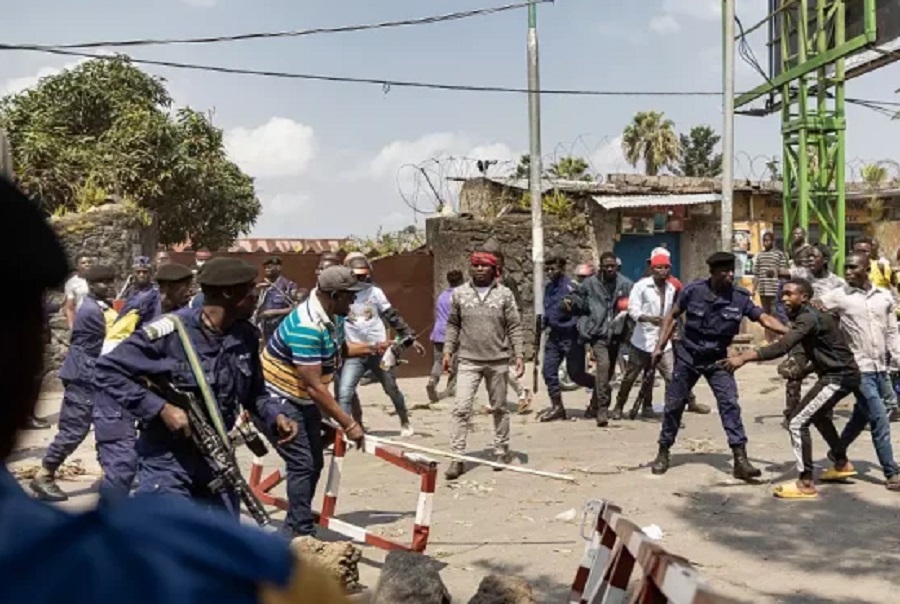
He was referring to DRC’s recent announcement to suspend RwandAir flights and revoke all agreements with Rwanda which was followed by protests against Rwandans.
Mukuralinda said that the declarations of Congolese leaders affect citizens who begin to sharpen machetes and turn violent against Rwandans running businesses in the country and harass Kinyarwanda-speaking Congolese.
“Such behaviours take roots from the leaders’ speeches. It is a reality that people should neither overlook nor forget. That is why I have to advise people, like students to cross with vigilance. I would advise individuals to suspend travel to the country for one week where it is possible, while others unable to do so should be watchful along the way,” he noted.
The Government of Rwanda recently announced that security forces remain on alert amidst ongoing fight between M23 and FARDC which has teamed up with FDLR.
The request was made through a joint statement released on Sunday by Senegalese President, Macky Sall who also serves as the incumbent AU Chairperson and Moussa Faki Mahamat, the Chairperson of the AU Commission following DRC’s decision to expel Rwanda’s Ambassador, Vincent Karega.
The decision was reached through a High Defence Council chaired by President Felix Tshisekedi on Saturday.
It was taken at a time when Congolese Army (FARDC) continues to loose bases to M23 rebel group and attributes its strength to alleged support from Rwanda.
Rwanda has however denied the allegations repeatedly calling the fight with M23 an internal problem which should be addressed by DRC without externalizing its matters.
Expelling Rwanda’s envoy has further worsened the situation and considered as a major setback on efforts and peaceful processes established through regional and international frameworks to mend relations between the two neighbouring states and secure eastern DRC.
In a statement released on Sunday, Macky Sall and Moussa Faki Mahamat expressed concerns over deteriorating security situation in eastern DRC.
They also called on concerned parties for immediate cease fire, respect international laws, the safety and security of civilians and the stability at borders of all countries in the region.
Mack Sall and Mahamat has requested the fighting sides to opt for constructive dialogue within the existing mechanism of the African Union’s Peace. Security and Cooperation Framework for the DRC and the region and the East African Community’s Inter-Congolese peace dialogue.
In this regard, both Sall and Mahamat have called on all the parties to participate ‘in good faith in the third Inter-Congolese peace dialogue in Nairobi form 4th to 13th November 2022’.
The dialogue convenes DRC with some armed groups but the country recently withdrew interests from talks with M23 which it considered as ‘a terrorist group’.
Meanwhile, M23 accuses Congo of failure to implement peace accords signed in 2013.
The statement also indicates that President Sall and Mahamat support the Luanda Roadmap aimed at normalizing relations between Rwanda and DRC.
“They encourage President Joao Lourenço in his mission as a facilitator of a constructive dialogue between the two brother countries, DRC and Rwanda,” concludes the statement.
Rwanda accuses DRC of working with the Democratic Forces for the Liberation of Rwanda (FDLR), a terrorist group formed by individuals responsible for the 1994 Genocide against the Tutsi.
Rwanda also alleges that the coalition of Congolese Army and FDLR continues to approach Rwanda’s border with heavy weapons
In a statement released on Sunday following DRC’s decision to expel Amb. Karega, Rwanda said that it is monitoring the situation in the neighbouring country adding that Rwandan security forces at the border are standby amidst the worsening situation.
On Sunday, President Félix Antoine Tshisekedi Tshilombo received Angolan Minister of Foreign Affairs, Tete Antonio as a special envoy of President Joao Lourenço.
DRC’s Presidency has disclosed that the envoy’s message is centered on bilateral relations and security problems in eastern Congo.
Dominant among these is the UoK Academic Integrity, Sexual Misconduct and Plagiarism Policy. The Policy, which is published on the University’s website defines Sexual Misconduct as “all forms of irregular sexual advances made either towards University of Kigali staff or students.”
For the avoidance of doubt, the Policy further specifies acts of sexual misconduct as:
1. Inappropriate messaging of or amorous conversations of a sexual nature between staff, or between staff and students.
2. UoK staff exhibiting amorous behavior with students or subordinates and exploiting relationships with subordinates, staff or students for sexual ends.
3. UoK staff using their position of power to elicit sexual or monetary gratification from students in order to confer marks or similar benefits to them.
4. UoK staff conferring undue favours to influence subordinate staff or students to yield to sexual desires. Any such behavior will be interpreted as sexual misconduct even in situations where the subordinate staff or student initiates the sexual advances.
5. Sexual assault of any form, whether in brick-and-mortar or digital/virtual spaces.
6. Sexually-exploitative and degrading behaviour.
7. Retaliatory and abusive behaviours directed towards either former relationship partners or individuals who have rejected the sexual advances of one another.
8. Sexual intimidation.
The Policy categorizes all sexual misconduct breaches as major offences and prescribes summary dismissal and subsequent criminal prosecution as punishment for offenders.
The Academic Integrity, Sexual Misconduct and Plagiarism Policy notwithstanding, “No Sexual Harassment” stickers are posted at all offices, classrooms and common spaces at the University’s campuses in Kigali and Musanze not only to inform, sensitize and reassure staff and students of UoK’s commitment to ensuring safe campuses devoid of sexual misconduct, but also to encourage them to report sexual misconduct cases for immediate action.
This approach is supported by the establishment of effective reporting lines including the offices of the University Counsellor and Dean of Students – who receive complaints from students and the Human Resource Manager – who receives complaints from staff. These offices are well-equipped to discharge their duties with optimum speed and professionalism in order to punish offenders, protect and ensure safety for victims.
Academic integrity is founded upon and encompasses values such as honesty, trust, fairness, respect, professionalism, customer responsiveness and responsibility. The ability of University of Kigali to support and affirm these values is therefore paramount to promoting and maintaining an elevated level of academic integrity at the university.
Consequently, UoK ensures that each member of the academic community accounts for his or her actions in the process of nurturing students to acquire the responsibilities of citizenship and how to ethically as well as meaningfully contribute to their respective professions. This is because UoK firmly believes that knowledge must be acquired and rigorously evaluated. It must be pursued under conditions free from dishonesty. Accordingly, deceit and misrepresentations are regarded as offences at University of Kigali and punishable by dismissal.
University of Kigali will open registration for the January 2023 Intake on November 1, 2022. Apply and get the UoK Advantage!
Their discussions are held few hours after DRC resolved to expel Rwanda’s Ambassador, Vincent Karega.
The reaction comes at a time when the fighting between Congolese Army (FARDC) and M23 continues to escalate with the national army losing different areas to the rebel group.
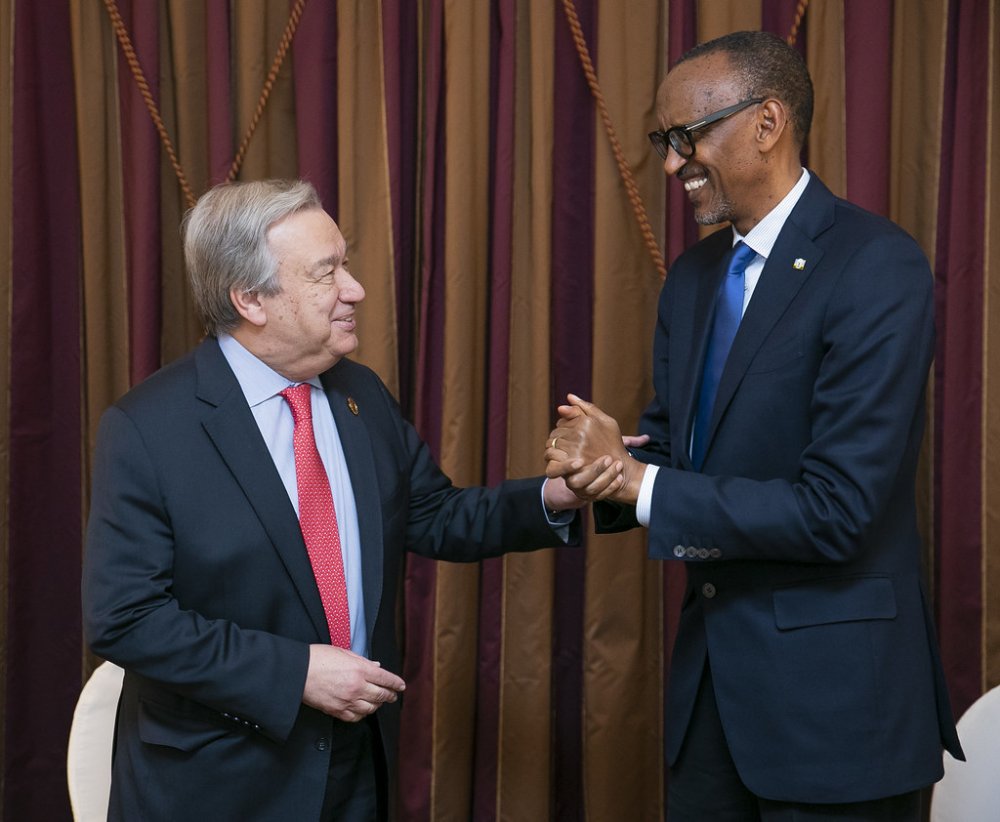
In a message posted on Twitter on 31st October 2022 at 1:59 a.m, President Kagame said: “Few hours ago I had good discussion with the UNSG on the conflict in E.DRC.
The ways and means to de-escalate…& address the issues to a peaceful end are with us building on the Nairobi, Luanda & other international efforts! We just have to commit ourselves to applying them!!!”
Recent discussions between Rwanda and DRC on the mediation of Angola have seen concerned parties setting an agenda to accelerate efforts meant to achieve durable peace.
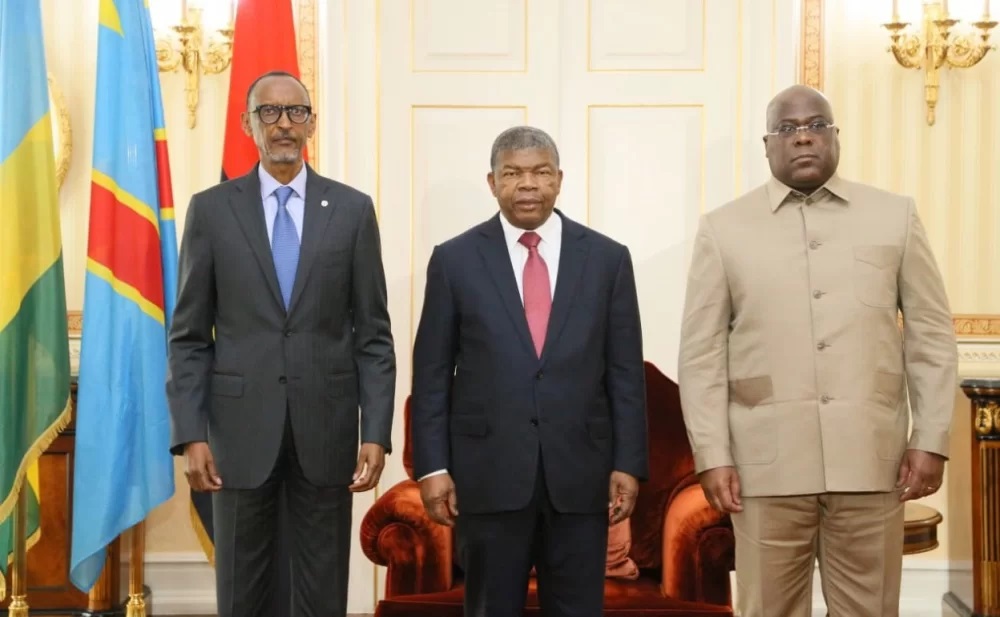
The discussions took place at a tripartite summit in Angola on Wednesday 6th July 2022 and brought together the President of Rwanda, Paul Kagame; his counterpart of DRC, Félix Tshisekedi and Angolan President, João Lourenço who is the Chairperson of the International Conference on the Great Lakes Region (ICGLR) and mediator on tension between Rwanda and DRC.
Also on the agenda of the meeting, was the establishment of a climate of trust between the states of the region and create optimal conditions for dialogue and political consultation to resolve the current security crisis in eastern DRC.
The roadmap also stressed the need to defeat the Democratic Forces for the Liberation of Rwanda (FDLR) and its splinter groups (CNRD- FLN, RUD-Urunana, FPPH-Abajyarugamba) believed to be at the origin of tensions between Rwanda and DRC and play a major role in the insecurity of the DRC in order to ensure that the threat to security ceases completely.
Creating the necessary conditions for the return of refugees and reactivating the Joint Intelligence Team Rwanda-DRC to agree on the practical modalities and the program for fighting the FDLR, in coordination with the Presidency of the ICGLR and the Nairobi Process were also among outlined priorities as per roadmap released at the time.
Both countries also agreed on reconvening a Joint Permanent Commission (JPC).
Among others, it was resolved that more efforts would be geared towards fighting hate speech and offensive language in the region by all parties.
It was also agreed to prevent violations of territorial integrity and ensuring compliance with the commitments made by ICGLR States in this regard.
The Nairobi Process pointed out during discussions between President Kagame and Guterres requires DRC to engage in dialogue with armed groups to end hostilities.
DRC has not expressed willingness to respect the process highlighting that it cannot engage in dialogue with M23 which it considers as a ‘terrorist group’.
Meanwhile, the fighting between FARDC and M23 is ongoing. On Sunday, gunfire was heard in the vicinity of Rugari Parish.
The areas of Kiwanja and Rutshuru have been already captured by M23 since the fighting resumed one week and half ago.
DRC accuses Rwanda of supporting M23. However, Rwanda has repeatedly rejected the allegations and requested the country to solve internal problems instead of scapegoating ‘a good neighbour’.
The decision to expel Rwanda’s Ambassador to DRC, Karega was taken by the Congolese High Defence Council held on Saturday and led by President Felix Tshisekedi in Kinshasa.
DRC accuses Rwanda of supporting M23 rebel group which continues to capture different areas of eastern Congo. However, Rwanda has repeatedly refuted the allegations and advised Congo not to drag it into internal problems.
“Rwanda notes with regret the decision by the Government of the DRC to expel Rwandan Ambassador Vincent Karega. Rwandan security forces at our border with the DRC remain on alert, as we continue to monitor the Congolese escalation,” reads part of the statement responding to DRC’s decision to expel Amb. Karega.
Among others, Rwanda has expressed a particular concern over the continued collusion between the Congolese armed forces with the Democratic Forces for the Liberation of Rwanda (FDLR) and their attempts to target the border area with heavy weaponry, as well as ‘the bellicose anti-Rwanda rhetoric being broadcast by DRC officials’.
FDLR is a terrorist group formed by individuals responsible for the 1994 Genocide against the Tutsi.
The statement further indicates that Rwanda continues to bring to the attention of the international community the persistent hate speech, public incitement and violent harassment against Rwandans and Congolese Kinyarwanda-speaking communities in the DRC, carried out by Congolese officials and the general public.
“The integration of the FDLR within the FARDC and their collaboration is directly linked to ever increasing hate speech and violence in DRC against Rwandans and Kinyarwanda speaking Congolese communities,” the statement reads in part.
Rwanda has expressed concerns over DRC’s continued provocation through scapegoating Rwanda ‘to cover up and distract from their own governance and security failures’.
The country also reiterated commitment to contribute to a sustainable, peaceful regional security solution within the agreed regional frameworks, including the Luanda Roadmap and the Nairobi Process.
[{{Related story: ’We won’t sit idly by’ – Rwanda warns DRC against repetitive provocations}}->https://en.igihe.com/news/article/we-won-t-sit-idly-by-rwanda-warns-drc-against-repetitive-provocations]
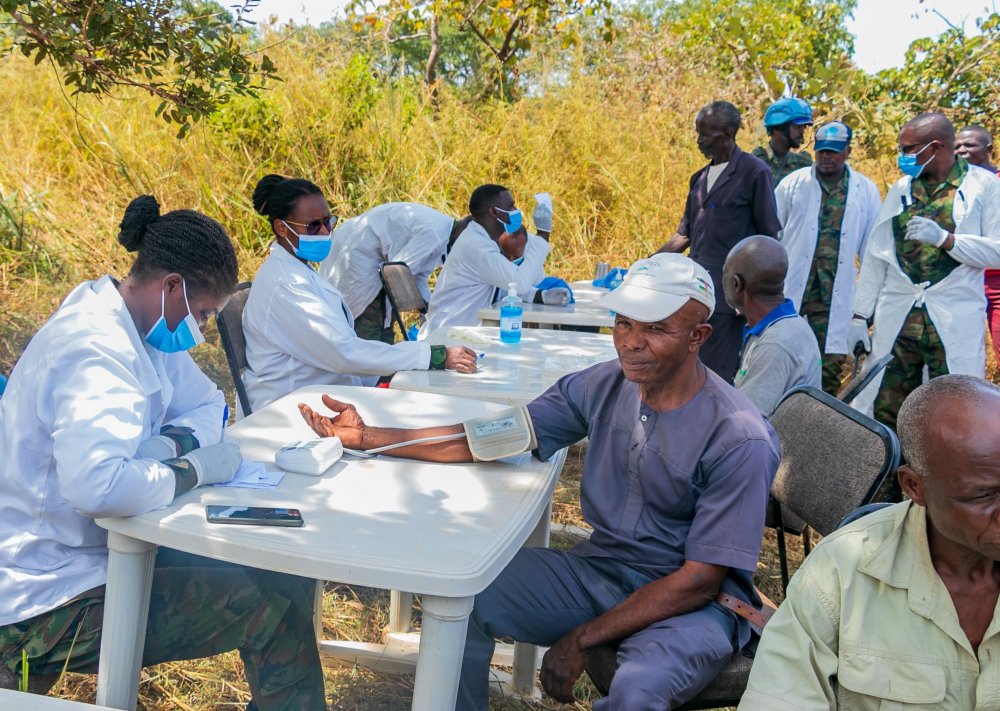
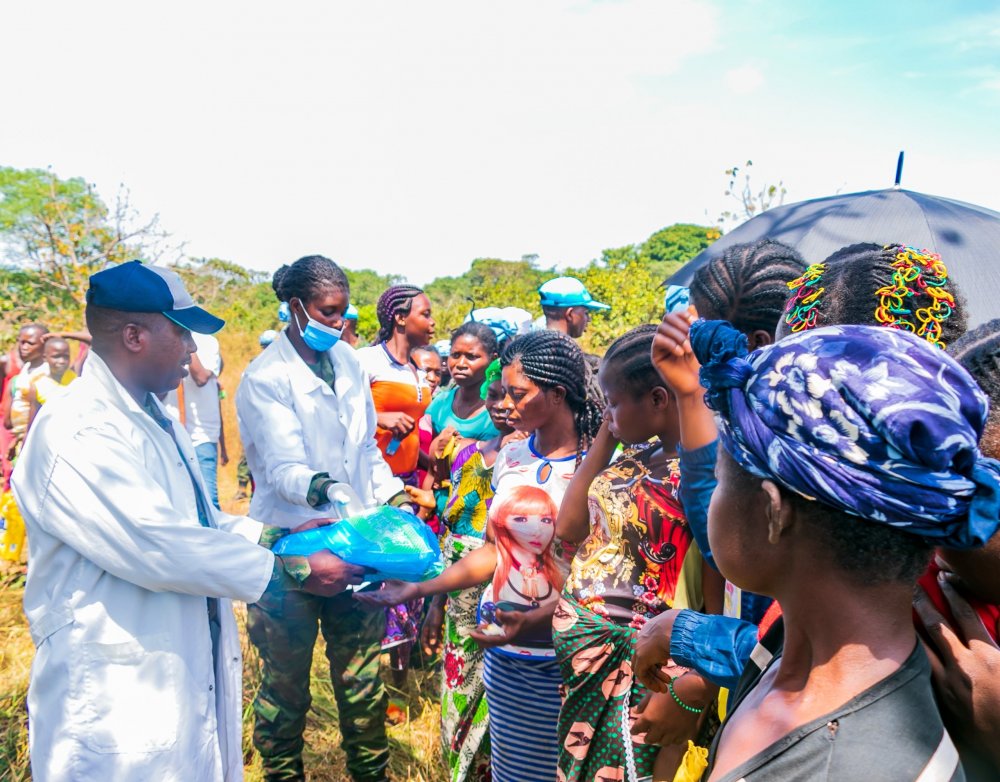
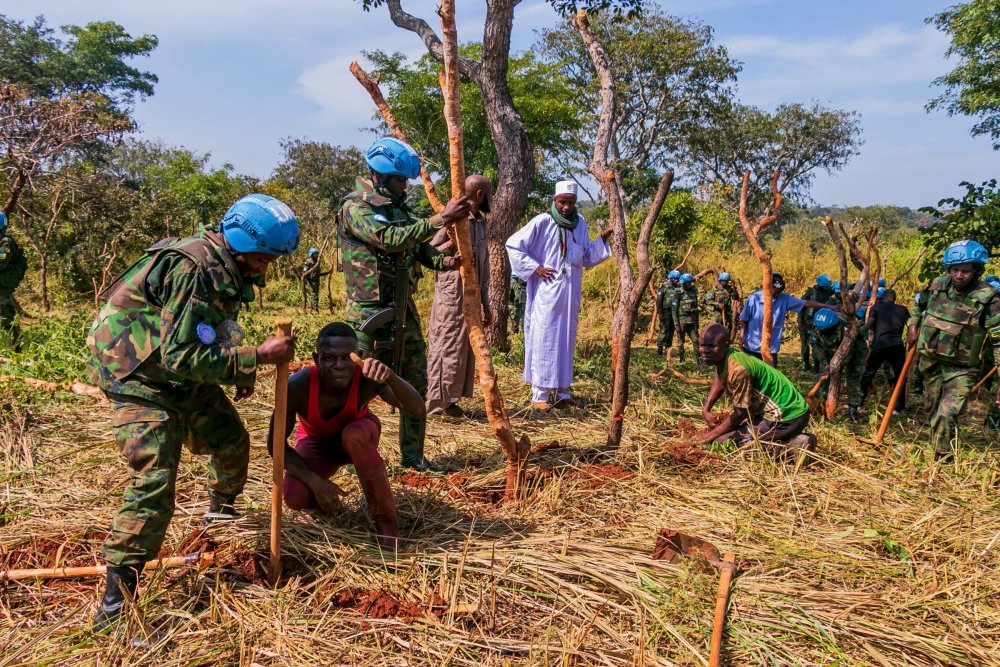
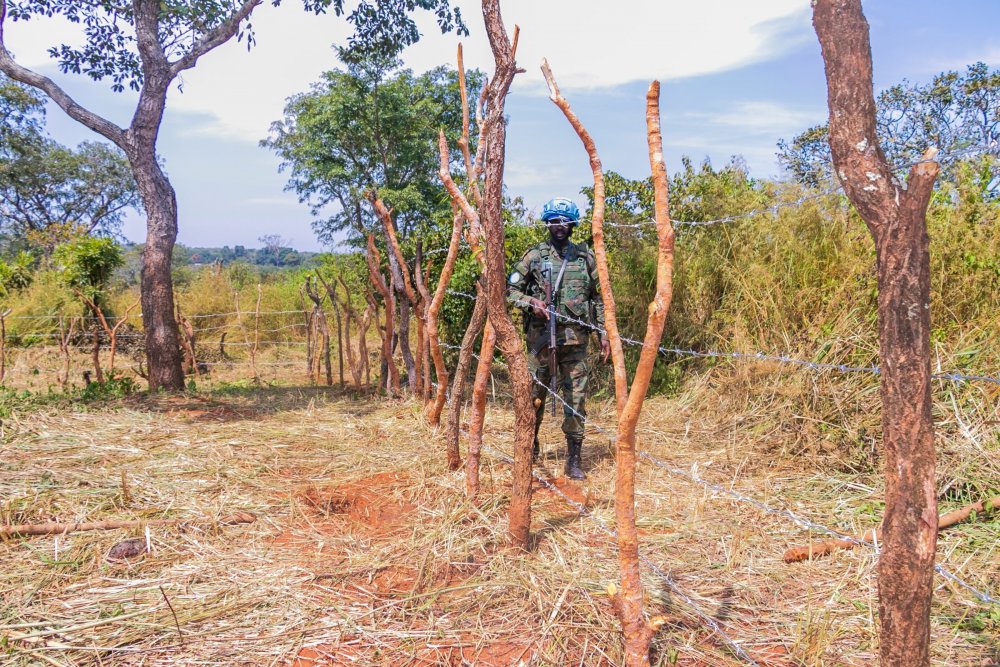
Rwanda’s Ministry of Defence has revealed that the community work included clearing bushes and constructing a livestock trading area for the local community. During the community work, pregnant women were also provided with free mosquito nets.
The Mayor of Bossembele District, Mr Aristide Selengoumon thanked the Rwandan peacekeepers for their support and commended the close collaboration between peacekeepers and residents of Bossembele.
Information IGIHE has obtained from the ministry indicate that affected parts of the country include the Western, Southern, Northern provinces and the City of Kigali.
Generally, the rain didn’t kill anyone but injured eight people including seven from Rulindo District and one from Nyanza District.
The seven injured people are students from Groupe Scolaire Rutonde in Shyorongi Sector. They were taken to Rutonde Health Center for medical attention.
Meanwhile, the rain destroyed 126 houses from different districts across the country.
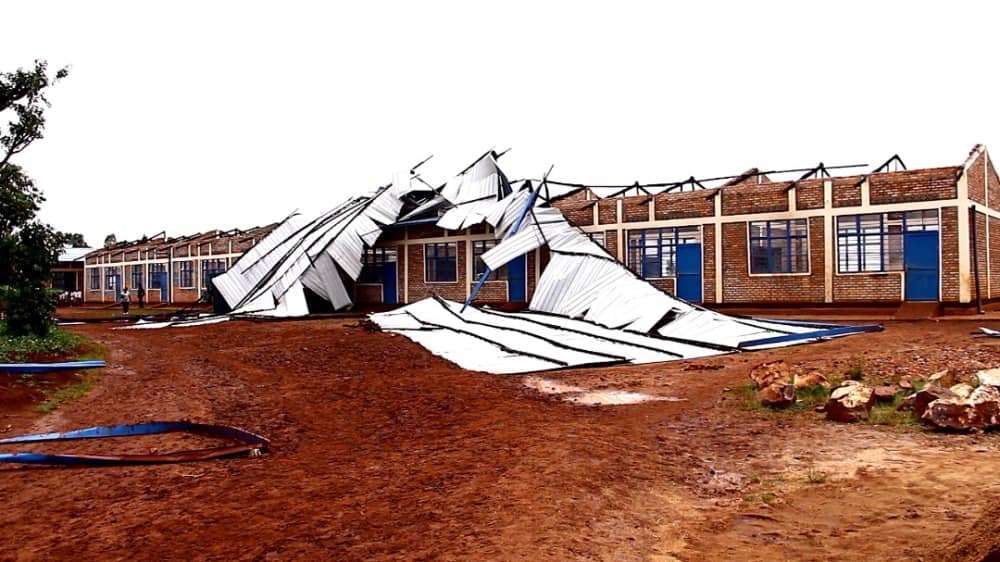
MINEMA shows that the disaster destroyed 11 classrooms and electrical installations across the country.
Other destroyed properties include cell office in Kicukiro, a church in Karongi while the roof of student’s dormitory in Ruhango District was blown away.
The Permanent Secretary from MINEMA, Philippe Habinshuti has requested local leaders and citizens to make sure that roofs are tightened to be able to withstand wind pressure.
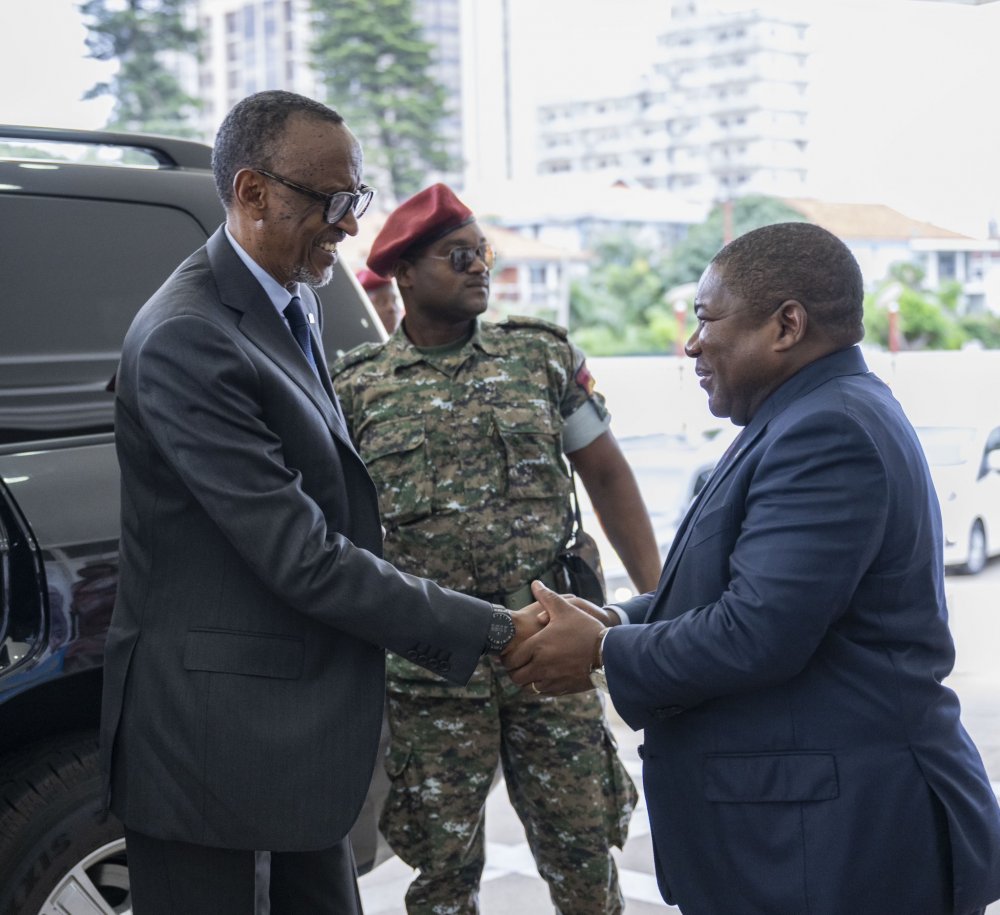
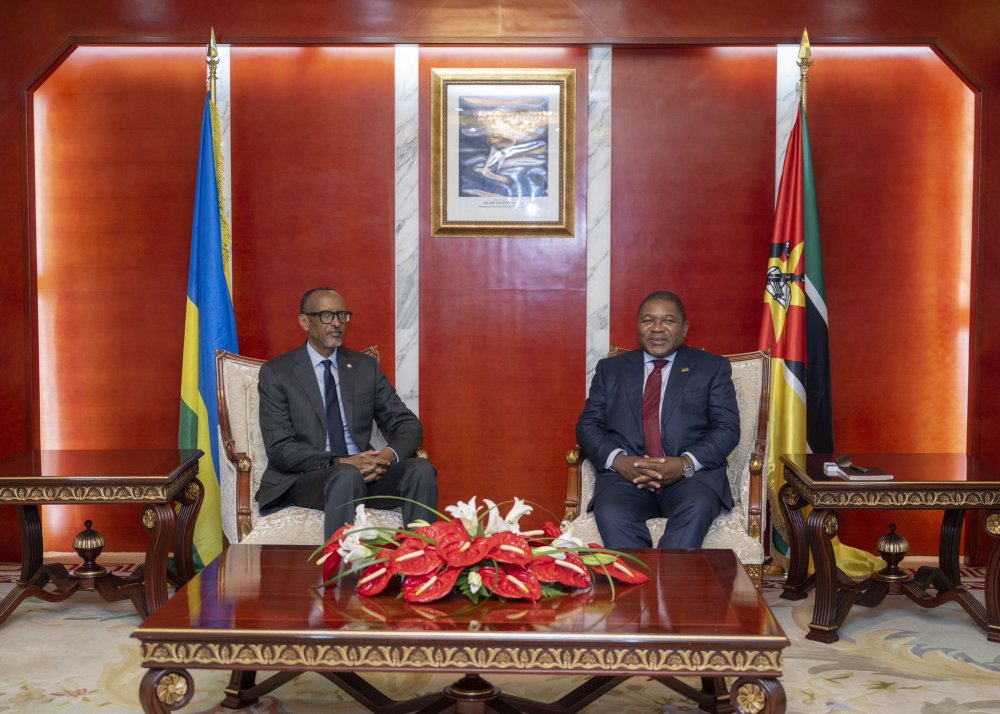
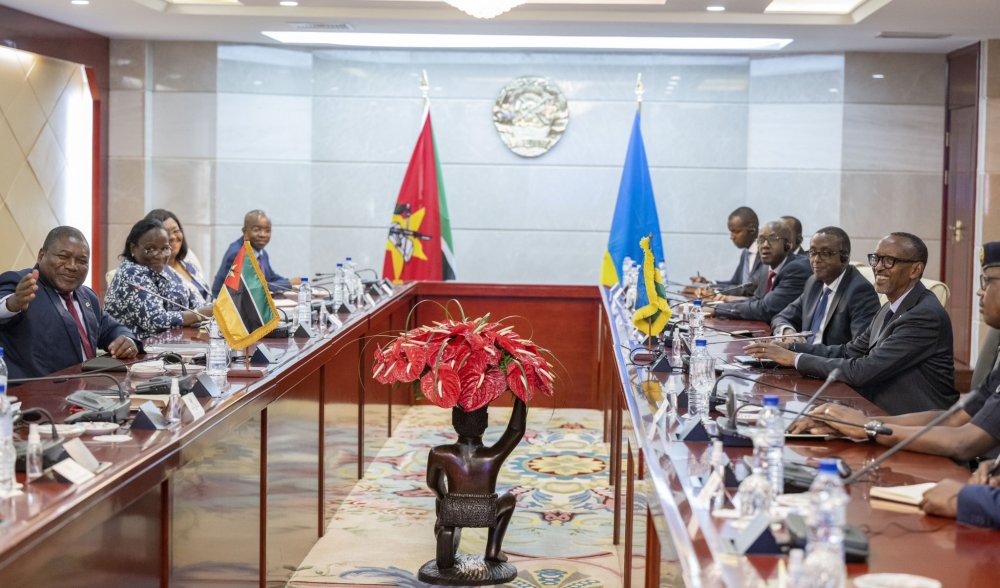
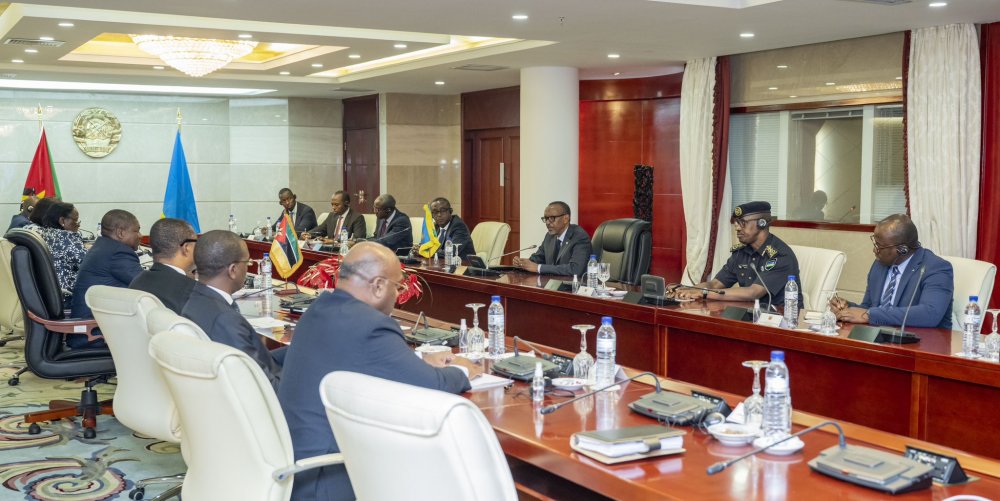
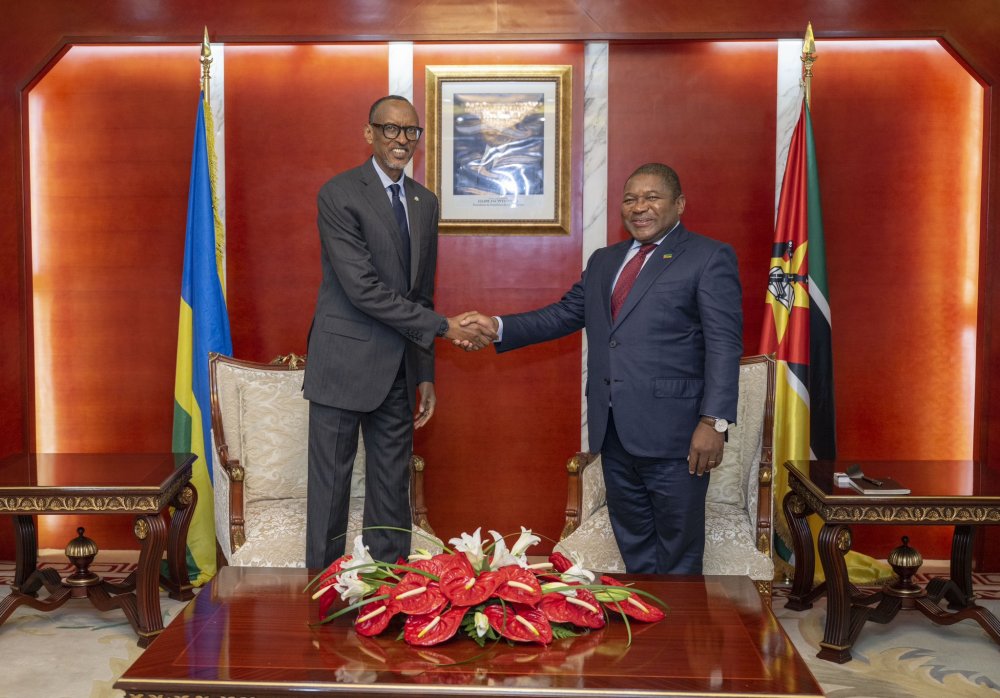
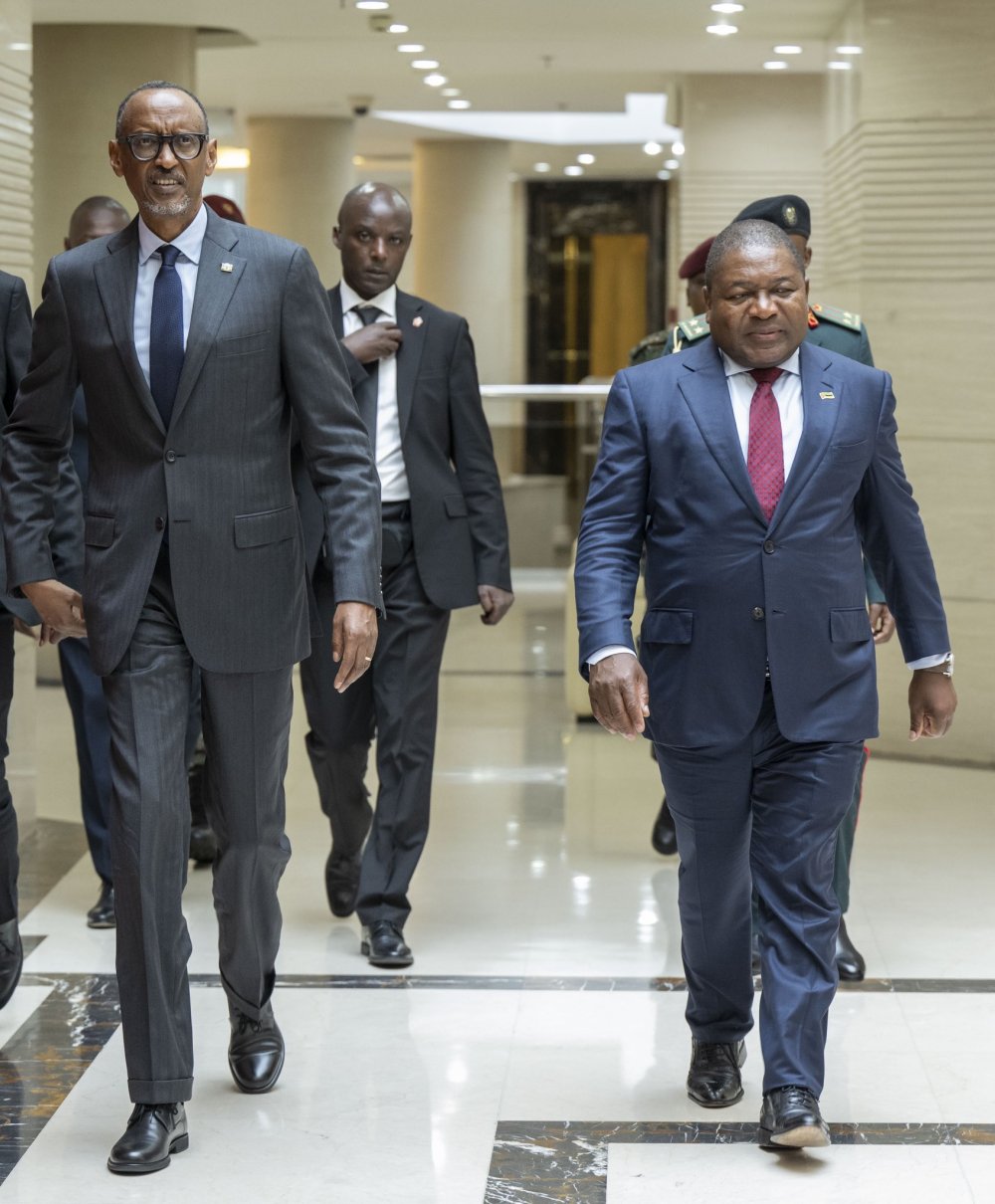
They held a tête-à-tête discussion at the Office of the President followed by a bilateral meeting with delegations from Rwanda and Mozambique to discuss ongoing areas of cooperation.
Officials who accompanied Kagame include Rwanda’s Ambassador to Mozambique, Claude Nikobisanzwe; the Inspector General of Police, IGP Dan Munyuza; the Secretary General of National Intelligence and Security Services (NISS), Maj Gen Joseph Nzabamwita and the Senior Economic Advisor to the President, Francis Gatare.
As the Club of Mozambique reported, Mozambican Minister of Foreign Affairs, Verónica Macamo has said that discussions between the Heads of State focused on the progress of joint efforts between Rwandan and Mozambican troops to fight terrorism in Cabo Delgado.
She further stated that the two leaders hailed the courage of joint troops in collaboration with SADC forces to quell terrorists.
“The two leaders broadly saluted the brave young Mozambicans and Rwandans, who with the support of the forces of the Southern African Development Community Mission (SAMIM), spare no effort to stop the action of terrorists in our homeland,” the head of Mozambican diplomacy said.
Besides, Macamo said that Mozambique and Rwanda are considering establishing a partnership in the aviation sector.
“The two state officials focused their attentions on the operation of the airlines of the two countries, which would allow making trips from Mozambique to various parts of the world more swiftly, using Rwandan airlines, taking advantage of the position in which Rwanda is in the world,” Verónica Macamo told the media in Maputo.
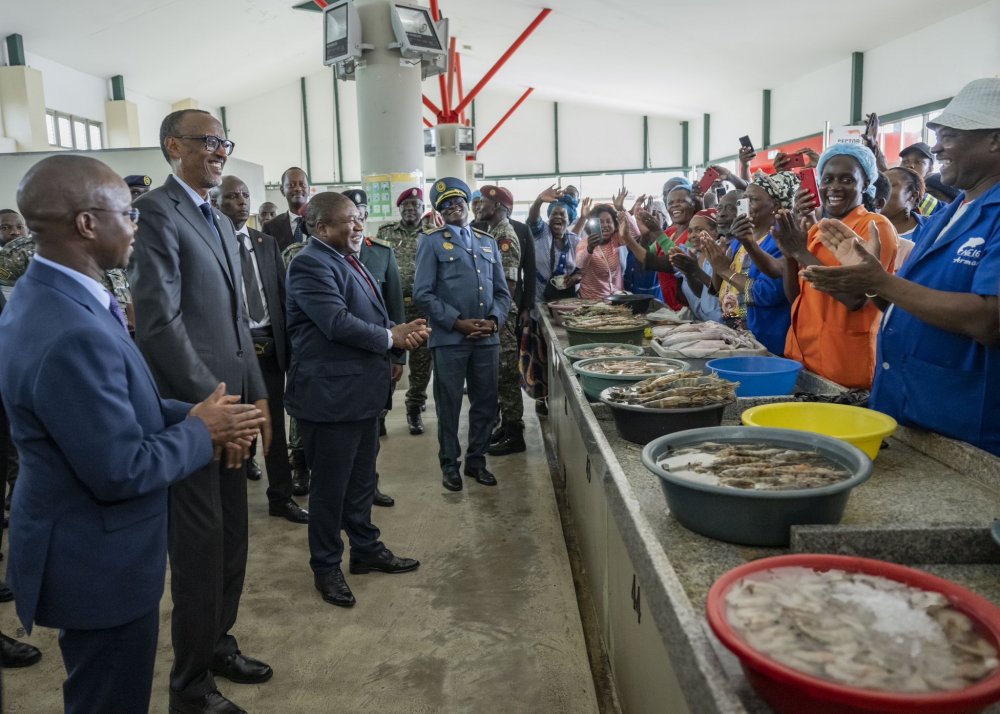
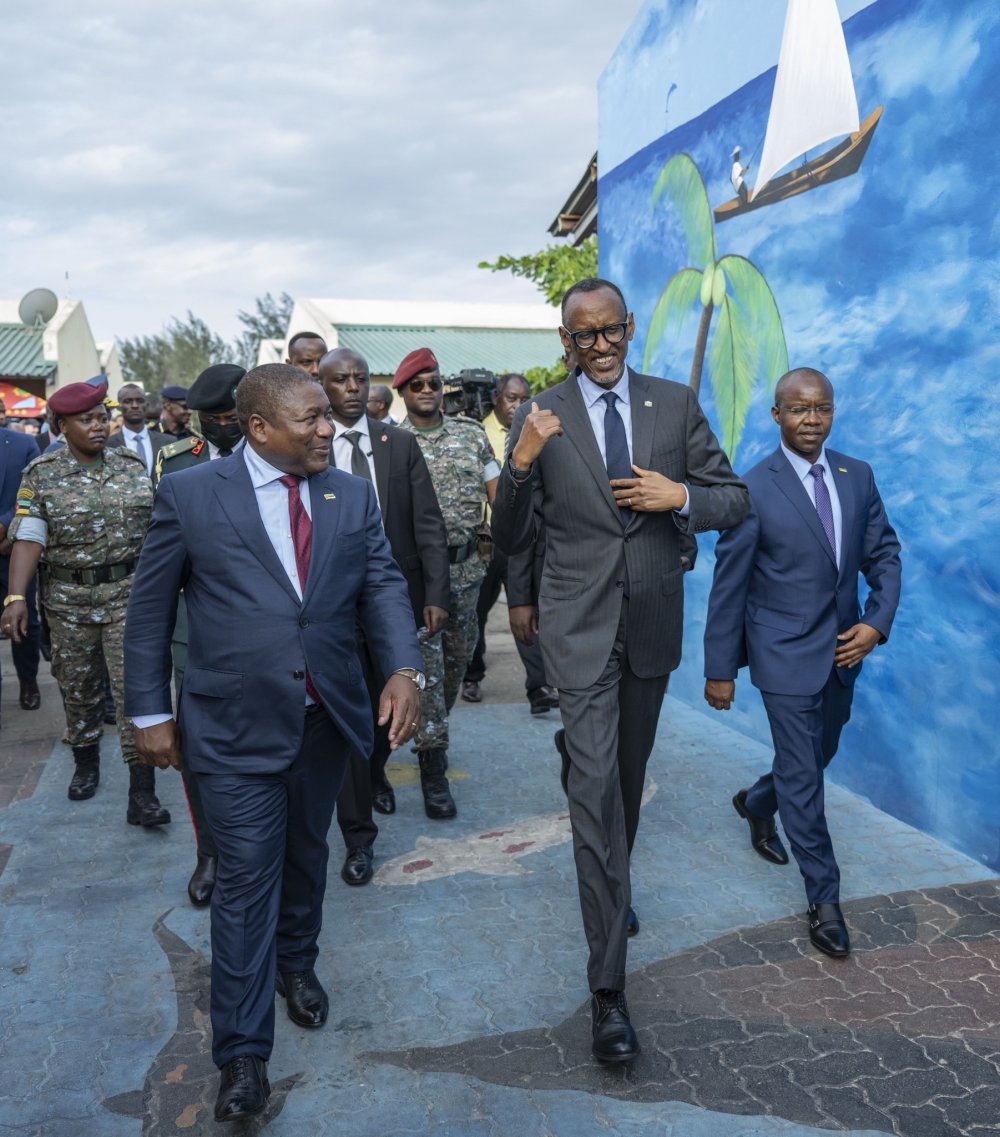
Following bilateral discussions, Rwanda’s Presidency has revealed, President Kagame visited Maputo and a market on the seaside.
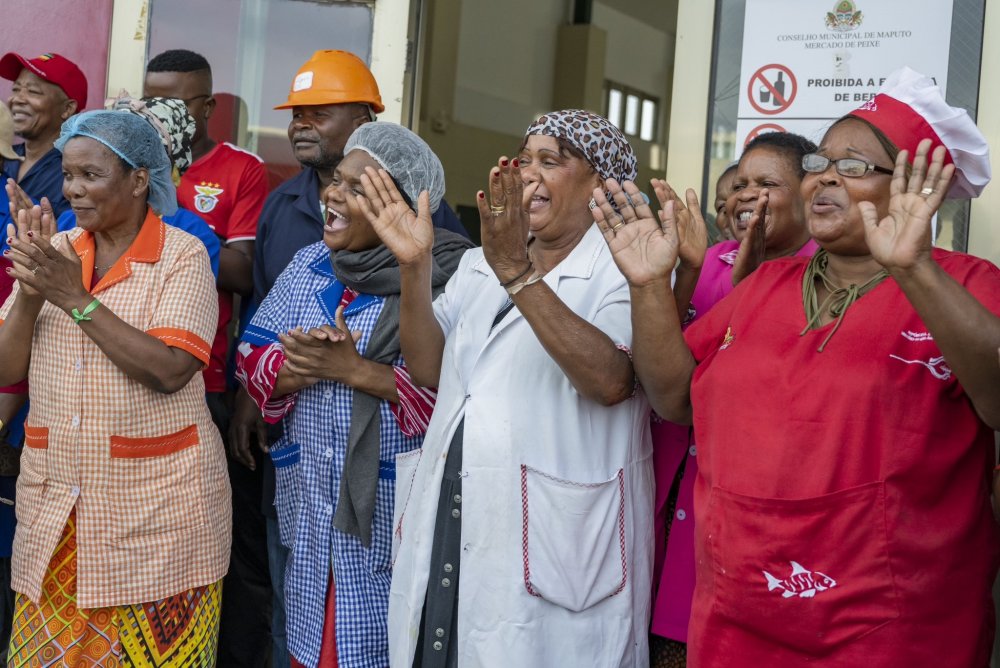
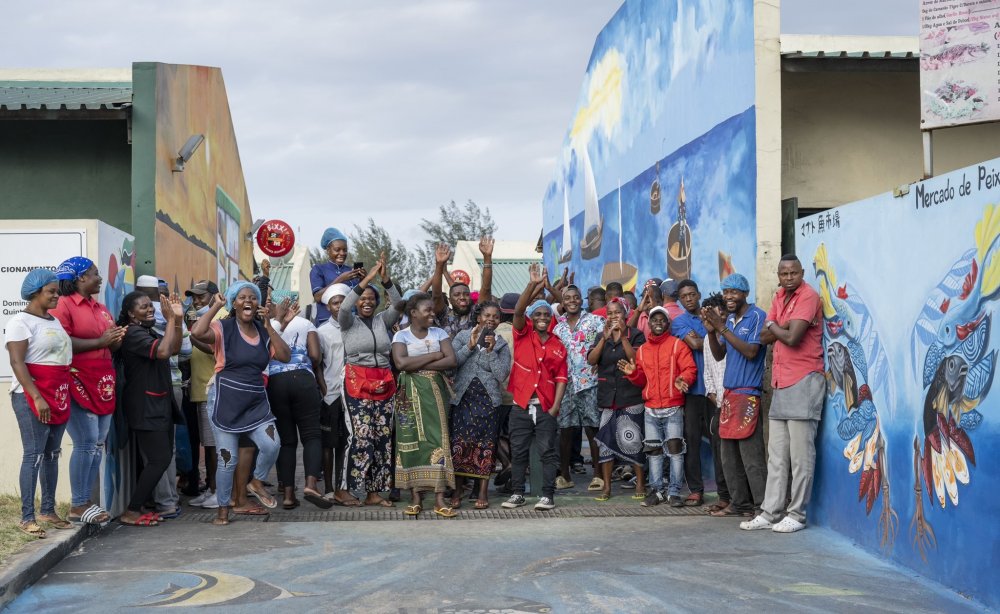
As he visited the market, Kagame who was warmly welcomed, spoke to citizens about the partnership between Rwanda and Mozambique.
Kagame was last in Mozambique on 25th September 2021.
Rwanda and Mozambique have been enjoying vibrant relations for many years.
Both countries have cooperation agreements in different areas including security, trade and investment among others.
Last year, Rwanda sent joint troops of Rwanda National Police (RNP) and Rwanda Defence Force (RDF) to fight terrorists in the Southern Africa country.
Following the deployment of Rwandan troops, the situation has been gradually returning to normal where displaced citizens returned home and schools resumed.