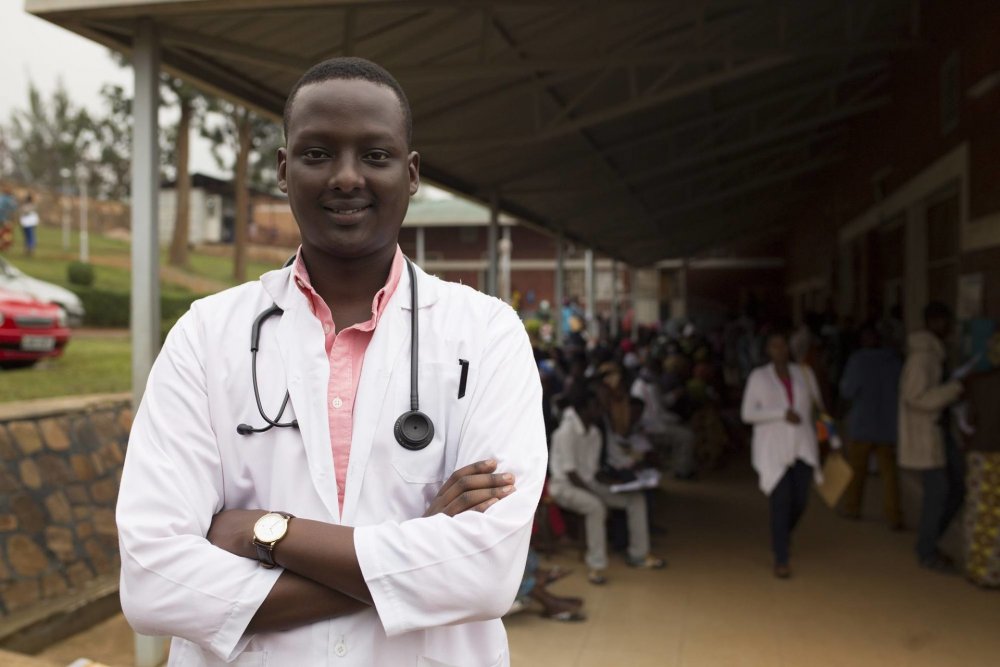
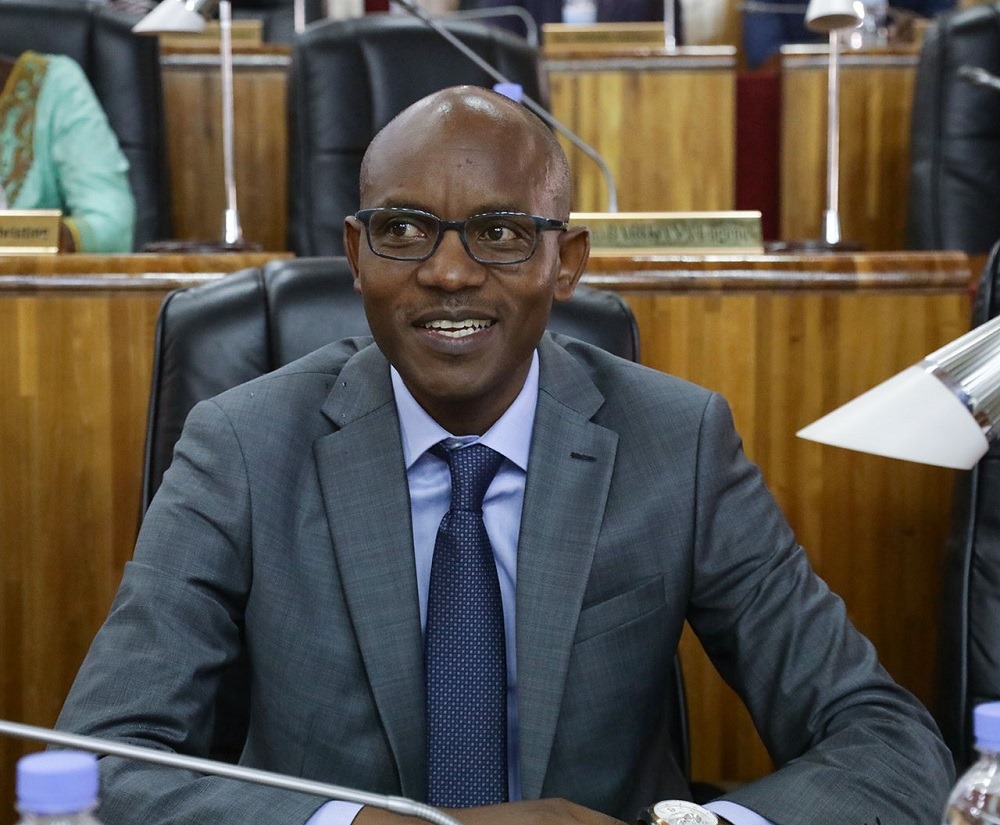
Dr. Nsanzimana who once served as the Director General of Rwanda Biomedical Center (RBC) has been working as the Director General of Butare University Teaching Hospital (CHUB) for the past nine months.
His new appointment was announced on Monday 28th November through a statement released by the Office of Prime Minister.
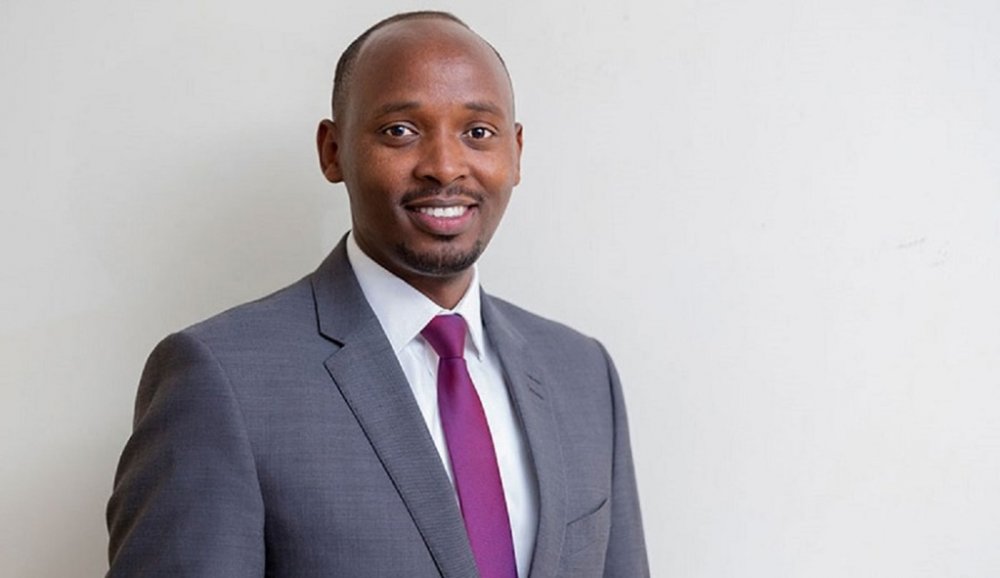
The communiqué further reads that Dr. Yvan Butera is the new State Minister in the Ministry of Health replacing Dr. Tharcisse Mpunga who was named Director General of the University Teaching Hospital of Kigali (CHUK).
The duties were previously assumed by Dr. Theobald Hategekimana.
The communiqué further reads that Dr. Yvan Butera was appointed the State Minister in the Ministry of Health replacing Dr. Tharcisse Mpunga named Director General of the University Teaching Hospital of Kigali (CHUK).
The role was previously assumed by Dr. Theobald Hategekimana.
Dr. Butera has been serving as the Deputy Executive Secretary in Human Resources for Health Secretariat in the Ministry of Health.
He worked in different hospitals including Kanombe Military Hospital.
Dr. Butera has a Bachelor of Medicine obtained from the University of Rwanda in 2014 and PhD in Medical Sciences from Liège University in Belgium acquired in 2019.
In 2017, he also obtained a Master’s degree from the University of Global Health Equity located in Burera District.
Meanwhile, Dr. Nsanzimana was named the Director General of RBC in 2019 replacing Dr. Condo Jeannine.
He holds a Master’s degree in Clinical Epidemiology from the University of Rwanda and PhD doctoral research studies in Epidemiology at University of Basel, Switzerland.
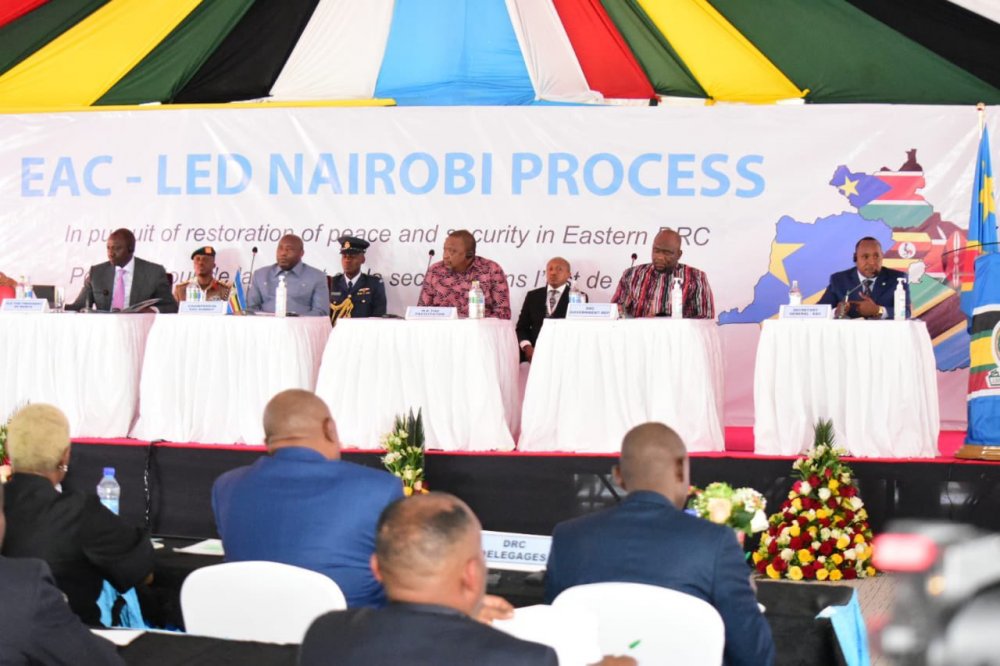
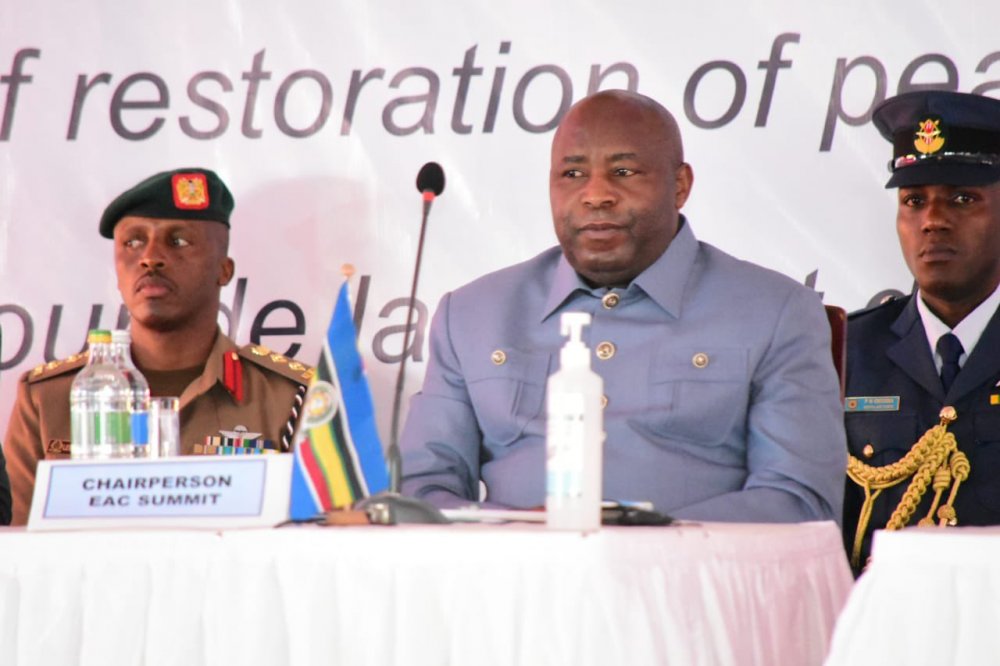
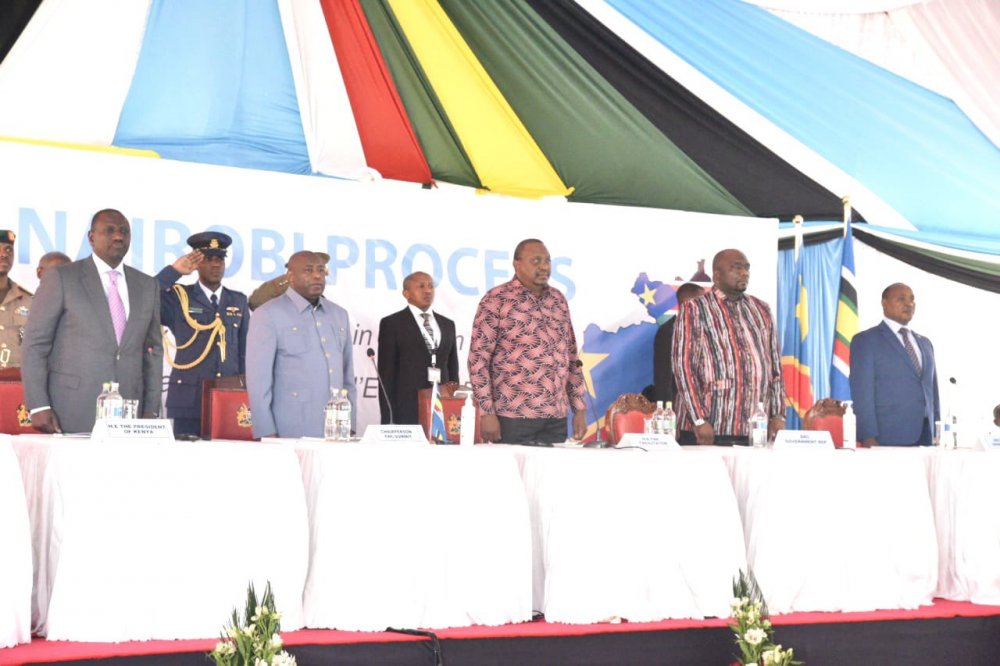
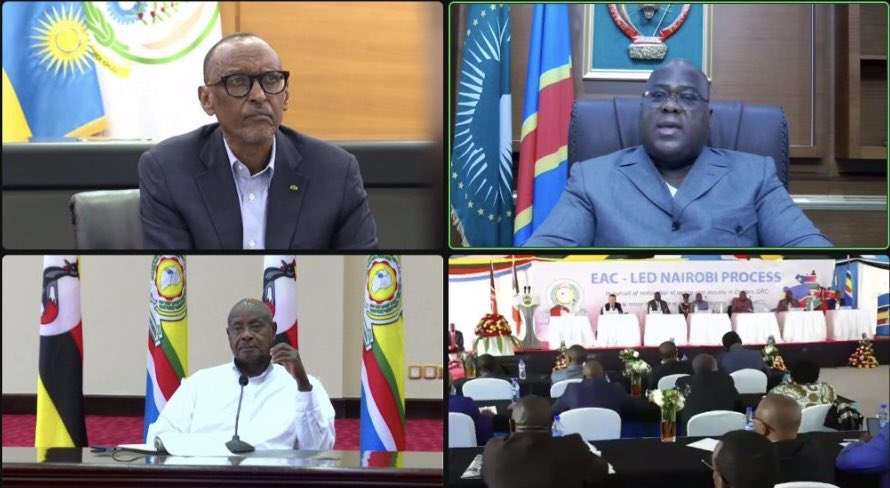
Kagame was delivering his remarks as he virtually joined Heads of State for the East African Community (EAC) led Nairobi Process for the Restoration of Peace and Security in Eastern DR Congo.
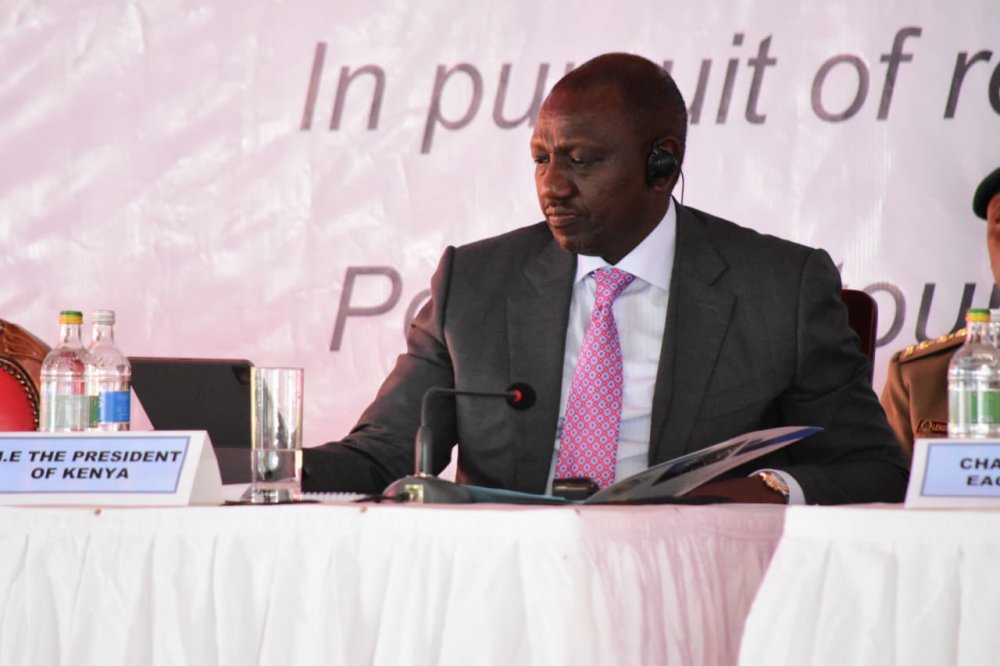
The meeting was physically attended by Evariste Ndayishimiye, the President of Burundi who also serves as the Chairperson of EAC, his counterpart of Kenya, William Ruto and the EAC facilitator of peace talks in eastern DRC, Uhuru Kenyatta.
The special envoy of ICGLR Chairman, Huang Xia also attended in-person.
Meanwhile, President Kagame, his counterpart of Uganda, Yoweri Kaguta Museveni and Congolese President Felix Tshisekedi participated in the summit virtually.
As he addressed participants, Kagame thanked EAC leaders for their commitment to find a solution for challenging security and other situations in the region.
He highlighted that the problem of insecurity and instability in eastern DRC has a complicated and long history spanning for almost three decades but has festered and remained unsolved’.
The Head of State stated that this situation has occasioned negative impacts including the issue of hundreds of Congolese refugees who are unable to safely return homes, impeded trade and investment ‘with negative implication to the whole region’.
To this end, he pointed out the primary reason for the persistent crisis and proposed a solution.
“The primary reason for this persistent crisis is the failure to implement many agreements that have been reached at various levels & at different times in past years. I most sincerely believe that this time around, these efforts are going to bear good results,” said Kagame.
He underscored that the recent resurgence of ‘one armed group among many others’ has received a lot of attention globally noting that this situation comes on top of other unresolved security and political challenges.
Kagame further welcomed the region’s ‘swift response’ and mechanisms being established to save lives in eastern DRC, and address dangerous escalations that threaten neighbouring countries including Rwanda.
The President also proposed a solution to such problems.
“What is needed today, more than ever, is steady political will to implement the ongoing regional initiatives, particularly the East African Community-led Nairobi Peace Process and the African Union Mediation by President Lourenco of Angola,” said Kagame.
“This should seriously include addressing the root causes of insecurity once and for all, which will make a real difference in resolving the security concerns of DRC and neighbouring countries,” he added.
The President observed that the current framework established by regional leaders and the decision taken last week in Luanda, the capital of Angola constitute an opportunity to find a durable solution and reiterated Rwanda’s commitment to support these efforts.
“It is therefore in the interest of all of us, to stay the course and not let the situation be a perennial problem. On this, you can count on Rwanda’s full support toward a lasting and permanent solution,” he assured.
Today’s meeting follows another held on Wednesday last week in Luanda.
It was attended by Angolan President, Lourenço; the President of Burundi, Evariste Ndayishimiye, Felix Antoine Tshisekedi of DR Congo.
It was also attended by Rwandan Minister of Foreign Affairs, Dr. Vincent Biruta and Uhuru Kenyatta.
The first resolution of the meeting was a call for M23 to ceasefire, halt attacks against Congolese Army (FARDC) and the United Nations Organization Stabilization Mission in DRC (MONUSCO) effective from 25th November 2022 at 18h:00.
It was also decided that the rebel group has to withdraw from captured areas and return to previous positions in Sabyinyo Volcano.
Before the deadline, the President of M23, Bertrand Bisimwa released a statement agreeing on ceasefire.
He explained that the group is willing to cease fire as was the case on 1st April 2022 without involvement of DR Congo.
M23 also requested ‘a meeting with the mediator and the facilitator in order to discuss the matter of its concerns in a way to restore a lasting peace in our country’.
During past meetings in Luanda, M23 was not represented where resolutions were only supported by DR Congo.
The recent resolutions triggered mixed reactions as to how the Congolese Government would be assured of their implementation yet M23 was not represented in the meeting.
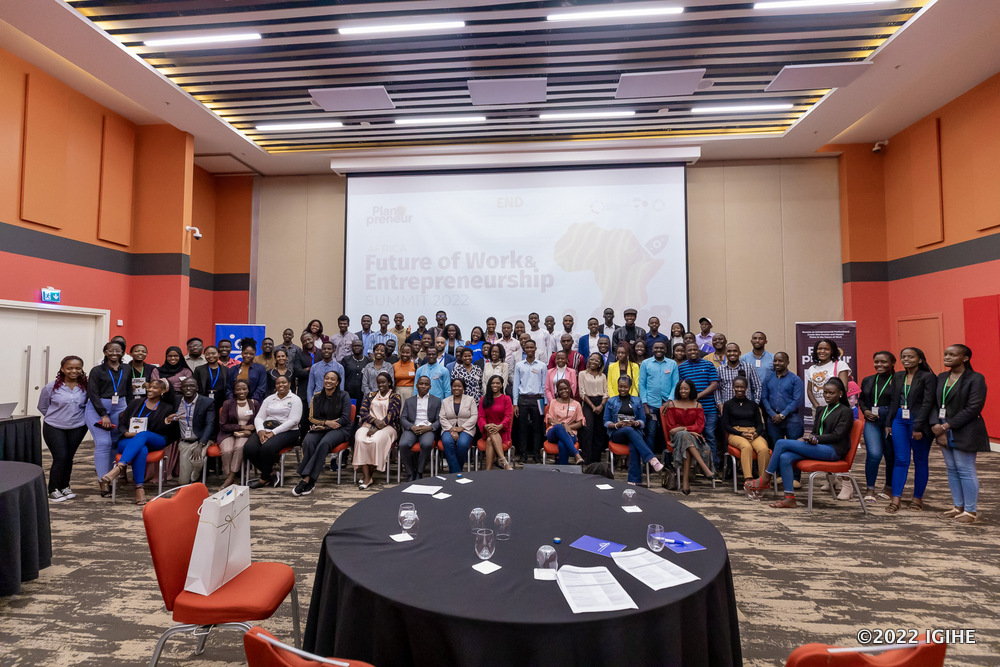
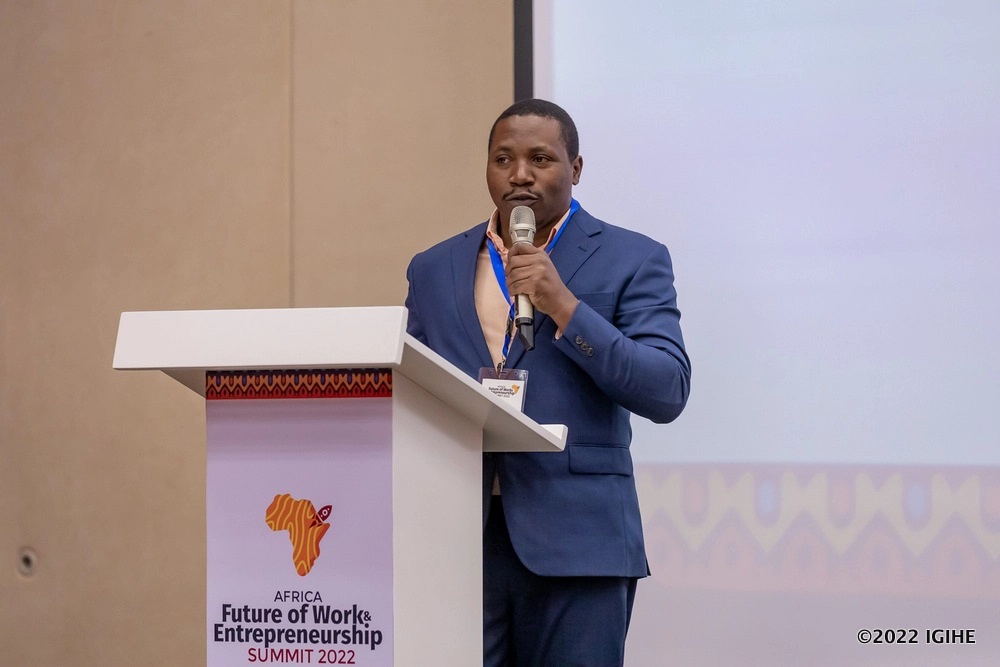
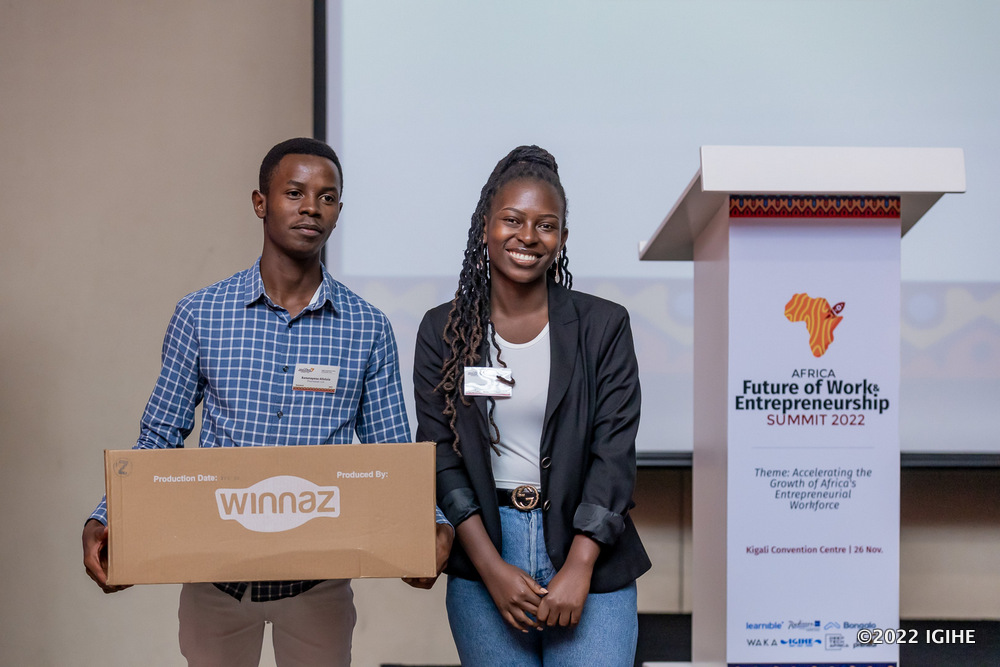
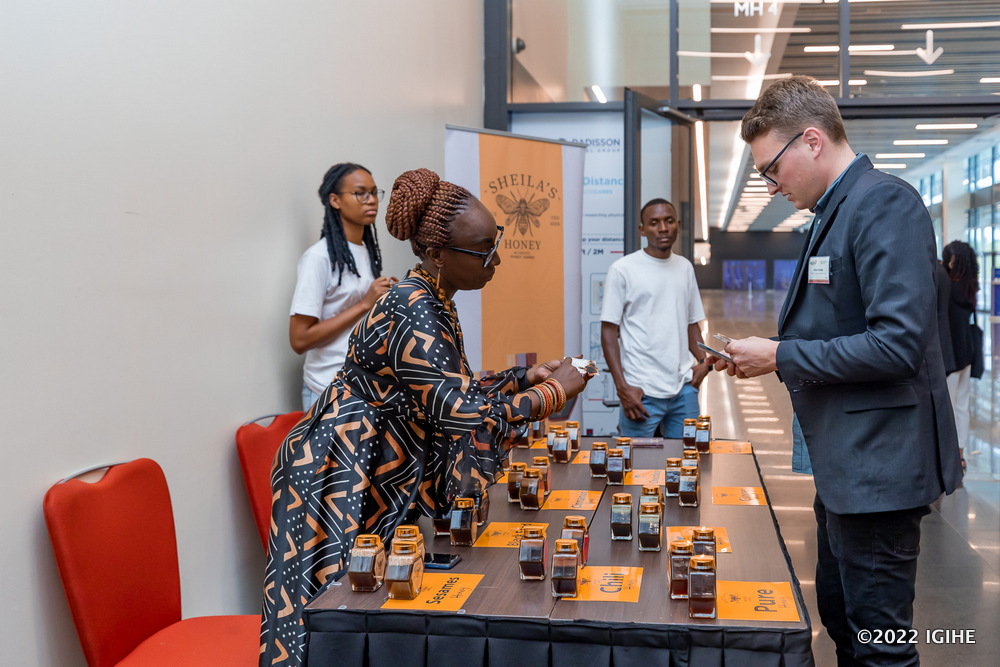
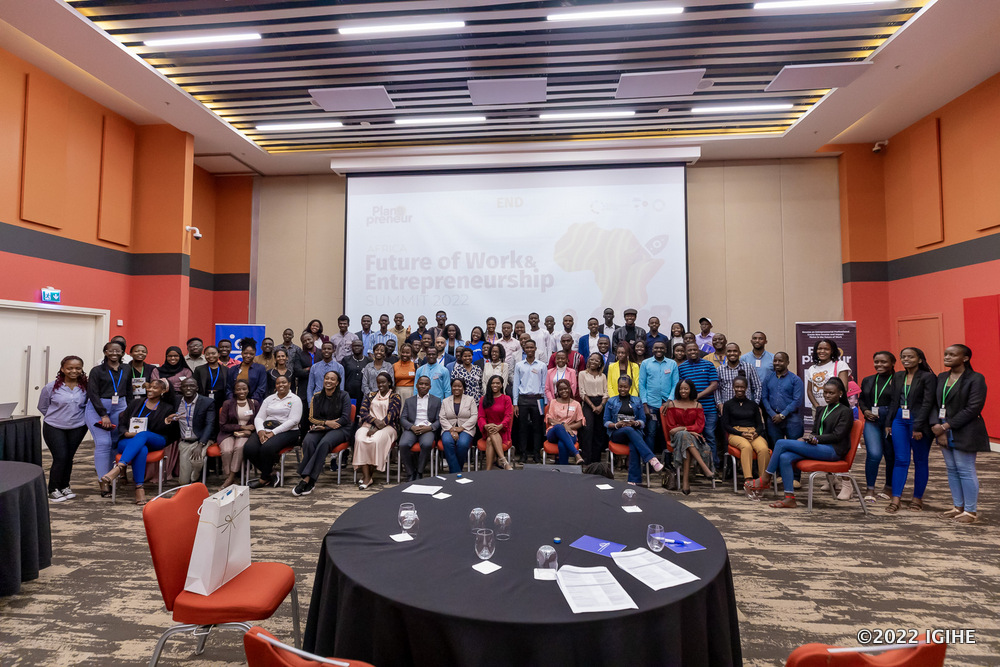
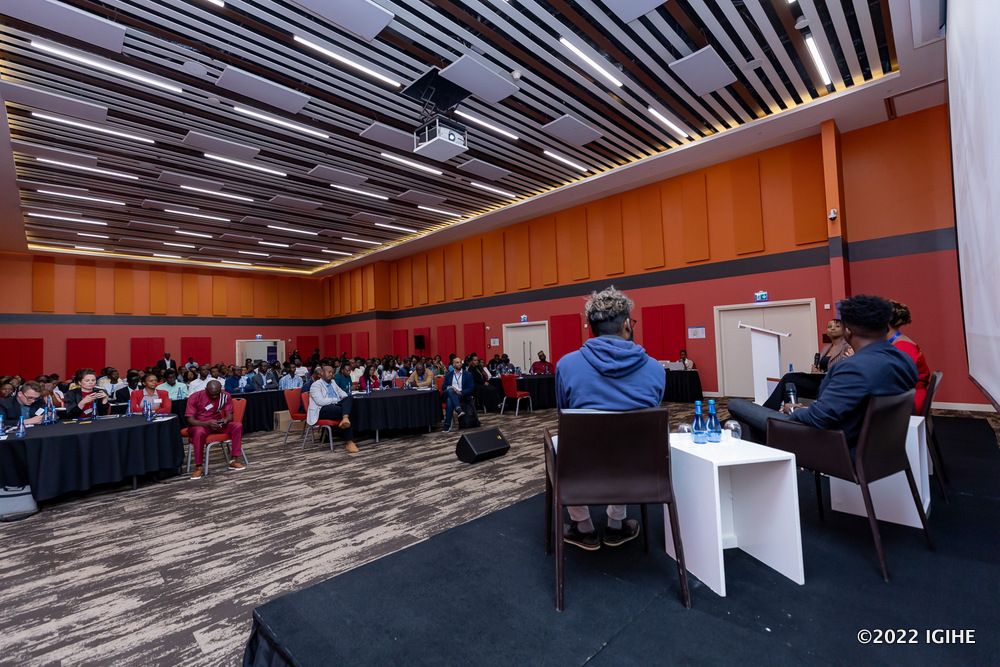
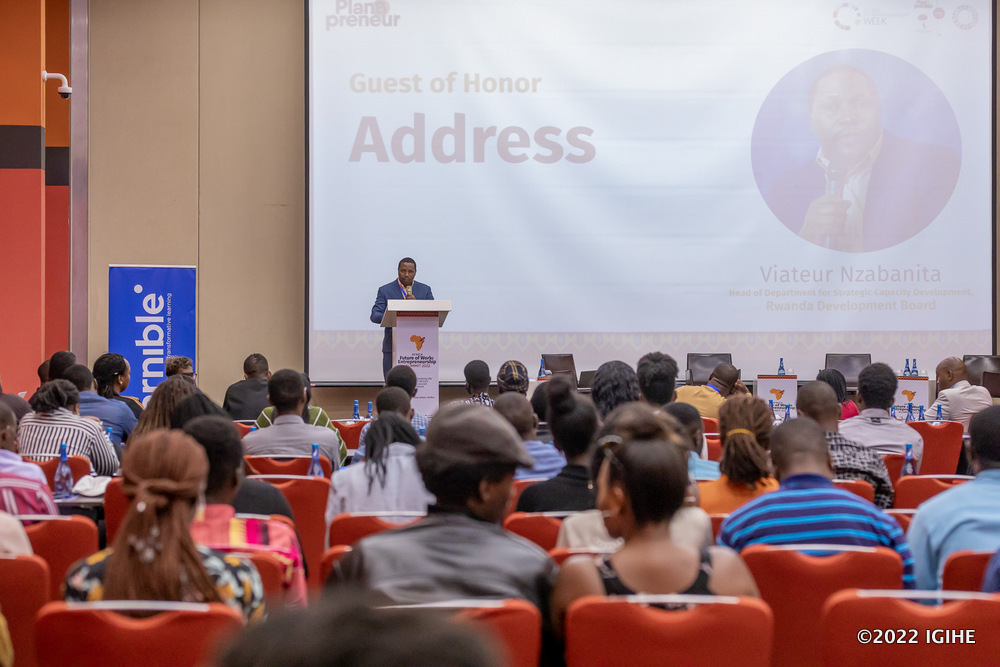
The call was made recently by the Head of Department for Strategic Capacity Development at Rwanda Development Board (RDB), Viateur Nzabanita as he addressed the youth participating in the Africa Future of Work and Entrepreneurship Summit.
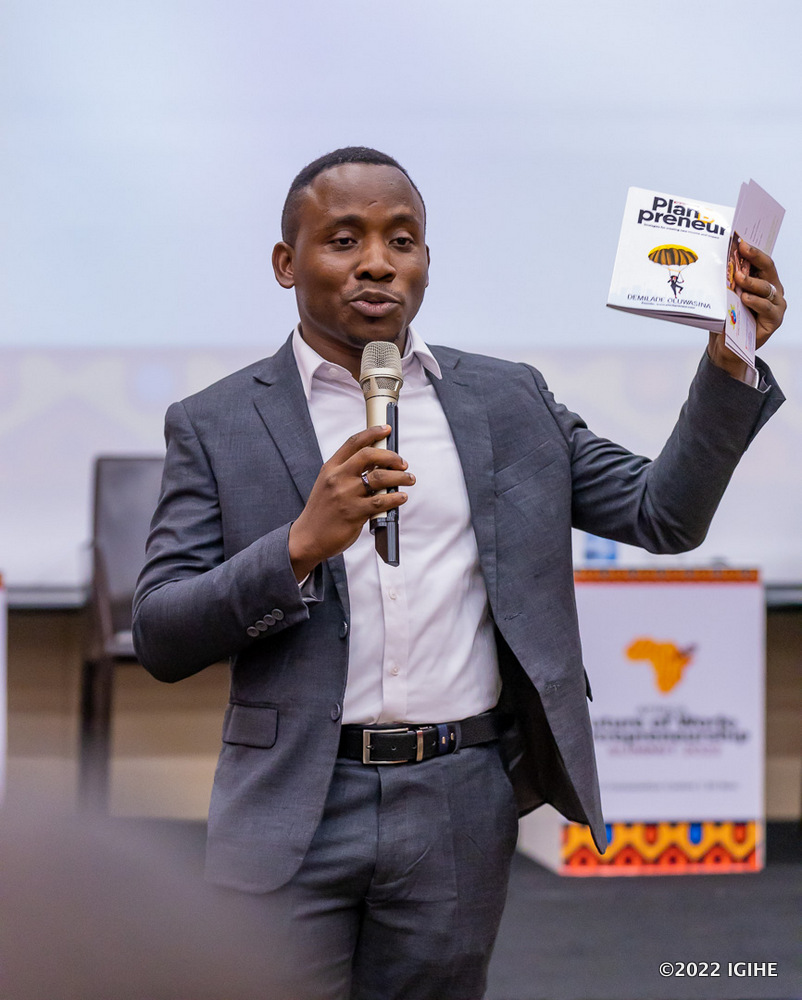
Organized by Amplyfy through its subsidiary-Learnible Global, a Learning Innovation Company based in Rwanda, the summit brought together young people from different countries.
“Entrepreneurial innovations leads to the reallocation of resources from traditional economy to modern economy,” said Nzabanita.
He explained that Rwanda has different programs to empower the youth and enhance their competencies at the labour market.
He cited, among others, the establishment of Business development Fund (BDF) which provides funding to the youth without collateral.
Nzabanita also highlighted that the country’s plan to create over 1.5 under the National Strategy for Transformation (NST1) million jobs by 2024 cannot materialize without cooperation.
“This target cannot be achieved without entrepreneurship workforce […] As we talk about the future, we have to consider the skilling and up-skilling which are very critical to have the workforce combining deep knowledge needed to adapt to the labour market,” he noted.
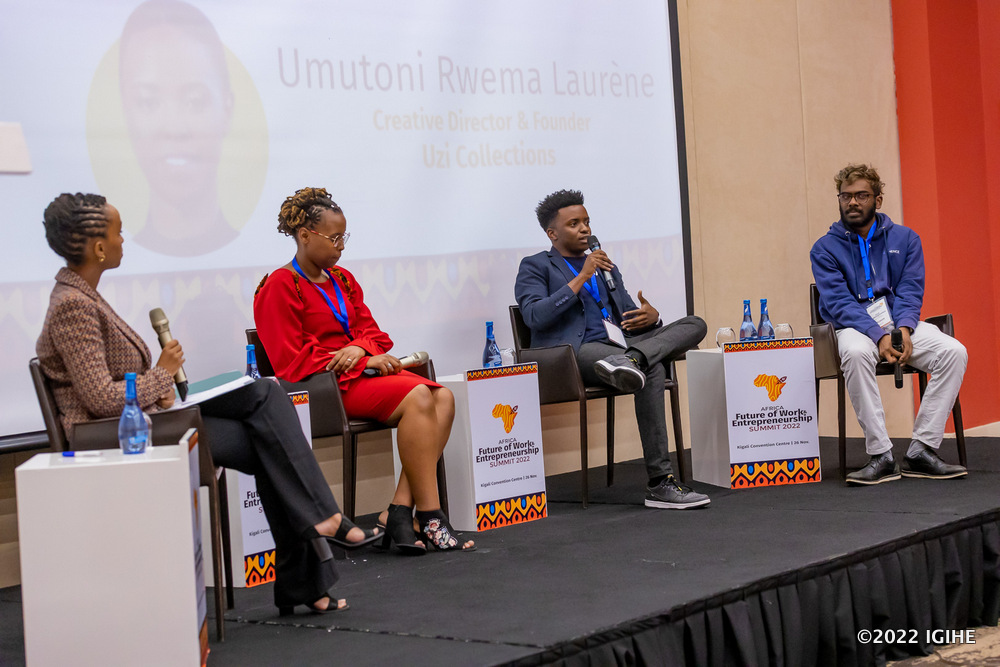
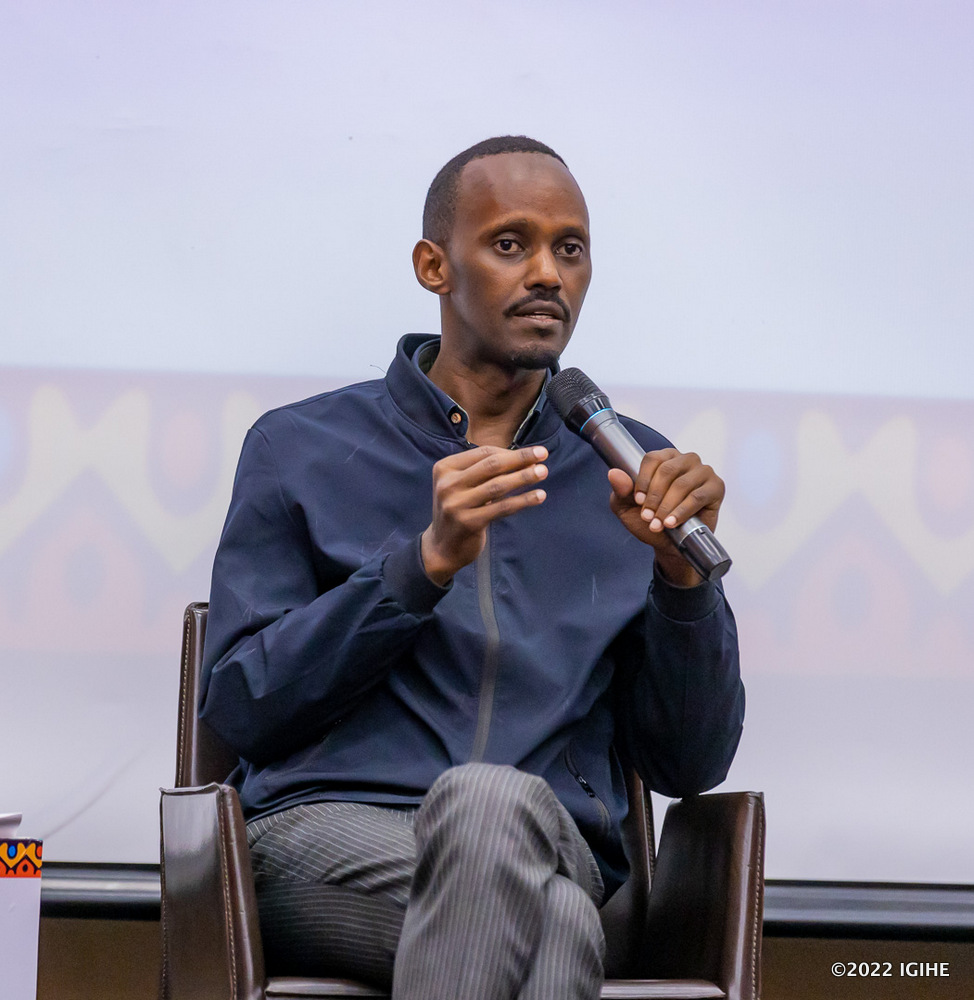
Muyiwa Fasakin, a panelist from Nigeria underscored that creating innovations, decision-making, taking risks and competition is among key drivers for entrepreneurs to thrive.
{{Advice to young entrepreneurs}}
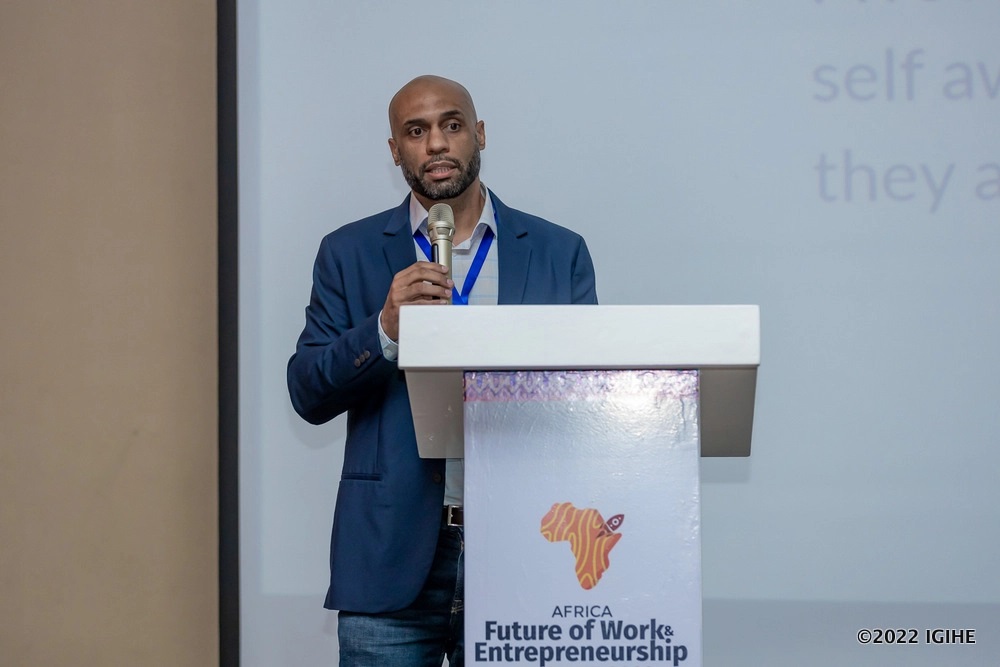
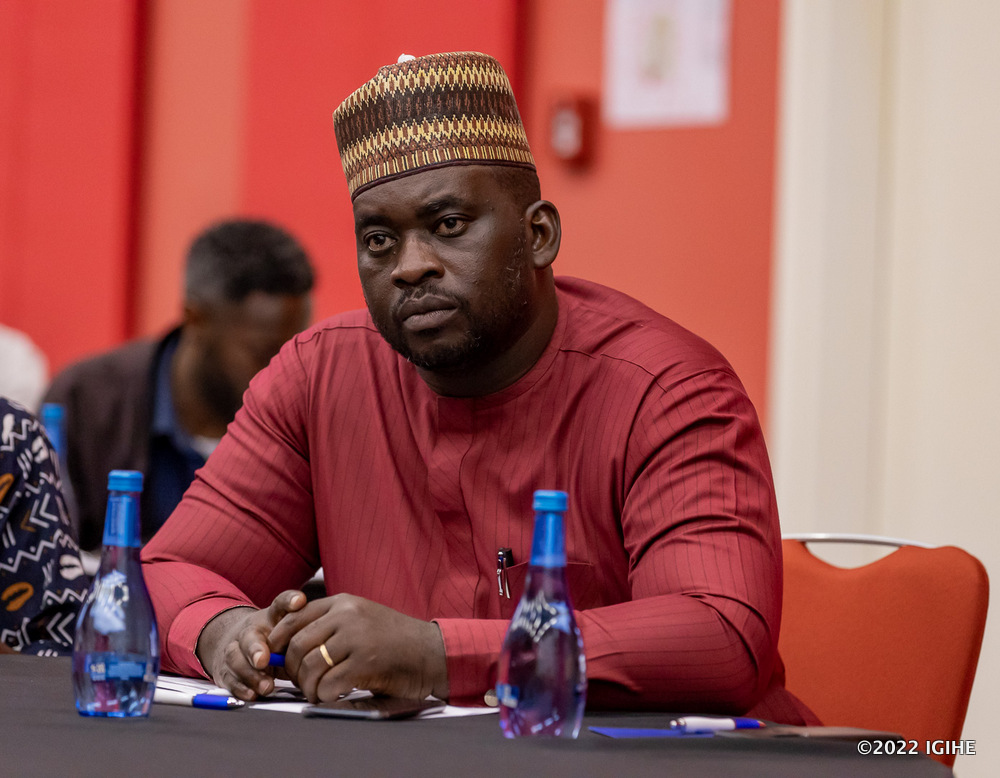
Dr. Gaidi Faraj, one of entrepreneurs who attended the summit observed that the future of work in Africa requires dedication and close collaboration among employees for businesses to flourish.
He also advised entrepreneurs to be passionate and set goals helping them to achieve envisaged targets before beginning implementation of their projects.
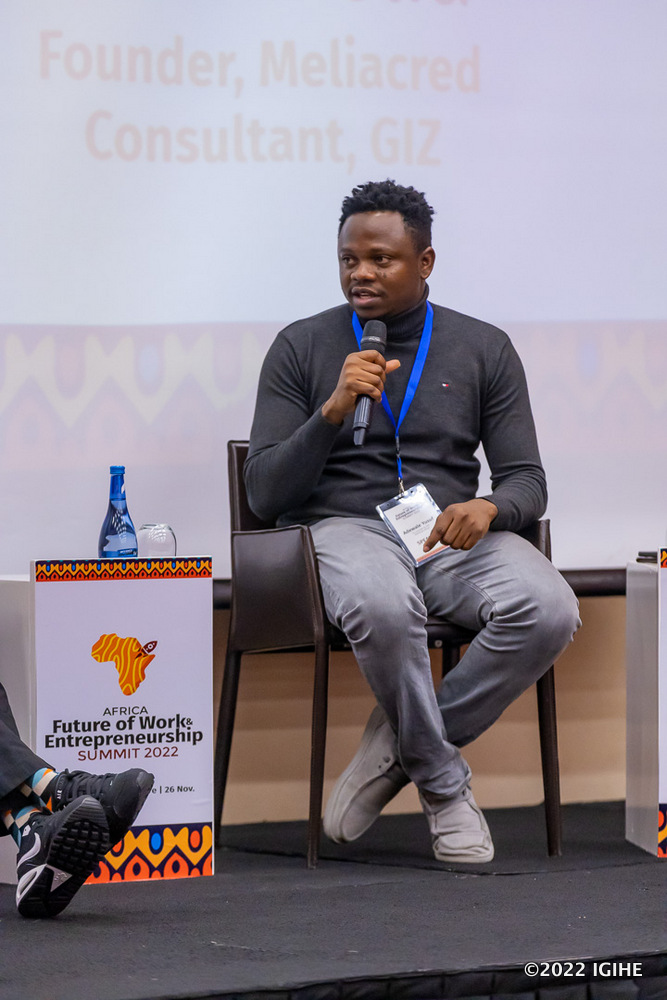
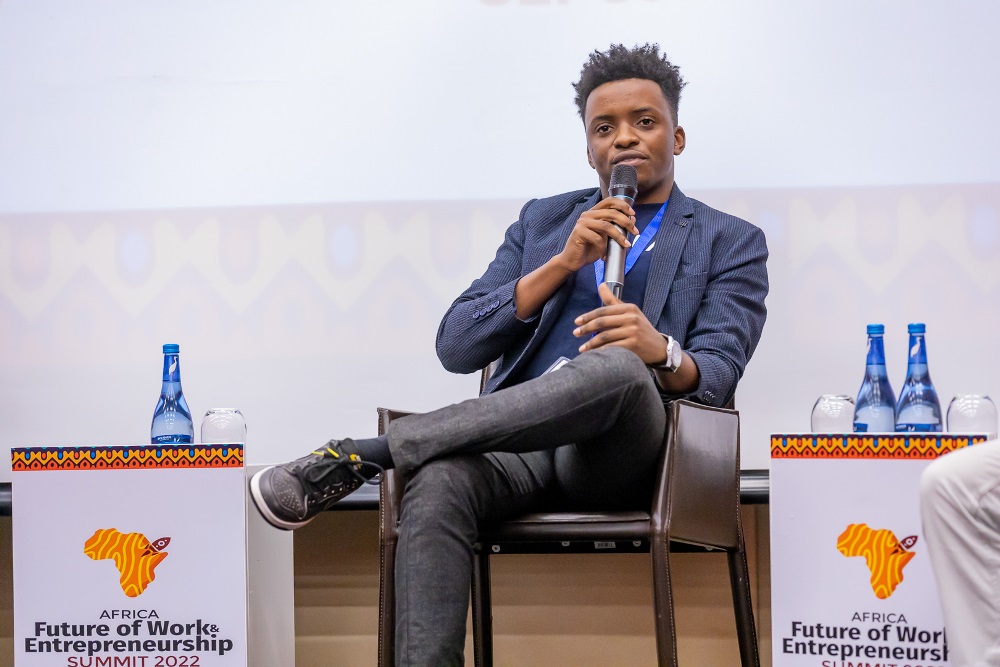
Yussouf Ntwali, the CEO of BAG Innovation, an online platform which upskills the youth and connects them to employers to curb unemployment, disclosed that the latter was established to bridge skills gap among the youth to tackle unemployment.
He advised entrepreneurs to set aside fears to overcome challenges and leverage technology if they are to expand their businesses.
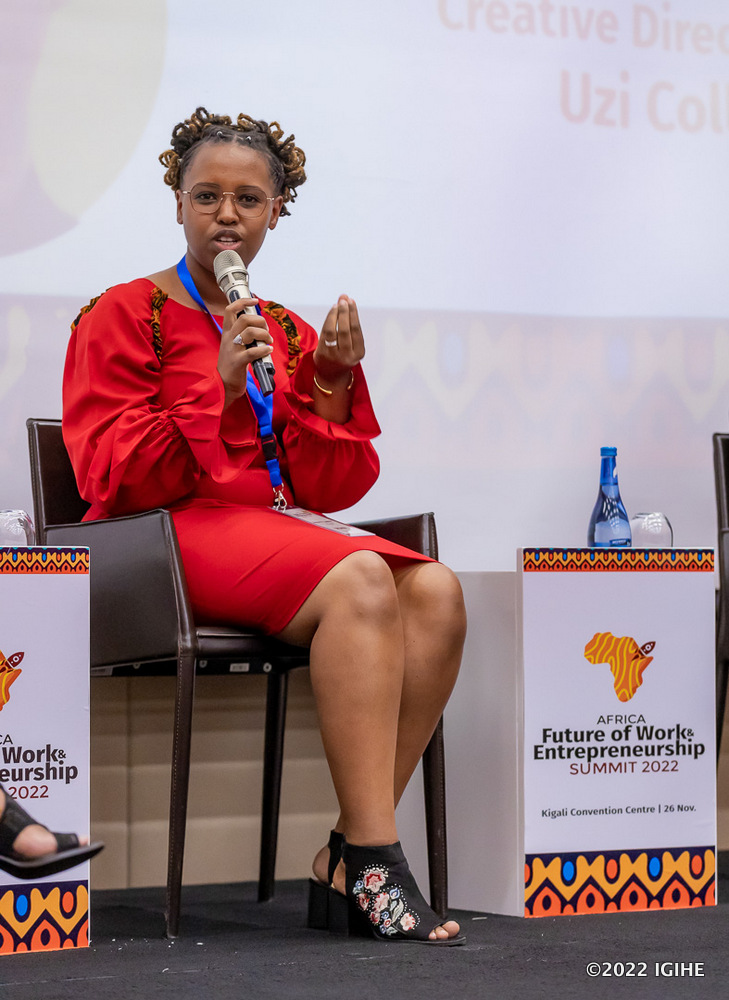
Laurene Umutoni Rwema, the founder of Uzi Collections said that she ventured into business after realizing that there is a gap in promoting Made in Rwanda garments.
She cited discipline among other values that should characterize entrepreneurs if they want to take businesses to greater heights.
Parfine Mizero, a participant from Amplyfy said that the summit left many lessons with regard to the creation of jobs and business growth.
“Participating in this summit is very helpful as I acquired deeper understanding on the future of Africa’s workforce. The youth have been inspired that it is possible to grow businesses from little resources to achieve great things,” she revealed.
The Private Sector Development Specialist at the Ministry of Trade and Industry (MINICOM), Berthe Ndayambaje Rwagitare recalled Rwanda’s initiatives to empower and support young people’s projects and urged them to set aside fears and tap into available opportunities.
Malik Shaffy, African Management Institute (AMI) Rwanda Country Director observed that academic degrees will no longer be a prerequisite for employment in the future but rather competencies.
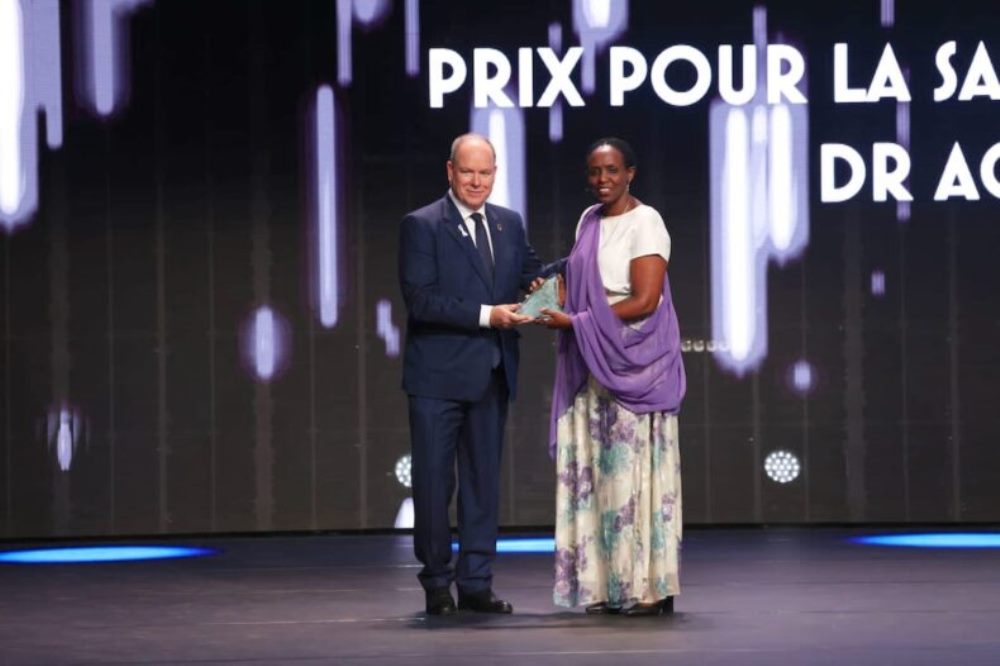
Dr. Kalibata was a laureate at the 15th annual Awards for Planetary Health by the Prince Albert II of Monaco Foundation. The awards honor personalities and organisations who have shown remarkable commitment to the preservation of the Planet.
Speaking after receiving her award on 26th November 2022, Dr. Kalibata expressed gratitude for the recognition.
“We are not on track to achieve the SDG Goal of “Zero Hunger” by 2030. This is made more difficult by climate change . Agriculture is a major part of the climate problem. It currently generates 19–29% of total greenhouse gas (GHG) emissions. Without action, that percentage could rise substantially. I am honored to receive this award today. But it is not just for me. It is also an award acknowledging that we must continue our push to support African smallholder farmers – as they look to increase their agriculture production for more food security and increased incomes, they must do this while having choices to use modern technologies and practices that take care of environment.”
In his opening address at the award ceremony, HSH Prince Albert II of Monaco emphasised that while the Foundation’s Awards for Planetary Health reward inspiring personalities for their work in favour of water, climate, and biodiversity, they also reward the paths they have chosen. Those of “politics and collective action; science and research; industry and innovation. Three areas that we must constantly mobilise, for it is with them that we make progress”. The Sovereign Prince underlined the importance of the 2022 laureates’ commitment: “At a time when our planet is once again experiencing open conflicts that tend to push environmental issues aside, there has never been a better time to give a voice to those who seek to protect it”.
The other laureates in the Prince Albert II of Monaco Foundation’s 15th annual Awards for Planetary Health were: Professor Dame Jane Francis, Director of the British Antarctic Survey, a research centre of the Natural Environment Research Council; and Dr. Ido Sella, the CEO and co-founder of ECOncrete Tech, whose mission is to change the gold standard, transforming the way our concrete coasts look and function, so that where the ocean meets the shore, life thrives – above and below the water.
{{About AGRA}}
Established in 2006, AGRA is an African-led and Africa-based institution that puts smallholder farmers at the center of the continent’s growing economy by transforming agriculture from a solitary struggle to survive into farming as a business that thrives. Together with partners, AGRA is working to sustainably grow Africa’s food systems.
AGRA strengthens seed systems, develops and promotes sustainable farming practices, helps unlock trade and markets, and supports governments who lead their countries’ development.
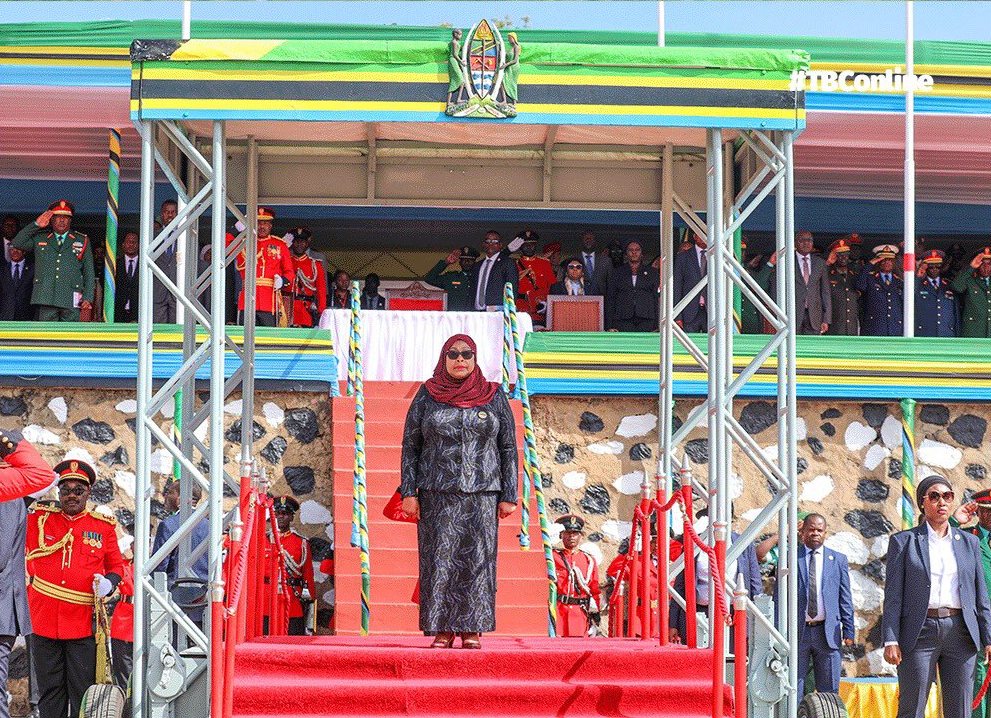
The ceremony took place at the academy located in Mundoli, Arusha City in northern Tanzania.
The Spokesperson of Rwanda Defence Force (RDF), Brig Gen Ronald Rwivanga has confirmed to IGIHE that two Rwandans were among gradiuates from TMA.
Suluhu was presiding over similar ceremony for the third time after succeeding John Pombe Magufuli in March 2021.
Commissioned officers include 89 women and 651 men. Among those commissioned were 16 military officers from neighboring countries, including Kenya, Uganda, Burundi, Rwanda, and Eswatini.
Rwanda and Tanzania enjoy defence cooperation agreement signed in 2021.
Last year, the former Chief of Defence Forces of Tanzania People’s Defence Forces (TPDF), General Venance Mabeyo came to Rwanda for an official visit aimed at strengthening cooperation between TPDF and RDF from 23rd to 26th August.
At the time, the TPDF Chief of Defence Forces and his delegation paid respect to the victims of the 1994 Genocide against Tutsi at Kigali Genocide Memorial, visited the Campaign Against Genocide Museum and RDF Command and Staff College in Nyakinama.
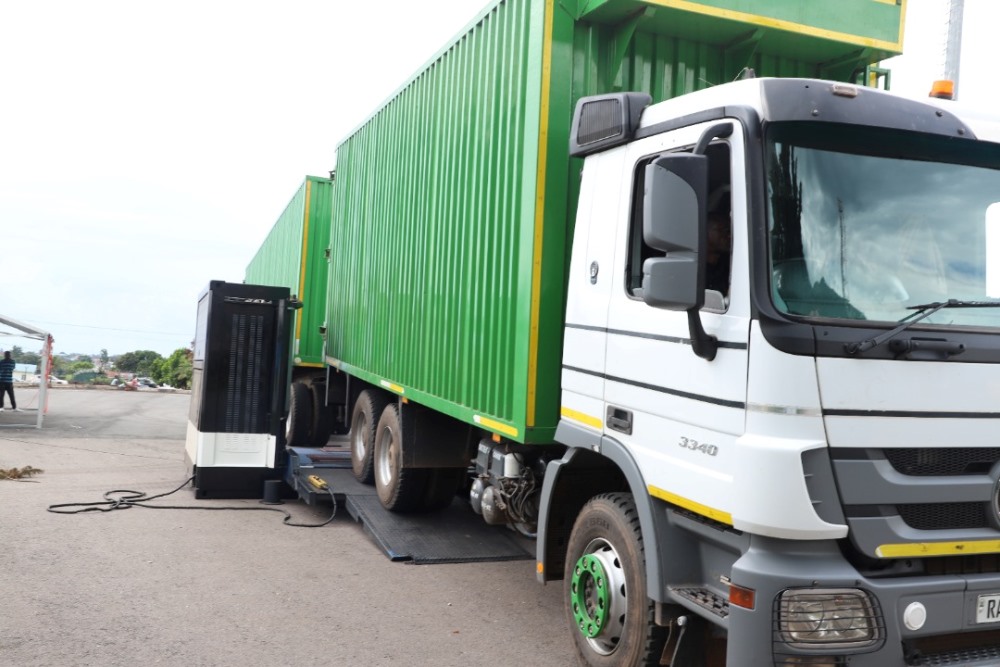
Out of the 694 vehicles inspected in six days, only 322 were found to be roadworthy, according to Assistant Commissioner of Police (ACP) Aloys Munana, the Commanding Officer (CO) for the Automobile Inspection Centre.
“This in-depth inspection found other 372 vehicles with varied mechanical issues, especially brake failure, wheel alignment and emitting gas emissions. Owners are required to fix the identified mechanical faults and bring them back for the second inspection to acquire a mechanical certificate, if they meet the required road standards,” ACP Munana said.
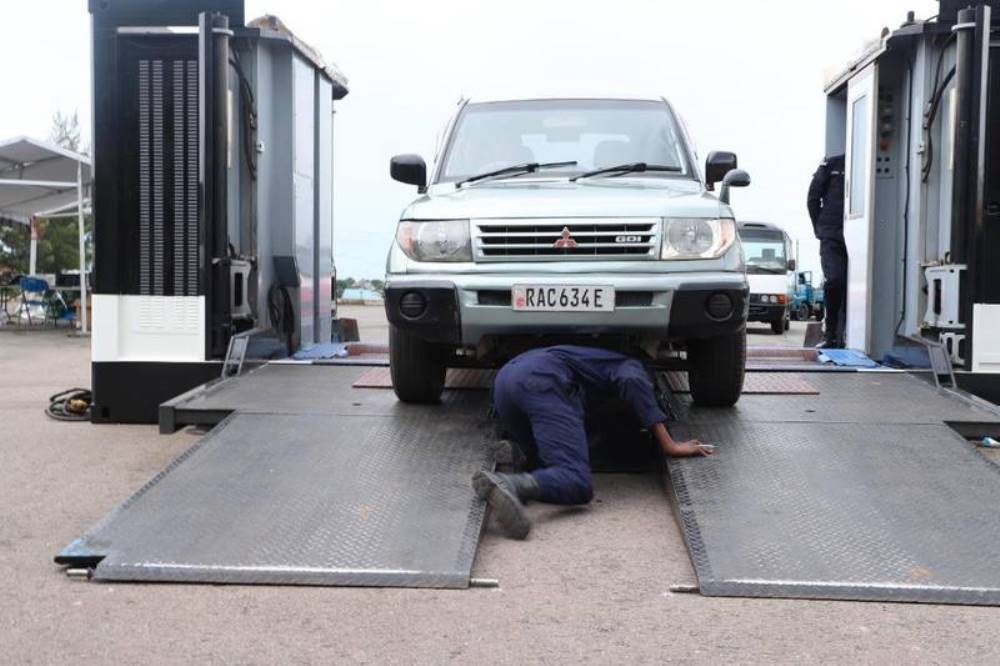
The vehicle roadworthy inspection tests shock absorber, brakes including handbrake, axle play detection, wheel alignment and vehicle geometry, steering system, headlights, and visual inspection of the vehicle’s body condition, among others.
It further tests fuel emissions to fight greenhouse gas emissions, which cause climate change.
ACP Munana said: “Such deep vehicle mechanical analysis is good to owners as it helps them to know the status of their vehicles, know what to fix and to prevent any likely accidents that can result from mechanical failures.”
More than 500 others vehicles were inspected in Rusizi District a fortnight ago, before the mobile inspection lane shifted to Rubavu.
The automobile mechanical status is mandated under the Presidential Decree No. 85/01 of September 2, 2002, which, partly, stipulates that owners of vehicles using public roads without a mechanical inspection certificate will be liable to a fine of Frw25, 000.
“The mobile inspection lane is rotating in districts that are far from the Automobile Inspection Centres.
Rwanda National Police (RNP) is taking these services closer to those that need them and to facilitate them from wasting time and resources trekking long distances to acquire the same services in Kigali, Musanze, Rwamagana and Huye,” the CO said.
Private vehicles are subjected to mechanical inspection every after one year while trucks and passenger service vehicles are inspected every after six months.
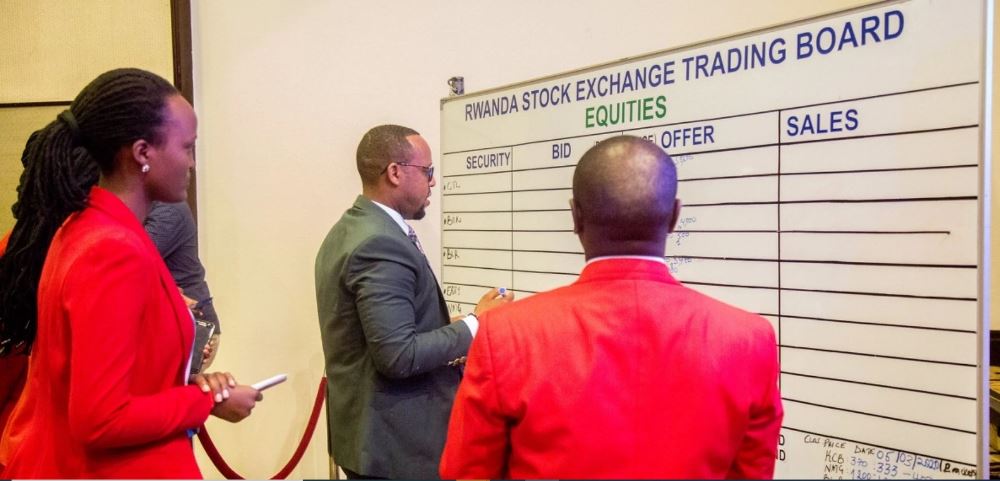
This will be done through a campaign themed: “Promoting the savings and investment culture through the Rwandan capital market within the Public Sector.”
The capital market and its expansion have been an important factor in giving a boost to the growth of the corporate sector since its inception in Rwanda.
With the growth of the capital market, some Rwandan companies are now enjoying the market. However, the relatively low participation of retail investors in the Rwandan economy continues to delay the development of the investor base.
“This public education and awareness campaign will target all Ministries and their affiliated agencies. Their staff will be educated on the importance and benefits associated with saving and investing through the capital market. They will be educated on various key concepts of saving and investment opportunities through the Rwandan capital market,” said Magnifique Migisha, the Coordinator for Public Education and Awareness Programmes at CMA.
“Public servants will also be educated on their rights and obligations as investors of the different capital market saving and investment products and services. The main objective of the campaign is to help public servants to use the capital market as an alternative avenue for saving and investment,” he added.
The National Strategy for Transformation (NST1), which is also the Seven Year Government Programme, puts emphasis on increasing domestic savings and positioning Rwanda as a hub for financial services to promote investments through financial sector development.
The private domestic savings rate is projected to increase from 12.1% in 2017 to 23.9% in 2024.
The introduction of innovative savings mobilization schemes is one of the enablers to help achieve the anticipated target.
So far, there are two collective investment schemes: RNIT Iterambere Fund and Aguka Unit Trust Fund. Iterambere Fund, a trust fund by the Rwanda National Investment Trust Ltd (RNIT Ltd) is one of the opportunities in the Rwandan Capital Market for people to use as an alternative avenue for saving and investment.
The Aguka Unit Trust Fund, or the Fund, is an open-ended, tax-exempt unit trust fund registered under the laws of Rwanda and licensed by the Capital Market Authority. Aguka Unit Trust Fund pools money from investors and invests the Fund’s money into a diversified portfolio of money market instruments, cash deposits, and debt instruments.
Financial education is one of the recognized tools to help support and guide individuals’ decision-making to balance their budget, make ends meet, identify risk factors and plan for their long-term future appropriately.
As a demand-side solution, it can complement supply-side approaches including improved regulation and consumer protection which ensure that investors are protected, well-informed, and treated fairly. It may also be used as a means of encouraging formal savings for those excluded from financial services.
The new awareness programme started on November 16.
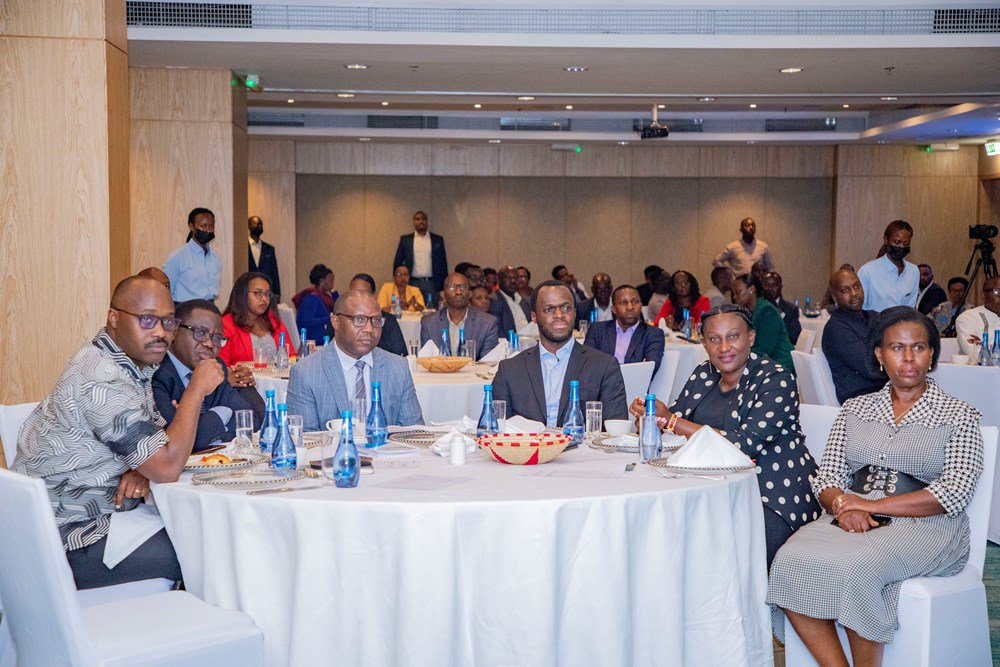
The event which was hosted at the Kigali Marriott Hotel was attended by Minister of Local Government, Jean Claude Musabyimana, Lord Mayor of the city of Kigali, Pudence Rubingisa, Governors and Mayors from their respective provinces and districts as well as several other local government officials.
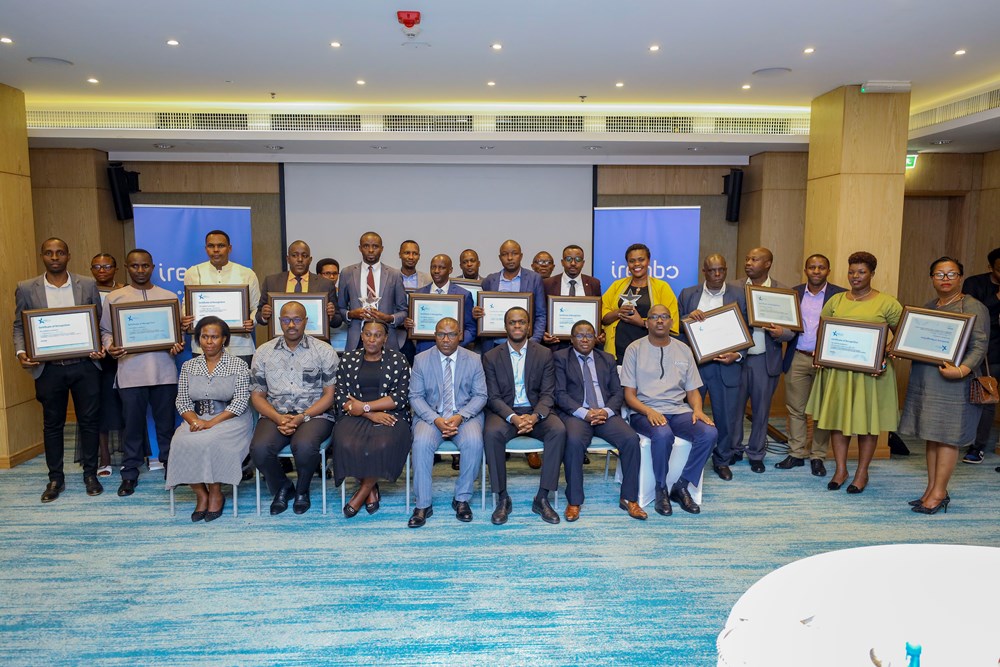
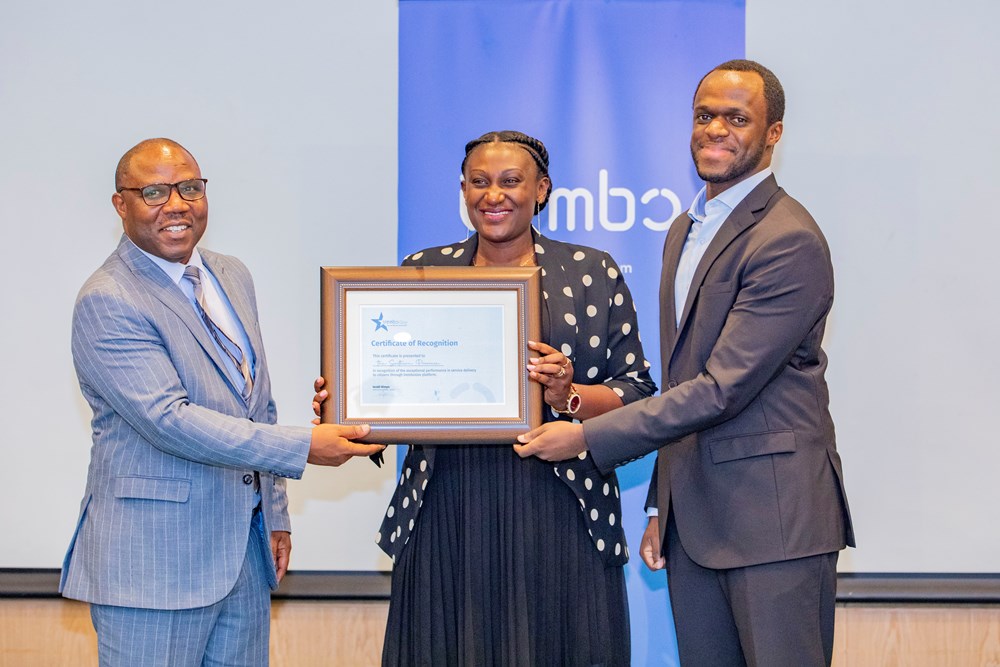
The criteria for the service delivery awards included the processing rate of citizen applications through the IremboGov platform, the average processing time, and the number of self-applications performed by citizens in a district based on the monthly reports generated from Irembo.
According to Irembo CEO, Israel Bimpe, there are over 29 public services administered by the local government through the IremboGov platform which are crucial for almost every citizen at some point in their lives. “The service delivery awards are meant to enable us to reflect on how public e-services are being delivered and what we can emulate from those that are excelling in supporting the citizens to efficiently access these services” he said.
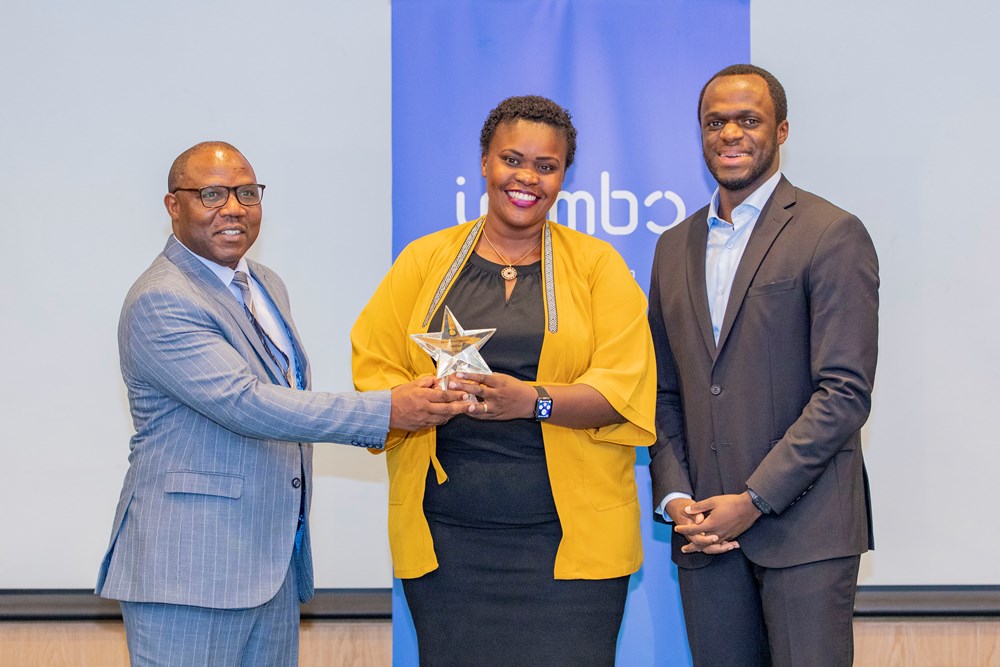
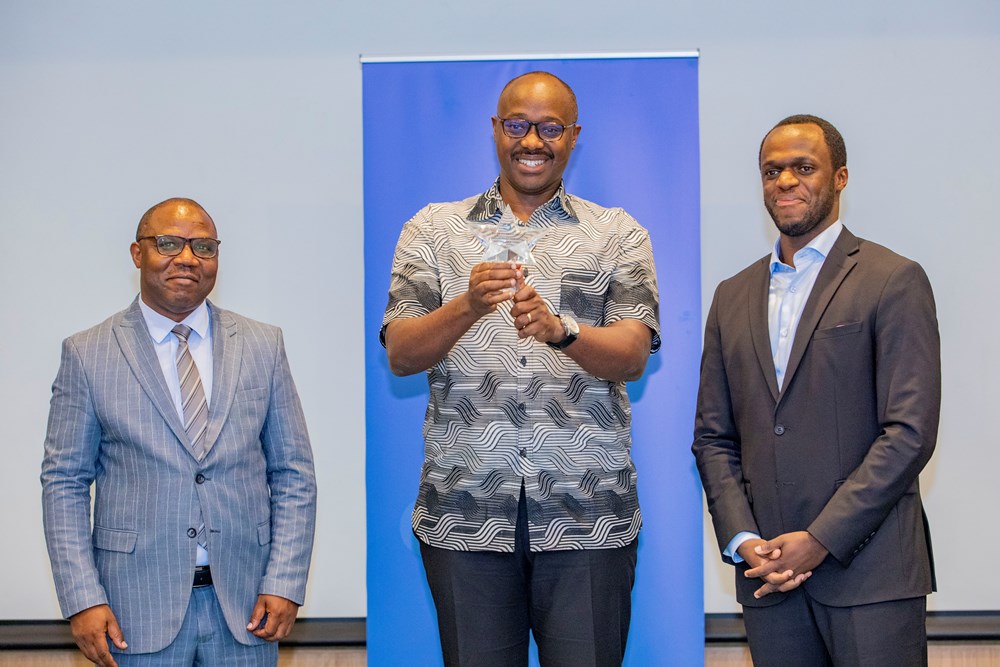
The City of Kigali emerged as the best performing province with Kicukiro as the leading district, followed by the Southern Province, where Huye district was the second best district in service delivery on the IremboGov platform and Nyarugenge district the 3rd best in the district category.
The sectors awarded were Ruhunde sector in Burera district, Kabaya sector in Ngororero district, Fumbwe sector in Rwamagana District, Simbi sector in Huye District and Niboye sector in Kicukiro district, where different local government officers such as District IT officers, CRO, DEA, and Executive Secretaries, who were at the forefront in delivering the services, were recognized for their outstanding performances during the event.
Speaking on behalf of the award recipients, Civil Registration Officer (CRO) from Fumbwe Sector in Rwamagana District, Ntirushwa Antoine, thanked Irembo for making service delivery easy. “Citizens have been relieved of the burden to travel from one sector to another to get certain services such as birth certificates or marriage certificates. Irembo has supported us to embark on the dream to achieve the mission of ‘zero trip, zero paper’ in delivering services to citizens” he said.
The Minister of Local Government, Musabyimana Jean Claude congratulated the respective receipts of the IremboGov service delivery awards and urged the district authorities to leverage the use of innovations in digital technologies to be more efficient in serving citizens.
“According to the National Strategy for Transformation (NST1), we have a mandate as a government to exceed 90% in delivering good services to the citizens and to be able to digitize all government services by 2024. To achieve this, we shall need everyone’s efforts.” said Minister Musabyimana.
In his closing remarks the Minister commended Irembo for being a key stakeholder in digitizing government services and encouraged the participants to utilize the provision of IremboGov platform to deliver quick and efficient services to the citizens.
In the agriculture sector, an agreement was signed with the National Industrial Research and Development Agency (NIRDA) leading to the launch a pilot project to produce varieties of seeds for oil crops and the use of drones for soil analysis and crop monitoring.
The project, which represents the first ‘open-air laboratory’ on the African continent, will use the most advanced precision farming techniques to produce quality seeds in Rwanda.
This is in line with the Agri-feedstock initiatives launched by Eni in other countries in the region, to cultivate sustainable raw materials on degraded and abandoned land, not in competition with the food chain.
The agreement with the Rwanda Development Board and the non-profit tech start-up Rainforest Connection, aims to protect forests and generate carbon credits.
The parties will test cutting-edge technologies in areas with high levels of biodiversity, autonomous drones and acoustic sensors will be used in the experimentation.
By using artificial intelligence algorithms, it will enable the detection of potential threats and respond to alarms with immediate targeted interventions.
A cooperation agreement was also signed with the Ministry of ICT and Innovation and will play a cross-cutting role in supporting initiatives in areas of common interest: from precision agriculture to forest monitoring and health. The parties will collaborate to disseminate these technologies and create synergies with the country’s start-ups.
In the health sector, Eni Foundation, together with the Ministry of Health (MoH) and the Ministry of Finance and Economic Planning (MINECOFIN), signed a three-year agreement to strengthen basic maternal and child health services, with a focus on the management of obstetric emergencies, in four districts of the country: Gisagara, Musanze, Nyagatare and Rulindo, with a target population of about 1.5 million people.
The intended beneficiaries are mothers and children, vulnerable groups and health personnel. The initiative includes the construction of health infrastructure (maternity wards) and a capacity-building and training programme for communities and health personnel.
Speaking at the signing, Luigi Ciarrocchi, CCUS, Forestry and Agri-Feedstock Director, said: “Just 7 months after the memorandum of understanding with the Rwandan institutions, we are launching the activities in the sectors of common interest. We will work jointly to develop concrete projects for the country’s decarbonisation, leveraging on a business environment that is ideal to text innovative solutions and agribusiness activities generating high-added value”.
The Minister of Health, Dr Daniel Ngamije, said: “We welcome the partnership with ENI to contribute to primary and secondary health care with impactful interventions. We look forward to working together on implementation with beneficiary districts. This is undoubtedly the start of a long partnership which we hope to extend to other areas in the future.”
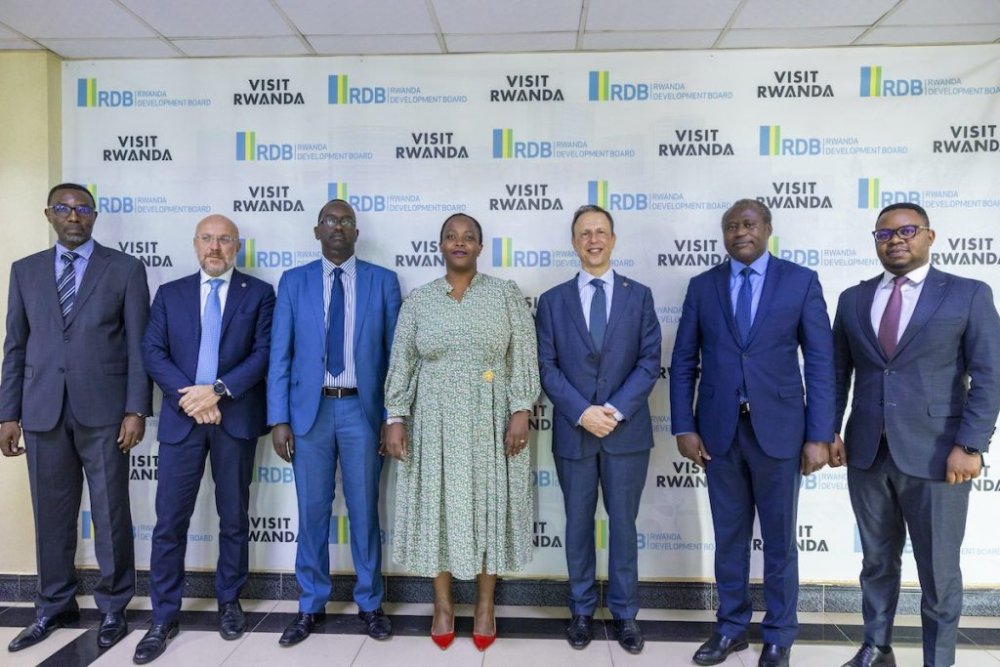
Commenting on the development, RDB CEO, Clare Akamanzi said that the signing of the cooperation agreements in various sectors is a testimony of what can be achieved when the public and private sectors collaborate to achieve sustainable goals.
“The agreements align with Rwanda’s target to be a hub for innovation, and we are glad that ENI is committed to being a partner in this journey,” she noted.
The signing of the agreements kicks off Eni’s activities in Rwanda, in continuity with the memorandum of understanding signed with the Rwanda Development Board on 8 April 2022, capitalising on the country’s know-how in the technology and agriculture sector, which employs more than 60% of the workforce and contributes 25% of GDP.
Indeed, Rwanda has, in recent years, become a regional and international hub of innovation with an increasing focus on energy transition.
{{About Eni}}
Eni is an integrated energy company with over 30,000 employees in 68 countries around the world. Its activities range from the development of new energy solutions to the more traditional exploration and production of hydrocarbons, the refining and marketing of oil products and biofuels; from the generation and commercialization of electricity to the production of renewable energy; from the development of chemical and bio-based products to environmental activities.
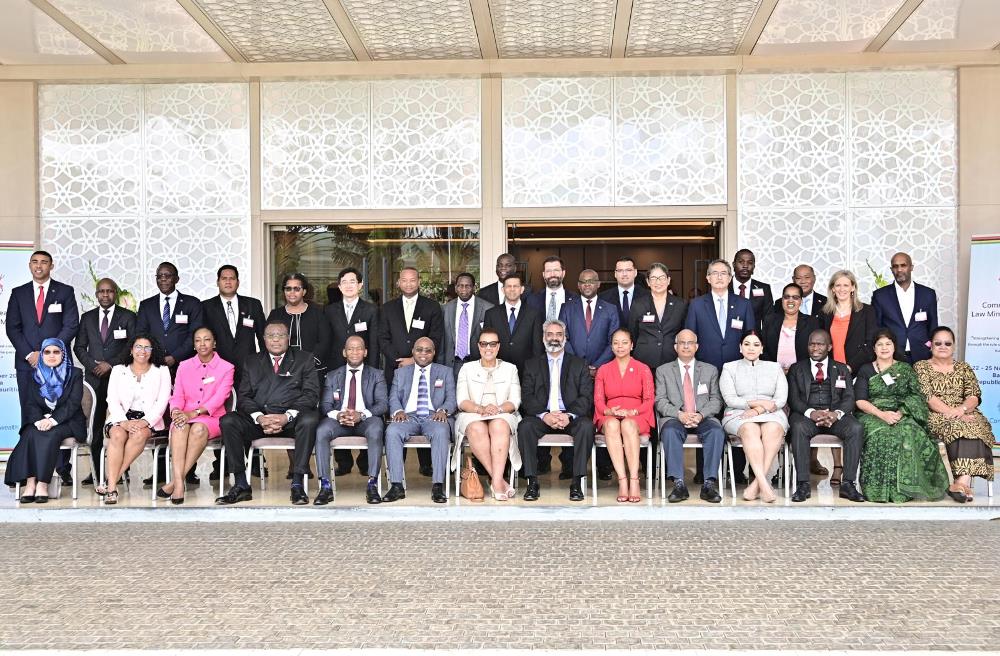
Commonwealth Law Ministers endorsed the programmes proposed by the Commonwealth Secretariat in the Commonwealth Plan of Action on Equal Access to Justice.
The Plan of Action that Commonwealth Heads of Government endorsed in Kigali in June 2022 includes the development of an access to justice toolkit and a small claims court app, the Commonwealth legal knowledge exchange portal, the implementation of people-centred justice projects, the development of the 100-day toolkit for Justice Ministers, an integrated family court project and model contracts in investment, energy and extractives.
Speaking about the work of the Secretariat, the Commonwealth Secretary-General Patricia Scotland said: “The resources developed by the Secretariat and its partners are useful weapons in every law minister’s arsenal, shortening the journey towards the development of solutions for legal problems.
I encourage every justice minister to take advantage of the toolkits and resources which were shared during this meeting. If we approach our task with the energy, unity and purpose which is the hallmark of the Commonwealth at its best, then we will succeed.”
Law Ministers recognised the urgent need to deliver justice to as many people as possible in a sustainable manner, requiring a shift to more evidence-based, data-driven justice solutions.
{{Some resources provided to Law Ministers during the meeting include:}}
[Environmental, Social and Economic Development provisions in Investment contracts->http://tracking.commonwealth.int/tracking/click?d=yWGyKtDfKQlQf7KH7nV8M8HXAje12BahNcaFLLOf937Ns6ZP3fx7e8mp2h6dPVI9Hl7Ou0FG8q7SE_mwsxoIqdcWCKOfviNnlQhcthgefgN5MEK0izgqAdgtlGhBilOT4UkV09Aj8Th-mf-BTkqHNcNawgtITsV_asRFGnT4PCrNqI_fMrtoCwDxWjHho8VWAN1y0bgqVlN7QNFpbuXAkcIjxo1U4LG-KA3e-pDEzvW64iqrnVBZ_5qLX1SvI9H4WPvg81Xi6rB7LfF_iTKhsGPb9O-vWid6X_0ECyz16AroPkqOl5H0s1nKoXX9fZoG-OdusxWZjxkG5I_EjzoDTQk3AR4iDe5Kl1Tzqb6obdul7syBg2cvBPnOrVmYIoQdDImw-UKwLBWbMHamKBvppfXIAS1_bi2VG2ugbsJBxBqOEgQ_7Exxqzivui-numNI43mSpQ-uAA_4VWlC6bmlldA1] – a resource for government lawyers in the Commonwealth, to protect the environment and take into consideration social and economic matters when consulting investment contracts with multinationals.
[The Law and Climate Change toolkit ->http://tracking.commonwealth.int/tracking/click?d=h5PyJFMWAUnwgBSfTO9K3gHk37ru0BPkBn1CyToB2zUGErk16TeF9R1tfWgJvF3gxnOo8RqI9H4ZFb2XUTEVEcaUGbOUvzWCjonJHqPSHdzcAc93OhGr6zcTI_eri1GKptBIa_QvVuInHXw4zjsPSKhG9nzKDhRN4Citlj2sTwRekF5XywjctUZulZ4W3yYWFD1_u8OKtvG3H5cde3Ma1vysZnKWpZCcXpspNeP1kvyao3iO3D8IFyDT95ytwhRlK16l_QE4aCuhJ41JjoY_qd70AdZ0GhTGnQWccZcRfJqSrXpuElCHz_kTYrcHqGlYhyJVfVYENK0lR_8LJHXaslYoPINdEXhkxnK0iHXvUv07cvbAUXhSKuYQclpjq5BSGA2]- a large repository of legislation on the climate and the environment from across the Commonwealth.
[The Commonwealth’s Anticorruption Benchmarks->http://tracking.commonwealth.int/tracking/click?d=U2KurkAyMtGTxrK8EZTF0sazJytUi3TOkCKTLt47R4fV2IueW7rt-MF0wP-r2hEd33v-tFvI-TrBYEb2D_n5IYBqOpWBTSDPLLFvgD0uILJg9E1gT151bhdvY2feuC6SbVRYJRFRWoCTFoYONPaLrAvUJdJM-SgNJ7GgOZ4oScoHQw6uFPAL_I8ntwv4GTvVNlcPtmm12L_hHwO3Ji5dCVEj73Ubjw_8trfuD3N4M1RAA_ZWfOrUpYO1ao2Y_XbkyaiOn38ZcTCU1eIyAKv2sfMd9RUeraxLY7LKBJKUiTs60YndZijKJBQtv_64fh34_0fH06cRw2Hge9krZLvCN4kUpFek2SzUr9w0s4xAjFo0q7lhPvP8C6f6dOBuTYo1B2HvusmxGM_4TdW3WlILOUTi1mh6B3ESkxl_BuNkKGIX0] – This publication provides 25 benchmarks on good anti-corruption practices for national governments and public sector bodies.
[Commonwealth Elections Cybersecurity Best Practice Guide->https://www.thecommonwealth.io/digital-commonwealth/commonwealth-elections-cybersecurity-best-practice-guide/] – This product has been developed to help election management bodies identify and manage cybersecurity risks.
Commenting on the development, Senator Renuka Sagramsingh-Sooklal, Minister in the Office of the Attorney General and Ministry of Legal Affairs, Trinidad and Tobago said: “This meeting is very important to Trinidad and Tobago because a meeting such as this is a platform that allows us the opportunity to lap up a vast amount of information and resources provided to a Small State and Member States by the Commonwealth Secretariat on key critical areas of law. Trinidad and Tobago have benefited from the toolkits that have been provided, the vast amount of resources and research data and guidance that are critical to the development of the country.”
Another key development during this week’s meeting was the unanimous agreement of Law Ministers to recommend the ‘Commonwealth Principles on Freedom of Expression and the Role of the Media in Good Governance’ to Commonwealth Leaders to consider at the next Commonwealth Heads of Government Meeting (CHOGM).
To learn more about Law Ministers’ decisions at the 2022 Commonwealth Law Ministers meeting, [{{Read the Outcome Statement}}->https://production-new-commonwealth-files.s3.eu-west-2.amazonaws.com/s3fs-public/2022-11/FINAL%20CLMM%20OUTCOME%20STATEMENT%202022.pdf?VersionId=mZzBzw4oeSi9hJYRh8Nnmh1ISyQzzvI7]
The recommendations adopted by Law Ministers at this meeting will inform justice work in their respective countries across the Commonwealth.