The tombs, which date back to different eras, including the Late Period of ancient Egypt and the Greco-Roman civilization, contained several mummies that had golden tongues nestled in their jawbones, the statement said.
The mummies were in bad preservation condition which meant the tombs had been subject to looting, it noted.
Several skeletons enveloped in golden sheets, some human-shaped wooden tombs, potteries and materials used in mummification were also found.
Bahaa Al-Nagar, an archaeological expert, said it’s believed that “the tongues were made of gold to ensure the deceased would be able to speak in the afterlife.”
He told Xinhua that in ancient times, rulers used to decorate their masks, toes, fingers and tongues with gold because it is an everlasting material whose brightness will remain forever.
The aim of the policy is to anchor inflation expectations more firmly around the mid-point of the target band and to increase the confidence in attaining the inflation target sustainably over time, said Lesetja Kganyago, governor of the bank.
“Achieving a prudent public debt, increasing the supply of energy, moderating administered price inflation and keeping wage growth in line with productivity gains will enhance the effectiveness of monetary policy and its transmission to the broader economy,” he said.
The country’s inflation was expected to remain high, according to Kganyago, adding that the bank’s forecast of headline inflation for this year and next is slightly higher at 6.7 percent and 5.4 percent, respectively.
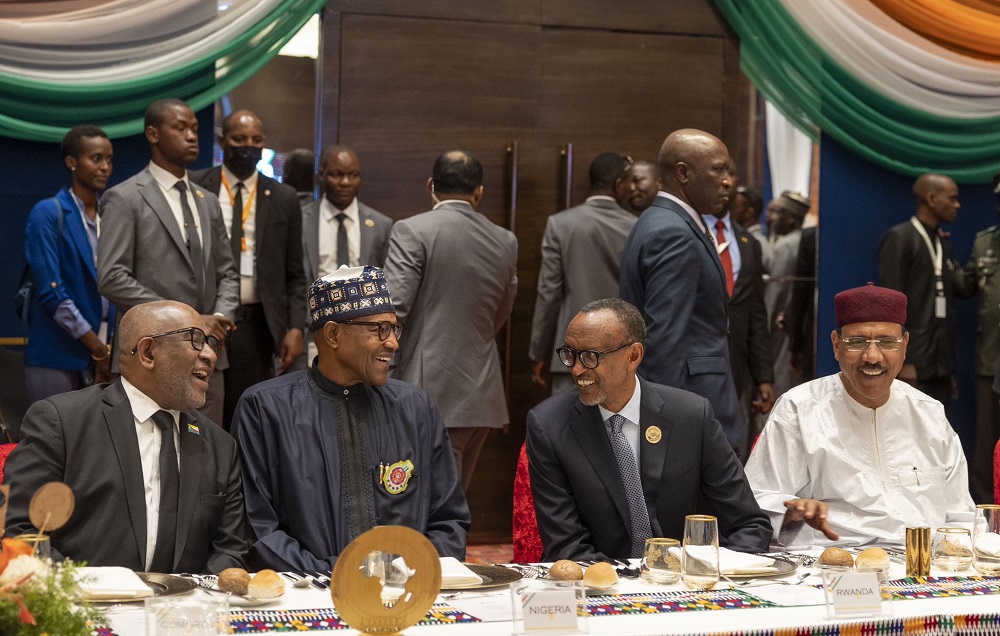
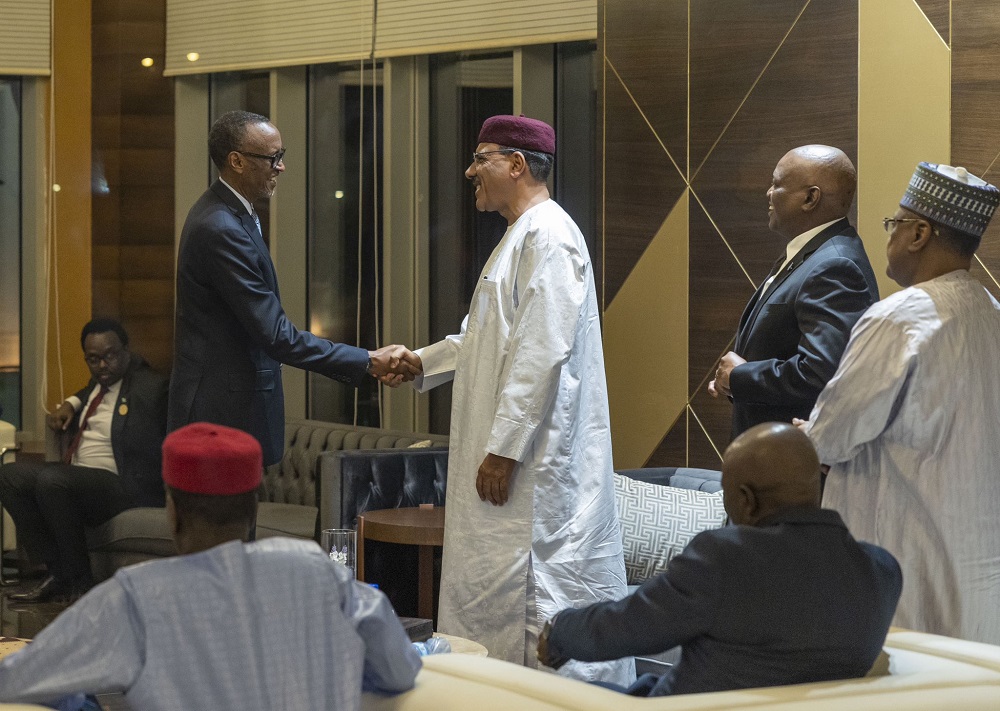
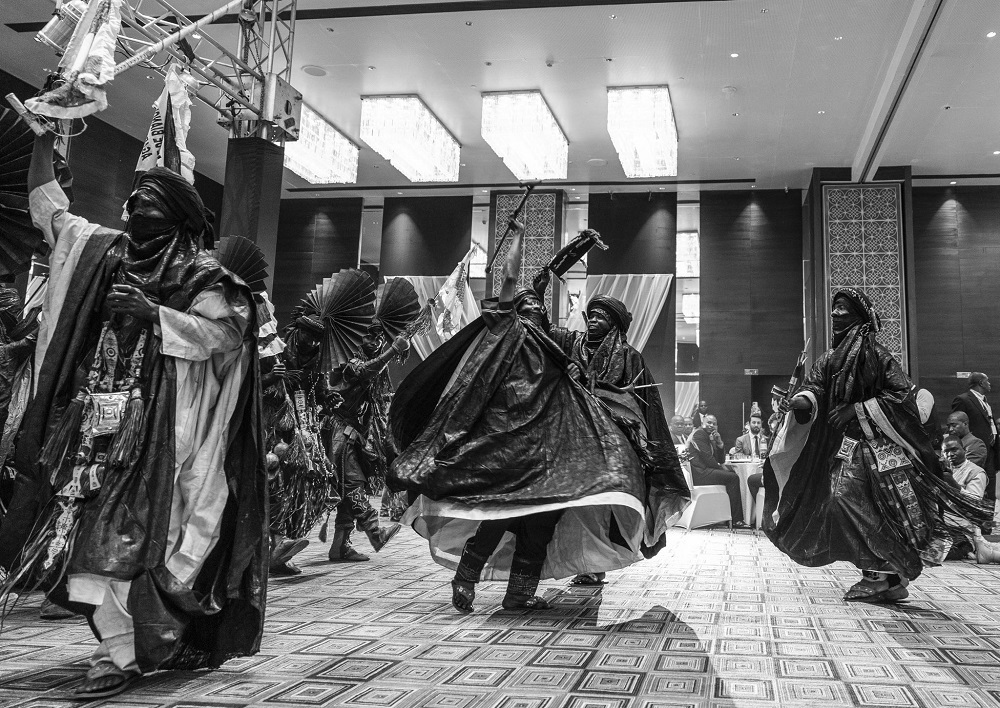
The banquet was hosted by the President of Niger, Mohamed Bazoum in the evening of Thursday 24th November 2022.
Apart from Kagame, the banquet was also attended by the President of Nigeria, Muhammadu Buhari; Umaro Sissoco Embaló of Guinea Bissau; Mokgweetsi Masisi of Botswana and the Chairperson of African Union Commission, Moussa Faki Mahamat.
The summit on Industrialization and Economic Diversification is taking place in Niamey, the capital of Niger.
It aims to highlight renewed commitment towards an Inclusive and Sustainable Industrialization and Economic Diversification.
President Kagame arrived in Niamey on Thursday 24th November 2022.
The Summit is convened as part of the Africa Industrialization Week annual commemorative activities.
Given the importance of industrialization and economic transformation in Africa, the 20th of every November is commemorated as the Africa Industrialization Day, adopted by the Assembly of Heads of State and Government of the Organization of African Unity in July 1989, in Addis Ababa, Ethiopia.
The Africa Industrialization Day provides an opportunity to key stakeholders to reflect on Africa’s industrialization by looking at how the continent can change its current status quo.
Since 2018, the Africa Industrialization Day has been commemorated with week-long events, marking a departure from the one-day tradition, and which affords more time to reflect and accelerate actions towards Africa’s structural transformation, as an enabler to meet the objectives of Agenda 2063, and Sustainable Development Goals (SDGs), 2030.
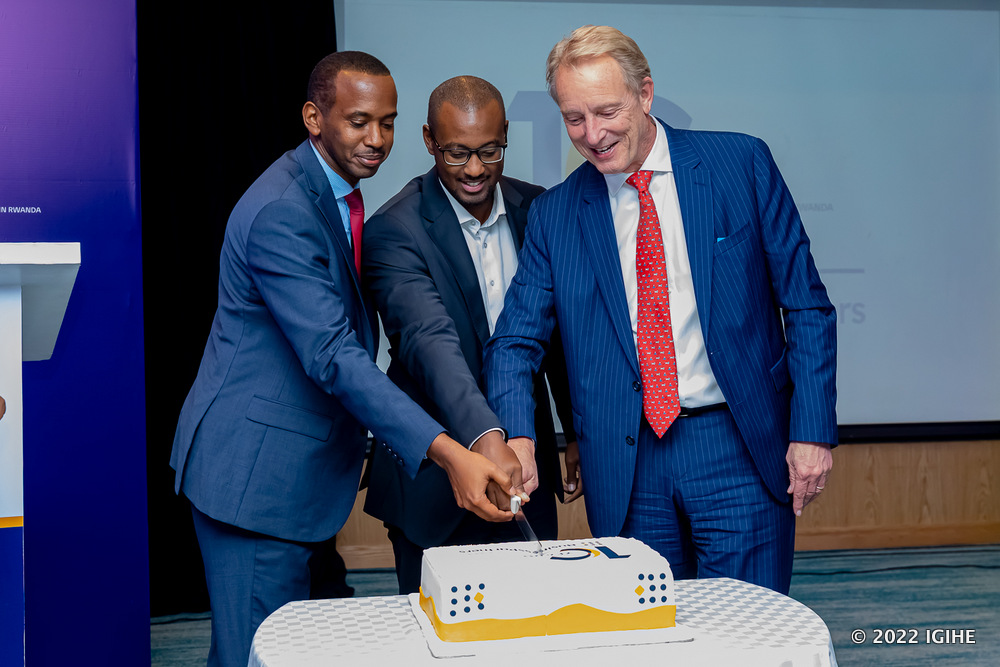
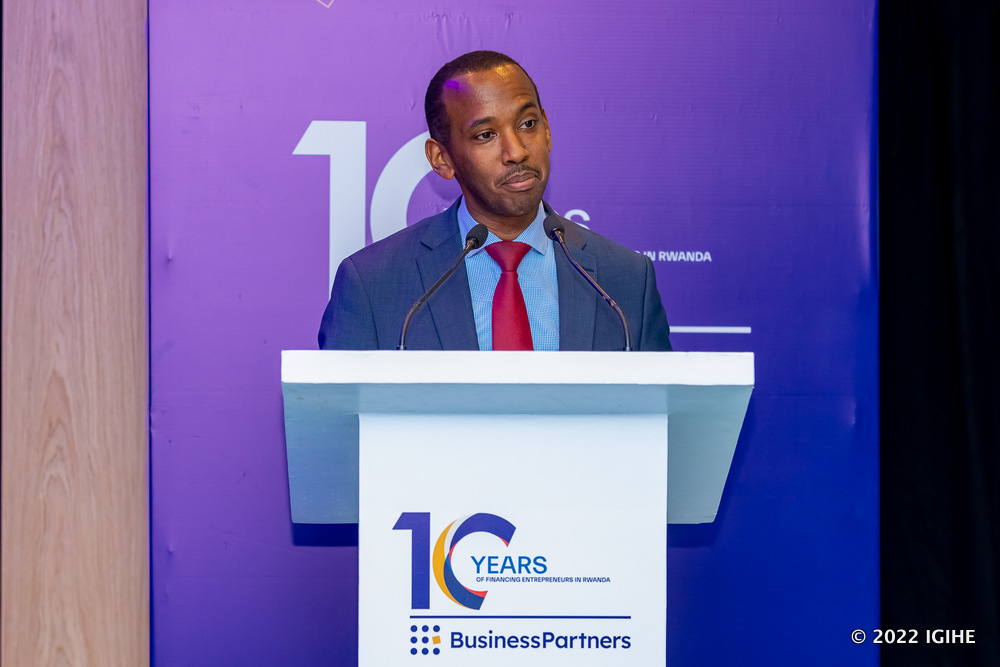
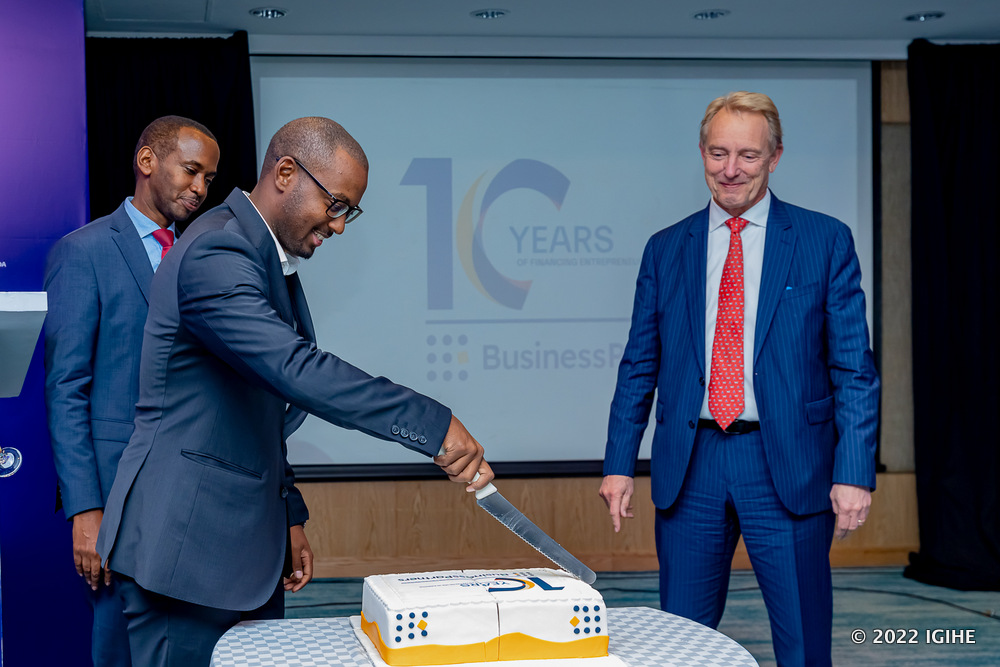
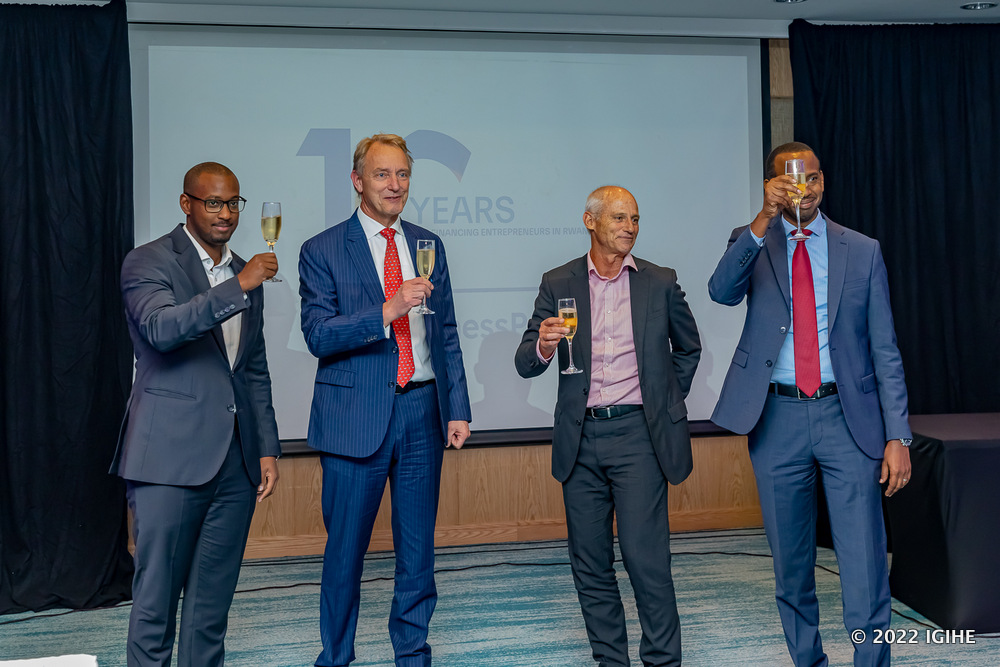
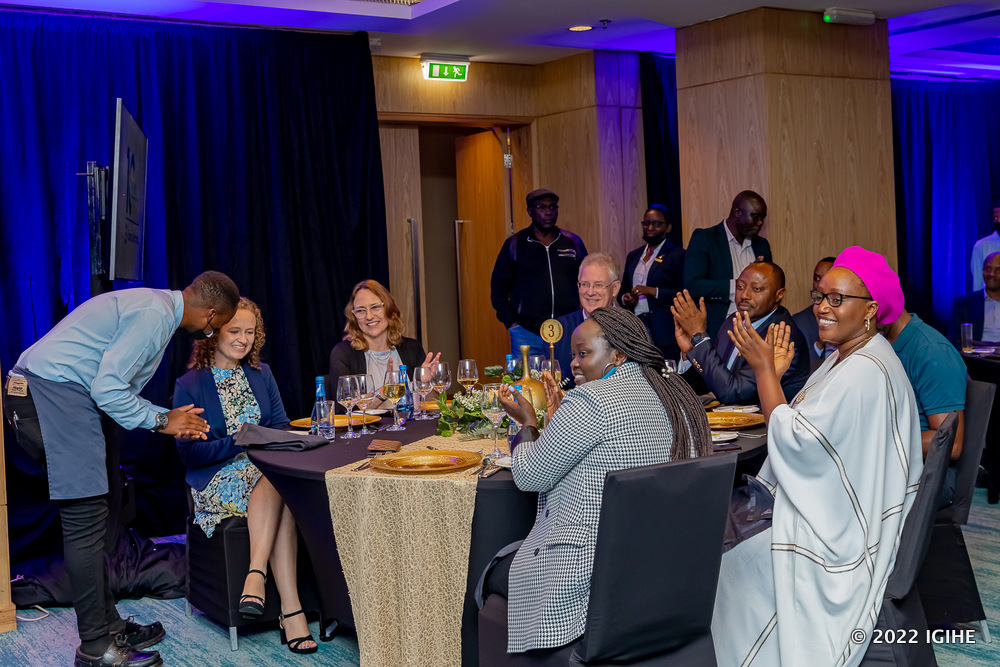
This is according to Jean-Claude Mutajogire, Country Manager, BPI Rwanda who reports that in the last decade alone, their company has approved more than US$33 million in business finance to Rwandan SMEs.
“We are honoured to have managed in positioning ourselves as a true value-adding financier to small and medium business owners in the country. Our company has not only approved more than US $33 million to 113 local businesses, but we have also succeeded in supporting the creation of jobs in excess 8,858,” says Mr. Mutajogire.
This is no small feat for a company, which only began operations in 2012. BPI Rwanda has been helping business owners overcome one of the most common entrepreneurial challenges facing SMEs today, not only in Rwanda, but in many countries in Africa – access to finance. The company not only provides financing to viable businesses that may find it difficult to access capital from traditional financial institutions but sectoral technical expertise and mentorship as well.
Such an approach to financing SMEs is the core of the BPI funding model across Africa and is premised on the belief that SMEs need more than just money to thrive.
Mr. Mutajogire says the company is committed to continue providing financing and technical assistance (TA) support to SMEs, so as to contribute towards increasing entrepreneurship in Rwanda, and real wealth and job creation. BPI Rwanda provides business finance from RWF 98 million to RWF 980 million to established businesses.
“Over the last 10 years, we have had success in our areas of focus. We have managed to provide financial and TA support to businesses in most sectors of the economy, especially to those that have a huge impact on the economy, those that generate jobs and those that reduce imports and or increase exports,” Mr. Mutajogire adds.
Technical Assistance is a programme that BPI Rwanda runs alongside the application of funding, through which the company builds the capacity of business owners and equips them with the skills needed to run a business successfully. So far, the company has offered Technical Assistance to 32 businesses at a cost of US $677,824.
Mr. Mutajogire attributes the above successes to the company’s impressive engagement with clients and their quick turnaround when reviewing applications.
Unlike their male counterparts, women in business face a unique set of challenges. This ranges from lack of or limited funding opportunities to lack of collateral needed to support their funding applications. Numerous studies show that women-owned businesses struggle to raise capital for their businesses more than their male counterparts.
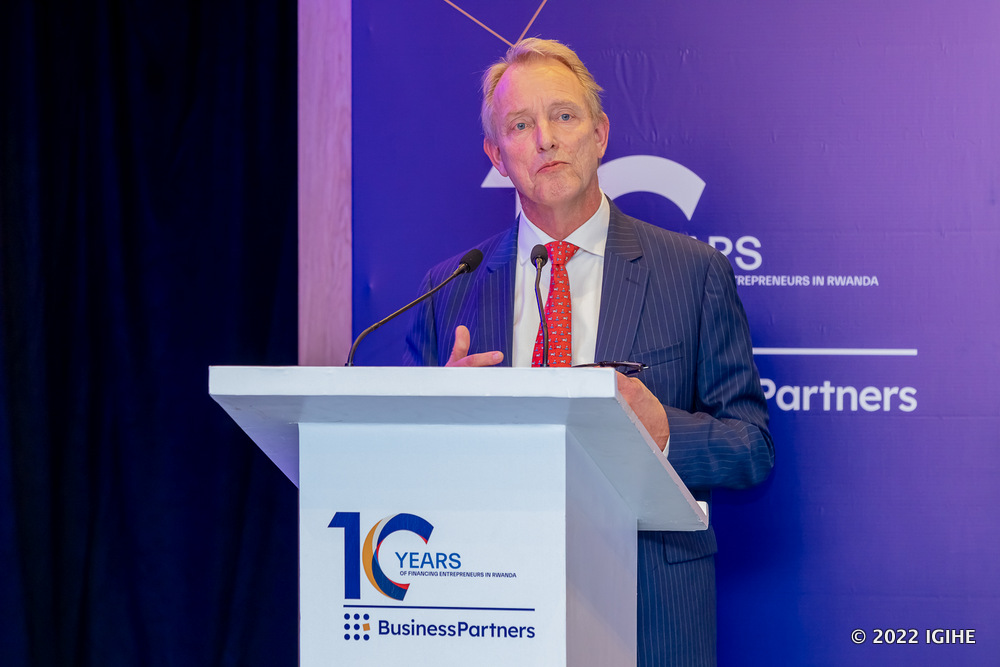
“It is for this reason that we have put special measures in place to help women gain a foot forward. BPI Rwanda has paid special focus on women-led businesses and to date, the company has supported 37 businesses led by women to the tune of US $10,264,970,” reports BPI Chief Executive Officer, Mark Paper.
Buoyed by its impressive track record, the company is optimistic about scaling its achievements in the next decade and beyond.
Mr. Paper says BPI Rwanda will continue to empower entrepreneurs to build sustainable businesses that contribute to an inclusive and equitable society.
“We will achieve this by expanding on our existing operations, increasing our footprint in Rwanda and doubling up our efforts to place more finance in the hands of SMEs. We will continue to pay particular focus on gender-equality investment in support of Rwanda’s growing Woman Owned Enterprises,” adds Mr. Paper.
BPI Rwanda plans to align its operations with Rwanda’s Vision 2050 and the Economic Development and Poverty Reduction Strategy (EDPRS) which are geared to enable Rwanda to become an upper middle-income country by 2035.
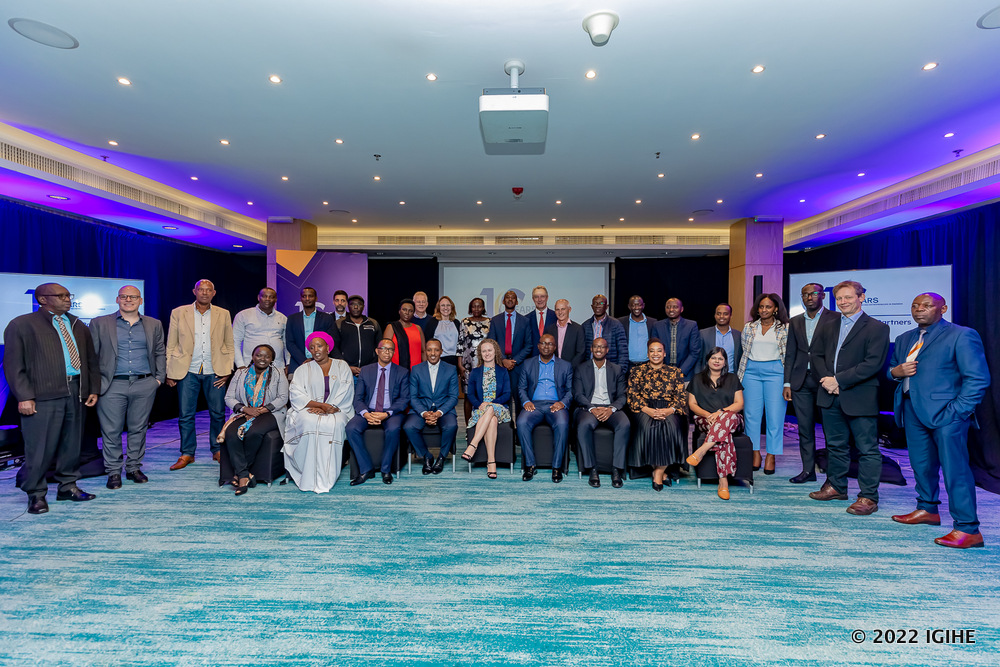
“We are happy to have achieved the 10-year milestone and I am optimistic that the company will continue to support business owners to run scalable businesses over the next decade and beyond,” concludes Mr. Mutajogire.
{{About Business Partners International}}
Business Partners International is a specialist risk finance company for formal small and medium owner-managed businesses in Rwanda and select African countries.
The company actively supports entrepreneurial growth by providing financing from RWF 100M to RWF 1B, specialist sectoral knowledge and added-value services for viable small and medium businesses.
Since establishment, Business Partners International has provided business finance worth over US$137,9 million in 580 transactions facilitating over 42, 847 jobs.
Visit www.businesspartners.africa for more information.
Donatha Mukaririma, 39, and Marie Claire Musabyimana, 34, were arrested at the latter’s home in Juru Sector, Rwinume Cell in Rwimpyisi Village where they had a plant producing Kanyanga.
Superintendent of Police (SP) Hamdun Twizeyimana, the Police spokesperson for the Eastern region, said that Police recovered 10 litres of Kanyanga, which the duo had already produced, as well as tools they were using to produce the crude illicit gin.
“Police had information about an illegal plant producing Kanyanga at the home of Musabyimana. On Wednesday, residents called local leaders after Musabyimana started producing the illicit gin. Local leaders then called the Police, Musabyimana and Mukaririma were found in the kitchen producing Kanyanga. They had already produced 10 litres,” said SP Twizeyimana.
They were handed over to RIB at Rilima station for further investigations.
SP Twizeyimana thanked the residents for their responsiveness against narcotic drugs and psychotropic substances.
Kanyanga is classified as simple narcotic drugs by the Ministerial order Nº 001/MoH/2019 of 04/03/2019 establishing the list of narcotic drugs and their categorisation.
Article 263 of law No. 68/2018 of 30/08/2018 determining offenses and penalties in general states that any person, who unlawfully produces, transforms, transports, stores, gives to another or who sells narcotic drugs and psychotropic substances, commits an offence.
Upon conviction for “simple drugs” the offender faces between seven and ten years in prison and a fine of Rwf5 million to Rwf10 million.
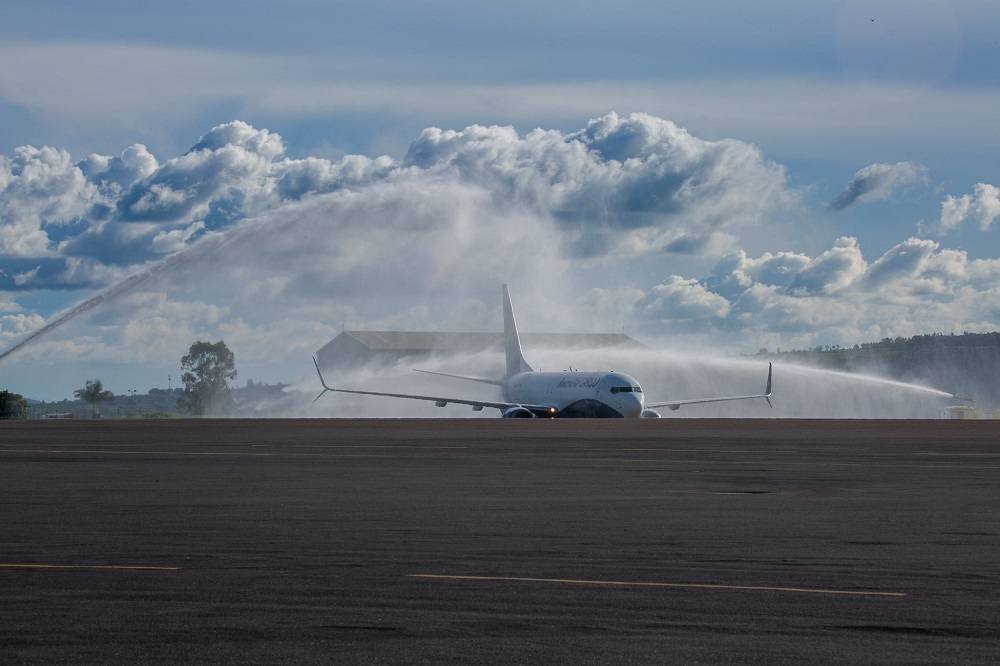
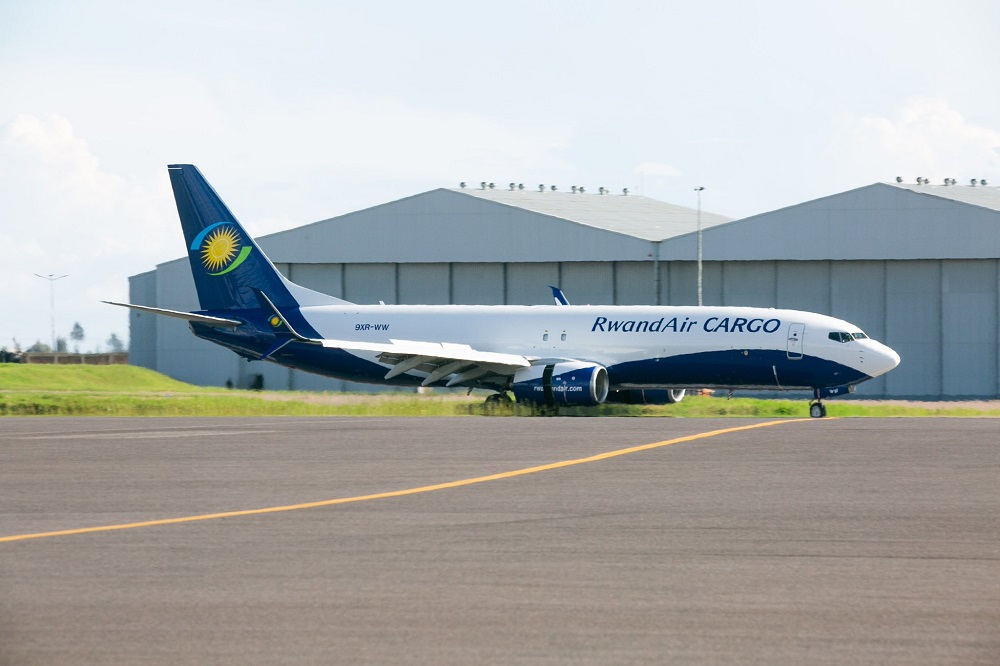
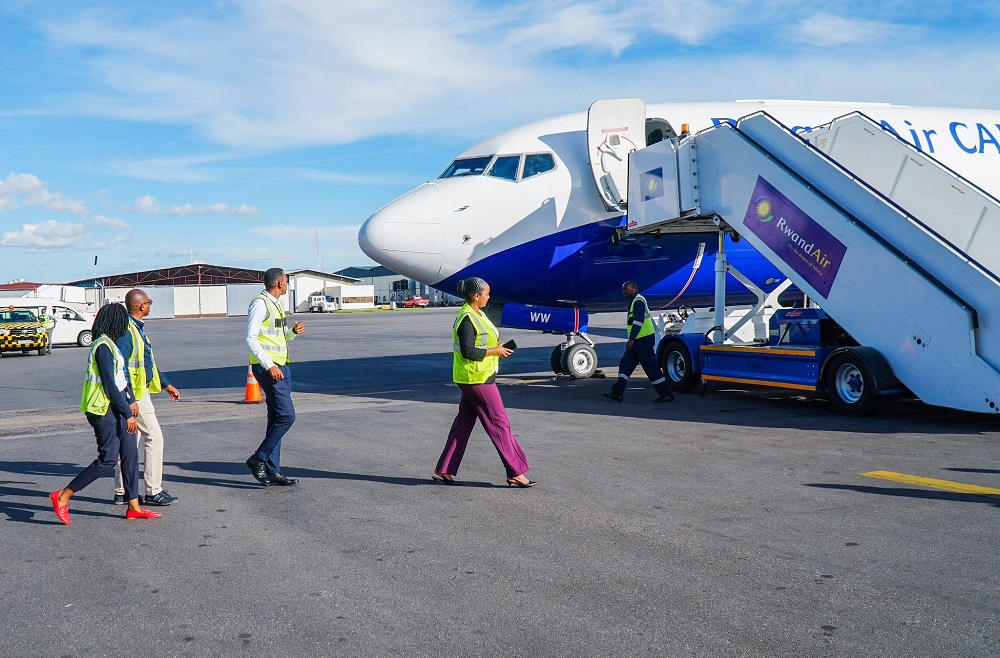
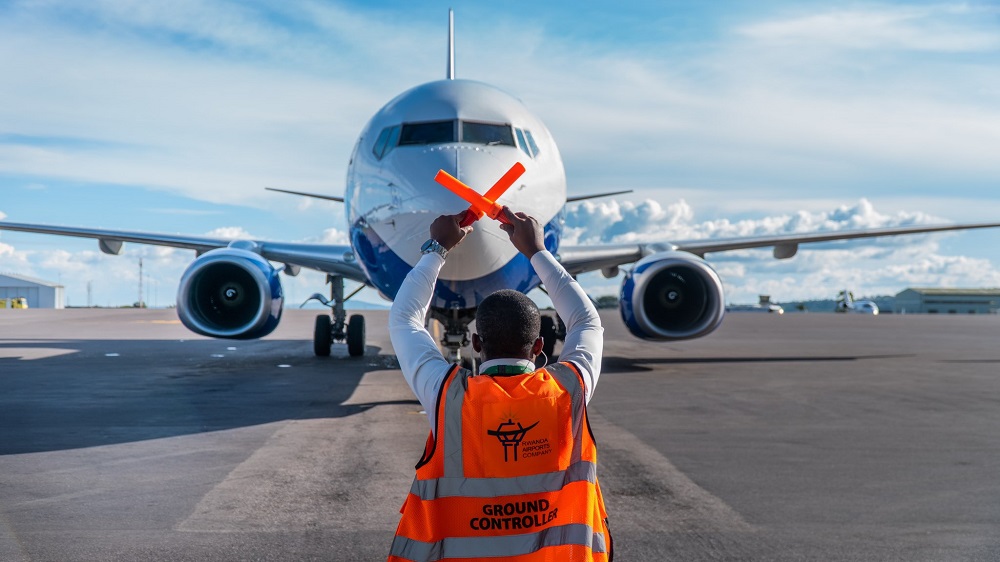
The Boeing 737-800 SF, which is painted in RwandAir’s first cargo livery, will be based at the carrier’s Kigali hub.
The new jet delivered on 24th November 2022, will allow the Rwandan carrier to further expand its cargo operation, which has been on the rise.
RwandAir will operate the new freighter to a number of key destinations in Africa and the Middle East, including Johannesburg, Nairobi, and the United Arab Emirates (UAE).
Yvonne Makolo, CEO of RwandAir said: “The delivery of our dedicated cargo aircraft is a huge milestone in RwandAir’s fleet expansion plans.
Cargo is of ever-increasing importance for the aviation industry, and as a landlocked country, we recognize the importance and value of good cargo connections.
We want to ensure that Africa is seamlessly connected to the world, driving economic growth and valuable trade deals.”
From its hub at the heart of Africa at Kigali International Airport, RwandAir is renowned for its excellent customer service where recently RwandAir won the award for ‘Best Airline Staff in Africa’ at Skytrax’s 2022 World Airline Awards, for a second successive year.
RwandAir currently operates to a variety of destinations across East, Central, West, and Southern Africa, the Middle East, Europe, and Asia.
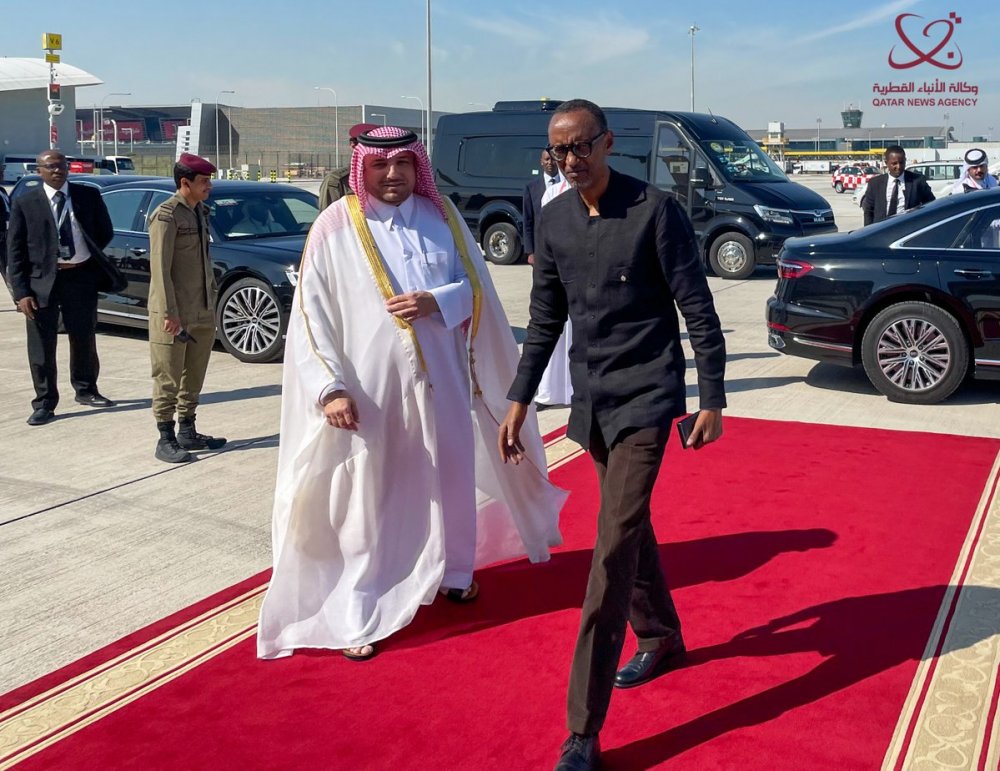
Qatar News Agency has reported that President Kagame departed Hamad International Airport this Thursday.
Apart from attending the opening ceremony of FIFA World Cup 2022, Kagame also attended the reception hosted by the Emir of Qatar, Tamim bin Hamad Al Thani in honour of world leaders who graced the international football tournament.
During his stay, Kagame along with other leaders graced the High Level Opening of the Sustainable Development Goals (SDGs) Pavilion in Qatar.
He also attended the launch of “Scoring the Goals” Campaign hosted by Sheikha Moza Bint Nasser, co-founder and chairperson of Qatar Foundation for Education.
The pavilion to bring to limelight the United Nations (UN) SDGs is being visited by attendees of the FIFA World Cup 2022 from 20th November.
Rwanda and Qatar enjoy vibrant relations where both countries’ leaders have held reciprocal visits at different times.
As Rwanda hosted the Commonwealth Heads of Government Meeting (CHOGM) thus year, the Emir of Qatar graced the event even though his country is not a member of the bloc.
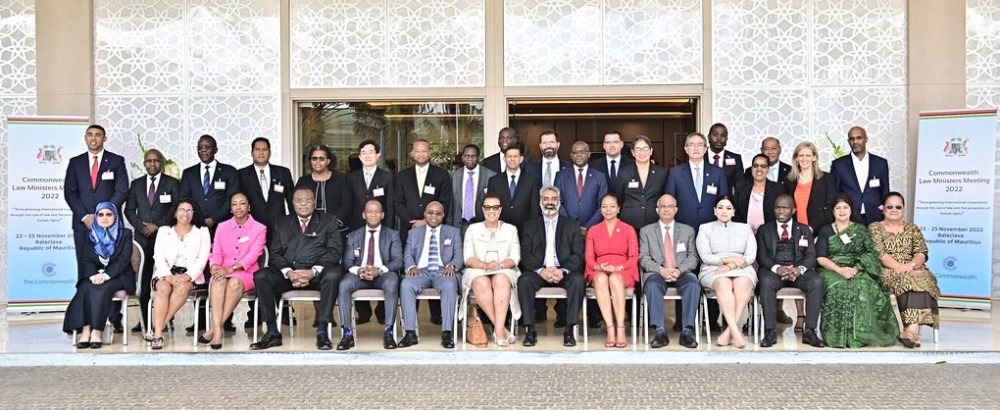
This week, Law Ministers from across the Commonwealth are meeting in Mauritius for [the 2022 Commonwealth Law Ministers Meeting->https://thecommonwealth.org/events/commonwealth-law-ministers-meeting-2022]. This is the first in-person meeting of Law Ministers since the outbreak of the COVID-19 pandemic.
Welcoming the consensus, the Commonwealth Secretary-General, Patricia Scotland said: “I welcome the unanimous agreement of Law Ministers today to progress these principles for recommendation to Leaders at our next Heads of Government meeting. The indispensable role of the media, the 4th estate, in a modern democracy cannot be overstated.
Our Commonwealth Charter affirms that freedom of expression, including media freedom, is essential to the flourishing of democratic societies and a basic condition for development. An important role of the Commonwealth is to help to build consensus amongst our members on the vital issues that they face.
By realising the values and aspirations of our Charter across all the countries of the Commonwealth, we will deliver political, economic and social systems and services which are robust, effective and fair, resulting in reduced demands on justice systems in the future.”
The primary objective of the Commonwealth Law Ministers Meeting is to advance Commonwealth consensus and cooperation and to enable Law Ministers to set clear directions on a range of legal, rule of law and justice issues of mutual interest to member countries.
The Commonwealth Charter states that the Commonwealth is “committed to peaceful, open dialogue and the free flow of information, including through a free and responsible media, and to enhancing democratic traditions and strengthening democratic processes.”
During today’s discussions, Law Ministers expressed gratitude to the Commonwealth Accredited Organisations for their hard work, dedication and valuable contribution to and development of the Draft Principles and also thanked the Expert Working Group, chaired by a representative of Jamaica, for their valuable contributions to reaching an agreement.
Ahead of this week’s discussions, Law Ministers received a paper to consider on freedom of expression and the role of the media in good governance in the Commonwealth.
The Commonwealth’s diverse membership spans to include 56 countries and it is home to 2.5 billion people and includes both advanced economies and developing countries. Commonwealth member governments have agreed to shared goals on development, democracy and peace and the Commonwealth values and principles are expressed in the Commonwealth Charter.
The proposal to rise legal drinking age emerged among resolutions of the recent 15th forum of Unity Club Intwararumuri following discussions on the behaviours of youth, a segment of the population considered to hold the country’s future.
The Unity Club is an association that brings together members of cabinet – former and present, their spouses, and other top government officials, with a purpose of promoting unity and contributing to the socio-economic development of the country.
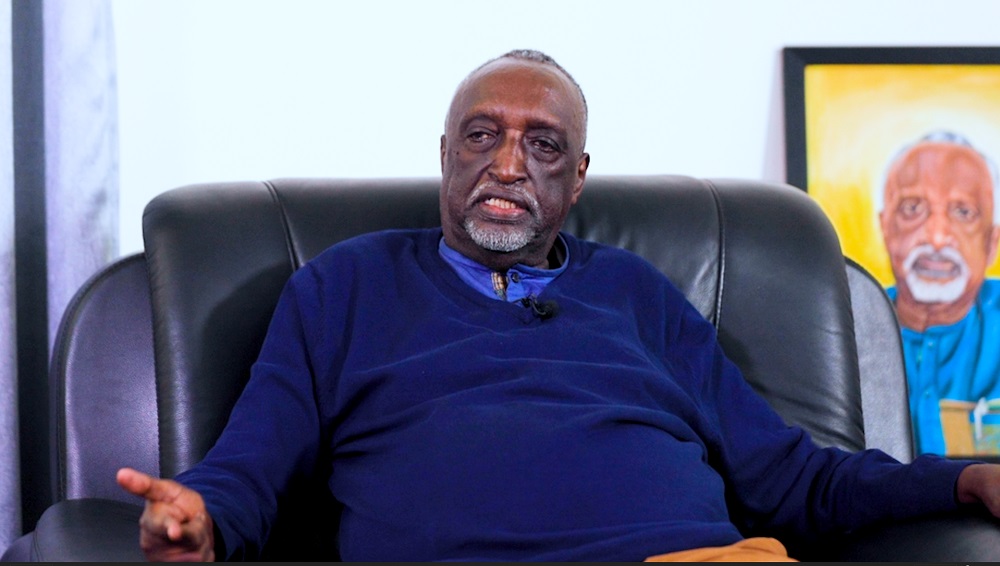
Speaking to IGIHE, Tito Rutaremara, a political expert and the Chairperson of Rwanda Elders’ Advisory Forum affirmed that drunkenness and drug abuse is among issues affecting the youth.
He however observed that rising legal drinking age is not the only solution.
“The solution should be about enforcing laws, to discourage people serving alcohol to minors and get them arrested because the situation might remain the same if the age is raised to 21 without close monitoring,” he said.
“Besides, bar owners need to be strict and refrain from serving alcohol to minors. On the other hand, they might order alcoholic drinks through other people. So, the most important thing is that parents have to own the problem, educate children on the negative effects of alcohol and prevent them from consuming alcohol.
The youth and schools should also play their part in this sensitization. In brief, the policy needs to be devised, have people serving them with alcohol punished and call for collective efforts to contain alcohol consumption among teenagers,” added Rutaremara.
Figures from Rwanda Investigation Bureau (RIB) show that 744 teenagers aged below 18 represent 3% of people arrested over drunkenness and drug abuse between 2018 and 2022.
For people aged between 18 and 30, the number increased to 14,765 representing 58.7% while 9,658 are people above 30 representing 38.4%.
According to statistics from Ndera Neuro-Psychiatric Teaching Hospital, in 2021/2022, 96,357 mental health patients were received by the hospital, and of these, 70 per cent are youth with issues induced by alcohol and drugs.
According to the World Health Organisation, 5.3 per cent of all deaths are attributable to alcohol consumption.
Globally, around 61 per cent of countries have a drinking age of 18 or 19. India is the exception, where some states have a minimum drinking age as high as 25 and 30 years old.
In Africa, the highest legal drinking age is 21 in Egypt while the lowest is 15 years old in Ethiopia. In countries like Algeria and Benin, there is no legal drinking age.
Despite the fact that part of the youth fell for different vices including alcohol, Rutaremara explained that Rwandans should not feel like the country’s future is destroyed because there are others with good conduct.
“The youth have a lot of evil obsessions but it would be wrong to assume that they are all in the same case. There is a large number of youth with good manners but we have to work hard to bring others in the right direction,” he said.