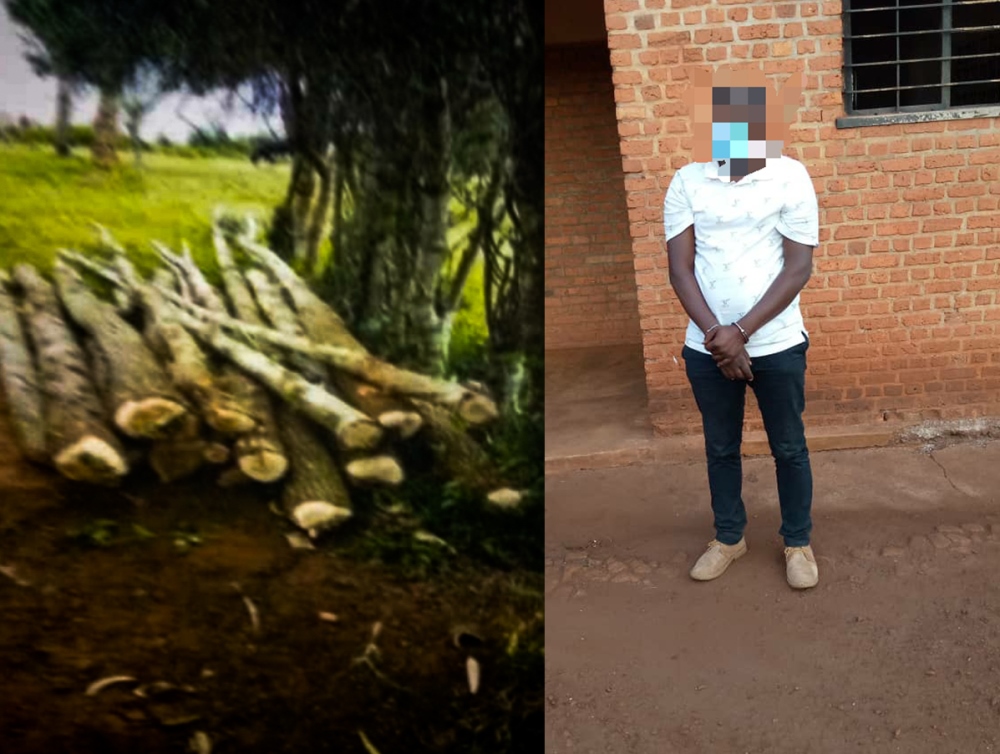
The call follows the arrest of one Godfroid Ndayisabye , 43, on Friday, February 10, for allegedly cutting trees in a protected forest located in Gituku village, Kibatsi cell of Rukira sector.
Superintendent of Police (SP) Hamdun Twizeyimana, the Police spokesperson for the Eastern region, said that Ndayisabye was also cultivating in the same forest.
“He was arrested after cutting 27 trees and handed over to RIB at Rukira station. He also had a maize garden in the same forest, which is prohibited,” SP Twizeyimana said.
The environmental crimes, he added, were reported by area residents.
The spokesperson thanked the residents for reporting such unlawful acts of environmental degradation, and to always report anyone encroaching on forests.
Article 44 of Law N°48/2018 of 13/08/2018 on environment prohibits the following acts in order to protect biodiversity: burning forests, national parks and reserved areas, burning swamps, grazing land, bushes, grass with the aim of agriculture or organising grazing land, killing, injuring and capturing animals of endangered species, destroying or damaging habitats, larvae, pupae or the young animals of the endangered species, causing death or burning protected plants, harvesting or destroying them, transporting or selling the remains of a whole or part of an animal and plants of endangered species, and cutting trees in forests or protected areas or in national parks.
In article 59; any person who causes death, destroys protected plants, harvests or damages them, commits an offence. Upon conviction, he/she is liable to imprisonment for a term of not less than three years and not more than five years and a fine of not less than Rwf1 million and not more than Rwf3 million.
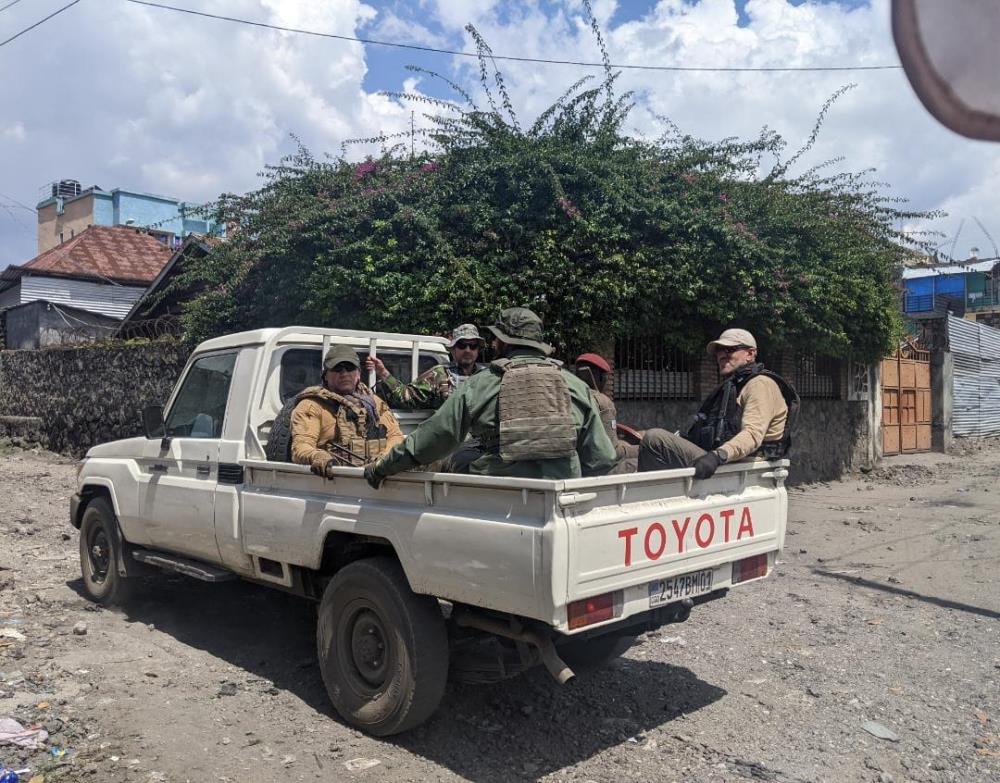
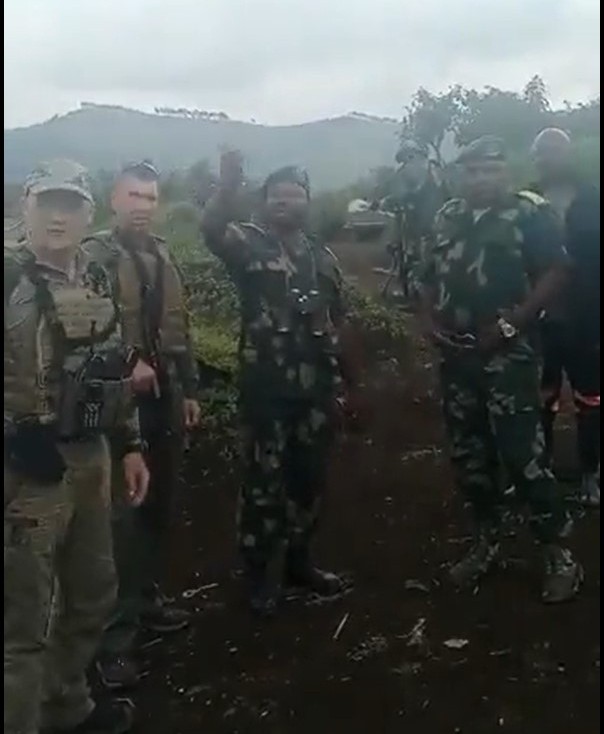
The new mercenaries from Bucharest in Romania arrived in Goma town on Tuesday 7th February 2023.
Sources from FARDC have confirmed that they are accommodated at La Joie Plazza Hotel.
It is said that the recruitment will bring the total number of mercenaries fighting in eastern DRC to 340.
Increasing mercenaries evidences the country’s stand to fight instead of respecting resolutions reached through Luanda and Nairobi processes to end hostilities by means of dialogue.
The Minister of Foreign Affairs, Dr. Vincent Biruta told parliamentarians last month that relations between Rwanda and DRC are not good even though there are established regional mechanisms to end ongoing tensions.
He disclosed that FARDC is openly engaged in collaboration with the Democratic Forces for the Liberation of Rwanda (FDLR), a terrorist group formed by individuals responsible for the 1994 Genocide against the Tutsi.
Minister Biruta also revealed that the coalition never ceases saying that it will finally strike Rwanda.
“I told you what happened recently including fighter jets that have been violating Rwanda’s airspace. Besides, you have seen mercenaries brought by the Democratic Republic of Congo in the past few days. It is said that they are around 300 mercenaries living in Goma. It done openly,” he said.
Dr. Biruta highlighted that the African Union (AU) signed a convention on 3rd July 1977 for the elimination of mercenary activities on the continent.
He explained that the recruitment of mercenaries in DRC is done with intentions to attack Rwanda and the country is not condemned despite the signed ‘treaty for eradication of mercenaries’.
Dr. Biruta however assured that FARDC soldiers and those mercenaries will be dealt with the way the come if they cross the red line and attack Rwanda.
The Urban CPI is considered as the headline index for monetary policy purposes. In addition, select detailed item indices are published for items judged to be important or experiencing extreme price movement.
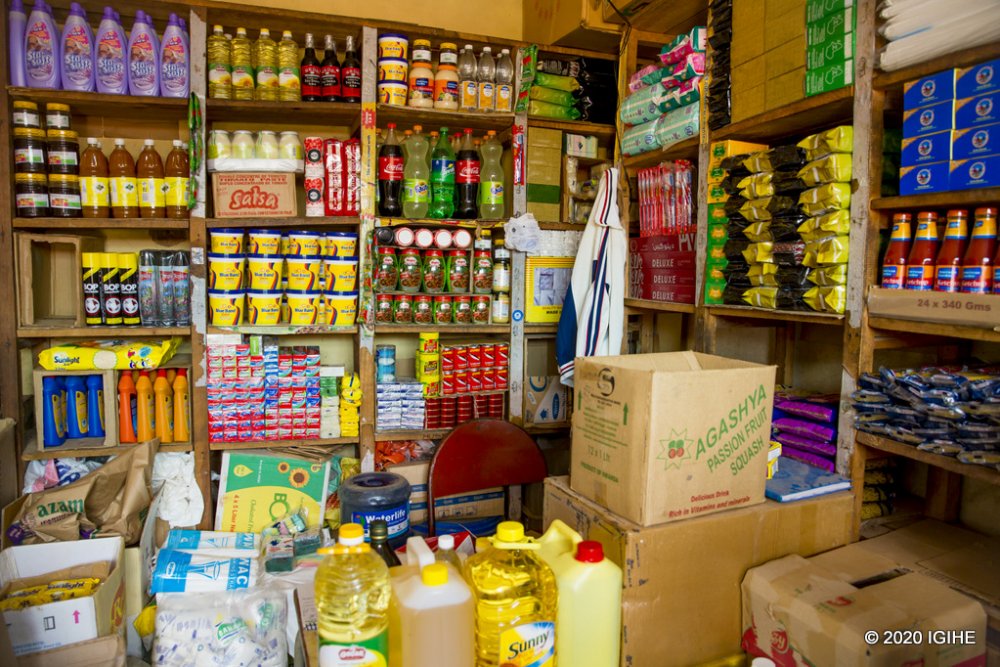
In January 2023, reads the report released yesterday, food and non-alcoholic beverages increased by 41 percent on annual basis and increased by 2.7 percent on monthly basis.
‘Housing, water, electricity, gas and other fuels’ increased by 8.3 percent on annual basis and increased by 0.1 percent on monthly basis. Transport increased by 12.6 percent on annual basis and increased by 0.5 percent on monthly basis.
The data also show the “local products” increased by 21.4 percent on annual change and increased by 1.4 percent on monthly basis, while prices of the “imported products” increased by 18.5 percent on annual basis and increased by 0.8 percent on monthly basis.
The prices of the “fresh products” increased by 44.6 percent on annual change and increased by 3.6 percent on monthly basis.
The prices of the “energy” increased by 18.2 percent on annual change and increased by 0.2 percent on monthly basis.
The prices of the “general Index excluding fresh products and energy” increased by 15.2 percent on annual change and increased by 0.7 percent on monthly basis.
It might look like they do not care or are unbothered by anything around them. But often, this could very well be a coping mechanism for a loved one struggling.
They might be overwhelmed and feel like they cannot keep up with the demands of life but do not know how to be vulnerable or ask for help.
The phrase “I don’t take anything personally” is a way of distancing themselves from the world and from the people who are hurting them.
Our different upbringings are what differentiate us from one another. This phrase could have been a coping mechanism to survive their childhood, mostly if they were not allowed to be emotional as children.
It is also possible to use this coping mechanism to deal with disappointment and mistreatment after being hurt emotionally in relationships.
Even though it may seem like nothing is wrong on the outside, it is necessary to be there for an overwhelmed loved one and offer simple self-care tips.
These might include encouraging them to take regular breaks in the middle of the day or away from technology, scheduling relaxing activities, and outdoor activities to de-stress, or simply connecting with people who care about them.
They might need to talk about the situation or understand the root of their ‘I don’t take anything personally’ attitude with a professional such as a therapist. This might be a beneficial route to take.
If you have the means, financial support could help your loved ones focus on taking care of themselves without worrying about how they will pay for counseling or therapy sessions, if not you can encourage them to find a free therapy session online.
Above all else, remember that showing compassion and kindness can make a world of difference in someone’s life. So, embrace the challenge and try your best to give your loved ones the support they need. They need you now more than ever!
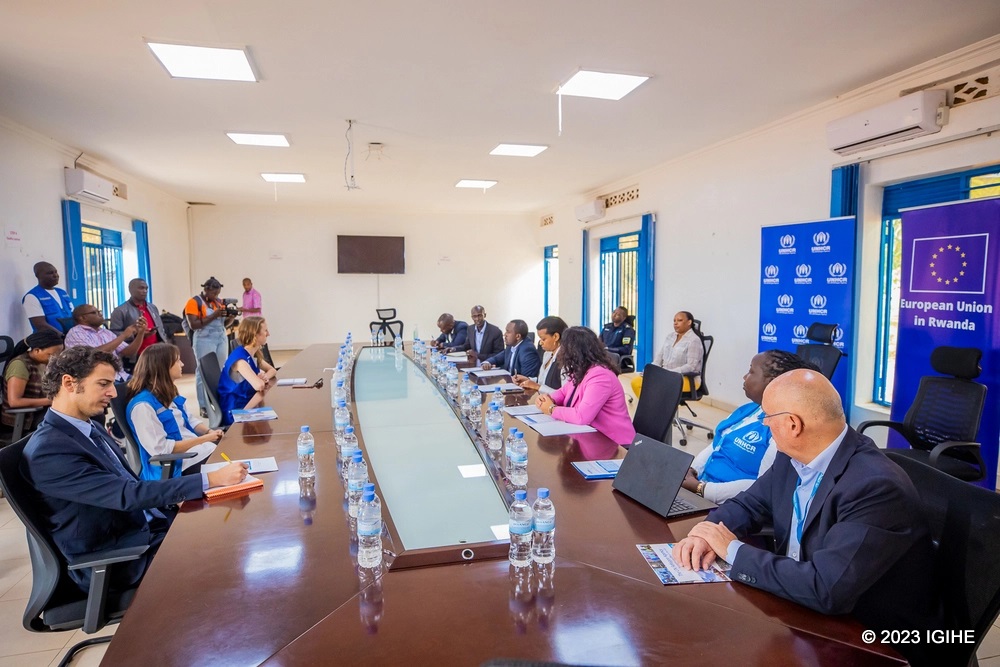
The ETM provides a life-saving channel to evacuate refugees and asylum seekers in need of international protection from Libya to Rwanda. While these individuals temporarily remain in Rwanda, the ETM provides shelters as well as access to health, psychosocial support, and livelihood trainings for evacuees during the processing of their files and identification of future solutions, including award resettlement to third parties.
This latest round of funding builds on earlier phase I support package of €12.5 million between 2019 and 2022.
The EU also funds another ETM in Niger, through which more than 4,000 refugees and asylum seekers have been evacuated out of Libya since 2017.
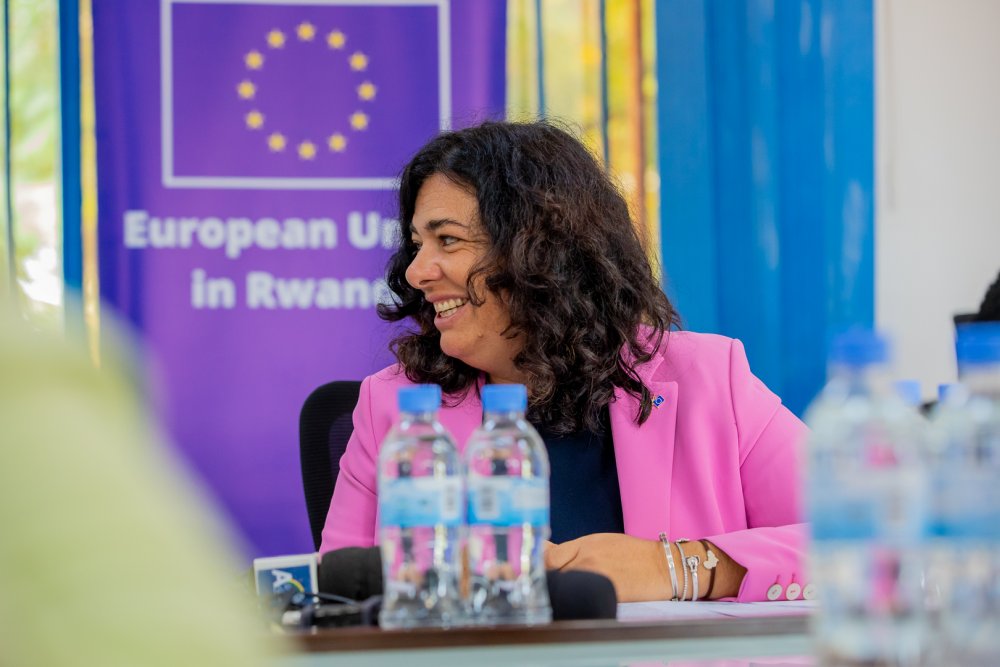
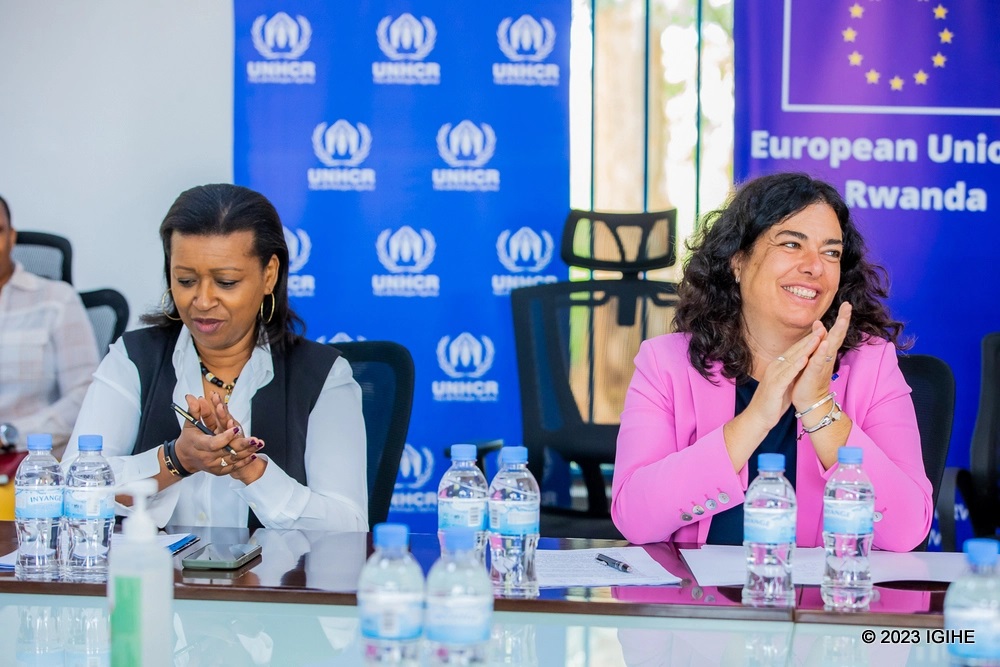
Commenting on this funding; the Ambassador of the European Union to Rwanda, Amb. Calvo Uyarra said that the ETM is a crucial life-saving initiative to evacuate people facing major threats and inhumane conditions in Libya to safety in Rwanda.
“It is a significant example of African solidarity and and of partnership with the European Union. We are grateful to the Government of Rwanda for hosting these men, women and children until such time, durable solutions can be found,’ she said.
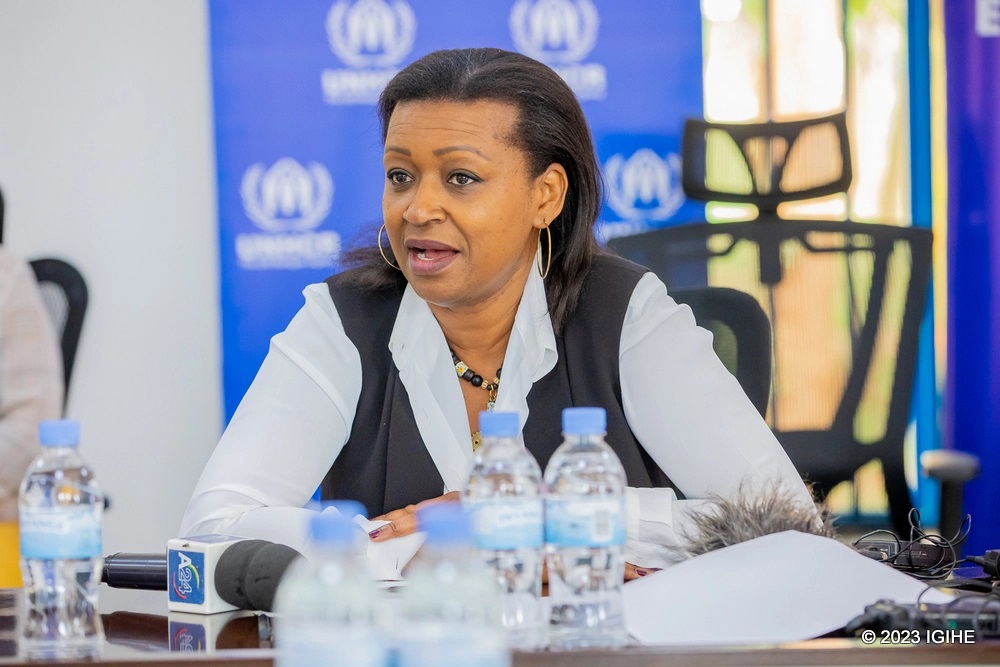
UNHCR Rwanda Representative, Aissatou Ndiaye also said that the European Union has been a vital partner and donor to UNCHR Rwanda’s operations over the last few years.
She disclosed that the agency is thrilled to continue the partnership through the latest round of funding to the ETM.
“The needs of asylum seekers and refugees strapped in Libya are immense. Through the ETM and Government of Rwanda support, solutions are being found to bring them to safety, first in Rwanda and then subsequently in third countries through resettlement. Over the next years, we aim to support about 3,000 more people to find solutions to their plight,” she noted.
Since 2019, over 1500 refugees and asylum seekers have been hosted at Gashora Transit Center of whom more than 900 have sent to third countries in Europe including France, Sweden, Belgium and Finland among others.
The combined group will have over 3,900 service stations and more than two billion litres of storage capacity across 27 African countries. Engen is the clear market leader in South Africa and has around 1,300 service stations across seven African countries. Vivo Energy is a major pan-African retailer and distributor of fuels and lubricants to retail and commercial customers, with over 2,600 service stations across 23 African countries, using the Engen and Shell brands.
PETRONAS will sell its 74% shareholding in Engen to Vivo Energy at completion. The Phembani Group, PETRONAS’ long-standing partner in Africa and Engen’s B-BBEE shareholder, is continuing its strong association with Engen and will remain invested as a 21% shareholder in the South African business. The transaction will further benefit employees of Engen through a newly implemented 5% employee share ownership programme, resulting in Engen South Africa being 26% owned by previously disadvantaged parties.
Stan Mittelman, CEO of Vivo Energy said: “Vivo Energy’s focus has been to invest to grow our business, and I am proud that we have more than doubled the size of our network since our formation in 2011. Four years ago, we acquired the Engen business in nine African markets, and have since worked to enhance and develop these. Vitol’s acquisition of 100% of Vivo Energy last year brings more opportunity to grow even faster. Completion of this transaction, which reunites the Engen brand across Africa, will be a step change in our growth and represents a significant commitment to the South African market whilst enhancing Vivo Energy’s portfolio in other important markets.”
Seelan Naidoo, Managing Director and CEO of Engen said: “This is an exciting opportunity for Engen to build on its market leading position in South Africa and a number of southern African countries. It allows us to leverage our strong brand equity, leading retail footprint, extensive supply chain capability and unrivalled customer service to be a leading contributor to Vivo Energy and Vitol’s ambition to build a stronger and more successful pan-African energy champion. Engen is excited to become part of the enlarged business and this will set up our business to be stronger and more successful than ever before.”
Phuthuma Nhleko, Chairman and Co-founder of Phembani Group said: “The Phembani Group is proud to have been a long-term shareholder in Engen since 1999, partnering with PETRONAS and helping to grow Engen into a valuable South African corporate citizen, meeting the needs of millions of ordinary South Africans. We are pleased to partner with Vivo Energy in the next phase of Engen’s growth. We are confident that together we will support Engen’s continued growth, enabling it to realise its vision.”
Chris Bake, Chair of Vivo Energy said: “Vivo Energy has been a success story since its inception. It has grown consistently, both organically and by investing in modern quality assets. It has a highly professional and capable management team with a deep understanding of Africa’s unique energy requirements. Engen is South Africa’s market-leader and this powerful combination will benefit customers in South Africa and across the continent.”
The transaction is currently pending regulatory approvals and fulfilment of conditions precedent.
Rand Merchant Bank (a division of FirstRand Bank Limited) and Standard Bank advised Vivo Energy. Morgan Stanley and Rothschild & Co are advisors to PETRONAS on this transaction.
{{About Vivo Energy:}}
Vivo Energy operates and markets its products in countries across North, West, East and Southern Africa. The Group has a network of over 2,600 service stations in 23 countries operating under the Shell and Engen brands and exports lubricants to a number of other African countries. Its retail offering includes fuels, lubricants, card services, shops, restaurants and other non-fuel services. It provides fuels, lubricants and liquefied petroleum gas (LPG) to business customers across a range of sectors including marine, aviation, mining, construction, power, transport, and manufacturing. It is continuing to develop innovative energy solutions to enhance sustainability.
The Company employs around 2,700 people and has access to over 1,000,000 cubic metres of fuel storage capacity. The Group’s joint venture, Shell and Vivo Lubricants B.V., sources, blends, packages and supplies Shell-branded lubricants at plants in six countries.
{{About Engen:}}
Engen is an African-based energy group focused on the marketing of petroleum, lubricants and functional fluids, chemicals, and retail convenience offerings, through an extensive network of over 1,300 service stations across 7 countries in sub-Saharan Africa and the Indian Ocean Islands. Engen also exports its products to various other territories. Our core functions are the supply and distribution of primary refined petroleum products through our extensive retail network.
Engen is South Africa’s favourite petrol station and “coolest” petroleum brand, an industry trendsetter and customer focused market leader with our brand promise ‘With us you are Number One’.
{{About Vitol:}}
Vitol is a leader in the energy sector with a presence across the spectrum: from oil through to power, renewables and carbon. It trades 7.6 million barrels per day of crude oil and products, and charters circa 6,200 ship voyages every year.
Vitol’s clients include national oil companies, multinationals, leading industrial companies and utilities. Founded in Rotterdam in 1966, today Vitol serves clients from some 40 offices worldwide and is invested in energy assets globally including: 16 m m3 of storage globally, 500 k b/d of refining capacity, over 6,400 service stations and a growing portfolio of transitional and renewable energy assets. Revenues in 2021 were $279 billion.
This follows separate operations in different parts of the country where scores of traders and smugglers have been arrested with assorted skin bleaching cosmetics.
In the latest operation conducted on Wednesday, February 8, in Nyagatare District, the Anti-Smuggling and Organized Crime department arrested two men, who had sneaked into the country the outlawed products commonly known as mukorogo, which are harmful to people’s health.
Anaclet Muhire, 28, and Fulgence Hakizayezu, 38, were intercepted in Mahoro Village, Rwimiyaga Cell of Rwimiyaga Sector with quantities of assorted skin bleaching oils and creams.
The assorted mukorogo include Claire, Dawavate, Dermasol, Diproson, Paw paw, Caro light, Clairmen, Beauty, and Epiderme crème.
Superintendent of Police (SP) Hamdun Twizeyimana, the Police spokesperson for the Eastern region, said that the duo was reported by residents.
“Muhire and Hakizayezu were trafficking and selling the banned skin bleaching cosmetics in their shops, where they were impounded. They said that they sneak them into Rwanda from Uganda, with the help other other people, whom they did not disclose,” SP Twizeyimana said.
They were handed over to RIB at Musheri. There are 1,342 listed cream and oil brands with hydroquinone and mercury, which are prohibited in Rwanda.
Article 266 of the law determining offenses and penalties in general, states that any person, who produces, sells, or prescribes harmful products; cosmetics or body hygiene substance or any other products derived from plants, commits an offence.
Upon conviction, he/she is liable to imprisonment for a term of not less than one year and not more than two years and a fine of not less than Rwf3 million and not more than Rwf5 million or one of these penalties.
Nyirishema was trying to offer a bribe of Frw40,000 to influence Police officers to issue a roadworthy certificate for his vehicle, regardless of its mechanical errors.
The Rwanda National Police (RNP) spokesperson, Commissioner of Police (CP) John Bosco Kabera, said that Nyirishema, a vehicle broker, had brought a truck for mechanical inspection.
“Instead, he tried to bribe the AIC technicians so as to ignore all the identified mechanical faults and to issue the mechanical inspection certificate.
Like many others, who have tried these criminal actions before, Nyirishema was arrested red-handed and handed over to RIB,” CP Kabera said.
The truck he was driving, he added, had multiple mechanical faults including loose brakes, broken chassis, gas emission and diesel fuel leak.
“Imagine the dangers of driving a vehicle with no brakes and with a broken chassis. The inspection rather gives you a detailed status of your vehicle and as a responsible person, you should instead fix such faults to be safe on road but also to save other road users, instead of trying to bribe Police officers, which only lead to your arrest and imprisonment,” said CP Kabera.
Article 4 of the law N° 54/2018 of 13/08/2018 on fighting against corruption states that any person who offers, solicits, accepts or receives, by any means, an illegal benefit for himself/ herself or another person or accepts a promise in order to render or omit a service under his or her mandate or uses his or her position to render or omit a service, commits an offence.
Upon conviction, he/she is liable to imprisonment for a term of more than five (5) years but not more than even (7) years with a fine of three (3) to five (5) times the value of the illegal benefit offered, solicited or received.
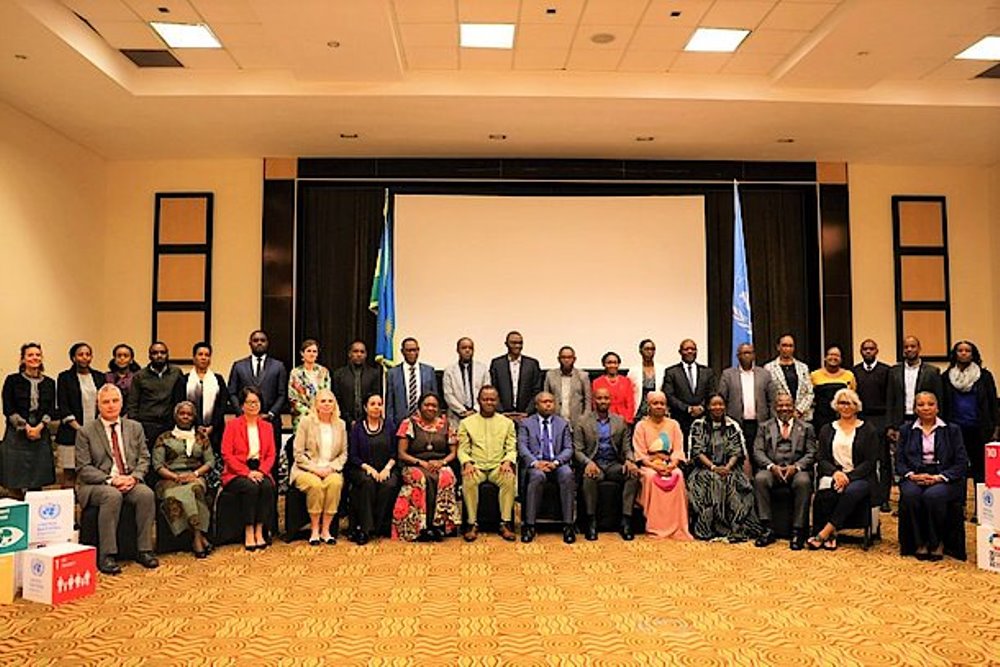
The meeting was hosted by the chair, Dr. Uzziel Ndagijimana, the Minister of Finance and Economic Planning and co-chair, Mr. Ozonnia Ojielo, the UN Resident Coordinator to Rwanda. They were joined by colleagues in Government, the UN, diplomatic corps, civil society organizations and private sector representatives.
The Joint Steering Committee aims to provide strategic direction and oversight of the UNSDCF for its alignment, with national, regional and international development processes, mechanisms and goals such as Vision 2050, National Strategy for Transformation; and links with other processes, such as the Voluntary National Reviews and the Universal Periodic Review. The platform also serves as an accountability mechanism of the Cooperation Framework in the delivery of a collective system support to the 2030 Agenda.
The UNSDCF is a five-year plan that outlines how the UN supports Rwanda’s development agenda from 2018 to 2024. It is delivered by the United Nations system, with all agencies working together under the umbrella of ‘One UN’. It is mapped on to the three Strategic Priority Areas that constitute the Government’s National Strategy for Transformation (NST1).
Through 14 joint programmes on cross border trade and social cohesion, social protection, health care, youth, HIV, gender equality and empowerment of rural women, nutrition, COVID-19 response and recovery, climate resilience, data, Integrated National Financing Framework, food security, disability, diversity and inclusion and sustainable cities, thousands of communities are reached, systems are strengthened, capacities are built and people’s lives are transformed.
Minister Ndagijimana acknowledged the many years of joint work between Rwanda and the UN, and emphasized the importance of strong collaboration and partnership, which is crucial to ensuring that the country builds back better from COVID-19 pandemic, and stays on track to the ambitious goals set out by Vision 2050 and the National Strategy for Transformation.
“Today we have an opportunity to review, assess and re-commit ourselves to act together to support Rwanda’s Development. As we continue to deal with spill-over effects of COVID-19, and other global challenges such as inflation and food security, we are committed more than ever to achieve NST1 targets and we will count on UN’s collaboration in this Journey, “ Minister Ndagijimana said.
Mr. Ozonnia commended the Government of Rwanda for its strong leadership throughout the response and recovery from the COVID-19 pandemic and reiterated the UN’s commitment to working closely on Rwanda’s continued development.
“I congratulate the Government of Rwanda for its strong leadership and commitment to supporting Rwanda’s socio-economic recovery and development efforts and for our strong partnership in our development work. The UN in Rwanda takes pride in being a partner of choice for the Government and the people of Rwanda as the country continues to build on its remarkable success story and ensuring the well-being of its people embedded in the spirit of “Leaving no one behind”. Mr. Ozonnia said.
Minister Ndagijimana announced that the proposed budget revision will increase the Government spending by Frw 106.4 billion, a 2.3% increase to Frw 4,764.8 billion from Frw 4,658.4 billion announced in the original budget in June, 2022.
This revised budget will support continued economic recovery, supplement job creation efforts and continue to facilitate businesses to recover from covid-19 impact. Additional Investments in education, healthcare, ICT, and agriculture will be at the forefront of the ongoing government effort to invest in Rwanda’s future, through the National Strategy for Transformation (NST1).
“Despite persistent challenges stemming from COVID-19 effects, global supply chain issues, inflationary environment and impact of climate shocks, our economy continues to show strong signs of recovery. Over the first three quarters of 2022, the economy registered an 8.5% growth, with signs of beating projections. This budget revision reflects these successes, and the effectiveness of the economic recovery plan in keeping businesses afloat, encouraging new investments, creating jobs, and maintaining strong social protection for vulnerable citizens”, Minister Ndagijimana said.
{{Key changes in the 2022-2023 Revised Budget}}
{{Resources}}
The proposed revised budget contains several important adjustments, such as an increase of domestic revenues by Frw 115.2 billion from Frw 2,372.4 billion in the original budget to Frw 2,487.6 billion – a 5 % rise, while domestic financing increased by Frw 39.4 billion from Frw 282.6 billion in the original budget to Frw 322 billion.
A stronger recovery has increased government revenues, including Frw113.2 billion increase in tax revenue from Frw 2,067.7 billion in the original budget to Frw 2,180.9 billion representing 5.1% increase. Furthermore, non-tax revenue is expected to increase by Frw 2 billion from Frw 304.6 billion to Frw 306.7 billion, thanks to the continued recovery through increased internally generated revenue streams.
{{Expenditure }}
In the revised budget Government expects to increase spending by Frw 106.4 billion from Frw 4,658.4 billion to Frw 4,764.8 billion. The expenditure envelope has been revised to reflect the changes for some items under recurrent spending, capital expenditure and net lending outlays.
{{Recurrent Expenditure}}
On the original budget estimate of Frw 2,543.2 billion is being raised to Frw 2,705.5 billion showing a net increase of Frw 162.3 billion, while on capital expenditure, there will be a decrease in capital spending of Frw 66.5 billion from Frw 1,847.2 projected in the original budget to Frw 1,780.8 billion to support key recurrent expenditures, such as increase of the number of teachers and their salaries, supporting universal school feeding program, and additional fertilizers to boost coffee production.