It was disclosed on 10th February 2023 as the Minister of Sports, Aurore Munyangaju Mimosa hosted various leaders of sports associations, the Rwanda Olympic Committee and sports journalists.
Apart from discussions sports development policy, participants were also taken through the sector’s contribution to national economy .
Minister Munyangaju said that Rwanda earned over US$6 billion during difficult times of COVID-19 pandemic noting that the amount is expected to triple in 2023.
“The US$6 million was generated during COVID-19. If we were able to earn that amount, we expect increased revenues this year that can increase threefold,” she said.
Minister Munyangaju disclosed that they are working with Rwanda Convention Bureau (RCB) to release figures for revenues generated in 2022.
The Permanent Secretary in the Ministry of Sports, Zephanie Niyonkuru emphasized that tourism plays an important role in generating revenues noting that the amount recorded in the previous years is expected to increase.
“We talked about US$6 million in 2021 but that’s from purchases. We expect sports-based tourism to be an integral part of our tourism. This sector can help us earn more through various activities,” he said.
In August 2022, the Ministry of Sports announced that Rwanda earned Rwf30 billion from sporting activities out ofRwf6.7 billion investment in the last fiscal year (2021/2022).
Events that Rwanda will host this year include the FIFA Congress scheduled on March 16 during which the President of this world football governing body will be elected.
The country will also host the finals of the Basketball Africa League which will be held at the Kigali Arena for the third time at the end of May.
The Kigali International Marathon is planned in June while the Afrobasket 2023, which will bring together women’s teams is due in July.
Events scheduled for August include the FEASSSA Games, the Giants of Africa Festival, and the second edition of Ironman race.
The money and a smartphone, among other valuables, were recovered from the prime suspect on Tuesday, February 14, who was arrested in Tare Sector, Gasarenda Cell in Kagarama Village.
The theft was reported last Friday at a home in Remera Sector Gasabo District, where the suspect was working as a house-help.
Chief Inspector of Police (CIP) Emmanuel Habiyaremye, the Police spokesperson for the Southern region, said that Police tracked the suspect to his home village in Nyamagabe District, where he was arrested.
“After the money and other valuables went missing from the bedroom, the victims suspected their domestic worker, who had escaped, to have stolen them.
Through information sharing between the Police and the public, the prime suspect was located in his home village of Kagarama, Gasarenda Cell in Tare Sector of Nyamagabe District, where he was arrested with all the money (Rwf400,000), which he had deposited on his mobile account, and a smartphone,” said CIP Habiyaremye.
He was handed over to RIB for further investigations.
Article 166 of law determining offences and penalties in general states that; any person convicted of theft is liable to imprisonment for a term of not less than one (1) year and not more than two (2) years and a fine of not less than Rwf1 million and not more than Rwf2 million, community service in a period of six (6) months or only one of these penalties.
The woman’s body was seen on Monday 13th February 2023 in Gasogororo Village, Kayonza Cell of Mukarange Sector, Kayonza District in Eastern Province.
Sources reveal that the woman had spent the previous day sharing drinks with porters in a bar and was found dead at home by neighbours in the following morning.
The executive secretary of Mukarange Sector, Patrick Kabandana has confirmed to IGIHE that the woman was found dead at home noting that the cause of his demise has not yet been established.
“It is true that the person died. We went there yesterday upon information provided by residents and found her dead inside the house in which she lived. Relevant security officials went to the scene for investigation while the body was taken to Rwinkwavu Hospital for postmortem,” he noted.
Kabandana said that the body did not carry any wounds but insisted further details will emerge from investigation.
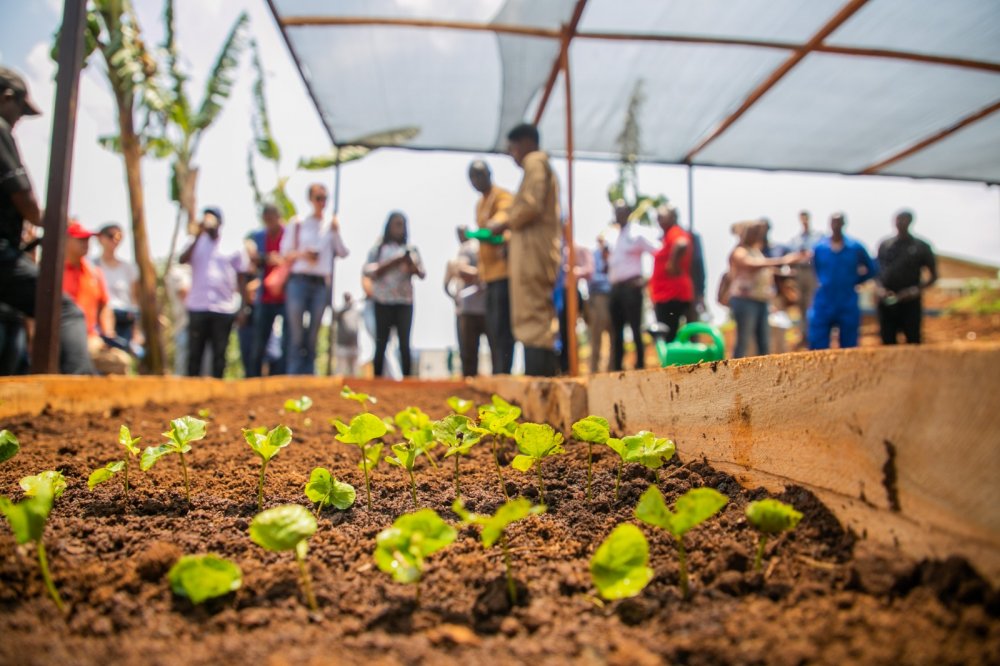
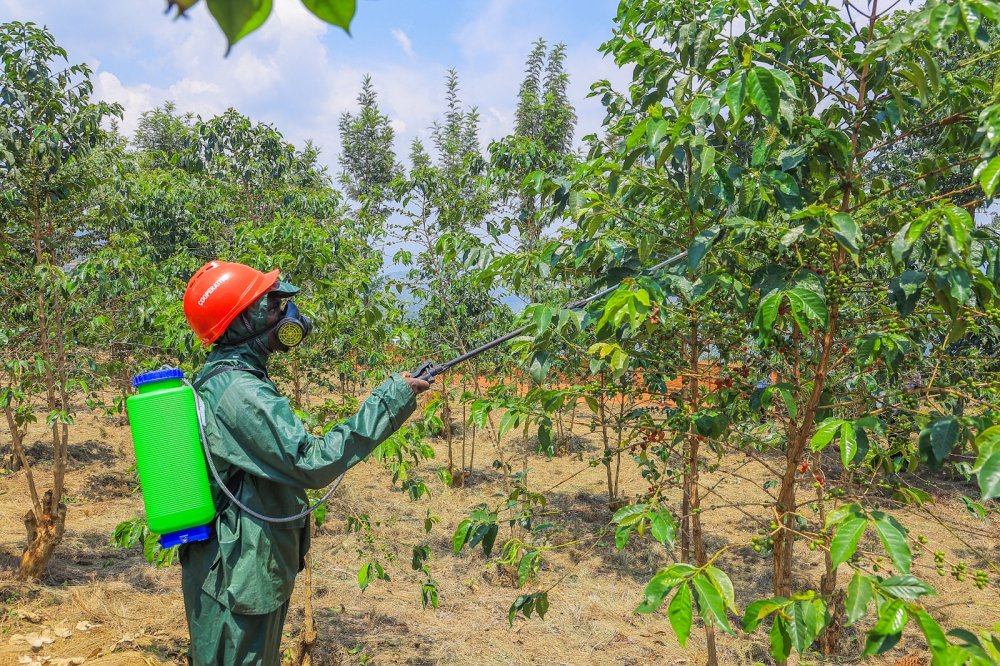
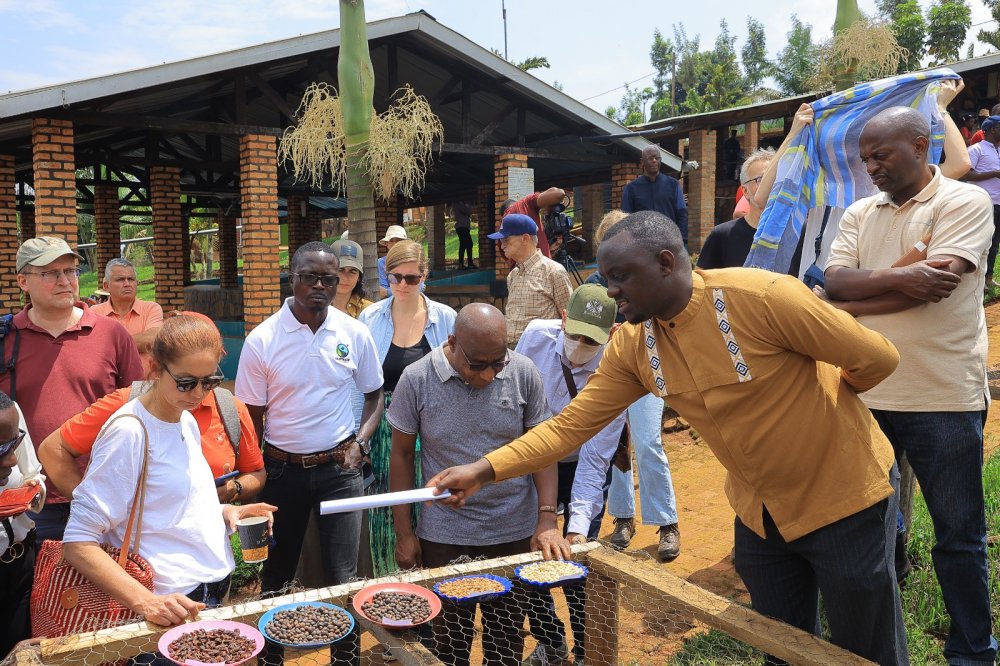
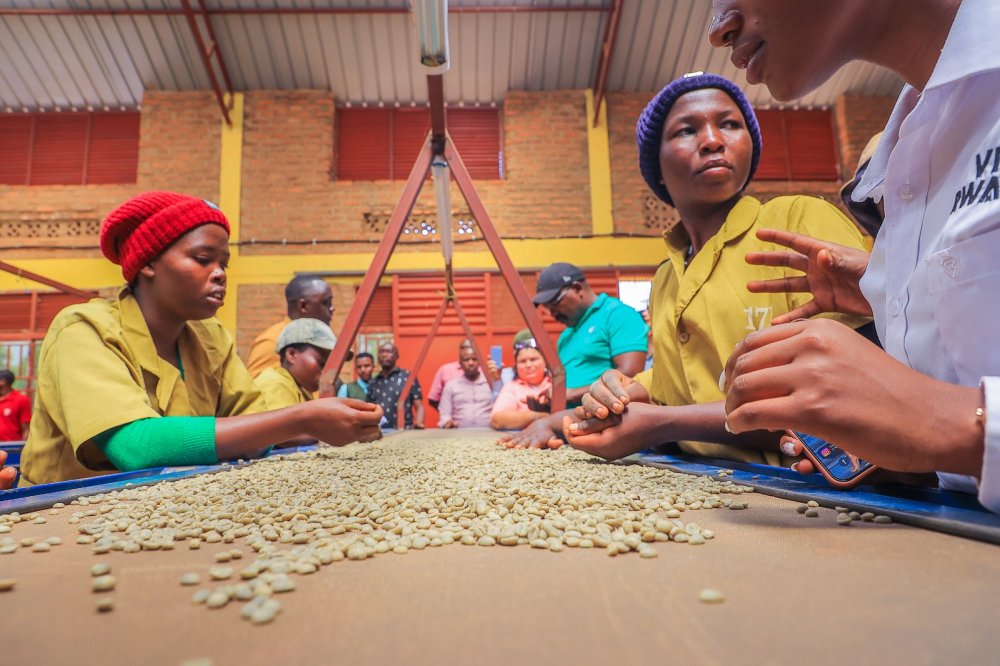
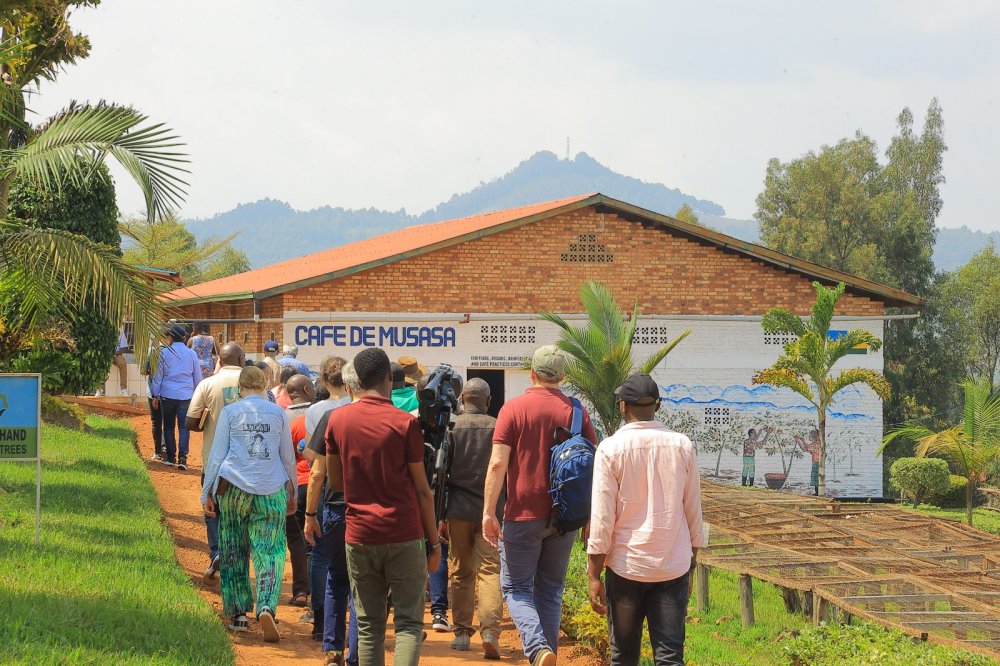
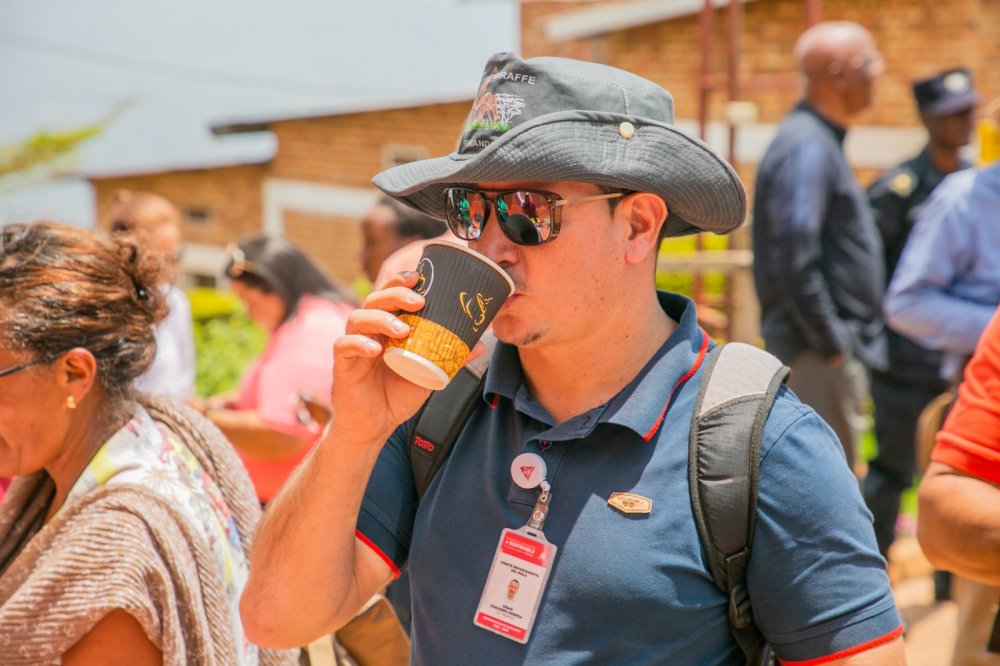
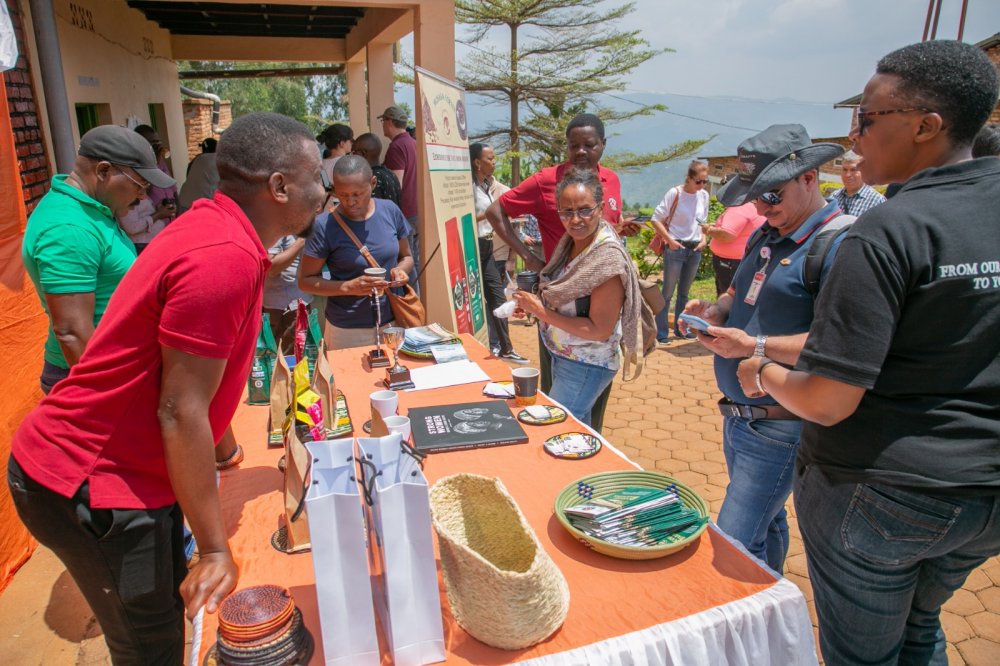
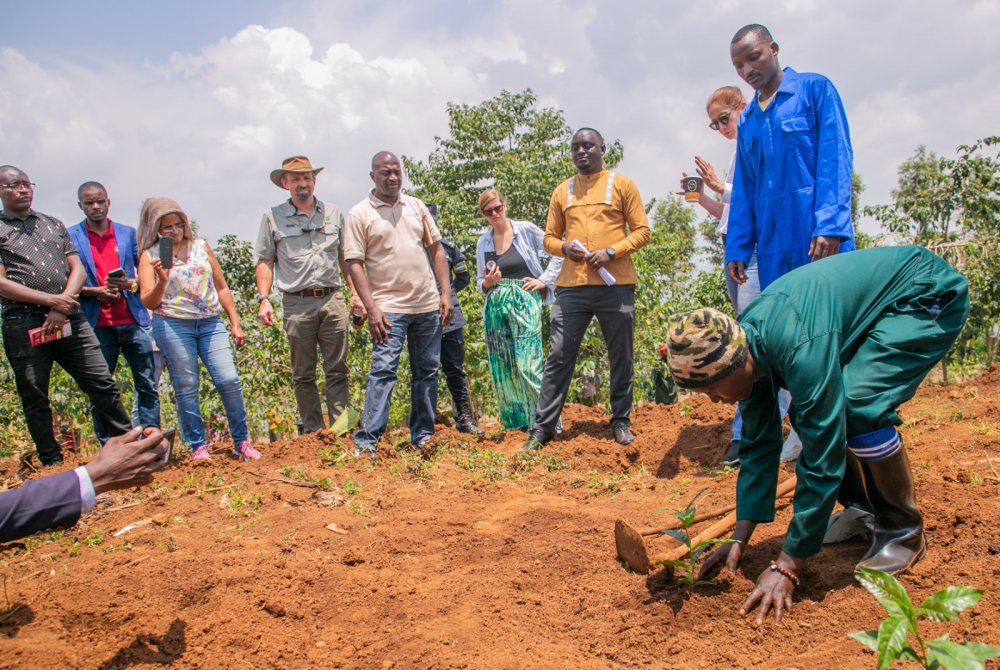
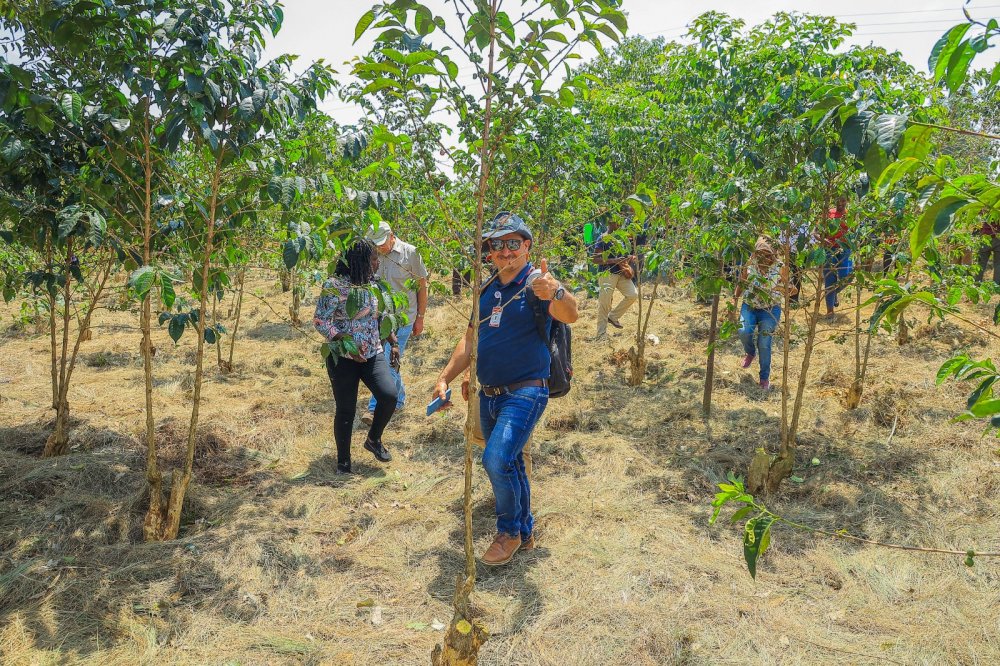
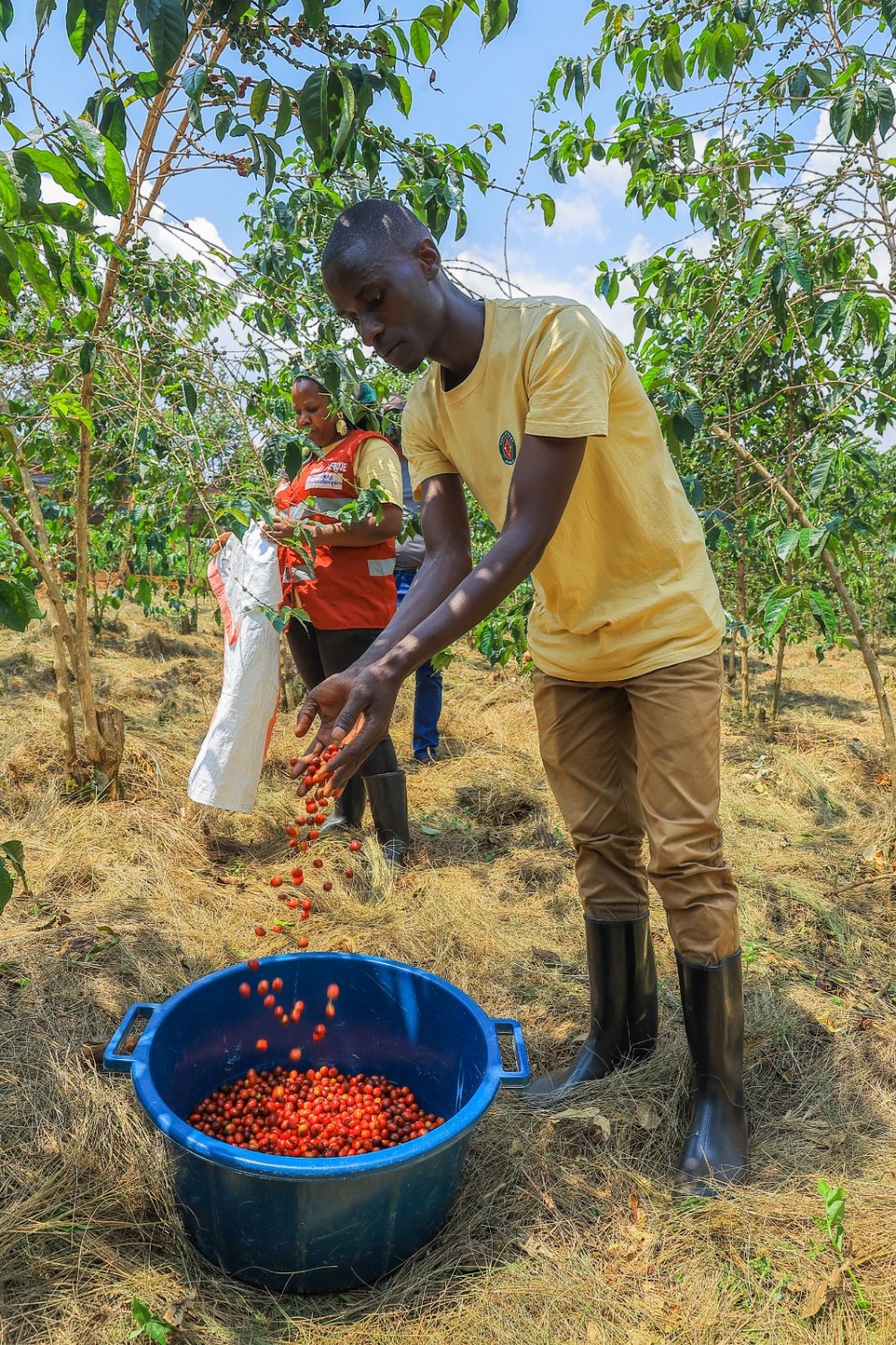
The players in coffee value chain from 40 countries across the world visited coffee plantations located in Karenge of Rwamagana District and Musasa of Gaskenke District on Sunday.
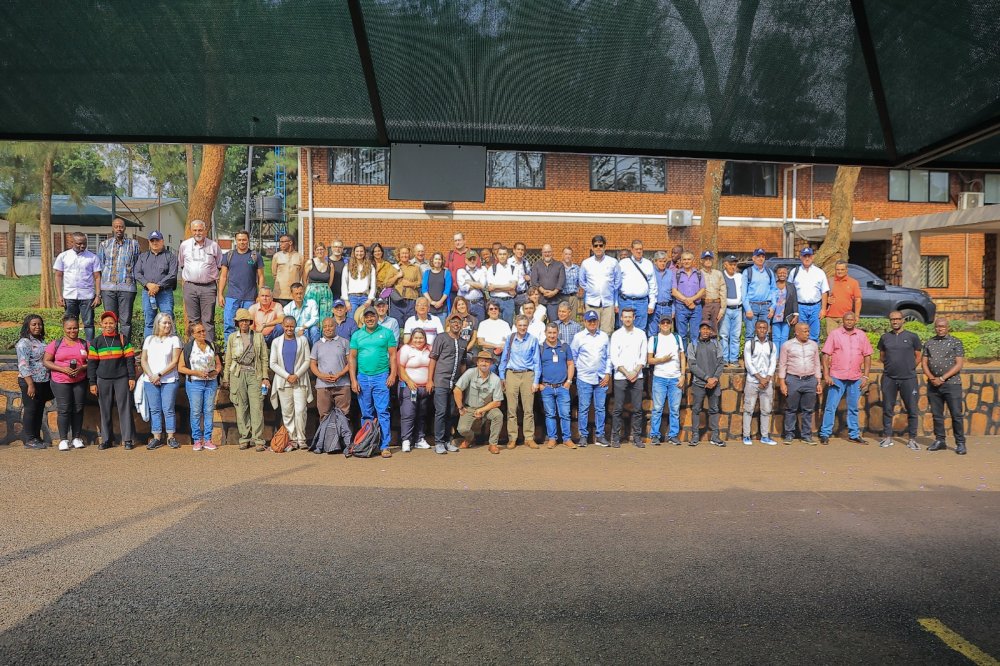
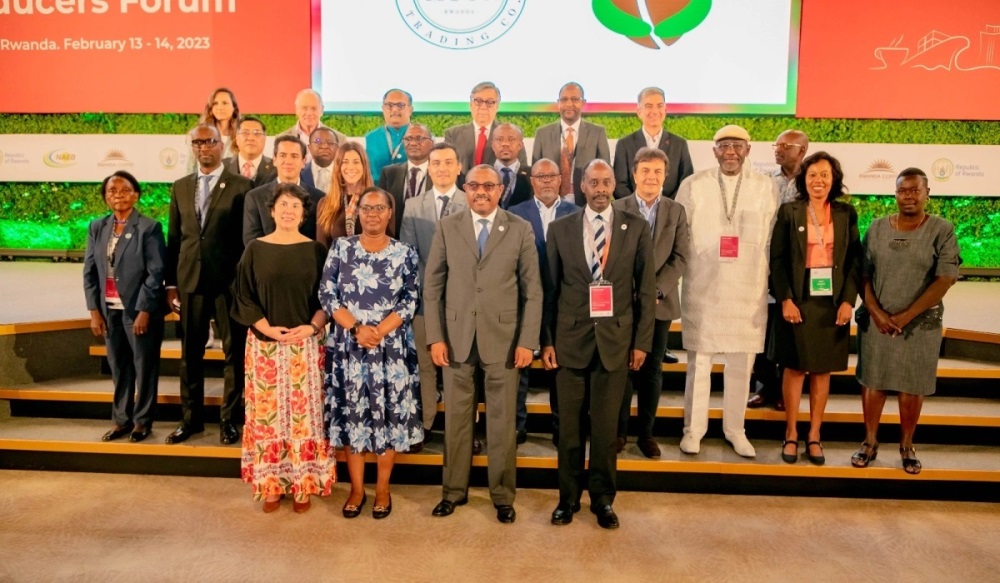
They are in Rwanda to attend the third World Coffee Producers Forum taking place in Kigali from 13th to 15th February 2023.
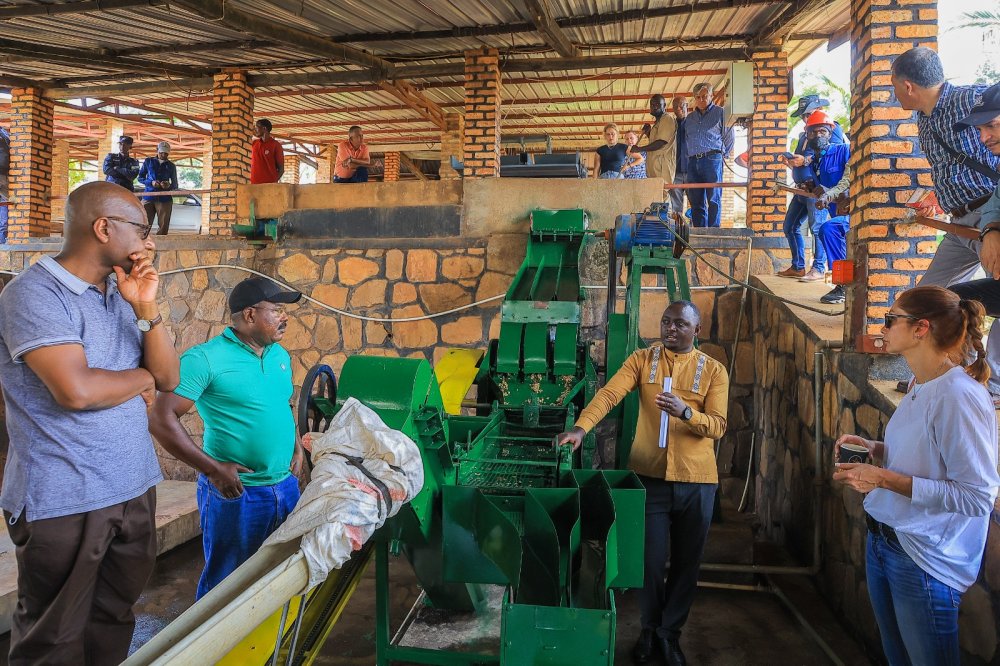
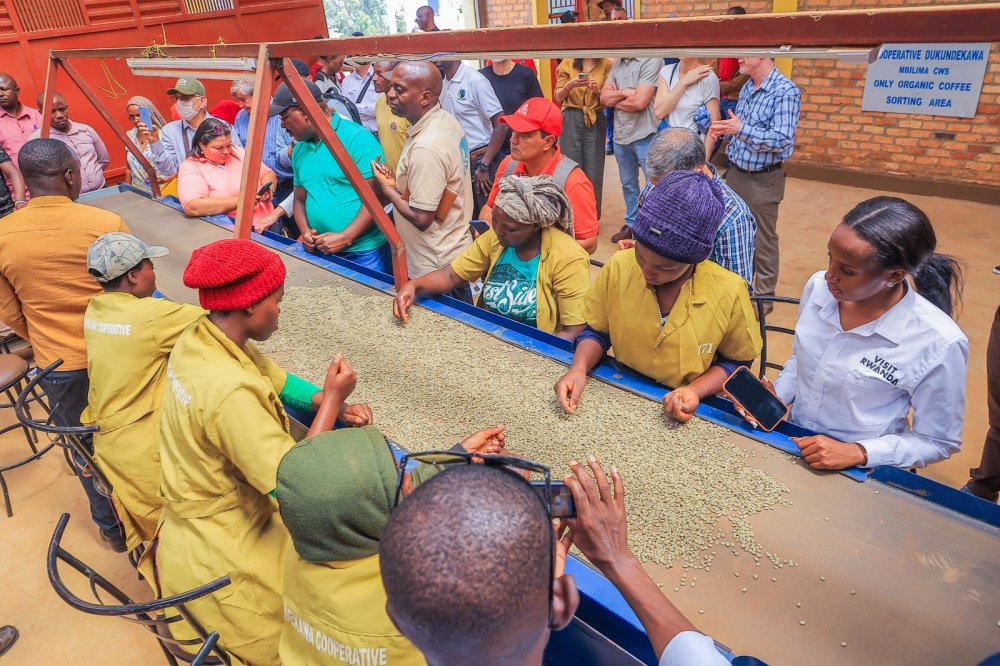
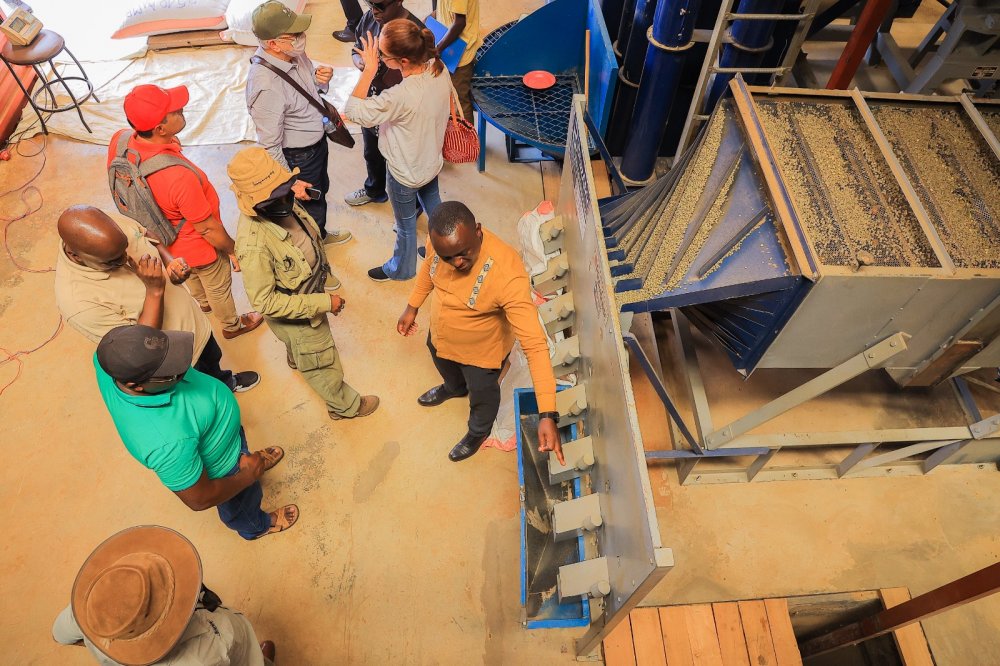
At least 50 foreign delegates who went to Gakenke visited a coffee processing plant belonging to Dukunde Kawa Cooperative in Ruli Sector.
Eric Ruganintwali, Quality Assurance and Regulatory Division Manager at the National Agricultural Export Development Board (NAEB) has said that they preferred to take guests to Gakenke because the cooperative has a lot of best practices to share.
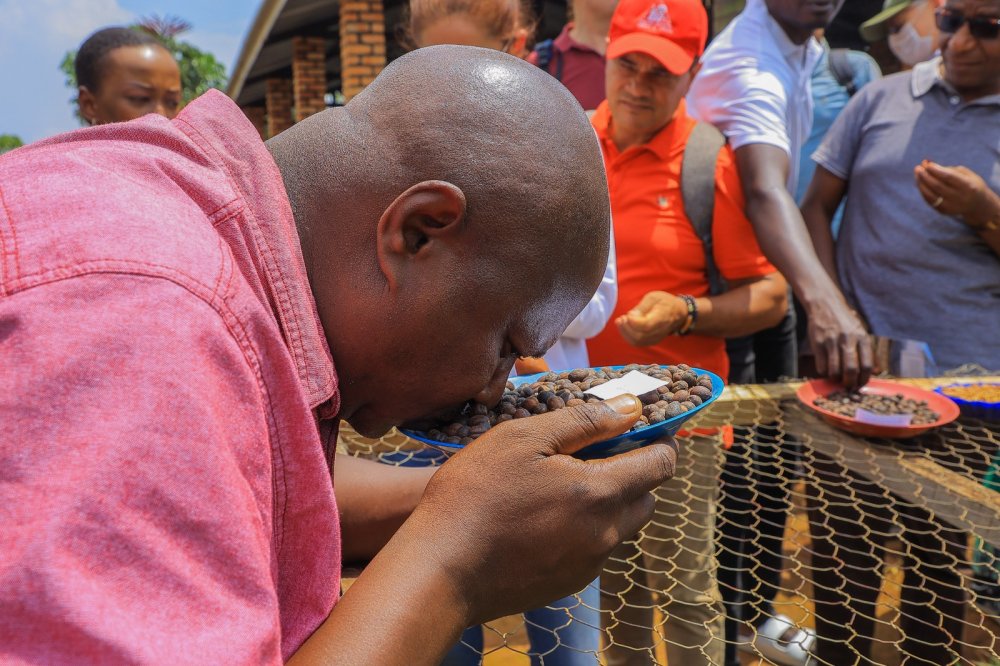
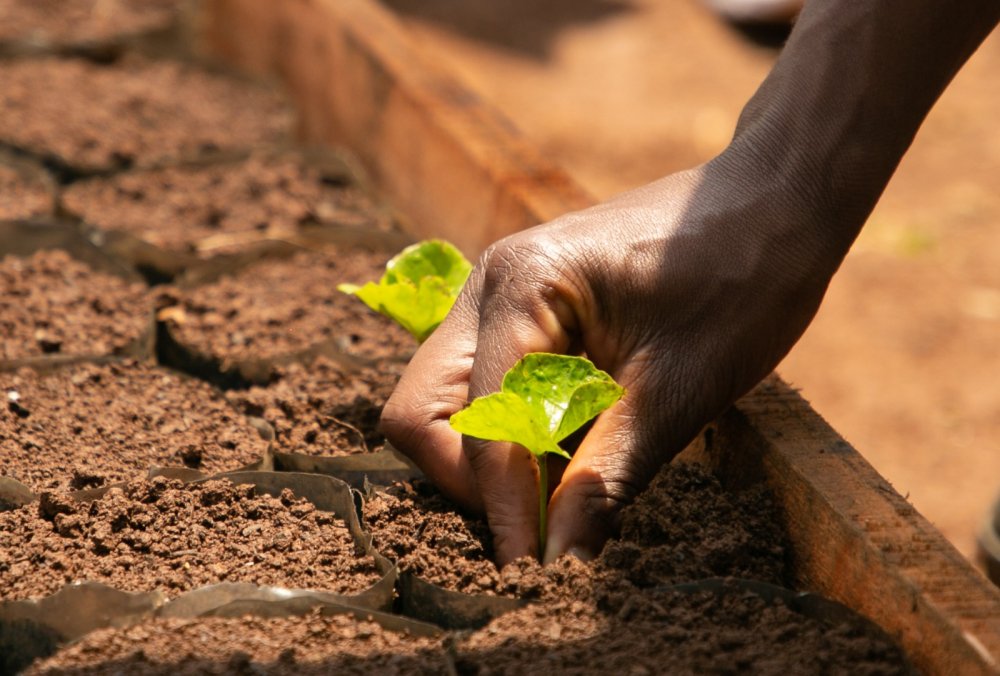
The visit was also an opportunity for guests to witness the process of coffee production from the plantation to the packaging stage.
Musasa has unique taste that it is among the most preferred coffee brands on the market.
It is grown on high altitude hills of Gakenke District at 2,000 kilometers above sea level.
Dukunde Kawa Cooperative was established in 2000 by 300 members from 10 sectors in the former Commune Musasa, Kigali Ngali Prefecture.
The cooperative which grows coffee on 392 hectares, has four processing plants and one coffee dryer.
Members have increased to 1993 of whom women make up 80%. It to produces high quality coffee and seeks to put farmers’ livelihoods at the center of its operations.
In 2004, the cooperative was the first in Rwanda to acquire Trade Fair licensing.
Through Dukunde Kawa cooperative, farmers attest transformed livelihoods as they have 220 jersey cows that have served as a source of milk and compost used to fertilize their plantations.
The cooperative also provided members with interest-free loans, built two primary schools nearby its operations and help them subscribe for community based health insurance subscriptions on time.
Dukunde Kawa has also built a plant that processes milk, produces cheese and yogurt.
Some people consider opening up quickly as a good sign indicating trustworthiness and willingness to let you in their secrets.
Others consider it a bright red flag for someone to share everything, on a first date.
This is a sign of someone looking for sympathy to manipulate a date in their favor, especially if it is a heart-wrenching story.
As your date opens up to you about their life story, it can be tempting to offer up some form of consolation, even if you do not know what to say.
This can make it look okay to quickly cross the line into a comforting territory. That is when things can get complicated.
Their story might tag at your heart and blind you from making independent conclusions from the date overall.
Nevertheless, it is necessary to remember that just because someone opens up to you does not mean you are obligated to do anything.
Having someone bombard you with a lot of personal information can make you feel special and emotionally drained at the same time.
It can be hard to set boundaries during some conversations. You may feel like you are hurting the other person’s feelings or being unfair.
Clear your head and think about the date overall. Did you like their personality? Were they respectful to you and the people around you? Were they interested in what you had to say?
Not all stories shared are unfortunate, they can be very happy and loving. Your date might tell you how their parents stayed together for years and how that’s their goal but still have nothing in common with you.
As beautiful as their dream might be, think about it, maybe they stayed together but their relationship was toxic.
It’s important to remember that your date is still entitled to their feelings, no matter how heartbreaking their story may be.
We narrate stories from our point of view, which is why whether happy or sad, you should not make a decision to base a relationship on somebody’s life story.
Keep in mind that some people will happily share their life stories as a way to excuse their behavior in the future.
On your first date, a man tells you about his father beating his mother, in any case, if he does it, he’ll already have warned you, and it could also mean that he’s depressed depending on how he processed these events.
As a woman speaks about having witnessed her father cheat on her mother growing up unless healed, she is likely to mistrust, avoid getting attached, or detach quickly if you make any mistake.
After this, if things don’t work out, be sure to express your feelings honestly and respectfully as well. There’s no need for drama, but a little bit of closure can go a long way.
Let your date know that you have heard them and that you’re there for them if you want to, but will not feel pressured into anything you’re not ready for.
It’s easy to feel guilty in this situation because they have opened up and shared something and it made you feel obligated to repay, but it is necessary to remember that your feelings are just as valid as theirs.
The best course of action could be to try and explain your feelings in a non-confrontational way and listen if they want to talk about it or you could end up being part of their next date story.
Understand that they may not understand, and it might not even end on the best terms, but that is okay!
It’s important to remember that being empathetic and understanding of other people’s feelings doesn’t mean you owe them anything in return.
It’s okay to set boundaries and prioritize your emotional well-being. You don’t have to continue talking to someone who makes you uncomfortable, no matter how close you got on the first date.
The minister made the remarks during the opening of the third World Coffee Producers Forum (WCPF) at the Kigali Convention Center in Kigali, the capital of Rwanda, on Feb. 13-14.
“It is imperative that we secure increased revenues and enhance welfare for coffee producers. The sustainability of the coffee industry does require that coffee producers and those at the bottom level enjoy shared prosperity,” she said.
Dr. Mukeshimana called on all key actors in the coffee sector value chain to recognize the role played by coffee producers in guaranteeing the sustainability of the industry and its long-term viability.
She shared Rwanda’s example, saying the East African country promotes the coffee industry through the delivery of better inputs, replanting coffee trees, enhancing cooperative governance and management procedures as well as fostering public-private cooperation among stakeholders with expanded coffee washing stations.
She also stressed the importance of capacity building in improving the skill set of coffee farmers and in raising their coffee production standards.
More than 1,000 regional and international participants, from over 40 coffee-producing countries across the globe are attending the two-day event.
Hailemariam Desalegn, the former Ethiopian Prime Minister, noted that through all the stages of coffee production, from farm to cup, concerted efforts must be made to ensure poverty alleviation and food security are achieved while ensuring sustainable agriculture as well as mitigation of climate change.
“The sustainability of the coffee value chain is impossible if coffee incomes are not sustainable. Farmers must benefit from their work before anyone else,” he said, calling for the creation of the necessary transformations that allow coffee farmers to earn a good income from their produce.
“In the context of the challenge of sustainability feeding, a world population is anticipated to be 10 billion in 2050, and sustainability growing of coffee and making the most of it are considered particularly crucial for our coffee farmers’ future,” he added.
Juan Esteban Orduz, the chair of the World Coffee Producers Forum, said farmers’ prosperity must be at the center of any policy actions. “Coffee value chain needs to work together under the principles of co-responsibility and solidarity to ensure sustainable coffee production,” said Orduz.
The WCPF was born in 2017 to bring together coffee producers from across the globe and provide a unique space to gather and discuss critical issues of common concern to growers, including sustainability, climate change, the environment, and prosperity.
The 3rd meeting of the World Coffee Producers Forum in Rwanda follows the previous ones in Medellin, Colombia in 2017, and in Campinas, Brazil in 2019.
The funding was provided through a project called ‘Barame’, implemented in seven districts including; Nyarugenge, Gakenke, Gisagara, Karongi, Nyamasheke, Rulindo, and Rusizi.
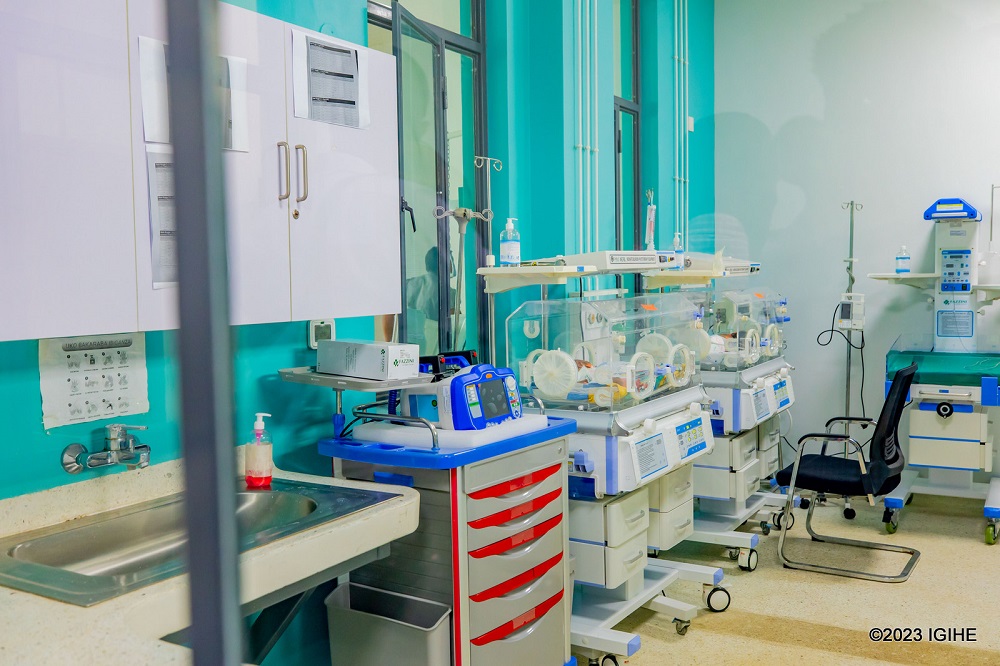
Some of activities carried out in these areas of intervention include the expansion of health centers going hand in hand with the upgrading of their respective capacities, building maternity wards, expanding Isange One-Stop Centers, and other youth centers where they learn more about reproductive health.
Part of the funding was allocated to districts, Rwanda Biomedical Centre (RBC) and other partners where 90% has been already utilized.
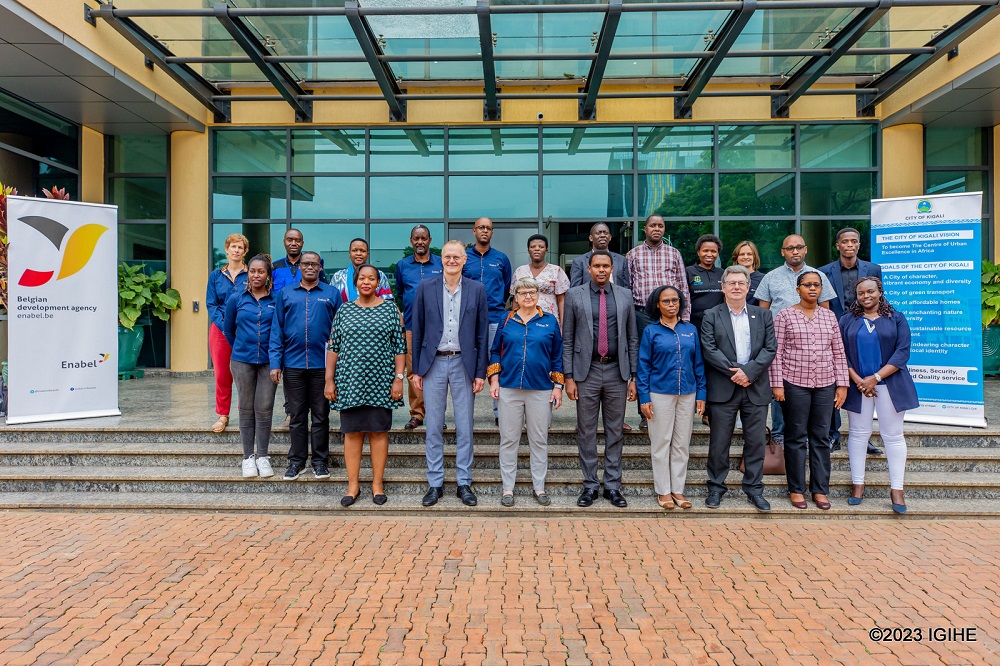
On Thursday 9th February 2023, Enabel in collaboration with Nyarugenge District, inspected various activities carried out under this project to witness their impact.
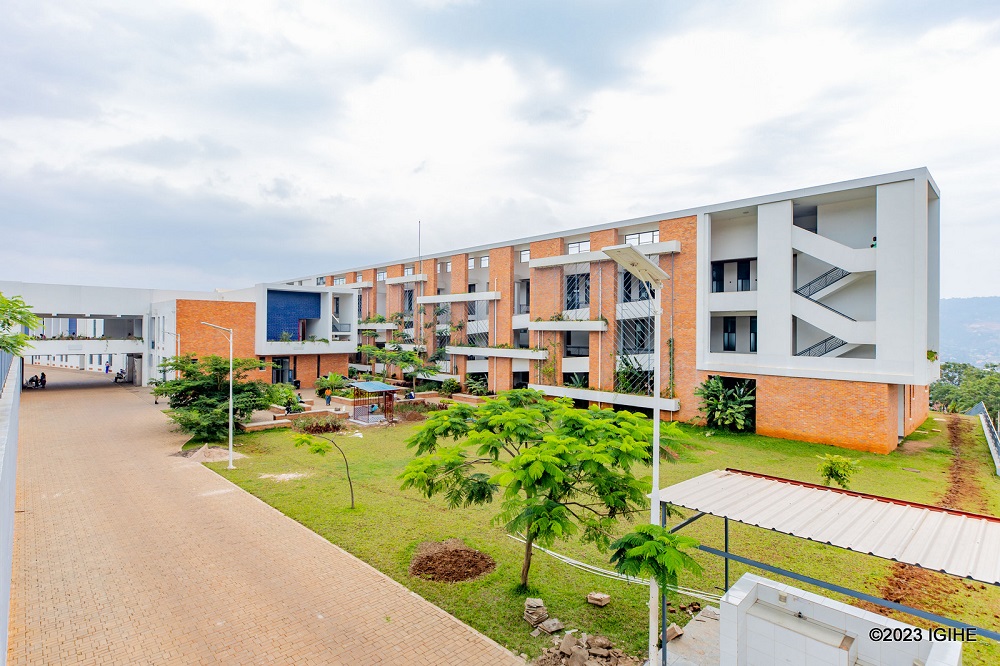
One of the projects carried out by Enabel is the construction of Nyarugenge Hospital, which was completed at a tune of more than Rwf10 billion.
Barame project falls under the 2019 – 2024 action plan, which started successfully in July 2020. Nyarugenge District was given 1 million euros invested in various health projects.
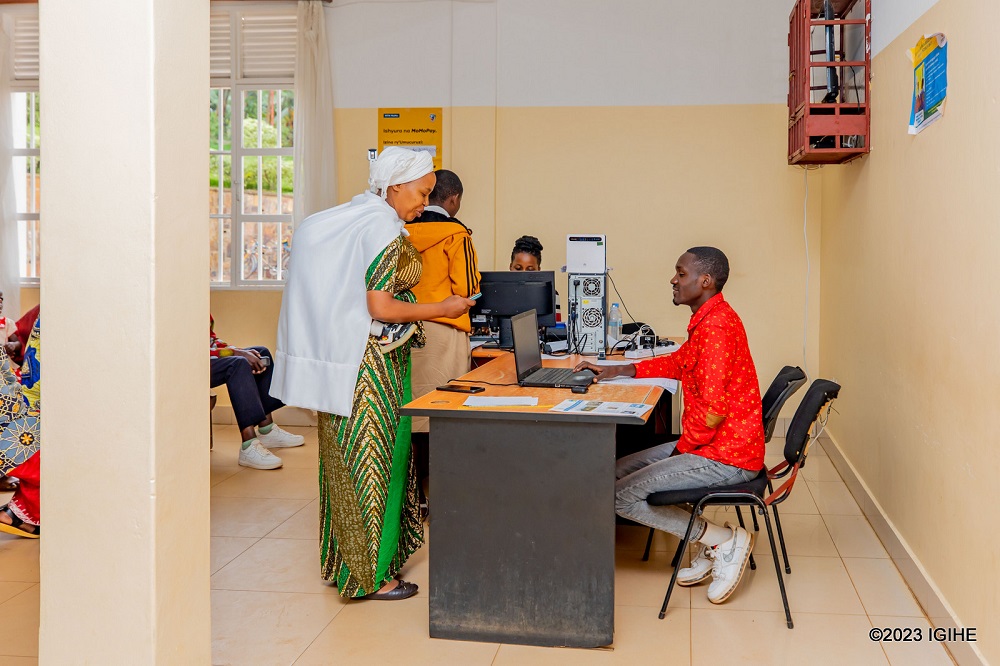
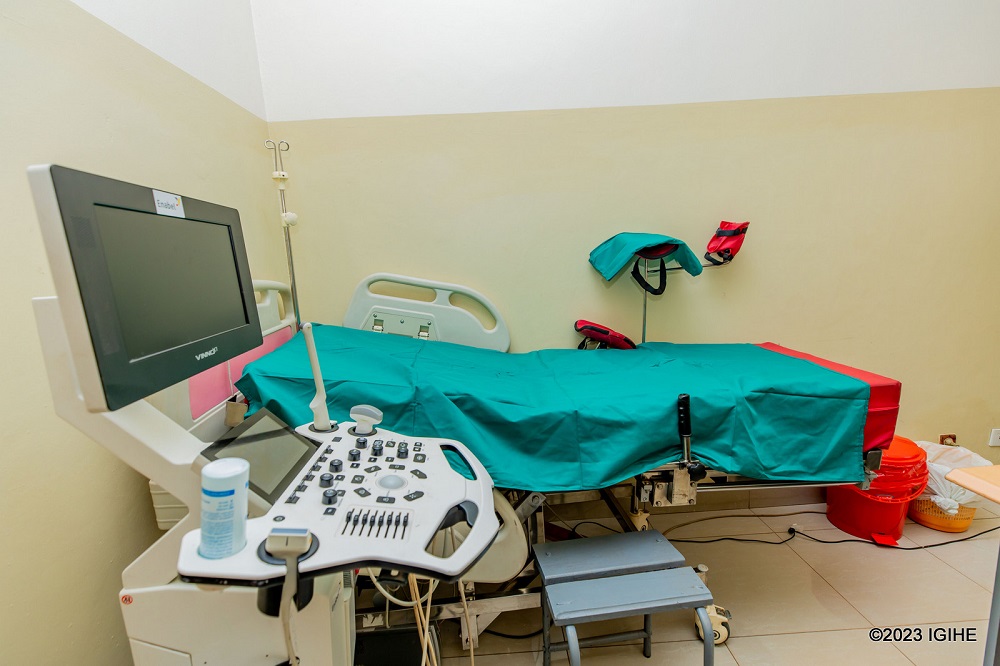
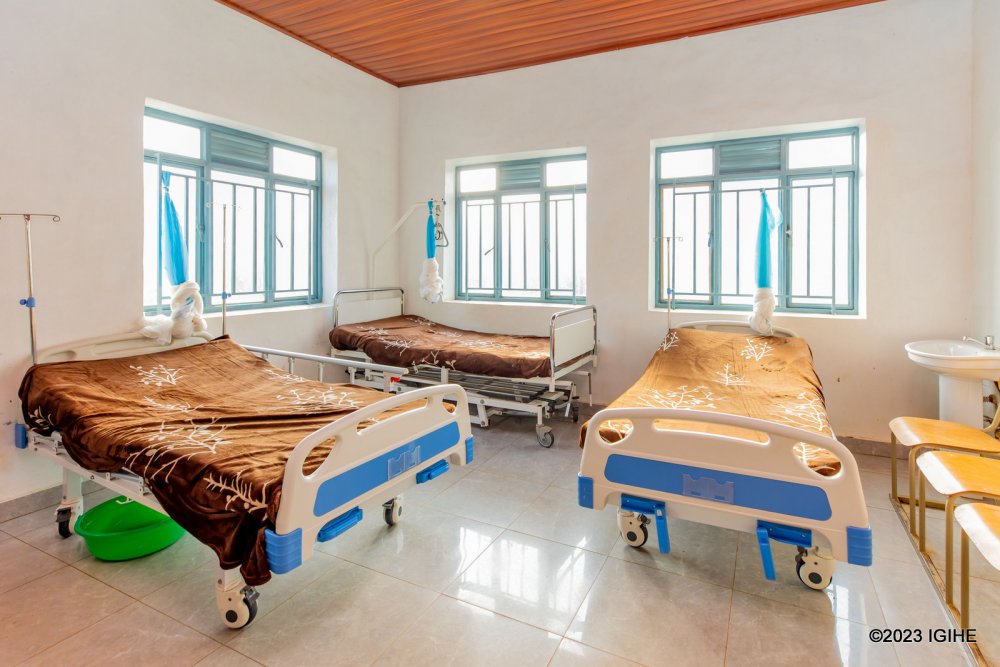
One of the projects was the construction of a maternity ward at Rugarama Health Center in Nyamirambo Sector. They used to have a small space that could accommodate two mothers only, but can currently accommodate more than ten at a time.
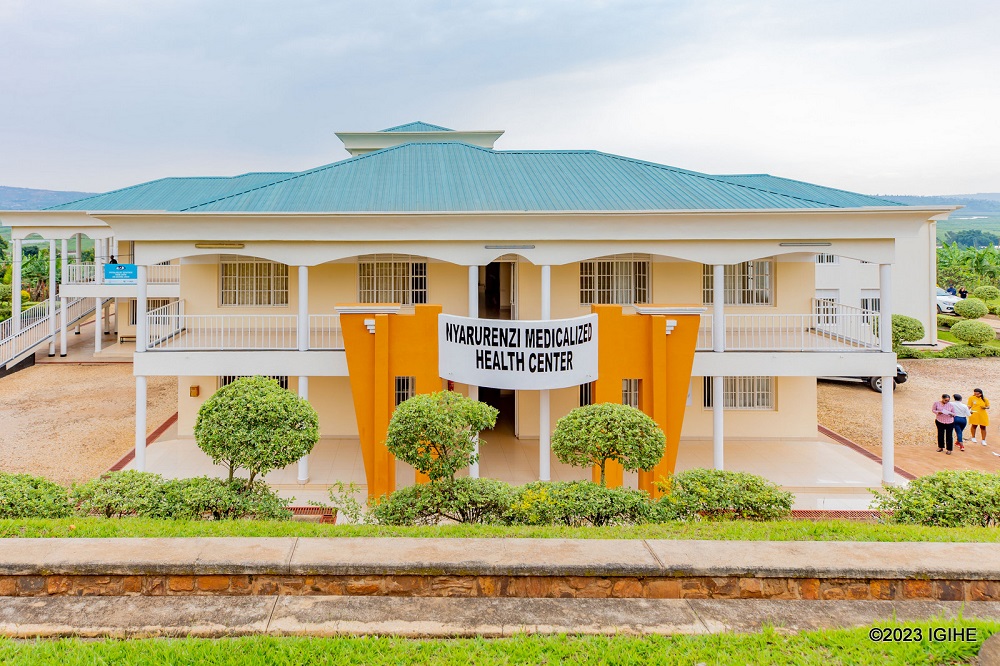
The Nyarurenzi Health Center built in 2012 was also renovated and offers all the supplementary services a patient can get at a hospital, such as dental and eye care.
Currently, medical personnel at the facility are reinforced by a doctor from Nyarugenge Hospital who joins them twice a week.
This health center can attend to over 16,000 patients. In the last five years, no woman has died giving birth again at the facility. Malaria patients have also decreased from 15,000 in 2017 to 282 in 2022.
In addition, the Isange One Stop Center located inside premises of Muhima Hospital was renovated and got new equipment to assist victims.
The upgrading saw the number of supported victims increasing from 180 in 2018 to 580 currently.
Gender Based Violence (GBV) victims receive numerous services including psychosocial, medical and legal support among others.
Among others, a maternity ward was constructed at Karama Health Center as part of the Barame project and cut the number of women giving birth at home from six to zero.
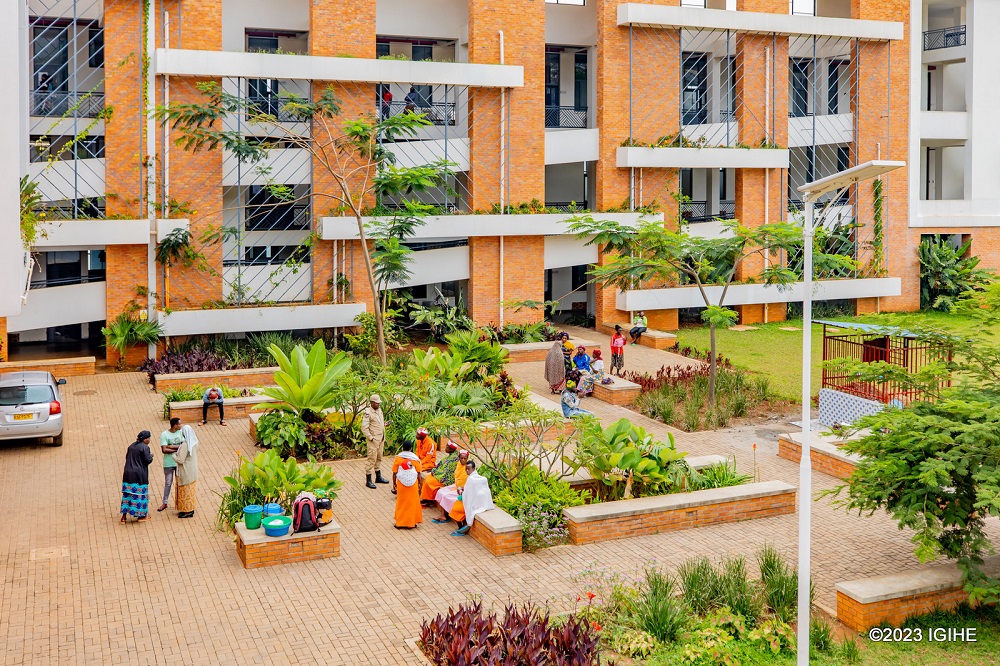
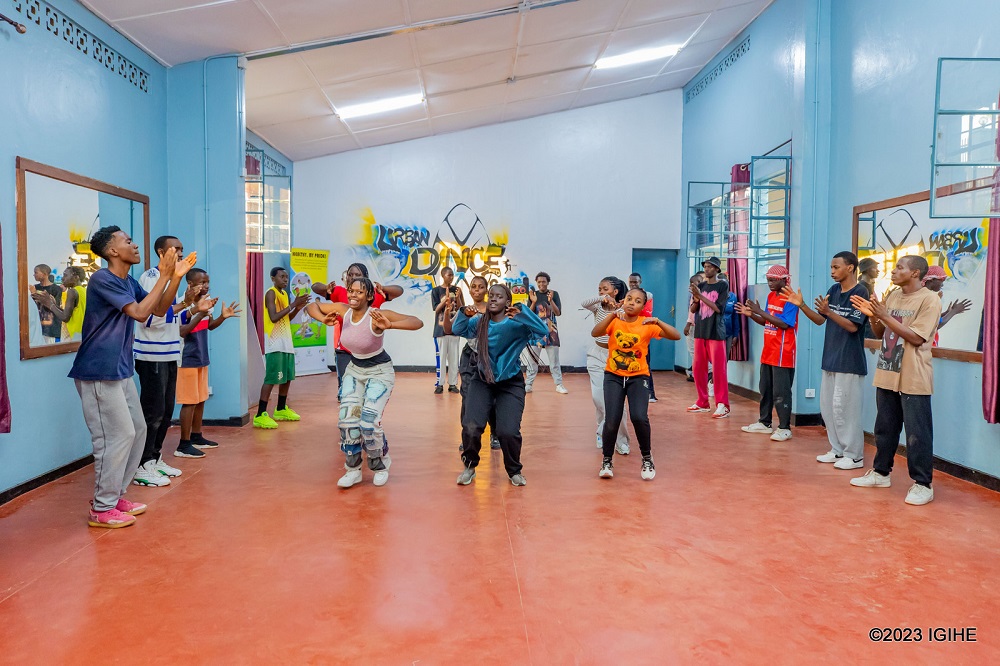
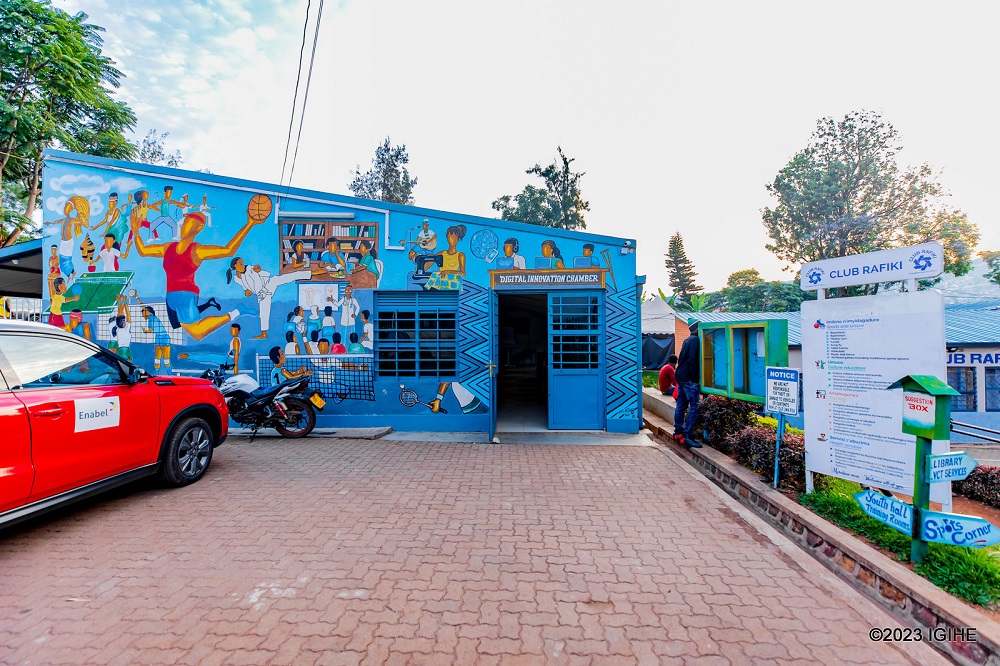
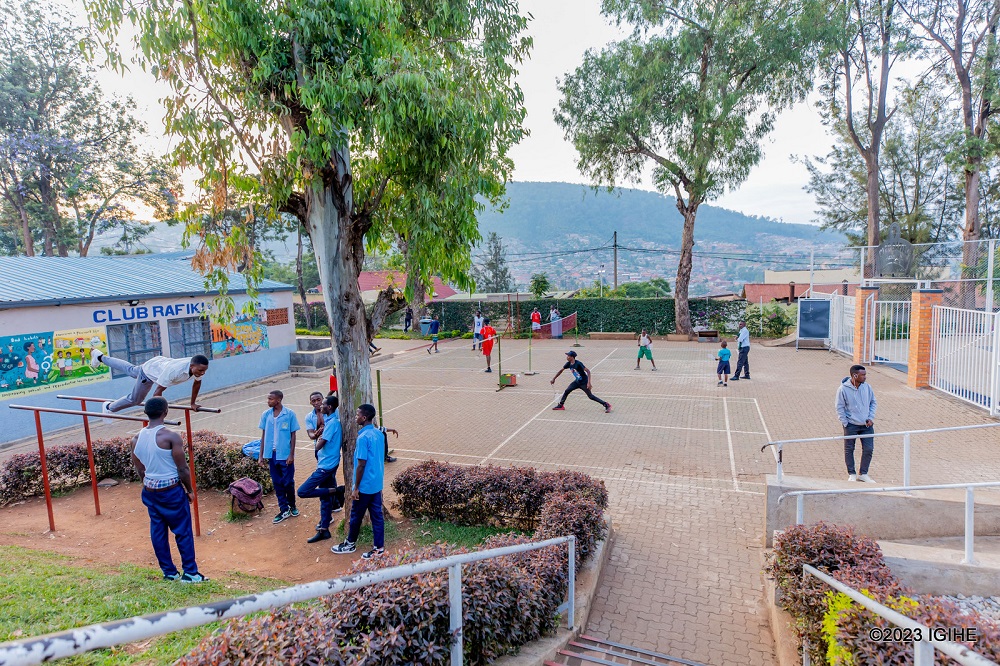
More serviced were introduced at Club Rafiki and Maison des Jeunes in Kimisagara so that young people could be brought together and taught on reproductive health, preventing unwanted pregnancy, sexually transmitted diseases, and help them develop their talents as well.
Dirk Deprez, the Resident Representative of the Belgian Development Agency in Rwanda, said that they are delighted with the work Nyarugenge has achieved and assured continued cooperation to uplift people’s livelihoods.
He also commended the Ministry of Health and RBC for their efforts to ensure successful implementation of related projects.
{{Nyarugenge residents thankful!}}
Nyarugenge District Executive Administrator, Emmy Ngabonziza, commended Enabel for collaborating with them, saying some of the health problems they used to experience were reduced.
“We are very grateful to Enabel for this partnership but these services are still needed. We can’t say that we are where we want to be. We wish this partnership would be extended to other areas of collaboration because we still have gaps especially in youth campaigns against AIDS and reproductive health,” he noted.
Direct beneficiaries of these services thank Enabel for making their lives more comfortable.
Marie Rose Mukankunda gave birth at Rugarama Health Center before the construction of the modern maternity ward. She said it was difficult but now they are content.
“It was a struggle and there was a long queue here which frustrated us. Besides, caretakers or visitors did not have enough where they can stand. God loves mothers! They have built a decent facility for us for us that I will give birth to my second child in a safe place,” he said.
Diane Ingabire, one of young people in Nyamirambo, said that learning about reproductive health helped her and friends to know how to avoid unwanted pregnancies.
The move comes after the industrial agency in partnership with FXB-Rwanda last week, Friday 10, 2023 launched a Phyto Social Enterprise Project (POSE) which seeks to increase the production of herbal medicinal products for local and regional consumption.
The event took place in Huye district where NIRDA’s Applied Research and Development Department is based.
The Huye Research Centre has a state of the art life sciences laboratory and a botanical garden where more herbal medicinal plants will be planted.
The POSE project seeks to valorize rich medicinal plant diversity, sustain local production of herbal medicinal products, and increase economic opportunities for the community.
It also seeks to contribute to the research on medicinal plants for their safety, efficiency, and quality control.
According to Dr. Christian Sekomo Birame, the Director General of NIRDA, the three-year project could ensure more herbal medicinal plants are cultivated and high quality phytomedicines produced and used as alternatives to modern medicine.
“We want to valorize herbal; we will first engage in the cultivation of herbal medicines in our botanical garden and work with the community around,” he said
“We will then use our life sciences laboratory to produce herbal medicines and then transfer to the private sector for commercialization, we want those products to be modernized and be sold in pharmacies as they are known to be an alternative to modern medicine,” added Dr. Birame.
He noted that NIRDA will also seek to commercialize already developed products while more research could be conducted on new ones.
Dr. Birame said that it will also help with other research institutions including the academia to do more research to turn herbal medicinal plants into improved phytomedicines.
The partnership will also see companies involved in production of herbal medicine trained to embrace the implementation of Good Manufacturing (GPM) process and comply with national standards and have them registered and certified.
“We also intend to create more jobs, through employing casual workers while the project will also have a few permanent staff, this is really a crucial project and we are optimistic it will have a positive impact,” he added.
{{ Why the project is very important}}
Despite the role herbal medicine plays in treating several diseases as an alternative to modern medicine, it has remained less developed and in the hands of traditional healers so that they don’t meet standards of being certified and accepted both at national and international market.
They are not aware of the properties of the active ingredients or how the doses should be adjusted according to the plant’s raw material used in the drug formulation processes
According to health experts, herbal medicine or phytomedicine play a big role in the health sector development and in the treatment of several diseases as an alternative way to modern medicine. However, official figures indicate that Rwanda imported 98 per cent of medicines and spent nearly US$100 million in 2019.
According to the World Health Organization (WHO), 88 per cent of all countries are estimated to use traditional medicine especially herbal medicines, acupuncture, yoga, indigenous therapies among others.
Besides, over 40 percent of pharmaceutical formulations are based on natural products and landmark drugs, including aspirin and artemisinin originated from traditional medicine according to WHO.
The WHO also says that the contribution of traditional medicine to the national health systems is not yet fully realized and traditional medicine workers’ facilities, expenditures and products are not fully accounted for.
According to Jean Damascene Ndayisaba, FXB-Rwanda Legal Representative hailed NIRDA’s commitment to improve herbal medicinal plants and turn them into quality products.
“We are committed to making this partnership a success,” he said. “We want to make sure that the community around us benefit from it through getting jobs and learning how to cultivate medicinal plants in their gardens,” added Ndayisab.
The National Industrial Research and Development Agency (NIRDA), is a government institution that has been mandated with a mission to enable a generation of industrial innovators to become competitive through technology monitoring, acquisition, development and transfer and applied research.
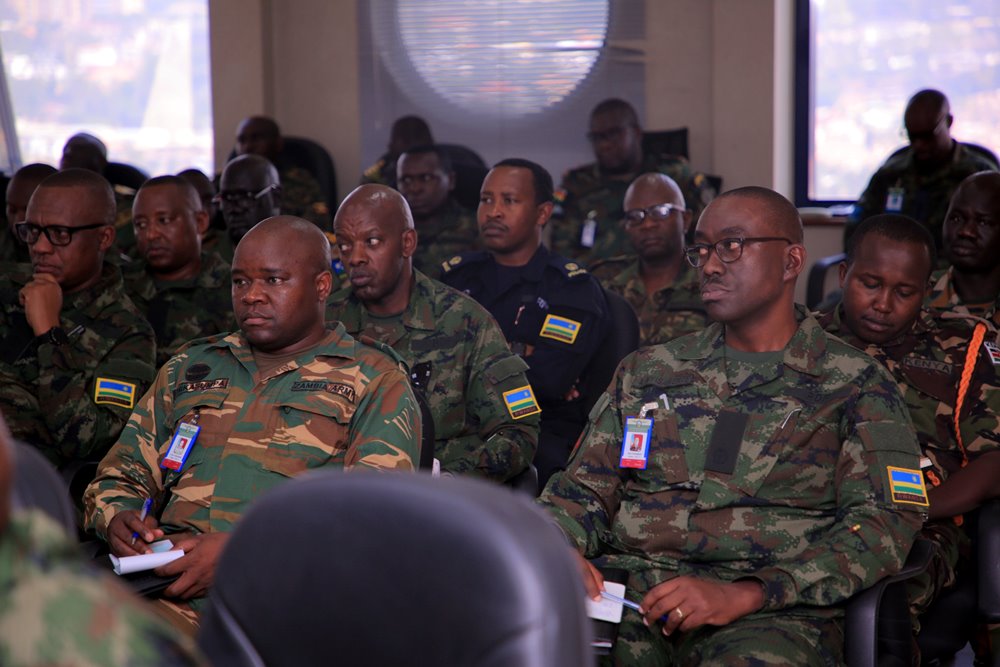
The purpose of this tour is to enhance students’ understanding of governance and policy issues and how they impact on military operating environment.
The Rwanda Defence Force Command and Staff College (RDFCSC) earmarked Rwanda’s health sector, for research in order to enhance students’ understanding of the general impact of this particular sector to national security.
This year’s theme is a “Resilient Healthcare System for Sustainable National Security and Development”.
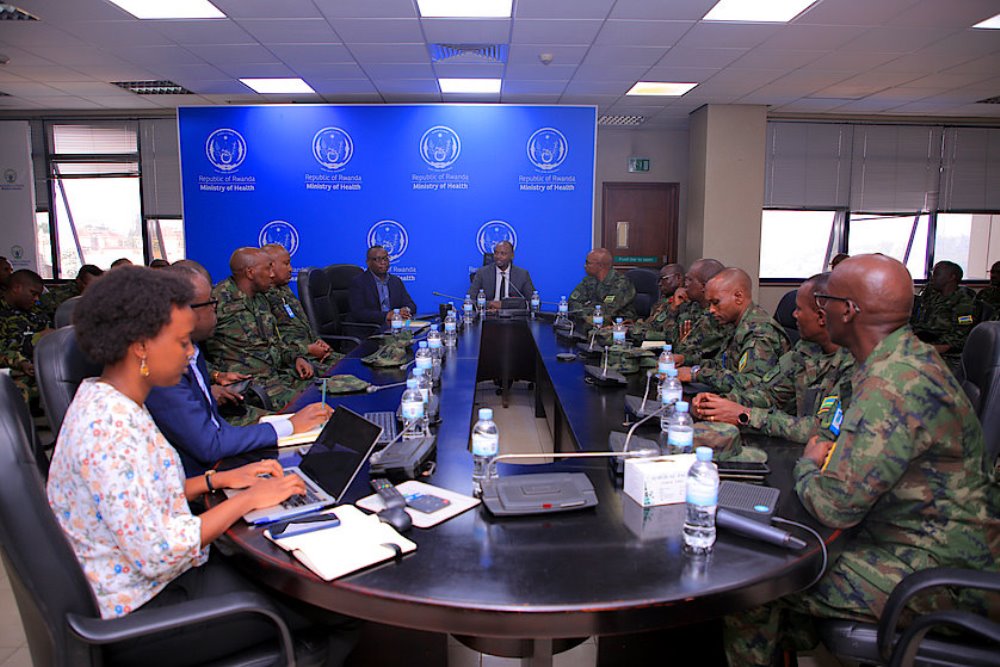
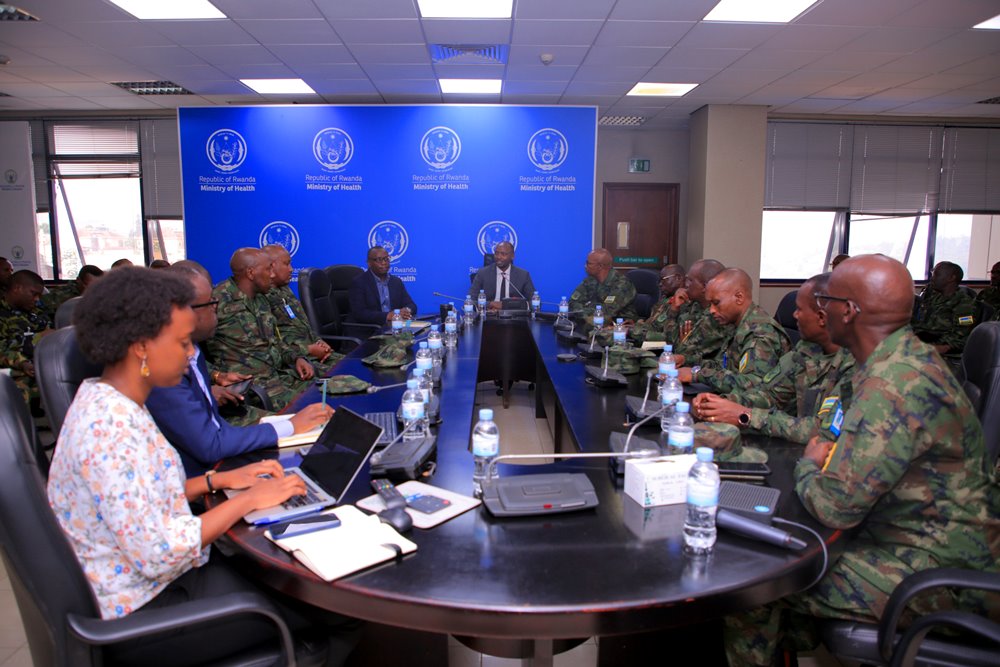
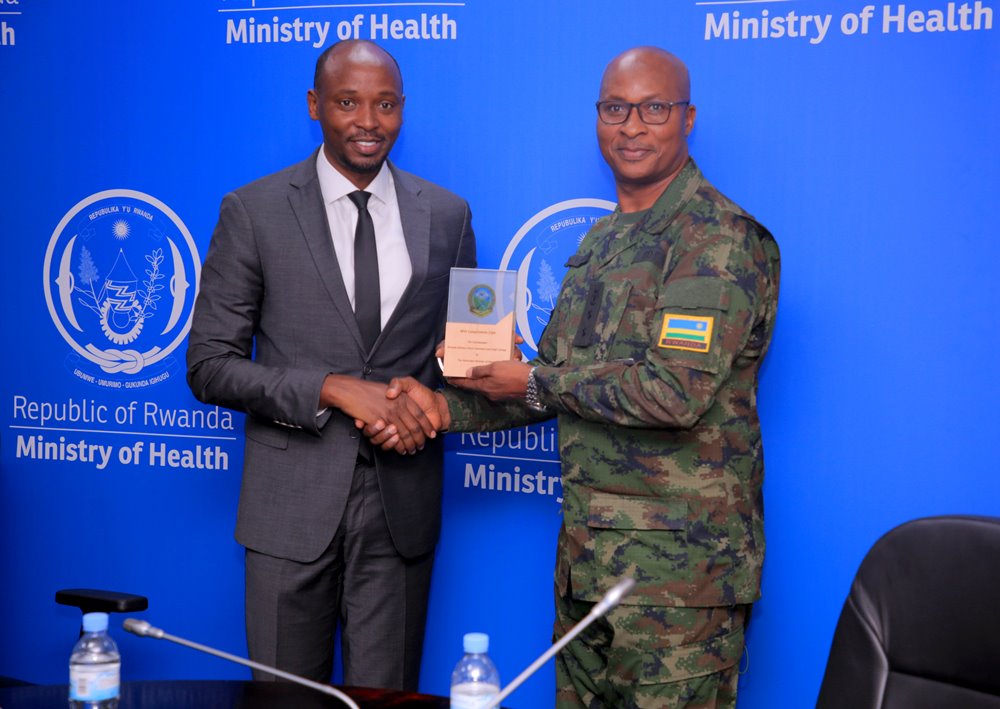
The national study tour commenced with a brief at the Ministry of Health in Kigali, where the Minister of Health, Dr. Sabin Nsanzimana and other officials from the ministry, briefed students on Rwanda’s Health Sector policies and Programmes.
After a central policy level briefing by the Minister of Health, the course divided into four teams to visit the 4 provinces and selected districts, namely: Burera and Musanze in the Northern Province, Nyagatare and Gatsibo in Eastern Province, Nyamagabe and Muhanga in Southern Province, Rubavu and Rutsiro in Western Province.