Bolsonaro’s legal team argued that the trial was marked by due process violations, including a lack of proper defense and reliance on what they called a flawed and contradictory plea bargain testimony. They also cited legal errors in how the charges were applied.
In September, the Supreme Federal Court ruled by a 4-1 vote that Bolsonaro had led a criminal organization seeking to keep him in power following his 2022 election defeat.
The former president was convicted of five charges: attempting a coup d’etat, violently seeking to abolish the democratic rule of law, leading an armed criminal organization, aggravated property damage, and destruction of protected historical heritage.
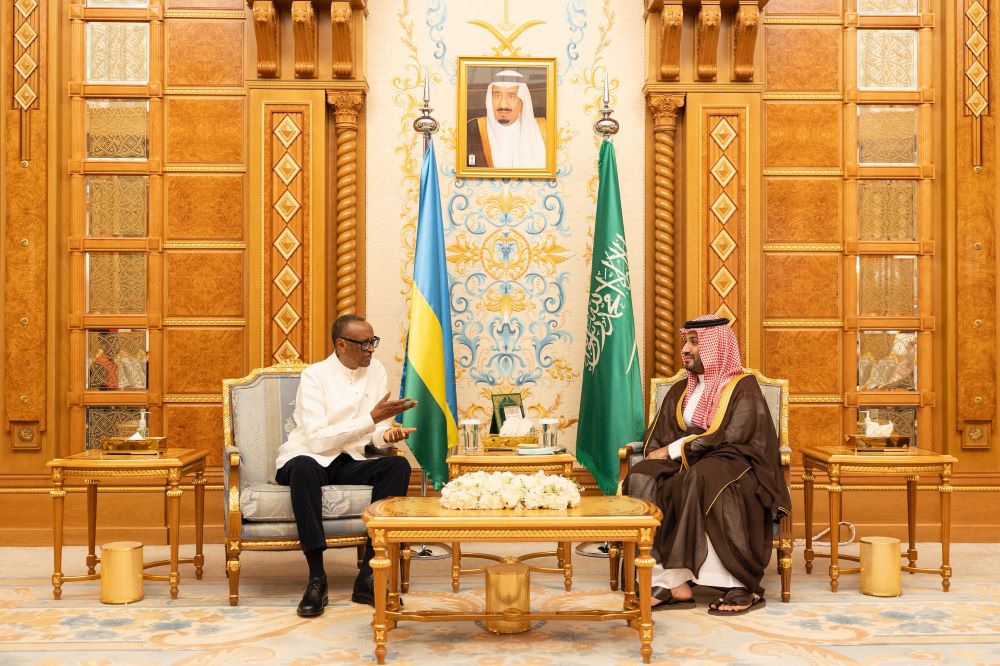
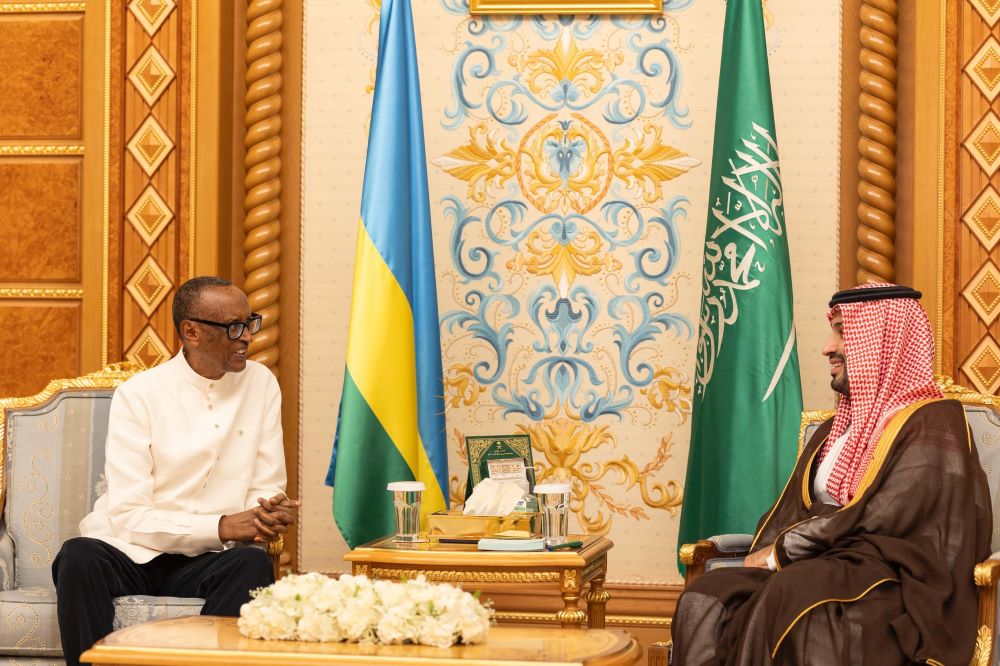
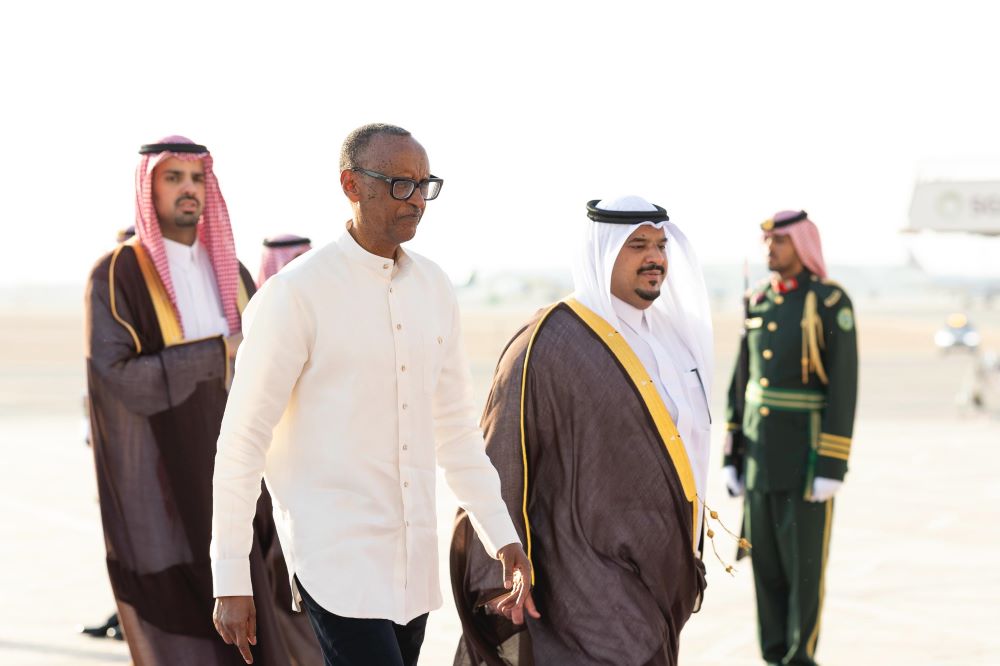
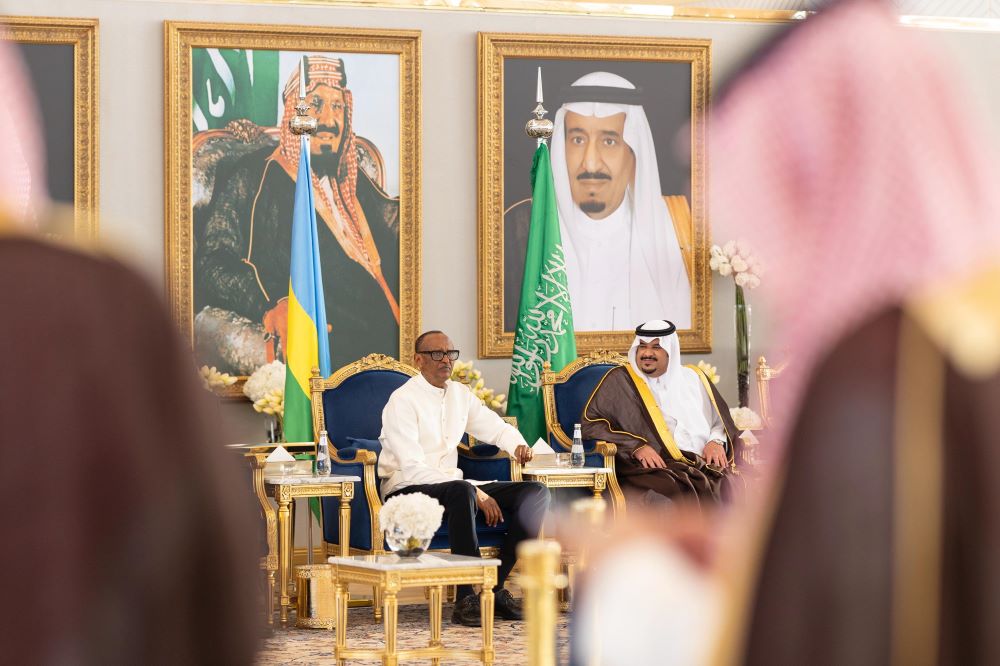
According to the Office of the President, Kagame began his visit with a bilateral meeting with Crown Prince Mohammed bin Salman.
The three-day event runs from October 27-30, 2025, under the theme, “The Key to Prosperity: Unlocking New Frontiers of Growth”.
The conference provides a platform for thoughtful debate and dialogue aimed at establishing a solutions-based narrative on the future of investment and policy.
On the first day of FII9, President Kagame is expected to participate in a Heads of State Conclave, probing the question, “What’s the true cost of economic security?”.
President Kagame, alongside Presidents of Guyana, Kosovo, Colombia, Bulgaria, Albania and the Premier of Bermuda, will discuss the current state of shifting trade pursuits, and the ways to safeguard national interests while preserving shared prosperity.
This discussion will be moderated by Matteo Renzi, Senator of the Italian Republic and Former Prime Minister of Italy.
President Kagame will also join a panel discussion questioning, “Is Humanity Heading in the Right Direction?”, alongside President Mohamed Irfaan Ali of Guyana, President Gustavo Petro of Colombia, Prime Minister Edi Rama of Albania, Prime Minister Muhammad Shahbaz Sharif of Pakistan, as well as Ray Dalio, Founder of Bridgewater Associates, and Gianni Infantino, President of FIFA.
The discussion will be moderated by Richard Attias, Chairman of the Executive Committee and Acting CEO of the Future Investment Initiative Institute.
FII Institute started in 2017 as an annual event bringing together stakeholders interested in investing in long-standing solutions to global challenges.
FII Institute has chosen four focus areas where inequalities are glaring, to work together on collective solutions; AI & Robotics, Education, Healthcare and Sustainability.
Saudi Arabia is a country in West Asia, located in the center of the Middle East.
Covering most of the Arabian Peninsula, it spans an area of approximately 2,150,000 km², making it the fifth-largest country in Asia, the largest in the Middle East, and the twelfth-largest in the world.
It is bordered by the Red Sea to the west, Jordan, Iraq, and Kuwait to the north, the Persian Gulf, Bahrain, Qatar, and the United Arab Emirates to the east, Oman to the southeast, and Yemen to the south.
Rwanda and Saudi Arabia already enjoy strong diplomatic and economic relations, with agreements in healthcare, education, energy, and infrastructure.
These reforms reflect the Government of Rwanda’s sustained commitment to building a competitive, transparent, and investor-friendly environment that fosters innovation, productivity, and sustainable development.
{{Transforming land management and urban planning}}
A major highlight among these reforms is the completion of the High-Resolution Topographic Mapping Project, initiated in 2021 and concluded in early 2025.
Led by the National Land Authority (NLA) in collaboration with the City of Kigali, MININFRA, and the Rwanda Transport Development Agency (RTDA), the project established Rwanda’s first set of highly accurate topographic maps.
These maps, developed using advanced technologies such as LiDAR, aerial photography, and satellite imagery, provide detailed representations of both natural and man-made features, including precise elevation data.
The initiative is expected to significantly improve long-term urban and infrastructure planning, particularly in the area of urban mobility, environmental management, and disaster preparedness.
Complementing this effort, the Building Permit Management and Information System (BPMIS) – KUBAKA Portal, launched in April 2025, modernizes the building permit application process, making it faster, transparent, and user-friendly for developers and local authorities.
{{Digital transformation in land and judicial systems}}
The National Land Authority (NLA) has launched several digital platforms aimed at enhancing transparency and efficiency in land management. One of these platforms is the upgraded Land Information Inquiry Portal, which offers faster access to land ownership details and classifications.
Additionally, the Land Application Tracking System enables applicants to follow their land transactions in real-time and collaborate seamlessly with authorities.
Another key initiative is the Rwanda Land Dashboard, which provides real-time, evidence-based data to support policymaking and ensure transparent decision-making.
Meanwhile, in the justice sector, the introduction of the Integrated Electronic Case Management System (IECMS Version 2) in April 2025 marked a major step in digital judicial reform.
The system enables coordination of all judicial service providers electronically, significantly reducing costs, saving time, and allowing virtual court proceedings.
Similarly, the Kigali International Arbitration Center (KIAC) rolled out an Online Case Management Software, digitizing arbitration services and enabling Virtual Arbitration, which promotes faster, paperless, and more efficient dispute resolution.
{{Strengthening intellectual property and trade facilitation}}
Rwanda also strengthened the protection of innovations through the new Intellectual Property Law, enacted in June 2024, aligning the country with international IP standards and providing stronger safeguards for creators and investors.
In a major trade facilitation reform, the requirement for export licenses was eliminated in 2025. Exporters now only need licenses if required by the importing country, significantly reducing bureaucratic procedures and improving competitiveness.
Additionally, the validity of permits for quality and safety issued by regulatory bodies such as the Rwanda Food and Drug Authority (FDA), Rwanda Inspection and Consumer Protection Authority (RICA), and Rwanda Standards Board (RSB) has been extended from one year to five years—a change that minimizes administrative costs and promotes business continuity. (This excludes pharmaceuticals, vaccines, and medical devices.)
{{Advancing service delivery and private sector efficiency}}
In May 2025, the Government introduced a Single Unified Portal for RSSB contributions and PAYE declarations for private sector entities. The system reduces the workload of filling multiple annexes and processes declarations for pension, medical, maternity, and tax contributions simultaneously, saving both time and resources.
To further reduce the cost of doing business, the Rwanda Standards Board (RSB) also eliminated service fees for Small and Medium Enterprises (SMEs) starting January 2025, boosting local enterprise competitiveness and supporting entrepreneurship.
{{Enhancing citizen services and utility access}}
Service delivery was further improved through the introduction of the Online Water Connection Service, launched in June 2025 by WASAC. The platform allows residents and property owners to apply for new water connections, upload documents, and track application status online, eliminating the need for in-person visits to branch offices and reducing processing time.
The 2025 reforms mark a new chapter in Rwanda’s reform journey—one focused on digital transformation, transparency, and efficiency. From land management to justice, trade, and service delivery, these initiatives collectively reinforce Rwanda’s vision of becoming a regional hub for investment, innovation, and sustainable growth.
By integrating technology, institutional reforms, and citizen-focused services, Rwanda continues to build a governance model that promotes trust, fosters entrepreneurship, and positions the country as one of Africa’s most forward-looking economies.
Among its achievements over the past century are more than 1,300 schools, including 853 nursery schools, 258 primary schools, 137 secondary schools, and three universities.
The church also takes pride in having established three hospitals, 18 health centers, hotels, business buildings, and other infrastructure that benefit the Rwandan community.
Archbishop Mbanda, who is in his final year of service, told IGIHE that he is grateful for how he has used the power God gave him to advance the Gospel in Rwanda.
“When I began, we had 1.2 million followers, that number has grown. During my time as Archbishop, we also established two new dioceses: Karongi and Nyaruguru. We thank God for that,” he said.
Archbishop Mbanda, who turned 71 on October 25, 2025, recalled that when he succeeded Rwaje, who had laid the foundation for the Gasabo Diocese, much still needed to be done.
He said that progress has been remarkable, from 2,903 congregants to more than 9,000 today.
“In Gasabo Diocese alone, we have built 22 well-constructed nursery schools and 14 modern churches. When I first came to Kibagabaga, it was hard to find a proper path or structure, but today we have a beautiful cathedral and the impressive Trinity Corner and Trinity Plaza, which generate income to sustain our mission,” he added.
Another milestone is the completion of the Anglican Church of Rwanda’s new headquarters in Kibagabaga, moving from its former location in Remera. The site also includes the Archbishop’s official residence, which, though he does not occupy it, generates 5 million Rwandan francs per month.
“In Kibagabaga, we now have two-story buildings. It’s a sign of growth in infrastructure, in the number of followers, and in the spread of the Gospel,” said Archbishop Mbanda.
{{Advancing healthcare}}
The Anglican Church of Rwanda operates three major hospitals: Gahini Hospital in Kayonza District, Shyira Hospital in Nyabihu District, and Kigeme Hospital in Nyamagabe District, in addition to various health centers and clinics.
Archbishop Mbanda highlights his involvement in the establishment of two health centers during his leadership, which continue to contribute to the improvement of Rwandans’ health.
{{Two of the three Anglican Universities founded under his leadership}}
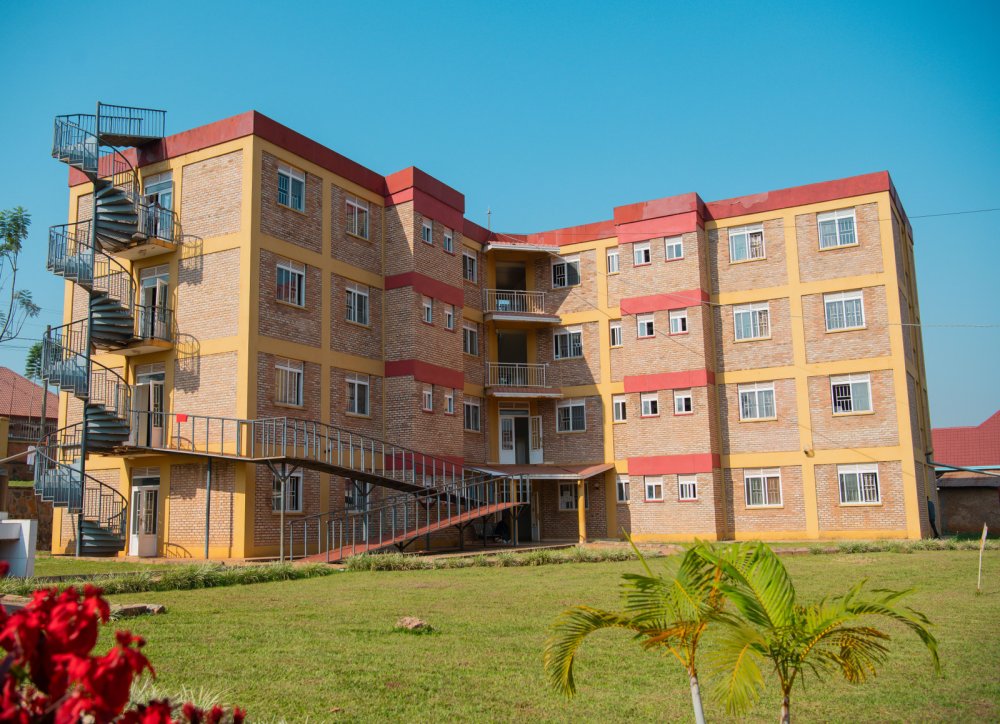
The Anglican Church of Rwanda has prioritized high-quality education. Today, it operates three universities, including Muhabura Integrated Polytechnic College in Musanze District, which opened in 2014 and currently has around 4,000 students.
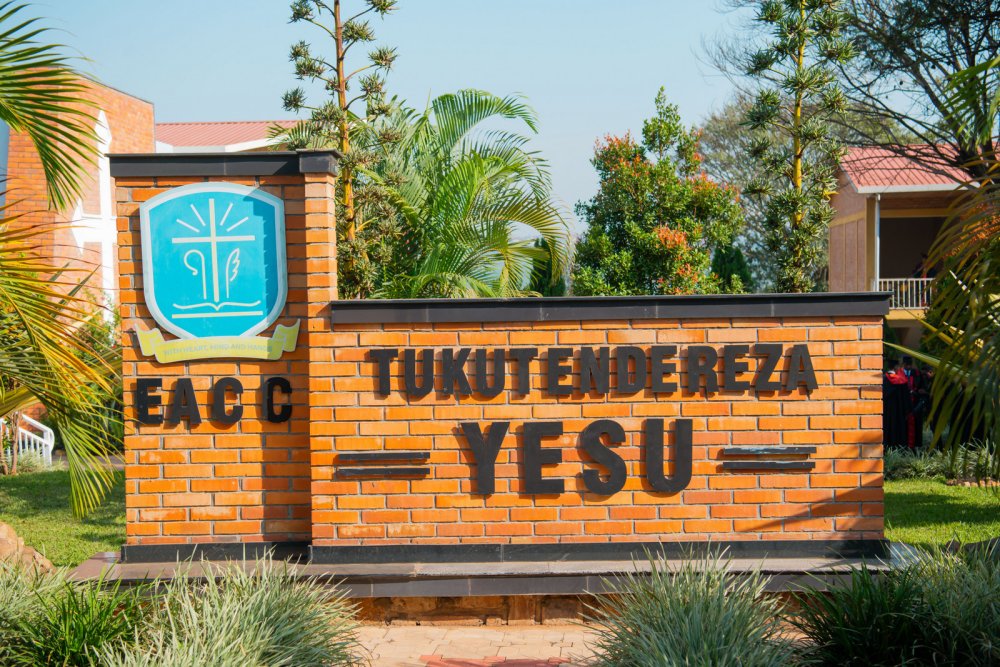
Other institutions include Hanika Anglican Integrated Polytechnic (HAIP) in the Southern Province, offering various programs up to Bachelor’s degree, and East African Christian College (EACC).
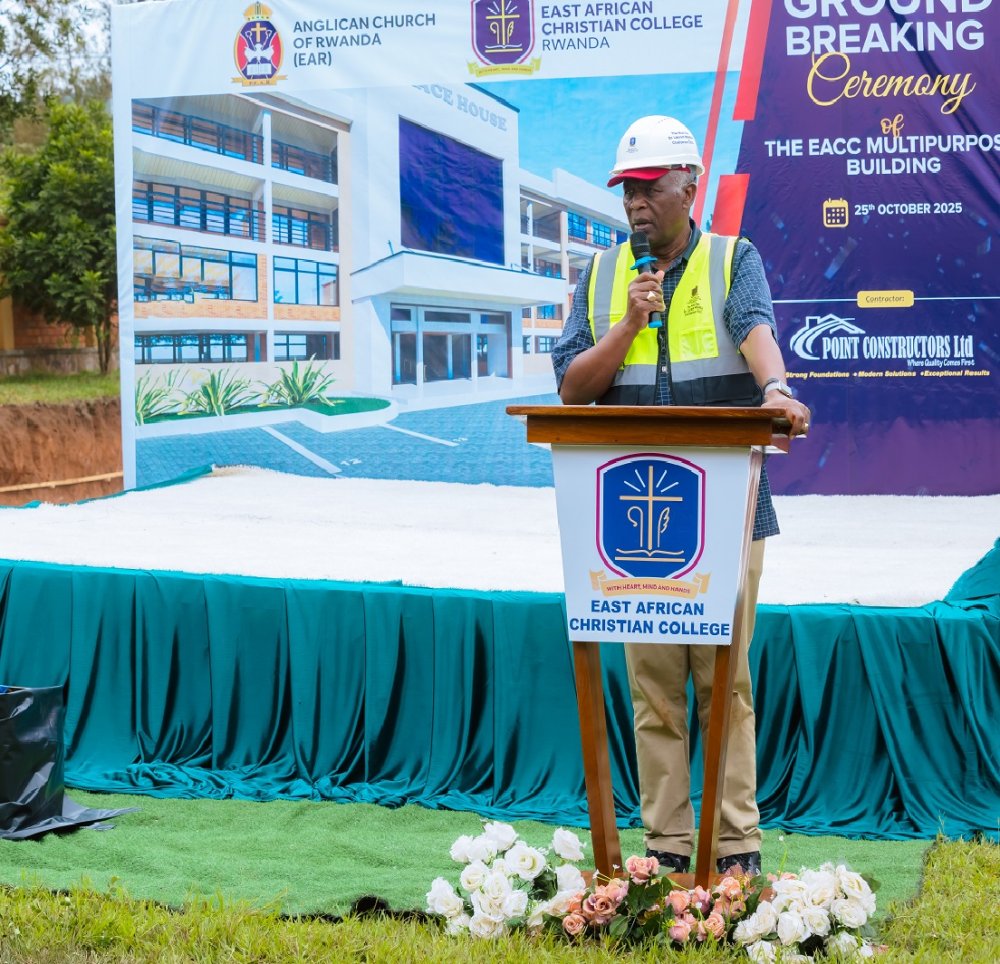
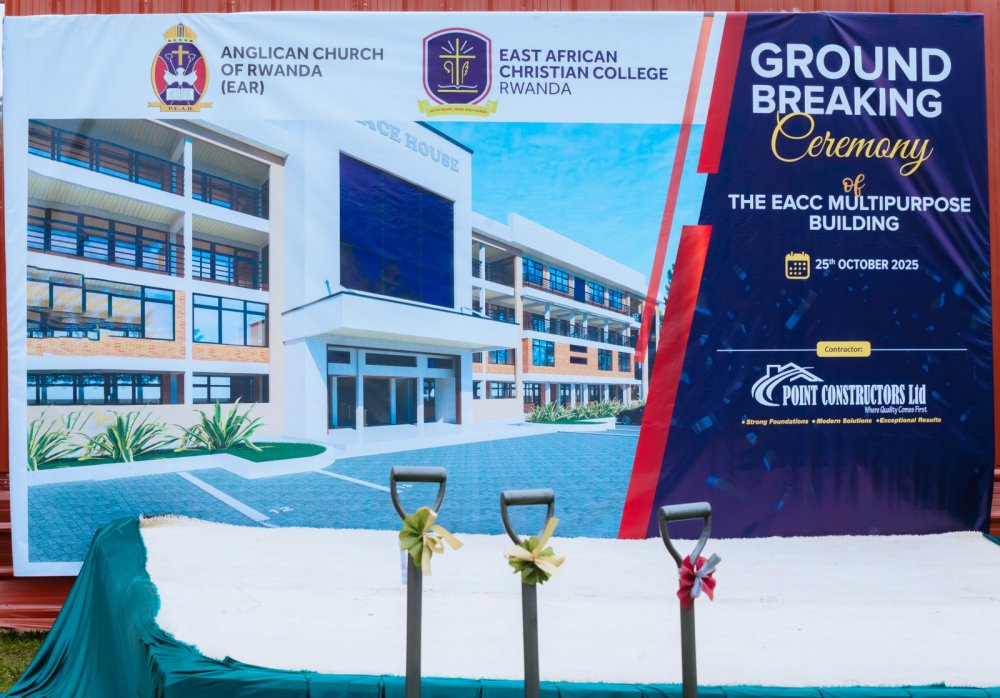
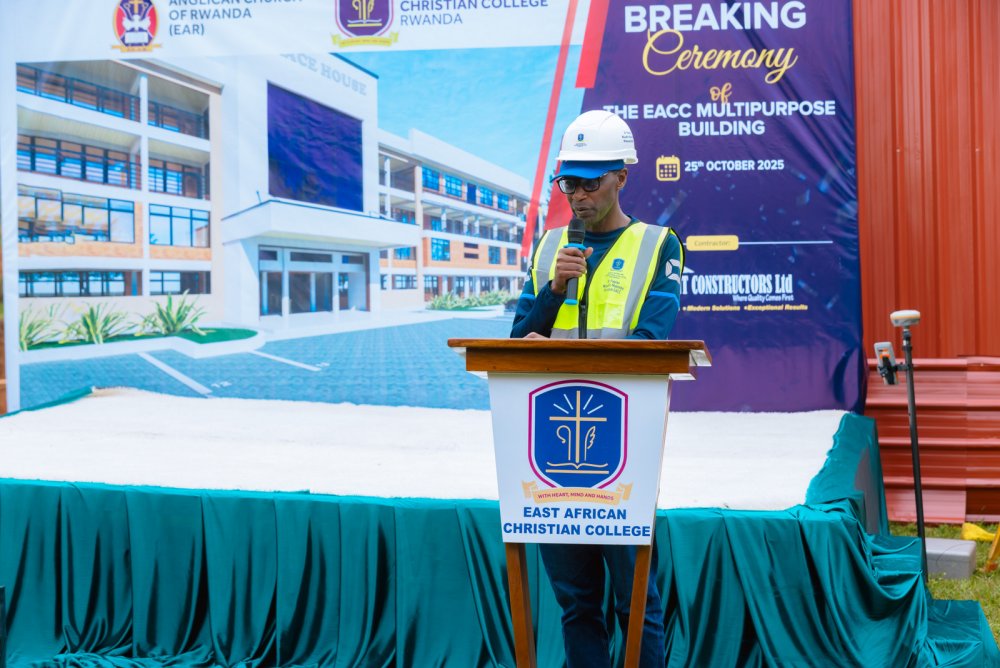
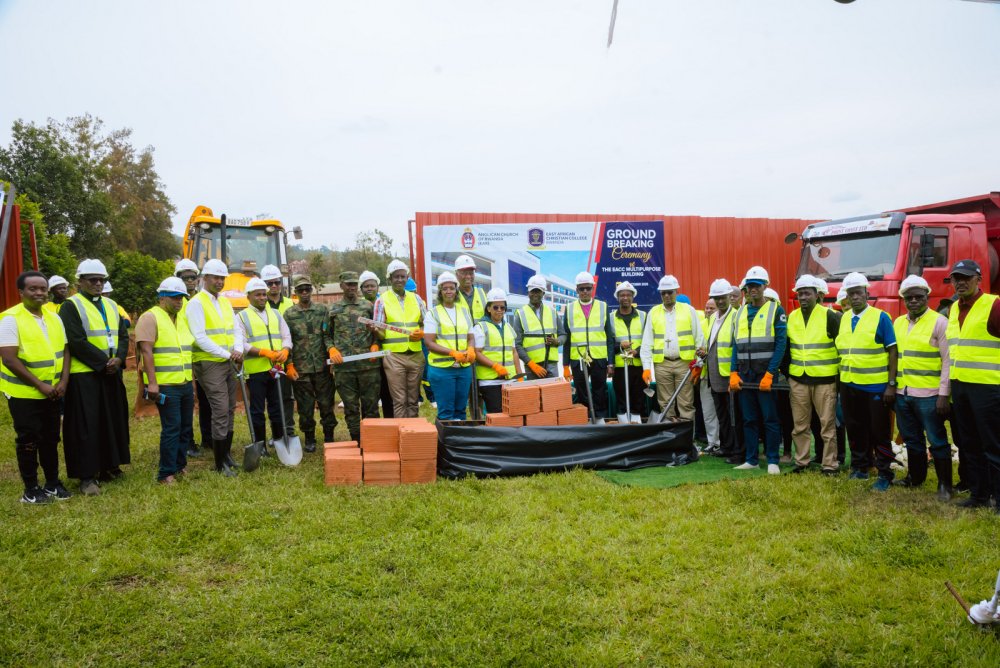
While launching business facilities at EACC, Archbishop Mbanda expressed his pride in having helped establish two of these universities: “By God’s grace, we have built excellent infrastructure and now seek the capacity to ensure their sustainability,” he said.
The new building at EACC will cost $1 million (over 1.4 billion Rwandan francs). It will include 16 classrooms, two large lecture halls for 160 students, 16 spaces for businesses, and 18 rooms for offices and storage, all to be completed within nine months.
Archbishop Mbanda mentioned that EACC’s initial goal was to have between 4,000 and 6,000 students by 2026, and they are already on track to reach 4,000 students.
“The academic programs we envisioned at that time, including business, theology, education, and medicine, are now in place and functioning. We also started a program to train early childhood education teachers, which has been successful. Our infrastructure plans have also come to fruition.”
EACC is led by Dr. Papias Musafiri Malimba, former Minister of Education in Rwanda. He shared that the university has plans to expand its capacity to 6,000 students, with plans to further develop the campus, including equipping the medical laboratory and increasing dormitory spaces.
“We plan to establish a model primary school. Today, we have a nursery school that will support our students studying education at the university. We are also seeking approval for eight new programs, five at the undergraduate level and three at master’s level,” he added.
{{28 years without support from Canterbury}}
For years, the Anglican Church of Rwanda, along with other GAFCON churches, followed Gospel principles distinct from the Church of England, particularly after Canterbury supported actions like blessing same-sex unions. This shift raised concerns about potential financial struggles, as it was believed Canterbury provided financial support.
When asked about how they would survive, Archbishop Mbanda responded: ” As far as I know, since 1997, we have not received any funding from Canterbury. The Anglican Church of Rwanda has reached a point where it must be self-sustaining, and that’s how it is.”
The Church headquarters is self-sustaining, and dioceses are reaching the same level of independence. That is why we encourage our congregants to work hard to support themselves. There’s no loss in what we have done.
This message extends even to non-Anglican Christians, as Archbishop Mbanda stated: “All Rwandans must work hard and support themselves rather than waiting for charity.”
When Archbishop Mbanda assumed his new responsibilities succeeding Onesphore Rwaje on January 17, 2018, the Anglican Church of Rwanda relied on small contributions from donors, typically around $4,000 or $3,000 at the national level.
“Today, we never rely on those small amounts. We now generate over 150 million Rwandan francs monthly through the infrastructure we have built. For example, the EACC university generates over 200 million Rwandan francs, which can help support its mission.”
The initiative was first introduced and implemented at Majete Wildlife Reserve, located about 70 km south of the commercial city of Blantyre.
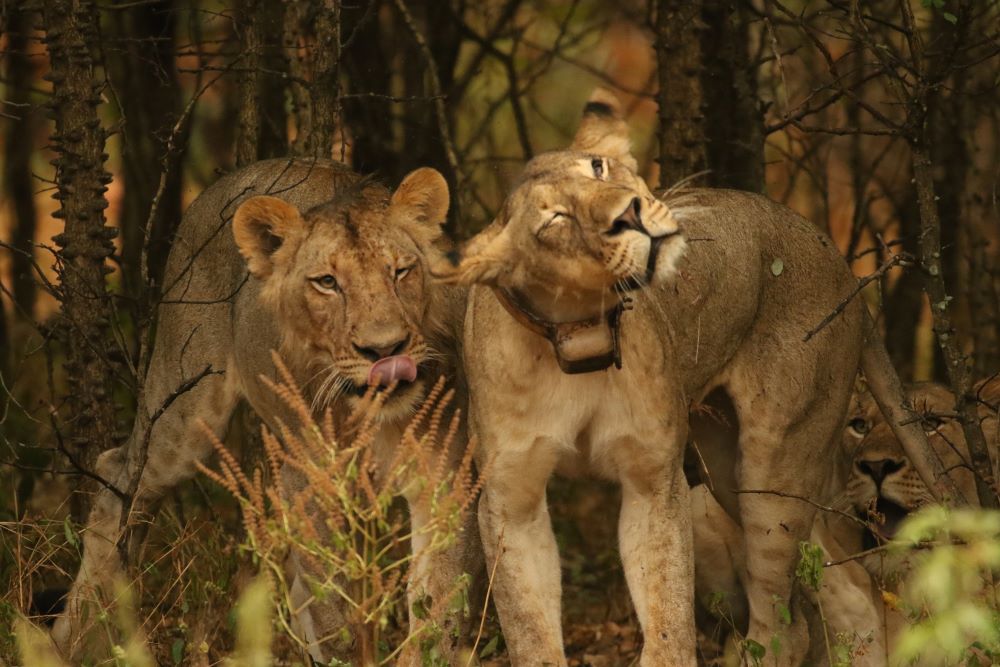
Brighton Kumchedwa, director of the DNPW, told Xinhua in a phone interview Friday that the lion population at Majete and Liwonde wildlife reserves has increased significantly.
He said the reserves’ carrying capacity is being exceeded, with lions frequently breaking through the fence and entering surrounding communities.
“This has negatively impacted biodiversity, causing a decline in antelope populations due to increased predation. The contraceptives are seen as a temporary measure to manage the population surge,” said Kumchedwa.
He added that the effects of the contraceptives are expected to last for about five years, after which the lions’ reproductive systems will return to active mode. Alternative solutions are being explored for the long-term management of the lion population.
Malawi has recorded a significant number of human-wildlife conflicts, involving animals such as hippos, crocodiles, buffaloes, and hyenas, which have resulted in the deaths of 19 people and left several others injured between January and October 2025.
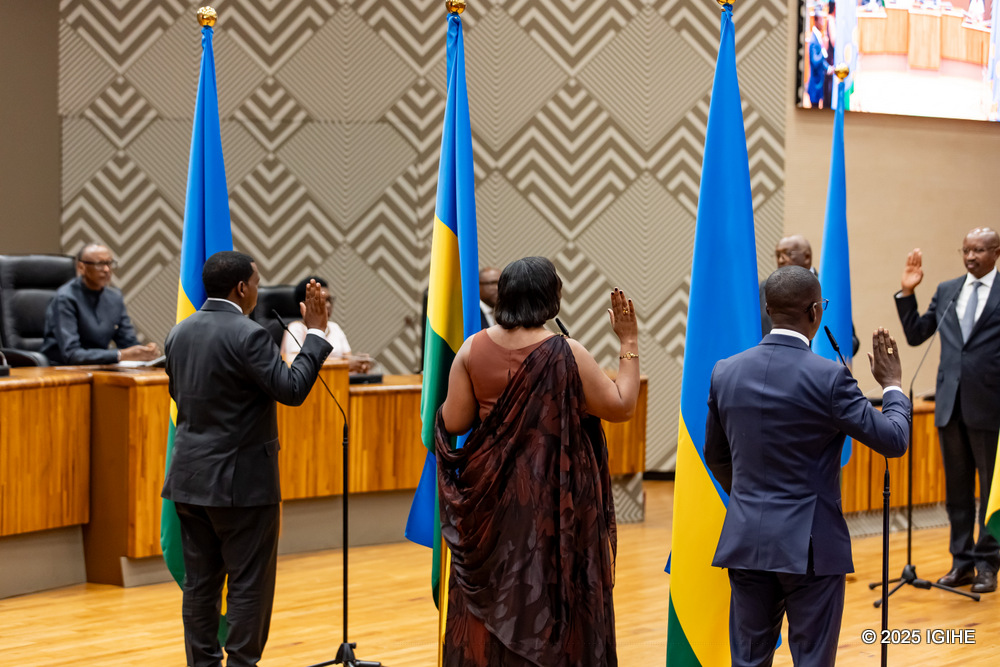
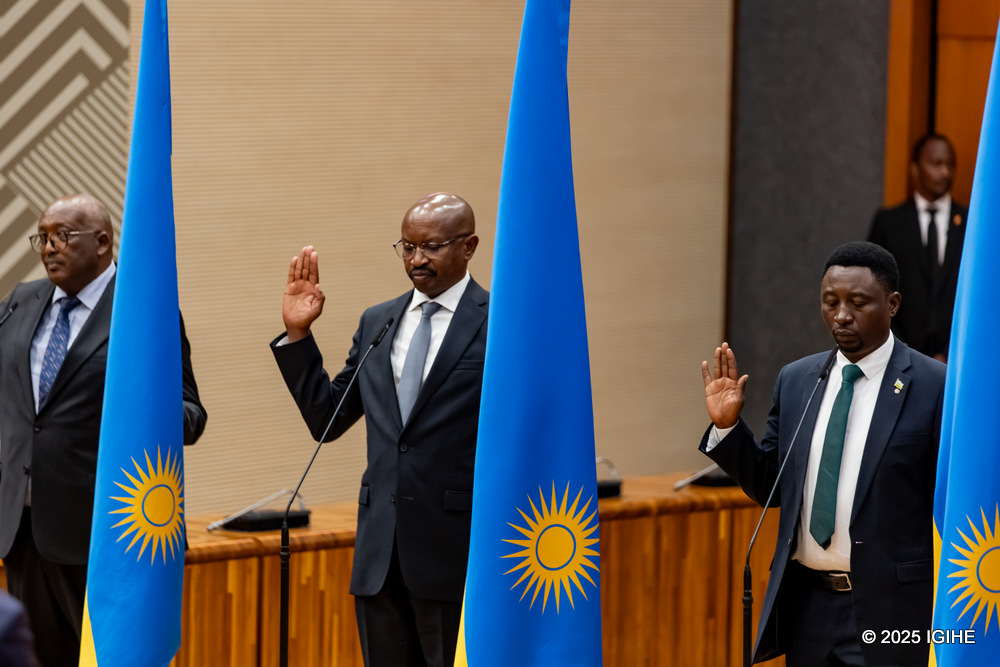
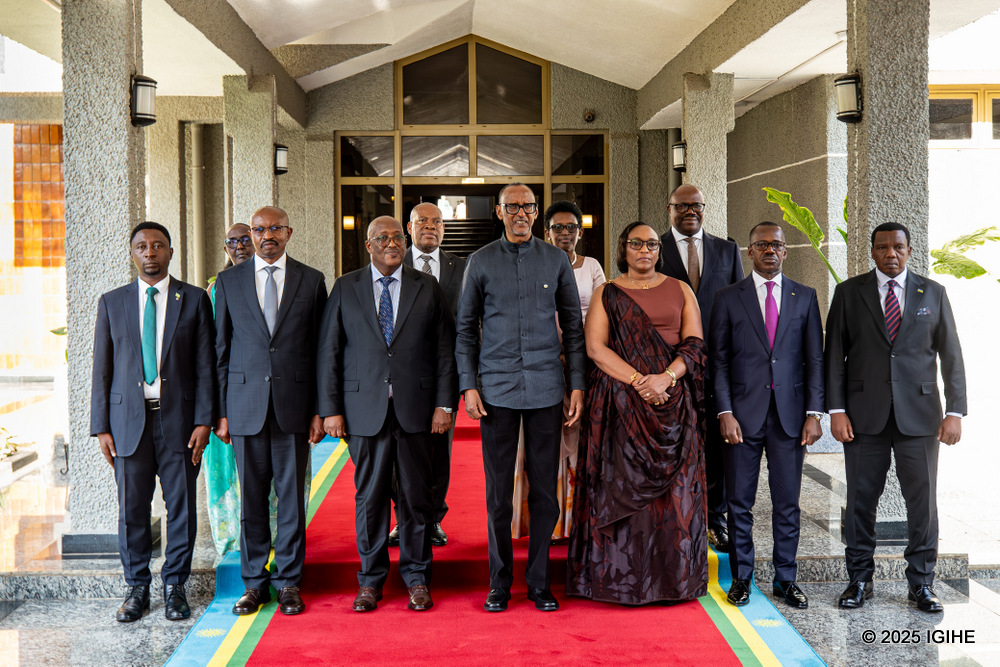
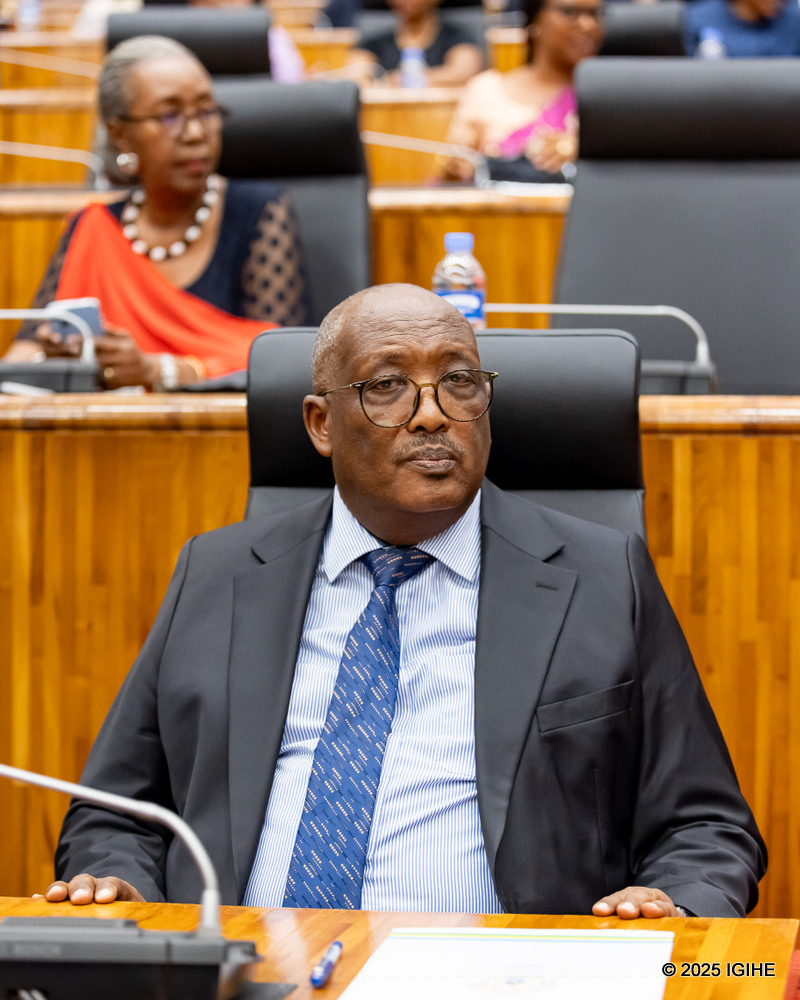
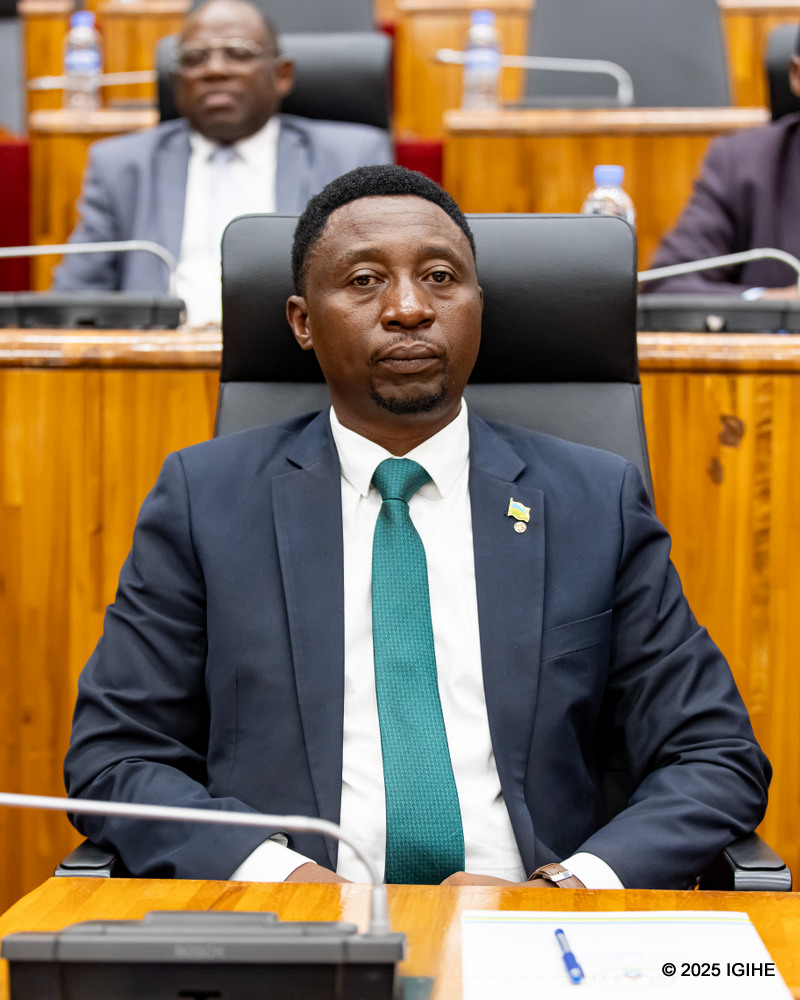
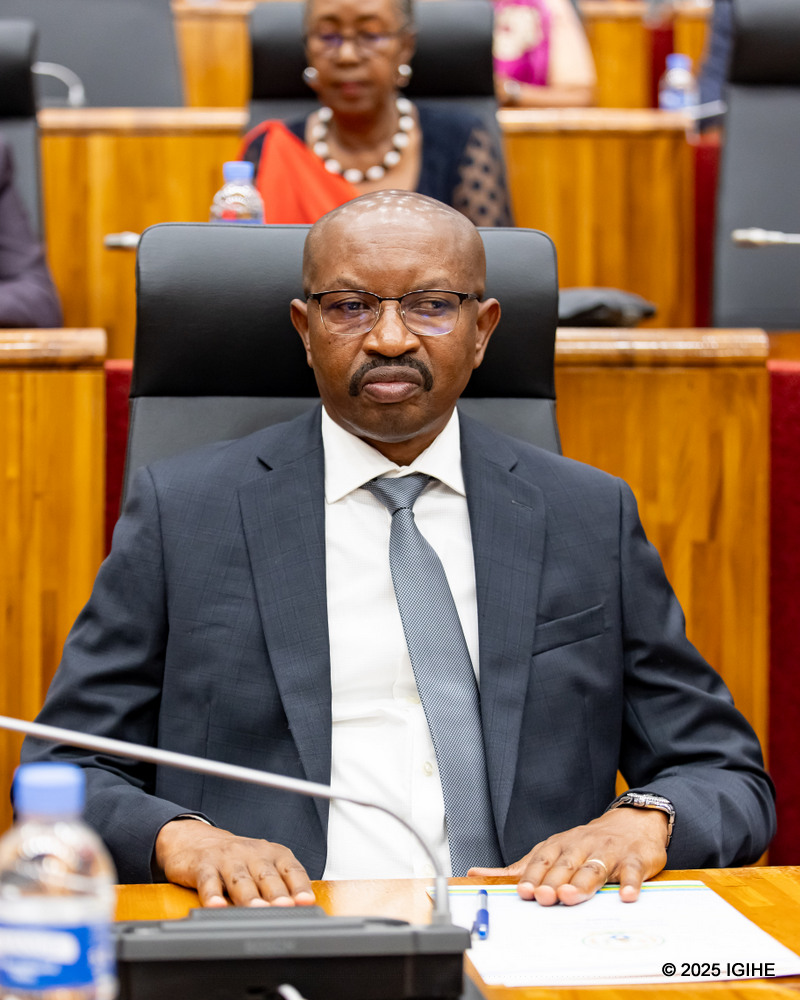
Among them are two appointed by President Paul Kagame: Dr. Uwamariya Valentine and Gasana Alfred, as well as two elected by political parties; Dr. Frank Habineza, president of the Green Party, and Nkubana Alphonse, president of the PSP party focused on social welfare and development. They join Evode Uwizeyimana and Prof. Dusingizemungu Jean Pierre who are beginning their second term after reappointment.
After the swearing-in of the six senators, the Senate of Rwanda now comprises 26 senators, including 13 women and 13 men, which represents 50% women, reinforcing the principle of gender equality.
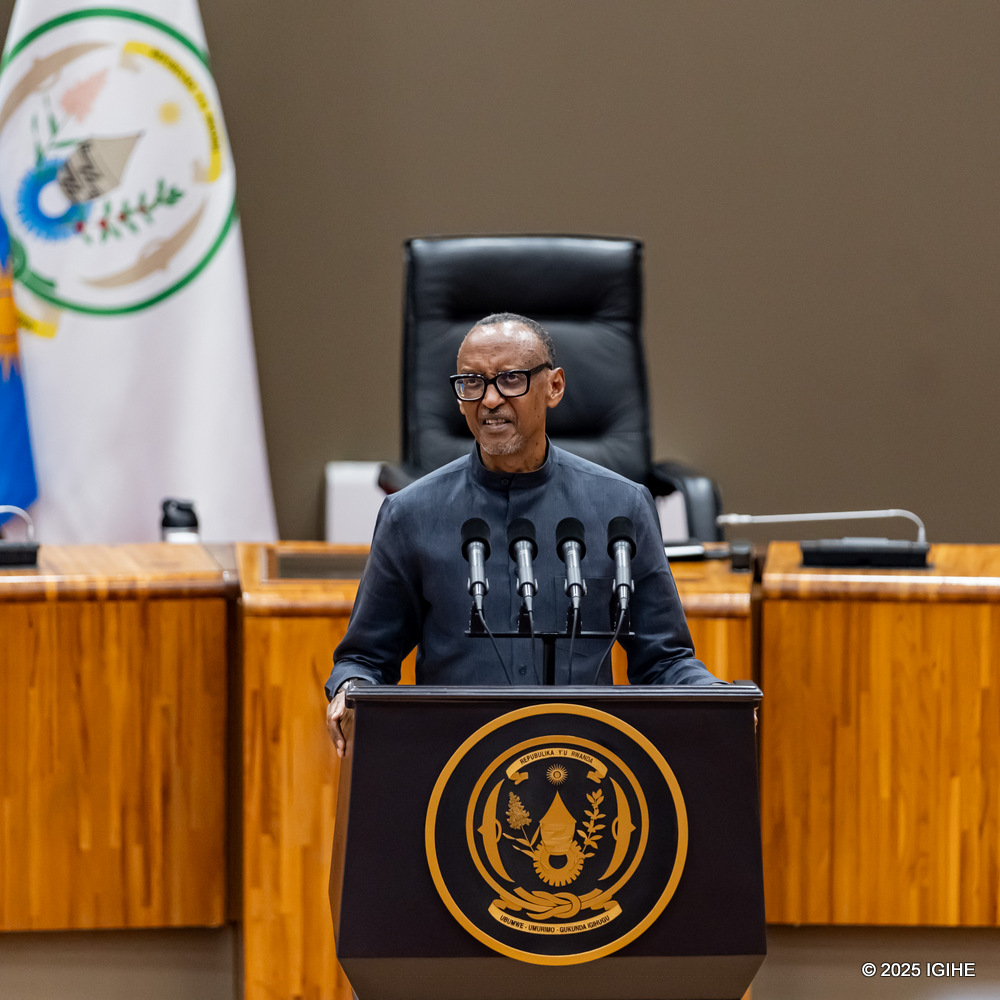
President Kagame reminded them of their heavy responsibilities where Rwandans expect much greater than the country’s resources, emphasizing the need to strive for excellence in their work.
“The Senate allows government institutions to direct their efforts appropriately and conducts necessary evaluations to ensure that all institutions remain aligned. It is your duty to align the country’s long-term goals with the daily lives of Rwandans,” he said.
He continued, “It is crucial that decisions made reflect the needs of Rwandans and provide solutions to the problems they face.”
{{Pledge to serve citizens’ interests}}
Dr. Uwamariya Valentine, who has been appointed as a senator, has held various positions, including Minister of Education and Minister of Environment, among other roles.
In an interview with IGIHE, she expressed her gratitude for President Kagame’s continued trust in her, which reinforces the expectation of positive results.
She said, “I am very grateful because the Head of State has placed his trust in me more times than I can count. I would say he still expects a lot from me. I was very happy when he appointed me, but once everything settles down, you sit and think, ‘What is expected of me?’ You feel grateful and immediately think about what you are going to do for Rwandans and Rwanda. To repay that trust is to work well.”
She mentioned that she is ready to implement the duties of the legislative body, including overseeing government activities, passing laws to address citizens’ problems, engaging in debates, and attending consultations.
Dr. Uwamariya said, “It’s about working together. From where I come from, I believe it won’t be hard to oversee because you are aware of the challenges. We have a unique country, with a unique history, and our approach must be distinct. There is oversight and consultations, and the President has asked us to work in an extraordinary way, focusing on the country’s development and the progress of its people.”
She emphasized the readiness to collaborate with her colleagues, working towards a common goal and following the country’s vision.
Amb. Alfred Gasana, who has previously served as Minister of Internal Security and as Rwanda’s Ambassador to the Netherlands, also expressed his gratitude for the trust placed in him by President Kagame.
He said, “I deeply thank the President for trusting me once again by appointing me as a senator. It’s a great honor. To repay him is to work with all my intelligence, heart, and strength. The President reminded us to implement the duties entrusted to us. I promise not to disappoint him, and I assure Rwandans the same.”
Amb. Gasana stated that, regarding the responsibilities they are about to undertake, they will focus on the welfare of the citizens.
Alphonse Nkubana, who was appointed a senator, said, “We are happy to have been given these new responsibilities, and the President has made it clear that we must work according to the wishes of the people. We are here, with strength and wisdom.”
Dr. Frank Habineza, who has previously served as a Member of Parliament, expressed that he would continue his duties of overseeing government activities, assuring that he would continue to advocate for the people.
He said, “I am happy to continue serving in the legislative body. We deeply appreciate the President for the trust he has placed in us, and the legislature’s role is to represent the people of Rwanda.”
He added, “I believe you will see me as I was in Parliament. It depends on the duties of the Senate, but it still has the responsibility to speak on behalf of the people, visit them, and when they raise concerns to us, we must find solutions. We will continue to advocate for them even more effectively.”
The new senators’ term will end in October 2030, while 20 others will finish theirs in 2029.
A senator’s term usually lasts for five years, renewable once.
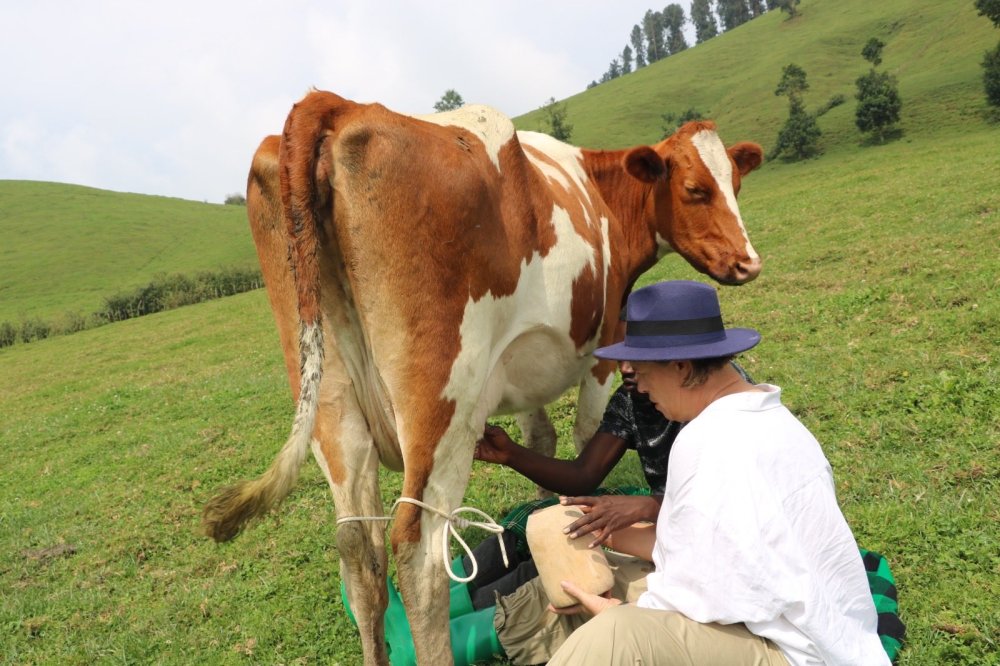
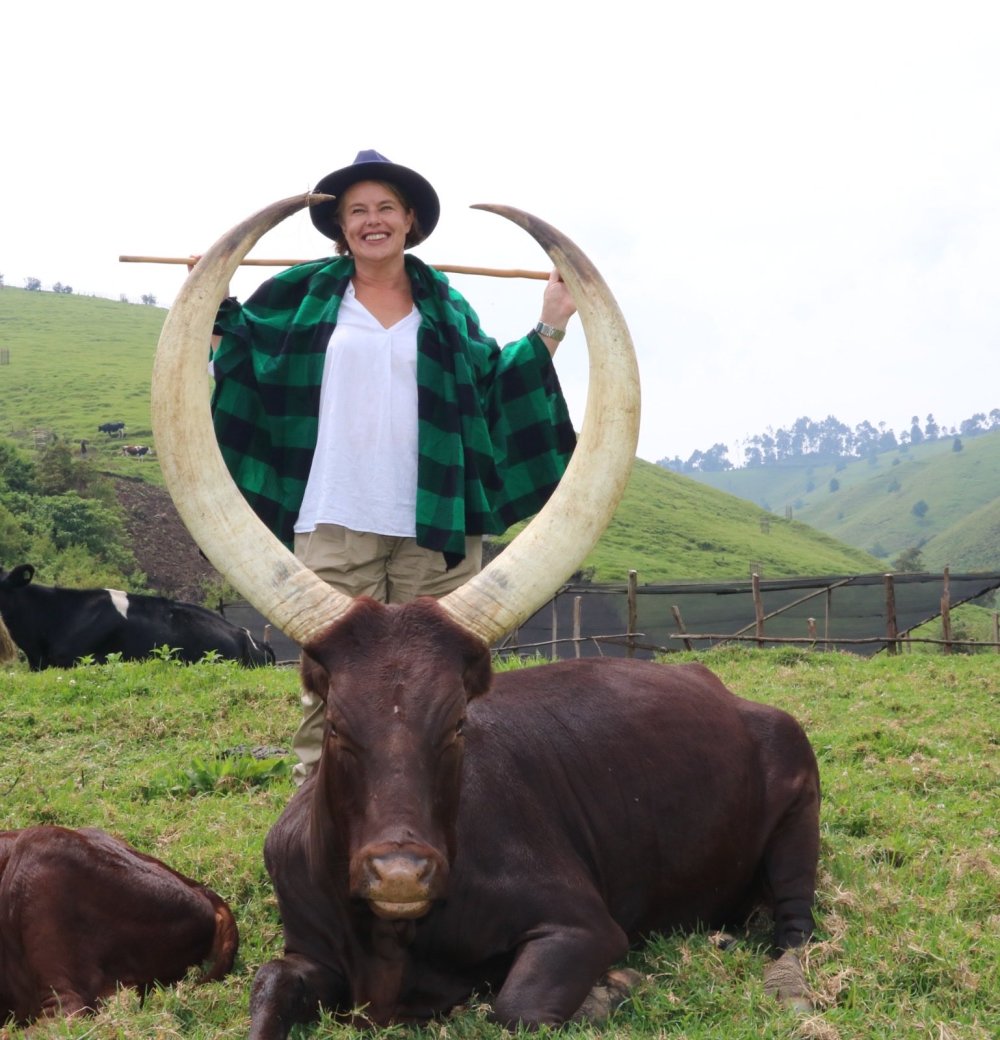
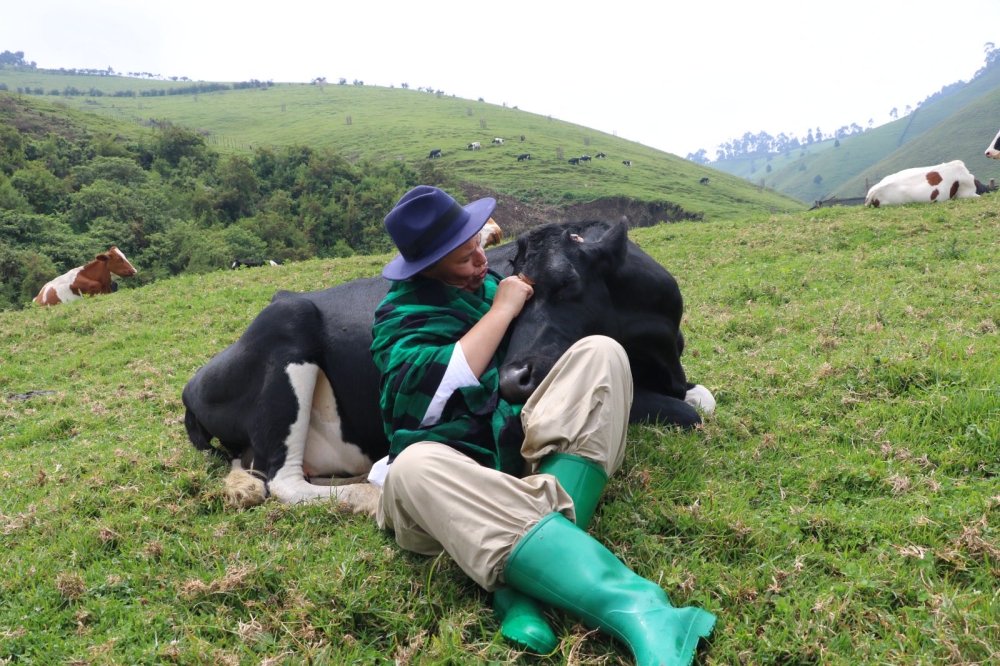
Ambassador Thorpe shared that while traveling to Gisenyi for the Commonwealth Games’ King’s Baton Relay, she stopped for a brief moment in Bigogwe, where she successfully milked a cow for the first time.
Bigogwe is located in the western part of Rwanda, in the Nyabihu District. It is a well-known area for cattle farming and the high-quality pasture found on its hills.
This journey gives visitors the opportunity to learn more about the importance of cows in Rwandan culture.
Traditionally, farmers explain that cows are not just a source of milk, but also a symbol of wealth, unity, and value among the people. In Rwandan culture, giving a cow to someone is a strong sign of love and partnership.
Visitors to Bigogwe often participate in milking cows. For someone doing it for the first time, it is not as easy as it looks, but they gain essential skills and knowledge.
Ambassador Thorpe shared her experience on social media, posting photos from her time in Bigogwe. She expressed her happiness about milking the cow for the first time, despite the difficulty she faced.
“On my journey to Gisenyi for the King’s Baton Relay of the Commonwealth Games, I stopped in Bigogwe to try milking a cow for the first time. There was more milk on my pants than in the bucket! It was fun, and I learned a lot about the importance of cows in Rwandan culture,” she said.
Ngabo Karegeya, the founder of “Ibere rya Bigogwe,” who started cow based tourism activities in the area, is known on social media for helping people visit cattle farms and promoting livestock farming.
Karegeya explains that his passion for cattle comes from his mother, who raised him around cows, feeding him milk, and forming a close bond with them.
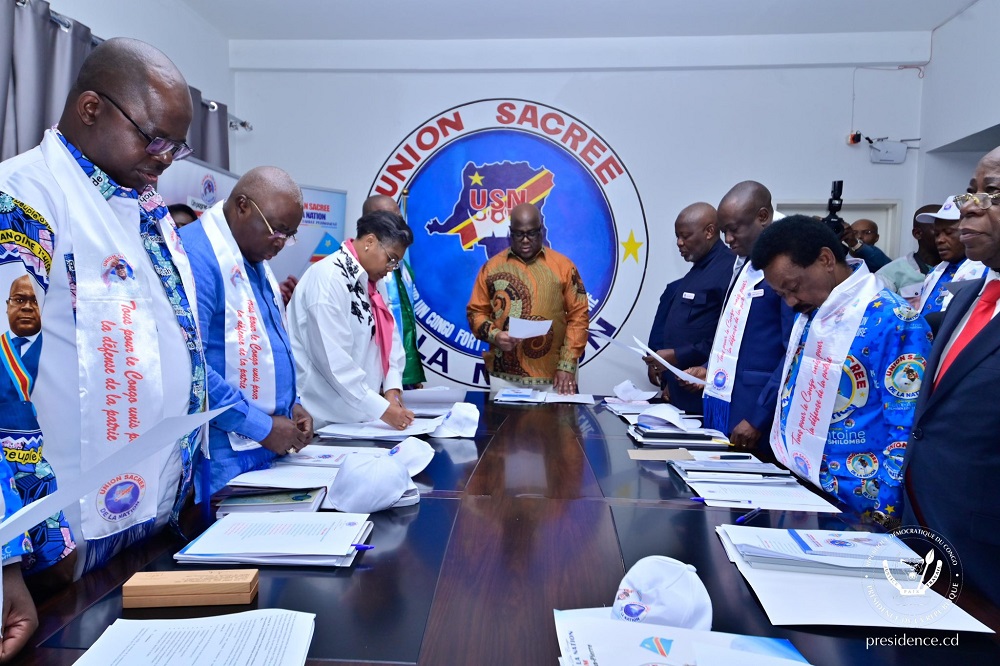
Kamerhe resigned from this position on September 22, 2025, following pressure from members of the National Assembly who accused him of mismanaging funds and undermining the credibility of the legislative body.
It was expected that the person replacing Kamerhe would come from his party, the UNC, in accordance with the agreement within the Union Sacrée. However, it appears that many politicians, including some long-time members of DRC politics, are vying for this position.
Among the candidates is one from the UNC party, two from Tshisekedi’s UDPS party, and one from each of the other parties within the Union Sacrée.
On October 22, Willy Buhini Mishiki, from the PEP AAP party, opposed the idea of replacing Kamerhe with a member of his own party, arguing that such a move is not in line with democratic principles.
“The Union Sacrée does not have representatives in the National Assembly. Therefore, there is no reason to appoint a single candidate,” he said.
Among the candidates is Christophe Mboso N’Kodia, who served as the President of the National Assembly from 2021 to 2024 and is currently the Second Vice President of the Assembly.
Mboso has expressed his belief that he is the best candidate to lead the Assembly, based on his experience in the institution and in the country’s politics.
President Tshisekedi’s decision as leader of the Union Sacrée could determine who will represent the alliance in this competition, with the potential for the candidate to win.
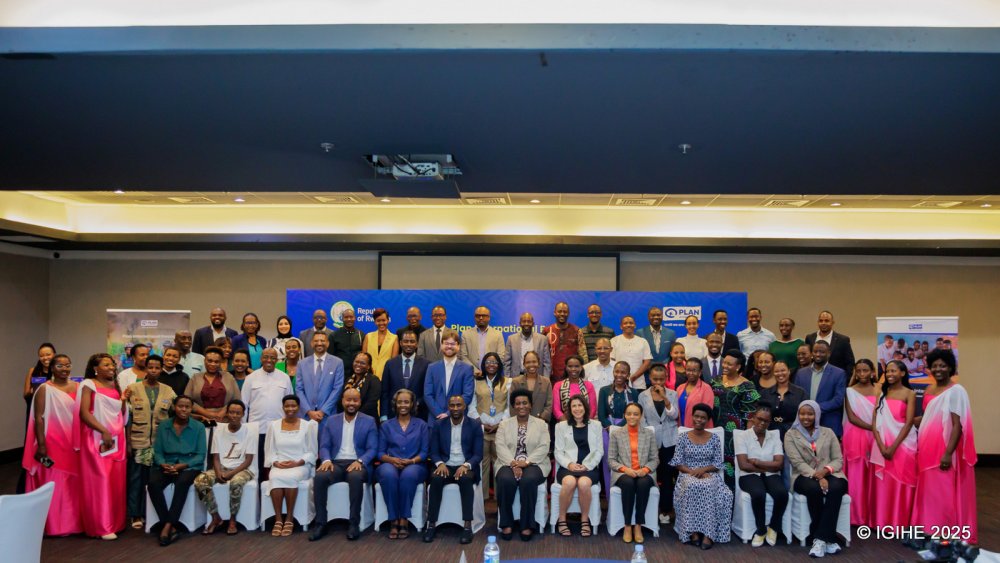
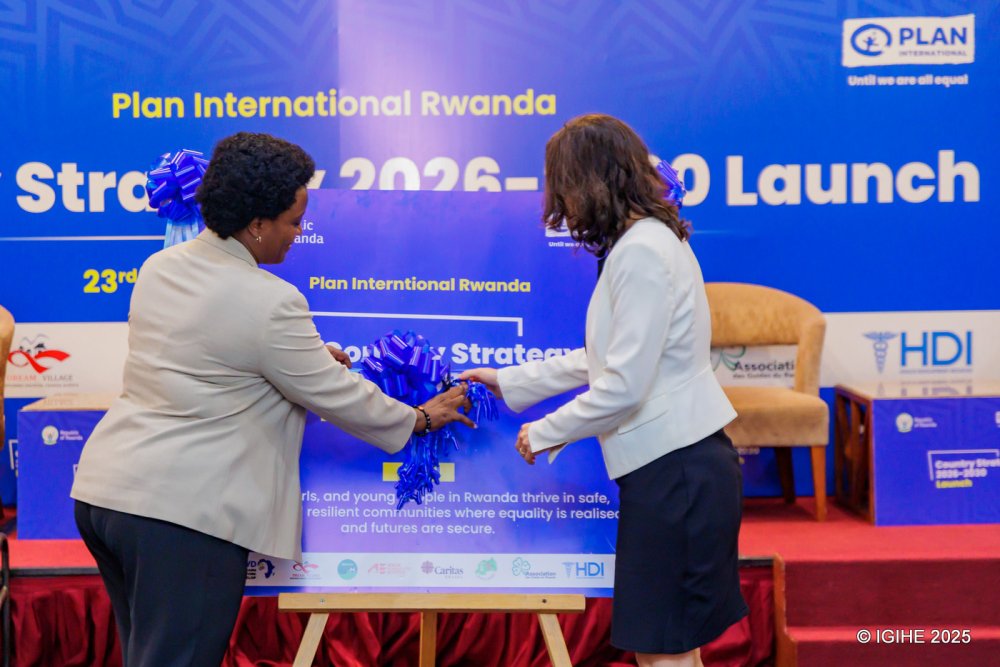
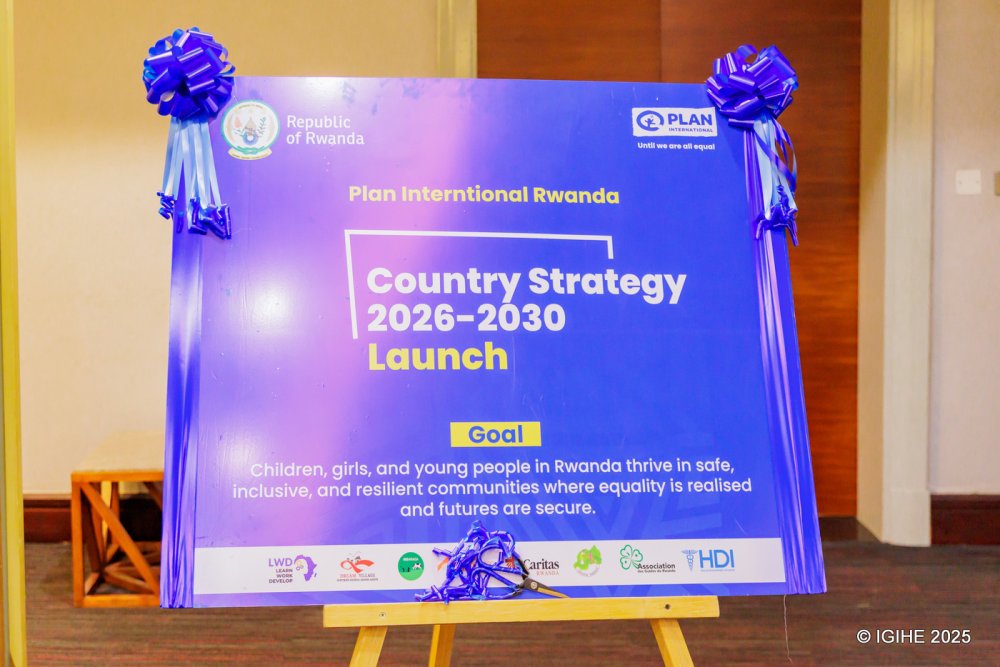
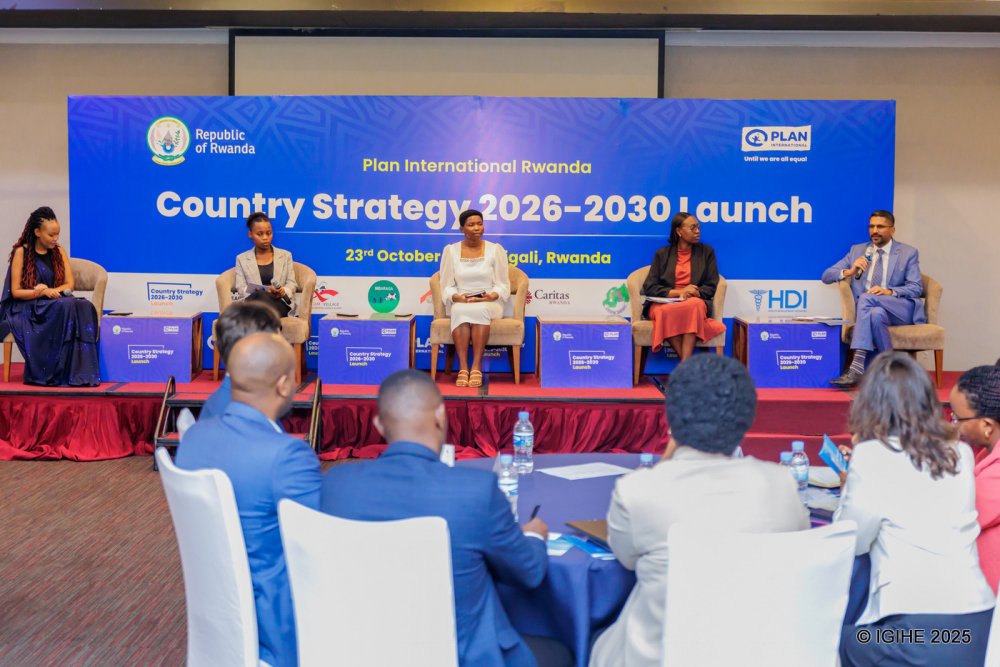
The disclosure was made on October 23, 2025, during a presentation of their five-year strategic plan, which will be implemented from 2026 to 2030, in partnership with other stakeholders.
The strategy will focus on the organization’s activities, centered around two main pillars: creating job opportunities, building skills, and improving the well-being of youth and families.
Another pillar of the strategy is ensuring a better future through child development and sexual and reproductive health.
A significant addition to this plan is Plan International’s focus on promoting technology in its work and increasing collaboration with local authorities and non-governmental organizations across Rwanda.
Additionally, over the next five years, the number of districts where Plan International operates will increase from three to ten.
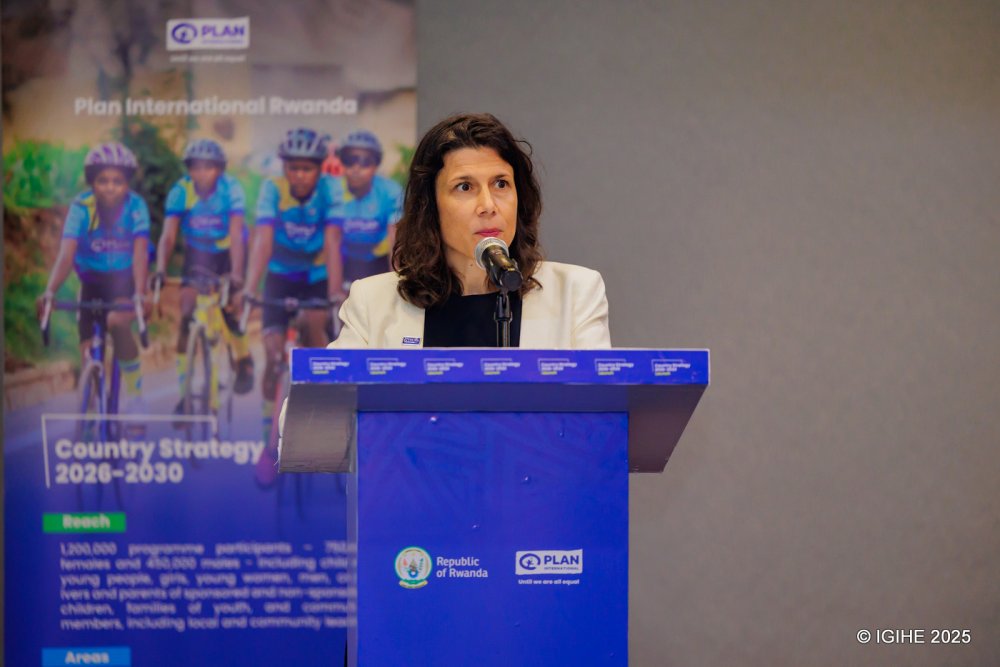
The Country Director of Plan International Rwanda, Emilie Fernandes, explained that the expansion was aligned with the country’s vision for development, and the organization wanted to contribute more actively.
“The Rwandan government has excellent programs for improving the well-being of children and youth, and we are here to support these efforts along with our partners. We have seen a decline in poverty, teenage pregnancies, and malnutrition among children, but there are still gaps to address,” she said.
She continued, “We are focusing on addressing these gaps, especially for young mothers, children with disabilities, refugees, and those seeking employment.”
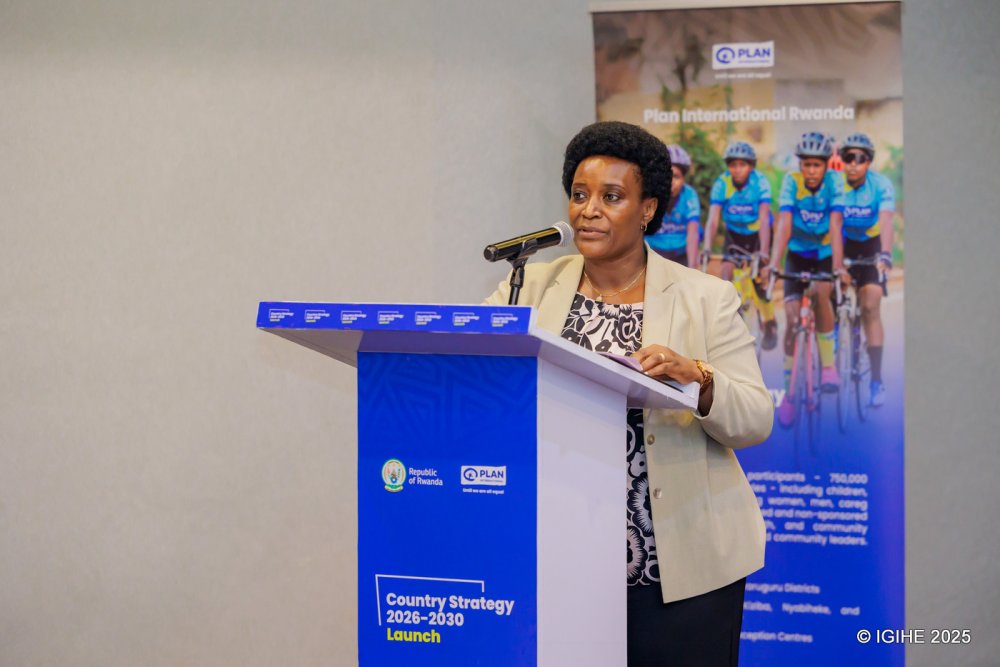
Minister for Gender and Family Promotion, Uwimana Consolée, praised Plan International’s contribution, stating that its programs in Rwanda align well with the country’s development goals, especially in accelerating development and meeting the first phase of the Vision 2050 goals.
She stated, “You have helped us protect children, promote gender equality, and advance family development in our country. Your focus on driving positive change in society, working with youth, and fostering innovation in technology is well aligned with Rwanda’s vision. This contributes significantly to changing mindsets, empowering youth, and building strong families.”
Kamabonwa Prudencienne, who works with the Guides Association in Rwanda, shared how the collaboration with Plan International has taught youth in Nyaruguru and Gatsibo to avoid unintended pregnancies.
Meanwhile, Mukantwali Alphoncine, a representative of daycare providers in the Kamabuye sector of Bugesera district, noted that Plan International helped reach 800 children attending daycare centers, with 30 of them overcoming malnutrition, leaving no one in that category.
In its 2020-2025 strategy, Plan International Rwanda reached 770,474 beneficiaries, including 400,000 girls and 302,948 boys.
Over the next five years, Plan International Rwanda will work with eight partners: AEE Rwanda, Dream Village Organization, Imbaraga, Caritas Rwanda, Bamporeze, Association des Guides du Rwanda, Health Development Initiative, and Learn Work Develop.
The beneficiaries will include 1.2 million children, girls, and youth, including 750,000 girls and 450,000 boys.
Plan International will continue its work in Bugesera, Nyaruguru, and Gatsibo districts and expand to seven additional districts under the Education Outcomes Fund (EOF) project.
The organization will also operate in the refugee camps of Mugombwa, Kigeme, Kiziba, Nyabiheke, Mahama, Nkamira, Nyarushishi, and Kijote.
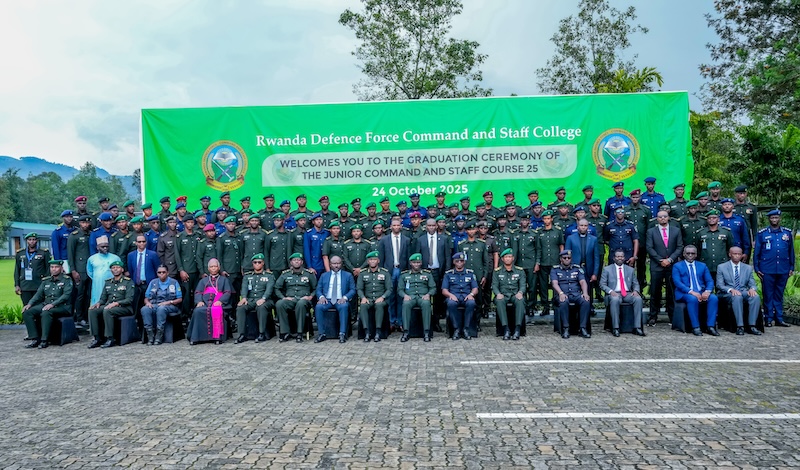
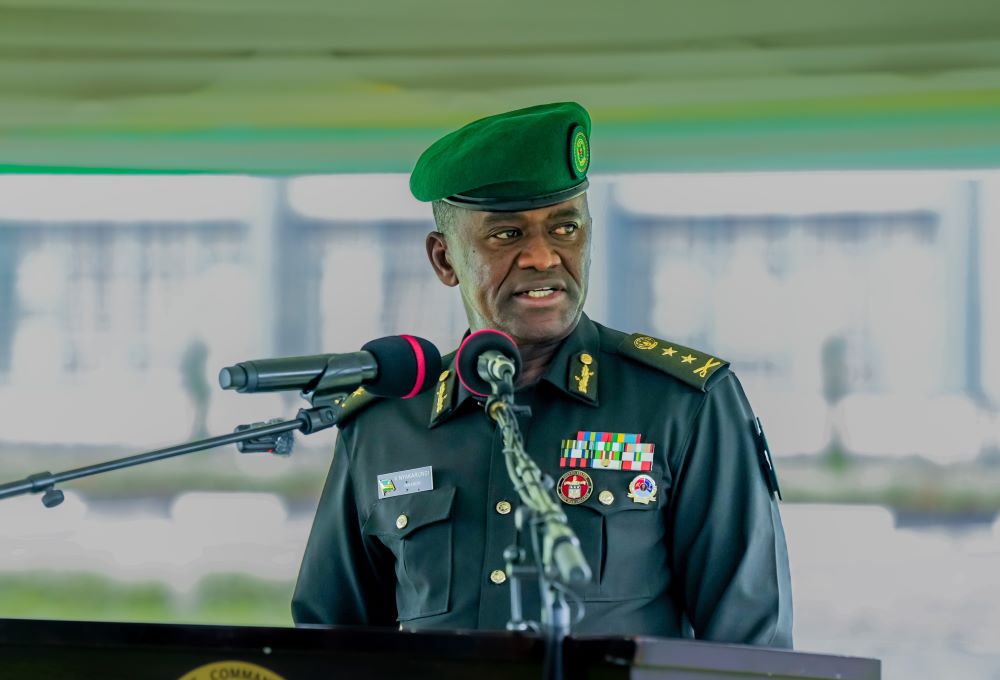
The graduation ceremony was presided over by the Rwanda Defence Force Army Chief of Staff, Maj Gen Vincent Nyakarundi.
The course equipped officers with the vital knowledge, skills, and competencies required to perform mid level command and staff roles in the military. It also enabled officers to step outside their professional specialisations and broaden their leadership and management skills at the tactical level.
Speaking on behalf of the Rwanda Defence Force Chief of Defence Staff, Army Chief of Staff, Maj Gen Nyakarundi, congratulated the graduates on their remarkable achievement.
“The course has equipped you to become proactive, agile, and solution-oriented leaders who bring fresh energy and innovative ideas to the Force,” he said.
Maj Gen Nyakarundi emphasized that the graduated officers are now tasked with renewing the sense of urgency and enhancing the operational effectiveness required to succeed against any adversary.
Maj Gen Nyakarundi urged them to rise to the great challenge that lies ahead.
“Building a Defence Force and ultimately a nation that we all want and deserve, we must strive for a force built on trust, accountability, and sacrifice. You must look ahead and often far ahead, to anticipate potential opportunities, threats and challenges in today’s ever-changing and unpredictable security environment,” he noted.
Maj Gen Nyakarundi further reminded the graduates, as they depart from the college, to remember that their roles are pivotal in driving positive change and upholding the values of patriotism, integrity, and commitment in an increasingly complex global environment.
The Commandant of the RDF Command and Staff College, Brigadier General Andrew Nyamvumba, commended the graduates for their exceptional discipline, teamwork, and dedication throughout the 22-week course.
He urged them to carry forward the same spirit of hard work, discipline, commitment, and professionalism into their future assignments, encouraging them to continue striving for excellence with the enthusiasm they demonstrated during the course.
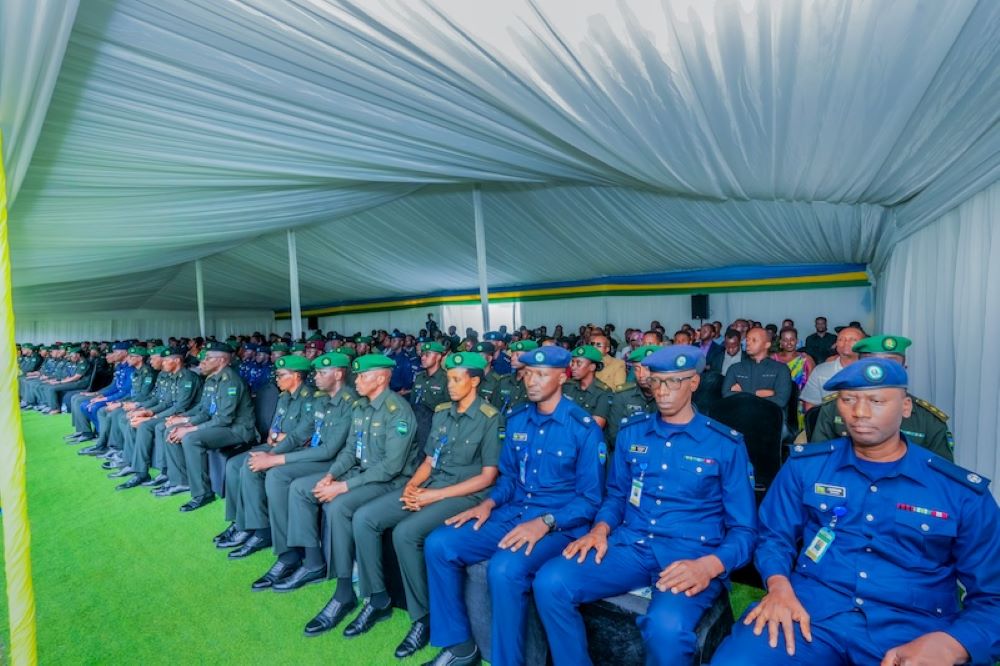
The pass-out ceremony was graced by Generals and senior officers from the RDF and RNP and was attended by the spouses, parents, friends, relatives of the graduates, as well as religious leaders and local authorities from the Northern Province.