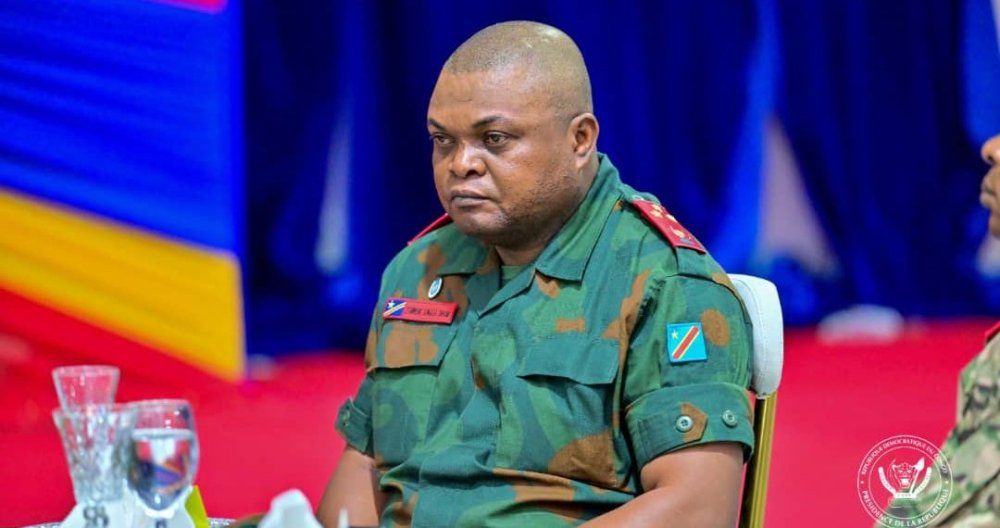
General Christian Tshiwewe Songesha, who once served as President Tshisekedi’s advisor on special military operations, General Franck Ntumba, former head of military operations at the President’s office, and Brig Gen Benjamin Katende Batubadila, the Commander of the Republican Guard in charge of Operations and Intelligence, were all arrested in July 2025.
The three senior officers are accused of organizing a coup attempt against the president. Although their arrests took place several months ago, their trial has not yet begun.
According to sources, security officials have since grown uneasy about other soldiers from the Republican Guard who worked closely with the detained generals.
Fearing possible internal threats, military leadership has ordered the transfer of many of these officers to army headquarters for reassignment.
It is expected that a number of these soldiers will be posted outside the capital, Kinshasa, to prevent any potential threats they may pose.
As of July 2025, more than 70 soldiers, including nearly 30 generals, had been arrested for alleged involvement in the plot against President Tshisekedi. None of them have yet appeared before a military court.
On Monday, the court directed Hisbah, the Islamic morality police, to ensure the couple, Idris Mai Wushirya and Basira Yar Guda, get married within 60 days.
The couple had posted videos showing themselves hugging and kissing, which is considered inappropriate in Kano’s conservative Muslim society.
“The court decided that since the two are in love and shared their romance on TikTok, they should get married,” said Baba-Jibo Ibrahim, a spokesperson for Kano State’s judiciary. “The marriage must happen within 60 days .”
Idris Mai Wushirya and Basira Yar Guda, who has dwarfism, were popular on TikTok before the video raised concerns. Wushirya was arrested for sharing the video, which violated local moral guidelines.
“We have received the court order and are preparing for the wedding,” said Abba Sufi, the head of Hisbah. “The couple has agreed to get married, and we plan to carry out the wedding as soon as possible. We are also contacting Basira’s family, who live more than 300 kilometers away in Zamfara State, to seek their approval.”
Kano is known for its Islamic traditions and is home to Kannywood, the Hausa-language film industry. In 2022, local authorities began more closely monitoring social media content, including platforms like TikTok.
Baba-Jibo Ibrahim said that the rise of social media has raised concerns among religious leaders. He explained that videos like the one shared by Wushirya and Guda are seen as conflicting with the moral values of society.
According to him, the court’s decision is meant to protect these traditional values.
The court’s ruling has sparked a debate over the role of social media in societies with conservative moral beliefs. Some see this as a restriction of personal freedom, while others view it as in line with the cultural and religious values of the area.
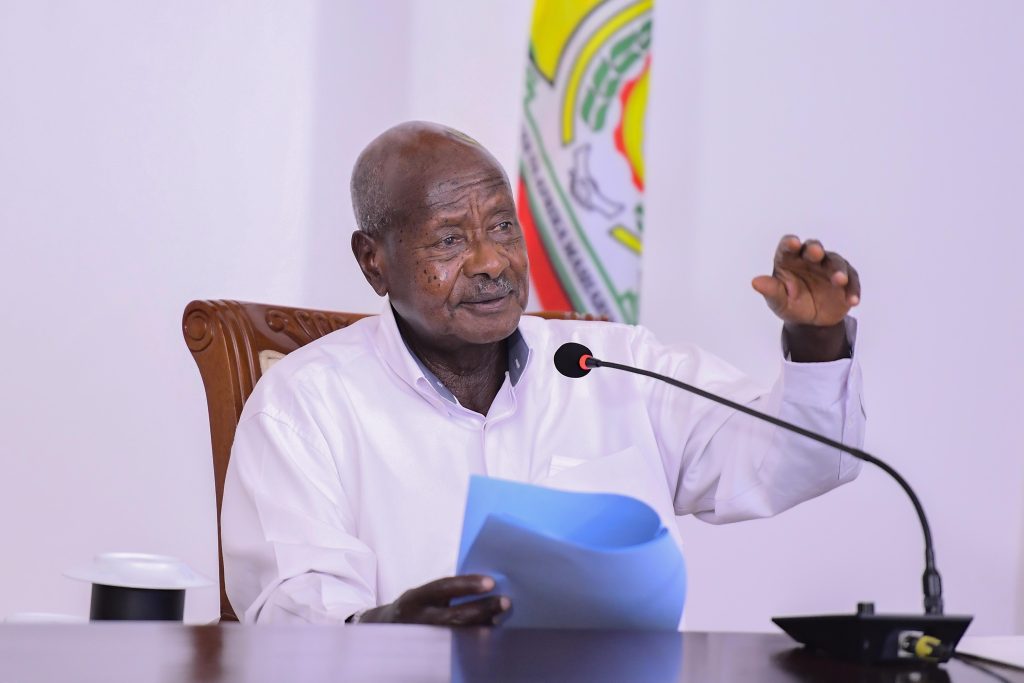
At 81 years, Museveni, who has been in power since 1986, is now Africa’s fourth longest-serving leader.
The upcoming election will see Museveni face off against his main rival, 43-year-old pop star-turned-politician, Bobi Wine, whose real name is Robert Kyagulanyi.
Bobi Wine, a former musician who rose to political prominence in 2017, has garnered significant support from Uganda’s youth, largely due to his advocacy for political change and social justice.
The singer-turned-politician has repeatedly claimed that the 2021 election, which Museveni won, was marred by election irregularities such as ballot-stuffing, voter intimidation, bribery, and other forms of electoral manipulation.
On the other hand, officials from Museveni’s ruling National Resistance Movement (NRM) party have dismissed these allegations, insisting that Museveni’s victory in 2021 was legitimate and reflected the genuine support of Ugandans across the country.
In addition to Museveni and Wine, six other candidates from smaller political parties are expected to contest the presidential race. Ugandans will also vote for members of parliament during the same election.
President Museveni, a former rebel leader, has been credited for stabilizing Uganda and fostering economic growth over the years.
His government has made strides in different areas including infrastructure development.
Looking ahead, the Museveni government is pinning hopes on Uganda’s emerging oil industry.
The country is set to begin crude oil exports next year, with fields operated by France’s TotalEnergies and China’s CNOOC.
The government anticipates that this development will boost economic growth, with the potential to push the country’s economic expansion into double digits.
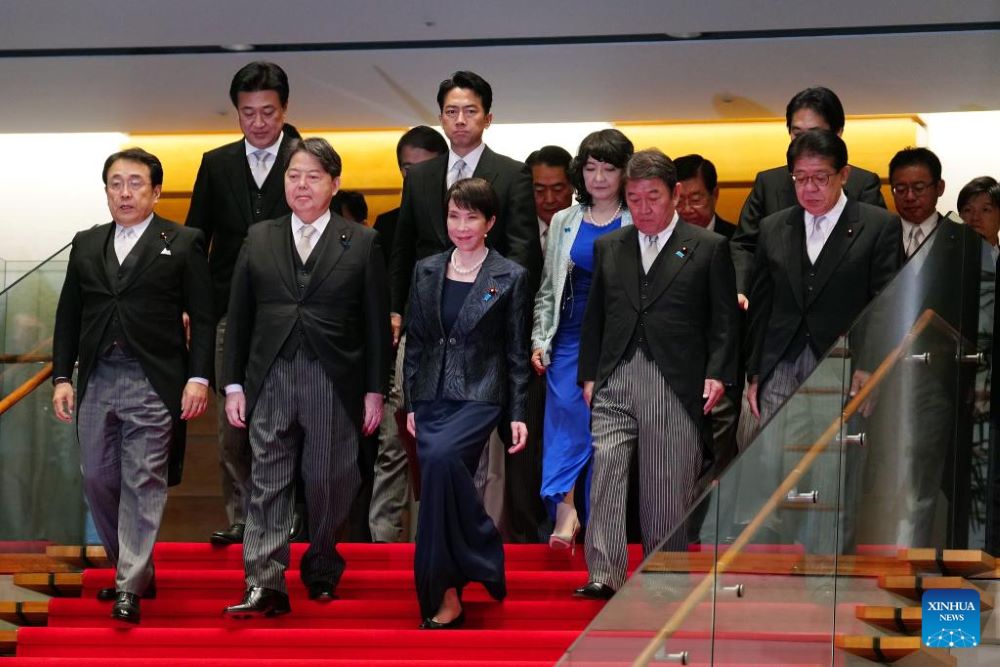
With the JIP’s support, Takaichi secured the prime minister’s seat, becoming the first woman in the nation to hold the office. What is Takaichi’s background? How did she perform in the parliamentary vote? What are the challenges facing the newly formed coalition?
{{Takaichi’s profile}}
Born in 1961 in Nara Prefecture, Takaichi was first elected to the House of Representatives in 1993 and has since held a series of senior posts, including minister of internal affairs and communications, minister for economic security, and vice minister of economy, trade and industry.
A close ally of the late Prime Minister Shinzo Abe, Takaichi is widely regarded as a staunch successor to his political agenda. The 64-year-old identifies as a hardline conservative and advocates for the restoration of traditional Japanese values and nationalist pride, emphasizing constitutional amendments, strengthening security and maintaining the imperial family’s male-only succession.
Takaichi had previously contested the LDP leadership three times. After unsuccessful bids in 2021 and 2024, she claimed the presidency this October by defeating Shinjiro Koizumi in the final round of voting.
Shortly after, however, she faced her first challenge as leader when the LDP lost its long-time junior coalition partner Komeito. Komeito chief Tetsuo Saito announced the decision to terminate his party’s 26-year partnership with the LDP, citing the ruling party’s “insufficient” response to a high-profile political funds scandal.
Takaichi was elected LDP president on Oct. 4. The prime ministerial designation vote was originally scheduled for Oct. 15 but was postponed to Oct. 21 as uncertainty following Komeito’s departure cast doubt on whether Takaichi could secure enough parliamentary support in the race.
{{Victory in both houses}}
According to Japanese law, the election of a new prime minister is held in separate votes in both houses of the Diet, Japan’s parliament. In each chamber, if no nominee wins a majority in the first round, a runoff will be held between the top two vote-getters. The choice in the lower house will prevail in the event of a split decision.
To consolidate her votes amid political flux, Takaichi held negotiations with several opposition parties, including the Democratic Party for the People and the JIP. With the LDP’s new coalition partner JIP ultimately deciding to back her, she was able to effectively lock in her victory on Tuesday’s voting.
In the 465-member House of Representatives, Takaichi secured 237 ballots in the first round, defeating head of the opposition Constitutional Democratic Party Yoshihiko Noda with 149 votes and other rival candidates.
However, no candidate secured a majority in the first round of the vote in the 248-member House of Councillors. Takaichi led with 123 votes, followed by Noda with 44. As a result, an unprecedented runoff for the upper chamber, the first in 13 years, was triggered between Takaichi and Noda, with Takaichi ultimately winning the race.
In the new cabinet line-up, Takaichi offered major posts to her four rivals in October’s LDP leadership race, signaling her intention to build party unity and ensure policy stability. Shinjiro Koizumi will take the post of defense minister, while Toshimitsu Motegi will return as foreign minister.
The two others are Yoshimasa Hayashi, who will be tapped as internal affairs and communications minister, and Takayuki Kobayashi, already appointed as the LDP’s policy chief.
Among other key government positions is Chief Cabinet Secretary Minoru Kihara, a former defense minister.
{{Rocky new alliance }}
The leaderships of the LDP and the JIP met Monday evening in Tokyo to formally sign the coalition agreement. Unlike the long-standing partnership model between the LDP and Komeito, the new coalition will take a relatively loose form, with the JIP expected not to take cabinet posts for the time being.
According to media reports, Takaichi had offered “several ministerial posts” to the JIP, a move that would deepen her commitment to the coalition, but the party declined the offer on the grounds of “lack of governance experience,” apparently reflecting JIP’s cautious stance.
This move is widely seen as a “disengagement strategy” by the JIP. It is believed that the JIP intends to maintain a certain distance from the LDP in order to be able to withdraw at any time when there are policy differences or changes in public opinion.
If it joined the cabinet, it would share responsibility for the budget bills and major policies, while remaining outside the cabinet would allow it to draw a clear line when necessary and avoid taking on political risks.
Meanwhile, the JIP’s performance in both last year’s lower house and this year’s upper house elections fell short of expectations, jeopardizing its position as the “third-largest party” after the LDP and the Constitutional Democratic Party. Moreover, a series of recent departures from the party by lawmakers have weakened its internal cohesion. The Asahi Shimbun reported that LDP top leaders are concerned that a lack of stability within the JIP could affect the sustainability of their cooperation.
Regarding policy implementation, the Nikkei pointed out that the LDP-JIP alliance still falls short of a majority in both houses in the Diet, posing great uncertainty for policy implementation. This is particularly true given JIP’s inclusion of reducing the number of Diet seats as a “nonnegotiable condition” for the alliance. Despite the LDP agreeing to parliamentary seat cuts, there is strong resistance within both the ruling and opposition parties. If this key proposition proves difficult to realize, “the prerequisite for the alliance may have already been undermined from the outset.”
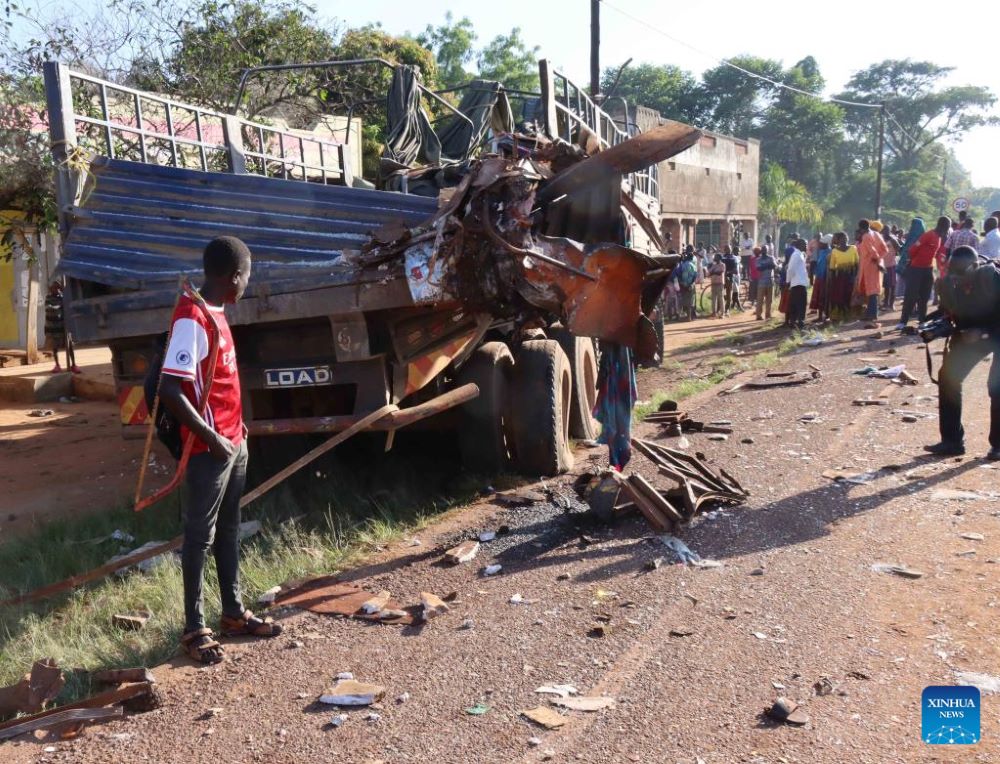
According to a statement issued by the police, the fatal crash happened at around 12:15 a.m. local time along the Kampala-Gulu Highway in the western Uganda district of Kiryandongo, and involved four vehicles — two passenger buses, a Toyota Surf and a Tata lorry.
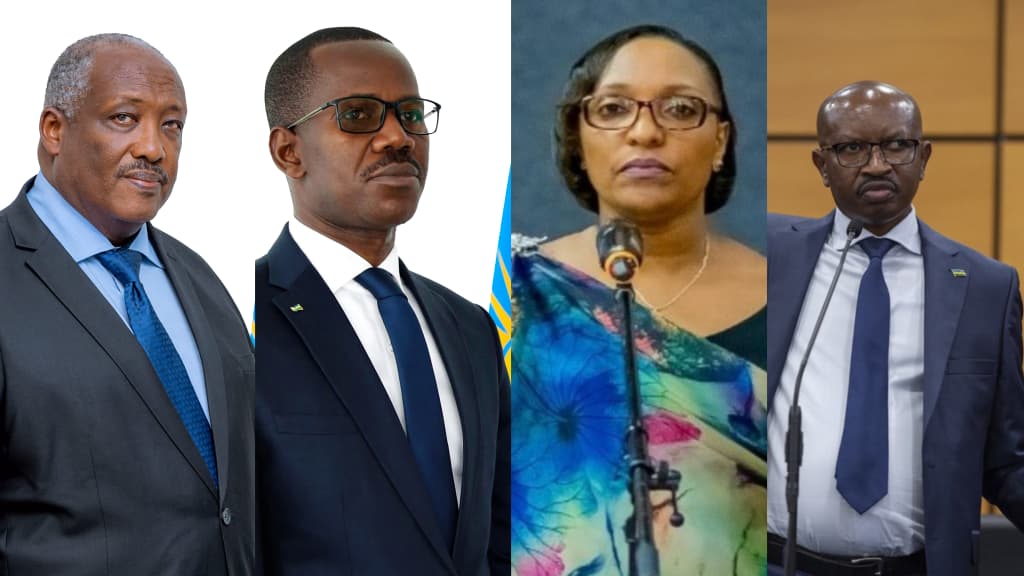
Prof. Jean Pierre Dusingizemungu and Evode Uwizeyimana have been reappointed for another term, while Dr. Valentine Uwamariya and Alfred Gasana join the Senate as new members.
The appointments were made in accordance with Article 80 of the Constitution.
Dr. Valentine holds a Bachelor’s degree in Chemistry from the former National University of Rwanda (NUR), a Master’s degree in Chemistry from the University of the Witwatersrand in Johannesburg, South Africa (2005), and a PhD in Water Science and Environmental Technology from UNESCO-IHE and Delft University of Technology in the Netherlands (2013).
Dr. Uwamariya previously served as the Deputy Vice Chancellor in Charge of training, Institutional Development and Research at Rwanda Polytechnic (RP) before being appointed Minister of Education in December 2020.
In 2023, Dr. Uwamariya was appointed Minister of Gender and Family Promotion, and the following year, she became Minister of Environment.
On July 24, 2025, Dr. Uwamariya was replaced by Dr. Bernadette Arakwiriye as Minister of Environment. Since then, she has not held any government position.
Alfred Gasana was appointed Minister of Interior in December 2021, a portfolio that had last existed in the Rwandan Government in April 2020 under Gen Patrick Nyamvumba.
Before joining the Cabinet, Gasana served as a Member of Parliament in the Chamber of Deputies, where he was part of the Political Affairs and Legal Committee in 2010.
In June 2024, he was appointed Rwanda’s Ambassador to the Kingdom of the Netherlands, succeeding Ambassador Olivier Nduhungirehe, who had been named Minister of Foreign Affairs and International Cooperation.
Evode Uwizeyimana is a Senator in the Parliament of Rwanda, appointed by President Kagame in October 2020. He holds a Master’s degree in Law.
From 2016 to 2020, Uwizeyimana served as State Minister in the Ministry of Justice in charge of Constitutional and Legal Affairs.
Between 2014 and 2016, he was Vice Chairperson of the Law Reform Commission and also served on the committee that reviewed Rwanda’s Constitution in 2015.
Prof. Jean Pierre Dusingizemungu holds a PhD in Clinical Psychology and has been a Senator since October 2020.
For many years, he served as President of IBUKA, the umbrella organization representing survivors of the 1994 tragedy against the Tutsi.
From 1994 to December 2010, he was a lecturer in Psychology at the former National University of Rwanda.
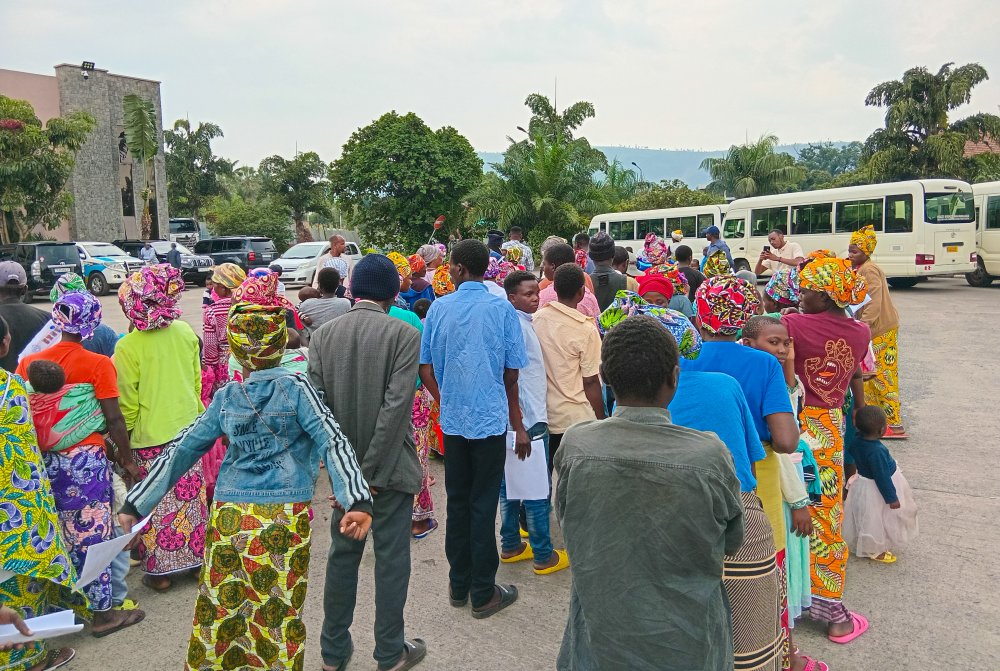
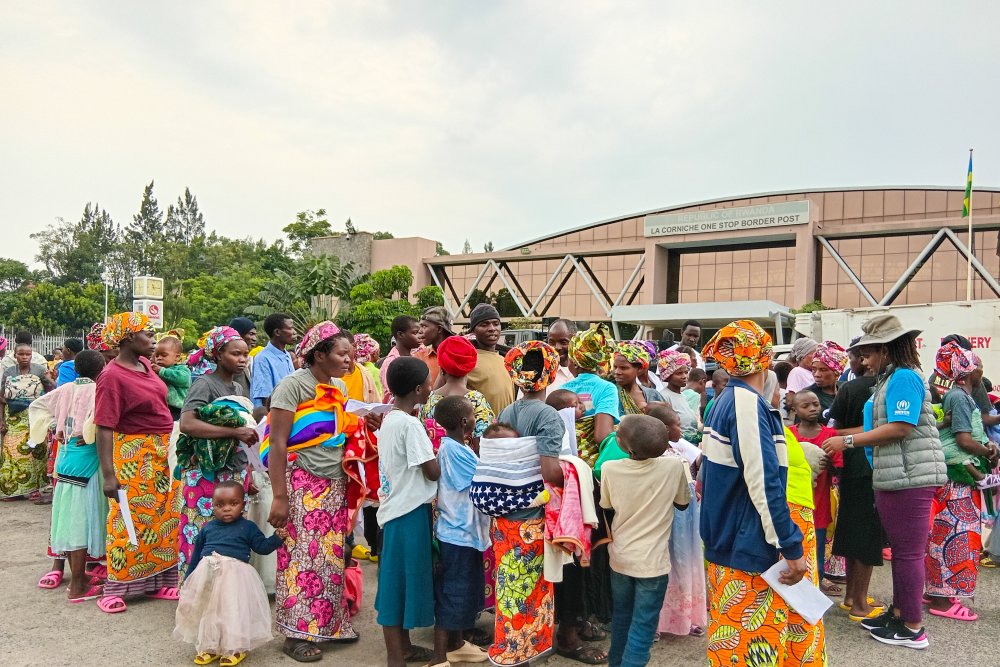
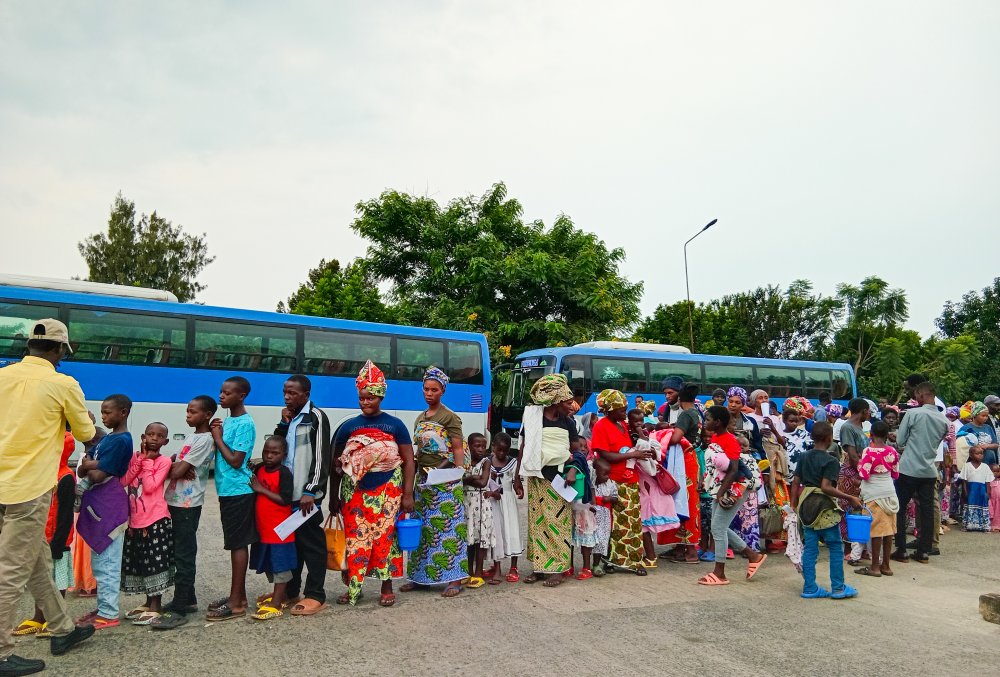
The latest batch of returnees, mostly women and children, crossed into Rwanda through La Corniche border post linking Goma and Rubavu.
The repatriation follows agreements reached during a tripartite meeting between Rwanda, the DRC, and the United Nations High Commissioner for Refugees (UNHCR) held in Addis Ababa, Ethiopia, on July 24, 2025.
Before returning home, the group had been staying in a transit camp in Goma after leaving various areas in eastern Congo where they had been under FDLR control.
The Mayor of Rubavu District, Prosper Mulindwa, assured the returnees that the Rwandan government has several programs in place to help them reintegrate into normal life.
“They will immediately be included in national support programs designed for low-income Rwandans to help them overcome challenges and catch up in development,” Mulindwa said. “Local communities are encouraged to assist them based on their needs and the opportunities available where they settle.”
He added that once the returnees complete their short stay at Kijote Transit Center in Nyabihu District, the government will provide each of them with a reintegration package to help them start afresh.
Adults over 18 years old will receive $188, minors $113, and every individual will be given basic food supplies worth Frw 45,000.
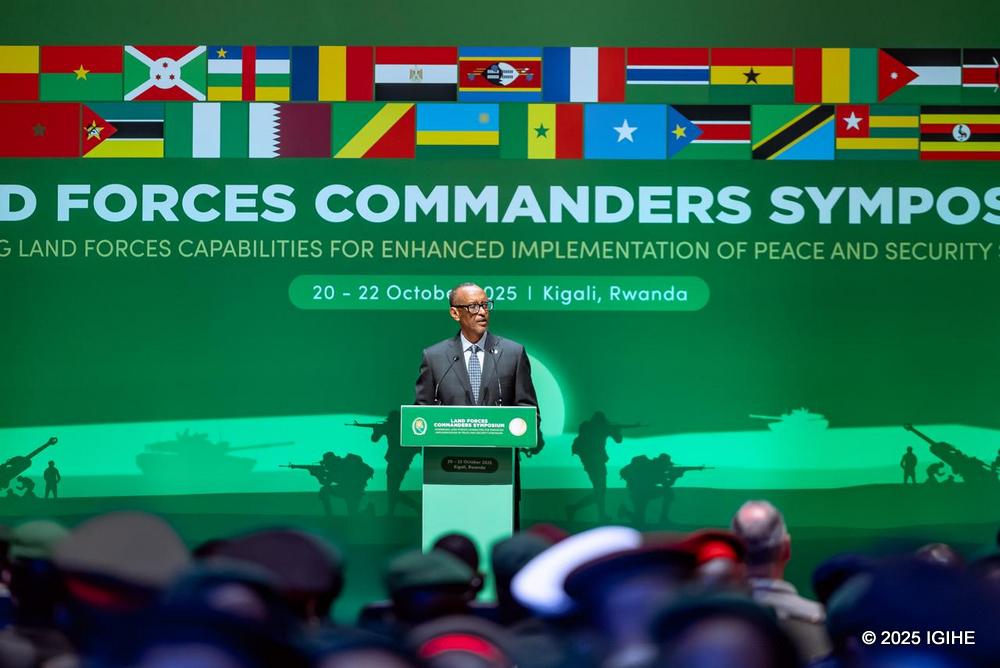
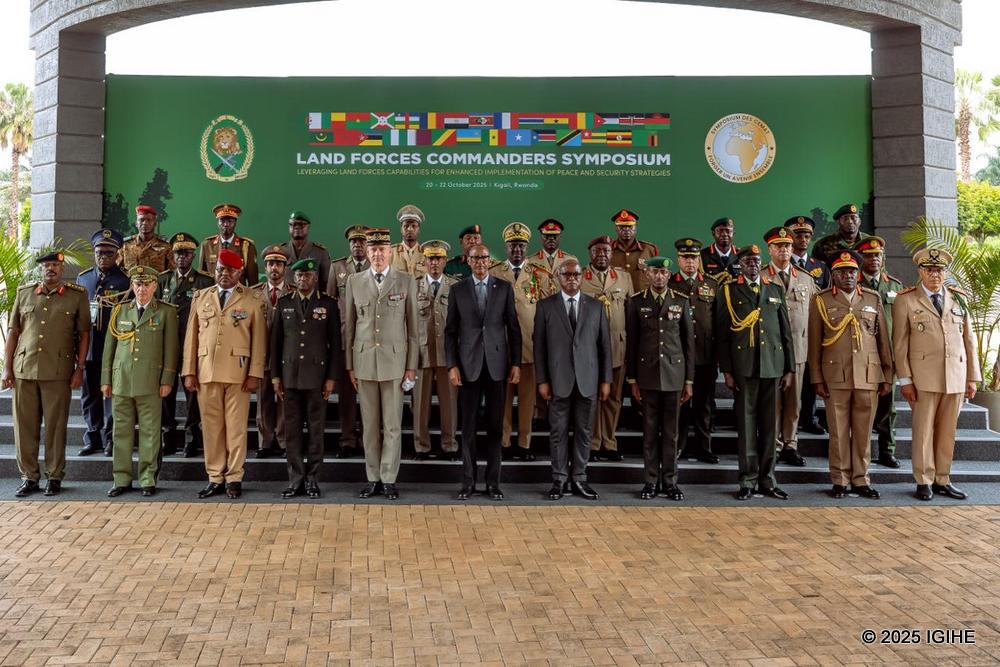
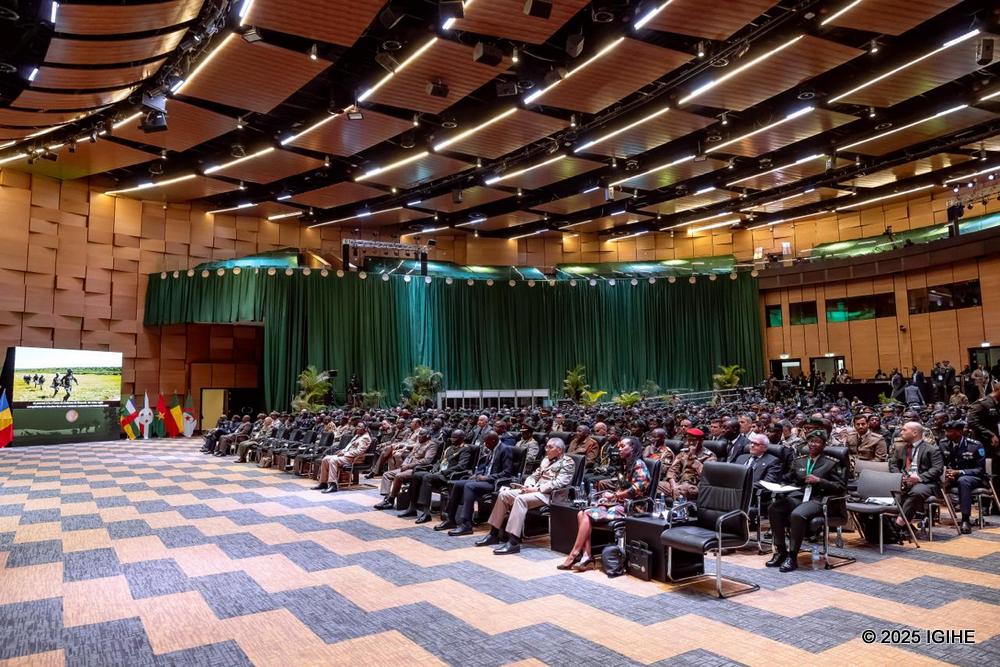
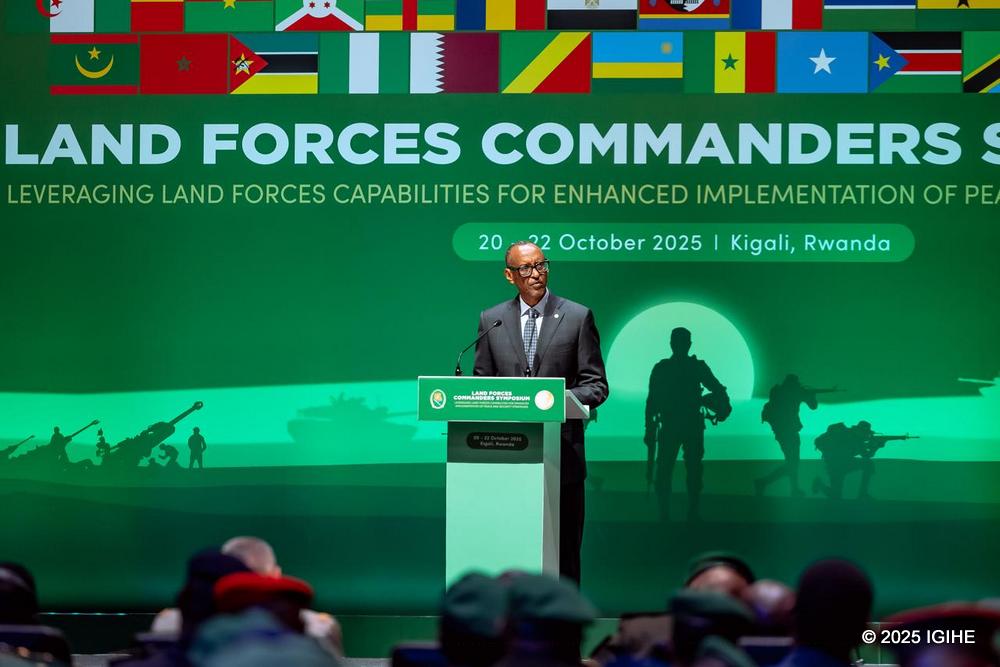
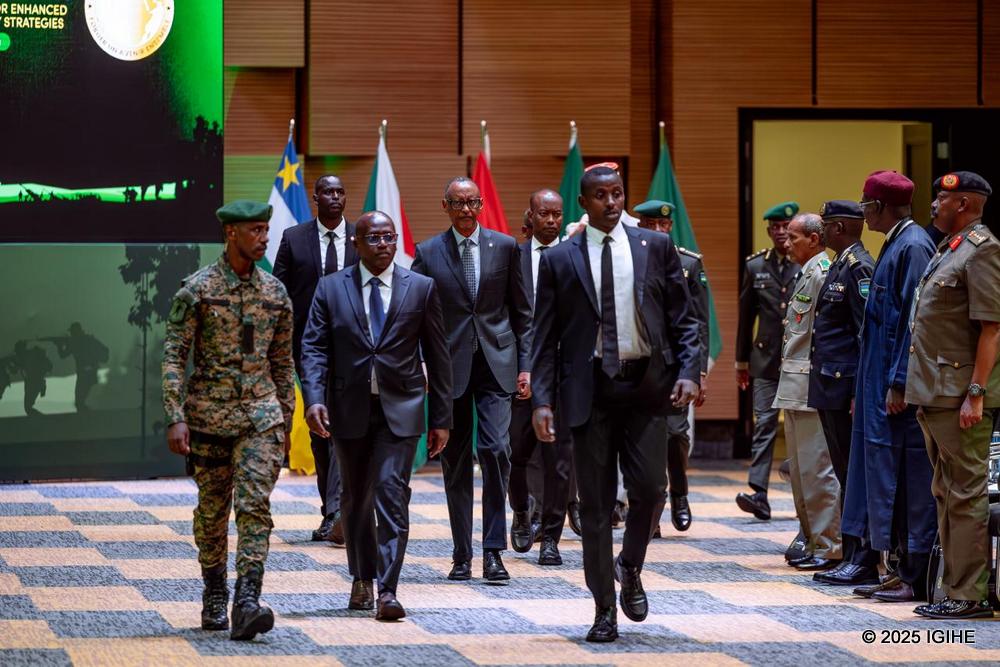
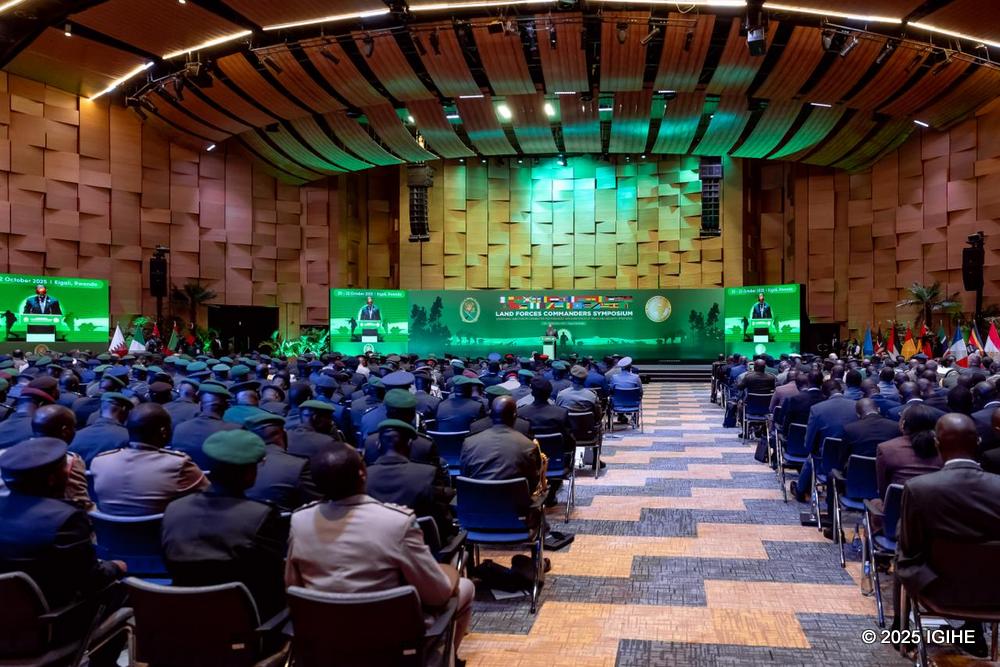
Delivering opening remarks at the Land Forces Commanders Symposium taking place at Intare Arena in Kigali from October 21 to 22, Kagame told participants that the unpredictable global security environment demands decisive yet measured military responses.
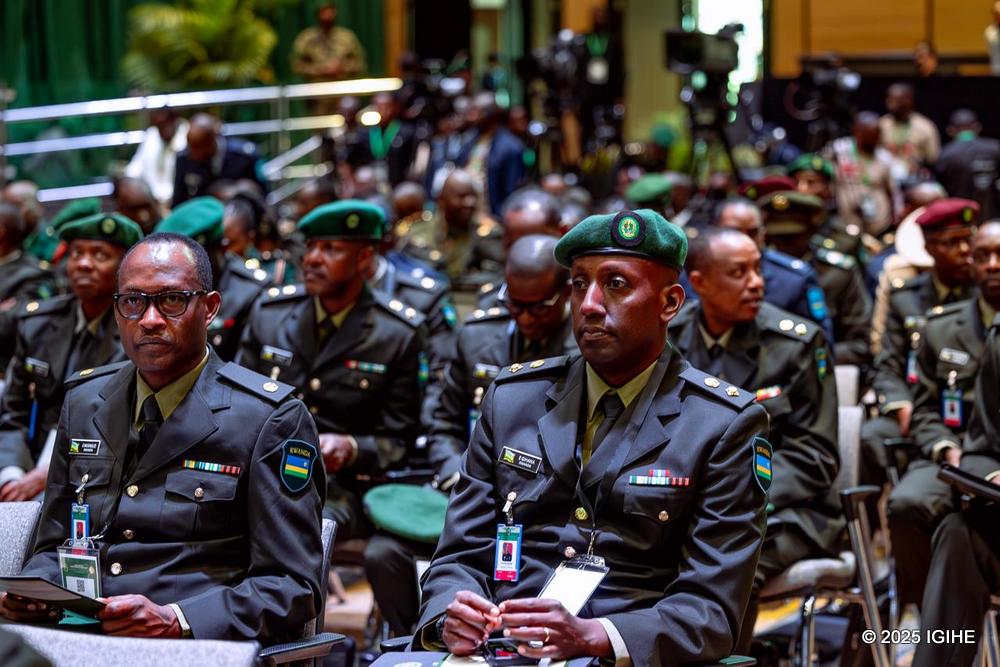
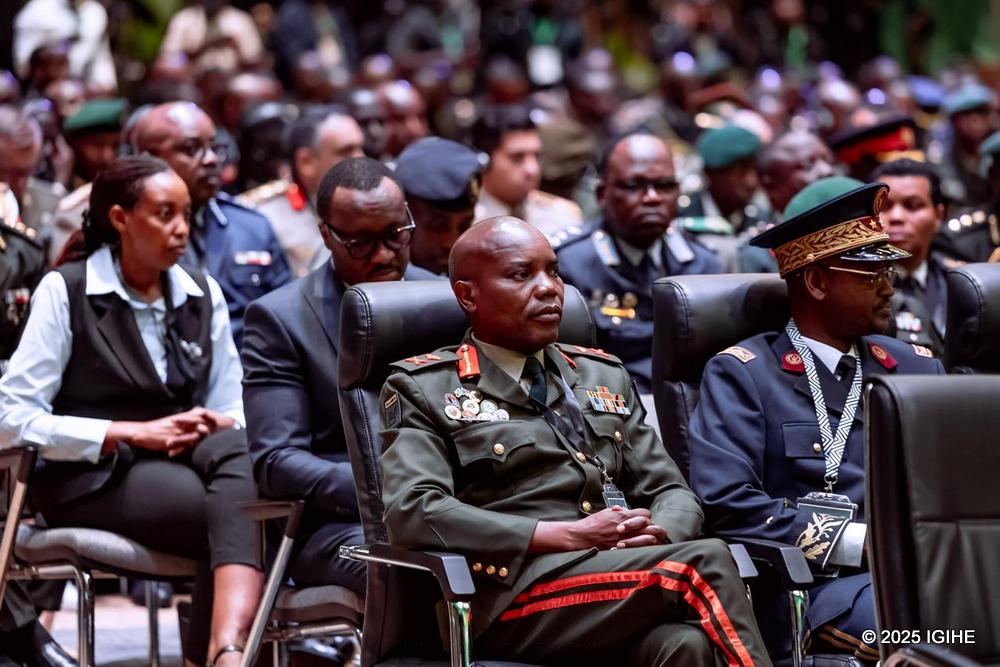
The two-day meeting brings together military leaders, defence experts, and key stakeholders from across Africa and beyond under the theme, “Leveraging Land Forces Capabilities for Enhanced Implementation of Peace and Security Strategies.”
Kagame said the nature of modern conflict has become increasingly complex and asymmetric, often requiring military involvement in crises that are political, humanitarian, or environmental. He emphasized that land forces play a crucial role on the front lines of such challenges.
“In these complex situations, land forces are vital. You are the first to deploy and the last to leave,” Kagame said. “Your swiftness and precision make all the difference between success and failure.”
The President warned, however, that bureaucratic hurdles and distant restrictions often undermine commanders’ ability to act effectively. He underscored the need for operational flexibility and urgency, remarking that “speed without accuracy is dangerous, and accuracy without speed is pointless.”
Kagame also highlighted the importance of civil–military cooperation, noting that land forces operate closest to the people and must always prioritize citizens’ safety and trust. “The discipline and professionalism that you show are what either build or break the public’s trust,” he said.
Turning to emerging threats, Kagame noted that the digital era has introduced new frontiers of conflict, including cyberattacks and disinformation, that can destabilize nations as effectively as traditional warfare.
He urged African nations to strengthen teamwork and assert greater sovereignty in choosing their security partnerships.
“Sovereignty today is not just about borders,” he said. “It is also about our ability to choose our partners from a position of strength and align our interests.”
Kagame reminded participants that Africa continues to face the world’s highest number of active conflicts, calling for stronger regional cooperation and continental security mechanisms.
“We cannot expect others to carry the responsibility for Africa’s security,” he said. “None of the challenges that we face are beyond our capacity to manage or resolve.”
The Head of State concluded by encouraging participants to engage in open, practical dialogue over the next two days. “I urge you to be frank with one another, share experiences and challenge assumptions,” he said. “This is how progress is going to be made.”
Rwanda’s Army Chief of Staff, Major General Vincent Nyakarundi, expressed gratitude to the countries participating in the conference, emphasizing that hosting the event in Rwanda demonstrates the country’s strong commitment to promoting cooperation and partnership in military affairs.
The meeting, which brings together commanders of land forces, was first held in France in 2024.
The Chief of Staff of the French Army, General Pierre Schill, highlighted the importance of military cooperation, saying that such collaboration is essential to achieving positive change.
“This is the very meaning of our gathering here,” he said. “It reflects our determination to strengthen our partnership, enhance coordination, and build collective security based on mutual understanding and respect. These are the foundations of tomorrow’s success.”
Gen Schill also praised the Government of Rwanda for agreeing to host the event and for the excellent organization.
“By organizing and hosting this conference for the second time, Rwanda demonstrates its firm commitment to these shared values,” he noted. “The goal is to make this forum a space for dialogue, experience-sharing, and reflection on the role of land forces in global security management.”
The conference will conclude on October 22, 2025, with participants expected to visit the Kigali Genocide Memorial at Gisozi to learn about Rwanda’s history, the events that led to the 1994 Genocide against the Tutsi, and how it was halted.
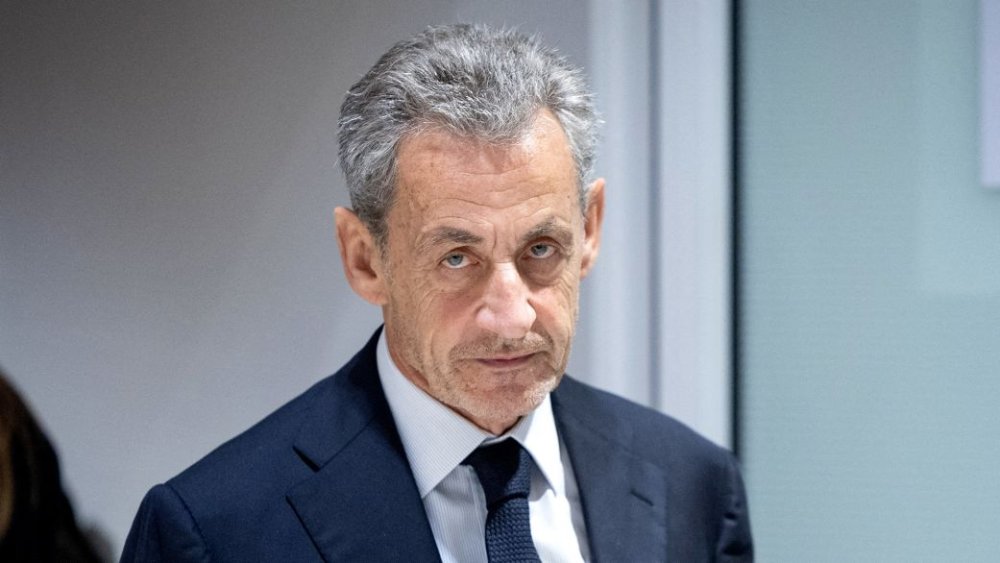
Sarkozy, 70, became the first modern French head of state to be imprisoned. He was seen leaving his home hand in hand with his wife, Carla Bruni-Sarkozy, before entering a police vehicle that took him to La Santé prison in the French capital.
Sarkozy issued a statement on social media before his transfer, saying that an innocent person was being imprisoned.
According to AP, his legal team immediately filed a request for release following his detention.
The former president was convicted last month for participating in a scheme that allegedly funneled money from Libya’s regime, then led by Muammar Gaddafi, into his 2007 election campaign. He continues to deny the charges and has appealed the ruling, while also contesting the judge’s decision to imprison him pending that appeal.
Sarkozy’s journey from the Élysée Palace to the infamous La Santé prison has drawn widespread attention in France. Before leaving home, he was joined by his children and grandchildren and waved to hundreds of supporters gathered outside his residence in an upscale Paris neighborhood. Many in the crowd chanted his name, sang the French national anthem, and displayed flags bearing messages such as “Courage Nicolas, return soon” and “True France with Nicolas.”
Several members of his family, including his sons Jean, Pierre, and Louis, his daughter Giulia, and his grandchildren, were present. One Paris resident told AP she came to show support, calling Sarkozy a man who had always served with dignity and expressing frustration over what she described as “injustice.”
President Emmanuel Macron hosted Sarkozy at the Élysée Palace last week. Macron said it was appropriate, on a human level, to receive one of his predecessors, while emphasizing the independence of the judiciary.
Sarkozy’s lawyers told French media that he will be held in solitary confinement for security reasons. Lawyer Christophe Ingrain said the experience had only strengthened his client’s determination to prove his innocence and revealed that Sarkozy plans to write a book about his time in prison. Another member of his legal team, Jean-Michel Darrois, told France Info that Sarkozy had mentally prepared himself for isolation, packing warm sweaters and earplugs to cope with the conditions.
Sarkozy had told La Tribune Dimanche newspaper he was unafraid of imprisonment and intended to face it “with his head held high.” He also told Le Figaro that he planned to bring three books, including Alexandre Dumas’ The Count of Monte Cristo, the story of a man who escapes wrongful imprisonment to seek revenge.
A Paris judge ruled that Sarkozy must begin serving his sentence immediately, citing the seriousness of the offense and its impact on public trust. Under the decision, Sarkozy can only request conditional release after entering prison, and the appeals court will have up to two months to review his petition.
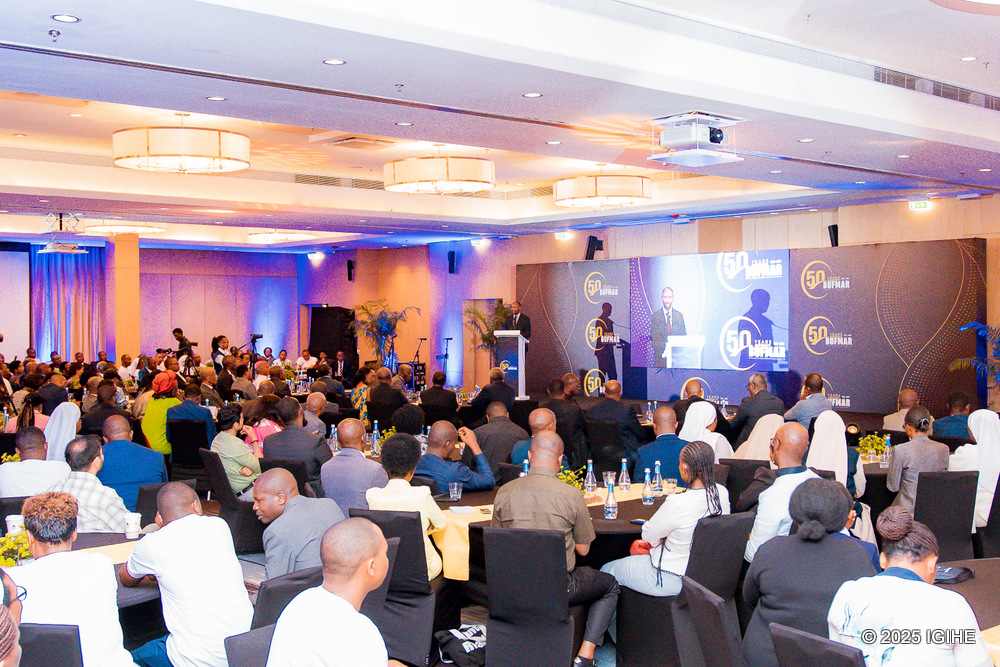
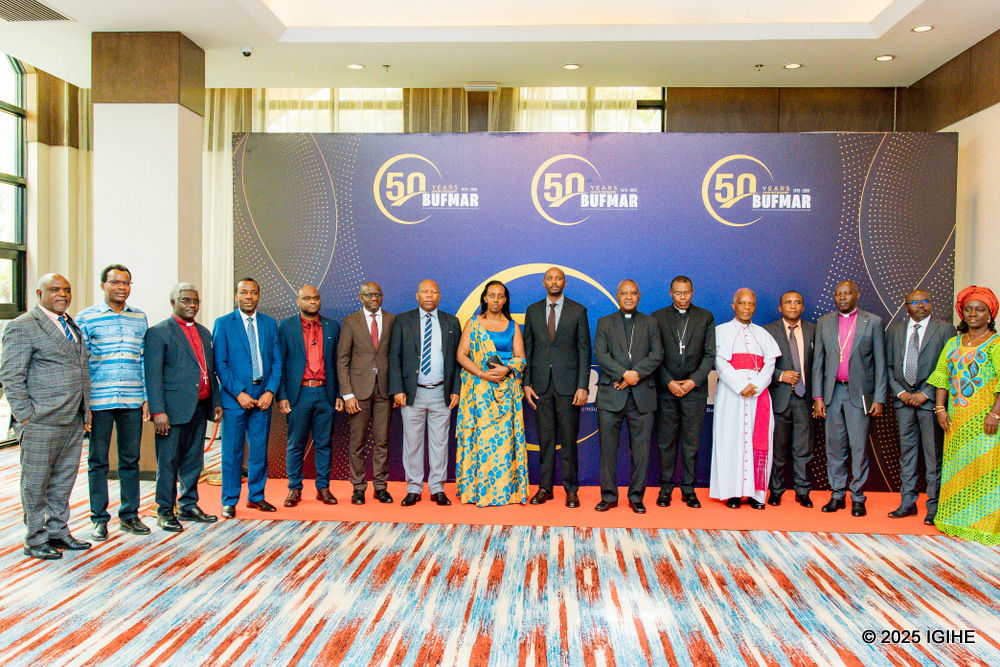
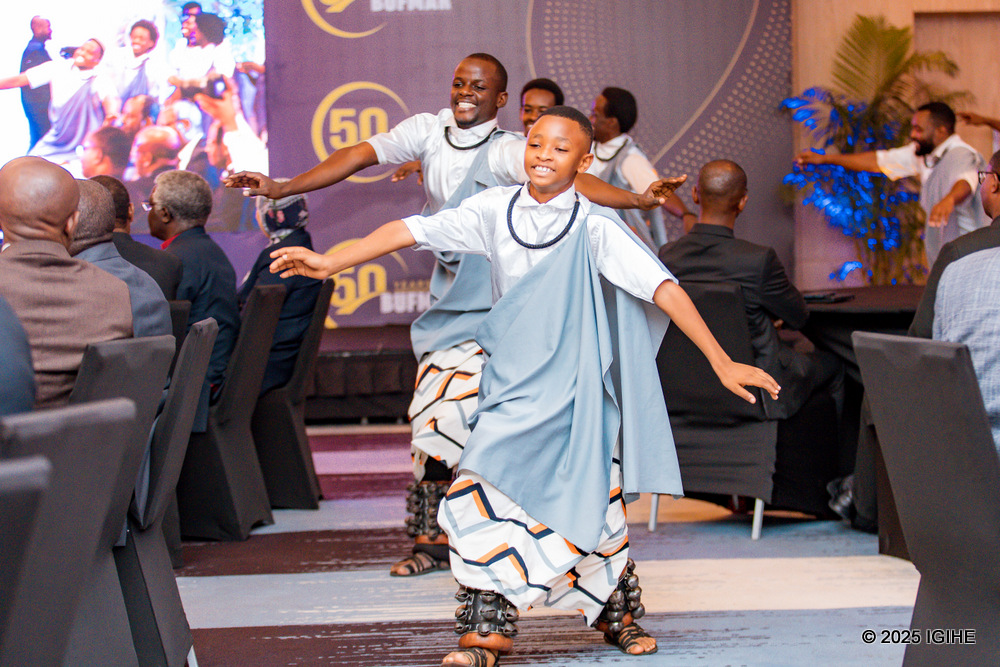
The celebration took place on October 17, 2025, as the institution reflected on its long journey supporting hospitals and health centers across Rwanda.
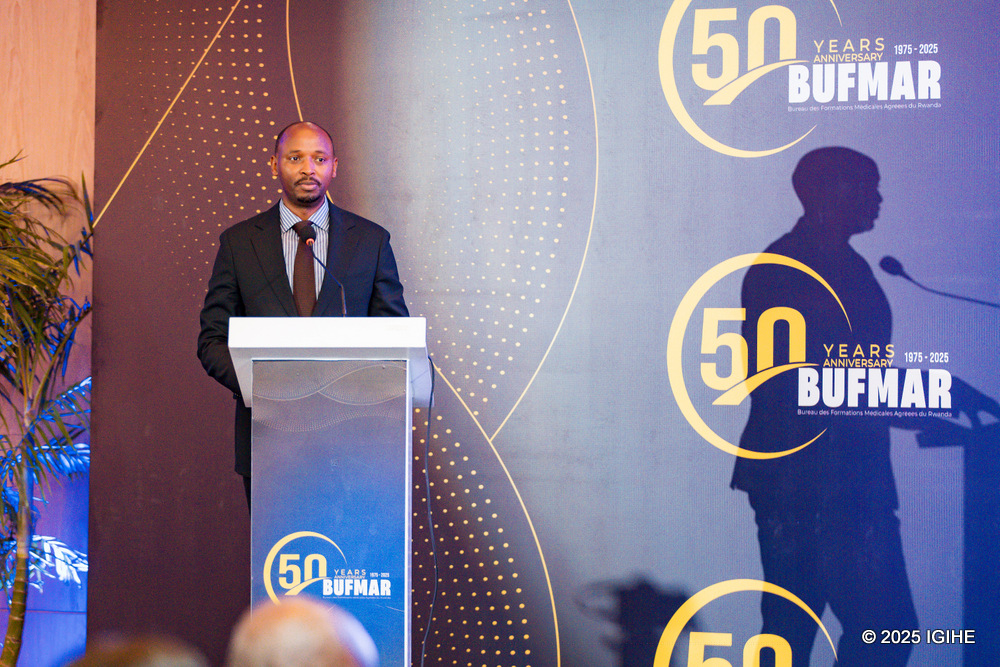
The Minister of Health, Dr. Sabin Nsanzimana, praised BUFMAR for its significant contribution to reducing preventable deaths and improving life expectancy in Rwanda.
“When BUFMAR was founded, life expectancy was below 45 years. Today, it has risen to over 70 years,” he said. “Maternal deaths have declined thanks to better access to equipment, trained personnel, and essential medicines, all areas where BUFMAR has played a major role. Child mortality has also dropped, and this improvement has directly boosted life expectancy.”
Dr. Nsanzimana explained that in the year 2000, 1,000 mothers out of every 100,000 live births died during childbirth. With around 500,000 births each year, that figure has reduced to 105 maternal deaths per 100,000.
“We aim to reduce that number to between 70 and 50 by 2028,” he said. “To achieve this, we need hospitals equipped with reliable instruments, modern ultrasound machines, available and affordable medicines, and trained personnel. That’s where BUFMAR’s contribution is critical.”
The minister encouraged BUFMAR to expand its operations beyond Rwanda, to support other African countries struggling with similar healthcare challenges, revealing that five countries have already expressed interest in benefiting from BUFMAR’s services and experience.
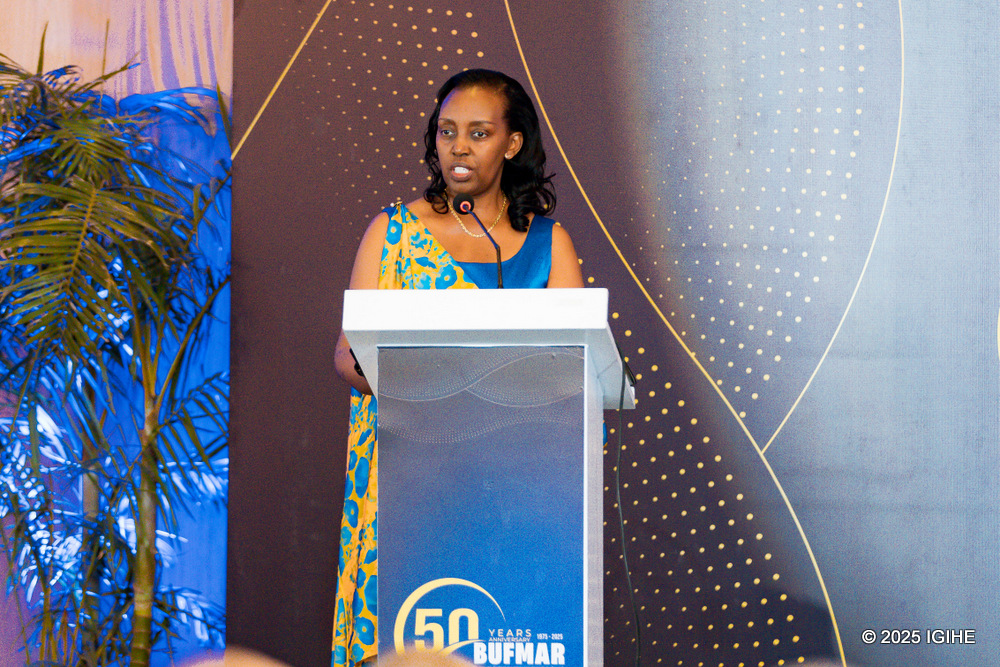
BUFMAR’s Director General, Mrs. Monique Gahongayire, said that reaching 50 years is a major milestone that reflects the institution’s resilience and consistent service to Rwanda’s health system.
“After the 1994 Genocide against the Tutsi, many institutions closed, and BUFMAR was not spared. Some staff were killed, others fled, and infrastructure was destroyed,” she recalled. “Continuing operations afterward felt like starting from zero, but we are proud that our mission never completely stopped.”
She also highlighted BUFMAR’s uniqueness as an interfaith initiative that unites different religious congregations under a shared purpose: “BUFMAR is a symbol, an example, and a testimony that when people come together for a noble cause, even with their differences, they can achieve great things.”
Gahongayire added that the organization plans to work more closely with the government and private sector to explore local manufacturing of certain medical supplies.
“Because Rwanda is a landlocked country, importing supplies is costly, not due to national issues but because of transport, currency fluctuations, and distance from ports. We are now exploring ways to start producing some of these items here in Rwanda,” she explained.
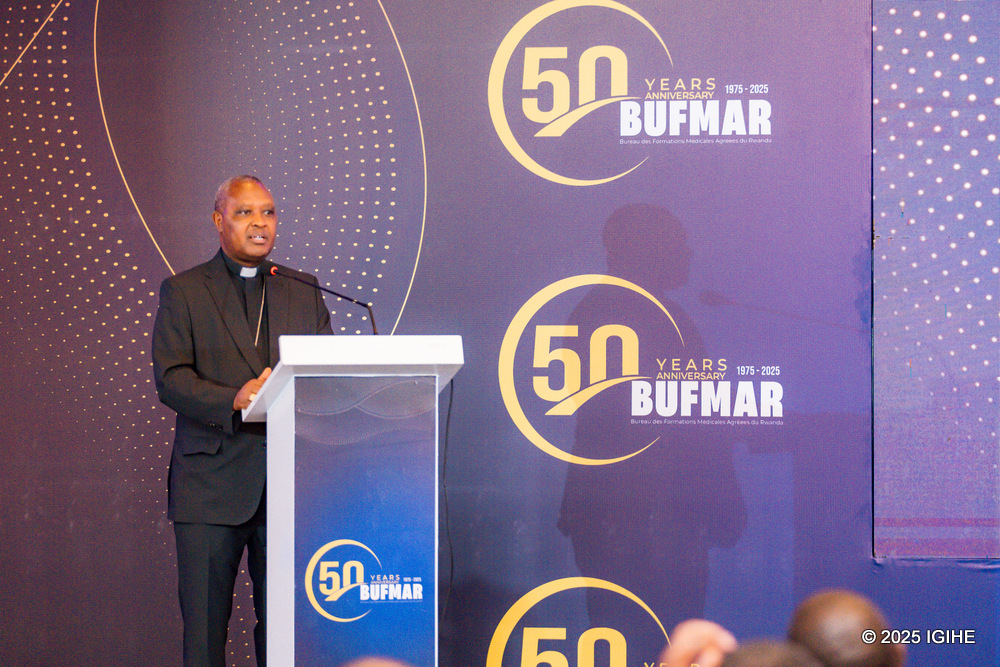
Cardinal Antoine Kambanda, Archbishop of Kigali, said BUFMAR’s 50 years symbolize the power of unity among religious institutions in serving the nation.
“This is an interfaith organization, for 50 years, different churches have worked together to ensure people access affordable, quality healthcare,” he said. “It’s a sign that the Church can make a lasting contribution to the country’s well-being.”
Founded in 1975, BUFMAR specializes in the supply of medicines and medical equipment such as syringes, gloves, masks, surgical tools, X-ray machines, and other essential hospital devices.
It also supports capacity building through training programs and technical assistance to hospitals and health centers.
Today, BUFMAR works with 163 health facilities, including 18 hospitals and 145 health centers affiliated with the Catholic Church and other denominations.
The celebration concluded with gratitude to First Lady Jeannette Kagame, who sent her congratulations, and wished the institution a joyful Golden Jubilee.