British Prime Minister Keir Starmer and other European leaders held a joint press conference after the meeting, saying the coalition aims to gradually phase out Russian oil and gas from the global market and channel frozen Russian assets into funding Ukraine’s reconstruction.
Starmer said Britain had taken the lead in fully sanctioning Russian oil and gas, followed by the United States and the European Union. He announced that Britain plans to supply Ukraine with more than 5,000 lightweight multirole missiles, with 140 delivered ahead of schedule.
On Thursday, European Commission President Ursula von der Leyen said EU member states had approved the bloc’s 19th round of sanctions against Russia, which include targetting the country’s natural gas sector for the first time. The sector is a pillar of Russia’s economy.
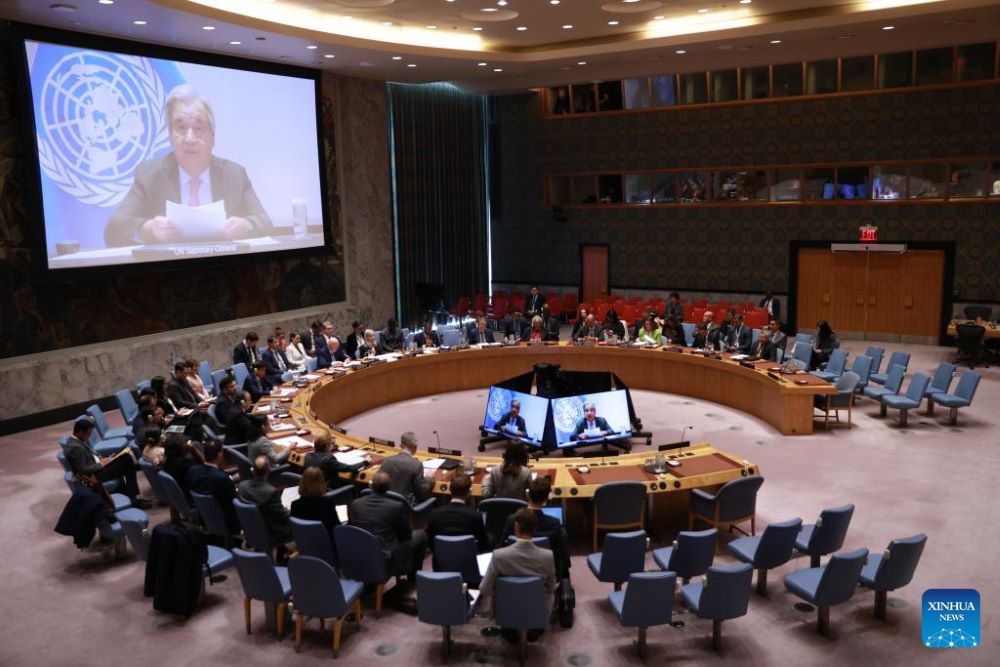
Guterres made the plea at an open debate of the Security Council on the future of the United Nations, held to coincide with the 80th anniversary of the founding of the world body.
Via a video link from Hanoi, the secretary-general started his speech by alluding to an anecdote of the Security Council.
Guterres said that in the spring of 1946, the first ballot box of the Security Council was opened for inspection before voting, and to everyone’s surprise, there was already a slip of paper inside. It was a message from the box’s maker, a local New York mechanic named Paul Antonio, who said he wished for lasting peace all over the world, the UN chief said.
“That humble note reminds us why the Security Council exists: for people — sincere, hopeful people who, for the last eight decades, have placed their trust in this institution to save them from the scourge of war,” he said.
“The privilege to sit at this table carries a duty, above all, to honor the faith of those people. And to channel the resources so often spent on war to the causes of development and peace,” said the UN chief.
On many pivotal occasions, the Security Council has delivered on that task, and it has prevented the chaos of a great-power war in the past eight decades, he said.
“The council is a vital necessity and a powerful force for good. But at the same time, its legitimacy is fragile. Too often, we have seen members of this body act outside the principles of the (UN) Charter — principles we have all freely agreed to as sovereign nations,” said Guterres.
“When that happens, it not only stalls action in the moment, it erodes trust in the entire United Nations project. It also puts us all in great danger. When one nation flouts the rules, others think they have license to do the same. And history tells us, with brutal clarity, where that road leads,” said the UN chief.
Guterres also said that reform of the Security Council is imperative and long overdue to maintain global order and safety, including the expansion of the membership.
He stressed Africa as an example, where nearly half of all UN peacekeeping missions, along with numerous special political missions, are carried out, yet Africa has no permanent voice at the council table.
The time has come to open the doors of the Security Council Chamber and let in the light, because without a Security Council fit for purpose, the world is in grave danger, he said.
“It is our duty to forge a body that can meet the challenges of the next 80 years — one that delivers justice and safety for all,” said Guterres. “Paul Antonio the mechanic never sat at this table. He never gave a speech or signed a treaty. But he believed in everyone here. He believed in you. I urge you: honor that trust, make this chamber worthy of the hopes of every man, woman and child.”
Of these, 2,900 people are directly employed by airlines, airports, and air navigation services, producing USD 8.9 million in direct value equivalent to 0.1 percent of GDP. When combined with tourism, supply-chain effects, and employee spending, aviation becomes a central driver of Rwanda’s modern economy.
Tourism remains the single largest contributor to this ecosystem. Air-linked visitors generated USD 124.9 million for GDP and sustained 29,000 jobs, while international tourists arriving by air spent an estimated USD 688 million in 2023 on accommodation, food, and transport.
These figures underline how aviation is not merely about travel, it is a structural component of national development, advancing Rwanda’s Sustainable Development Goals (SDGs) by expanding access to markets, education, and employment.
{{RwandAir: A symbol of national connectivity}}
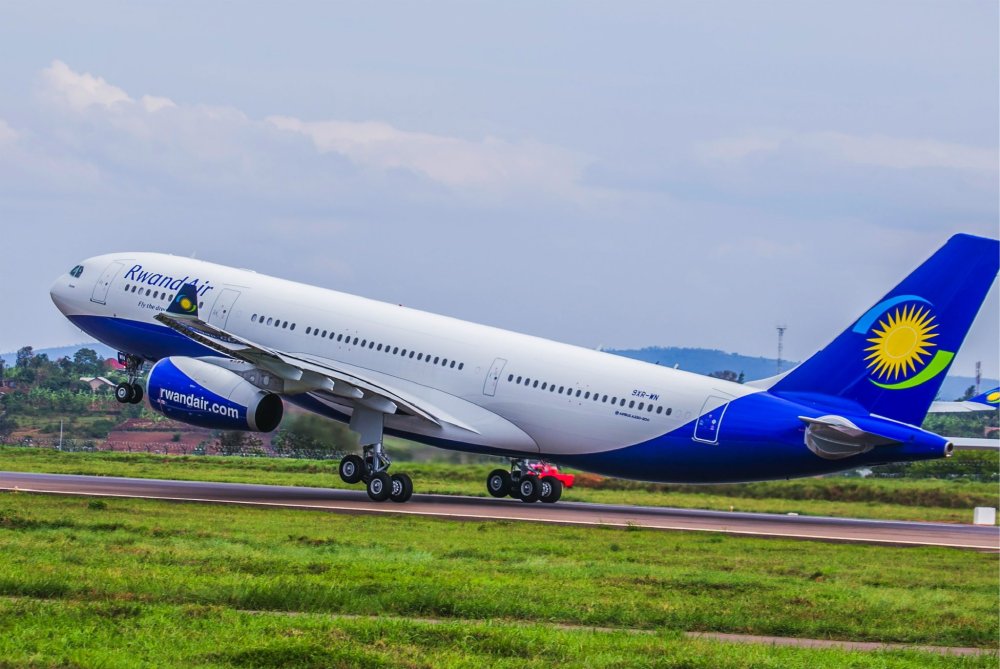
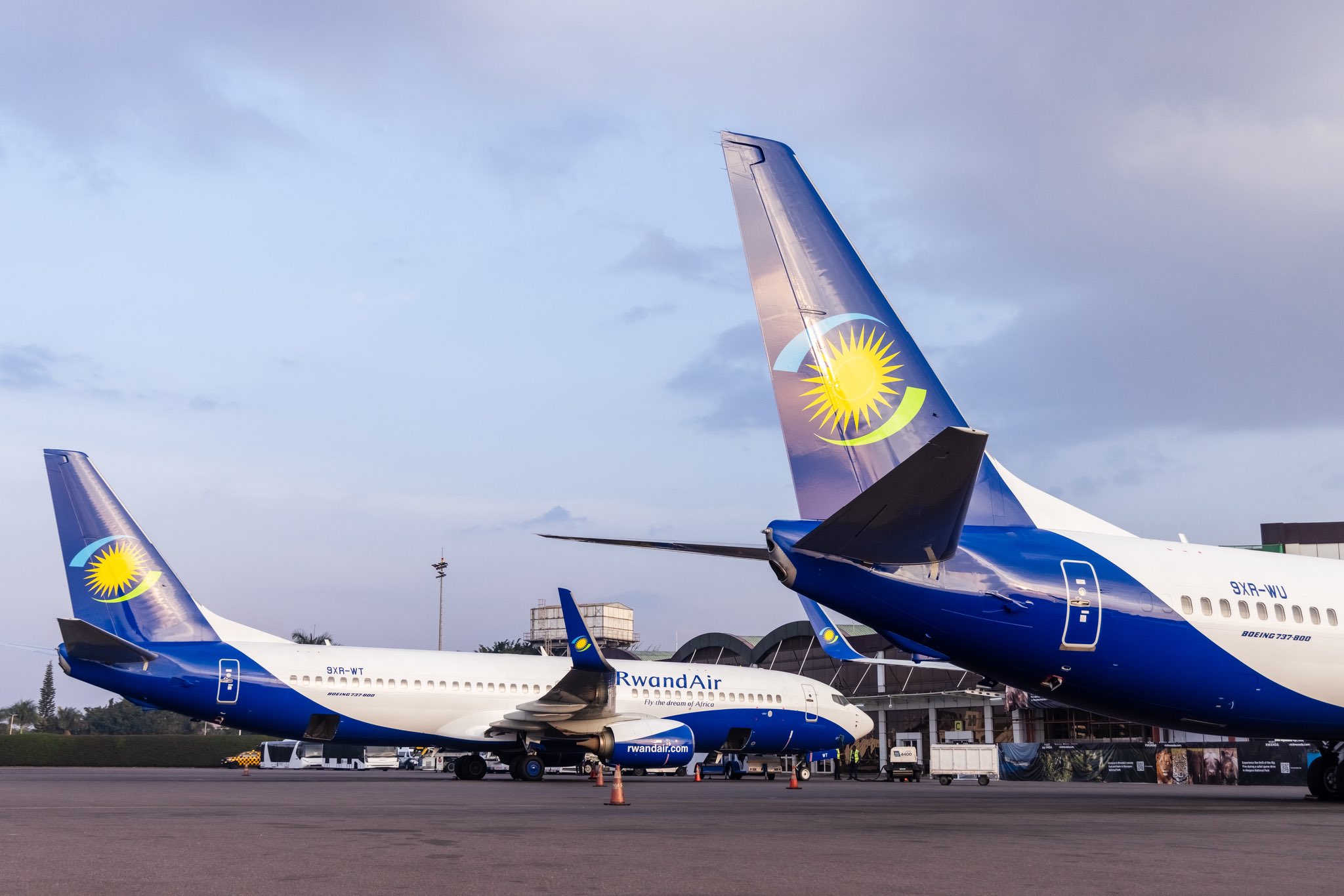
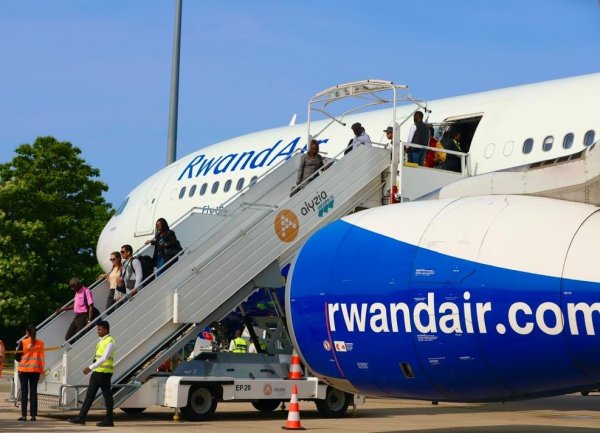
At the heart of Rwanda’s aviation story is RwandAir, the national carrier established in December 2002. The airline has become both an emblem of national pride and a significant line item in the public budget.
In 2023, RwandAir received Frw 192.3 billion in government subsidies, a 33 percent increase compared to the previous year and benefited from a state-guaranteed loan worth Frw 40.6 billion, according to the Ministry of Finance and Economic Planning.
These allocations are expected to remain among the largest in the 2025–2026 budget, signaling Kigali’s belief that air connectivity is not a luxury, but a strategic necessity.
“We don’t see these positions as an expense, but as a crucial investment and an essential lever for economic growth,” explained Tesi Rusagara, Minister of State in charge of Resource Mobilization and Public Investment.
Despite its fiscal dependence, RwandAir’s financial performance has improved markedly. Between 2022 and 2023, its turnover increased by 82 percent to Frw 620 billion.
The airline plans to expand its destinations from 23 to 29 and double passenger numbers from 1 million to 2 million.
New routes to Zanzibar and Mombasa are scheduled for launch in December 2025, widening its reach in the East African corridor.
{{Cargo expansion and trade integration}}
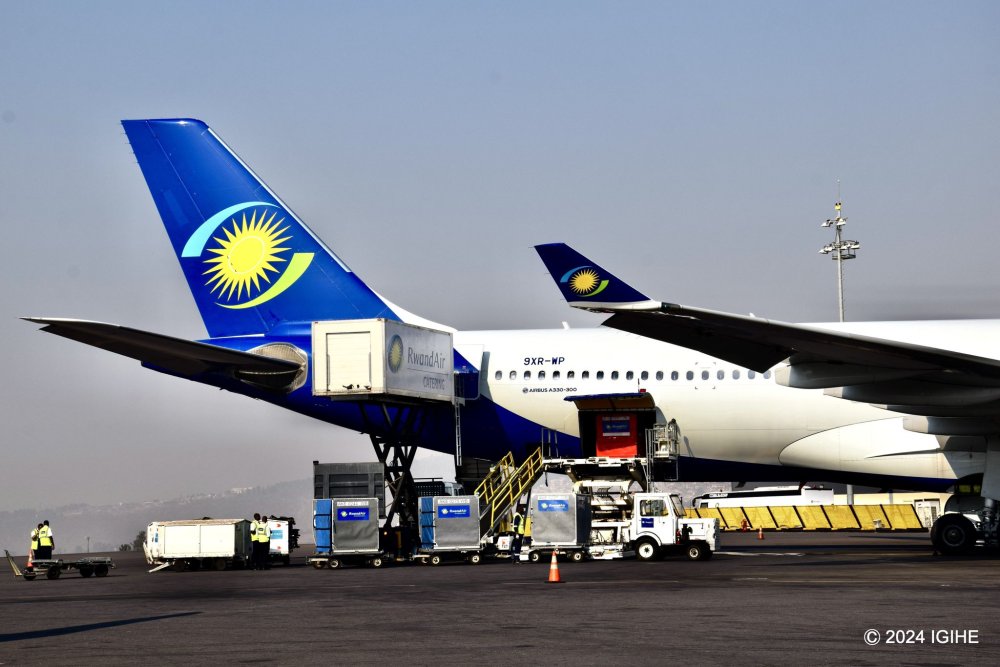
Cargo operations are fast becoming a pillar of Rwanda’s aviation economy. In 2023, national carriers handled 16,500 tonnes of air freight, ranking Rwanda as the 104th-largest air cargo market globally, according to the International Air Transport Association (IATA).
The government aims to double this figure to 32,000 tonnes by the 2025–2026 fiscal year.
The acquisition of a Boeing 737-800 freighter in 2022 has strengthened RwandAir’s ability to support exports, particularly in the horticulture sector.
The airline’s cargo growth aligns with Qatar Airways’ 2023 decision to open its first African cargo hub in Kigali, positioning Rwanda as a logistics center for intra-African trade and re-exports.
{{Regional aviation hub}}
Rwanda’s most ambitious infrastructure project, the Bugesera International Airport represents the physical foundation of its aviation ambitions.
Scheduled for completion by late 2027, the airport carries an estimated cost of USD 2.6 billion, making it one of the country’s largest-ever infrastructure investments.
Data shows that nearly the entire Frw 699.4 billion allocation of the Investment and Equity Fund for the 2025–2026 fiscal year will go toward Bugesera’s construction.
Additional spending is also planned for the rehabilitation of Rubavu and Musanze airports to strengthen domestic connections and tourism access.
Funding for Bugesera combines local resources, concessional loans, and foreign investment. Qatar Airways holds a 60 percent stake in the airport and has also expressed interest in acquiring 49 percent of RwandAir, a deal that remains under negotiation.
Meanwhile, the Asian Infrastructure Investment Bank (AIIB) has provided a USD 200 million loan, offering significantly lower borrowing costs compared to commercial markets.
Analysts from S&P Global Ratings estimate that Rwanda may still need to mobilize up to USD 1.2 billion in additional financing through multilateral guarantees or market instruments.
However, Giulia Filocca, Associate Director at S&P, notes that “Rwanda stands out because of the involvement of credible partners like Qatar and its solid institutional framework,” adding that Bugesera could “considerably improve the country’s medium-term growth prospects.”
{{Connectivity and global reach}}
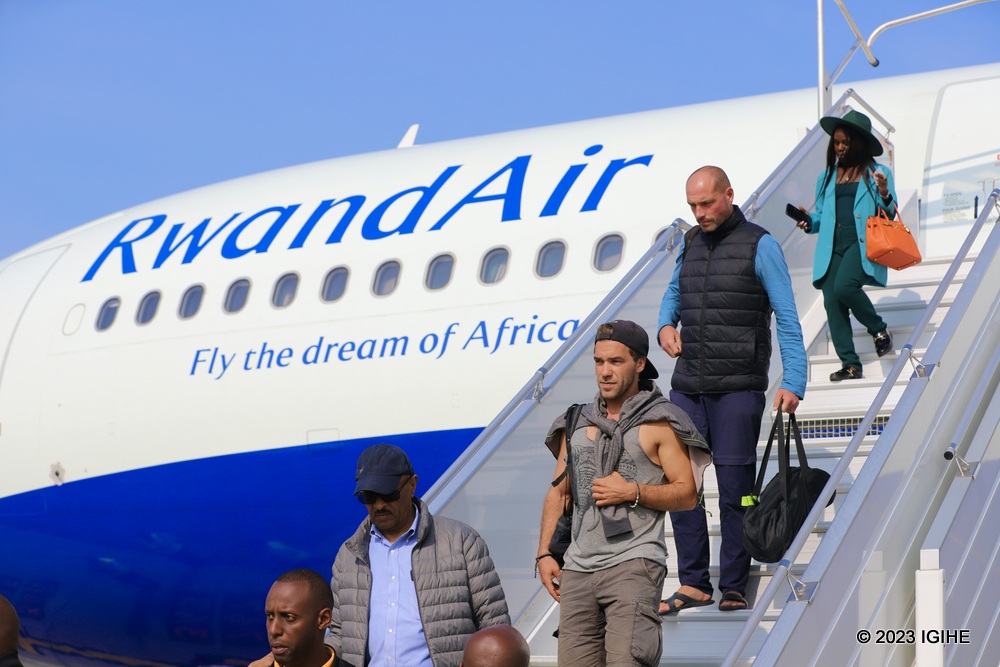
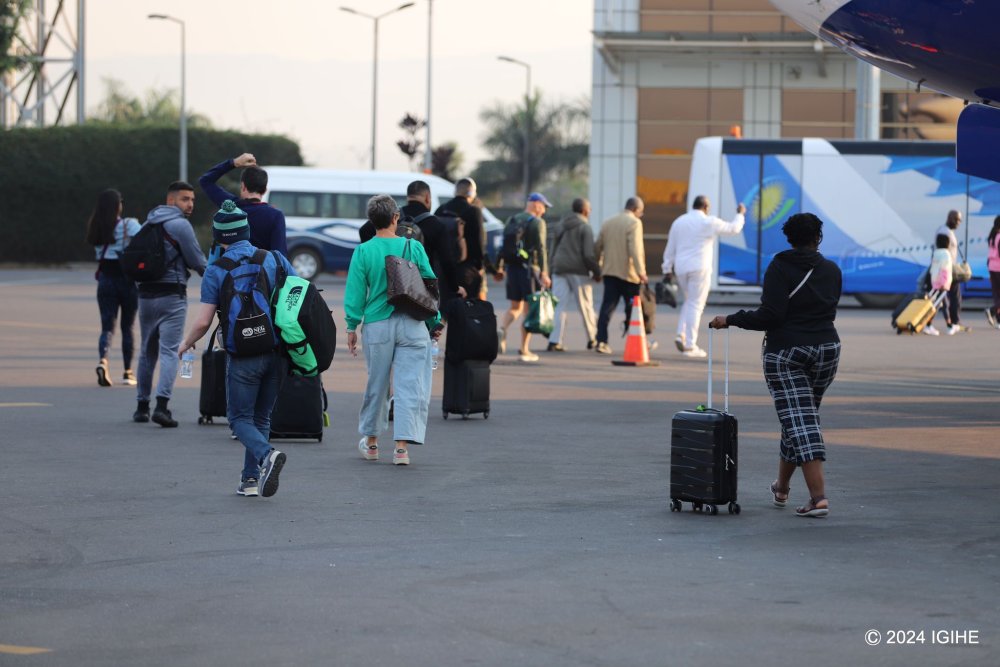
Rwanda’s air network has expanded sharply over the last decade. The country now operates two airports offering 25 international departures per day to 31 airports in 24 countries, served by ten airlines.
In 2023, international passengers accounted for 95 percent of total departures, equal to 447,400 travelers, a 21 percent increase over ten years. Africa remains the largest market, hosting 56 percent of passengers, followed by Europe (21 percent) and North America (11 percent).
The top ten destinations from Kigali were Nairobi (56,500 passengers), Entebbe (28,300), Brussels (25,100), Johannesburg (19,200), Dubai (18,500), Lagos (17,000), Paris (14,500), Dar es Salaam (13,600), Bujumbura (11,300), and London (10,800).
Since 2014, Rwanda’s air connectivity index has risen by 23 percent within Africa and an extraordinary 326 percent with non-African regions, reflecting Kigali’s steady evolution into a regional transfer hub for East and Central Africa.
While access to air travel is expanding, affordability remains a structural constraint. Data from IATA (2023) shows that the average Rwandan worker must labor 124 days to afford a typical round-trip ticket. Still, mobility is improving: 34 flights per 1,000 people were recorded in 2023, indicating growing participation in air travel even amid limited purchasing power.
Beyond economics, aviation enhances social inclusion. It connects remote regions to healthcare and education, accelerates humanitarian response during crises, and integrates Rwanda more deeply into global cultural and knowledge exchanges.
Rwanda’s investments in air transport align with the country’s Vision 2050, which identifies connectivity as a key driver of transformation into a regional logistics and service hub. Aviation is viewed as the foundation upon which high-value industries including pharmaceutical manufacturing, horticulture, and conference tourism (MICE), can thrive.
Minister Rusagara notes that the government’s approach to large-scale projects such as Bugesera is carefully sequenced: “As with all major construction projects, this is not a lump-sum payment but a schedule aligned with execution. Connectivity is crucial for us, not only to accelerate tourism but also to support the investments we have made in vaccine manufacturing and agri-food hubs.”
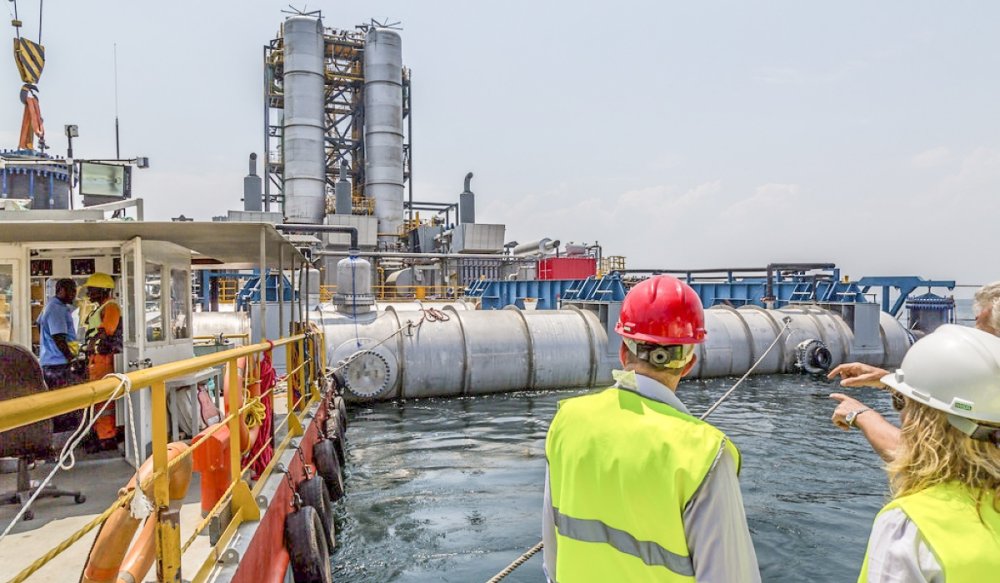
The laboratory, costing Frw 2 billion, is being built in the Rubavu District as part of the larger Lake Kivu Monitoring Program (LKMP), which is essential for the sustainable management of this important natural resource for Rwanda.
Once complete, the facility will be equipped with advanced tools for monitoring environmental protection, water quality, and methane gas levels, while also supporting various research activities.
The laboratory will provide valuable equipment for experts in the fields of biology, chemistry, earth sciences, and other disciplines, offering resources that are not readily available in the region.
Eric Mudakikwa Ruhanamirindi, the environment analytics and Lake Kivu monitoring division manager at REMA, confirmed that the laboratory will be completed by November.
“The main objective is to ensure that methane gas extraction is conducted without harming the environment,” he told the Parliamentary Committee on Land, Agriculture, Livestock and Environment on Tuesday.
Alex Mugabo, REMA’s Single Project Implementation Unit (SPIU) Coordinator, mentioned that the construction of the laboratory is 80% complete.
He noted that although the project was expected to be finished by now, an additional Frw 500 to 600 million is required to complete the remaining work. Despite this, he emphasized that the construction is progressing well.
REMA has confirmed that the required funds for the completion of the project have already been secured, with no further financial concerns.
Statistics show that Lake Kivu contains between 60 and 70 cubic kilometers of methane gas, with 44.7 cubic kilometers available for extraction.
Rwanda has two industries extracting this natural resource: KivuWatt and Shema Power Lake Kivu. Additionally, a new plant, GasMeth, is set to begin operations soon.
Rwanda has two plants currently extracting this natural resource including KivuWatt and Shema Power Lake Kivu. In addition, a new plant, GasMeth, is set to begin operations shortly.
In the next five years, Rwanda plans to invest over $1 billion into projects aimed at generating 1,000 megawatts of power to meet the country’s diverse energy needs.
Part of this investment will go toward developing methane gas extraction to generate an additional 136 megawatts of electricity from this natural resource.
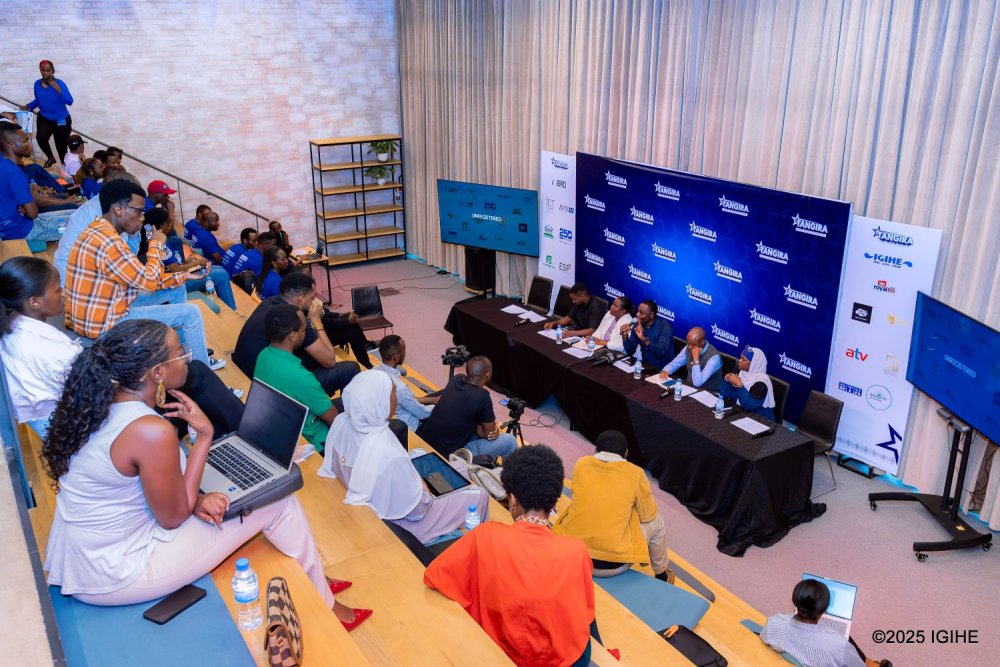
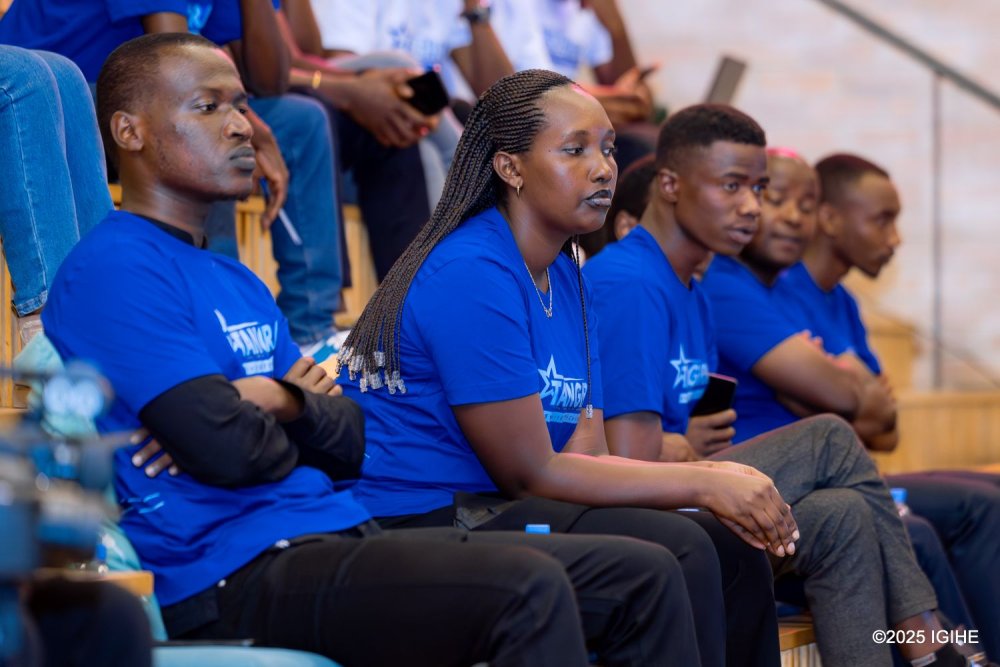
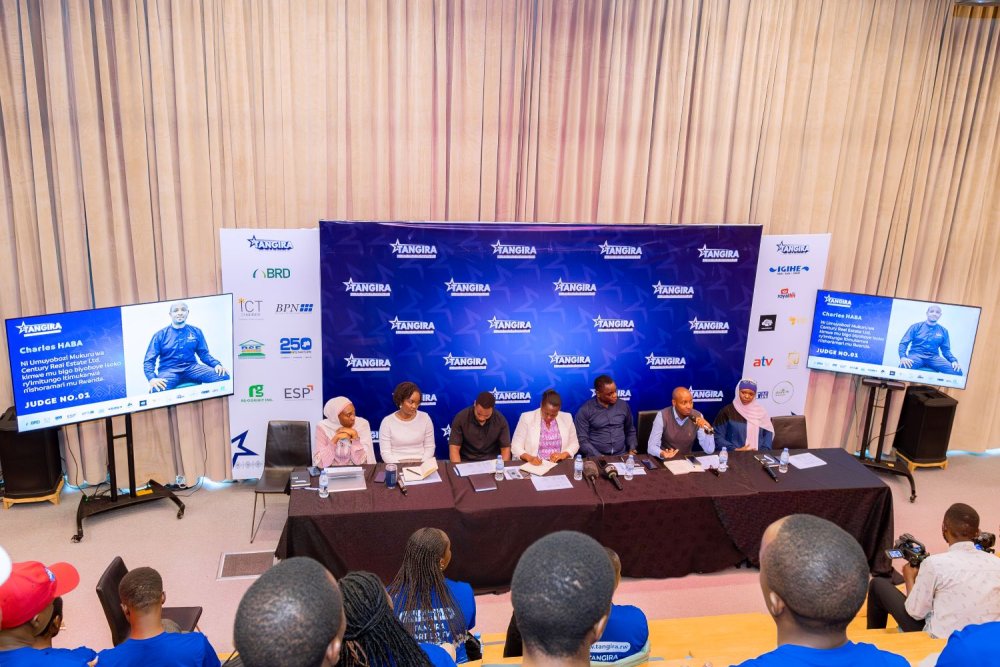
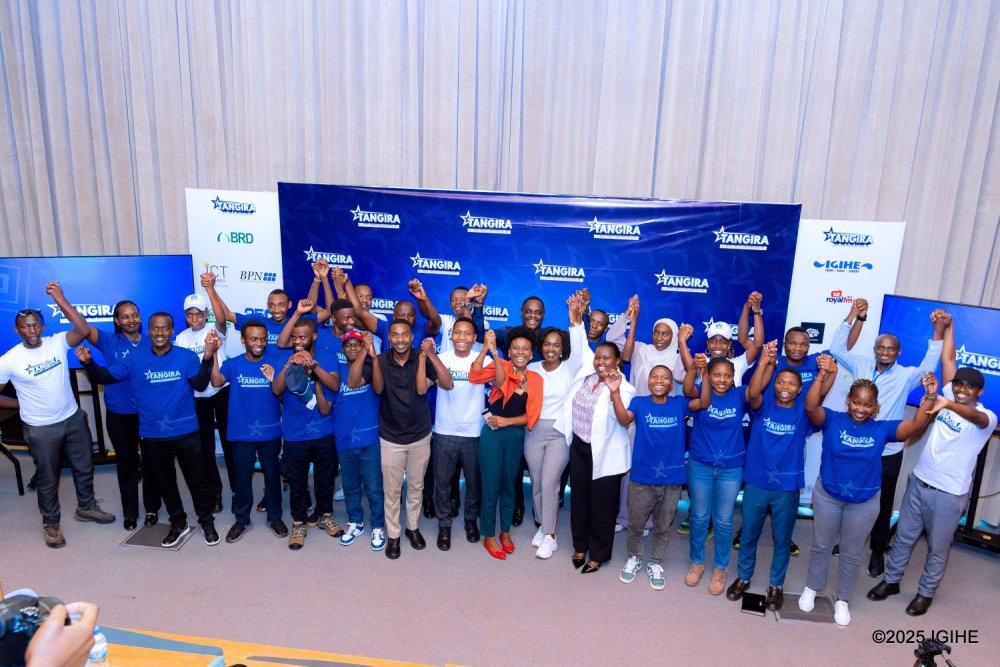
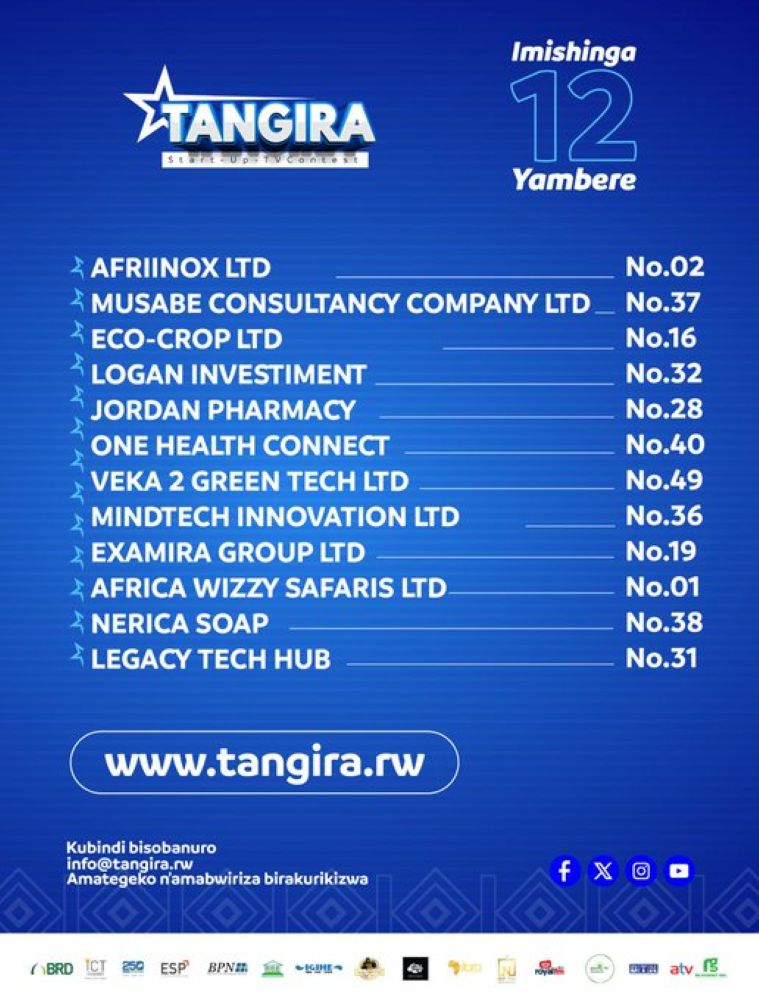
These projects were chosen from a pool of 50 that competed in the initial public voting phase of the competition. The selected projects represent a diverse range of innovative ideas and social impact, with 80% of the selection based on the decisions of a panel of judges and 20% determined by the public through a digital voting system.
The competition aims to support emerging entrepreneurs by providing them with valuable knowledge, training, opportunities to network with key industry players, and financial support to help develop their ventures.
In a media interview, Mudenge Ingabire Phionah, representing business mentors, emphasized that the 12 entrepreneurs advancing to the next stage were selected based on the novelty and potential benefits of their projects for the community.
She noted that many young people are eager to start businesses but lack the necessary resources and confidence. “Many young people show a strong desire to start businesses, but the problem is that they are not well-prepared. That is why it is our responsibility to help them develop solid, high-quality projects with a sustainable future,” she said.
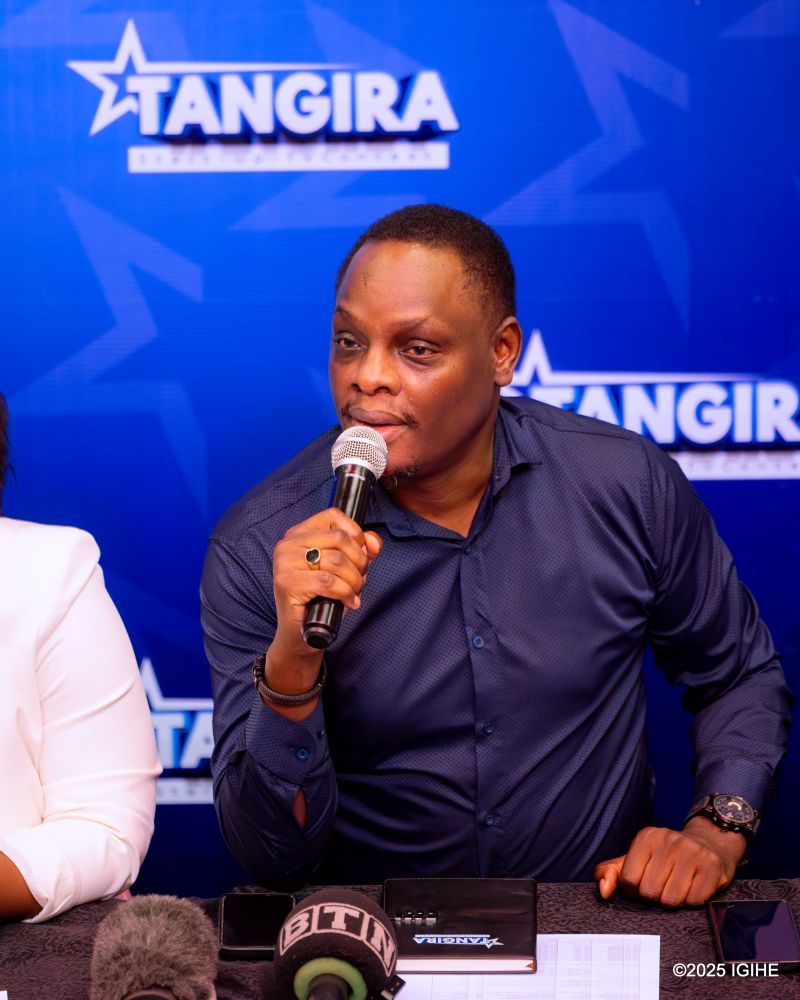
Remmy Lubega, the show’s Executive Producer and CEO of RG-Consult Inc, explained that the main goal of the project is to showcase and promote young entrepreneurs and their businesses by giving them a platform to publicize their ideas.
He highlighted that one of the major challenges faced by young entrepreneurs is the lack of visibility, which this contest seeks to address.
“This initiative aims to provide entrepreneurs with more opportunities, such as meeting investors, potential partners, and gaining audiences for their work,” Lubega said.
The 12 entrepreneurs moving forward will receive mentorship and training to refine their projects before presenting them to the judging panel in a televised event.
The Tangira StartUp TV Contest will air on Igihe TV in six phases, with winners being selected each week until the final six projects remain to compete for the grand prize.
The finalists will compete for prizes including over 10 million Rwandan Francs and other valuable rewards.
The Tangira StartUp TV Contest has several partners, including BRD, ICT Chamber, RSE, 250Startups Incubator, BPN, ESP, IGIHE, Aba VIP, Itara Productions, BTN, ATV, Royal FM, Capital FM, Nep Filmz, and RG-Consult Inc.
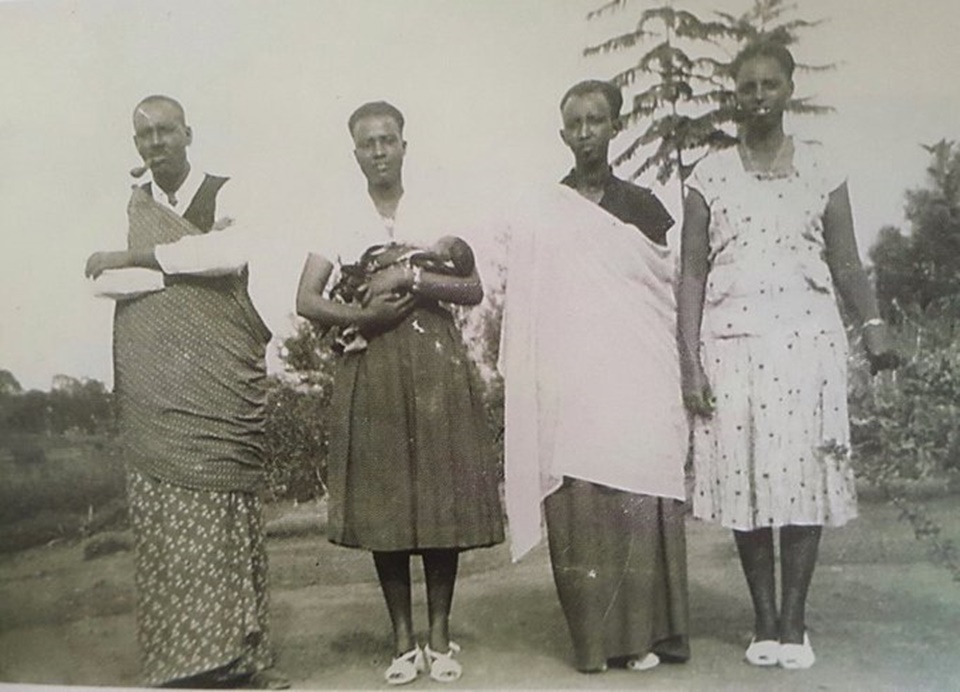
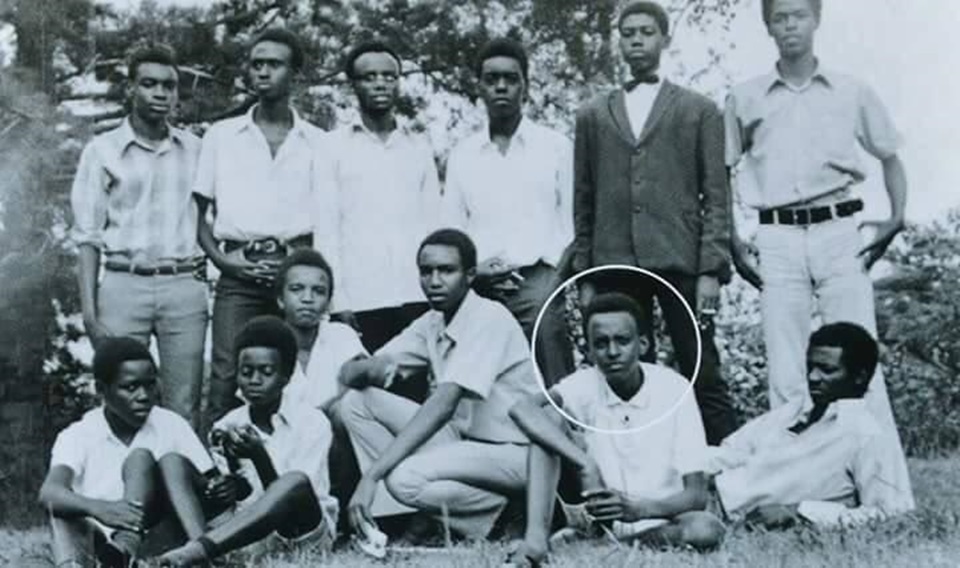
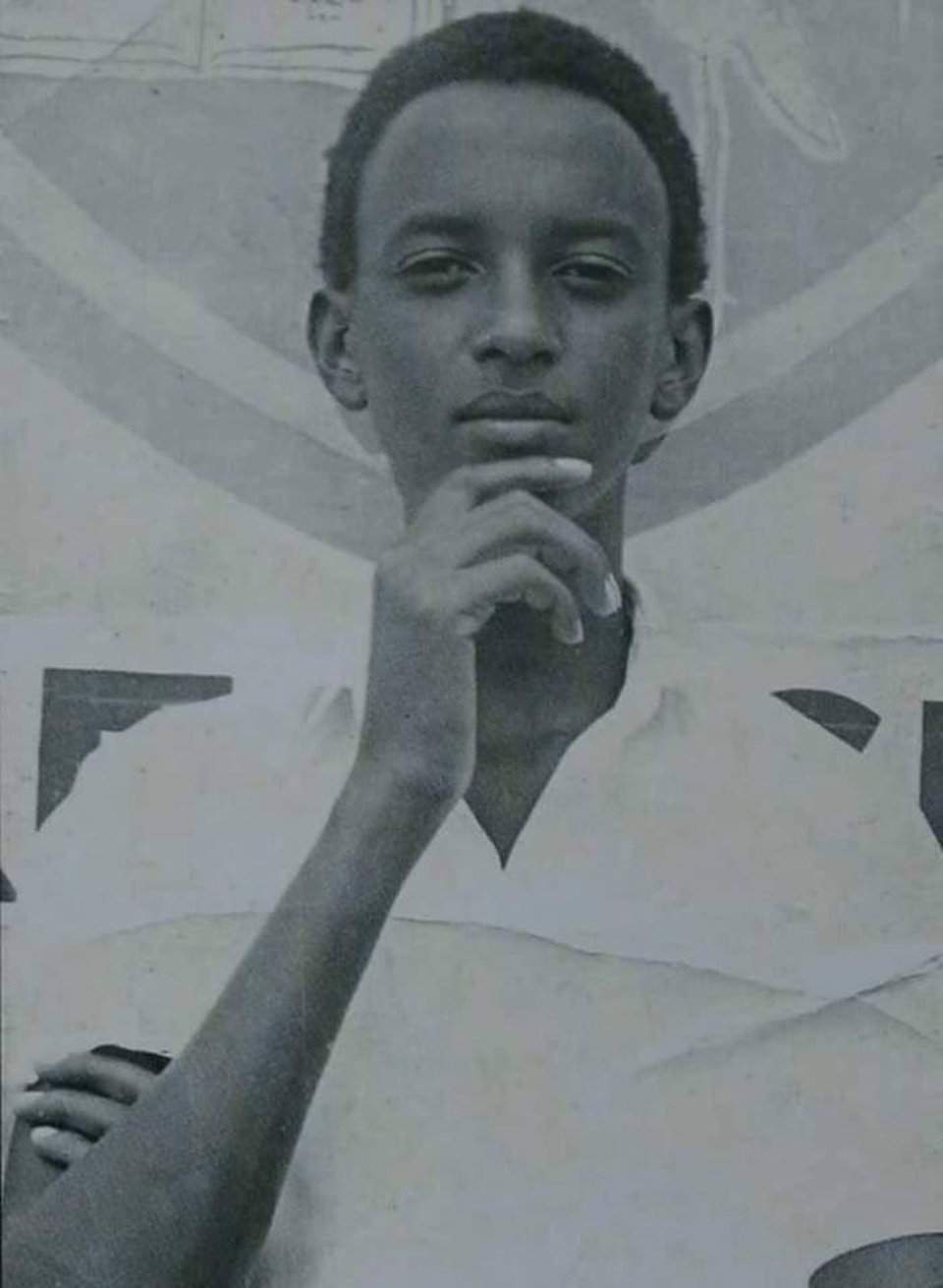
This is one of the fond memories that those who know President Kagame have of him from his childhood. From the Southern Province of Rwanda, where he was born, to the refugee camps in Uganda, including Rukinga, Nshungerezi, and Gahunge, Kagame stood out as a model of excellence, a characteristic that has stayed with him to this day.
Born in 1957, President Kagame entered the world in a family of integrity. His mother, Asteria Bisinda, and his father, Deogratias Rutagambwa, were individuals of principle. Rutagambwa, an entrepreneur who founded Trafipro, was also known for his ethical conduct. Even during their time in exile, he was often chosen to lead the community in the camps.
Kagame was baptized as an infant in November 1957, with Mutembe Ildephonse serving as his godfather, just one month after his birth.
In 1959, as political unrest escalated in Rwanda during the Revolution, which targeted the Tutsi population, Kagame’s family fled their home.
They initially sought refuge in the Mutara region of Rwanda, before eventually crossing into Uganda on November 6, 1961.
During their journey, Kagame and his mother were separated from his father, who passed through Burundi and eventually made his way to the Democratic Republic of Congo (formerly Zaire), and then to Uganda.
While life in exile was undoubtedly difficult, Kagame continued his education in the refugee camps. One of the individuals who knew him from Gahunge camp, recalls that Kagame was a disciplined, neat child, maintaining a level of cleanliness that was rare for many as he studied at Rwengoro School.
Another former colleague remembers Kagame as someone who, despite his youth, would approach older students to inquire about their duties or to remind them of their responsibilities.
“He had a mature demeanor,” said one former peer. “He would often play football with the older boys, but he would also ask us why we weren’t studying.”
Kagame excelled in school, standing out as one of the brightest students. A teacher from that time remembers a foreign visitor who encouraged the students to work hard, promising that those who performed well would be offered a chance to study at Ntare School, a prestigious secondary school. Kagame was among the first to achieve this goal.
Throughout his early life, Kagame exhibited a deep curiosity about Rwanda’s history, often seeking out the stories of older individuals who had fought in the Inyenzi movement. He and his close childhood friend Fred Rwigema spent hours learning from veterans including Maliko, reflecting Kagame’s early passion for his country and its history.
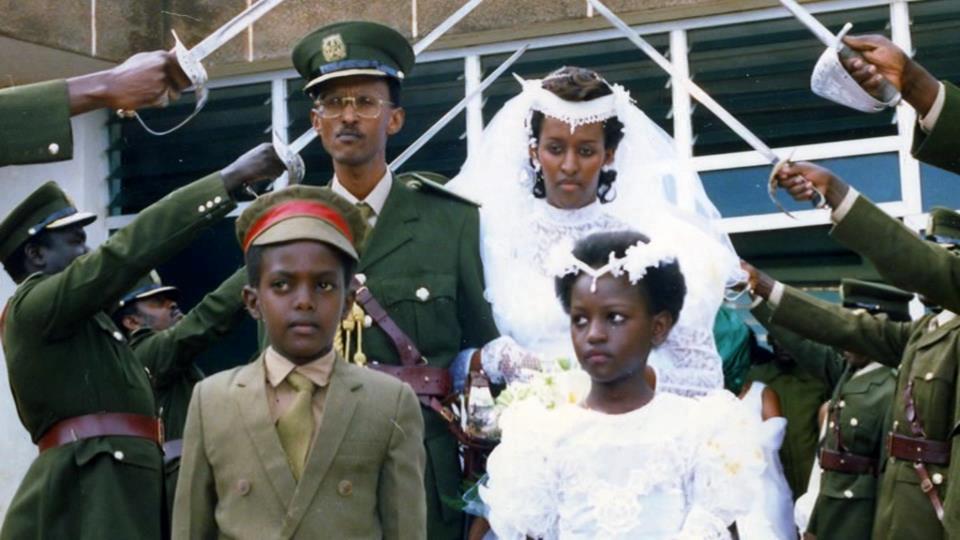
After completing his studies at Ntare School, Kagame attended Old Kampala School before eventually joining the Ugandan liberation struggle. While others pursued university education, Kagame chose to fight for Uganda’s freedom, believing it would provide him with the opportunity to return to his homeland.
Those familiar with Kagame’s early military history note that he joined Uganda’s armed forces by hitching a ride in a truck driven by General Lutaaya, one of Uganda’s top military officers.
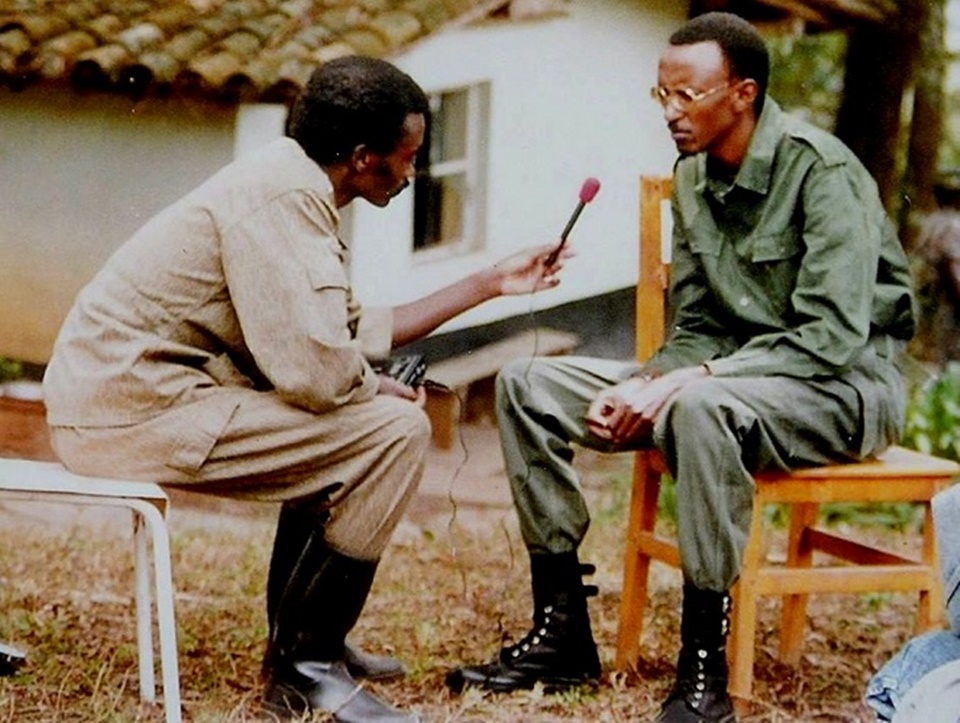
He began his military journey by participating in the 1981 attack on the Kabamba Military Training School, which marked the beginning of Uganda’s liberation struggle.
During the war, Kagame held important military roles, focusing on discipline within the ranks and intelligence operations. He was known for his professionalism and dedication, and his soldiers respected him greatly for his integrity and leadership.
Those who served with Kagame during his time in the military recall how he was admired. “He was a man of integrity, and everyone respected him,” said one comrade. “He never tolerated injustice and always acted with fairness.”
Kagame’s early life, from his childhood in the refugee camps to his military service, laid the foundation for the values he continues to uphold as the president of Rwanda today. His commitment to fairness, integrity, cleanliness, and a deep love for his country has been consistent throughout his life.
Today, as Rwanda’s president, Kagame is celebrated for his role in leading the country to freedom, stopping the genocide against the Tutsi, and rebuilding Rwanda into a nation with international stature. He is credited with improving the lives of Rwandans in all aspects, ensuring no one is left behind and fostering national unity.
Kagame has never accepted the colonial idea of dividing Rwandans based on ethnicity, and he continues to reject any notion of division. He once spoke of how a Stanford University expert suggested a scientific method to measure the “genealogies” of Rwandans to justify colonial divisions. Kagame responded by dismissing such ideas, stating that such notions were a form of foolishness.
He emphasized that despite differences in appearance or background, all Rwandans are united as human beings, and the government should focus on unity.
As Rwanda continues to thrive under his leadership, Kagame’s childhood experiences and the values he developed during those formative years remain a testament to his integrity and vision for the future of the nation.
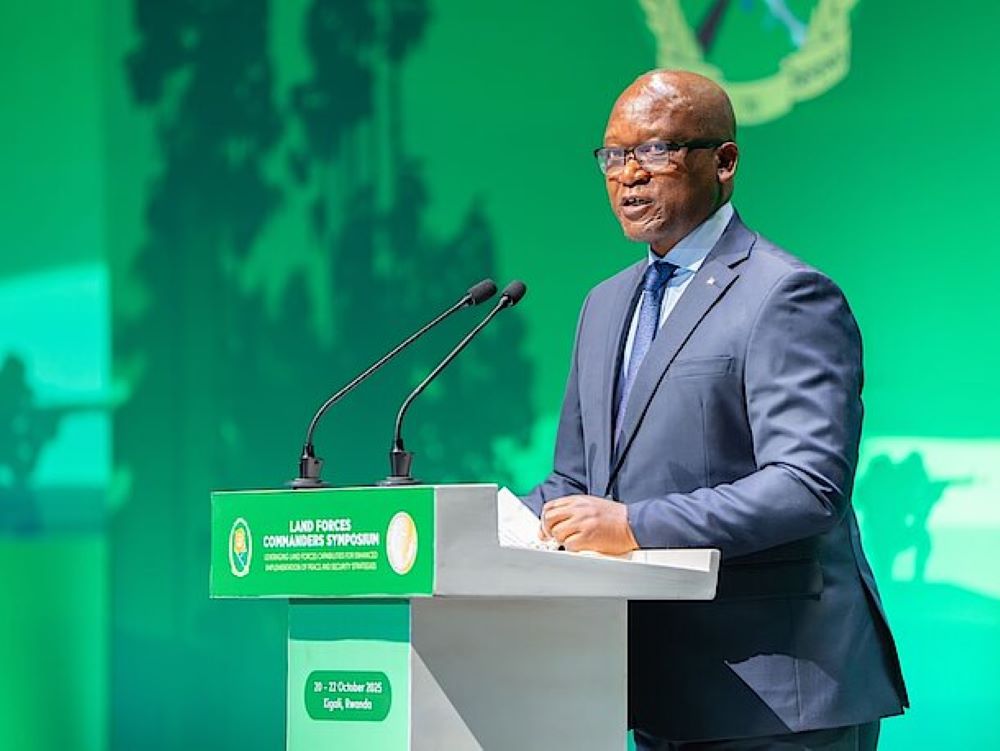
It was officially closed by Rwanda’s Minister of Defence, Juvenal Marizamunda.
This high-level gathering reaffirmed Rwanda’s steadfast commitment to promoting continental defence collaboration, dialogue, peacekeeping, security, and the exchange of military leadership expertise across Africa.
The symposium brought together Land Forces commanders, defence experts, and key stakeholders from across the continent and beyond.
In his closing remarks, Minister Marizamunda expressed gratitude to the participants for their insightful contributions throughout the event.
He underscored the importance of partnerships, particularly in joint training and professional exchange, as essential to building a stable and prosperous future for Africa and the wider world.
“You have collectively examined the evolving nature of global and regional security, and reaffirmed our shared commitment to strengthening the capabilities, professionalism, and readiness of our respective Land Forces,” he stated.
He further emphasized that the discussions had served as a powerful reminder that “we operate in an increasingly complex and unpredictable environment, marked by asymmetric conflicts, transnational threats, and crises that require decisive action.
“In such times, the vital role of Land Forces can not be overstated. They are the first responders in times of crisis, the stabilizing force during turmoil, and the foundation upon which peace is rebuilt.”
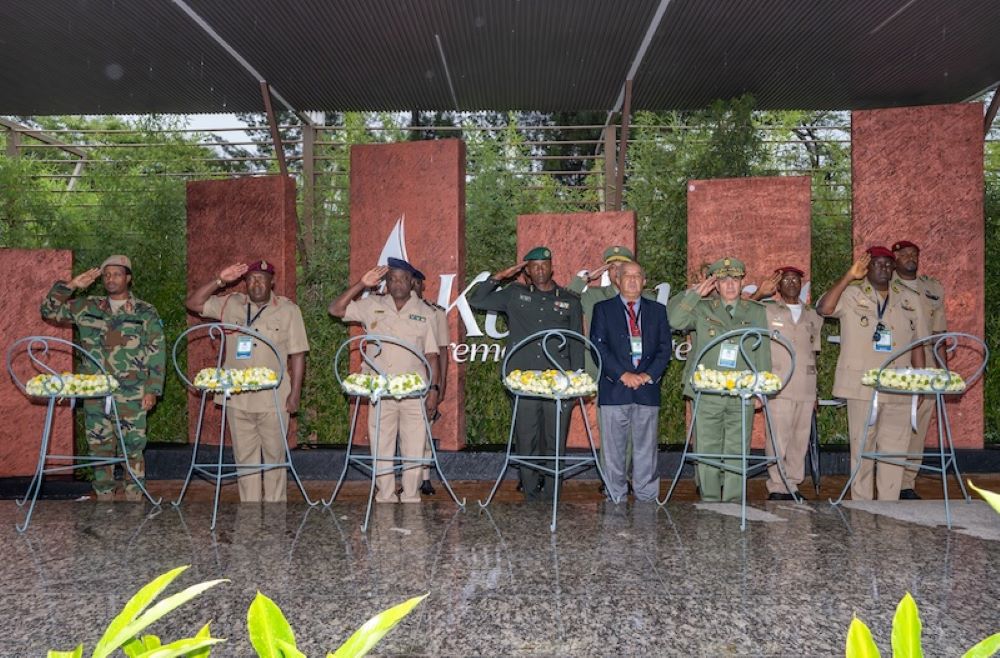
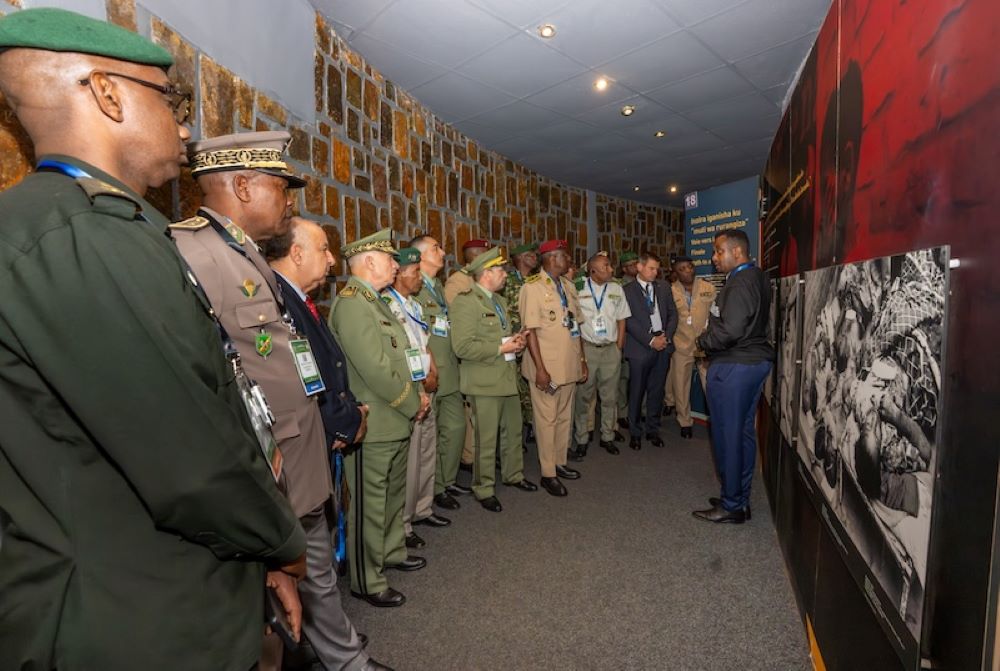
Following the official closing, Land Forces commanders visited the Kigali Genocide Memorial to pay the respects to the victims of the 1994 Genocide against the Tutsi.
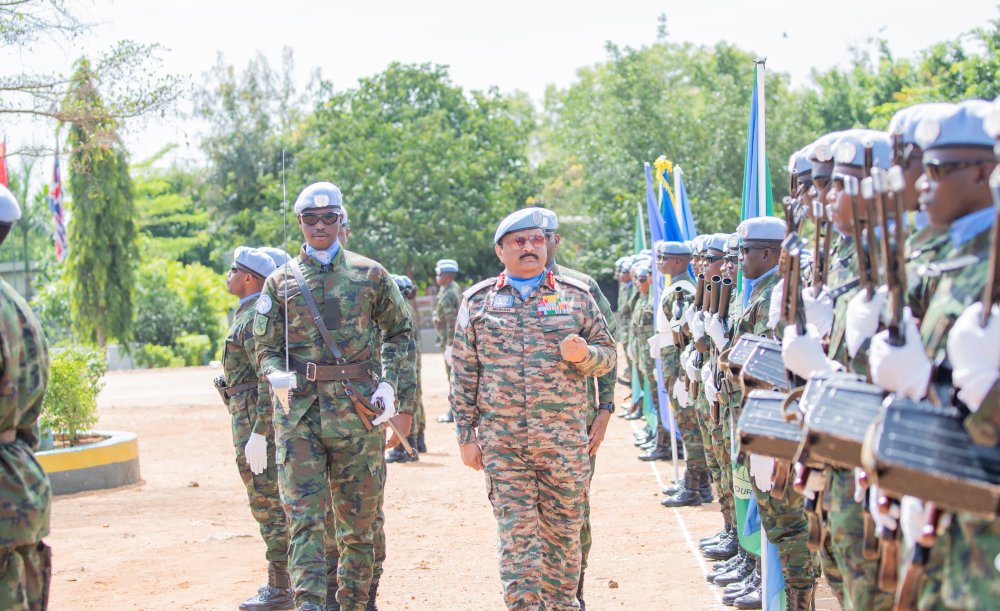
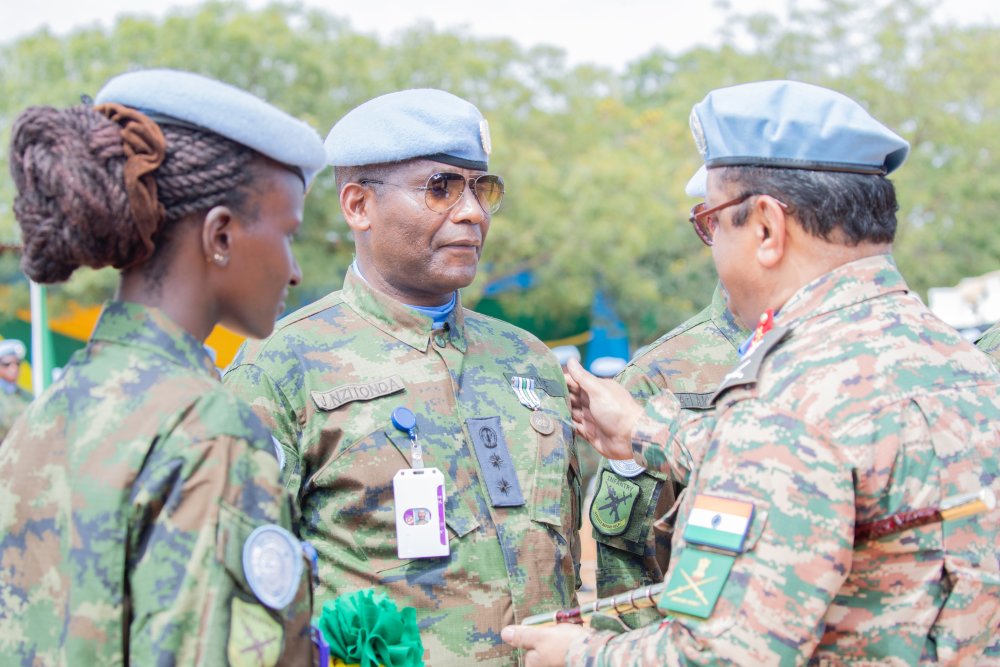
Presiding over the ceremony, the UNMISS Force Commander, Lieutenant General Mohan Subramanian, commended the Rwandan peacekeepers for their outstanding professionalism and dedication.
He noted that Rwanda is among the top five troop-contributing countries to UN peacekeeping missions globally.
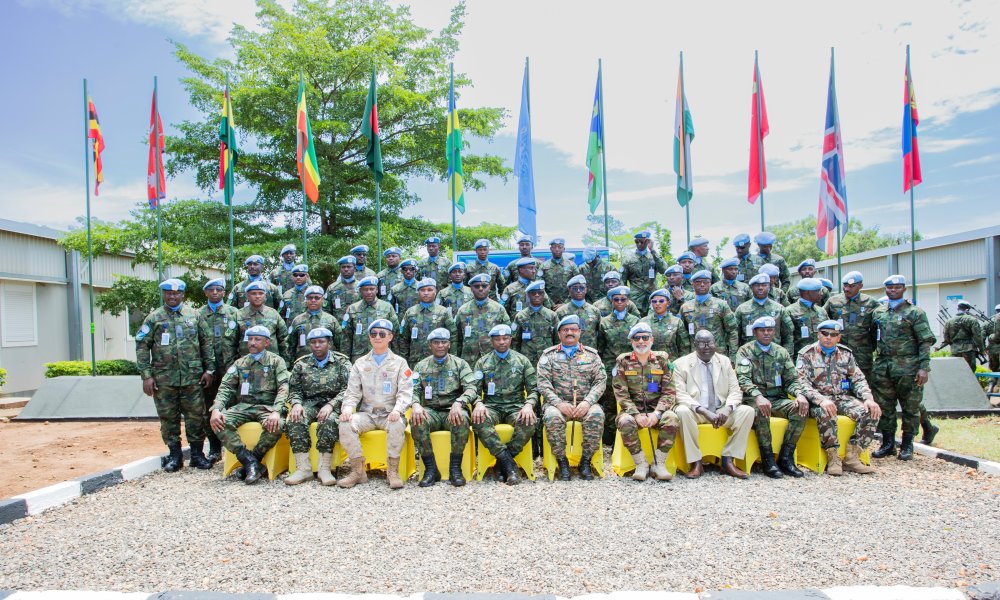
Lt Gen Subramanian praised both Rwanbatt-3, and RAU-13 for their discipline, unwavering commitment, and significant contribution to the maintenance of peace and stability in South Sudan.
Colonel Leodomir Uwizeyimana, Rwanbatt-3 Contingent Commander and Senior National Representative, expressed his gratitude to the UNMISS leadership for their ongoing support and recognition.
He reaffirmed the battalion’s commitment to upholding Rwanda’s esteemed reputation in international peacekeeping and to fulfilling the mission’s mandate to protect civilians and promote peace.
Col Uwizeyimana also highlighted the importance of cooperation with other contingents, local communities, and all stakeholders, acknowledging their role in the successful operations.
He reiterated the contingents’s dedication to fostering peace and preserving Rwanda’s proud legacy in peacekeeping efforts.
The ceremony was attended by senior UNMISS officials from various sectors and members of the Rwandan community residing in South Sudan.
The event featured a vibrant parade and a martial arts demonstration by Rwandan peacekeepers, showcasing their discipline and cultural heritage.
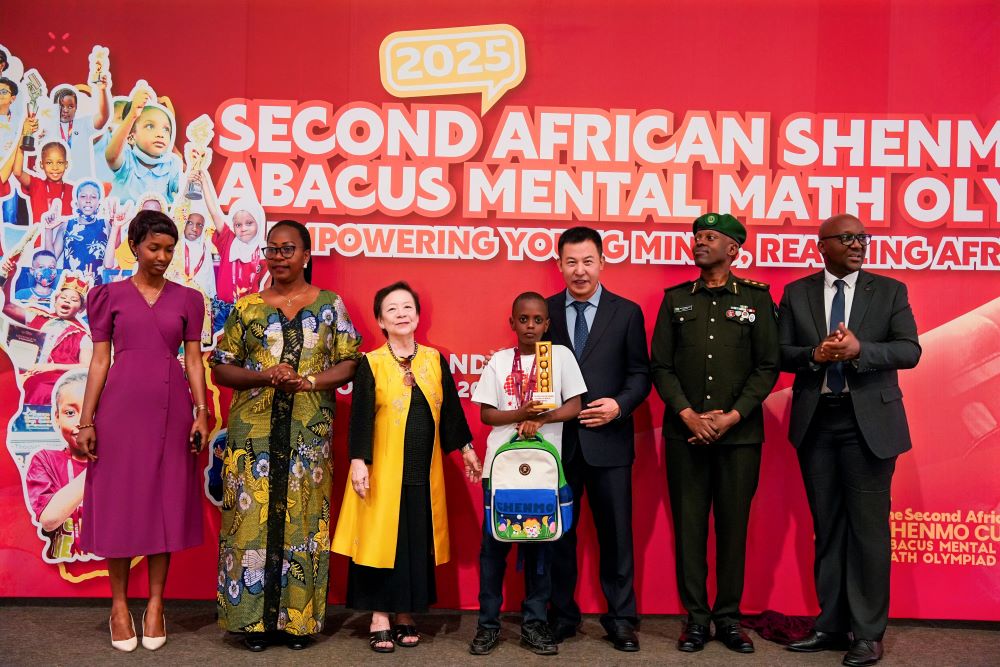
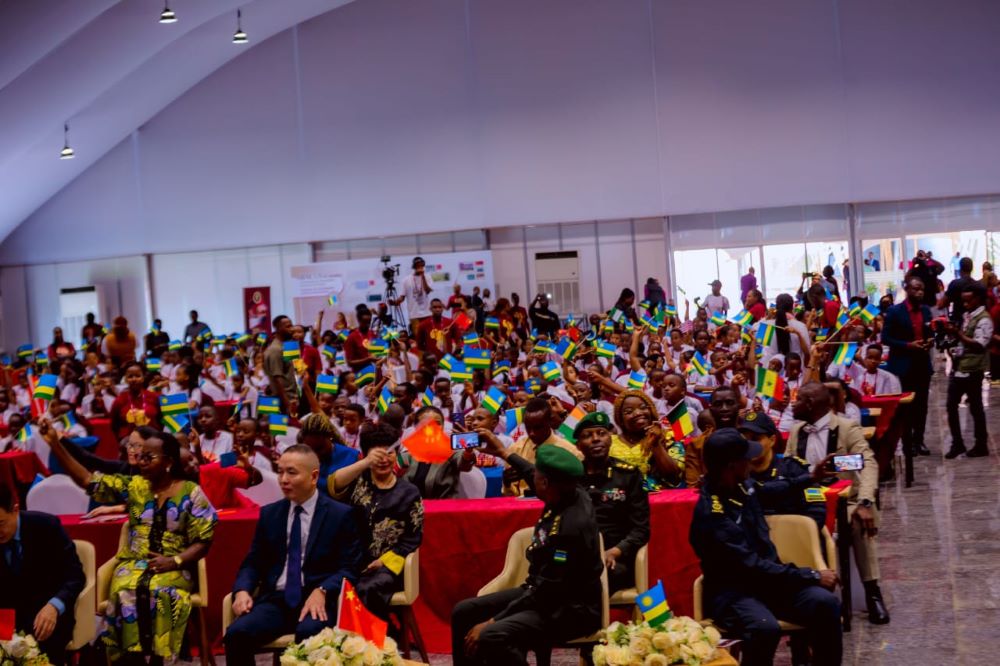
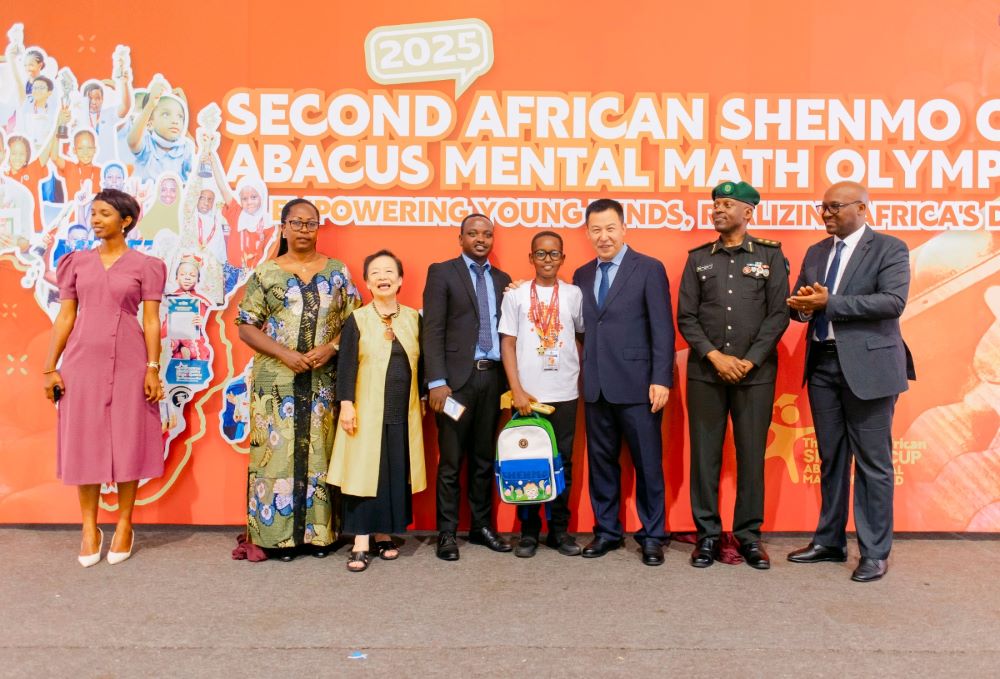
The competition was attended by high-ranking officials and dignitaries, including the State Minister in the Ministry of Education, Claudette Irere, and the Director General of the Rwanda Education Board, Dr. Nelson Mbarushimana.
Representatives from the Rwanda Defence Force, the Rwanda National Police, and delegations from 30 participating countries were also present.
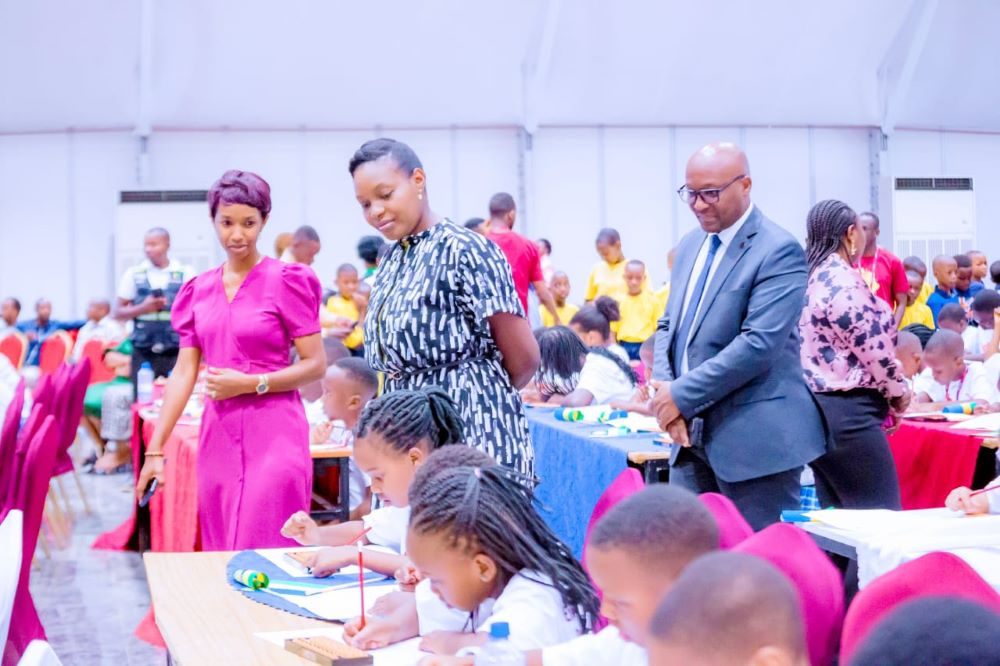
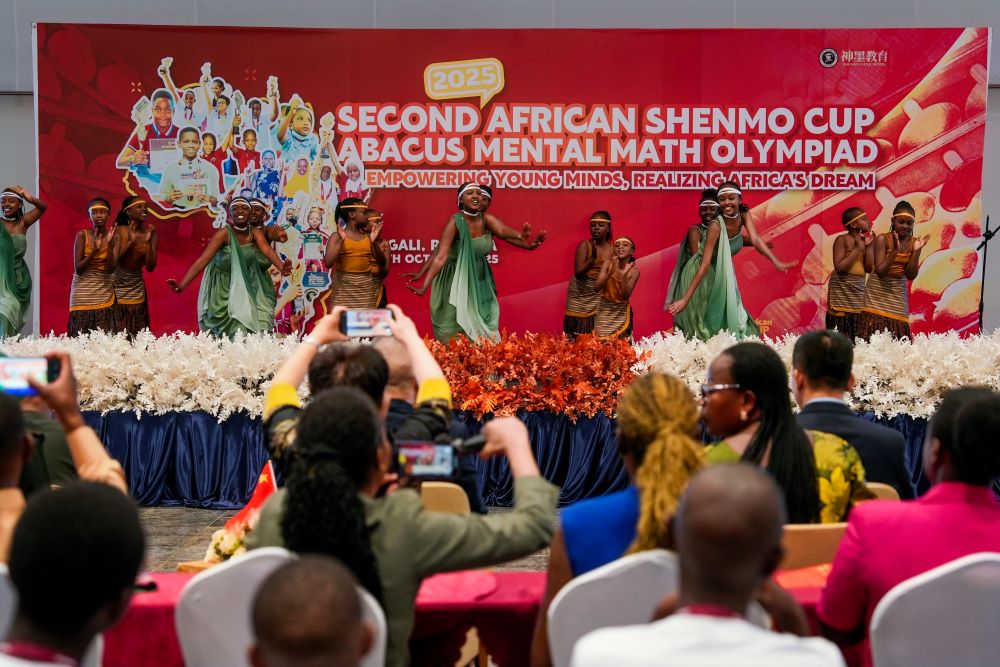
This year’s Olympiad gathered nearly 400 students who showcased their remarkable mental arithmetic skills using the ABACUS method, a technique that blends speed, memory, and concentration in an extraordinary display of numerical mastery.
Among these bright minds, APACOPE stood out impressively, earning the coveted first place overall and securing the highest number of student awards among all participating schools.
The school’s star performers included Alsene Irakooze, who claimed victory in Level 3 for Watching and Listening, and Eddy Nkuranga, who triumphed in Level 3 Written Exams.
Gakumba Ishya Gaelle also took top honors in Level 4 Watching and Listening, while Shima Salom Junior and Kirenga Enzo Yanis brought home second-place finishes in the same category and in Level 4 Written Exams respectively.
This remarkable success builds upon APACOPE’s already stellar reputation. In a previous international competition held in Nigeria, one of its students won a gold medal in the ABACUS Mental Calculation category, an achievement that underscored the school’s long-standing commitment to academic excellence and innovative teaching methods.
Adding to its remarkable achievements, APACOPE traditional dance troupe entertained the audience with captivating Rwandan cultural performances, making the event even more vibrant and memorable.
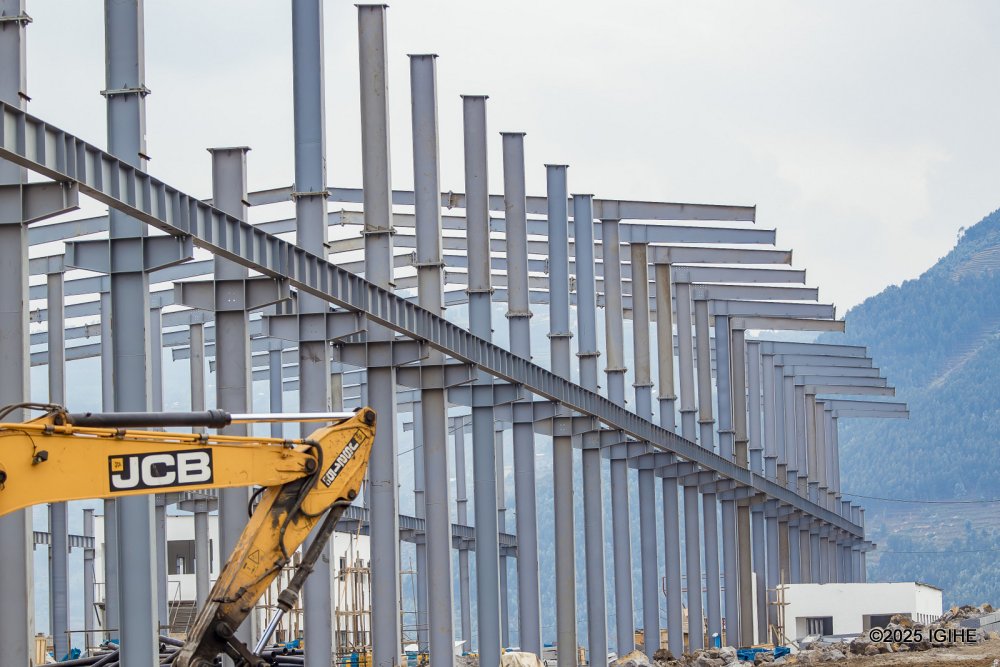
These include a new iron and steel processing plant, a lithium and tantalum refinery, and expanded petroleum storage facilities.
These projects are highlighted in the annual economic performance report released by the Ministry of Trade and Industry (MINICOM).
{{Export targets and industrial growth}}
According to MINICOM, Rwanda aims to increase its total export value to $4.9 billion by 2026, up from $4.2 billion in 2024/25.
The main contributors to this target include exports from floriculture, edible oil manufacturing, construction materials, and mineral processing industries.
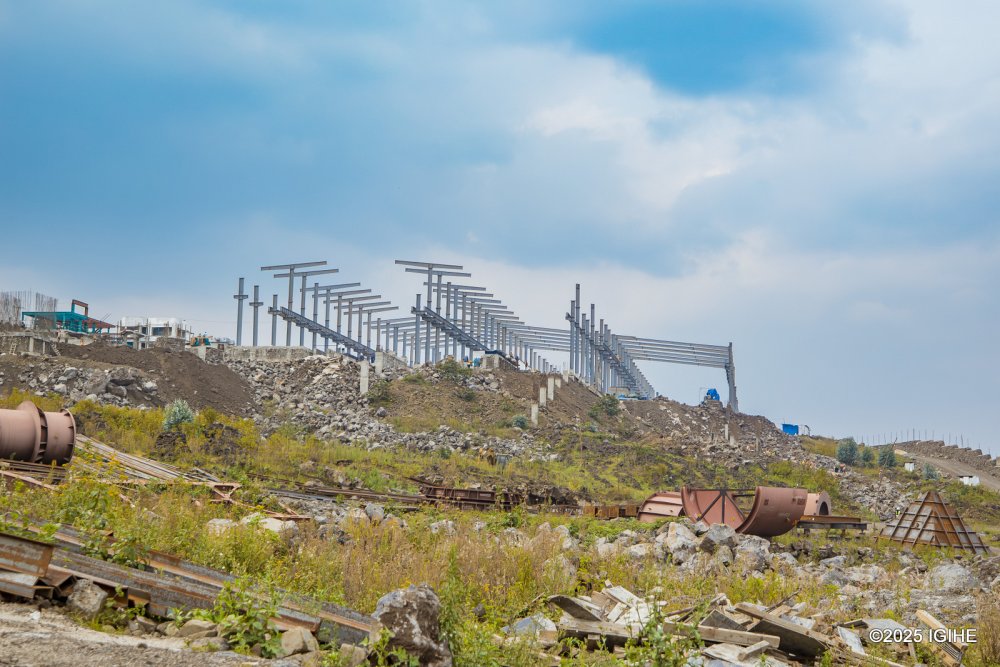
Among the new industrial ventures expected to drive growth is the A1 Iron & Steel plant, which will process iron ore and produce a range of steel products used in construction.
The factory will manufacture Thermo-Mechanically Treated (TMT) bars, 5.5 Wire rods, Binding wire, Hot rolled strips, V angles, Flat bars, C channels, I-beams, and Round bars. It is located in the Musanze Industrial Park.
{{Ceramic, lithium and tantalum processing investments}}
Another significant project is the Rwanda Mountain Ceramics factory in Muhanga District, which will produce ceramic tiles using locally sourced clay.
The total investment is estimated at $60 million, with between 70 and 100 workers already employed during construction and about 200 permanent jobs expected once operations begin.
In the mining sector, the Golden Tree Mining plant, owned by the Dubai-based Golden Tree Investment Group, will process tantalum, lithium, and niobium.
Located in the Muhanga Industrial Zone, this facility will be one of the largest of its kind in East Africa and is expected to significantly increase the value of Rwanda’s mineral exports.
In 2024/25, Rwanda earned $1.6 billion from mineral exports, mainly from tin, tantalum, and gold. The new lithium and tantalum processing plant is expected to boost these earnings even further.
{{Cement, leather and industrial parks expansion}}
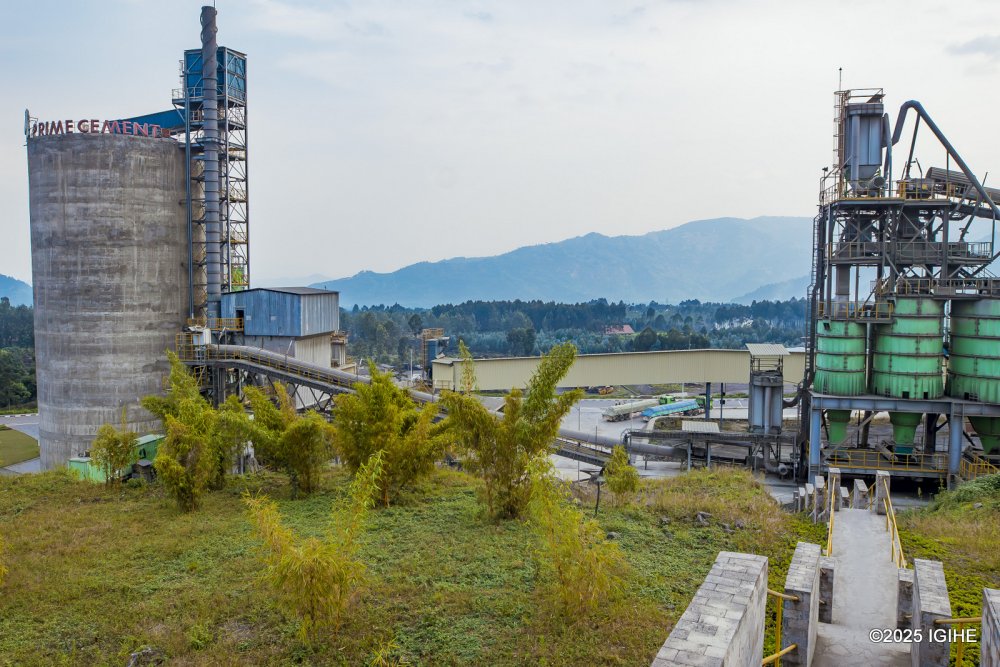
In 2025/26, CIMERWA, Rwanda’s leading cement manufacturer, will begin constructing a new clinker production plant in Musanze District.
This project is expected to save the country more than $4.5 million per month, which is currently spent importing clinker from neighboring countries.
Additionally, Rwanda plans to establish a leather industrial park in Bugesera District.
The idea stems from the need to process domestic hides and skins locally rather than exporting them for treatment abroad and reimporting them at higher prices.
These new plants will be supported by infrastructure development in Musanze, Muhanga, Bugesera, and Rwamagana industrial zones.
{{Industrial sector performance}}
The government has set an ambitious goal for industrial growth to reach 10% in the 2025/26 fiscal year, a significant increase from 3% recorded in 2024/25. Revenues from the manufacturing sector also rose to $3.4 billion, compared to $3.3 billion in the previous year.
Within this performance, the food processing industries contributed 24% of the total output, while beverages and tobacco accounted for 29%.
The machinery, metal, and equipment segment represent 8%, matching the contribution from textiles and leather industries, which also stand at 8%. Meanwhile, furniture and office equipment contributed around 7%, and mining and mineral processing maintained a steady share of 8%.
{{Expansion of petroleum storage capacity}}
In March, the Minister of Trade and Industry, Prudence Sebahizi, announced that Rwanda’s current petroleum storage capacity exceeds 110 million liters, but the government aims to increase this to 320 million liters within two years.
The 2025/26 plan includes building new petroleum depots, which will significantly enhance the country’s storage capacity.
Rwanda imports petroleum products mainly from Arab countries, routed through Tanzania and, to a lesser extent, Kenya.
Currently, investors operating petroleum depots earn Frw 8 per liter, but the government is considering raising this to between Frw 12 and Frw 14 per liter to make investment in storage expansion more profitable.
As of 2021, petroleum storage facilities included; OilCom depots in Jabana, SP depots in Rusororo, Government depots in Gatsata, Rwabuye, and Bigogwe, ERP depots in Kabuye, jet fuel storage facilities in Kanombe and Rusororo.
In 2024/25, Rwanda spent $637 million on petroleum imports, a slight increase from $636 million in 2023/24.