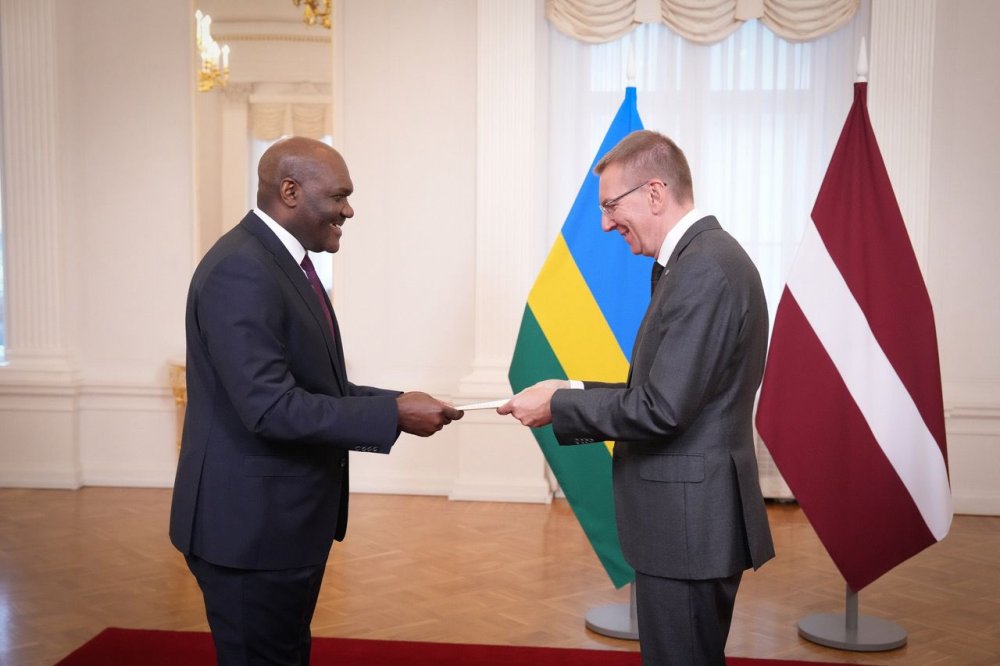
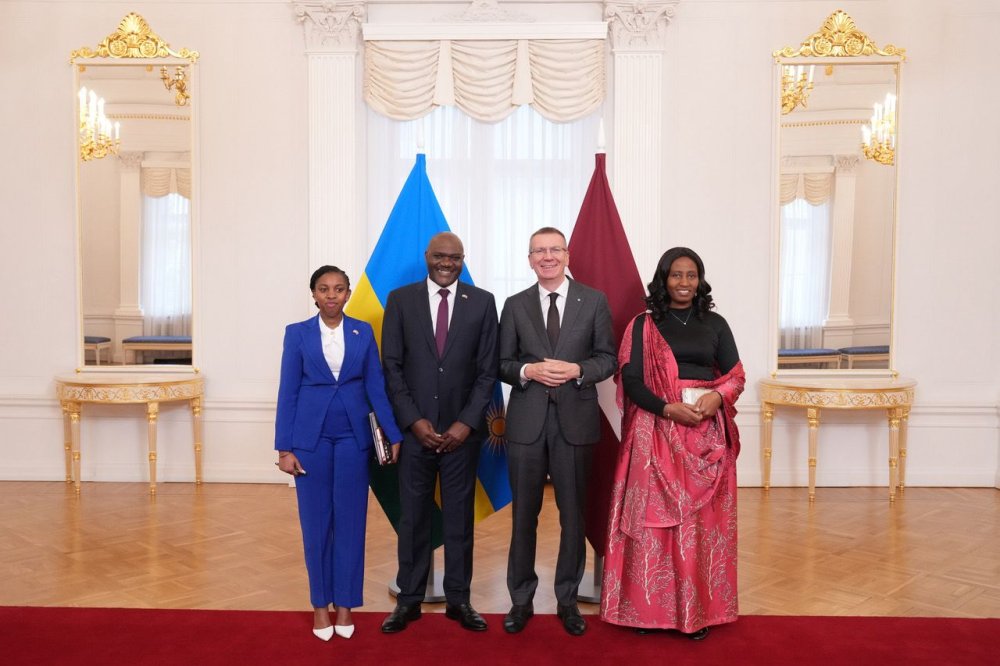
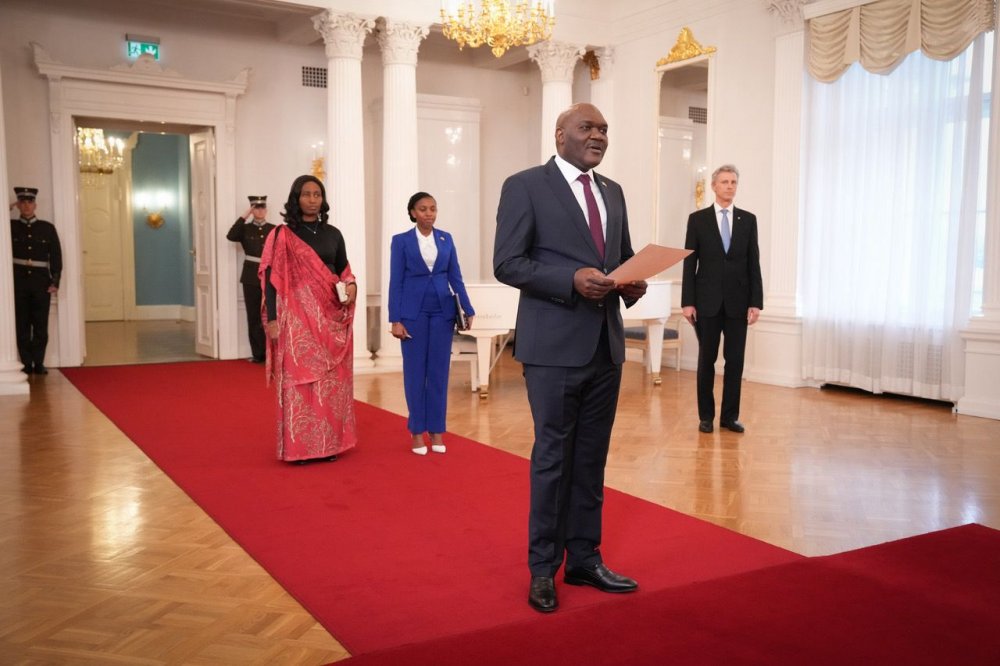
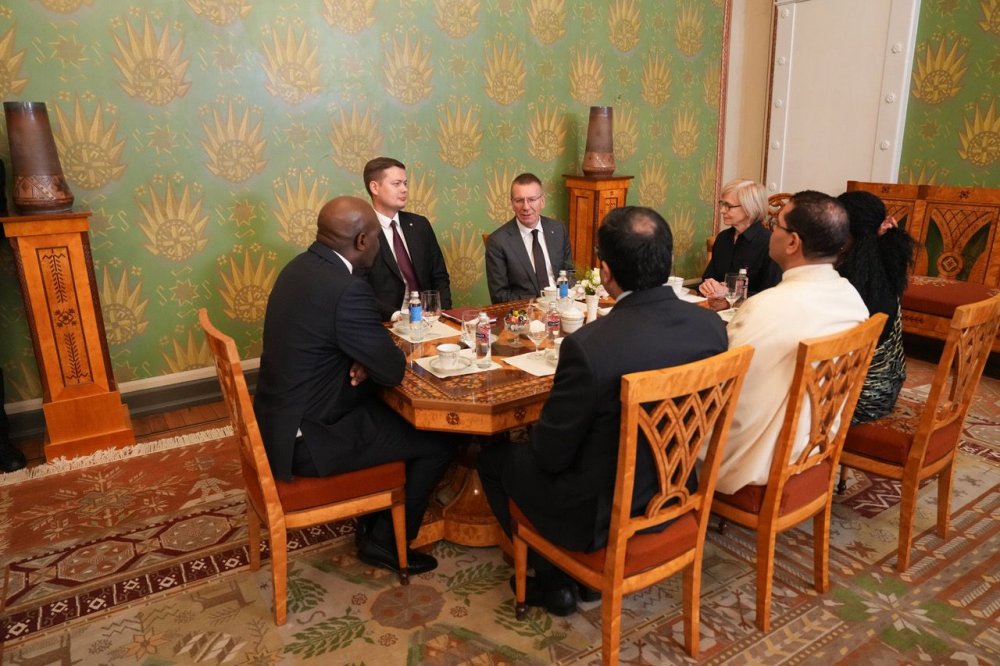
Following the presentation of credentials, President Rinkēvičs and Amb. Dushimimana held talks on strengthening bilateral and multilateral cooperation, notably in the areas of trade and investment.
Amb. Dushimimana also oversees Rwanda’s interests in the Netherlands. The diplomatic relations between Rwanda and Latvia officially began in 2007. Rwanda appointed its ambassador to Latvia in January 2022.
Latvia is one of the smaller countries in Europe, covering an area of 64,589 square kilometers. Its capital city is Riga, founded in 1201.
The country has a population of less than two million people. Over 50% of Latvia’s land area is covered by forests, which explains its strong timber industry and overall wealth in wood-related trade.
Latvia gained its independence from the Soviet Union in 1991. The official and most widely spoken language is Latvian, one of the oldest languages in Europe.
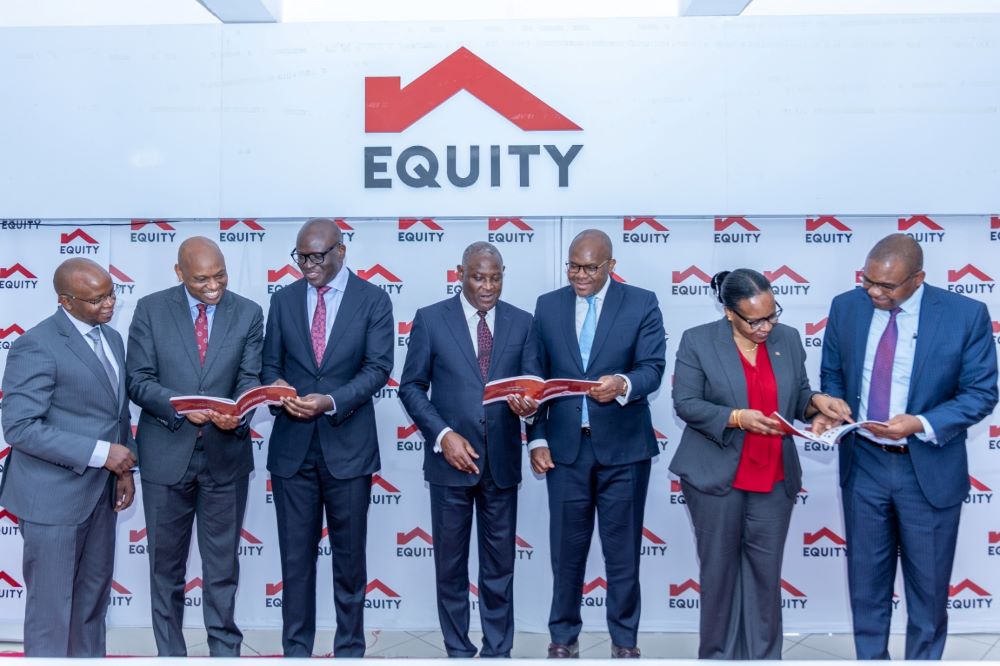
The impressive results were driven by diversified revenue streams, strong subsidiary performance, and continued recovery in the Kenyan banking business. The Group recorded a Return on Average Equity (RoAE) of 26.4% and a Return on Average Assets (RoAA) of 4.1%, underscoring robust profitability across markets.
“The execution of the strategic business plan has started to reflect on the balance sheet and performance of the Group in agriculture, mining, manufacturing, trade and investment, and small and medium enterprises (SMEs) that populate the eco-systems of the formal sector,” said Dr. James Mwangi, Equity Group Managing Director and CEO. “This is likely to significantly and increasingly transform the structure and performance of the Group.”
{{Strong regional growth across markets}}
Equity’s regional subsidiaries continued to strengthen their contribution, accounting for 50% of deposits, 53% of the loan book, 50% of total banking assets, and 49% of Group banking revenue. Collectively, these subsidiaries contributed 45% of Profit Before Tax and 42% of Profit After Tax for the banking business.
In Kenya, Equity Bank reported a 51% rise in Profit After Tax to Kshs 31.1 billion, up from Kshs 20.6 billion. Net interest income grew by 27% to Kshs 53.6 billion, supported by a 34% decline in interest expenses. Total equity rose by 36% to Kshs 171.4 billion, while the bank maintained leadership in MSME lending, disbursing 45% of Kenya’s Kshs 201 billion MSME loans between January and July 2025.
In the Democratic Republic of Congo (DRC), Profit After Tax rose 21% to Kshs 13.8 billion, with loans and advances up 19% to Kshs 302.7 billion. In Uganda, Profit After Tax increased 61% to Kshs 2.9 billion, while Rwanda recorded 34% loan growth and an 18% rise in total equity to Kshs 19.6 billion. Tanzania posted the highest growth rate, with Profit After Tax jumping 88% to Kshs 1.5 billion and shareholders’ funds rising 83% to Kshs 12.1 billion.
Dr. Mwangi praised the regional performance, noting, “We are particularly proud of our regional subsidiaries, which have demonstrated resilience and contributed significantly to our overall performance.”
{{Efficiency and digital transformation}}
The Group’s operational efficiency improved markedly, with the cost-to-income ratio declining to 50.6% from 55.1% last year. Asset quality remained strong, with the non-performing loan (NPL) coverage ratio at 71.4% and the cost of risk contained at 1.9%.
“Technology remains central to the Group’s strong operational performance and strategic resilience,” Dr. Mwangi said. “During the quarter, we further improved system reliability, launched key digital integrations across markets, strengthened fraud controls, and advanced our AI and data governance frameworks.”
Over 98% of transactions now occur outside branches, with 87.4% executed through digital channels. The Group invested heavily in scalable, next-generation technologies powered by machine learning and Generative Artificial Intelligence (GAI), aligned with international standards such as ISO 27001 and PCI-DSS for cybersecurity and compliance.
“These investments assure data protection and safeguard our digital ecosystem as transaction volumes and API integrations scale,” added Dr. Mwangi.
{{Strategic transformation and ARRP vision}}
Equity Group’s Q3 2025 results come amid implementation of its Africa Recovery and Resilience Plan (ARRP) and 2030 Strategic Plan, which target presence in 15 countries and service to 100 million customers by 2030.
The Group’s evolution is anchored in its Tri-Engine Business Model, comprising banking, insurance, and technology, to position itself as a “Transformation Finance Institution,” bridging commercial capital with development finance and philanthropy.
“The ARRP is demonstrating how financial institutions can catalyze inclusive and sustainable growth by aligning private capital with national and regional development priorities,” the Group noted.
{{Growth in insurance and non-banking ventures}}
Equity Group’s foray into insurance continued to deliver strong results. With three licenses for life, general, and health insurance, the Group reported a 36% growth in profit before tax to Kshs 1.46 billion, supported by a 71% rise in gross written premiums to Kshs 6.55 billion.
Equity Life Assurance grew its gross written premiums by 28% to Kshs 4.9 billion, serving 6.8 million unique customers with 17.8 million policies issued to date. It achieved a Return on Average Equity of 37.7% and Return on Assets of 4.5%.
General Insurance, in its first year, posted Kshs 1.67 billion in gross written premiums and Kshs 140 million in profit before tax, while Equity Health Insurance, licensed in July, recorded Kshs 23 million profit before tax in its debut quarter.
These subsidiaries are “poised to contribute towards increased profitability and return on equity to the overall Group performance,” according to the Group’s statement.
{{Commitment to SMEs }}
Throughout its digital and structural transformation, Equity Group reaffirmed its focus on micro, small, and medium enterprises (MSMEs).
“This transformation marks our evolution into a one-stop financial services provider, offering borrowing, investing, insurance, payments, and savings solutions seamlessly, 24 hours a day,” said Dr. Mwangi.
He emphasized that despite the transformation, Equity remains “unwaveringly committed to supporting micro, small, and medium enterprises,” highlighting that 45% of all SME loans disbursed in Kenya between January and July 2025 originated from Equity.
Dr. Mwangi added, “Our focus has shifted to product innovation, with our product houses actively rolling out new offerings to empower our customers and unlock greater opportunities for wealth creation.”
{{Social impact and inclusion}}
The Equity Group Foundation (EGF) continued to advance its mission of transforming lives through social impact investments across education, enterprise, health, and climate resilience. In Q3 2025, 145 Equity Leaders Program scholars secured fully funded global university scholarships worth Kshs 3.8 billion (USD 29.47 million), including 16 placements to Ivy League universities.
Through its Enterprise Development and Financial Inclusion pillar, 30,000 entrepreneurs were trained, while 91,000 MSMEs accessed Kshs 38 billion in credit. The Foundation also facilitated loans worth Kshs 78 billion to MSMEs under the Young Africa Works program in partnership with the Mastercard Foundation.
The Foundation’s Food and Agriculture and Energy, Environment, and Climate Change pillars trained 80,000 farmers in climate-smart agriculture and distributed over 535,000 clean-energy solutions, impacting 2.1 million people and planting 39.6 million trees. Its health arm, Equity Afya, expanded to 147 medical centers in Kenya and the DRC, serving over 4.3 million patients.
Equity Group’s continued innovation and resilience earned it the African Banker Award 2025 for “Best Regional Bank in East Africa” and recognition as Kenya’s Most Valuable Brand for the second consecutive year.
In a communiqué adopted during its 1308th emergency meeting on 28 October 2025, the AU Peace and Security Council (PSC) PSC expressed deep alarm over the worsening humanitarian situation in El Fasher, following atrocities committed by the paramilitary Rapid Support Forces (RSF).
Scores of people have been killed in attacks by the Rapid Support Forces (RSF) during their recent capture of the city of el-Fasher in Sudan’s western Darfur region, according to a medical group and researchers.
On Wednesday, the Sudan Doctors Network reported that the RSF, which has been fighting Sudan’s military for control of the country, had killed at least 1,500 people over the past three days as civilians tried to flee the besieged city. The group, which tracks the country’s civil war, described the situation as “a true genocide”.
The Council strongly condemned the RSF’s takeover of the city, which has left civilians trapped without access to food and essential services since May 2024.
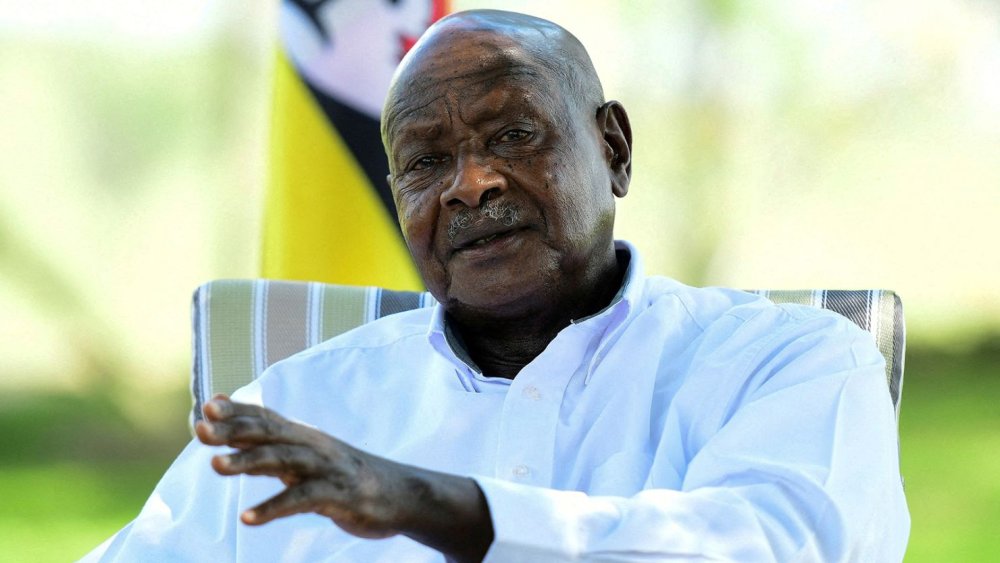
Acting under Article 7 of its Protocol, the council directed the Chairperson of the Commission to work closely with the PSC Presidential Ad-hoc Committee, under Museveni’s leadership, to facilitate negotiations between the Sudanese Armed Forces (SAF) and the RSF.
The directive also includes plans for holding an AU Special Summit on Sudan aimed at achieving a sustainable ceasefire and political settlement.
The Council reiterated that there is no military solution to the Sudanese crisis and called for a genuine, inclusive political dialogue among Sudanese stakeholders.
It also warned against any external interference that fuels the conflict and urged regional and international coordination between the AU, the United Nations (UN), the Intergovernmental Authority on Development (IGAD), and other partners.
The AU also requested a fact-finding mission by the Special Envoy on the Prevention of Genocide and Other Mass Atrocities to report within three weeks, alongside measures to identify and sanction external actors supporting the conflict.
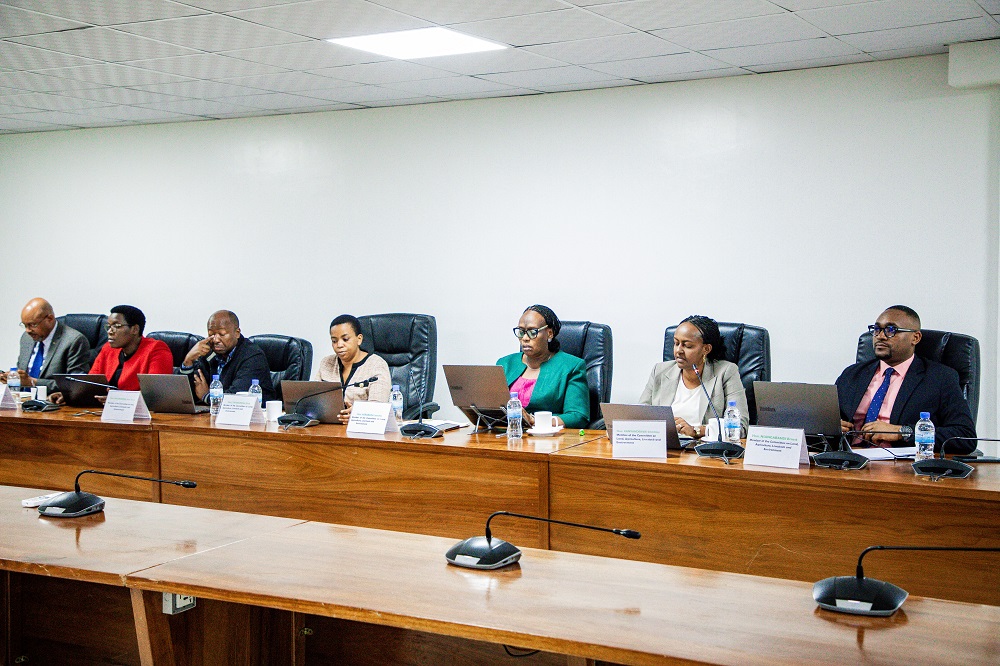
The disclosure was made on October 30, 2025, as BRD officials appeared before the Parliamentary Committee on Land, Agriculture, Livestock, and Environment.
Through the carbon market, developing countries which contribute the least to global carbon emissions enter into agreements with wealthier nations. The latter cover the cost of initiatives that reduce greenhouse gas emissions, allowing them to offset part of their own emissions.
This includes projects such as tree planting, forest conservation, and biodiversity protection that absorb carbon dioxide (CO₂) from the atmosphere. It also covers initiatives that promote the use of renewable energy and other environmentally friendly practices.
In the carbon market, buyers voluntarily purchase carbon credits. One carbon credit (equivalent to one ton of CO₂) is priced between $40 and $80, although prices can vary depending on the type of project and agreements between countries.
The carbon market is one of the financial solutions supporting environmental sustainability, helping Rwanda reach its goal of reducing greenhouse gas emissions by 38% by 2030.
According to Innocent Gatete, head of strategic projects and implementation at BRD, the bank has already registered on the carbon market and is among the first Rwandan institutions benefiting from it.
He explained that the approved carbon credits were based on BRD’s projects implemented between 2020 and 2025.
Gatete revealed that BRD has already received an initial payment of $214,000 (about Frw 310 million) and expects to receive over $2 million by December 2025, followed by $16 million in 2026.
“These funds help us expand our projects and improve where we previously faced challenges. They also help address the issue of cooking energy, as we plan to offer subsidies from these funds,” Gatete said.
He added that Rwanda sold its carbon credits at $15 per ton but expects to negotiate higher prices in the future.
Among the BRD projects that generated carbon credits is “Cana Uhendukiwe”, which provided solar energy solutions to 510,847 households and attracted $48.94 million in investment.
Another project, EAQIP 3B (Tekera Aheza), is set to conclude in 2026, with 73% of its budget already utilized. The project distributes improved cookstoves to households, helping reduce carbon emissions.
EAQIP is expected to cut over 600,000 tons of greenhouse gases and generate more than $10 million, which will be reinvested in renewable energy programs, improved cooking technologies, and the production of clean fuels.
BRD continues to encourage the private sector to seek loans from the bank for similar green initiatives. For example, it financed a government project to construct 17,000 cubic meters of biogas storage facilities used for cooking.
Apart from BRD, other institutions may also benefit from the carbon market once their projects are approved.
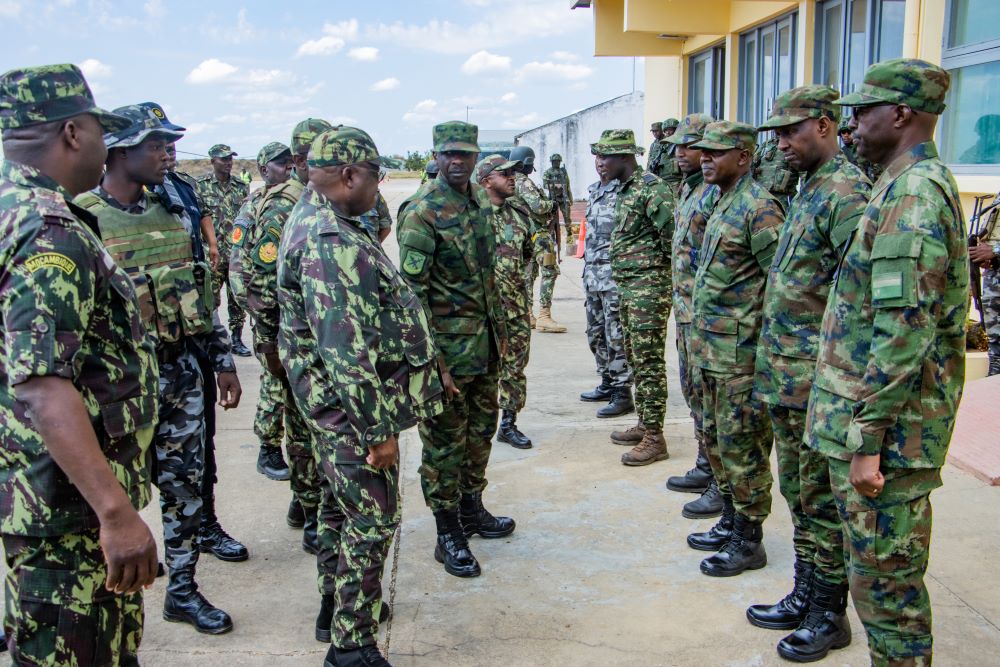
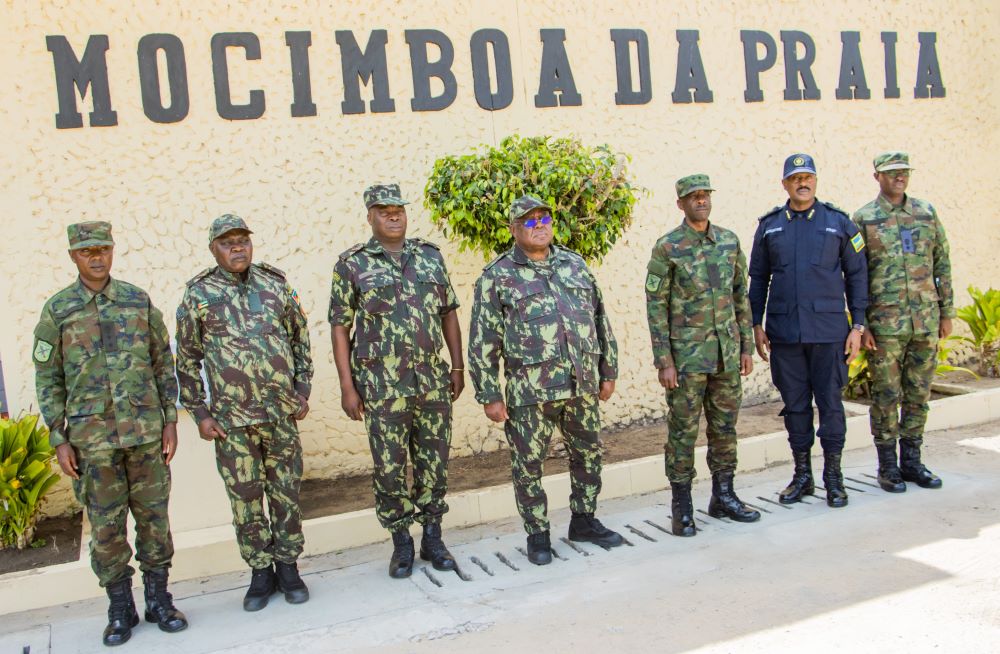
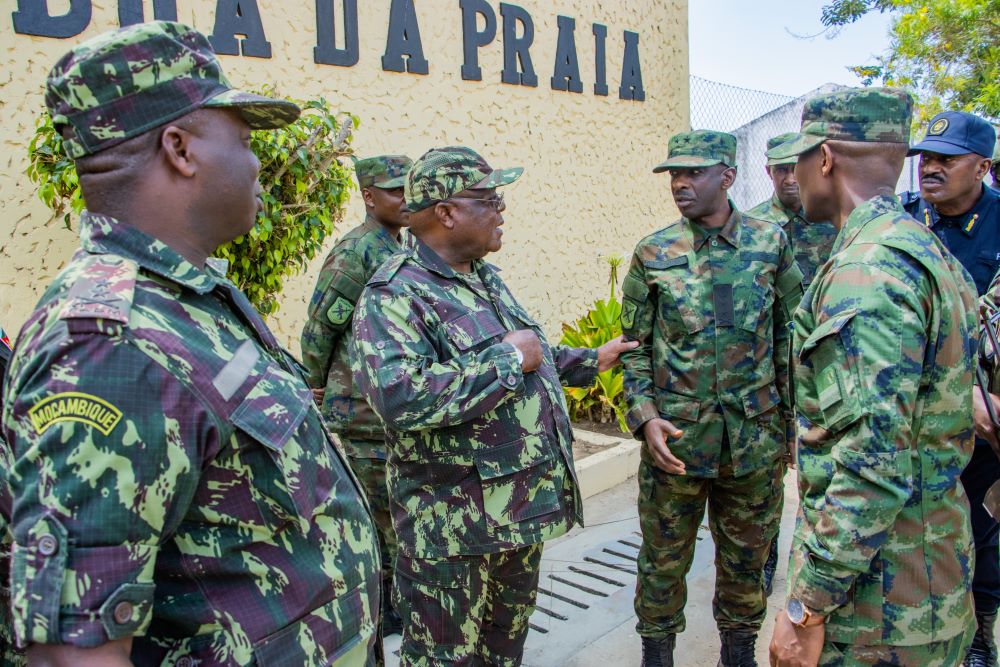
They were received by the RSF Joint Task Force (JTF) Commander, Major General V. Gatama, and other RSF commanders, who briefed them on the current security situation within the RSF Area of Responsibility.
According to Rwanda’s Ministry of Defence, the purpose of the visit was to welcome the newly deployed Rwandan Security Forces under the command of Major General V. Gatama, who currently relieved their colleagues in Cabo Delgado.
The visit also aimed to strengthen the longstanding friendship and bilateral cooperation between the two forces.
During the visit, the CGS announced that the Joint Command and Coordination Centre will be relocated from Pemba to Mocímboa da Praia City to enhance coordination of future operations.
He encouraged both the Rwandan and Mozambican Forces to continue working together to achieve their operational objectives.
General Jane reaffirmed his commitment to supporting the Joint Forces in successfully accomplishing their mission.
He commended the outstanding efforts of both the RSF and Mozambican Forces in combating terrorism in Cabo Delgado and praised the RSF for its significant contribution to restoring peace and security in the province.
At a news conference, Governor Kathy Hochul announced 65 million U.S. dollars in new state funds for emergency food assistance and promised to provide 40 million meals to New Yorkers.
The prolonged U.S. federal government shutdown is putting millions of people at risk of missing their food stamp benefits, or the Supplemental Nutrition Assistance Program (SNAP), a vital lifeline for low-income households.
Earlier this month, the U.S. Department of Agriculture (USDA) told state agencies to hold off distributing November benefits “until further notice” because of insufficient funds.
“As the GOP federal government shutdown continues, the Trump administration has refused to release billions in statutorily approved federal contingency funding that would address this crisis in states across the nation,” Hochul said.
In recent days, several states have stepped up efforts to ensure SNAP recipients can afford food in November.
Louisiana Governor Jeff Landry signed an emergency declaration last week to fund SNAP benefits for recipients who rely on the program, while Vermont lawmakers on Wednesday approved a plan to fund food stamp benefits for state residents through Nov. 15.
In New Mexico, Governor Michelle Lujan Grisham announced Wednesday that her state will provide 30 million dollars in emergency food assistance to residents through EBT cards, backfilling SNAP benefits temporarily.
Democratic governors and attorneys general from 25 U.S. states filed a lawsuit against the Trump administration on Tuesday, challenging its conclusion that it lacks the authority to use emergency funds to maintain food assistance for millions of Americans next month.
They called on the court to compel the USDA to use contingency funds appropriated by Congress to keep the program running.
SNAP is the nation’s largest anti-hunger program serving approximately 42 million people. Most SNAP recipients live at or below the federal poverty line.
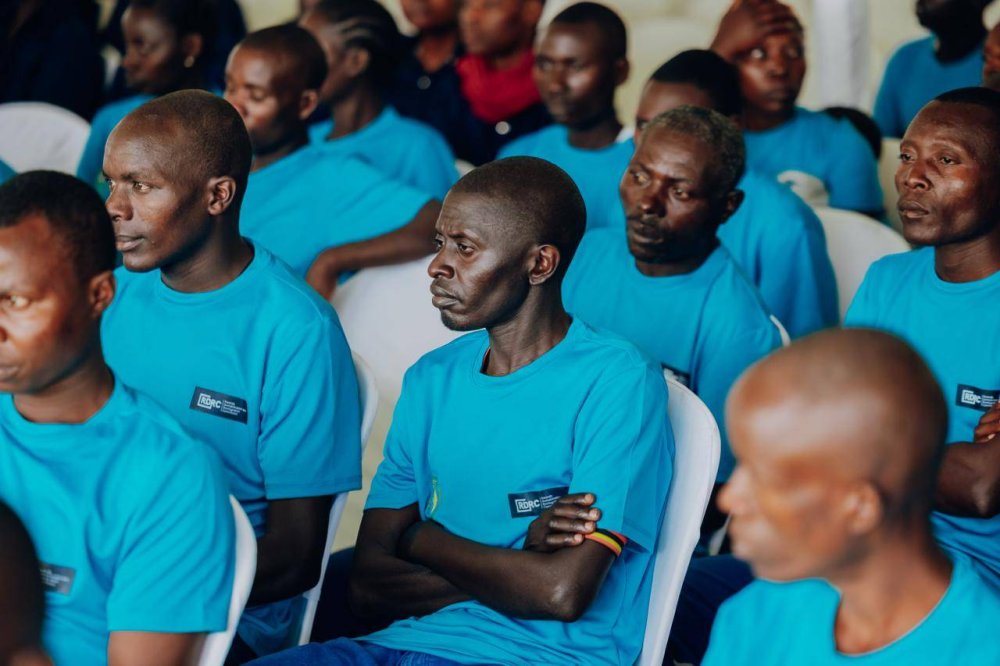
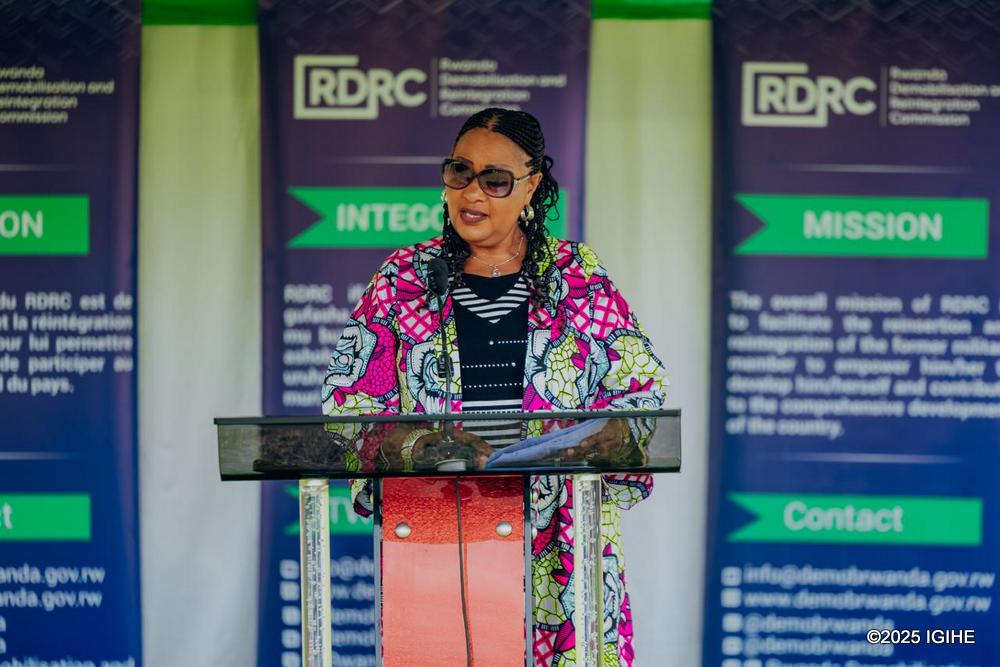
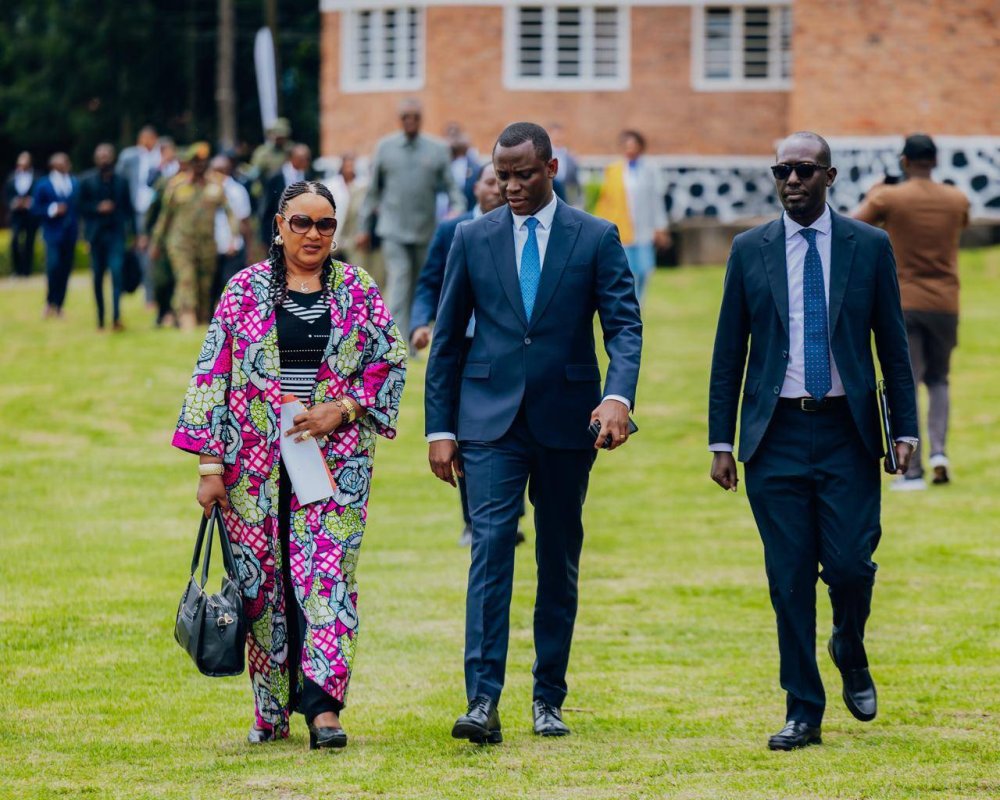
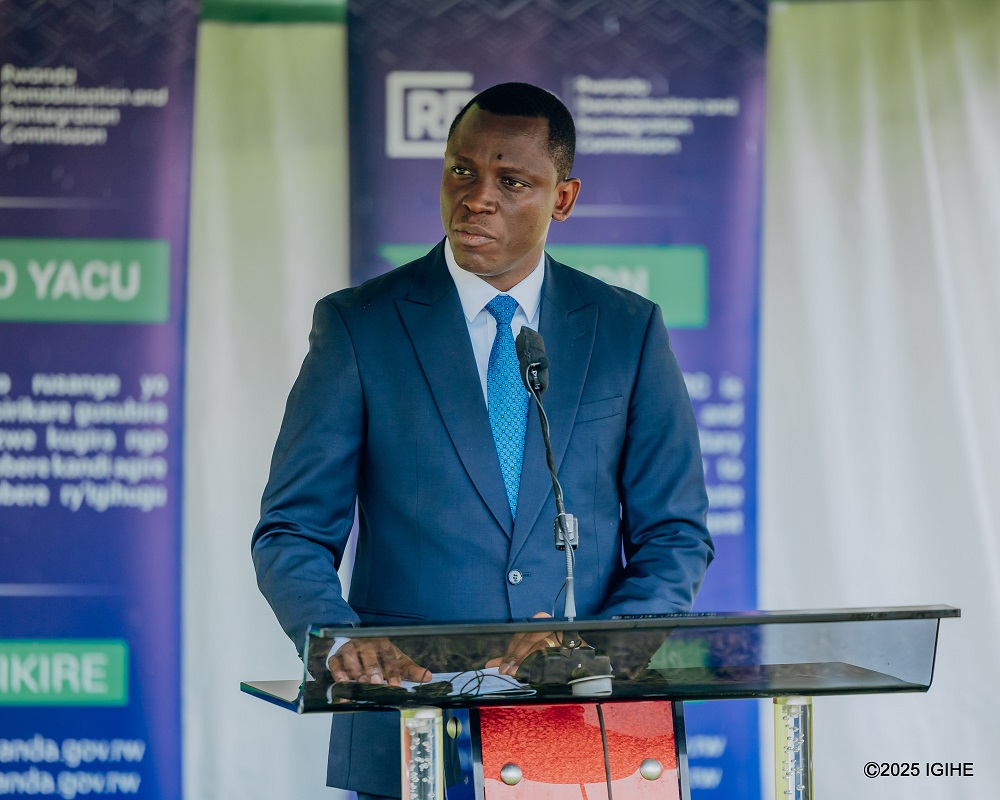
RDRC Chairperson Valerie Nyirahabineza shared these details on October 30, 2025, during a ceremony marking the discharge of the 75th cohort, which included 143 individuals from armed groups.
“I am pleased to inform you that, since 2001, 12,602 former combatants have been reintegrated. This program has provided thousands of former fighters and their families with tangible assistance, including civic education, vocational training, and support to enhance livelihoods and economic opportunities,” she stated.
Nyirahabineza called on Rwandans still in the forests of the DRC to lay down their arms, emphasizing that being used as foreign mercenaries to destabilize their own country would lead to nothing positive.
“We urge all Rwandans involved in the FDLR and its affiliated groups to lay down their arms and return home. As the RDRC, we are ready to welcome them and assist in their reintegration into society,” she stated.
A peace agreement signed between Rwanda and the DRC in June 2025 calls for the elimination of the FDLR, with its combatants to be repatriated and reintegrated into society.
In line with these agreements, on October 10, the DRC military urged FDLR combatants to surrender their weapons to either the DRC authorities or United Nations peacekeepers, warning that those who resist will face military action.
Nyirahabineza emphasized that Rwanda is prepared to receive any FDLR combatants wishing to return, offering them the same support provided to those who have come before them.
“Rwanda is ready to welcome new combatants who are being repatriated from the DRC, including those from FDLR, as called for in the latest statement from the DRC government,” she said.
Minister of Local Government, Dominique Habimana, urged Rwandans to refrain from engaging in actions that could destabilize their motherland and commended those who had chosen to lay down their arms.
“We ask that you demonstrate how the training you received here has transformed your mindset and behavior. Always focus on safeguarding our country’s security, and collaborate with fellow Rwandans to prevent any threats to that security,” he emphasized.
Minister Habimana also encouraged these individuals to leave behind the time spent in the forests of the DRC and embark on a new journey of self-improvement. He reminded them that unity and solidarity among Rwandans are the foundations of all that has been achieved.
He urged them to steer clear of actions that could lead them back to the negative paths they once followed.
“Let us remember that unity and solidarity as Rwandans are the pillars of all our gains. Betraying that unity is forbidden. Therefore, I ask you to avoid anything that could lead you back to the evils of the past and instead join other Rwandans in fighting against genocide ideology and contributing to building our national unity,” he said.
Among the reintegrated former combatants, some have returned with their families. The training program lasted between three to six months.
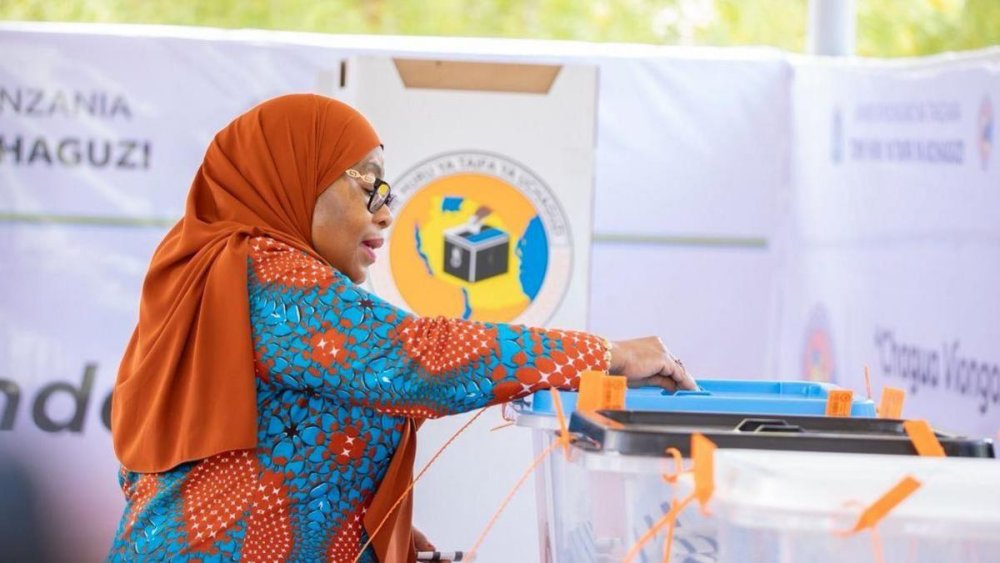
The ruling Chama Cha Mapinduzi (CCM) party, which has governed since Tanzania’s independence in 1961, aimed to extend its hold on power in the recent elections.
President Samia Suluhu Hassan, the incumbent, faced 16 other candidates from smaller parties.
Notably, opposition leader Tundu Lissu remains incarcerated after being charged with treason, and Luhaga Mpina, a presidential candidate from the second-largest opposition party, was barred from running.
The electoral body, as reported by AP quoting state TV, announced that President Hassan had taken an early lead, securing 96.99% of the votes in the initial tally from eight constituencies.
Lawmakers from the European Parliament issued a statement on Thursday, calling the elections “neither free nor fair” and urging international democratic partners to “stand firm in the defense of democracy and human rights.”
Violence erupted on Wednesday afternoon as protesters set fire to a bus and a gas station, attacked police stations, and vandalized polling stations.
Amnesty International reported two deaths, a civilian and a police officer, during the protests.
The government has not yet commented on the casualties, but it imposed a curfew in Dar es Salaam, where the majority of protests took place.
Despite these measures, protests continued into the night. The government also instructed public servants to work from home on Thursday to limit non-essential movement.
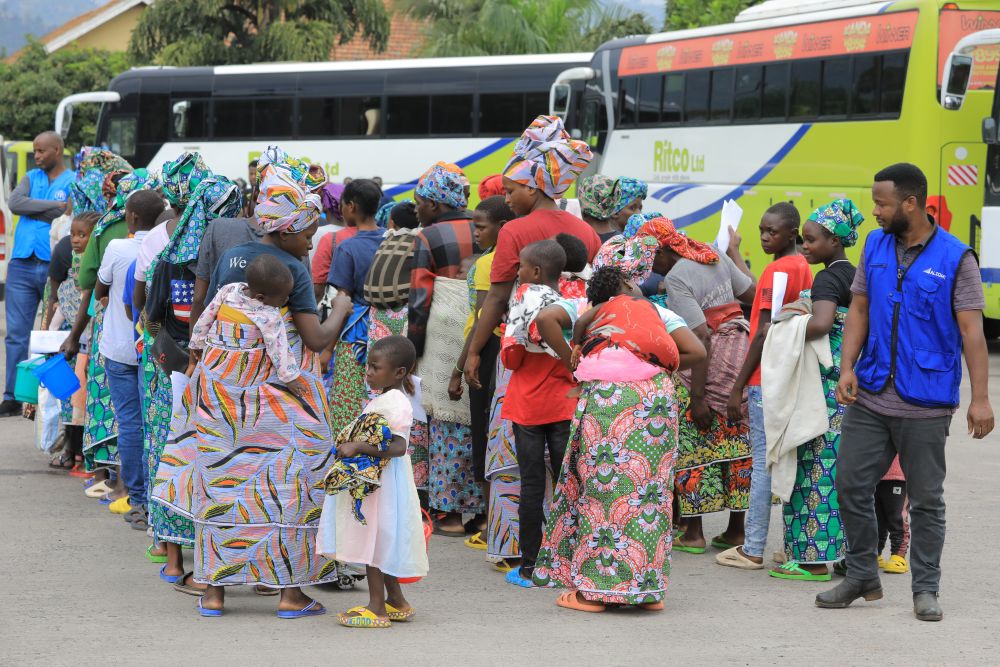
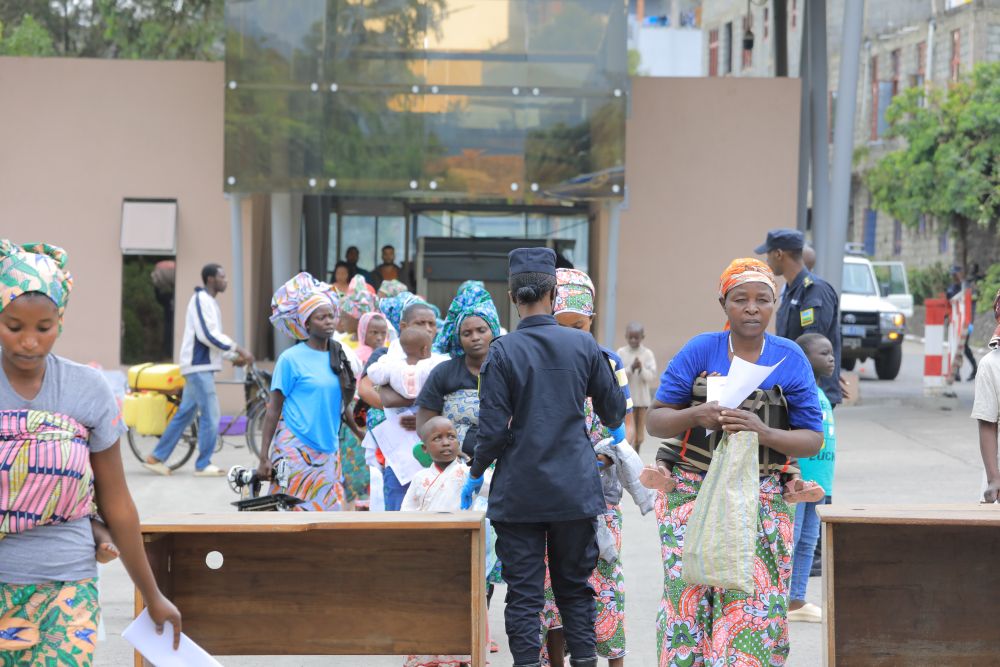
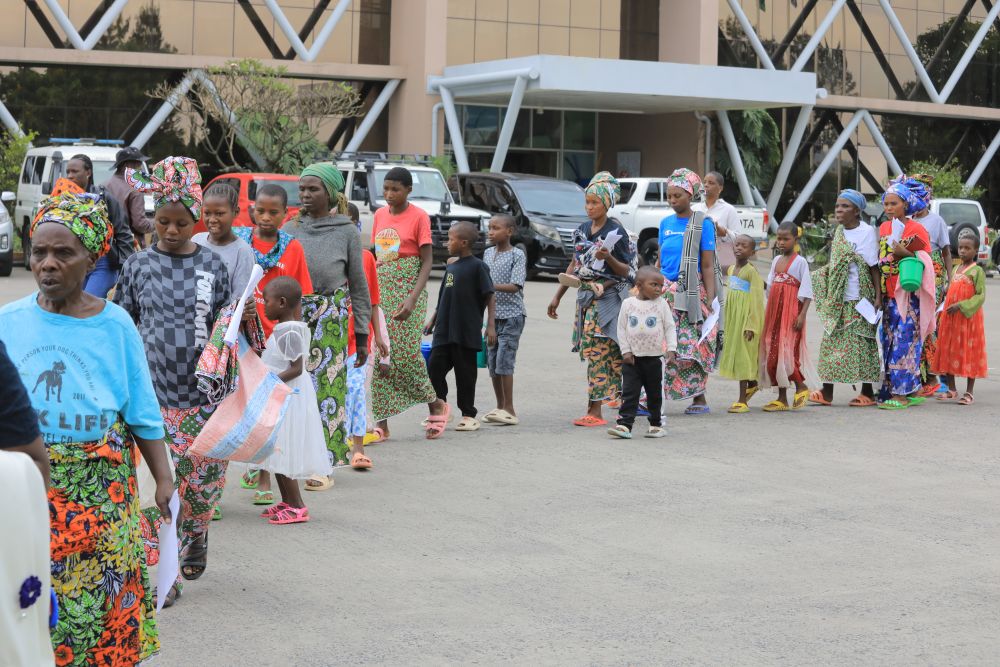
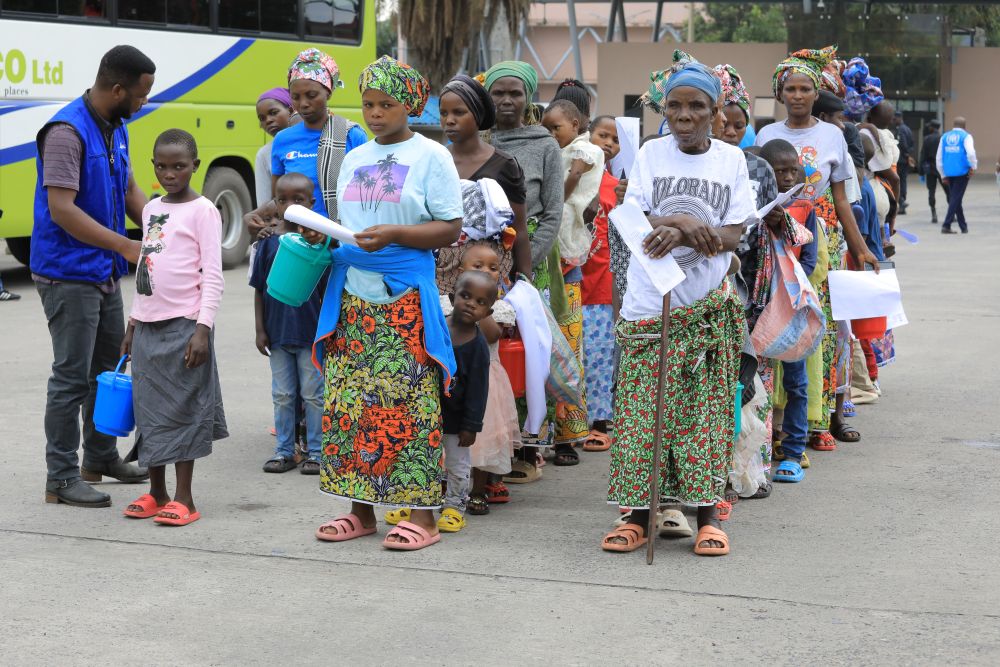
Among those repatriated were mostly women and children. They returned on Thursday, October 30, 2025, through the La Corniche border, which connects Rwanda to the DRC.
Upon arrival, the returnees were transferred to the Nyarushishi Transit Center in Rusizi District.
These Rwandans had been living in a temporary camp in Goma after fleeing from various regions in Eastern DRC, where they were held captives by the FDLR.
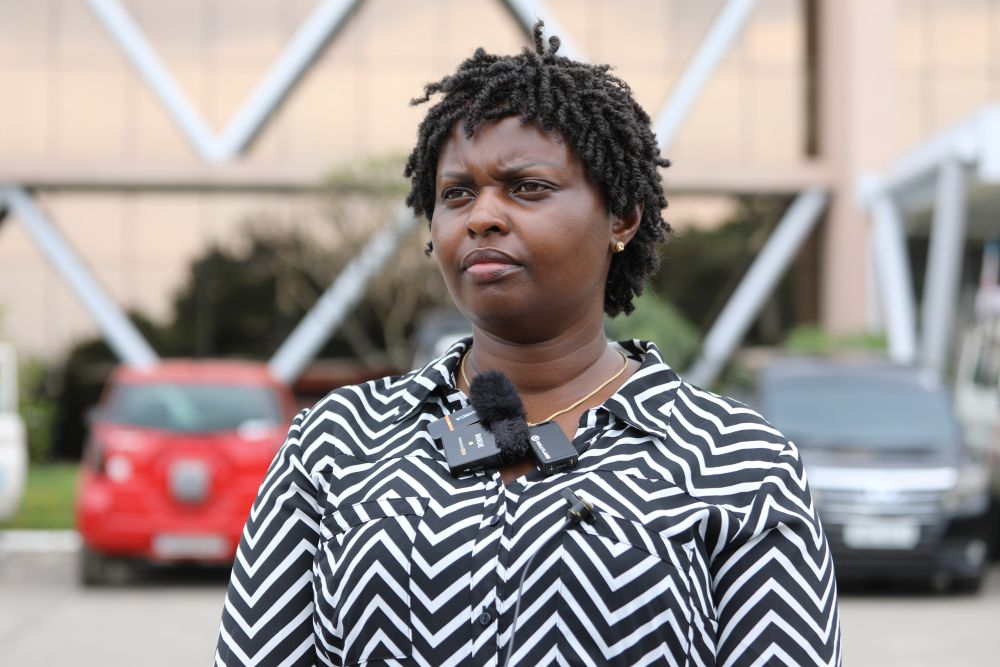
The Vice Mayor of Rubavu District in charge of social affairs, Pacifique Ishimwe, welcomed the returnees and assured them that the government has various plans in place to help them reintegrate into normal life.
She said, “In a short time, you will be reintegrated into the community you have returned to. You will receive support to reconnect with your families, and before leaving the center to return to your places of residence, you will be provided with the necessary identification documents, especially for those who have reached adulthood. You will also be given money to help you start life and meet basic needs.”
Ishimwe reassured the returnees, reminding them that they were now in the safe hands of a country that cares for them.
“We are glad you have returned, and the country is ready to help you reintegrate. As local authorities, we will continue to guide you through government programs to ensure you are reunited with your families,” she noted.
The returnees were then taken to the Nyarushishi Transit Center in Rusizi District, where they will stay temporarily.
Once the returnees have received their identification documents, the government will provide them with support to fully reintegrate into society.
This assistance includes basic financial aid to help them restart their lives. Those aged above 18 will receive $188, while individuals under 18 will get $113. In addition, each returnee will be given food rations worth 45,000 Rwandan Francs.
This repatriation follows the return of another group of 277 Rwandans on October 21, 2025.
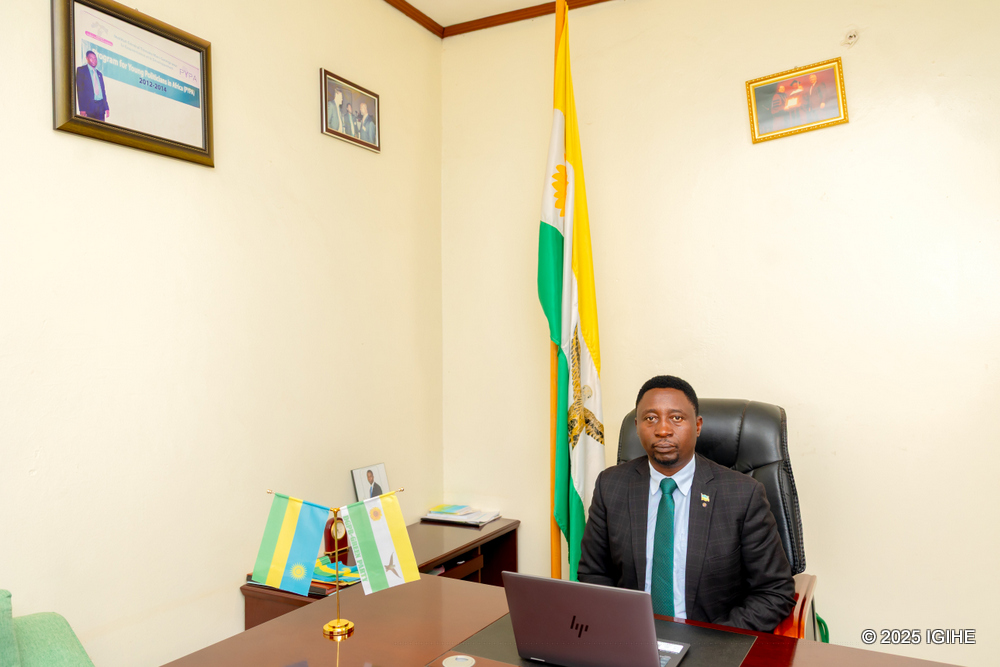
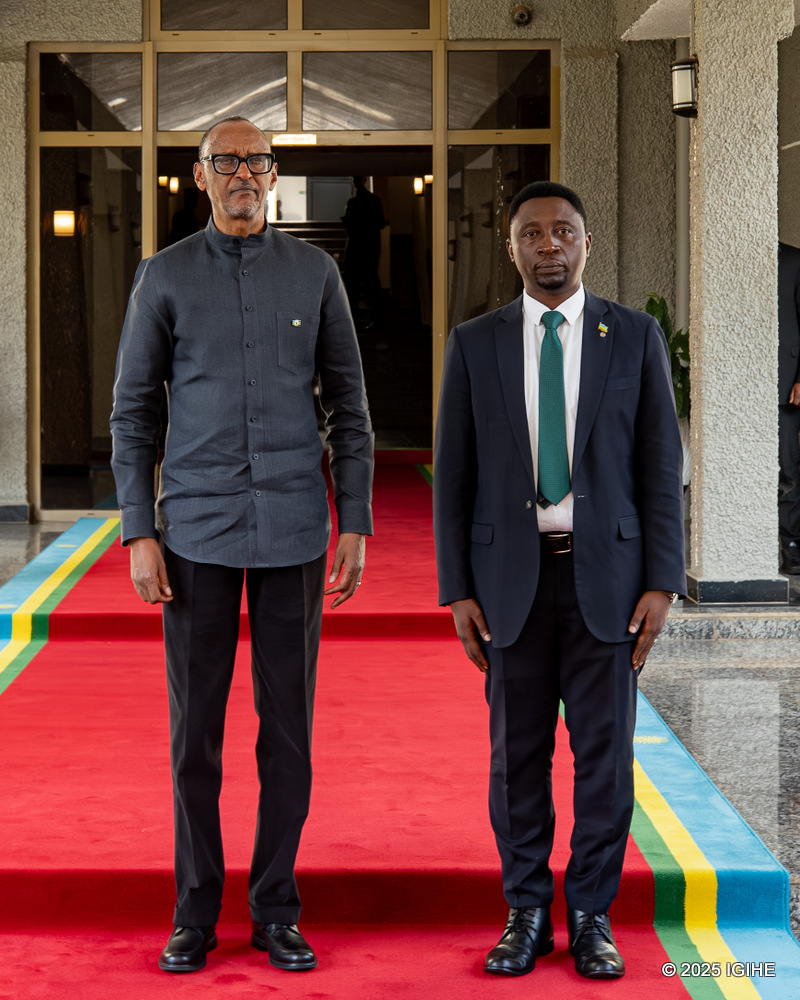
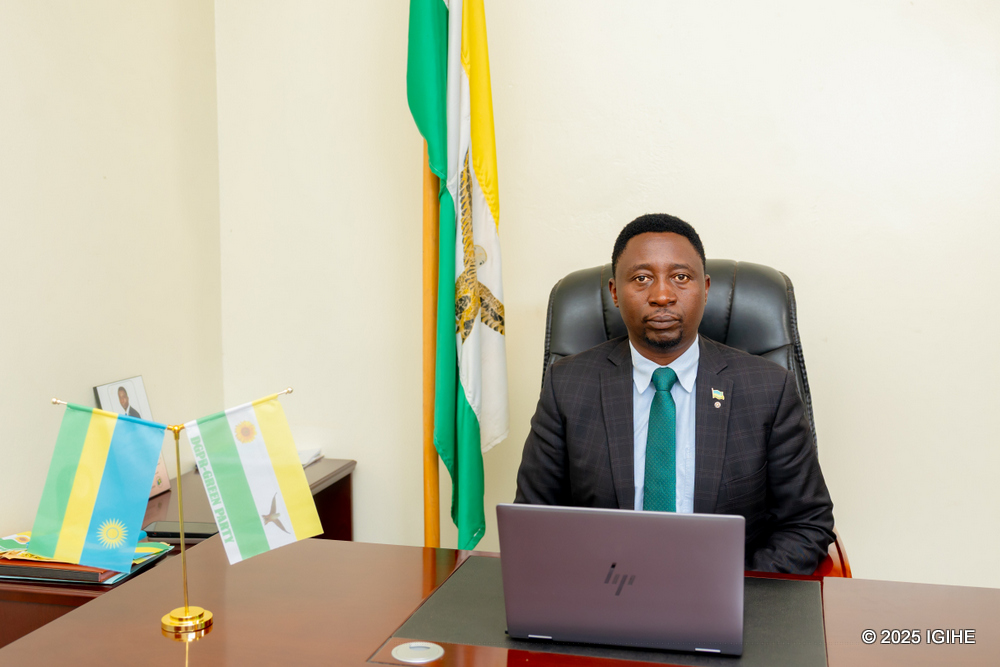
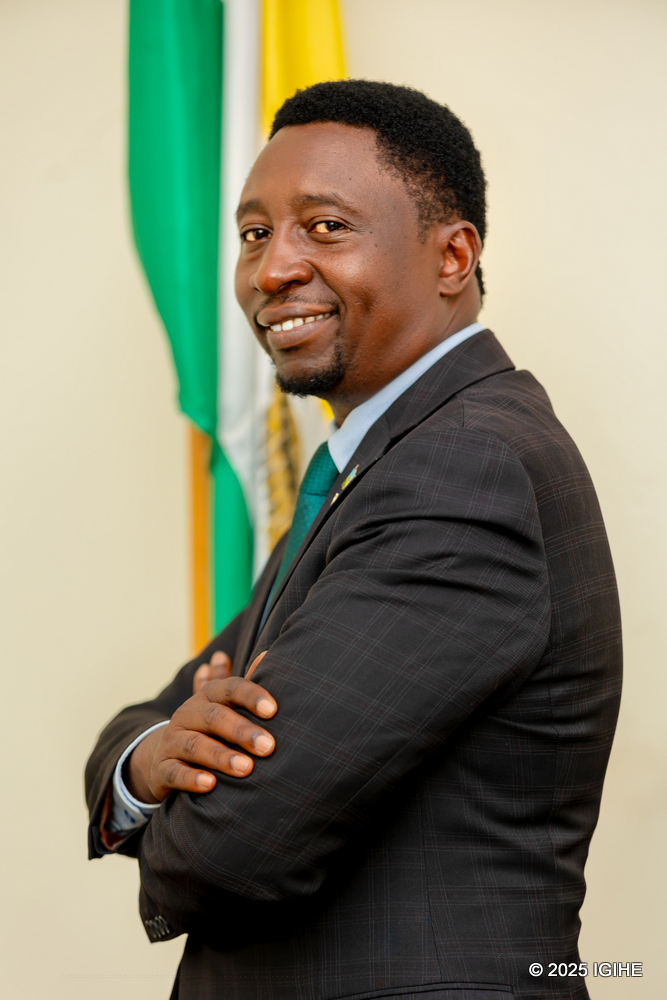
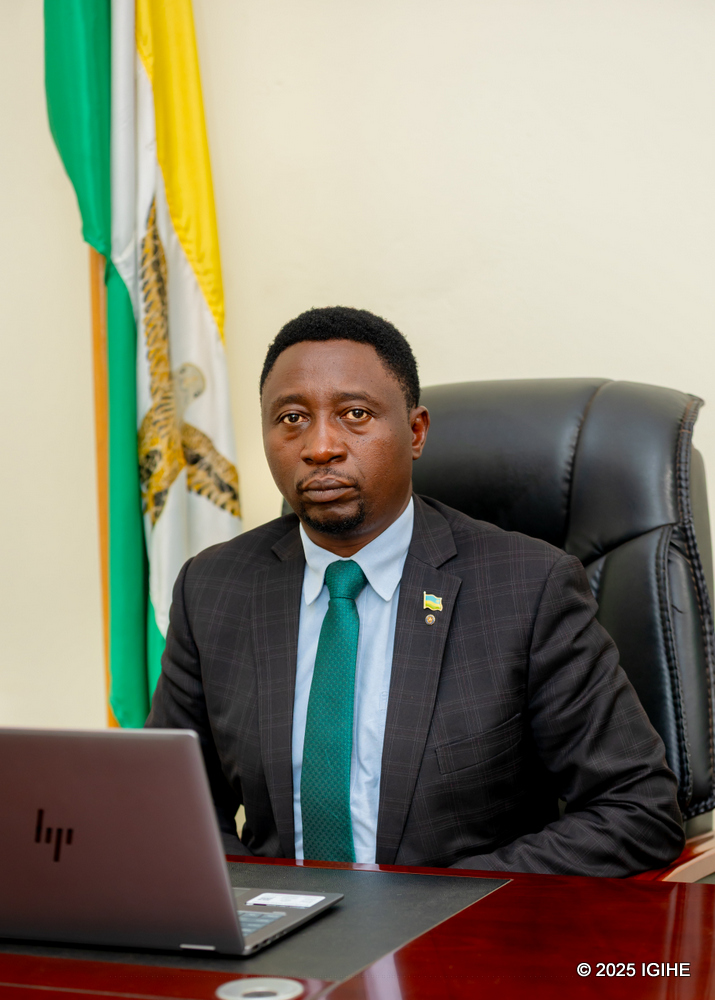
During an interview with IGIHE. Dr. Frank Habineza recalled a conversation with Evode Uwizeyimana on Rwanda Television, where Uwizeyimana told him not to engage in debates about laws until he had studied them. This advice motivated Dr. Habineza to go back to school.
He said, “I would say that Senator Evode Uwizeyimana sparked a healthy jealousy in me, and I immediately went back to study law. I am now in my final year at the University of Kigali, with expectations to graduate next year. I plan to continue my studies at the Institute of Legal Practice and Development, and if necessary, I will pursue a PhD degree in Law.”
Dr. Habineza explained that his decision to study law was not to compete with anyone, but to enhance his knowledge. He added that being a parliamentarian requires legal knowledge, which is crucial to effectively represent Rwandans.
He clarified that he has no issues with Senator Evode Uwizeyimana and that, aside from encouraging him to study law, they both share ideas for the benefit of all Rwandans.
Dr. Habineza stated, “It’s really great to be in the same Senate. I would call him my ‘buddy’ because we have discussions, and even when we disagree, we continue the conversation. Even when we don’t have the same views, it doesn’t mean things have fallen apart.”
Dr. Habineza was elected as a Senator, succeeding Mugisha Alexis from the Green Party, who had completed his five-year term. Many wondered why Dr. Habineza did not allow him to extend his tenure, especially since there was a possibility that Mugisha could have been granted another five-year term.
Dr. Habineza explained that there is no issue with him replacing Mugisha in the Senate since Mugisha had completed his term, but assured that the party would assign him other responsibilities.
He said, “He is still our member, the party’s chief commissioner, and he is still active. We will assign him other duties, and we will continue to explore new opportunities for him. A term lasts for five years, and once it’s over, it doesn’t mean that you can’t take on other roles. People transition into new roles all the time, and that’s what will happen.”
Regarding his new role as a Senator, Frank Habineza emphasized that he will continue to prioritize the interests of the people.
He said, “I am still myself, still original. What I can tell you is that the responsibilities in the legislative process of the Senate are different from those of the Chamber of Deputies. The people expect us to be there for them, and we will continue to serve them well, with God’s help.”
{{Running again after defeat}}
Dr. Habineza has contested for the position of President of Rwanda twice, but on both occasions, he failed to secure even 5% of the vote.
In the most recent election held on July 15, 2024, Paul Kagame won with 99.18% of the vote, securing 8,822,794 votes from Rwandans. Dr. Frank Habineza came in second with just 0.50% of the vote.
Dr. Habineza said that his participation in the presidential election was in the country’s interest rather than his own.
He stated, “I put the country’s interests first by running for the presidency, because we saw that this was more valuable than running for a parliamentary seat. We believed that the country’s interests lay in having someone run for president, especially since we are a party opposed to the government. We believe these ideas shouldn’t be suppressed. I did not put my own interests first, I put the country’s interests first.”
He added that even though he did not win the election, he is confident that the ideas in his manifesto will be implemented.
When asked if he was considering leading the Rwandan Senate, especially as the committee currently leading the Senate will finish its term in 2029 while others will conclude theirs in 2030, he said he was unsure but was ready to serve Rwandans.
He said, “What I can tell you is that I, Frank Habineza, am ready to serve Rwandans. We have paid a great price to serve them, and if they continue to trust us, there is nothing that can stop us from serving them in any capacity.”
Dr. Habineza disclosed that his dreams of becoming president are not over. He stated that if his party members trust him again in the future, he will run for president once more.
He outlined that if he was elected in 2029, his key focus would be eradicating poverty completely in Rwanda, ensuring that everyone is self-sufficient in food production, and reducing the need for imports.
He also emphasized strengthening industries, promoting environmentally friendly transportation, improving the quality of education, caring for teachers and healthcare workers, and introducing a minimum wage among others.
Dr. Habineza said that he will continue to advocate for a minimum wage in Parliament, as this issue has been pending for over six years under the Prime Minister’s office without a solution.
After the election defeat, Dr. Habineza said he chose to focus on party activities because they needed him most at the time.
He refrained from addressing the negative atmosphere that had been reported within the Green Party, stating that the issue was resolved and was based on the misconduct of a few individuals but had since been corrected.
Following the presidential and parliamentary elections, the Green Party sold its headquarters. The party has now received the funds allocated to political parties that contested and won seats in the National Assembly. Green Party has already received the funds and has purchased a new headquarters located in Muyombo.
He said, “Elections are expensive, and those we compete against have many supporters, which helps them raise money. We don’t have as many supporters as they do. Our supporters did contribute, but their contributions weren’t enough. We sold our assets to avoid loans.”
He commended the good management of various sectors during the presidential election, including local governments, security, and others, noting that it contributed to the smooth running of the elections.
To promote development and self-reliance, the Green Party has started helping its supporters by assisting them with livestock farming, producing organic fertilizers, and improving their projects so that they benefit both the supporters and the party.
{{Constructive criticism}}
Dr. Habineza explained that when the party was founded, they considered themselves confrontational and radical opposition but later decided to be a constructive opposition party aimed at raising issues and providing alternative solutions to problems.
He said, “In the past, we criticized everything, seeing no good in anything. But now, we say, ‘No, that’s not right.’ We can acknowledge the good where we see it, but also address the bad and offer solutions on how it should be corrected. This is the direction we have taken, but we are still an opposition party in a constructive way, not one that aims to destroy but to build.”
He emphasized that there is no reason for him to engage in negative actions that could lead to harm when he has the opportunity to do good and achieve positive outcomes.
He also noted that the Green Party’s supporters continue to grow as they understand the party’s goals, vision, and the reasons for being part of it.