Since the Federal Aviation Administration’s (FAA) mandated flight reduction policy took effect on Friday, the number of canceled flights surged from 202 on Thursday to 1,025 on Friday, and further to 1,566 on Saturday.
The number of air traffic controllers taking leave has risen since the shutdown began on Oct. 1, forcing many others to work overtime.
The U.S. Department of Transportation and the FAA recently announced a 10 percent capacity reduction at 40 major airports across the country starting Friday, aiming to ease staffing pressures and reduce airspace safety risks.
“It’s only going to get worse,” Transportation Secretary Sean Duffy told CNN on Sunday. “I look to the two weeks before Thanksgiving. You’re going to see air travel be reduced to a trickle.”
On the same day, National Economic Council Director Kevin Hassett told CBS that if people are not traveling during Thanksgiving, “we really could be looking at a negative quarter for the fourth quarter.”
In a statement, the ministry said Russian tactical aviation, strike drones, missile troops, and artillery units from the Russian Armed Forces have hit targets in 143 areas.
These include energy facilities supporting Ukraine’s military-industrial complex, transport infrastructure used by Ukrainian troops, as well as temporary deployment sites of Ukrainian armed formations and foreign mercenaries.
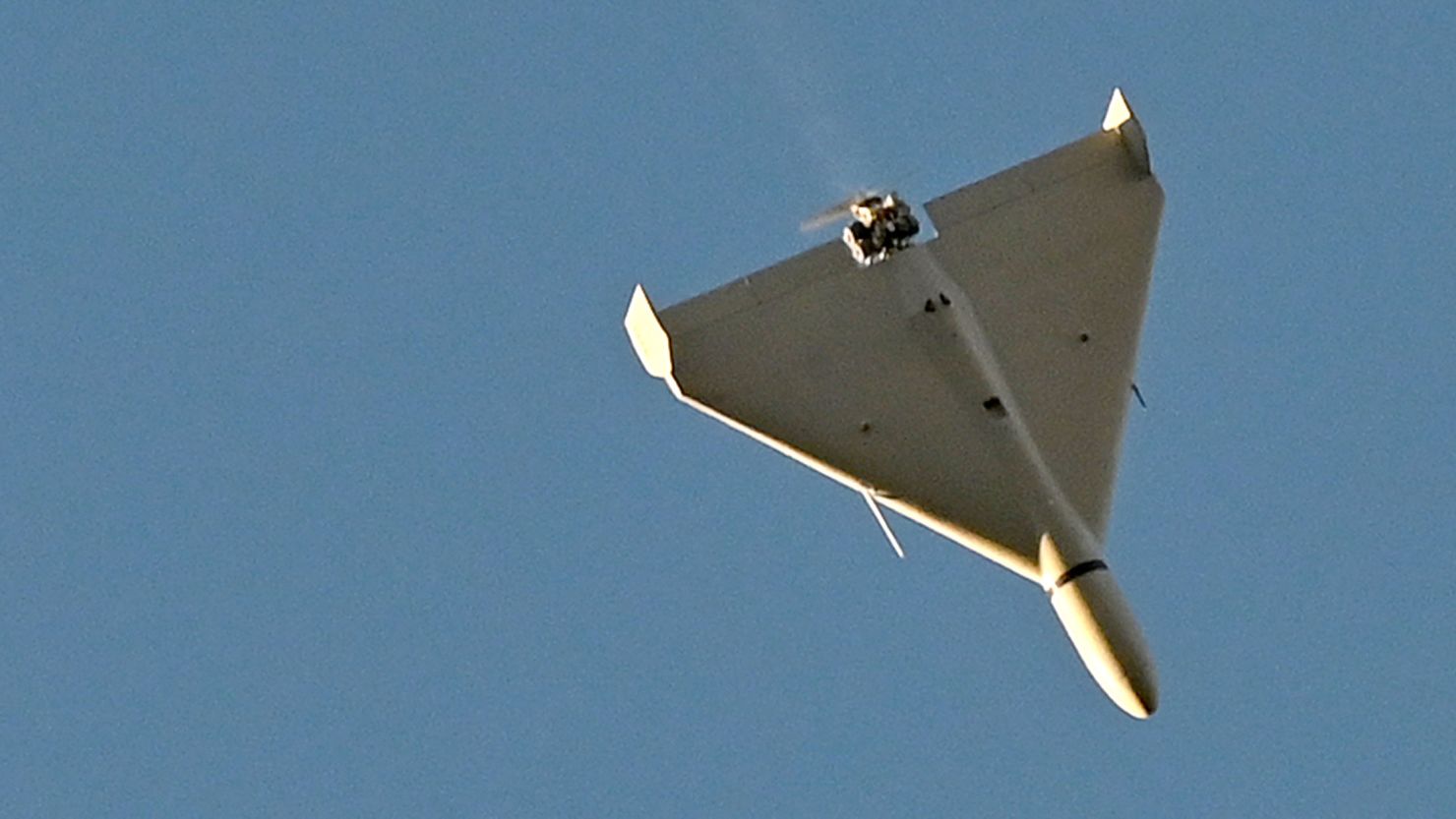
Additionally, the ministry said that over the past 24 hours, Russian air defense forces shot down one Neptune long-range cruise missile, seven U.S.-made HIMARS rockets and 247 Ukrainian drones.
According to the ministry, a total of 95,801 Ukrainian drones have been destroyed since the start of its special military operation.
The announcement, made recently, places the company among 33 pioneering organizations and schools selected from submissions across 173 countries, recognizing their innovative approach to solving one of Africa’s most urgent challenges: access to safe drinking water.
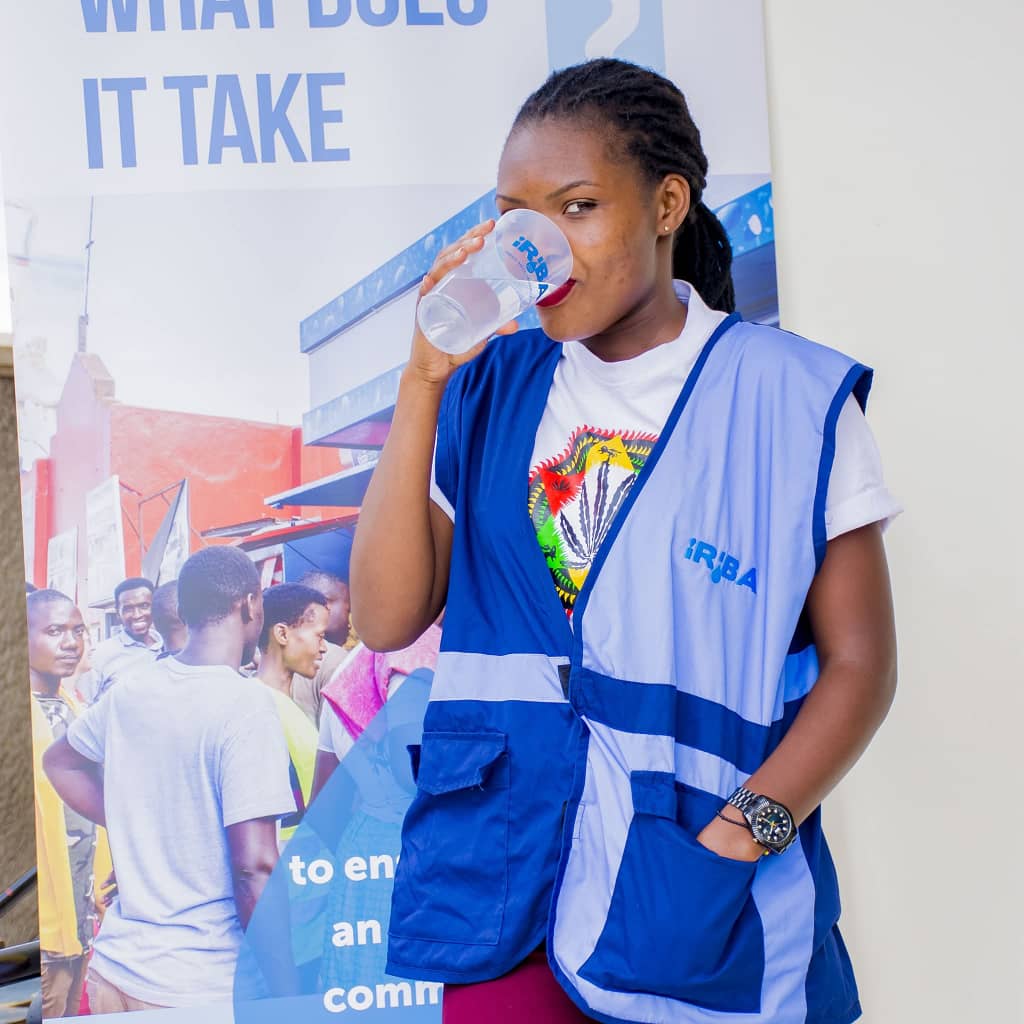
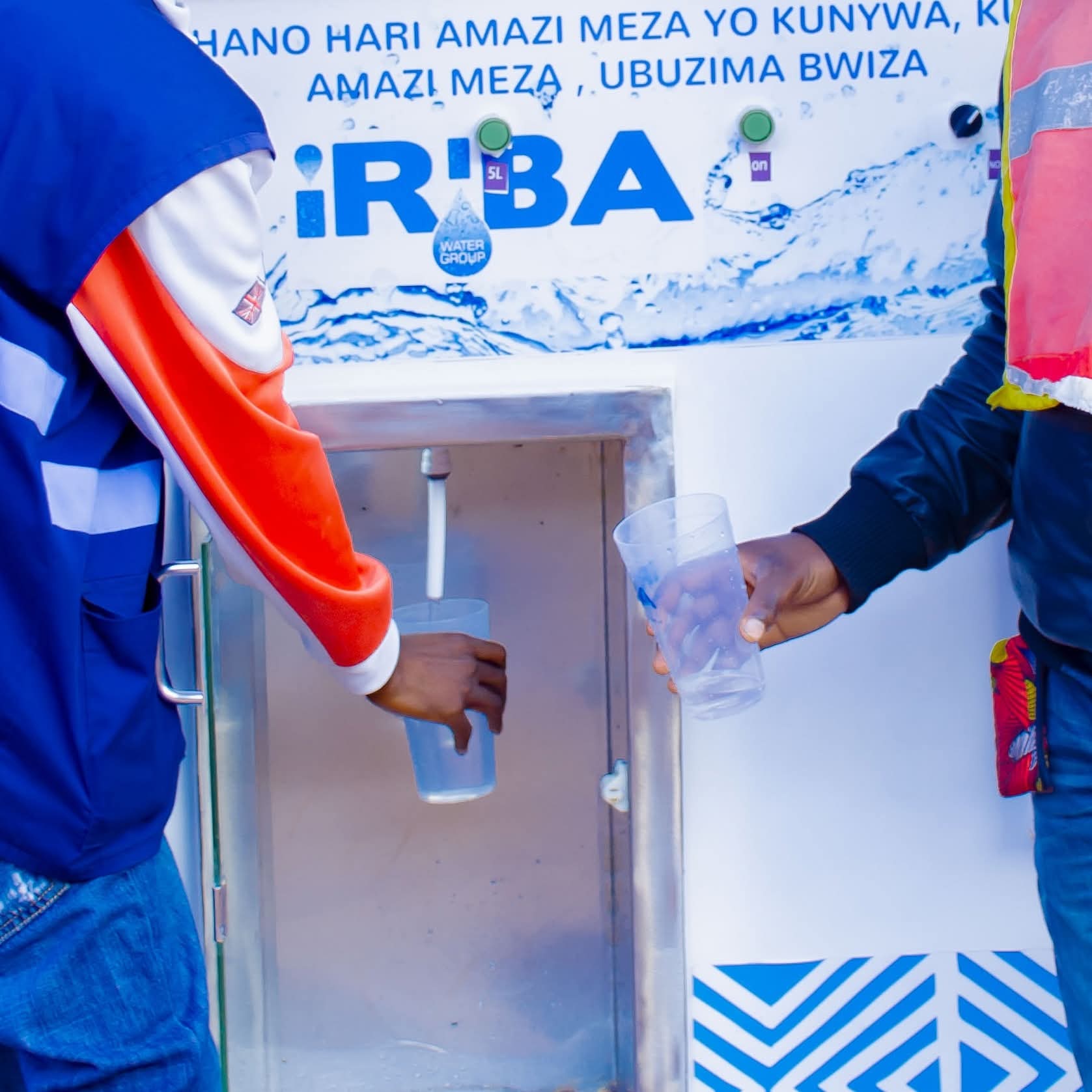
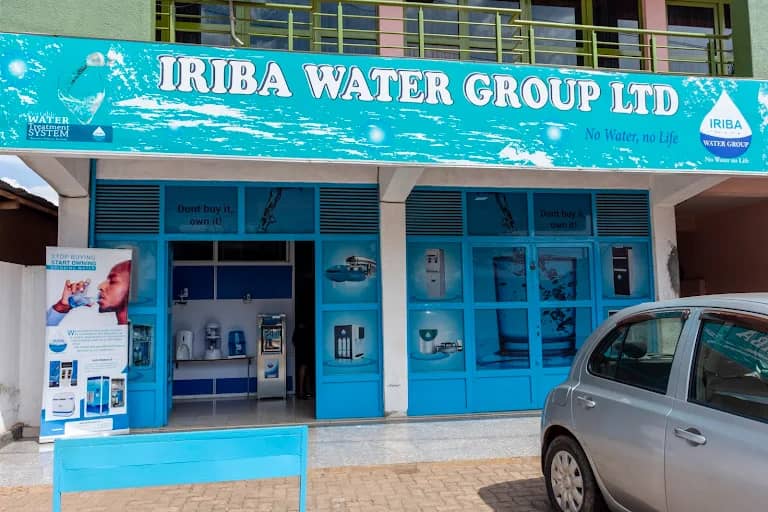
Founded in 2017, IRIBA Water Group has emerged as a leader in developing solar-powered smart water ATMs equipped with UV and RO purification systems, mobile payment options, and digital monitoring.
The enterprise’s innovative model has already reached over 517,000 people through 203 water ATMs, transforming the health and well-being of vulnerable communities while creating 194 jobs across Rwanda.
“At IRIBA, we believe no one should suffer or die due to the lack of something as basic and essential as safe drinking water. Our mission is to ensure safe water for all, transforming health outcomes and building resilient communities across Africa,” says the management of IRIBA Water Group, highlighting that access to clean water is a fundamental human right.
The company’s holistic approach goes beyond technology. IRIBA Water Group actively engages communities through educational initiatives, reaching over 2.8 million people with vital WASH (Water, Sanitation, and Hygiene) practices, and empowers women and youth through its franchise model, creating sustainable economic opportunities that extend beyond water access.
With water scarcity affecting millions across Africa – where 700 million people lack access to safe drinking water, and 80% of illnesses are linked to poor water and sanitation conditions- IRIBA Water Group’s solutions are both timely and impactful, driving positive change where it is needed the most.
The company’s model combines innovation, sustainability, empowerment, integrity, and measurable impact, ensuring that every initiative not only improves access to water but also contributes to socio-economic development across Africa.
The Zayed Sustainability Prize, the UAE’s pioneering award recognizing excellence in sustainability, celebrates innovative solutions to global challenges.
This year’s finalists, including IRIBA Water Group, represent inclusive, tech-enabled, and locally adapted solutions tackling urgent issues such as clean energy, safe water, nutritious food, quality healthcare, and climate resilience.
The Prize’s global impact has already touched over 400 million lives, demonstrating the power of innovation to transform communities and shape a sustainable future.
Sheikh Zayed bin Sultan Al Nahyan, the founding father of the UAE, believed that sustainable progress begins with empowering people and meeting their most fundamental needs.
His vision of inclusive, people-centered development continues to inspire the Zayed Sustainability Prize – and is vividly reflected in their selection of finalists.
In many ways, IRIBA embodies the principles Sheikh Zayed championed: innovation with purpose, sustainability anchored in community well-being, and development that leaves no one behind.
By merging solar technology, digital monitoring, and community-driven entrepreneurship, IRIBA turns water access into a catalyst for social and economic transformation. Each smart water ATM not only delivers clean, affordable water but also supports local jobs, women-led franchises, and healthier communities.
IRIBA’s approach demonstrates that sustainable development is not just about technology – it is about dignity, opportunity, and inclusion. In translating innovation into impact by creating practical, scalable solutions that drive positive change, while inspiring others across Africa to reimagine what sustainable progress can look like.
The winners of the Zayed Sustainability Prize 2026 will be announced in January 2026, during Abu Dhabi Sustainability Week.
Whether or not it takes home the top honour, IRIBA Water Group’s work stands as proof that homegrown African innovation can drive global impact, delivering safe water, dignity, and opportunity, one drop at a time.
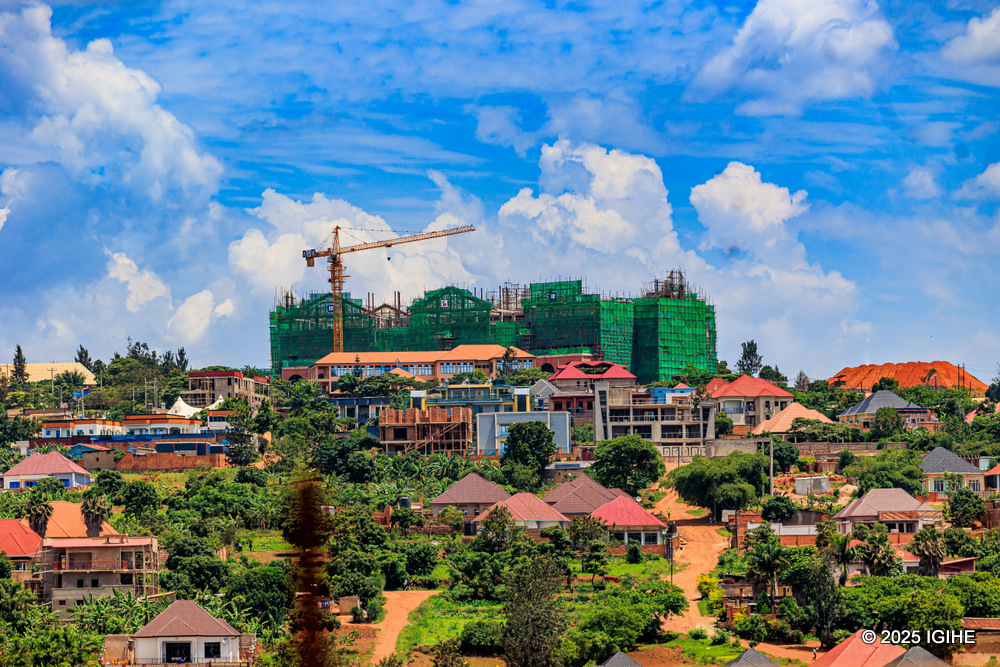
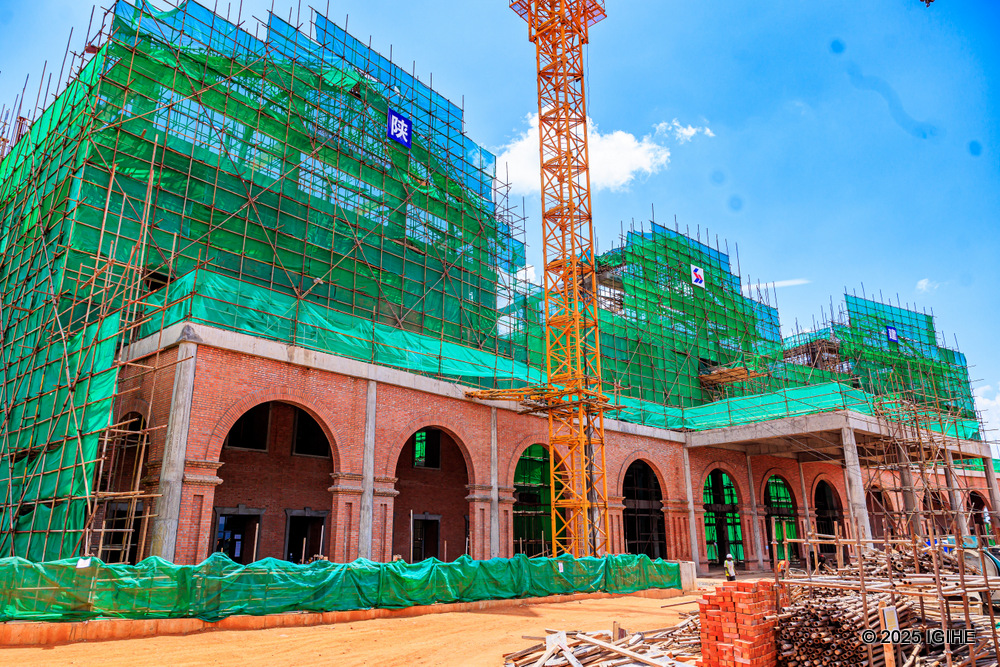
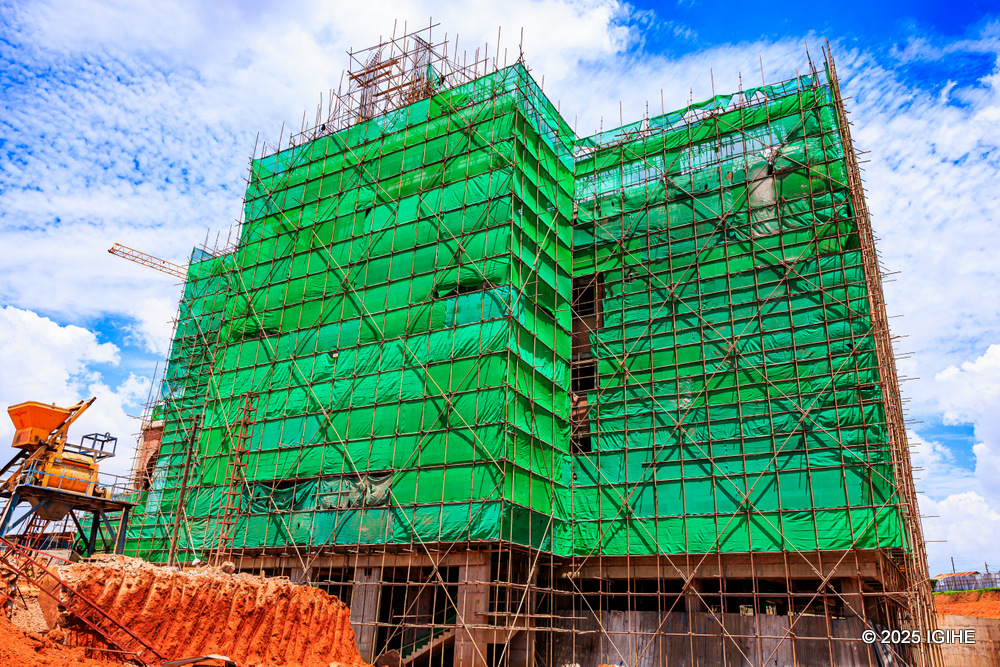
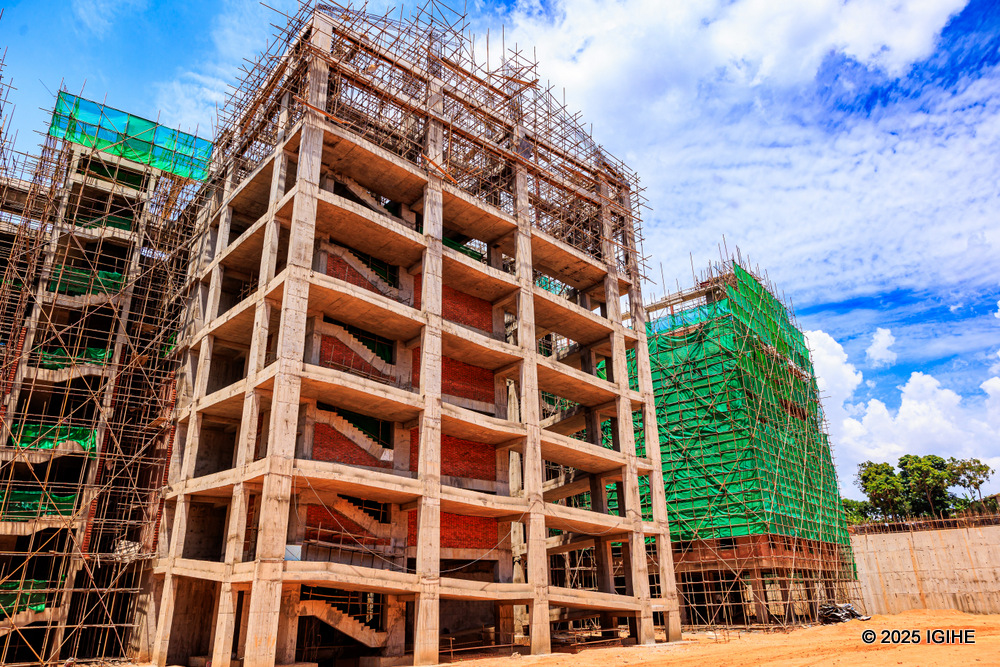
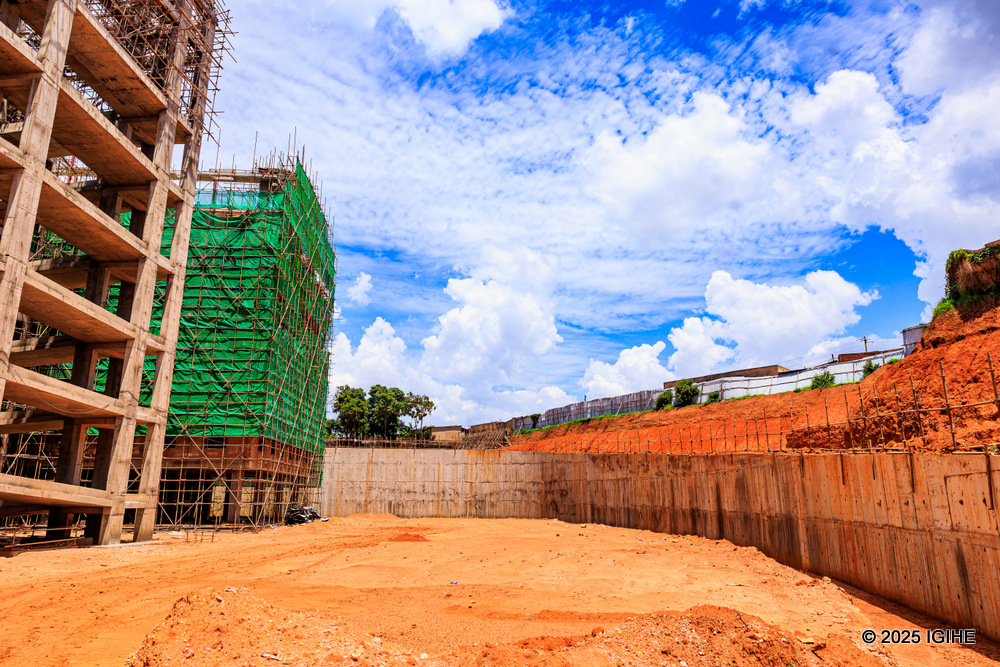
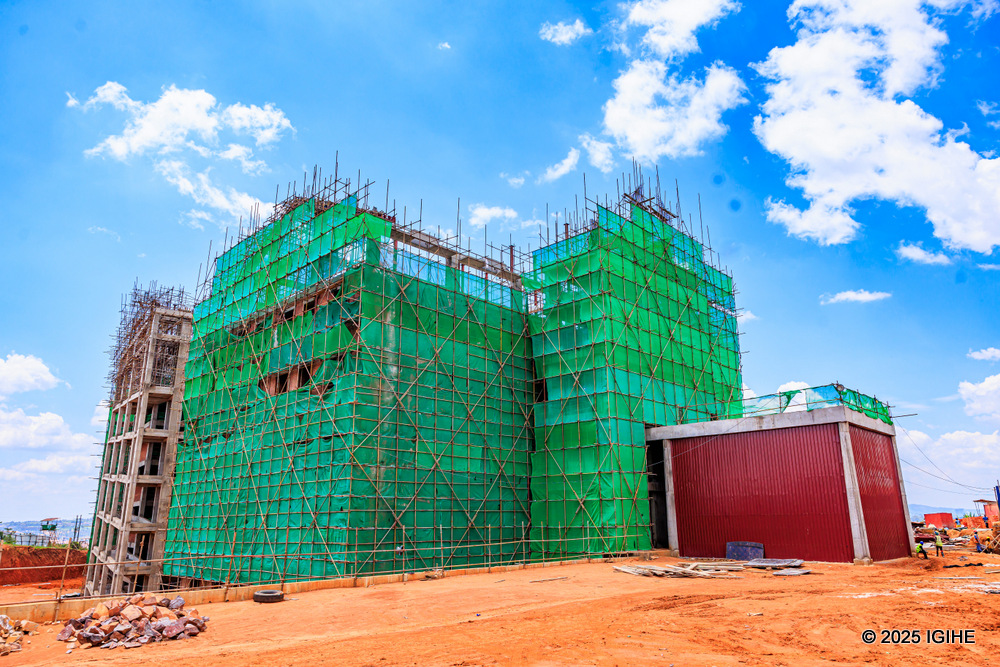
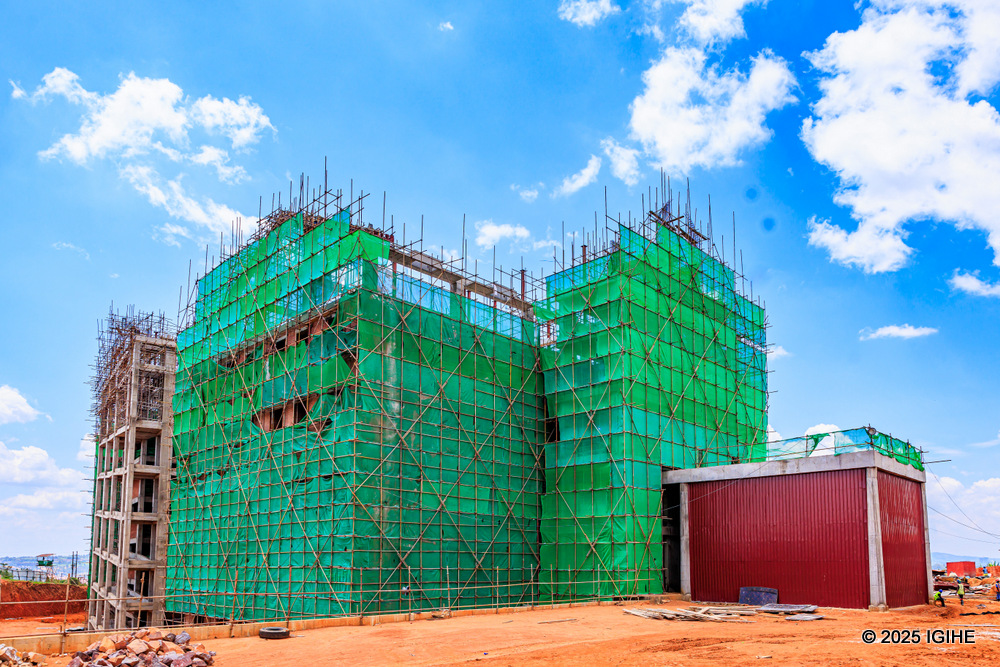
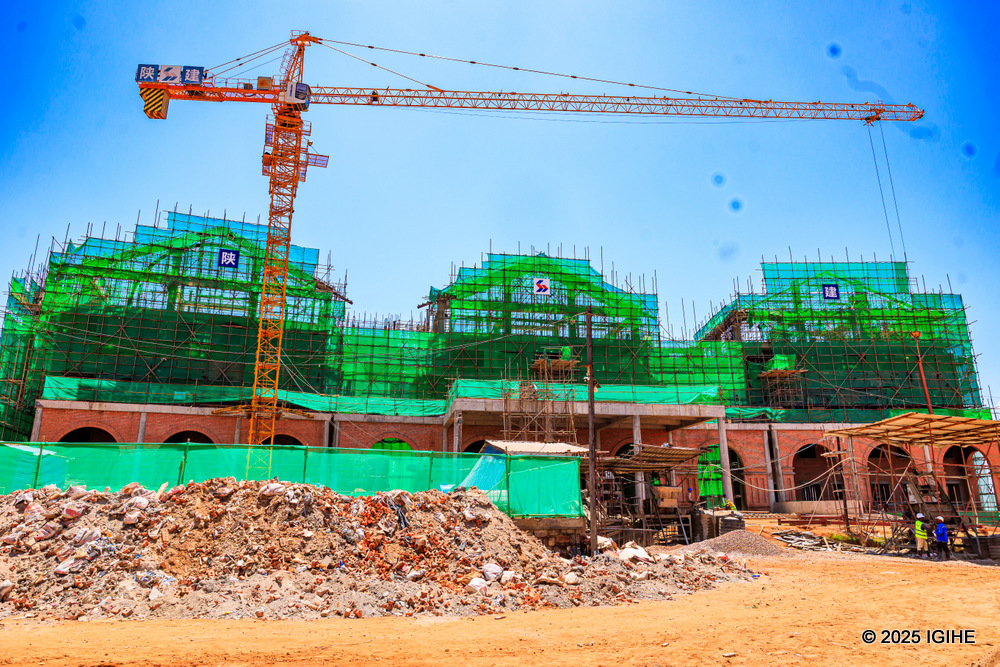
This modern Believers International Hospital and Research Center in Rwanda is expected to reduce the number of Rwandans seeking medical specialists abroad for complex illnesses.
Once completed, the facility owned by the Indian based church, will attract specialists in various medical fields, including cardiology, which will help reduce the number of people traveling overseas for treatment and contribute to the growth of medical tourism in Rwanda, positioning the country as a hub for advanced healthcare.
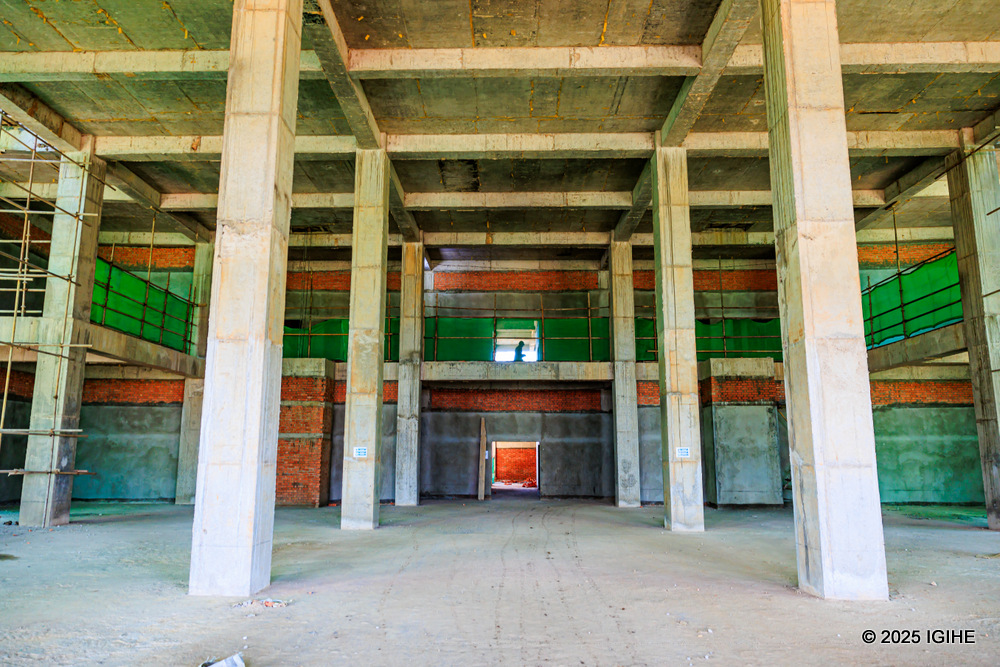
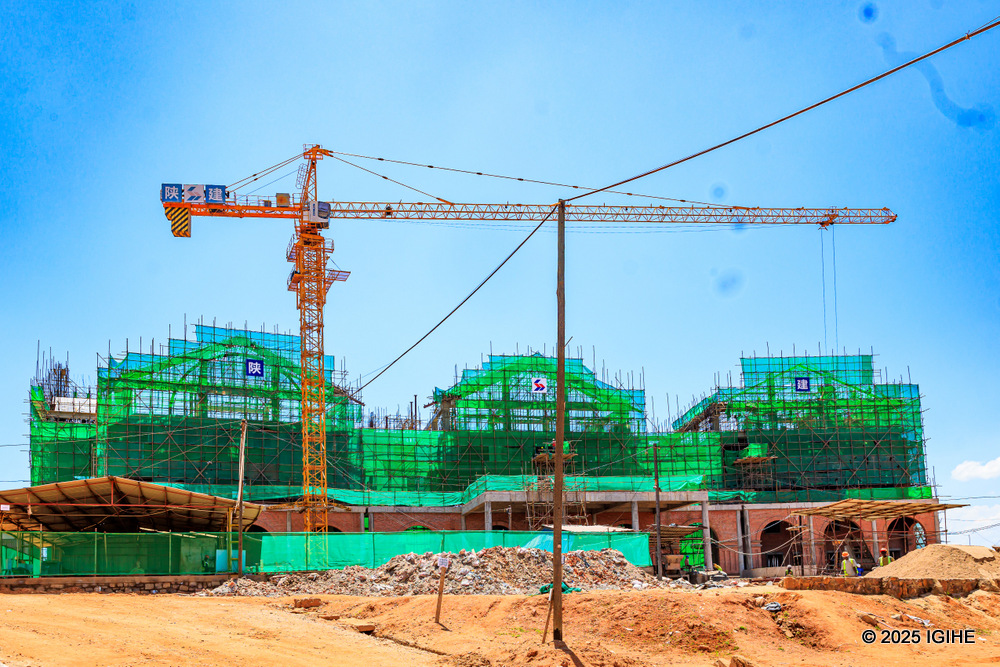
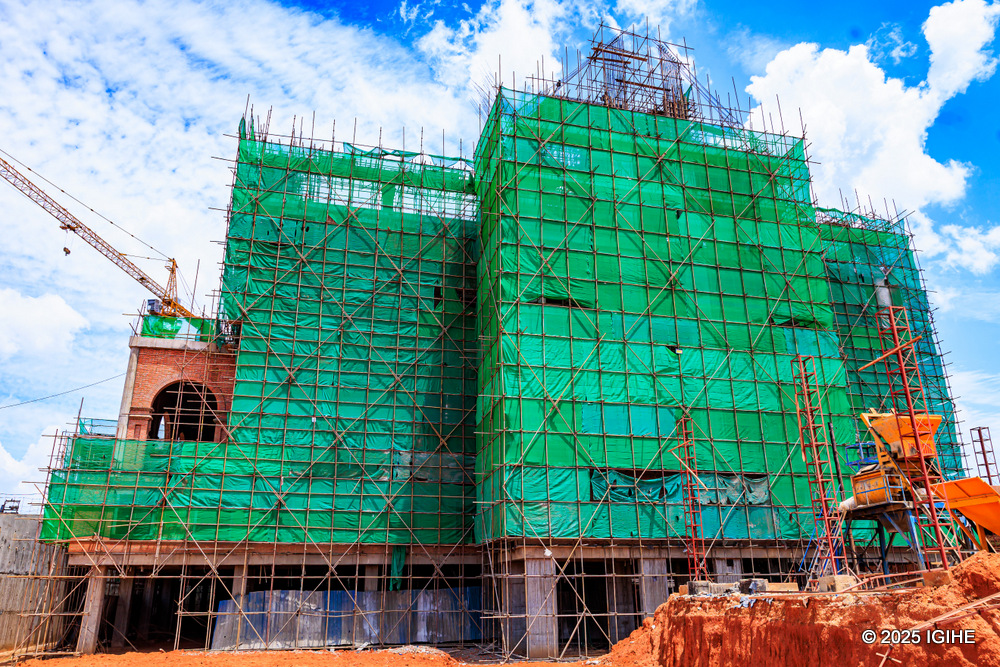
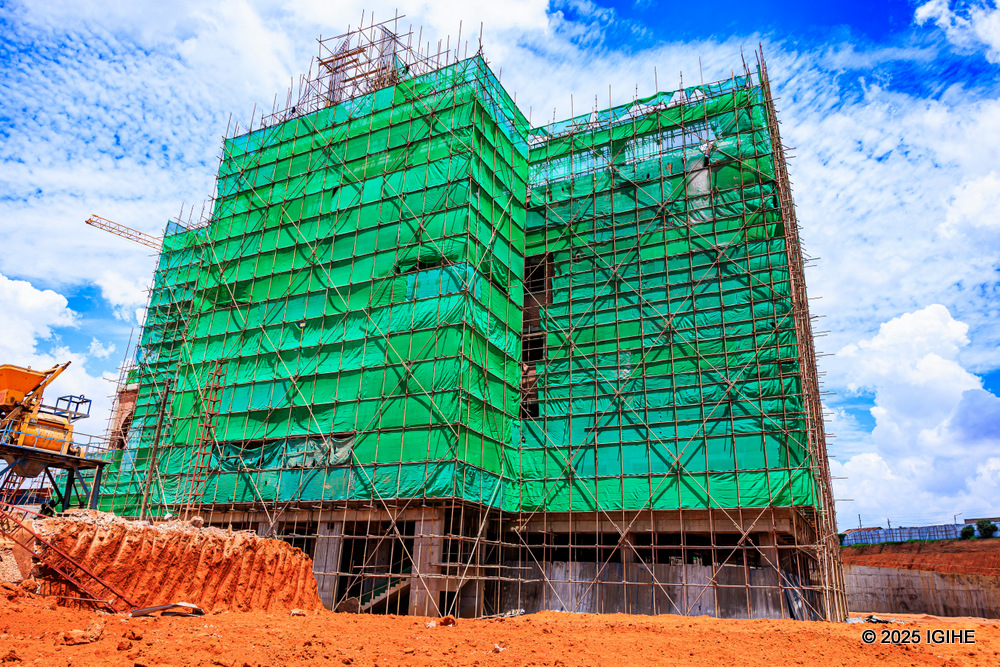
The construction of this hospital began on October 1, 2023, in Kicukiro District, Kanombe sector, near Busanza. It will also include a university dedicated to training medical professionals, aiming to assist Rwanda in becoming a hub for cutting-edge medical care.
The hospital will feature 300 patient beds, with specialized doctors from different countries, as well as a university and research center that will contribute to the advancement of healthcare in Africa. Once the building is completed, plans will follow to construct accommodation for the doctors and university buildings to support the education of Rwandans.
With construction progressing as expected, the facility is set to be completed by 2026.
At the groundbreaking ceremony, Simon, a representative of the church, shared that this is the second hospital built by the organization, and the decision to construct it in Rwanda was influenced by the country’s good governance.
“The former Rwandan Ambassador to India visited our hospital, saw the equipment and services we offer, and asked our church leaders if we could bring such infrastructure to Rwanda. We initially hesitated to bring such a project to Africa,” said Simon. “When we arrived in Rwanda, our mindset quickly changed. Rwanda is unique, it’s a peaceful, clean country with exceptional leadership under President Kagame. After seeing all this, we realized there was no better place to build the hospital than here.”
Rwanda is among African countries with patients seeking treatment in India for complex medical conditions.
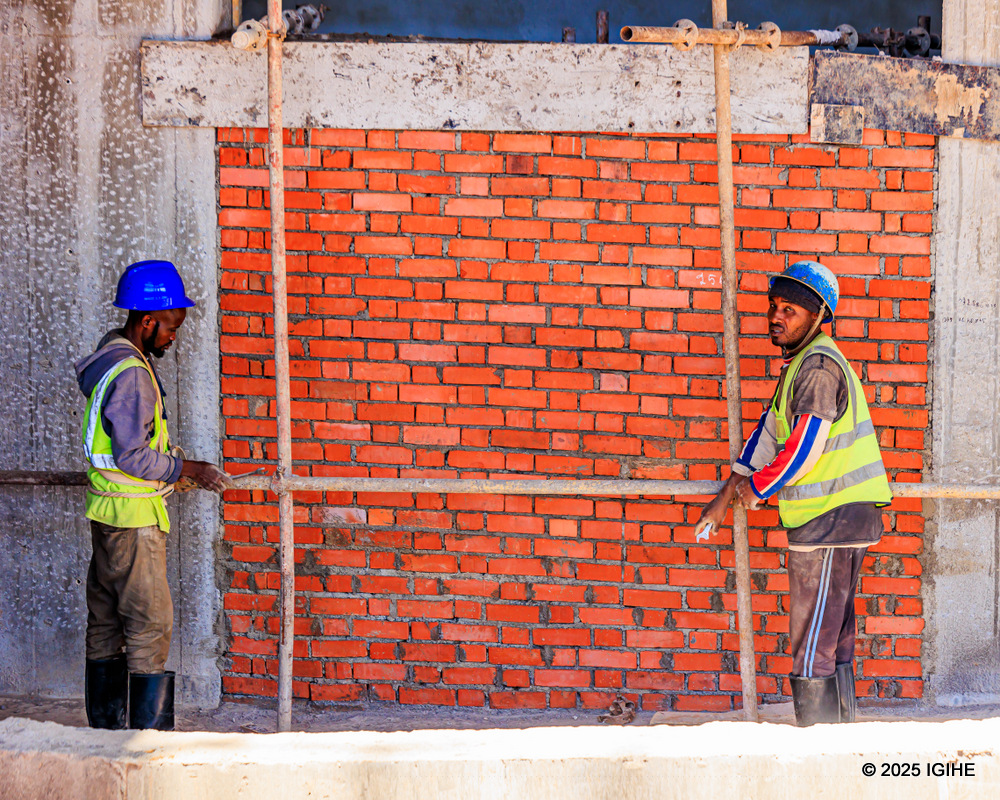
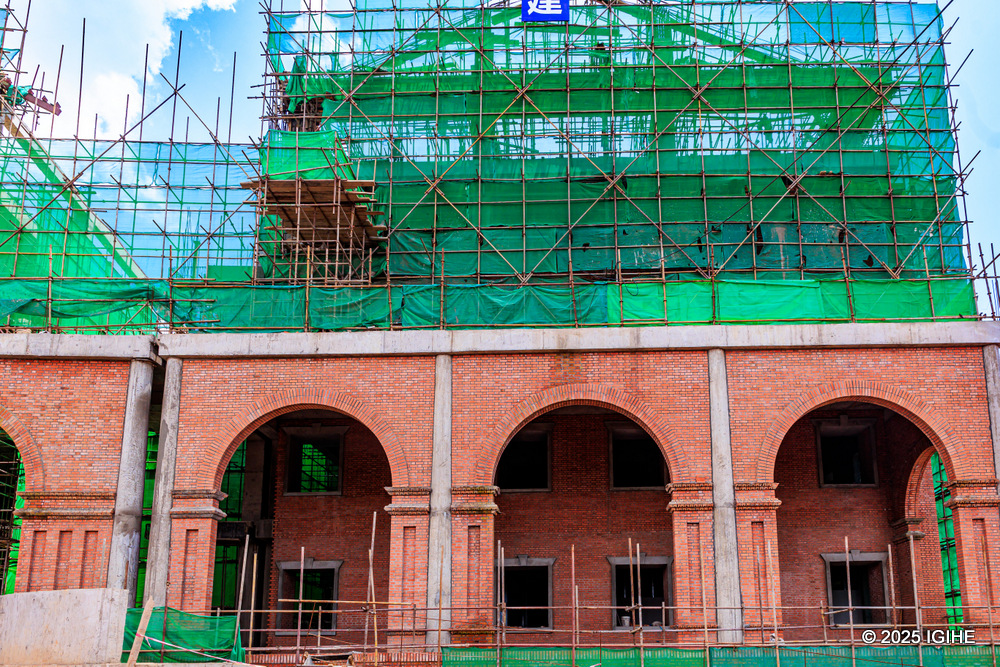
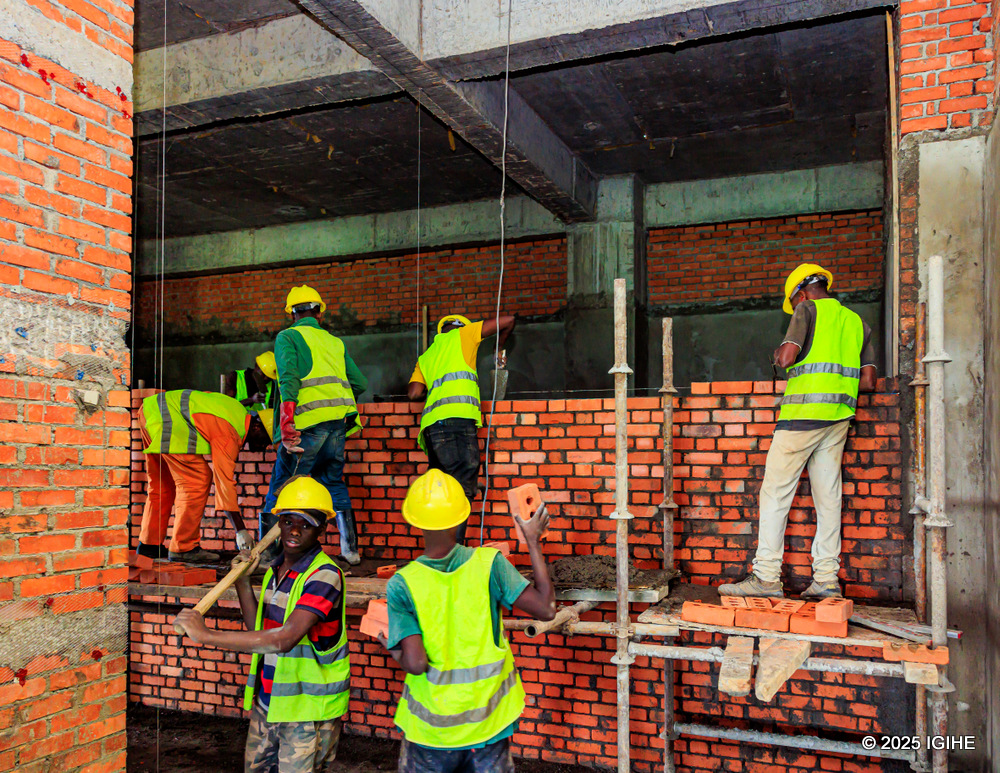
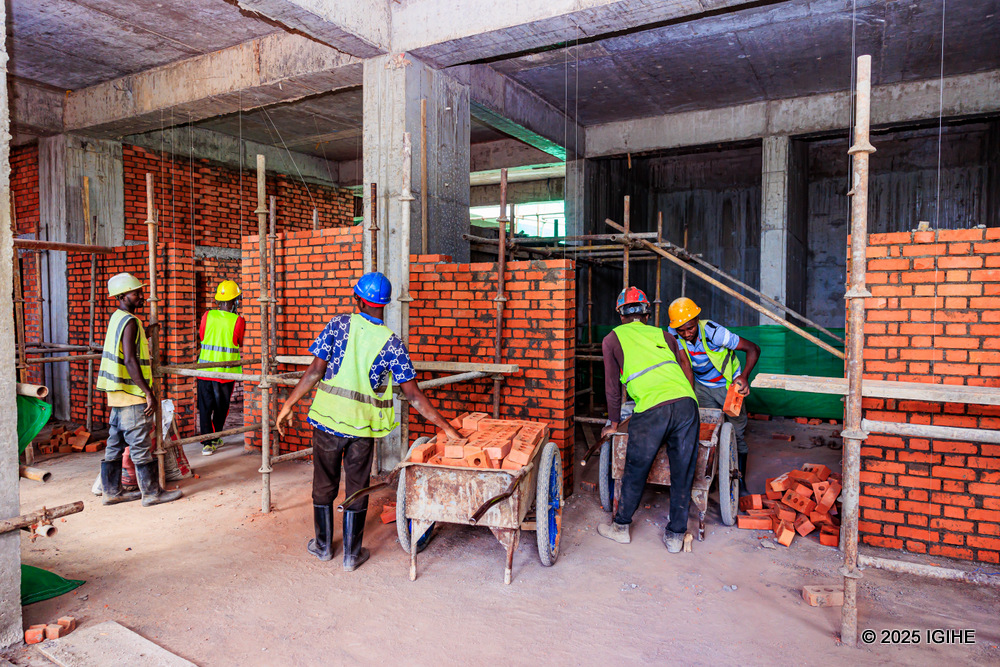
Nshimiyimana Costica, overseeing construction activities emphasized that the hospital is being constructed with high-quality materials, including steel and durable bricks, making it resilient to earthquakes in the region.
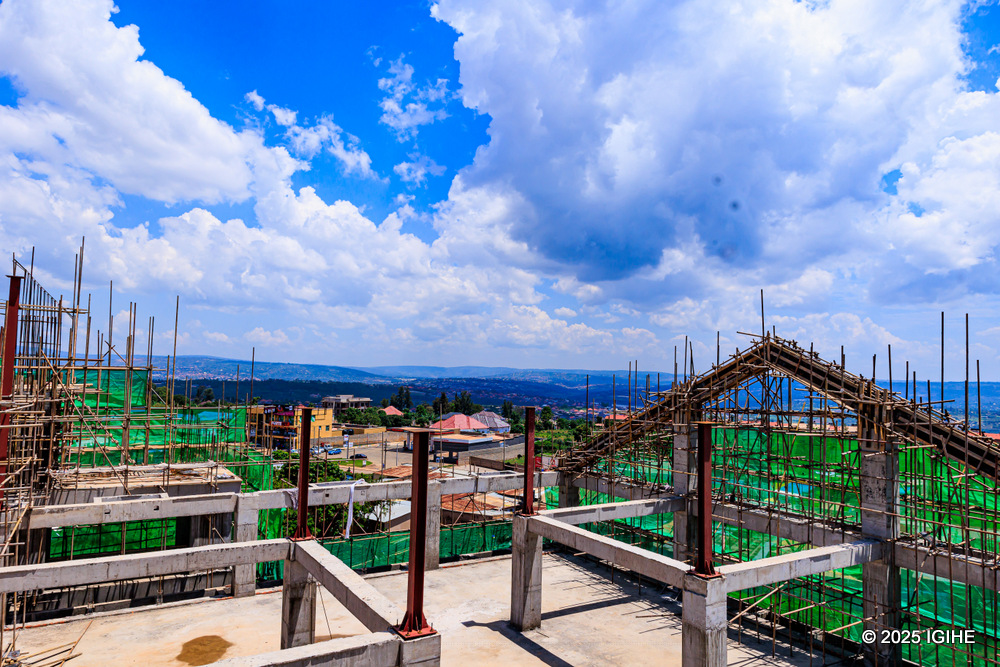
“I would say we are about 65-70% finished with the construction. We base this estimate on the work already completed, and the remaining 30% will be completed soon.”
The hospital is being built with locally sourced materials, such as sand, cement from Cimerwa, bricks from Sunshine Rwanda Ltd, and Rutare Bricks and Ceramics, ensuring that 90% of the materials are sourced from Rwanda.
This state-of-the-art hospital to be completed at a cost of Frw77 billion, is expected to benefit both Rwandans and the world at large in terms of healthcare, research, and education. Since the project’s inception, more than 700 Rwandans have been employed.
“The project benefits the Rwandan population as the primary stakeholders,” said Nshimiyimana.
When completed, the hospital will be equipped with advanced medical technology, including cardiology treatments, a Cath Lab for heart disease treatments, two MRI machines, four X-ray machines, mammography for breast disease diagnosis, and more than eight operating theaters, allowing up to eight people to undergo surgery at the same time.
The hospital will be of international standards, capable of hosting heads of state and dignitaries who may seek medical services while visiting Rwanda.
All specialized doctors will be from abroad, including India, the United States, and other countries, while nurses and other staff will come from Rwanda.
Additionally, the church plans to engage with the Rwandan government to ensure that people covered by all insurance schemes in the country, including Mutuelle de Santé, will be able to access treatment at this hospital.
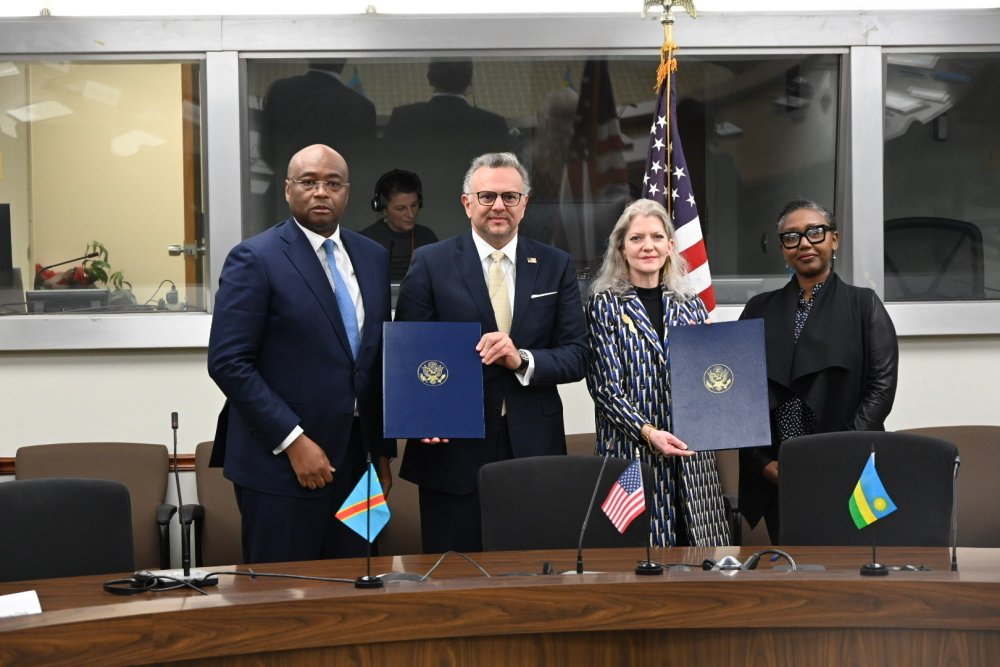
According to a statement released by the U.S. Department of State,this significant step was taken during the fourth meeting of the Joint Oversight Committee (JOC), held in Washington, D.C. The JOC brings together the DRC and Rwanda, with the support of the United States, the State of Qatar, the Republic of Togo (as the African Union mediator), and the African Union Commission.
The REIF is a key component of the Peace Agreement signed in June 2025. It outlines key areas for fostering economic cooperation and development between the two nations, demonstrating the tangible benefits of peace and creating opportunities for investment and growth that directly benefit people in the region.
Under Secretary Hooker and U.S. Senior Advisor for Africa Boulos oversaw the initialing of the framework, reinforcing the commitment of the international community to supporting economic integration as a vital aspect of the peace process.
The successful implementation of the REIF, however, hinges on the fulfillment of additional operational agreements, particularly the Concept of Operations (CONOPS) and Operational Order (OPORD) that outline the peace process’s security and military provisions.
While the signing of the REIF was hailed as a significant breakthrough, it also underscores the ongoing need for further progress in the peace process.
The Joint Oversight Committee reaffirmed the necessity of upholding commitments made under the Peace Agreement, including actions to neutralize the FDLR terrorist group and associated groups to be followed by the lifting of defensive measures.
The Parties reaffirmed their commitment to refrain from hostile actions or rhetoric, particularly political attacks or language that would undermine or complicate the full implementation of the Peace Agreement, including in international fora.
The State of Qatar provided an update on the ongoing negotiations in Doha between the DRC and AFC/M23, highlighting progress on key issues, including prisoner exchanges.
The Committee also welcomed the first convening of the Doha ceasefire monitoring mechanism on November 5 and expressed strong support for these efforts and emphasized the critical role of the Doha process in advancing the broader implementation of the Peace Agreement.
The Parties expressed a shared commitment to maintaining momentum in the peace process and continuing to build on the progress achieved.
The Governments of the DRC and Rwanda expressed their gratitude to the United States, Qatar, the African Union, and Togo for their steadfast support in advancing peace and stability in eastern DRC and the broader Great Lakes region.
These new prices were released on the night of Friday, November 7, 2025, and will be in effect for the next two months.
They replace the prices set in September 2025, when a liter of petrol was priced at Frw 1,862 and diesel at Frw 1,808. This means the price of petrol has increased by Frw 127 per liter, while the price of diesel has gone up by Frw 92 per liter.
RURA explained that , in response to rising pump prices influenced by global trends, the government has continued to strengthen fuel reserves and prudent macroeconomic management to protect consumers and maintain market stability.
The new prices take effect on November 8, 2025.
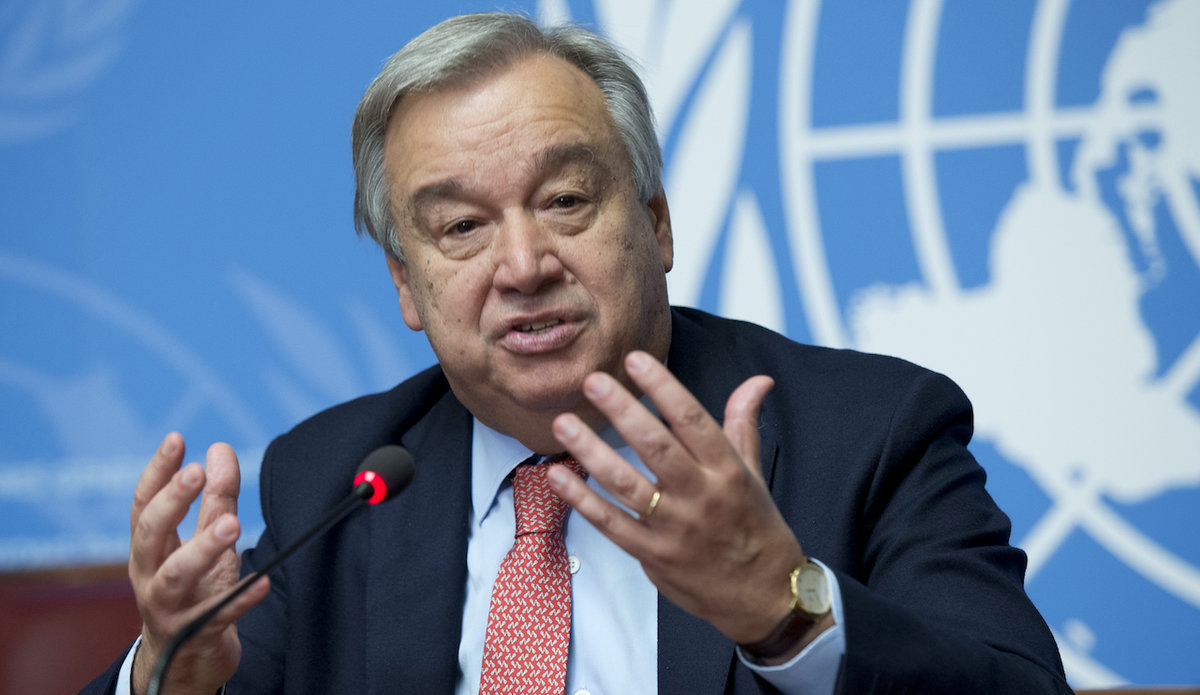
“We need to move faster — and move together. This COP must ignite a decade of acceleration and delivery,” Guterres made the urgent call in addressing the opening plenary of a two-day leaders’ meeting to discuss pressing climate change challenges and commitments ahead of the 30th United Nations climate change conference, commonly known as COP30, to be held on Nov. 10-21 in Brazil’s Amazon city of Belem.
{{Not to give up on 1.5 degree global warming goal }}
Guterres noted in his speech that the world has failed to accomplish the goal of limiting global temperature rise to 1.5 degrees Celsius above pre-industrial levels as established in the 2015 Paris Agreement, warning, “It could push ecosystems past irreversible tipping points, expose billions to unlivable conditions, and amplify threats to peace and security.”
However, based on science, “If we act now, at speed and scale, we can make the overshoot as small, as short, and as safe as possible — and bring temperatures back below 1.5 degrees Celsius before the century’s end,” he said, adding that despite the immense challenge, the world can “choose to make Belem the turning point.”
To limit the overshoot, Guterres stressed the need for a paradigm shift and for governments around the world to take immediate, decisive actions.
Meanwhile, he reiterated the need to support developing countries in moving away from fossil fuels, calling for a clear path to achieving the target of 1.3 trillion U.S. dollars a year in climate finance by 2035, as agreed at COP 29 in Baku.
“Developed countries must take the lead in mobilizing 300 billion dollars annually — delivering affordable, predictable finance at the agreed scale,” he said.
{{Call for clean energy transition to curb global warming}}
Leaders from Brazil, France, Chile and other countries on Thursday joined Guterres in urging swift and joint efforts to combat climate change.
In his opening address at the meeting, Brazilian President Luiz Inacio Lula da Silva called for accelerating the energy transition to renewable sources and strengthening environmental protection.
“Accelerating the energy transition and protecting nature are the two most effective ways to contain global warming,” Lula da Silva told the more than 70 representatives from governments and international organizations.
“Clean energy is winning on price, performance, and potential — offering the solutions to transform our economies and protect our populations,” said Guterres in his address, adding that in 2024, almost all new power capacity came from renewables.
As solar and wind are the cheapest and fastest-growing sources of electricity in history, millions are connected to clean and affordable energy for the first time, while the clean-energy economy is creating jobs and driving development, the UN chief noted.
Before the convening of the leaders’ meeting, Brazil’s Environment and Climate Change Minister Marina Silva called the meeting an opportunity for governments to highlight the global shift toward renewable energy sources from fossil fuels.
Lula da Silva also called on governments to allocate more resources to environmental protection. On Thursday, the multilateral Tropical Forests Forever Facility fund was launched at the leaders’ meeting. The Brazil-proposed climate finance mechanism aims to incentivize countries that protect tropical forests, which are known as the “lungs of the earth.”
The upcoming COP30 is expected to guide climate-related negotiations, with an agenda focused on climate and nature, energy transition, Paris Agreement implementation review, nationally determined contributions and climate finance.
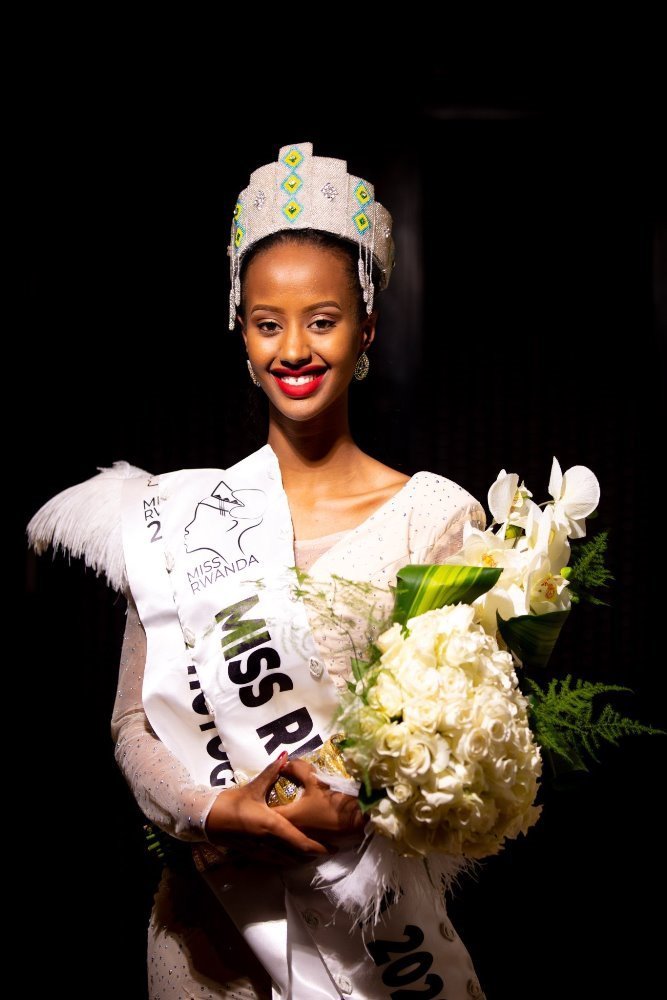
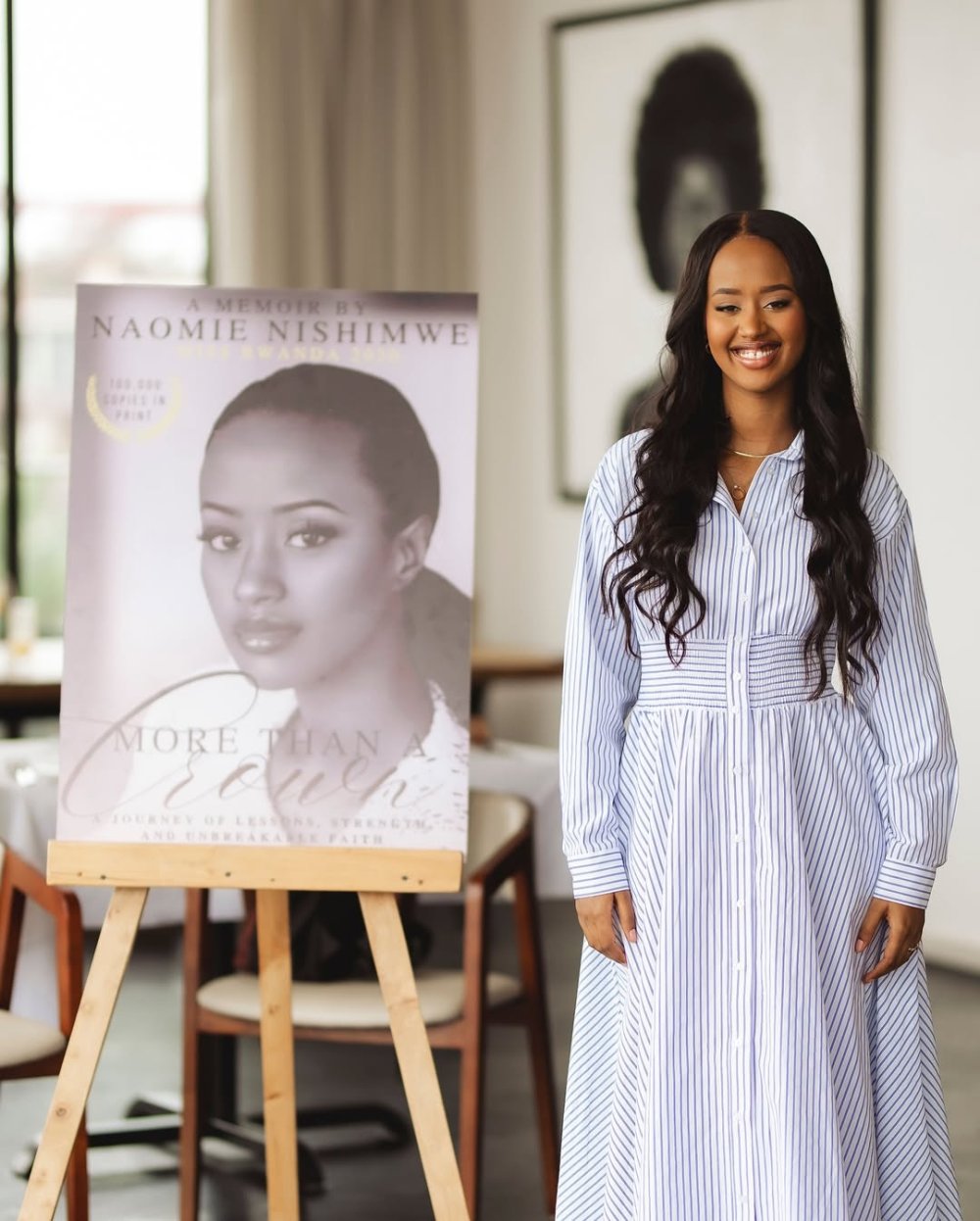
In the book’s preview, she reveals that during her mother’s pregnancy, it was expected that she would be born a boy and named Kevin.
However, Nishimwe who got married in 2024, also addresses the misconception that she grew up in a life of luxury, providing insight into the more humble circumstances of her childhood.
‘More Than a Crown’ touches on various aspects of her life, from her journey as Miss Rwanda to her personal experiences and the values that shaped her.
The book is set to be released on November 14, 2025, and covers 184 pages, including a powerful story of a comment she read on the X platform, which suggested that children from wealthy families never face hardships.
This comment deeply moved her, making her laugh and cry at the same time as she reflected on her own upbringing. While she was born into a loving family, the world she grew up in was far from perfect.
The book also recounts the time when her mother, throughout her pregnancy, told everyone she was expecting a boy named Kevin, even going so far as to buy baby clothes in blue and prepare a bag labeled “Baby Boy.”
While her name was intended to be Kevin, she feels that the name Nishimwe “Let God be praised” symbolized her parents’ love and commitment for unwavering support.
{{Nishimwe’s father’s military service }}
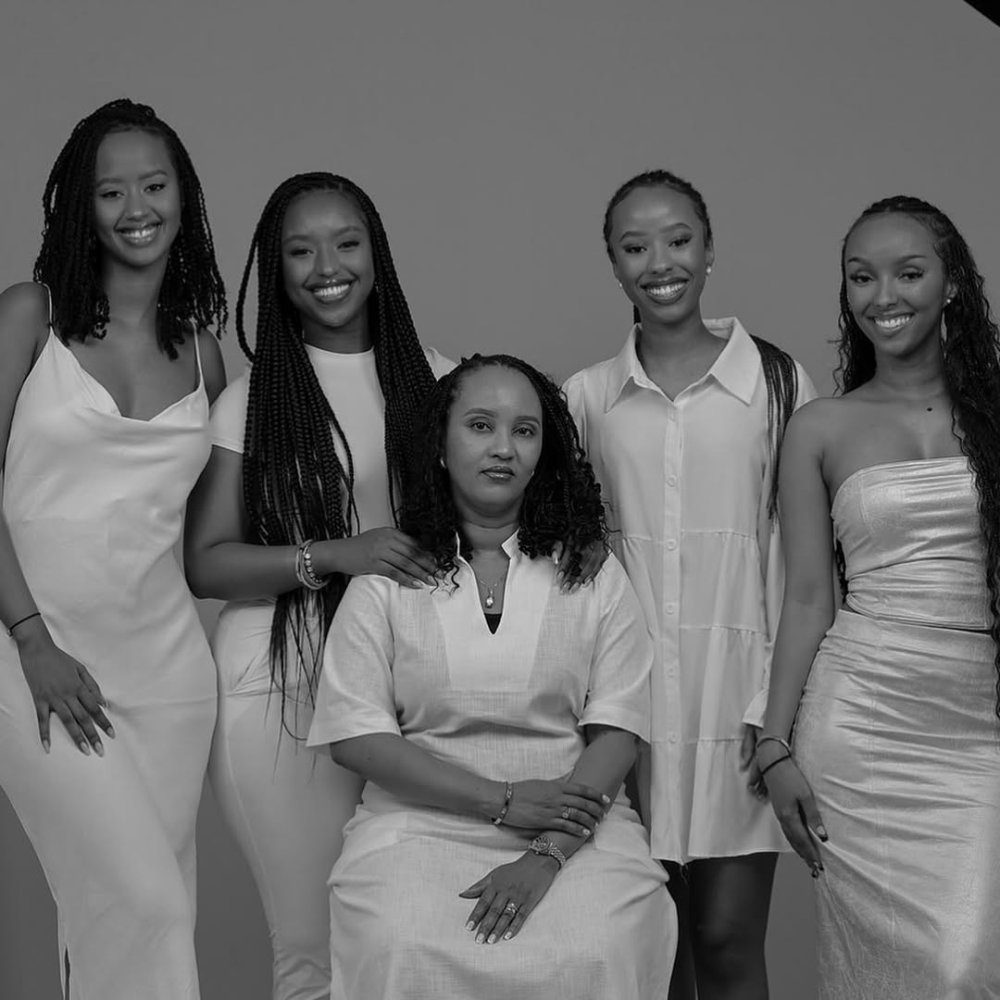
Nishimwe’s father joined the military when he was still young, before the birth of his first child, Kathia, in 1996.
The first birth came during a period marked by Rwanda’s ongoing recovery from the 1994 Genocide against the Tutsi, and the nation was grappling with the aftermath of the violence, with many survivors left with scars of grief, loss, and trauma.
Families faced immense difficulty in finding out if their loved ones had survived, sifting through destroyed buildings and trying to rebuild their lives.
At the time, Nishimwe’s father, who had played a role in Rwanda’s liberation struggle, was often far from home. His work involved helping families reconnect and rebuild, even at the cost of being separated from his own family for extended periods.
The lack of communication, and the difficulty in sending money home made it hard for them to stay in touch or know how he was doing.
Nishimwe recalls the challenges her family faced during this time, including the scarcity of food, delayed school fees, and the lack of basic necessities.
Christmas was one of the rare times her mother could buy new clothes for everyone in the family, usually just one item each.
Despite the hardships, she fondly remembers how her mother made sure they had what they needed, and how her family, like many other neighbors, persevered through tough times.
{{Living in a military compound}}
During this period, Nishimwe’s family lived in a house within a military compound. The compound had a large yard, with mango trees, flowers, and space for the children to play.
Despite this, she notes that they did not consider themselves wealthy. At the time, land was inexpensive, and many families owned large plots.
However, owning land did not equate to financial wealth, as they struggled with the basics such as food and school fees.
Nishimwe remembers that whenever one of the children needed something like a school bag, her mother would patiently explain that there were other priorities.
The most pressing concern was ensuring there was food to eat, clothes to wear, and the money to pay for school. Everything else, such as new items, came as a bonus when they could afford it.
Her mother worked at Radio Umucyo, a Christian radio station at the time, and Nishimwe recalls how she took them there occasionally, which was a source of stability and an opportunity for the family.
She fondly remembers the wisdom her mother imparted, including a focus on faith, believing that prayer and relying on God’s guidance were the first steps in overcoming challenges.
{{The day Nishimwe was born}}
The story of Nishimwe’s birth is a pivotal moment in her family’s history. On the evening she was born, her father had left to support his beloved APR FC team at a match.
Meanwhile, her mother, who was pregnant with her at the time, went into labor unexpectedly. Her mother’s sister, Nadine, was visiting and had planned to stay for a week. It was during this visit that her mother went into labor and was quickly rushed to the hospital by taxi.
Her father, eager to ensure that his wife received the best care, raced to the university Teaching Hospital of Kigali after the match, navigating the difficult roads of Kigali, which were dusty.
The urgency of the situation, combined with the conditions of the roads, made for a frantic journey. Despite the challenges, her father made sure they arrived at the hospital, where Nishimwe’s mother, exhausted from labor, was waiting for them after birth.
Nishimwe was born quickly, and although she wasn’t named Kevin as originally planned, her father’s deep love for her and her mother is reflected in the moment he first held her.
The family’s resilience and strength during this moment are emblematic of the journey they had taken together, through adversity, uncertainty, and eventual joy.
Reflecting on this, Nishimwe humorously notes that she was not born with the name Kevin, as her mother had originally planned, but was instead called Naomie.
Her father had nicknamed her “Mubu,” a Kinyarwanda nickname meaning mosquito , because her talking buzzed around and never silenced even after everyone was asleep.
To this day, relatives affectionately greet her as “Mubu, wacu” (our little mosquito), a nickname that continues to make her laugh and reminds her of her childhood.
Nishimwe’s story, as shared in ‘More Than a Crown’, offers readers a deep and personal insight into her life, her family, and the values that have shaped her journey.
Analysts believed that the escalation is part of Israel’s calculated pressure campaign against Hezbollah.
The Israeli military said Thursday in a statement that it has “begun a series of strikes on Hezbollah military targets in southern Lebanon,” with army spokesperson Avichay Adraee issuing specific evacuation warnings for the villages of Al-Tayyiba, Tayr Debba, and Aita al-Jabal.
Lebanese sources said Israeli airstrikes on Thursday killed one person and injured eight others in the municipality of Toura in the south, and injured one more in Tayr Debba.
The latest strikes have triggered fresh displacement, with heavy traffic reported as residents flee targeted areas. Several private schools in southern Lebanon’s Nabatieh area announced closures on Friday to avoid exposing students and teachers to danger.
The attacks marked the latest in a series of escalating Israeli operations that Lebanese sources said have intensified throughout early November.
According to the sources, the Israeli army carried out 22 military operations during the first week of November alone, including air raids, artillery shelling, and house demolitions.
“These military operations resulted in the death of eight people and the injury of 10 others, the destruction of six houses, the burning of four bulldozers, and extensive damage to civilian property and infrastructure,” the sources told Xinhua on Thursday.
This followed October’s casualties, which the Lebanese Health Ministry reported as 28 killed and 54 injured from Israeli shelling.
Also on Thursday, a senior Lebanese military intelligence source revealed that “the Lebanese army is working with full force to clear areas south of the Litani River of weapons and militants,” having established positions in 118 locations and destroyed dozens of military sites and tunnels.
Lebanese army units have completed about 90 percent of their assigned first-phase mission, which is set to conclude by the end of this year, the source said.
Meanwhile, Hezbollah issued on Thursday an open letter to Lebanese President Joseph Aoun, Parliament Speaker Nabih Berri, and Prime Minister Nawaf Salam, warning against “slipping into negotiation traps” with Israel.
“There is no national interest in political negotiations with the Israeli enemy,” the statement said, adding that Israel is using “blackmail” to impose conditions, including the disarmament of Hezbollah, as a prerequisite for ending hostilities, which is “unacceptable and not included in the ceasefire declaration.”
The United Nations Interim Force in Lebanon has repeated its deep concern about the escalation of military operations on both sides of the Blue Line, urging all parties “to exercise restraint and maintain open communication channels to avoid miscalculation.”
A ceasefire between Hezbollah and Israel has been in effect since Nov. 27, 2024. Still, the Israeli army continues to conduct occasional strikes in Lebanon, citing operations against Hezbollah “threats,” while maintaining forces at five main positions along the Lebanese border.
“Lebanon currently stands on the brink of a new confrontation,” Lebanese political analyst Nidal Issa told Xinhua, describing the situation as “part of Israel’s ‘pressure by fire’ policy aimed at imposing its conditions before sliding into what could be called a full-scale war.”
Despite the intensified operations, “Hezbollah is striving to maintain the deterrence balance without being dragged into an all-out war, viewing Israel’s demand for its disarmament as a condition meant to humiliate Lebanon,” Issa said.
Refaat Badawi, political analyst and advisor to former Lebanese Prime Minister Salim al-Hoss, believed the escalation “aims at imposing pressure on Hezbollah and the Lebanese government to enter direct or indirect negotiations under a diplomatic framework that may lead to normalization of ties between Lebanon and Israel.”
“Israel is imposing this pressure to blackmail Lebanon and keep the status quo in southern Lebanon, to stop Lebanon from demanding Israeli withdrawal from the south, and to return to the 1949 ceasefire agreement,” Badawi said.
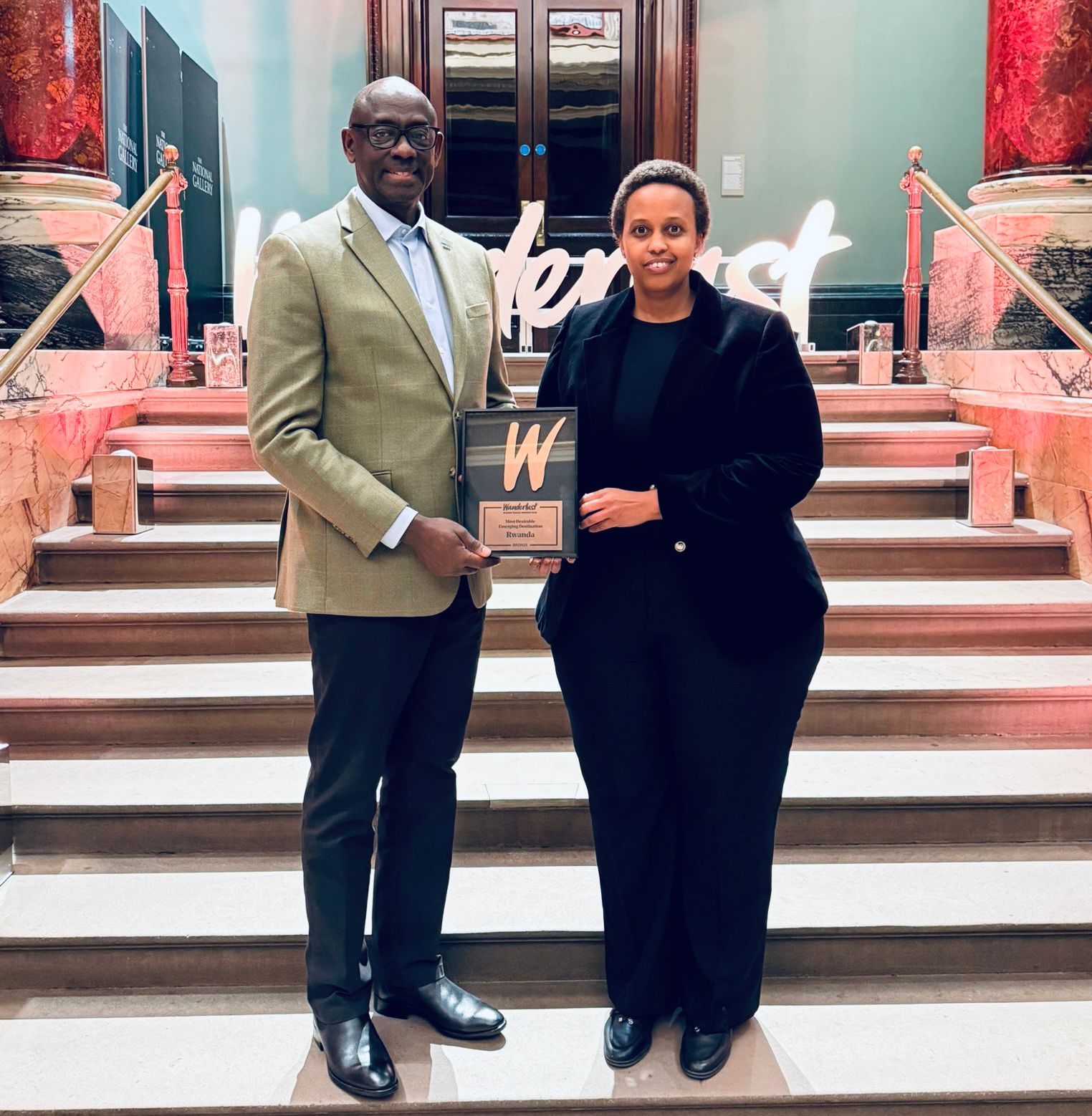
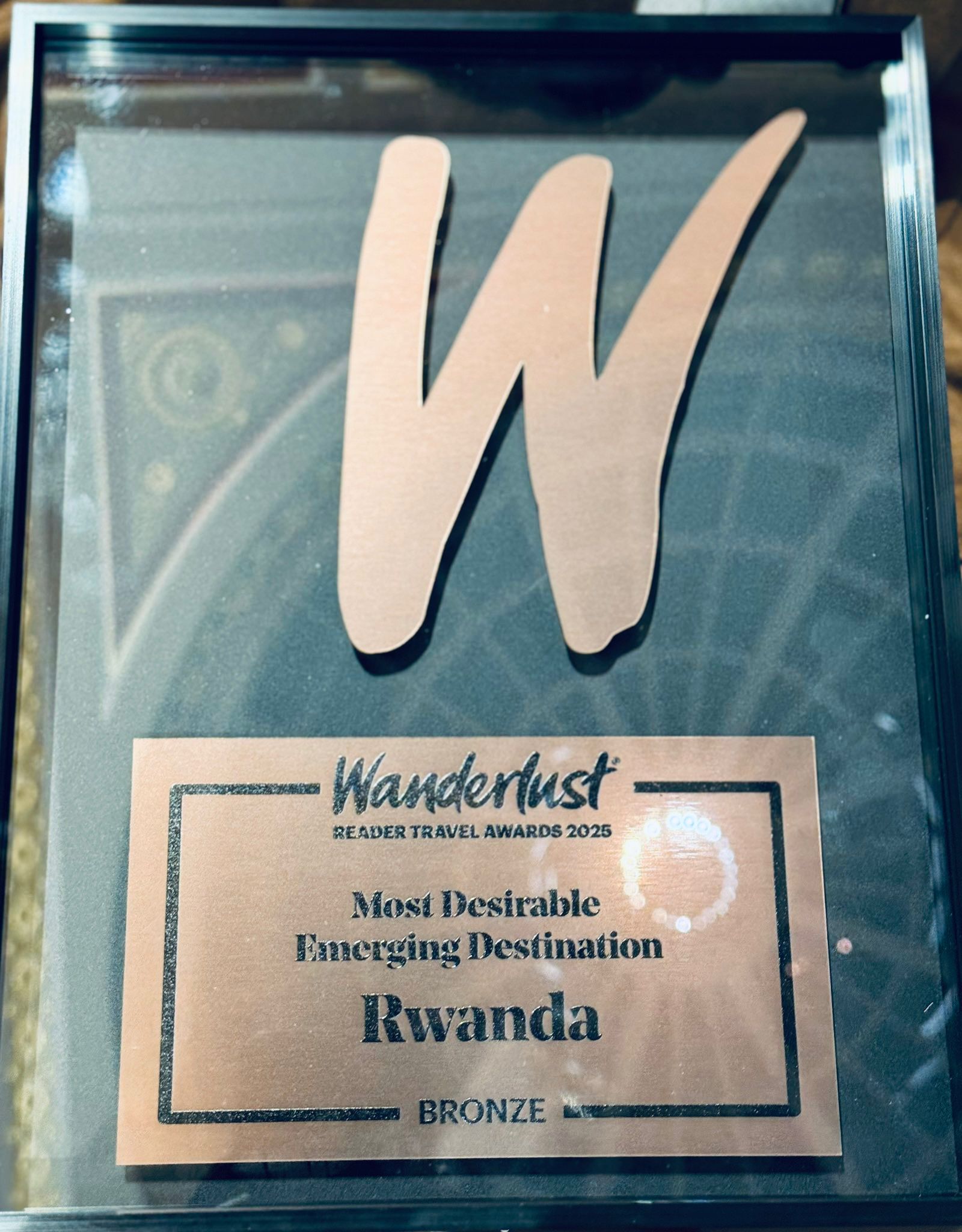
This recognition comes as Rwanda showcases its tourism offerings at the World Travel Market (WTM) in London.
From November 4 to 6, 2025, a Rwandan delegation, including representatives from the Rwanda Development Board (RDB), the Rwandan High Commission in the United Kingdom, RwandAir, and several private sector operators, is attending the event to promote the country’s attractions and build partnerships with international buyers and media.
Participating companies include RwandAir, Primates Safaris, Hermosa Life Tours, Wilderness, Blue Monkey, Triple Legacy Travels, Kings Safaris, and Wildlife Tours.
During the trade show, Rwandan representatives engaged in business meetings and media sessions to highlight the country’s unique experiences, including business travel, safaris, adventure, and leisure. The goal is to convert interest into tangible travel opportunities.
RDB emphasized that the country’s participation aims to enhance Rwanda’s global tourism profile and encourage sustainable visitor flows.
WTM London, recognized as the “birthplace of the global travel trade,” provides a vital platform for making connections, fostering collaboration, and driving growth within the travel sector.