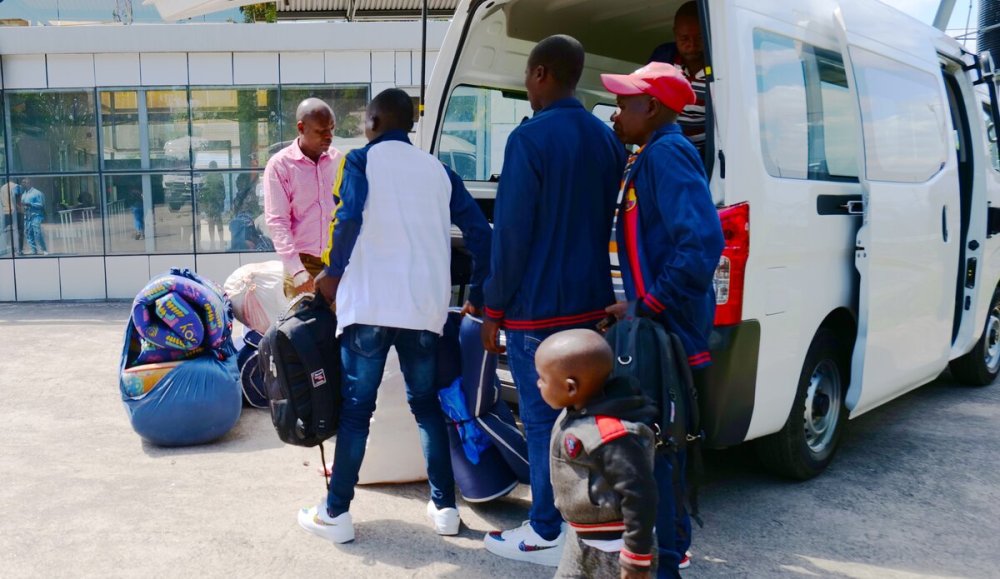
These Rwandans had spent three days at a temporary disarmament and reintegration center in Goma before their return.
According to MONUSCO, a total of 49 Rwandans were repatriated, all of whom expressed joy at returning home and urged their compatriots still in the forests to lay down their arms and live peacefully with others.
From January to October 2025, MONUSCO facilitated the repatriation of 54 Rwandan ex-combatants, mostly from the Democratic Forces for the Liberation of Rwanda (FDLR), together with 44 of their family members.
Upon arrival in Rwanda, the ex-combatants are taken to the Mutobo Demobilization and Reintegration Center in Musanze District, operated by the Rwanda Demobilization and Reintegration Commission (RDRC), where they receive training to help them reintegrate into civilian life and achieve self-reliance.
On October 30, the RDRC reintegrated 143 former FDLR combatants who had completed between three and six months of training at the Mutobo center.
The commission reaffirmed its commitment to ongoing support for those who choose to return peacefully.
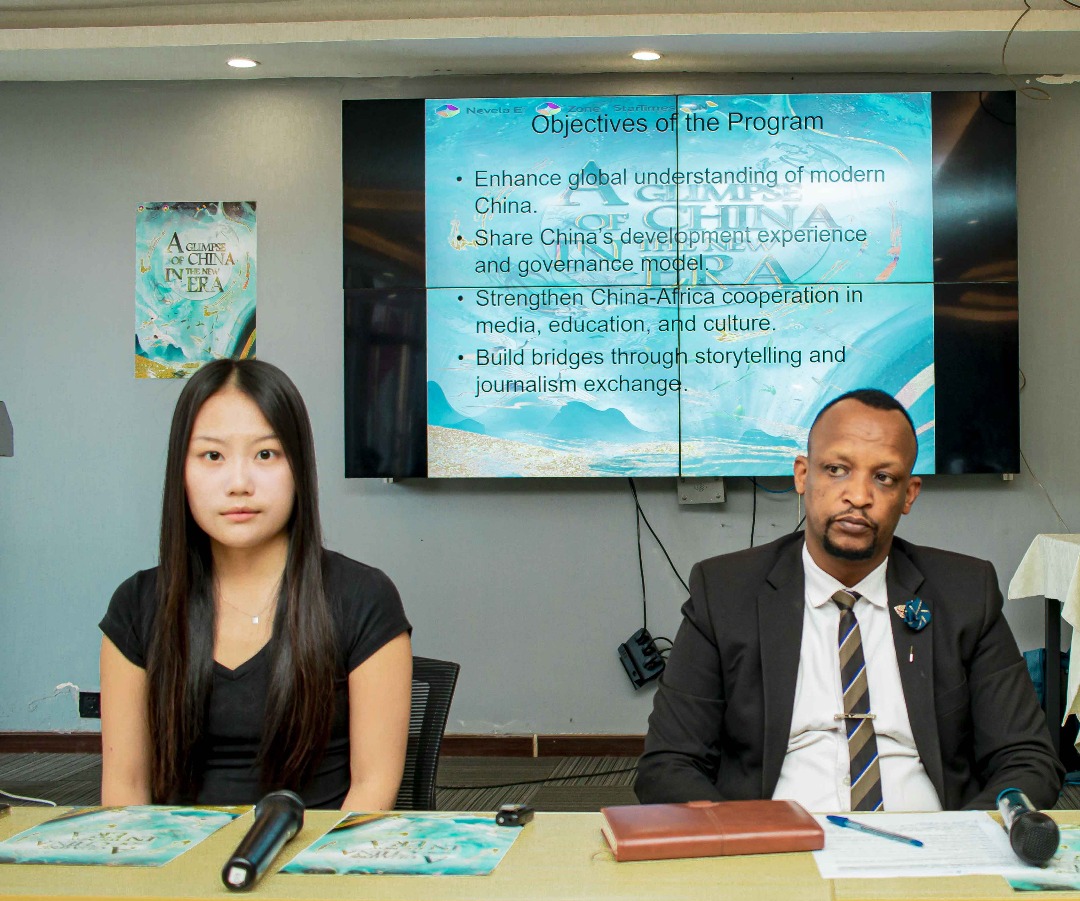
Broadcasting from September to October on ST Zone, ST Novela E, and the StarTimes ON streaming platform, the series is designed to strengthen cultural understanding and build deeper ties between China, Africa, and the global community.
This season trails a diverse group of African and international participants, from creatives and entrepreneurs to adventurers, as they share authentic experiences of living, working, and exploring in modern-day China.
Through their lenses, viewers journey across the country’s most compelling destinations: the peaceful beauty of Taizhou, the dynamic rhythm of Chongqing, the historical charm of Chongzhou, the coastal culture of Fujian, the ancient desert landscapes of Dunhuang, and the spiritual heights of Wudang Mountain.
By spotlighting regions beyond China’s major cities, “A Glimpse of China in the New Era” reveals the country’s vast cultural diversity, evolving local lifestyles, and the sense of opportunity that continues to draw foreigners into China’s rapid transformation.
“Our audience will enjoy powerful cross-cultural stories while gaining a deeper appreciation of China’s cultural depth, seen through the relatable perspectives of foreigners living here,” said Lizzie LYU, Marketing Director of StarTimes.
“This documentary is both visually compelling and educational, a bridge for cultural exchange between Africa and China.”
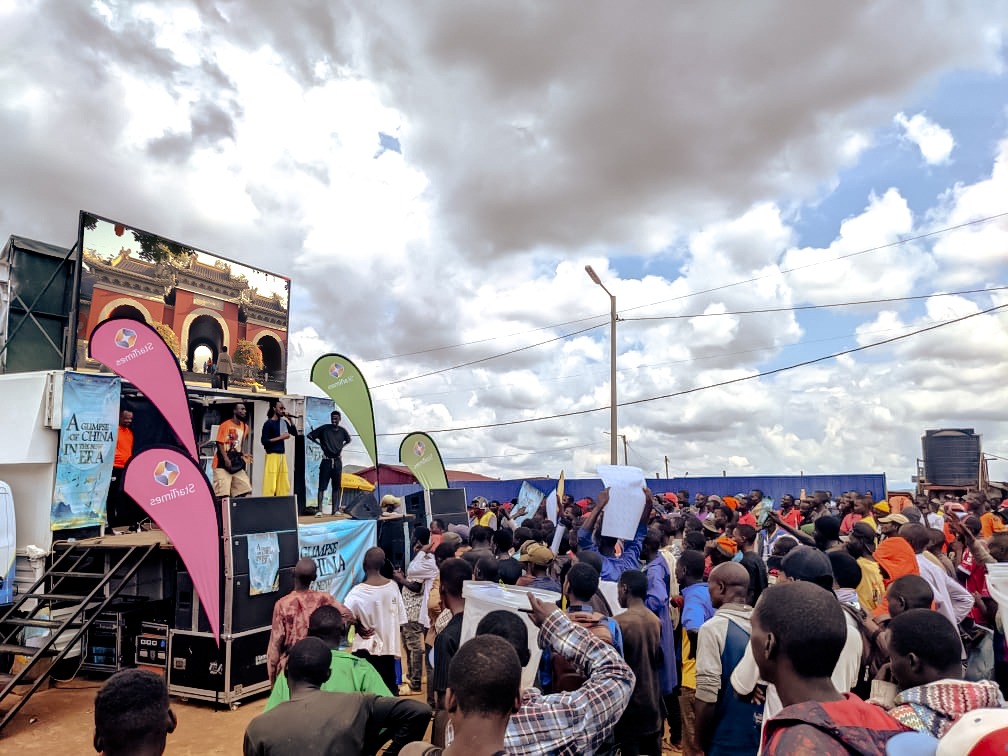
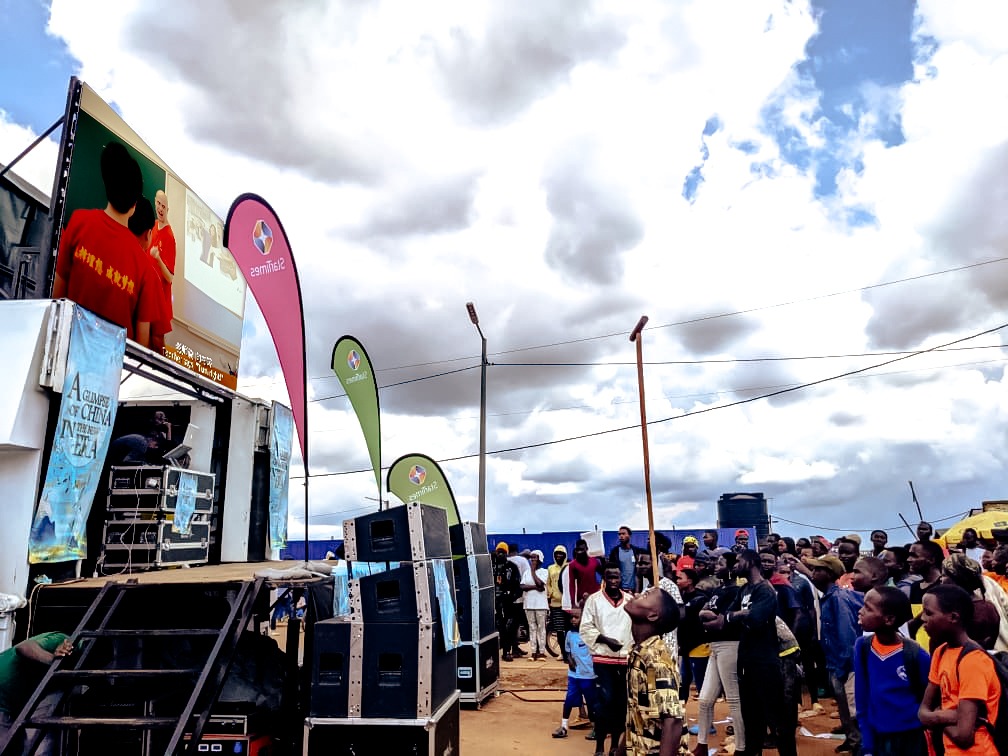
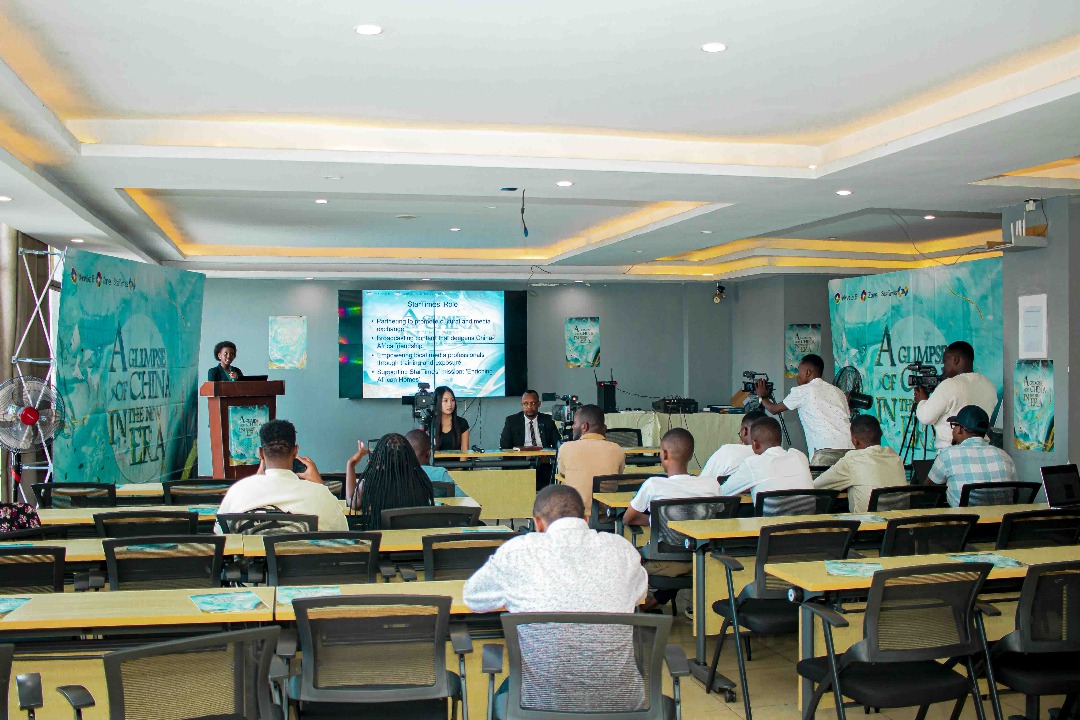
Beyond its on-air content, StarTimes is also supporting offline activities inspired by the series, encouraging cultural exchange, community engagement, and meaningful dialogue.
With its immersive storytelling and striking imagery, “A Glimpse of China in the New Era” celebrates the spirit of curiosity, collaboration, and friendship that connects people across borders.
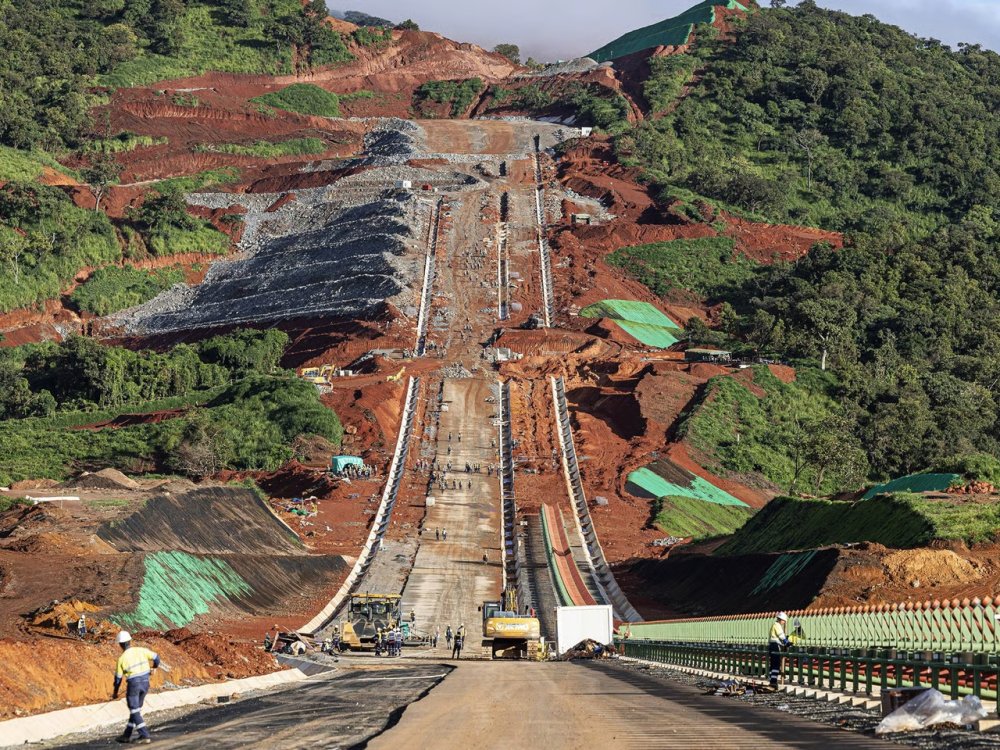
The Simandou deposit is the world’s largest known untapped iron ore reserve, estimated to contain approximately 3 to 4 billion tonnes of high-grade recoverable iron ore.
The project is expected to reach full production capacity by 2030, with an annual output of around 120 million tonnes.
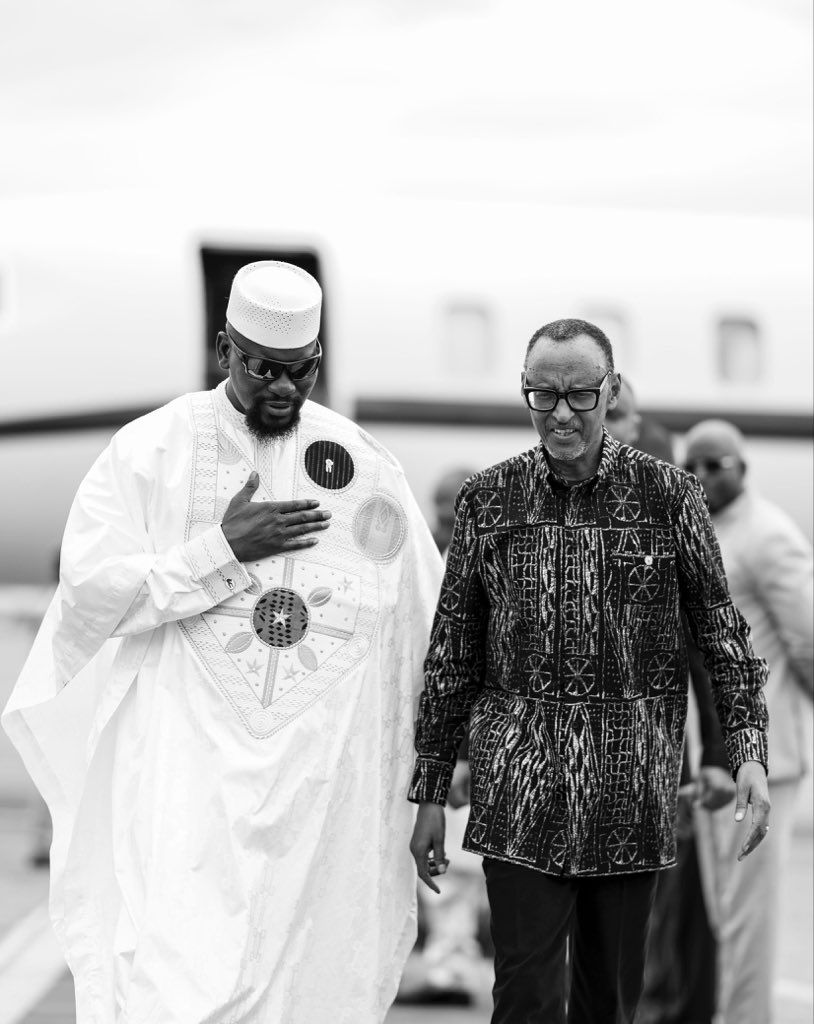
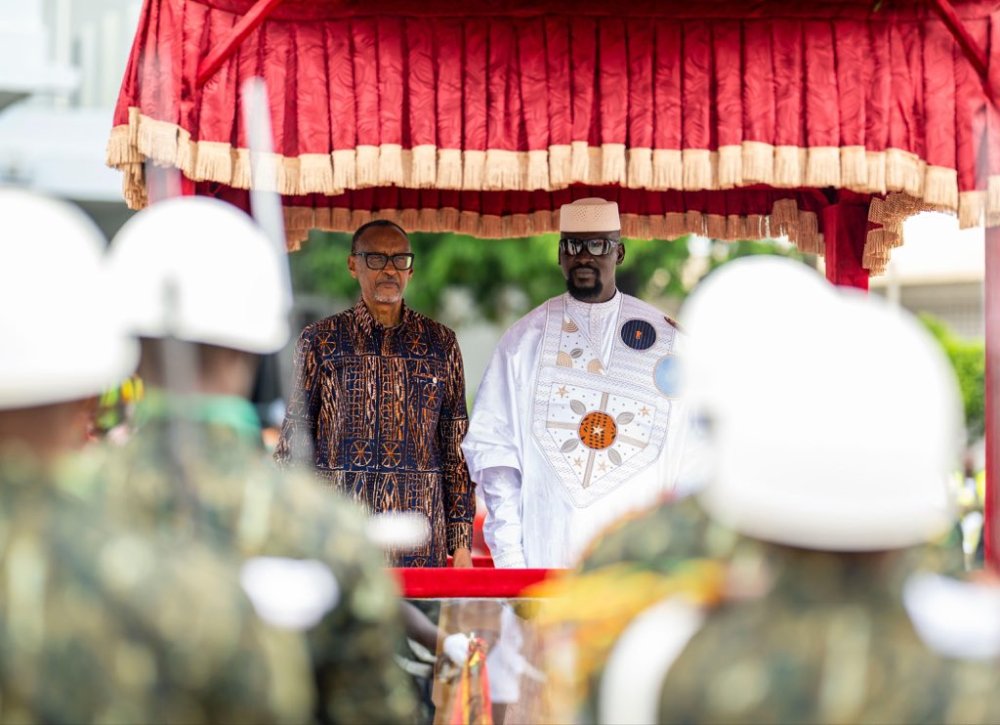
On Wednesday, President Kagame and his host, President Mamadi Doumbouya, will address the opening of this year’s Transform Africa Summit (TAS), organized by the Smart Africa Alliance under the theme “AI for Africa: Innovate Locally, Impact Globally.”
The Summit, which convenes every other year in Rwanda-home to the Smart Africa Secretariat, brings together leaders and innovators to explore how artificial intelligence can advance Africa’s economic integration, strengthen governance, and foster innovation across the continent.
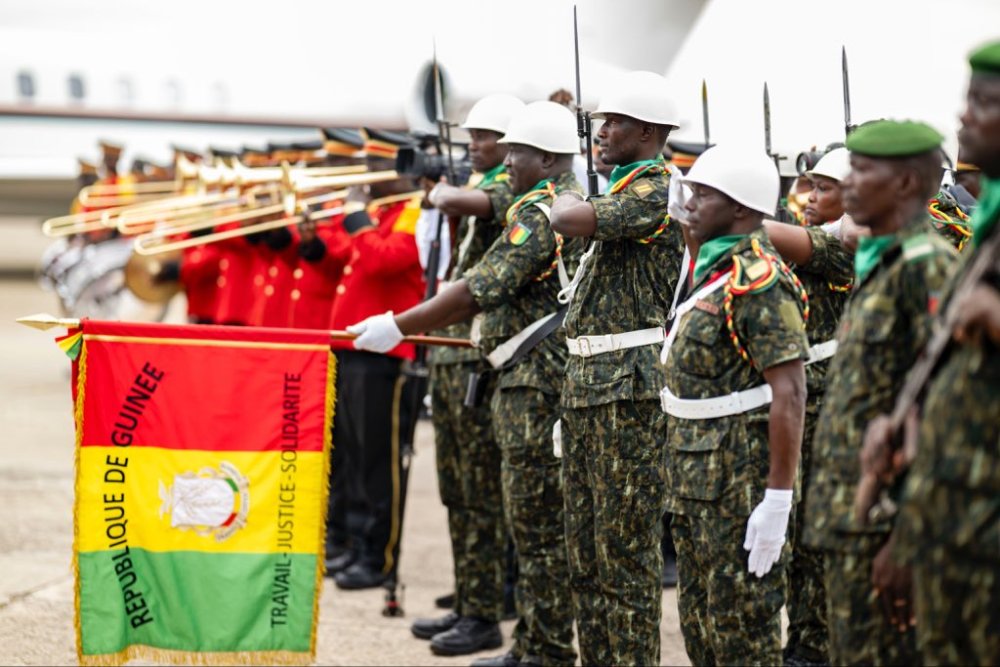
Rwanda and Guinea enjoy existing cordial relations reinforced through exchanges of visits and cooperation in different areas.
President Kagame last visited Guinea Conakry on Monday, May 13, 2024. He had made a similar trip to Guinea from April 17-18, 2023, which resulted in the signing of an agreement on the creation of a joint cooperation committee between Rwanda and Guinea.
The committee covers areas such as agriculture, ICT, education, mining, and security.
At the time, President Kagame and Doumbouya also witnessed the inauguration of a highway interchange connecting Kagbélen to Conakry that was named after President Kagame.
The project was initiated to ease movement between major industrial cities and Conakry, as well as with neighbouring countries.
In October 2024, both countries also signed a partnership agreement, committing to collaboration across several strategic sectors, including technology, agriculture, investment, services, tourism, energy, and trade.
Meanwhile, General Doumbouya was in Rwanda in May 2025 for a friendly visit aimed at strengthening the strong ties between the two countries.
Upon his arrival, President Doumbouya was warmly welcomed by the Guinean community in Rwanda during a celebratory event held in Kigali.
This visit marked President Doumbouya’s return to Rwanda after his previous trip in August 2024, when he attended the inauguration of President Paul Kagame following his re-election.
Earlier, in January 2024, he had visited to reaffirm the commitment to bilateral cooperation.
Guinea is located on the west coast of Africa, bordered by Guinea-Bissau to the northwest, Senegal to the north, Mali to the northeast, Côte d’Ivoire to the east, Liberia to the southeast, and Sierra Leone to the south.
Its capital and largest city is Conakry, which is situated on the Atlantic coast. Guinea covers an area of approximately 245,857 square kilometers, making it a medium-sized country in the region.
As of recent estimates, Guinea has a population of around 14 million people, with a youthful demographic and a substantial portion of the population living in rural areas.
The country is home to a rich cultural diversity, with several ethnic groups such as the Fulani, Mandinka, and Susu, and the
French is the official language of the country. However, many indigenous languages, such as Fula, Maninka, and Susu, are widely spoken across the country.
The economy of Guinea is heavily reliant on natural resources, particularly mining.
The country is a major global supplier of bauxite, holding some of the largest known reserves in the world, and also produces significant amounts of gold, diamonds, and iron ore.
Agriculture also plays a crucial role in the economy, with rice, maize, and cassava being staple crops, while fishing and livestock farming contribute to the rural economy.
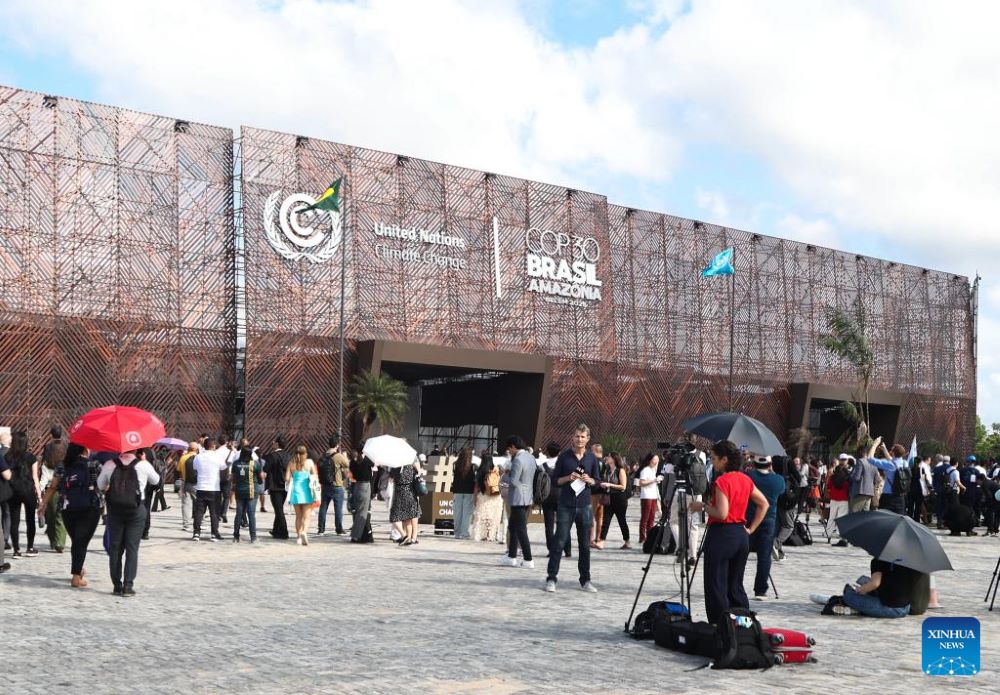
At the opening ceremony, COP29 President Mukhtar Babayev called to meet the goals of the climate summit held last year in Baku, the capital of Azerbaijan.
COP30 President Andre Correa do Lago thanked Brazilian President Luiz Inacio Lula da Silva for appointing him and reiterated that COP30 must present solutions.
Despite recent setbacks, the living conditions of populations around the world can and must continue to improve, Correa do Lago emphasized. “Science, education, culture are the path that we have to follow,” he said.
Multilateralism is definitely the way forward in the fight against climate change, he said.
A series of topics, including climate adaptation, just transition, and implementation of the Paris Agreement’s global balance, are expected to be discussed at the event.
Delegations of over 190 countries and regions have registered to participate in the conference, which runs through Nov. 21, according to the COP30 presidency.
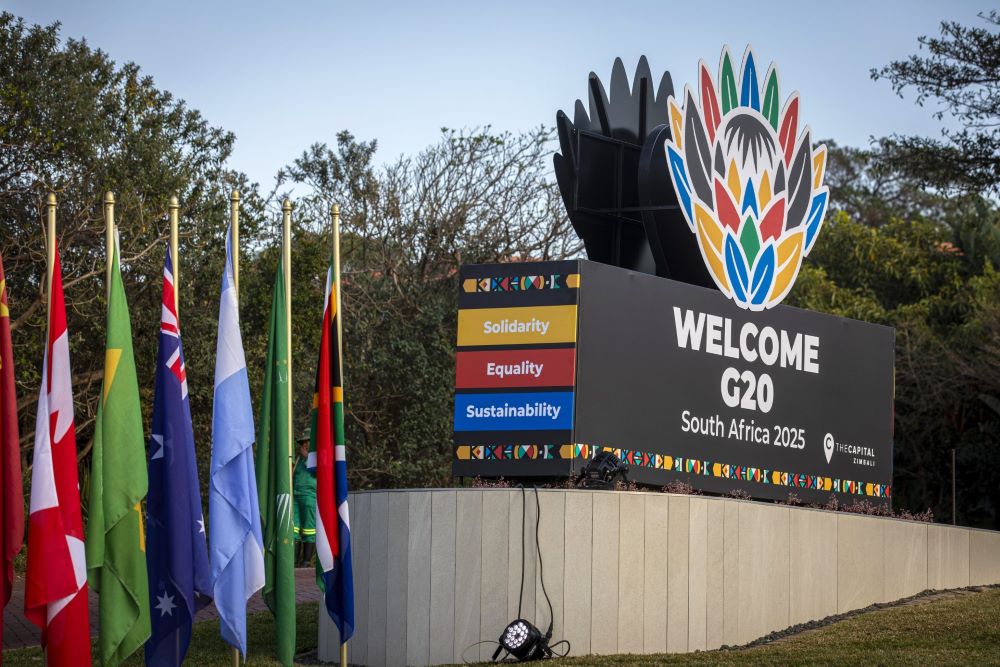
The conference, organized by G20 Presidency South Africa in collaboration with the African Union (AU) at the AU headquarters in the Ethiopian capital of Addis Ababa.
AU Commissioner for Economic Development, Trade, Tourism, Industry, and Minerals Francisca Tatchouop Belobe addressed the event that the resilience of African nations is being tested by an unsustainable debt burden and a financial system that penalizes Africa.
“The rising debt burden is a cause for Africa’s financial constraints,” Belobe said, highlighting that in 2024 alone, debt service payments exceeded 70 billion U.S. dollars as a significant number of African governments are spending more on servicing debt than on investing in human development.
Noting that Africa’s public debt has grown from approximately 100 billion dollars in the 1990s to roughly 1.8 trillion dollars now, or about two-thirds of the continent’s GDP, she said the continent’s rising costs of public debt servicing are diverting scarce resources.
The AU commissioner said about 57 percent of Africa’s population lives in countries where debt servicing surpasses social spending, underscoring that the situation is “unsustainable, not only economically but morally.”
“Such iniquities in the global financial system restrained African nations of the means to invest in what truly matters, such as education, healthcare, infrastructure, energy transition, and the green and digital economies that will define the future,” Belobe warned.
The AU commissioner called for a partnership that treats Africa “not as a risk to be managed, but as a partner to be empowered.” She also outlined AU initiatives, including efforts to establish an African debt monitoring mechanism for fiscal transparency and Africa’s financial autonomy.
South Africa’s Deputy Minister of International Relations and Cooperation Alvin Botes stressed the urgency of the dialogue to address “one of our foremost priorities — ensuring debt sustainability for low-income countries.”
He said the policy space available to developing countries is significantly constrained by their debt servicing obligations, with many countries paying more for debt costs than critical development enablers like social welfare, health care, and education.
“We are working to ensure that the sovereign credit ratings are fair and transparent and to address high risk premiums for developing economies,” Botes said, adding that South Africa is reviewing the cost of capital during its G20 presidency.
The high-level dialogue served as a critical platform for experts and policymakers to amplify Africa’s collective voice within the G20. Participants pushed for fairer global financing, lower cost of capital, and reforms that drive sustainable growth.
He was seen leaving the prison this afternoon, according to local media reports.
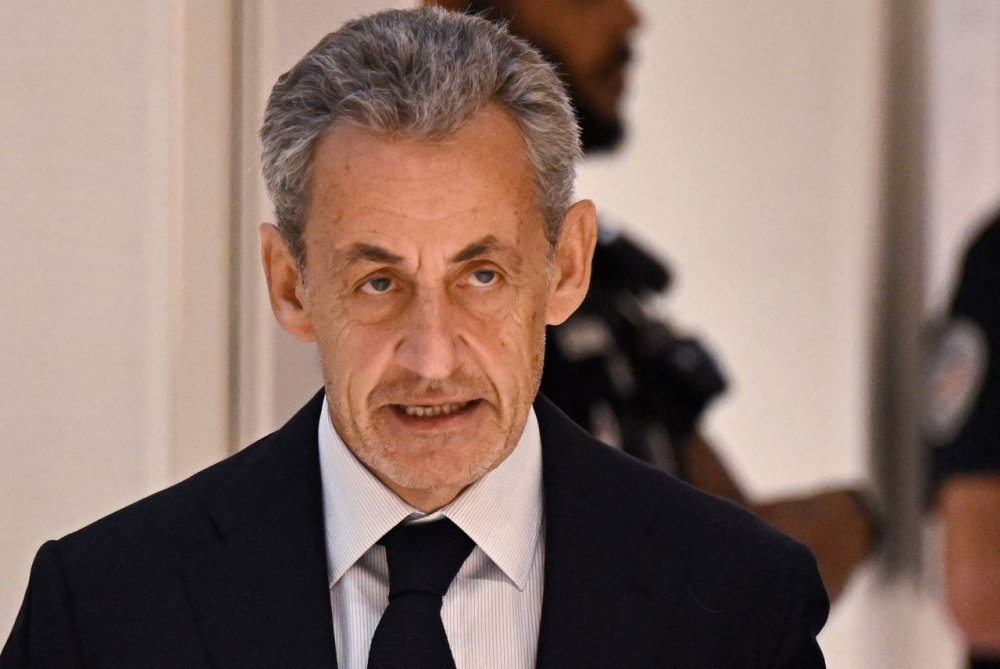
On Sept. 25, the Paris Criminal Court sentenced Sarkozy to five years in prison for criminal conspiracy related to alleged Libyan financing of his 2007 presidential campaign. Although he has appealed the verdict, the judges ordered the sentence to take immediate effect, citing the “exceptional seriousness” of the offenses.
Sarkozy was imprisoned on October 21, becoming the first former French president in modern history to serve a prison sentence. His lawyers immediately lodged an appeal and requested his release.
During Monday morning’s hearing, the former head of state appeared via videoconference from his cell. He described his detention as “hard, very hard, certainly for any prisoner.”
The court of appeal ruled that his continued detention was no longer the only means of preventing the risks outlined in the Code of Criminal Procedure, such as pressure on witnesses, collusion, flight risk, or reoffending.
It therefore ordered his release, subject to strict judicial supervision, including a ban on leaving French territory. In addition, the court imposed extended contact restrictions, noting his “capacity to influence various government departments” as a former president.
The African Development Fund (ADF) is the concessional window of the African Development Bank (AfDB) Group.
Established in 1972, it became operational in 1974. The ADF-recipient countries include those that are increasing their economic capacities and heading toward becoming the new emerging markets, as well as those that remain fragile and need special assistance for basic levels of service delivery.
According to a statement released by the African Development Bank (AfDB), the project aims to build climate resilience in flood-prone catchments of Rusizi and Karongi districts by implementing nature-based flood adaptation and promoting community-led soil conservation and catchment restoration.
Expected outcomes include reduced flood and landslide exposure, decreased soil erosion and water siltation, and improved land productivity.
An estimated 1.2 million residents are expected to gain from improved early warning systems and better protection of key water resources, while over 620,000 people will benefit from reduced flood risk.
Other activities include the reforestation of 10,000 hectares, construction of vegetated flood barriers, and rehabilitation of degraded riverbanks and hillsides.
More than 6,000 people will receive climate adaptation training and 120 technical students will gain practical experience in eco-engineering and water management.
“By using nature as our first line of defence, we are helping Rwandan communities adapt to a changing climate while creating jobs, restoring ecosystems, and securing their future,” said Lazarus Phiri, Principal Water and Sanitation Engineer and project task manager.
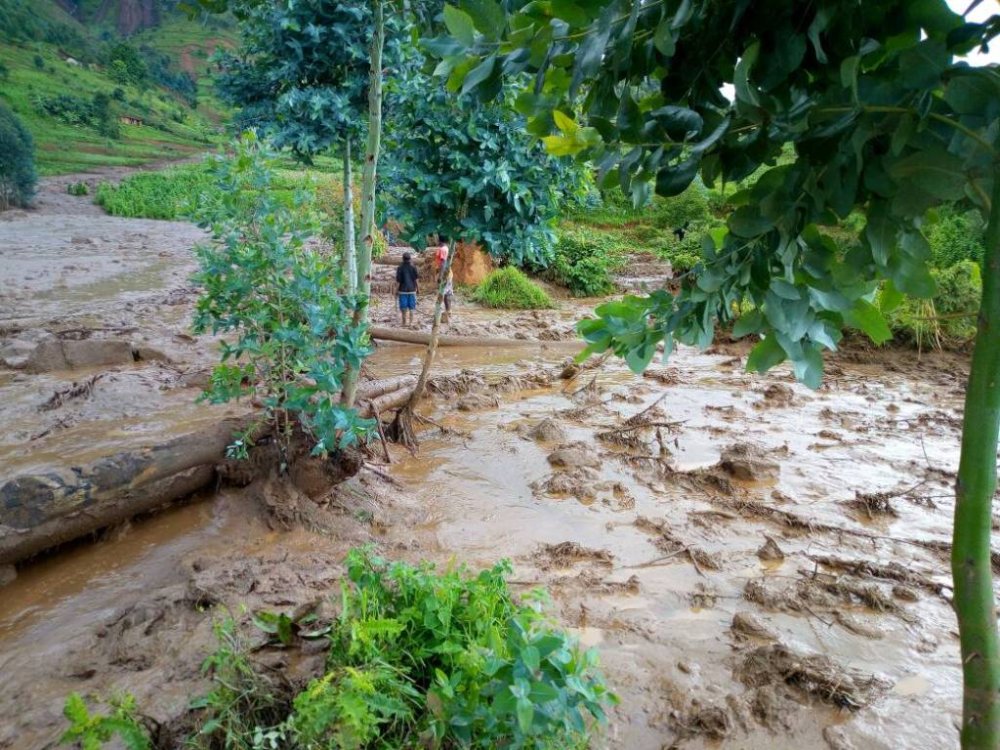
Flooding and landslides have repeatedly devastated this region, claiming lives, damaging schools and water systems, and undermining livelihoods.
Through nature-based solutions, such as reforestation, terracing, and riverbank stabilisation, the project will reduce soil erosion, improve water quality, and increase agricultural productivity.
According to recent data from the Rwandan Prosecutor General’s Office, over 1,100 people are still wanted for their roles in the Genocide against the Tutsi. Many of them have found refuge in different countries in the region and Europe.
Among them are former businessmen, leaders, and individuals who studied in these countries. Many of them continue to instill hatred and genocide ideology in their children, even in the countries they sought refuge in.
Denial and trivialization of the Genocide against the Tutsi is predominantly led by the children of those directly or indirectly involved in the Genocide, such as members of Jambo ASL, and individuals who support their ideology, including Filip Reyntjens, Pierre Pean, Robin Philpot, Bernard Lugan, Serge Desouter, Madeleine Raffin, Luc De Temmermann, Peter Erlinder, Peter Verlinden, Judi Rever, Charles Onana, and others.
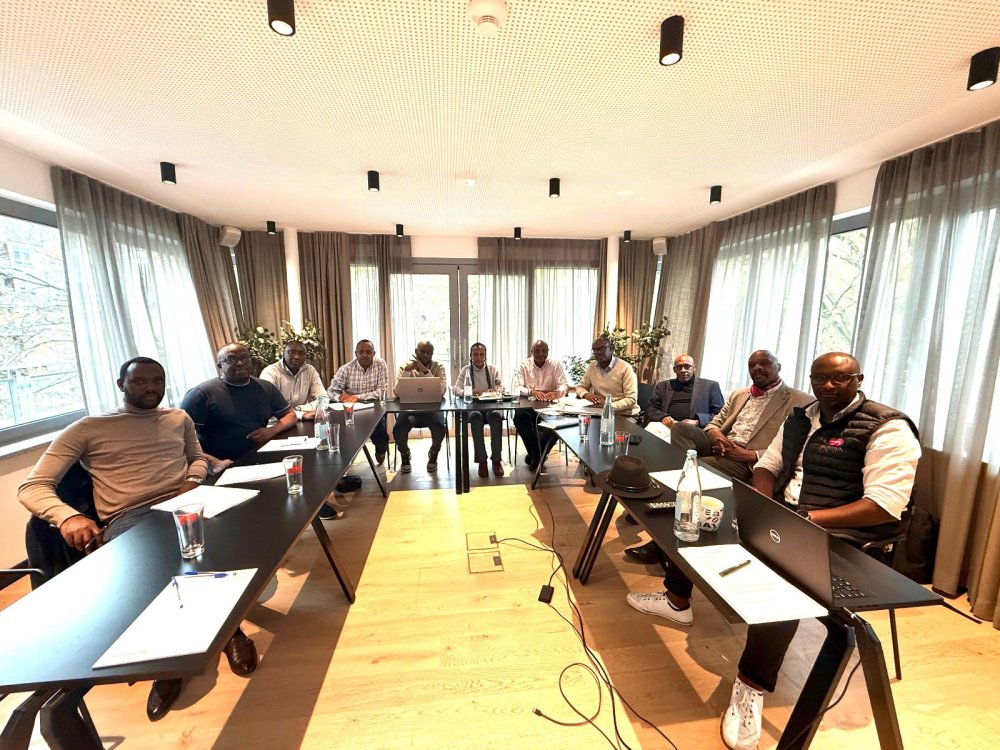
The IBUKA-Europe meeting held on November 1-2, 2025, discussed topics such as combating the increasing genocide ideology, ways to fight it, justice, educating young people about history, and more.
Currently, IBUKA has branches in Belgium, Switzerland, France, the Netherlands, Italy, Germany, Sweden, Denmark, and Finland.
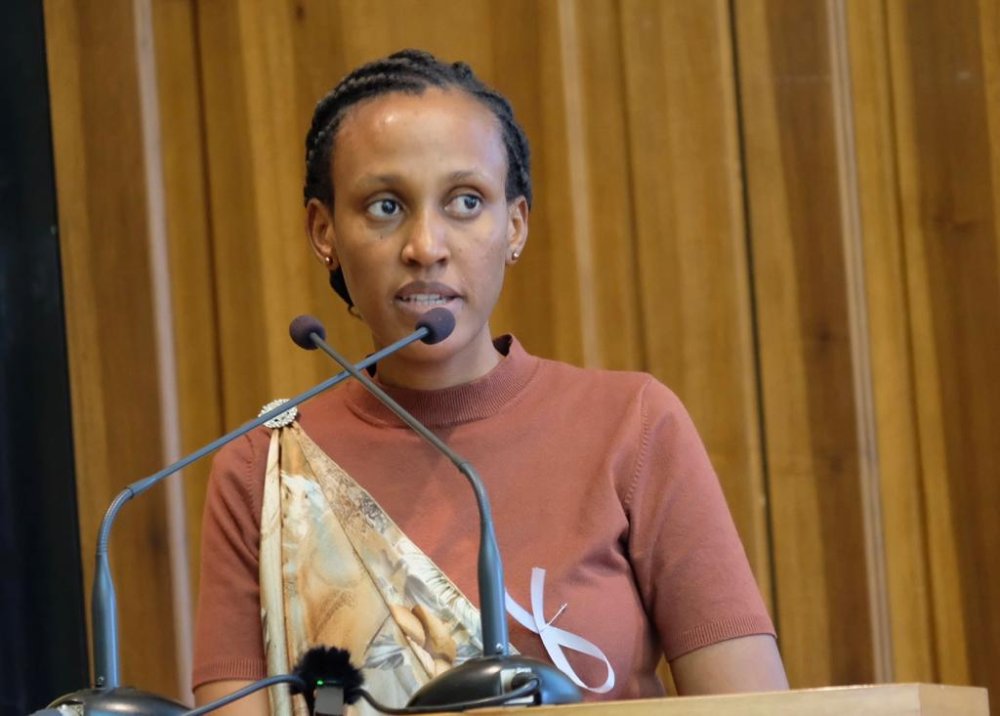
In an interview with IGIHE, the President of IBUKA in Italy, who also leads IBUKA-Europe, Honorine Mujyambere, explained that they have plans to fight genocide ideology, including delivering talks and testimonies that clearly explain Rwanda’s history, focusing on the youth to prevent any misleading narratives.
“We continue to strengthen our efforts in combating genocide denial, we collaborate more, and we also expand our activities. Being able to reach many people and present the truth about the Genocide against the Tutsi, especially using technology, is another tool in fighting those who deny or distort the Genocide.”
Mujyambere emphasized that all of their activities are closely tied to the youth, as they are the strength of the future and make extensive use of social media. They educate them about history to ensure they play a part in confronting genocide deniers hiding behind social media platforms.
She stated that the only effective tool to eliminate genocide ideology among the youth, especially those from genocidaires’ families, is to educate them and show them the crimes committed by their parents and the severity of those crimes.
She continued, “We show them the crimes their parents committed in Rwanda. Many of them have been convicted by the Gacaca courts or other international criminal courts.”
She added, “In all the countries where IBUKA operates, we have long taken measures to encourage the youth to participate in activities to remember the Genocide, and this is part of what we have discussed, and it is already being done and yielding results.”
Mujyambere explained that their efforts go beyond just awareness campaigns; they also go into schools to teach the history of the Genocide, with some schools beginning to implement these lessons.
She said, “Through delivering talks at universities and higher learning institutions, we now have students writing their final theses about the Genocide. They come to us looking for information. All of this is the result of IBUKA’s discussions in schools.”
{{Europe’s weak commitment to fighting genocide denial}}
In 2015, a British court ruled that five Rwandans charged with involvement in the 1994 Genocide against the Tutsi would not be sent back to Rwanda for trial.
The court argued that these individuals could not receive fair justice in Rwanda. The individuals involved were Vincent Bajinya, Celestin Ugirashebuja, Charles Munyaneza, Emmanuel Nteziryayo, and Celestin Mutabaruka.
Mujyambere highlighted that the lack of political will is one of the challenges they face in combating genocide denial.
She continued, “These European countries mistakenly believe that Rwanda does not offer human rights protections, which is why they are hesitant to send genocide suspects to Rwanda. In some instances, they even apply minimal effort in following up on these cases, but we will not give up; we will continue to fight.”
However, she noted that some countries, like France, have started to make significant strides in tackling genocide crimes. Recently, France confirmed the involvement of Munyemana Sosthène in the 1994 Genocide against the Tutsi and sentenced him to 24 years in prison.
IBUKA President in Rwanda Dr. Philbert Gakwenzire also highlighted that genocide ideology remains a serious issue in Europe. They work together with IBUKA branches globally to share information, especially since much of the evidence is stored in Rwanda.
He said, “When it comes to fighting genocide ideology, we collaborate with IBUKA branches in various countries. Witnesses, memorial sites, and physical evidence of the Genocide are based in Rwanda. What we do is work with our colleagues representing IBUKA in the diaspora to send them the necessary information.”
He further stated that all countries still harboring genocide suspects should strengthen their efforts to prosecute them so that justice can be served to the victims.
He added, “Although genocide crimes do not expire, the perpetrators age, and the victims also grow older. It is truly tragic that victims of the Genocide may pass away without ever seeing justice done.”
Yoon, who was impeached and removed from office after declaring martial law on December 3, 2024, is currently on trial for several charges, including leading a rebellion.
His successor, President Lee Jae Myung, has approved investigations into Yoon’s martial law actions and other alleged criminal activities involving Yoon’s administration and family.
The charges stem from alleged drone flights that occurred months before martial law was declared. South Korean prosecutors claim that Yoon and his defense officials intentionally heightened the risk of conflict with North Korea.
These flights allegedly involved dropping propaganda leaflets over Pyongyang, a move that North Korea criticized and which South Korea initially denied, later offering no confirmation.
Yoon had cited threats from North Korea in justifying his martial law declaration, but his real motivation appeared to be a conflict with the liberal-led parliament.
According to AP, investigators now allege that the drone flights were part of a strategy to create a pretext for emergency measures.
Yoon, along with two key defense officials, is charged with abuse of power and jeopardizing military security, but his defense has denied his involvement in the drone operation.
In January, state prosecutors indicted Yoon for allegedly directing a rebellion. It’s a grave charge whose conviction only carries the sentence capital punishment or life imprisonment.
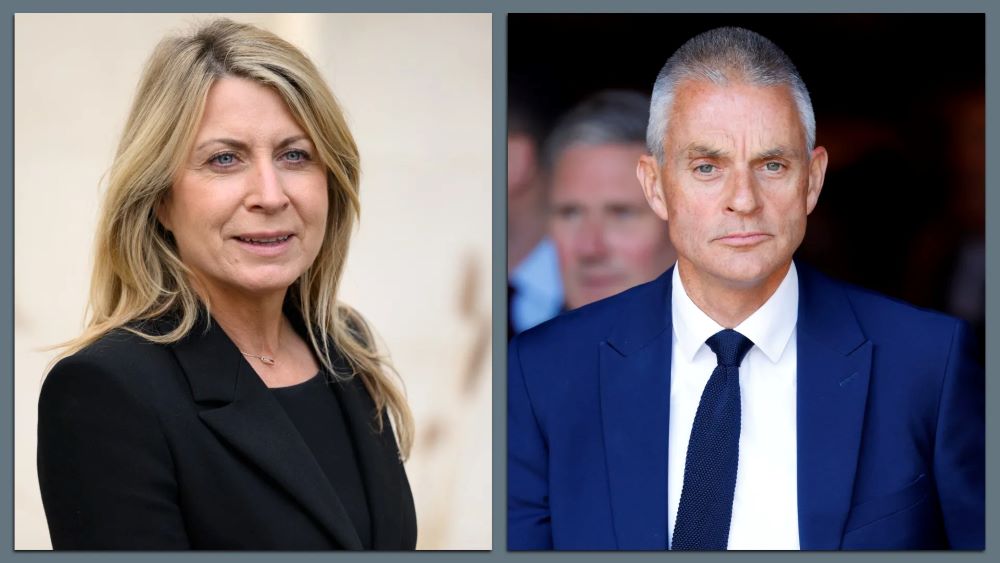
The resignations came ahead of the BBC’s expected apology over the controversy on Monday.
“I wanted to let you know that I have decided to leave the BBC after 20 years,” Davie said in his resignation statement, adding that “there have been some mistakes made and as director-general I have to take ultimate responsibility.”
The controversy centered on the Panorama documentary “Trump: A Second Chance?” aired last year. The program was criticized for splicing together clips of Trump’s speech on Jan. 6, 2021 in a way that allegedly gave the misleading impression that he urged his supporters to march to the U.S. Capitol and “fight like hell.”
The Telegraph reported on Nov. 3 that a leaked internal BBC memo by Michael Prescott, a former independent external adviser to the broadcaster’s editorial standards committee, flagged the issue.
Culture Secretary Lisa Nandy said Sunday that there were a series of “very serious allegations” that had been made about the BBC, “the most serious of which is that there is systemic bias in the way that difficult issues are reported at the BBC.”
“I’ve spoken to the chair (of the BBC) this week, I am confident that he is treating this with the seriousness that this demands,” she said when appearing on a BBC current affairs program.