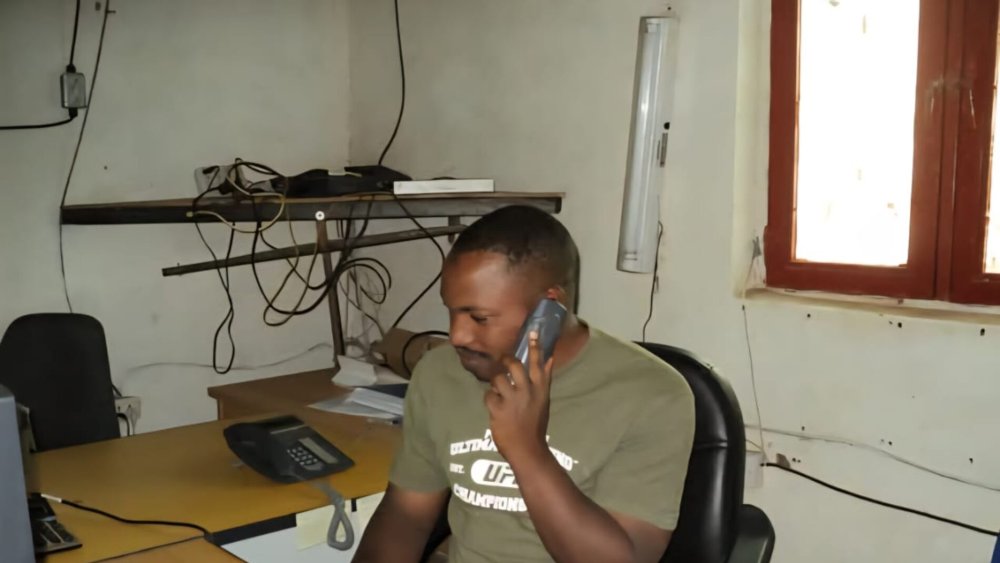
The arrest follows a recent operation in which 14 tons of coffee were seized at the Kobero border, a legal trade route between Burundi and Tanzania.
Investigators believe the shipment was ultimately intended for Rwanda. According to sources cited by SOS Médias Burundi, SNR agents were dispatched to Ngozi to arrest Colonel Ndoreraho.
Upon hearing about the planned arrest, he is said to have gone into hiding. In response, authorities reportedly detained his wife in an attempt to pressure her into disclosing his location.
After several days on the run, Colonel Ndoreraho is said to have voluntarily turned himself in to SNR agents on November 3, 2025, and was then taken to Bujumbura for further interrogation.
Following his arrest, Lt Col Jean-Bosco Niyonsenga was appointed as the acting police commander for Ngozi. Colonel Ndoreraho remains in SNR custody as investigations into the alleged coffee smuggling and attempted corruption continue.
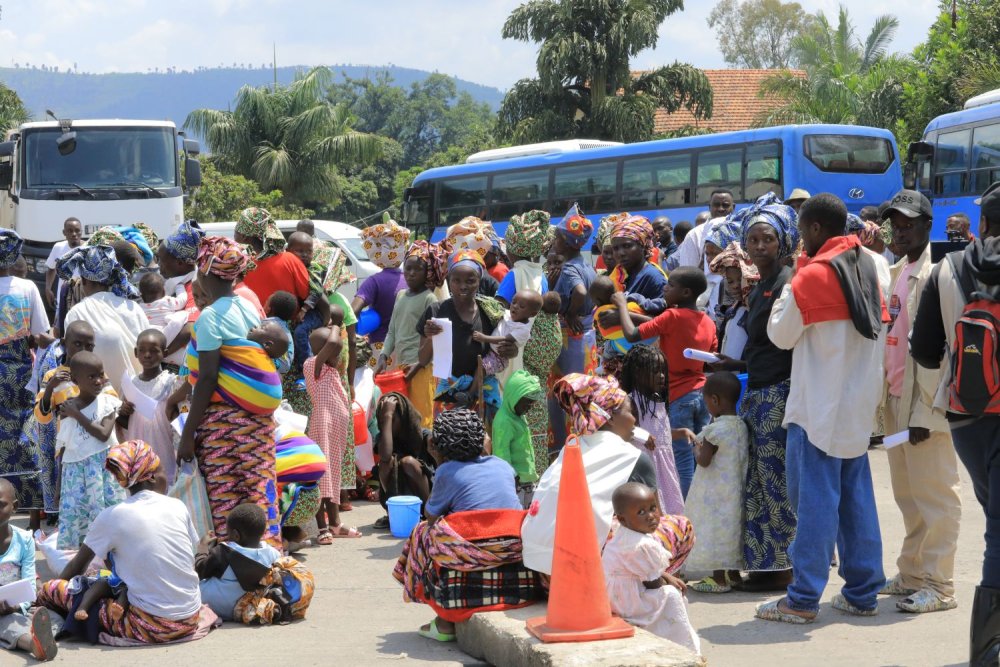
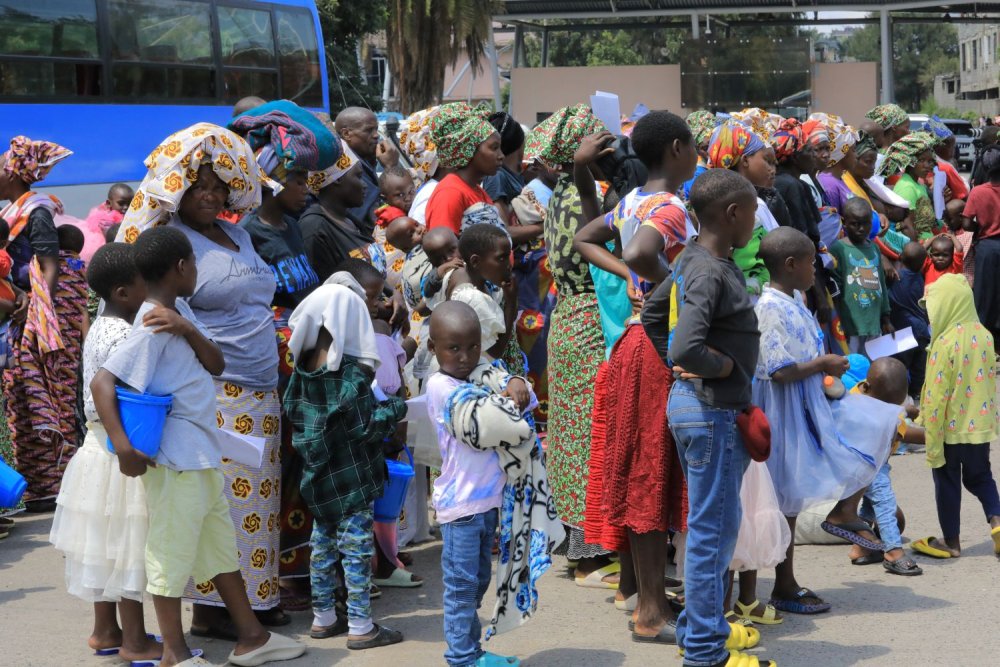
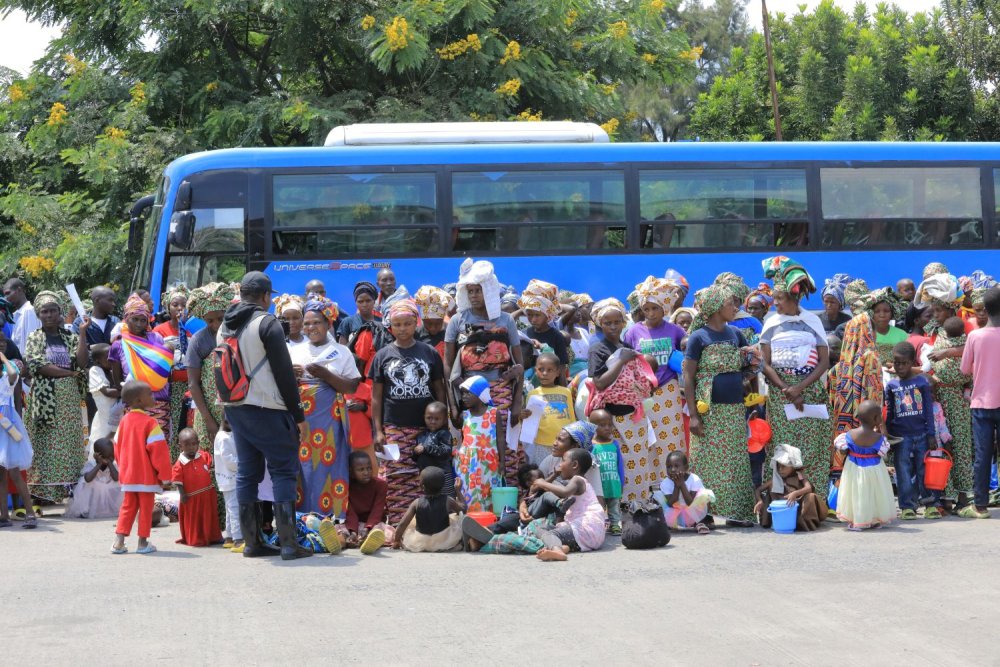
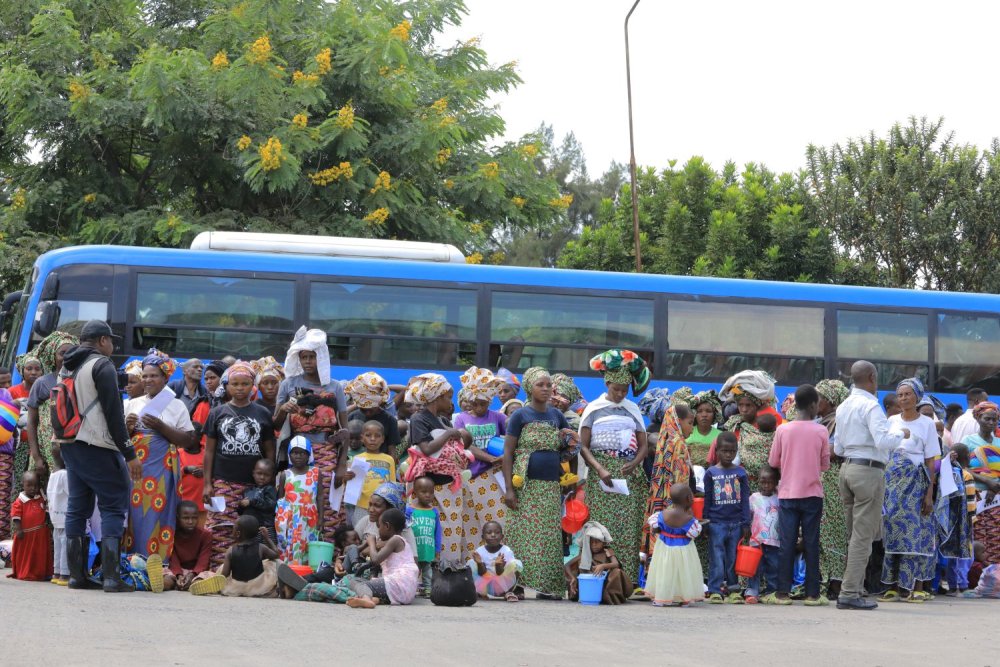
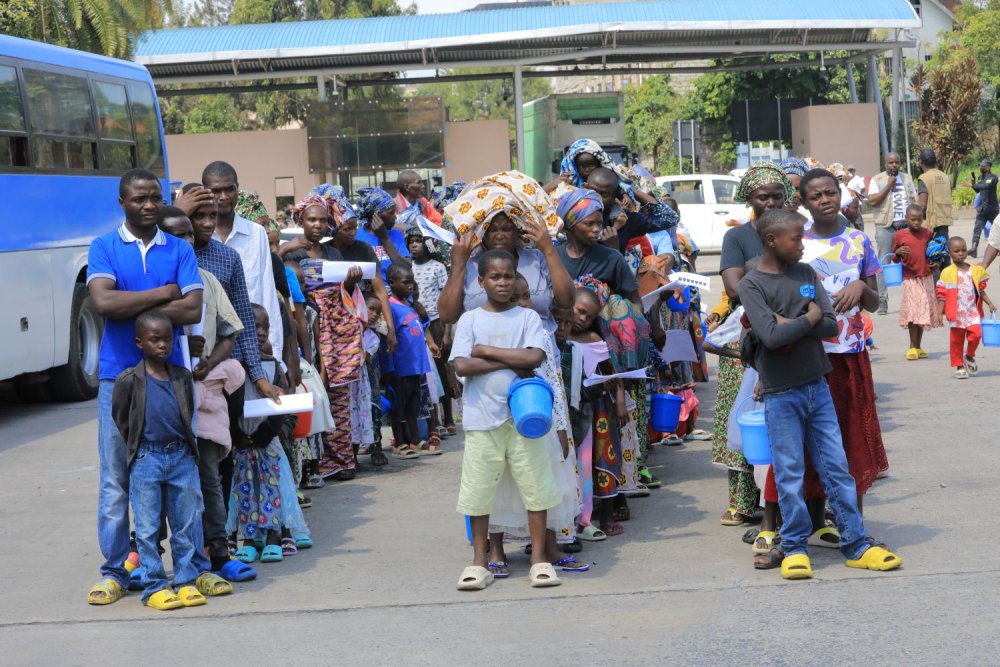
The returnees crossed through La Corniche main border post, which links Rwanda with the DRC. The majority of returnees are women and children.
They arrived on November 6, 2025, before they were taken to Nyarushishi Transit Center in Rusizi District.
These returnees had been living in a temporary camp in Goma after fleeing from various regions of eastern DRC, where they had been held captive.
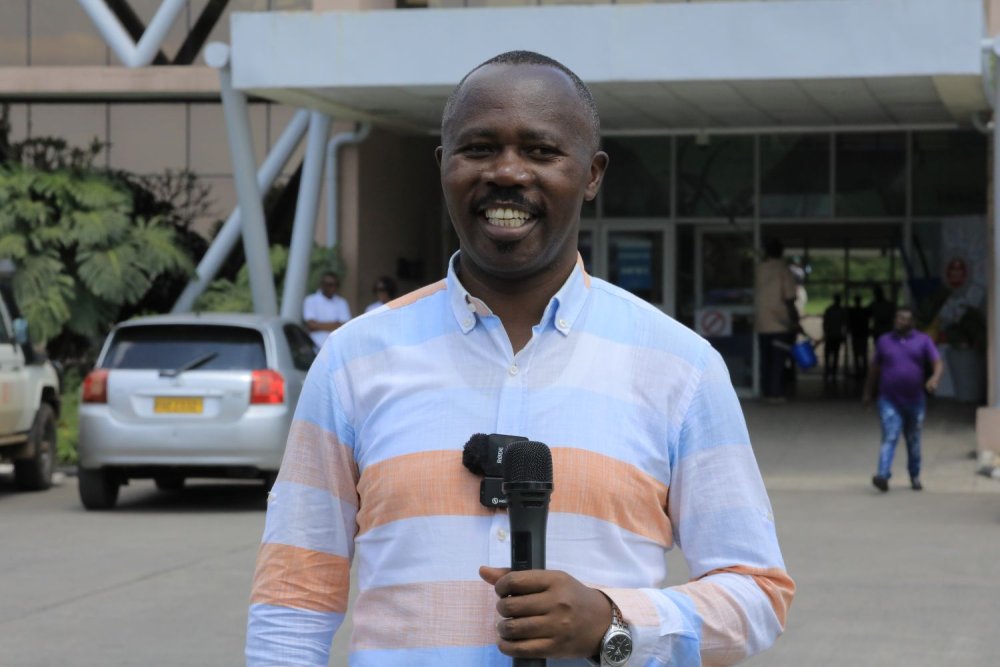
The Mayor of Rubavu District, Prosper Mulindwa, welcomed the returnees, reminding them that Rwanda is a caring motherland. He assured them that the country would continue to take care of their well-being.
“Even if you don’t have a biological parent, the country will take care of you. It will continue to protect you in the face of the challenges you have encountered. Those who had property in the areas they left will be helped to reinstate ownership. Those who do not have property will be assisted to rebuild their lives with support from the government,” he said.
Mulindwa also mentioned that once the returnees receive their identification documents, the government would provide assistance to help them reintegrate into normal life.
The support will include basic financial aid to help them restart their lives. Those aged above 18 will receive $188 (approximately Frw 272,000), while those under 18 will get $113 (approximately Frw 192,000). Additionally, each person will receive basic food supplies valued at Frw 45,000.
Rwanda had recently welcomed 326 other Rwandans who had been held captive by the FDLR, joining thousands of others who have returned since January 2025.
The research project is looking to develop a foundational AI model capable of detecting a wide range of systemic diseases from retinal images, according to a statement released Thursday by Australia’s Monash University, which led the study.
By using advanced AI to analyze retinal images linked with health data from hundreds of thousands, the team aims to generate accurate, non-invasive screening tools for earlier diagnosis, treatment, and prevention, it said, adding existing tools for detecting these conditions are often insufficiently personalized, invasive, or too costly to be widely used.
Instead of relying on onerous manual analysis of large image datasets, the project uses advanced AI on de-identified, linked, decades-long data to build a multimodal model that detects multiple systemic diseases more comprehensively than single-disease approaches, said Monash University Associate Professor Ge Zongyuan.
Optain Health President Zachary Tan, who co-led the study, said early identification through retinal imaging could enable timelier interventions and shift healthcare “towards prevention rather than treatment.”
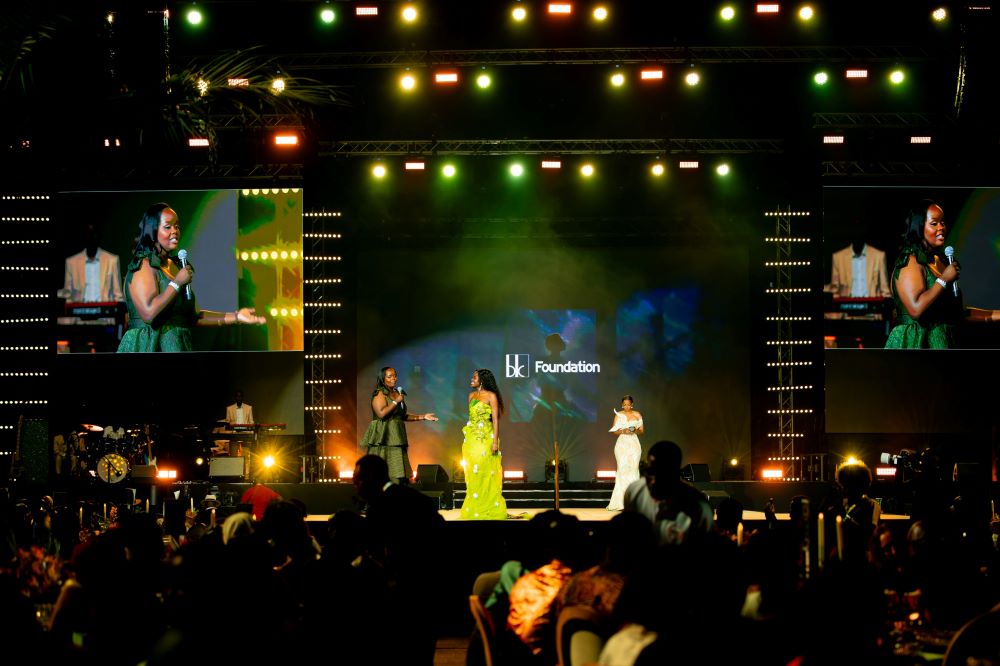
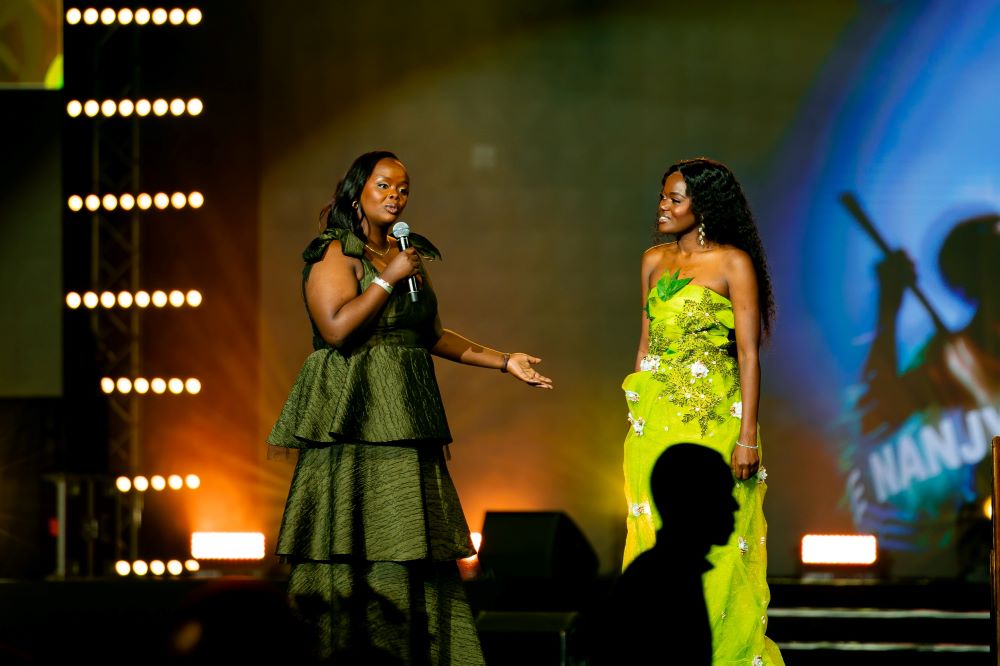
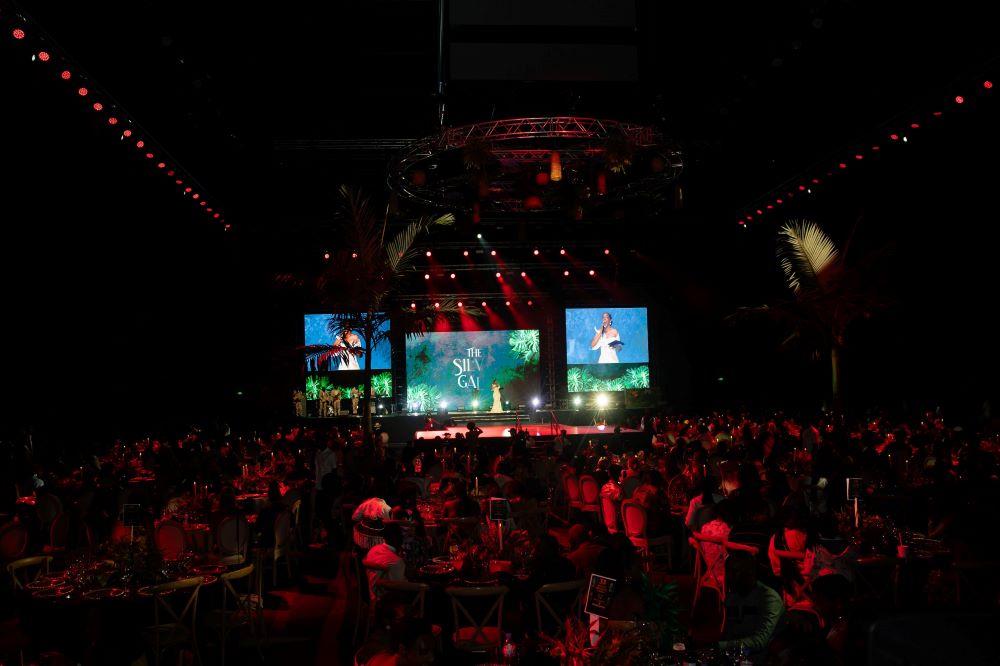
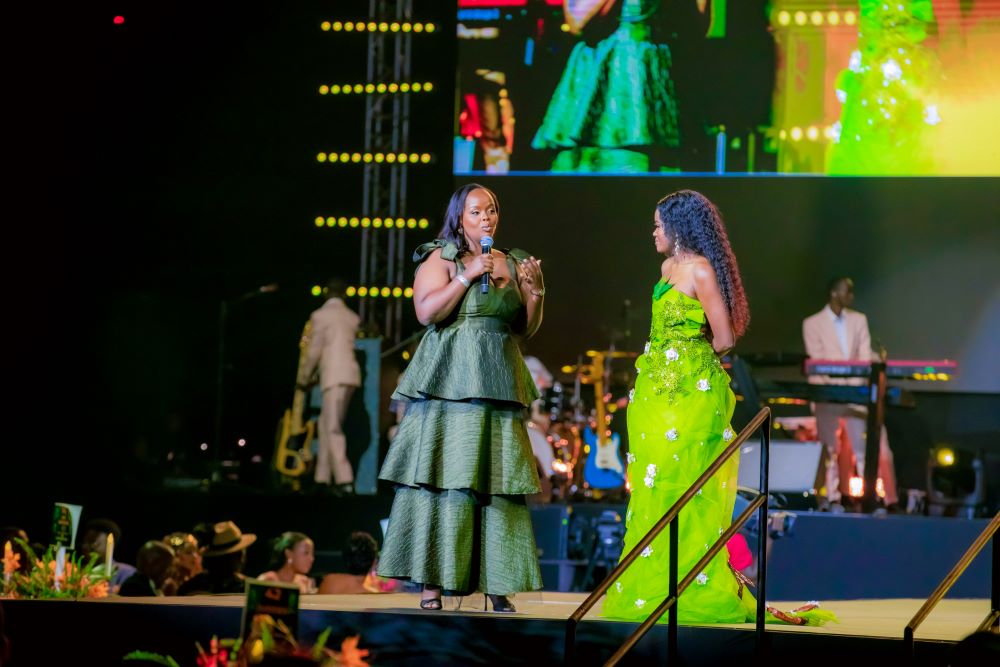
Organized by internationally acclaimed dancer and UN IFAD Advocate for Rural Youth, Sherrie Silver, the gala celebrated creativity as a force for social change while raising funds to empower young Rwandans through the arts.
During the gala, BK Foundation announced the sponsorship of 100 young talents affiliated with the Sherrie Silver Foundation. The support covers school fees for the upcoming academic year, reinforcing a shared commitment to empowering young Rwandans to access quality education and pursue their artistic growth.
The event was attended by government officials, artists, diplomats, and fashion icons, turning the red carpet into a showcase of African creativity and global style. The gala positioned Kigali as a continental hub for art, fashion, and purpose-driven philanthropy.
Speaking at the event, Ingrid Karangwayire, Executive Secretary of BK Foundation, highlighted the importance of creative inclusion in national development.
“Investing in young creative talent is investing in Rwanda’s future. Every young person with talent deserves the chance to learn, to grow, and to contribute confidently to our country’s cultural and economic life. We are pleased to work alongside the Sherrie Silver Foundation in creating pathways for young Rwandans to thrive,” she said.
BK Foundation’s support complements the ongoing efforts of Bank of Kigali, which continues to expand financial access and tailored solutions for Rwanda’s creative sector from young entrepreneurs to emerging cultural enterprises.
The gala was also sponsored by Bank of Kigali (BK), reflecting the bank’s ongoing commitment to Rwanda’s creative sector, not only through financial support but also by developing tailored products and tools designed to match the lifestyle, aspirations, and business models of creative professionals.
{{About BK Foundation}}
BK Foundation is the philanthropic arm of BK Group, a leading financial institution in Rwanda. Established in 2023, BK Foundation drives social progress through strategic investments in education, empowerment, and environmental conservation.
Through grant funding and co-funded partnerships, BK Foundation works alongside communities and organizations to expand equitable opportunity and deliver measurable, long-term impact for Rwanda’s development.
{{About Bank of Kigali Plc}}
Founded in 1966, Bank of Kigali is Rwanda’s largest commercial bank, serving over 1 million customers through an extensive branch network and digital channels.
The bank is committed to fostering economic growth by providing innovative financial services to individuals, SMEs, and corporations, and continues to evolve as a trusted partner in Rwanda’s journey toward a more prosperous future.
Its excellence has been consistently recognized, with multiple wins as Best Bank in Rwanda from Euromoney Awards for Excellence (2021, 2024, 2025) and Global Finance Magazine, most recently in 2025 for the 5th time.
According to Léon, the current Rwandan government “is trying to erase” the positive history left behind by his father’s regime. Minister Bizimana responded, calling these statements lies, explaining that Habyarimana’s rule was authoritarian, suppressing the people and even preparing and executing the 1994 Genocide against the Tutsi.
Minister Bizimana backed his response with examples of actions taken by Habyarimana’s government, including incidents before he came to power when he was Minister of Defense.
Minister Bizimana pointed out that from February to March 1973, Gen Maj Habyarimana, who was Minister of Defense and Police, collaborated with President Kayibanda Grégoire to expel Tutsis from secondary schools and universities, and to remove them from public and private sector jobs.
He referenced an article in Kinyamateka newspaper No. 23 from September 18, 1973, which revealed that between 1,600 and 2,000 Tutsis had been thrown out in this state operation known as “Déguerpissement” led by Kayibanda and Habyarimana.
Bizimana reminded Léon that when Habyarimana overthrew Kayibanda on July 5, 1973, he arrested more than 70 people from the previous government, imprisoning them in Gisenyi and Ruhengeri prisons, where they were tortured and secretly executed. He described the brutal treatment of political prisoners, such as forced starvation, lack of light, and other inhumane conditions.
The Minister emphasized that those who executed the orders of Habyarimana include Ruhengeri Prison Director Sembagare Théodomir, successively Théodomir Sembagare and Pierre-Désiré Cyarahani, as well as Joachim Ntibandeba, who ran Gisenyi prison.
He also recalled how Habyarimana imprisoned Kayibanda and his wife, and later had them killed, based on his orders. Minister Bizimana asked, “Is this the peace of your father Habyarimana?”
{{Persecution of Colonel Kanyarengwe’s family}}
In the late 1970s, Colonel Alexis Kanyarengwe, then Minister of the Interior and Employment, fled after being accused of attempting to overthrow Habyarimana’s regime. Minister Bizimana explained that while Kanyarengwe was in exile, his family and friends were persecuted by the Habyarimana government, accused of sending him money.
He noted that Kanyarengwe’s associates, including Bahintasi Claude and his brother Sinaruhamagaye Callixte, were imprisoned in December 1988, and Dr. Sebiziga Aloys was also imprisoned in May 1989 on the pretext of being the attending physician of Kanyarengwe’s wife and children.
Bizimana emphasized that sending money to a relative in exile could not constitute an offence under the Rwandan Penal Code but these individuals were held in arbitrary detention for more than two years.
{{Unity was a dream}}
Minister Bizimana elaborated on the segregation policies of the Habyarimana regime, recalling that in September 1973, Col Kanyarengwe was tasked with ensuring that local leaders refused to allow Tutsis expelled from schools or jobs back into the education system or workforce.
Bizimana showed that between 1974 and 1977, out of 501 graduates from the National University of Rwanda, only 21, or 4.19%, were Tutsis, despite the fact that Tutsis were expected to be part of the student body.
He emphasized that from 1973 to 1992, no Tutsi had ever been appointed as the head of any of Rwanda’s 10 provinces. However, in 1992, following the Arusha Accords and the introduction of a multi-party system, a single Tutsi, Dr. Habyarimana Jean-Baptiste, was appointed Prefect of Butare but was killed during the genocide.
Bizimana noted that even soldiers were prohibited from marrying Tutsi girls, and officers could not marry without the intelligence service first conducting an investigation to verify that he was not going to marry a Tutsi girl.
Minister Bizimana continued to explain that under Habyarimana, the Tutsi were restricted to low-level government positions, and ethnic discrimination led to a disproportionate number of people from regions like Gisenyi and Ruhengeri occupying high-level government posts.
He cited examples of exclusion from government roles with only a small representation holding menial jobs like driving, clerical work, and gardening.
{{Refugees were not welcomed back}}
Minister Bizimana explained that Habyarimana continued Kayibanda’s policy of preventing Rwandan refugees from returning home. He forced refugees who had fled since 1959 to forfeit their property rights.
In December 1973, Habyarimana ordered Kanyarengwe and Bonaventure Habimana, the Minister of Justice, to sign a decree forbidding refugees from returning and denying them any claim to their property.
Bizimana mentioned that Habyarimana even imposed deadlines for the auctioning off of properties belonging to Rwandan refugees.
“We’re trying to lean into the fact that when we see pressures building in these 40 markets, we just can’t ignore it, and we’re not going to wait for a safety problem to truly manifest itself when the early indicators are telling us, we can take action today to prevent things from deteriorating,” Duffy said.
“I think it’s going to lead to more cancellations that we’re going to work with the airlines to do this in a systematic way,” he said at a joint press conference with FAA Administrator Bryan Bedford.
Bedford said that a 10-percent reduction in scheduled capacity would be appropriate to “continue to take the pressure off of our (air traffic) controllers, and as we continue to see staffing triggers, there will be additional measures that will be taken in those specific markets.”
“I’m not aware in my 35-year history in the aviation market, where we’ve had a situation where we’re taking these kind of measures, and again, we’re in a renewed territory in terms of government shutdowns,” said Bedford.
Since the U.S. federal government shutdown began, about 13,000 air traffic controllers and roughly 50,000 airport security officers have been forced to work without pay.
An increasing number of employees have taken leave, leading to acute staffing shortages in the aviation industry, worsening flight delays across many regions, and raising concerns over aviation safety.
Data from the U.S. flight-tracking website FlightAware shows that thousands of flights nationwide are experiencing delays each day. More than 4,000 flights within, into, or out of the United States were delayed on Tuesday, following nearly 5,000 delays on Monday.
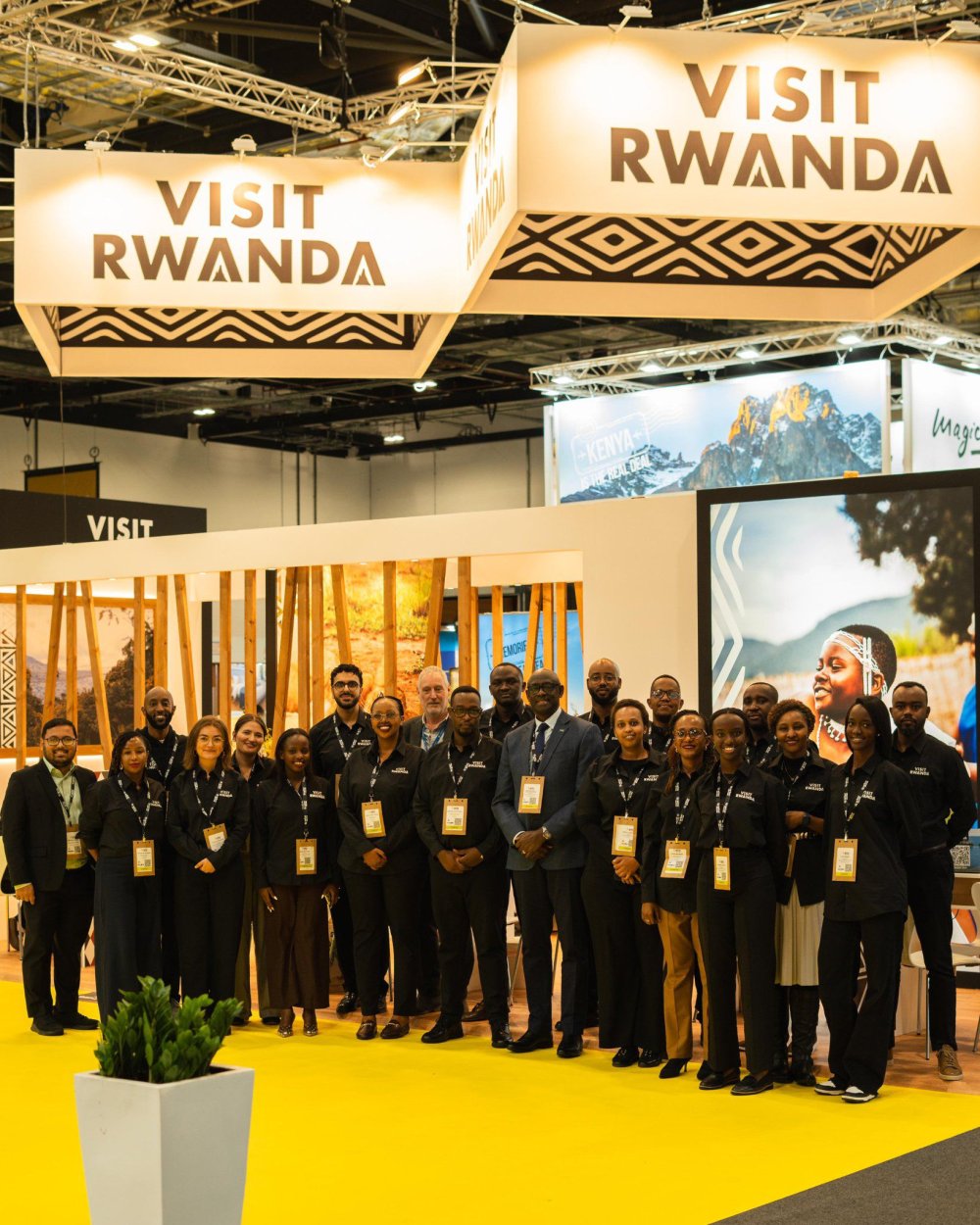
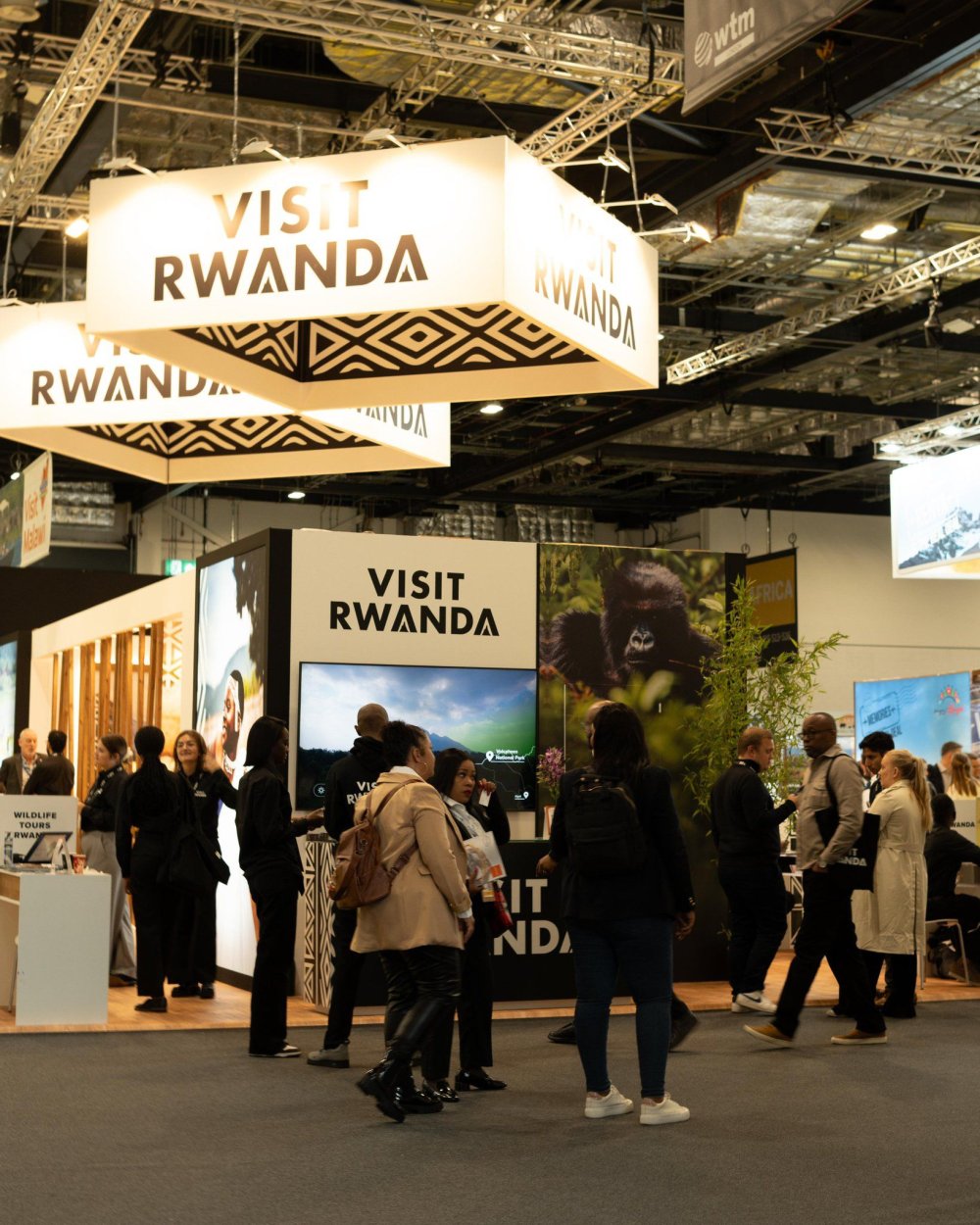
The Rwandan delegation, consisting of representatives from the Rwanda Development Board (RDB), the Rwandan High Commission in the United Kingdom, RwandAir, and various travel and tourism companies, is engaging with international travel buyers and media to build collaborations aimed at attracting more visitors for business, adventure, and leisure travel.
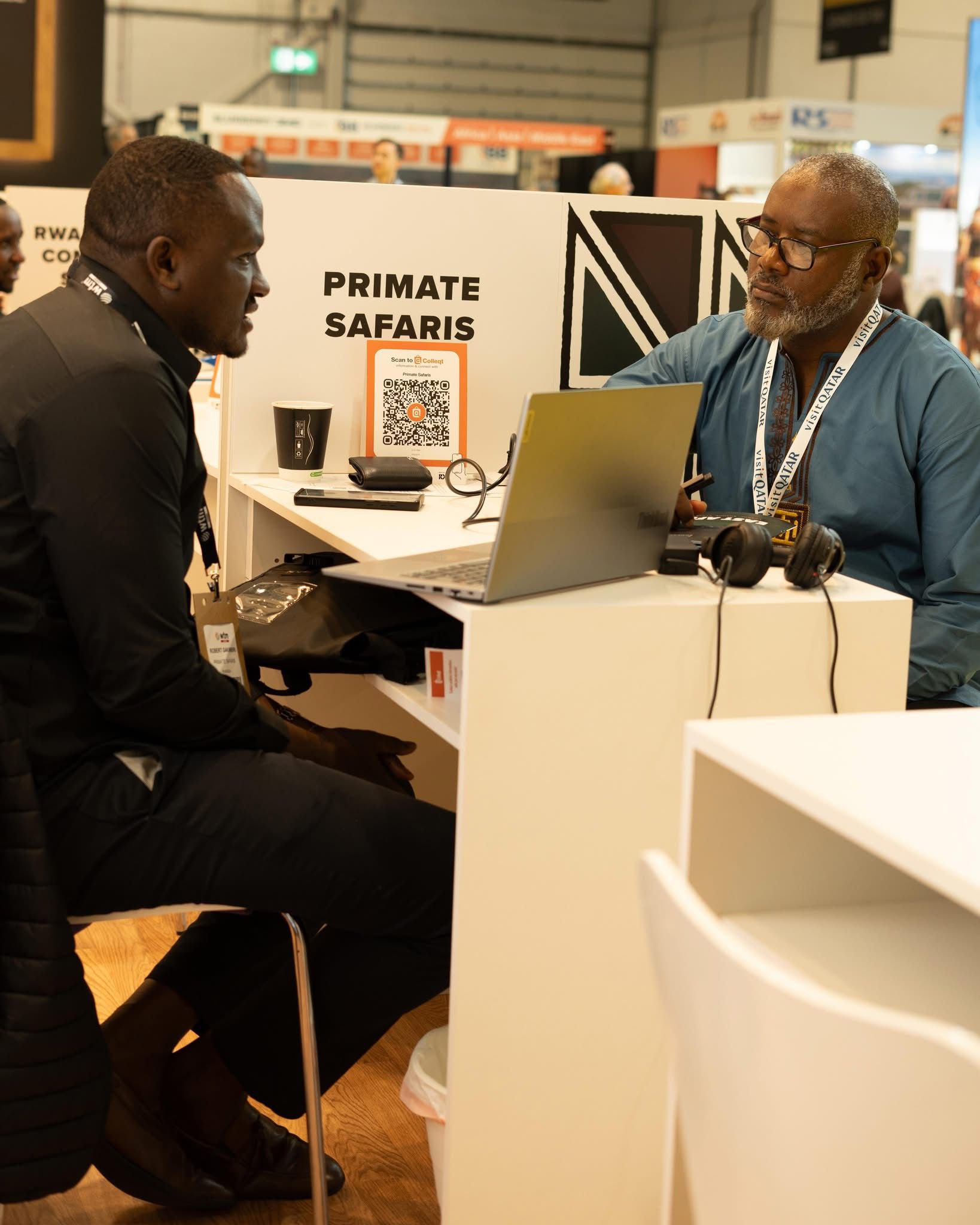
Participating companies include RwandAir, Primates Safaris, Hermosa Life Tours, Wilderness, Blue Monkey Rep, Triple Legacy Travels, Kings Safaris, and Wildlife Tours.
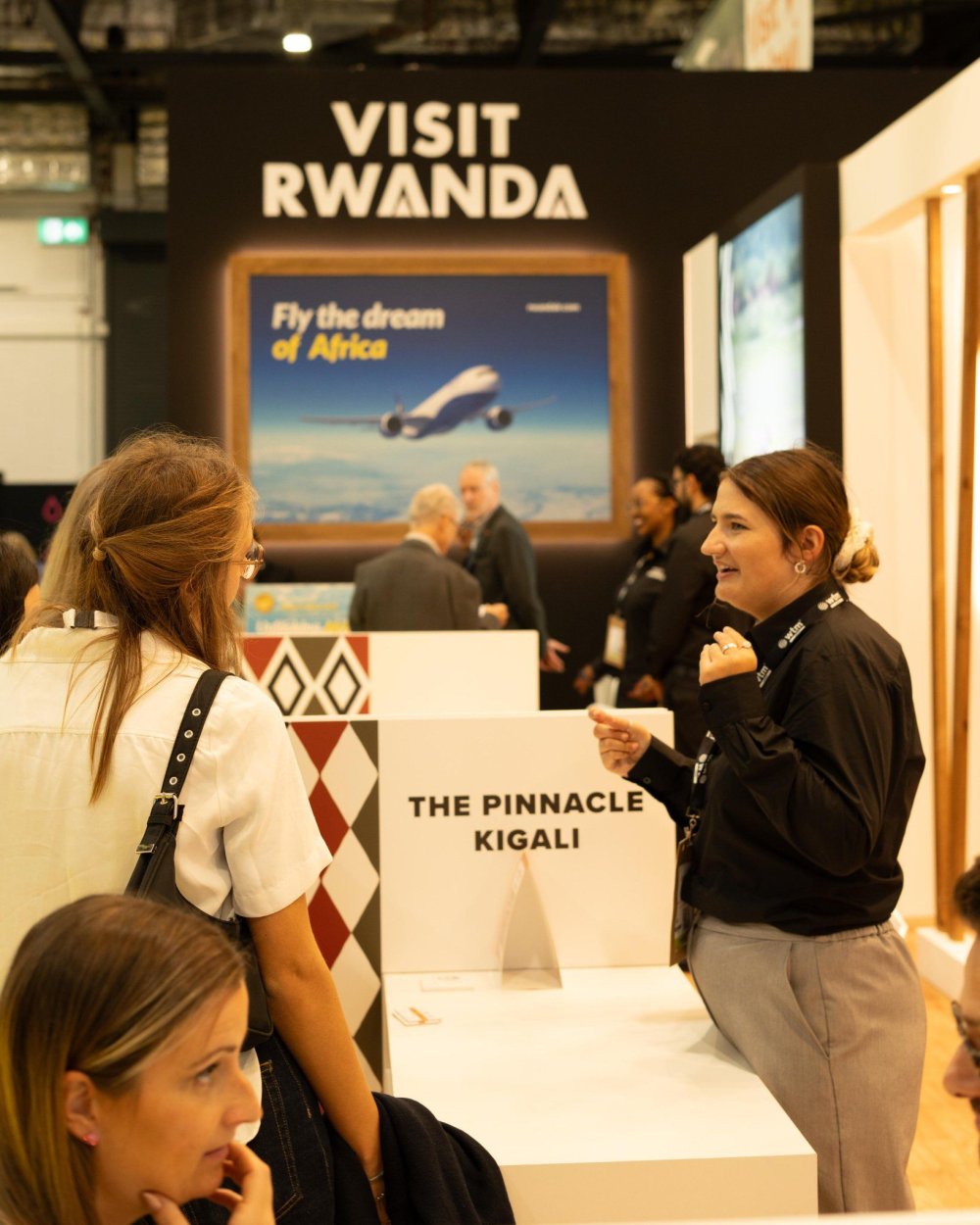
At the travel and tourism trade show, Rwandan representatives are holding meetings and media engagements to promote the country’s offerings and forge strategic partnerships.
The goal is to raise Rwanda’s profile on the global tourism stage and transform connections into tangible travel opportunities.
WTM London, described as “the birthplace of the global travel trade,” serves as a powerful platform for connection, collaboration, and change. It is the world’s most influential international travel and tourism show, bringing together key players in the leisure industry to inspire, train, and create opportunities.
From networking and partner-seeking to training and presentations, WTM enables the industry to grow collectively and more effectively.
Rwanda’s combined public- and private-sector presence at the event highlights its commitment to strengthening ties with international markets and positioning its tourism offerings before a professional and media audience.
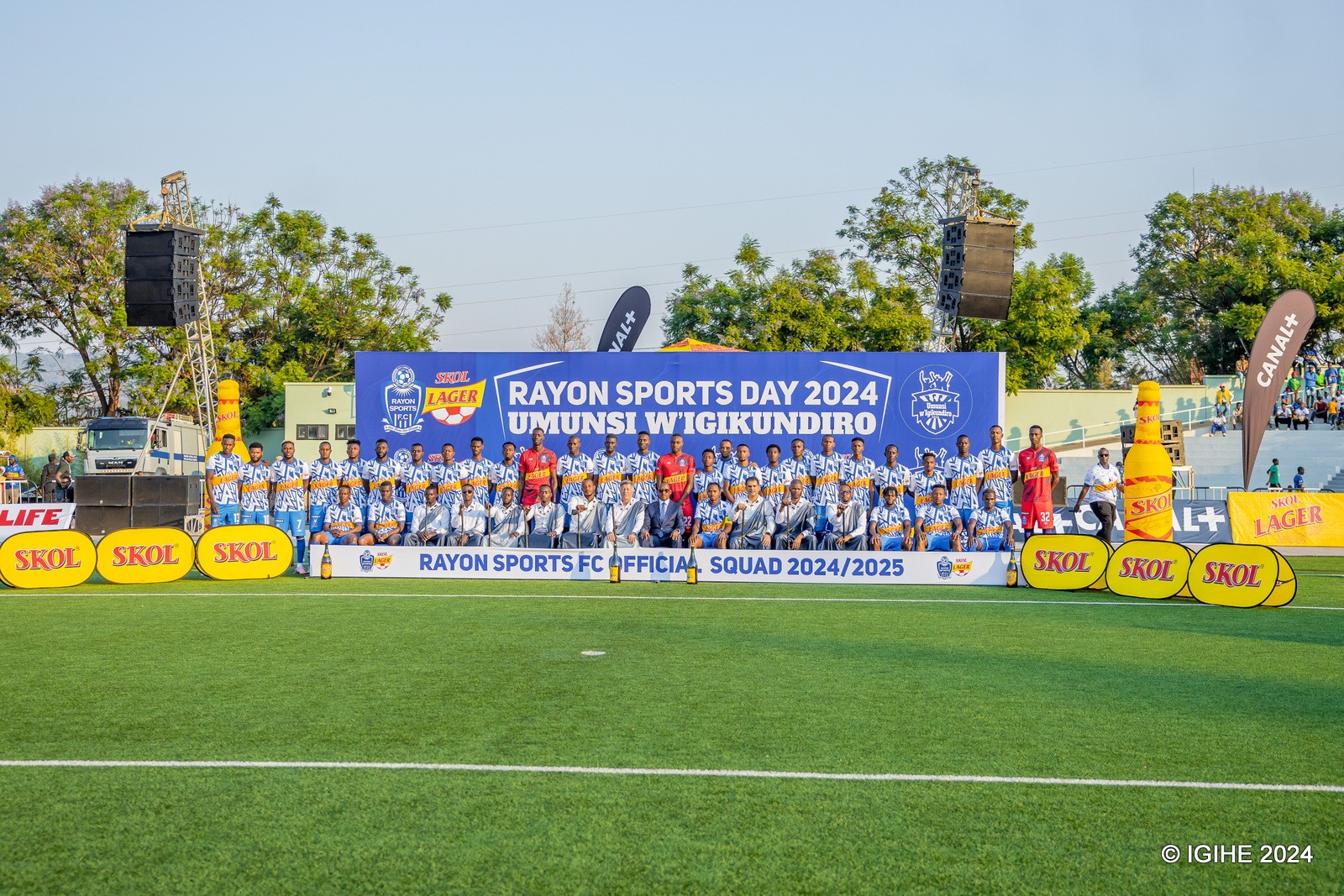
This special event is set to take place on November 6, 2025, at 3:00 PM, at the SKOL Stadium in Nzove, where fans will come together to celebrate the achievements and passion of the players who have stood out this month.
The event will be an unforgettable afternoon of recognition, entertainment, and celebration, bringing players, fans, and supporters of Gikundiro into one lively gathering.
The nominees for the October Player of the Month award include notable players from both the men’s and women’s categories.
In the men’s category, the nominees are Tambwe Ngongo Gloire, Aziz Bassane Koulagna, and Ndayishimiye Richard. For the women’s category, the nominees are Umwari Wase, Coralie Odette Elsie, and Gikundiro Scholastique.
Fans attending the event can expect a day filled with excitement, with thrilling prizes and giveaways, exclusive fan engagement activities, and vibrant music and entertainment that celebrate the unbreakable spirit of Rayon Sports.
It promises to be a unique occasion where supporters can unite in their passion for the game, cheer for their favorite players, and revel in the joy of football.
This is an event not to be missed, offering a celebration of excellence and passion in Rwandan football with Skol Lager and Rayon Sports.
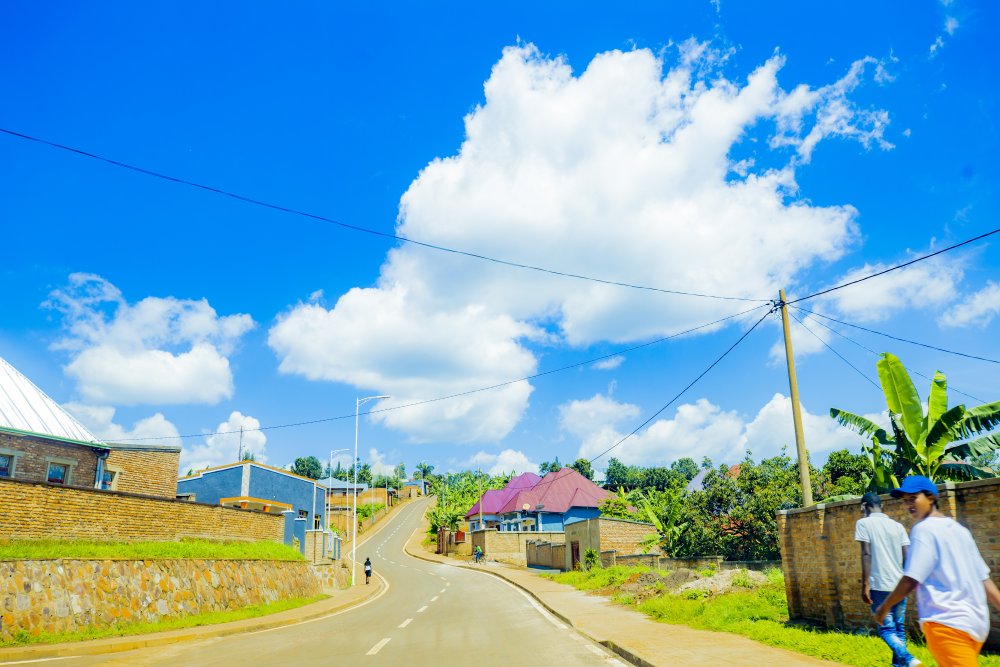
These households spread across 10 districts, were provided with electricity in partnership with the German Development Agency, GIZ.
The households that received electricity include 182 from Rwamagana District, 339 from Musanze, 273 from Rubavu, 419 from Nyaruguru, 142 from Nyamagabe, 200 from Kayonza, 163 from Bugesera, 483 from Muhanga, 413 from Ruhango, and 136 from Kamonyi District. Among these, 1,654 are headed by women.
Households that received electricity also included those in the model village of Kamamana, located in the Kaduha Cell, Munyaga Sector, in Rwamagana District.
Beatrice Muhimakazi, a resident of the village, said, “I felt so happy when I was connected to electricity. That night, I thought about getting a television, and by morning I went to buy one. Before receiving electricity, we were isolated and sad, but today we are happy, we have light as we can use televisions and phones easily. We owe all of this to the president. We have progressed.”
Her neighbor, Béatrice Musabwamana, mentioned, “Before we had electricity, we lived poorly, but after we got it, we were very happy because we saw many changes. We can listen to the radio and know the country’s progress. We plan to use the electricity to run businesses like selling milk, among other things.”
Ayubusa Turikumana Olivier, the Project Manager at REG’s EDCL branch, stated that the project aimed to increase the number of households with access to electricity, particularly focusing on low-income households.
Another aspect considered in this project was that these households were located in areas already covered by the electricity grid but had been left out due to their low economic capabilities.
“The uniqueness of this project is that we provided them with cash power and also helped with the installation of electricity in their homes for free. This is because these households couldn’t afford the Frw 50,000 or 100,000 required to bring electricity into their homes, along with necessary electrical equipment such as lights. We did it for free to help them improve their livelihoods,” he added.
Regarding the households that did not yet receive electricity, the official mentioned that discussions are ongoing to ensure they are connected soon.
Dorothée Merkl, Project Coordinator and Energy Advisor at GIZ, said they are in talks with REG to secure additional funding aimed at increasing the number of households connected to electricity, especially for the underprivileged.
She stated, “We are in discussions with REG to secure an additional 100,000 Euros, which will help us increase the number of households with electricity, bringing the total to at least 6,700.”
This low-income electricity project is valued at over 350,000 Euros (approximately Frw 585 million).
Currently, 85% of the population has access to electricity, with a goal to achieve 100% coverage within the next five years. This will be supported by an investment of over 1 billion dollars aimed at generating 1,000 megawatts of electricity. At present, Rwanda generates 406.4 megawatts of electricity.
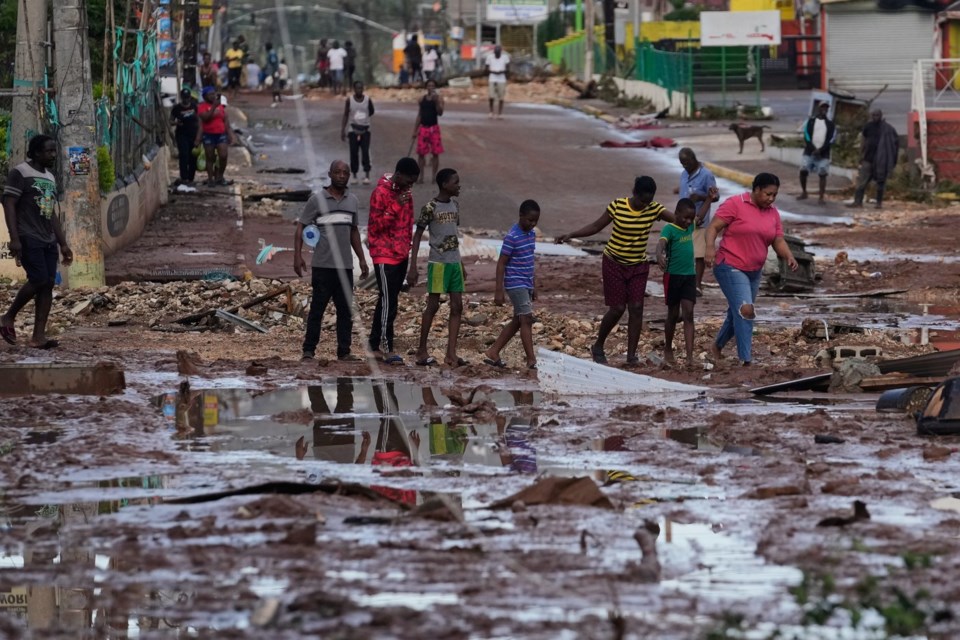
In Jamaica, infrastructure has been severely damaged, with more than 130 roads blocked and power and communication networks disrupted, Farhan Haq, deputy spokesperson for the UN secretary-general, told a daily briefing.
Health services are under heavy strain, since several hospitals and clinics were damaged or destroyed, prompting the deployment of an emergency medical team from the Pan American Health Organization, he said.
Haq said the World Food Programme (WFP) estimated that up to 360,000 people may require food assistance in Jamaica.
A UN disaster assessment and coordination team is coordinating assistance teams and aid arriving, in support of the Jamaican government, he said.
In Haiti, Haq said that the United Nations and its partners continue to carry out assessments of the damage wreaked by Hurricane Melissa and are ramping up efforts to reach people in need.
The Food and Agriculture Organization indicated losses in beans, corn and fruit crops, as well as damage to fishing infrastructure, which is expected to increase hunger in a country where half of the population is already food insecure, said the spokesperson.
Speaking to reporters via video link, WFP’s Country Director in Cuba Etienne Labande said the hurricane left behind widespread flooding, power outages and heavy damage, with crops lost and many buildings partially or fully destroyed in the eastern part of Cuba.
One particularity in the response to the hurricane is the anticipatory action framework adopted by Cuba, coupled with a pre-approved UN allocation, which enabled UN agencies to preposition key supplies in vulnerable areas ahead of the hurricane’s landfall, Labande said.