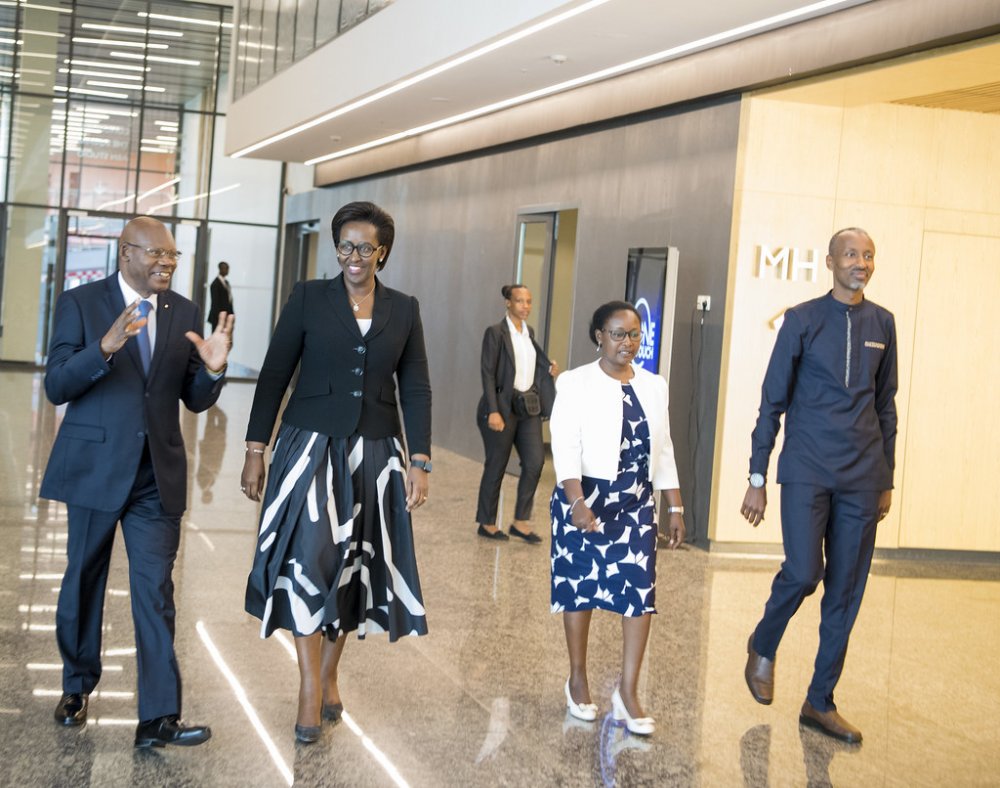
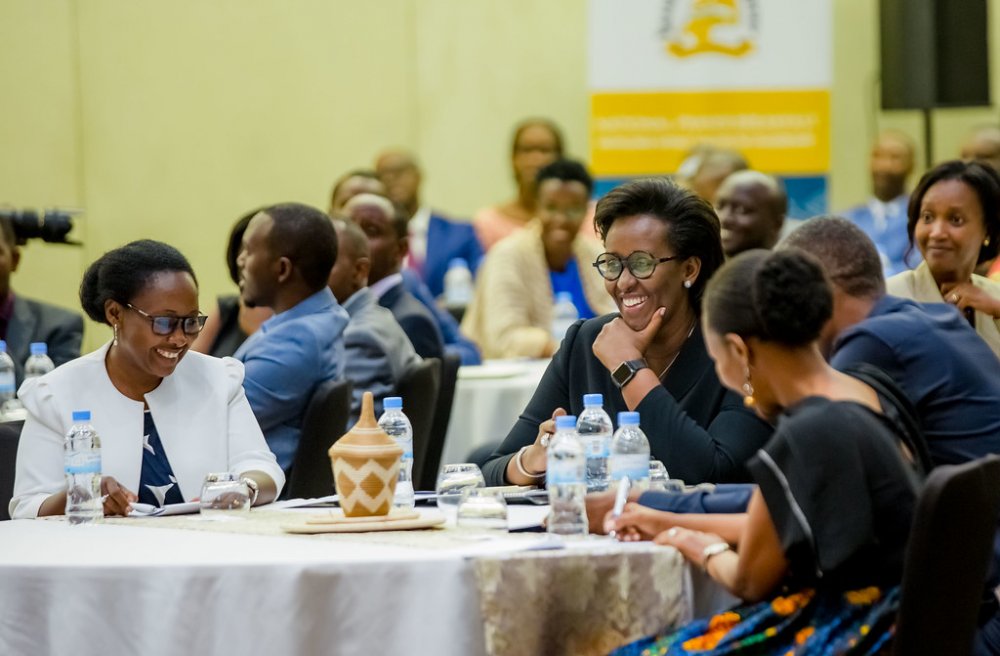
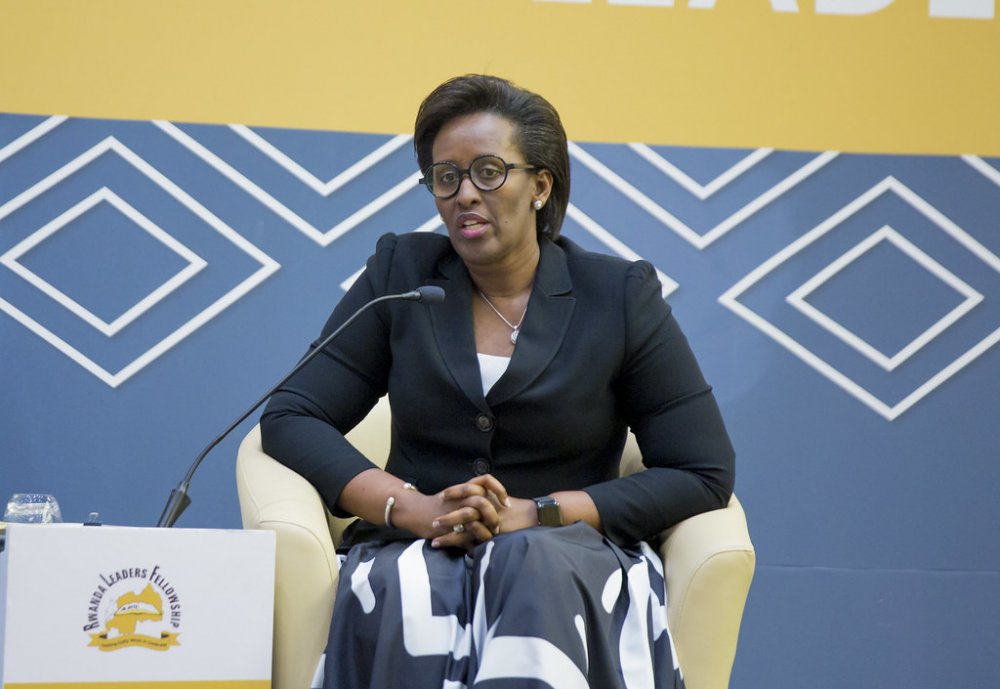
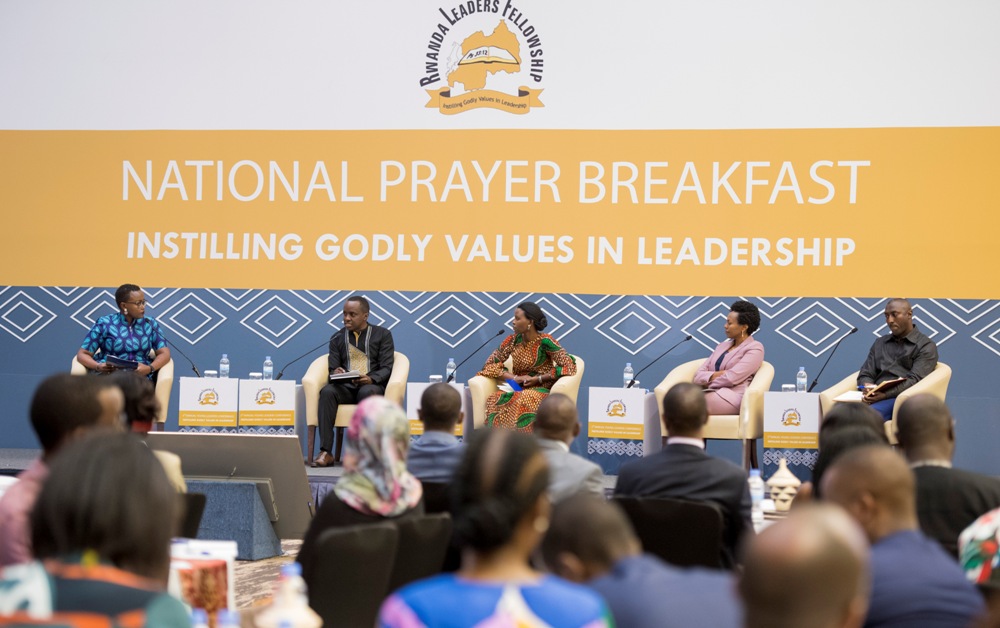
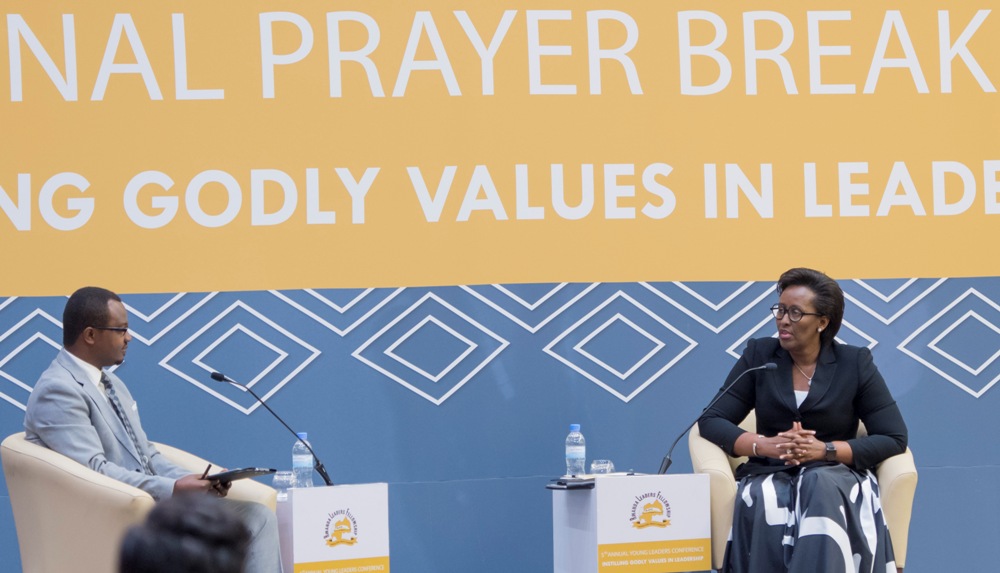
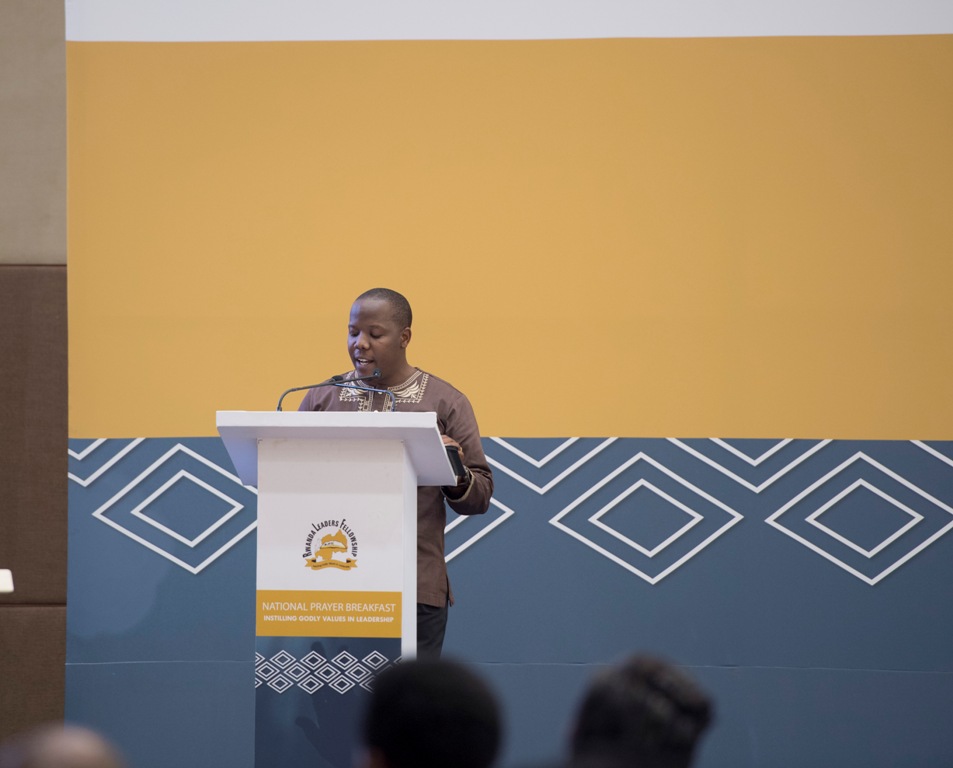
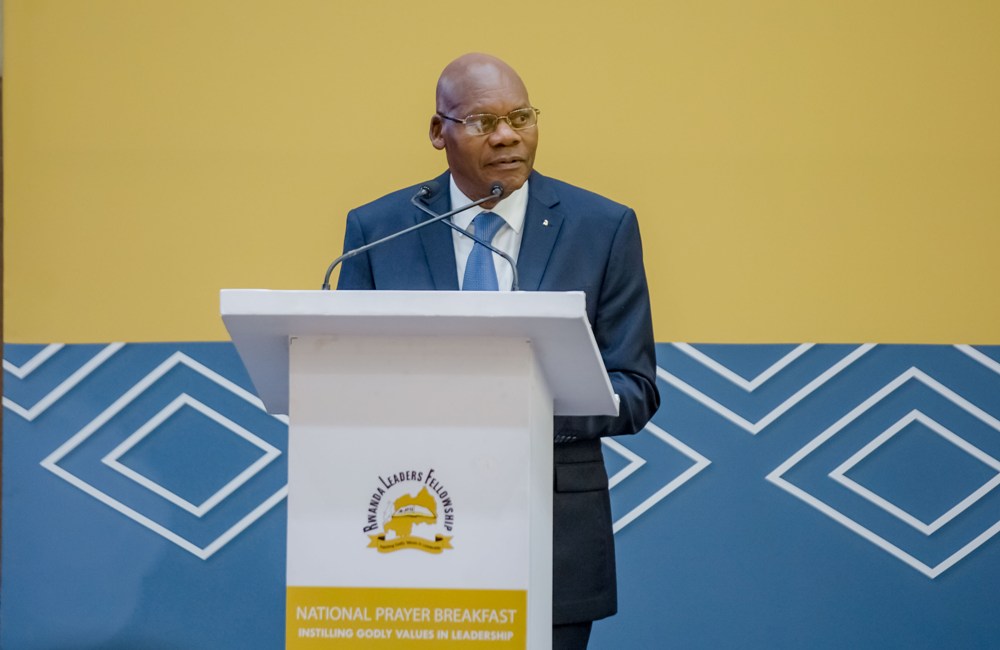
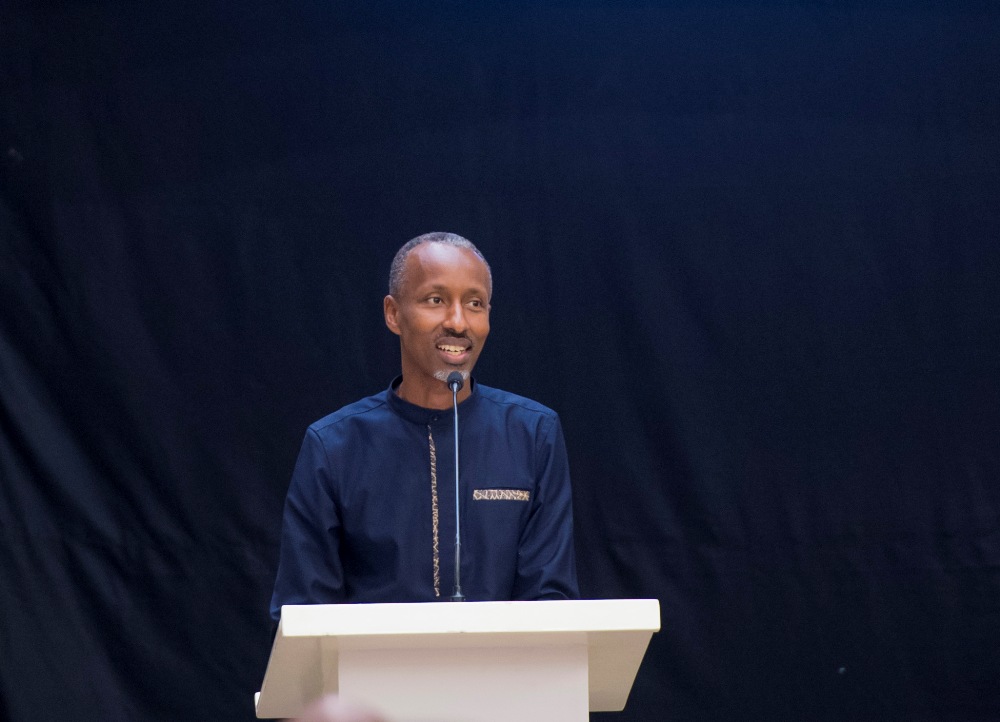
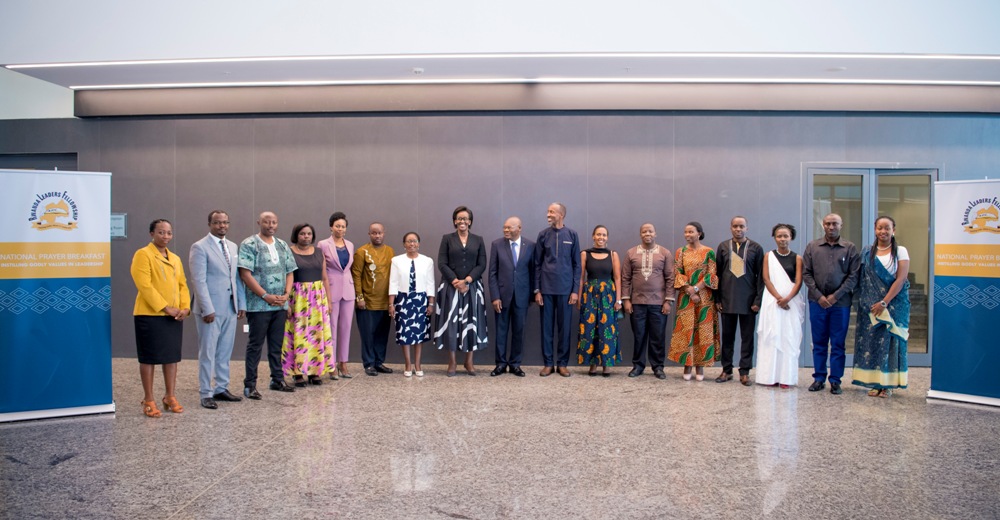
Mrs. Kagame was speaking on Saturday during the Young Leaders Conference, organized by the Rwanda Leaders Fellowship (RLF) with the purpose of bringing young leaders in senior positions to fellowship together, pray for the nation and share the Word of God.
The breakfast aims at bringing together senior leaders from different sectors for a time of mutual encouragement, edification around the word of God, reflecting on Biblical values and principles that encourage leaders to adopt the culture of patriotism, integrity, diligence and to think about the impact of their leadership to the society.
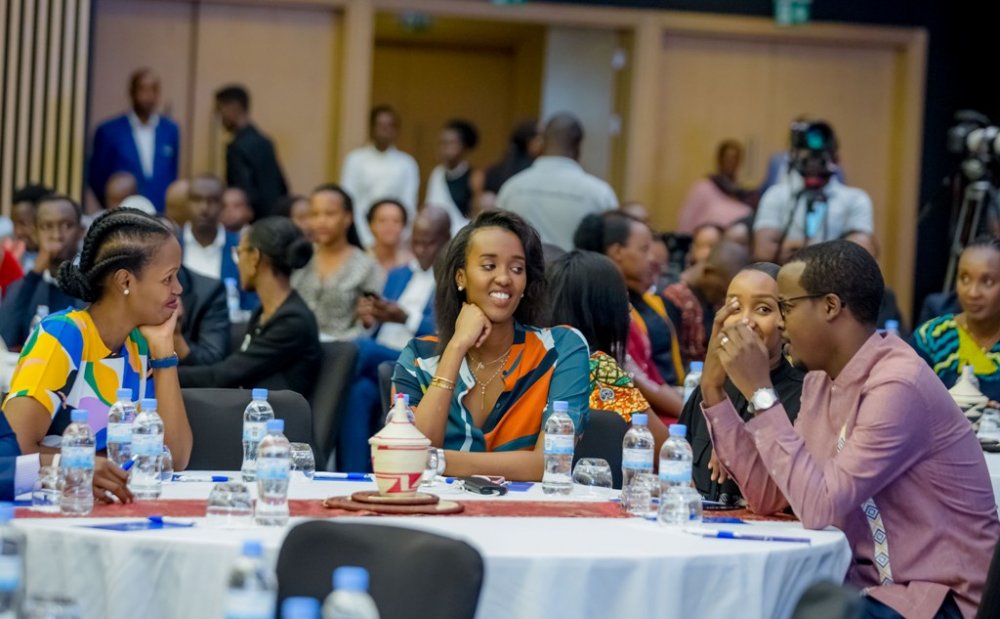
The event brought together people ranging from clerics to ordinary citizens, public and private sector officials who held discussions that focused on building healthy families for a healthy nation.
Through an interactive panel discussion, the participants looked at ways of fighting family breakdowns, the need for proper parenting, among other things that are needed in family life.
Speaking at the event, Mrs. Kagame reminded the participants of how the tragic history of Rwanda demolished the family institution to the ground, leaving behind a sad narrative that could be turned around by people-centered decisions taken by the current government.
“I want to ask you a question as church leaders: What will you do to build on this foundation so that we will have a story that is different from what we had in the past?” she said.
The First Lady took time to encourage married people towards faithfulness, maintaining family values, and being exemplary to their children.
She urged for prayer in families, requesting spouses to pray for each other, encourage each other, and not be controlled by anger when making decisions and put God first.
Augustin Iyamuremye, the President of the Senate who was the guest of honor also weighed in on the importance of families in nation-building.
He called upon Rwandans to be united and work for healthy families, and a healthy nation, drawing lessons from the losses incurred in the tragic genocide against the Tutsi.
“Our country passed through divisionism that stripped people of their humanity to an extent that parents who had to bring up children for the country killed the young ones instead. We started the journey of building a healthy Rwanda by first bringing back the values that had been destroyed by the previous leadership,” he said.
Lambert Bariho, a pastor and director of Ellel Ministries Rwanda emphasized to the audience that the family is God’s idea and there is need to involve him in solving its challenges. He urged that many problems in families are caused by the sinful nature of man but there is hope in Jesus, who has overcome sin.
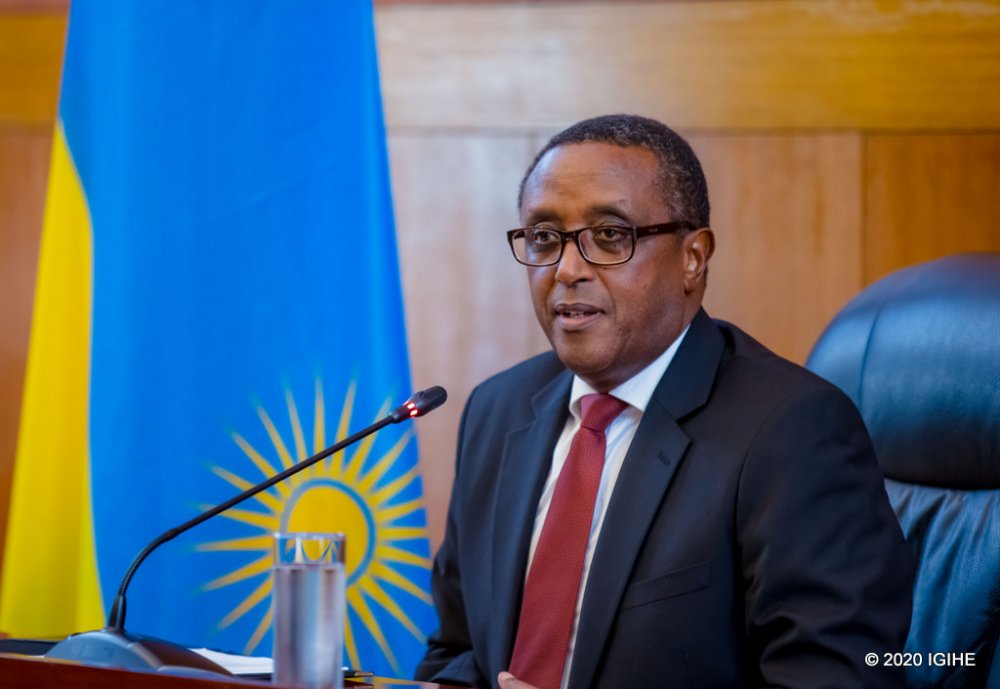
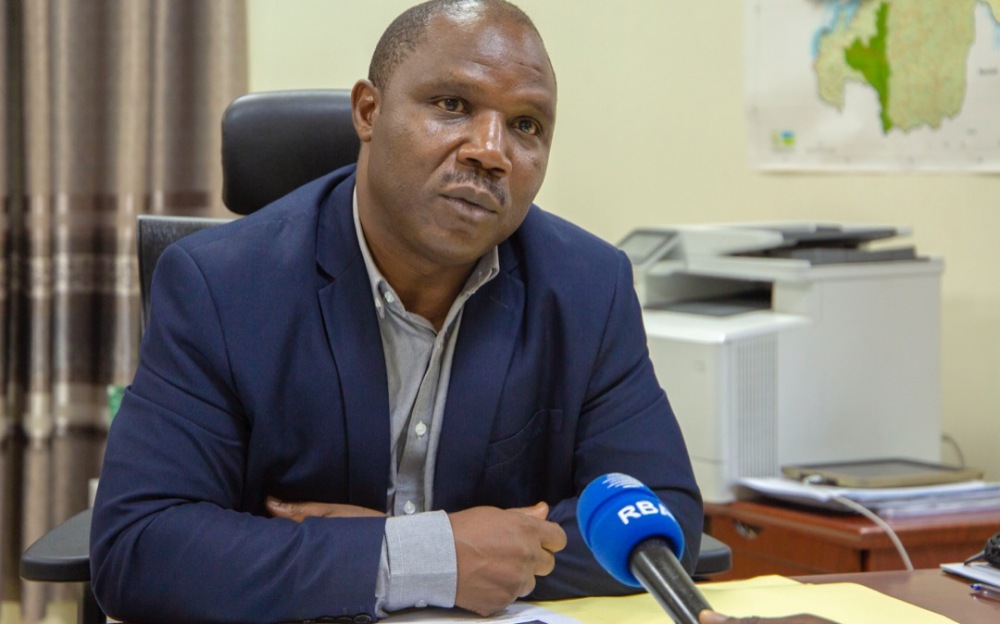
The minister who was responding to a tweet when asked by a Rwandan whether it is safe to travel to Uganda said that the ministry will inform the nation when it is safe for them to travel the neighboring country.
On Friday, 10th January 2020, a Twitter user Chris Munyakayanza asked if Rwandans were free to travel to Uganda now and tagged Olivier Nduhungirehe, the Minister of State in the Ministry of Foreign Affairs and International Cooperation as well as Dr. Biruta.
Biruta responded that the Ministry will inform Rwandans when the tension will be completely eased out but that in the meantime, Rwandans are still not advised to go to Uganda.
In March last year, the Government of Rwanda warned its citizens to stop all travels to Uganda due to arbitrary arrests and torture of Rwandans who were in Uganda.
The unlawful imprisonment and torture was worsened by Uganda’s support to anti-Rwanda terrorist groups. Uganda agreed to address all these questionable acts as part of a Memorandum of Understanding with Rwanda signed in Angola, Luanda in August 2019.
The Luanda agreements were aimed at effectively solving the tension between Rwanda and Uganda.
After the agreements were signed a few Rwandans were, chased from Uganda and dumped on border posts but more than 100 remain incarcerated in Ugandan prisons until now.
On Tuesday, January 7th, 2020, the Ugandan Ministry of Foreign Affairs handed over to Rwanda 9 citizens including the 7 Rwandans who were acquitted by the Military Court in Uganda. The seven Rwandans had been arrested on alleged charges of espionage. That gave to Rwandans a false sense of hope that the tension between Rwanda and Uganda was solved.
In a recent press conference, Minister Biruta noted that Uganda had started showing goodwill and released 9 Rwandan citizens but that more needed to be done including putting a stop to their support of anti-Rwanda terrorist groups like FDLR and RNC. He emphasized Rwanda’s commitment to ardently play its part towards resolving the current conflict with neighboring Uganda.
In an interview with NTV Uganda, Ambassador Adonia Ayebare, President Museveni’s Special Envoy and Uganda’s Permanent Representative to the United Nations said that setting Rwandans free is a good step towards the resolution of the conflict. “Uganda has started honoring its part of Luanda agreements and intends to do more to completely solve the conflict with Rwanda.”
Responding to whether the recent release of 9 Rwandans was a sign border are soon to be opened, Amb Ayebare referred to President Museveni end of the year message on Twitter in which he said: “Uganda, I can guarantee, will do its share of the normalization of the relations between our two countries.”
The minister who was responding to a tweet when asked by a Rwandan whether it is safe to travel to Uganda said that the ministry will inform the nation when it is safe for them to travel the neighboring country.
On Friday, 10th January 2020, a Twitter user Chris Munyakayanza asked if Rwandans were free to travel to Uganda now and tagged Olivier Nduhungirehe, the Minister of State in the Ministry of Foreign Affairs and International Cooperation as well as Dr. Biruta.
Biruta responded that the Ministry will inform Rwandans when the tension will be completely eased out but that in the meantime, Rwandans are still not advised to go to Uganda.
In March last year, the Government of Rwanda warned its citizens to stop all travels to Uganda due to arbitrary arrests and torture of Rwandans who were in Uganda.
The unlawful imprisonment and torture were worsened by Uganda’s support to anti-Rwanda terrorist groups. Uganda agreed to address all these questionable acts as part of a Memorandum of Understanding with Rwanda signed in Angola, Luanda in August 2019.
The Luanda agreements were aimed at effectively solving the tension between Rwanda and Uganda.
After the agreements were signed a few Rwandans were, chased from Uganda and dumped on border posts but more than 100 remain incarcerated in Ugandan prisons until now.
On Tuesday, January 7th, 2020, the Ugandan Ministry of Foreign Affairs handed over to Rwanda 9 citizens including the 7 Rwandans who were acquitted by the Military Court in Uganda. The seven Rwandans had been arrested on alleged charges of espionage. That gave to Rwandans a false sense of hope that the tension between Rwanda and Uganda was solved.
In a recent press conference, Minister Biruta noted that Uganda had started showing goodwill and released 9 Rwandan citizens but that more needed to be done including putting a stop to their support of anti-Rwanda terrorist groups like FDLR and RNC. He emphasized Rwanda’s commitment to ardently play its part towards resolving the current conflict with neighboring Uganda.
In an interview with NTV Uganda, Ambassador Adonia Ayebare, President Museveni’s Special Envoy and Uganda’s Permanent Representative to the United Nations said that setting Rwandans free is a good step towards the resolution of the conflict. “Uganda has started honoring its part of Luanda agreements and intends to do more to completely solve the conflict with Rwanda.”
Responding to whether the recent release of 9 Rwandans was a sign that borders are soon to be opened, Amb Ayebare referred to President Museveni end of the year message on Twitter in which he said: “Uganda, I can guarantee, will do its share of the normalization of the relations between our two countries.”
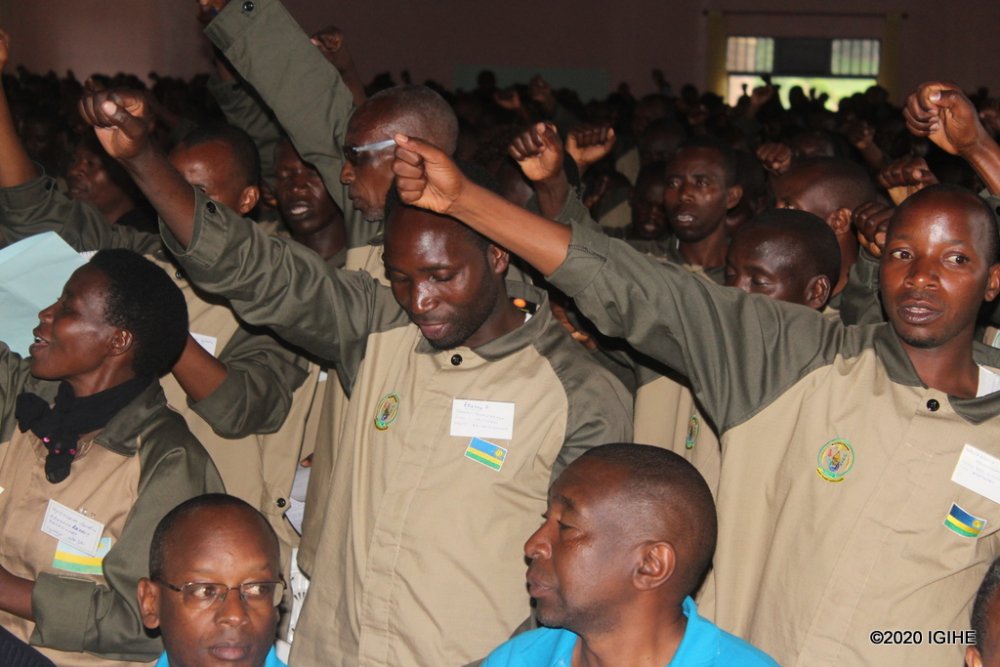
Gen Kabarebe mentioned Ntawunguka in a discussion about Rwanda’s liberation war and stopping the 1994 genocide against Tutsi. One of the teachers requested Kabarebe to explain how he tried to convince Ntawunguka to come back to Rwanda.
In 2009, Gen Kabarebe was informed that Ntawunguka’s wife was a teacher and resided in Rubavu district and decided to pay her a visit in an attempt to convince her to tell her husband to come back home.
“We managed to talk on the phone that very day and I told him most of the dissidents had already come home including Rwarakabije Paul and Gen Gerome Ngendahimana.”
“I tried to reason with him telling him that given the fact that he went to an aviation school in France before joining FDLR, his skills were much needed in the country. I told him the children of Gen Murenzi who currently is a commander in RDF forces in Karongi received government scholarships and that his oldest son had already completed a Ph.D. in Microbiology. At the time, Gen Murenzi was still leading anti-Rwanda militias in DRC. I told him that we could pay school fees for his children as well and asked him why he was not willing to come back home.”
To which Gen Ntawunguka angrily responded, “I will come back to Rwanda the day no Tutsi soul will be alive.”
Gen. Kabarebe told the teachers that he answered him that if he was not willing to change his mentality, he would never be allowed to return to Rwanda.
He explained that after the death of former FDLR commander in chief, Mudacumura Sylvestre in September 2019, he was replaced by Ntawunguka. However, he said that his days were numbered. “There is no way you can thrive with genocidal ideologies.”
Gen Kabarebe told History teachers that the greatest enemy of Rwanda is discrimination and that they should champion values of unity and reconciliation to be able to achieve everything the country stands for.
“We need to be vigilant just so the vice of ethnic discrimination that led us to dark times don’t invade us once again.”
He retold Rwanda’s history of colonialism, discrimination, and power shifts which led a society that for so long lived in harmony to separate into two adverse fronts and the Hutu majority planning and executing the 1994 genocide against Tutsi.
With the objective of returning to Rwanda and liberating the country from the government’s forces, Tutsi exiles in Uganda formed a military wing (RPA) and stopped the genocide.
“Rwanda’s infrastructure and the economy suffered greatly through the genocide. It was not an easy battle but through RPF Inkotanyi determination and the leadership of President Kagame, we liberated the country.”
Gen Kabarebe said that he has been working with President Kagame for 34 years now and that his commitment towards the betterment of the country never changed.
“We are lucky to have a leader with an unwavering commitment to developing the country.”
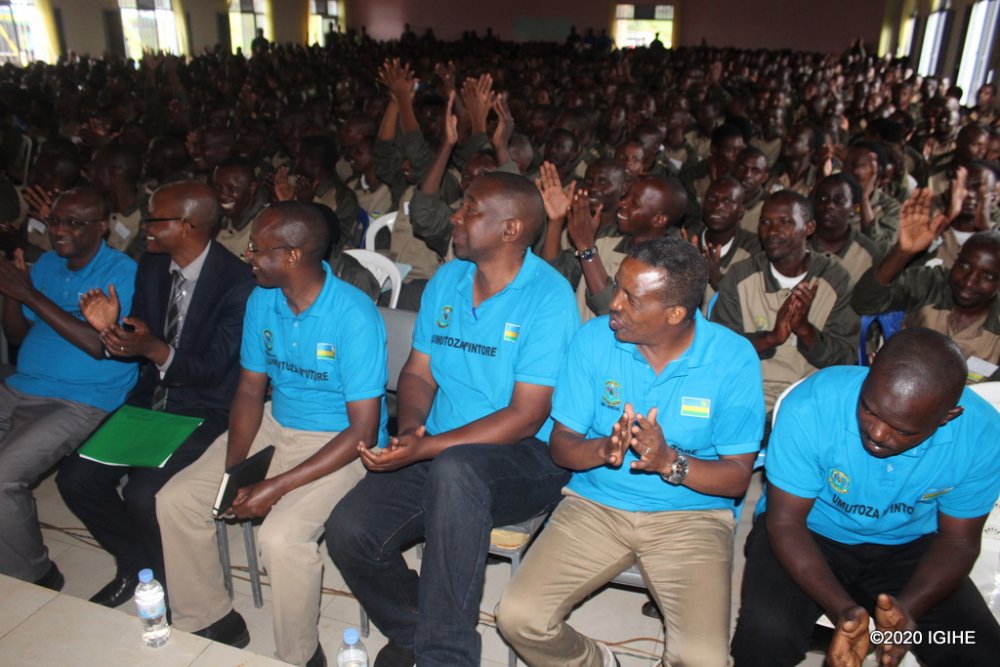
History teachers who attended Itorero said they learned valuable lessons from Gen Kabarebe and that they will reiterate their commitment to put aside all differences and join hands in developing the country.
Uwizeyimana Olive, a History teacher in Nyarugenge district said “As the old saying goes, if we don’t learn from our past, we are doomed to repeat it. We will do whatever it takes to inculcate values of unity and reconciliation to the children we teach.”
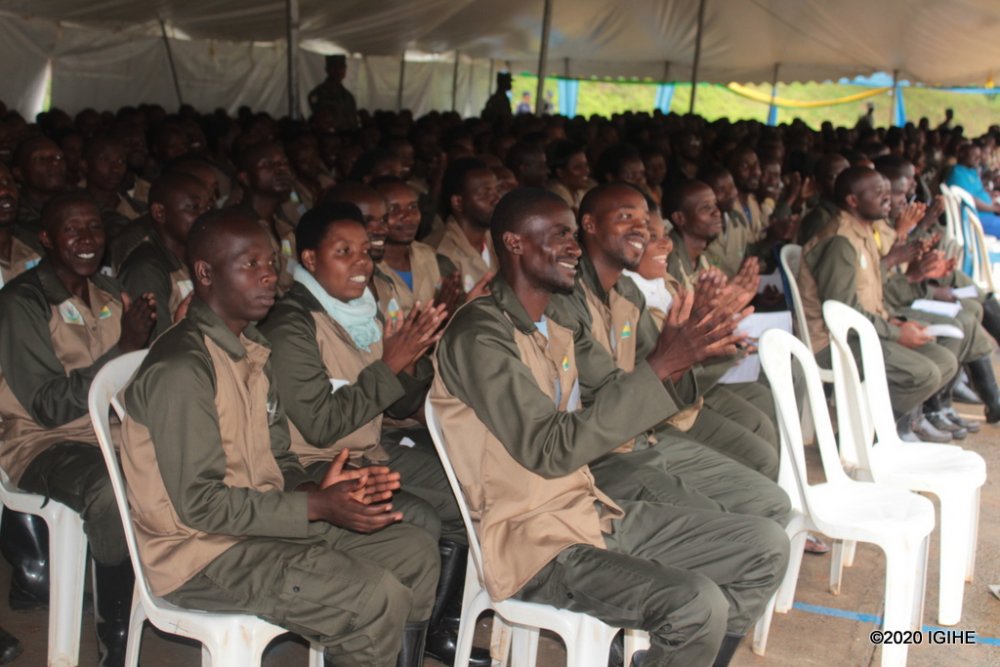
Itorero training for teachers was organized by the Ministry of Education in partnership with REB and NIC. It brought together more than 1600 high school teachers at Mater Dei, College du Christ Roi and College Louis de Montfort schools in Nyanza district.
MINAGRI coordinates activities related to agriculture and animal resources as well as operations of affiliated institutions including Rwanda Agricultural Board (RAB) and the National Agricultural Export Development Board (NAEB) among others.
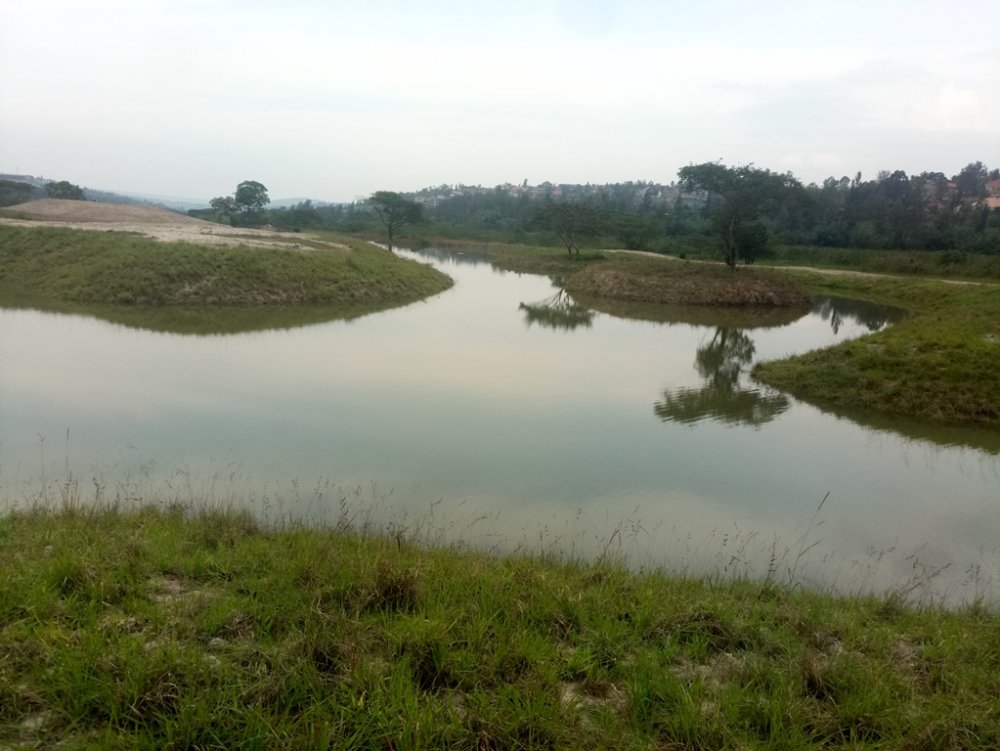
The relocation is part of the City of Kigali urban plan aimed at improving the ecological functioning, aesthetics and recreational potential of the wetlands.
Due to human activities in wetlands including conversion to agriculture, human settlements and commercial and industrial activities, the flood and pollution abatement capacity of wetlands is reduced.
MINAGRI will, therefore, relocate its activities not only in Kabuye but also in several wetlands of the city including marshlands in Gasabo district, Ndera, and Jabana sectors. So far, Jabana SACCO and another house that hosted a rice farmers cooperative have been relocated.
Musabyimana Jean Claude, MINAGRI permanent secretary said that relocation activities from Jabana, Gasabo, and Ndera wetlands will only take three weeks and that the ministry will proceed to relocate its activities from Mulindi marshlands. He mentioned that the only activity that will not be affected by the relocation is silkworm farming.
In order to tackle the problem of flooding and rehabilitating wetlands ecosystem, starting December 14th, 2019, the City of Kigali urged industries operating in the wetlands to relocate their activities. Urban wetland rehabilitation will contribute towards global mitigation of climate change and promote carbon sequestration.
The City of Kigali only counts 7222 activities in wetlands including houses, industrial and trade activities which degrade the wetlands ecosystem. So far, over 3600 properties have been relocated.
The Henley Passport Index is the only passport index that is based on the International Air Transport Association (IATA) data, enhanced by extensive in-house research and updated regularly throughout the year.
In 2010, owners of the Rwandan passport could travel to 39 countries without a VISA but the latest IATA update shows can travel to 59 countries without prior visa approval.
That made the Rwandan passport move up from the 87th place on the list of powerful passports in 2010 to the 83rd place in 2020.
Visa-free travels have significant importance to global trade, global politics, and global economics. Rwanda is the only country in East Africa that has added as many destinations in the past 10 years. Kenya has added 6 destinations, Tanzania 9, Uganda 7 and Burundi 12 compared to 2010.
In the past 10 years, Rwanda has signed diplomatic agreements mainly to facilitate trade and removed VISA requirements for countries including Qatar, Singapore, and Indonesia. Improvement of the Henley Passport Index implies global importance in the sense of trade and geopolitics. It also facilitates Rwandans to travel to different countries especially for studies with no excessive requirements beforehand.
The Directorate General of Immigration and Emigration recently informed an improved VISA regime allowing travelers to receive a 30-days Visa upon arrival without prior application and pay a prescribed Visa fee.
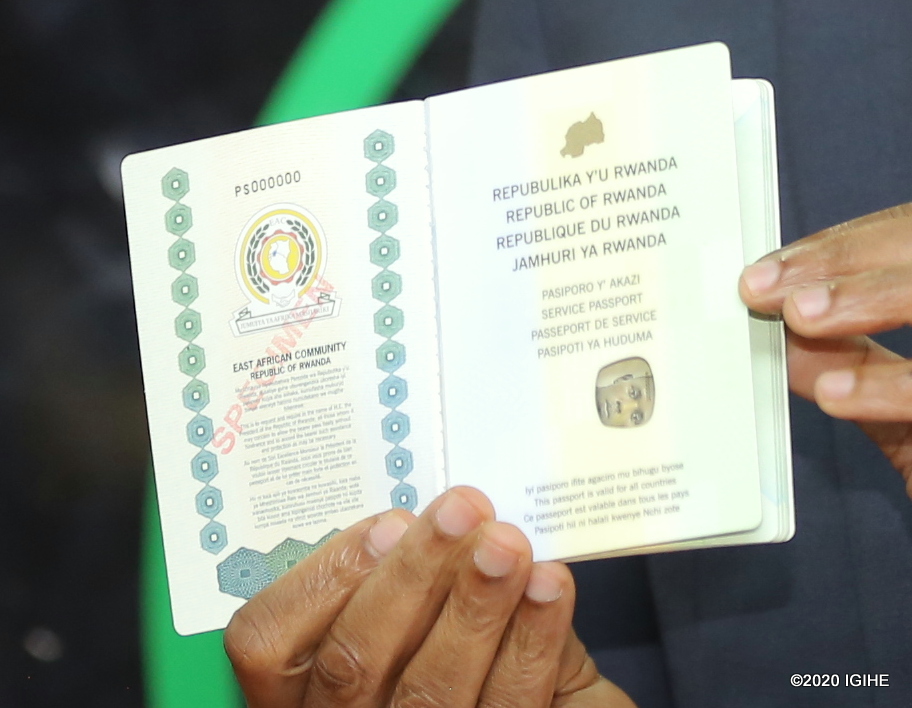
Moreover, new electronic passports are being issued as instructed by the EAC technical specifications and IATA regulations. The electronic passport will counter attempts of forgery and identity theft as it cannot be tampered.
Owners of regular passports are required to reach out to the Directorate General of Immigration and Emigration to exchange their passports with electronic ones by July 2021.
{{The top five passports of 2020 and the number of visa-free destinations:}}
1. Japan (191)
2. Singapore (190)
3. South Korea (189)
3. Germany (189)
4. Italy (188)
4. Finland (188)
5. Spain (187)
5. Luxembourg (187)
5. Denmark (187)
{{The least powerful passports in the world include:}}
North Korea (39)
Nepal, Palestine (38)
Libya (37)
Yemen (33)
Somalia, Pakistan (32)
Syria (29)
Iraq (28)
Afghanistan (28)
Twabugabo was arrested on Wednesday in Gatumba Sector after police found him employing an 11-year old boy to mine coltan and cassiterite in a concession located in Kamisiga Cell, Nyenyeri Village.
“At about 2 pm on Wednesday, Police responded to information about people who were mining illegally. Some of them run away but Police managed to arrest their boss—Twabugabo—and rescued the boy,” said Chief Inspector of Police (CIP) Emmanuel Kayigi, the Police spokesperson for the Western region.
“Besides being a minor, it was within the time when the boy was supposed to be at school. He is a pupil in Primary Four at Ecole Primaire Miduha. The boy was carrying soil from the concession to filter coltan and cassiterite in the nearby water stream. Twabugabo was paying the boy Rwf400 per day,” he explained.
“This is child exploitation, violation of child rights and a barrier to holistic child development, which is criminal and punishable by law.”
Article 6 of law No. 71/2018 of 31/08/2018 relating to the protection of the child defines a child as “any person under eighteen (18) years of age.”
Article 6 of the law regulating labor in Rwanda, prohibits subjecting a child below the age of 18 to any form of works, which are physically harmful to the child; work underground, underwater, at dangerous heights or in confined space; work with dangerous machinery, equipment, and tools or which involves manual handling or transport of heavy loads; work in an environment which exposes the child to temperatures, noise levels or vibrations damaging his/her health; work for longer hours or during the night or performed in confined spaces.
Law N° 58/2018 of 13/08/2018 on mining and quarry operations, stipulates that; “any person, who undertakes mineral or quarry exploration, exploitation, processing or trading without a license, commits an offence.
Upon conviction, he or she is liable to imprisonment for a term of not less than two months and not more than six months and a fine of not less than Rwf1 million and not more than Rwf5 million or only one of these penalties.
The court also orders confiscation of any seized minerals or quarry in storage, trading or processing without a license.
CIP Kayigi warned the public against unlawful mining activities and using minors in any activity that amounts to child labor, and called for information sharing on such illegal acts.
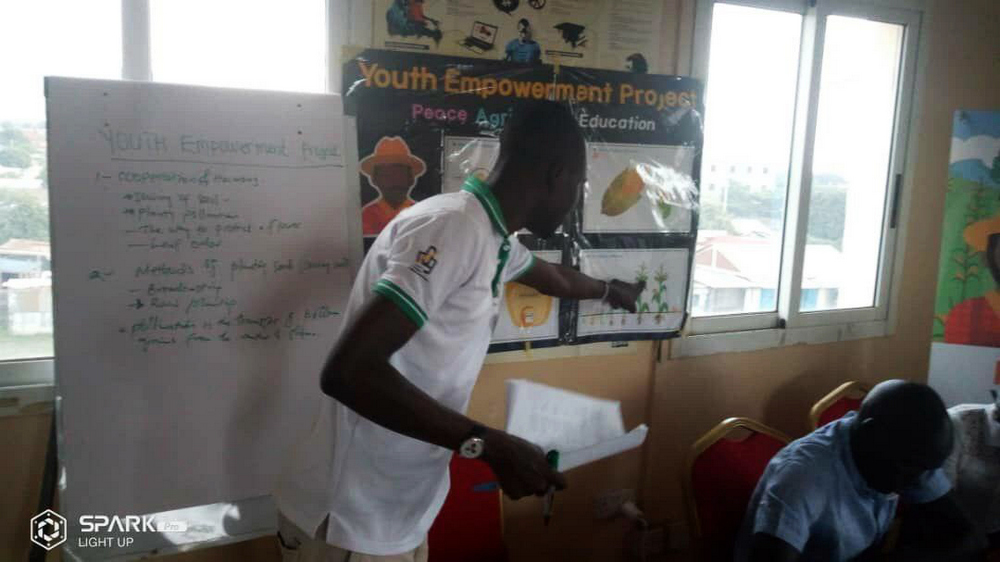
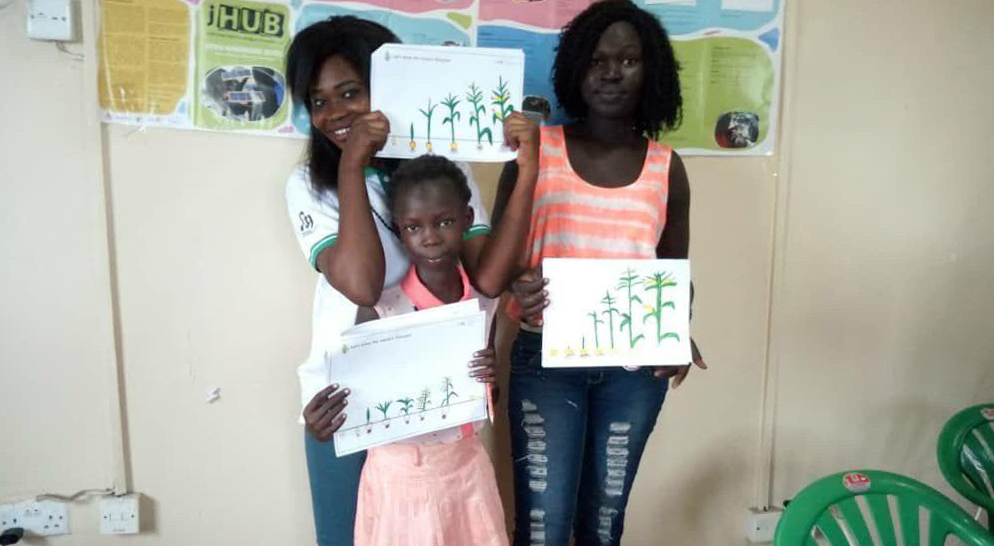
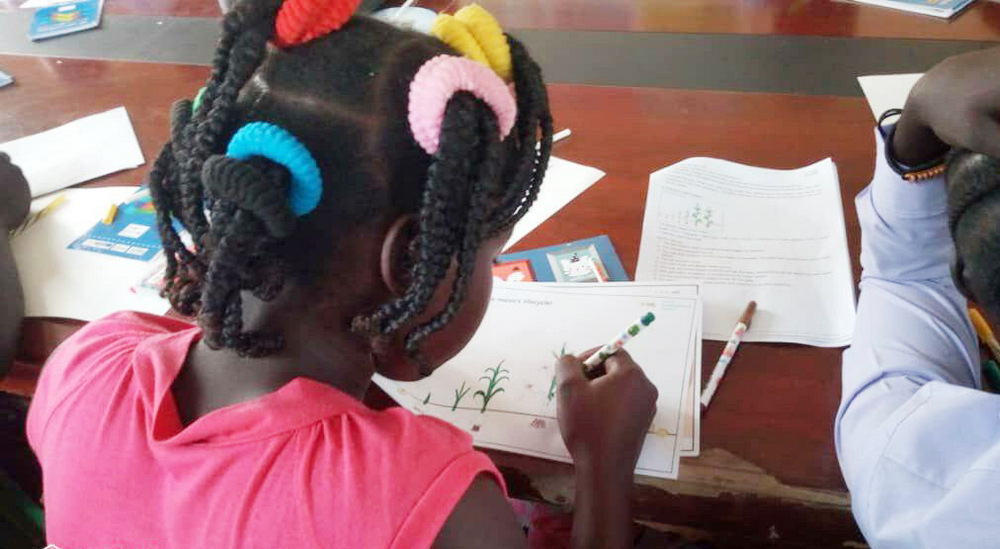
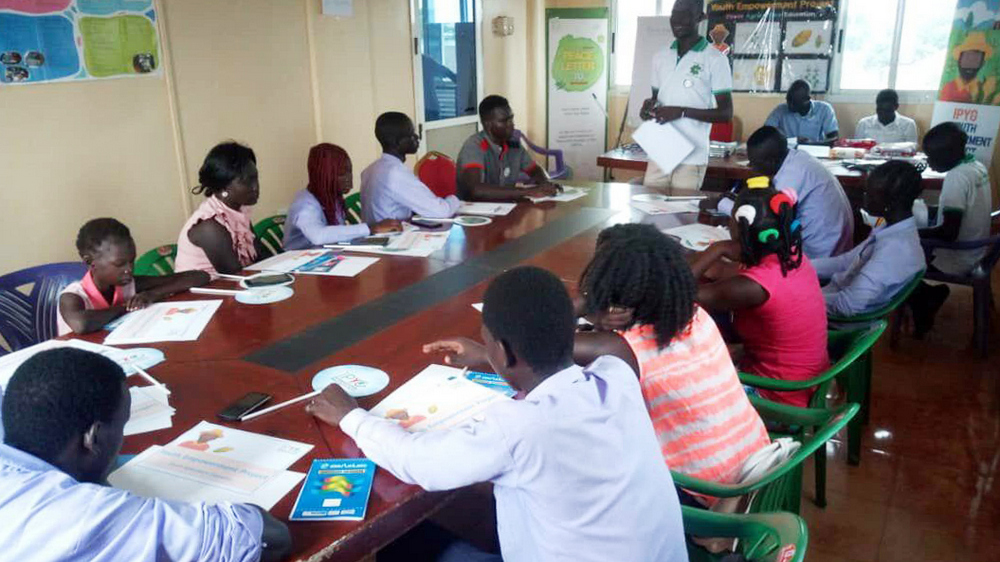
The title of the first class was “My friend, Maize” which introduced the growing process of maize to give an insight into the order of nature to the students.
The IPYG Youth Empowerment Project aims to foster young people as peace advocates who can practice and spread peace with the values of cooperation, diversity, respect, and forgiveness.
The purpose of the IPYG Youth Empowerment Project shares the value of the UN SDGs, especially “Quality Education”, and embraces the principles such as nonviolent culture, world citizenship, respect for cultural diversity, and contribution of culture to sustainable development.
Bosco Boro James, deputy director of Junub Open Space who hosted the project said, ”When we taught students about the concept and purpose of youth sovereignty projects, they paid great attention. The content of education is interesting and beneficial, so if we introduce it to other school teachers and continue to proceed, the achievement of the education will be greater.”
Also, one student who participated in the class said, “I reflected in the course of maize’s growth into a person’s life and thought about how to express love and treat others. Other students were able to get together not only to learn practical knowledge through education but also to make peace. I want to get the next round of training as soon as possible.”
The South Sudan civil war, which began in 2013, has left more than 400,000 people dead and about 4 million refugees. Also, the civil war has destroyed basic social infrastructure and left food problems and traumas.
In order to solve the social problems and mental trauma caused by the civil war, the IPYG, an affiliated organization of HWPL, will continue to carry out the Youth Empowerment Project in cooperation with the schools and youth organizations in South Sudan.
According to the Eastern region Police spokesperson, Chief Inspector of Police (CIP) Hamdun Twizeyimana, the suspects identified as Fred Rutazihana, 26, and Theoneste Hategekimana were apprehended with some of the electronics stolen in Gishari.
In the night of January 7, thieves broke into the house of Colette Mukundirehe and stole a flat television set, computer laptop, four smart-phones and a home theatre.
“Fortunately, when thieves were trying to sell the stolen electronics on black market the following day, one of the would-be buyers got suspicious and called the Police. The duo was at the time arrested with the laptop stolen from Mukundirehe,” said CIP Twizeyimana.
“Rutazihana and Hategekimana were handed to Rwanda Investigation Bureau (RIB) at Gishari station; law enforcement organs are working together to recover other items they had already sold by the time of their arrest, and to find out if they are connected to other burglaries either in Rwamagana or other parts of the country.”
The spokesperson discouraged the public against purchasing valuables on black market to prevent buying stolen items, and to always report those who try to sell them things with unknown origin.
Article 166 in Rwanda new penal code relating to theft, states that any person convicted of theft is liable to imprisonment for a term of not less than one year and not more than two years and a fine of not less than Rwf1 million and not more than Rwf2 million, community service in a period of six months or only one of these penalties.
UK Aid funding has helped to avert cuts in refugees’ rations and in reinstating cash-based transfers to all camp residents. WFP uses a hybrid model of cash and in-kind food assistance to support the Burundian refugees in Mahama.
Cash enables refugees to purchase food of their choice at markets in or around the camp, improving their dietary diversity and supporting the local economy.
With DFID’s support, WFP can also continue providing highly fortified nutritious foods to the most vulnerable in Mahama to improve their nutritional status.
These include children under two years of age, pregnant women and nursing mothers, as well as people living with HIV/AIDS and patients with tuberculosis who are on treatment.
As a result of such nutrition support, child stunting was cut from 46 percent in 2015 to 25.5 percent in 2019 and wasting went from 10.3 percent to 2.3 percent in the same time period.
Head of DFID Rwanda, Sarah Metcalf, said ‘I am delighted that UK Aid has been able to help support the vital work of WFP on nutrition and protection for refugees in Rwanda’.
“This contribution enables WFP to continue to reach the most vulnerable women, girls, boys and men in Mahama with life-saving food and nutritional assistance,” said Edith Heines, WFP Rwanda Representative, and Country Director.
The Minister gave the assurance during a press conference with local, regional and international media correspondents where he highlighted major events that took and will take place in the country.
The EAC Heads of State Summit was scheduled on November 30th, 2019 but was postponed to later in January or February this year.
In a letter Olivier Nduhungirehe, the Minister of State in the Ministry of Foreign Affairs and International Cooperation wrote to the EAC Secretary General, Liberat Mfumukeko, postponing the meeting was requested by a member who was not disclosed in the letter.
“The EAC Heads of State Summit has been postponed on request of a member state and will take place at a later date in January or February 2020.”
Minister Biruta confirmed the meeting would happen despite several sources questioning it due to the current uncertain political atmosphere between EAC countries.
“The EAC Heads of State Summit being postponed had nothing to do with a dispute or disagreement among the EAC Partner States.”
Currently, an adverse political climate reigns between EAC countries since the start of Uganda-Rwanda feud. It is the same case between Burundi and Rwanda. Kenya and Tanzania are also not on good terms due to disagreements based on trade policies between the two countries.
In a press conference with President Paul Kagame on November 8th, 2019, he stressed that solving issues between EAC member states is more important than planning for meetings.
“We have even gone two years without a meeting and that does not necessarily imply a disagreement between EAC member states. Cooperation between countries is not always easy and I knew it from the get-go but the benefits that come from it are to be cherished and hence political conflicts should be resolved at all costs.”
During the 21st EAC Heads of State Summit, members will assess the eligibility of South Sudan and Somalia which have applied to become member states of the EAC.
The meeting will also reiterate Kenya’s endorsement by the African Union to obtain a seat as a non-permanent member of the UN Security Council in 2021. Kenya is up against Djibouti for the seat once South Africa’s term expires.
On the agenda, member states will also assess the eligibility of the Democratic Republic of Congo (DRC) to become a member state of the EAC as per the DRC application on July 8th, 2019. DRC applied to become a member state of the EAC in a letter addressed to President Paul Kagame who is the current EAC chairman. DRC provided as a reason for the application, the trade opportunities as one of the perks of being an EAC member state.
EAC Secretary General, Liberat Mfumukeko said the fact that more countries are applying to join the EAC is a sign the community is thriving. “Trade between EAC member countries has grown from revenues worth $2.7 billion in 2016 to $2.9 billion in 2017 and $3.3 billion in 2018.
The East African Community is currently made of 5 countries including Kenya, Uganda, Tanzania, Rwanda, and Burundi.
It is not the first time the EAC Heads of State Summit has been postponed since it happened before for the 20th edition of the meeting. The meeting was finally held in Arusha, Tanzania on January 1st, 2019.
However, Pierre Nkurunziza, President of Burundi who for 5 years now has not left the country was absent, after a coup led by Major General Godefroid Niyombare threatened his seat while he was out of the country.