Teacher shortage occurred due to various reasons including poor working conditions, lack of support, lack of autonomy, and the changing curriculum.
However, statistics from the Ministry of Education say otherwise.
The number of primary schools teachers has increased from 43558 in 2016 to 44544 in 2018 and primary schools from 2842 to 2909. In secondary schools, the number increased from 28,875 to 30,040 and secondary schools from 1575 to 1728.
Despite the promising statistics, the increasing number of students does not match the available teachers and that will inevitably cause a decline in educational standards.
Overcrowded classrooms affect teacher performance due to more books to mark, more children to monitor, more children’s behavior that needs managing and so on.
During the graduation ceremony of 3859 students in Teacher Training Colleges (TTC)on January 14th, 2020, REB Director General, Ndayambaje Irénée said there was a shortage of 6000 teachers in Rwanda. “This year only, we need up to 6000 teachers in primary and secondary schools to address the shortage but so far, we have 380 pending applications.”
To deal with the shortage, REB has instructed TTC schools to hand over diplomas to graduates within the shortest delay so that the graduates can apply and contribute to filling the teacher shortage gap.
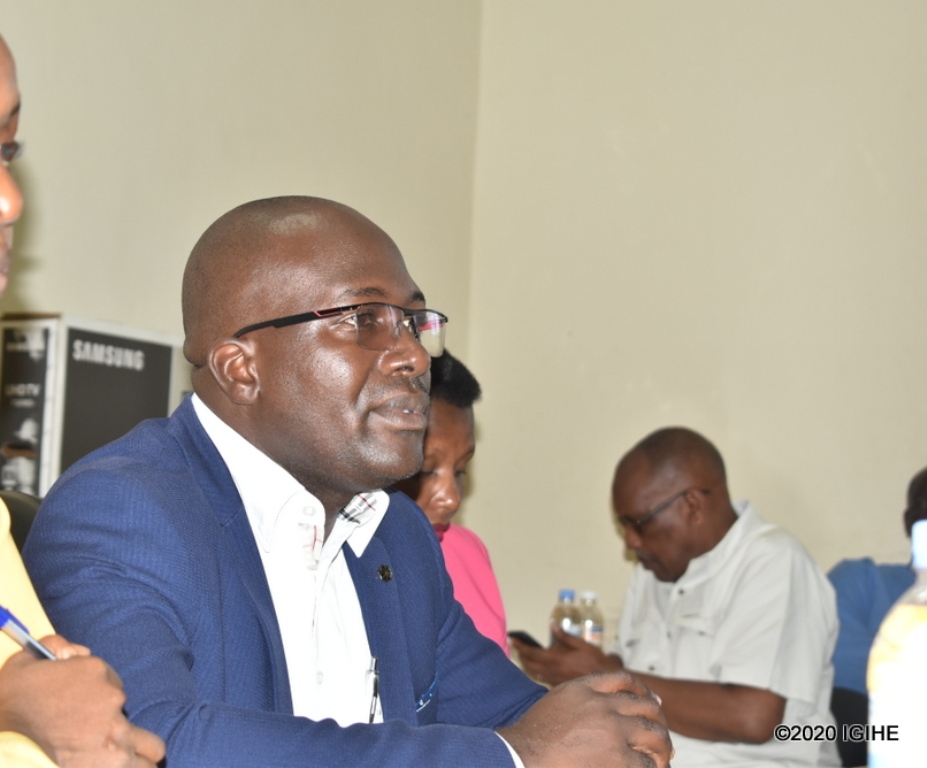
Ngabonziza Joseph, TTC Kabarore Director said there is a problem with fewer students in teacher prep programs but due to sensitization activities more and more students are applying to study in TTCs.
“The number of applicants is much higher compared to before.” He said that issuing diplomas to graduates will help solve the shortage of teachers.
Normally, 1 teacher should not have more than 46 students in a classroom but REB reported that some classrooms have more than 60 students worsening teachers’ workload.
In April 2019, the Government of Rwanda terminated its contract with Angolan private firm Oshen Healthcare which managed King Faisal Hospital over failure to improve the consistent poor services that damaged the reputation of the hospital.
Besides improving its efficiency, the renovations will allow King Faisal Hospital to provide medical services that Rwandans had to go seek outside of the country.
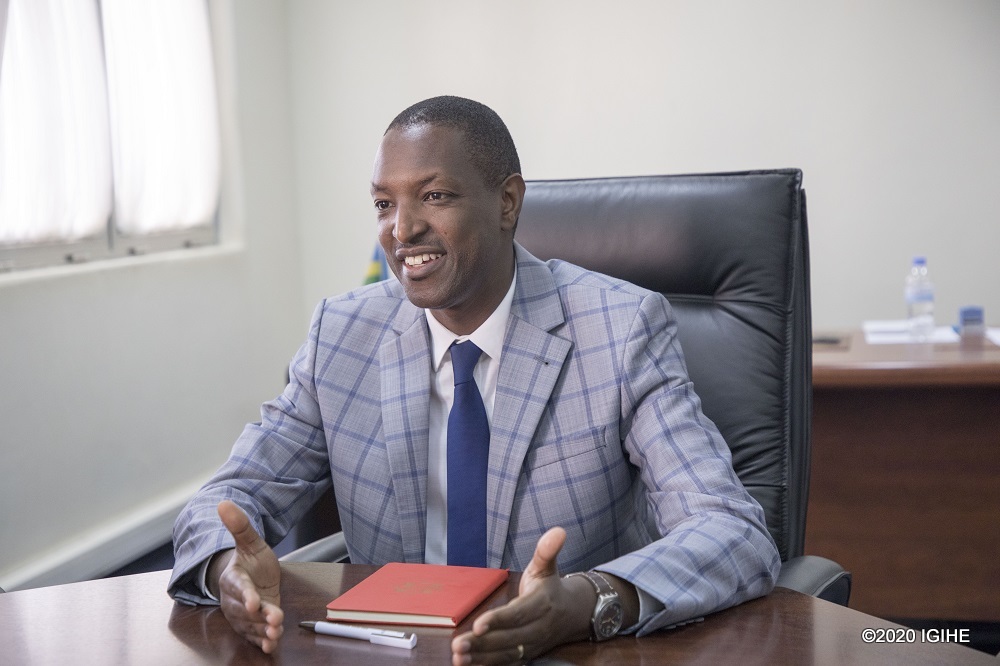
King Faisal Hospital acting Chief Executive Officer, Dr. Edgar Kalimba told IGIHE that since the hospital is managed by the government now, there will be room for improvement. He mentioned that the hospital will introduce new services including kidney transplant and heart surgery.
“We are planning on improving our services to incorporate heart surgery and kidney transplant. So far, we have the facilities to help patients with kidney diseases filter and remove waste, minerals, and fluid from their blood by producing urine. In the future, we expect the hospital will have the facilities to conduct kidney transplants.”
People with the end-stage renal disease usually go to India for treatment. Besides kidney transplant being a costly procedure, patients are also subjected to a lifelong medication routine including immunosuppressant medicines to stop the body from rejecting the new kidney.
Dr. Kalimba mentioned that once the hospital will start conducting kidney transplant, the procedure will be less costly than travelling abroad for medical care.
“Travelling for medical care can be very costly since patients have to pay for airfare, hospital bills and stay. King Faisal Hospital will facilitate the procedure since patients will no longer need to travel.”
King Faisal Hospital currently has 40 specialized physicians on a total of 80 doctors but none of them is qualified in conducting kidney transplant.
Dr Kalimba said that the hospital will request the expertise of specialized doctors to treat patients with kidney diseases in the future.
Between 10 and 15 medical experts are expected to join the hospital to treat heart and venous diseases as well as blood infections such as Septicemia.
The ongoing works are expected to cost an estimated Rwf 18 billion. The first construction phase started towards the end of 2019 and will end in 2021 costing $20 million (Rwf 18 billion). The Government of Rwanda as the main shareholder will cover all the expenses.
The construction work includes 45 outpatient consultation rooms, a research, and training centre and a VIP consultation room to mention a few. The hospital will also train personnel to provide better services and adopt a practice-based curriculum to allow medical students to gain knowledge in various medical fields.
Dr. Kalimba said creating an in-house biomedical research center will remarkably improve patient care and add on the effectiveness and efficiency of healthcare services at King Faisal Hospital.
King Faisal Hospital is the largest referral hospital in Rwanda and has been nominated for ‘the health centre of excellence in East Africa in 2013. In March this year, the hospital will be reevaluated to analyze its performance over the last 7 years.
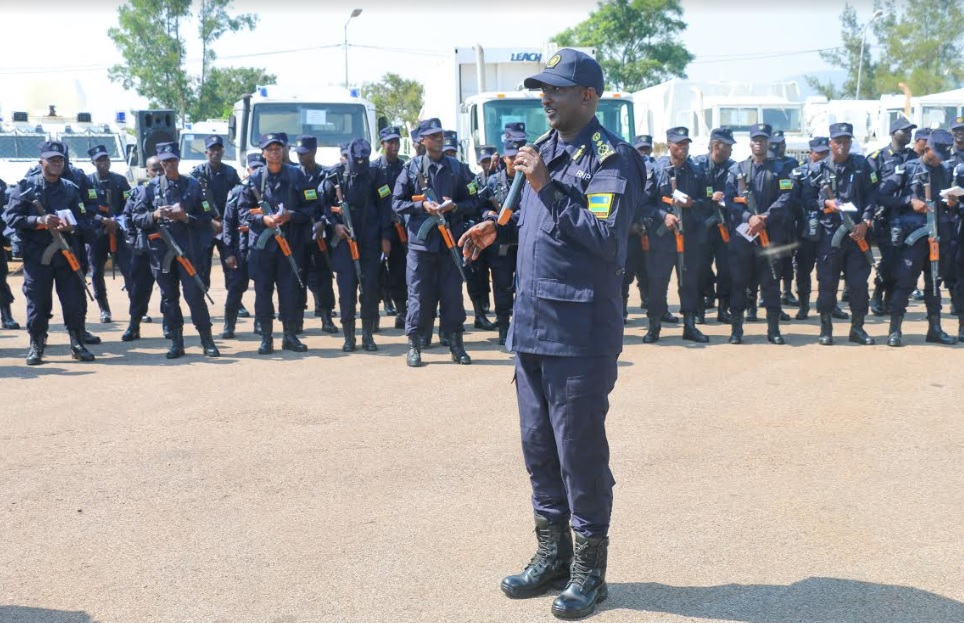
The Protection Support Unit-Five (PSU-5) contingent of 140 Police officers under the command of Chief Superintendent of Police (CSP) Valence Muhabwa is set to replace PSU-4 under the United Nations Multidimensional Integrated Stabilization Mission in the CAR (MINUSCA) rotation.
During the pre-deployment briefing on Tuesday at the Rwanda National Police (RNP) General Headquarters in Kacyiru, DIGP Namuhoranye said that “preserving and holding the national flag high goes with discipline, professionalism and facing the challenges positively.”
“Your country selected, trained and equipped you to accomplish your mandate. You are not the first to be sent for this national duty, so we expect nothing less; continue setting the bar high and set a challenge for those who will replace you,” DIGP Namuhoranye said.
He urged them to aim for “incident-free mission” which he said is determined by discipline, team spirit, respect and professionalism.
“Be where you are supposed to be in the right time doing what you are required to do. Whatever you do, even when off-duty, the way you speak, walk, dress, stand, and operate; everything should depict the Rwandan values in you.”
“Any error by one Police officer affects the whole contingent, the institution and your country and we can’t afford that.”
Rwanda started deploying Police peacekeepers to CAR in 2014. PSU is one of the three Rwandan Police contingents currently serving under MINUSCA, each composed of 140 officers. Two other contingents serve as Formed Police Units (FPU)s.
The PSU is particularly in charge of security for CAR Prime Minister, MINUSCA Special Representative of the UN Secretary General and other high profile government and UN officials as well as other special duties assigned under Joint Task-Force Commander.
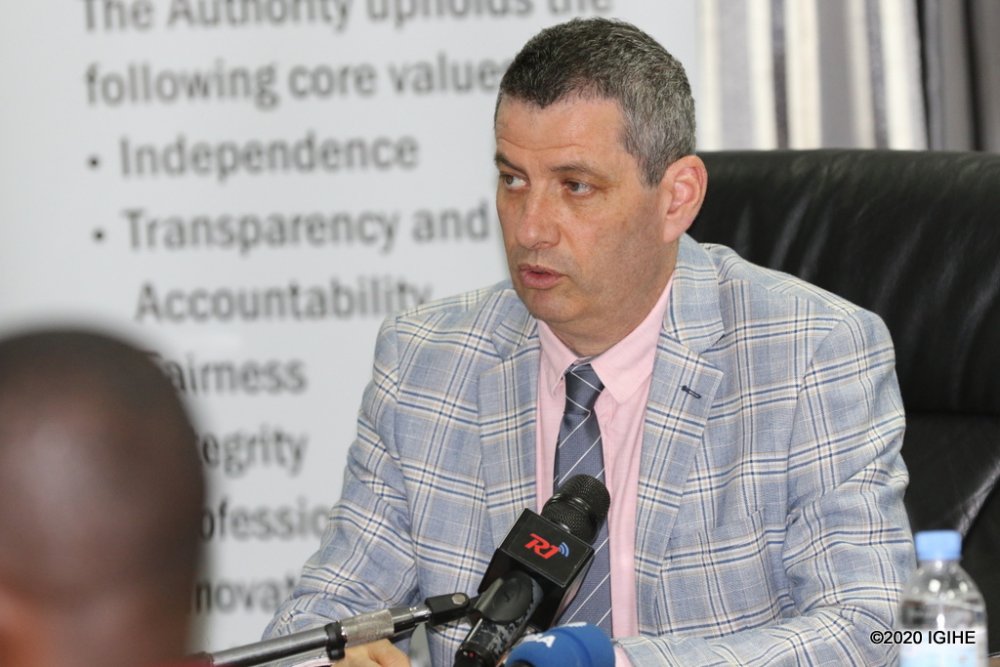
Ron Weiss, the Chief Executive Officer of Rwanda Energy Group (REG) mentioned it on Tuesday, 14th January as he announced new electricity tariffs revising them from Rwf192 per kilowatt-hour (KWh) in 2018 to Rwf 186 per KWh.
Currently, 53% of households (about 1.4 million houses) in Rwanda have access to electricity including 1 million connected to the grid while the remaining 400,000 use off-grid electricity.
“We have up to 2.8 million households with no access to electricity and we have doubled efforts to connect them to the grid. However, we are anticipating that in the next 4 years, a million other houses will be built, meaning we will have to provide electricity to at least 2.4 million households by then. However, the major hindrance we are facing is the large budget required to achieve our objective. We need $850 million to achieve our target.”
Weiss said that with the support of partners in the energy sector, they are confident that 100% of households will have access to electricity by 2024.
Rwanda Development Board (RDB) recently announced that in 2019, Rwanda banked new investments worth $2.46 billion (Rwf 2300 billion). The energy sector accounts for 45% of new investments including the construction of the Rusizi III dam worth $613 million, the Gasmeth Energy Project worth $442 million and the Nots Solar Lamps project worth $72 million.
There are also several other energy projects including Gisagara Peat Power Plant that is expected to provide 80 Megawatts, Rusumo high dam which will provide 80 Megawatts as well and Rusizi IV high dam expected to provide 287 Megawatts that will be shared between Burundi, DRC, and Rwanda.
Wess said that by 2024, Rwanda will have 556 Megawatts which will be enough to supply electricity to all households and industries in Rwanda. To achieve this, he said REG plans on building more transmission lines to ease access to electricity.
On Tuesday, January 14th, 2020, Kamariza Olive, the victim, and wife of Ndabereye wrote a message on her Twitter account showing a picture of herself after Ndabereye violently beat her injuring a large part of her scalp.
She also mentioned several other instances where her husband abused her despite continuous mediation where both her husband’s family and hers tried to mend their relationship. She tagged President Paul Kagame, Rwanda National Police, Rwanda Investigation Bureau (RIB) and several media houses in Rwanda pleading for help and protection from her husband.
Ndabereye was scheduled to appear in court today at 2:30 PM to negotiate potential release while his case is being investigated.
The trial of Ndabereye will be open. Open trials educate the public about the criminal justice system, give legitimacy to it, and have the effect of enabling the public to see justice done.
Gatabazi Jean Marie Vianney, Northern Province Governor replied to her that his trial had been postponed and postponed to January 29th, 2020 at Stade Ubworoherane in Musanze district.
“We are assuring you that with the collaboration of Rwanda National Police, you and your children are safe and justice will be served. Your husband’s trial which was scheduled today has been postponed to January 29th, 2020 at Stade Ubworoherane.”
3)Arafungwa @ProsecutionRw@Rwanda_Justice irabizi nuku itariki 09/10/2020 yaburanye gukurikiranwa ari hanze urubanza ruzasomwa ejo 14/01/2020 nkaba nishinganisha,ngutabariza kuko ejo azanyica ashyire mu bikorwa umugambi yahoranye wo kunyica nkuko yabimbwira
His death was announced by the state-run Oman News Agency via its official Twitter account. The royal court immediately declared three days of mourning.
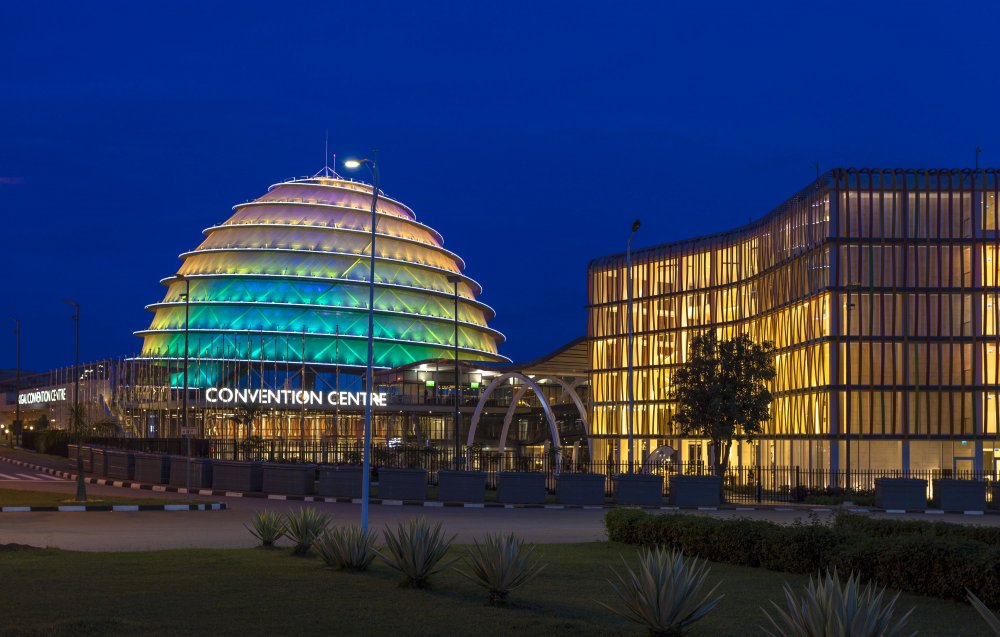
The exhibition was to be held at the Kigali Convention Centre bringing together food and beverage vendors, clothes brands, aluminum, and asphalt manufacturing companies and construction companies from Oman.
The exhibition was organized by The Public Authority for Investment Promotion & Export Development (Ithraa) in partnership with The Public Establishment for Industrial Estates (Madayn).
The organizing committee of the OPEX exhibition announced that due to the sudden death of the Sultan and after discussion with Oman government authorities, the OPEX will be cancelled until further notice.
However, the OPEX organizing committee announced that new dates for the exhibition will be announced within the shortest delay.
The OPEX is expected to attract up to 250 vendors and serve as a discussion platform for investors from Rwanda and Oman.
Omani Products Exhibition was launched in 2012 and Kigali will host the 10th exhibition that will showcase a variety of products and services manufactured in Oman and that are exported in more than 140 countries around the world.
Maymuna al Adawi, Ithraa’s Director of Export Facilitation had previously said that Rwanda’s economic performance is impressive given that most income does not provide from agricultural exports but from impeccable service provision that contributes to a continuously improving economy.
“We see great investment potential in Rwanda and we are confident the Omani Products Exhibition will be successful.”
Oman News Agency mourned the death of the 79-year old Sultan in a Twitter message which read “His balanced policy of mediating between rival camps in a volatile region had earned the world’s respect.”
As part of the mourning, Oman flags will be taken down in homage of the late Sultan for 40 days.
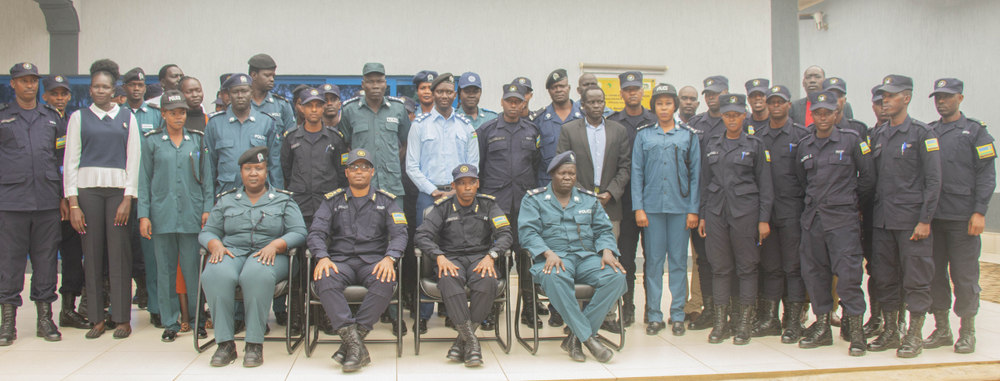
The course, the second of its kind, was organized as a requirement and condition by the International Civil Aviation Organization (ICAO) for all officers working at the airports.
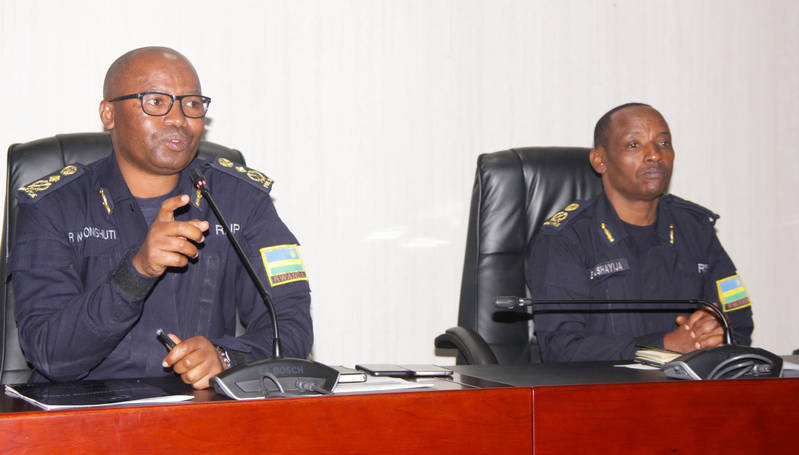
Commissioner of Police (CP) Robert Niyonshuti, Commissioner for Training and Development in RNP, while officially opening the course, said that the aviation industry provides the only rapid worldwide transportation network, which makes it essential for global business and sensitive for security.
“It generates economic growth, creates jobs, and facilitates international trade and tourism; commercial aviation remains an attractive target for terrorists, active shooters… airports are vulnerable to various luggage filled with explosives and weaponized drones,” CP Niyonshuti said.
He added: “Terrorist groups or criminals may recruit airport employees to commit terror acts, to facilitate smuggling of drugs, weapons, and contraband; all these equally make addressing insider threats a priority. Aviation safety and security call for our constant vigilance, and strategic anticipation at all levels, to stay ahead of the threat.”
CP Niyonshuti noted that criminals are developing new concealment techniques and looking at non-conventional weapons to commit crimes, which calls for professionalism and further upgrading skills of security organs.
“Securing our airports requires continuous training of staff and a high level of professionalism. It has come at the right time when our countries are on the right track in the development of the aviation industry.”
The training, he said, will provide added knowledge, technical know-how, and capabilities for airport security.
During the three weeks, participants will cover civil aviation skills, an overview of international civil aviation security, access control of people and vehicles, recognition of explosives and other restricted articles; search procedures; patrol and guarding airport, screening and searching passengers; luggage and protection of aircraft, among others.
This followed the merger between former Commercial Bank of Africa Limited (CBA) and NIC Group PLC (NIC Group) which took effect on 1st October 2019 and resulted into NCBA Group PLC (the “Group”) as the holding company of Commercial Bank of Africa (Rwanda) PLC.
Subsequently, on the 31st December 2019, The National Bank of Rwanda (BNR) issued the Bank a new operating license under the name NCBA Bank Rwanda PLC.
Ms. Lina Higiro, CEO of NCBA Bank Rwanda PLC said, “We are delighted to adopt a new name and brand identity, which will enable our bank to leverage on the strengths, values and historic legacies of the merged entity – NCBA Group PLC”.
“Our new brand identity sets us apart in a bold and distinctive way that resonates very well with our customers. With the financial strength, expertise, regional connectivity and expanded range of products and services, NCBA Bank Rwanda PLC is set to become a market leader in Corporate, Retail, Asset Finance and Digital Banking within the region.” says Ms. Lina Higiro.
NCBA Group PLC operates a network of more than 100 branches in five countries including Kenya, Uganda, Tanzania, Rwanda and Ivory Coast. Serving over 40 million customers, the NCBA is the largest bank in Africa by customer numbers.
The public is advised that the bank will finalise the rebranding process over the next one month.
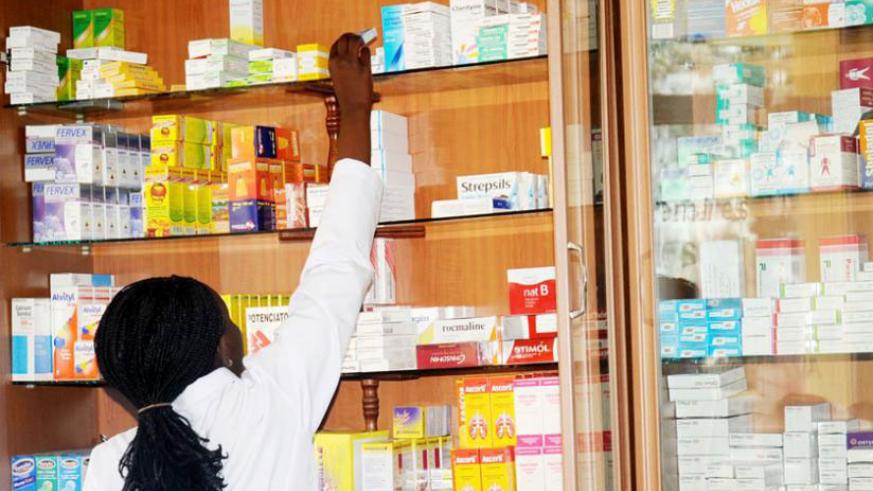
In Rwanda, drugs are sold only in pharmacies and other qualified institutions under the supervision of a healthcare professional. Pharmacists are trusted mainly as they are intensively trained for 4 to 5 years in Rwanda, in which they gain an extensive knowledge of prescription medicines and their effects on patients.
However, as any lucrative business, some pharmacists are more focused on earning profit.
The law stipulates that most medicines can only be sold or supplied against a prescription at a pharmacy under the supervision of a pharmacist. However, pharmacists across the country continue to sell over-the-counter drugs despite prohibition.
Over-the-counter (OTC) drugs are medicines sold directly to a consumer without a prescription from a healthcare professional.
Even though some medicines do not require medical prescription, several reports condemn pharmacists in Rwanda who sell drugs to patients with no prescription whatsoever and that calls for stricter legal controls to address the issue.
Prof Kayumba Pierre Claver, a pharmacy expert from the EAC Center of Excellence for Vaccines, Immunization and Health Supply Chain Management told IGIHE that selling over-the-counter drugs is an alarming issue that must be dealt with through stricter regulations.
“Medicines should never be sold anyhow and patients should know drugs components have different side effects depending on the patient and hence should never be consumed without the advice of a health professional. As for pharmacists, dispensing medicines without the written prescription of a medical practitioner should be considered a criminal act and a violation of pharmacy regulations.”
{{The root of the problem}}
The illegal sale of prescription drugs has surged recently and is identified as one of the major causes of over-the-counter drugs. Normally, licensed health care professionals, such as doctors or pharmacists should be the only ones to sell medicines.
Some pharmacy owners reportedly instruct pharmacists on the counter to make money in every possible way rather than practicing as professionals.
The issue is exacerbated by the overcrowding of pharmacies in one area which leads to competition and a relentless race to earn profit hence increasing deceitful practices.
In addition, a shortage of qualified practitioners adds to the workload of physicians and pharmacists who are unable to exercise their functions as should be. Also, some pharmacies sell medicines that are close or past their expiry dates just to get rid of stockpiles of expired pharmaceuticals.
The international drug prohibition law states that any drug that has exceeded ½ of its duration should not be sold or allowed to pass the borders of any country.
The Ministry of Health and the Food and Drugs Authority (FDA) are required to impose stricter sanctions on the sale of unlicensed controlled substances including prescription drugs as the current regulations are seen to be too lenient.
Practitioners are also recommended to observe the legal framework for drug trafficking to address the sale of over-the-counter drugs.
Currently, one pharmacist in Rwanda cares for up to 14,000 patients per year. The objective is to reduce the number to one practitioner for 1 patient by 2025.
There are no definite statistics that show the effects of prescription drug abuse but the misuse of medication such as painkillers can have dangerous consequences.
For example, opioids can cause choking, changes in mood, decreased cognitive function, interruptions in the menstrual cycle, infertility and slowed breathing. The misuse of anti-depressants, sedatives or tranquilizers can cause severe addiction problems, lead to coma or death.
She lived in Kigenge Cell, Giheke Sector, Rusizi District, and was killed around 7 p.m. on Saturday, January 11, 2020, on a road that runs through a forest in Rwamiko village of the Kigenge Cell. She was returning from a visit to her children who live in Kamashangi Sector.
The executive secretary of Giheke Sector, Hagenimana Jean de Dieu told IGIHE, “She [Bayavuge Béatrice] was coming from Kamashangi but as she reached near her home, at the forest, she met criminals who strangled her using a scarf she wore. We suspect that they also raped her. The investigations are still going on.”
Bayavuge Béatrice’s body was taken to Gihundwe hospital for autopsy. Meanwhile, the authority said that no one has yet been arrested for the crime.
Residents in the area have asked authorities to install road lights in the area to check crime.