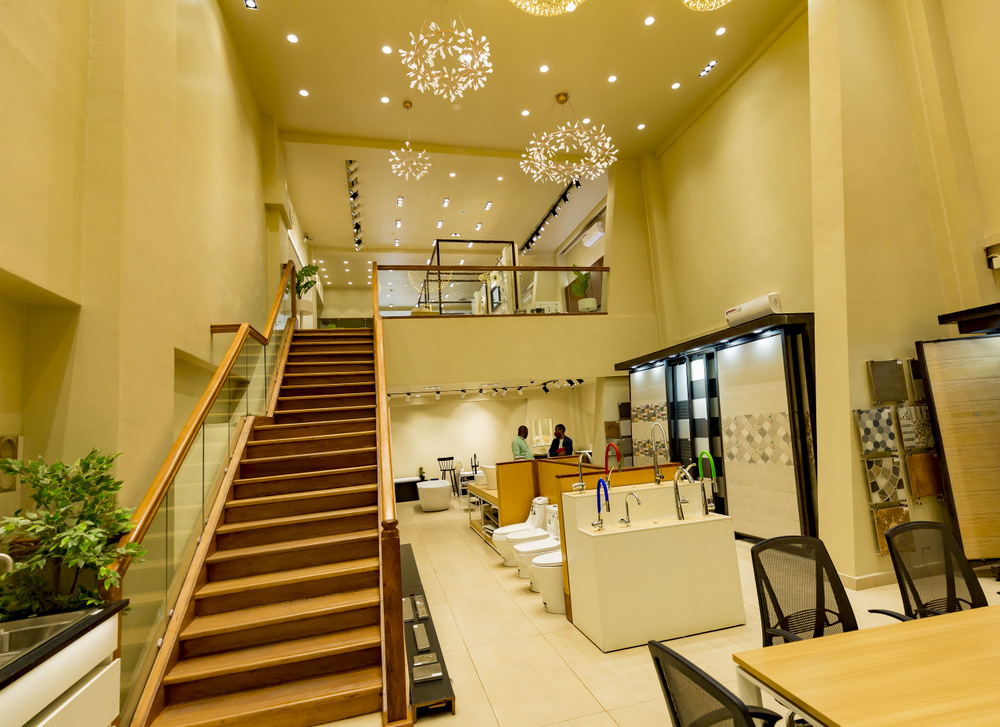
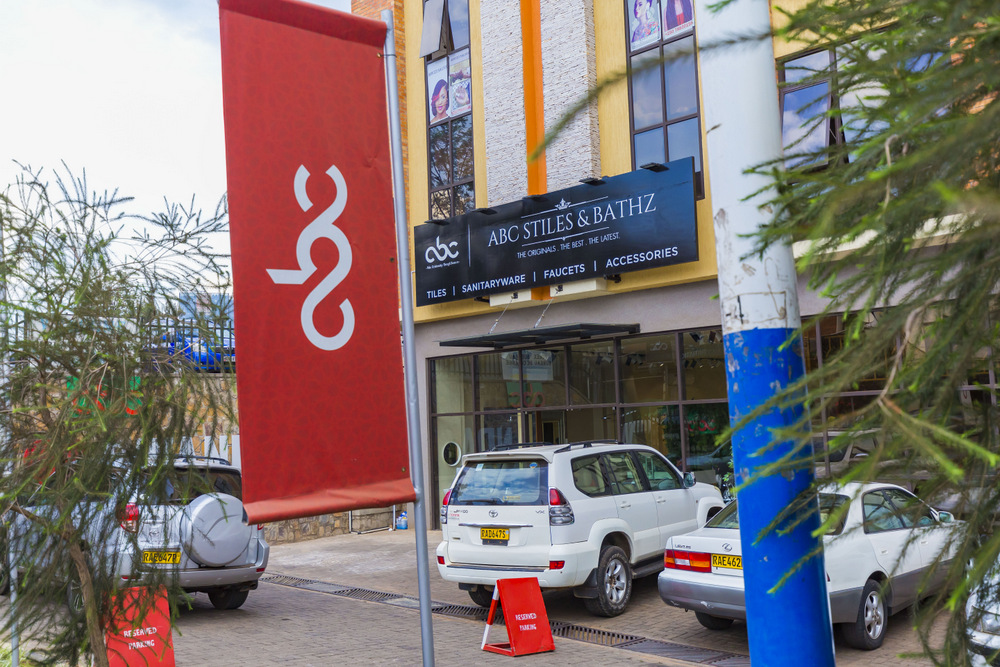
Popular ABC groups in countries such as Qatar, Oman, China, Uganda, and Tanzania have now opened a branch in Chic, MIC room, where buyers can find modern Bathx and Toto toilets.
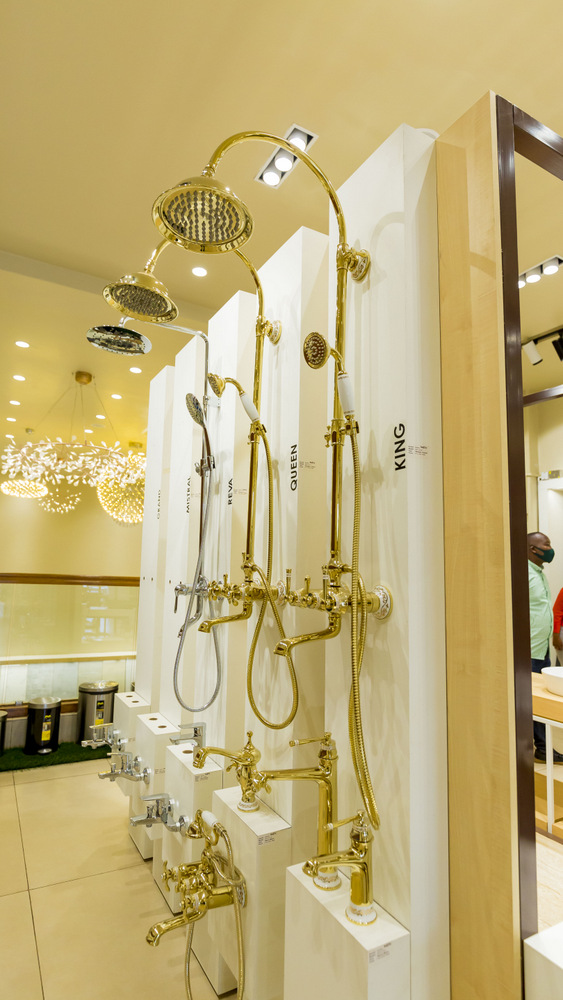
In this ABC group branch, one can find taps of the Grohe type of Germany, Toto of Japan, and Bathx.
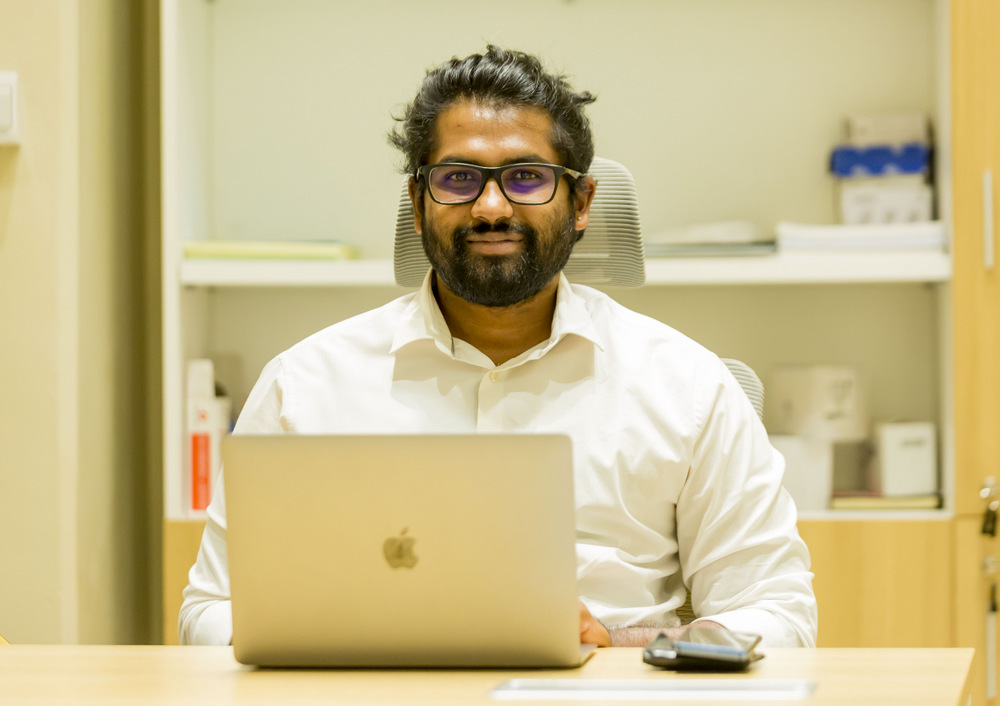
In an interview with IGIHE, the Director of ABC Group Rwanda, Ajay Kumar said that they have decided to open a branch in Rwanda after realizing that the country has the best security systems in the region, backed by the ease with which investors are facilitated to do business.
Kumar says the uniqueness of ABC Group is that it has affordable and durable products.
In ABC Group Rwanda you can also find Estonian bathtubs, Bathx, and Toto bathtubs. Porcelain, Ceramic, and Smart toilets.
Kumar says there are plans to expand its operations in the near future and add lighting and kitchen appliances.
ABC Group is the pioneer enterprise engaged in the field of building material industry with the purpose of helping people to transform their world. It’s committed to make the world a better place through an innovative business which provides inspiration for luxury living. It has the largest collection of high-quality tiles, sanitary wares, bathroom fittings, and allied building materials.
ABC Group started its journey in December 1998 from Taliparamba, Kerala, India. It has been taking the high road of success for the last 20 years.
Victor Okorafor of Empathy Manor Ltd has had a discussion with the Director General of the Rwanda Chamber of Tourism at the Private Sector Federation Frank Gisha Mugisha. The discussion is shared on their YouTube channel.
RCT was established in 2006, with a mandate of enhancing business opportunities through effective lobbying and advocacy for the tourism and hospitality industry in Rwanda. It is an umbrella of all other associations that are engaged in tourism and hospitality business. The Director General of the Rwanda Chamber of Tourism at the Private Sector Federation Frank Gisha Mugisha, Says member companies and associations of the RCT have a number of benefits that come with their affiliation.
“The benefits include advocacy where we act as the voice of all players in the tourism sector in relation to policies that do a favor or create a more enabling business environment. Also, the Rwanda Development Board, RDB, through the tourism office has done a lot to create a policy which facilitates investment in Rwanda. Here in Rwanda tourism is one of the biggest foreign exchange earners, contributing 10% of the Gross Domestic Product, GDP, [as per statistics for 2019] and also employing about 150,000 people mostly the youth,” says Frank.
He adds that whenever there is a policy that has been adopted by the government, the RCT review it with an ultimate purpose of harnessing it to ensure that it promotes vibrancy of tourism and hospitality sector other than stifling it.
Recently, RCT has initiated a number of programs to support members of the chamber to enable them recover from business shocks visited on them as results of COVID-19. Komeza Program is one such initiative. It was launched under MasterCard Foundation to help members recover from financial strain brought about by business hibernation and the associated loans. Another, “Hanga Ahazaza” one of the MasterCard Foundation’s programs aimed to empower youth and women but also to create jobs especially focusing on the tourism sectors.
Rwanda Chamber tourism creates relevant linkages to mobilize its members to apply to these grants and gives them technical assistance and guidance to apply to general grants that can qualify for the Komeza program.
“One of our key areas of focus is capacity building for our members. This is through identifying whatever missing in terms of skills, what is the gap and what could be done better to fill the gap,” he added.
He added that “We started a campaign of domestic tourism which now we are growing to regional and maybe later as various countries open their airspaces we can go also international. Someone who has been used to doing international marketing now it’s an opportunity to sit down and think of what he can do better t and even tap the potential with domestic and regional tourism.”
Victor went on to ask the basic guidelines of operations.
“One is to register your company to RDB and then go come to the chamber of tourism for orientation. In orientation is all about what, where, who can you network with to do your tourism business and join the Rwanda Association of tour operator,” said Frank.
There are several events organized by the tourism board. One of them is the Kivu Belt Festival is one of the events that happen out of Kigali. This brings together the conservationists. In the western part of the country, we have regions with tropical rainforests, hills, beautiful lakes, and Nyungwe national park (rich with Flora and Fauna).
“In Kivu Belt, there is always an event which we have been doing in connection with our partners to showcase what the region has in potential of attracting or promoting tourism. We have various community best tourism actors to showcase the products, packages, hotels around there which attracts people within the country, around neighboring countries, and also international.“
Post-COVID is still a big project for tourism. Starting from this month there is a business development program which will be stabled starting from this month to aiming at providing support to their members to stay strong and still resilient. This will be more of access to finance, reducing costs, grant proposal, business plan, and even reviewing or revisiting your input or output ratios to stay in business.
Frank says that people should visit Rwanda because it has many beautiful things that attract tourists such as magnificent hills stretching from south to east, mountainous gorillas, tropical rainforest, and many others.
Rwandan has empowered these sectors and various segments such as religious tourism which is being given a boost from the government. Talking of also sports tourism there is a cricket stadium, sports stadiums, and by next year we shall have one of the best gold stadium golf stadiums in the region.
Another segment that Rwanda has taken an advanced stage into excelling at is meeting or conference tourism. Since 2017, Kigali is considered ranked by the international conference association as number two, second from Cape Town to host conferences on the international events. We have Convention Center as a boost for international events, Kigali Arena for an international sporting event, and also Intare conference Arena. All those are venues for events with the capacity to host meetings of over three thousand people.
Above all happening in this hospitable and friendly culture from the Rwandan people, Kigali is regarded as one of the cleanest cities in Africa and over the world.
Get affordable room rates, book and stay with Empathy Manor on our website.
https://empathymanor.com/book-now-book-empathy-manor-guesthouse/
For more news and details regarding Empathy Manor Guest House, and other insightful details on Rwanda, Hospitality, and Tourism, please visit Empathy Manor’s blog: https://empathymanor.com/blog/
Website: https://empathymanor.comAutomatic word wrap
Facebook: https://www.facebook.com/empathymanorofficialAutomatic word wrap
Twitter: https://twitter.com/empathymanor?s=12Automatic word wrap
The two have been widely quoted in discussions on Rwanda-Uganda relations as people who have continued to take part in activities aimed at undermining its security and seeking to destabilize it, through the organization they founded, the Self-Worth Initiative.
They are also accused of recruiting members to join Kayumba Nyamwasa’s RNC terrorist group, who are accused of being members of the Chieftaincy of Military Intelligence (CMI) and accused of being Rwandan spies.
In July this year, a Ugandan citizen took to court Sulah Nuwamanya, Prossy Bonabaana, and Godfrey Chebet, accusing them of defamation, when they informed the security services that he was a Rwandan spy that he had a gun and was imprisoned for nothing.
Henry Mugisha has filed a lawsuit alleging that they fabricated charges against him and was imprisoned, investigation revealed that he was innocent and released. The charges against him were crimes that could result in the death penalty or life imprisonment.
The betrayal began as they shared a business through Lloyd FX, Sulah Nuwamanya, and Prosy Bonabaana and Mugisha became its shareholders. Problems escalated when at a March 23, 2020 meeting, Mugisha asked them about the disappearance of $ 35,000 of the organization.
Those who broke into Mugisha’s office took the company’s financial statements, stole $ 2,500, and filed a lawsuit in court. Realizing that their actions were illegal, they began to threaten him that if he doesn’t stop the allegations, they would hand him over to the security services.
One who provided information to IGIHE said that when Mugisha filed a complaint with the CID, he was intimidated by Prossy Bonabaana because he had police guards given to him by Museveni.
A letter summons Nuwamanya, Bonabaana, and Thomas Sankara of September 7, 2020, urging them to report to the police on Monday, September 14, 2020, for questioning on suspicion.
One of the analysts pointed out that Nuwamanya and Bonabaana ‘are plundering the bad relationship between Rwanda and Uganda. They are jobless so what they do is threatening to slander Ugandans or Rwandans who are going to take advantage of it but of course they also have people from the CMI who are working with them,” he said.
Another one b said: “The police investigation department is investigating, they have identified them and that is why they have called them. Even in the security forces, they know that they were giving false information and imprisoning people. ”
“These people could be imprisoned for years. The CMI is starting to realize that they have been misled a lot,” he said.
Sulah Nuwamanya became a journalist for The New Times Publications, studied in Rwanda, and has a Rwandan identity card, although she was a Ugandan, and came to the forefront of its security and persecution of Rwandans living in Uganda.
Sulah Nuwamanya works with RUD-Urunana who is assisting in the field of weapons, while Prossy is in charge of recruiting RNC members and withdrawing its members.
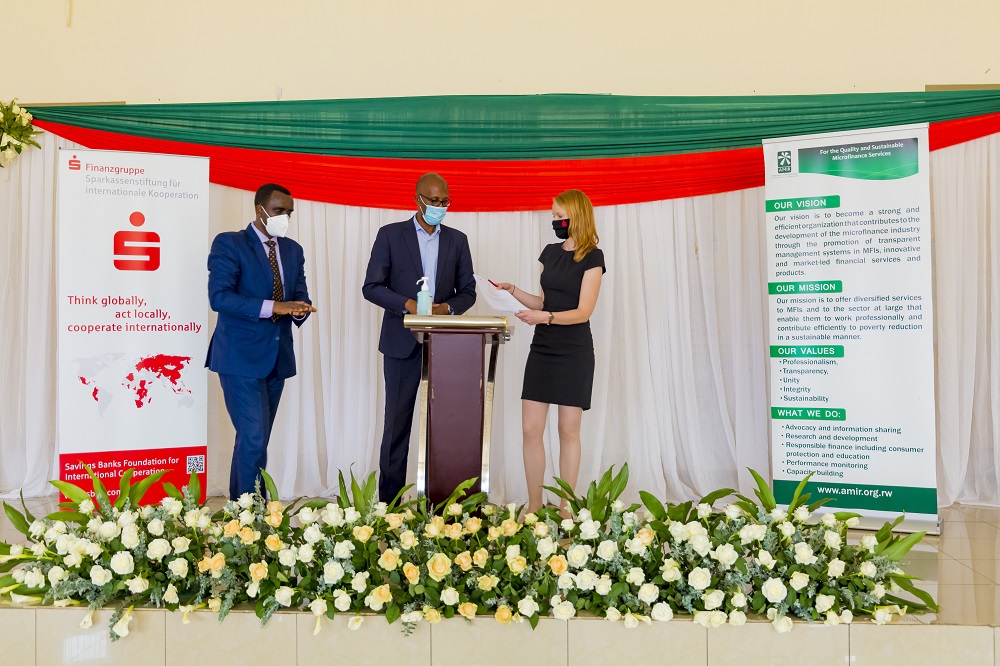
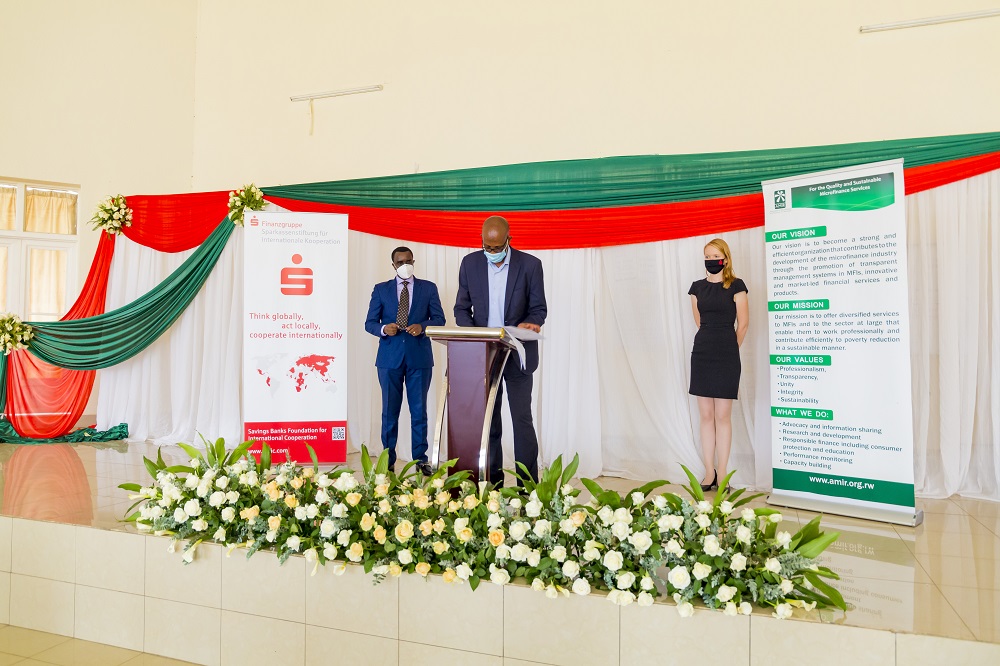
In a concluding ceremony on Friday last week the joint achievements of the two organizations were commemorated and celebrated, and decisive steps were taken to ensure that AMIR can promote the positive development of the microfinance sector without the support of its long-standing partner SBFIC.
Initially the partnership was launched in 2009 with a strong focus on financial education. The largest of the financial education activities initiated at the time, World Savings Weeks, is still celebrated annually and enjoys high participation all over the country. During this time, more than 500,000 people were sensitized and made aware of the savings culture, and more than 100,000 children opened their own savings account with a total amount of Rwf 2.2 billion.
In her opening speech, Maria Knappstein Country Director SBFIC Rwanda gave a pertinent summary of the 11 years of cooperation and illustrated the dynamic development that not only the country of Rwanda but also the entire microfinance sector has undergone during the time of this partnership, e.g. that AMIR membership increased by 850 %, from 30 up to 340 or financial inclusions (including informal ones) were promoted and could be expanded from 47 % to 93 %.
During her retrospective journey through time, Knappstein mentioned that interventions to develop the capacity of microfinance staff and bodies were another focal area that was included from the very beginning. Initially, AMIR, with SBFIC’s support, was directly responsible for organizing training courses to professionalize its members.
Soon afterwards, the idea of founding its own training academy for microfinance institutions emerged. Consequently, AMIR and SBFIC were among the key players in the conception and establishment of this academy called RICEM (Rwanda Institute of Cooperatives, Entrepreneurship and Microfinance).
Knappstein also emphasized that one partner could only grow through the other and that she is very grateful for this intensive time of partnership.
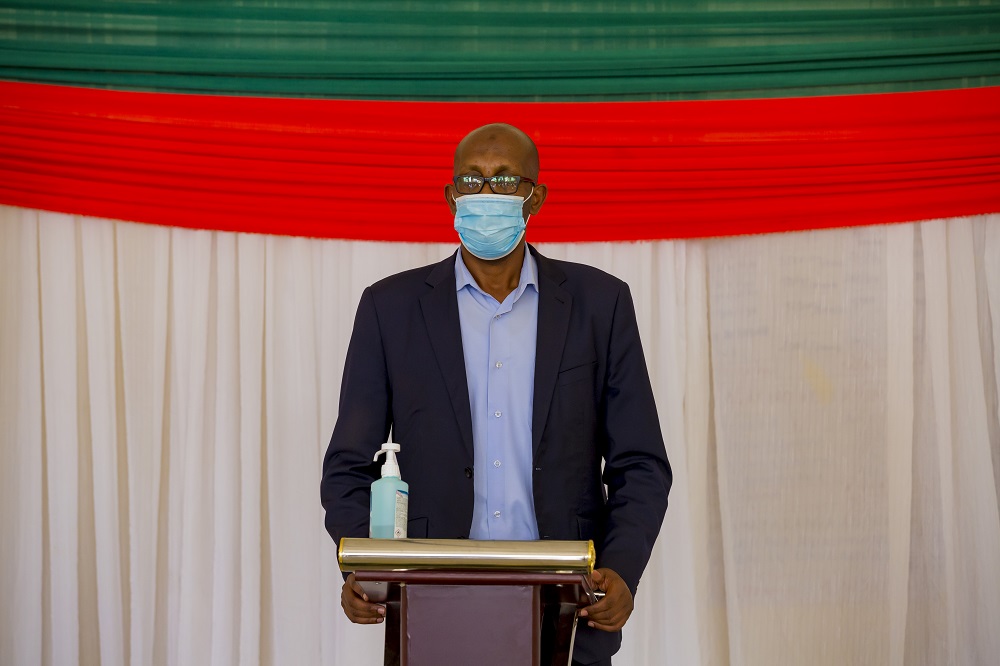
Speaking on behalf of the AMIR, its Executive Director, Aimable Nkuranga, said the project was aimed at polishing the skills of microfinance staff for better services delivery. He said that all the activities that took place have had a positive impact.
“In various training, financial institution staffs have been empowered. We have also made benchmark visits to different countries to learn best practices and share experiences,” he said.
One of the most important topics on the agenda to further boost AMIR’s activities was the signing of a license agreement for the so-called business simulations. SBFIC’s business simulations are an international brand for an innovative interactive learning experience, in which learning is supported by haptic and computer-based simulations, far away from dry theory.
The simulations offer participants a risk-free environment in which they can try things out. The main goal of the simulations is to teach people to recognize the causes of problems and analyze relationships.
By interpreting the results and evaluating the players’ performance, the teams form and refine their own success strategy. AMIR will thus be authorized to offer these business simulations to its members and beneficiaries even after the partnership ends.
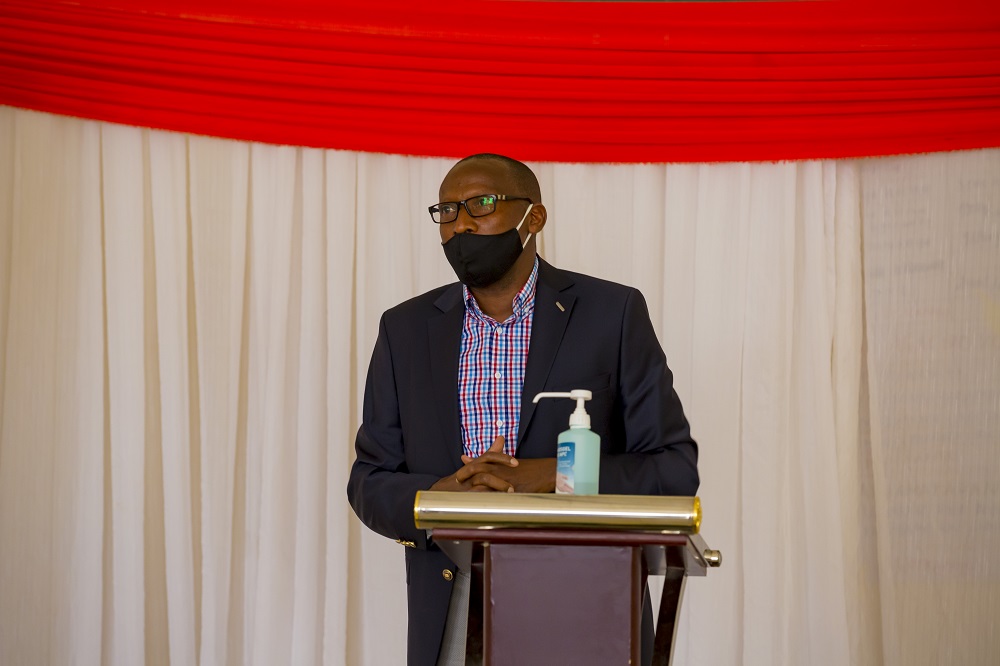
Charles Kayumba, Vice Chairman of AMIR, reported in his speech that he himself had benefited from professional training that AMIR had been conducting in the microfinance sector with the support of SBFIC from the very beginning. He appreciated the quality of the training courses developed and conducted specifically for the sector and thanked SBFIC on behalf of AMIR for the many years of fruitful partnership.
A certain level of digitization is an essential prerequisite for future activities in this sector. In order to demonstrate the supportive possibilities of digitization, the organization team arranged a quasi-live connection to Germany, in which the two regional coordinators of SBFIC East Africa, Britta and Thomas Konitzer, sent their greetings and best wishes to AMIR.
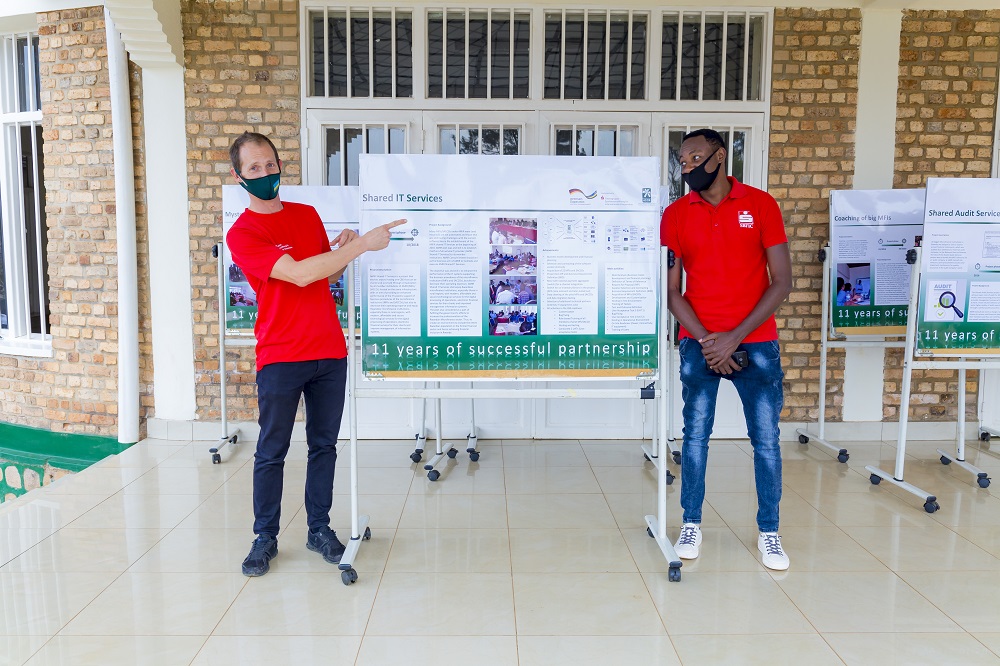
They also reminded of the joint successes, such as the introduction of Shared Audit Services or the establishment of different meeting formats with the member organizations, in order to be able to inquire for their needs directly at the basis.
Last but not least, they emphasized another success story, which was a joint development of a new product specially designed for women: Tinyuka Wigire Munyarwandakazi, launched in 2016, educates more than 5,000 women on savings and credit, with more than 7,000 accounts open and a total of Rwf 400 million that has been disbursed as loans to profitable projects, most of which have been made by women who have been trained by this project.
The subsequent handover of all joint projects was not only symbolic. Knappstein emphasized that she would not let AMIR go without the best possible preparation for their trips and ventures when SBFIC does no longer sit in the ‘passenger seat’ for potential support.
Therefore, all colleagues had made every effort to document the joint projects of the past years. All concept papers, templates, implementation plans, monitoring files and lessons learnt were collected and ceremonially handed over to AMIR on a flash drive. This includes the following joint projects:
Coaching of big MFIs, Mystery Shopping, Dual Apprenticeship System, Financial Education for Children, Member Meeting Formats, Shared IT Services, Shared Audit Services, Farmers Business Simulations, Micro Business Simulation, Savings Game, Tinyuka Wigire Munyarwandakazi and World Savings Week.
As the event’s guest of honour, the two organizations were able to welcome Mr. Kevin Kavugizo from BNR, Director of Microfinance Institutions Supervision Department, who was the only one of the attendees able to follow the entire development of the partnership between SBFIC and AMIR from the beginning and now report on it.
In his review, he reported on an impressive joint study trip, which has had an enormous impact on him and has developed him further in his role at the BNR.
He said that the BNR’s supervisory role is much easier if the capacity of MFI staff is enhanced, and that the sector is currently on a good path. Kavugizo also sees many advantages for the National Bank as a supervisory authority, provided that the entire microfinance sector emerges strengthened from this development.
He did not forget to mention, and he appreciated very much that SBFIC will remain in Rwanda despite the expiration of the partnership with AMIR in order to provide support elsewhere, for instance in the Umurenge SACCO professionalization project in the field of data cleaning and business planning for the future District SACCOs.
The concluding photoshow with pictures from the entire 11-year partnership had some treasures from the photo box ready and let the participants revel in good memories.
The tenor of all speakers expressed: ‘Let us remember each other and meet again as good friends!’
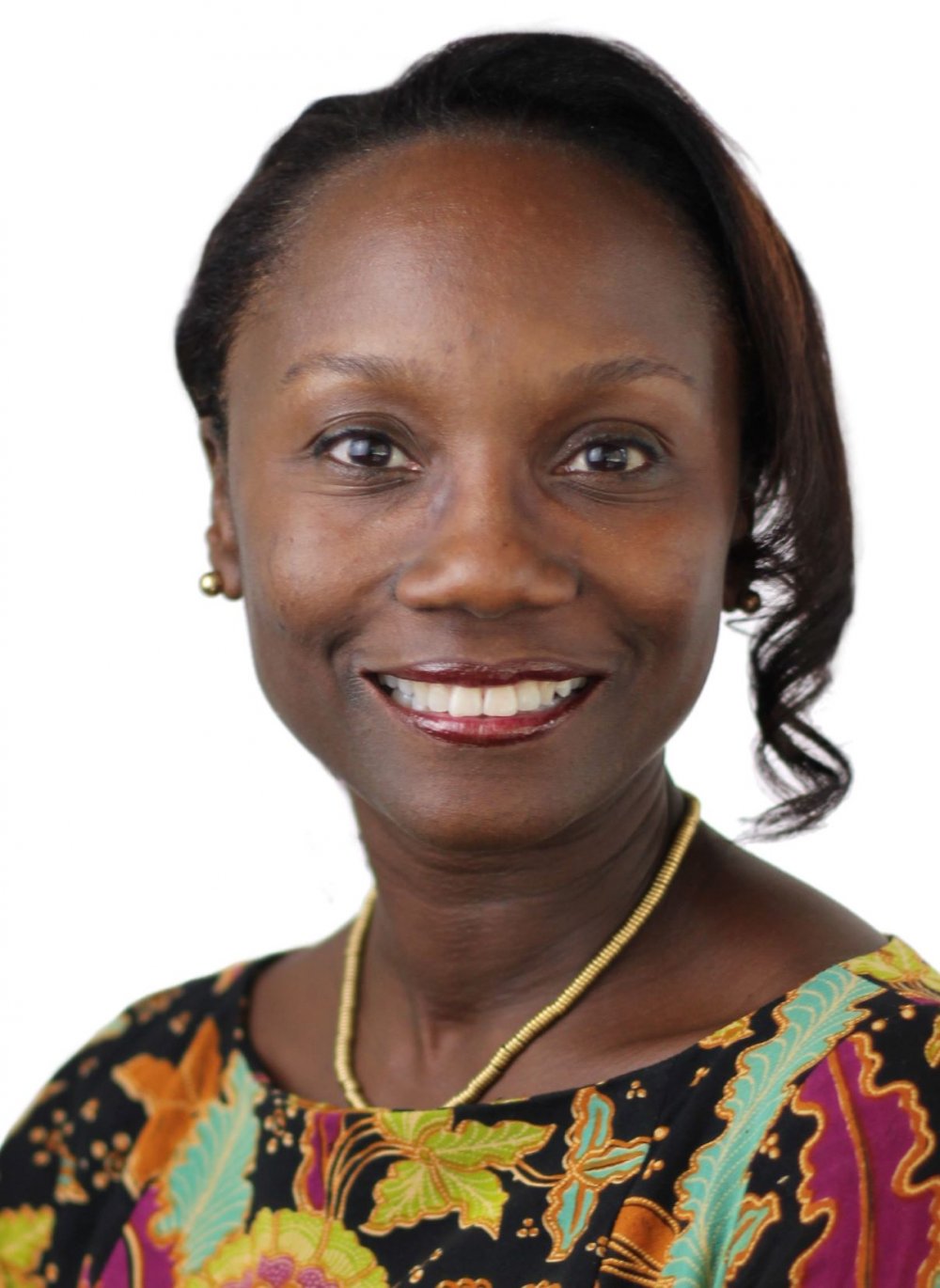
A Jamaican national, Ms. Pryce joined the World Bank Group in 2006 as Counsel in the Legal Vice Presidency, representing the Bank in operations in Latin America and the Caribbean as well as Sub-Saharan Africa and the Pacific Islands, and providing legal advisory support in finance, infrastructure, and private sectors.
She has since worked in three regions, East Asia and Pacific, South Asia, and Africa, and has overseen the World Bank Group programs in the Caribbean; Sri Lanka and Maldives; Burundi, Uganda, and Tanzania.
In 2012, Ms. Pryce was assigned to the Africa Energy Practice Group where she was responsible for quality and portfolio management of what was at that time a $10 billion portfolio.
Prior to her current assignment, she oversaw the World Bank’s Indonesia and Timor-Leste programs and was based in the Jakarta office.
Ms Pryce comes to Rwanda at a time when the World Bank Group has just approved a new Country Partnership Framework (CPF) for Rwanda. The CPF will guide the Bank’s work for the next 6 years in support of the Government of Rwanda’s strategic priorities as laid down in the National Strategy for Transformation.
Currently, the Bank Group’s portfolio in Rwanda includes 16 national projects with a net commitment of more than $1,630 million. Rwanda also participates in four regional projects worth a national commitment of $240.30 million.
Project objectives have included providing access to basic infrastructure and electricity to rural households; enhancing urban management in selected urban centers; supporting the strengthening of the social protection system and supporting the government’s COVI19 emergency response program.
Before joining the World Bank, Ms. Pryce served as legal adviser to the Jamaican Government on Public International Law and International Trade issues for over ten years; and as an Assistant Lecturer in Public International Law at the University of the West Indies.
She holds a master’s degree in Public International Law from the University College of London; a Juris Doctor from the University of Miami and a Bachelor of Science in International Business and Mathematics from the City University of New York.
The African Banker’s judging process sought to recognise the African banks that have demonstrated original and practical uses of technology to provide customer convenience, improved and more affordable services and greater access to the financial services sector in Africa.
Ade Ayeyemi, Group Chief Executive Officer said: “Winning the Award for Innovation in Financial Services from the African Banker magazine is such an honour. It provides public recognition of our pioneering role in harnessing technology to complement our pan-African presence and partnerships, to deliver accessible, convenient, affordable and innovative banking products which are making a difference to millions of lives and businesses across sub-Saharan Africa. Five years ago, we commenced a digital transformation journey to transform our banking products and services. This award attests to the success of that journey and we are delighted that our significant investment in technology is yielding the desired results.”
“Our one bank model, powered by our robust pan-African banking digital platform provides diverse products and services to governments and corporate clients using our digital platforms including Ecobank Omni Plus amongst others, Ecobank Omni Lite for our SMEs and commercial bank clients as well as our Ecobank Mobile App and Ecobank Online for our consumer clients. These are in addition to the highly effective cash management, transaction banking solutions and our cross-border Rapidtransfer remittance solution – a few of the headline-grabbing innovations that we have delivered to meet and exceed the evolving needs and expectations of our customers. I applaud all my Ecobank colleagues for their continued commitment and dedication to serving our customers especially during these challenging COVID-19 times.”
Other African banking awards won by Ecobank so far in 2020 include amongst others, Most Innovative Bank in Africa, Best Bank for Payments& Collections, Best Integrated Corporate Banking Site in Africa (Global Finance) and the Best Bank for Corporate Responsibility (Euromoney Awards for Excellence).
The factory, built in the Masoro industrial zone, is expected to start operations in mid-September, where it will be making drugs of various types, with about 80% of its employees being Rwandans.
In addition to providing employment, it will also reduce the country’s import of pharmaceuticals by between 10% and 20%.
Apex Biotech co-founder Herbeton Madari told the media that they will start with producing 10 types of drugs.
“We are now ready for the work to start in mid-September as everything has been put in place, and machinery installed. We will start with 10 types of drugs and then expand as time goes by.”
The factory will have the capacity to produce 800 million packs of pills a year, 200 million capsules and, eight million bottles of syrups.
Rwandan and Bangladeshi investors have shares in the new company.
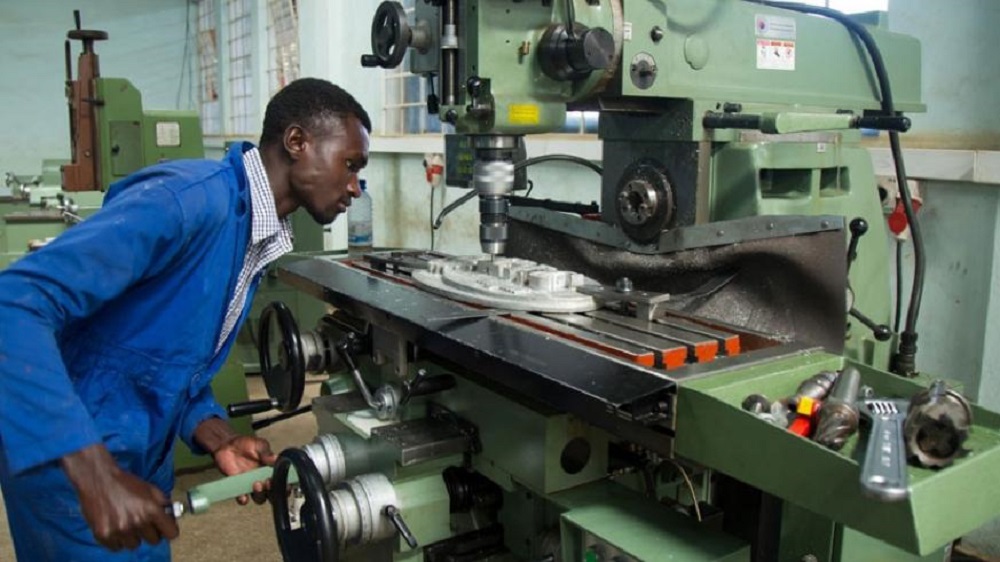
The objective of the financing agreement is to strengthen the Technical and Vocational Education and Training (TVET) systems and structures in Rwanda and develop competent TVET graduates who can meet labor market demands.
Dr. Uzziel Ndagijimana, the Minister of finance and Economic Planning and Mr. LEE Byunghwa , the Country Director of KOICA in Rwanda signed on behalf of their respective institutions.
Minister Ndagijimana said that technical skills have an important role in attaining increased output, reducing unemployment and poverty, as well as enhancing social development in Rwanda.
“Rwanda’s industrial base is growing but it does not match skills available in the country. It is important that we address the skills gap to ensure that the economy continues to grow and remain competitive and this support will contribute immensely to this goal,” Minister Ndagijimana said.
Deputy Director Myung Keun Choi said that the project builds upon the experience in the TVET sector and success of TVET Technical Assistance Pooled Fund that ended last year.
“This support will create a comprehensive and broad system that will guide the TVET training in Rwanda to ensure the effectiveness of our intervention while sustaining the results in the long term. We have no doubt that the new project will contribute to further strengthening of the TVET sector in Rwanda,” Mr. Myung Keun Choi noted
KOICA’s Rwanda program has since 2006 shifted from volunteer dispatch to strengthening cooperation through project and program based with priority partner states. KOICA currently has 10 on-going projects in Rwanda worth roughly US$ 32 million. Under the division of labor KOICA is active in education, agriculture, ICT and silent in urban and rural settlement.
On August 17th, the Coalition of Caribbean Leaders for Peace (CCLP) consisting of the former and current leaders in the Caribbean including the former president of the United Nations Human Rights Council (UNHRC) sent a joint letter to South Korean Foreign Minister Kang Kyung-wha and the United Nations High Commissioner for Human Rights Michelle Bachelet.
In the letter, they said the governments, even in response to the urgency of the pandemic, must take responsibility for the protection of human rights regardless of religion, race, ethnicity, or socioeconomic status and expressed concern about ongoing oppression against Shincheonji Church, a South Korea-based Christian denomination that suffered from the unexpected mass infection at the beginning of this year.
Ahead of this joint letter, 11 NGOs including the European Coordination of Associations and Individuals for Freedom of Conscience (CAP-LC) submitted the “annual report for the UN High Commissioner for Human Rights” regarding the inappropriately targeted discrimination against Shincheonji Church to the UN Secretary-General.
The annual report was titled “Scapegoating Members of Shincheonji for COVID-19 in the Republic of Korea”.
The letter briefly pointed out the facts surrounding Shincheonji and Covid-19 as follows;
〮 Covid-19 was introduced to South Korea from China.
〮 According to the Korea Centers for Disease Control and Prevention, the virus was already prevalent in the city of Daegu before the confirmation of (Shincheonji) the Patient 31 (in Daegu).
〮 The government’s refusal to close the border to China contributed heavily to the outbreak.
〮 In the face of growing public discontent that the government did not impose a travel restriction on China, Justice Minister Choo Mi-ae ordered the prosecution to investigate Shincheonji.
〮 Vice Minister of Health confirmed that the list of private identification information gathered was not much different than that collected and checked by the government.
〮 Prosecutors have arrested the officials of Shincheonji on the grounds that the list of congregation members submitted by Shincheonji was not complete.
By referring to the report “Factsheet on the global response to the coronavirus (COVID-19) and the impact on religious practice and religious freedom” by the United States Commission on International Religious Freedom (USCIRF), the joint letter reiterated that South Korea provides a vivid example of how public health emergencies can increase the risk to marginalized religious groups.
They pointed out that the South Korean government’s silence about the current situation would set a dangerous global precedent for allowing similar persecution, violence, and harassment against other religious minorities, and strongly urged the Korean government to “step forward to an end to this discrimination.”
Secondary education that provides relevant skills to young workers will help improve productivity, particularly in the informal sector, and will play an important role in driving long-term economic growth and reducing poverty in Africa.
“Digitization, automation, and technological advancements are already changing the nature of work in Africa. Young people must enter the workforce from secondary education equipped with the right skills. So, strategic investments into secondary education can be a big part of ensuring young people and their countries emerge from the other side of COVID-19 stronger and more inclusive,” said Mastercard Foundation President and CEO Reeta Roy, as she welcomed audiences to the Secondary Education in Africa Virtual Summit held earlier today to discuss the report findings.
Across the continent, the youth population is growing and is expected to reach 456 million by 2050. This growth, along with improvements in the number of young people enrolling in, and completing, primary education is increasing the demand for secondary education. Enrolment is expected to double by 2030, representing an additional 46 million students at the secondary level over the next 10 years.
This in turn requires an expansion in the education workforce. Over the next 10 years, an additional 10.8 million teachers will be needed. Ensuring high-quality teachers are in classrooms is one of the most strategic investments a country can make to enable all students to develop the skills they will need for work and as citizens of a global world.
Reflecting on the data and findings within the Secondary Education in Africa report, His Excellency President Paul Kagame of Rwanda underscored the need for cross-sectoral partnerships to achieve the report’s proposed recommendations. “Secondary school is the critical link that prepares young people to succeed in the workplace.
This report sets out some key principles we need to take on board to adapt our secondary education systems for the future. The report emphasizes the importance of constant innovation, driven by data and the spirit of experimentation. This is where collaboration is essential between government, the private sector, and civil society,” he said.
In her keynote address during the Virtual Summit, which was attended by policymakers, educators, and young people, former President Ellen Johnson Sirleaf emphasized the importance of investing in relevant, high-quality, universal secondary education as a lever for advancing inclusion. “There is no greater driver of inclusion than a quality education. And there is nothing that can more quickly devastate hopes for the future than to have it taken away,” she said
.
President Sirleaf also reflected on her experiences leading Liberia through the Ebola crisis of 2014, suggesting that prioritizing investments in education would be critical to enabling Africa’s recovery from COVID-19. “After Ebola devastated Liberia, forcing us to close our schools for many months, we realized that we needed to place learning at the centre of the recovery process,” she said. “As we recover from this current crisis, it is my strong belief that collaborative partnership is key to reimagining a secondary education system that is fit for our future,” she added.
The Secondary Education in Africa report was released on the Mastercard Foundation’s website with an accompanying report entitled “Youth Perspectives on Secondary Education in Africa” that features the views and voices of a diverse range of young people. Among them, is Joseph Opoku, who believes that “many young Africans consider secondary school to be a critical juncture in determining the road ahead,” and that “young people want a secondary education that adequately prepares them for employment and/or entrepreneurship.”
Drawing on a wide range of research conducted by scholars in Africa and globally, the Secondary Education in Africa report offers examples of the positive change and sustained progress that has been made.
It examines factors that facilitate reform and innovation throughout the education system across a range of areas such as curriculum, teacher training, flexible approaches, equitable access, and innovations in financing. The report supports policymakers, educators, philanthropists, and young people themselves to re-envision secondary education for the future and to consider actionable recommendations for getting there.
Access the full report, Secondary Education in Africa: Preparing Youth for the Future of Work here.
Access to additional resources can be found at www.mastercardfdn.org/secondary-education-inafrica/