Previous directives from RSSB required RAMA cardholders to only use their insurance card while requesting medical services in different hospitals and dispensaries or purchasing medicines at pharmaceutical outlets.
RSSB will collaborate with the National Identification Agency (NIDA) to link all RAMA cards to their owners’ ID cards starting February 1st.
However, RAMA cardholders are advised to carry their cards to hospitals in case NIDA might have skipped them so that they could provide their details and get registered.
RSSB has provided a platform for RAMA users to fill an online form linking their insurance cards to their IDs.
An announcement published on January 28th, 2020 and signed by Richard Tushabe, RSSB Director General stated that RAMA cardholders can visit RSSB branches across the country to verify that they have been added to NIDA database of RAMA cardholders.
In addition, starting July 1st, 2020, ID cards will permanently replace RAMA cards.
In high school, Girumugisha pursued electronics and ICT at ETO Nyamata and holds a Computer Science degree from ULK.
He told IGIHE that he loved sports and dreamed of becoming a professional footballer.
“I represented Rwanda many times in South Africa and China and was ranked among under 17 promising Rwandan footballers. When I was 17, I had an injury that stopped all my chances of ever becoming a footballer. However, the doctors advised me to work out frequently to get back in shape and maintain fitness. That is where I developed my interest of becoming a personal trainer. I said ‘If I can get back in shape after a severe injury, I am sure I can support other people in achieving their fitness goals as well.”
After his studies in computer science, he opted to become a personal trainer. He acquired a certificate in fitness in 2011. In over 3 years at Kigali Marriott Hotel, Girumugisha has trained and motivated gym enthusiasts to achieve their fitness goals every step of the way.
In 2010, Kigali Serena Hotel hired him as a receptionist but he would sometimes go to the gym facility, learn a thing or two and gradually adopted it as his new hobby.
At Kigali Serena hotel, he attended training from foreign professional trainers and acquired the competencies of becoming one himself.
He was later recruited by Kigali Marriott Hotel as a personal trainer and has ever since supported gym subscribers by designing safe and effective exercise programs and delivering one-to-one training.
He says there are so many benefits that come with working with a big brand such as Kigali Marriott Hotel as they have modern equipment that allow him to optimize sessions to fulfill the needs of clients.
“With the modern gym equipment at Kigali Marriott, I am capable of creating a tailored training program for clients, depending on their needs, abilities, and goals.”
Girumugisha says he owes getting where he is today to discipline. “I deal with clients who have different attitudes and some of them think the advice of a personal trainer is uncalled for but throughout gym sessions, I manage to help them get familiar with the machines, and show them more in-depth sessions that can help them perfect their form and at the end of the day, they are nothing but grateful.”
He says our bodies are unique and optimal fitness is never a one-size-fits-all package.
“For example, if your goal is to lose weight, your program will include specific weight-loss exercises. I will monitor and adapt your plan based on your progress.”
During Miss Rwanda 2019 competitions, he trained the 20 contestants to prepare ahead of the finale. A task he says was not easy, as many of the contestants were not used to exercising. He said that some of them continued exercising even after the contest, which is why he is excited and looks forward to training this year’s contestants to shape as well.
Girumugisha says that exercising is a good habit as it is essential to maintaining a healthy immune system.
Apart from the gym facility, Kigali Marriott allows customers to rest and stay fit at their Saray spa equipped with experienced massage therapists, sauna & steam areas with a state of the art relaxing area.
The advisory reads: “Rwanda, through the Ministry of Health is working with the World Health Organization to ensure preparedness of health professionals in screening and administering care to those with symptoms of the Coronavirus.”
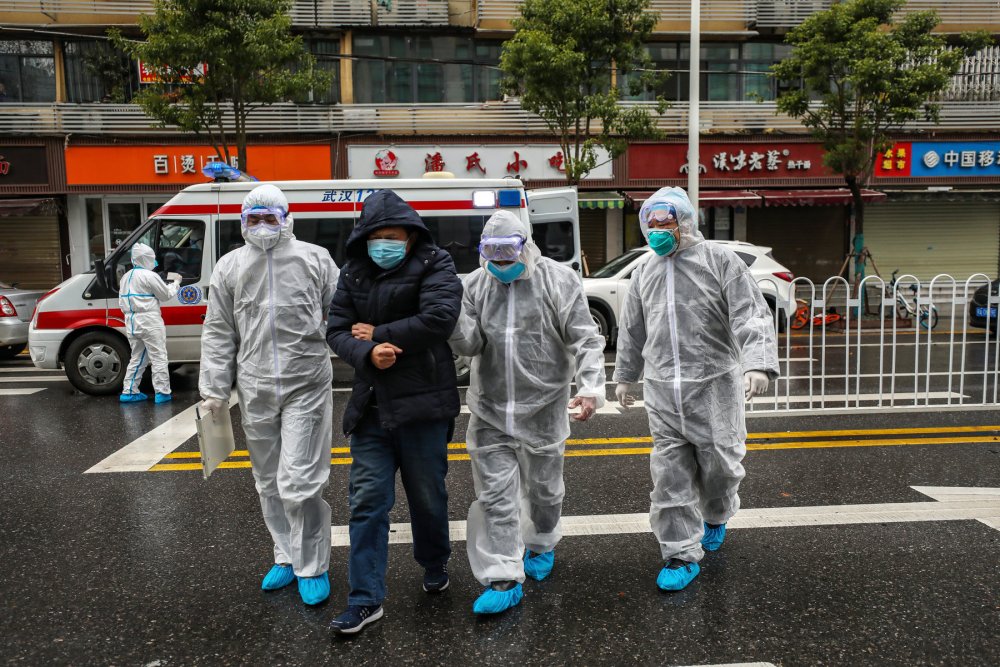
Coronaviruses are a large family of viruses that cause illness ranging from the common cold to more severe diseases. Symptoms include fever, cough, shortness of breath and breathing difficulties and in advanced stages, pneumonia, severe acute respiratory syndrome, kidney failure and even death.
The virus was first identified in Wuhan, China but continues to spread to different other countries in the world. It has so far claimed the lives of more than a hundred people among 4000 who were infected since its outbreak.
Dr. Sabin Nsanzimana, Director General of Rwanda Biomedical Centre (RBC) said that although the virus appears to spread at a high speed, there is no need to be alarmed given the fact that 85% of infected people can be cured. “Of 100 people who contract the virus, 85% can be cured and only 25% develop symptoms.”
The World Health Organization reported that currently, 4000 people from 10 countries especially in Asia have contracted the virus but are receiving medical care. Apart from China, the virus has spread to other countries including France, Japan, the United States, Australia, Vietnam, Singapore, Malaysia, Thailand, Nepal, South Korea, and Ivory Coast.
The Coronavirus spreads through direct contact with the infected person, sneezing and coughing. To prevent the spread of the virus, the World Health Organization advises regular handwashing, covering mouth and nose when coughing and sneezing. In addition, it is important to avoid close contact with anyone showing symptoms of respiratory illness such as coughing and sneezing.
A communication published on January 28th, 2020, announcing decisions of an extraordinary cabinet meeting that was held at Village Urugwiro the same day read:
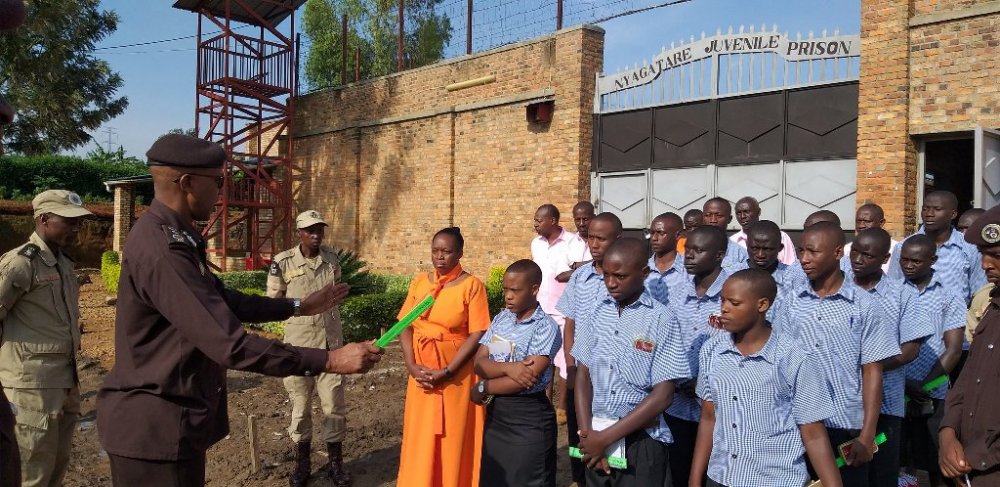
“His Excellency the President of the Republic of Rwanda informed the Cabinet meeting of a pardon granted to 18 youth who were serving sentences in Nyagatare prison that displayed good conduct and scored highly in the national examinations.”
On January 29th, 2020, Busingye Johnston, the Minister of Justice posted on his Twitter account that President Kagame granted a presidential pardon for the fourth time in a row since 2017.
“Yes. His Excellency Paul Kagame did it, again, the fourth time in a row, since 2017. For good conduct and good academic performance, the juvenile convicts have earned themselves a Presidential Pardon and, with it, a brand-new lease of life. They will walk out ASAP. Thank you, Your Excellency.”
13 of the youths who were pardoned sat for Primary School National Examinations and 8 of them passed with distinction, 5 with satisfaction. For those who sat for Ordinary level, 5 passed with distinction and one with satisfaction. One is still waiting for advanced level results.
In 2019, President Kagame granted pardon to 16 other convicted youths including 3 girls who were serving their sentences in Nyagatare Prison. They were convicted for different crimes including rape, minor defilement, drug abuse and terrorism acts.
Article 109 of the Constitution of Rwanda states: “The President of the Republic has the authority to exercise the prerogative of mercy in accordance with the procedures provided for by law and after consultation with the Supreme Court.”
The President of the Republic has the authority to exercise the prerogative of mercy in accordance with the procedures provided for by law and after consultation with the Supreme Court.
Convicts dossiers are submitted for re-evaluation to prosecution and then handed to the Ministry of Justice who is required to submit a decision within 3 months and send a report to the President of the Republic who makes the final decision.
The President of the Republic can grant mercy or parole without following any written procedure or by assigning the parolee responsibilities to fulfill. A parolee who doesn’t follow the rules risks going back into custody.
The 10 institutions are from Benin, the Democratic Republic of Congo, Kenya, Malawi, Nigeria, South Africa, Tanzania, Zambia, and Zimbabwe.
The competition which is dubbed ‘African Drone Business Challenge’ will be held for the first time and will emphasize the role of emerging technologies in improving the lives of people in hard-to-reach rural communities across the continent.
The competitors include DRONE ERA (Benin), Africa Bees (DRC), Kenya Flying Labs (Kenya), MicroMek Limited (Malawi), Global Air Drone Academy (Nigeria/USA), Upshore Robotics (Nigeria), Integrated Aerial Systems (South Africa), Jembe Kilimo (Tanzania), JCKEG Solutions (Zambia), and Alley Capital Group (ACG) (Zimbabwe). They were selected among 150 other institutions that had applied in the first phase of the competition where they were required to work on projects demonstrating how drone technology can promote trade.
The projects were selected by a jury based on their feasibility and their estimated impact. Most of the projects selected have the potential to promote the mining, health and agriculture sectors. Towards the final phase, Carnegie Mellon University Africa will provide a 2-day training in a bid to enhance the preparedness of the competing teams during the finale.
The projects will be presented in front of an audience of almost 800 people. The winner will earn a prize of £40,000 (Rwf 50 million) from UKAID/DFID.
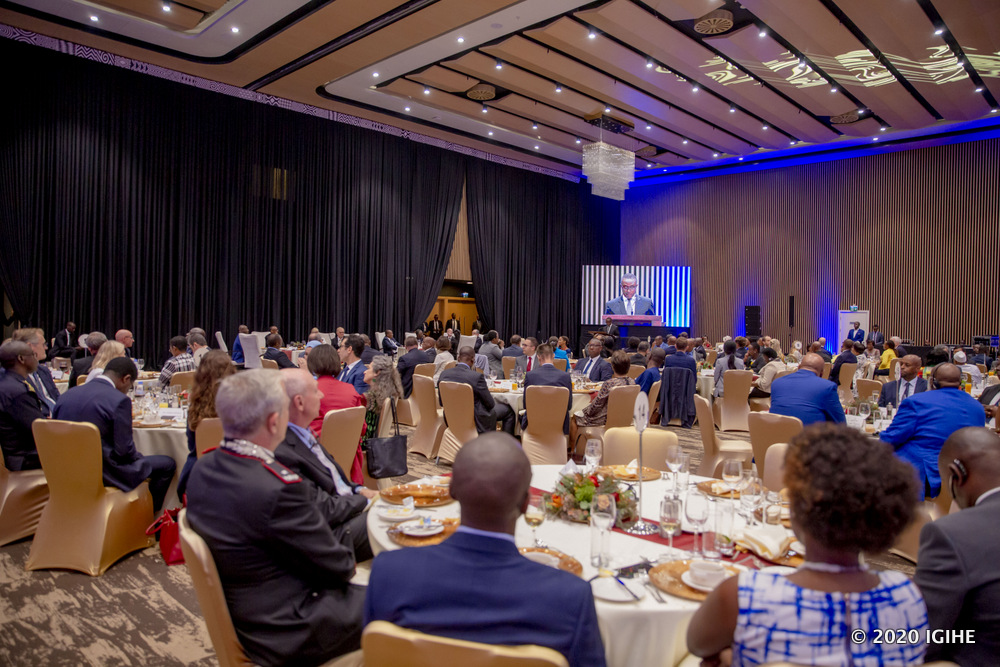
The 2020 African Drone Forum was organized by the government of Rwanda in partnership with the World Bank and will bring together more than 1000 guests at the Kigali Convention Center.
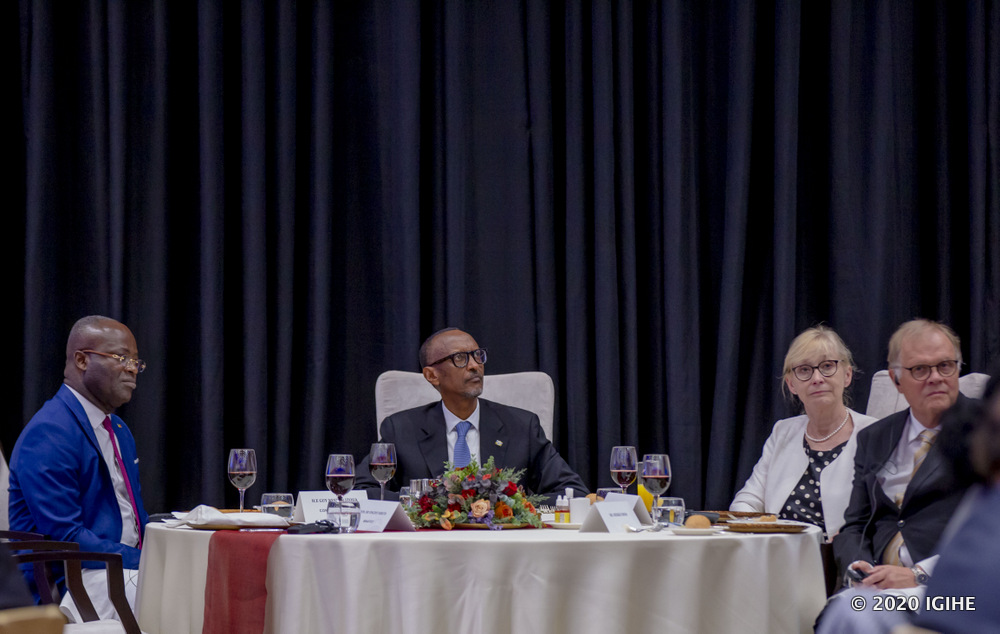
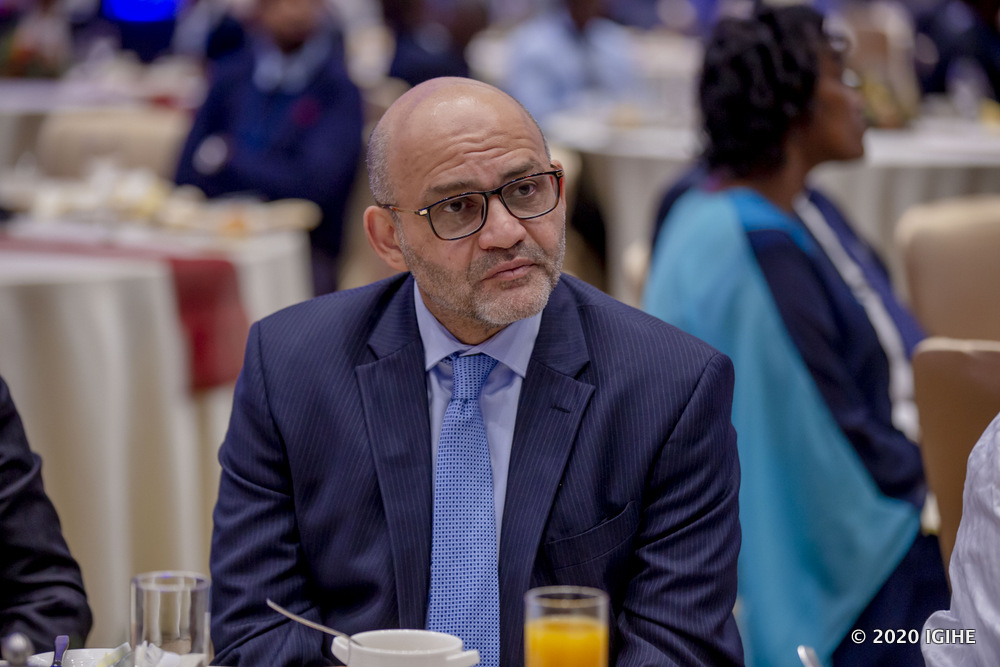
Yasser El- Gammal, the Country Manager for the World Bank Group in Rwanda said that the 2020 African Drone Forum will allow to showcase the latest drone technology and challenge drone companies to take part in flying competitions with real-world elements.
“It will be a symposium for promoting the existing infrastructure to deliver significant socio-economic benefits.”
The forum will also convene experts and regulators to discuss about drone technology in Africa.
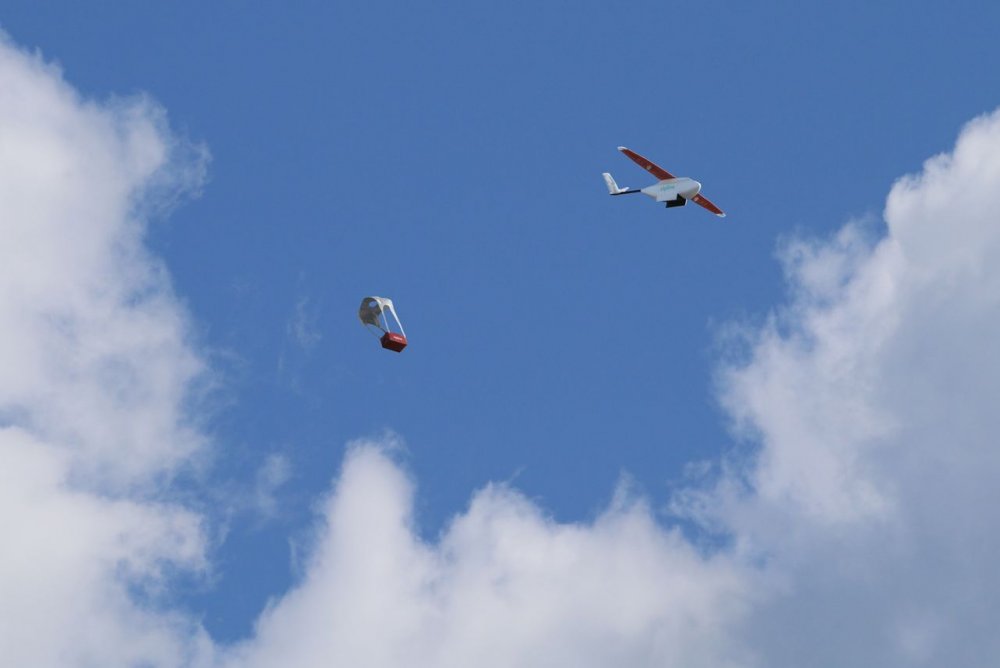
Rwanda is one of the first countries in the world to use drone technology to improve the lives of citizens through Zipline which delivers medical supplies, including blood, rabies vaccines and antivenom, to thousands of remote health clinics.
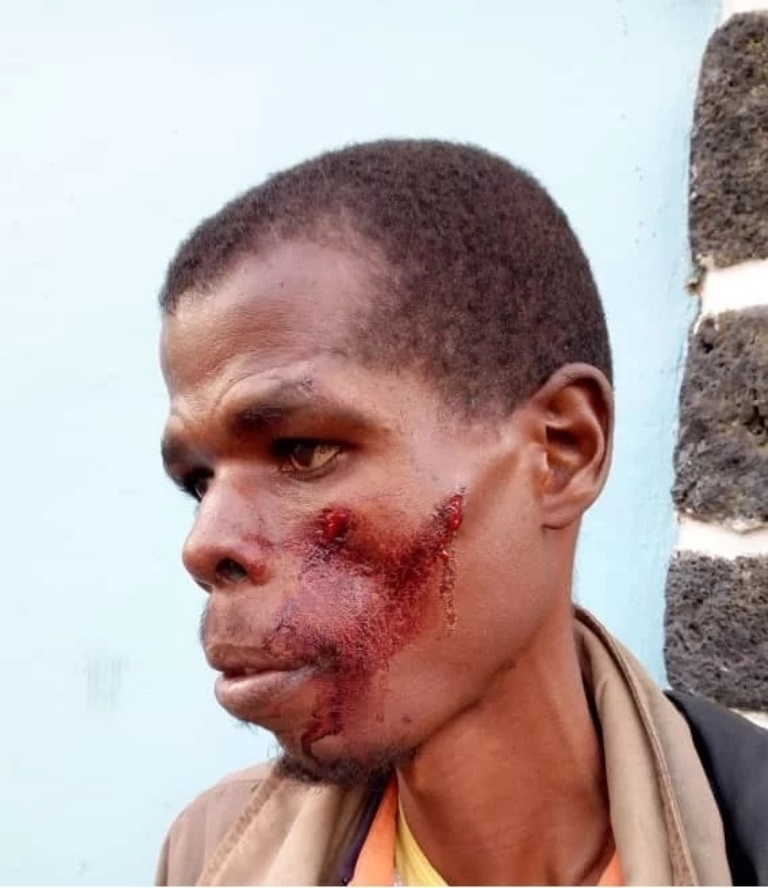
Uzabumwana was admitted in Cyanika dispensary after being severely beaten and injured by assaillants he failed to identify as he was traveling home from Uganda.
The 30-year-old victim who was born in Cyanika sector, Burera district was dumped at Cyanika border post by Uganda Military on January 20th, 2020 with open wounds from the beatings he was subjected to in Uganda.
The death of Uzabumwana was confirmed by the Northern Province Governor, Jean Marie Vianney Gatabazi who reported that the victim resided in Kyankwanzi, a town in Central Uganda since July 16th, 2016. He said that the victim legally went to Uganda through the Cyanika border post.
As he traveled back to Rwanda, the Jaguar coaster he came in dropped him in Kisoro where he boarded a motorcycle but midway he was mugged by three Ugandan assailants who also beat him mercilessly.
Governor Gatabazi said that the victim could not identify the assaulters but confirmed they were Ugandan. Despite several talks between Rwanda and Uganda where the two countries came to common terms to solve tensions, Rwandans continue to be tortured, beaten and killed in Uganda. The government of Rwanda continuously pleaded for Uganda to respect the Luanda agreements to no avail.
Recent reports revealed top Ugandan government officials being behind attacks although they actively denied any implication. To this day, Rwanda has respected its part of the agreement and haven’t received any accusation from Uganda.
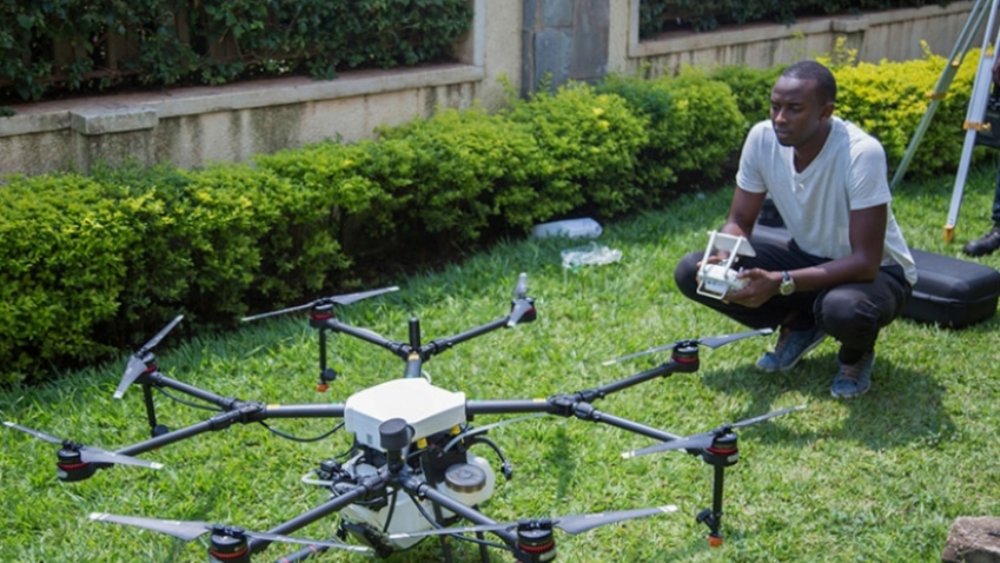
The government of Rwanda in partnership with Charis Unmanned Aerial Solutions, the only licensed drone company in Rwanda, will launch the pilot project in Jabana sector, Gasabo district on January 28th, 2020.
The project will complement the government of Rwanda efforts to curb Malaria including the distribution of mosquito nets and spraying insecticides to kill mosquitoes in damp areas which are breeding grounds for Anopheles mosquitoes known for transmitting malaria parasites to humans.
The government also sensitizes Rwandans to test for malaria and avails health services in all districts of the country.
It is expected that the drones that will be used in the project have the capacity of carrying and spraying a 10-liter bottle of insecticide. The drones can fly for 15 minutes on average and spray insecticide on at least 40 hectares per day.
Aimable Mbituyumuremyi, Director of Blood Borne Infections and STIs Unit at Rwanda Biomedical Center (RBC) said that drone technology is used to fight against Malaria in developed countries and that the results are impressive.
“It is easier to spray insecticides in inaccessible areas such as marshlands using spray pumps. The drones will make our work much easier.”
The project is part of a six-month campaign dubbed “Zero Malaria Starts with me” which will be conducted before the Kigali Summit on Malaria and NTDs scheduled on July 25th, 2020.
Statistics from the Ministry of Health show that during the year 2018/2019, 3.9 million people were infected with Malaria.
In 2019, the number of Malaria patients decreased from 4.8 million to 3.7 million recorded in 2018 implying a 21% decrease.
Statistics show that Malaria is one of the diseases affecting developing countries especially on the African continent where weather conditions facilitate the development of the predominant parasite species ‘Plasmodium falciparum”, which is the species that is most likely to cause severe malaria and death.
However, the number of deaths caused by Malaria have decreased in Rwanda from 663 recorded in 2016/2017 to 264 in 2018/2019.
The Ministry of Health reported that 7.5 million mosquito nets will be distributed in Rwanda and insecticides spread in 12 districts.
Through her Twitter account, Ambassador Kirabo vowed to promote good diplomatic relations between Rwanda and Ghana and fulfill the duties she was entrusted with by President Paul Kagame.
Prior to being appointed High Commissioner of Rwanda to Ghana, Dr. Kirabo was Deputy Executive Director and Assistant Secretary-General of UN-Habitat.
She was appointed as ambassador by President Kagame, on July 15th, 2019 along with 15 other High Commissioners.
Dr. Kirabo replaced Mutsindashyaka Théoneste as the Mayor of Kigali from 2006 to 2011. Prior to her tenure as Mayor of Kigali, she was a member of the Parliamentary Standing Committee on Land Use and Management, Settlement and Environment.
She replaces Stanislas Kamanzi who was the Ambassador of Rwanda to Ghana since July 2nd, 2017.
The embassy of Rwanda in Ghana was opened as a result of talks between President Kagame and President Nana Akufo.
The Ministry of Finance and Economic Planning (MINECOFIN), National Strategy for Transformation (NST1) outlines foreign investment as a major source of income and a great contribution to the development of the Rwandan economy.
In a bid to encourage exchange between the two countries, RwandAir, the national carrier of Rwanda started Kigali-Accra flight on July 2nd, 2013.
RwandAir flights promoted trade between the two countries and availed many investment opportunities.
In 2014, the Private Sector Federation (PSF) signed partnership agreements with Ghana’s Ministry of Trade and Industry with the aim of promoting modern agriculture, tourism, clothes industries as well as investment in construction and mining activities.
Rwanda aspires to become an upper middle-income country by 2035 and higher income by 2050 where Income per capita is expected to be $12476 annually. It is a highly ambitious goal that will require effective land use to be achieved as Rwanda’s economy partially relies on agriculture.
The 2011 land cover scheme was developed for use until 2020 but its objectives were unfortunately not reached.
In November 2019, the Ministry of Environment through Rwanda Land Management and Use Authority (RLMUA) entered a partnership with Tzamir Architects and Planners Ltd from Israel and Horwath Htl Intercosult to develop a new land cover scheme that will replace the one of 2011. RLMUA announced the scheme was in its completion phase and will be in line with the ‘Vision2050’ goal as it will analyze trends in the use of land and other resources.
Regarding population settlements, the new land use scheme will provide details about types of cities according to the density of population and development activities contributing to the livelihoods of residents.
The government of Rwanda predicts an improvement in the urban share of population by 70% in 2050 from 20% recorded in 2019.
Although the City of Kigali will remain the capital city of Rwanda, the land use scheme predicts the potential for neighboring cities to develop. Those cities include Muhanga, Nyamata, and Rwamagana as well as cities close to border posts including Nyagatare, Musanze, Rubavu, Karongi, Rusizi, Huye, Kirehe and Kayonza. For developing the remaining cities, the government will invest in agriculture and trade activities.
The land use scheme also presents an area increment chart where some cities will be expanded by 16% of their total area. The number of villages in Rwanda will reduce from 13,000 to only 4000 villages.
RUTAGENGWA Alexis, Head of Surveying, Land Use and Mapping Department at RLMUA told IGIHE that the new land scheme will be a consolidated source of data that will allow Rwandans to settle in cities according to their financial capacity.
‘The land scheme will help the government of Rwanda to monitor its limited resources of land, add value to its development planning and will be used by citizens to register land ownership.”
More high-rise building will be built in Kigali while in rural areas, the scheme predicts more public housing facilities with access to water, electricity, sewage and other infrastructures. In addition, land parcels and their ownership will be readjusted to allow effective land consolidation.
The land use scheme also incorporates transport routes including railways.
60% of Rwandans are in agriculture but agriculture only contributes to 30% of the country’s Gross Domestic Product (GDP).
The government of Rwanda plans on improving agriculture to meet the needs of an estimated 22 million population in 2050. Currently, agricultural land is 48% of the country’s total area.
To achieve this, the land scheme will allocate a large part of the Eastern and South-Eastern to agriculture due to the abundance of arable land fit for irrigation and crop rotation.
Rutagengwa said the only way the new land use scheme will be effective is to promote land consolidation. “land consolidation will facilitate the adoption of new agricultural technologies leading to a more prosperous and efficient agricultural sector.”
Currently, 30.4% of Rwanda’s total area is allocated to agroforestry. The scheme encourages continuous forest conservation.
Amid reports of dense fog blanketing the area at the time, experts say federal investigators will likely focus on the weather as a factor in the crash.
“Everyone is in shock,” said one team insider. Bryant was 41 years old.
Having led the Lakers to five NBA championships, the 18-time All Star — who retired in 2016 after 20 seasons with the team — will be remembered as a hard-working player who was equally celebrated off the court as a “brand-builder” and mentor.