He announced the tour recently, preparing his fans from both countries.
In a conversation with IGIHE, Safi Madiba said that dates the tour will be communicated immediately after discussions with his promoters.
“There are some concerts confirmed while others are not yet confirmed. I will perform in more than one concert, so we are discussing with promoters in different places.”
The tour comes amid Safi Madiba’s controversial separation from The Mane who says that he owes him money.
Safi Madiba, however, says that The Mane should take him to court instead of blackmailing him through the media.
He accuses The Mane of deliberately violating their contract and believes that his separation with them is not an issue.
He recently disproved The Mane’s intended ban of stopping him from performing all the songs he worked on with them by showing Intellectual Property documents, proving full ownership from the Rwanda Development Board.
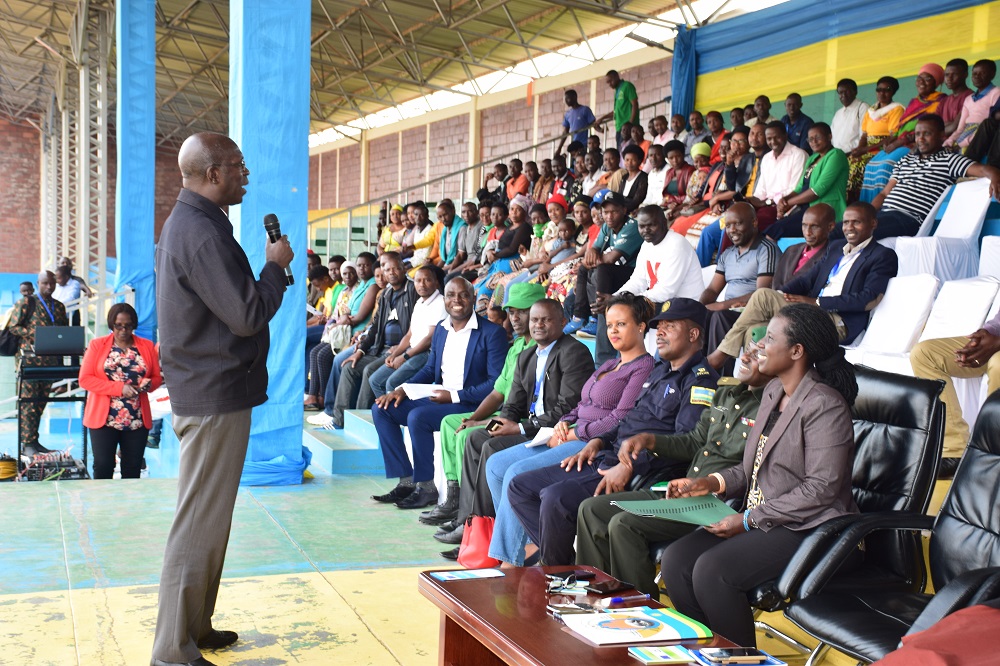
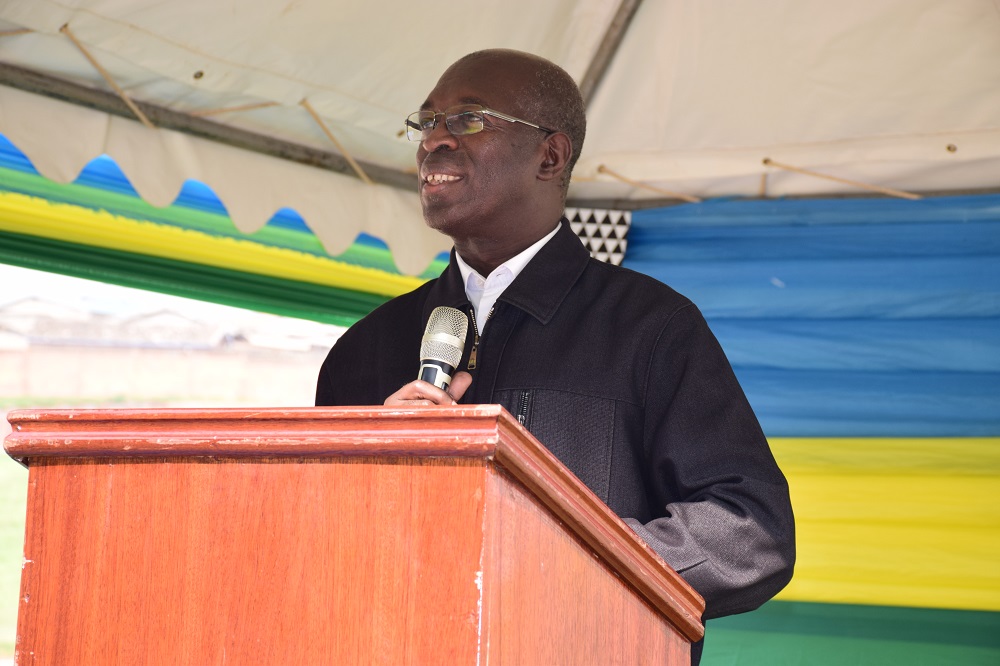
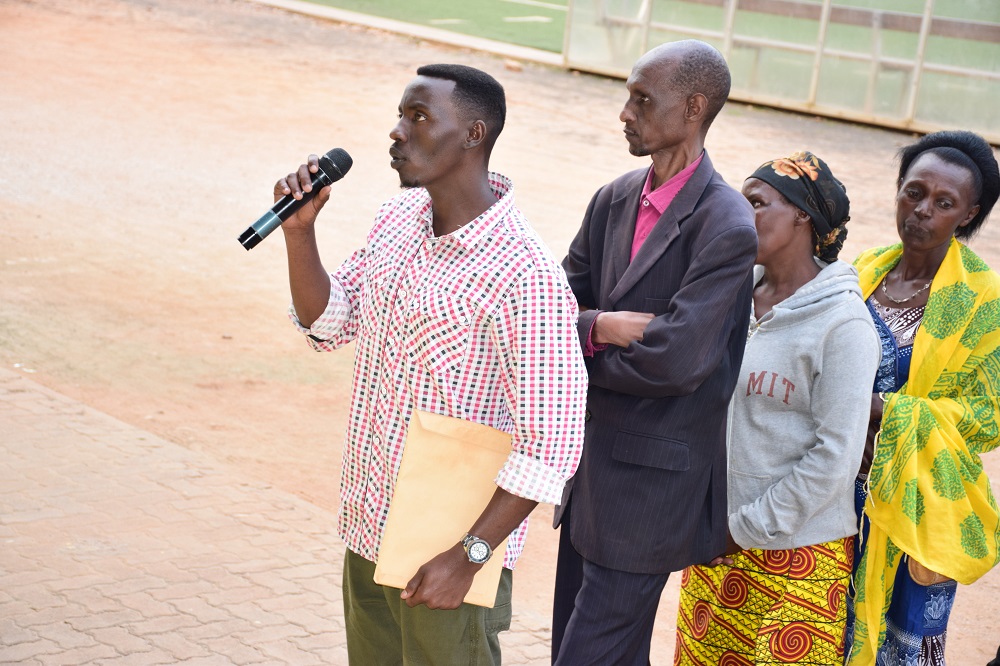
The Ombudsman who was addressing residents in Muhanga Stadium, in an event against corruption and injustice, asked the public and local authorities to cooperate in resolving conflicts and reconciling people instead of resorting to courts of law.
“The family should be the foundation of conflict resolution so as to minimize cases that reach local authorities and courts.”
He cited conflicts that fail to be resolved within families and are taken to courts involving the sharing of property by married couples seeking divorce, noting that such domestic misunderstandings can be resolved amicably at home.
Murekezi added that there are court cases where involved parties fail to accept the verdicts, appealing to higher courts, spending more time and resources.
Basing on annual statistics, the ombudsman said that cases of injustice received by his office never go beyond 10% and that the public needs to be literate on case follow up, appeals, and paying fines in time.
“Among the cases we receive, cases of injustice fall between 5% and 10%, which means that our judges preside over court proceedings quite well. In general, 96% of the cases are found to be well delivered, which, however, doesn’t mean the other 6% of injustice should not be fixed.”
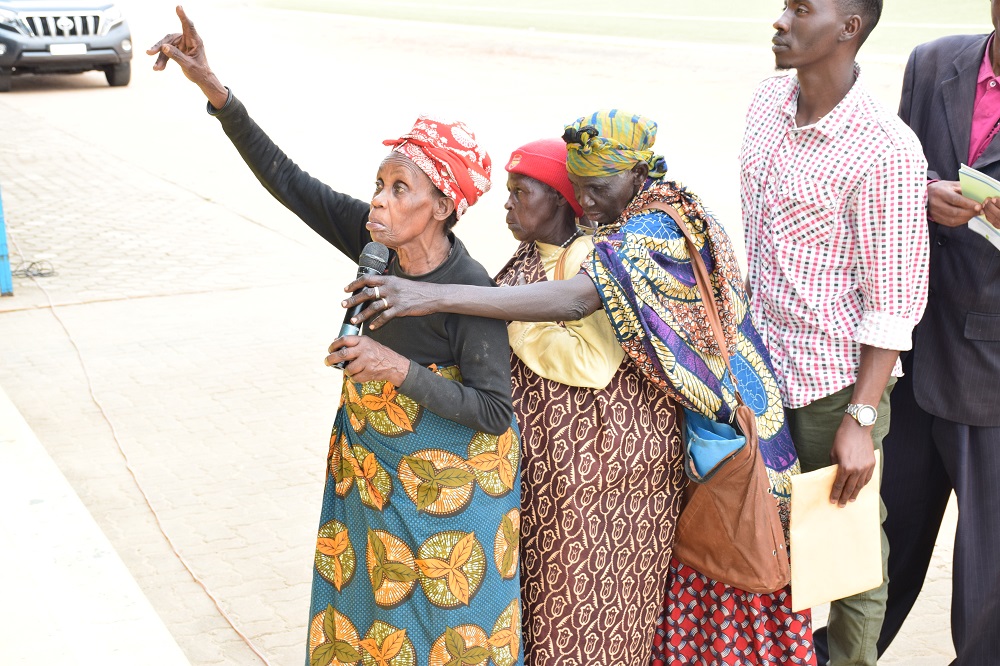
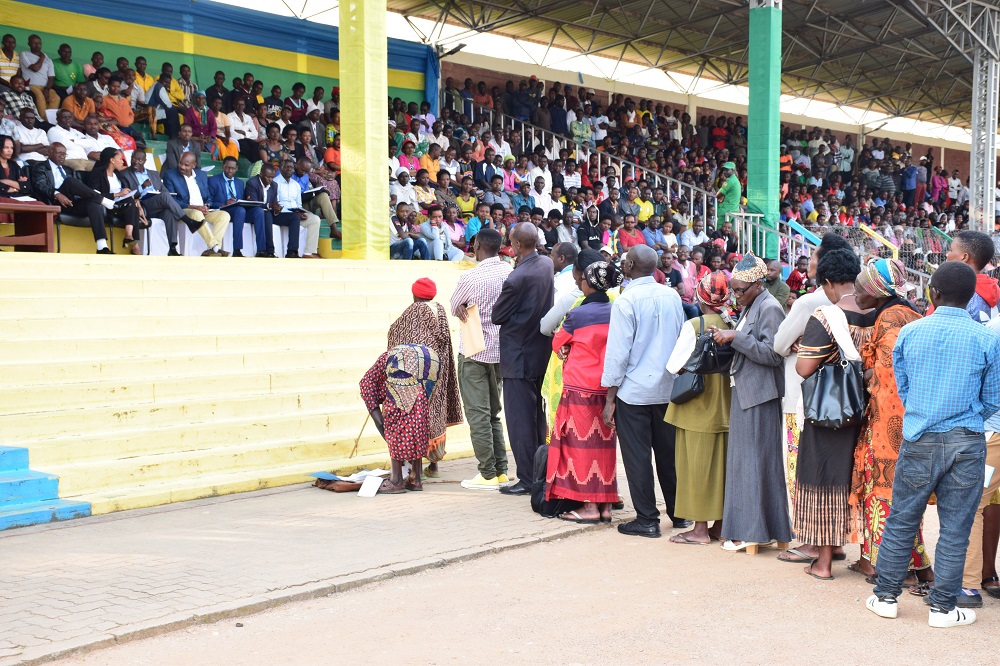
During the event, the public was given time to ask questions, some of which hinged on cases that are already known by the authorities.
The Mayor of Muhanga, Jacqueline Kayitare, said that the most complaints that registered in the district are those related to the inappropriate compensation they are given when their properties are taken over for the establishment of public infrastructures and those related to the management of the domestic property.
Members of the public were also asked to give information about corruption to the local authorities.
The authorities were reminded that they should use the governance structures at each level of authority and utilize systems and mechanisms that are meant to fight corruption and injustice.
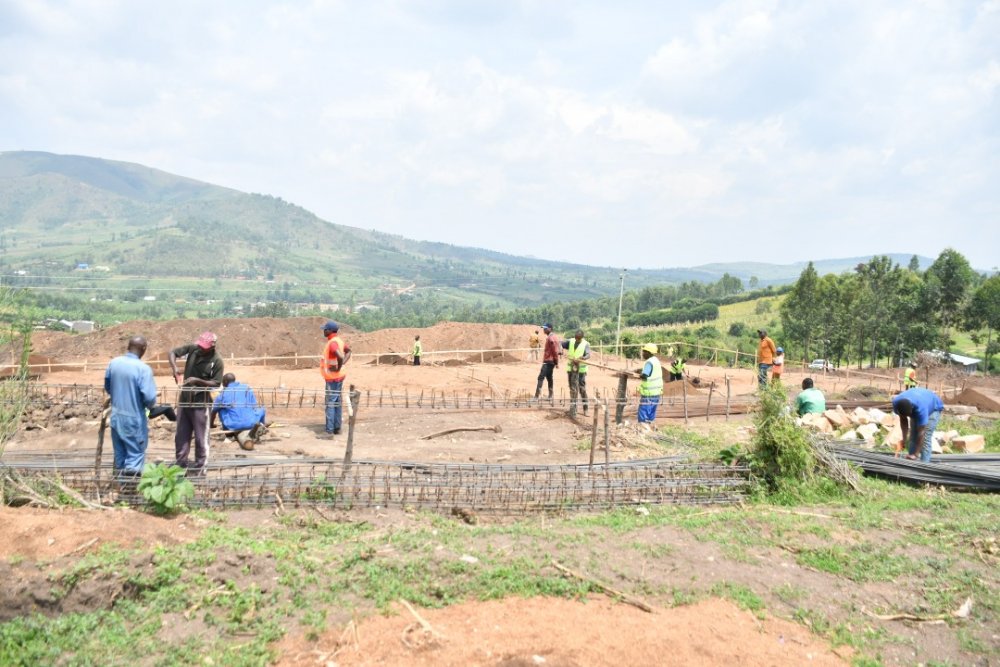
The construction started at the beginning of 2020. Houses will occupy 11 hectares and markets, health centers, schools, recreational spaces, and agriculture plots will occupy the rest of the land.
Rurangwa Steven, the vice mayor in charge of economic development in Nyagatare District told IGIHE that the construction will be completed by June 2020.
“Every year, we plan on building houses for low-income families but the national budget doesn’t always fit into our aspirations. This year, we have selected low-income families from Tabagwe to receive the houses.”
The families will be provided with houses, agriculture plots, and domestic animals to support them financially in their daily life.
“The entire village we are building will cost an estimated Rwf 400 to Rwf 600 million.”
Rurangwa said that Nyagatare district administration intends to put to maximum use the available land and build as many houses as possible.
Nyagatare is one of the most populous areas in the Eastern Province and in Rwanda along with Rwamagana and Kibungo. It has an estimated population of 700,000. It is also one of the 6 major cities of Rwanda selected for stimulating urban economic development, particularly outside the capital city of Kigali as key to achieving Rwanda’s strategic objective of a 35 percent urban population by 2020.
He stated it during the annual national dialogue ‘Umushyikirano2019’ which happened from December 17th to December 19th, 2019.
The announcement addressed the concern of Uwihirwe Theodosie, a teacher at Burera Primary School who said her family was wrongly placed in the third category of Ubudehe hence denying her children government scholarship opportunities when in fact they could not afford to pay for higher education.
“All primary school teachers have been placed in the third Ubudehe category but in reality, our low income does not allow us to send our children at the university. We request the support of the government on this matter so that our children can also receive higher education.”
She suggested that instead of considering Ubudehe stratification as a requirement to receiving the scholarship, children should only be judged on merit and only receive scholarships because they have excellent grades.
Minister Ngirente replied to her saying “Ubudehe categories will no longer be the basis in providing scholarships to students for varsity studies. Going forward, students will be selected according to their competence in school and their grades instead of their social status.”
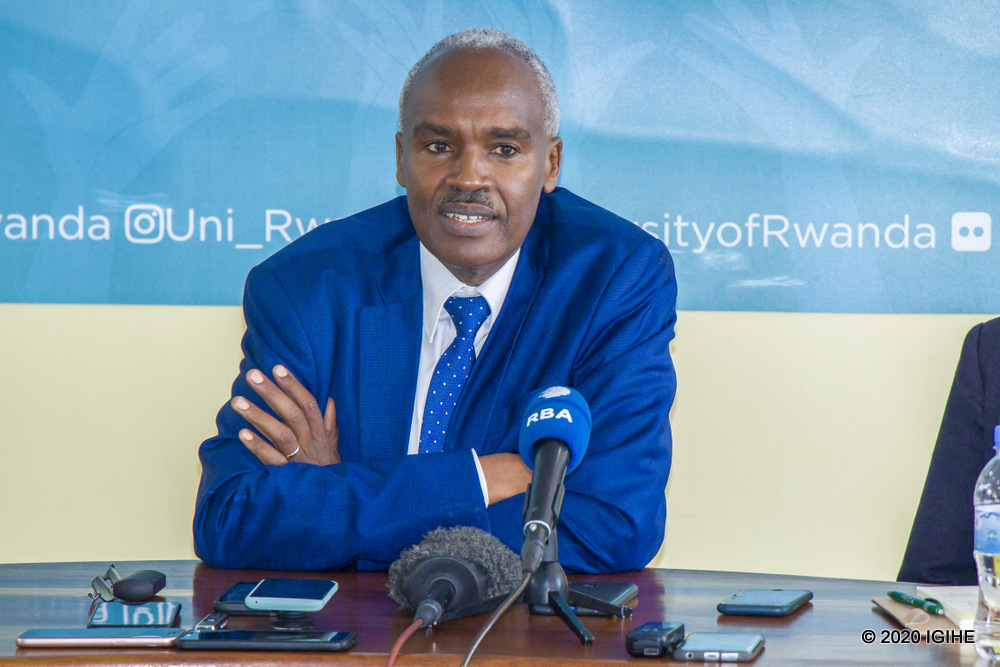
Dr. Charles Muligande, the Deputy Vice-Chancellor of the University of Rwanda (UR) in charge of institutional advancement suggested that the decision should be carefully implemented as it will lure even capable families to seek for government scholarships just because their children succeeded with good grades.
Dr. Murigande stated it on Tuesday, 22nd January 2020 during a press conference with the High Education Council (HEC) and the Development Bank of Rwanda (BRD) about concerns that have been raised regarding the distribution of stipends to university students.
He said that even though social stratifications will no longer be considered, the allocated budget for government scholarships will remain the same.
“The government works within its means to provide university scholarships but it does not mean the students who are supported are the only ones who need to pursue higher education. The national budget just cannot afford a bigger number for the moment. We establish requirements to apply for the scholarships because the loans should be allocated to children who really cannot afford to pursue higher studies. Social stratification was one of the requirements which allowed us to offer scholarships to the truly deserving ones.”
Dr. Murigande said that implementing the decision not to consider social stratifications might deprive children of poor families the opportunity of pursuing higher education.
“Children from wealthy families are highly likely to succeed because they have all the facilities for it, but it is the contrary for poor children who cannot even afford more than one meal a day. How can the two children perform equally in school?”
Rose Mukankomeje, the Director-General of HEC said that implementing the decision was put on hold as it is still being discussed how to smartly execute it.
On June 24th, 2016, the cabinet of Rwanda ruled that scholarship loans will mainly target students in Technical and Vocational Education and Training (TVET) centers as well as those pursuing STEM (Science, Technology, Engineering, and Mathematics) studies. The students were to be selected only if they belonged from the first to the third Ubudehe category.
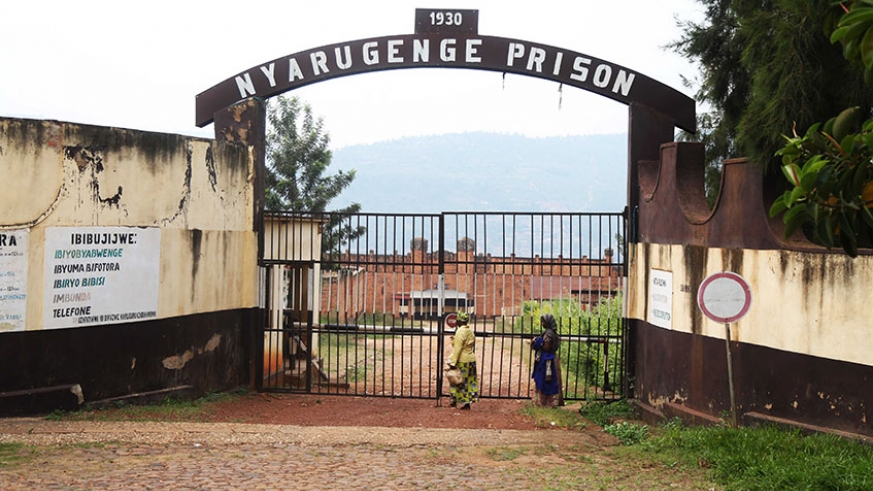
Mugisha Fred, Neighborhood and Housing Planning Engineer at the City of Kigali explained that the prison spread on 5.5 hectares and that the catholic church has already planned and budgeted for putting to use the prime land and is in the process of acquiring a construction permit.
“The catholic church has shown interest in managing the vacant land and suggested building a cathedral. They are working on a mockup of the project which they will present to the City of Kigali to obtain a construction permit.”
Mugisha said that the catholic church will also hand over a plan on how they intend to preserve surrounding historic buildings as they are crucial to retaining the nation’s heritage and history.
By the end of February, the mockup will be complete showing construction details of the cathedral and the construction is set to start by the end of 2021.
During the consecration ceremony of Antoine Kambanda who replaced Thaddée Ntihinyurwa as the Archbishop of the Roman Catholic Archdiocese of Kigali on November 11th, 2018, he outlined priorities the catholic church would consider including building a new Kigali Cathedral.
President Kagame who attended the consecration ceremony agreed to donate for the construction of the cathedral and said it would be better using a bigger space.
“We will support the construction of the cathedral within the means we have but we all count on the will of the catholic church to bring the project to its completion.”
During the 2019 Christmas Mass, Archbishop Kambanda stated that the process of building the cathedral was already underway.
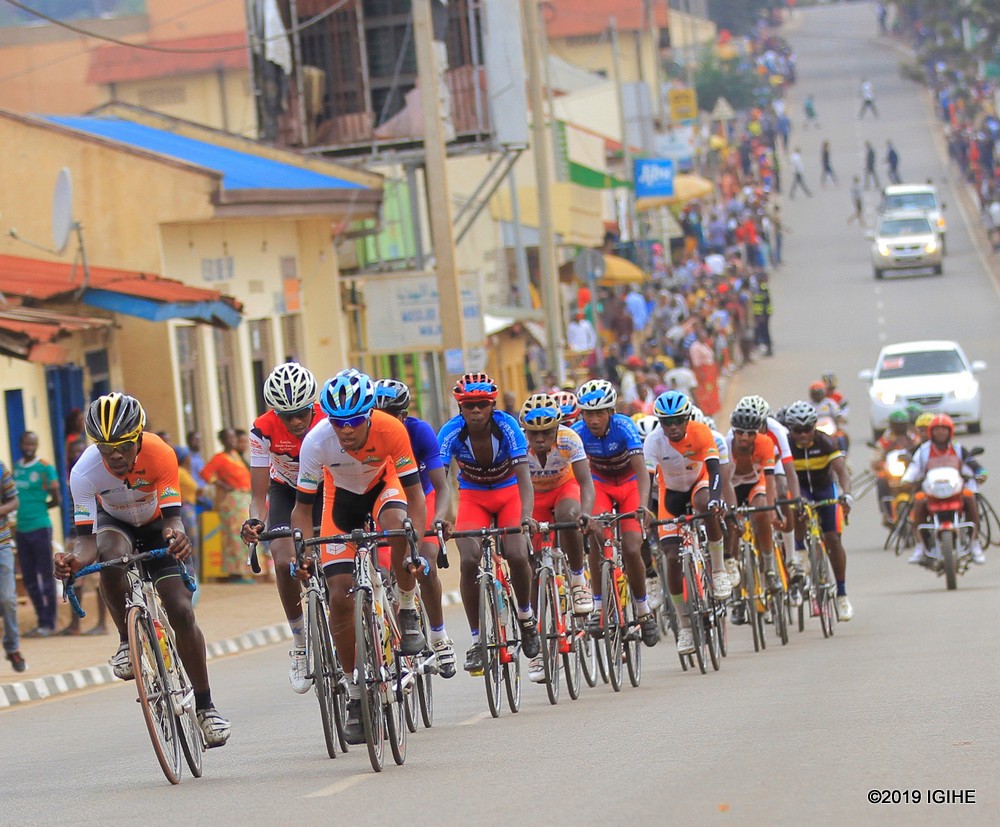
The start and the finish line will be in Nyamirambo, at Intwari Primary School. The race will pass by Tapis Rouge, Nyabugogo, Muhima, Gakiriro for a total of 12 kilometers.
Adult male riders will do 9 laps equal to 108 kilometers, male teenagers, 8 laps equal to 96 kilometers while women riders will run 6 laps equal to 72 kilometers.
The trajectory that will be used is the same used during the second stage of the ‘Rwanda Cycling Cup 2019, Tour de Kigali’ won by Nkurunziza Yves in the male category.
The race will take place 31 days before ‘Tour du Rwanda 2.1” which is scheduled from February 23rd to March 1st, 2020.
Riders including Areruya Joseph, Mugisha Samuel, Mugisha Moïse, Nzafashwanayo Jean Claude, Munyaneza Didier, and Uhiriwe Byiza Renus will not be part of the race as they are currently representing Rwanda in ‘La Tropicale Amissa Bongo’ race in Gabon until January 26th, 2020.
11 teams will compete in the ‘Heroes Cycling Cup’ including Fly Cycling Club, Les Amis Sportifs, Cycling Club for All, Benediction Club, Muhazi Cycling Generation, Karongi Vision Sport Center, Kigali Cycling Club, Nyabihu Cycling Team, Kayonza Young Stars Cycling Team, Ciine Elmay, and Bugesera Cycling Team.
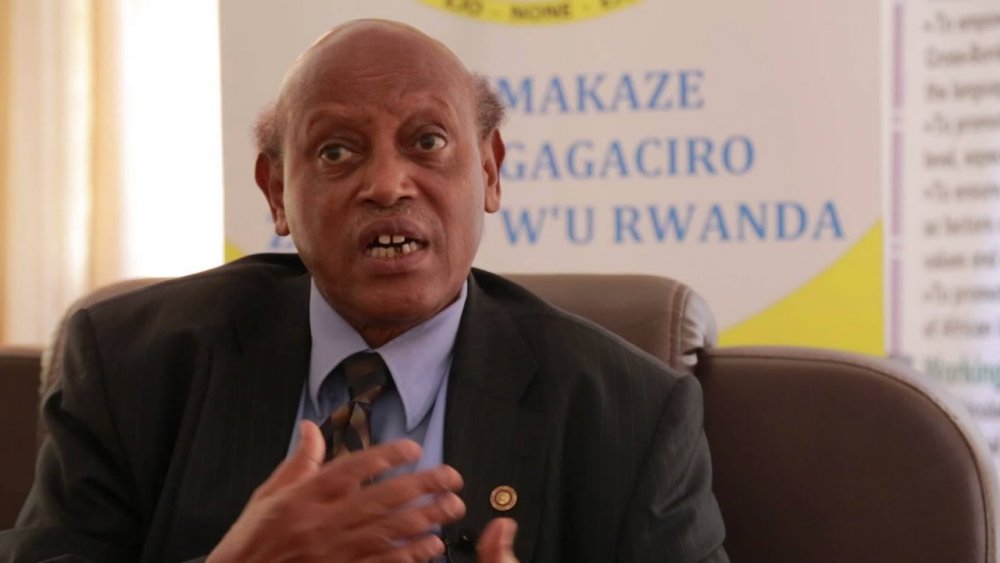
Dr. Vuningoma’s funeral is scheduled for January 25th, 2020. His body will be collected from King Faisal Hospital where he passed on at 8:30 A.M.
A memorial service will be held at his home in Kacyiru at 11:00 P.M, funeral mass from 1:00 to 3:00 P.M at Giporoso, Remera Anglican Church while his burial and committal service will be held at Rusororo at 4:00 P.M.
Dr. Vuningoma was a veteran linguist and a Rwandan culture enthusiast. He obtained a Ph.D. in African Studies at France’s University of Nice in 1989, a Master of Arts Degree from Université de Bordeaux III in 1982 and a Bachelor of Arts Degree from Makerere University in Uganda in 1974. After his doctorate studies, he served as a lecturer at Kigali Independent Institute (KIE) in African Studies and later on as Vice-Rector in charge of Academics.
He also served as editor-in-chief at The New Times.
On January 18th, 2018, Dr. Vuningoma was appointed member of Media High Council (MHC).
Bishop Rucyahana John, NURC President explained that the partnership with GFI will serve as a channel to spread ‘Ndi Umunyarwanda’ which is considered as a tool to sustain cohesion among Rwandans.
In 2013, ‘Ndi Umunyarwanda’ was initiated to build a national identity based on trust and dignity. It aims to strengthen unity and reconciliation among Rwandans by providing a forum for people to talk about the causes and consequences of the genocide as well as what it means to be Rwandan.
“The partnership with GFI will allow us to inculcate to the Rwandan diaspora living in Zambia, the values of unity and reconciliation which have been a core pillar to the reconstruction of our country after the 1994 genocide against Tutsi.”
Although the partnership will not contribute to bringing to justice, genocide fugitives and deniers hiding in Zambia, teachings that will be given are expected to drive the Rwandan diaspora in Zambia to denounce ‘génocidaires’.
Rucyahana said that some Rwandans living in the diaspora don’t know anything about the history of the genocide and hence don’t understand the gravity of genocide crimes.
“genocide implies devastating consequences including inter-generational trauma, children made orphans, families eroded by poverty and so on. We expect the teachings that will be spread to bring to light the truth about genocide and its effects and hopefully also reveal genocide perpetrators who are still hiding from justice in foreign countries.”
The partnership will be a compliment to Rwanda-based Prison Fellowship which was founded in 1995. Prison Fellowship focuses on instilling action-based practical reconciliation among Rwandans directly or indirectly affected by the 1994 genocide against Tutsi as well as other crimes.
Currently, the organization is making gap-filling interventions in the justice system which is very fundamental to enhance forgiveness and reconciliation among the affected communities.
GFI teachings are expected to also lead genocide perpetrators to come forth, admit their crimes and accepted to face justice for their acts. “If genocide convicts in Rwanda are capable of admitting their crimes after years of denial, we expect the same result in Zambia as well.”
Dr. Joshua H.K Banda, GFI Managing Director said that even though GFI won’t arrest genocide perpetrators, teaching the truth about the genocide is a contribution to bringing genocide criminals to justice.
So far, 8 genocide criminals were brought to the International Criminal Tribunal for Rwanda (ICTR) with the collaboration of Zambia.
GFI is the first organization to partner with NURC in teaching the history of the 1994 genocide against Tutsi. Since its creation, five years ago, it has contributed to spreading values of unity and reconciliation in Zambia as a nation that has suffered from years of ethnic tensions.
In the past, Rwanda and Zambia have partnered in different projects including trade, investment, mining and tourism.
On March 27th, 2015, RwandAir, the flag carrier airline of Rwanda launched Kigali-Lusaka flights going 6 flights per week.
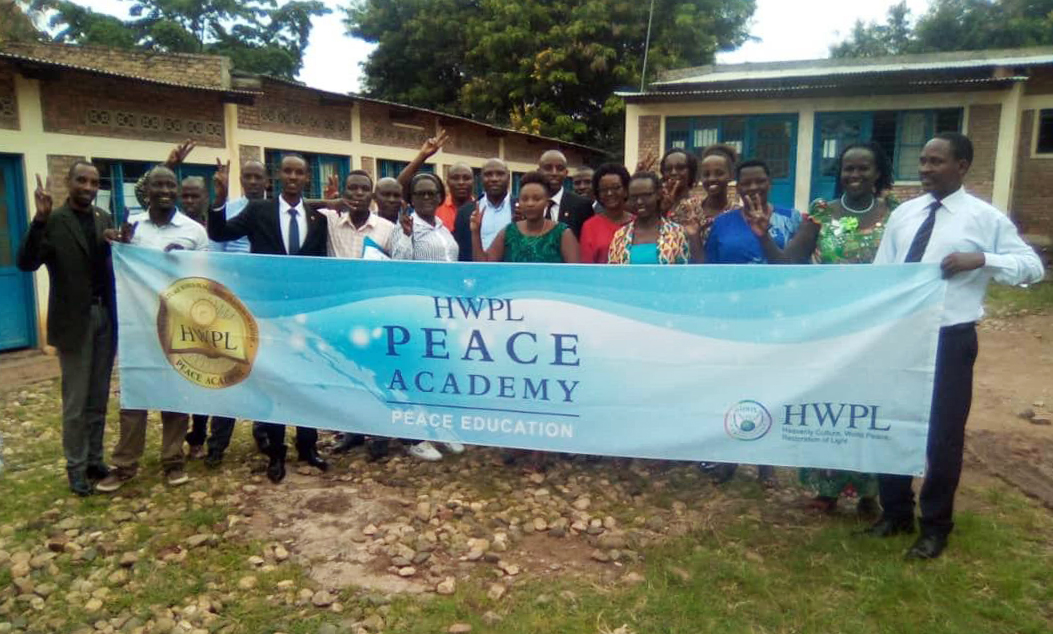
HWPL stated that peace education is to nurture human resources with the values of peace and spirit, which has been developed at the core with values such as “the dignity of life”, “loyalty” and “coexistence and sustainability.”
Furthermore, with the aim of applying these values within a wider community as well as individuals, help individuals to awaken the spirit of peace and play a pioneering role in establishing a peace culture.
Peace education, supported by HWPL, was conducted at schools in Burundi last year.
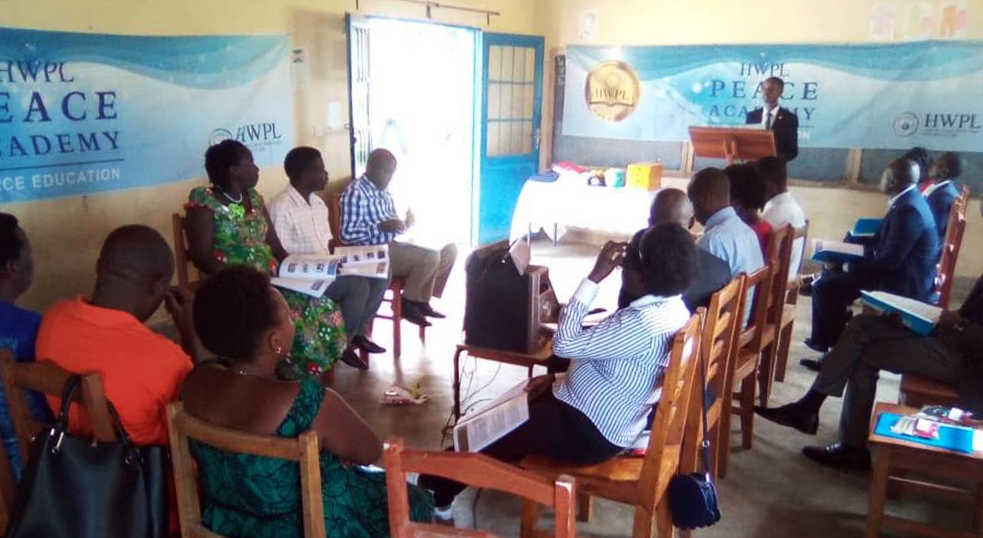
At this seminar, the participants shared the results of peace education in 2019 and discussed the plan for further process for this year.
In particular, practical measures for the implementation of international law for peace based on the DPCW that addressed the importance of a culture of peace through peace education were also discussed.
Hatungimana Liévain, a teacher of Leoboth School, said, “Thank you for the active cooperation of HWPL for the seminar. It was a good time to learn the spirit and attitude of peace education instructors working for peace. I believe that the HWPL peace education instructors will change students into people who have a good influence on friends, family, neighbors, countries, and all over the world.”
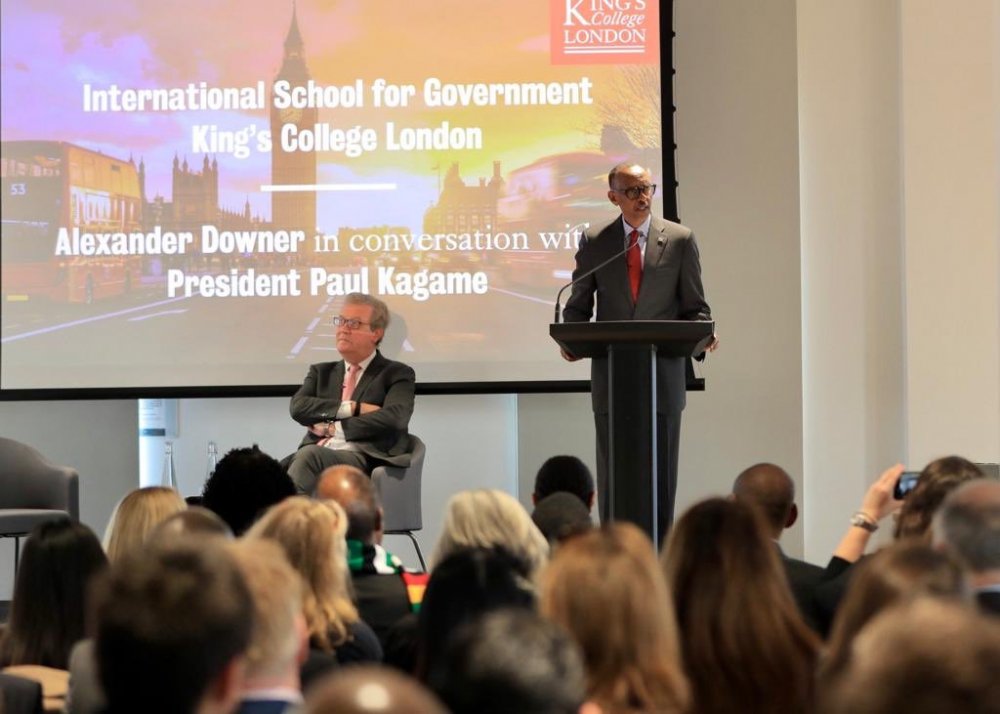
President Kagame said that the government of Rwanda has put forth a conducive environment for investment and is currently ranked second on the continent in doing business.
“We have made efforts in attracting investors and the World Bank has ranked Rwanda in the top African countries with the most favorable trade environment.”
Rwanda is also ranked 29th on the World Bank list of countries with a favorable investment climate. This has helped Rwanda to fully harness its economic potential and maximize the benefits of private investment.
President Kagame said that the future promises growth in Intra-African trade by 50% and that is set to establish a competitive market favorable for enhancing market competition and stimulating investment for business-led growth.
“AfCFTA has become a reality and that implies strong political will and supports the dream of a united Africa.”
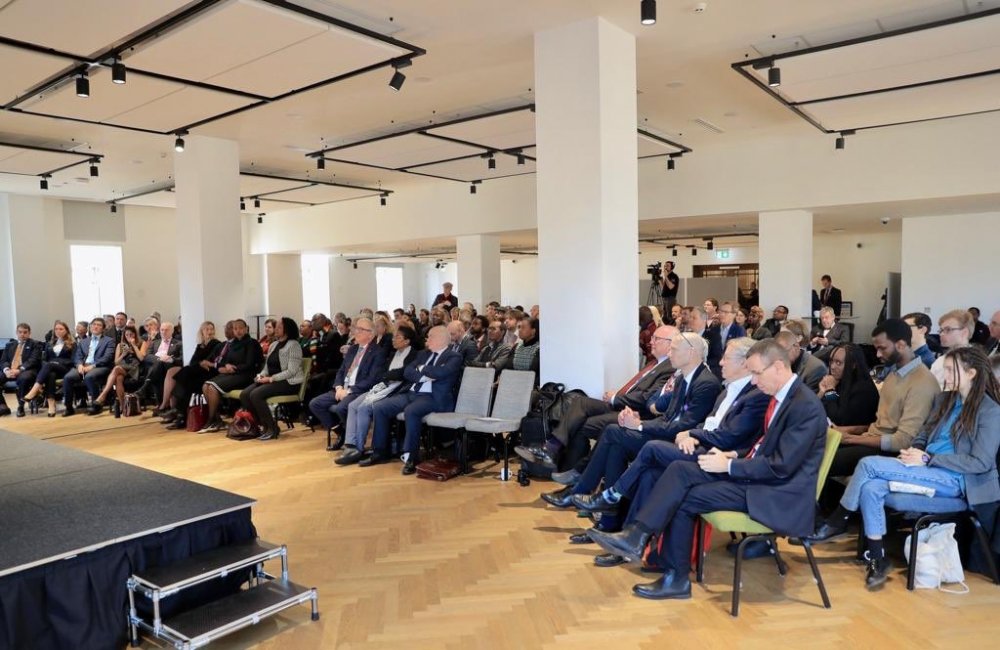
During the summit, Rwanda listed its first local currency bond on the London Stock Exchange (LSE) worth $40 million.
Different institutions from Rwanda attended the summit including Bank of Kigali, Enterprise Urwibutso, Mara Phones, Rwanda Finance Ltd, Ampersand, Cogebanque, Africa Improved Foods, and Water Access Rwanda.
What to expect with the African Continental Free Trade Area (AfCFTA)
A World Bank report released in December 2019 on the AfCFTA showed that the common market would benefit the African continent in different ways.
The African Continental Free Trade Agreement which was signed by 44 African countries on March 21st, 2018 in Kigali shows that a single market for goods and services across Africa will lead to poverty reduction. At least 30 million Africans (1.5% of Africans) will rise above the poverty line.
The report shows that 12 million people in West Africa, 9.3 million in Central Africa and 4.8 million in East Africa will rise above the poverty line. The AfCFTA has the potential of lifting 67.9 million Africans (3.6% of Africans) to middle income status by 2035. That is a $5.50 income per day.
The World Bank currently reports that 415 million Africans live in extreme poverty, earning only $1.90 per day.
The AfCFTA will connect 1.3 billion African citizens from 54 countries and is expected to generate $3.4 trillion annually.
The Continental Free Trade Area was established in the capital of Niger, Niamey and will start operating on July 1st, 2020. This trade bloc will improve Intra-African trade and definitely solve the problem of food import in Africa.