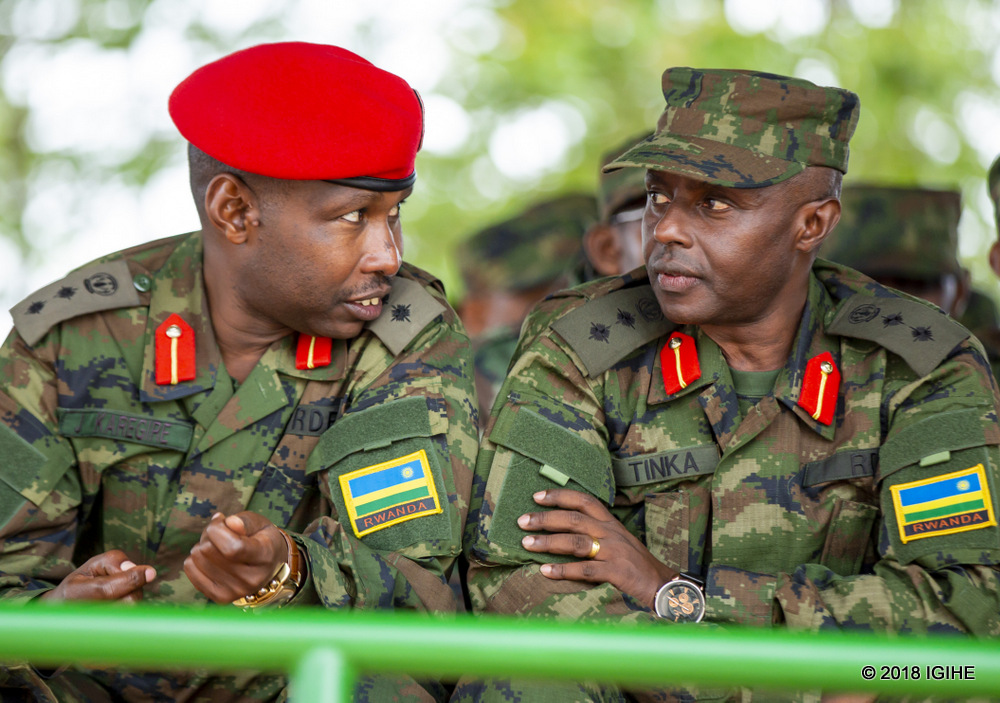
Col Faustin Tinka has been appointed Deputy Commander of the Mechanized Division.
Col Joseph Karegire was made the 211 Brigade Commander while Lt Col Geoffrey Gasana was promoted to Col and appointed Deputy Air Force Commander.
Among others promoted in ranks are Lt Col Kitoko Kadida and Lt Col Louis Kanobayire, both of whom were promoted to Col. Colonel Kitoko Kadida was appointed RG Commander while Col Louis Kanobayire was appointed Chief J3.
Lt Col Richard Ndamage was appointed to OPS Officer 1 Division, and Lt Col Ignace Tuyisenge was appointed Deputy Military Police Regiment Commander.
Capt. Danny Gatsinzi was promoted to Lt Col and appointed Chief of OPS in Air Force.
President Kagame assigned Col Karegire new responsibilities after appointing him Chief J3 last November, in 2019.
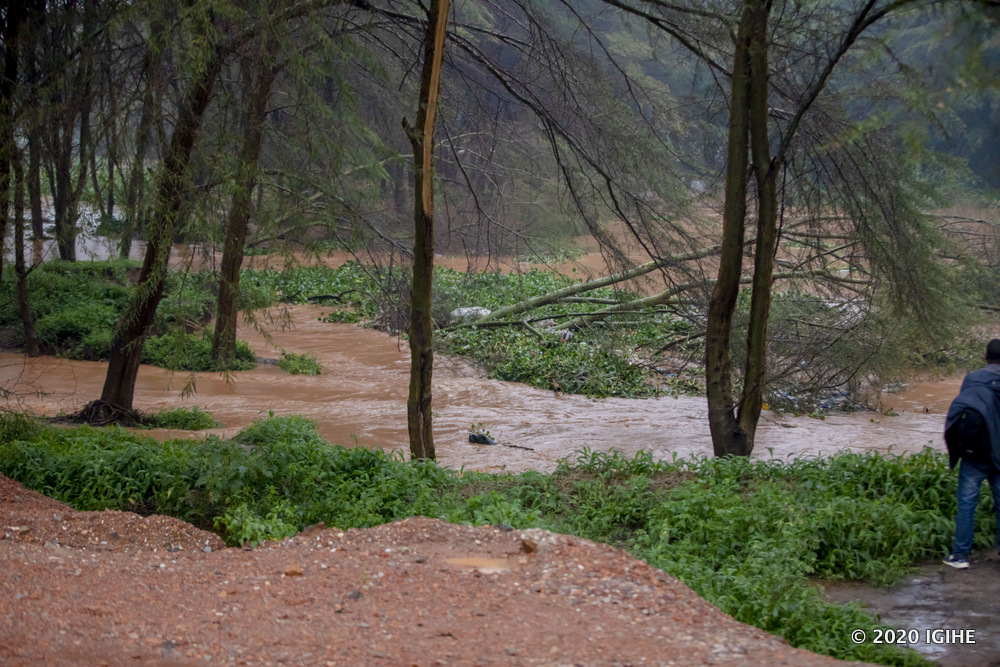
MINEMA says the rain was characterized by hailstorms, lightning, and hailstones which largely led to loss of lives and property.
Most damages were identified in Kicukiro and Gatsibo districts.
In Gasabo district, a house collapsed and swept away by floods, killing all seven members of the household, but by press time only four bodies had been recovered.
One person in Rulindo was struck by lightning and is in critical condition. Houses that were razed down include; one in Bwishyura Sector, Karongi district, one in Rusiga sector, Rulindo , 12 in Nyarugenge sector, Nyarugenge district.
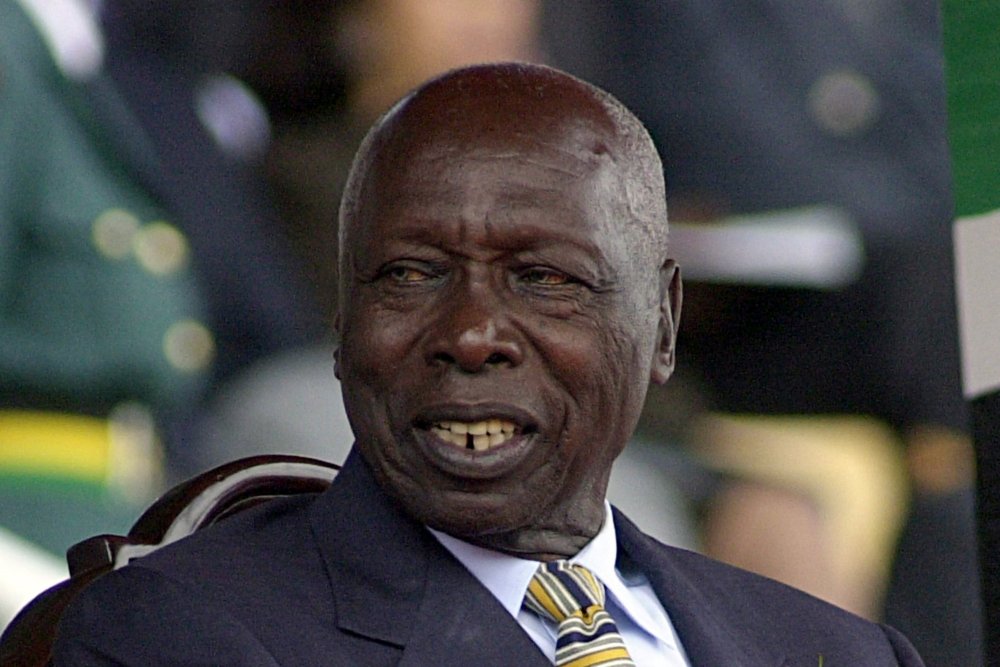
Moi’s death was announced by President Uhuru Kenyatta in a statement on the state broadcaster on Tuesday.
“It is with profound sadness and sorrow that I announce the passing of a Great African Statesman, H.E. Daniel Toroitich Arap Moi, the Second President of the Republic of Kenya,” the announcement said.
“His Excellency the Former President passed on at the Nairobi Hospital on the early morning of this 4th February 2020, in the presence of his family,” it said.
Moi, a former schoolteacher, ruled Kenya between 1978 and 2002. He had been in the hospital for over a month.
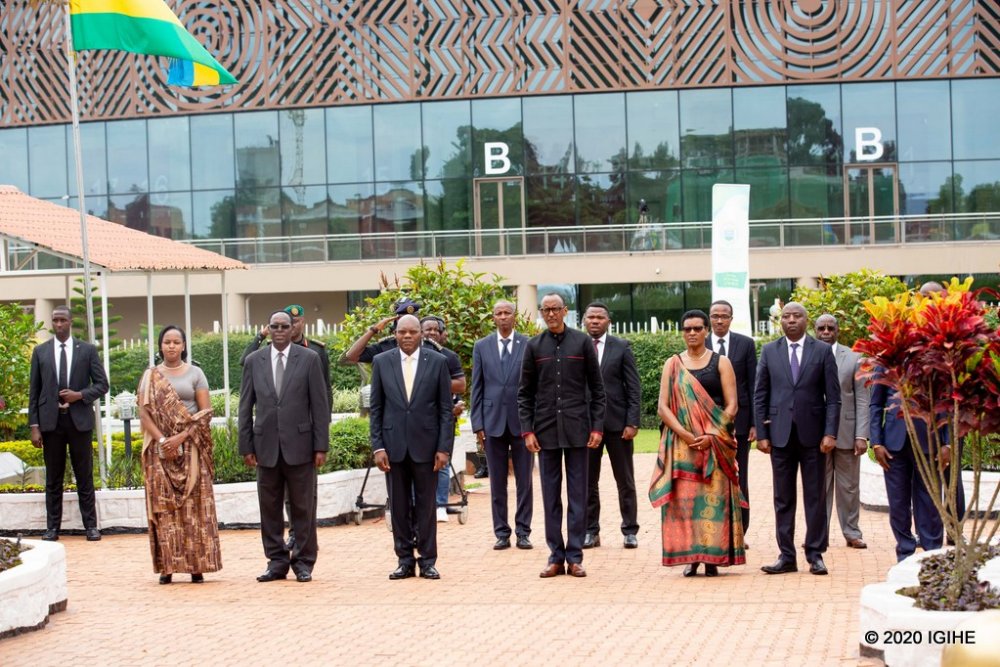
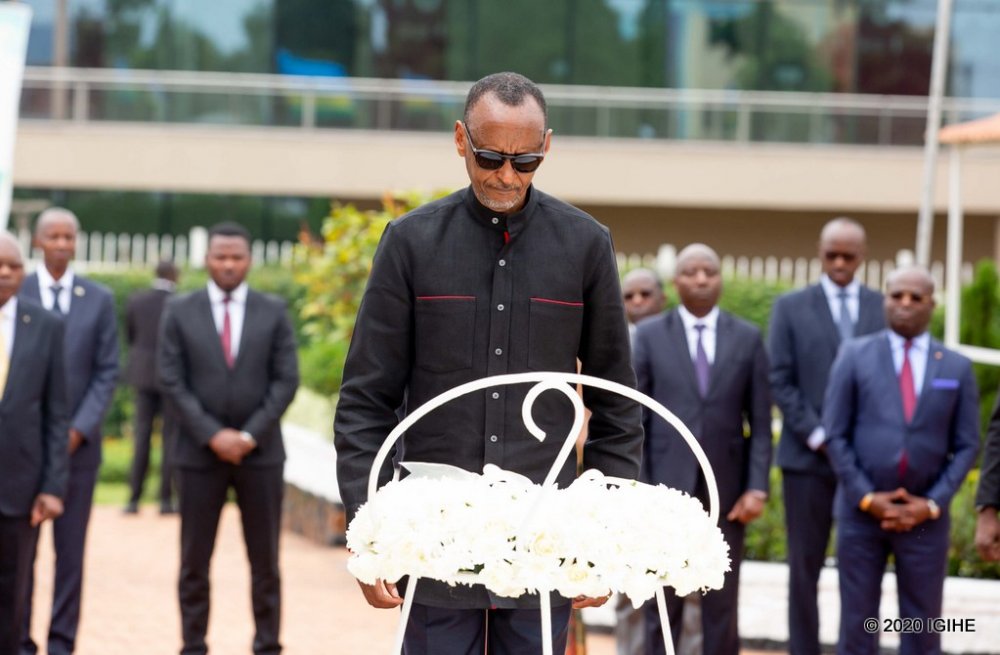
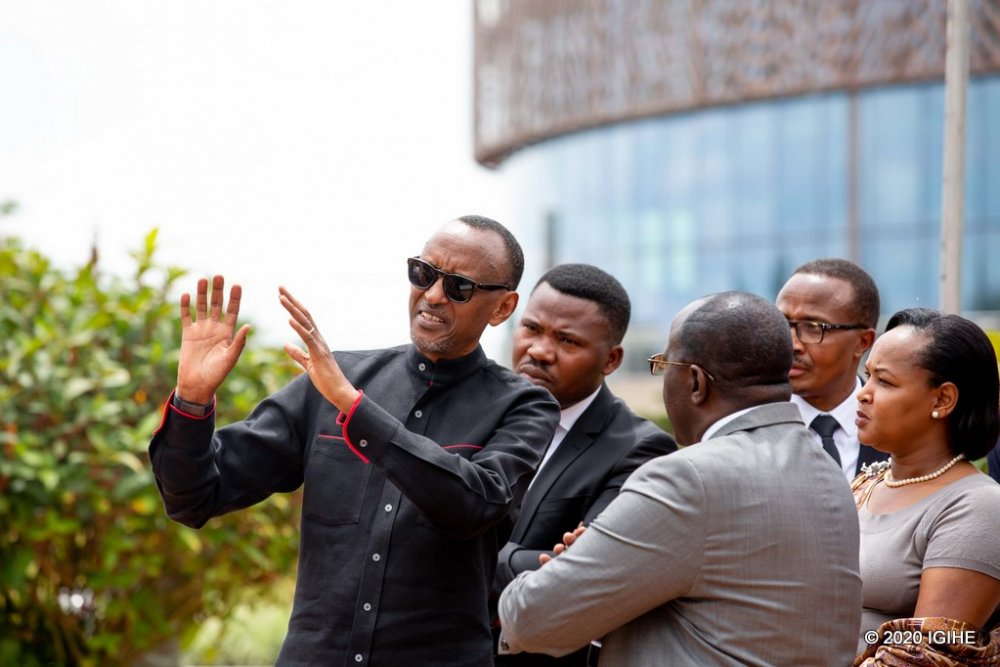
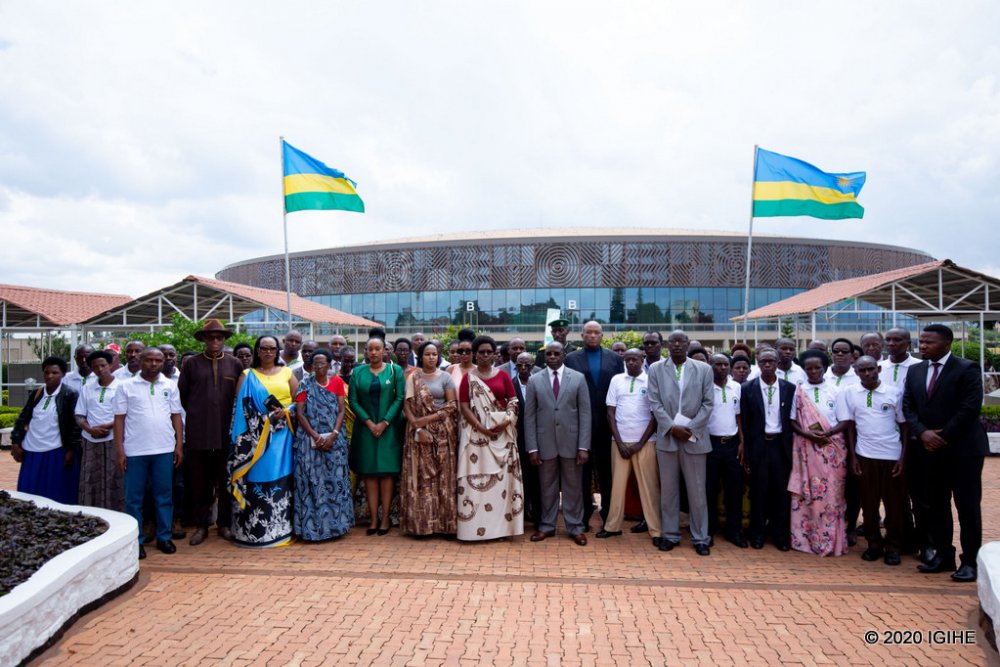
President Kagame chaired the ceremony accompanied by government and security officials including Dr. Ngirente Edouard, Prime Minister of Rwanda, Dr. Iyamuremye Augustin, Senate President, Mukabalisa Donatille,
Speaker of the Chamber of Deputies, Maj Gen Albert Murasira, Minister of Defense in the Rwandan cabinet as well as Mbabazi Rosemary, Minister of Sports, Edouard Bamporiki, Minister of State in the Ministry of Sports and City of Kigali mayor, Pudence Rubingisa.
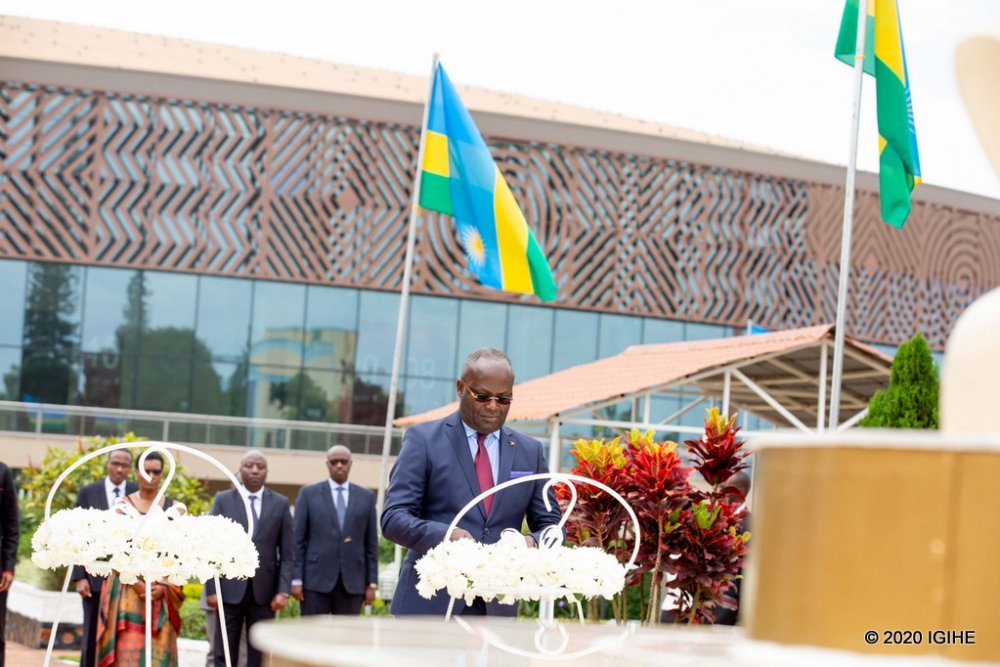
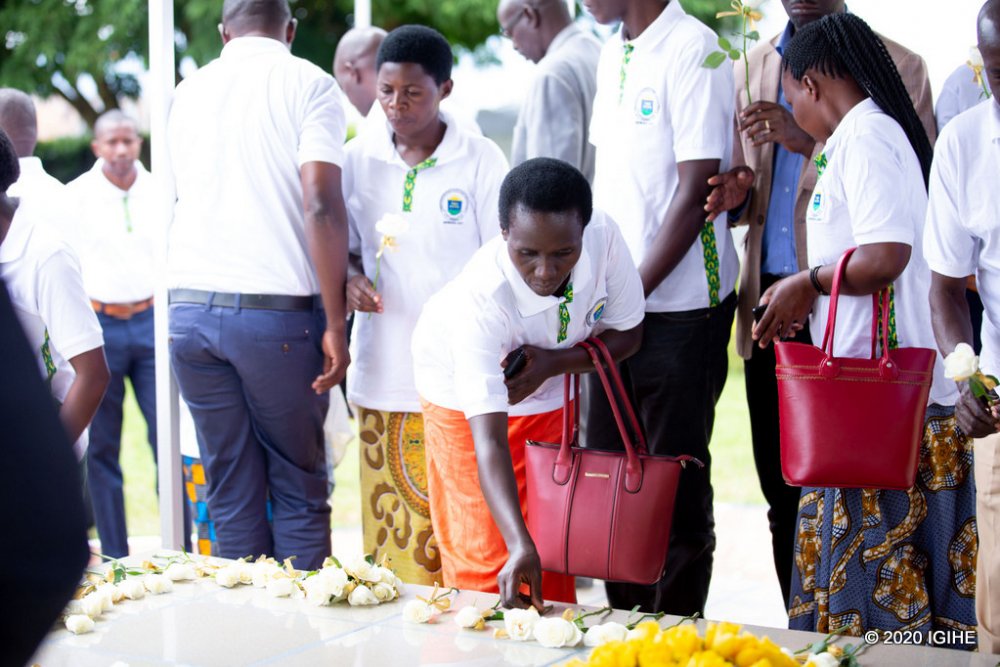
The ceremony started with singing the National Anthem followed by a minute of silence in honor of National Heroes who shed their blood to liberate the country and laying a wreath on National Heroes’ graves.
Each year on February 1st, Rwanda celebrates selfless and brave acts of people who put their lives at stake to save countless Rwandans amidst a ruthless mass slaughter.
Across the country, Rwandans celebrated this day in their respective villages where they were reminded to champion heroic values as portrayed by Rwanda’s heroes.
This year, the National Heroes Day was celebrated under the theme “Our heroism, Our dignity”
Deo Nkusi, the Executive Secretary of the Chancellery for Heroes, National Orders and Decorations of Honour ( CHENO) said that the dignity of the country emanates from its citizens and that therefore Rwandans should tirelessly work to dignify it.
“We must strive to uphold the values our heroes portrayed and contribute to build the country they hardly fought for. In times of war and sorrow, heroism was synonym of brave military actions and even today, security is one of the most important pillar holding our nation together.”
He called upon the youth in particular to be exemplary in whatever they do and work hard to develop the country. “the youth is the future of our country and for that matter, we inculcate to them the Rwandan values we learned from our elders just so they use them as a pillar of development.”
Nkusi said that the secret of development lies in hard work and unity.
The 26th National Heroes’ Day was preceded by the Heroism Week which started from January 24th to January 31st, 2020 with main activities including ‘Ubutwari Tournament’. The tournament included sports disciplines, talk shows and conferences.
In the past three years, research identified 76 other people who showed acts of bravery, some of whom will be added to the list of Rwanda’s National Heroes.
According to the law establishing the Chancellery for Heroes, National Orders and Decorations of Honor “a hero is any person who pursues objectives he/she undertakes to obtain a special achievement for the public interest and with high proven integrity, sacrifice and noble courage in his/her acts and who avoids being a coward in his/her actions in very trying situations.”
{{Rwandan heroes are classified into three categories which are:}}
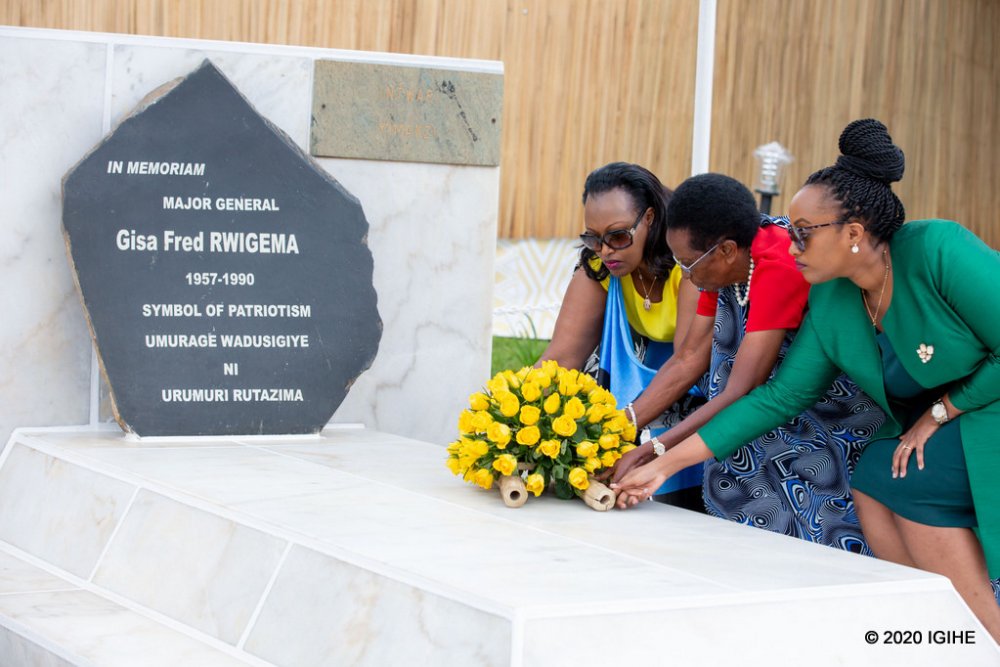
-* Imanzi: The unknown soldier and Major General Fred Gisa Rwigema.
-* Imena: Mutara III Rudahigwa, Rwagasana Michel, Agathe Uwiringiyimana, Niyitegeka Félicité and Nyange students.
-* Ingenzi: No hero was classified in this category.
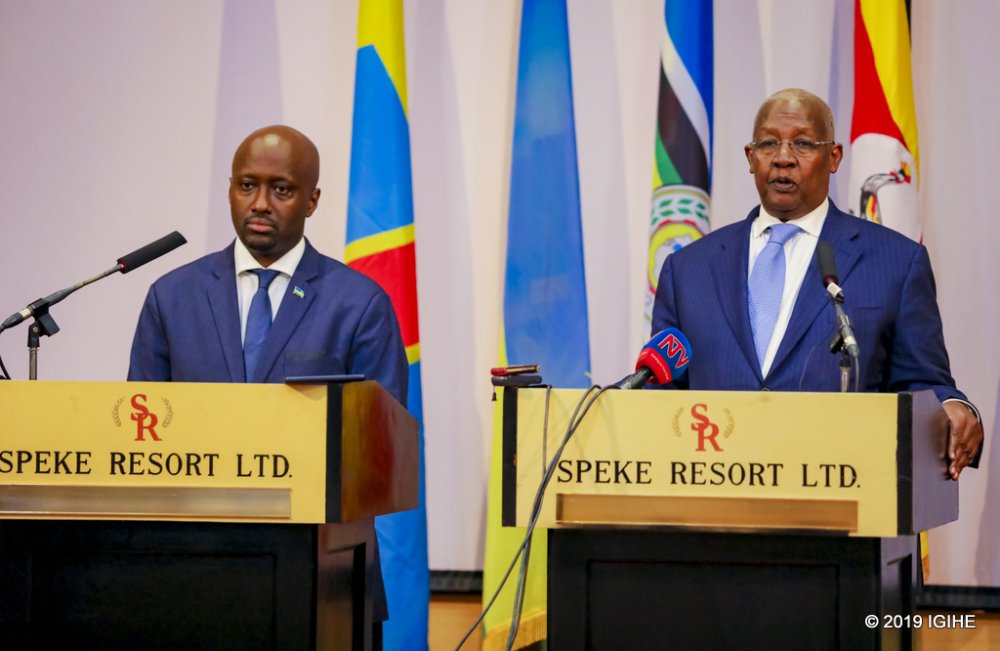
The Minister of State in charge of the East African CommunityAmb Olivier Nduhungirehe, posted on his Twitter account that the third quadripartite meeting on Uganda-Rwanda conflict will be held in Angola on February 2nd, 2020.
“Third Quadripartite Summit on relations between Uganda and Rwanda, to be held in Luanda this Sunday 2nd February 2020, under the facilitation of Presidents João Lourenço of Angola and Félix Antoine Tshisekedi of DRC. With good faith and resolve, we can end this crisis.”
The Ministry of Foreign Affairs in Angola invited the four parties as per a Twitter message that reads: “President João Lourenço has invited his counterparts Félix Tshisekedi (DRC), Paul Kagame (Rwanda) and Yoweri Museveni (Uganda), for another Quadripartite Summit in Luanda this Sunday. Security matters and regional cooperation will be at the heart of the discussion”
In September, 2019, a follow-up meeting was held in Kigali to evaluate the implementation of the agreement. Resolutions taken included releasing countless Rwandans who were incarcerated in Uganda’s prisons and for Uganda to stop supporting anti-Rwanda terrorist groups.
A second follow-up meeting was held in Kampala in December, 2019, discussing the ongoing conflict between the two countries where Ministers of State and other representatives of security authorities tried to find a common ground and end the tensions but to no avail.
It has been three years now that the tension between Uganda and Rwanda sparked. Rwanda accuses Uganda of imprisoning and torturing its citizens and also supporting anti-Rwanda terrorist groups and activities.
In March 2019, the Government of Rwanda warned its citizens to stop all travels to Uganda due to illegal incarceration and torture Rwandans who were in Uganda were subjected to. It was emphasized by many Rwandans who were chased out of Uganda and dumped on border posts after being beaten and tortured for alleged crimes of being on Ugandan territory clandestinely or being spies.
Survivors of Uganda’s jails and torture said that they were tortured on order of Uganda’s Chieftaincy of Military Intelligence (CMI) and that some died while others were permanently handicapped.
Uganda recently released 9 Rwandans who were incarcerated illegally and that suggested good faith on its part to solve the conflict.
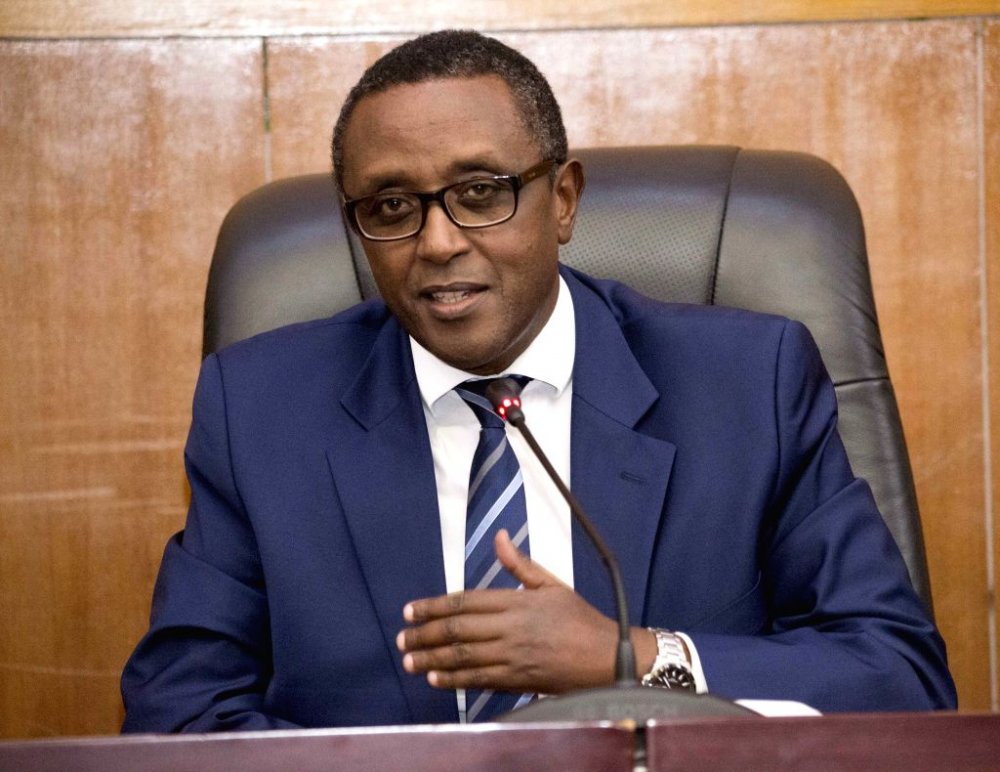
Minister Biruta said that it was a good step towards solving the conflict but that it was only a beginning since more than 100 Rwandans are still held prisoner in Uganda.
On Friday, Minister Biruta commended China’s efforts in curbing the virus and all preventive measures taken so far to protect its citizens.
Yesterday, the Ministry of Foreign Affairs and International Cooperation issued a statement of solidarity with the People’s Republic of China.
Minister Biruta said: “We express our appreciation to China on their handling of the coronavirus outbreak and their support to foreign nationals including Rwandans living in Hubei Province. We remain confident in China’s ability to manage this outbreak and contribution to a coordinated global mechanism.”
The Minister also thanked the Ambassador for support and provision of food and basic necessities are given to the 155 Rwandans living in Hubei province, by the local authorities in collaboration with the Embassy of Rwanda in Beijing.
The Ministry of Health announced that currently, no Rwandan has been identified with the Coronavirus and advised Rwandans to avoid unnecessary travels to coronavirus endemic countries.
In a recent press conference, Urujeni Bakuramutsa, Permanent Secretary in the Ministry of Foreign Affairs and International Cooperation said so far none of Rwandans living in Hubei was infected.
Some countries have started withdrawing their citizens from China but the Minister of Health Dr. Diane Gashumba said Rwanda has not yet taken that decision. “We are confident that the health care system in China has the capacity to curb the epidemic.”
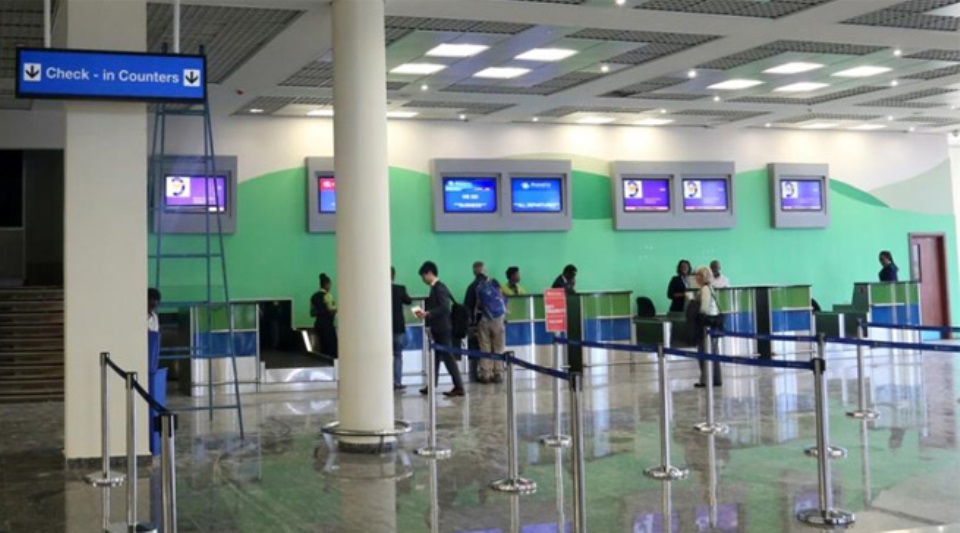
Rwanda continues to adopt preventive measures against the Coronavirus. The Ministry of Health in partnership with Rwanda Biomedical Center (RBC) recently deployed a permanent rapid response team of 10 at Kigali International Airport to protect travelers against Coronavirus.
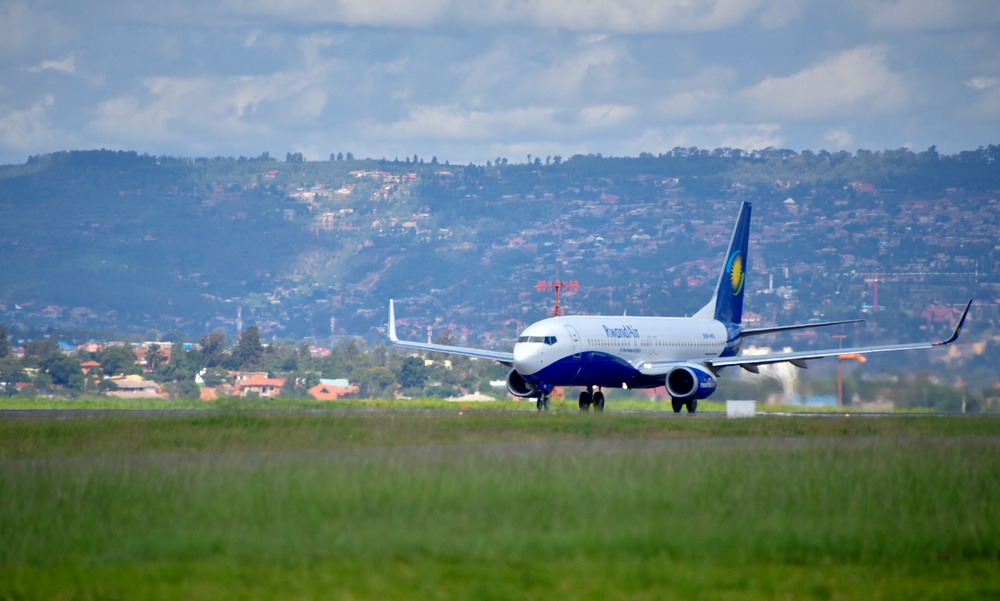
On another side, RwandAir, the carrier airline of Rwanda has temporarily suspended flights to Guangzhou, China from January 31st until further notice.
The Coronavirus was first identified towards the end of 2019, in Wuhan, China. New reports show that 9809 have already been infected and 213 died from it in China.
The Coronavirus spreads through direct contact with the infected person, sneezing and coughing. To prevent the spread of the virus, the World Health Organization advises regular handwashing, covering mouth and nose when coughing and sneezing. In addition, it is important to avoid close contact with anyone showing symptoms of respiratory illness such as coughing and sneezing.
RwandAir implemented the decision after the World Health Organization (WHO) declared Coronavirus as a public health emergency on January 30th, 2020. The global outbreak currently includes 98 cases in 18 countries, outside China.
RwandAir announced that all affected by that decision will be reimbursed or allowed to postpone their travels to later dates. Flights to Mumbai, India will not be affected.
Rwanda Civil Aviation Authority (RCAA) is currently conducting an awareness campaign with aviation personnel on the prevention of the people.
Apart from RwandAir, other carrier airlines including British Airways, Swiss Airlines, and Kenya Airways have also temporarily stopped flights to China. Austrian Airlines has also stopped travels to and from Beijing and Shanghai until February 9th, 2020.
American Airlines announced that it had stopped flights to Shanghai and Beijing between February 9th and March 27th, 2020. The same applies to Lion Air Group from Indonesia, Air India, and Seoul Air.
RwandAir launched flights to Guangzhou, China on June 18th, 2019. Flights depart from Kigali International Airport to Guangzhou Baiyun three times a week passing through Mumbai, India for a duration of 16 hours.
The Ministry of Health in partnership with Rwanda Biomedical Center (RBC) recently deployed a permanent rapid response team of 10 at Kigali International Airport to protect travelers against Coronavirus. Travelers are also mandated to respond to a series of questions to remove all doubts they carry the virus.
The Coronavirus has so far claimed the lives of 170 people only in China and continues to spread to other countries. The virus was spread by travelers from Wuhan, China where the virus originated from, who made it to other countries before there were border restrictions.
In Germany, Japan, Vietnam, and the United States combined only 8 people were identified to carry the Coronavirus. Symptoms include fever, cough, shortness of breath and breathing difficulties and in advanced stages, pneumonia, severe acute respiratory syndrome, kidney failure, and even death.
The Coronavirus spreads through direct contact with the infected person, sneezing and coughing. To prevent the spread of the virus, the World Health Organization advises regular hand washing, covering mouth and nose when coughing and sneezing. In addition, it is important to avoid close contact with anyone showing symptoms of respiratory illness such as coughing and sneezing.
Bishop Rucyahana, Chairman of the National Unity and Reconciliation Commission, experienced firsthand the devastating effects of the 1994 Genocide Against the Tutsi when he returned home from exile to a devastated country. When he assumed responsibility for the Shyira Diocese of Northwest Rwanda in 1997, the events of 1994 and years of proceeding violence sparked by the Genocide Against the Tutsi had destroyed the social fabric. This drove him to widely promote the message of healing, hope, repentance, and forgiveness to a post-genocide Rwanda.
The importance of unity and reconciliation was a common thread throughout the session, with the Bishop explaining that consolidation strategies are vital to our future security. To start the discussion, he retraced the colonial history. He explained how the UN failed Rwanda in 1994, and why this instruction remains important and needs the support of people globally, including Rwanda. He affirmed our responsibilities to support the UN as the People of Rwanda in first accepting that the 1994 Genocide Against the Tutsi happened, then opening up clear channels of communication to talk about it, and lastly fighting against the genocide ideology by living in harmony. “We need to use our unity as a source of energy to develop,” he explained.
These responsibilities were echoed by UGHE’s Vice Chancellor Dr. Agnes Binagwaho, who spoke about the unifying after effect of the Genocide and the importance of our contributions in supporting the most vulnerable.
“The strong willingness of Rwanda to recover after the Genocide Against the Tutsi pushed people to help and support each other. This continues and should continue to happen across the world today. All over the word we hear the words ‘Never Again’, and yet genocides still occur. So our responsibility as a University in educating students coming from all over the world to transmit to them the knowledge on why and how genocides occur and why and how to contribute to prevent it and give our student the willingness to do so”. By reimagining health education, UGHE’s mission is to provide quality care to every individual in every corner of the globe, and in doing so, it supports the growth and regeneration of our entire nation with a global vision of peace and human development.
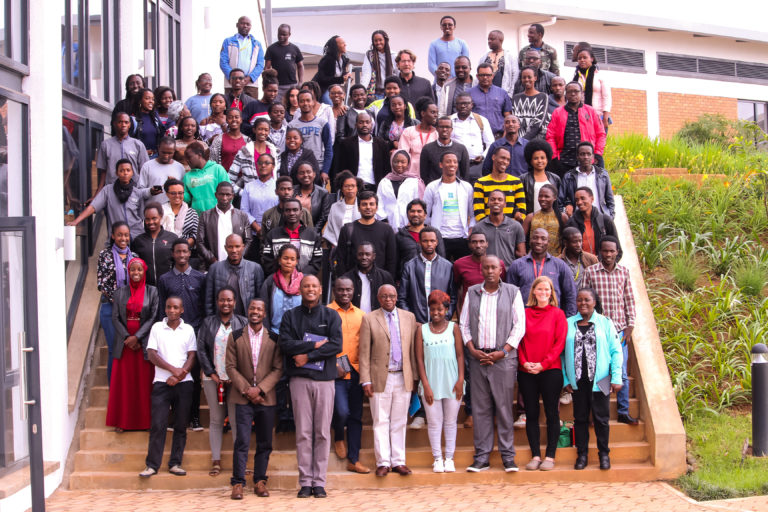
The message of unity resonated with UGHE’s students, staff and faculty from around the world, as they identified the need for pan-African and global collaboration to eradicate harmful genocide ideologies and racism globally. This move will be spearheaded by people like themselves comprising young future leaders both from Africa and other continents. Salome Sijenyi from Kenya, a Master of Science in Global Health Delivery (MGHD) student at UGHE, spoke about how presenting ourselves as ‘One Africa’ would be a strong global statement, whilst not discrediting the unique identities of each country. Dr. Agazi Gebreselassie, an MGHD student from Ethiopia spoke about the importance of good communication to ensure these important messages are not misinterpreted.
The importance of good communication can be translated through advocacy, helping others understand what is needed to overcome emotional hardship and heal. Both Daniel Bangura (an MGHD student from Sierra Leone) and Dr. Chinonso Emmanuel Okorie (an MGHD student from Nigeria) advocated for the simple act of loving your neighbor, and encouraging others to do the same; ‘Teach the next person to love the next person’ Chinoso urged the audience, ‘Teach your child to love and be the bedrock of your family’. The discussion was both vibrant and passionate, students, faculty and staff evoking that whilst love is the starting point to progression, we also need to be actively developing and supporting the vulnerable for all of us to live in harmony.
The Bishop’s audience of aspiring global health leaders were encouraged to see Rwanda’s past, present, and future as intrinsically tied to tomorrow’s bold, transformational leadership. “Our rights and our destiny cannot be donated to us; we have to fight for it…The future of this nation is in your hands,” Bishop Rucyahana explained.
Bishop Rucyahana closed the session with a call to action, inspiring UGHE staff, students, and faculty to “leave a legacy behind us that will define who we are,” and in doing so, pave the way for restorative justice and societal transformation. UGHE’s Dean Abebe Bekele concluded the session by reminding the audience to ‘use this as an example globally to ensure this does not happen again’. UGHE looks forward to continued collaborations with CNLG as it expands its academic offerings and development opportunities for students, faculty, and staff.
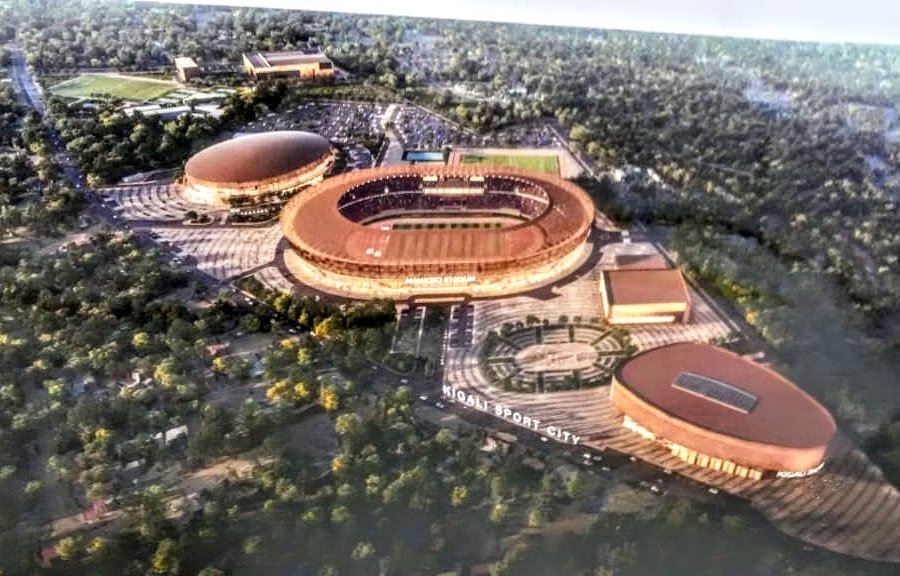
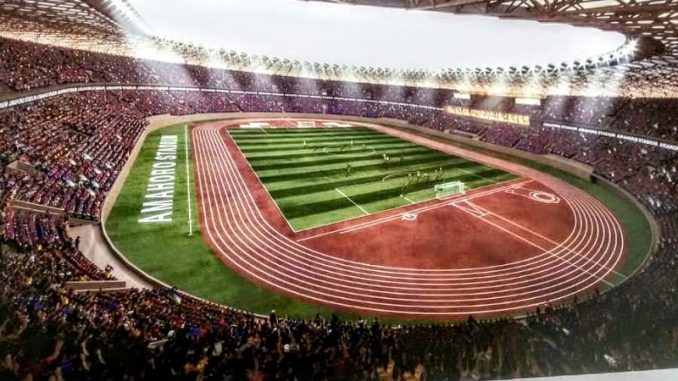
In 2020, the project will start with an upgrade for Remera Stadium from a seating capacity of 25,000 people to 45,000 people as well as an upgrade of Petit Stade which will be given the capacity to host international championships.
Claver Gatete, Minister of Infrastructure said that after the upgrade, Amahoro stadium will meet international standards after the Confederation of African Football (CAF) disqualified it from hosting international championships.
Amahoro stadium construction started in 1983 and it was inaugurated in 1987. In the past, the media complained about the stadium details stating that the pillars in the stadium made it challenging to capture every moment of a game on camera.
IGIHE sources say the government of Rwanda expects to complete construction activities in two years even though to date, no contractor was chosen.
Some infrastructures will be relocated
Minister Gatete said that to facilitate the construction of the sports hub in Remera, some institutions and other infrastructures will be relocated to avail the 35 Hectares needed to complete construction.
“Rwanda Biomedical Center, Remera Police Station, MTN service center, Remera dispensary, Remera Catholic school and other surrounding institutions towards Kimironko where a new hotel owned by Ferwafa is under construction, will be relocated to give space to the sports hub.”
The Master plan illustrating the sports hub have been completed with regards to sports Rwandans and tourists can play.
Minister Gatete said “We will upgrade Petit Stade and give it the capacity to welcome international competitions, Paralympic games, pools and other disciplines. “He stated that the Master plan also includes a space for 7 tennis courts and various other game fields. The construction activities will begin this year.
The Master Plan anticipates an auction to investors for RBC plot for building a mall that will complement the sports hub.
The sports hub will also be an addition to Kigali Golf Club which is currently under renovation. Once completed, the golf course will have thrice its previous size and will have the capacity to host international golf competitions.
Kigali Golf Club will be upgraded from a subset course of nine holes to a standard course with 18 holes.
Four years ago, Rwanda Housing Authority (RHA) published Gahanga stadium and Exhibition centre plan and final touches are being made promising construction activities to start soon.
The project delayed in 2014, after Bibilax Ltd, a Turkish contracting company presented a plan that was not approved. There is no information if Remera sports hub has replaced the construction of Gahanga stadium.
However, Minister Gatete stated the construction plan for Gahanga stadium was being finalized and that it will also include a sports academy.
On Thursday, January 30th, 2020, Munyangaju Aurore Mimosa, Minister of Sports hosted Paris St Germain representatives where they discussed different subjects to promote football in Rwanda and cooperation with Ferwafa.
Part of the agreement between RDB and Paris Saint-Germain says the team will support young Rwandan footballers to reach their full potential by organizing training programmes for both coaches and youth through a sports academy. Commentators linked it to the academy Minister Gatete mentioned that will be constructed in Gahanga.
Normally, anyone who wants to visit Rwanda pays Rwf 50,000 to acquire a visa.
Rwanda anticipates the new regime to be an advantage as it will double the number of visitors.
The decision was taken a few months after the directorate general of immigration and emigration announced that citizens of all countries were eligible for a 30 days visa upon arrival without prior application.
The visa-free regime might appear as an abrupt and disadvantageous decision since countries from the aforementioned communities make only ½ of the total number of visitors to Rwanda.
Clare Akamanzi, Rwanda Development Board (RDB) Chief Executive Officer explained that the revenues the country received from visa fees are nothing compared to the opportunities that will be opened with the visa-free regime.
“We only receive Rwf 4 billion per year from visa fees but with the visa-free regime, our revenues will be incomparable. If a citizen from the AU, Commonwealth or Francophonie pays to say $50 to enter country and zero fees on visa, we anticipate that he will spend at least $300 inside the country and that is only a modest estimation.”
The visa-free regime is also in line with the Commonwealth Heads of Government Meeting (CHOGM) which will be held in Rwanda from the 22nd to the 27th of June, 2020.
During the annual diplomats’ luncheon on January 29th, 2020, President Kagame stated that the visa-free regime would apply to many more countries in the future.
“Our aim is to make travels to Rwanda as easy as possible and we plan to remove visa requirements for members of the AU, Commonwealth and La Francophonie. In the future, we will also think about applying the same regime to many other countries because we want to promote our tourism sector in every possible way.”
News about the visa-free regime sparked enthusiasm from foreigners who say it is a thoughtful step to promoting international trade.
Margret, a French citizen said “I think it is a great idea because so many people wish to travel to Rwanda but are restricted by visa application and fees.”
Ahmed, an Egyptian citizen said “It is a sign that everyone is welcome to Rwanda and I can only hope other countries can take example on this initiative and allow visa-free travels.”
In 2018, Rwanda received an estimated 1.7 million tourists and 1.6 million tourists in 2019.