Methode Ruzindana, the Director of Research Department at Rwanda Peace Academy took the visitors through a brief history of the academy and urged the officials to be Rwanda’s ambassadors.
The military officials told the media that they chose to visit Rwanda because they have so much to learn about the history of Rwanda and how it rose from the ashes to become the powerful nation it is today.
Brigade General Ian Blacquiere who led the delegation said that they visited the academy expecting to learn more from strategies Rwanda used to achieve development and security after a dark history.
Rwanda Peace Academy receives permanent support from the Netherlands and Brig. Gen. Blacquiere said it would remain so. He commended Rwanda for helping countries navigate the difficult path from conflict to peace by sending soldiers in peacekeeping operations and said other countries should learn from it.
Rwanda Peace Academy was founded in 2013 and offers training and research programs relevant to post-conflict challenges in Africa. The academy aims at enhancing regional capacity for conflict prevention and management, including post-conflict recovery and peacebuilding by employing international best practice. Since 2010, the academy has trained more than 3100 officials.
Rwanda is ranked second on the list of African countries that send the most peacekeepers in countries affected by political unrest after Ethiopia. Rwanda is also second after Senegal to send the most police officers for UN Peacekeeping operations.
A report published in November 2019, showed that Rwanda is ranked third for having sent the most soldiers and police officers in the United Nations Multidimensional Integrated Stabilization Mission in the Central African Republic (MINUSCA). Rwanda has so far sent 1389 soldiers and police officers for peacekeeping to the Central African Republic.
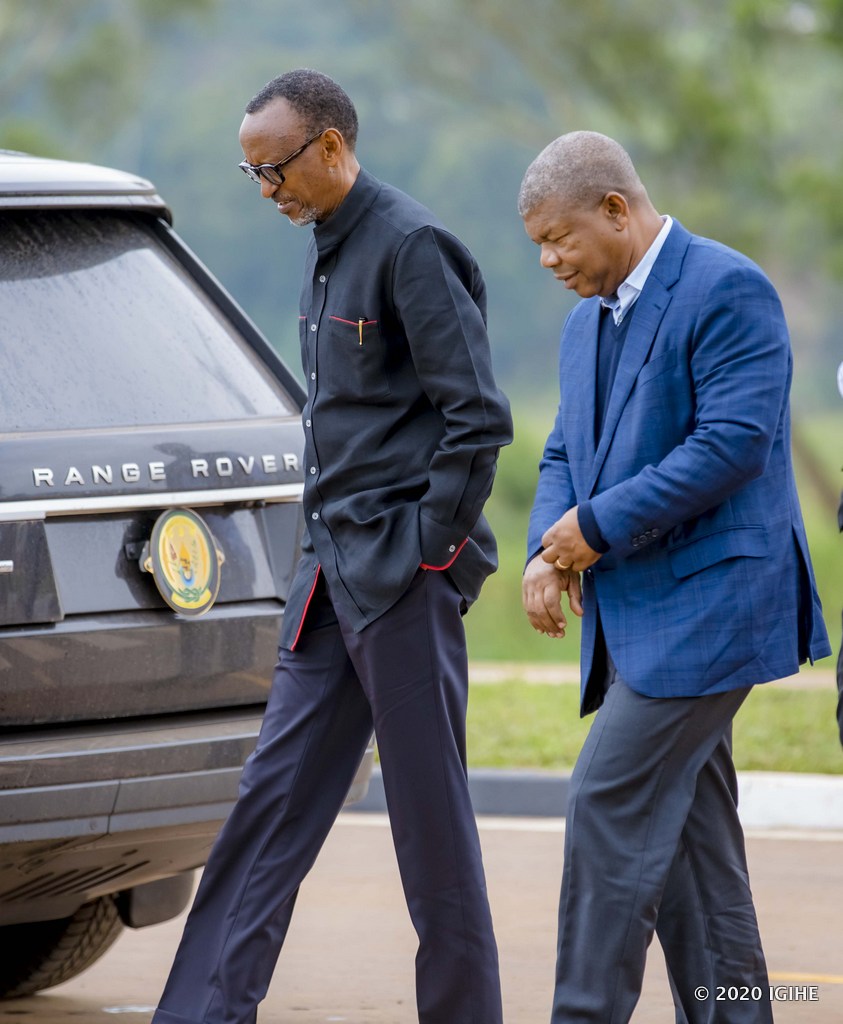
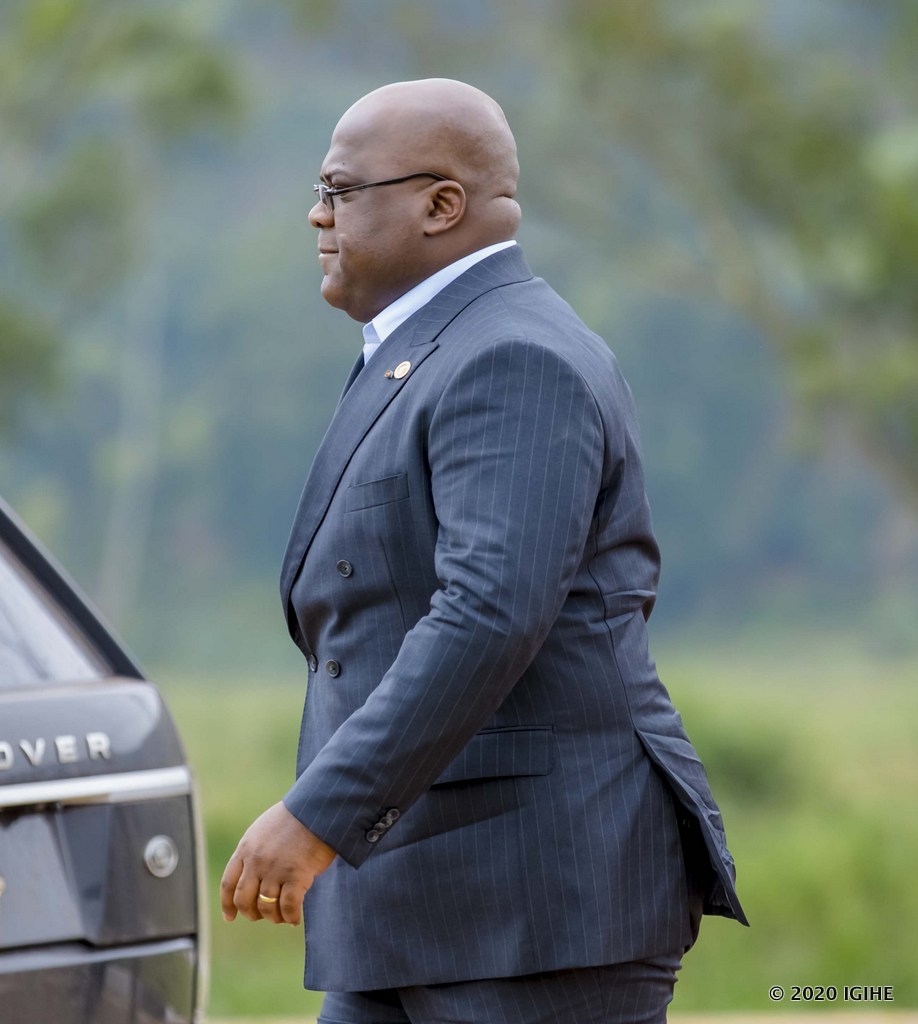
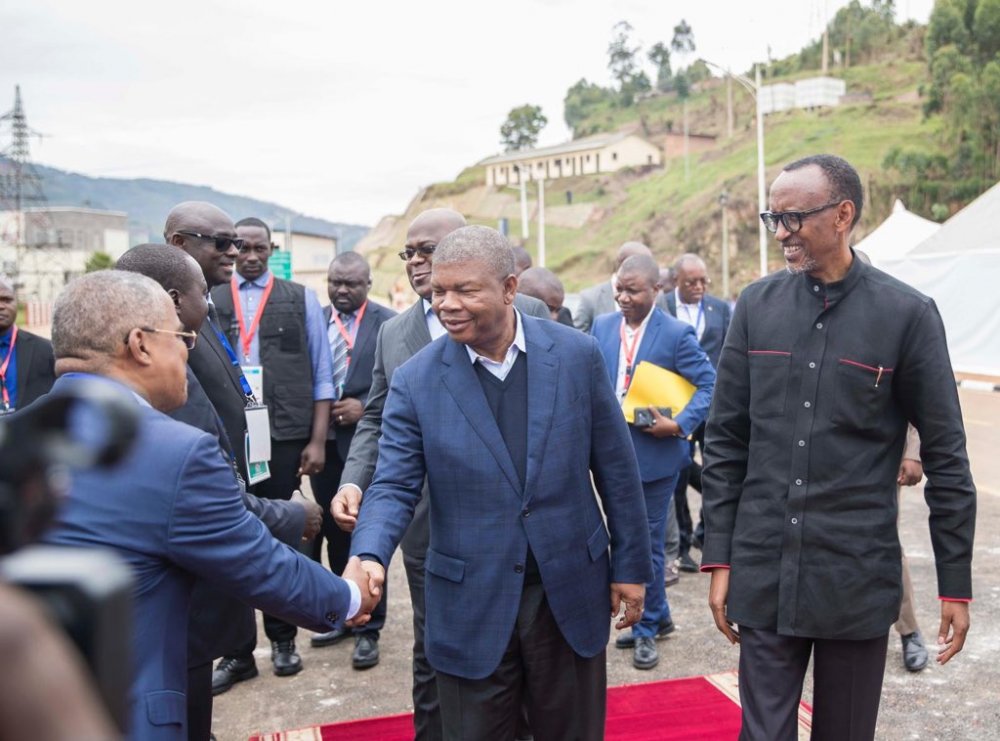
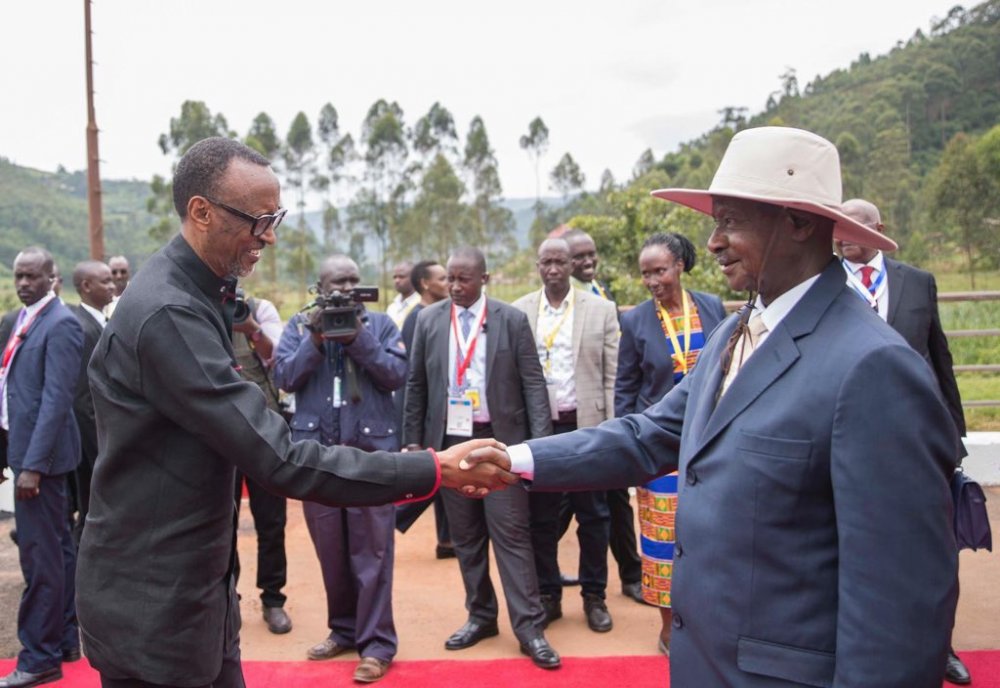
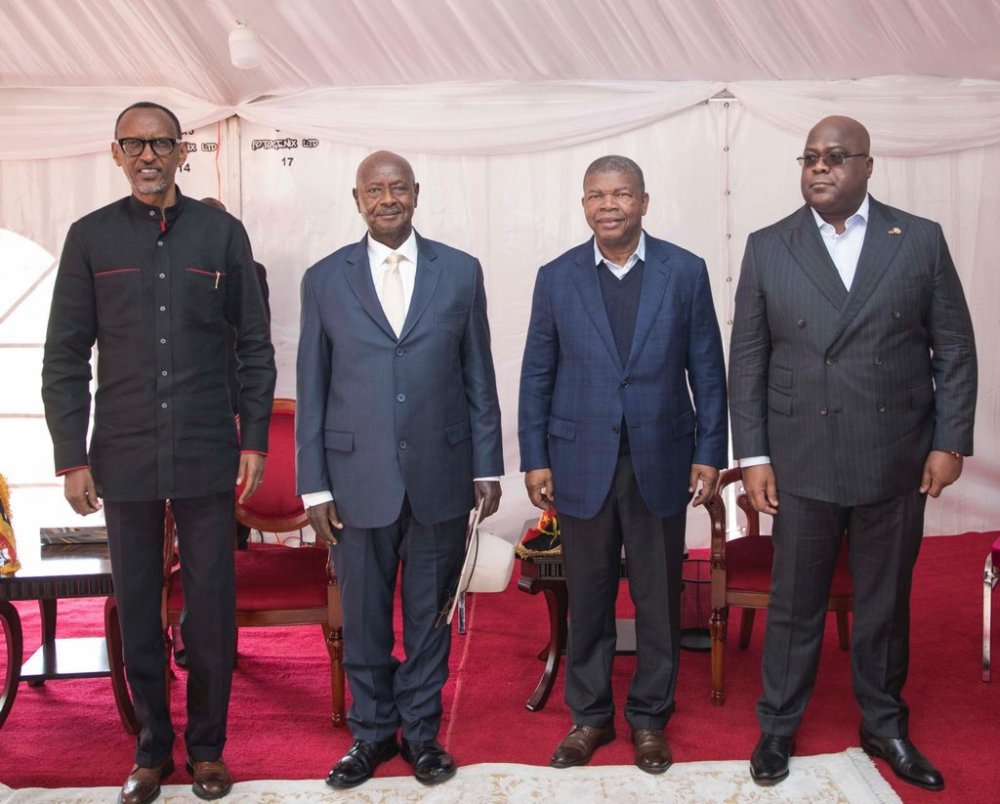
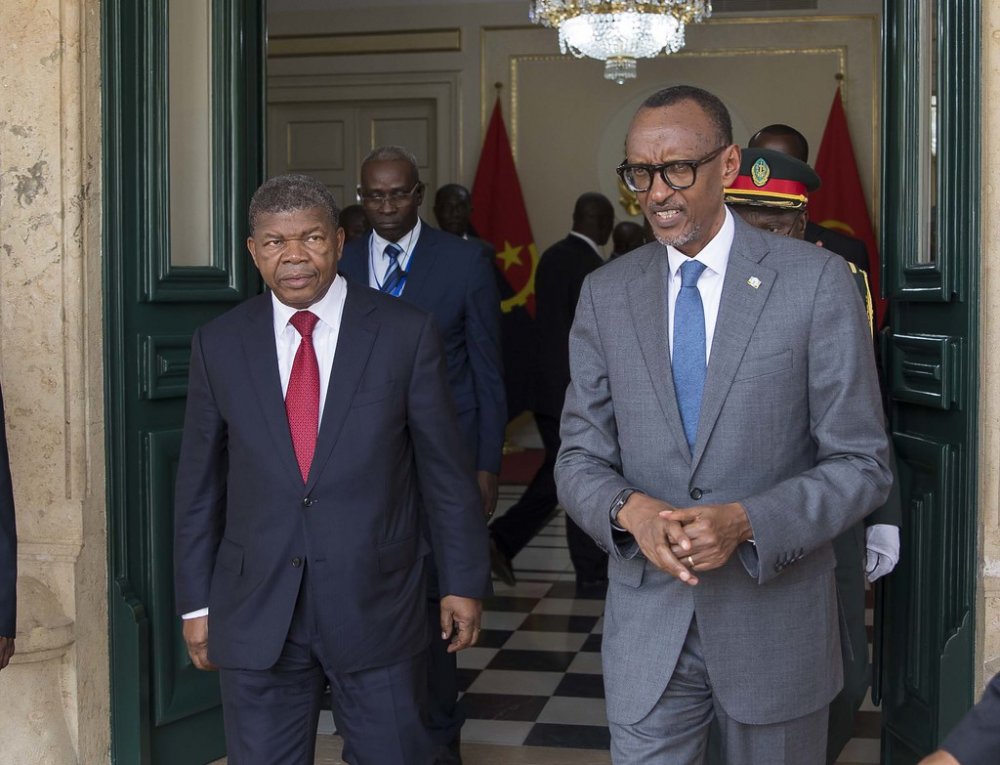
The meeting will bring together four Heads of State including President Kagame, President Museveni, President Lourenço and President Tshisekedi of the Democratic Republic of Congo.
The first quadripartite meeting was held on May 31st, 2019 in Kinshasa, the second on July 12th, 2019 in Luanda and the third on August 21st, 2019 in Luanda as well. During the third quadripartite summit, President Kagame and President Museveni signed the Luanda Memorandum of Understanding guiding the way forward in solving Rwanda-Uganda tensions.
The fourth quadripartite summit happens two days after 13 Rwandans were set free from Ugandan jail and handed over to Rwanda at Kagitumba border.
The 13 were released along 2 others who were deported from Uganda and who are suspected to have been involved in last year’s attack in Kinigi. Musanze District. The two suspects are Second Lieutenant Selemani Kabayija and Private Fidèle Nzabonimpa.
The Ministry of Foreign Affairs and International Cooperation in Rwanda commended Uganda’s efforts to respect its part of the agreement and announced that the Government of Rwanda had also dropped charges and released 17 Ugandans who were incarcerated in Rwanda.
It is expected that after analyzing the root of the conflict between Rwanda and Uganda, Heads of States will reconsider normalizing again the movement of goods and people between the two countries.
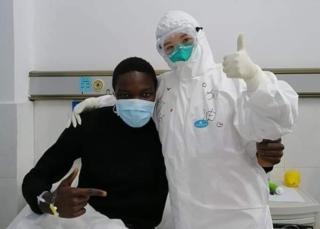
Pavel, a student from Cameroon,is the first, and till now the only African patient to be diagnosed with novel coronavirus pneumonia (NCP) in China. From confirmation on January 30, to isolation and treatment, till discharge from hospital on February 10,what struck Pavel the most in the unforgettable 12-day-long experience is that “Be it Chinese or foreign nationals, as long as we work together, there’s nothing to be feared in the fight against epidemic.”
The 20-year-old Cameroonian student speaks fluent Chinese and has a Chinese name called “Dong Qichen”. After learning Chinese for two years at the Confucius Institute in Cameroon and the Wenzhou University, he’s now studying at the College of Agriculture of Yangtze University in Jingzhou, Hubei province. He traveled to Wuhan with friends in January and was infected with NCP during his time there.
“Soon after my return, I had a fever with a temperature of about 38 degrees centigrade. My teacher was very worried and asked about my condition by phone every one or two hours. I was so moved.”
After being diagnosed with NCP at the Jingzhou Thoracic Hospital of Hubei Province, Pavel had been actively cooperating with treatment.
“They took very good care of me in each and every step of treatment! Chinese doctors and nurses are highly professional and dedicated. Regular disinfection, temperature measurement, and check were conducted at the hospital. The isolation ward is clean and tidy, with three meals a day, and a TV. My doctor told me that I’m doing well and there’s no need for worry. My teachers and classmates call me every day. I can also feel that I’m getting better.”
After his nucleic acid test turned negative, on February 10th, Pavel got his discharge record, which was densely packed with medical information, diagnosis, and doctor’s advice.
“During my stay in hospital, I learned about the Chinese medical staff’s workload and the pressure on them. Their families and friends are worried about them. However, they are all brave, strong and united. They are extraordinary!” This experience fills Pavel with gratitude and admiration for the Chinese doctors and nurses.
“Can you believe it? The news that I’ve been cured has spread to Cameroon and made headlines! The Cameroonian Embassy in China also issued an announcement about it. I’m a celebrity now.”
In Hubei Province alone, there are nearly 3,000 students from Africa, including around 70 from Cameroon. In these days, family members and friends are all concerned about Pavel.
“Originally, my family members in Africa were extremely worried. I’ve been telling them that the disease is controllable and curable. In fact, I haven’t felt as much pain this time as I had in Africa before when I was stricken with malaria or typhoid. Believe me, the best doctor for you is yourself, and the best medicine your smile.”
Although he still has to stay in his own dormitory for self-isolation after he left the hospital, Pavel feels relieved. “We all love China deeply and always have firm faith in the Chinese government. Let’s stay patient and optimistic and work together in the same spirit! At the end of the day, the epidemic will be defeated!”
This year’s racing competition is expected to bring together renowned international cyclists compared to previous years.
In 2019, Eritrean Merhawi Kudus won the race followed by 8 ranks with Rwanda’s very own Areruya Joseph.
A year after the 2019 race, Rwandan teams stated they are confident the grand prize will stay in Rwanda.
16 teams are expected to participate in Tour du Rwanda with 15 racers from 3 Rwandan teams including Team Rwanda, Benediction Ignite and SKOL Adrien Cycling Academy (SACA). The two latter regularly participate in international racing competitions.
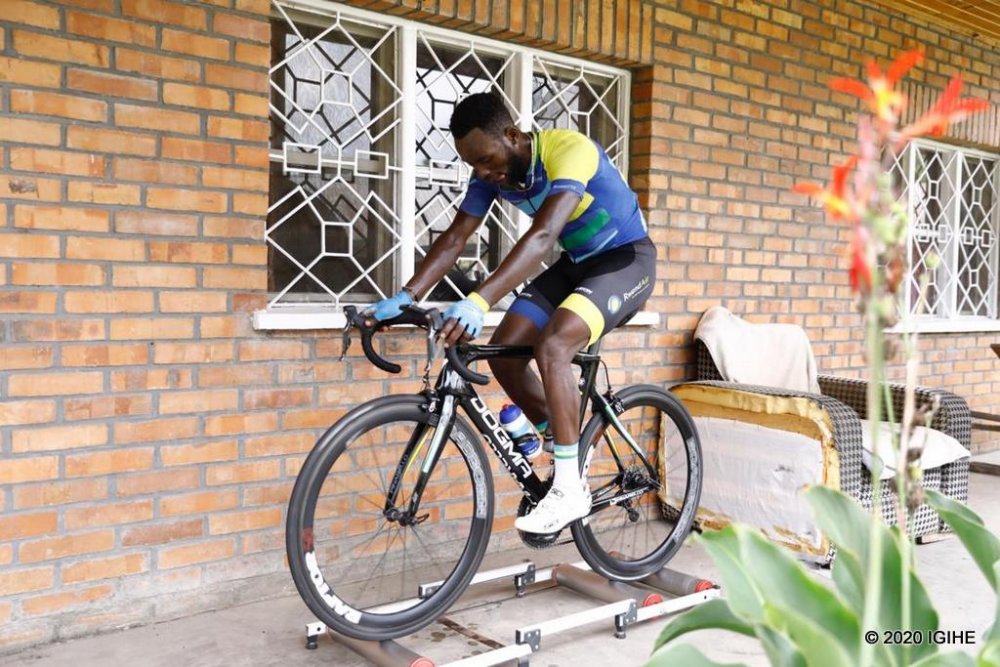
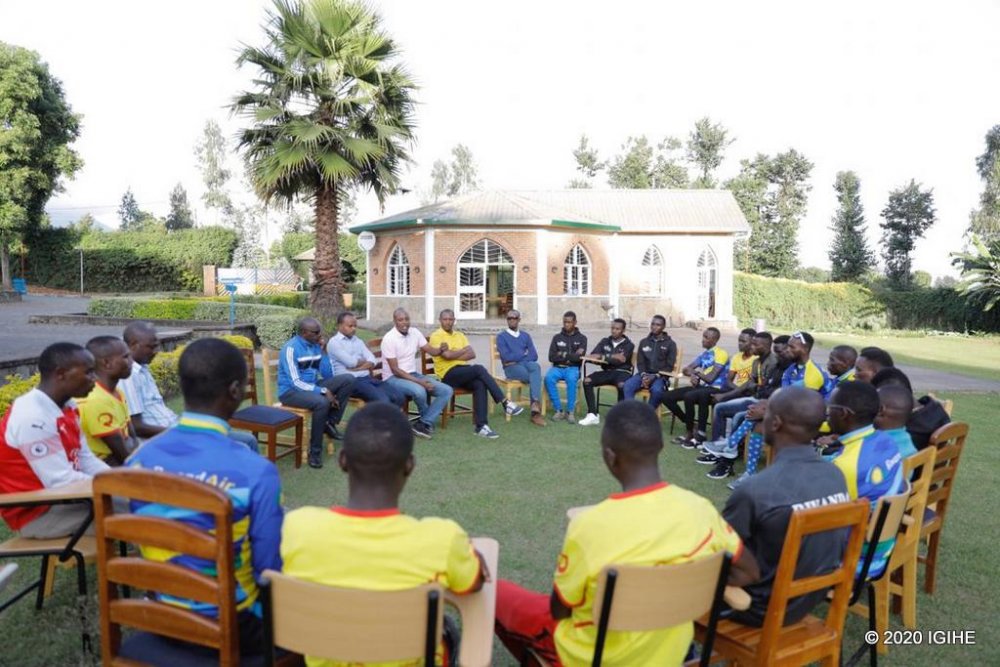
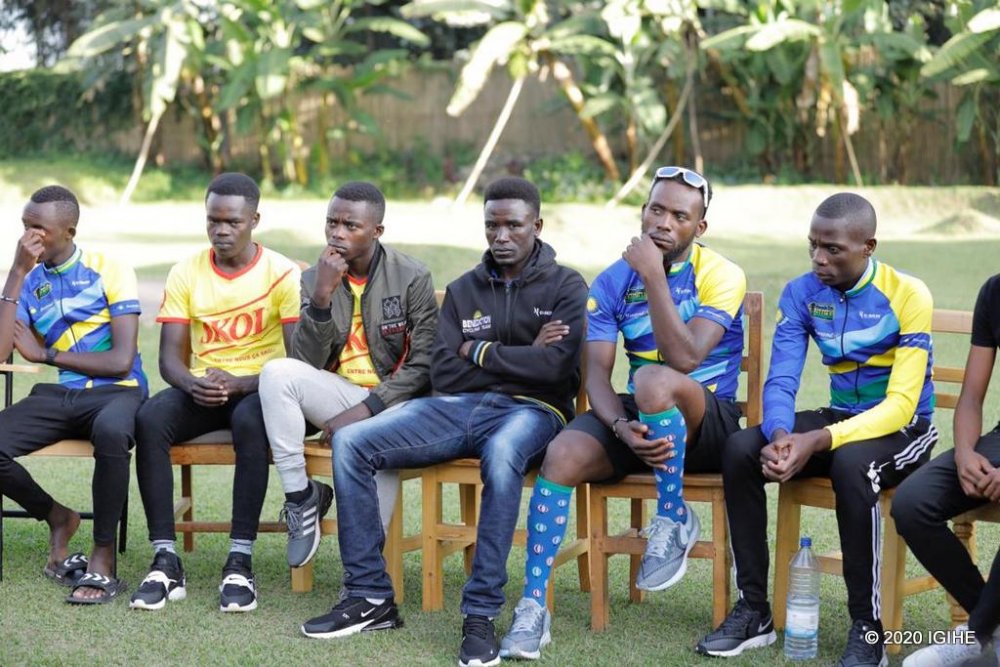
All the racers are currently in a boot camp at Africa Rising Cycling Center located in Musanze District. Racers from other teams have also joined the boot camp including Estonian, Rein Taaramäe who races for the Direct Energie team.
Taaramäe came second during last year’s Tour du Rwanda and it is highly likely he might win it this year. He has previously raced in international cycling competitions including Giro d’Italia, Tour de France and the Vuelta in Spain.
Despite the fact that Rwandans will race along highly qualified cyclists, they remain confident victory is theirs this time. Rwanda boasts a team of renowned cyclists like Mugisha Samuel and Areruya Joseph from Team Rwanda, Byukusenge Patrick from Benediction Ignite and Mugisha Moïse from SACA.
On Wednesday, February 19th, 2020, Rwanda Tea which will be providing the signature yellow jersey to the best racer throughout the competition, visited the racers at the boot camp.
Uwacu Cynthia, Rwanda Tea representative called upon the Rwandan racers to be confident, use tactics they acquired during trainings and win the grand prize. “We are excited about this new chapter and by how big Tour du Rwanda has evolved to be over the last three years but most of all, we expect Rwanda to stay on top and win the grand prize.”
Team Rwanda captain, Mugisha Samuel said “We will outdo ourselves to win this race and we are confident the Yellow Jersey will remain in our camp.”
Byukusenge Patrick who will be leading Benediction Ignite team reassured fans that the yellow jersey belongs to their team.
The racers also received a visit from Rwanda Cycling Federation (FERWACY) officials including FERWACY president, Murenzi Abdallah, Nkuranga Alphonse, the Second Vice President and Sekanyange Jean Leonard, the Executive secretary.
Murenzi said that having a team spirit is a major factor that will grant them victory.
Niyonshuti Adrien, SACA coach who also won Tour du Rwanda 2008 emphasize on Murenzi’s point and said that one of the things he is thankful for is having a supportive team and that it is mostly the reason why he won Tour du Rwanda in 2008.
During Tour du Rwanda, cyclists will race 882.9 kilometers during 8 days.
{{A day at ARCC boot camp}}
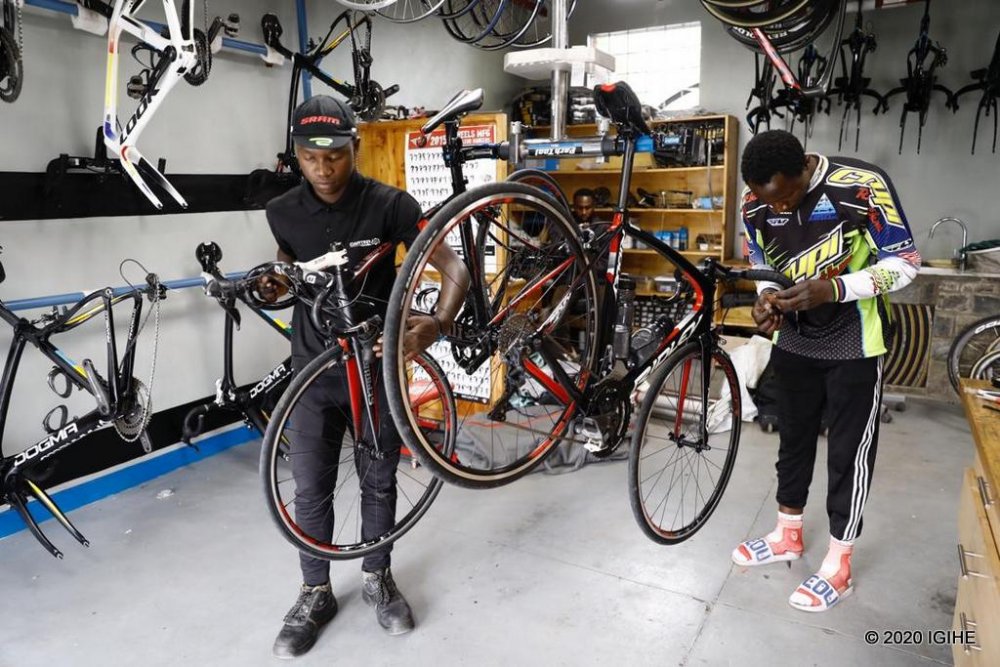
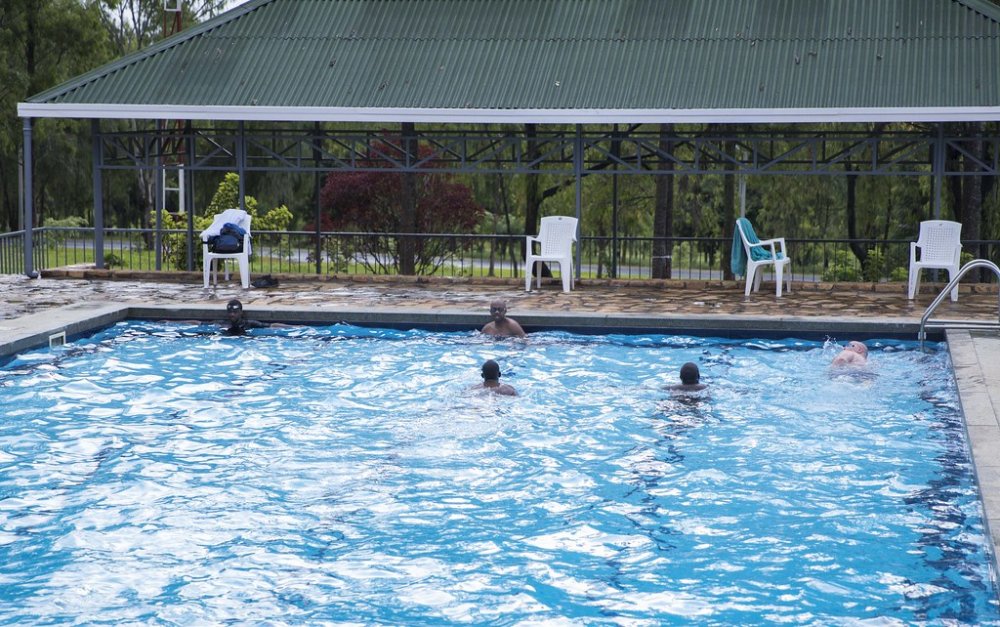
Africa Rising Cycling Center (ARCC) is the home of Rwanda cyclists although it is open to racers from other countries who are doing preparatory training ahead of Tour du Rwanda.
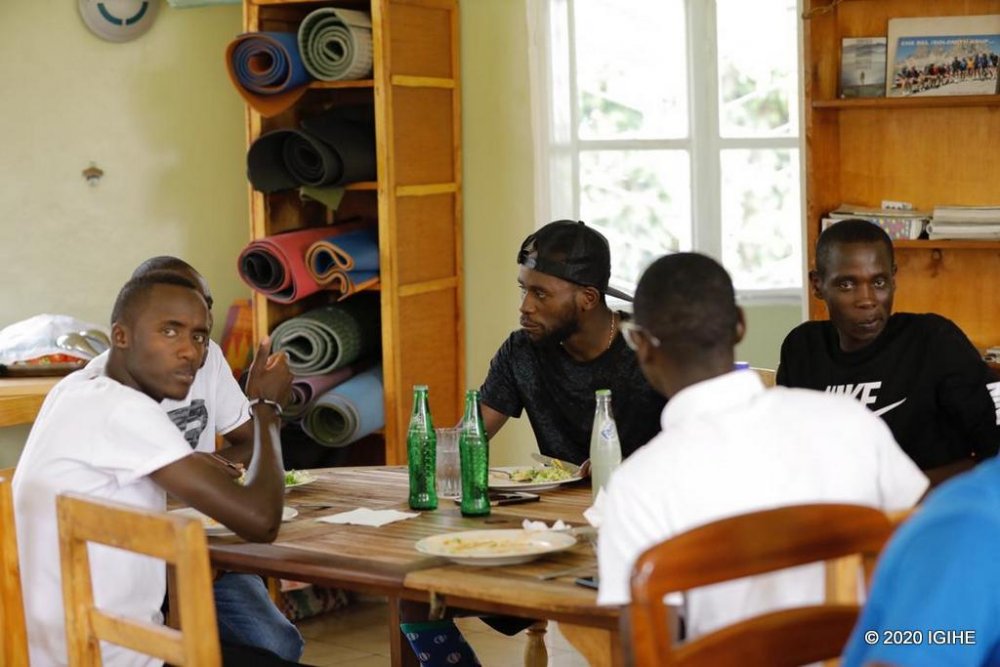
ARCC has the capacity of hosting 60 racers at once where 4 live in one house with 4 rooms.
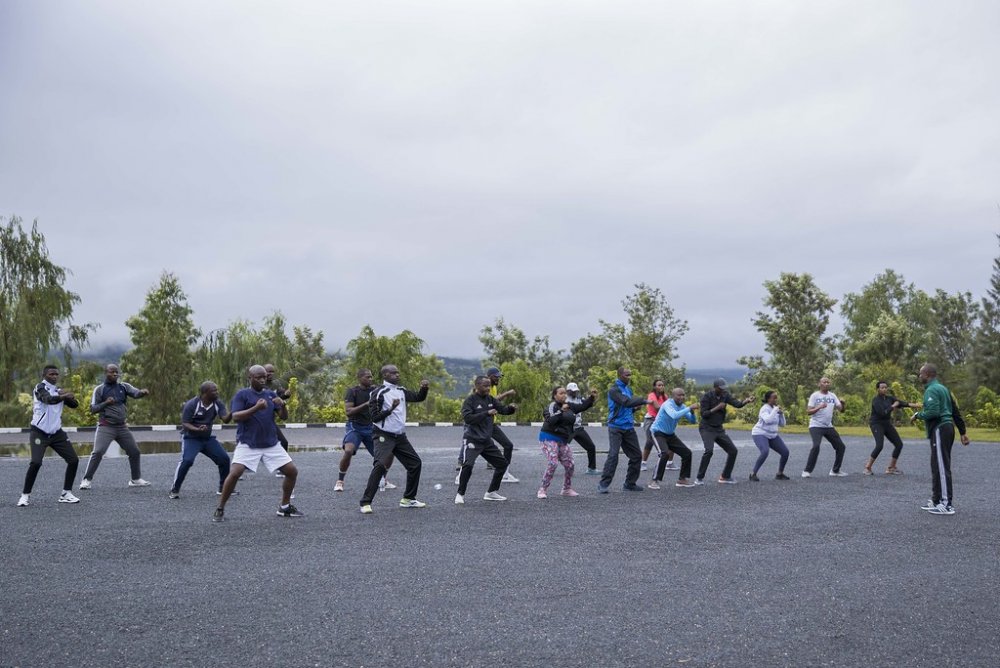
Racers from Rwandan teams who are preparing for Tour du Rwanda wake up at 7 in the morning, grab breakfast and start training from 10 am to noon after which they go for lunch. At 6pm, they engage in light exercises and have dinner by 7 pm.
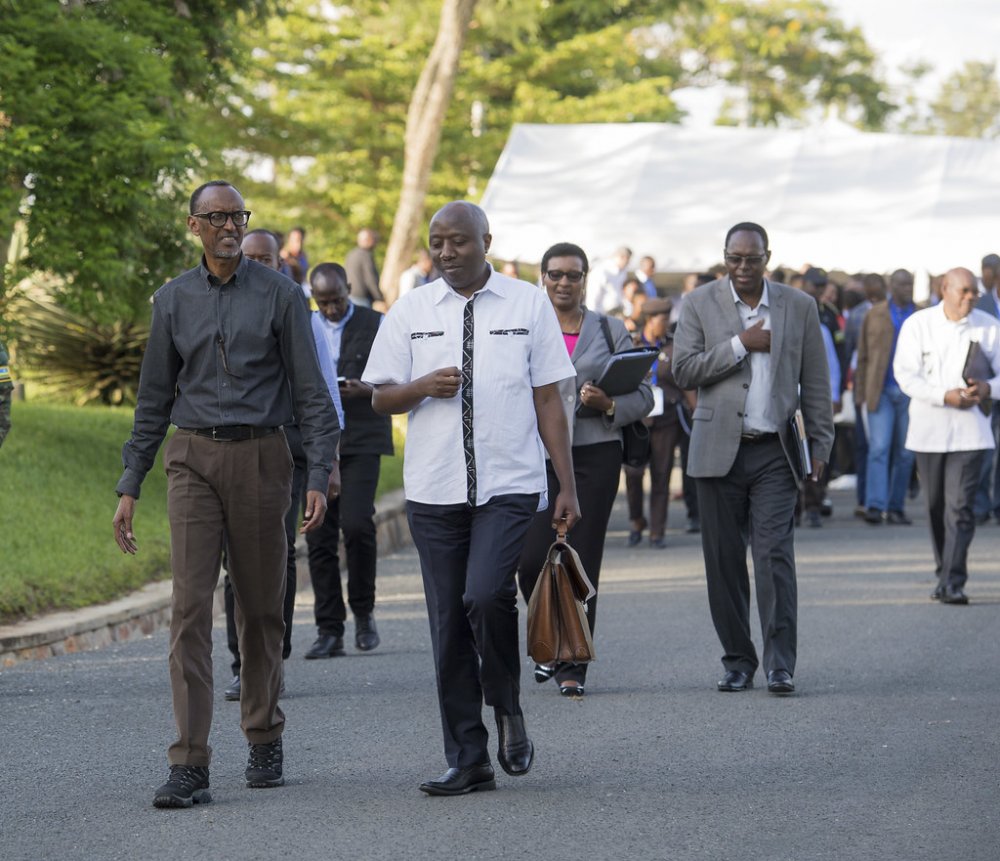
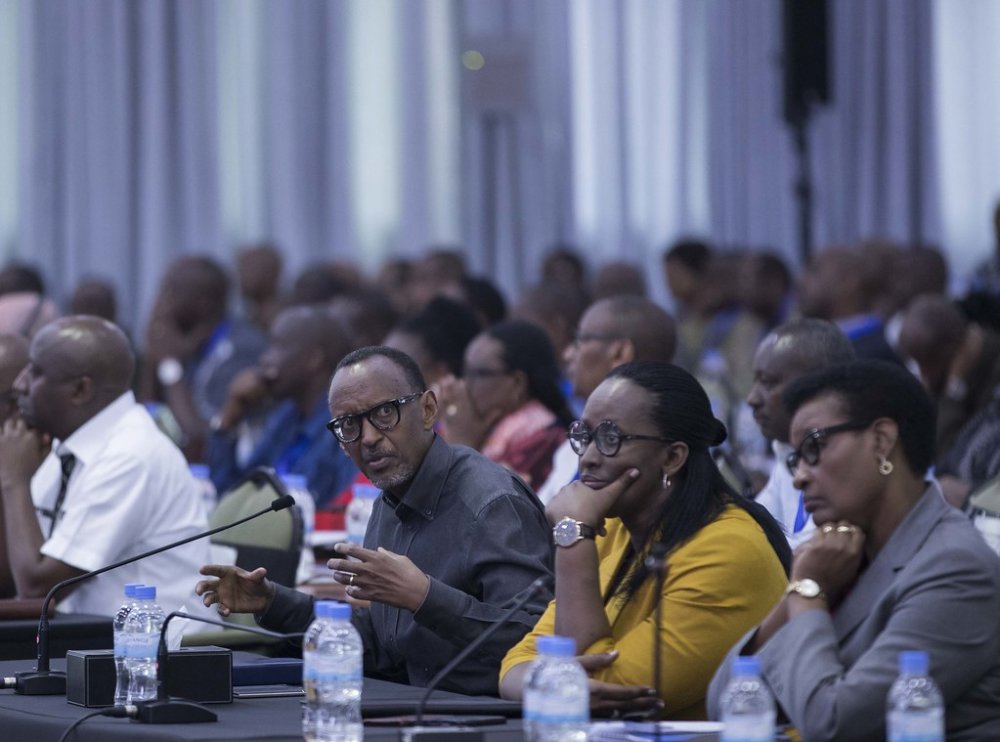
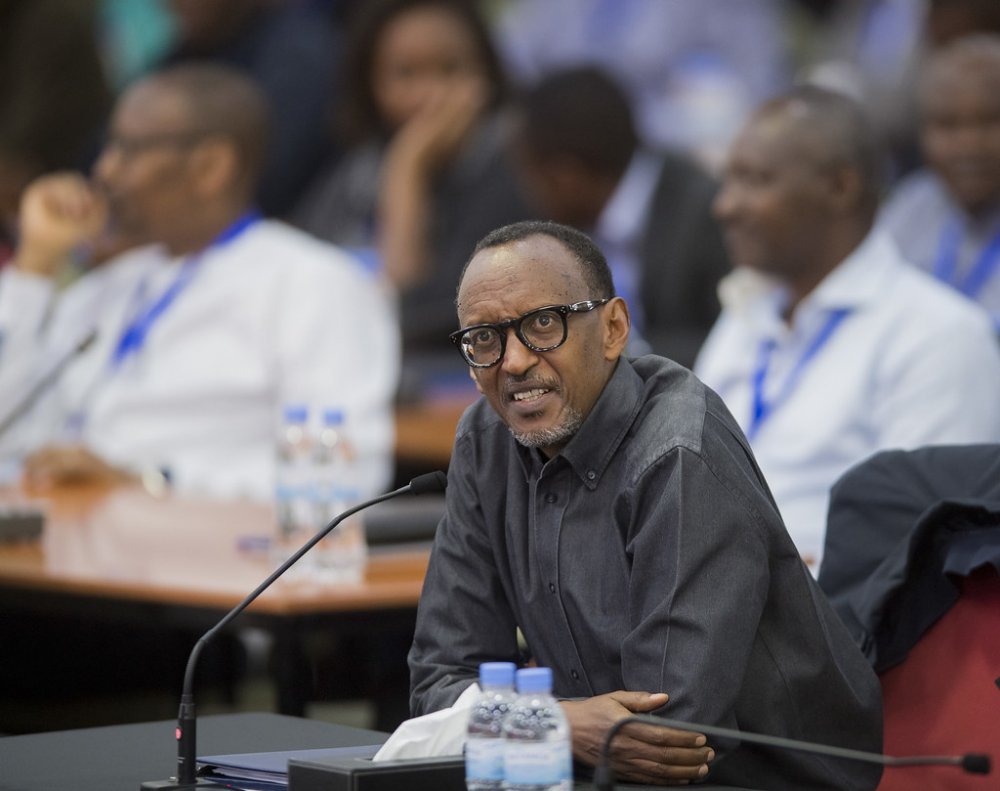
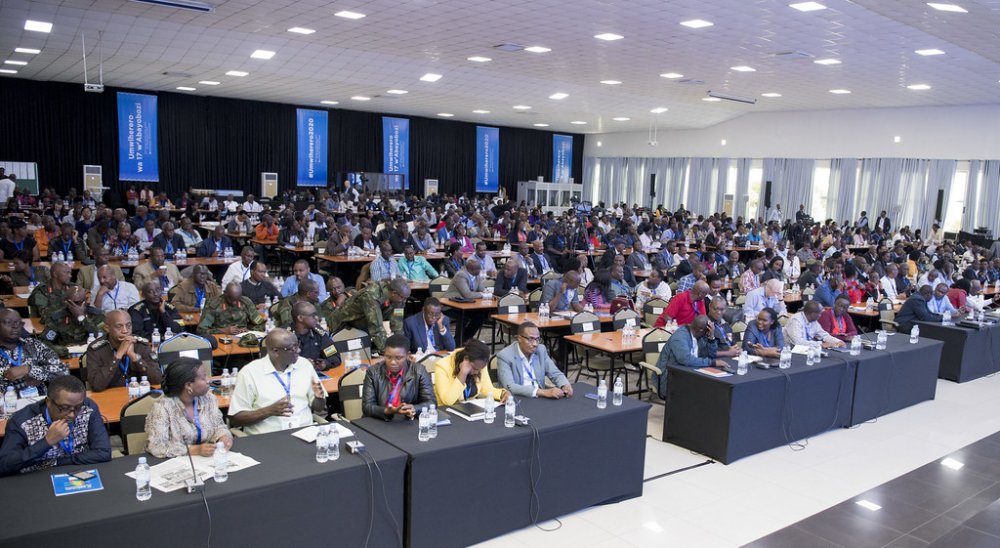
The retreat attracted 400 leaders from private and public institutions. It mainly focused on the Vision 2050, looking at what is necessary for each sector of leadership to contribute to the accomplishment of the vision’s goals.
During the retreat, topics that often emerged were the development of both the education and health sectors of the country, two cornerstones of the Vision 2050.
The discussions included the prevention of corruption in Rwanda as well as the country’s position on the international stage.
This Thursday, being the last day of the retreat, the leaders took the second session on how to make Rwanda free of corruption as well as looking at the current position of the country on an international stage. The session was led by different ambassadors of Rwanda.
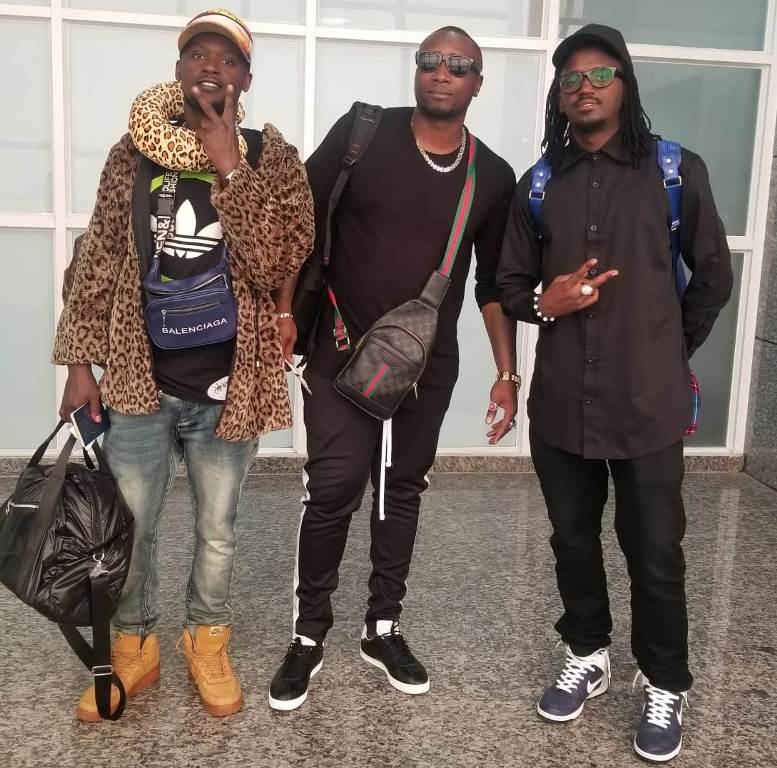
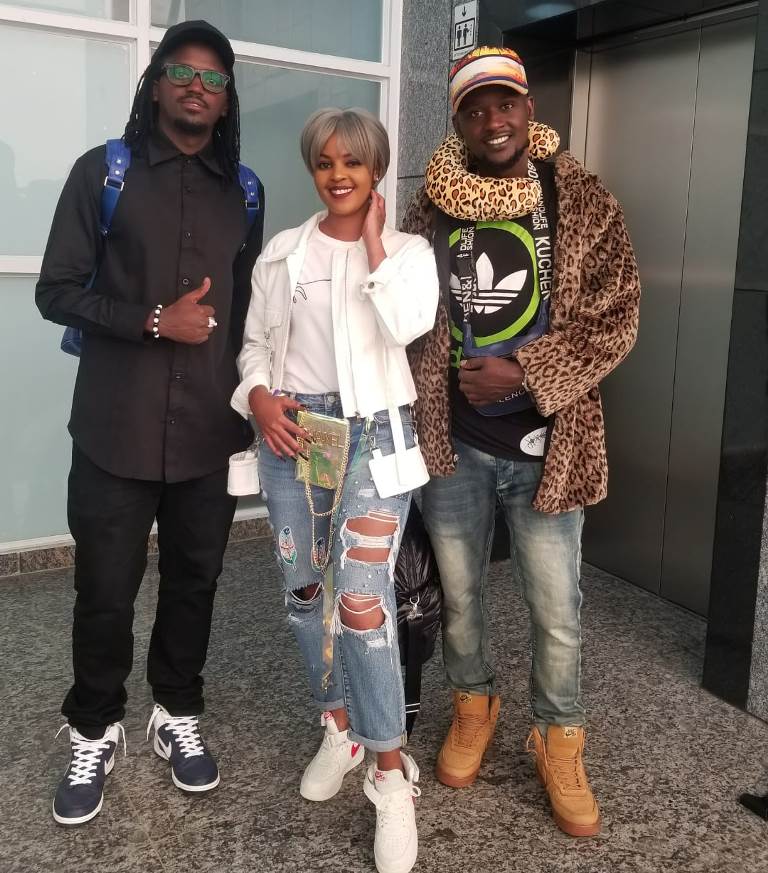
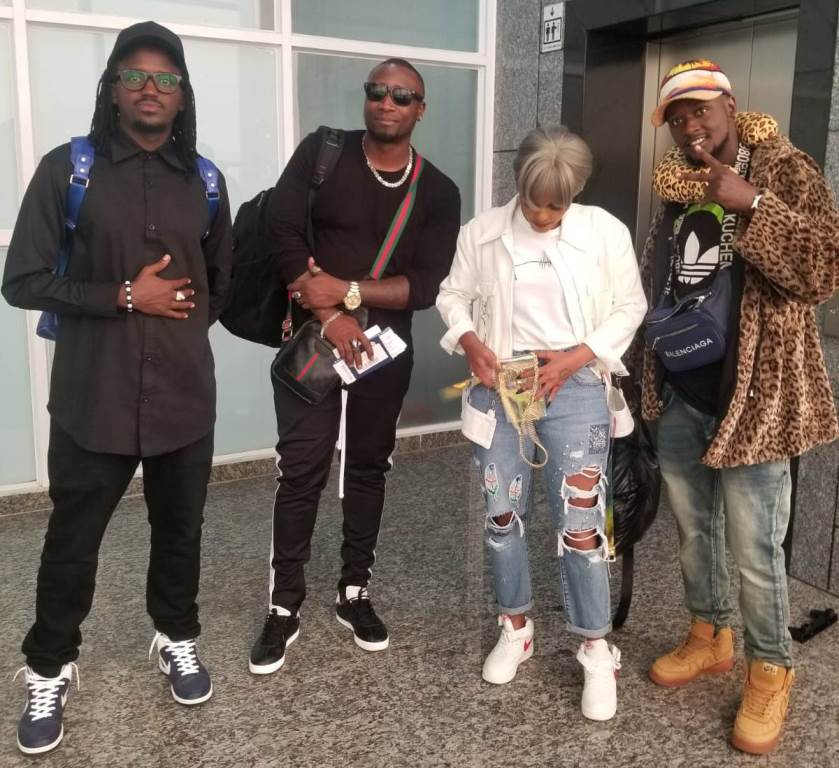
Before leaving, they told IGIHE they are well prepared especially that it is the first time that all of them will be performing in Belgium.
Social Mula said, “It is our first performance in Belgium. Our fans should be ready for a great performance and should attend in big numbers.”
The concert was organized by Team Production known for organizing such concerts that take Rwandan and African musicians abroad to showcase their local music.
The concert was also sponsored by RwandAir that makes three flights to Belgium per week, Kigali-Bruxelles, Bruxelles-Kigali, on Tuesday, on Thursday, and on Saturday.
The concert will take place at Birmingham Place, 112 Rue de Birmingham Straat, 1070 Anderlecht ON February 22, 2020, from 8 p.m. to dawn.
Denis J. Dernault, Radisson Blu Kigali General Manager said that the increase in profit resulted from improved public relations and the capacity of Radisson Blu to cater for all sorts of markets. He noted that there is hope that the future will be even brighter.
“We are proud of the progress we have made ever since we entered the Rwandan market. We are confident stakeholders constantly get a return on their investment.”
Despite a swarm of hotels and conference facilities entering the Rwandan market over the past three years, Radisson Blu stays at the forefront for top-notch services in hotels, Restauration, conference services and has since July 2016 hosted up to 1100 events.
In 2019, Radisson Blu earned mostly from the high number of summits and conferences which were held on their premises. At least 300 conferences, summits, and shows were held at Radisson in the same year.
Radisson Blu Kigali administration stated that the constant efforts from Radisson Hotel Group which coordinates all Radisson Blu branches across the world, contribute enormously towards the growth of the entity.
Dernault said that the chain invests more in communicating about their services through various media, and attends international exhibitions to establish a global footprint.
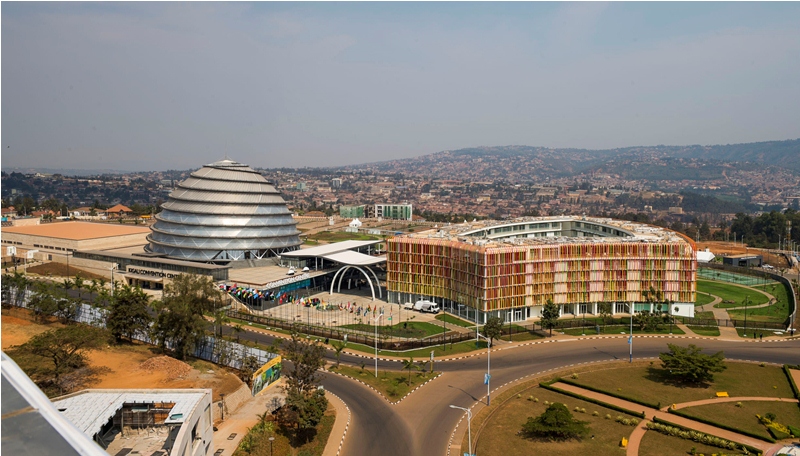
Radisson Blu Kigali collaborates with Rwanda Convention Bureau where they exchange professional advice on how to handle important upcoming events to be hosted at Kigali Convention Centre. That allows Radisson Blu to maintain its position as a leading hotel and restaurant chain. Radisson also provided employment opportunities to quite a number of job seekers in the hospitality industry.
In 2020, Radisson Blu Kigali will host the Commonwealth Heads of Government Meeting (CHOGM).
Rwanda is ranked second on the list of favorite conference destinations in Africa after South Africa.
Parents blame the issue on older men who lure girls fit to be their children into sex with money and gifts but are never apprehended and tried for their crimes. They instead keep roaming and impregnating more teenagers.
Nyiramanimba Josephine, one of the parents whose child was impregnated at only 17 years old said “I call the men who defile our children rapists because that is what they are. My only concern is that they are never judged for it and stay free, endangering more and more teenage girls. If those men keep raping our children in all impunity, teenage pregnancies will increase and we don’t have the power to stop it apart from reporting those we suspect.”
Turatsinze Emmanuel said that “The remedy to teenage pregnancies is severely punishing the criminals and bystanders as well. I believe it will allow to eradicate such a vice in our society. It is a shame that some men cannot control their impulses and defile girls who sometimes have the same ages as their own daughters. We demand justice because if it is not served, our children will keep falling into the claws of those predators.”
Nyabihu district vice-mayor for social affairs, Pascal Simpenzwe said that teenage pregnancies have reached an alarming point but that the district administration has doubled efforts to identify suspects and try them in a court of law.
“We have a list of suspects who are currently under investigation. We will not overlook rapists as they are not only damaging the future of our children but also the future of the country.”
In 2018, 250 minor rape suspects were reported in Nyabihu. Dossiers for 140 among them have been completed while 58 cases have already been submitted to prosecution.
Mwesigye said that among the 15 Rwandans who were handed over, 13 were released on Tuesday, February 18th, 2020 and checked into the embassy of Rwanda in Uganda as it was agreed during the third Ad Hoc Commission between Rwanda and Uganda which was held on February 14th, 2020.
“Some of the Rwandans we released were accused of destabilizing the security of Uganda and illegally entering Ugandan territory but they have been acquitted of their crimes. As announced in a press conference, 13 Rwandans were set free but our courts were still investigating 2 Rwandans although they were set free as well. In total, we handed over 15 individuals.”
Munezero Daniel who was held in Uganda originates from Nyagatare district but lived in Kicukiro district. He said that he frequently traveled to Uganda as his brother studies and stays there and that he would go for a short visit and come back to Rwanda. He was apprehended as he was applying for a longer stay in Uganda at Interpol Uganda offices.
“When I got to Interpol, they asked me to bring identification papers from the embassy of Rwanda. I obtained them and gave them to officers at the Interpol. They told me to sit and wait but a few minutes later, three people dressed casually came in and ordered me to follow them saying they would give me back my papers.”
Munezero thought it was habitual checkup protocol but as he followed the three men, he found himself in the middle of a group of 10 more people and a white van was parked there.
“They told me to move closer to the vehicle but when they opened it, I saw firearms. I panicked a lot and I heard one guy from the group tell to the other to bring handcuffs. They handcuffed me and took me with them.”
He was never informed of the crimes he was being accused of. They put a hood over his head and led his to a place he didn’t identify, ordered him to remove his shoes and made him concede to a verbal agreement.
“At night, they brought me to a small house with a toilet and handcuffed me to a pole in there. I spent all my detention period handcuffed to that pole.”
Due to spending days sitting in one spot, he had very painful spasms in his ribs and his knee caps were severely injured because of kneeling for a very long period.
“In the morning, they would come to the small room, cuff my other hand or leave both of my hands cuffed to the pole.”
During all those days, he never saw light but they would often send him to clean their restrooms. He would go limping, finish the chore and they would take him back to the small room.
“I suffered so much but I ended up accepting my fate and told God ‘if this is my ending, then so be it.’”
After he was released, Munezero said he has wrapped his mind around the fact that he is finally free. He thanked the Government of Rwanda for rescuing them.
Among the released Rwandans, two including Sous Lieutenant Selemani Kabayija and Private Fidèle Nzabonimpa of RUD Urunana admitted they were among the group of assailants who attacked a village in Kinigi in 2019 and that they fled back to Uganda.
The attack in Kinigi was planned and executed by RUD Urunana, an armed group which operates in the forests of the Democratic Republic of Congo on October 3rd and 4th, 2019. The attack claimed the lives of 14 Rwandan citizens but security authorities managed to fight back and killed 19 of the assailants.
On Monday, February 17th, 2020, Makindye Military Court in Uganda acquitted two Rwandans and sent them back to Rwanda after dropping all charges against them including illegal possession of firearms.
“The two individuals were apprehended by Uganda People’s Defense Force (UPDF) after the attack in Kinigi.”
During the third Ad Hoc Commission between Rwanda and Uganda last week, State Minister Olivier Nduhungirehe Olivier called upon Uganda to stop all support to anti-Rwanda armed groups and other groups aiming at destabilizing security in Rwanda.
He said that Capt. Nshimiye who goes by the alias ‘Gavana’ led the armed group which attacked a village in Kinigi on October 3rd and 4th, 2019. Nduhungirehe said that he is still under Uganda’s protection and continues to conspire against Rwanda along Philemon Mateke, Minister of State for Regional Affairs in the Ugandan Cabinet.
“He continues to roam freely in Kyangwali Camp where most families of militia members live and frequently travels to Kisoro to visit his wife or meet with Minister Mateke who gives him orders.”
“It is the same case with Nzabonimana Fidele, Kabayiza Seleman and Mugwaneza Eric from RUD Urunana who planned the Kinigi attack but managed to escape and find refuge in the arms of the Ugandan government in October 2019. The government of Uganda stands between those criminals and justice.”
It is expected that if Uganda hands over to Rwanda the masterminds behind Kinigi attack, they will be tried along the two others who were handed over to Rwanda today.
The workshop brought together members of the Association of Microfinance Institutions in Rwanda (AMIR), an umbrella body for microfinance institutions, Rwanda Institute of Cooperatives, Entrepreneurship & Microfinance(RICEM) and Savings Banks Foundation for International Cooperation (SBFIC), a German NGO operating in Rwanda.
Currently, there are 457 financial institutions licensed by the Central Bank of Rwanda and 95% of those institutions operate under AMIR.
RDB stated that hiring the youth in financial institutions is key to the future of the country.
Ngoboka Francois, RDB Head of Labour Market Interventions said that the reason why RDB invited financial institutions is that most youth who are seeking jobs target financial institutions and that they should, therefore, be facilitated to enter the workplace.
He noted that young people who are new to the workplace don’t have the required expertise to prosper in the workplace and the Dual Apprenticeship System in the financial institutions are the best spots to exercise the knowledge they have acquired in college.
“Of course, they have some skills but those skills can be multiplied through competent based learning and practice.”
Ngoboka said that although there are financial resources in the National Budget allocated to the youth seeking for internship opportunities, more needs to be done on the part of financial institutions to promote that initiative.
“It is true that you cannot learn everything in school. Financial institutions should support the youth to practice what they have learned and still learning in the Dual Apprenticeship System and if their performance is commendable, hire them after their trial period.”
Maria Knappstein, Country Director of SBFIC Rwanda reported that since SBFIC started operating in Rwanda in 2009, they have been collaborating with AMIR to finance different projects directed towards supporting the youth seeking for employment. She said that providing internships is important to develop a qualified labor force for the future.
“We follow up on the apprentices who obtain internships in financial institutions and ensure they gain more knowledge, skills, and attitude from the experience.”
Aimable Nkuranga, AMIR Executive Director said that the RDB initiative comes in handy for graduates who want to practice what they have learned.
“ Apprentices spend only 20% of their time at the training academy (RICEM) and spend the remaining 80% putting to use their skills.”
Dr. Mukulira Olivier, RICEM Managing Director said that their contribution is to prepare curricula and follow up on the quality of knowledge transmitted during the apprenticeship.
“Most of the time, youth have no clue what to do once they enter the workplace. It is important to follow up on them every step of the way to ensure they know how to practice what they have learned in school and still learning in the Dual Apprenticeship System.”
Musangamfura Ignace, Goshen Finance Ltd Managing Director said “Every year, we welcome apprentices who are working to practice and improve the skills they have acquired in university and the Dual Apprenticeship System. We train them and allow them to grow professionally.”
He added that besides the allowance money RDB provides to interns, Goshen Finance Ltd facilitates the interns by providing Rwf 50,000 to each intern every month and facilitates transport throughout the entire internship period.