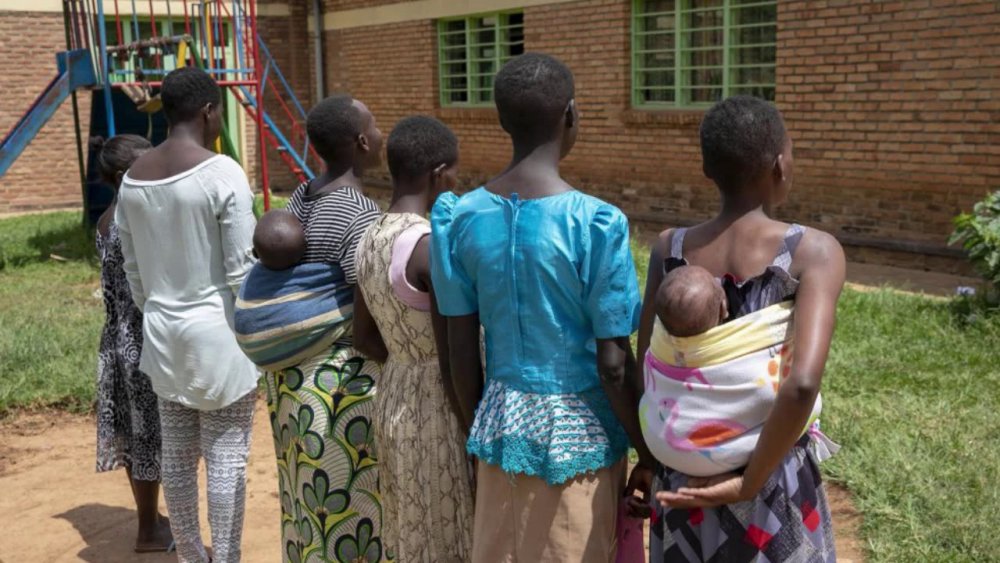
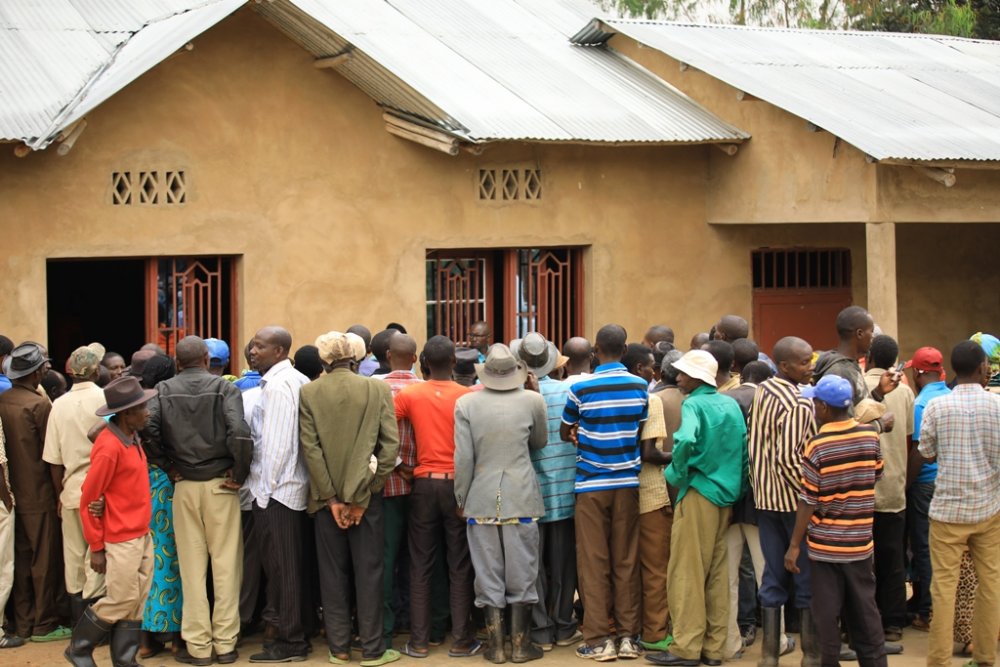
Parents blame the issue on older men who lure girls fit to be their children into sex with money and gifts but are never apprehended and tried for their crimes. They instead keep roaming and impregnating more teenagers.
Nyiramanimba Josephine, one of the parents whose child was impregnated at only 17 years old said “I call the men who defile our children rapists because that is what they are. My only concern is that they are never judged for it and stay free, endangering more and more teenage girls. If those men keep raping our children in all impunity, teenage pregnancies will increase and we don’t have the power to stop it apart from reporting those we suspect.”
Turatsinze Emmanuel said that “The remedy to teenage pregnancies is severely punishing the criminals and bystanders as well. I believe it will allow to eradicate such a vice in our society. It is a shame that some men cannot control their impulses and defile girls who sometimes have the same ages as their own daughters. We demand justice because if it is not served, our children will keep falling into the claws of those predators.”
Nyabihu district vice-mayor for social affairs, Pascal Simpenzwe said that teenage pregnancies have reached an alarming point but that the district administration has doubled efforts to identify suspects and try them in a court of law.
“We have a list of suspects who are currently under investigation. We will not overlook rapists as they are not only damaging the future of our children but also the future of the country.”
In 2018, 250 minor rape suspects were reported in Nyabihu. Dossiers for 140 among them have been completed while 58 cases have already been submitted to prosecution.
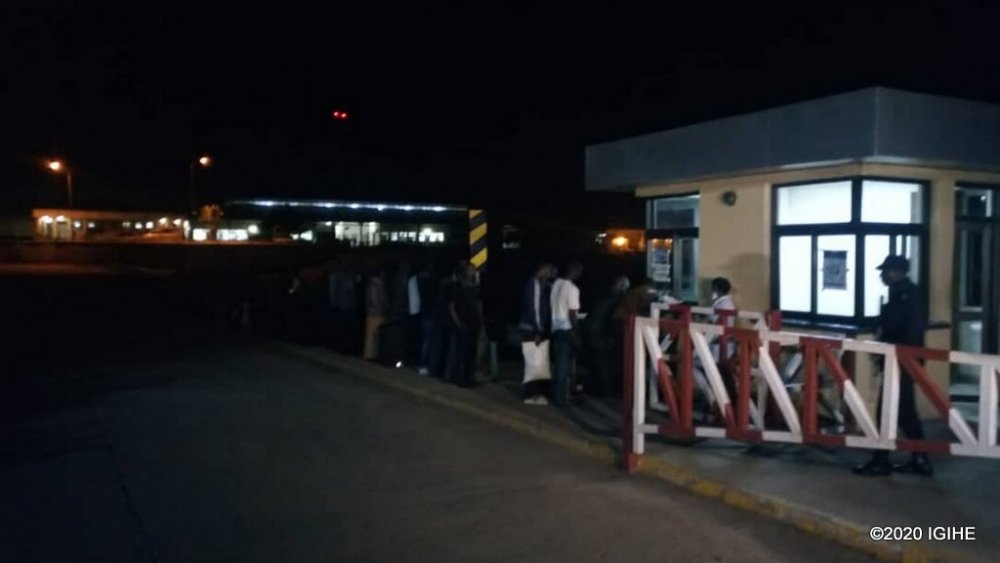
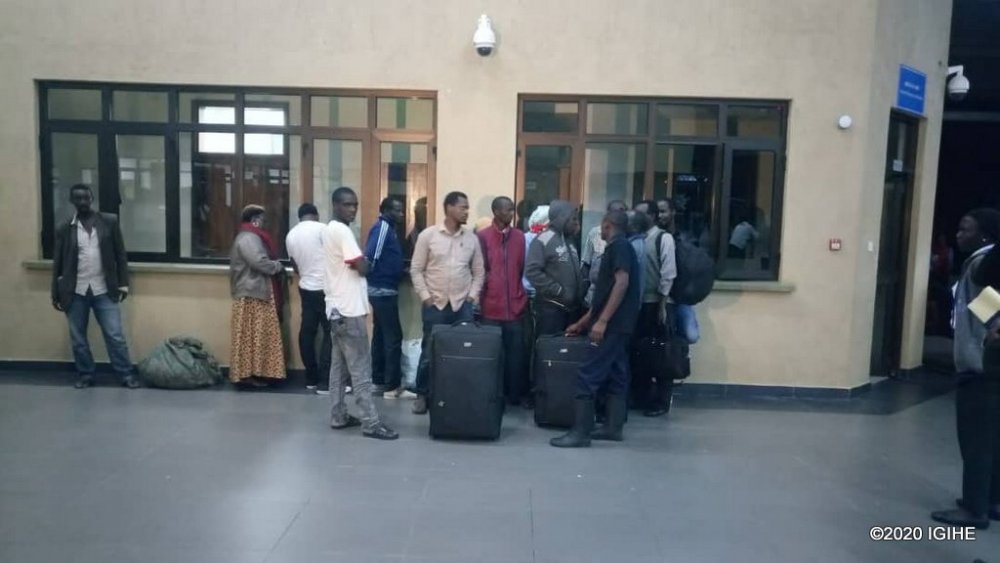
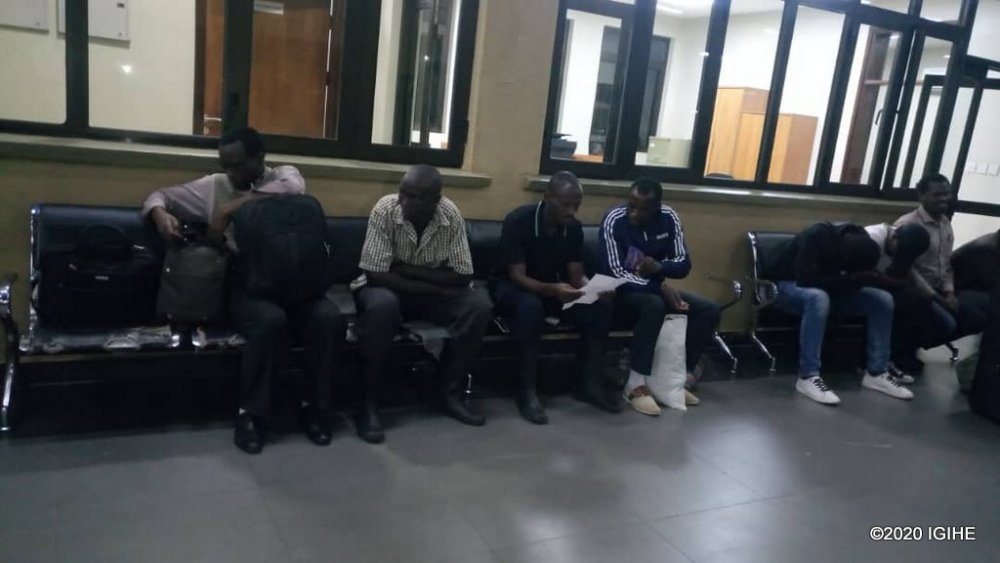
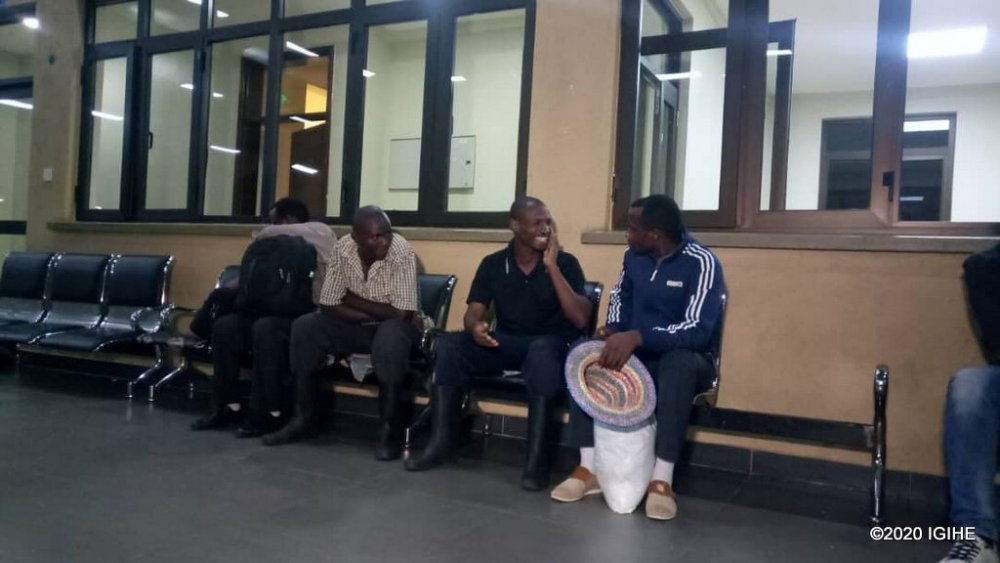
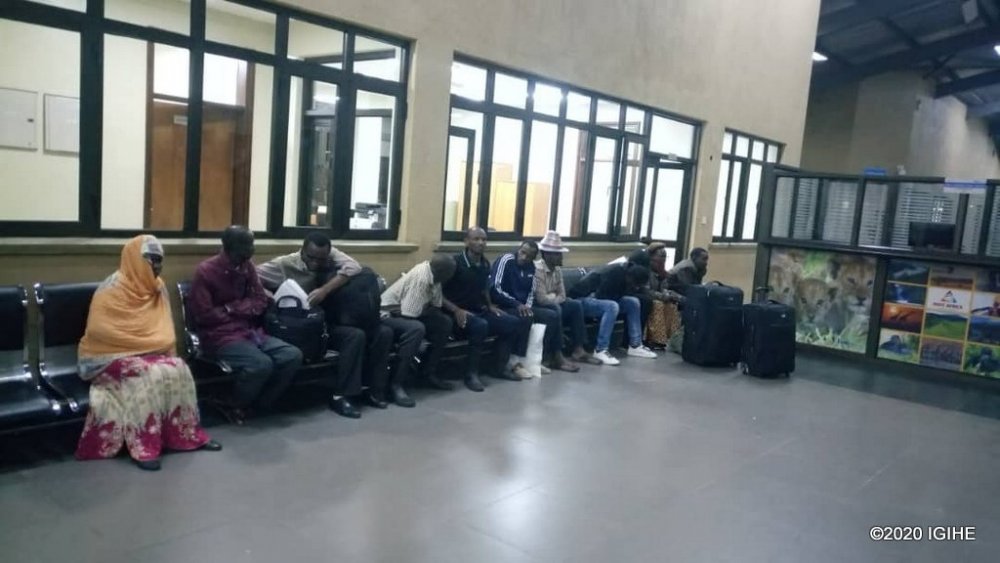
Mwesigye said that among the 15 Rwandans who were handed over, 13 were released on Tuesday, February 18th, 2020 and checked into the embassy of Rwanda in Uganda as it was agreed during the third Ad Hoc Commission between Rwanda and Uganda which was held on February 14th, 2020.
“Some of the Rwandans we released were accused of destabilizing the security of Uganda and illegally entering Ugandan territory but they have been acquitted of their crimes. As announced in a press conference, 13 Rwandans were set free but our courts were still investigating 2 Rwandans although they were set free as well. In total, we handed over 15 individuals.”
Munezero Daniel who was held in Uganda originates from Nyagatare district but lived in Kicukiro district. He said that he frequently traveled to Uganda as his brother studies and stays there and that he would go for a short visit and come back to Rwanda. He was apprehended as he was applying for a longer stay in Uganda at Interpol Uganda offices.
“When I got to Interpol, they asked me to bring identification papers from the embassy of Rwanda. I obtained them and gave them to officers at the Interpol. They told me to sit and wait but a few minutes later, three people dressed casually came in and ordered me to follow them saying they would give me back my papers.”
Munezero thought it was habitual checkup protocol but as he followed the three men, he found himself in the middle of a group of 10 more people and a white van was parked there.
“They told me to move closer to the vehicle but when they opened it, I saw firearms. I panicked a lot and I heard one guy from the group tell to the other to bring handcuffs. They handcuffed me and took me with them.”
He was never informed of the crimes he was being accused of. They put a hood over his head and led his to a place he didn’t identify, ordered him to remove his shoes and made him concede to a verbal agreement.
“At night, they brought me to a small house with a toilet and handcuffed me to a pole in there. I spent all my detention period handcuffed to that pole.”
Due to spending days sitting in one spot, he had very painful spasms in his ribs and his knee caps were severely injured because of kneeling for a very long period.
“In the morning, they would come to the small room, cuff my other hand or leave both of my hands cuffed to the pole.”
During all those days, he never saw light but they would often send him to clean their restrooms. He would go limping, finish the chore and they would take him back to the small room.
“I suffered so much but I ended up accepting my fate and told God ‘if this is my ending, then so be it.’”
After he was released, Munezero said he has wrapped his mind around the fact that he is finally free. He thanked the Government of Rwanda for rescuing them.
Among the released Rwandans, two including Sous Lieutenant Selemani Kabayija and Private Fidèle Nzabonimpa of RUD Urunana admitted they were among the group of assailants who attacked a village in Kinigi in 2019 and that they fled back to Uganda.
The attack in Kinigi was planned and executed by RUD Urunana, an armed group which operates in the forests of the Democratic Republic of Congo on October 3rd and 4th, 2019. The attack claimed the lives of 14 Rwandan citizens but security authorities managed to fight back and killed 19 of the assailants.
On Monday, February 17th, 2020, Makindye Military Court in Uganda acquitted two Rwandans and sent them back to Rwanda after dropping all charges against them including illegal possession of firearms.
“The two individuals were apprehended by Uganda People’s Defense Force (UPDF) after the attack in Kinigi.”
During the third Ad Hoc Commission between Rwanda and Uganda last week, State Minister Olivier Nduhungirehe Olivier called upon Uganda to stop all support to anti-Rwanda armed groups and other groups aiming at destabilizing security in Rwanda.
He said that Capt. Nshimiye who goes by the alias ‘Gavana’ led the armed group which attacked a village in Kinigi on October 3rd and 4th, 2019. Nduhungirehe said that he is still under Uganda’s protection and continues to conspire against Rwanda along Philemon Mateke, Minister of State for Regional Affairs in the Ugandan Cabinet.
“He continues to roam freely in Kyangwali Camp where most families of militia members live and frequently travels to Kisoro to visit his wife or meet with Minister Mateke who gives him orders.”
“It is the same case with Nzabonimana Fidele, Kabayiza Seleman and Mugwaneza Eric from RUD Urunana who planned the Kinigi attack but managed to escape and find refuge in the arms of the Ugandan government in October 2019. The government of Uganda stands between those criminals and justice.”
It is expected that if Uganda hands over to Rwanda the masterminds behind Kinigi attack, they will be tried along the two others who were handed over to Rwanda today.
The workshop brought together members of the Association of Microfinance Institutions in Rwanda (AMIR), an umbrella body for microfinance institutions, Rwanda Institute of Cooperatives, Entrepreneurship & Microfinance(RICEM) and Savings Banks Foundation for International Cooperation (SBFIC), a German NGO operating in Rwanda.
Currently, there are 457 financial institutions licensed by the Central Bank of Rwanda and 95% of those institutions operate under AMIR.
RDB stated that hiring the youth in financial institutions is key to the future of the country.
Ngoboka Francois, RDB Head of Labour Market Interventions said that the reason why RDB invited financial institutions is that most youth who are seeking jobs target financial institutions and that they should, therefore, be facilitated to enter the workplace.
He noted that young people who are new to the workplace don’t have the required expertise to prosper in the workplace and the Dual Apprenticeship System in the financial institutions are the best spots to exercise the knowledge they have acquired in college.
“Of course, they have some skills but those skills can be multiplied through competent based learning and practice.”
Ngoboka said that although there are financial resources in the National Budget allocated to the youth seeking for internship opportunities, more needs to be done on the part of financial institutions to promote that initiative.
“It is true that you cannot learn everything in school. Financial institutions should support the youth to practice what they have learned and still learning in the Dual Apprenticeship System and if their performance is commendable, hire them after their trial period.”
Maria Knappstein, Country Director of SBFIC Rwanda reported that since SBFIC started operating in Rwanda in 2009, they have been collaborating with AMIR to finance different projects directed towards supporting the youth seeking for employment. She said that providing internships is important to develop a qualified labor force for the future.
“We follow up on the apprentices who obtain internships in financial institutions and ensure they gain more knowledge, skills, and attitude from the experience.”
Aimable Nkuranga, AMIR Executive Director said that the RDB initiative comes in handy for graduates who want to practice what they have learned.
“ Apprentices spend only 20% of their time at the training academy (RICEM) and spend the remaining 80% putting to use their skills.”
Dr. Mukulira Olivier, RICEM Managing Director said that their contribution is to prepare curricula and follow up on the quality of knowledge transmitted during the apprenticeship.
“Most of the time, youth have no clue what to do once they enter the workplace. It is important to follow up on them every step of the way to ensure they know how to practice what they have learned in school and still learning in the Dual Apprenticeship System.”
Musangamfura Ignace, Goshen Finance Ltd Managing Director said “Every year, we welcome apprentices who are working to practice and improve the skills they have acquired in university and the Dual Apprenticeship System. We train them and allow them to grow professionally.”
He added that besides the allowance money RDB provides to interns, Goshen Finance Ltd facilitates the interns by providing Rwf 50,000 to each intern every month and facilitates transport throughout the entire internship period.
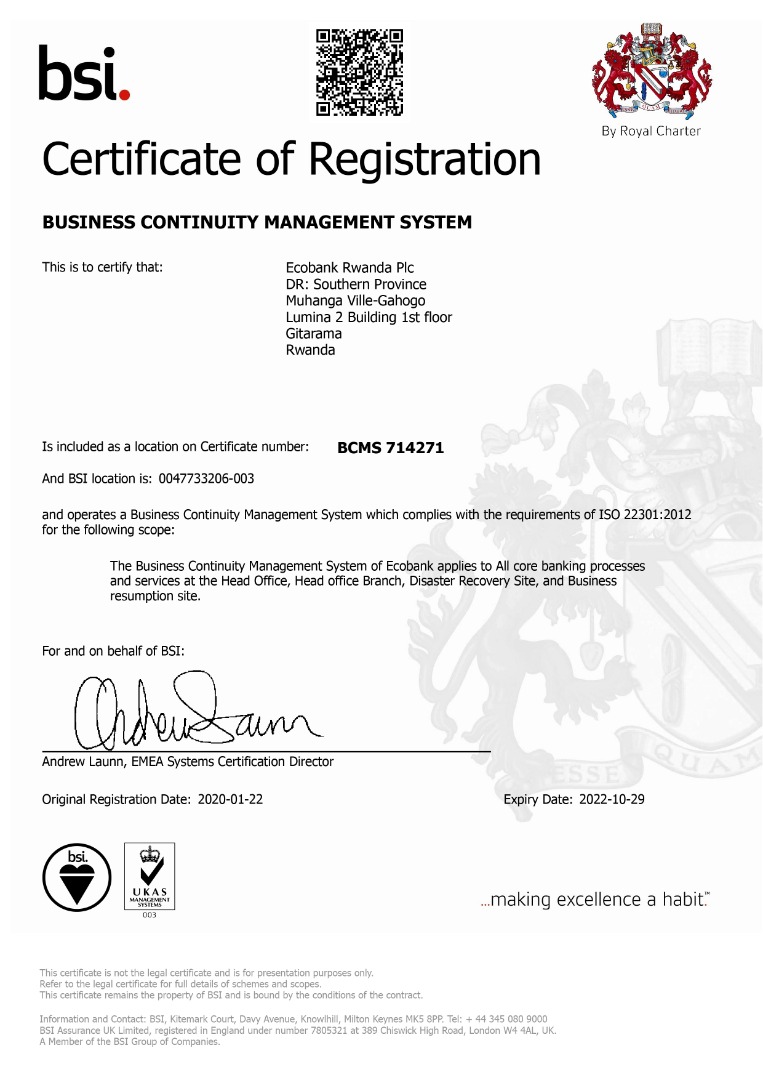
The certification applies to all core banking processes at its head office, branches, disaster recovery sites, and business resumption sites.
Speaking about this certification, Cheick Travaly, Ecobank Group Regional Executive for Central and Southern Africa said: “The certification is a clear indication of the strength of the bank’s investments in people, processes, and technology and demonstrates our commitment to ensuring the sustainability of our business while enhancing the customer experience.”
Travaly said that Ecobank being a Pan-African bank, subscribes to international best practices in business continuity management systems and certification by an independent external standards institution affirms it.
Other Ecobank affiliates in the Central and Southern Africa Region namely Kenya, Uganda, and Zimbabwe also received this prestigious certification.
The certification resulted from a comprehensive audit conducted by the independent and highly respected BSI, the United Kingdom’s national standards body which enjoys the prestige of a Royal Charter.
BSI is a business improvement and standards company that helps organizations make excellence a habit.
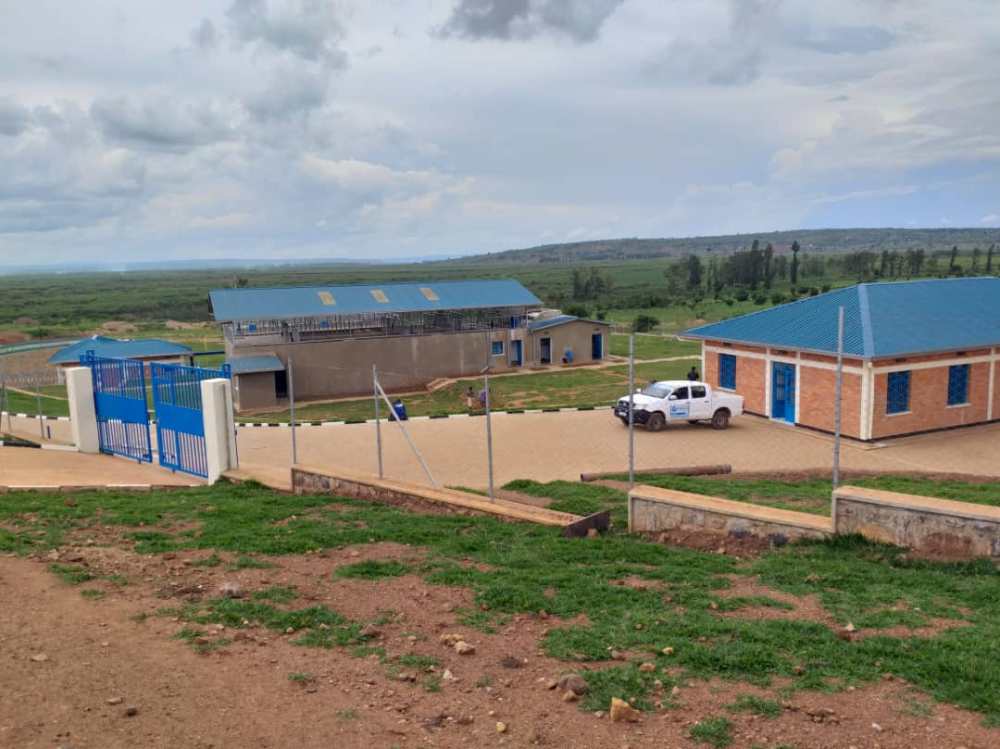
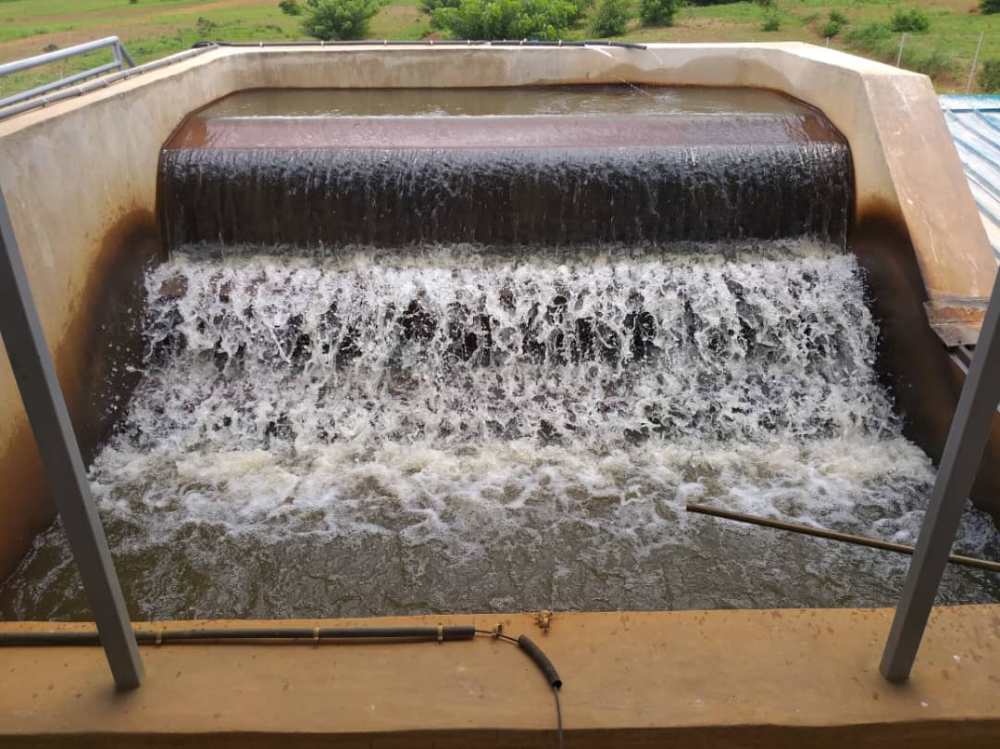
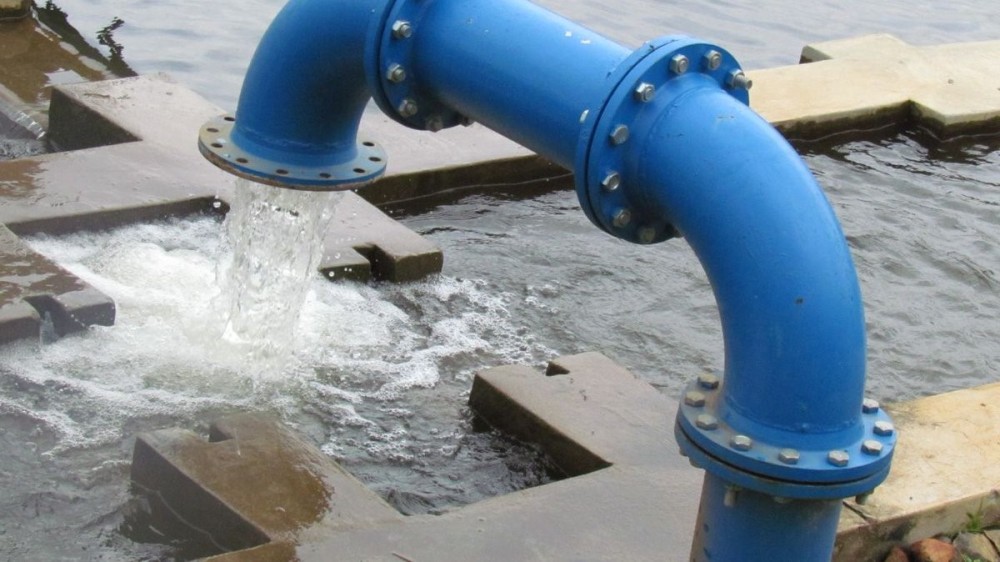
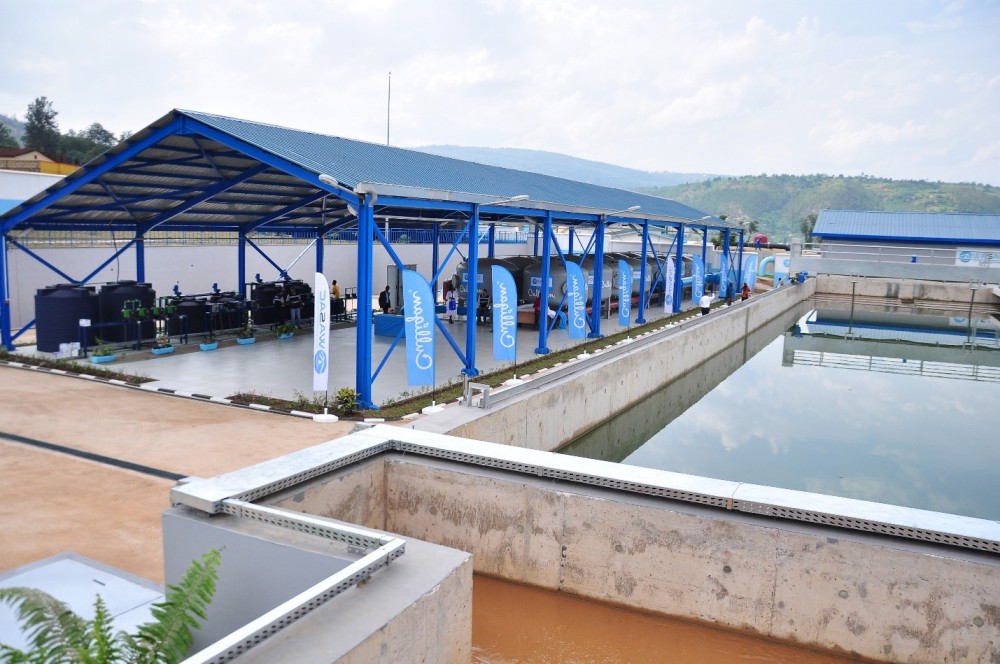
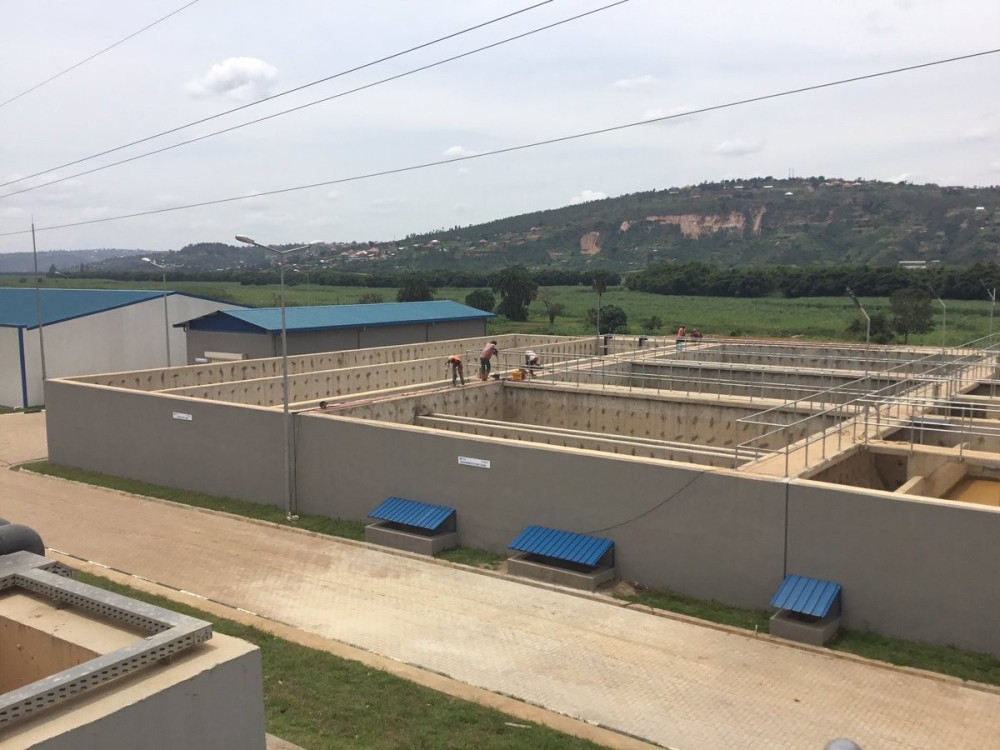
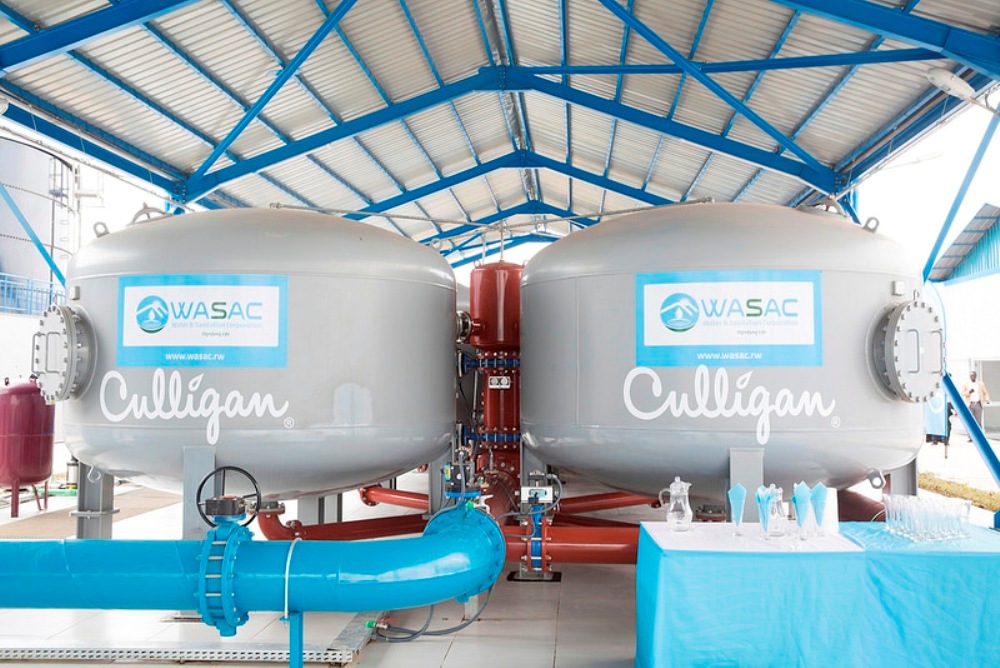
Experts say that equitable access to safe and affordable drinking water remains a global challenge which is why under the Sustainable Development Goals (SDGs), governments around the world are committed to national targets for clean water and sanitation by 2030.
Rwanda aims to achieve universal access to clean water by 2024 by increasing daily production of clean water to 303,120 cubic meters by 2024, from 182,120 available today. On the other side however, the goal itself is a very challenging one as it requires investment in infrastructures, sanitation, and sensitization towards hygiene.
Currently, Rwanda water supply in cities is equal to 187,293 cubic meters per day compared to 290,038 cubic meters needed. The gap is bridged by proportionately distributing water as a temporary solution to ensure everyone gets a share.
The Ministry of Infrastructure stated that water sanitation companies are working towards increasing the volume of distributed water from 267, 660 cubic meters to 365, 298 cubic meters per day.
Gatete Claver, Minister of Infrastructure said: “We are working towards building adequate infrastructures especially in Kigali using funding from the African Development Bank (Afdb).”
He said that one of the projects that are expected to solve access to water are Gihira Hydropower Plant which will up the volume of water distributed from 15,000 cubic meters to 23,000 cubic meters. There is also Mwoya water treatment plant which will provide up to 3000 cubic meters, Busogwe in Nyanza which will provide 12,000 cubic meters and Kagaga in Muhanga which will avail 9000 cubic meters.
In addition, Mushogoro plant will provide 7000 cubic meters, Sake 6000 cubic meters, Muhazi plant located in Gatsibo district, 10,000 cubic meters while Kanzenze plant will provide 40,000 cubic meters per day.
Minister Gatete said “All these projects give us hope that we will achieve universal water access and sanitation by 2024 as we have planned. Currently, Rwanda supplies 267,660 cubic meters of water per day but in 2024, we expect an increase of 100,000 cubic meters.”
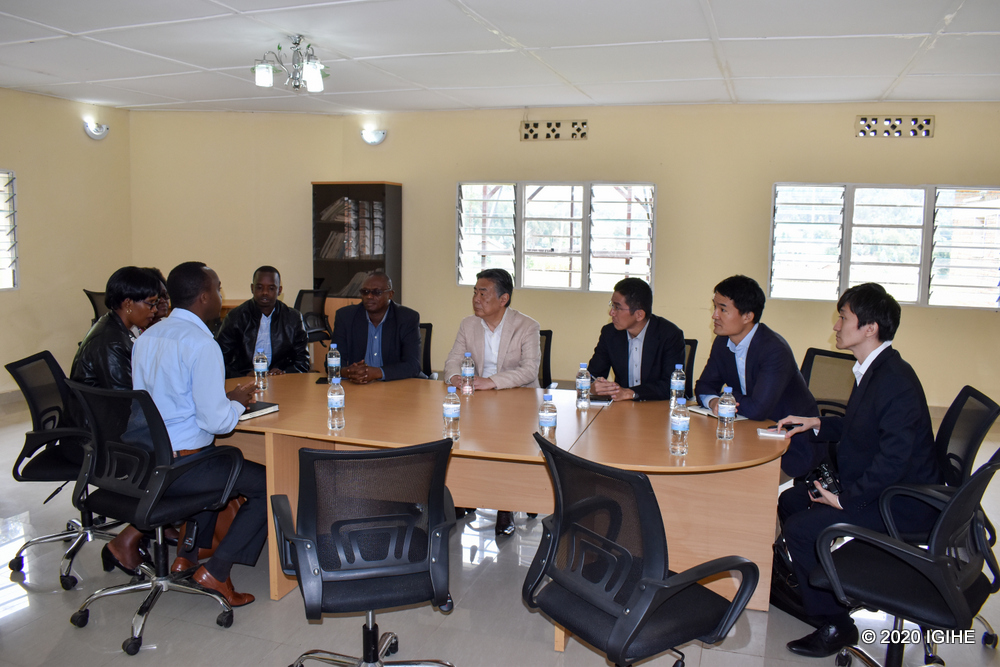
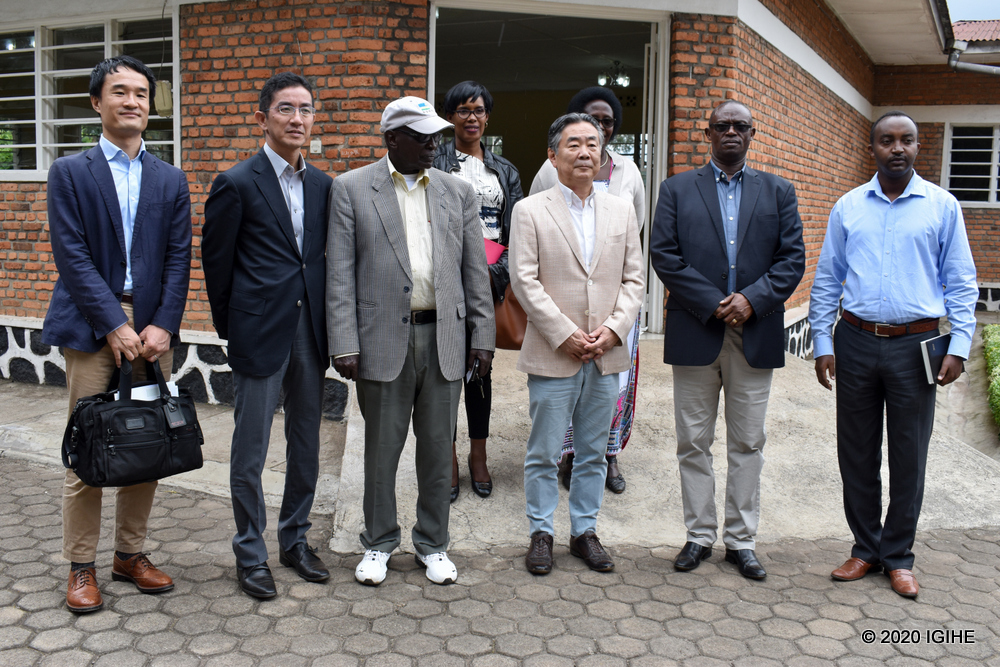
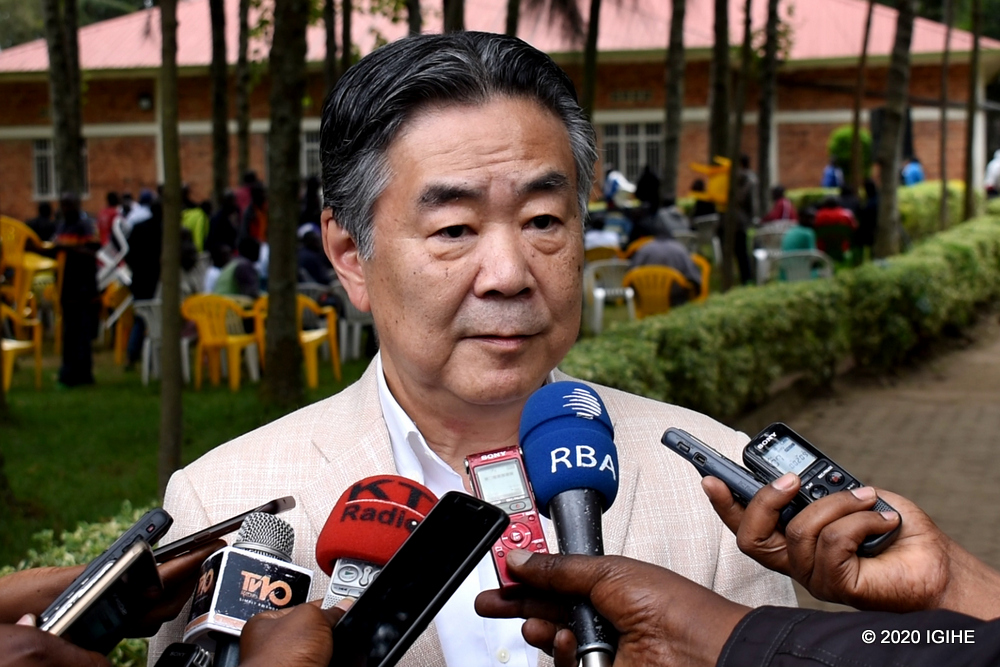
On Tuesday, February 19th, 2020, Amb Imai visited Mutobo Demobilization Centre in Musanze district and was impressed with how Rwanda repatriated ex-combatants, allowing them to settle in as Rwandan citizens, a practice he said is uniquely Rwandan.
His visit aimed at assessing the implementation and results of different initiatives Japan sponsors in Rwanda including inculcating technical skills to handicapped demobilized soldiers from 2005 to 2008.
Other initiatives financed by the government of Japan include supporting ex-militia and other handicapped fighters in finding jobs from 2011 to 2014 through Japan International Cooperation Agency (JICA).
Amb Masahiro said that teaching technical skills to ancient rebels is a pillar to development, unity, and reconciliation in Rwanda.
“I am really impressed with the strides Rwanda has been making to repatriate ex-rebels. This doesn’t exist anywhere else, even in Japan. Our government will keep supporting financially these initiatives, increase its investment and promote trade deals between Rwanda and Japan.” He said that Japan will keep sponsoring Mutobo Demobilization Centre.
Rtd Lt Col Fred Nyamurangwa, the Rwanda Demobilization and Reintegration Commission (RDRC) commissioner said that the support Mutobo center received from the government of Japan allowed the ex-rebels to move forward in their lives especially those who acquired technical skills.
“Some ex-rebels have become entrepreneurs after acquiring technical skills from the center and can currently fulfill all their financial needs. It is a great thing that ex-combatants will be allowed to rejoin their family and join hands with the Rwandan community in building our country.”
Recently, more than 300 women who were part of armed groups in the Democratic Republic of Congo have been repatriated and are receiving civic education while 166 among them have started technical courses.
The repatriated ex-militia said they were surprised by how they were received in Rwanda and the support they receive from the government of Rwanda to settle in afresh.
48-year old Habiyaremye Patrick is one of the ex-militia who lost his right arm in combat. He said that he didn’t gain from being part of armed groups for 25 years in DRC forests. However, he said that after receiving training from the Mutobo demobilization center, he chose to become a farmer for a living.
“I am proud I will get to contribute to the development of my country. The knowledge I will gain from here will allow me to practice modern agriculture and earn a living through it.”
Nyirahabimana Leoncie who is now a tailor said she left DRC forests in August 2019 and that she has hope that the knowledge she has received will give her and her 3 children a decent life since her husband died while they were still in Congo.
Mutobo Demobilization Center has hosted up to 11,000 people until now, most of them being ex-rebels who receive civic education and are trained in various fields including couture, construction, farming, and modern livestock rearing.
Apart from financing the government of Rwanda initiatives through JICA, the government of Japan has established a wider footprint in trade activities from 7 to 30 organizations.
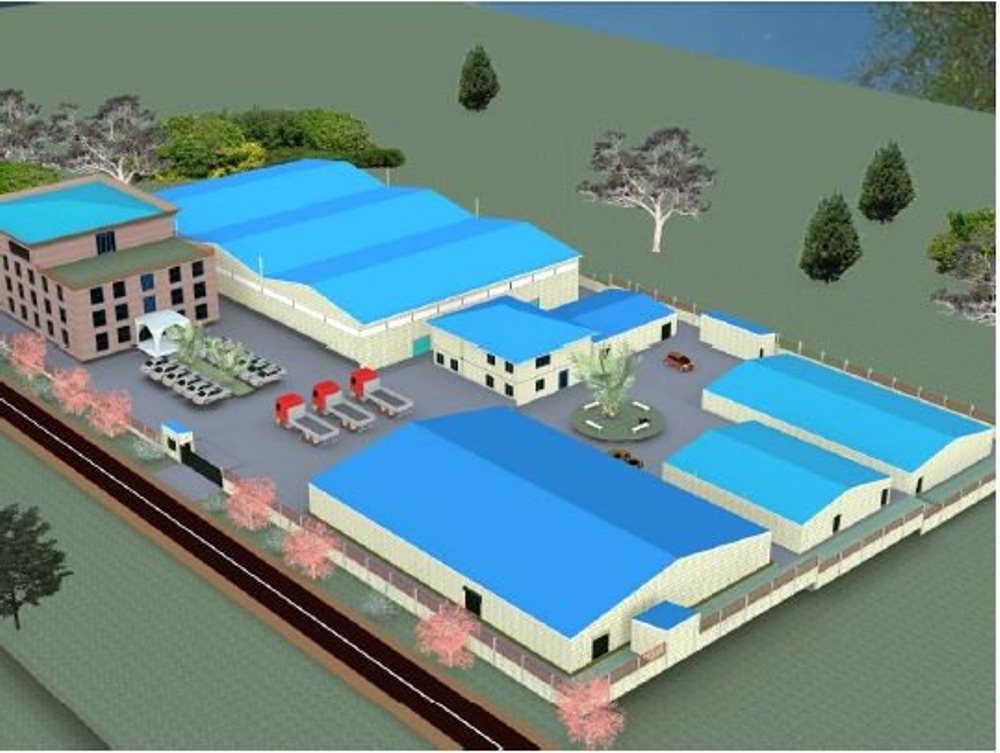
Apex Biotech will manufacture antibiotics which are commonly used to treat diseases caused by bacteria, painkillers, anti-malaria tablets, tuberculosis medicines and antiretroviral drugs. The plant is located in Kigali Special Economic Zone.
It is expected that during its first year, Apex Biotech Ltd will provide job opportunities to 100 Rwandan citizens who will also be trained and be acquainted with pharmaceutical industry operations.
When construction works for the pharmaceutical industry started, former Minister of Health, Dr. Diane Gashumba told IGIHE that 90% of pharmaceutical drugs used in Rwanda are imported and that Apex Biotech will contribute to bridging the cost gap which comes with imported drugs.
“Drugs will be manufactured from inside the country and the price will significantly reduce. Rwanda FDA will be supervising all activities conducted in the manufacturing process to ensure only quality drugs are put on the market. Another benefit is that the plant will avail employment opportunities to many people and drugs will be available with no added cost for transport.”
“We spend more than Rwf 30 billion to purchase, transport and store drugs in a year. The purchase only takes up to Rwf 25 billion. If we could have more pharmaceutical industries, it would be a great addition.”
Apex Biotech abides by measures of international regulatory bodies and promises the manufacture of quality drugs which meet international standards.
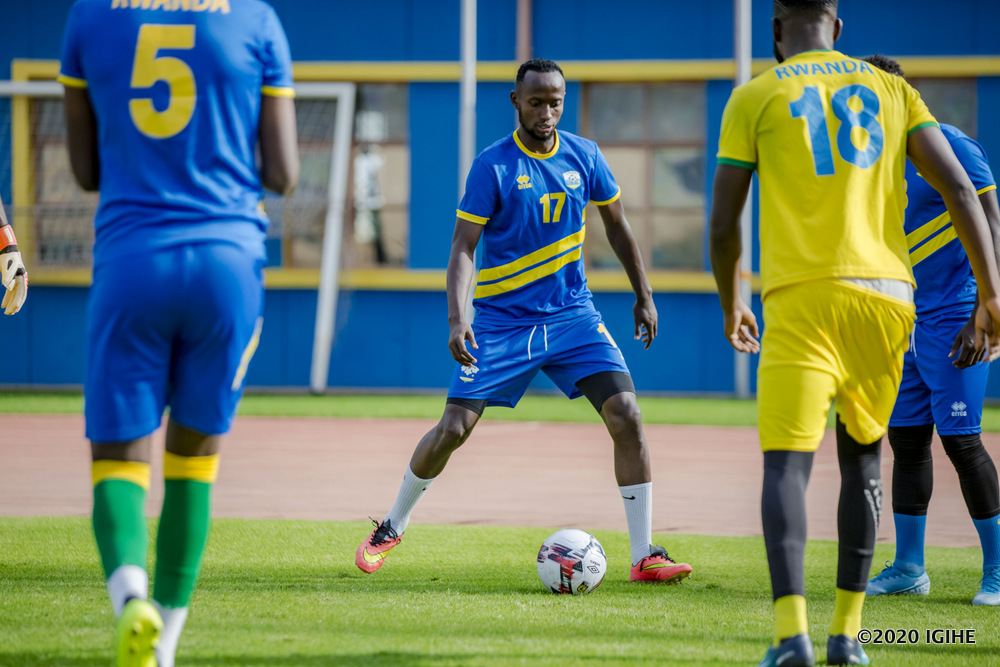
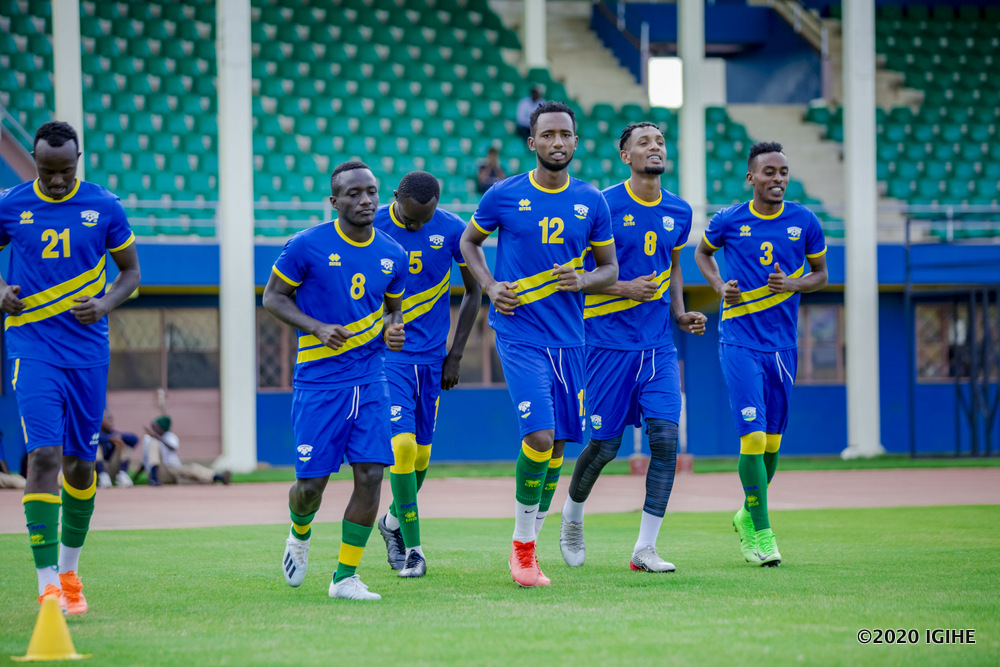
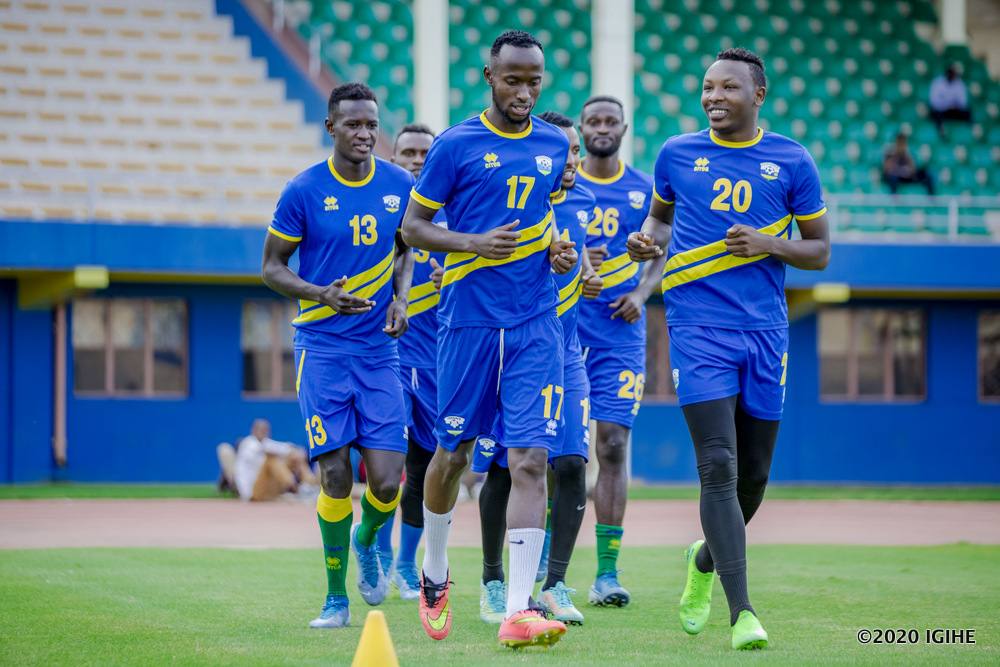
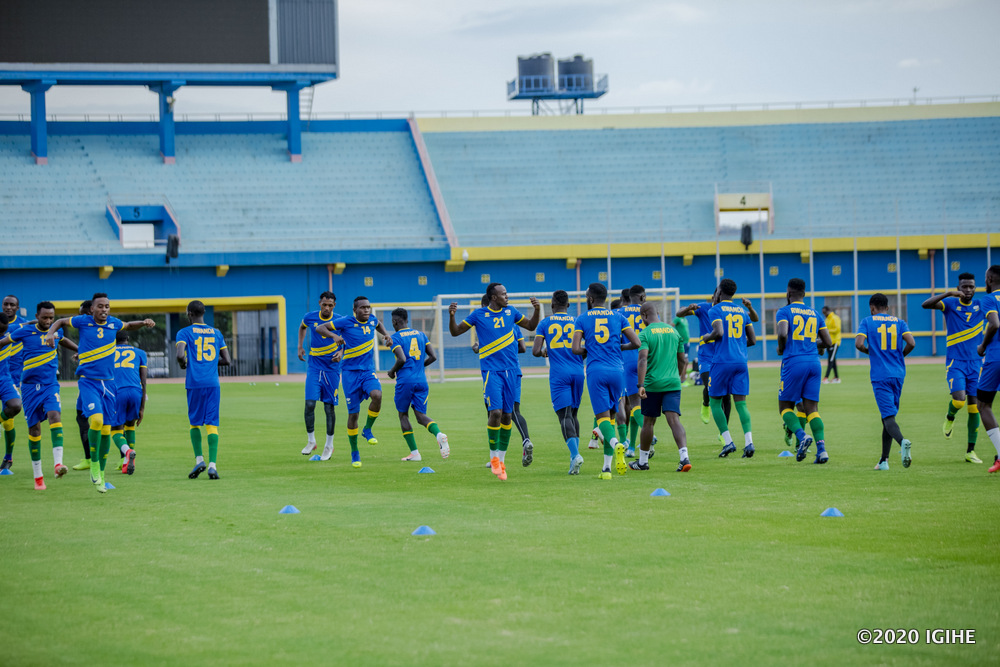
The national team is in preparation for the African Nations Championship (CHAN) that will take place in Cameroon from April 4, 2020, to April 25, 2020.
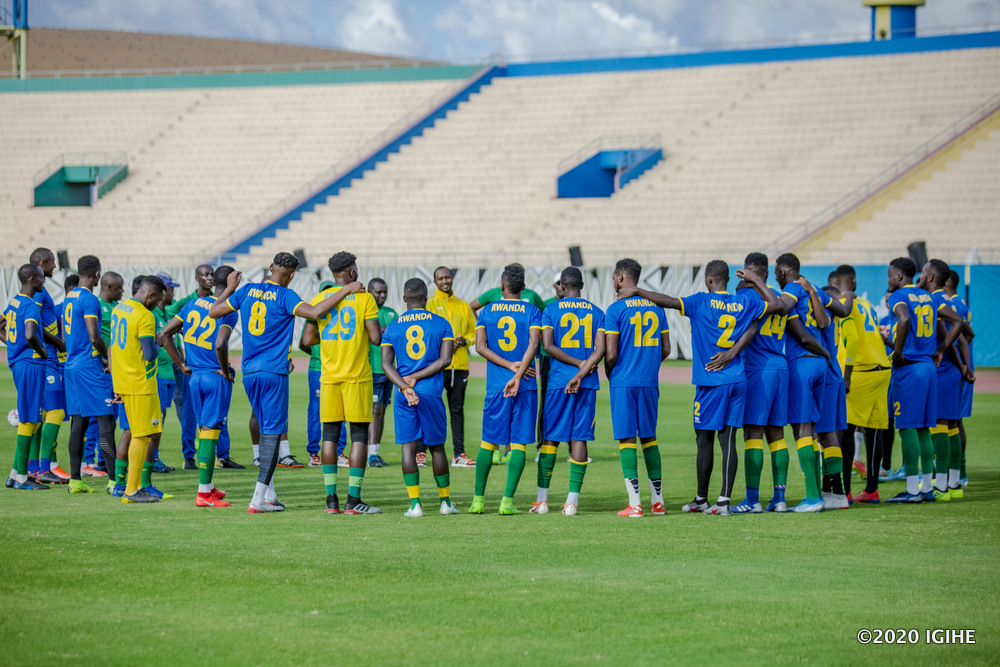
Amavubi’s first training took place at Amahoro Stadium from 4 p.m. Present were 28 players including Bukuru Christophe and Twizeyimana Martin Fabrice who were in the national team’s training for the first time.
The head coach of Amavubi Mashami Vincent first talked to the players for about 10 minutes before taking them in different sports drills, building their team spirit together.
The players had an air of joy for that first training which will be followed by another training this Tuesday before they leave for Cameroon for a friendly match they will play with the country’s team on Monday, February 24, 2020.
Amavubi will also play another friendly on February 28, 2020, with Congo Brazzaville on Amahoro Stadium.
Rwanda National Football Team has been drawn in Group C of the CHAN finals alongside Morocco, the incumbent cup holders, the neighboring country Uganda and Togo that will be playing CHAN for the first time.
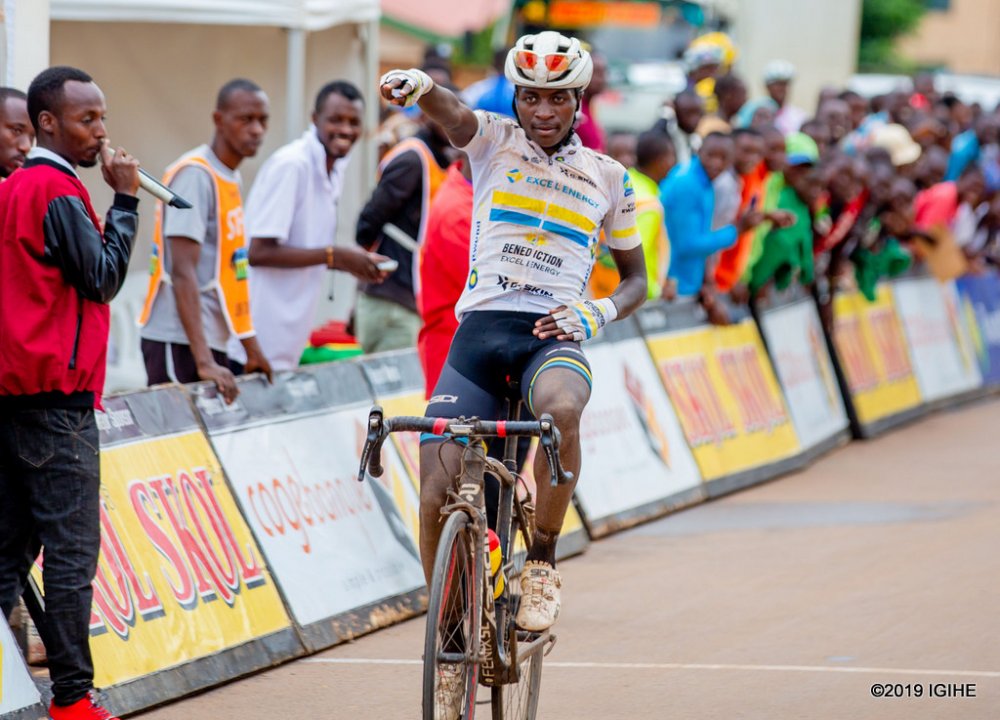
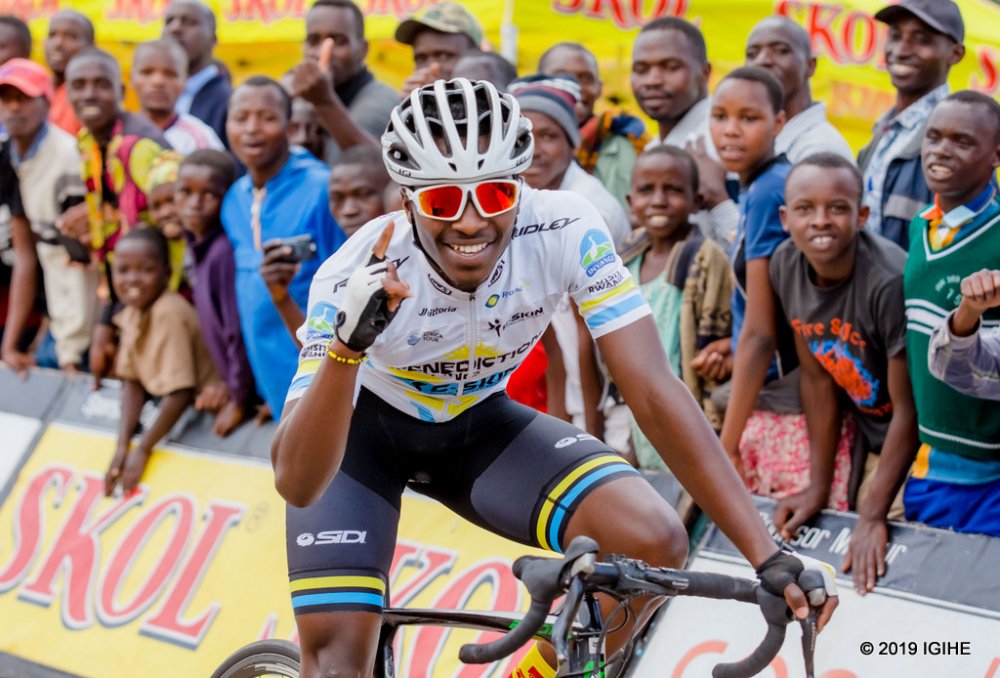
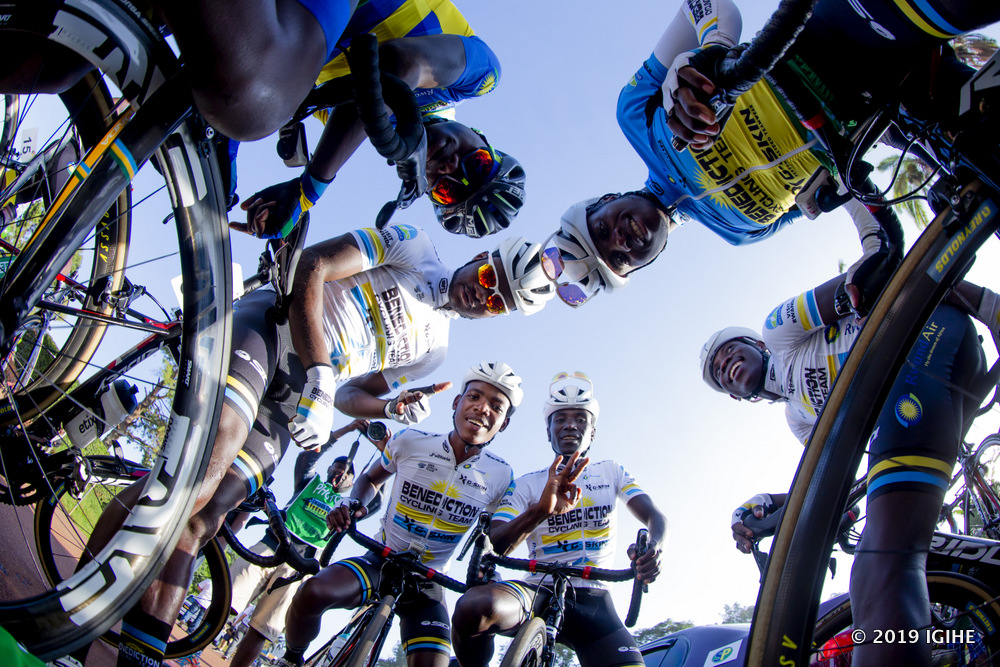
Sempoma Felix, Benediction team coach chose 5 racers including Munyaneza Didier who won Tour du Sénégal 2019.
The 21-year old racer was nominated among 15 best African racers in 2019 and was ranked 8th during La Tropicale Amissa Bongo race. He also came 4th during the Grand Prix Biya race.
He will race along Nzafashwanayo Jean Claude who won Tour de la RDC in 2019, Manizabayo Eric ‘Karadiyo’, Byukusenge Patrick and Uwihirwe Byiza Renus who was ranked 16th during La Tropicale Amissa Bongo 2020.
Benediction Ignite team was ranked 6th the first time they participated in Tour du Rwanda. Manizabayo Eric was 22nd, Munyaneza Didier 23rd, and Byukusenge Patrick 23rd as well.
Two other Rwandan teams will participate in Tour du Rwanda 2020 along Benediction Ignite including Team Rwanda and SACA.
Musengimana Jean Damascene, CBC Managing Director said that Muyongwe was chosen as one of the regions with a coffee processing plant and the highest quality of coffee in Rwanda.
“We have informed coffee farmers that every time we sell coffee from their gardens and earn more than we expected, we will come back and give them a bonus per kilo sold. We do so to motivate them to improve the quality of coffee they cultivate. Coffee is the most traded commodity in the world and farmers who do the most backbreaking work should get as much profit.”
In 2015, in a contest that was organized by the National Agricultural Export Development Board (NAEB), Coffee from Muyongwe won the prize for best coffee quality with a note of 90.3%.
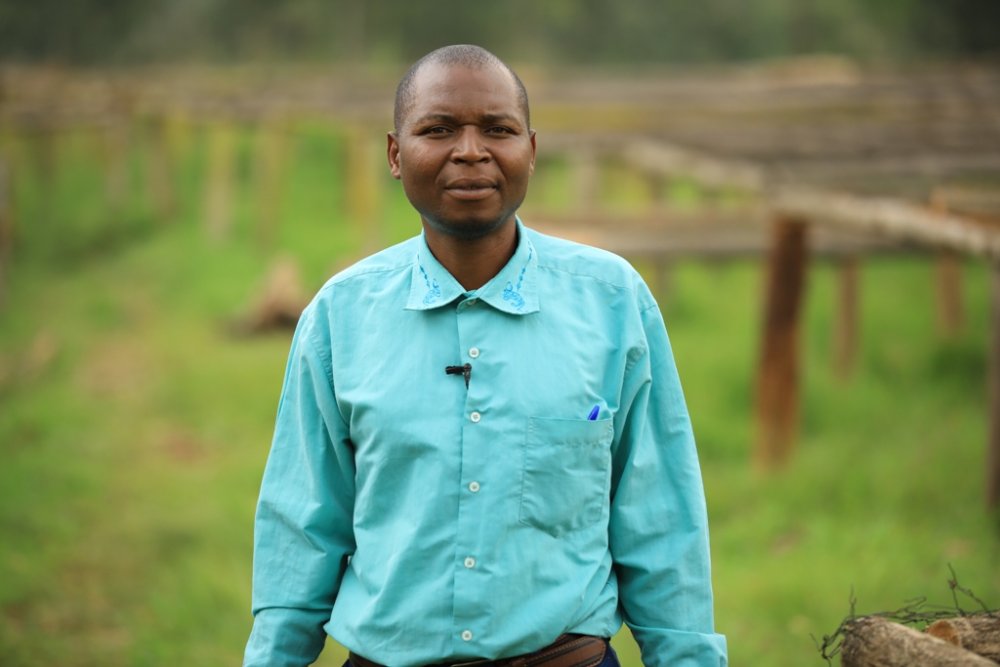
Civilise Jean de Dieu, the farmers’ representative in Muyongwe said that the bonus he has received will enable him to better treat his coffee and improve its quality.
“Besides solving my financial needs, the bonus I have received will enable me to treat my coffee trees and improve yield and quality.”
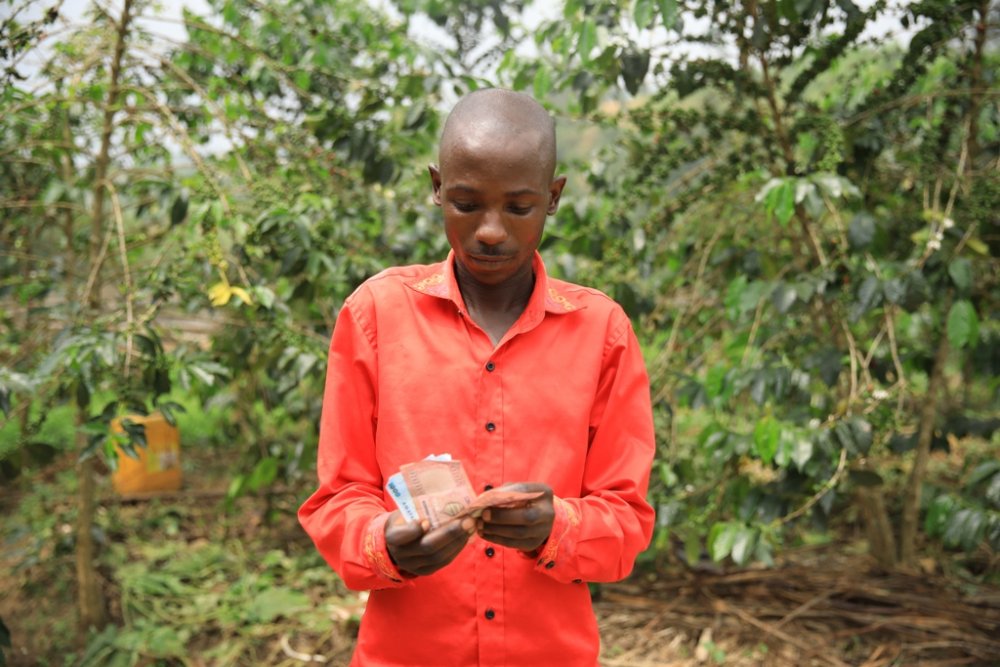
Coffee farmer, Kanamugire Francois Xavier thanked CBC saying that it is the first time he is going to receive a bonus on the coffee he sold.
“I sold 600 kilograms of coffee and received Rwf 48,000 in total. I cannot thank enough CBC for this initiative.”
Ntezirizaza Faustin, Muyongwe Sector Executive Secretary said: “The money they have received will enable them to save, subscribe for medical insurance, buy fertilizers and cover so many other financial needs.”
“It is in this regard that we would like to take this opportunity to deeply thank our highly esteemed buyer and friend, San Francisco Bay, that tremendously helped us in this great social initiative by purchasing our coffee at a generous price!” says Loic Rwagasana, a director at CBC.
Coffee Business Center was founded in 2002 and deals in coffee export. Its headquarters are located in Masoro, Gasabo district.