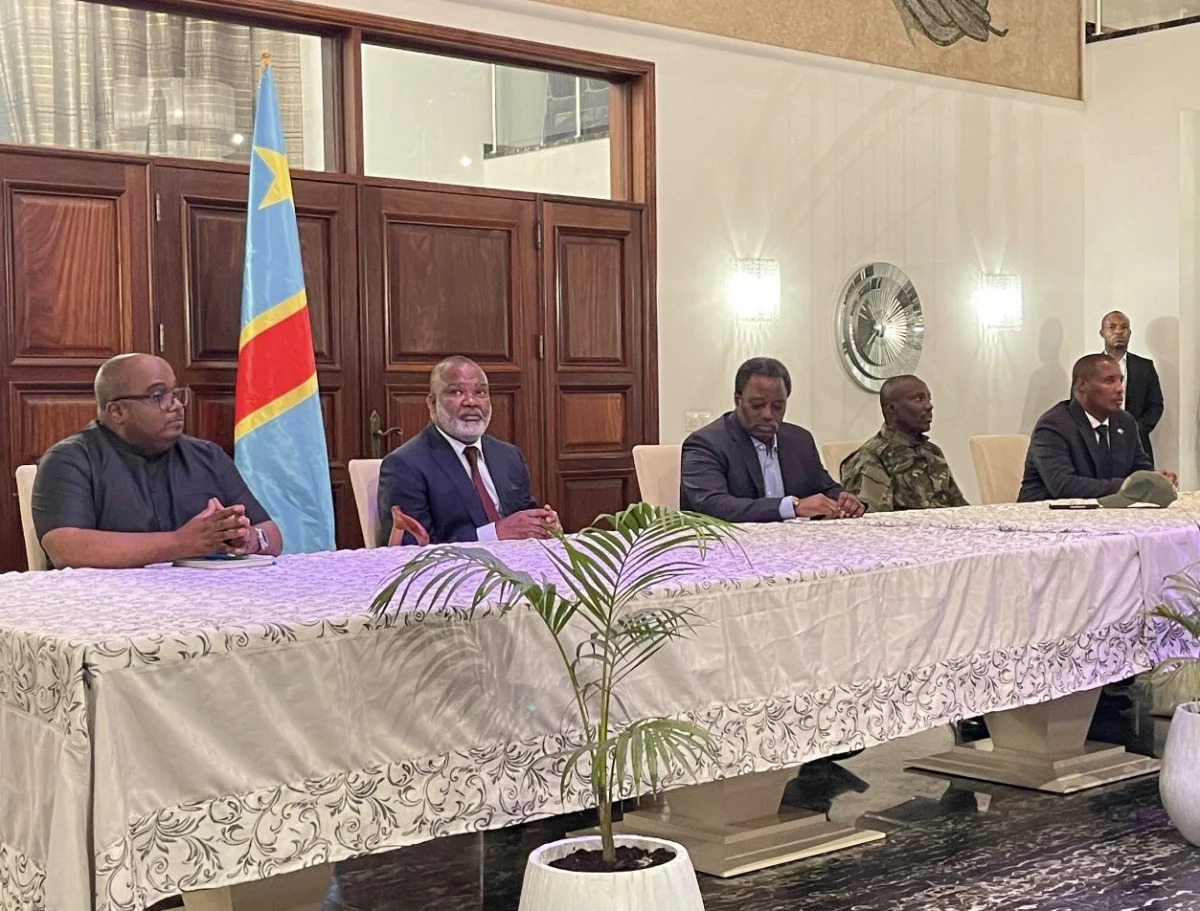
In a statement issued on Monday, November 9, FRN spokesperson Lawrence Kanyuka said the operations involved air and ground attacks that had caused civilian deaths and mass displacement.
In the Minembwe region, the group reported that bombardments began at around 6 a.m., targeting Point Zéro, Rugezi, Kimete, Nyarurango and Rugomero.
It said attacks were subsequently launched at around 7 a.m. in Kadasomwa, Kidoveri and Kalongi in Kalehe territory, before spreading to Kazinga and Mahanga in Masisi territory from around 7:30 a.m.
The latest developments come three days after Bertrand Bisimwa, FRN’s vice-president, called for urgent humanitarian intervention in South Kivu, warning that prolonged restrictions on supplies had left communities facing severe shortages.
Speaking at a meeting with humanitarian organisations on Friday, November 6, Bisimwa said residents in the Fizi-Uvira-Mwenga highlands were struggling to access food, medicines and other basic necessities.
He accused government-aligned forces of destroying homes, food reserves, livestock and agricultural production, while restrictions on supply routes had cut off communities from markets.
Bisimwa said shortages had pushed prices of some essential commodities up by as much as 400%, while malnutrition and deaths from starvation had been reported.
He urged humanitarian organisations to organise emergency deliveries by road or air and called on authorities in Kinshasa to facilitate the movement of relief supplies.
FRN was established on October 12, 2026, under former DR Congo President Joseph Kabila, replacing the Alliance Fleuve Congo (AFC), the political coalition that included M23. Former AFC leaders, including Corneille Nangaa and Bisimwa, assumed leadership positions in the new movement.
FRN said it remained determined to respond to “massacres, suffering and forced displacement affecting civilians”.
Leave a Reply