According to Iranian officials who spoke to Reuters, the modified strategy is intended to disrupt shipping through the Strait of Hormuz and push oil prices higher as the U.S. prepares to vote in November.
The officials said Iran began using methods against vessels it considers to have violated its restrictions about 10 days ago.
“The aim is to frustrate efforts by the United States and its allies to bring down global oil prices,” one of the two officials was quoted as saying.
The change has coincided with a rise in attacks and reflects an effort to pressure Washington.
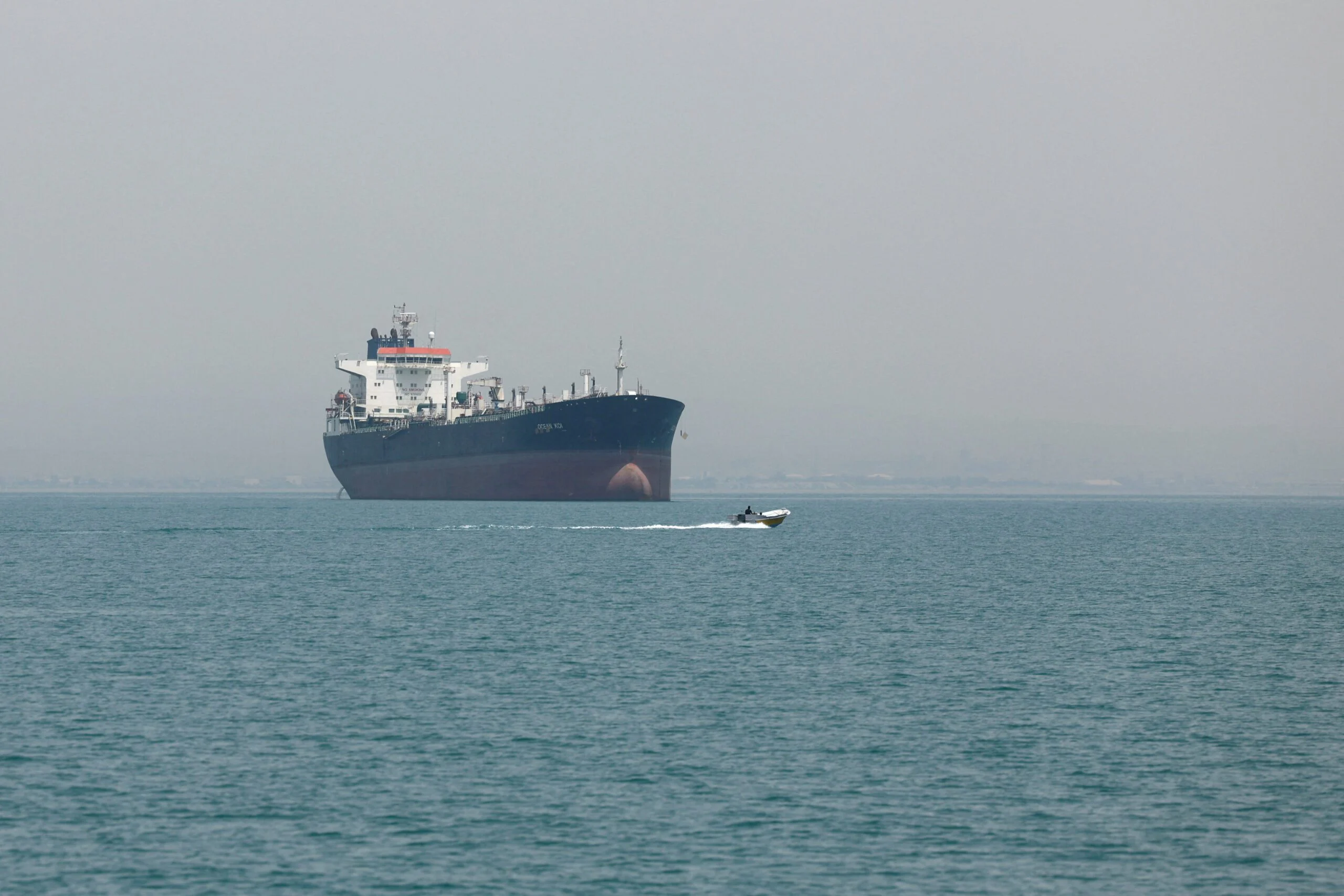
Before the war, about one-fifth of the world’s oil and liquefied natural gas trade passed through the Strait of Hormuz.
Since the United States and Israel launched strikes against Iran on February 28, Tehran has restricted shipping to gain leverage over Washington.
The disruptions have reduced maritime traffic and pushed oil prices higher.
A US military official said Iran’s Islamic Revolutionary Guard Corps has begun using unarmed observers in small boats to identify possible targets.
The official said this followed US strikes that damaged Iran’s radar capability.
Last week, US forces identified observers operating from a dhow and relaying target information to the Guard, the official said.
US forces ordered those aboard to leave before destroying the vessel. No casualties were reported.
The Iranian officials said operations would extend beyond Hormuz into the Gulf of Oman and waters farther away. Maritime security data has indicated recent attacks off Qatar and the United Arab Emirates.
At least five incidents involving commercial vessels were reported around Hormuz in the 48 hours before the Reuters report, including drone attacks, according to maritime security sources and reports to the United Kingdom Maritime Trade Operations agency.
UN data suggested the pace was similar to that recorded on October 3 to 5.
The confrontation is becoming an issue in the US election campaign, with the war reportedly costing about $3 billion a month.
President Donald Trump has said he would not launch another attack on Iran before the vote, while Washington continues a naval blockade of Iranian ports and expands sanctions.
One Iranian official said Tehran was moving towards a complete closure of the strait for vessels it considers to be breaking its restrictions.
The US Navy-led Joint Maritime Information Center said the threat to merchant shipping remained “severe,” citing attacks, attempted attacks, surveillance and warnings directed at commercial vessels.
Further disruption could raise shipping and insurance costs and pressure global energy markets.
Leave a Reply